Corumbá

Mato Grosso do Sul · Brazil

Corumbá

In the destination Pantanal.

Illustrative images. The pictures in this guide are illustrations based on the real place, not photographs, and may differ from it.

Get it on Google Play Send your photos

The city

What to expect from Corumbá.

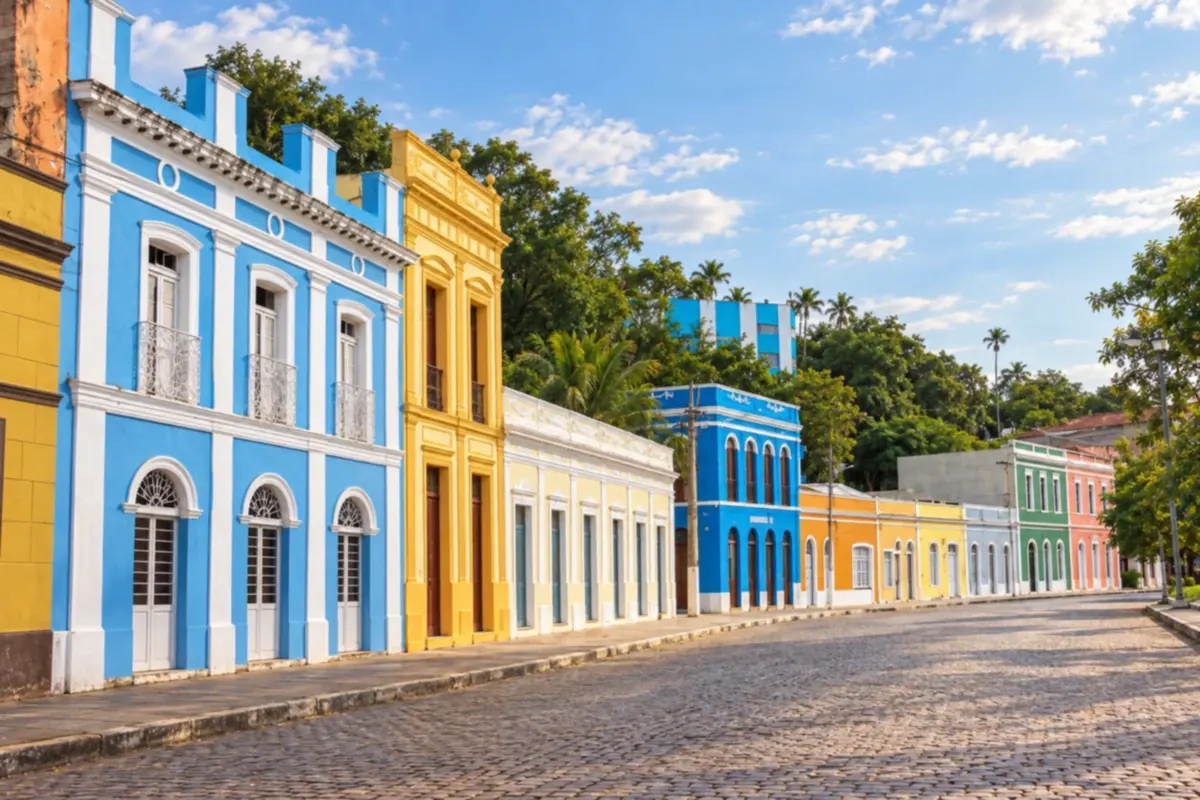
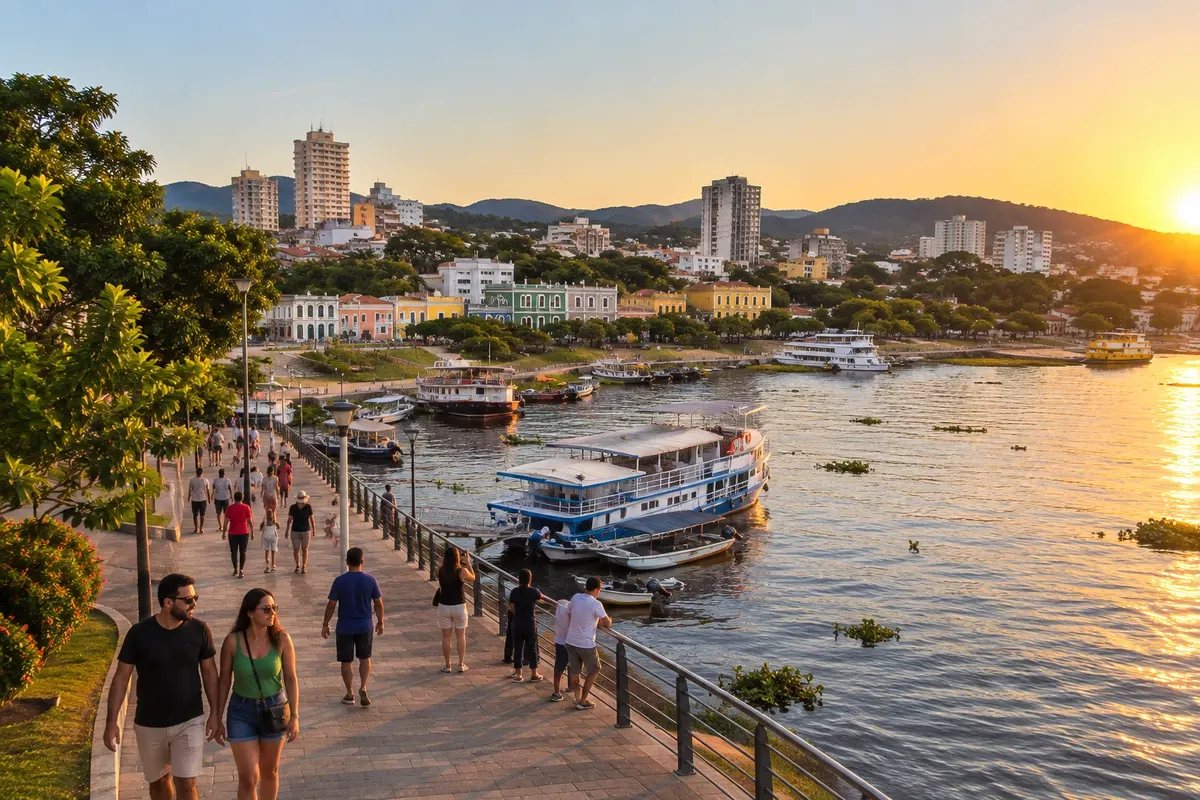
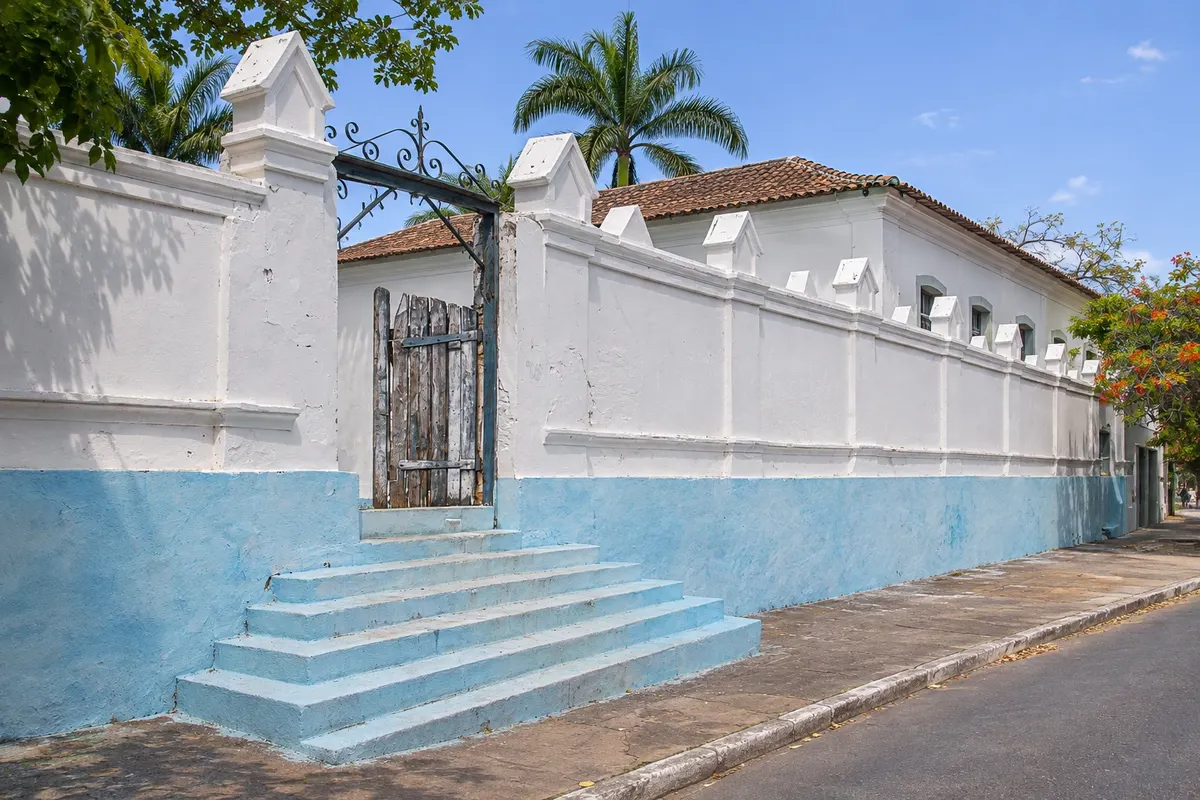
Corumbá combines historic houses and Pantanal scenery on the banks of the Paraguay River. Porto Geral preserves the memory of the river trade and navigation that shaped the city.

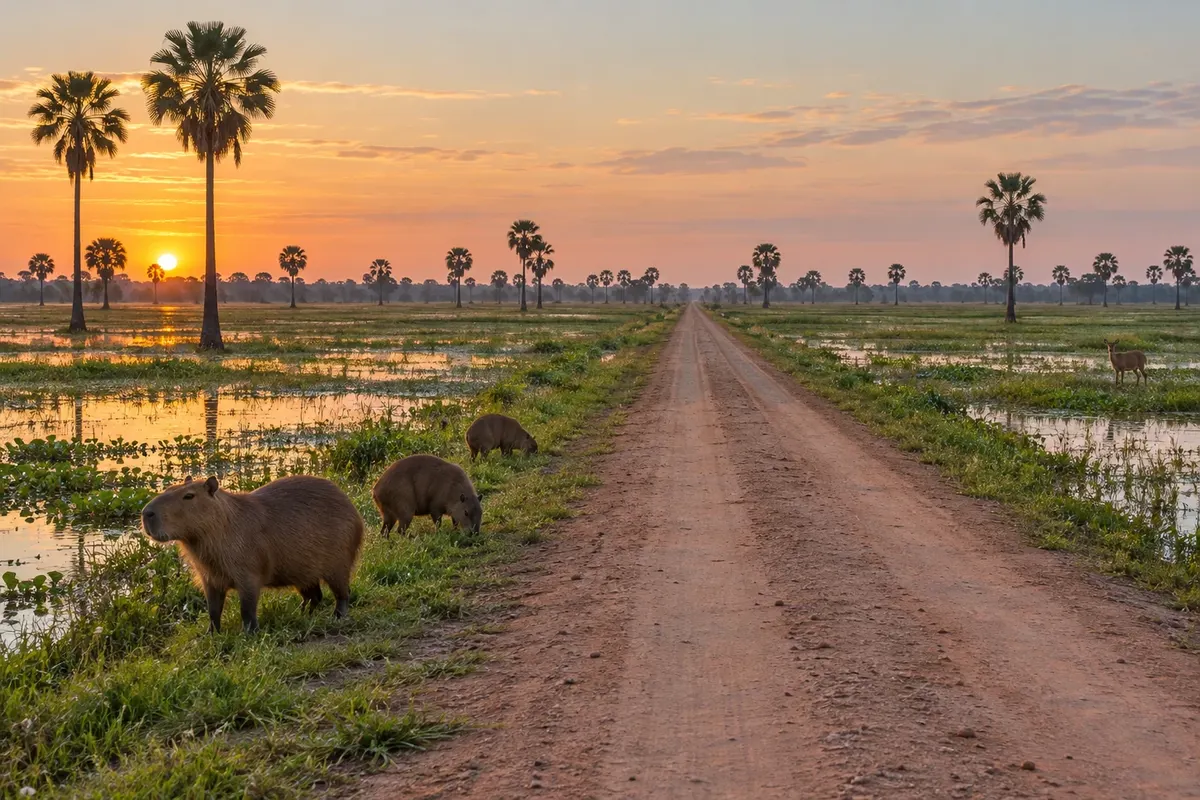
Corumbá sits on the bank of the Paraguay River in the far west of Mato Grosso do Sul, about 420 km from Campo Grande and a few kilometers from the border with Bolivia. It is known as the Capital of the Pantanal: the flooded plain begins just after the port— from the bluff where the city center sits you can see the river and, beyond it, the Pantanal to the horizon.

The city was founded in 1778 and reached its peak between the late 19th and early 20th centuries, when the port received goods coming up from the Río de la Plata and was one of the busiest inland ports on the continent. From that era remains the Casario do Porto Geral, a row of townhouses and warehouses facing the river, listed by Iphan in 1993. One of the warehouses, dating from 1876, houses the Museum of Pantanal History (Muhpan). When the railway shifted commerce to Campo Grande, Corumbá remained with the river, fishing, mining and cattle ranching, and with the nickname Cidade Branca because of the light limestone soil.

The city has two levels. Below, at the water’s edge, is Porto Geral, where sightseeing boats, late-afternoon chalanas and expedition launches depart. Above are the commercial center, squares, churches and the Casa do Artesão. At the edges are two viewpoints: Cristo Rei do Pantanal on Morro do Cruzeiro, and Forte Junqueira, in an Army area facing the river. Ladário, headquarters of the Navy in the region, is the neighboring town about 7 km away and has its own page.

The municipality is enormous, and much of what is called Corumbá lies far from the center. The Estrada Parque Pantanal leaves BR-262 near the city, crosses the Morraria do Urucum, crosses the Paraguay River by ferry at Porto da Manga and continues about 120 km of dirt road to Passo do Lontra on the Miranda River. Upstream are Paraguai-Mirim and the Serra do Amolar; downstream is Forte Coimbra. These are full-day or multi-day trips.

The climate is warm year-round. From June to August there is little rain, afternoons are around 28 °C and mornings around 17 °C, with some cold days when a southern front arrives; this is the most comfortable season and the time when roads are firm. September and October are the hottest months, with highs near 33 °C. From November to March there is heavy rain, and fishing is prohibited during the piracema. In Corumbá the Paraguay River is usually higher in winter, months after the rains.

Two festivals change the city: Carnival, the largest in the state, and the Banho de São João in June, when the saint’s image is carried to Porto Geral to be bathed in the river. Book in advance for those dates.

The border is part of the attraction for many visitors. The frontier line is about 5 km from the center, with Puerto Quijarro in Bolivia on the other side, and crossing requires documentation. Miranda and Bonito, with different rivers and a different kind of trip, are hours away by road and have their own guides.

Share: WhatsApp

Where to stay

63 places to stay in Corumbá.

Where to eat

16 places to eat in Corumbá.

Corumbá highlights and titles

Listed historic center (IPHAN)
Intangible heritage (IPHAN)
Nationally known festival

The local experience

What to see in Corumbá

river / fishing and boat trips

Passo do Lontra

A stretch of the Miranda River lined with Pantanal pousadas (guesthouses), famous for sport fishing and sunset boat trips. It is one of the classic gateways to the Estrada Parque.

Discover Passo do Lontra

mountain range / viewpoint

Serra do Amolar

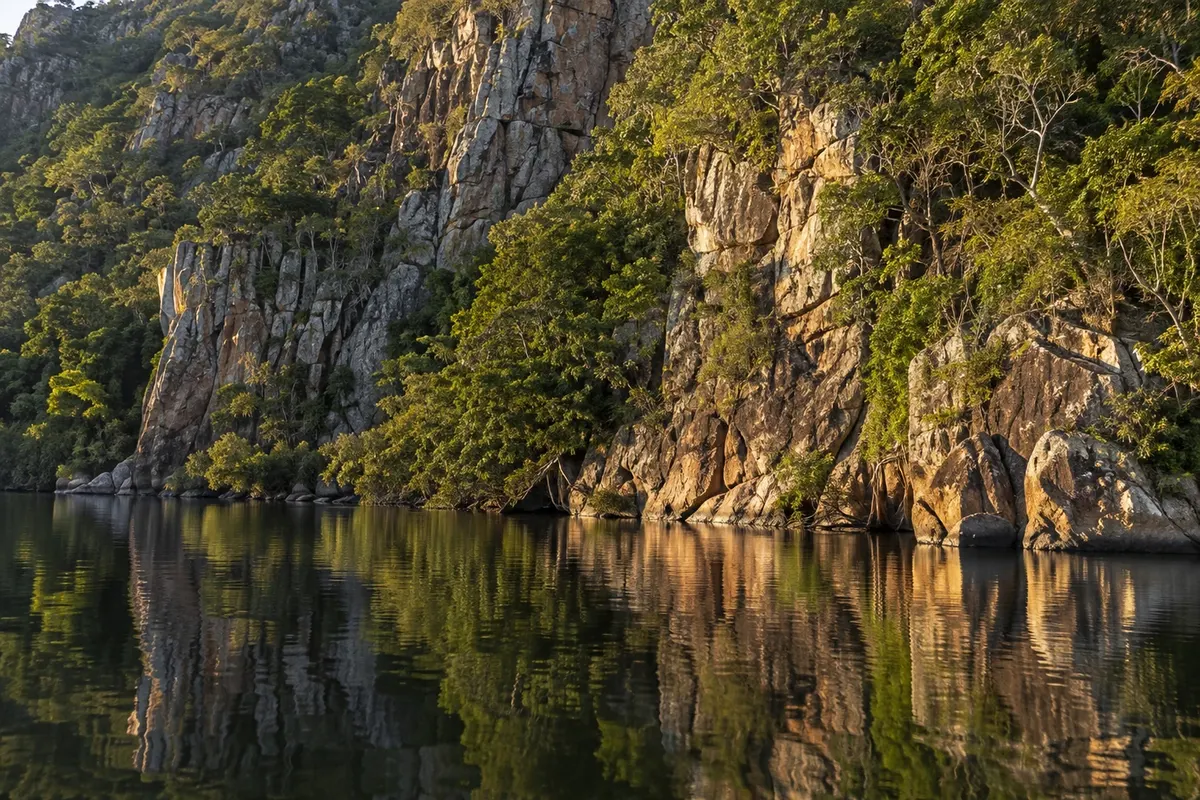
A chain of mountains that breaks the Pantanal plain on the border with Bolivia, reached by boat along the Paraguay River. The view from the top reveals the whole Pantanal stretching to the horizon.

Discover Serra do Amolar

See 4 more places in Corumbá
Fort

Fort Coimbra

Portuguese 18th-century fortification on a bluff of the Paraguay River, south of Corumbá, which withstood a Spanish siege in 1801 and was occupied during the Paraguayan War. Listed by Iphan, it remains under Army custody and is open to visits by appointment.

Discover Fort Coimbra

Handicrafts / historic building

Corumbá Craftsmen's House

The building of Corumbá’s former public jail, downtown, occupied since 1975 by artisans who use the old cells as studios and shops. It brings together pieces in leather, wood, ceramics, weaving, painting, embroidery and indigenous crafts.

Discover Corumbá Craftsmen's House

To choose before you go

Tours in Corumbá

Where each tour starts, how long it takes, how it is done, what is included and the price range.

Porto Geral and Corumbá historic center on foot

From Porto Geral, Rua Manoel Cavassa on foot, with a hill between the port and the center 3 to 4 hours morning or late afternoon easy, with uphill and heat

Start down by Porto Geral. Rua Manoel Cavassa runs along the Paraguay River, and it is there that the Casario do Porto aligns—two-story houses and warehouses with colorful facades built between the late 19th and early 20th centuries, when Corumbá was one of South America’s major river ports. The ensemble is protected by Iphan and today houses bars, shops, tour agencies and museums. The main one is the Museum of Pantanal History, Muhpan, in a three-story warehouse from 1876. The exhibition covers indigenous occupation to the Trem do Pantanal and presents the environments and animals of the plains; it is therefore a good visit before nature outings. From the pier, look up: the center sits atop a limestone bluff, and the slopes connect the two levels. Climb one of them up to the upper town. There you’ll find the Casa do Artesão, with regional handicrafts, Praça da Independência and the Church of Our Lady of Candelária. Shops, banks and restaurants concentrate on nearby streets such as Frei Mariano and Delamare. At night the activity moves back to the street: locals enjoy chatting on the sidewalk and live music. The cuisine mixes river and border influences, with fish such as pintado, piranha soup and saltenha, a baked savory pastry of Bolivian origin.

Stops: Casario do Porto Geral, Museum of Pantanal History (Muhpan), Paraguay River, Casa do Artesão, Praça da Independência, Church of Our Lady of Candelária.

Includes: There is no charge to walk along the port and the plazas. Museums and cultural centers have their own opening days and may charge admission. Check the current schedule and days of operation.

Tip: Avoid the midday sun: take the port in the morning and return in the late afternoon, when the river changes color. Museums often close on some weekdays; check in advance. Bring water and a hat for the hill climb.

Best time: All year round. From June to August the heat is milder. At Carnival and during the Banho de São João in June, the port fills with festivities.

Cristo Rei do Pantanal and Forte Junqueira: Corumbá seen from above

From Corumbá city center taxi, car, or tour with an agency 2 to 3 hours late afternoon or early morning easy

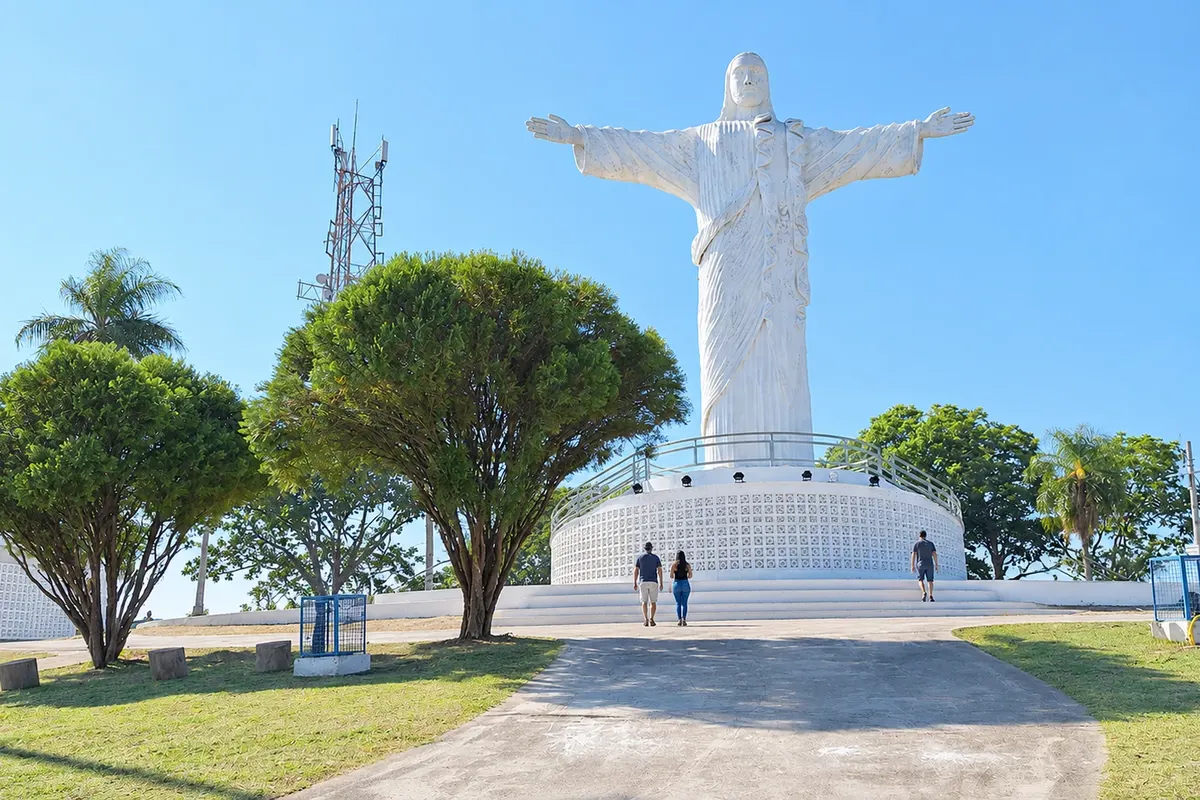
Two high viewpoints show why Corumbá was established where it is: from above you control the river and can see the entire plain. Cristo Rei do Pantanal stands atop Morro do Cruzeiro. The statue was made by Corumbá artisan Izulina Xavier, as were the 14 sculptures of the Via Sacra that line the climb. From up there the view is all around, with the city, the Paraguay River and the plain. You reach nearly the top by taxi or car. Forte Junqueira was built after the Paraguayan War to defend the western border. It sits inside an Army area, so visits depend on authorization from the military unit: there are days and times when access is not allowed. From the top you can see the Paraguay River. The two spots work well at late afternoon, when the sun sinks over the plain. Local agencies include both in a half-day historical circuit that usually also passes through Ladário, the neighboring town.

Stops: Cristo Rei do Pantanal, Morro do Cruzeiro, Via Sacra, Forte Junqueira, Paraguay River.

Includes: There is no charge to climb to Cristo Rei. At Forte Junqueira, check with the military unit or the agency whether visits are allowed and under what conditions. Taxi and guide are paid separately.

Tip: Confirm the visit to the fort before you go and carry identification. Arrange with the taxi for waiting or a return trip, because there isn’t always a car available at the top of the hill. Bring water: there is almost no shade.

Best time: All year. From June to August the air is usually clearer; in August and September there may be smoke from fires on the horizon.

Late-afternoon boat on the Rio Paraguai, departing from Porto Geral

From Porto Geral de Corumbá chalana or tour boat; chartered speedboat about 1 hour to 3 hours late afternoon easy

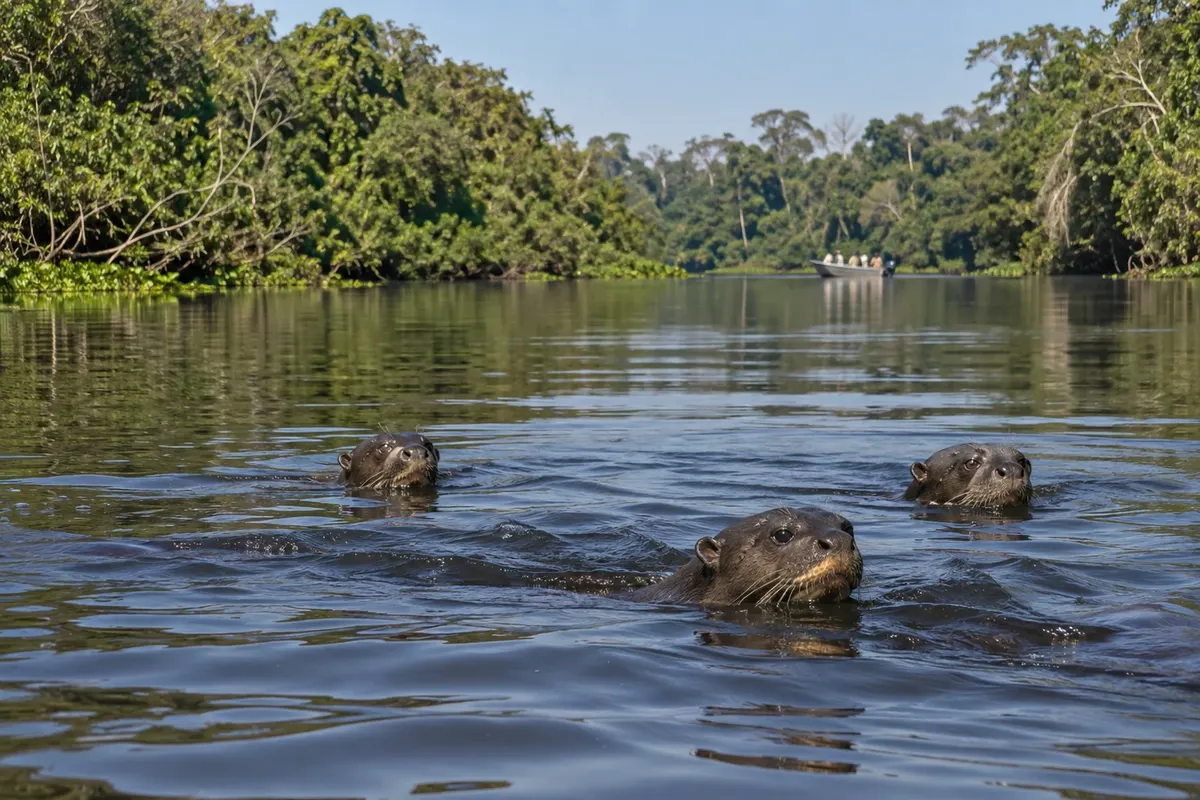
This is the simplest way to enter the Pantanal from Corumbá: you go down the slope, board at Porto Geral and in a few minutes the city is left behind and the banks become forest and flooded fields. The most popular departure is at sunset. Chalanas, the flat-bottom boats typical of the Pantanal, sail about an hour on the Rio Paraguai and return as the sky darkens; when the sun touches the plain, it is common for the pilot to turn off the engine. There are also larger, multi-deck vessels with longer tours, meals and music on board, and speedboats that can be chartered with a pilot for customized routes. Even close to the city you can see herons and biguatingas, and on the banks it is possible to spot caimans and capybaras. In some nearby spots there are giant water lilies, with leaves more than 2 meters in diameter. From the river you can see the Casario do Porto in front and the town center atop the bluff, which helps understand the city’s layout. Small boats that head upriver toward Serra do Amolar are best for calmly observing wildlife; on the larger vessels the program is more about music and socializing than nature. Agencies have desks at Porto Geral, where you can compare route, duration and capacity before booking.

Stops: Porto Geral de Corumbá, Rio Paraguai, Casario do Porto Geral.

Includes: Trips are charged per person on scheduled departures and per vessel for chartered speedboats. Drinks and meals on board, when available, are usually paid separately. Check the current price list at Porto Geral.

Tip: Arrive early to choose the boat and ask whether life jackets are available for everyone. Bring insect repellent and a light sweater in the winter months. If you want quiet, ask in advance whether there will be music on board.

Best time: All year. From June to August afternoons are milder; from November to March rain showers can cancel departures.

Pantanal Park Road in one day, departing from Corumbá

From Corumbá, via BR-262 to the road entrance own car, 4x4 or safari with an agency; ferry on the Paraguay River 8 to 10 hours, with stops full day, in daylight easy; long dirt road

The Pantanal Park Road is the old dirt route between Corumbá and the rest of the state: about 120 km of unpaved road, formed by highways MS-228 and MS-184, with more than 70 wooden bridges. It connects Corumbá’s exit on BR-262 to the Buraco das Piranhas checkpoint, also on BR-262, so it can be taken as a detour on the way to or from Campo Grande. Leaving Corumbá, the first stretch crosses the Morraria do Urucum, an area of hills, higher and cooler, with fewer animals in sight. The road then descends to the plain and reaches Porto da Manga, where a ferry carries cars to the other side of the Rio Paraguai in a few minutes. The ferry operates only during daylight and is paid separately. After the river begins the section richest in wildlife. The track runs between bays and flooded fields to the Curva do Leque, a junction with a small grocery store and simple restaurant, and continues to Passo do Lontra, where a bridge crosses the Rio Miranda among lodges and fishing ranches. It is common to see caimans, capybaras, jabirus, herons, macaws and toucans; with luck, deer, collared peccaries and anacondas. Cowboys driving cattle herds also form part of the landscape. From Passo do Lontra it is only a few kilometers to Buraco das Piranhas, from where you return to Corumbá on paved road in about 130 km. Those with more time stay overnight at one of the farms or lodges along the road, which offer safaris, horseback riding, boat trips and night spotlighting.

Stops: Estrada Parque Pantanal (MS-228 and MS-184), Morraria do Urucum, Porto da Manga, Rio Paraguai, Curva do Leque, Passo do Lontra, Rio Miranda, Buraco das Piranhas.

Includes: The ferry crossing at Porto da Manga is paid separately, and tourist vehicles may pay a maintenance fee. Guide, vehicle with driver and meals are not included. Check the current fees.

Tip: Refuel in Corumbá: there is no gas station on the road. Carry cash for the ferry, water and snacks. Travel only by day and go slowly on the bridges. In the flood season, the stretch between Curva do Leque and Porto da Manga can flood: check with Corumbá tourism or a pousada before entering.

Best time: From May to September, when the road is firmer and animals are near the water. From November to April there can be mud and flooded sections.

Upstream: Paraguai-Mirim and Serra do Amolar

From Porto Geral de Corumbá boat or motorboat with agency and guide about 11 hours to the Paraguai-Mirim; 3 to 4 days to the Amolar all day easy; many hours by boat

Going up the Paraguay River from Corumbá there are no roads or towns: only the river, the bays, isolated ranches and riverside communities. This is the direction of the expeditions, and there are two trip lengths. The one-day trip goes to the Paraguai-Mirim River, a branch with clearer water than the main river. The boat leaves early from Porto Geral, travels about 120 km upriver with stops to observe birds, caimans and capybaras, and stops at a riverside family’s house where lunch is served. The guide explains how people live and work in a place where everything arrives by water. The return ends at the same port after about 11 hours. The multi-day trip reaches the Serra do Amolar, a chain of hills rising from the plain on the Bolivian border, next to the Pantanal Matogrossense National Park. Access is only by river or by air. Departures from Corumbá take three to four days, with an overnight at RPPN Acurizal, a private reserve at the foot of the hills, and combine navigation, walks and wildlife watching. There are also hotel-boats that run nature itineraries in this region. These are trips for people who like the river: you spend many hours seated under strong sun, and animals appear when they want. In return, you see a Pantanal without fences, without bridges and almost without people.

Stops: Porto Geral de Corumbá, Paraguay River, Paraguai-Mirim River, Serra do Amolar, RPPN Acurizal.

Includes: Expeditions are sold by agencies, usually including boat, guide and the meals specified in the itinerary. What each package covers varies. Check the current table and ask for the itinerary in writing.

Tip: Book in advance: departures depend on a minimum number of participants. Bring a hat, sunscreen, long-sleeve shirt, insect repellent, a water bottle and a rain poncho. There is no cell signal for most of the route.

Best time: From May to September, when the weather is more settled. From November to March it rains more and the heat is intense.

Coimbra Fort, downriver

From Corumbá or Porto Morrinho speedboat on the Rio Paraguai or agency vehicle by road a full day all day easy; long travel

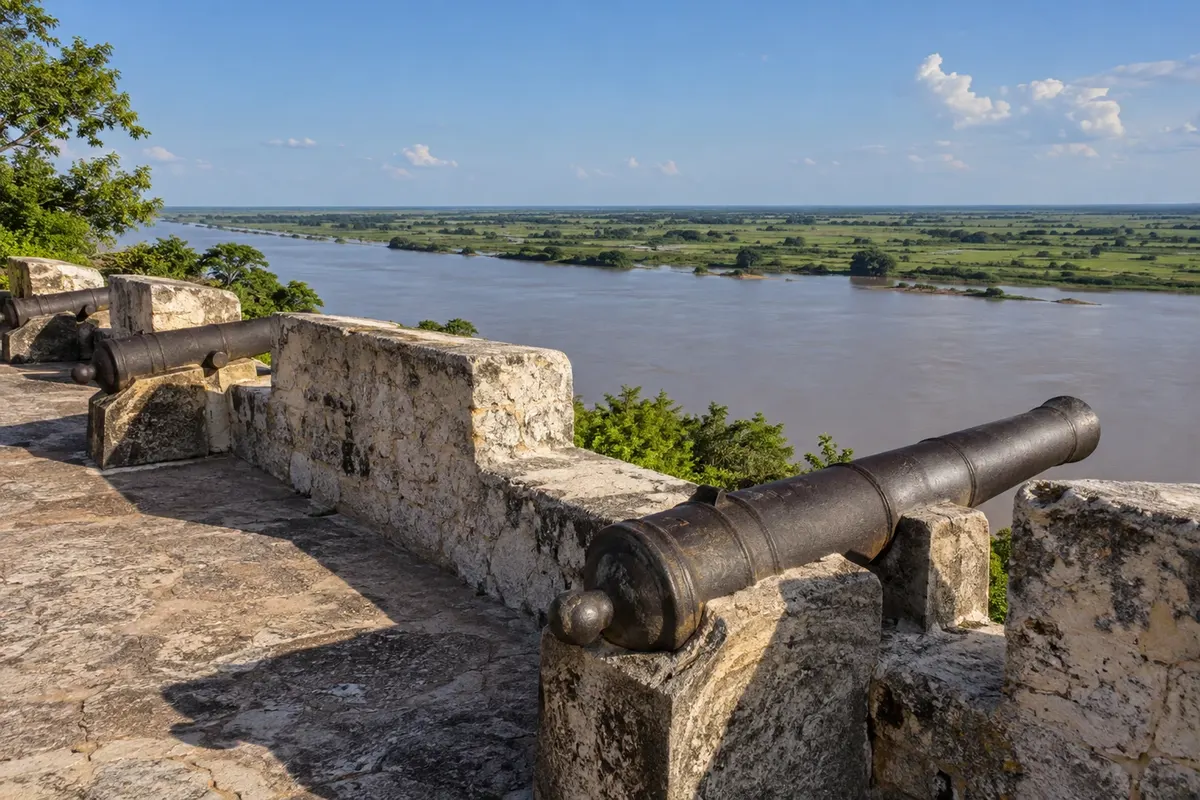
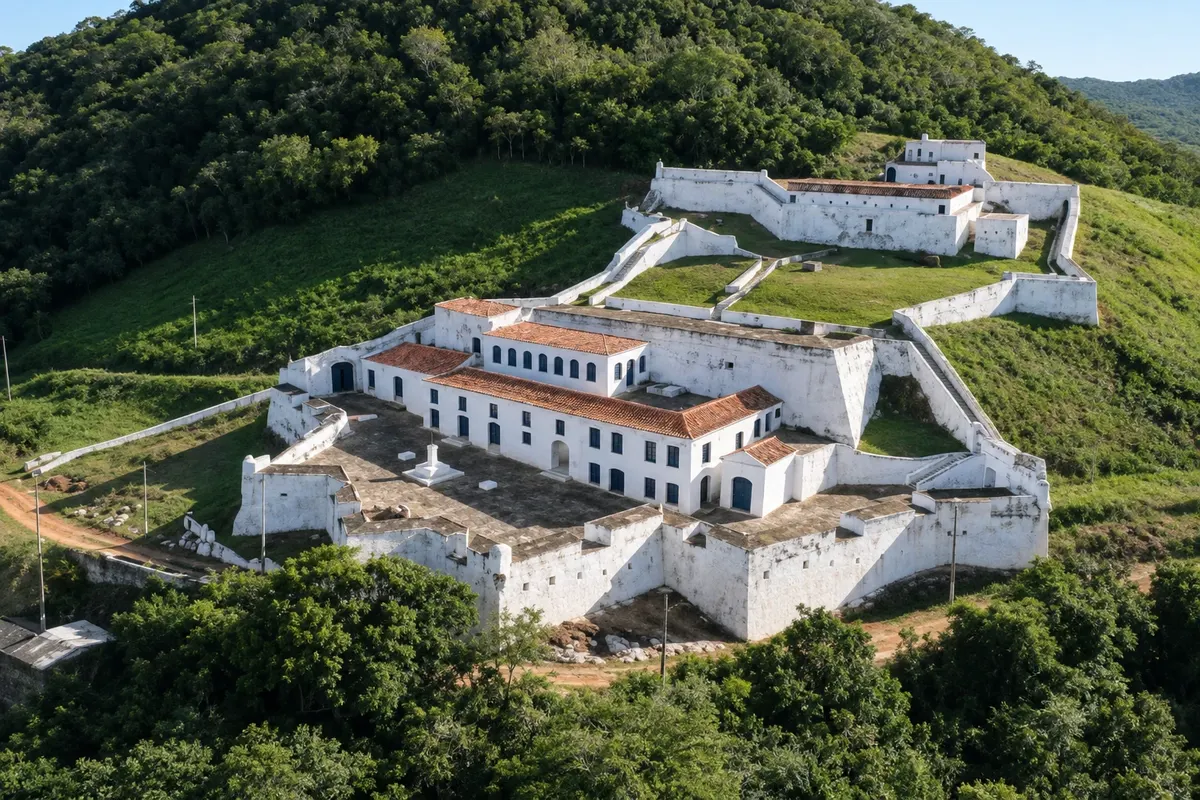
Coimbra Fort is in the district of the same name, in the municipality of Corumbá, far from the city, on the right bank of the Paraguay River. It was built in the 18th century to guard the western border, withstood a Spanish siege with few defenders, and is still occupied by the Army, with a small village beside it. The traditional way to get there is by river. The launch leaves from Porto Morrinho and goes downstream for a time that ranges from one and a half to two and a half hours, depending on the boat and the water level. Operators from Corumbá also make the trip by land, about 130 km, as a full-day program with lunch in the village. The visit walks along the ramparts and the cannons pointed toward the river and a small museum with artifacts from the fort’s history. Nearby there is a cave known as the Buraco do Inferno, which some itineraries include. The trip is worth it both for the fort and for the journey: the boat ride shows the Paraguay River downstream from Corumbá, a little-visited stretch.

Stops: Coimbra Fort, Paraguay River, Porto Morrinho, Fort Museum, Coimbra Village.

Includes: Speedboat or vehicle, guide and lunch depend on the agency package. Check the current price list and what is included.

Tip: The fort is a military area and is not always open to visitors: confirm in advance with the agency or the Army and carry photo ID. Wear discreet clothing and closed shoes, and bring a hat, sunscreen and water.

Best time: From May to September, when the weather is more stable. During the rainy season the trip is more subject to changes.


Day by day

1, 2 and 3-day itinerary in Corumbá

Suggestions to plan the trip. Change the order of the days according to the weather and tour availability.

1 days · Corumbá in 1 day: port, viewpoint and sunset on the river

For for travelers arriving by plane or bus who will continue the next day to a fazenda, to the Estrada Parque, or to Bolivia · Based in Corumbá
  1. Day 1 · The town between the bluff and the river

    In the morning, while it’s still cool, go down to Porto Geral. Walk along Rua Manoel Cavassa, see the Casario do Porto and visit the Pantanal History Museum if it’s open that day. Climb the hill to the town center and stop by the Casa do Artesão and Independence Square. Have lunch of river fish. After lunch, rest during the hottest hours. In mid-afternoon, take a taxi to Cristo Rei do Pantanal on Morro do Cruzeiro to see the town, the river and the plain. Return to Porto Geral in time to board a chalana for the sunset on the Paraguay River, a trip of about one hour. At night, dine in the center: the streets around Frei Mariano concentrate bars and restaurants.

2 days · Corumbá in 2 days: the town and the Estrada Parque
For for those who want to see Pantanal wildlife without hiring a boat expedition · Based in Corumbá (2 nights)
  1. Day 1 · Porto Geral, museum and river

    Explore the town on foot in the morning: Porto Geral, the colonial houses, Muhpan and the climb to the center. In the afternoon, arrange with an agency or a taxi a visit to Cristo Rei do Pantanal and, if open, to Forte Junqueira. Finish with a chalana ride at sunset. Take the opportunity to refuel the car and buy water and snacks for the next day, or to book a safari with an agency at the port.

  2. Day 2 · Estrada Parque to Passo do Lontra

    Leave early via BR-262 and enter the Estrada Parque. The beginning crosses the Morraria do Urucum; then comes the ferry at Porto da Manga, on the Paraguay River. From there on, go slowly, stopping at the bridges: this is the stretch with the most caimans, capybaras and birds. Have lunch at Curva do Leque or at a pousada in Passo do Lontra, on the Miranda River, where you can also book short boat trips. In the mid-afternoon, continue to Buraco das Piranhas and return to Corumbá via paved road, about 130 km. Reach BR-262 while there’s still light: animals cross the road.

3 days · Corumbá in 3 days: town, Estrada Parque and a river day
For for those who use Corumbá as the base for a trip to the Southern Pantanal · Based in Corumbá (3 nights)
  1. Day 1 · Historic center and sunset

    Porto Geral, the colonial houses and Muhpan in the morning; the center, Casa do Artesão and lunch. In the afternoon, Cristo Rei do Pantanal and, if visits are allowed, Forte Junqueira. At the end of the day, a chalana on the Paraguay River. From arrival, reserve the boat departure for the third day.

  2. Day 2 · Estrada Parque

    A day on dirt roads: Morraria do Urucum, ferry at Porto da Manga, Curva do Leque and Passo do Lontra, returning via BR-262. If you prefer not to drive, hire the safari through an agency, which handles the vehicle and the ferry. Carry cash, water, a hat and binoculars.

  3. Day 3 · Paraguai-Mirim or Forte Coimbra

    Choose the river direction. Upstream, the expedition to the Paraguai-Mirim takes about 11 hours, with wildlife viewing and lunch at a riverside house. Downstream, Forte Coimbra combines a launch trip and history in a full day; confirm beforehand whether the fort is open to visitors. If weather turns bad or an outing doesn’t form a group, the backup plan is to cross the border to Puerto Quijarro, Bolivia, about 5 km from town, carrying identification, or to visit Ladário, about 7 km away.

Best time to go

When to go: Corumbá month by month

The seasons shown are the most usual ones; nature doesn't always follow the calendar.

January High rain

Rainiest month · Piracema

The month with the most rain, about 187 mm on average, with lows near 25 °C and highs near 32 °C. The heat is sultry and showers almost always fall in the afternoon. Fishing is prohibited due to piracema. The Estrada Parque can be muddy and have slow sections: check before you enter. Boat tours continue, weather permitting.

February High rain

Carnival · Rain and heat

Frequent rain, about 164 mm on average, and temperatures roughly between 24 °C and 32 °C. Corumbá’s Carnival, the state’s largest, usually falls in this month or early March, with samba schools and street groups; the town fills up and lodging should be booked early. Piracema continues until the end of the month.

March High rain

End of heavy rains · Fishing reopens

Still wet, with about 143 mm of rain on average and highs near 31 °C. With the end of the piracema (fish spawning migration), fishing is usually allowed again. The fields are green and full of birds. Dirt roads still require up-to-date information.

April Some rain

Rain falling · River rising

Rain drops to about 75 mm on average, with lows near 22 °C and highs near 30 °C. A good month for boat trips, with less heat and low visitor numbers. On the Estrada Parque, ask about the stretch between Curva do Leque and Porto da Manga.

May Some rain

Start of the dry season · Cooler nights

Less rain, about 60 mm on average, and more pleasant temperatures: mornings around 19 °C and afternoons around 28 °C. Roads firm up and visitor numbers increase. It’s a good month to combine the town, the Estrada Parque and a day on the river.

June Low rain

St. John’s Bath · Dry season

Little rain, about 25 mm on average, with mornings near 18 °C and afternoons near 28 °C. Cold fronts can lower temperatures for a few days. During the São João festivities, the Banho de São João brings processions, bonfires and many people to Porto Geral; book accommodation in advance. The river is usually high.

July Low rain

Driest month · High season

The driest month, with about 23 mm of rain on average, lows near 17 °C and highs near 28 °C. This is the most comfortable time for walking around town and the busiest period, coinciding with Brazilian school holidays. Animals concentrate near water on the Estrada Parque. Bring a jacket for boat trips.

August Low rain

Dry · Very dry air

Dry, with about 26 mm of rain on average, and warmer: highs near 31 °C. The road is firm and wildlife concentrates in the bays. The air becomes very dry and there can be smoke from fires, which can hide the horizon at viewpoints. Drink plenty of water.

September Low rain

End of the dry season · Very hot

Heat reaches its peak, with afternoons near 33 °C, and rain begins to return at the end of the month, about 52 mm on average. It’s still a good time for the Estrada Parque and for boat expeditions. Do walks early in the morning or late in the afternoon.

October Some rain

First rains · Very hot

The rains return, about 112 mm on average, with highs near 33 °C and warm nights. Downpours cool things only briefly. Visitor numbers drop. It’s the last month before piracema; dirt roads begin to have wet sections.

November High rain

Piracema begins · Frequent rain

It rains frequently, about 153 mm on average, with temperatures roughly between 24 °C and 32 °C. Piracema begins, the fish breeding period when fishing is prohibited; many fishing pousadas close. The town becomes quiet and the fields turn green again.

December High rain

Rain and heat · Piracema

Hot and rainy, with about 168 mm on average, lows near 25 °C and highs near 32 °C. Fishing remains prohibited. Short boat tours and visits to town operate normally; for the Estrada Parque, check conditions. Visitor numbers increase slightly during year-end festivities.

Plan the journey

How to get there: Corumbá

By plane: Corumbá or Campo Grande airport

Corumbá has its own airport, a few minutes by car from the center. Routes are few and change frequently: the city has had direct flights from Campinas, and the connection with Campo Grande has been suspended and resumed in the past. Check routes and operating days for your travel dates.

The alternative is Campo Grande International Airport, with more flights, about 420 km from Corumbá by road. From there you continue by bus, rental car or agency transfer; allow most of a day for the journey.

International travelers generally arrive with a connection in another Brazilian city. Travelers from Bolivia can enter by land through the Puerto Quijarro border crossing.

By bus: from Campo Grande via BR-262

Buses depart from Campo Grande bus station and follow BR-262 to the Corumbá Bus Station in about six and a half hours. There are several departures per day, morning to night, offered by more than one company and in different seating classes.

The line passes through Aquidauana, Anastácio and Miranda and stops at the Buraco das Piranhas station, at the entrance to the Estrada Parque, about 130 km from Corumbá. Travelers staying at a lodge along the road get off there, with a transfer arranged in advance with the accommodation.

Buses coming from Bonito also stop at Buraco das Piranhas; confirm schedules with the company.

By car: BR-262, with the Estrada Parque as an option

Access is via BR-262, which connects Campo Grande to Corumbá in about 420 km. It is a two-lane paved road with gas stations and restaurants in towns along the route: Aquidauana is about 130 km from Campo Grande, and Miranda is 207 km away. Fuel up in the towns along the way.

There is wildlife crossing the road, and in some stretches there is no shoulder. Travel during daylight and obey the speed limits.

Border with Bolivia: crossing and documents

The border crossing is about 5 km from downtown Corumbá, on a paved road. On the Brazilian side there is the Federal Police and Federal Revenue control post; on the Bolivian side, Arroyo Concepción and Puerto Quijarro, with shops selling imported goods and the train station and buses to Santa Cruz de la Sierra, about 600 km away. You go by taxi or car; it is common to change taxis at the border.

Entry requirements depend on nationality, travel document, and purpose of the trip. An agreement between Brazil and Bolivia allows nationals of the two countries to enter the other with a valid national identity card and a migration card, without a visa, for tourism, for up to 90 days. Travelers of other nationalities should check the rules of both countries. Even for a visit of a few hours, carry your original document and register exit and entry if you continue your journey.

Each country’s health rules remain in force, and Bolivia may require proof of yellow fever vaccination. Purchases on return to Brazil are subject to Federal Revenue inspection. Requirements can change: confirm before traveling.

How to get around Corumbá and the surroundings

The center and Porto Geral are close and can be walked between, with a hill between them. Hotels, banks, shops and restaurants are concentrated on the same streets in the center. For Cristo Rei do Pantanal, Forte Junqueira, the airport, the border and Ladário, about 7 km away, use a taxi or agency tours.

For the Estrada Parque there are two choices: rent a car, preferably high-clearance or four-wheel-drive, or hire a safari with a local agency. Boat trips, from sunset cruises to multi-day expeditions, are arranged at the agencies in Porto Geral.

Distances to other places are large. Miranda is more than 200 km via BR-262, and Bonito is even farther, taking much of a day on the road. Don’t treat those cities as day-trip returns from Corumbá.

Get your questions answered

Frequently asked questions about Corumbá

How many days should you stay in Corumbá?

One day is enough for Porto Geral, the city center, a viewpoint, and the sunset boat trip. With two days you can include Estrada Parque. With three days you can spend a full day on the river, up to Paraguai-Mirim or Forte Coimbra. Travelers staying at a pantanal fazenda usually book one night in town before or after their farm stay.

Can you see the Pantanal without leaving Corumbá?

You can get a good sample. From Porto Geral and the viewpoints you can see the flooded plain, and short boat trips on the Paraguay River show birds, caimans, and capybaras just minutes from the pier. To see more wildlife you need a day on Estrada Parque or an upstream river expedition.

What documents are required to cross from Corumbá into Bolivia?

It depends on your nationality. Brazilians and Bolivians can enter the neighboring country with a valid national identity document, without a visa, for tourism, by an agreement between the two countries. Travelers of other nationalities should check the rules of Bolivia and Brazil, including requirements to return. Bolivia may require proof of yellow fever vaccination. Requirements can change: confirm before you travel.

How far is Corumbá from Bolivia and how do you get to the border?

The border line is about 5 km from the city center, on a paved road. You can take a taxi or drive to the control post; on the other side are Arroyo Concepción and Puerto Quijarro. Carry original identification even for a short visit.

Can you travel overland from Corumbá to Santa Cruz de la Sierra?

Yes. From Puerto Quijarro, the neighboring Bolivian town, trains and buses depart for Santa Cruz de la Sierra, about 600 km away. The bus trip takes around 10 hours and the train longer, depending on the service. Buy your ticket in advance and complete immigration procedures at the border before boarding.

When is Corumbá’s Banho de São João (St. John’s Bath)?

In June, during the São João festivities. Images of the saint are carried in procession to Porto Geral, where they are bathed in the Paraguay River amid bonfires and litanies. The festival is recognized by IPHAN as Cultural Heritage of Brazil.

When is fishing prohibited in Corumbá?

During the piracema, the fish breeding season, which in the Pantanal of Mato Grosso do Sul usually runs from November to February. Outside that period, fishing requires a license and follows specific rules; catch-and-release is encouraged. Check the dates and rules for the year before hiring a boat or booking a lodge.

Where can you watch the sunset in Corumbá?

On the Paraguay River. The most popular spots are Porto Geral, facing the plain, Cristo Rei do Pantanal on top of Morro do Cruzeiro, and the boats that depart the port in the late afternoon.

Do you need a car in Corumbá?

In town, no: the center and the port are walkable, and viewpoints are reachable by taxi. For Estrada Parque, yes, or else book a safari with an agency. River tours don’t require a car because they depart from Porto Geral.

Can you combine Corumbá and Bonito in the same trip?

Yes, but they are different and distant regions. You travel between them via BR-262 and state roads, passing through the Miranda area, and the journey takes a large part of a day. The most common approach is to allocate several days to each, using Campo Grande as the arrival or departure hub.

Traveler, share your experiences through photos Up to 5 photos of each place you visited.

Brazilian routes

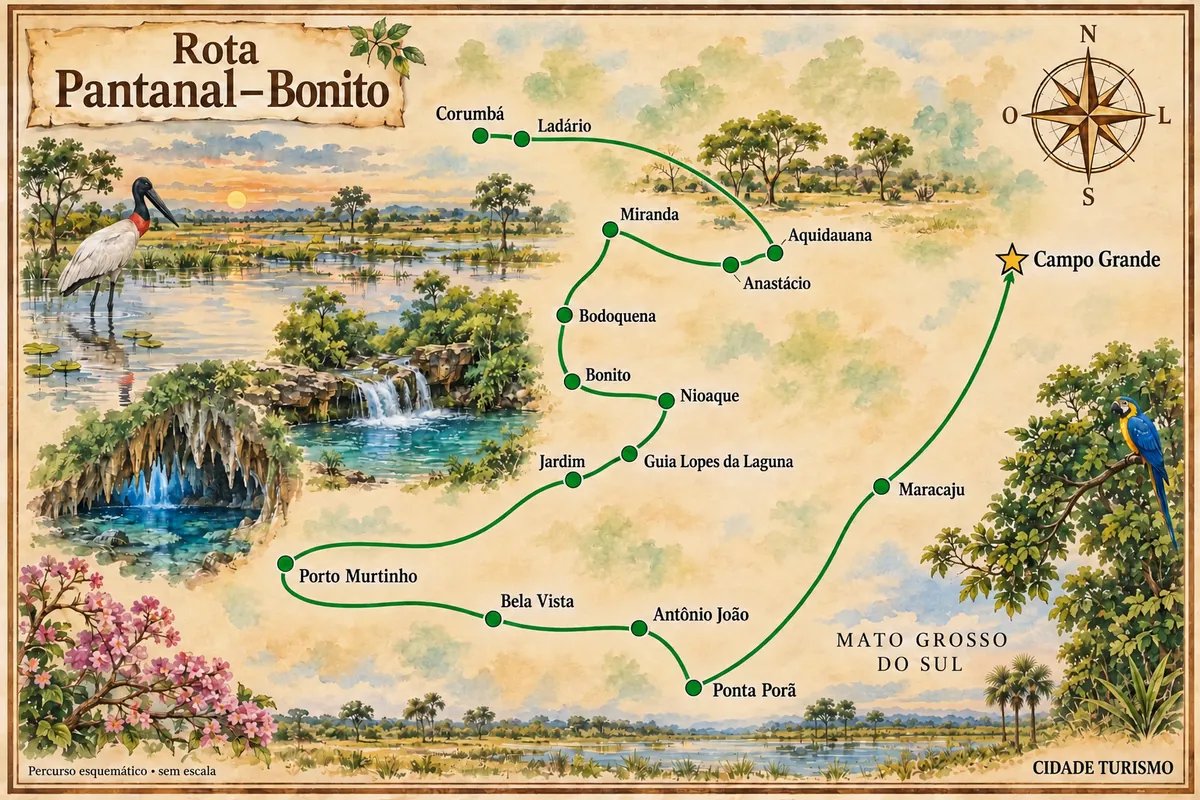
Corumbá is part of the Pantanal–Bonito Route

A trip through the landscapes of the Pantanal, the Bonito region and the cities in the south of Mato Grosso do Sul.

Illustrative map, not to scale. Tap a city to open its page.
Illustrated map of Pantanal–Bonito Route
Explore the Pantanal–Bonito Route
See the destination Pantanal Find another city

Beyond the guide