Ouro Preto
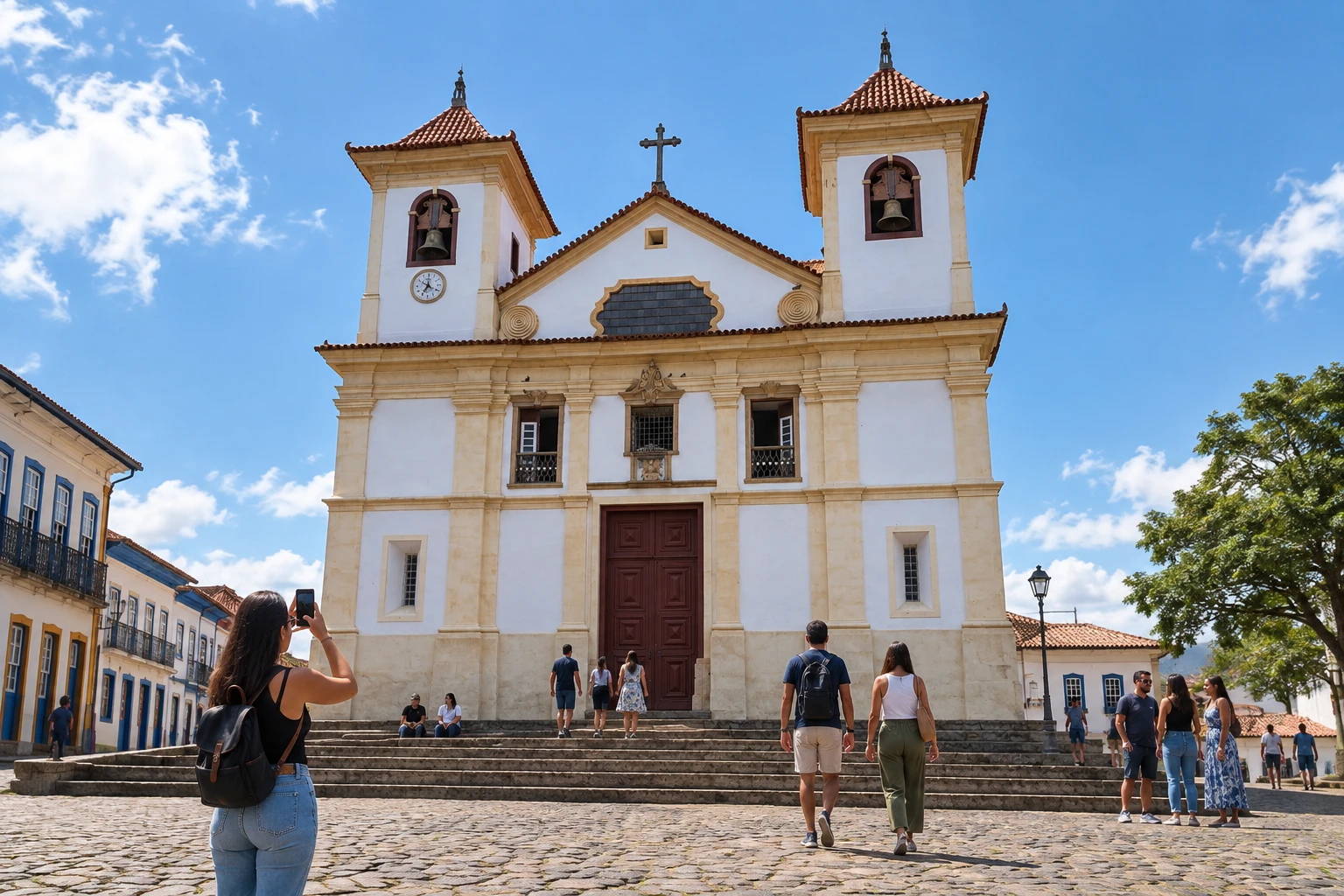
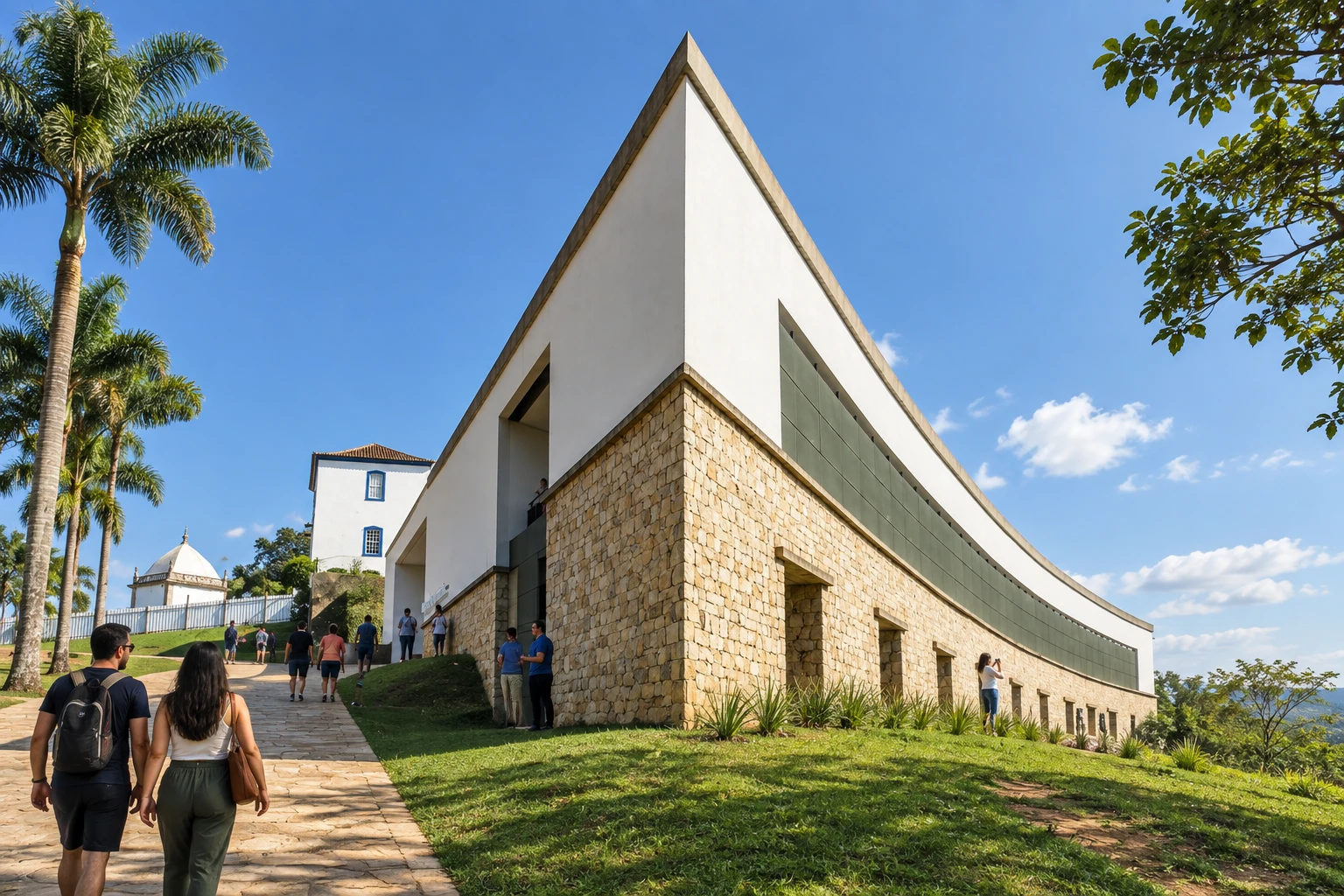
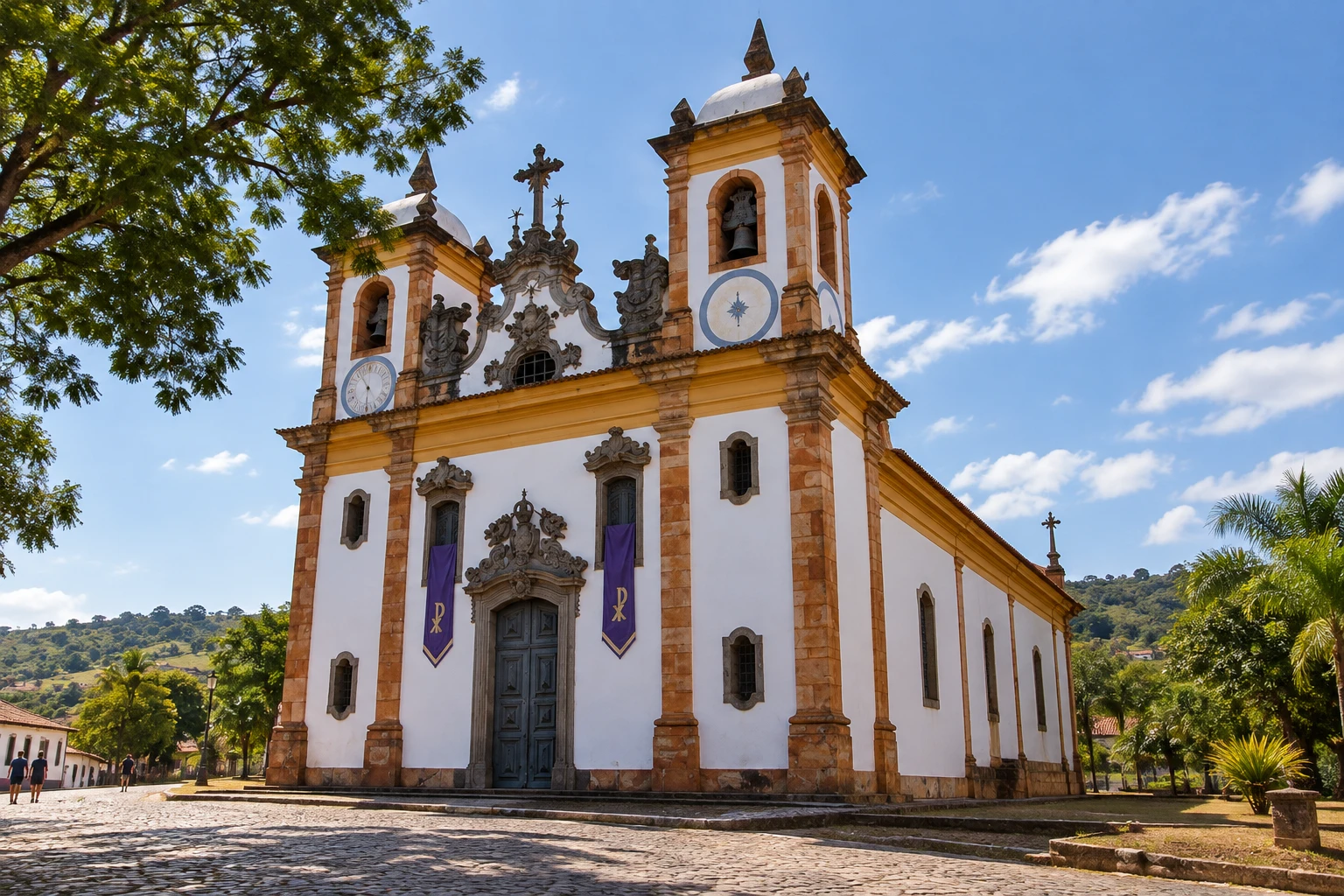
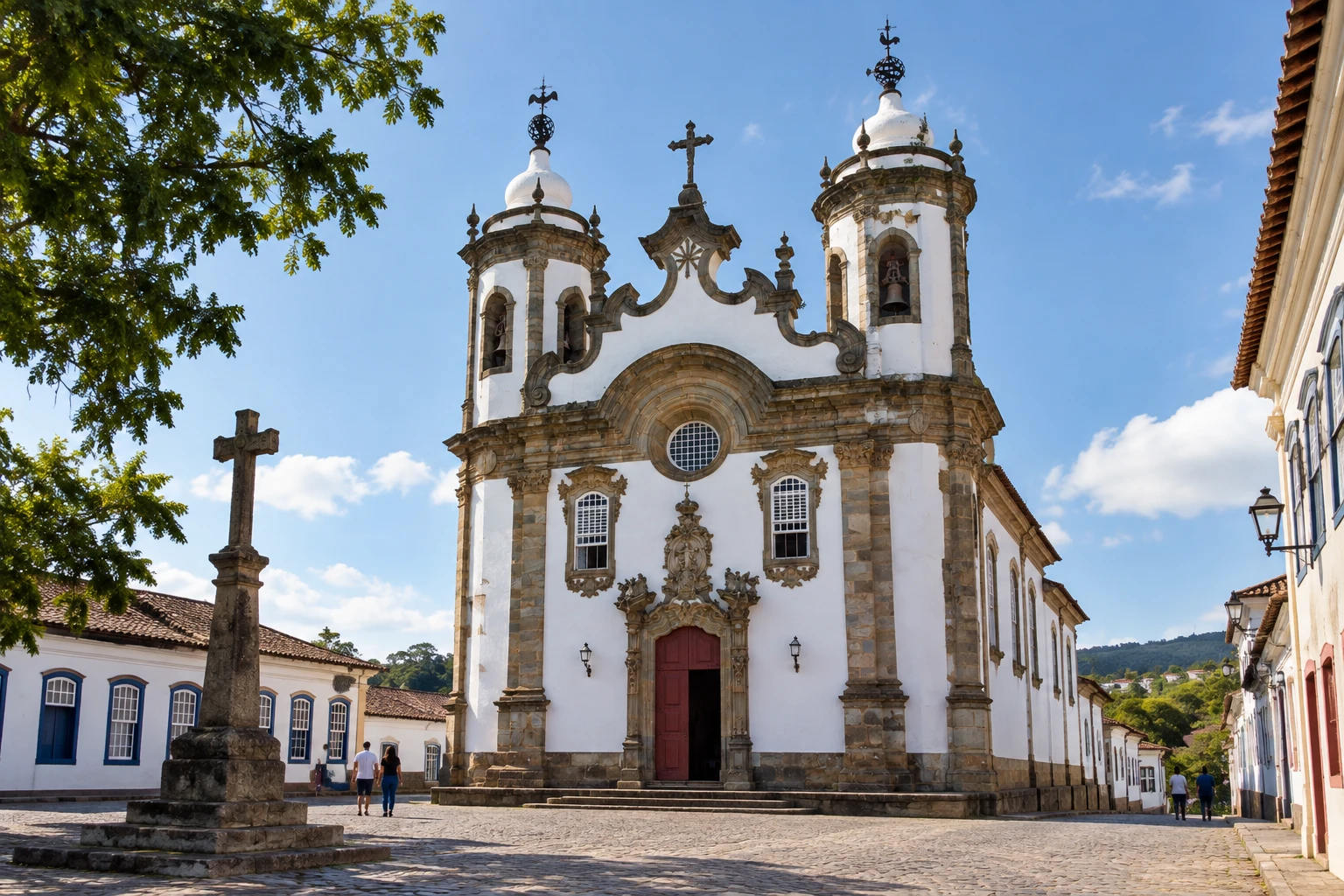
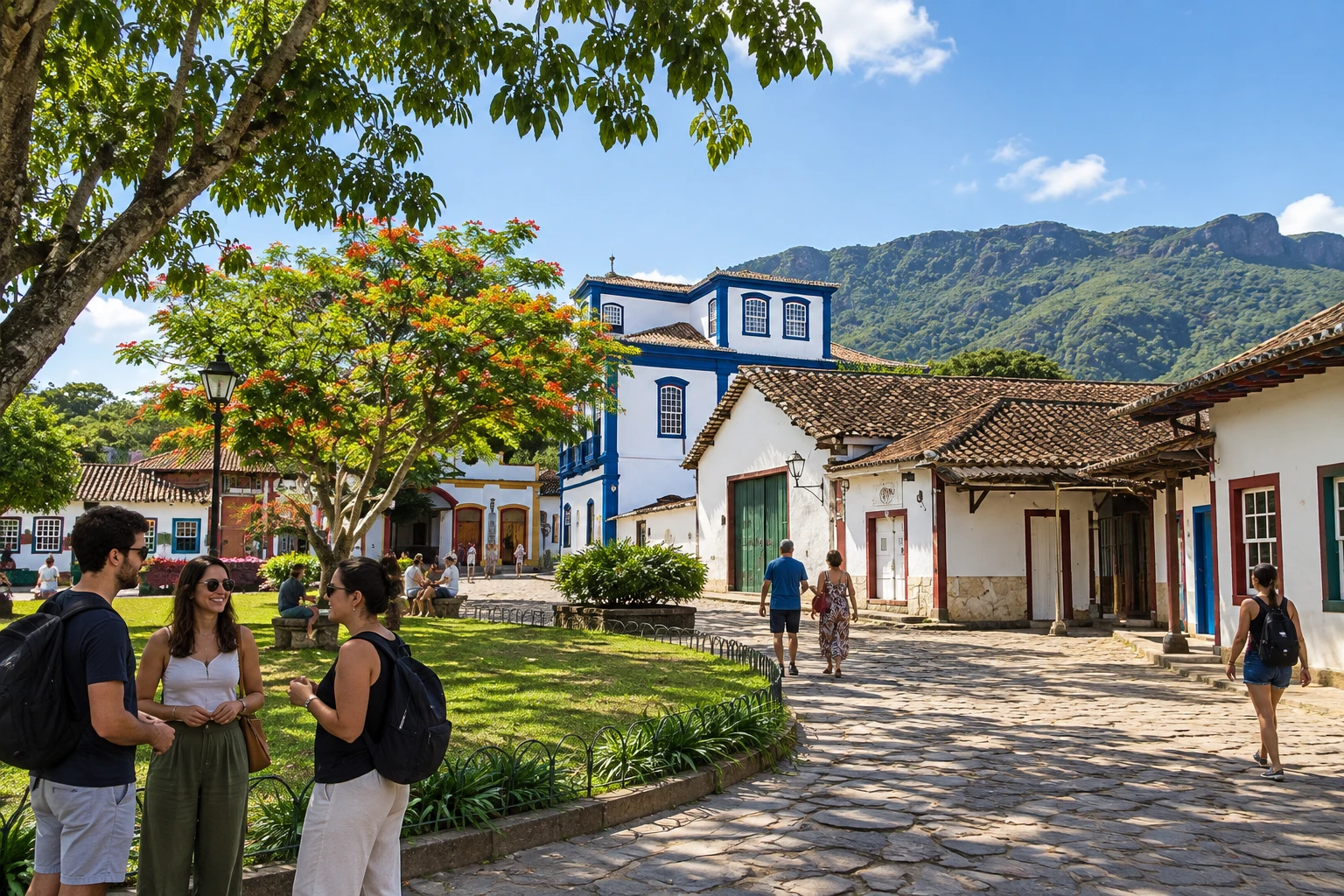
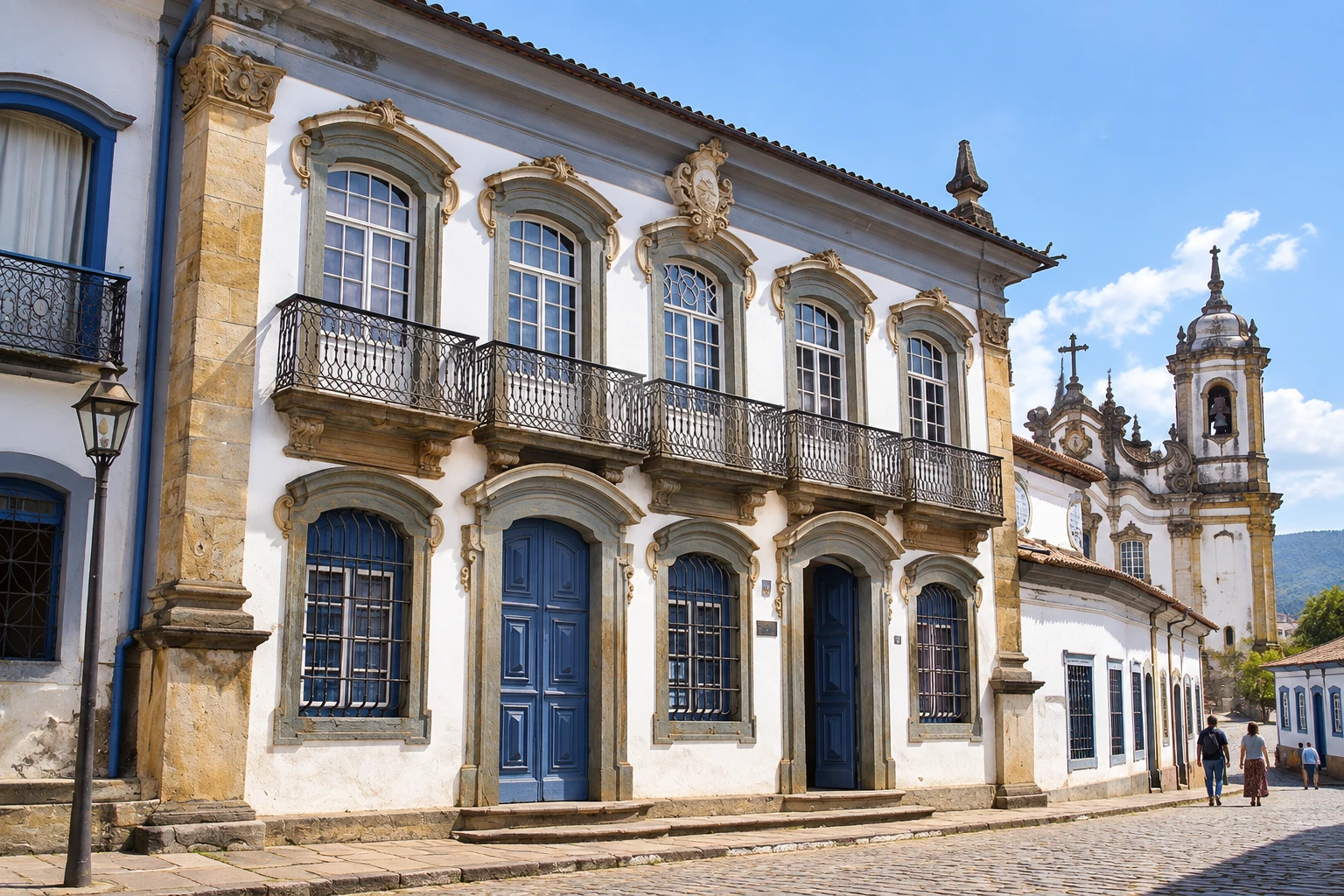
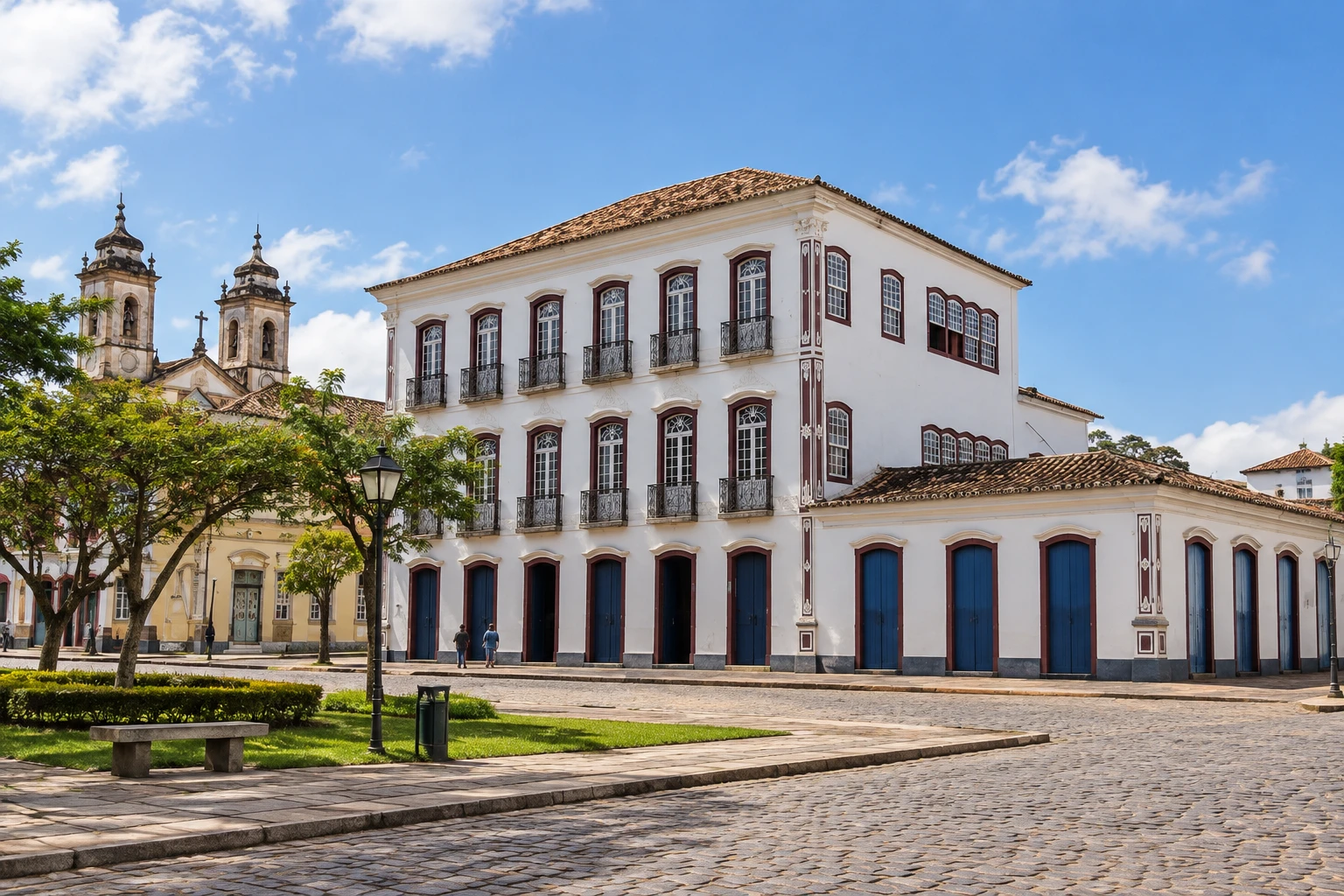
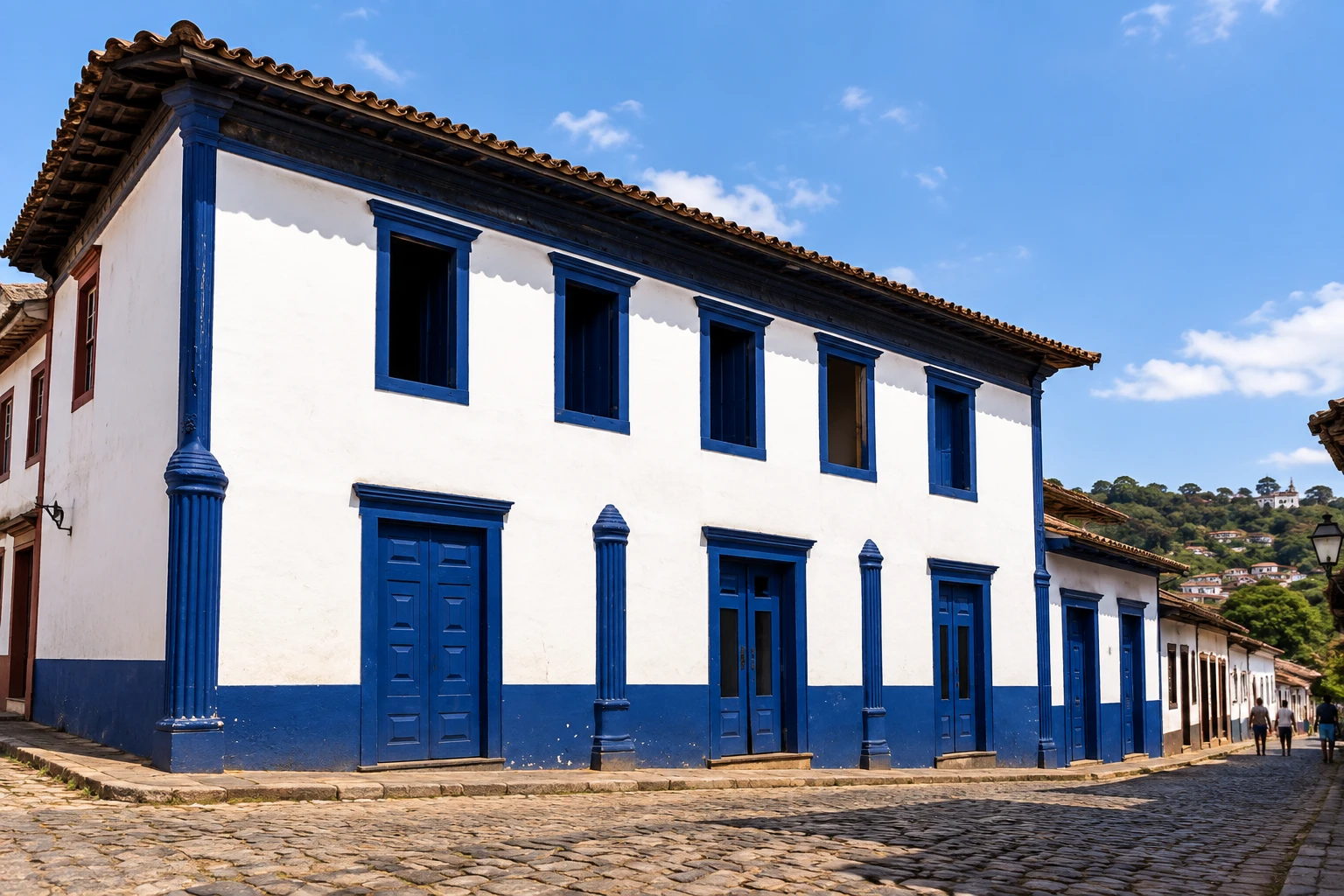
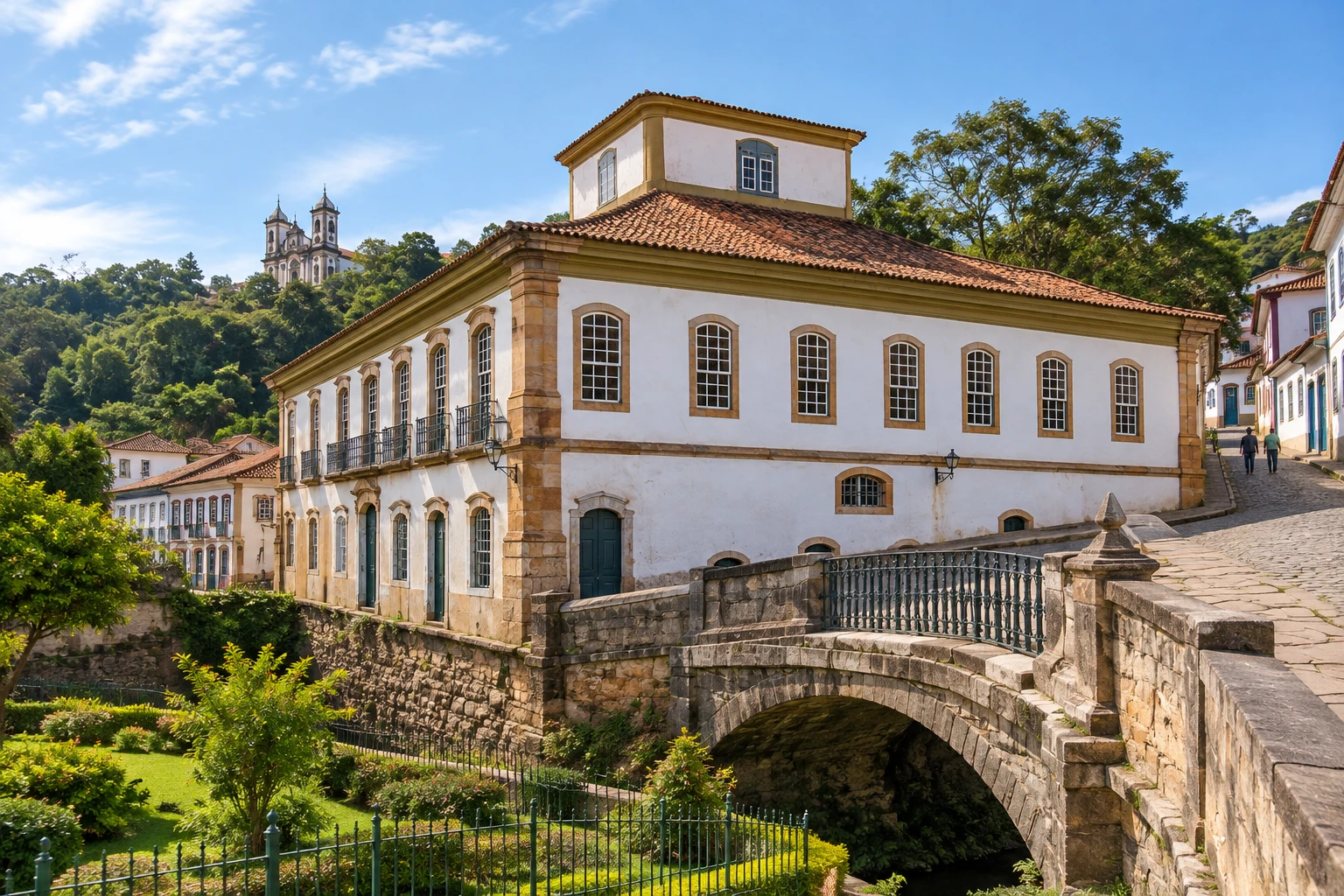
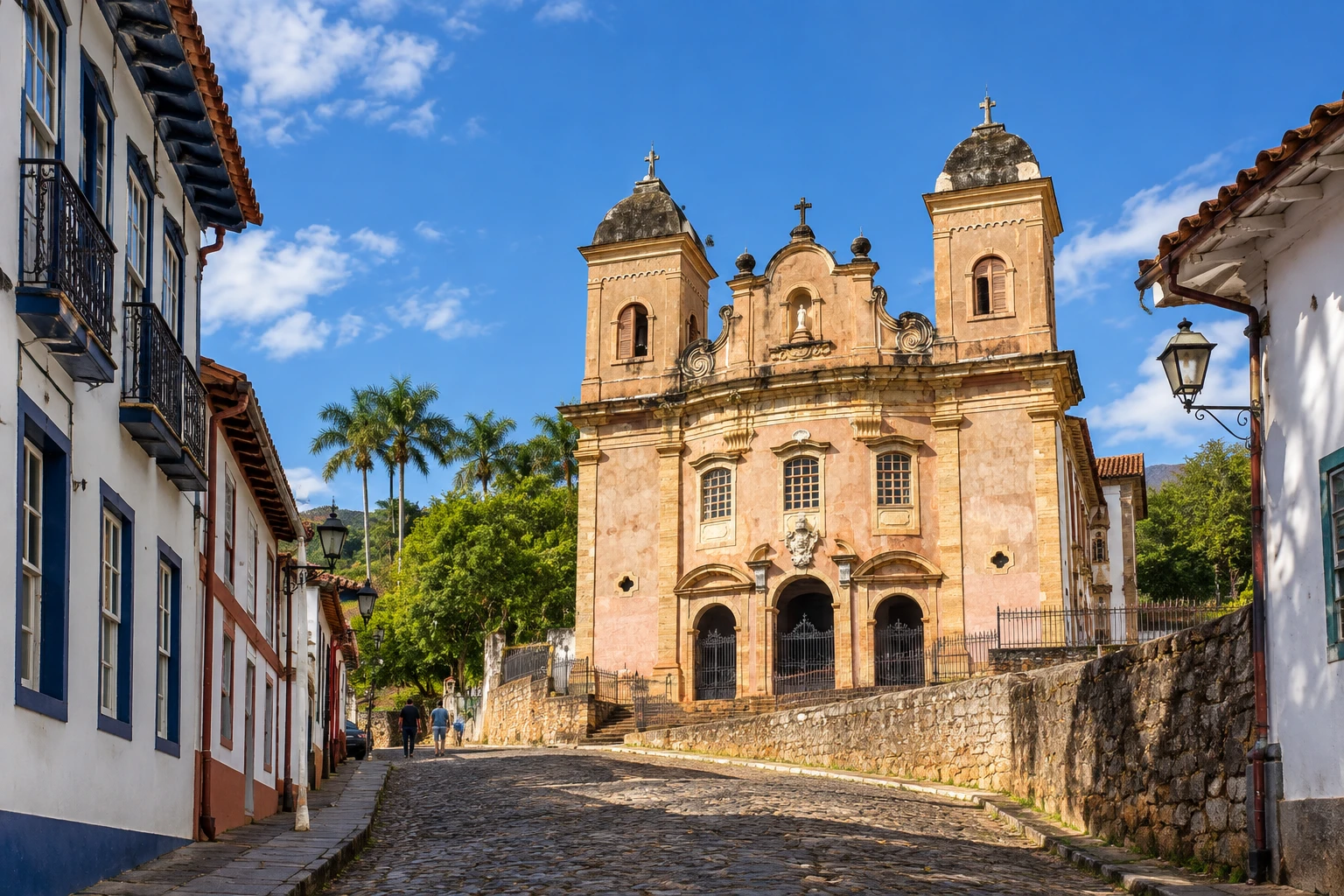
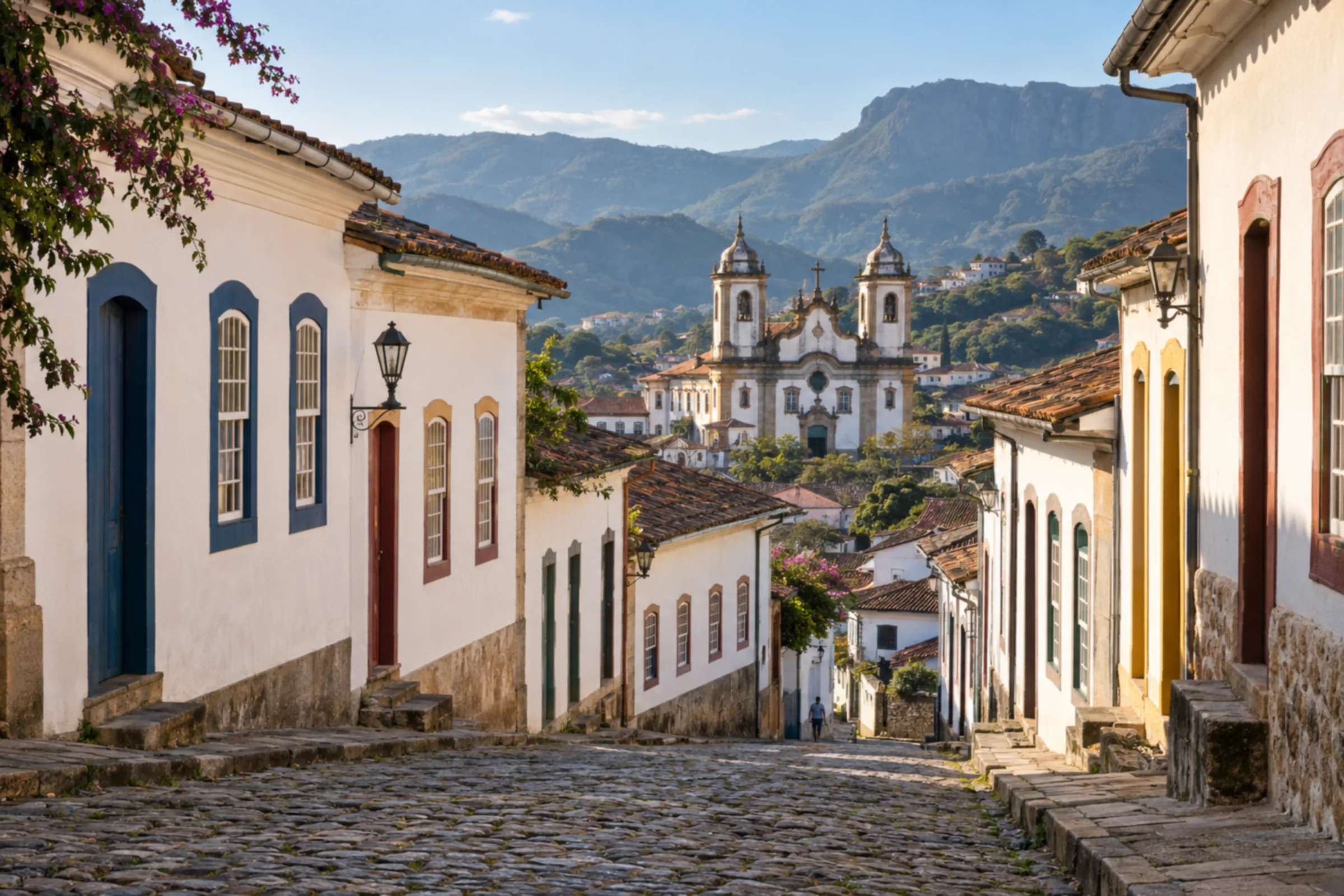
Ouro Preto spreads over hillsides shaped by the gold cycle and colonial architecture. Walking its steep streets lets you discover sacred art, museums and places that tell the history of Minas Gerais.
MG · Brazil
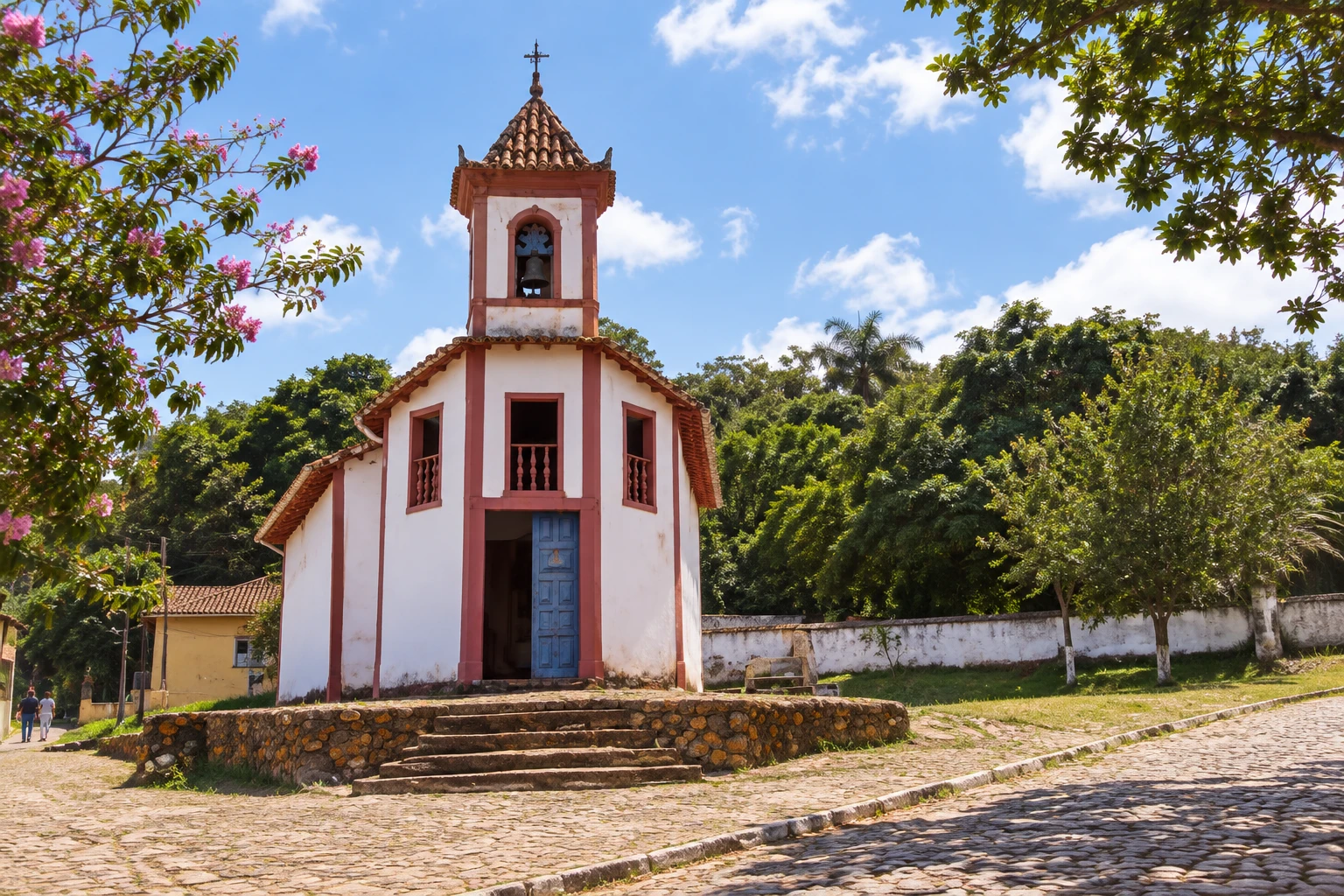
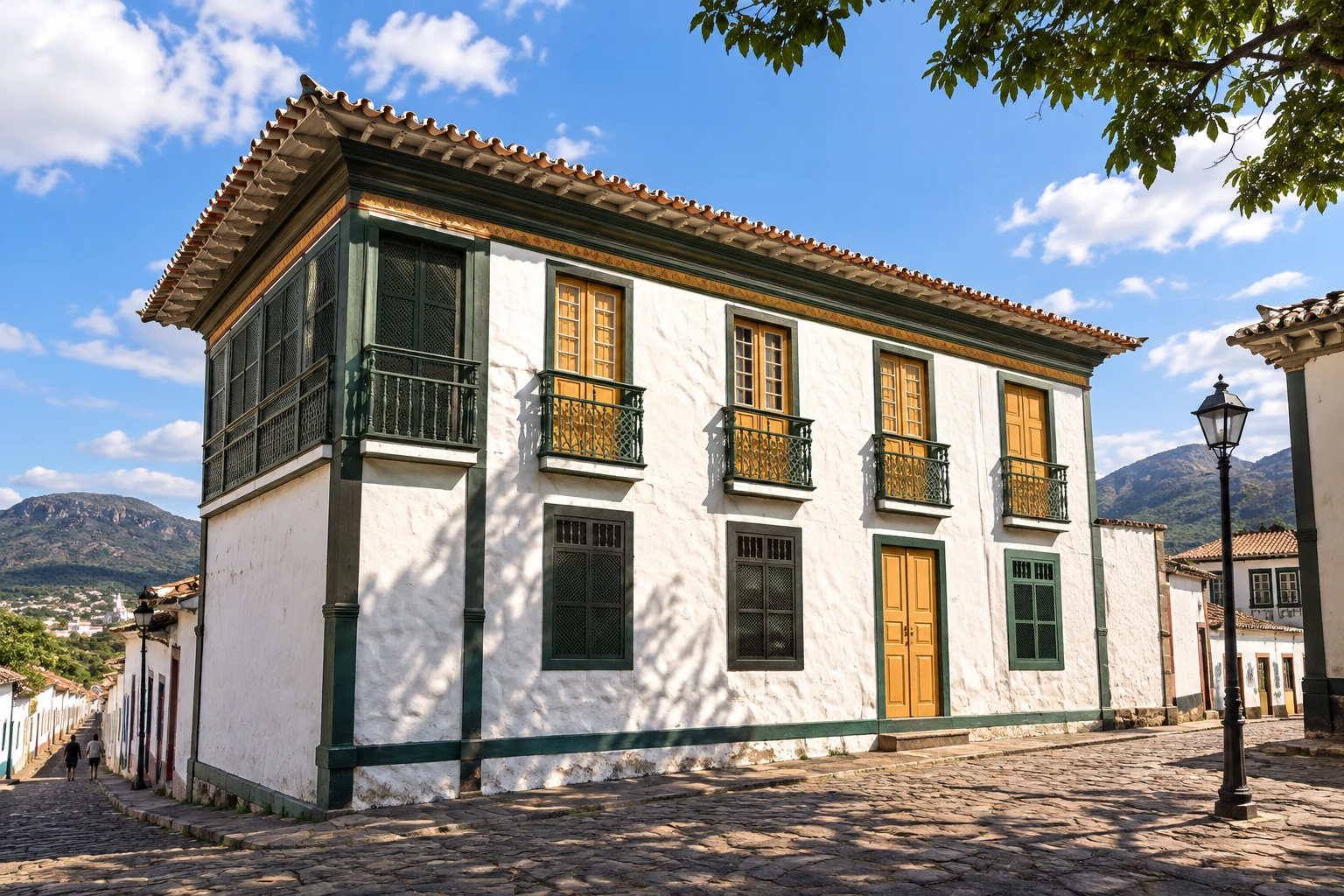
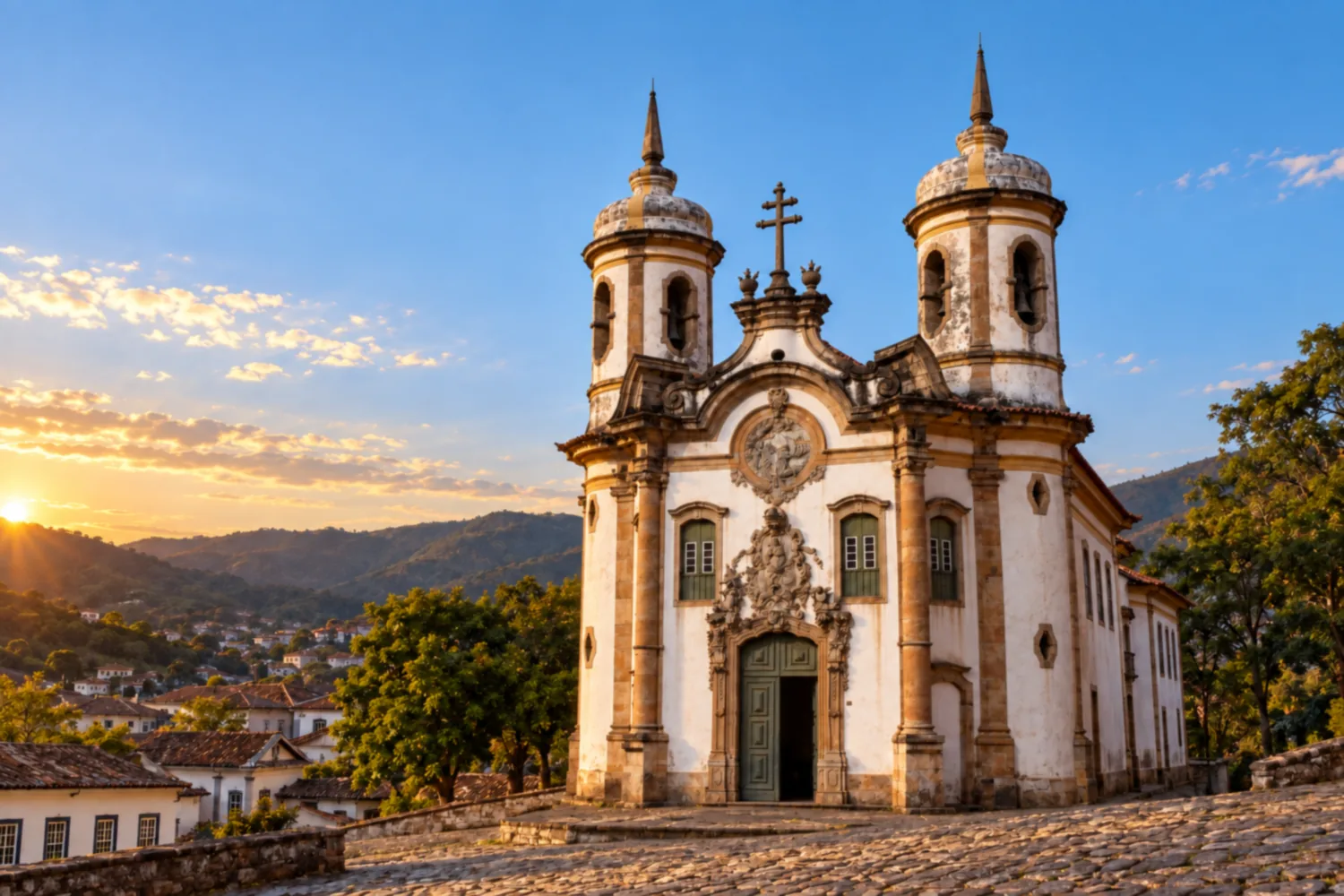
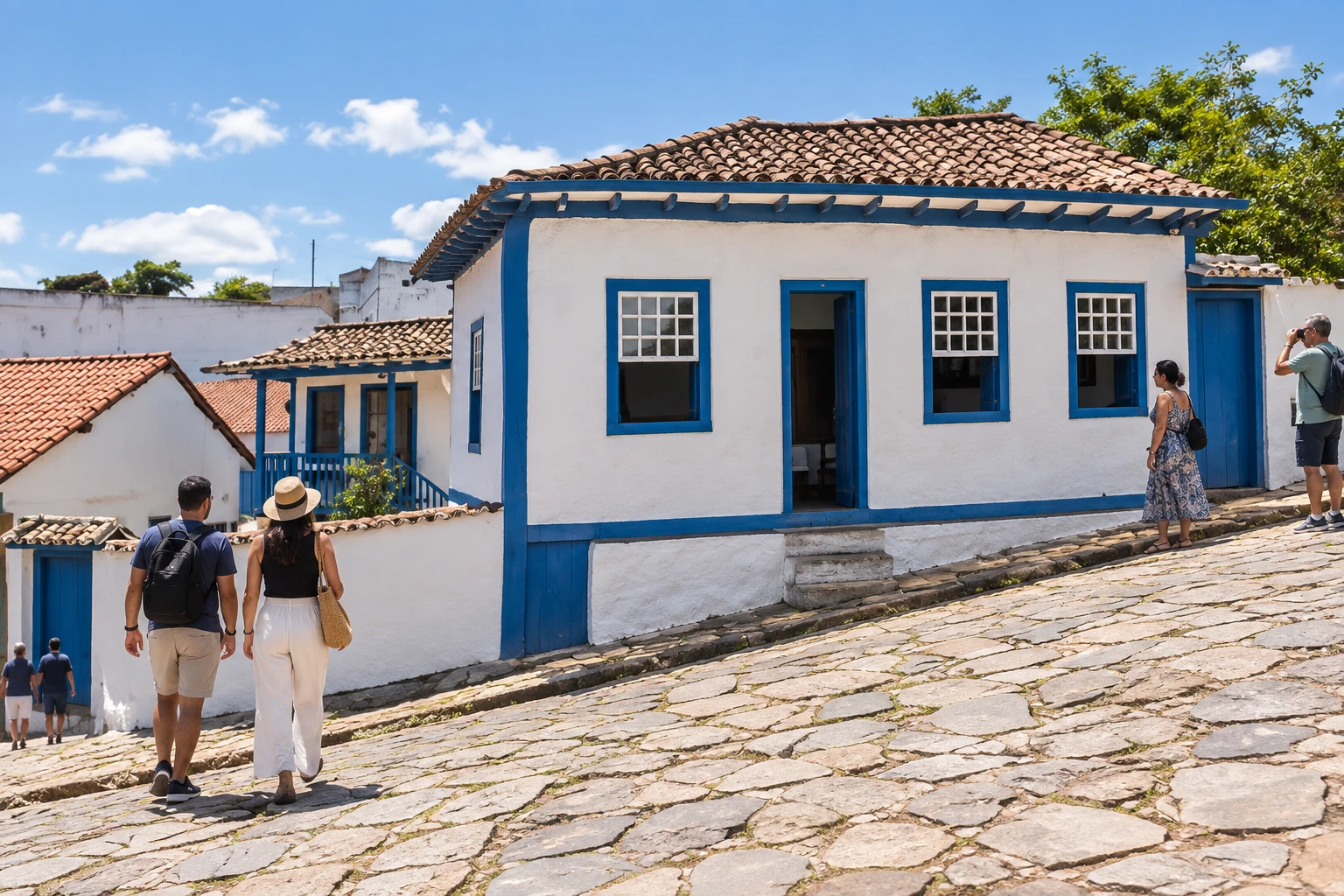
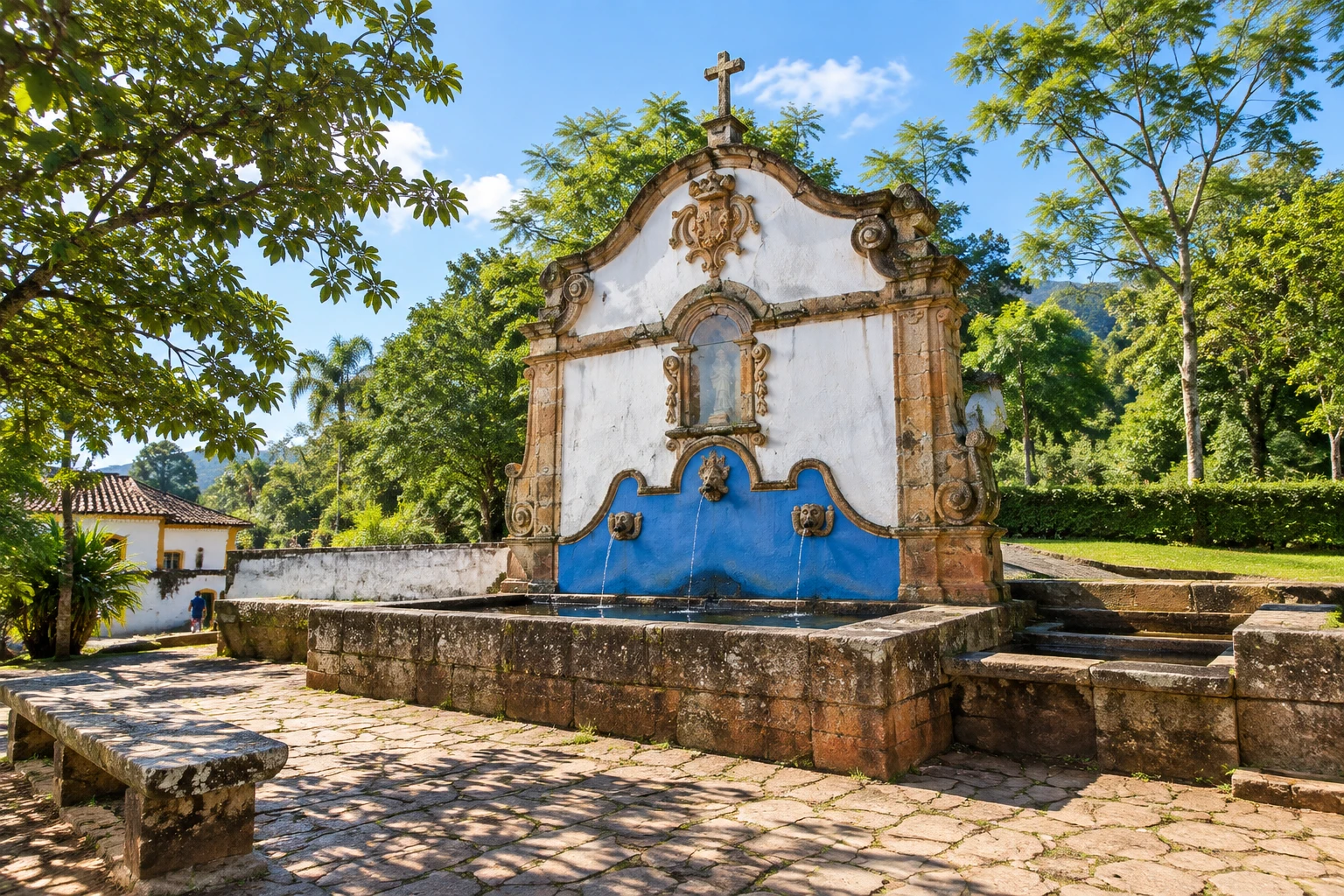
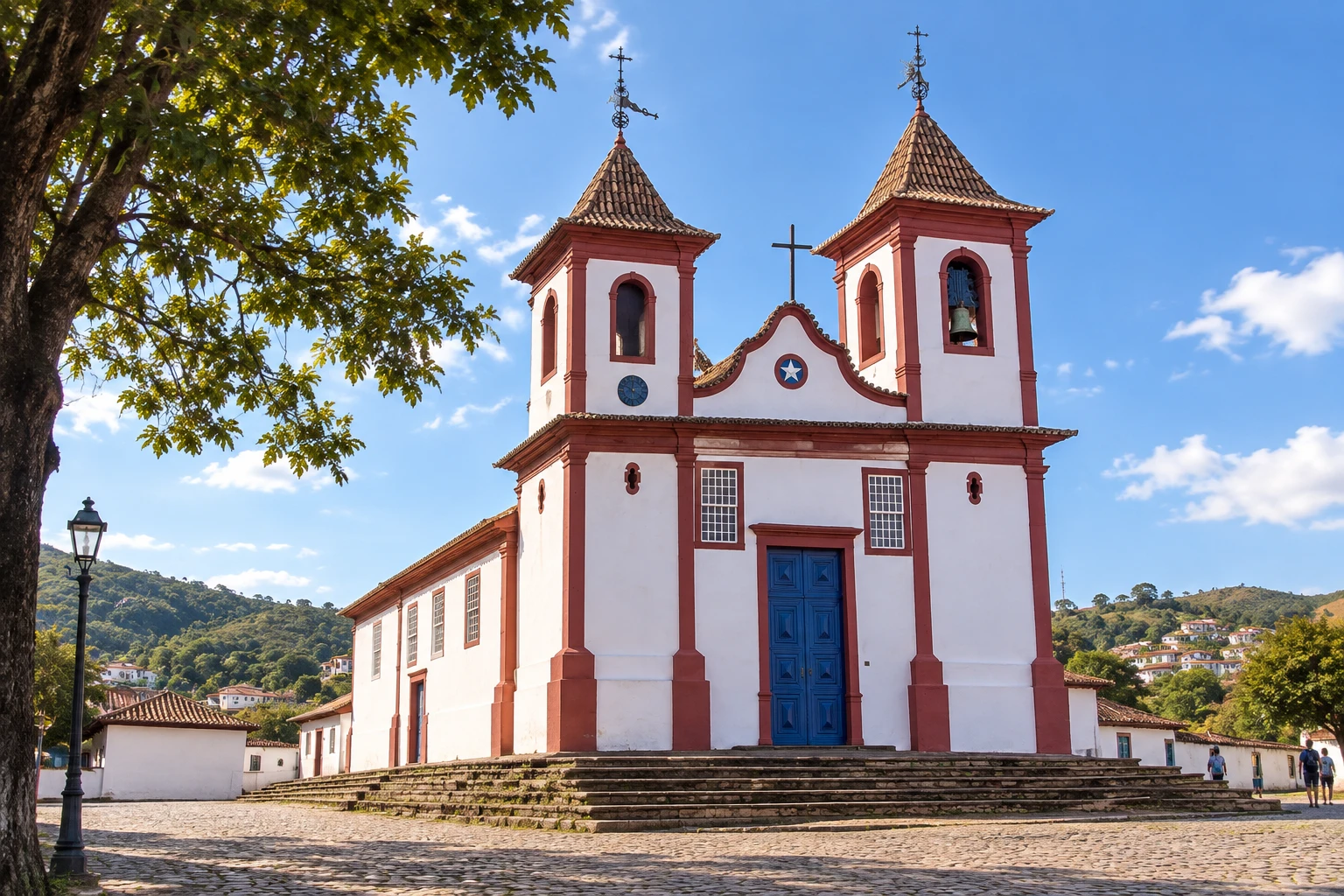
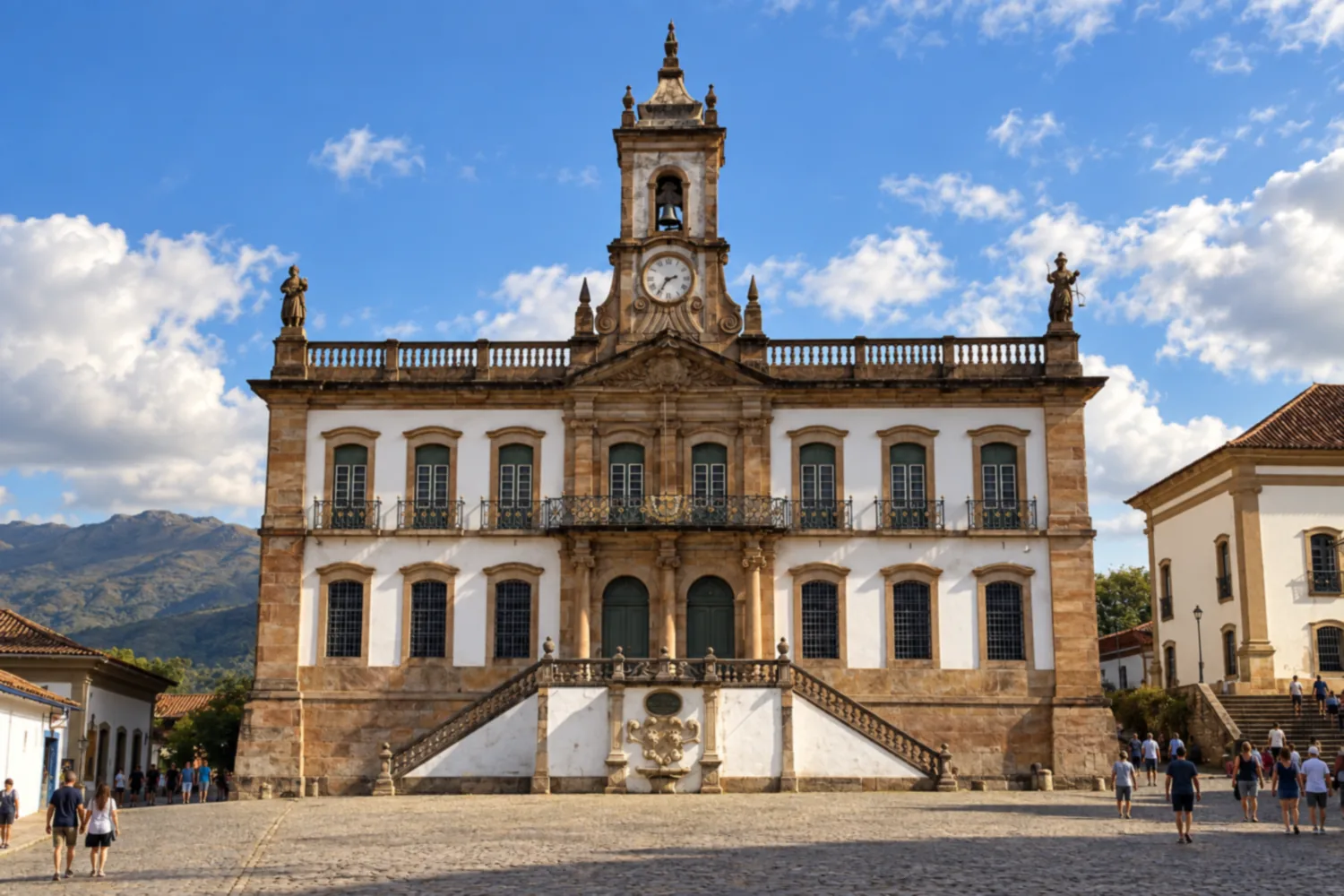
Illustrative images. The pictures in this guide are illustrations based on the real place, not photographs, and may differ from it.
Get to know the place
This is the route of gold and the Baroque, a set of colonial towns with steep hillside streets, churches covered in gilded woodcarving and works by Aleijadinho that all of Brazil studies in school. You go down into an underground mine in the morning, have lunch cooked on a wood-burning stove and in the afternoon step into a church where every inch was carved by hand. It is a trip for those who enjoy history, soapstone handicrafts and small towns with old-time bars.
This destination brings together 7 cities: Ouro Preto, Mariana, Congonhas, Tiradentes, São João del-Rei, Sabará, Diamantina.
A look at the place
These pictures are illustrations based on the real place, not photographs. They may differ from the place.
Click the picture to enlarge it.
One destination, many paths
Start with one city or combine several in your itinerary.
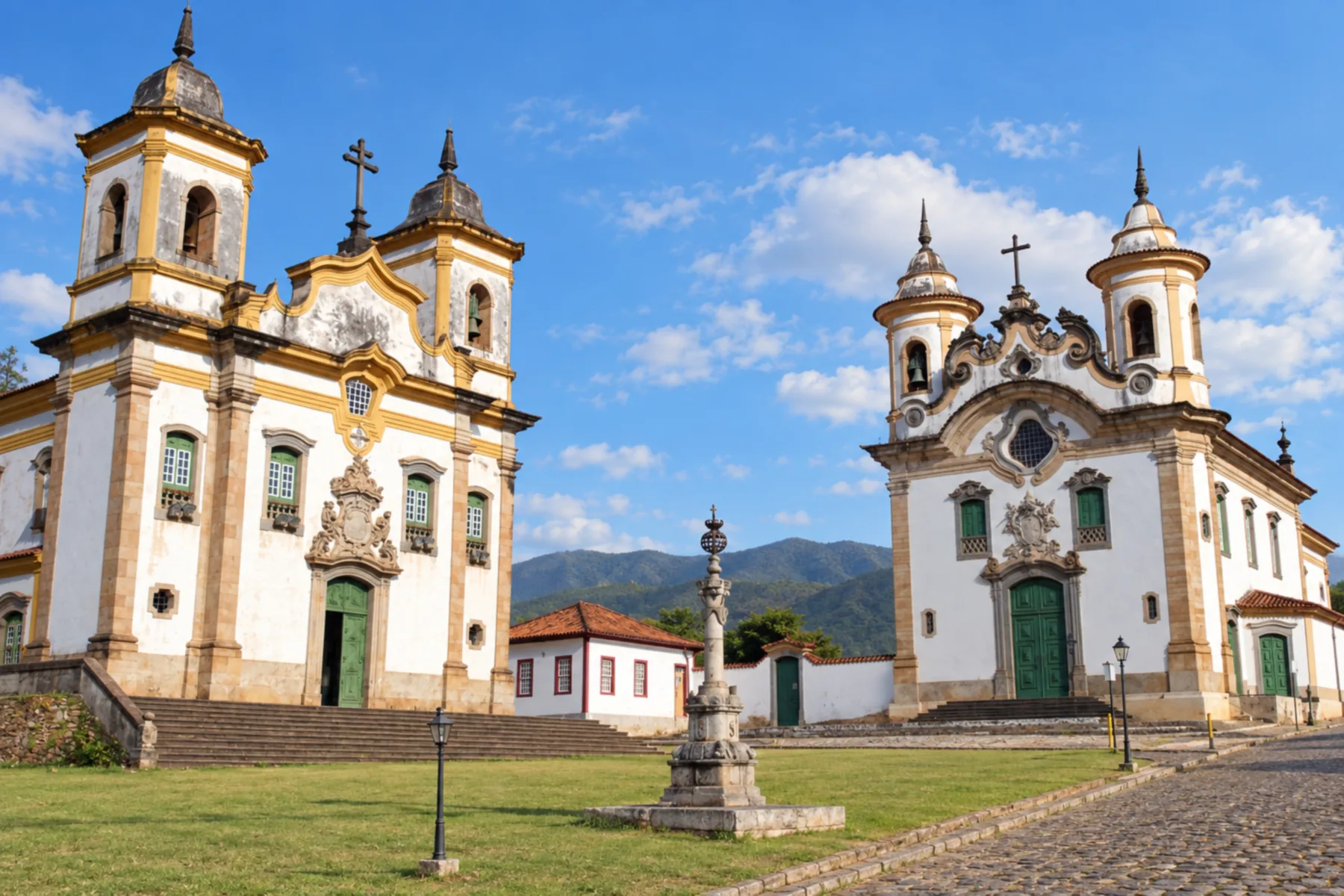
Ouro Preto spreads over hillsides shaped by the gold cycle and colonial architecture. Walking its steep streets lets you discover sacred art, museums and places that tell the history of Minas Gerais.
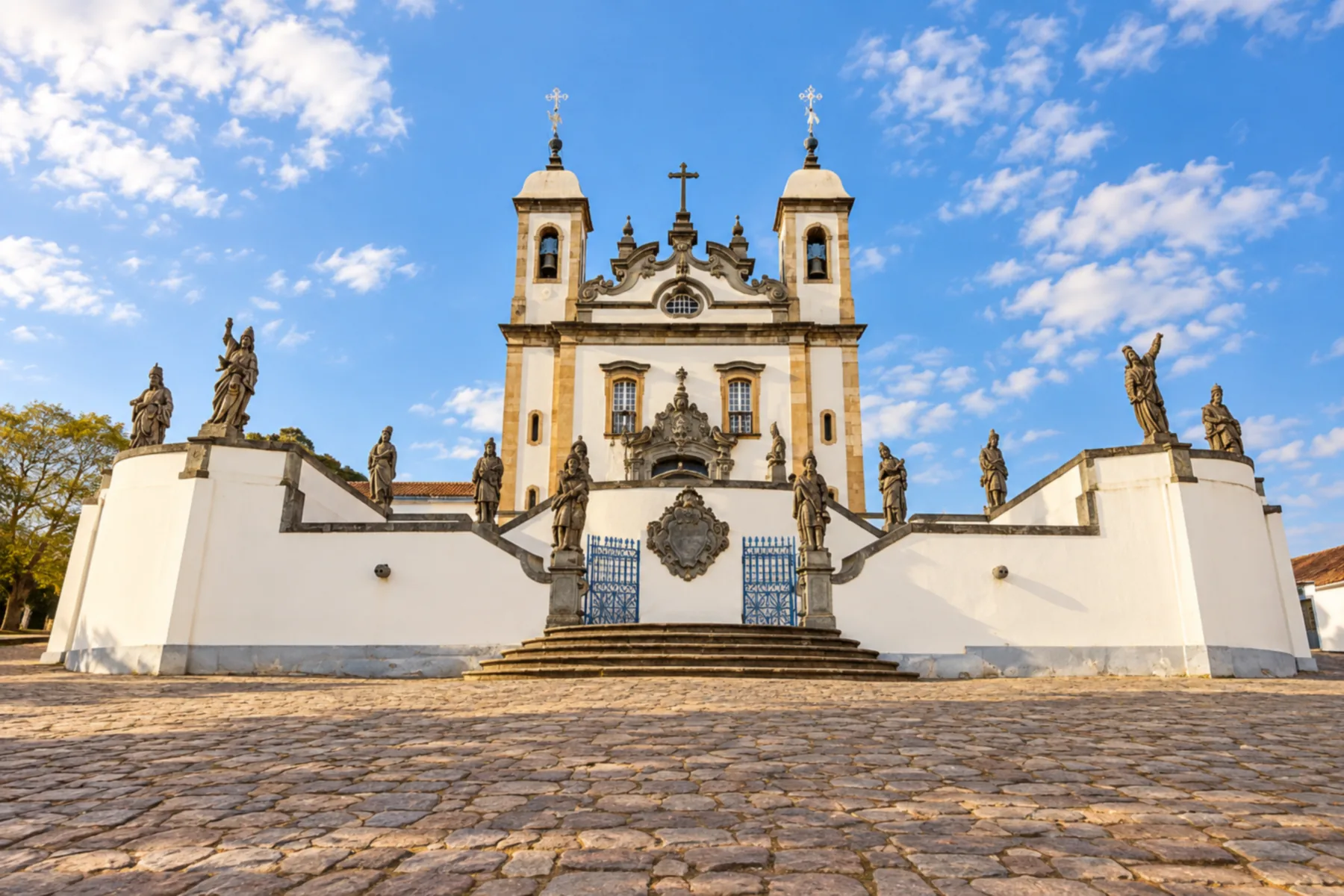
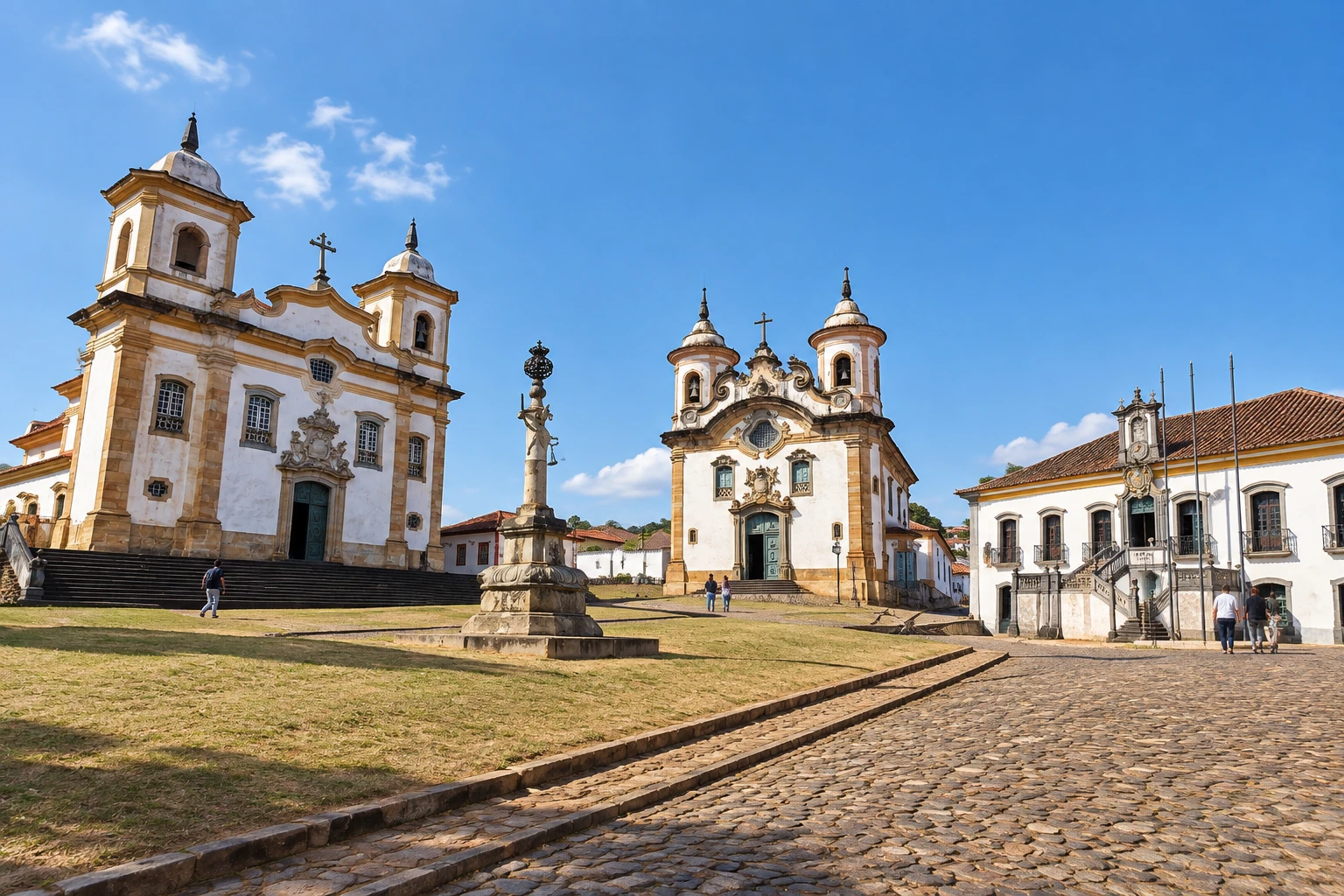
Mariana preserves a historic core linked to the beginning of mining in Minas Gerais. Its squares and religious buildings invite you to discover the art and the origins of the towns of Minas Gerais.
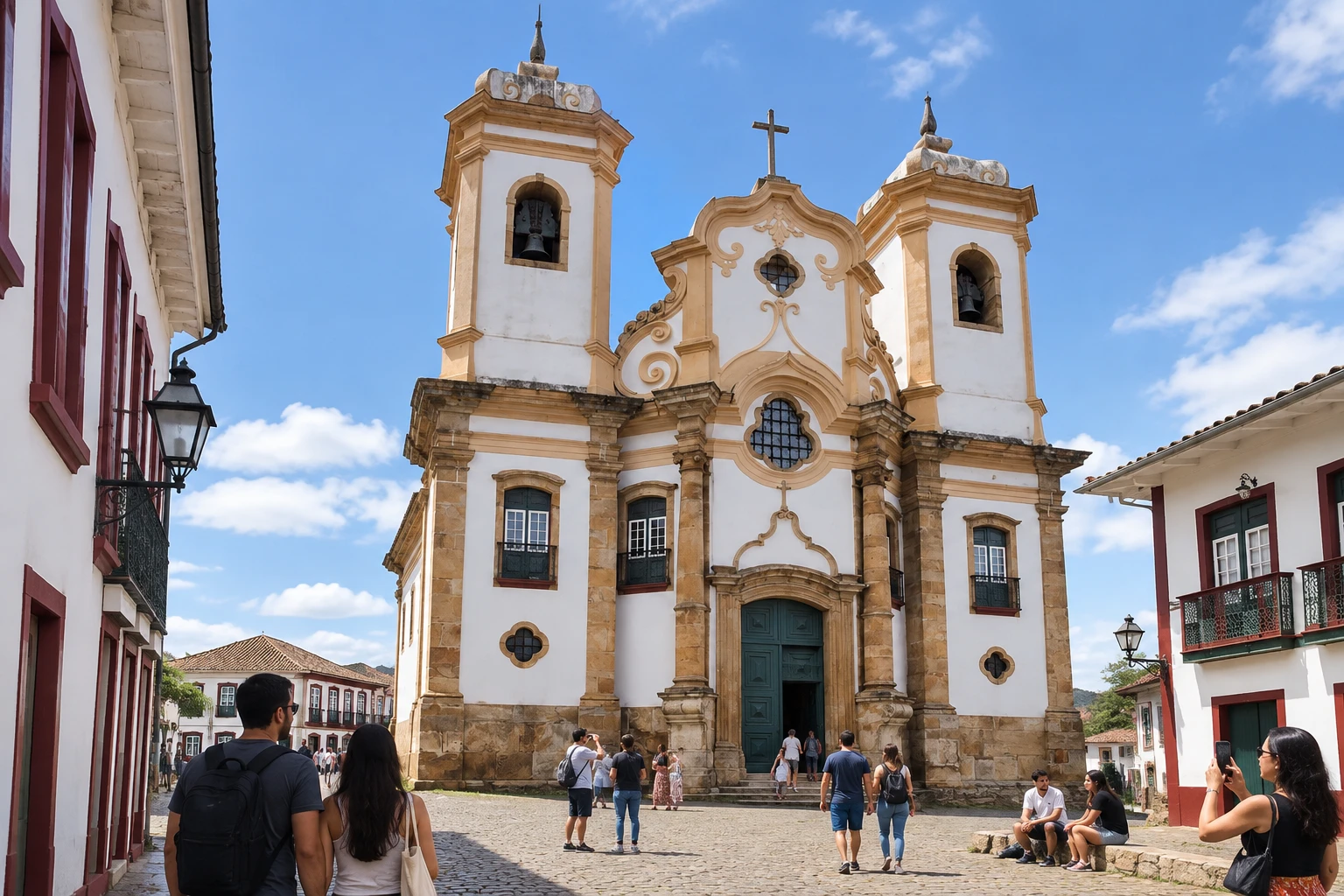
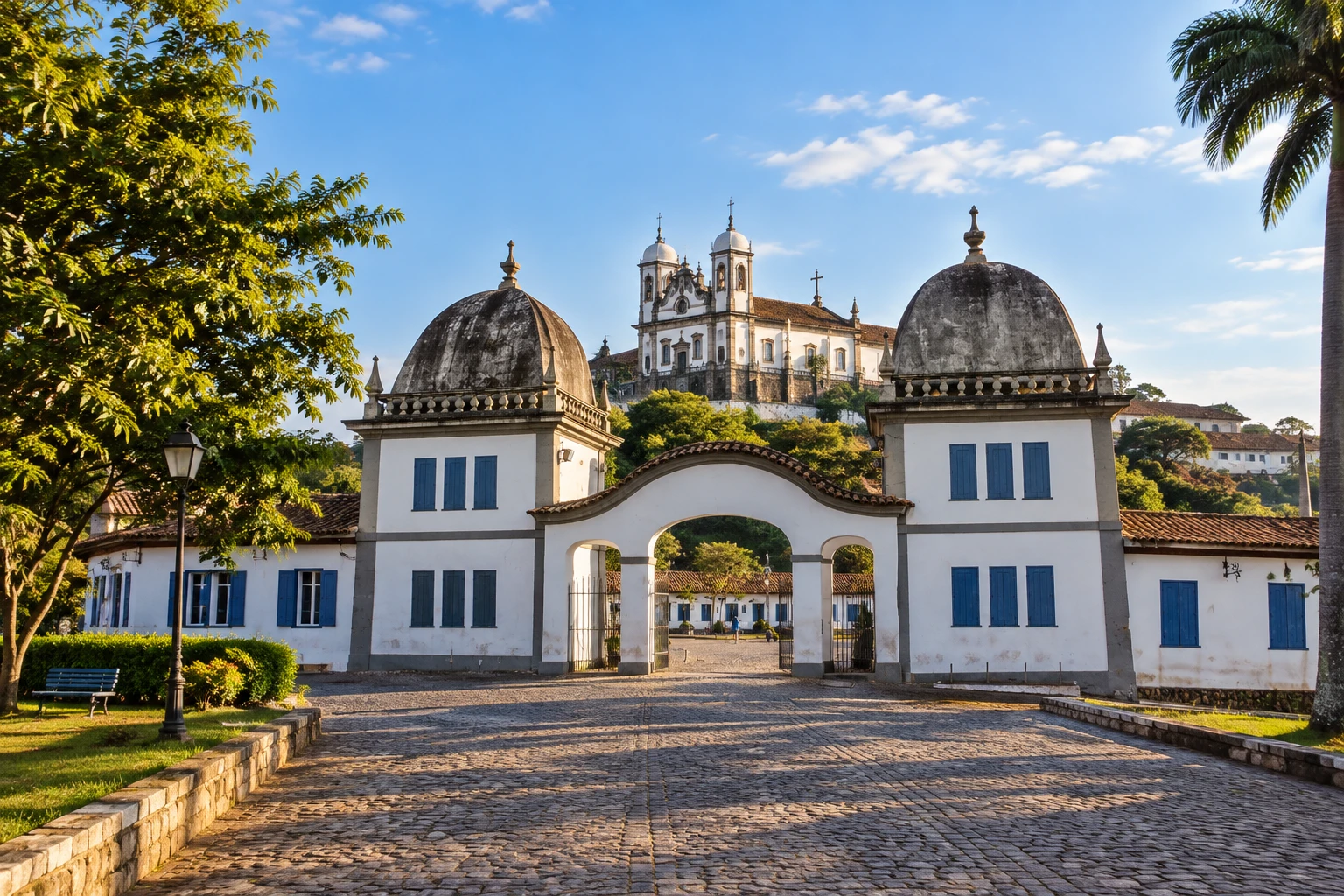
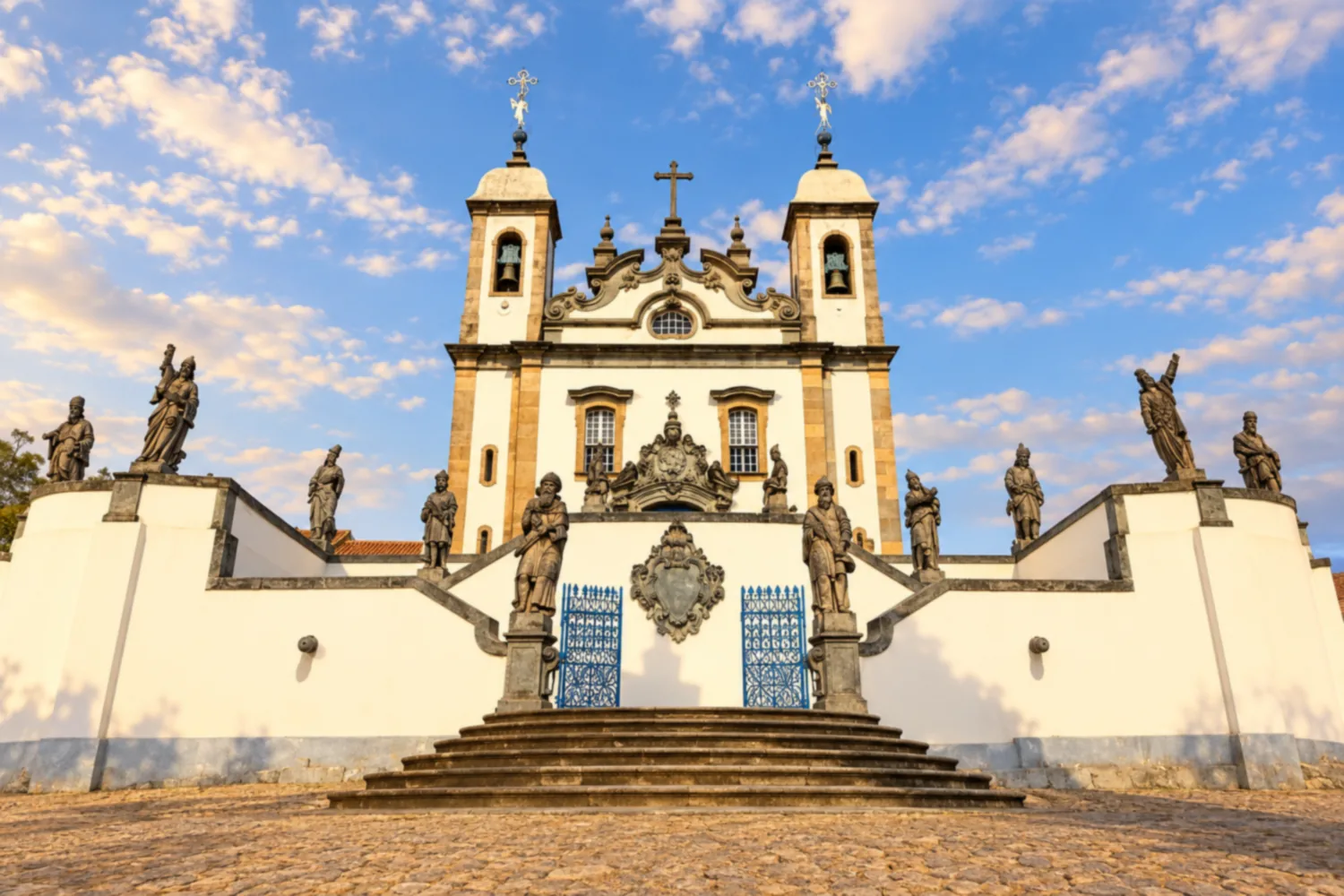
Congonhas has a historic landscape defined by the Santuário do Bom Jesus de Matosinhos (sanctuary). A visit brings you close to the art of Aleijadinho and the religious traditions of Minas Gerais.
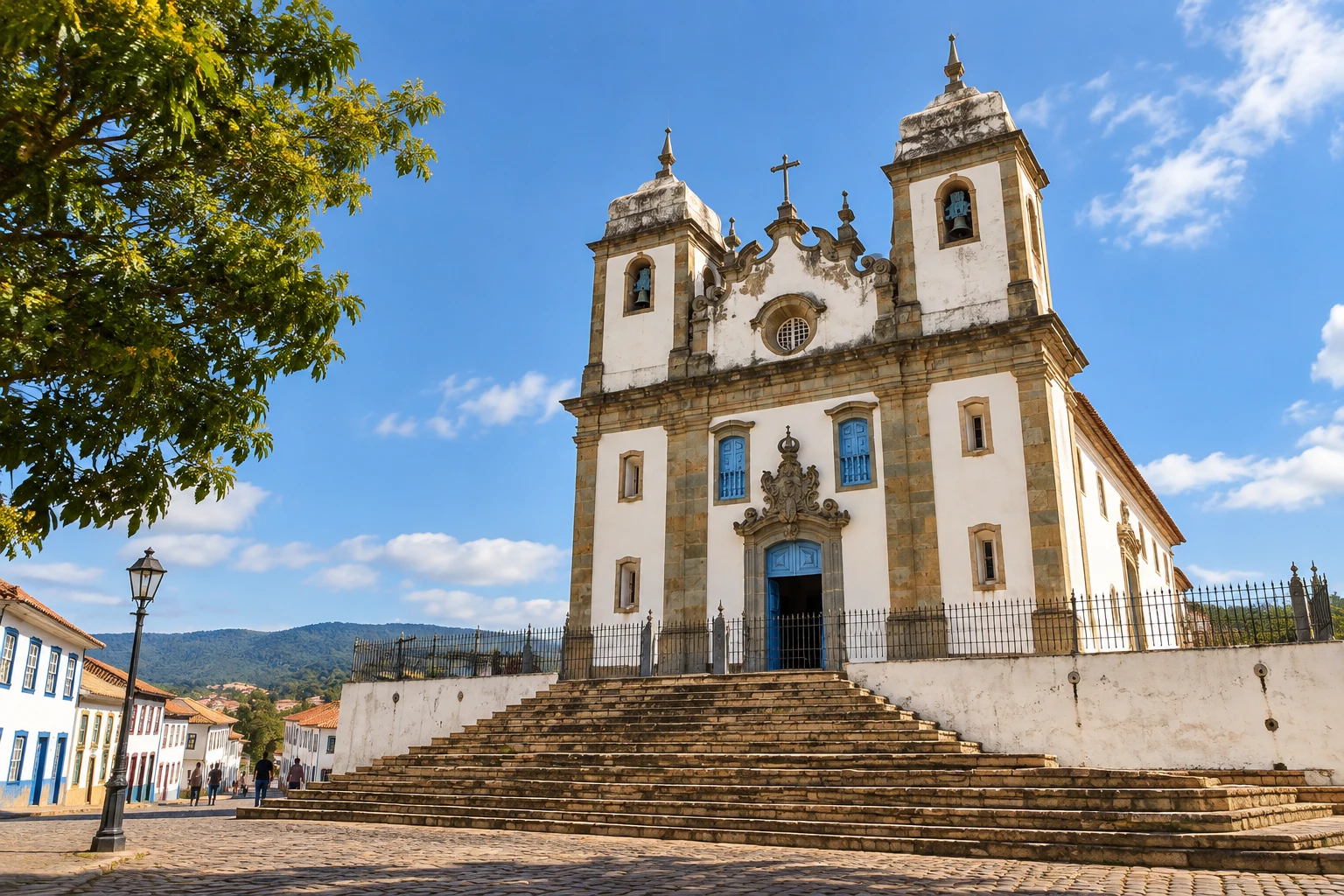
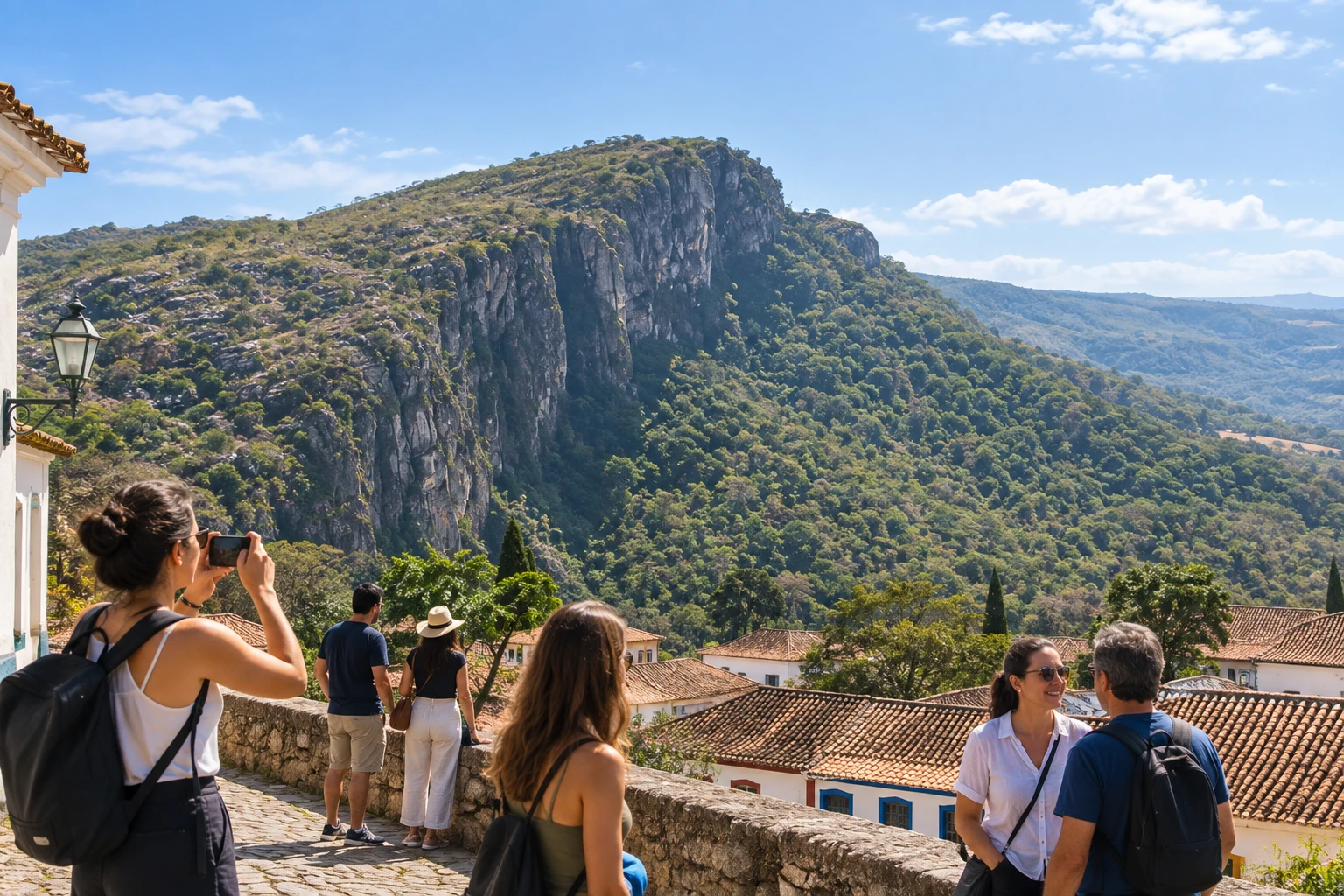
Tiradentes preserves a center of stone streets at the foot of the Serra de São José (mountain range). A stay combines walks among the old houses, handicrafts and Minas Gerais cooking.
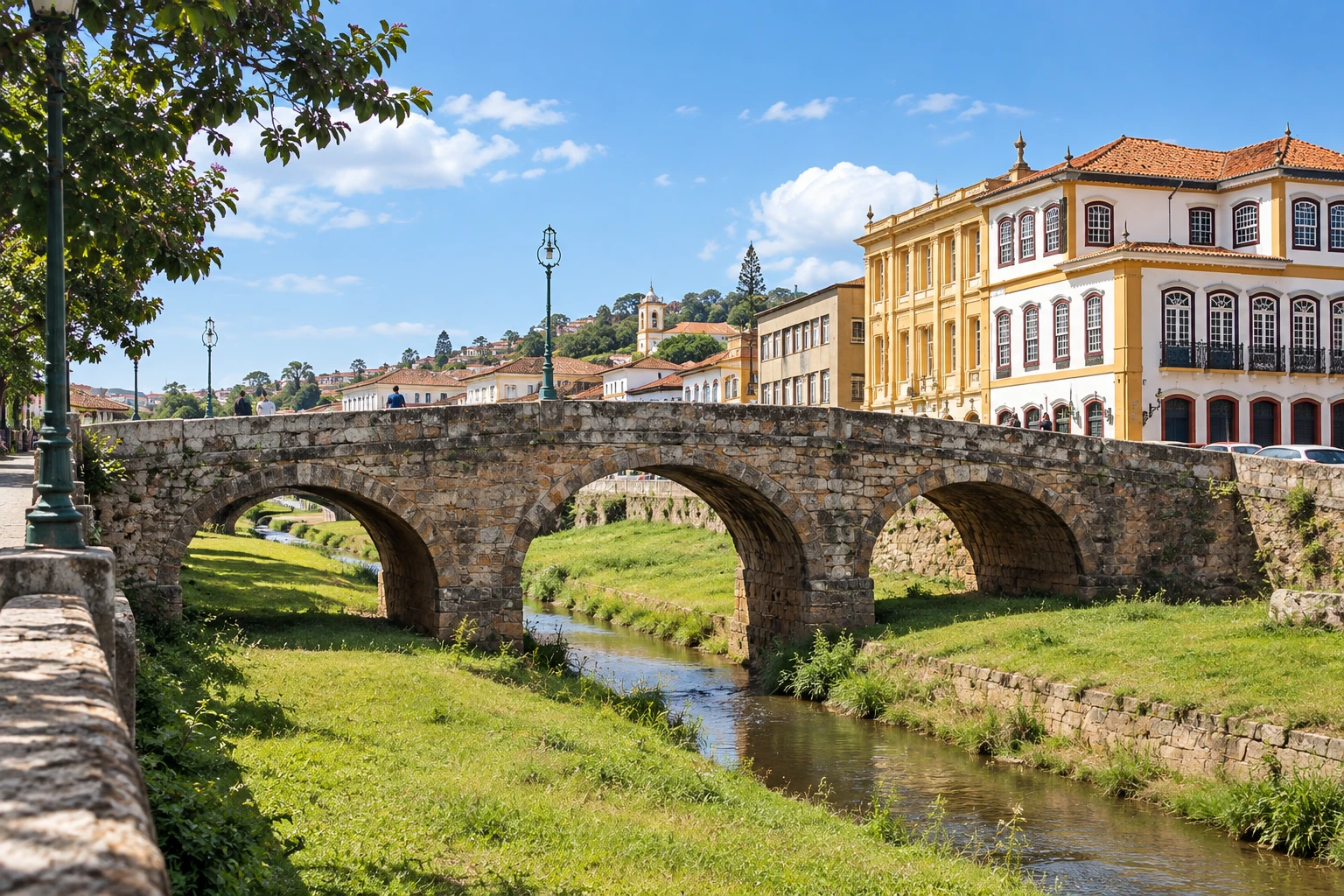
São João del-Rei combines colonial heritage with a lively town on the banks of the Córrego do Lenheiro (stream). Walks through the center reveal stone bridges and musical and religious traditions that are still alive.
Sabará has colonial heritage near Belo Horizonte and keeps the traditions of Minas Gerais cooking alive. Walks through the center reveal historic buildings and places linked to the town's art and cultural life.
Diamantina preserves streets and mansions linked to diamond mining in the Serra do Espinhaço (mountain range). Walking through the center and experiencing the local music culture help you discover the town beyond its facades.
The local experience
A small chapel from the early 18th century, considered one of the richest examples of the Minas Gerais Baroque. The interior has gilded woodcarving and paintings in red, blue and gold with Asian influence.
Discover Capela de Nossa Senhora do Ó
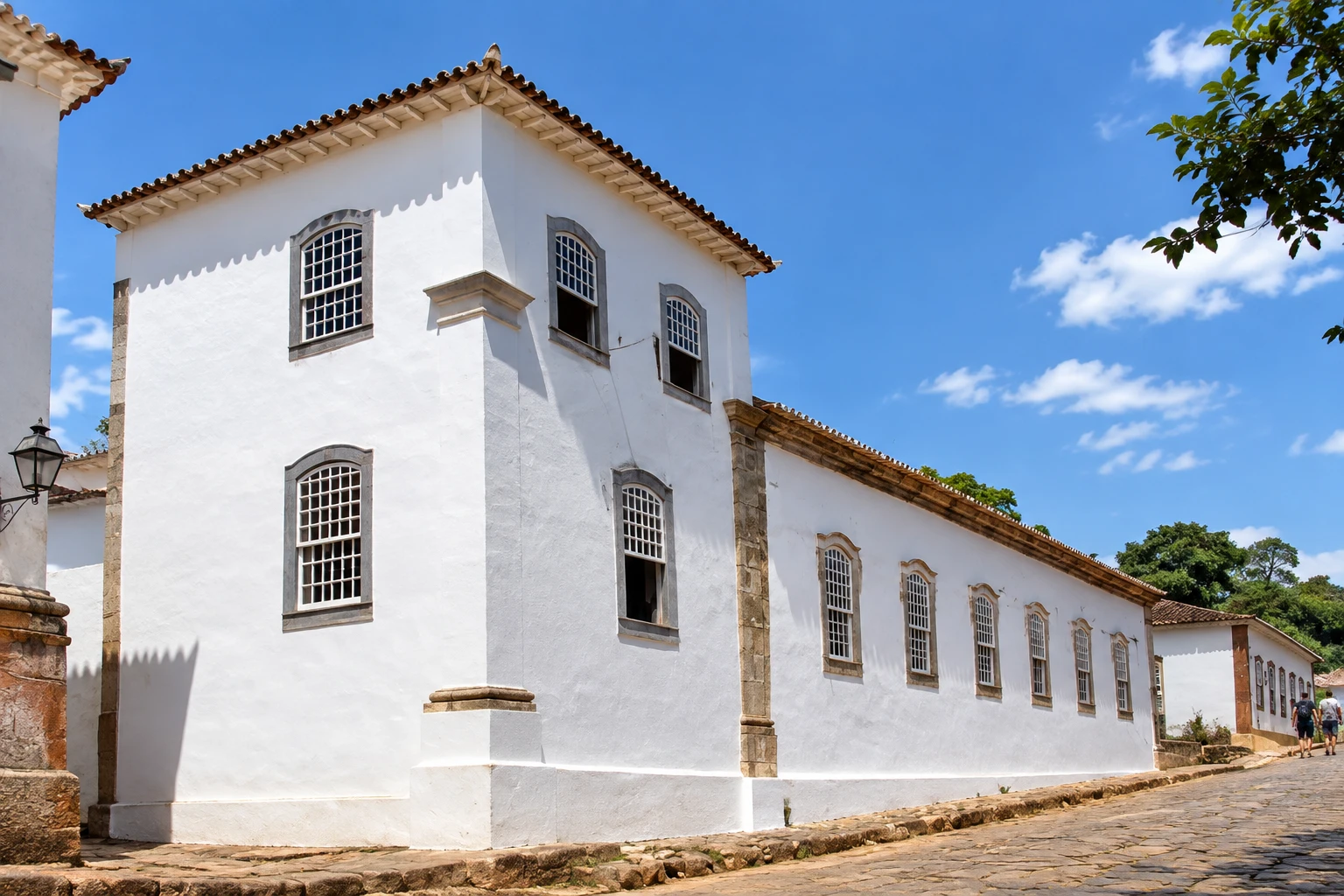
A wattle-and-daub townhouse with wooden balconies where Chica da Silva lived with the diamond contractor João Fernandes de Oliveira between 1763 and 1771. Listed as a heritage site in 1950, it temporarily houses the Museu do Diamante (Diamond Museum), whose main building is being restored.
Discover Casa de Chica da Silva
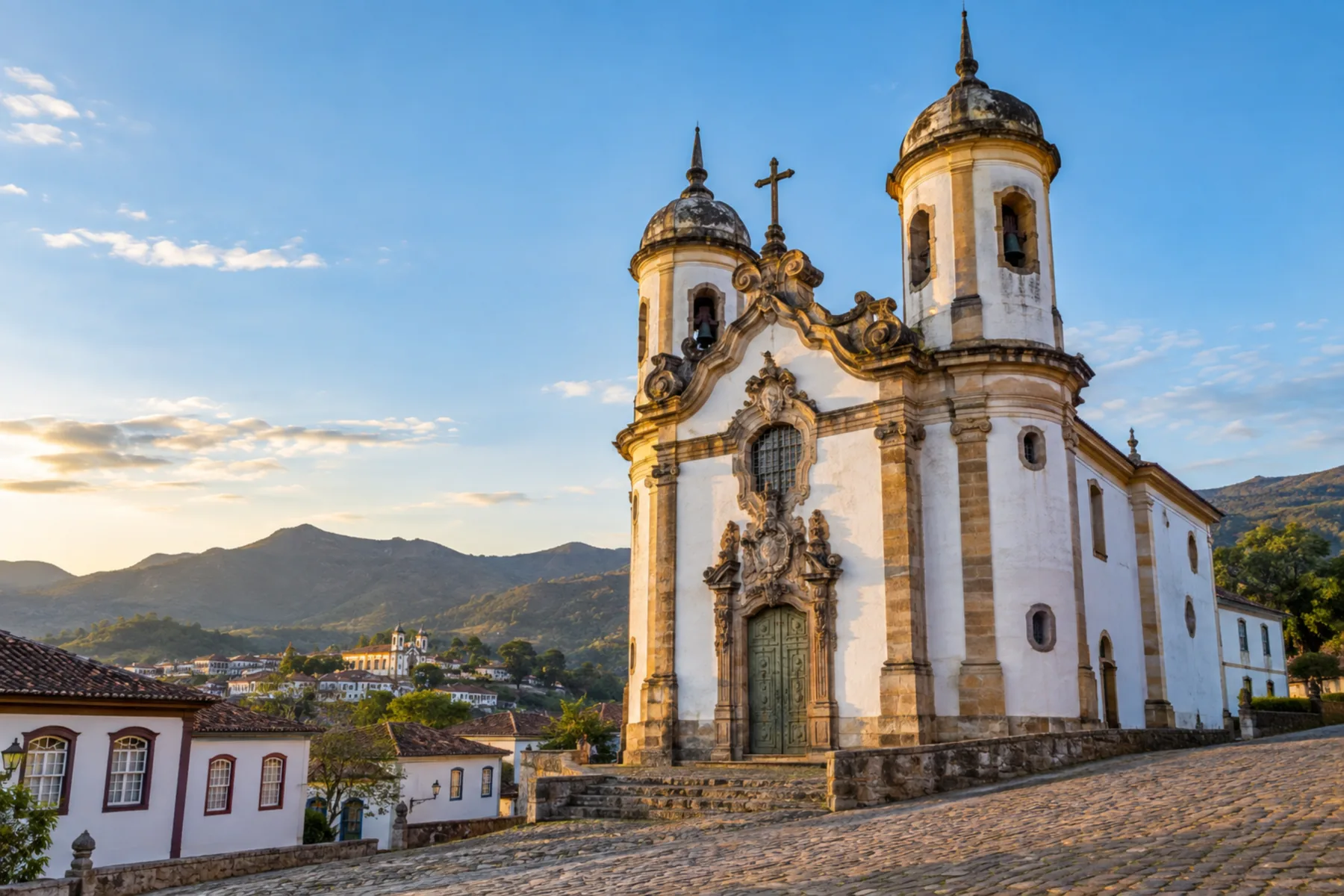
Considered Aleijadinho's masterpiece, it brings together the artist's architectural design, soapstone doorway and woodcarving with the ceiling painting by Mestre Ataíde. It is regarded as the high point of Brazilian Baroque.
Discover Igreja de São Francisco de Assis
An 18th-century wattle-and-daub house where the former president lived as a child and teenager. Turned into a museum, it displays personal belongings, photographs, a library and guitars used in serestas (serenades).
Discover Casa de Juscelino Kubitschek
The main church of the first bishopric seat in Minas, on Rua Direita, it houses an organ built by the German Arp Schnitger and sent by King João V in 1748. Restored in Spain, the instrument returned to concerts at the end of 2025.
Discover Catedral Basílica da Sé
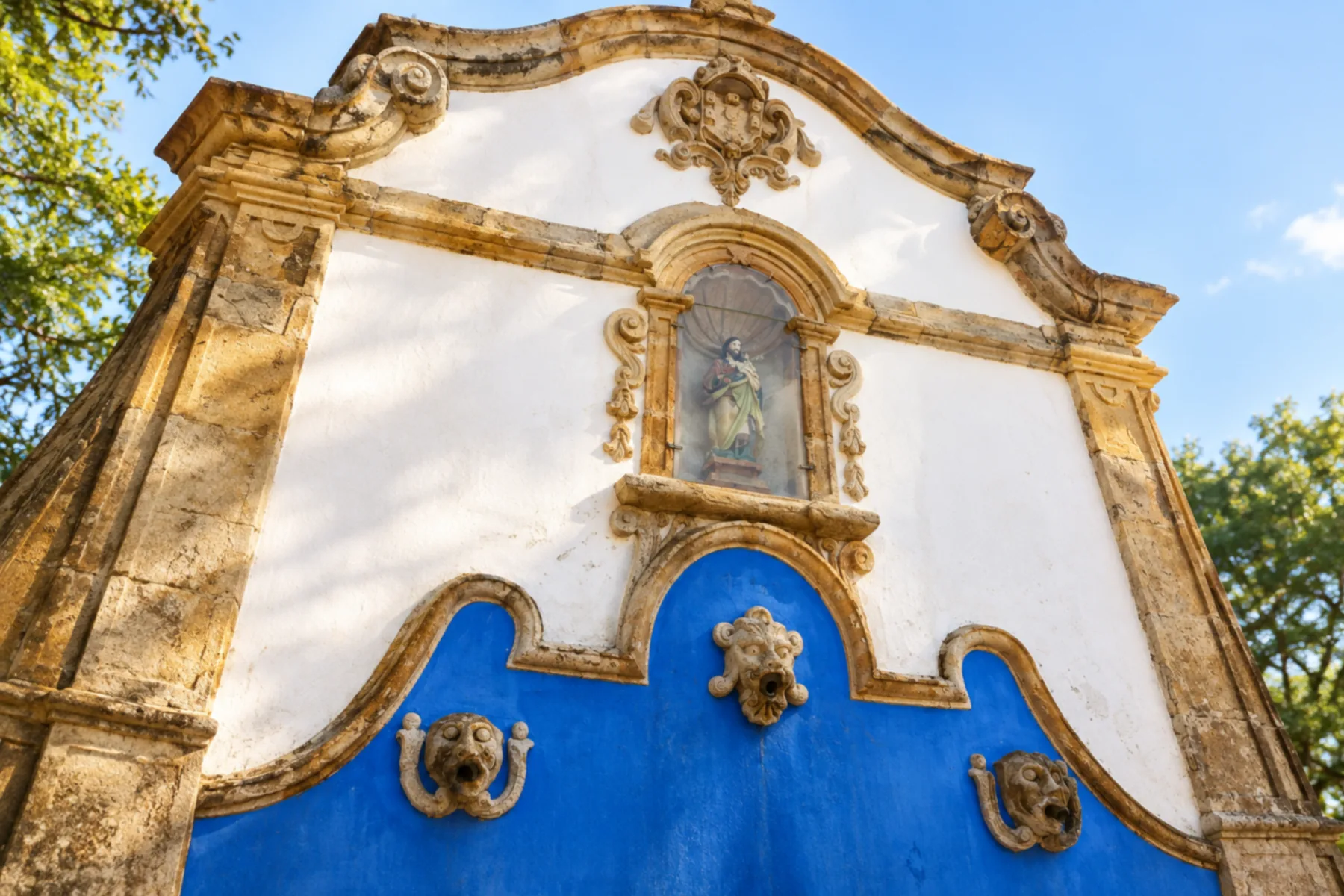
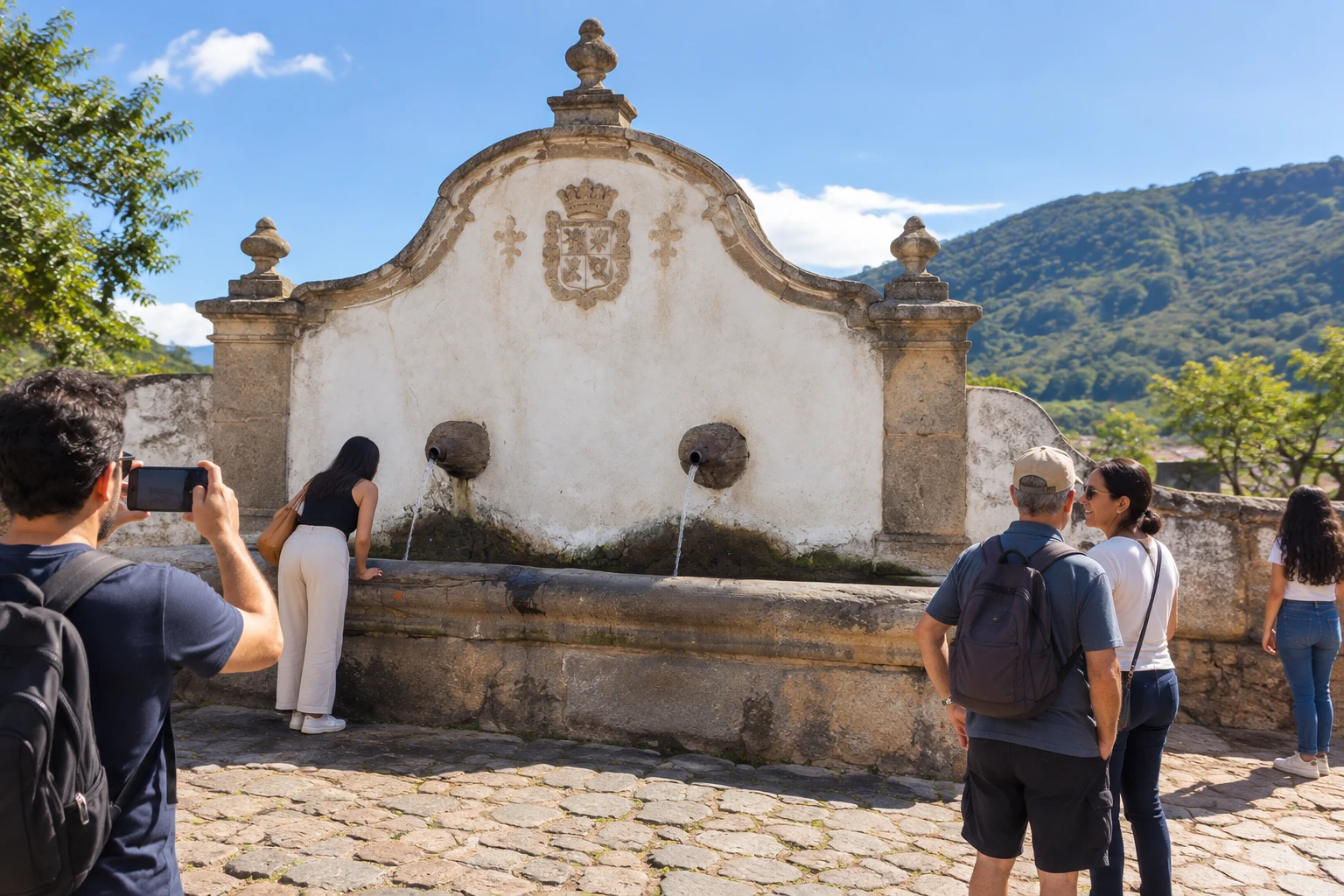
Built in 1749 at the initiative of the town council, it has three spouts with carved masks, a basin, a washing tank and a trough for animals. The Baroque facade bears the Portuguese coat of arms, and the complex has been protected by Iphan (Brazil's national heritage institute) since 1949.
A three-nave main church from the early 18th century, considered one of the richest of its time in gilded woodcarving. The floor holds old tombstones and the ceiling has painted wooden coffers.
Discover Igreja Matriz de Nossa Senhora da Conceição
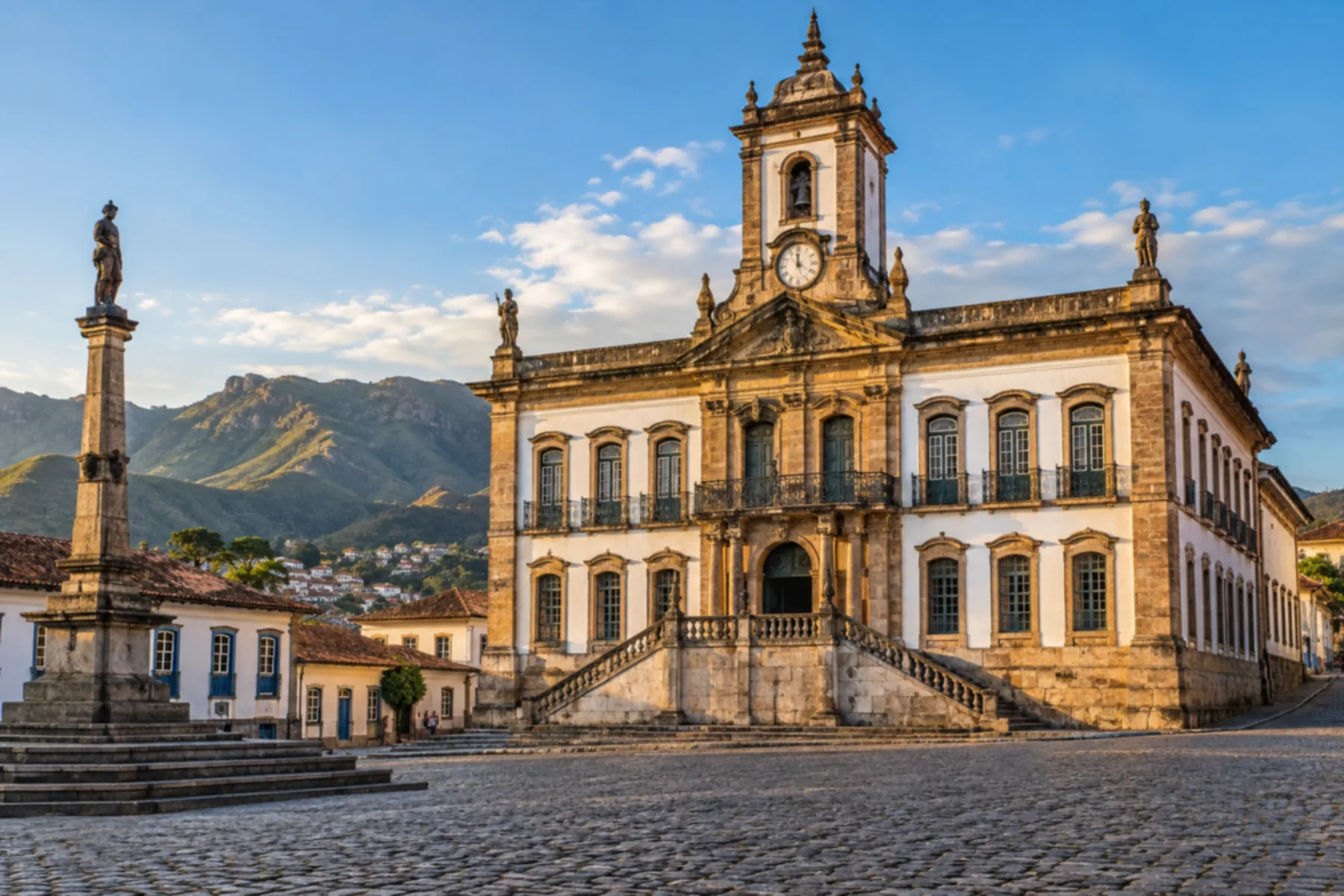
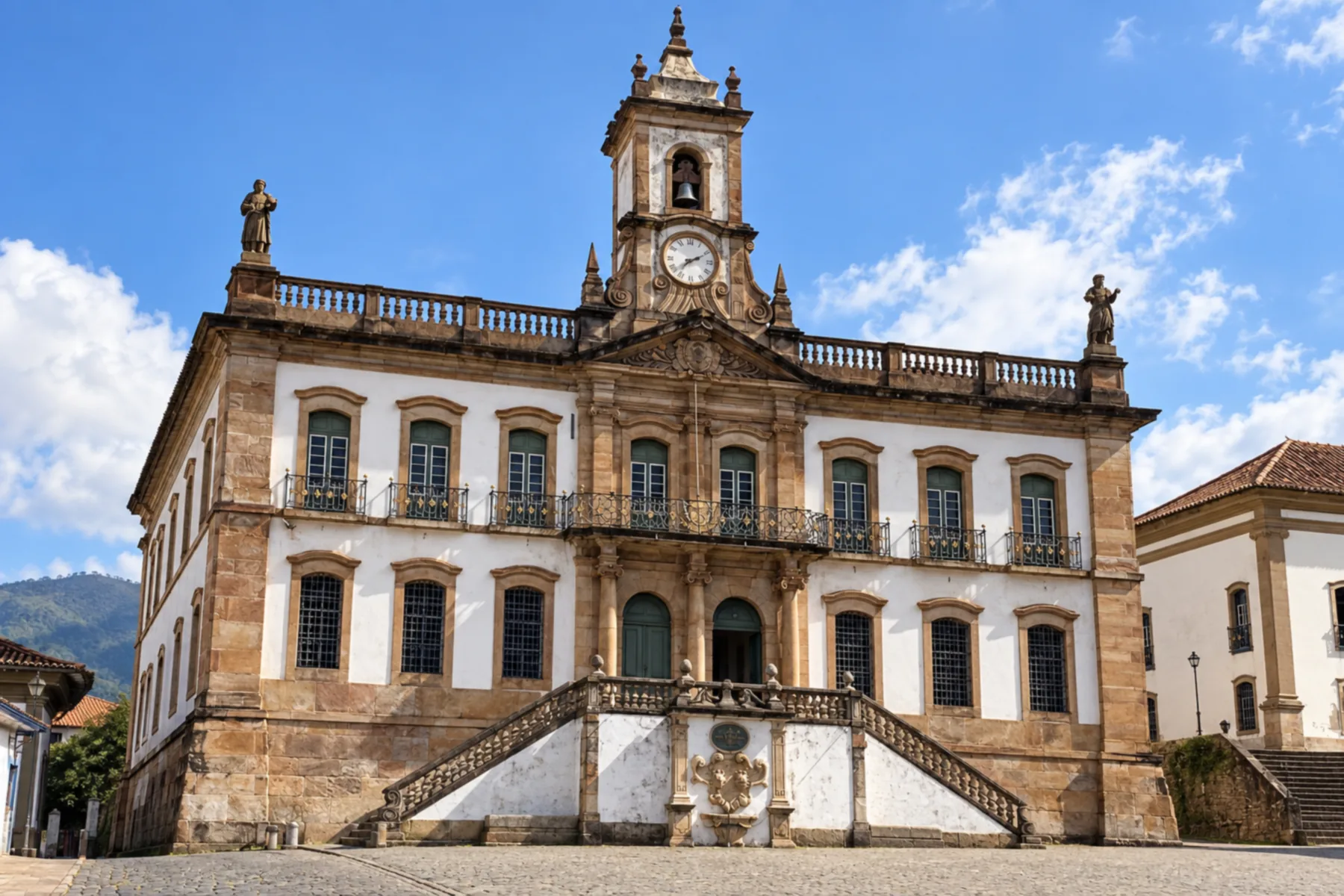
Housed in the old Casa de Câmara e Cadeia (Town Hall and Jail), on Praça Tiradentes, it holds the collection linked to the Inconfidência Mineira (a 1789 independence plot) and items from colonial daily life. It also keeps the remains of the conspirators in the Panteão dos Inconfidentes.
Discover Museu da Inconfidência
Opened in 2015 at the foot of the Santuário do Bom Jesus de Matosinhos, it is dedicated to the sanctuary complex and the work of Aleijadinho. It brings together original pieces, replicas, ex-votos (votive offerings) and information on soapstone and the pilgrimage.
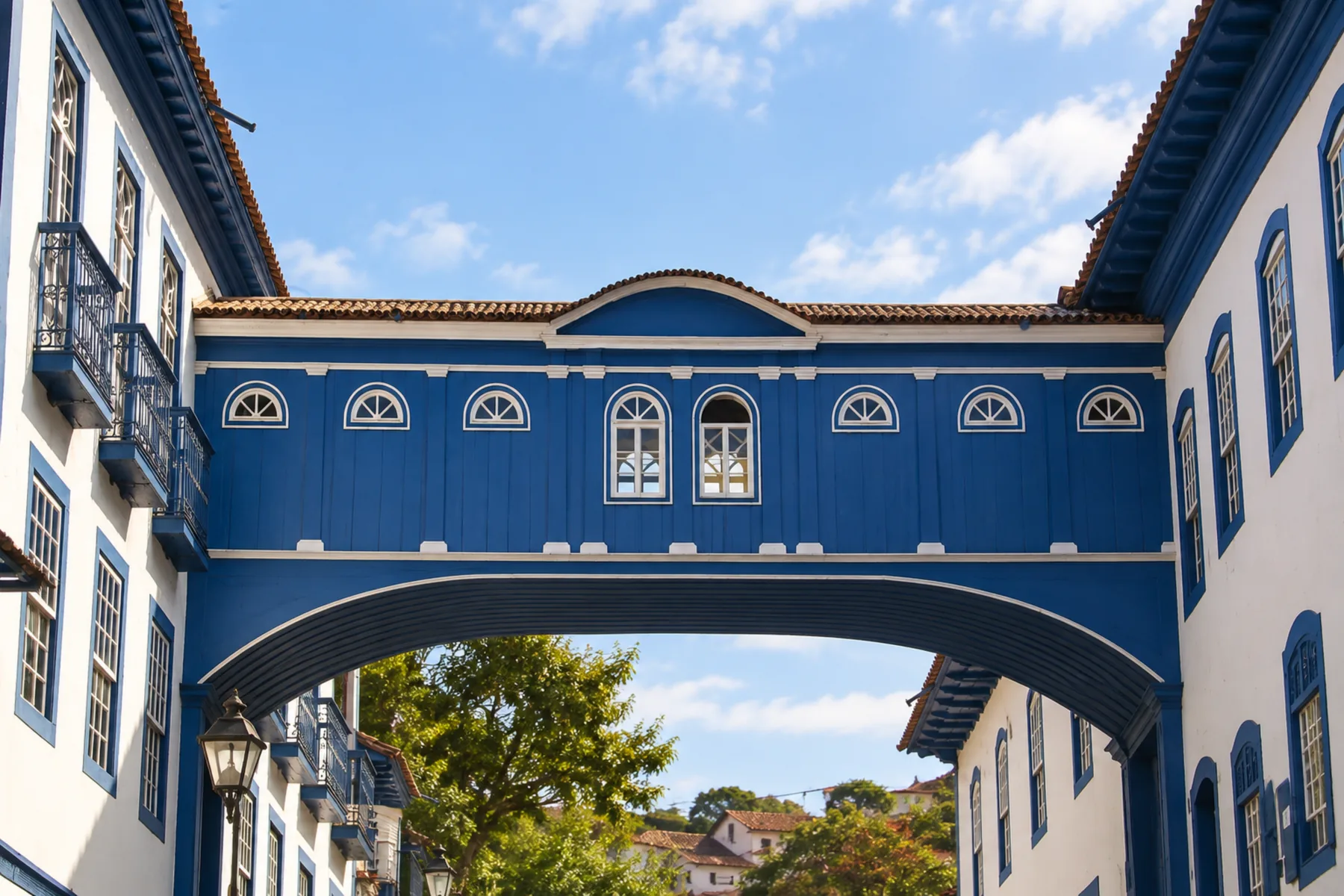
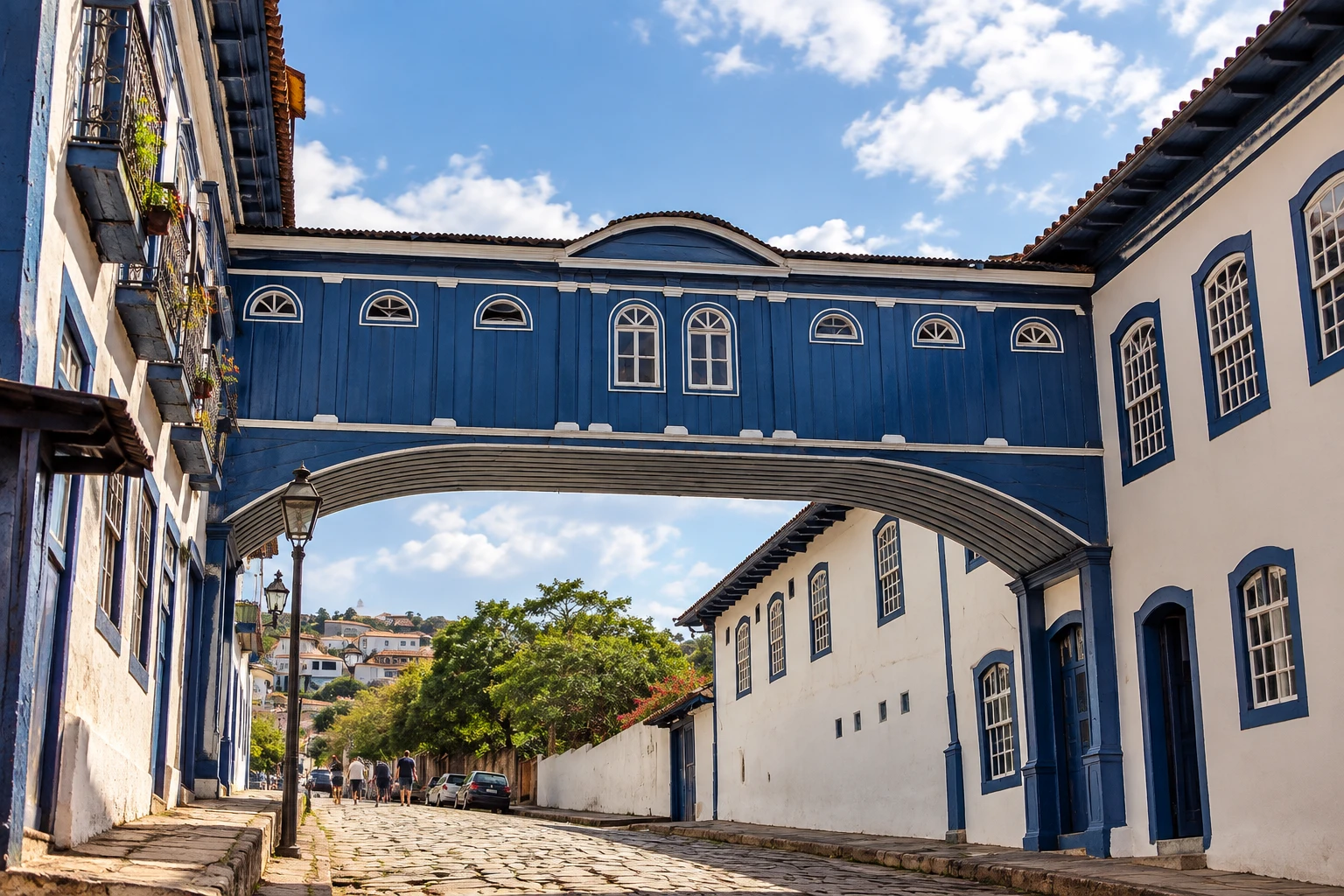
Two late-18th-century mansions joined by a covered walkway over the street, which served as a residence for intendants, a school and an orphanage. Restored, the complex belongs to UFMG (Federal University of Minas Gerais) and welcomes visitors.
Discover Casa da Glória e Passadiço
Begun in 1763, it received works by Aleijadinho between 1771 and 1774, such as the doorway, the pulpits and sculptures. Protected by Iphan (Brazil's national heritage institute), it is an example of the Minas Gerais Rococo.
Discover Igreja de Nossa Senhora do Carmo
The church of the Third Order of Carmel, with a Rococo facade, a doorway decorated with sculptures and set-back octagonal towers. Inside there is woodcarving by Manuel Rodrigues Coelho and an unfinished statue of Christ without arms in the nave.
Discover Igreja de Nossa Senhora do Carmo
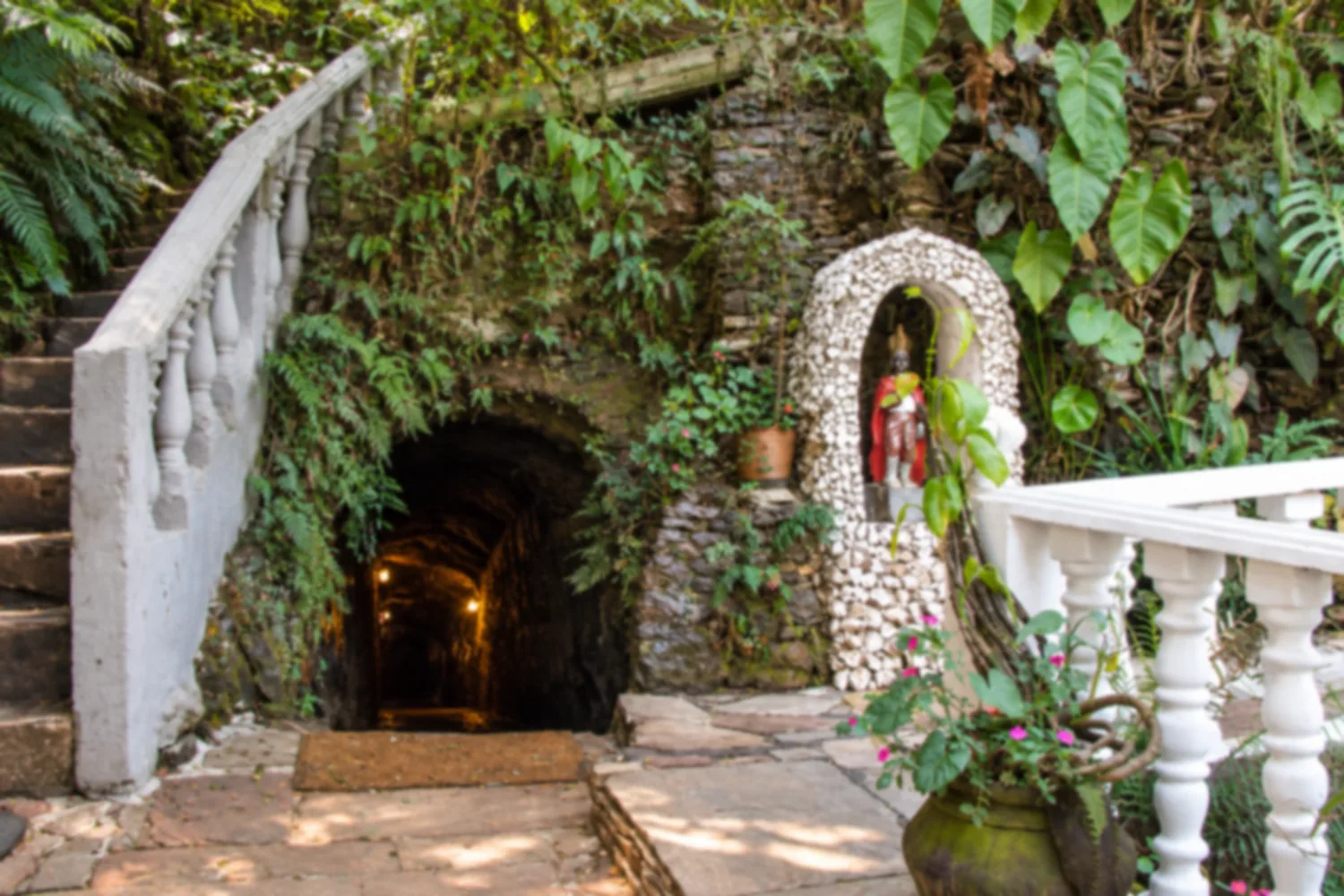
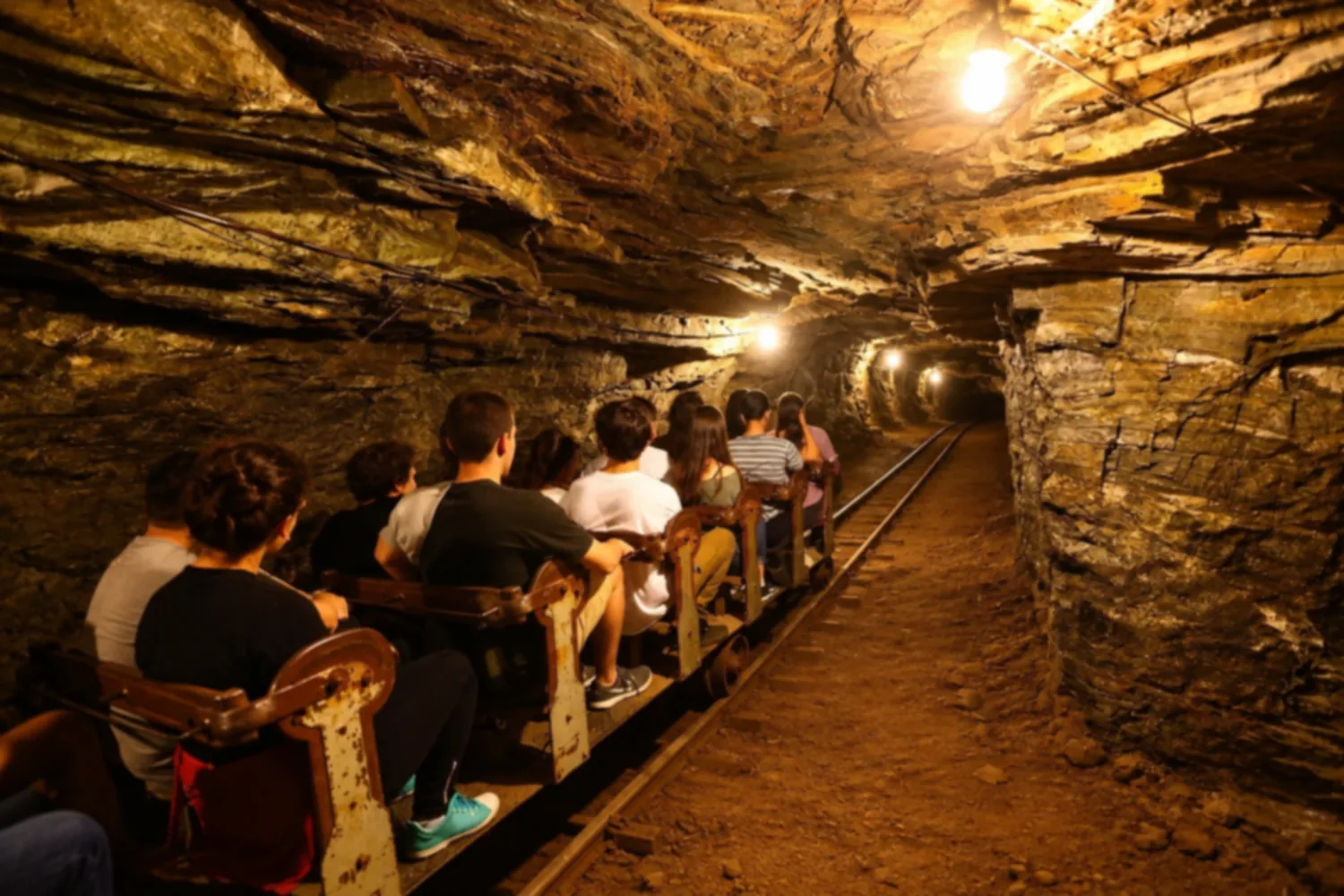
An old gold mine open to visitors, with narrow galleries dug by hand by enslaved workers in the 18th century. The visit tells the story of Chico Rei, the African who, according to tradition, bought his own freedom and that of his people.
Housed in the home that belonged to Father Carlos Correia de Toledo, a member of the Inconfidência (independence plot), it has operated since 1971 and is now part of UFMG's (Federal University of Minas Gerais) cultural campus in town. The painted ceilings and period furniture are among the highlights.
Discover Museu Casa Padre Toledo
It brings together the churches of São Francisco de Assis and Nossa Senhora do Carmo, side by side, the old Casa de Câmara e Cadeia (Town Hall and Jail) and the pillory. The two churches hold works attributed to Aleijadinho and form one of the best-known colonial ensembles in the state.
A circular building erected to house the pilgrims who came for the Jubileu do Bom Jesus (religious festival). Restored by the city in 1993, it became a cultural and events space with an inner courtyard.
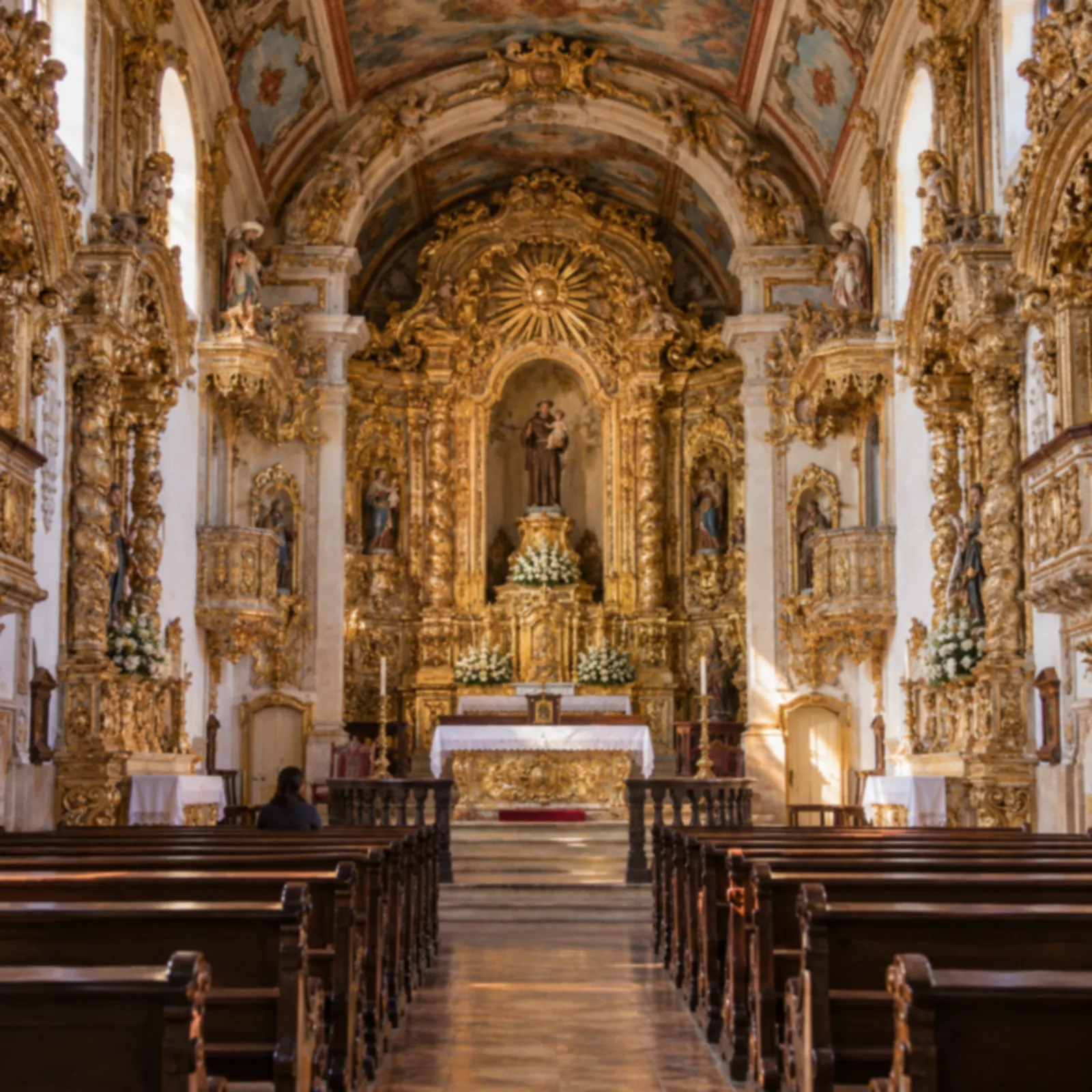
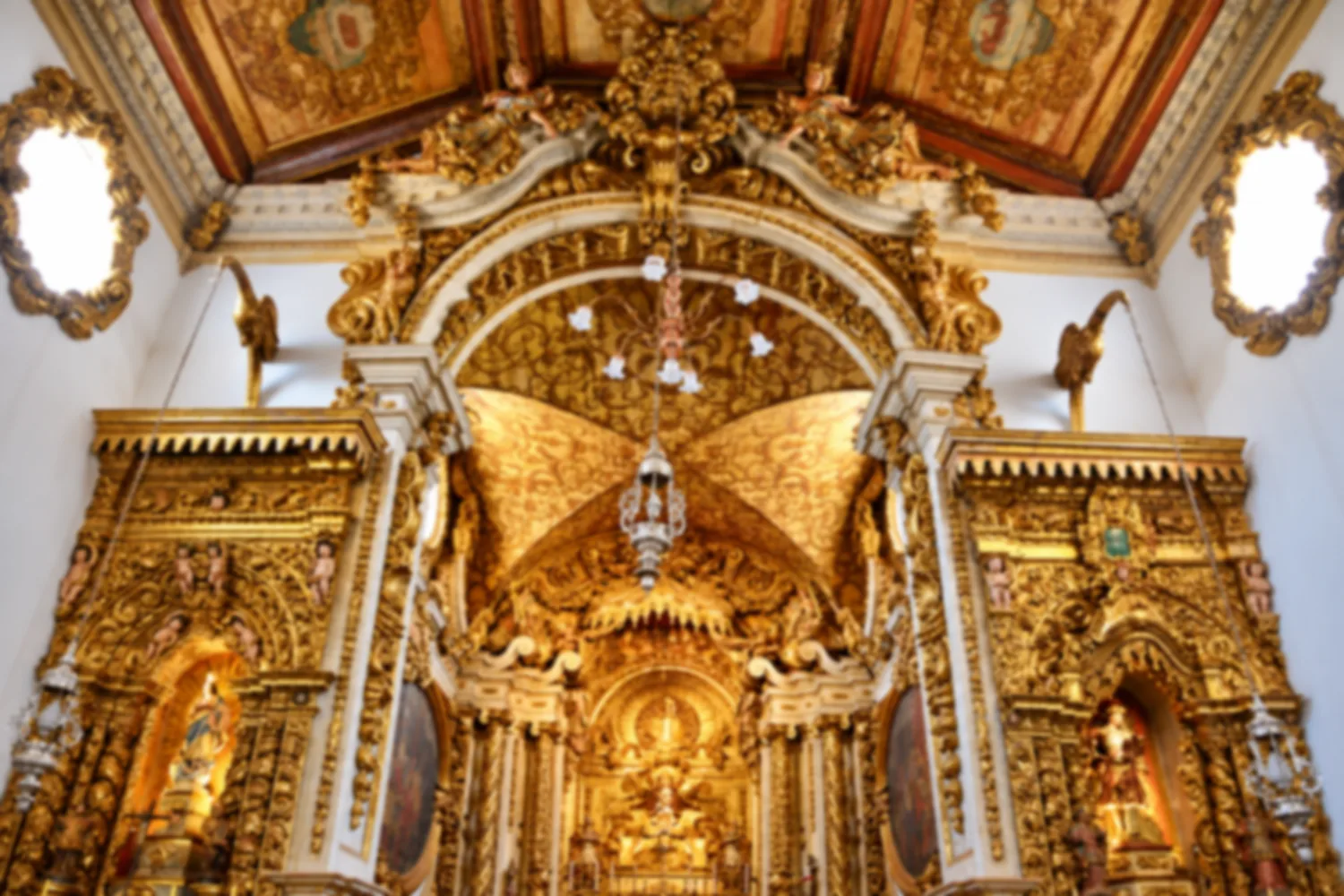
The current building was begun around 1728 and the interior is entirely covered in gilded woodcarving; in 1733, the transfer of the Blessed Sacrament to the church prompted the Triunfo Eucarístico procession. A museum of sacred art operates in the basement.
Discover Basílica de Nossa Senhora do Pilar
Dating from 1734, it brings together different phases of the Baroque and has one of the largest naves in Minas Gerais, with richly decorated altars. The doorway is attributed to Aleijadinho.
Discover Igreja Matriz de Nossa Senhora da Conceição
A grassy, tree-lined central square surrounded by colonial mansions, the hub of life in the historic town. It is the starting point for horse-drawn carriage rides and hosts fairs and cultural events throughout the year.
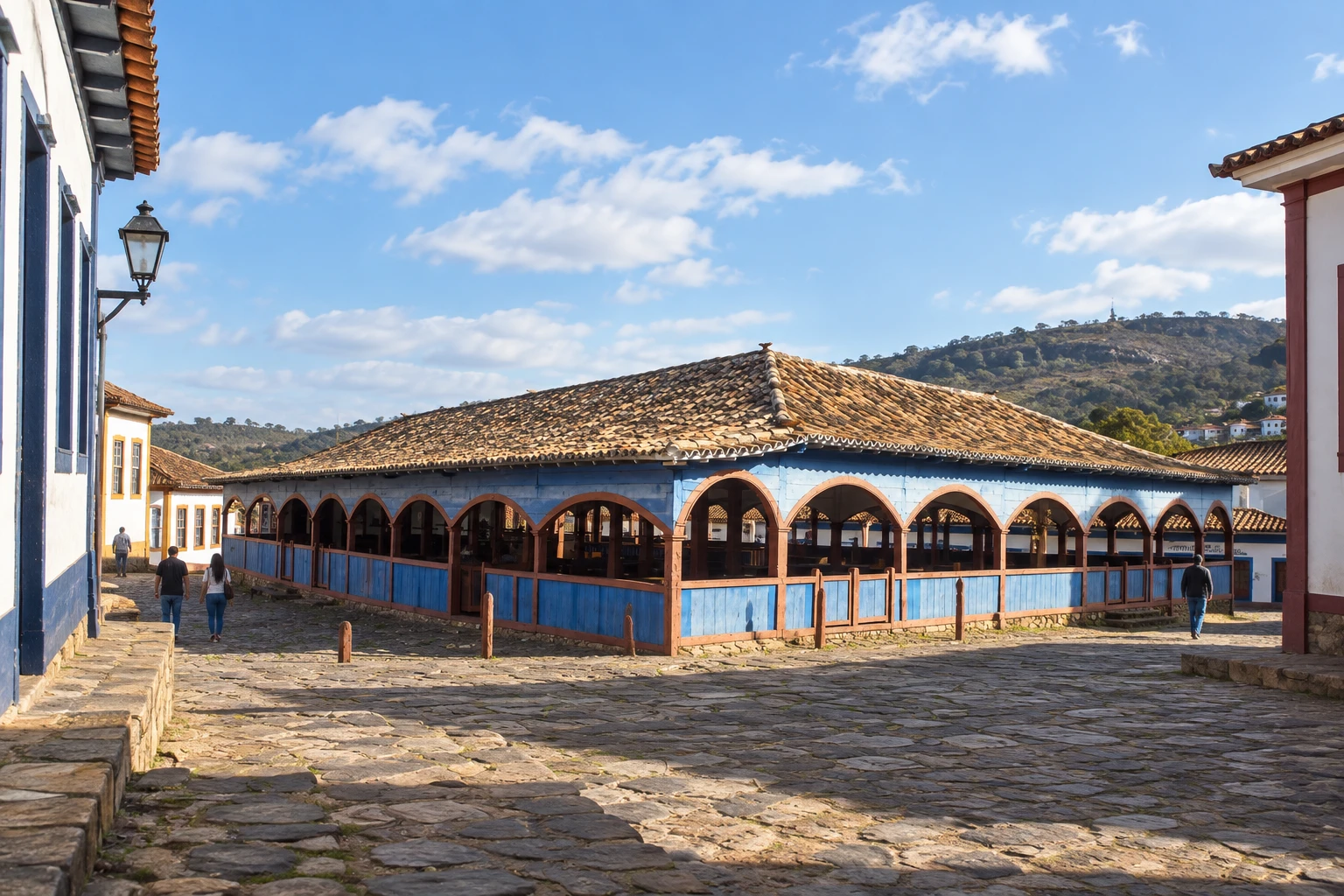
Built in 1834 as a resting place and trading post for tropeiros (mule drivers), it has a wooden structure with half-moon arches. On Praça Barão de Guaicuí, it hosts a handicraft fair, traditional food and music on weekends.
One of the largest gold mines open to visitors in the world, explored on a cart that runs down the tracks to an underground lake of clear water. The descent passes through galleries dug since the 18th century.
Founded in 1961 by Archbishop Oscar de Oliveira and opened the following year, it occupies a mansion in the historic center. The collection has about 2,000 pieces of sacred art, including statues, paintings, silverware and furniture.
Discover Museu Arquidiocesano de Arte Sacra
It occupies the townhouse of commander João Antônio da Silva Mourão, one of the most refined residences of the Second Reign (the reign of Emperor Pedro II), listed in 1946 and opened as a museum in 1963. The collection includes furniture, sacred art and 19th-century sculptures.
Discover Museu Regional de São João del-Rei
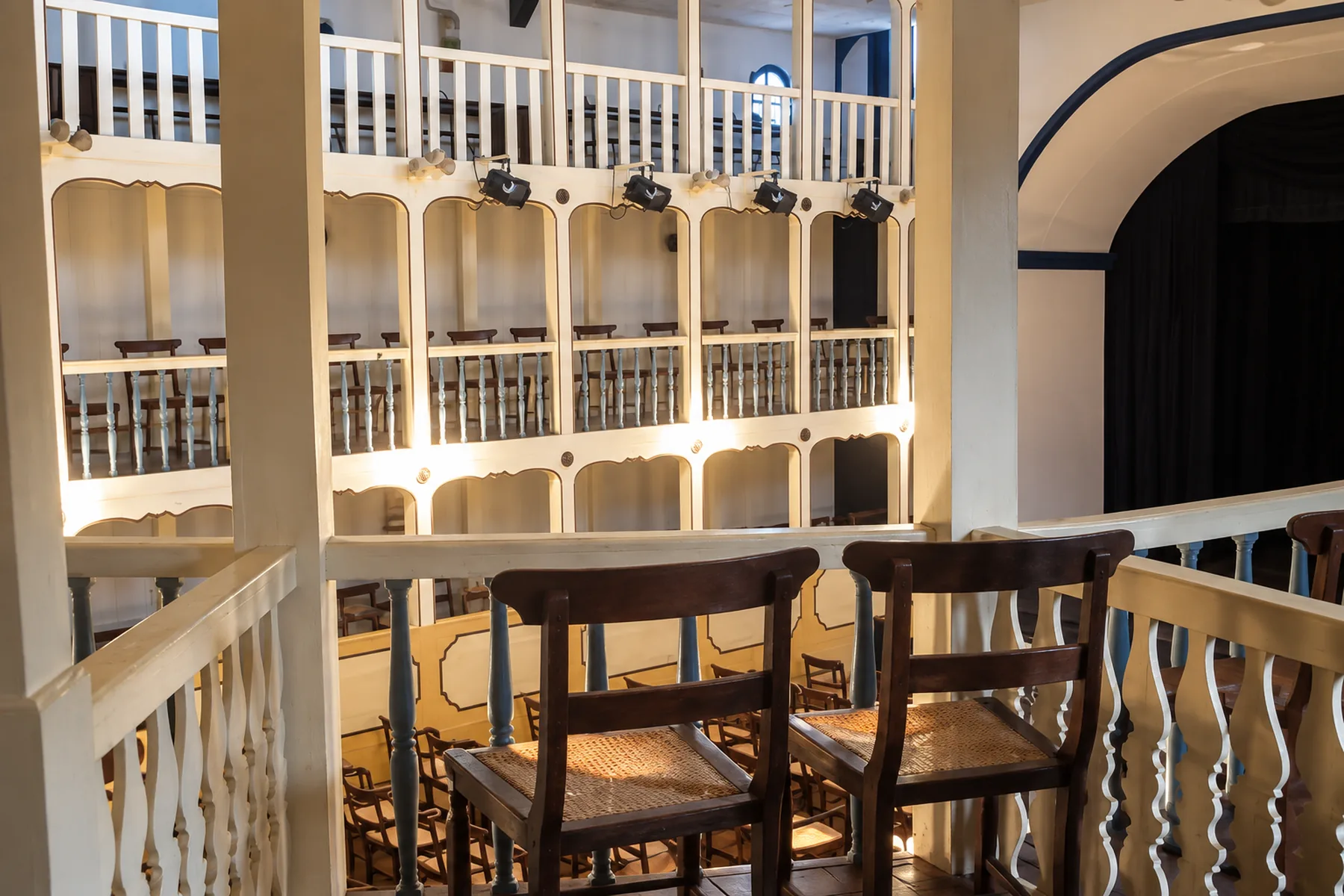
Opened in 1819, it is considered the second-oldest theater still operating in Brazil. The horseshoe-shaped auditorium with wooden boxes follows the Elizabethan model and still hosts cultural programs.
Discover Teatro Municipal (Casa da Ópera)
A townhouse built between 1782 and 1784 by the contractor João Rodrigues de Macedo, later the Crown's tax collection office and gold foundry. Linked to the Inconfidência Mineira (a 1789 independence plot), it is where the poet Cláudio Manuel da Costa died, and today it is a museum.
Built in 1757, it has supplied the town with water for more than two centuries and is one of the landmarks of the historic center. The facade still shows traces of the Portuguese coat of arms, torn off after Independence.
Built in the 18th century at the top of a hill, it has a layout with an elliptical nave, and part of its interior decoration was left unfinished. The churchyard serves as a lookout over the roofs and towers of the historic center.
Discover Igreja de São Pedro dos Clérigos
A Roman-style stone bridge completed in 1798, after the old wooden bridge collapsed during a procession. The name (Jail Bridge) comes from the town hall and jail building that stood next to it.
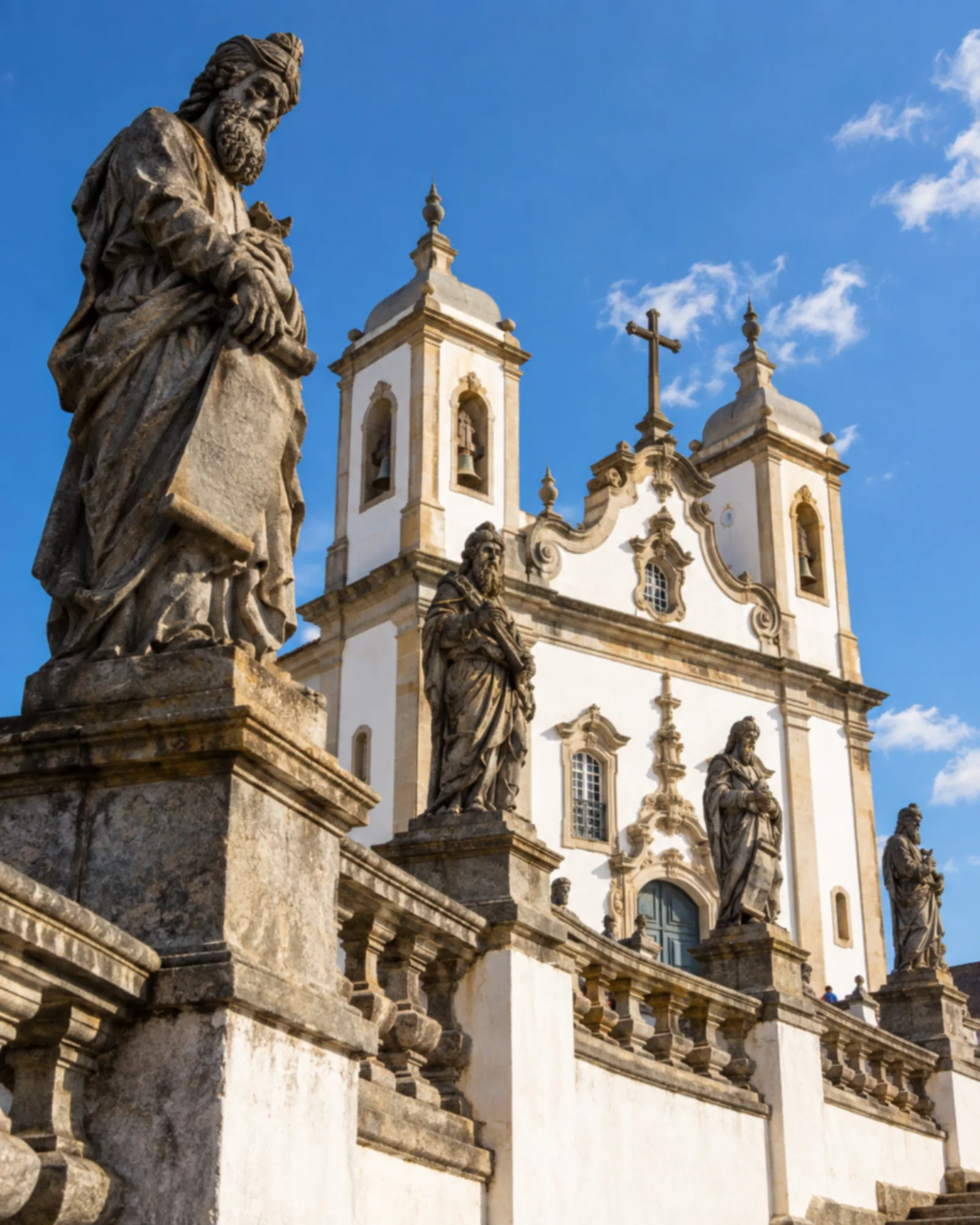
A UNESCO-recognized complex where Aleijadinho carved in soapstone the twelve figures of the prophets that guard the basilica's churchyard. In the chapels along the path are the Stations of the Passion, in polychrome cedar.
Discover Santuário do Bom Jesus de Matosinhos e os Doze Profetas
A quartzite ridge that frames the town and is protected as an environmental protection area and wildlife refuge. Its trails pass through forests, springs and viewpoints, including stretches of an old stone-paved road.
A workers' village built around a textile factory founded in 1876 and closed in 1973, about 14 km from the center. The complex, listed by Iepha (the Minas Gerais state heritage institute) in 1998, is next to the Parque Estadual do Biribiri, with waterfalls.
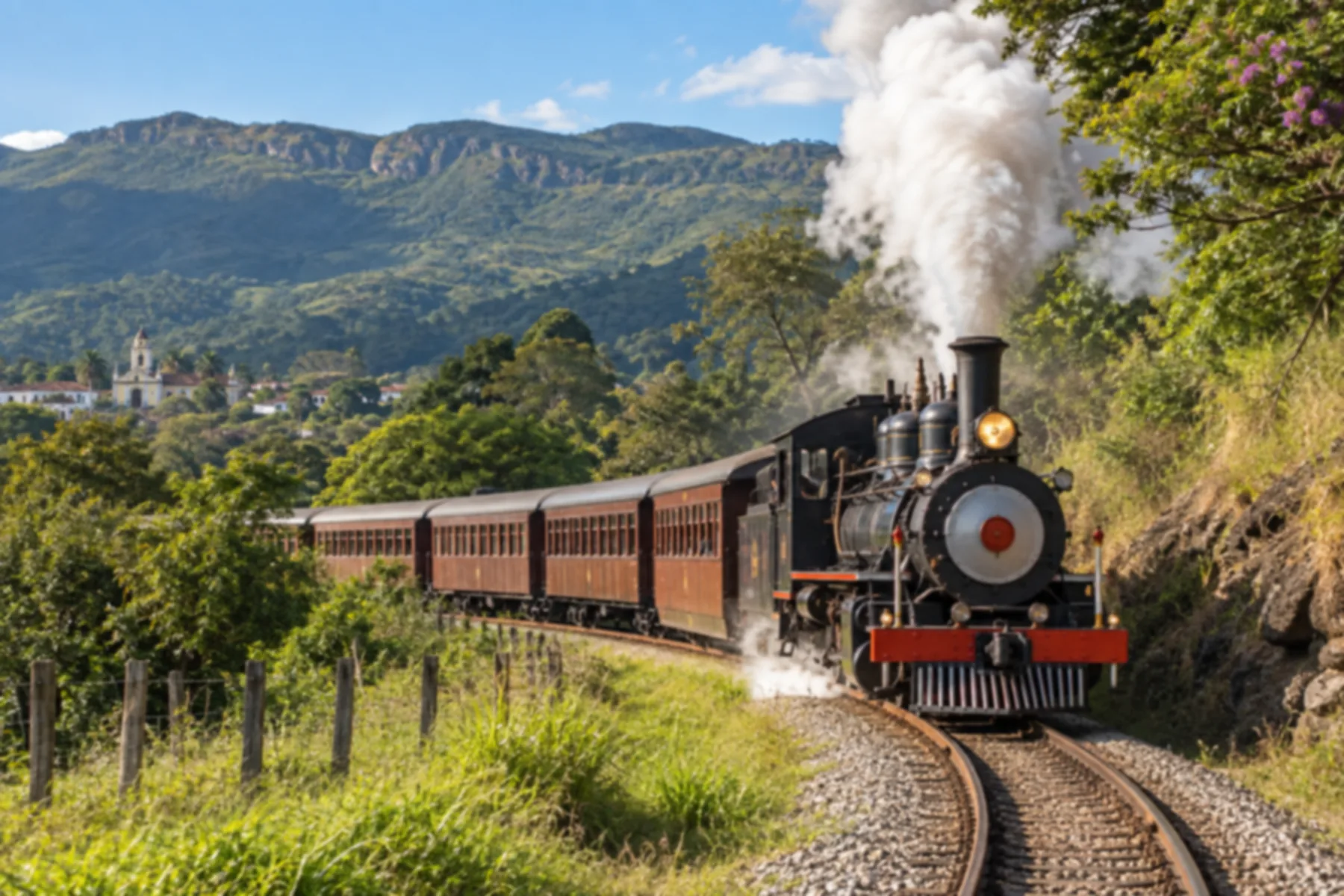
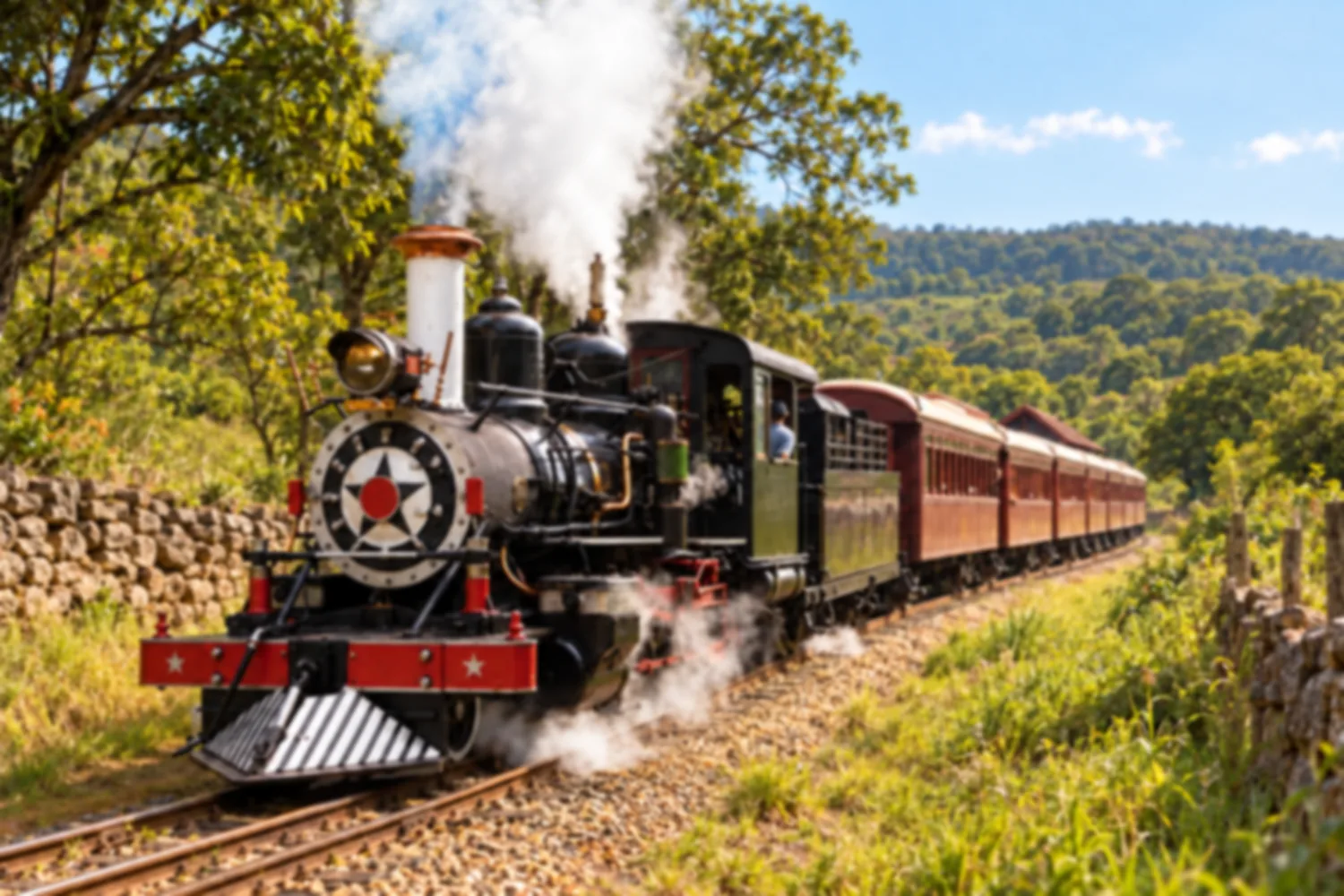
A 19th-century steam locomotive that still runs the narrow-gauge route between the two towns, along the Rio das Mortes (river). The train leaves from a historic station that serves as a railway museum.
Discover Trem Maria Fumaça São João del-Rei–Tiradentes
An 18th-century main church with an interior of entirely gilded woodcarving and one of the doorways attributed to Aleijadinho, as well as an old Portuguese organ. It stands at the top of the main street, with a staircase and a sundial in front.
Discover Igreja Matriz de Santo Antônio
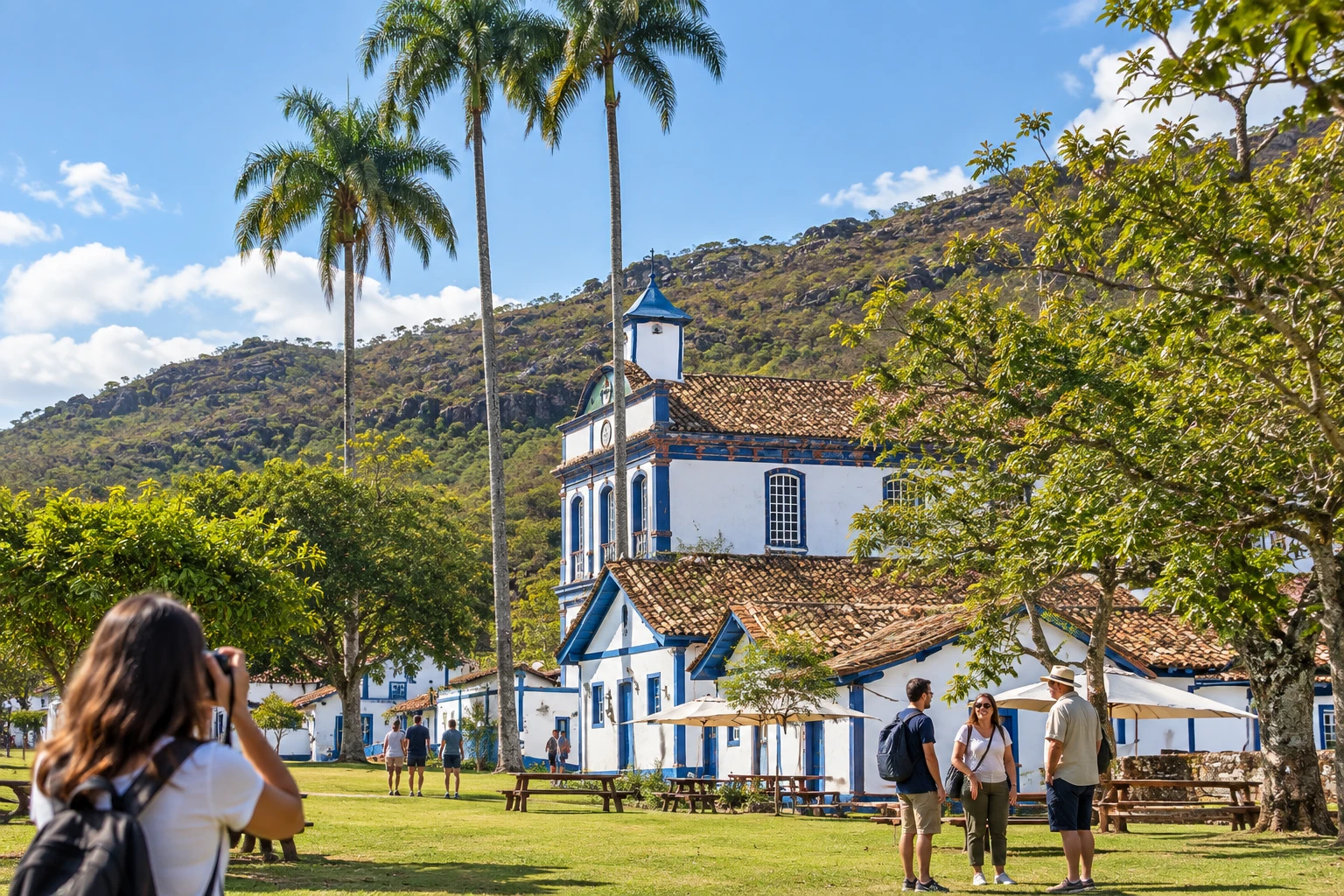
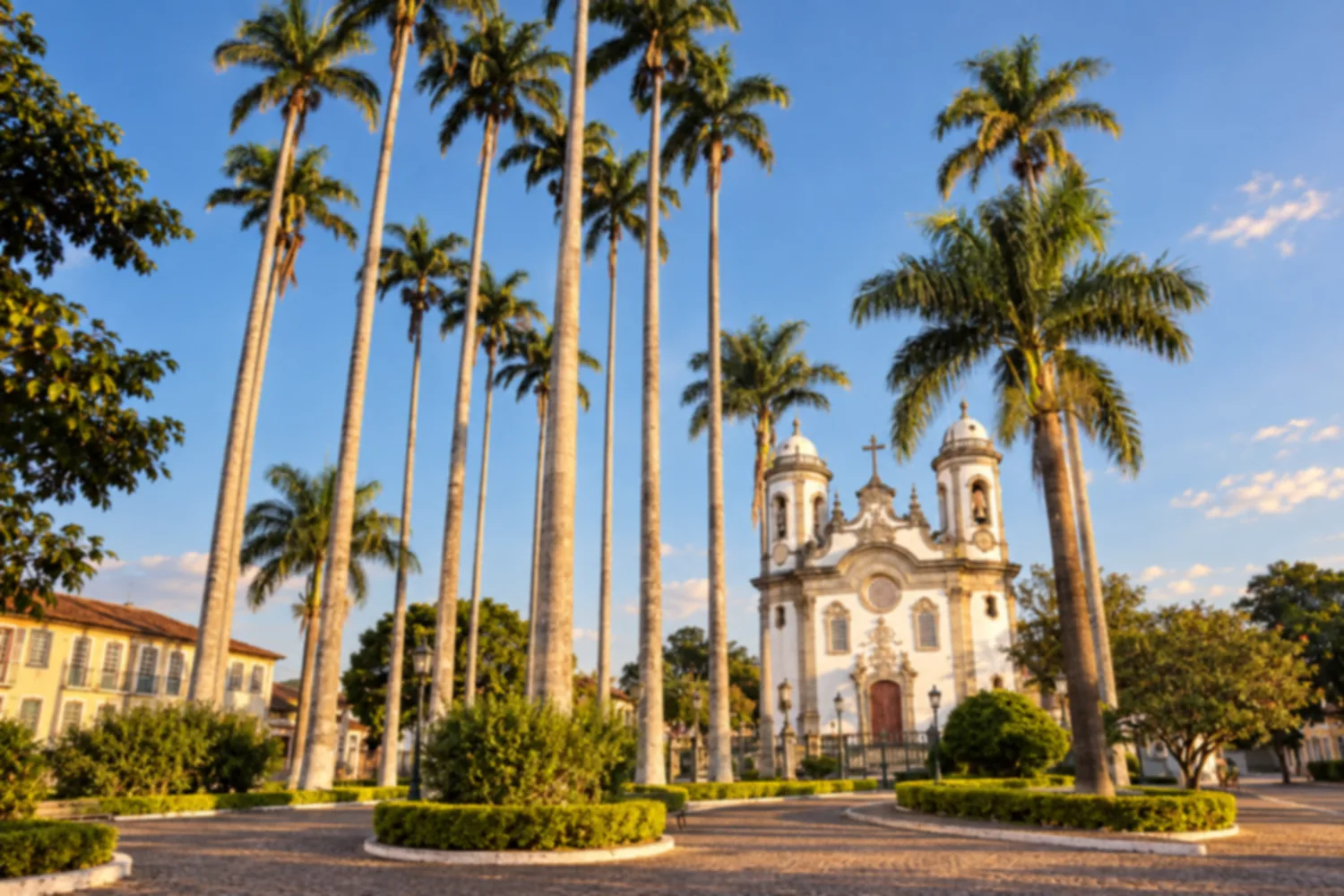
A Baroque church with a curved facade designed by Aleijadinho, surrounded by a churchyard of royal palms and by the cemetery where Tancredo Neves is buried. It is the town's postcard image.
Discover Igreja de São Francisco de Assis
Your base to explore
Where you stay is part of the trip. Choose the area that best fits your itinerary.
A hotel designed by Oscar Niemeyer at the invitation of Lúcio Costa, with a modernist building on pilotis and gardens by Burle Marx, on Rua Senador Rocha Lagoa. It suits those who want to stay in a landmark of modern architecture in the historic center.
A hotel set in part of the former school of the Daughters of Charity of Saint Vincent de Paul, who arrived in Mariana in 1849, opened as lodging in 1972. It has a pool, sports courts and an auditorium, and suits those who want to stay in the historic center.
A hotel designed by Oscar Niemeyer on Rua Macau do Meio, in the historic center, with 25 apartments, 15 of them with a panoramic balcony. It is about 230 meters from the Museu do Diamante and suits those who want to stay in a modernist landmark.
A pousada on Avenida Bias Fortes, about 400 meters from the Santuário do Bom Jesus de Matosinhos, with 36 rooms, a pool, a sauna and a spa. It suits those who want to walk to Aleijadinho's prophets and the Stations of the Passion.
A 20-room pousada in a preserved old mansion on Rua Ribeiro Bastos, downtown, with a pool and a restaurant. It suits those who want to stay in a historic building near the town's colonial houses.
A pousada on Avenida Prefeito Serafim Motta Barros, in the historic center of Sabará, with a breakfast of Minas Gerais treats and parking. It suits those who want to explore the town's churches and old houses on foot.
An 18-room hotel in a colonial building on Praça das Mercês, considered one of the pioneers of boutique hotels in Tiradentes. It has a garden, a pool and a sauna, and suits those who want to stay between the Serra de São José and the Rio das Mortes.
A 165-room hotel in the Praia neighborhood, with a gym, meeting rooms and a 24-hour front desk. It suits business travelers or groups who need larger facilities to visit the Sanctuary and the Museu de Congonhas.
A hotel in a restored 19th-century mansion on Rua Getúlio Vargas, with 38 rooms, a restaurant with a wood-fired oven, a spa and a heated pool. It suits those who want hotel facilities within walking distance of Praça Tiradentes.
A 14-room colonial-style pousada on Rua Irmã Eugênia Luz Pinto, with a garden, a pool and rooms with a whirlpool bathtub. It suits couples and families who want a quiet base in the historic center.
A pousada in Arraial Velho, in a wooded area with gardens, rustic rooms and a Minas Gerais breakfast with homemade items. It suits those who want to relax close to nature near the historic center.
A pousada on Rua Zizinha Camelo, in the historic center, with architecture inspired by 18th-century colonial buildings and suites with a kitchenette. It accepts pets and suits those traveling by car, with enclosed parking.
A pousada on Avenida da Saudade, near the historic center, with a pool and the O Garimpeiro restaurant, dedicated to regional Minas Gerais cooking. It suits families and groups looking for full facilities in town.
A 13-room pousada on Rua Padre Toledo, about 100 meters from the Museu Padre Toledo and the Matriz de Santo Antônio, with access to the Beco da Matriz (alley). It suits those who want to explore the historic center on foot.
A farm hotel in the Esmeril neighborhood, with a pool, sauna, fishing and activities for children, which accepts pets. It suits families who want to combine a visit to the historic center with days in the countryside.
A 32-room hotel on Avenida Presidente Tancredo Neves, downtown, with its own restaurant and pizzeria, a game room and parking. It suits those who need hotel facilities to get around town.
A hotel on Rua Getúlio Vargas, in downtown Mariana, with its own restaurant, parking and a 24-hour front desk. It suits those who want to walk between the Igreja do Rosário, Praça Gomes Freire and Praça Minas Gerais.
A pousada in a 1747 mansion next to the Igreja de São Francisco de Assis, restored by the Pereira family with original materials and period furniture. It suits those who want to sleep in the colonial core, right by Aleijadinho's work.
A 74-room pousada on Avenida Governador Israel Pinheiro, built in colonial style, with a restaurant, indoor and outdoor pools, a spa and a gym. It suits families and groups who want full leisure facilities in town.
A gastronomic pousada in the district of Ravena, in Sabará, near the Ravena interchange on the BR-381, with a few suites and house-made Minas Gerais cooking. It suits couples who want a countryside retreat about 30 km from Belo Horizonte.
A pousada in a 19th-century mansion on Rua Macau de Baixo, below the Igreja de São Francisco de Assis, decorated like a house museum with period furniture. It has a contemporary wing built in 2012 and an indoor pool.
Hotel Pousada do Arcanjo is at the entrance to the historic center, in Ouro Preto. It has a restaurant; transfer to Praça Tiradentes.
Pousada Chão de Minas is in the Cachoeira do Campo neighborhood, in Ouro Preto. It has breakfast; Wi-Fi; parking; outdoor pool; two restaurants.
Pousada dos Ofícios is downtown, in Ouro Preto.
Hotel e Pousada Arcádia Mineira is in Ouro Preto.
Pousada Carumbé is at the entrance to Lavras Novas, a 15-minute walk from the village center, in Ouro Preto. It has breakfast; pools, including a heated one; sauna; wireless internet; parking; restaurant; game room.
Pousada Casarão da Pedra is in the Matriz neighborhood, in Congonhas.
Pousada Solar da Imperatriz is downtown, in Tiradentes.
Pousada Villa Allegra is at the foot of the Serra de São José, 10 minutes from the center (mode of travel not specified), in Tiradentes. It has breakfast; pool; private parking; Wi-Fi; sauna.
Pousada Lis Bleu is 800 m from the historic center and 100 m from the Tiradentes Maria Fumaça station. It has breakfast; heated pool with hot tub; steam sauna; parking; Wi-Fi; air conditioning; minibar; fireplace; hot tub in the Master rooms.
Pousada Paço do Lavradio is 4 km from downtown São João del-Rei and 9 km from Tiradentes. It has breakfast; pool; playground; trampoline; garden; game and reading room; fireplace.
Hotel Ponte Real is downtown, in São João del-Rei.
Hotel Estilo de Minas is in the Cazuza neighborhood, in Diamantina. It has breakfast; game room; pool and kiosk bar temporarily closed.
Diamante Palace Hotel is at the main entrance to Diamantina. It has breakfast; internet; TV; ceiling fan.
Flavors of the destination
A restaurant on the second floor of a townhouse on Praça Barão de Guaicuí, with views of the square and the mountains, serving a pay-by-weight buffet. It suits those who want Minas Gerais food and varied dishes in the historic center.
A restaurant in a colonial building on Rua Dr. Paulo Mendes, next to the Santuário do Bom Jesus de Matosinhos, with a buffet of Minas Gerais food kept warm on a wood-burning stove. It suits those who want lunch between visits to the Stations and the prophets.
A restaurant opened in 1972 in a mansion in the Lajes neighborhood and moved in 1984 to Rua Direita, where it serves Minas Gerais cuisine and international dishes à la carte. It suits those who want classic recipes such as chicken with okra and tropeiro (beans with cassava flour, pork and eggs) in the historic center.
A restaurant in a historic mansion on Rua Barão de Camargos that combines food and art, with reinterpreted traditional Minas Gerais cooking, pizzas and a wine list. It suits those looking for a more elaborate dinner in the first capital of Minas.
A restaurant, cachaça distillery and general store on Rua José Vaz Pedrosa, in Pompéu, Sabará's dining hub, with Minas Gerais cuisine. It took part in the 2026 Winter Food Circuit with a pork dish with ora-pro-nóbis (a native leafy green) and is a good fit for families on a weekend outing.
A tavern, bar and bakery in the Solar da Baronesa, on Rua Getúlio Vargas, overlooking the Igreja de Nossa Senhora do Carmo. It serves draft beer, artisanal sausages and live music, such as choro (traditional Brazilian instrumental music) sessions, to those who want to eat in the historic center.
A restaurant in an almost 300-year-old mansion on Rua Direita, restored according to Iphan (Brazil's national heritage institute) guidelines and open since around 2000. It serves traditional Minas Gerais cooking with ora-pro-nóbis (a native leafy green), cheeses and pork, and is known for its fried guava paste with cheese.
A restaurant and steakhouse on Rua Marechal Deodoro, downtown, with a pay-by-weight buffet of Minas Gerais dishes and grilled meats. It suits those who want a hearty weekday meal in town.
A draft-beer bar, pizzeria and steakhouse on Avenida Prefeito Serafim Motta Barros, in downtown Sabará, with a buffet and rodízio (all-you-can-eat table service). It has a kids' area, which makes it a practical option for families.
Chef Rachel Palhares' restaurant on Rua Joaquim Gomes da Costa, behind the Mercado Velho, decorated with everyday Brazilian objects from before the 1980s. It serves contemporary Brazilian cuisine to those looking for a chef-driven dinner.
A restaurant founded in 1958 by Orlando Trópia on Rua São José, in a mansion with original decor that includes an old phone booth and furniture from a century-old pharmacy. Now run by the family, it serves Minas Gerais cuisine à la carte.
A restaurant in a 19th-century mansion on Rua Dom Viçoso, with a Minas Gerais food buffet at lunch and homemade desserts such as cheese ice cream with guava paste. It suits those who want a regional lunch in the historic center.
A restaurant in a preserved 18th-century mansion on Rua Padre José Maria Xavier, serving a buffet. It suits those who want home-style Minas Gerais food in the historic center.
Chef Beth Beltrão's restaurant on Rua do Moinho, dedicated to traditional Minas Gerais cooking with ingredients from the garden. It suits those who want dishes such as tutu (mashed beans) with pork ribs and pork loin in a family atmosphere.
A traditional steakhouse on Praça Severiano de Resende, with filet mignon skewers and the house potato salad among its best-known dishes. It suits families who want a sit-down lunch downtown.
The restaurant of the Pousada do Garimpo, on Avenida da Saudade, with prospector-themed Minas Gerais cuisine and generous portions. It suits those who want a regional meal near the historic center of Diamantina.
A pizzeria and restaurant in an 18th-century mansion on Rua São José, with eight dining areas and a terrace facing the Casa dos Contos and the Ponte dos Contos. It serves wood-fired pizzas and international cuisine to those who want dinner in the historic center.
A restaurant set in two 18th-century houses on Rua Direita, with French-based cooking that uses Minas Gerais ingredients and a list of more than 150 wines. It suits those looking for a more elaborate dinner in the historic center.
A restaurant and snack bar on the BR-040, within the municipality of Congonhas, with a Minas Gerais food buffet at lunch. It suits those arriving by highway who want to stop for a meal before heading up to the historic center.
A restaurant on Praça Gomes Freire serving Minas Gerais food kept warm on a wood-burning stove, buffet style. It suits those who want dishes such as tutu de feijão (mashed beans with cassava flour) on the town's main square.
A regional cuisine restaurant on Rua José Vaz Pedrosa, in Pompéu, Sabará's dining hub. It took part in the 2026 Winter Food Circuit with a dish made with bananas from Ravena and is a common stop for visitors to the district.
Before you go
A little planning leaves more time to enjoy the journey.
Confins International Airport, in Belo Horizonte, is the main gateway; from there, the BR-040 leads to Congonhas and São João del-Rei, and the BR-356 to Ouro Preto and Mariana.
From April to September, in the dry season, with highlights such as Holy Week in Ouro Preto and Tiradentes' food and culture festivals in winter.
Take your trash with you, follow the signs and support local businesses. In natural areas, follow the visiting guidelines.