

 Antarctica
 Argentina
 Bolivia
 Chile
 Colombia
 Ecuador
 Guyana
 French Guiana
 Falkland Islands (Malvinas)
 Paraguay
 Peru
 Suriname
 Uruguay
 Venezuela
 Germany
 Austria
 Belgium
 Croatia
 Denmark
 Slovakia
 Slovenia
 Spain
 Finland
 France
 Greece
 the Netherlands
 Hungary
 Ireland
 Iceland
 Italy
 Luxembourg
 Norway
 Poland
 Portugal
 the United Kingdom
 the Czech Republic
 Sweden
 Switzerland
 Turkey
 Bermuda
 Canada
 the United States
 Greenland
 Mexico
 Saint Pierre and Miquelon
 the Dominican Republic
 Japan
 South Africa
 Egypt
 Australia
 Fiji
 New Zealand
 Papua New Guinea
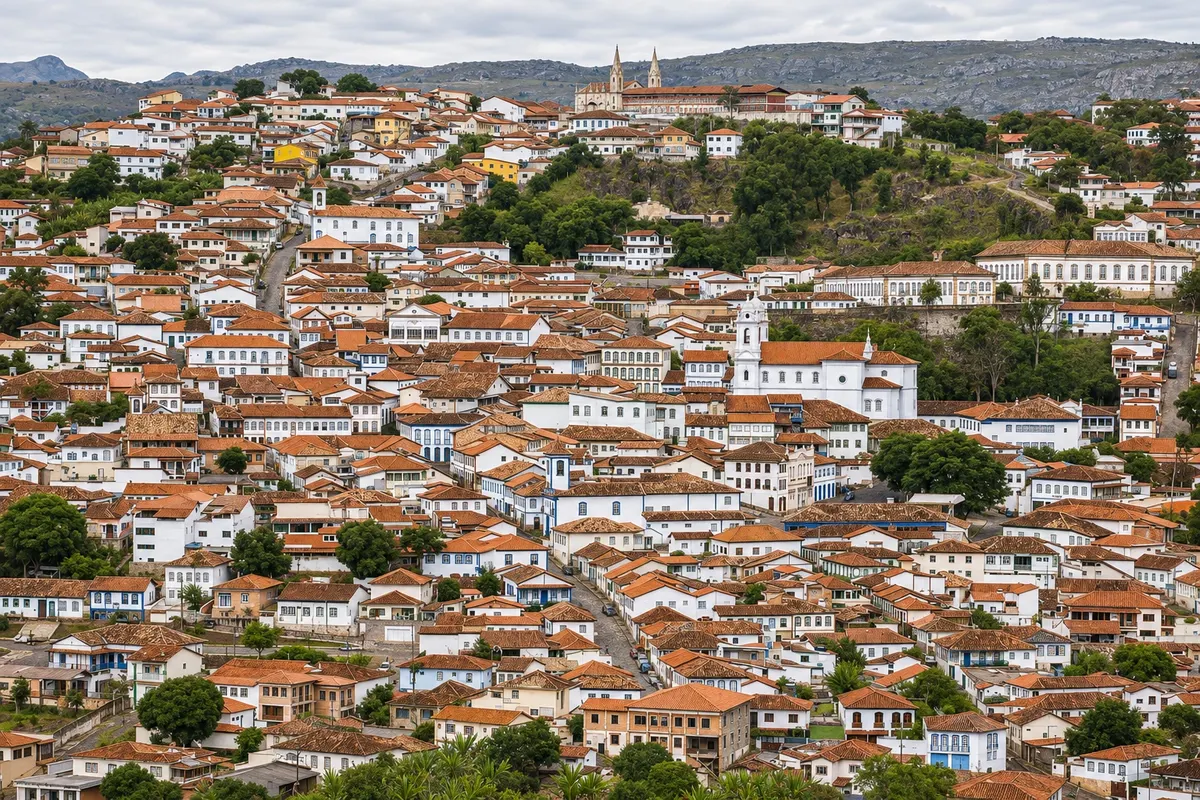
historic center · Diamantina, MG
Historic Centre of Diamantina
Colonial ensemble of the former Arraial do Tejuco, the center of diamond mining in the 18th century, with stone slopes, houses with balconies and churches. Listed by Iphan in 1938, it has been a UNESCO World Heritage Site since 1999.
In the photo: Colonial houses and churches of Diamantina’s Historic Center.
Illustrative images. The pictures in this guide are illustrations based on the real place, not photographs, and may differ from it.


A look at the place
Historic Centre of Diamantina in pictures
These pictures are illustrations based on the real place, not photographs. They may differ from the place.
Click the picture to enlarge it.
Discover
About Historic Centre of Diamantina
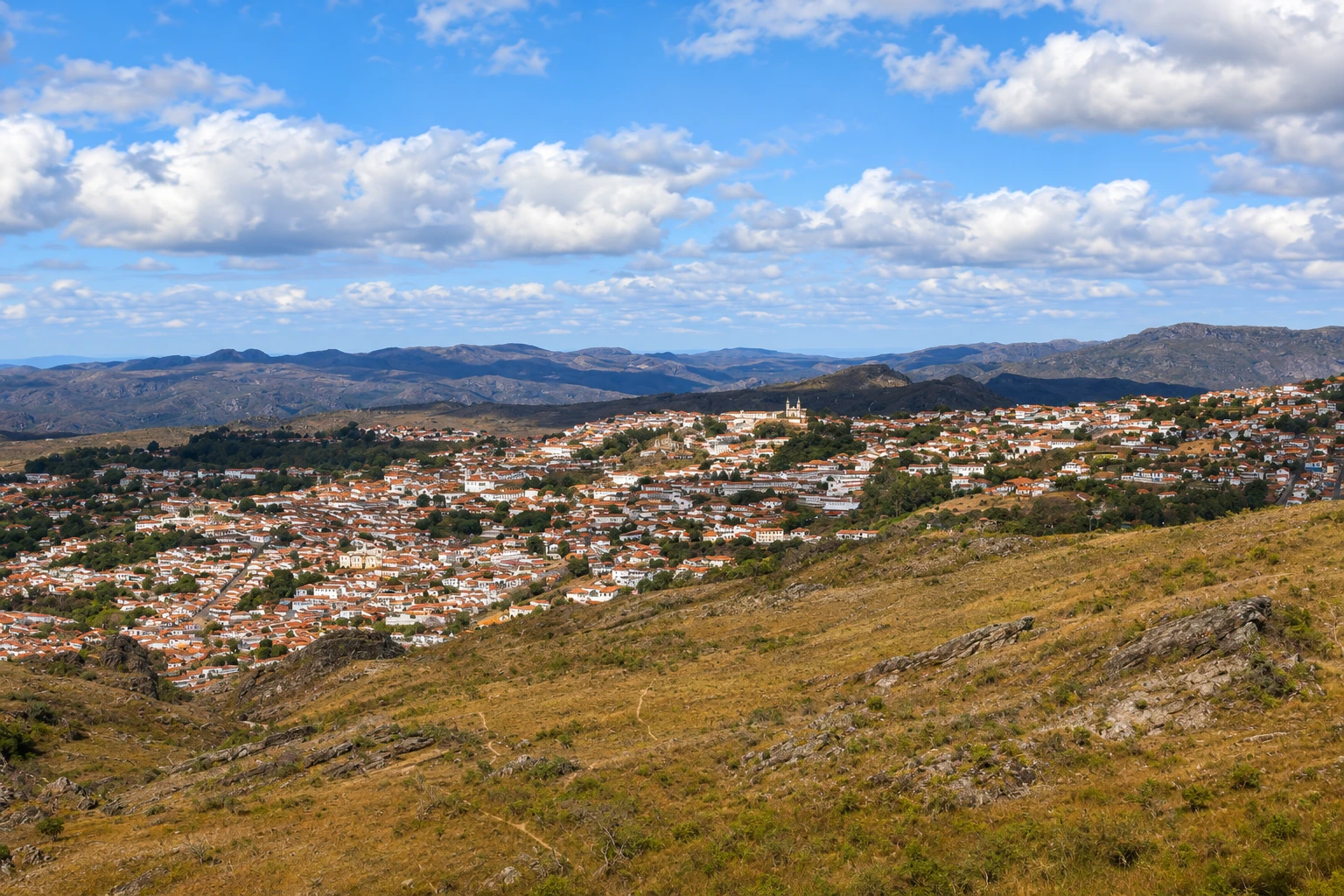
The Historic Center of Diamantina occupies the slope of a valley in the Serra do Espinhaço, where in the 18th century the Arraial do Tejuco grew as the center of the Diamond District. The discovery of diamonds in the region in the early 1700s led the Portuguese Crown to closely control extraction, and the settlement became the capital of an area administered separately from the rest of Minas Gerais.
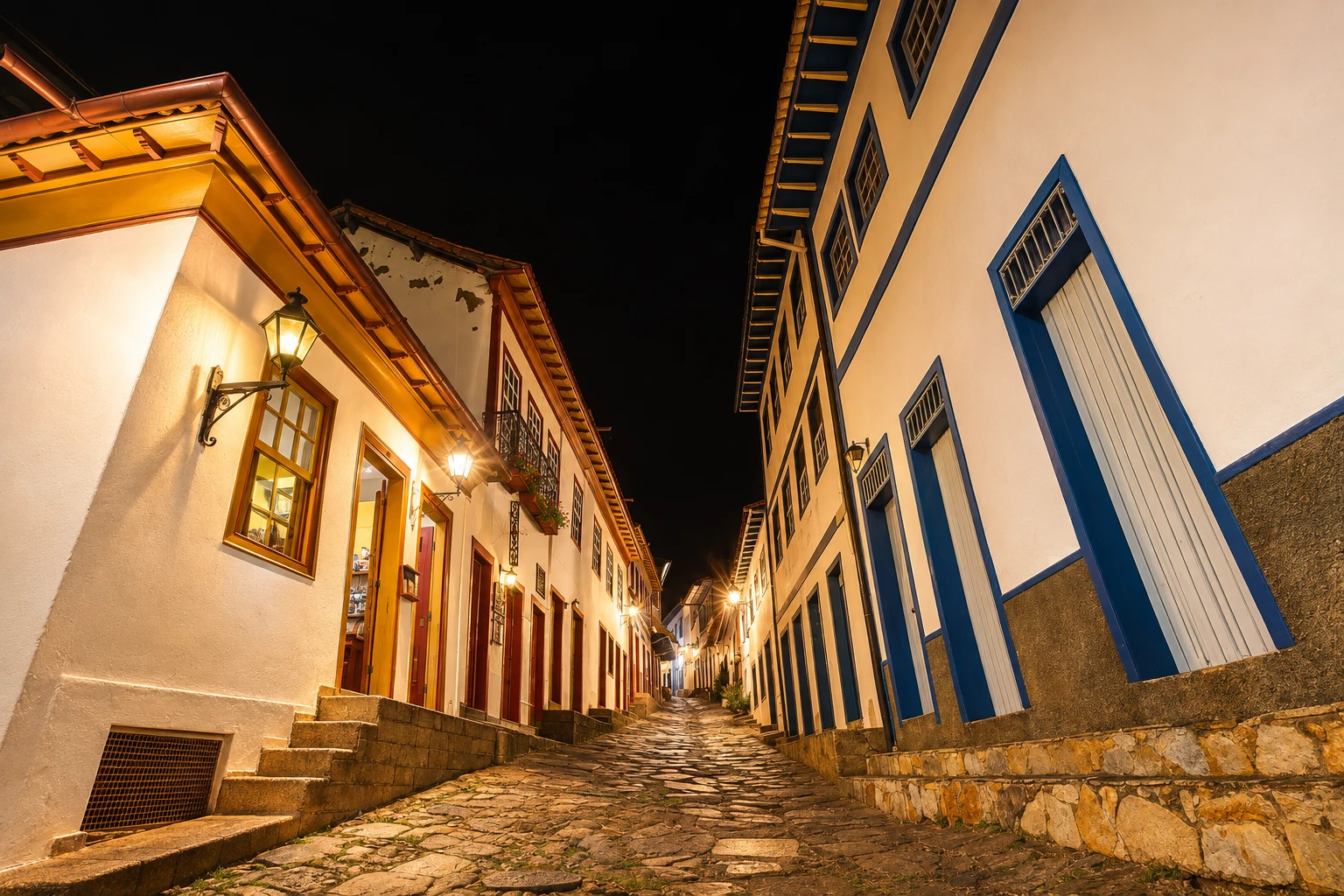
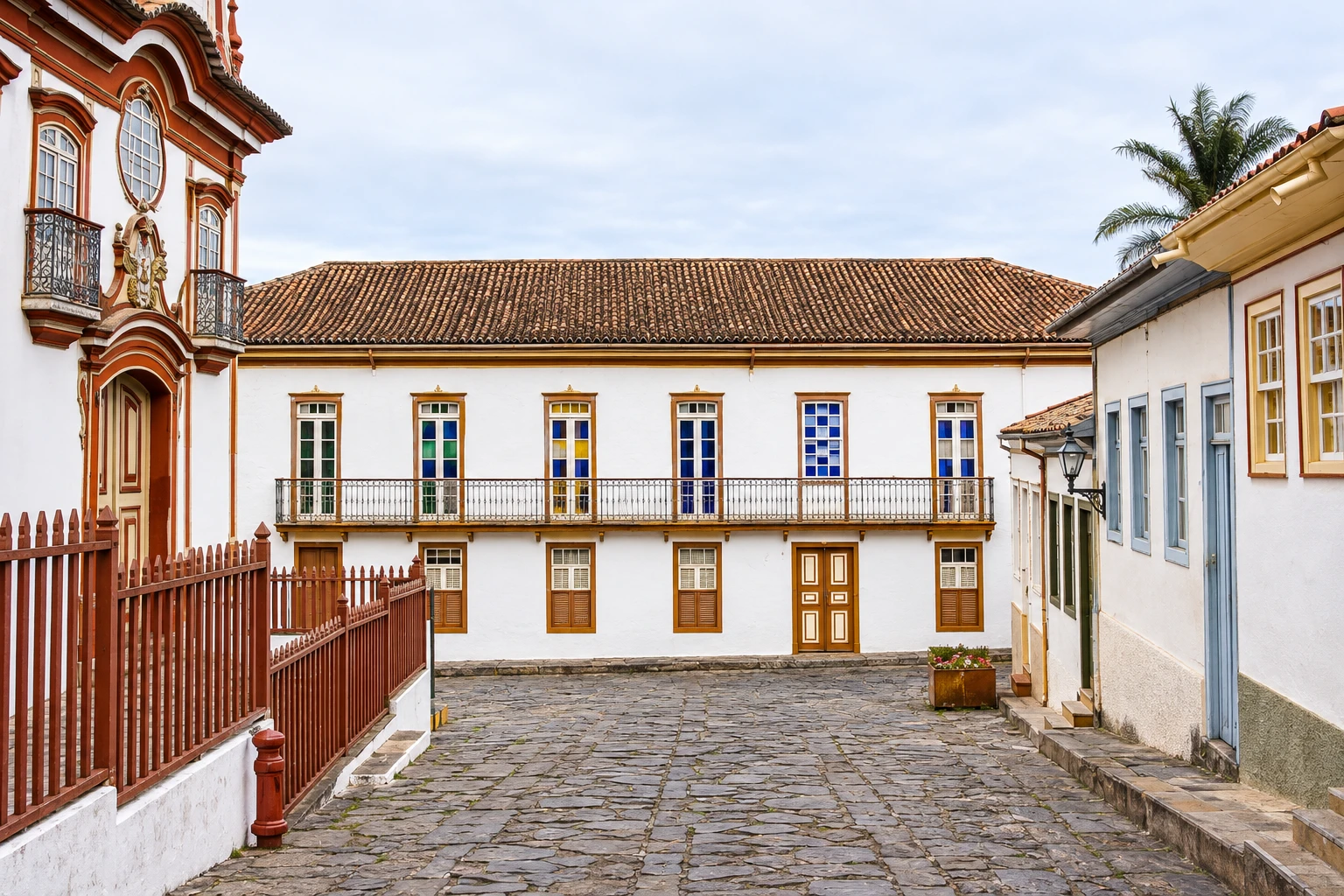
The ensemble was listed by Iphan in 1938 and in 1999 UNESCO recognized it as a World Heritage Site, highlighting the integration between the colonial town and the mountain landscape. The streets are narrow and steep, paved with stone, and the 18th- and 19th-century houses line up with white walls, colorful windows and doors, eaves and many wooden balconies.
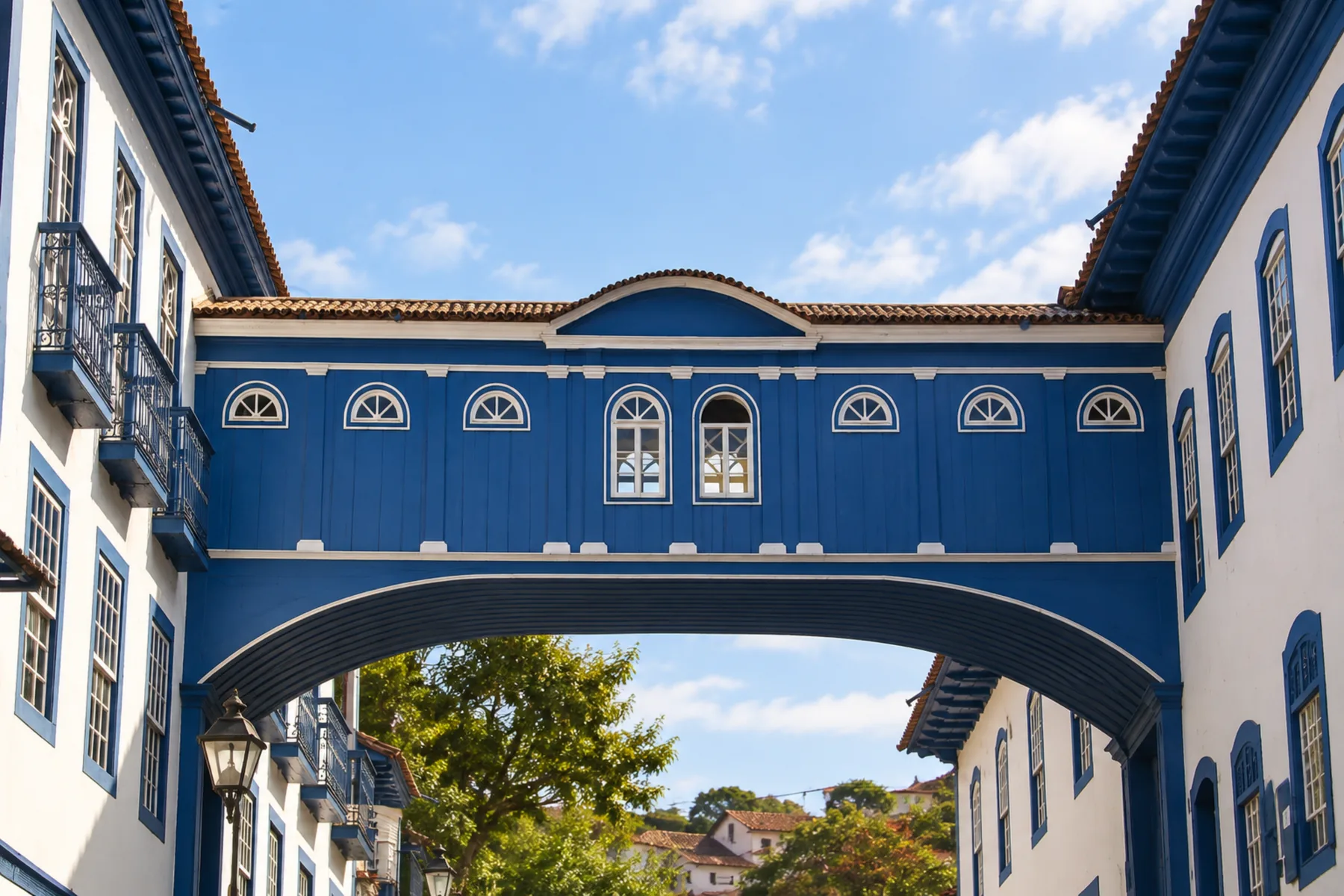
The visit is on foot, going up and down slopes. The heart of the ensemble is Praça Correa Rabelo, where the Metropolitan Cathedral of Saint Anthony stands. Around it are the Casa de Chica da Silva, the Casa de Juscelino Kubitschek, the Mercado Velho, the Passadiço da Casa da Glória, the Church of Our Lady of Mount Carmel, the Church of Saint Francis of Assisi, as well as the Diamond Museum and the Santa Izabel Theater.
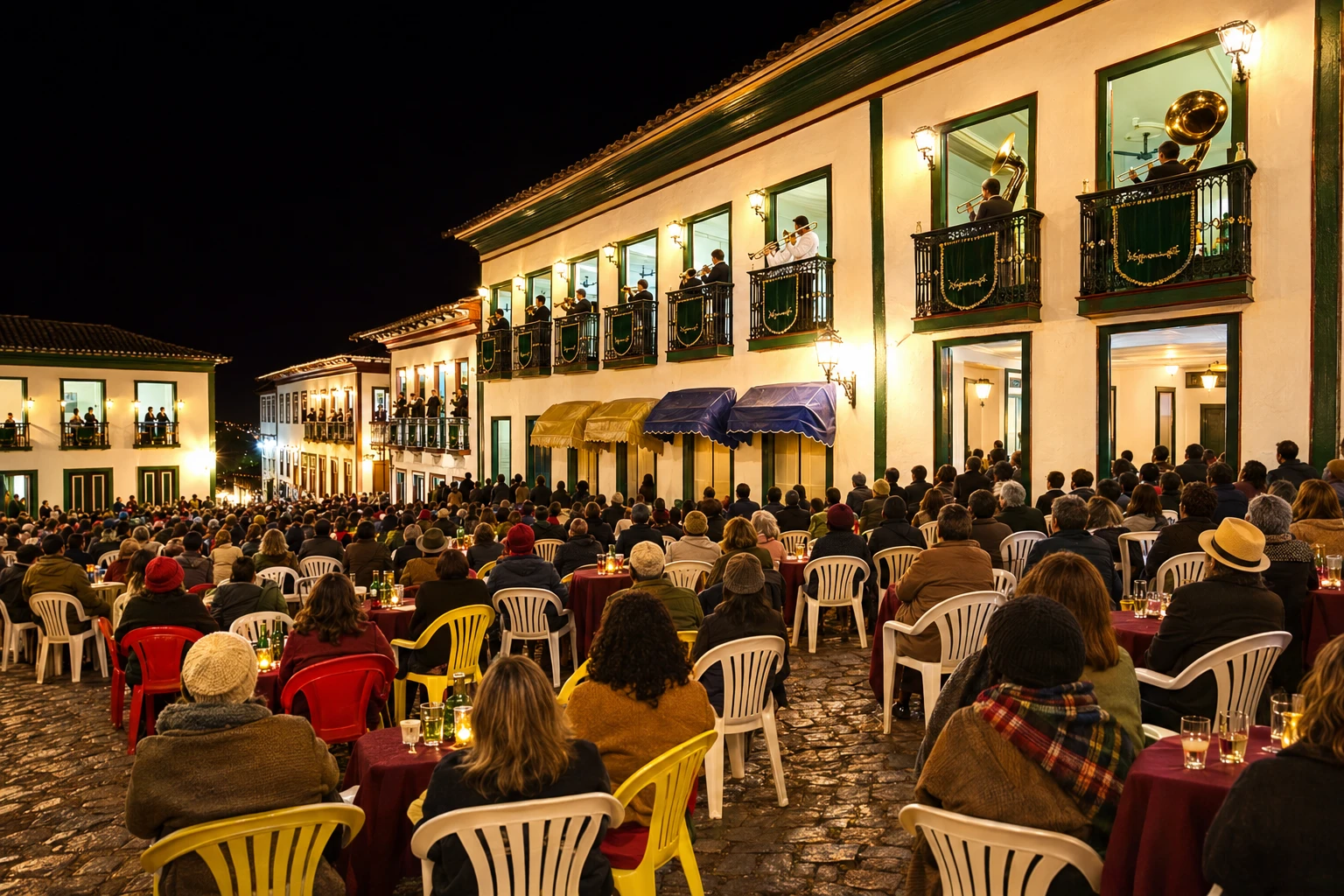
Diamantina is also a music city. On some nights of the year, musicians play on the balconies of the manor houses while the audience watches from the street, in the Vesperata, a performance that has become a city trademark. The program changes each season.
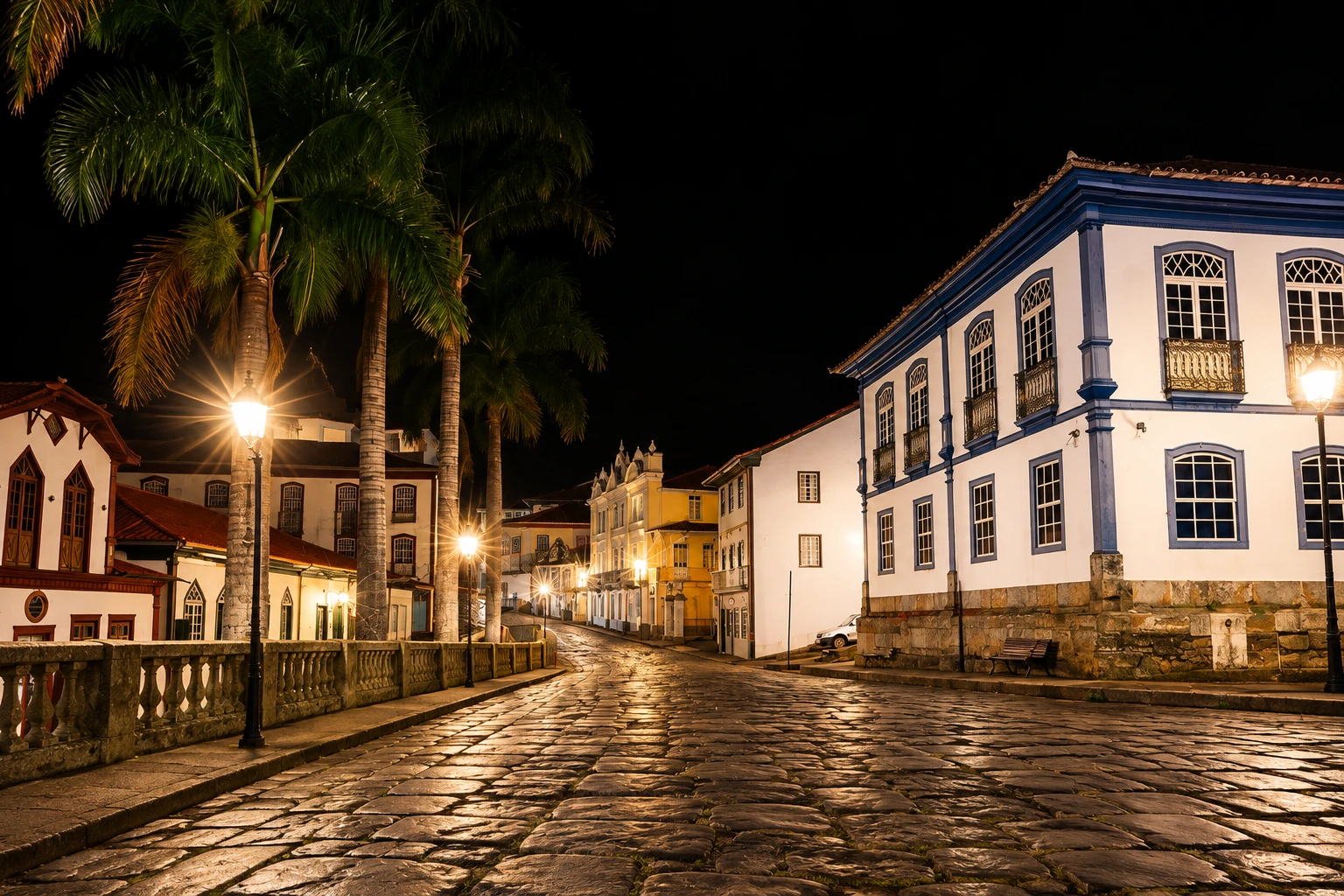
At night, with the houses lit up, the center takes on another rhythm, with bars and restaurants on the streets around the cathedral and the Mercado. To visit the interiors of churches and museums, check each place’s opening hours before you go, since they vary.
Before you go
Practical information
Cidade Turismo reviews its information regularly, but something may have changed. Check with the place before planning your trip.
How much time to set aside
A full day to walk the streets and go inside the main houses and churches. Two days if you include the museums at a relaxed pace and the Biribiri State Park.
Best time
From April to September there is little rain and the stone slopes are safer to walk; from June to August nights tend to be cold. Check the Vesperata calendar, which takes place on some nights of the year.
How to get there
The historic center is Diamantina’s downtown: you can do everything on foot from Praça Correa Rabelo, where the cathedral is. Diamantina is about 290 km from Belo Horizonte via BR-040, BR-259 and BR-367. The old streets are narrow and steep; it’s best to leave the car and walk.
Tip
Wear shoes with good grip: the stone slopes get slippery when it rains. Start early at the cathedral and Mercado Velho and leave the climb to the higher streets—where you can see the houses over the valley—for late afternoon.
Get your questions answered
Frequently asked questions about Historic Centre of Diamantina
Why is Diamantina a World Heritage Site?
The historic center was recognized by UNESCO in 1999 for the preservation of the 18th-century colonial ensemble linked to diamond exploitation, and for the integration between the town and the Serra do Espinhaço landscape.
What to see in Diamantina’s historic center?
The Cathedral of Saint Anthony, Casa de Chica da Silva, Casa de Juscelino Kubitschek, Mercado Velho, the Passadiço da Casa da Glória, the Church of Our Lady of Mount Carmel, the Diamond Museum and the houses with balconies.
How many days to stay in Diamantina?
One day is enough to see the historic center on foot. With two or three days you can visit the museums at leisure and the Biribiri State Park and its waterfalls.
What is Diamantina’s Vesperata?
A musical performance in which musicians play on the balconies of the manor houses in the center while the audience watches from the street. It happens on some nights of the year; check the schedule before you go.
What was Diamantina’s old name?
Arraial do Tejuco. The settlement grew in the 18th century as the center of the Diamond District, the diamond-extraction area controlled by the Portuguese Crown.
Beyond the guide


