

 Antarctica
 Argentina
 Bolivia
 Chile
 Colombia
 Ecuador
 Guyana
 French Guiana
 Falkland Islands (Malvinas)
 Paraguay
 Peru
 Suriname
 Uruguay
 Venezuela
 Germany
 Austria
 Belgium
 Croatia
 Denmark
 Slovakia
 Slovenia
 Spain
 Finland
 France
 Greece
 the Netherlands
 Hungary
 Ireland
 Iceland
 Italy
 Luxembourg
 Norway
 Poland
 Portugal
 the United Kingdom
 the Czech Republic
 Sweden
 Switzerland
 Turkey
 Bermuda
 Canada
 the United States
 Greenland
 Mexico
 Saint Pierre and Miquelon
 the Dominican Republic
 Japan
 South Africa
 Egypt
 Australia
 Fiji
 New Zealand
 Papua New Guinea
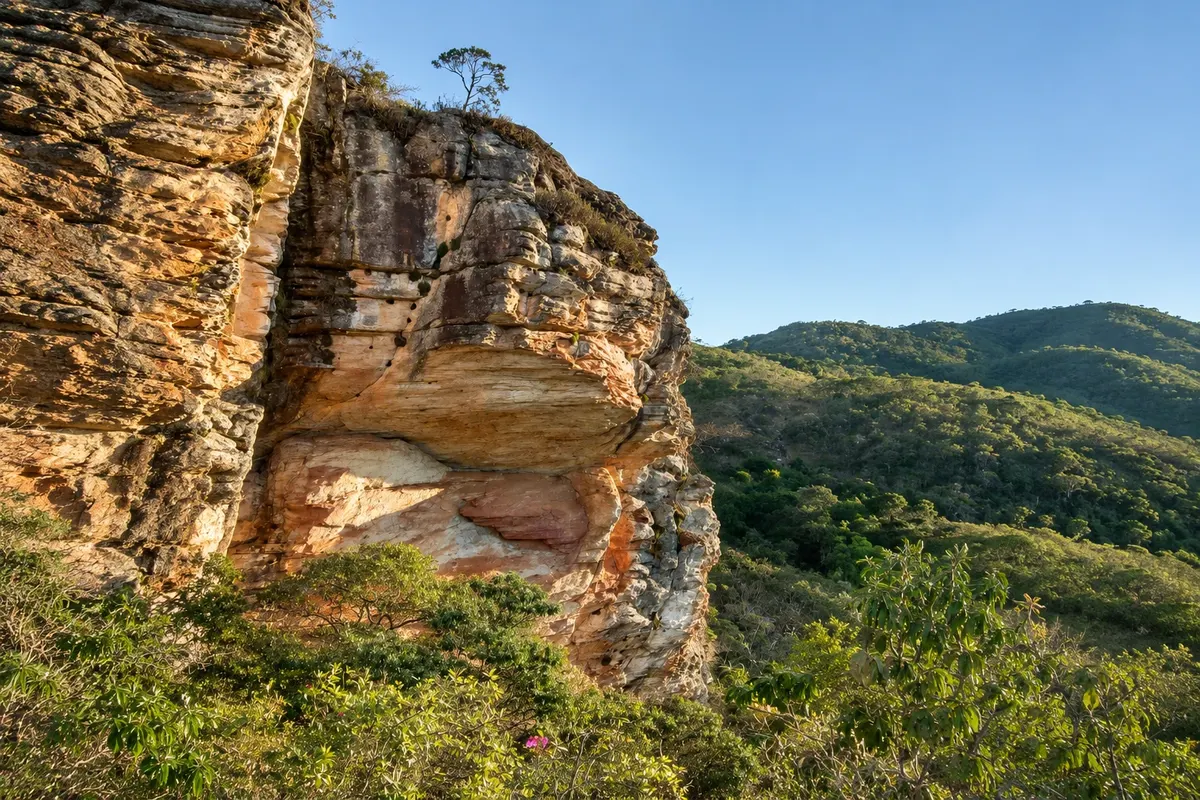
archaeological site · Barão de Cocais, MG
Pedra Pintada Archaeological Site
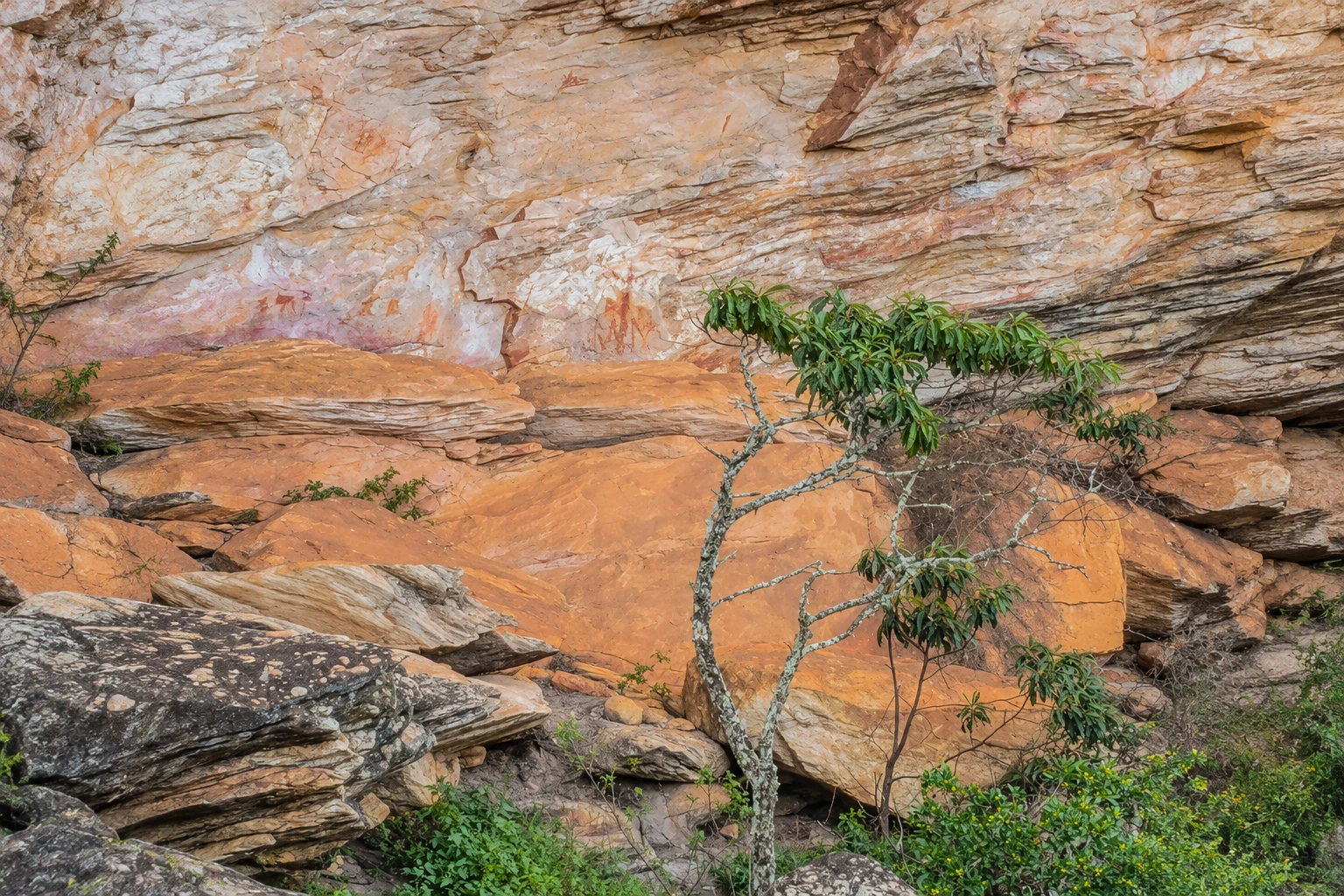
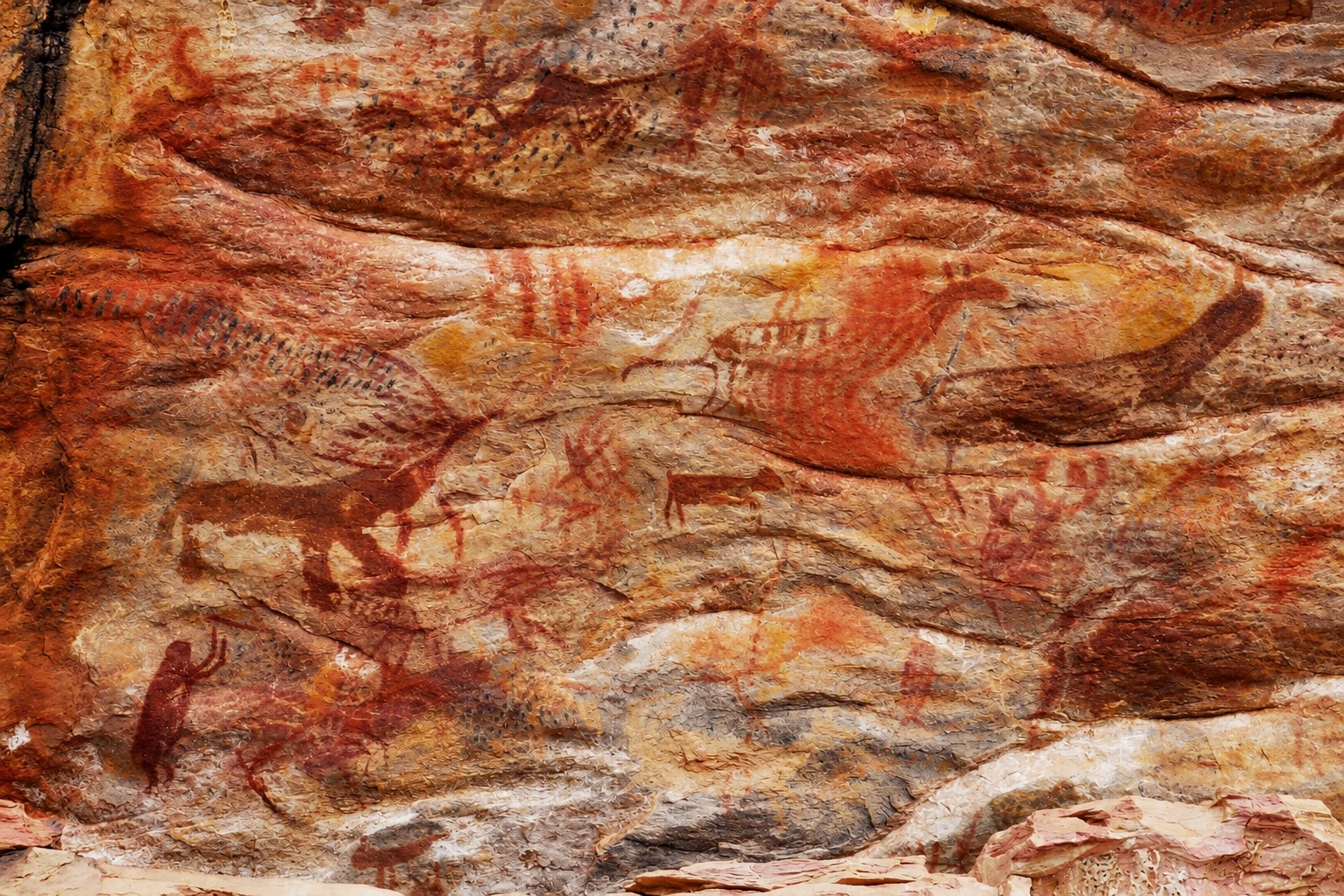
Group of quartzite shelters with rock paintings in the Serra da Conceição, near the village of Cocais. Researchers from UFMG recorded nearly 1,200 prehistoric figures there, almost all painted.
In the photo: Quartzite shelter of the Pedra Pintada Archaeological Site.
Illustrative images. The pictures in this guide are illustrations based on the real place, not photographs, and may differ from it.


A look at the place
Pedra Pintada Archaeological Site in pictures
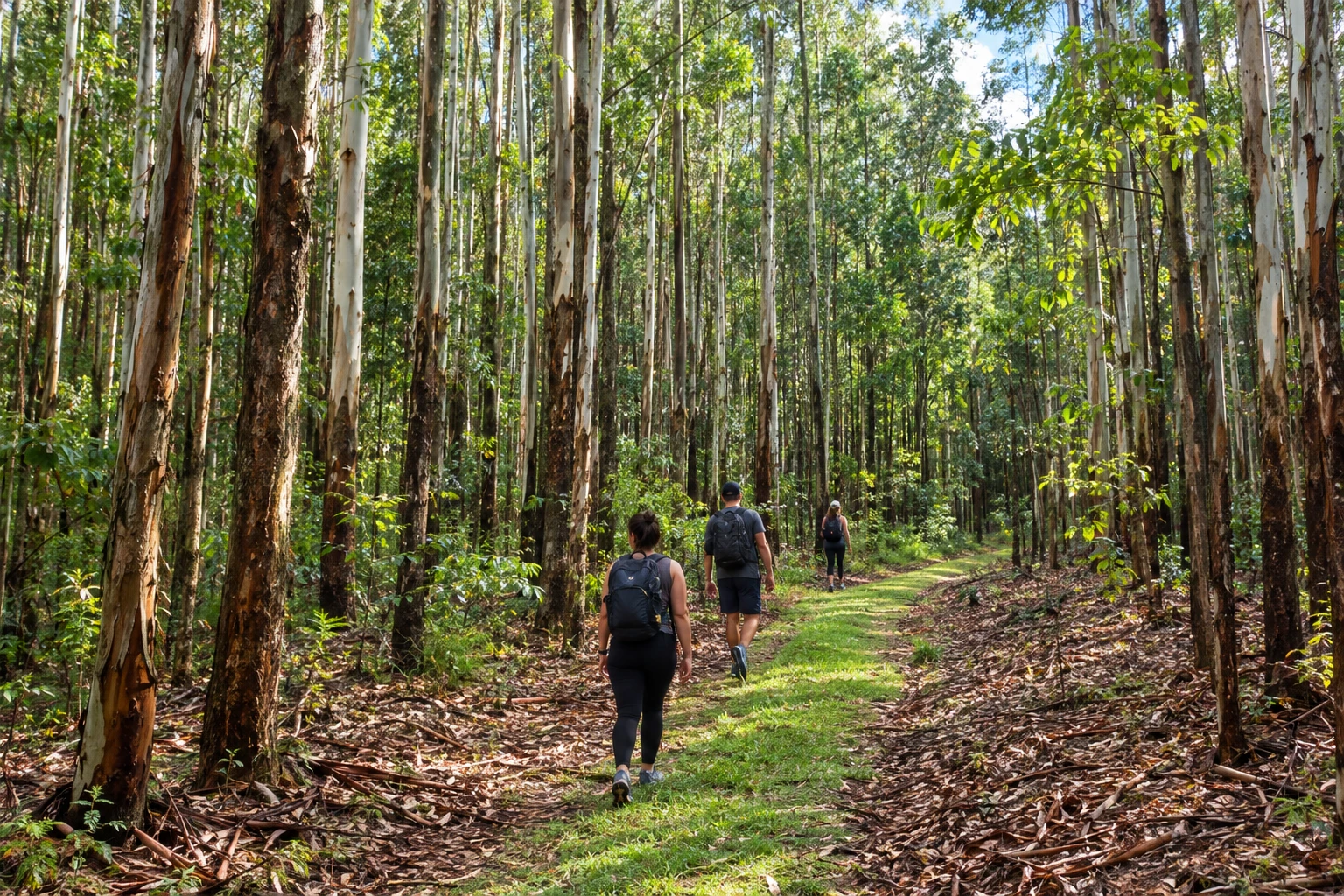
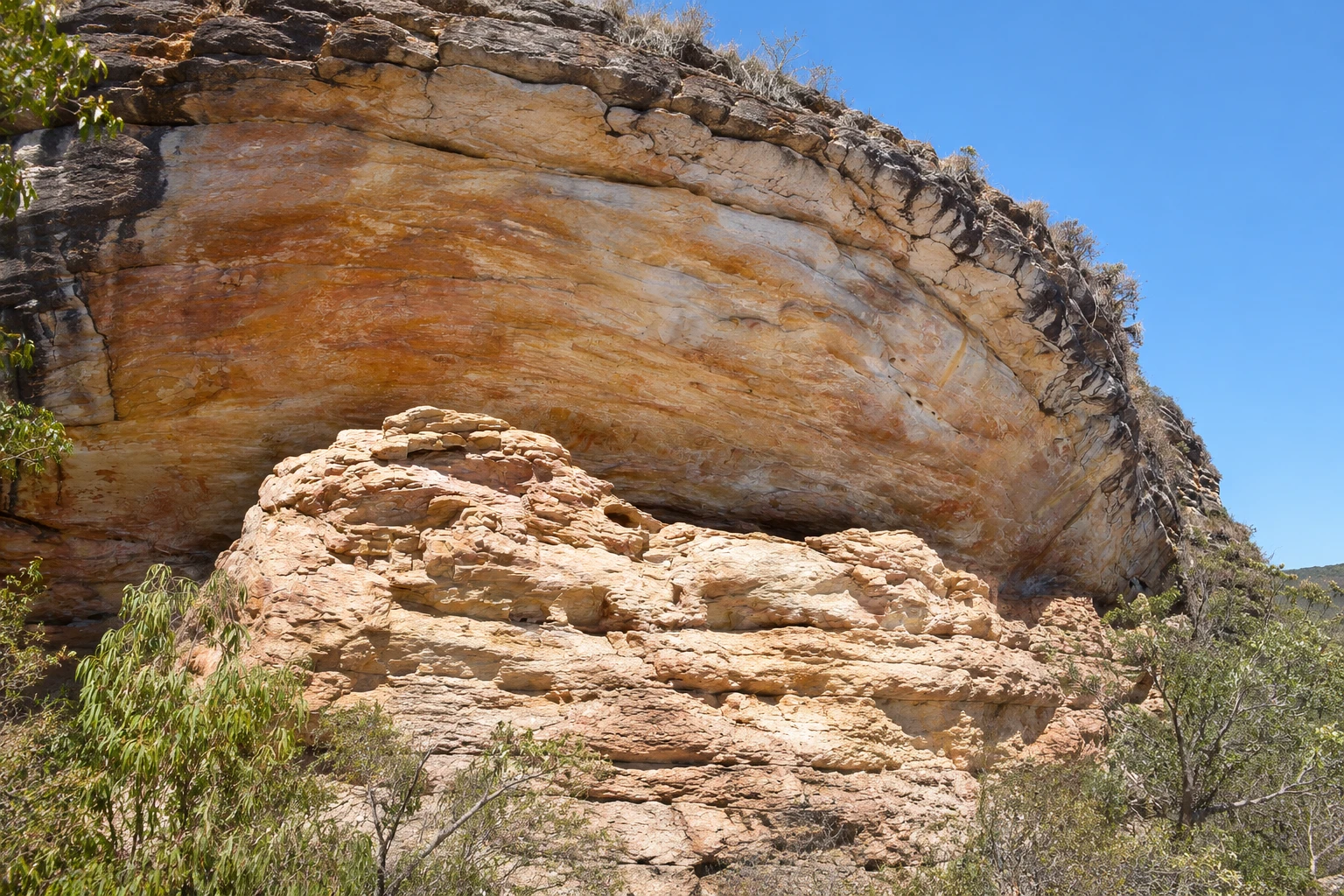
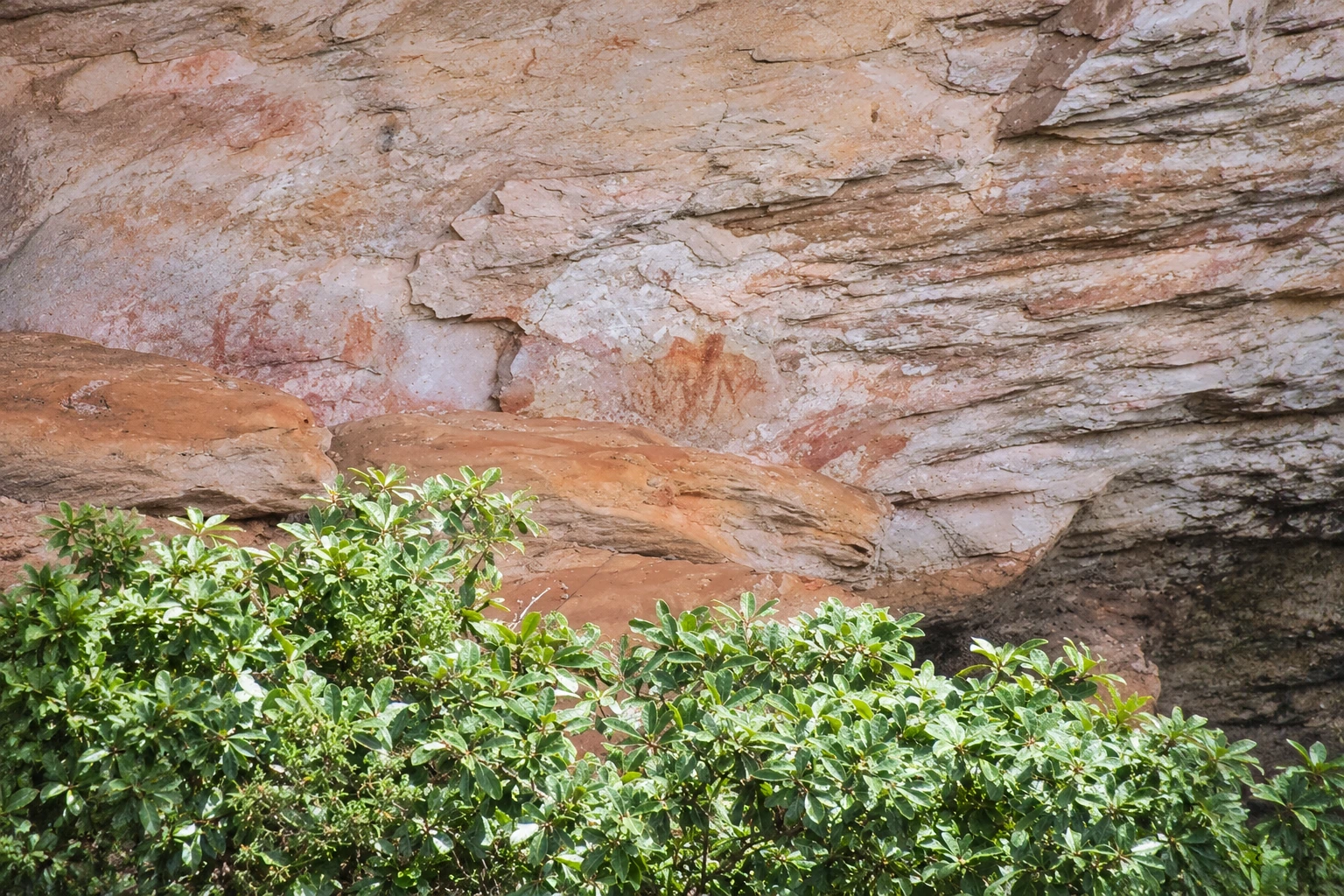
These pictures are illustrations based on the real place, not photographs. They may differ from the place.
Click the picture to enlarge it.
Discover
About Pedra Pintada Archaeological Site
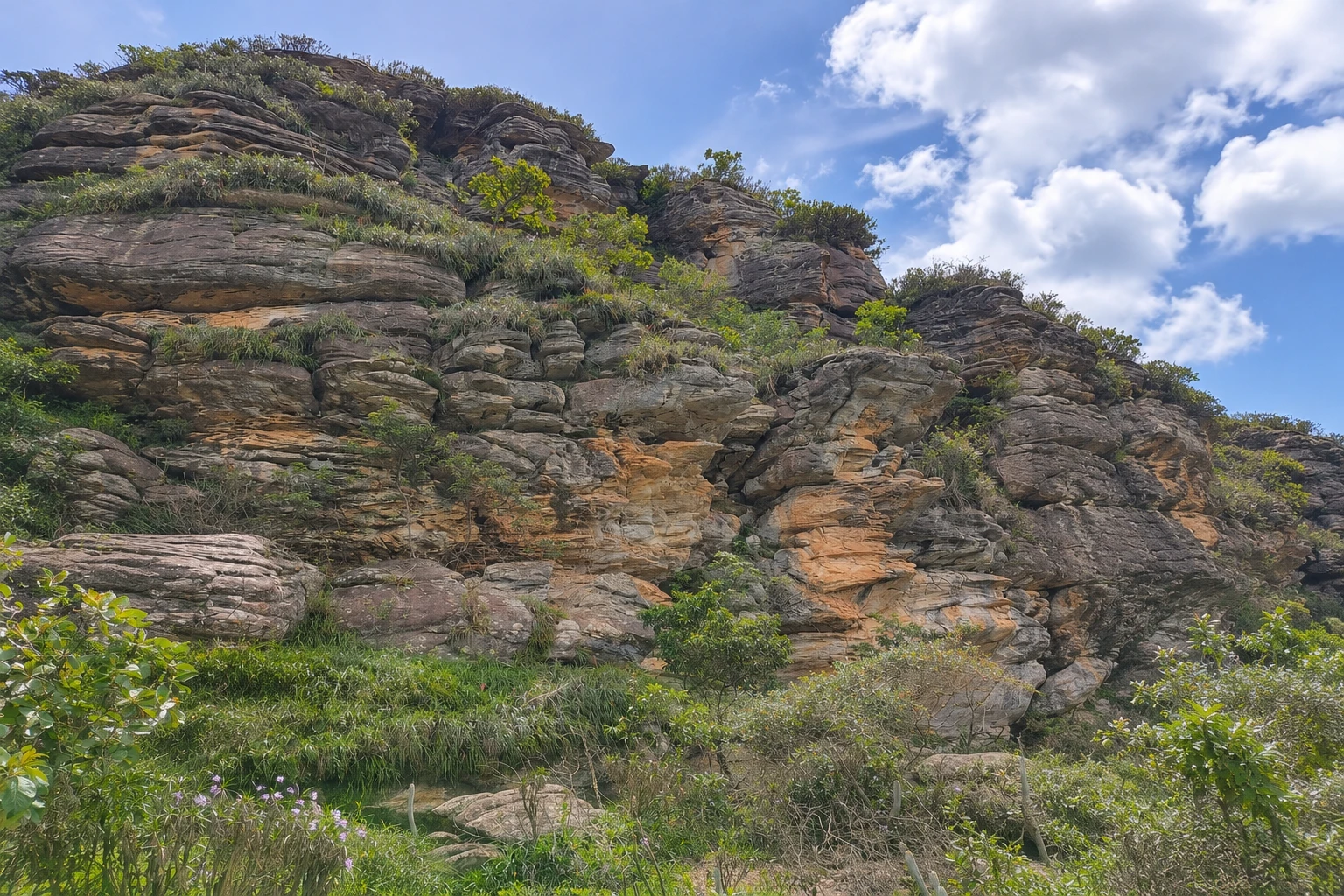
Pedra Pintada is an archaeological site in the district of Cocais, in Barão de Cocais, on the slope of the Serra da Conceição. There are four shelters and a cave in quartzite, in a campo rupestre area, with walls covered in paintings made by groups who lived in the region long before the arrival of the Portuguese.
In the 1980s, a team from the UFMG Natural History Museum copied the panels by tracing, figure by figure, and reached nearly 1,200 prehistoric drawings, almost all painted. Researchers link most of them to two styles of the Planalto Tradition, common in the mountain ranges of central Minas Gerais, in which animal figures predominate, and to the so‑called Ballet Style, of small human figures in motion.
The figures spread across the shelter walls in panels of different sizes. Many are faded or superimposed, and it’s worth observing carefully, from close up and from a distance, to perceive the groups. Touching the walls, wetting the figures or scratching the rock damages a record that cannot be recovered.
The path to the site is on foot, along a trail through forest and campo, and crosses private properties where an entrance fee is often charged. Cachoeira de Cocais is on the same route, and many people combine both visits in one day.
The village of Cocais, the departure point, sits at the meeting of two routes of the Estrada Real and preserves the mother church, the houses and the old registry office townhouse. Before you go, check in the village about access, trail conditions and the possibility of going with a local guide.
Before you go
Practical information
Cidade Turismo reviews its information regularly, but something may have changed. Check with the place before planning your trip.
How much time to set aside
Half a day, including the round‑trip walk and time at the shelters. Reserve the whole day if you plan to combine it with Cachoeira de Cocais.
Best time
From April to September, when it usually rains less and the trail is firmer. Go in the morning: the light is softer on the shelters and there’s time to return before late afternoon. In the rainy season, from November to March, the path can become slippery.
How to get there
The site is in the district of Cocais, about 7 km as the crow flies from the center of Barão de Cocais. From the town, drive to the village of Cocais; from there, a dirt road leads to the start of the trail, and the remainder of the route is on foot across private properties. Ask in the village about access before you set out.
Tip
Bring water, a snack, a hat and sneakers with good grip. To see faded figures better, study the panels from different angles and take your time. Do not touch the paintings or pour water on them to enhance the colors.
Get your questions answered
Frequently asked questions about Pedra Pintada Archaeological Site
What is at the Pedra Pintada Archaeological Site?
Four shelters and a quartzite cave with rock paintings. UFMG researchers recorded nearly 1,200 prehistoric figures, linked mainly to the Planalto Tradition, where animals predominate, and to the Ballet Style, of small human figures.
Where is Pedra Pintada in Barão de Cocais?
In the district of Cocais, on the slope of the Serra da Conceição, about 7 km as the crow flies from the center of Barão de Cocais. Final access is by trail from the village of Cocais.
Do you have to pay to visit Pedra Pintada?
The route crosses private land, and the landowners usually charge an access fee, paid separately. Check the conditions in the village of Cocais before you go.
Can you visit Pedra Pintada and Cachoeira de Cocais on the same day?
Yes. Both are on the same route, and many visitors do the archaeological site and the waterfall on the same outing. Reserve the whole day and bring water and a snack.
What is the trail to Pedra Pintada like?
It’s a walk through forest and campo, with uphill sections and stony ground. It doesn’t require athletic fitness, but calls for sneakers with good grip and caution on rainy days.
Beyond the guide


