

 Antarctica
 Argentina
 Bolivia
 Chile
 Colombia
 Ecuador
 Guyana
 French Guiana
 Falkland Islands (Malvinas)
 Paraguay
 Peru
 Suriname
 Uruguay
 Venezuela
 Germany
 Austria
 Belgium
 Croatia
 Denmark
 Slovakia
 Slovenia
 Spain
 Finland
 France
 Greece
 the Netherlands
 Hungary
 Ireland
 Iceland
 Italy
 Luxembourg
 Norway
 Poland
 Portugal
 the United Kingdom
 the Czech Republic
 Sweden
 Switzerland
 Turkey
 Bermuda
 Canada
 the United States
 Greenland
 Mexico
 Saint Pierre and Miquelon
 the Dominican Republic
 Japan
 South Africa
 Egypt
 Australia
 Fiji
 New Zealand
 Papua New Guinea
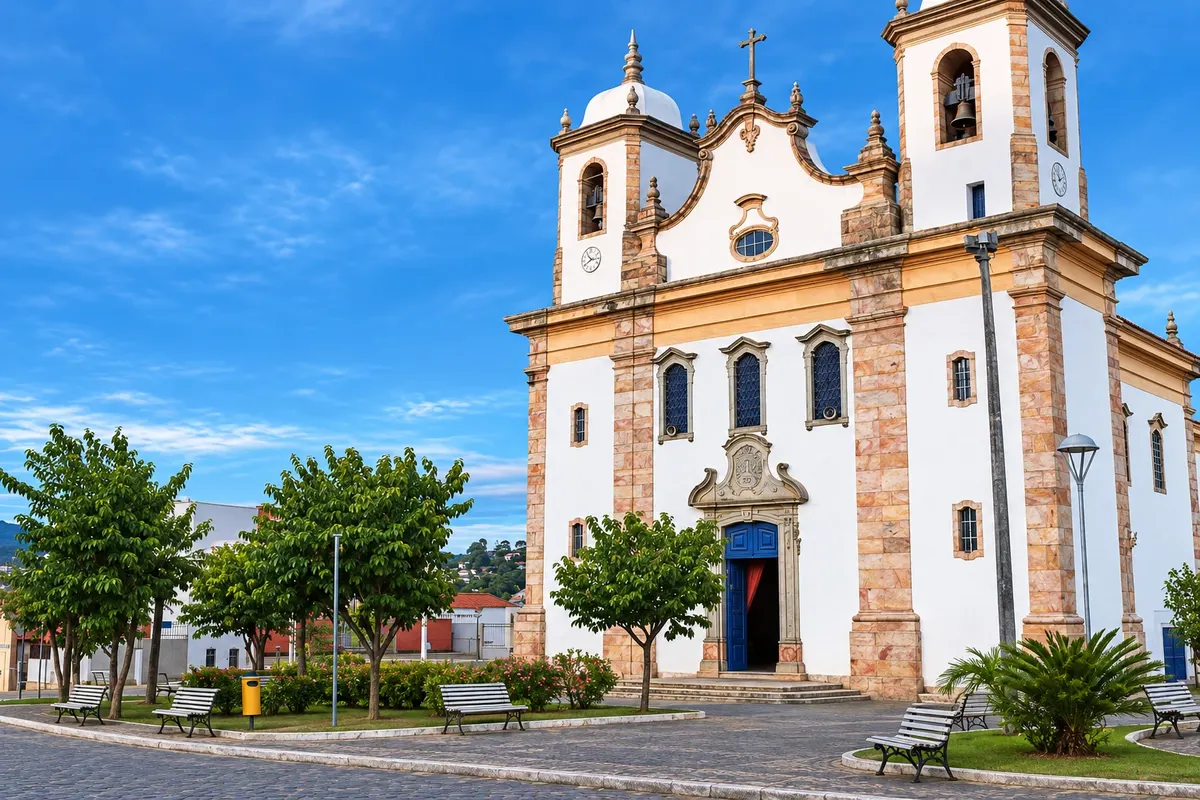
church · Caeté, MG
Mother Church of Our Lady of Good Success
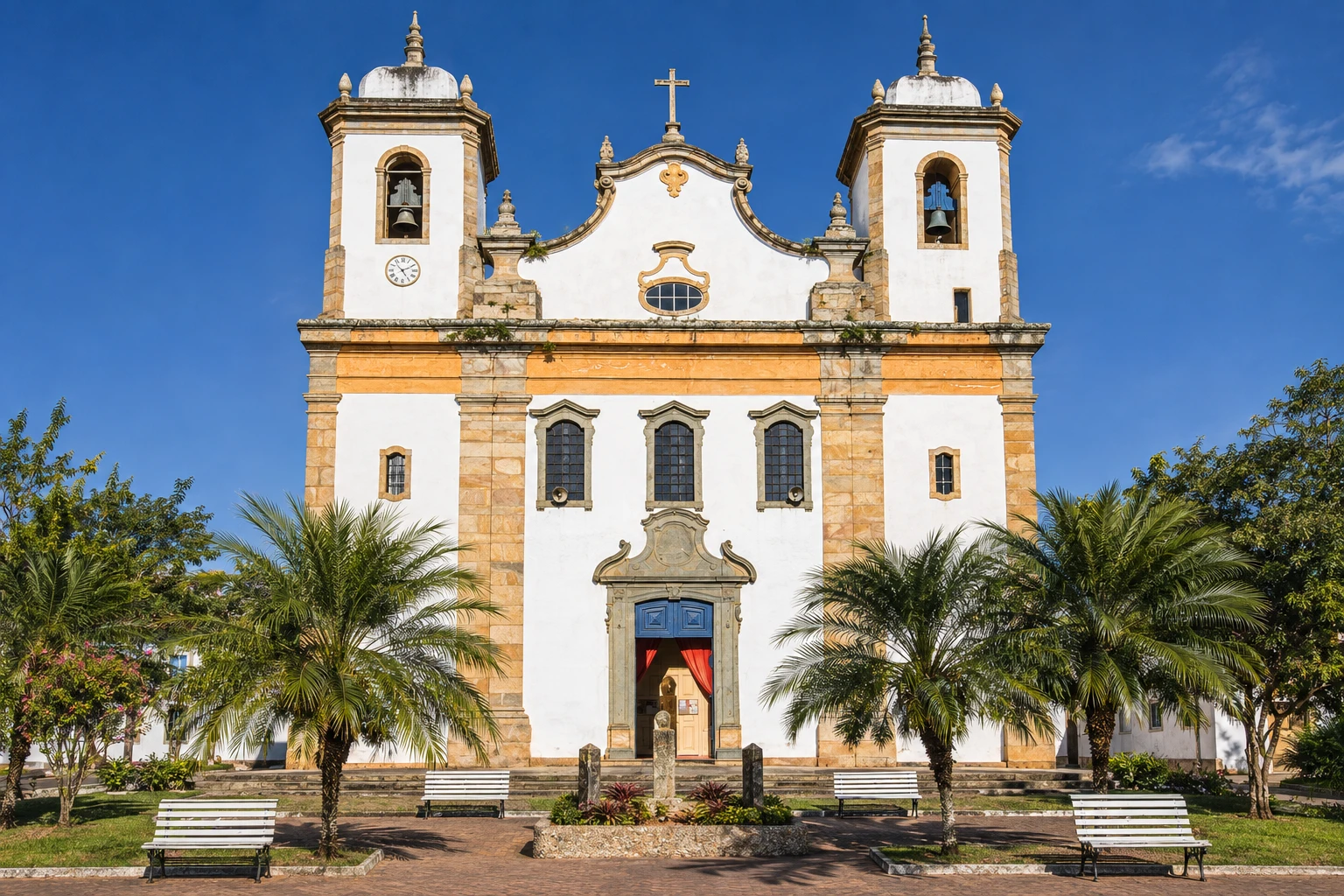
Parish church of Caeté built between 1752 and 1758, with a stone masonry façade, painted ceiling, and main altarpiece in the D. João V style. Listed by Iphan in 1938, it is considered the first stone masonry church in Minas Gerais.
In the photo: Façade of the Parish Church of Our Lady of Good Success, in Caeté.
Illustrative images. The pictures in this guide are illustrations based on the real place, not photographs, and may differ from it.


A look at the place
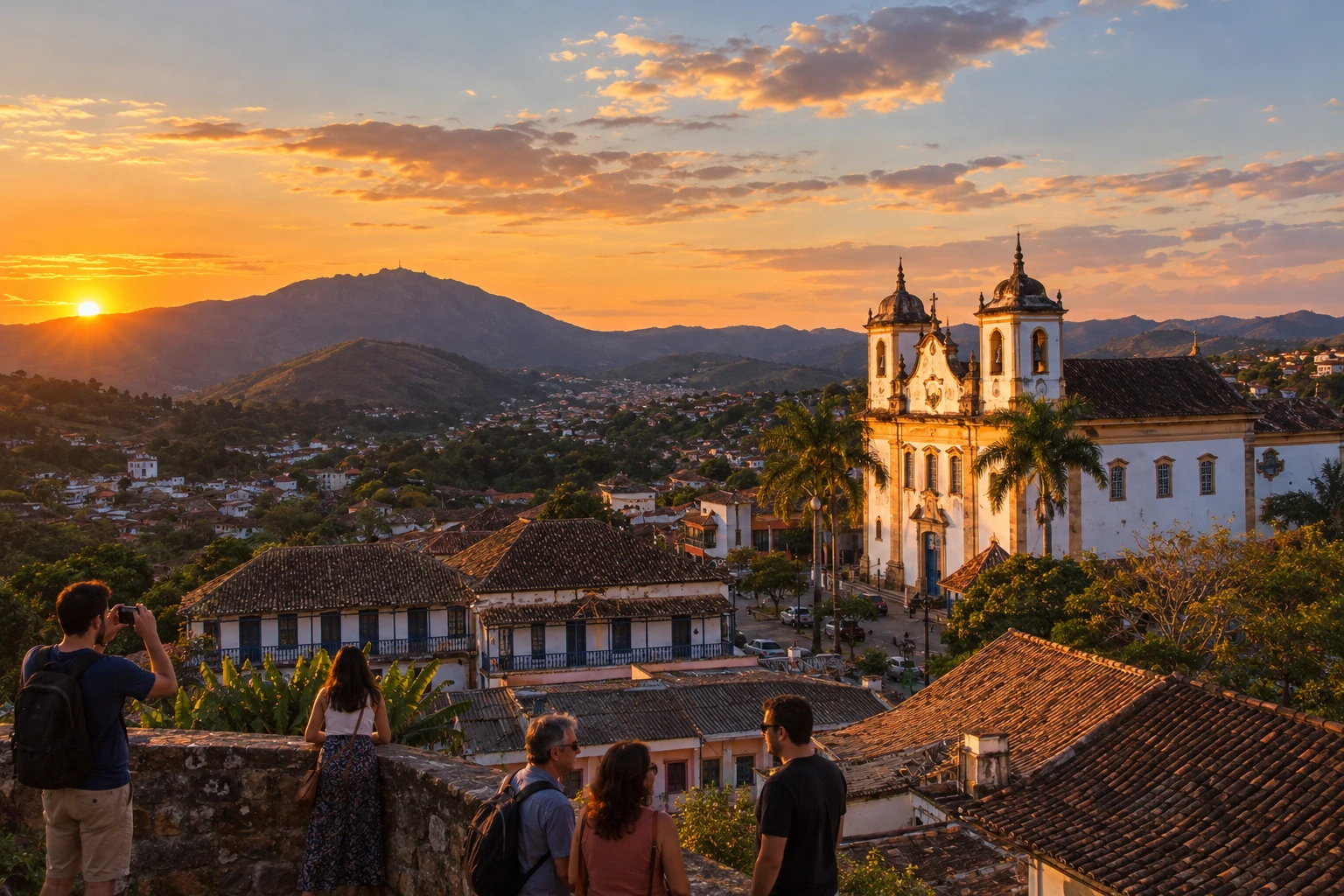
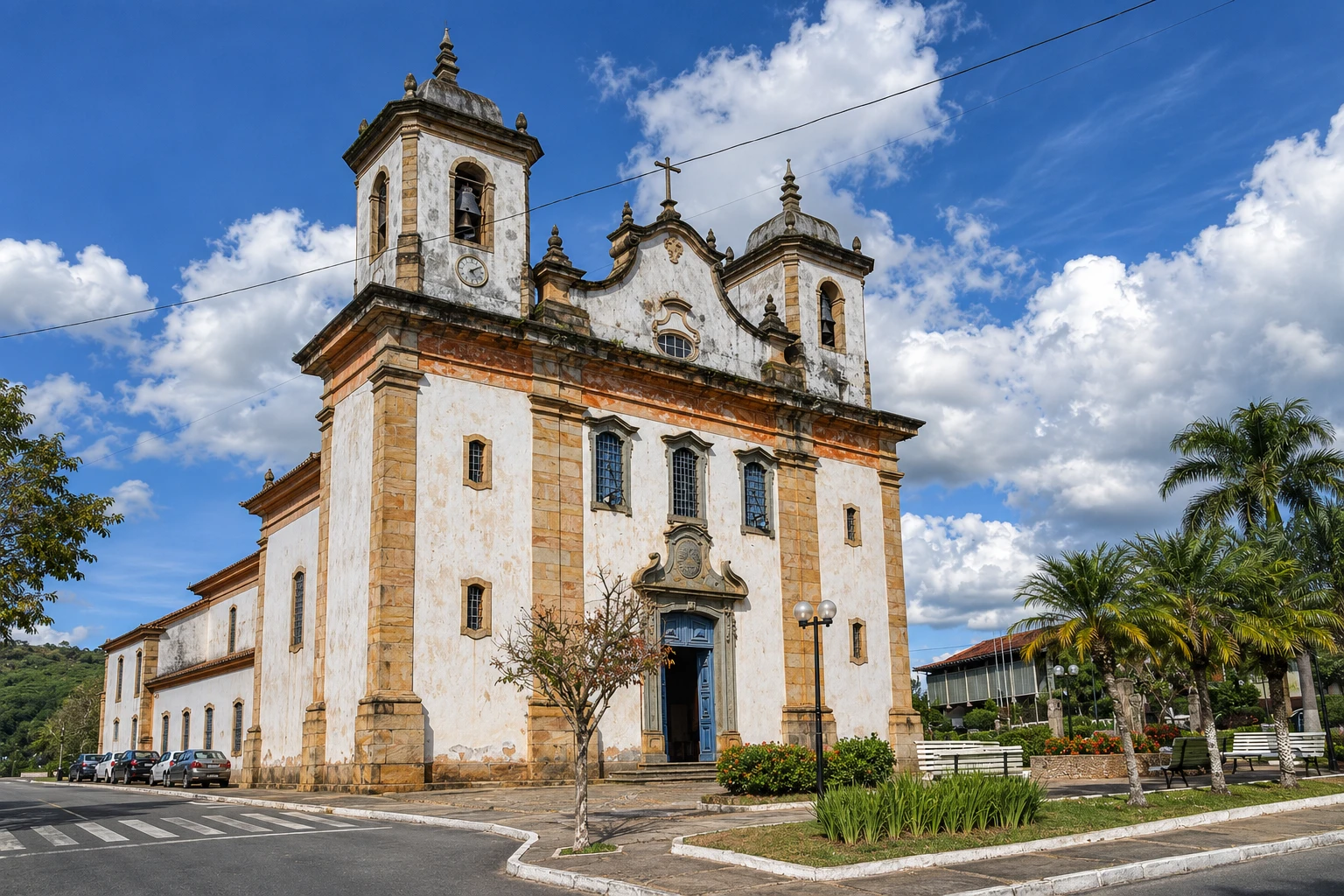
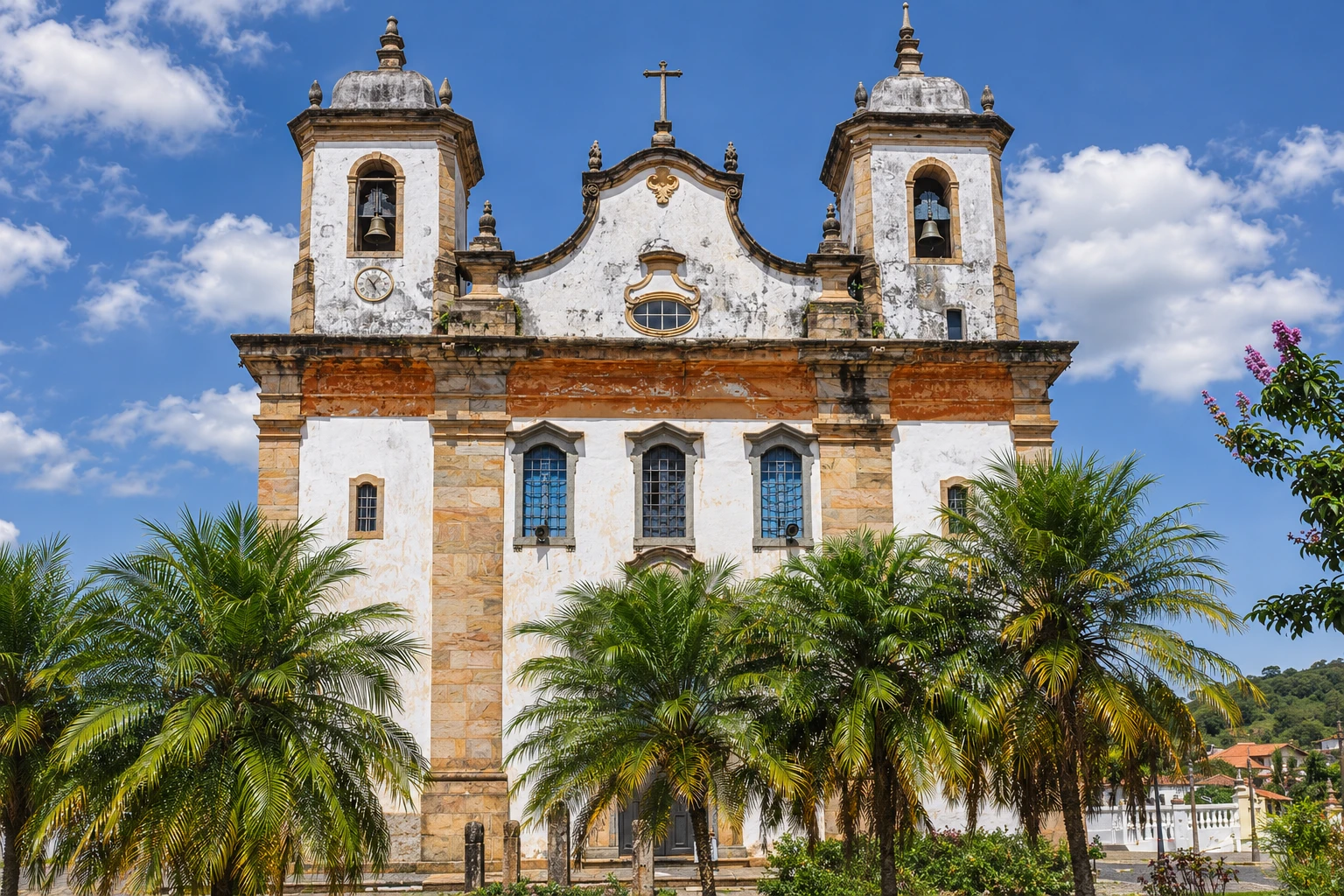
Mother Church of Our Lady of Good Success in pictures
These pictures are illustrations based on the real place, not photographs. They may differ from the place.
Click the picture to enlarge it.
Discover
About Mother Church of Our Lady of Good Success
The Parish Church of Our Lady of Good Success stands on Praça João Pinheiro in downtown Caeté, a town that began in the gold cycle as Vila Nova da Rainha. According to Iphan, it was built between 1752 and 1758; the date 1757, carved on the frontispiece, would indicate the completion of the façade. In 1938, it was one of the first churches listed by the national heritage agency.
The parish church is considered the first church built in stone masonry in Minas Gerais, at a time when many temples were still made of rammed earth and wood. The work is attributed to the builder Antônio da Silva Bracarena, based on a plan that studies link to Manoel Francisco Lisboa, a Portuguese architect and father of Aleijadinho.
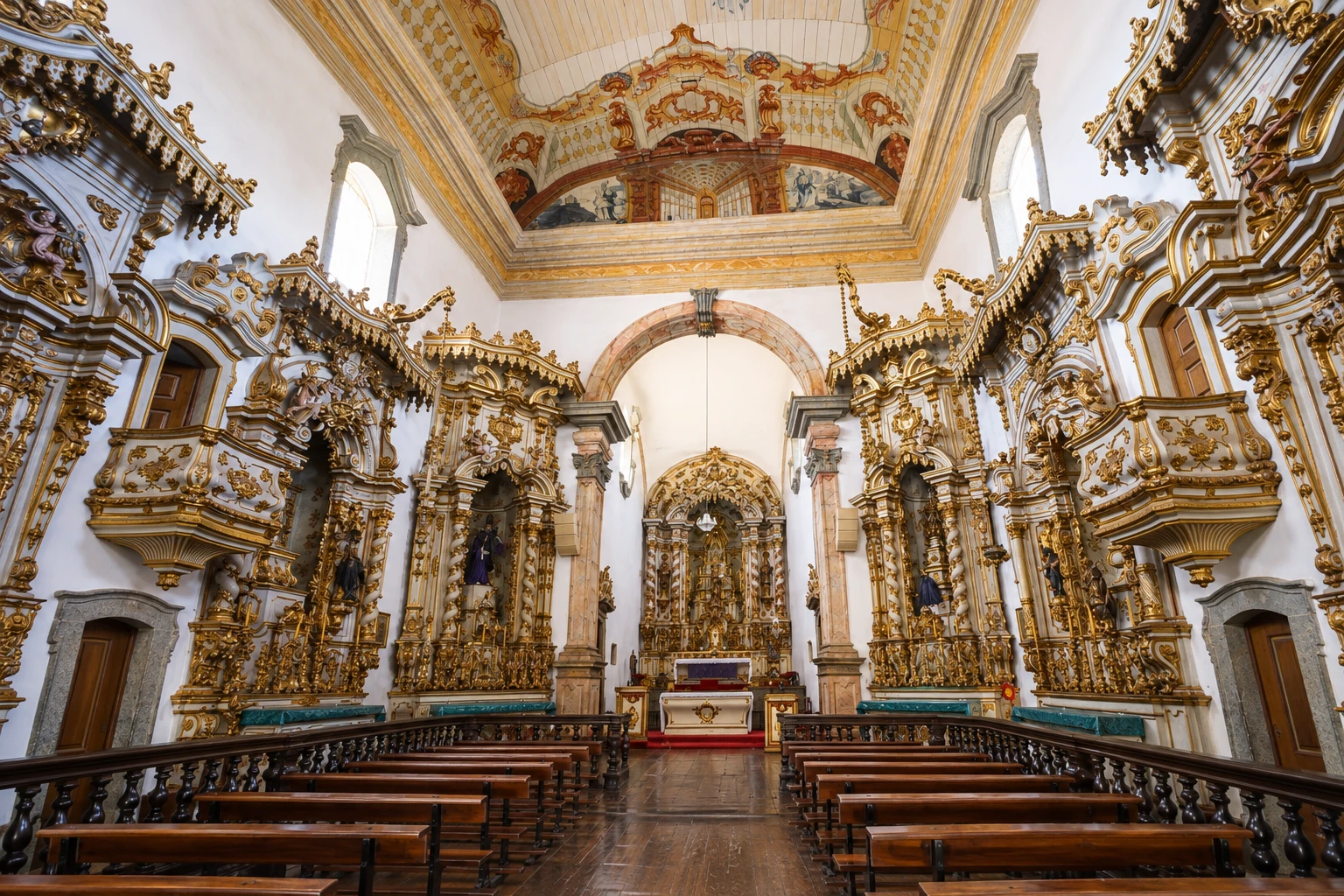
From the outside, the stonework on the corners, doors, and pediment draws attention. The plan has a single nave, a chancel with side corridors, and a sacristy at the rear. Inside, the vaulted nave ceiling is painted to imitate a parapet wall, with figures symbolizing faith and hope on the sides.
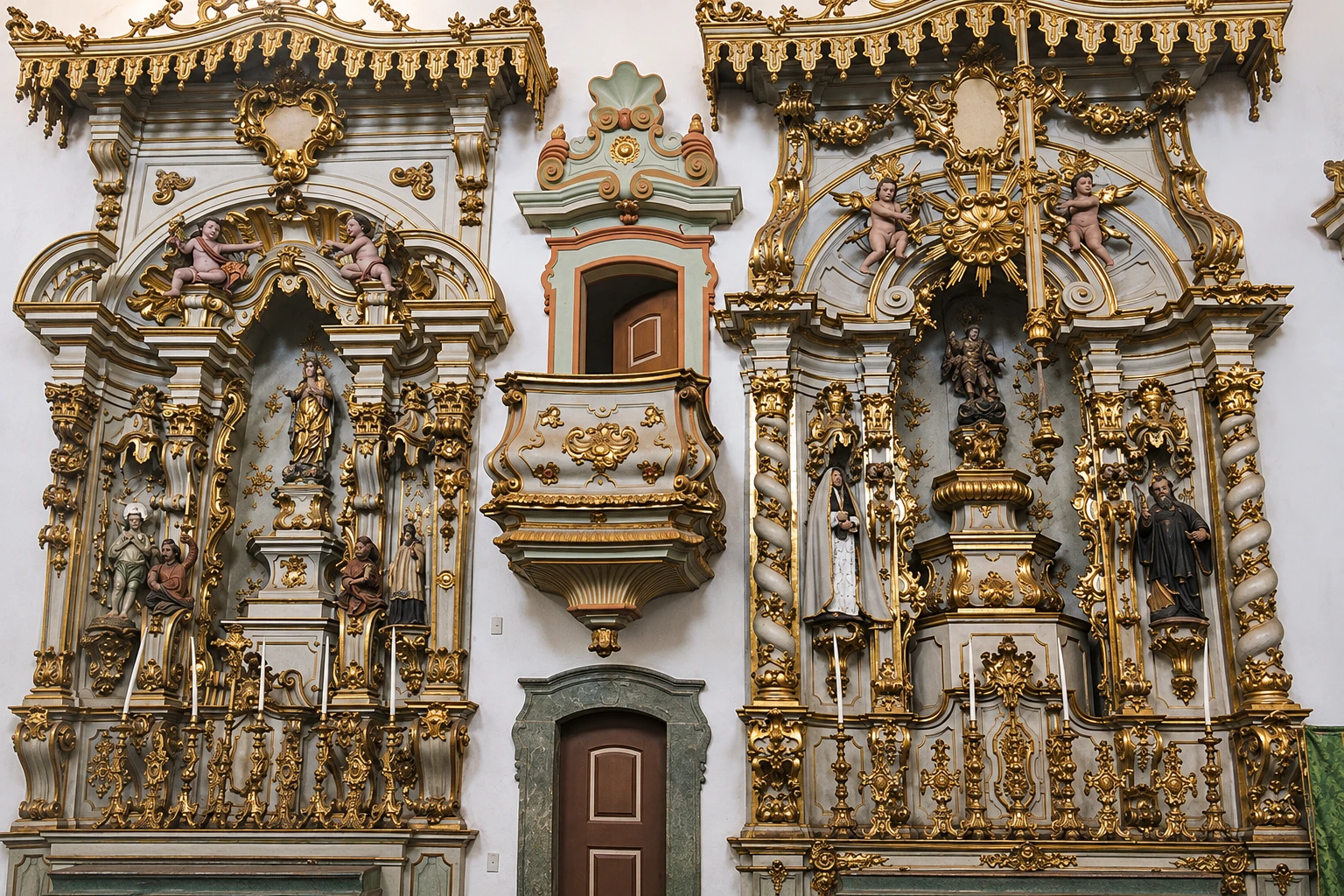
The highlights of the interior are the altarpieces. The main altarpiece, in the D. João V style, is attributed to carver and sculptor José Coelho de Noronha, from the mid-18th century, and the church also preserves a collection of statues and liturgical silver. The nave ceiling and the floor have been restored, and the interior received new lighting.
Local tradition says the church originated from a vow by the vicar Henrique Pereira, who was unjustly accused and taken to the Inquisition court; he supposedly vowed to build a temple to the Virgin if he were acquitted. Visiting the interior depends on the parish schedule; check before you go.
Before you go
Practical information
Cidade Turismo reviews its information regularly, but something may have changed. Check with the place before planning your trip.
How much time to set aside
About 40 minutes to see the façade and the interior. A morning if combined with Caeté’s town center and the Serra da Piedade Sanctuary.
Best time
In the morning, when the light flatters the stone façade. From April to September there is less rain in the region. The church is not always open outside of services: check the parish hours.
How to get there
The parish church is on Praça João Pinheiro in downtown Caeté and is within walking distance from any point in the town center. Caeté is about 50 km from Belo Horizonte; by car there are parking spaces on the streets around the square.
Tip
Notice the date 1757 carved on the frontispiece and, inside, study the painted ceiling and the main altarpiece carefully. Combine the visit with the climb to Serra da Piedade in the same municipality.
Get your questions answered
Frequently asked questions about Mother Church of Our Lady of Good Success
When was the Caeté parish church built?
According to Iphan, between 1752 and 1758. The date 1757, carved on the frontispiece, would indicate the completion of the façade.
Why is the Parish Church of Our Lady of Good Success important?
It is considered the first stone masonry church in Minas Gerais, has a plan linked to Manoel Francisco Lisboa, father of Aleijadinho, and was listed by Iphan in 1938.
What is there to see inside the church?
The vaulted nave ceiling painted to imitate a parapet wall, the main altarpiece in the D. João V style attributed to José Coelho de Noronha, and the collection of statues.
Is the Parish Church of Caeté open for visits?
Access to the interior depends on the parish’s schedule and on services. Check before you go.
What else to visit in Caeté?
The Basilica Sanctuary Our Lady of Piedade, atop Serra da Piedade, with wide views of the region, and the town’s historic center.
Beyond the guide


