

 Antarctica
 Argentina
 Bolivia
 Chile
 Colombia
 Ecuador
 Guyana
 French Guiana
 Falkland Islands (Malvinas)
 Paraguay
 Peru
 Suriname
 Uruguay
 Venezuela
 Germany
 Austria
 Belgium
 Croatia
 Denmark
 Slovakia
 Slovenia
 Spain
 Finland
 France
 Greece
 the Netherlands
 Hungary
 Ireland
 Iceland
 Italy
 Luxembourg
 Norway
 Poland
 Portugal
 the United Kingdom
 the Czech Republic
 Sweden
 Switzerland
 Turkey
 Bermuda
 Canada
 the United States
 Greenland
 Mexico
 Saint Pierre and Miquelon
 the Dominican Republic
 Japan
 South Africa
 Egypt
 Australia
 Fiji
 New Zealand
 Papua New Guinea
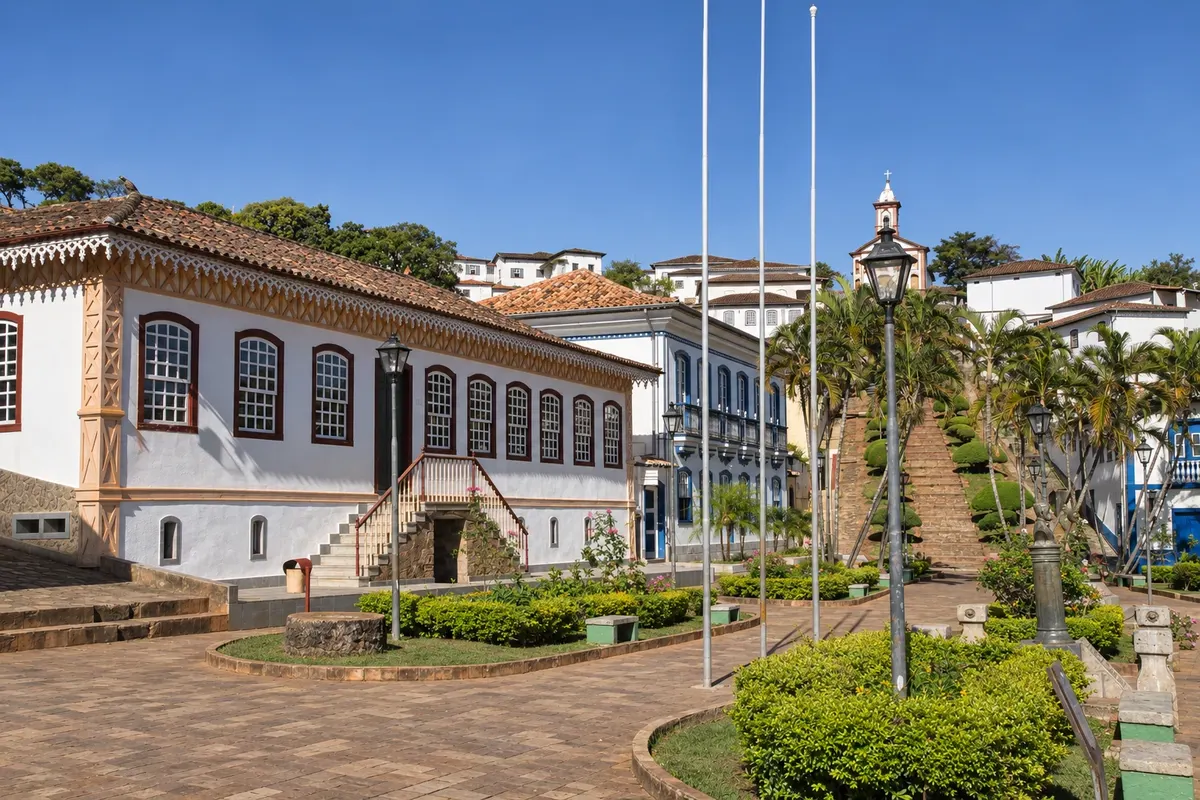
Historic center · Serro, MG
Historic Center of Serro
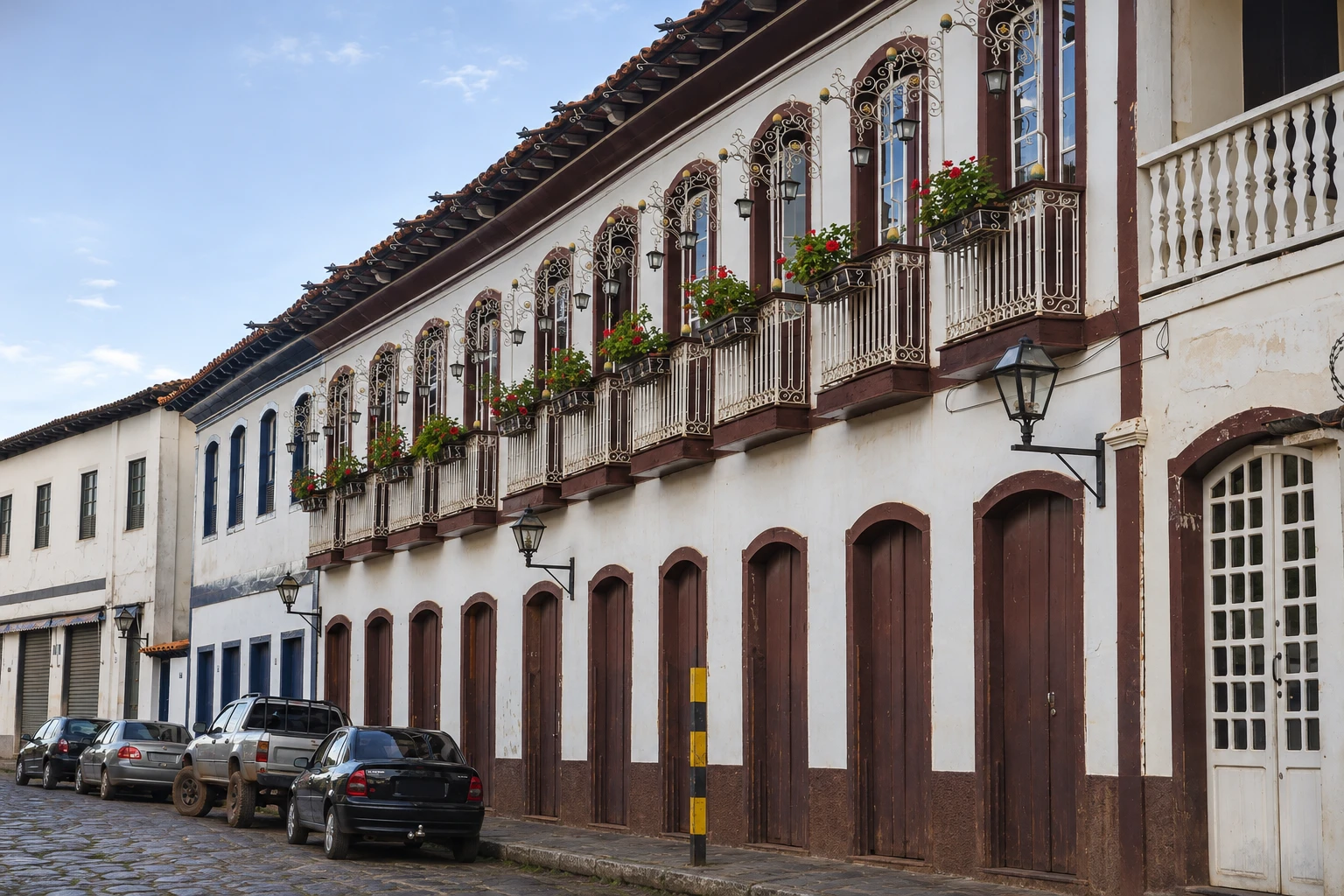
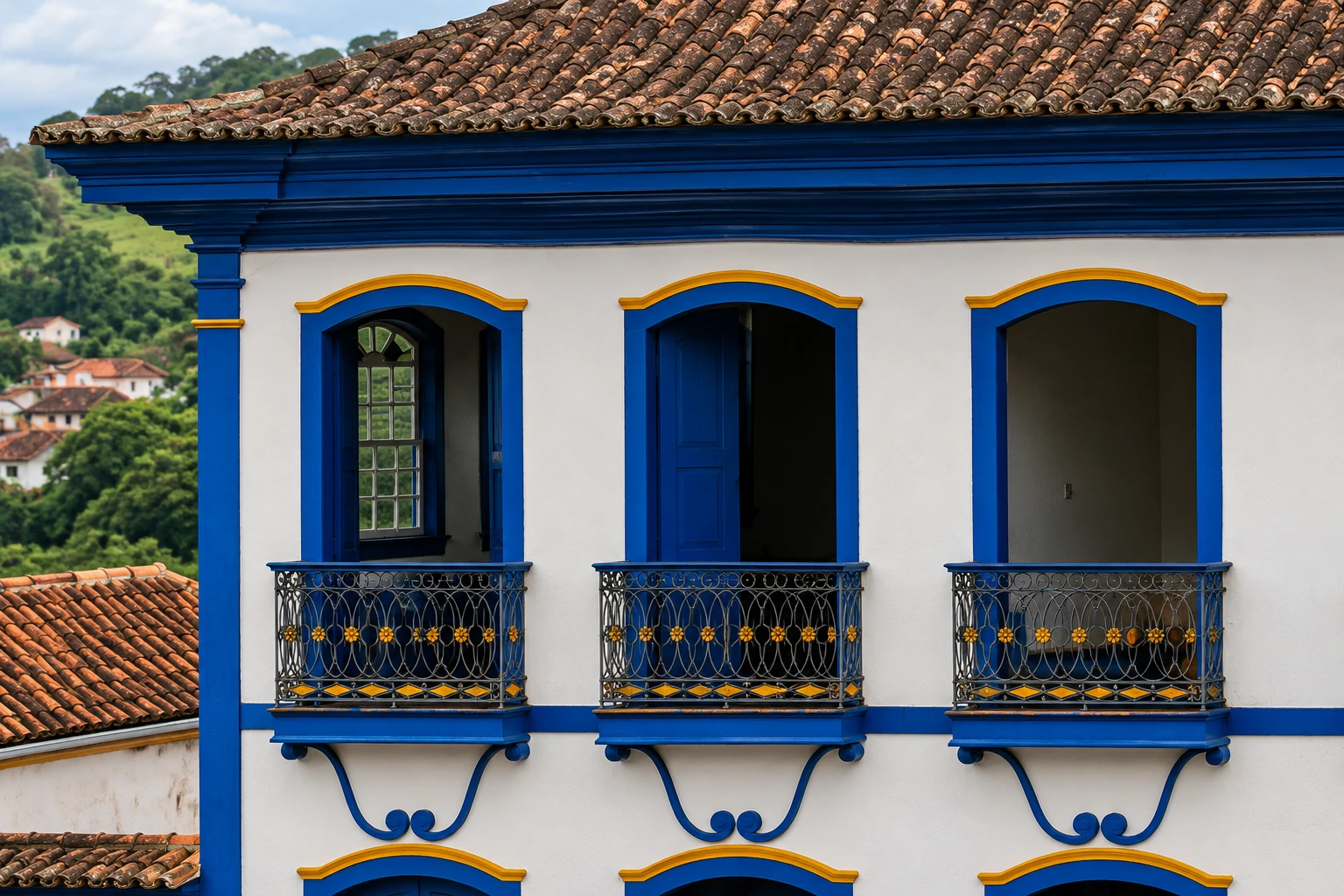
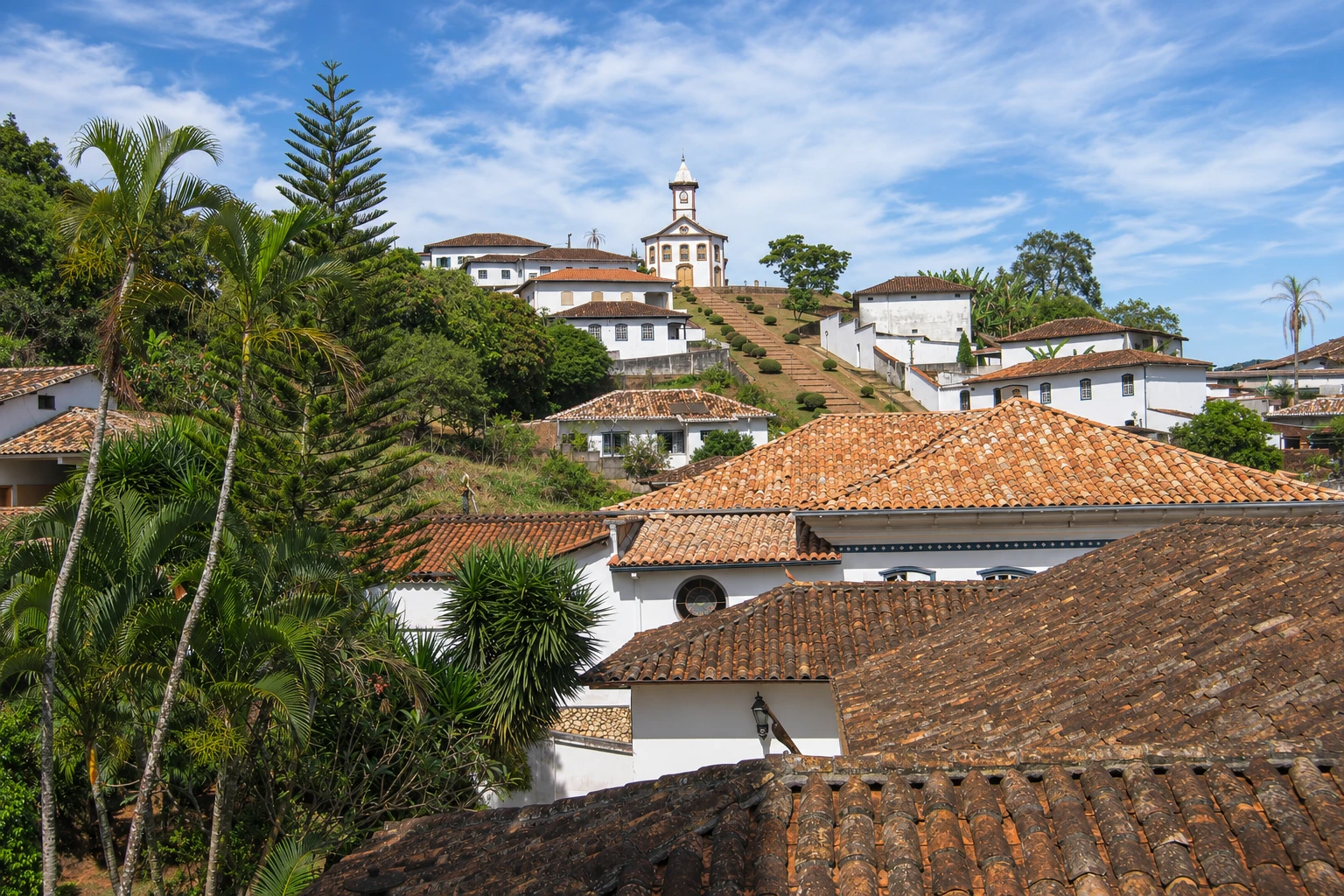
Colonial ensemble of the former Vila do Príncipe, listed by Iphan in 1938 and cited as the first protected urban ensemble in Brazil. Stone slopes, manor houses and churches spread across the hills, with the Chapel of Santa Rita at the top.
In the photo: Square and historic houses of Serro’s historic center.
Illustrative images. The pictures in this guide are illustrations based on the real place, not photographs, and may differ from it.


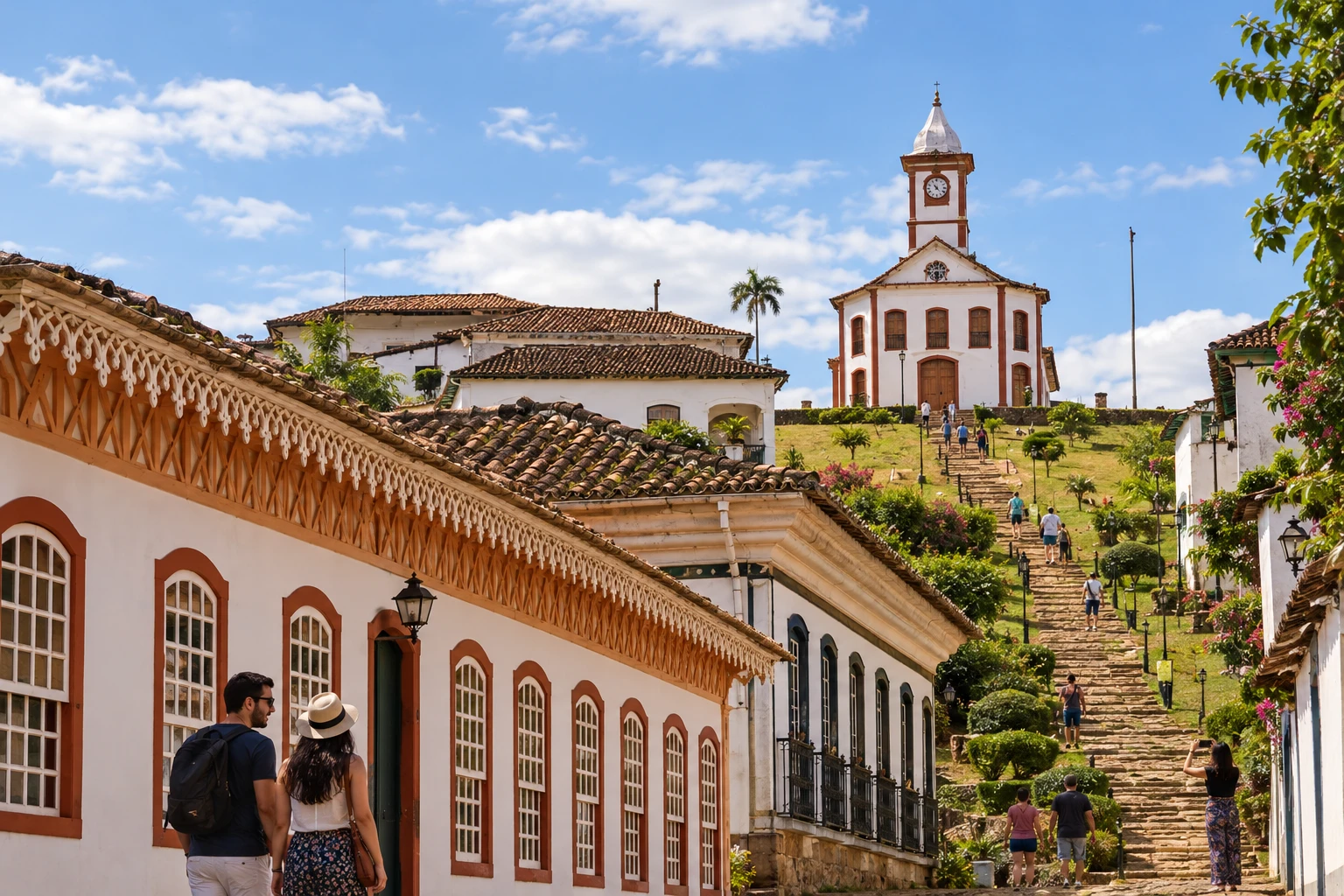
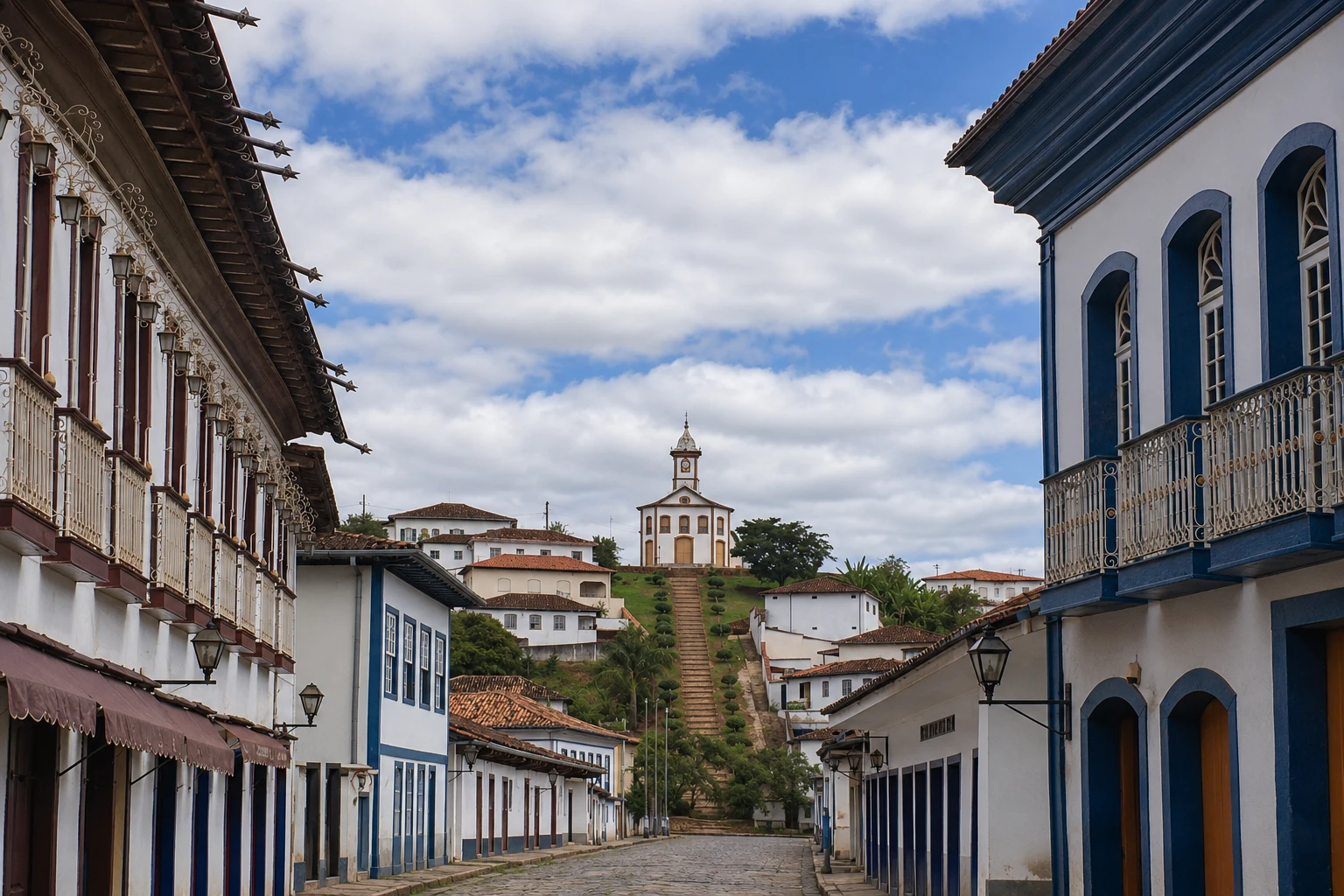
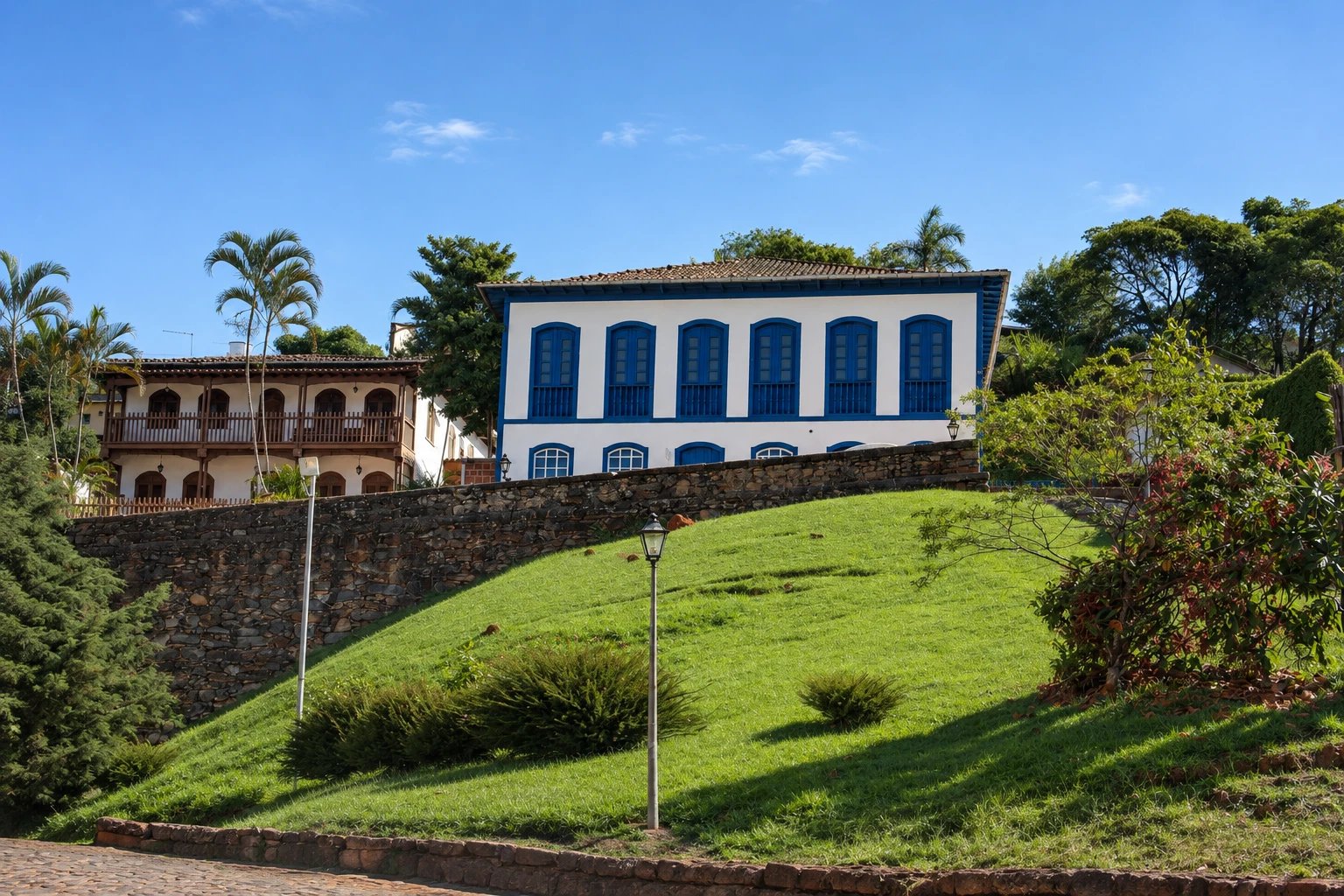
A look at the place
Historic Center of Serro in pictures
These pictures are illustrations based on the real place, not photographs. They may differ from the place.
Click the picture to enlarge it.
Discover
About Historic Center of Serro
The Historic Center of Serro preserves the layout and buildings of the former Vila do Príncipe, an 18th‑century mining village in northern Minas Gerais. On April 8, 1938, the architectural and urban ensemble was entered in Iphan’s Book of Fine Arts, and Serro is often cited as the first urban ensemble listed in Brazil, before Ouro Preto and Diamantina.
The town spreads over the hills, and the stone streets rise and fall between two‑story houses, manor houses and single‑storey colonial homes. You explore it on foot, slowly, because almost everything is a slope.
The churches punctuate the landscape. Nossa Senhora do Carmo stands by the central square; the Matriz de Nossa Senhora da Conceição, the Rosário church and Senhor Bom Jesus de Matozinhos are elsewhere in the center, a few minutes’ walk away. At the top of a long stone stairway, the Chapel of Santa Rita is the town’s best‑known viewpoint, offering a good panorama over the rooftops.
The Museu Regional Casa dos Ottoni, in an 18th‑century manor, helps explain the local history and the architecture of the village houses. In the central square and at the municipal market you’ll find Serro cheeses, made on the region’s farms by an artisanal method recognized as a cultural heritage of Brazil.
Serro is also a starting point for the districts of São Gonçalo do Rio das Pedras and Milho Verde, on the Estrada Real, which have waterfalls and colonial chapels.
Before you go
Practical information
Cidade Turismo reviews its information regularly, but something may have changed. Check with the place before planning your trip.
How much time to set aside
From half a day to a full day to walk the streets, climb to the Chapel of Santa Rita and visit the museum.
Best time
From April to September, the dry season, when walks on the slopes are more pleasant and the sky is usually clear. June and July mornings can be cold. Between November and March rains are frequent.
How to get there
The historic center occupies the area around Praça Doutor João Pinheiro, in the central part of Serro, a town on the Estrada Real on the route to Diamantina. If you arrive by car, park and proceed on foot: the streets are narrow and paved with stone.
Tip
Wear firm‑soled shoes for the stone slopes. Climb to the Chapel of Santa Rita at late afternoon to see the houses in low light, and try Serro cheese at the market or in shops in the center.
Get your questions answered
Frequently asked questions about Historic Center of Serro
Why is Serro’s historic center important?
Serro’s architectural and urban ensemble was listed by Iphan on April 8, 1938, and is often cited as the first protected urban ensemble in Brazil, before Ouro Preto and Diamantina.
What to see in Serro’s historic center?
The stone streets with colonial manor houses, the Chapel of Santa Rita atop the stairway, the Matriz de Nossa Senhora da Conceição, the churches of Carmo and Rosário, and the Museu Regional Casa dos Ottoni.
How long to stay in Serro?
Half a day to a full day is enough for the historic center. With more time, include the districts of São Gonçalo do Rio das Pedras and Milho Verde.
Where to buy Serro cheese?
At the municipal market and in shops in the historic center, which sell cheeses produced on the region’s farms.
Beyond the guide


