Nagano

Province · Chubu

Nagano

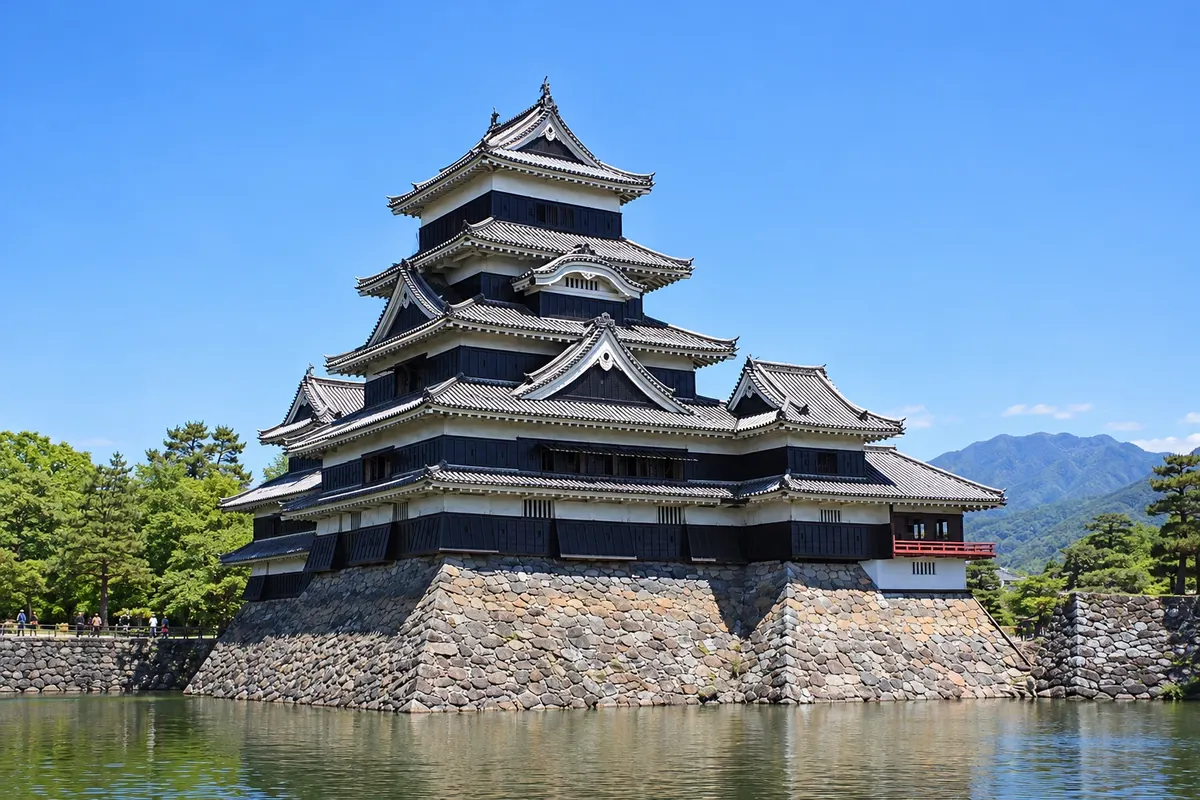
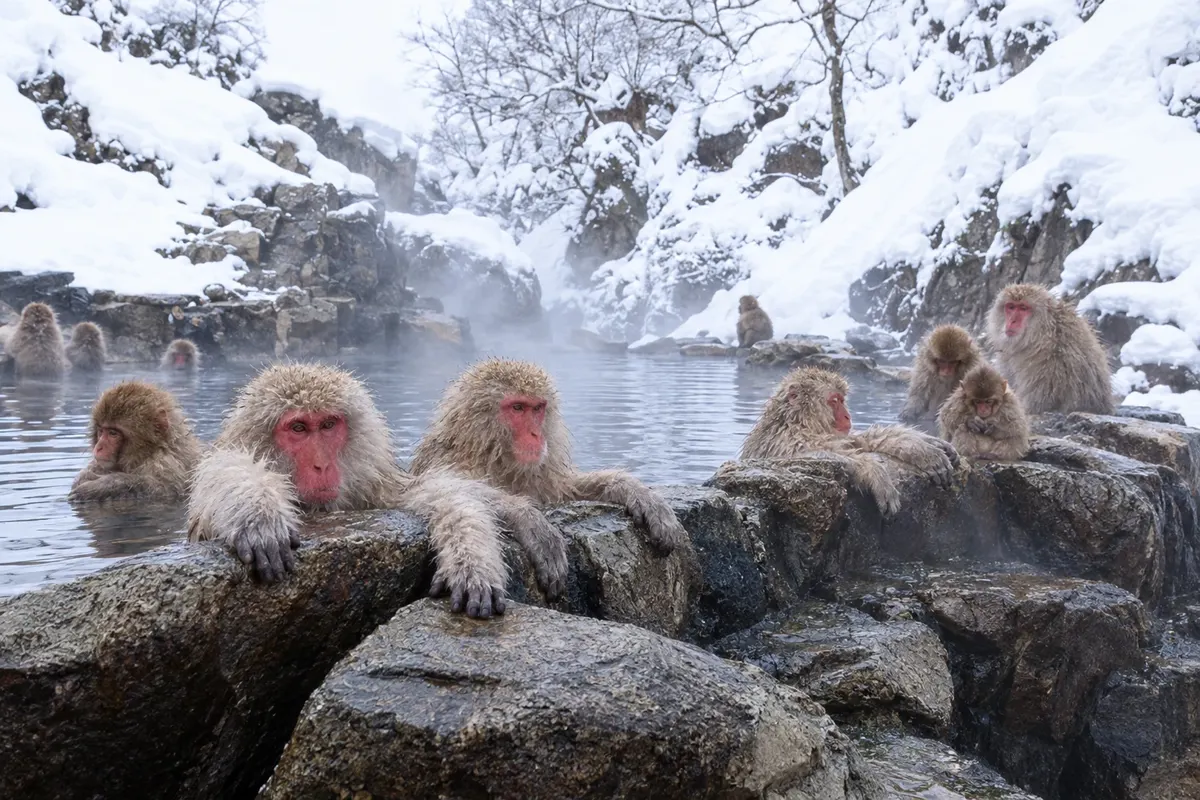
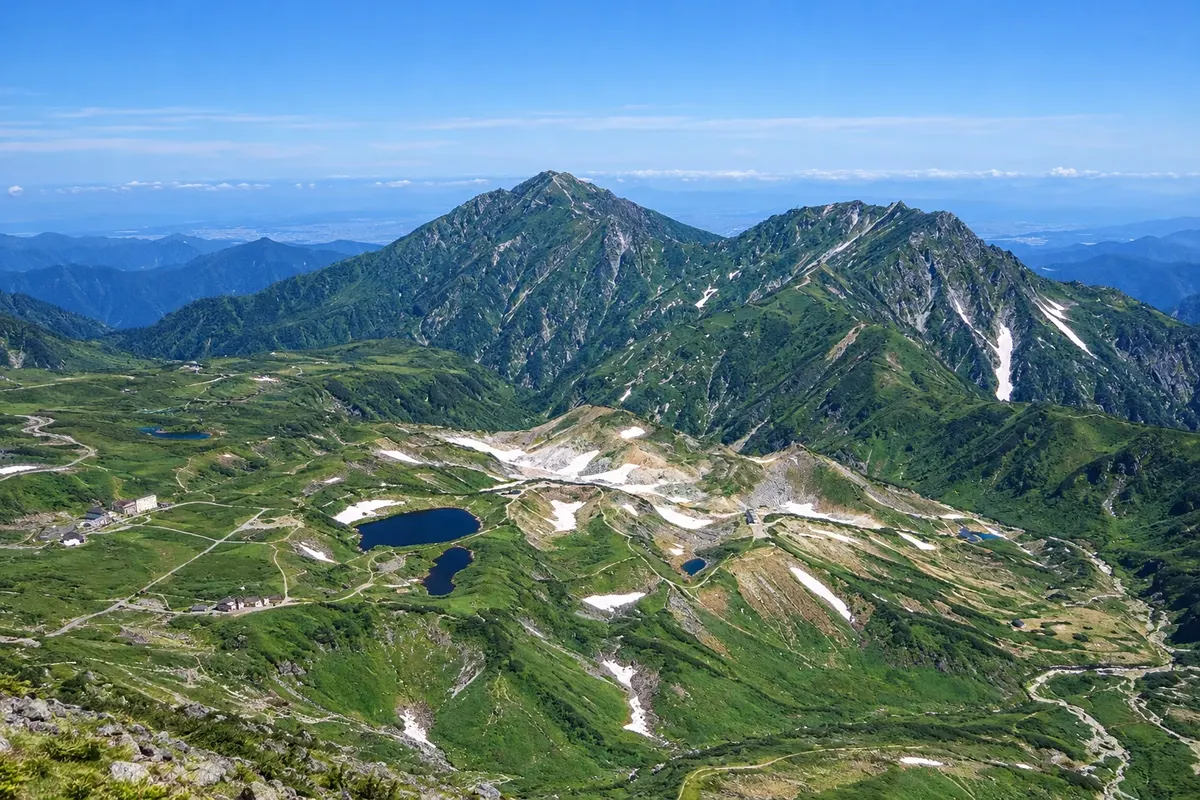
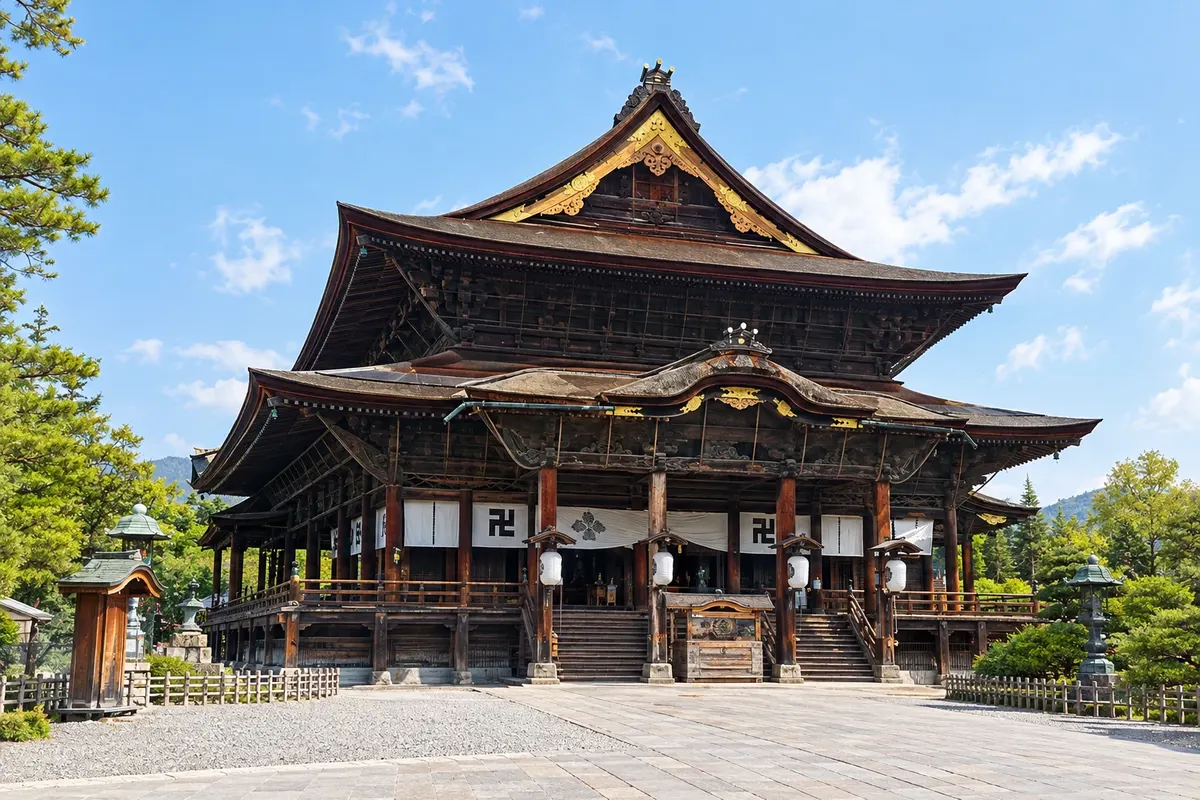
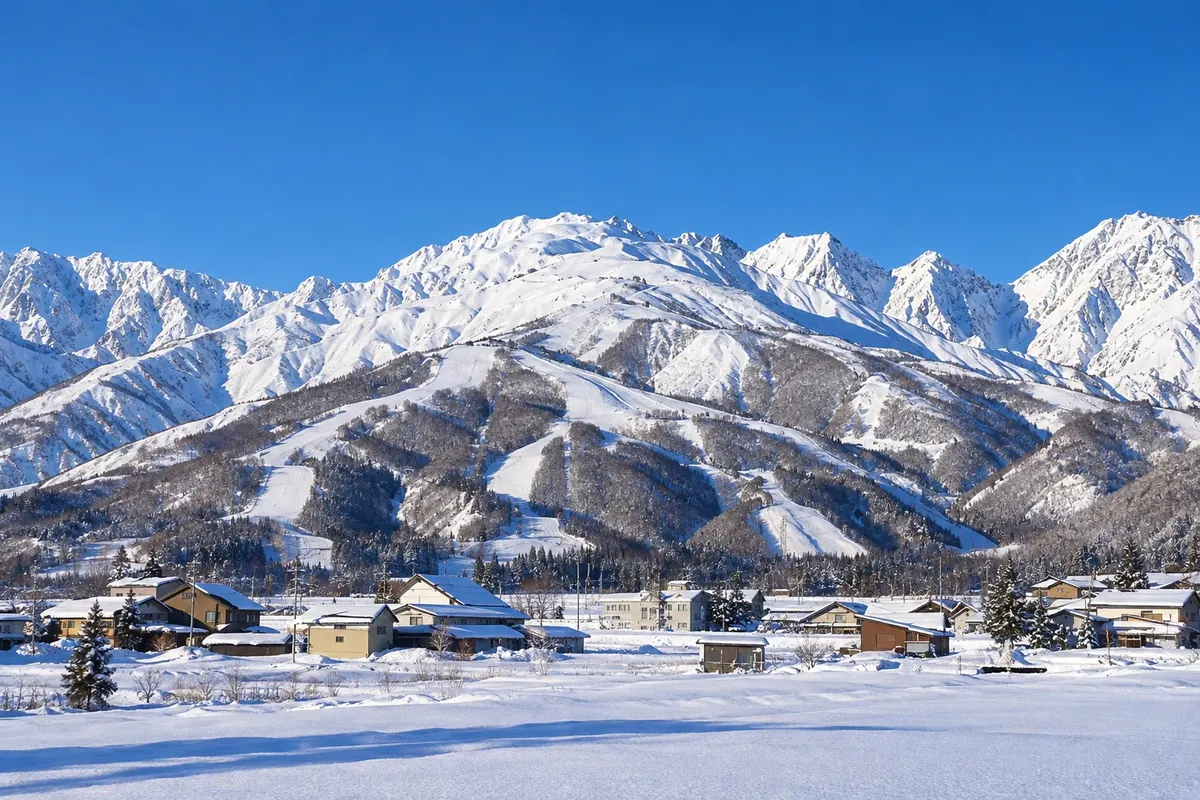
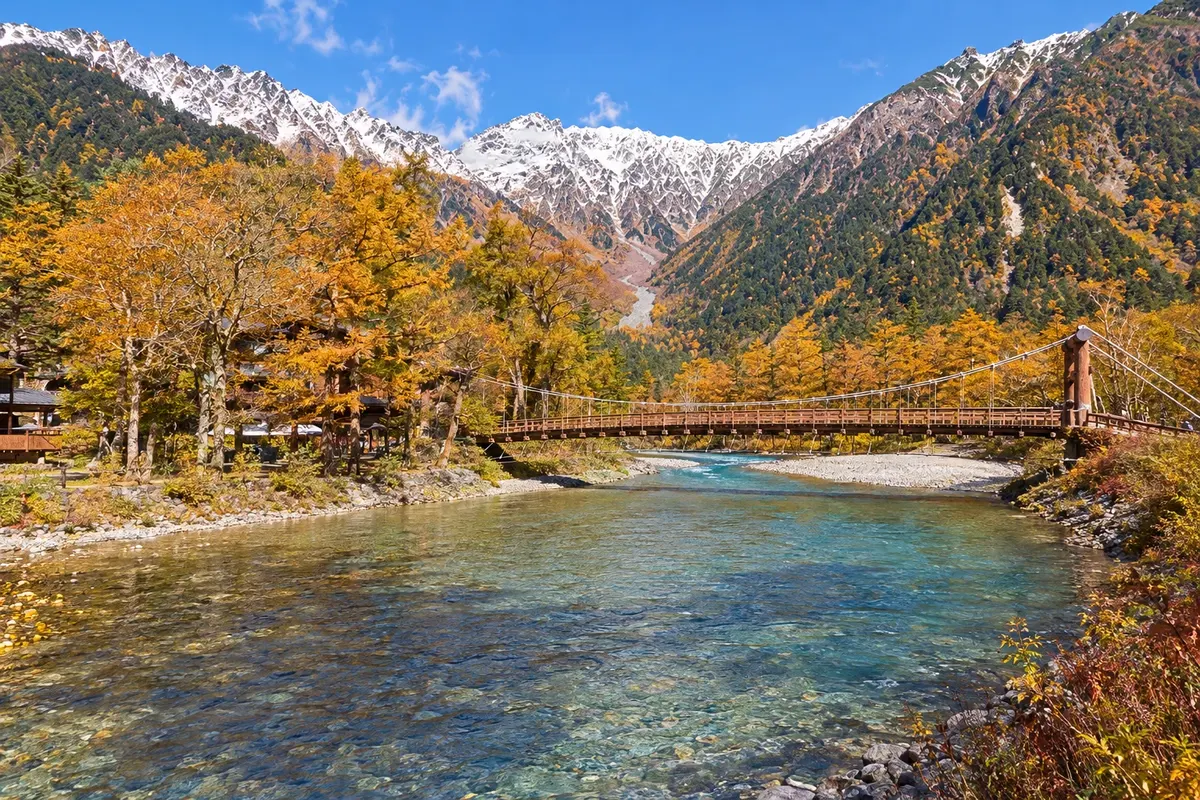
The Zenko-ji temple, the Jigokudani macaques, Matsumoto Castle, the Kamikochi valley, Hakuba’s snow and the village of Tsumago on the Nakasendo.

In the photo: Matsumoto Castle, in Nagano.

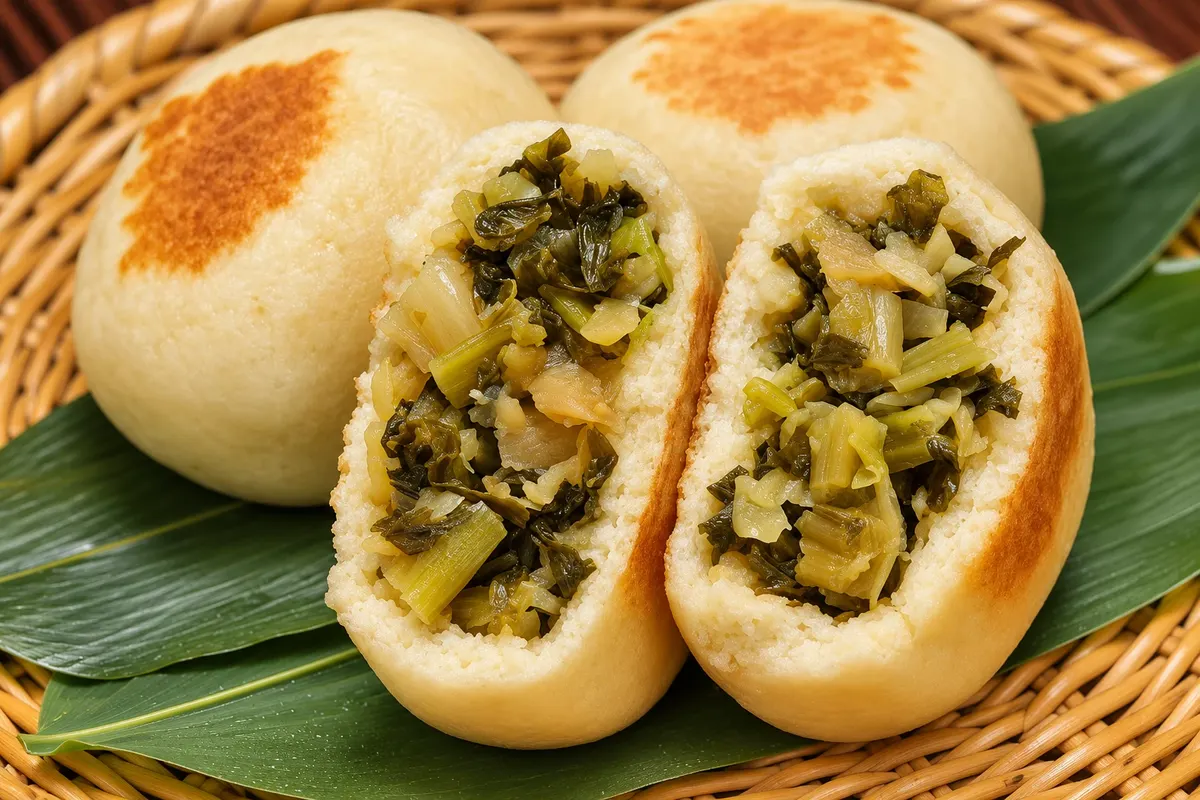
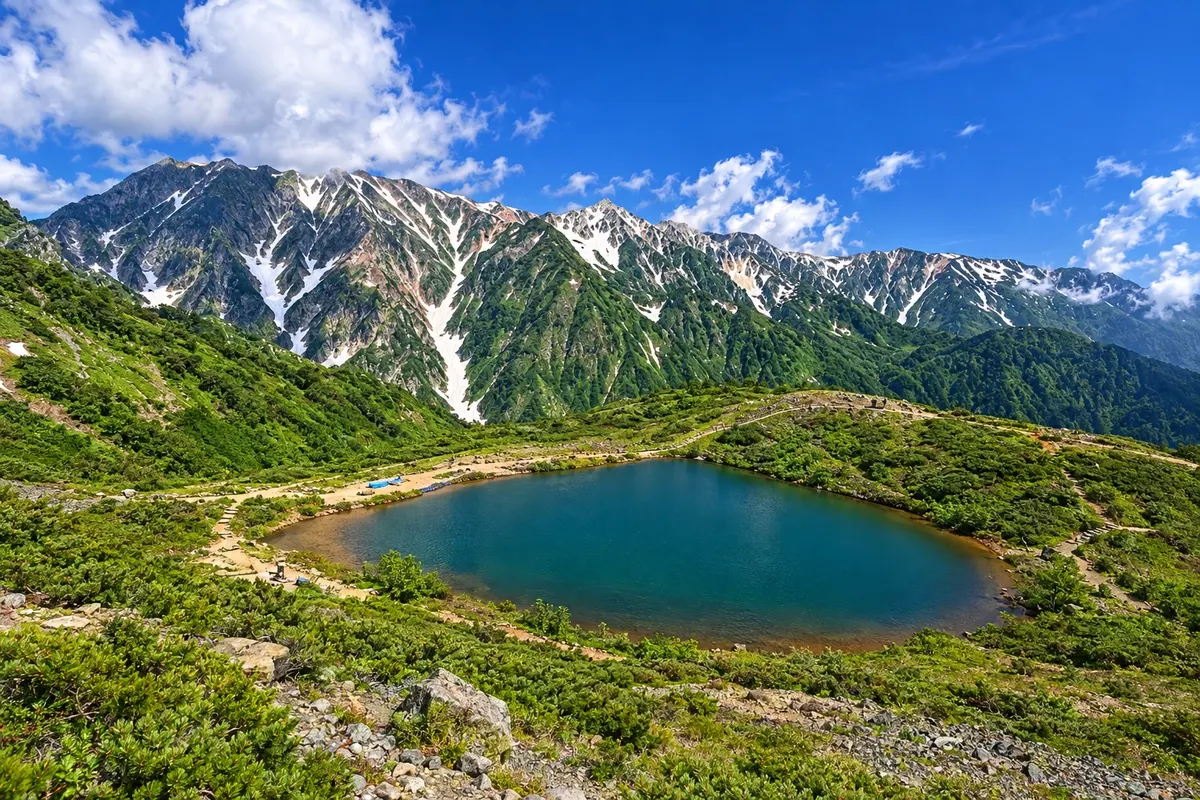
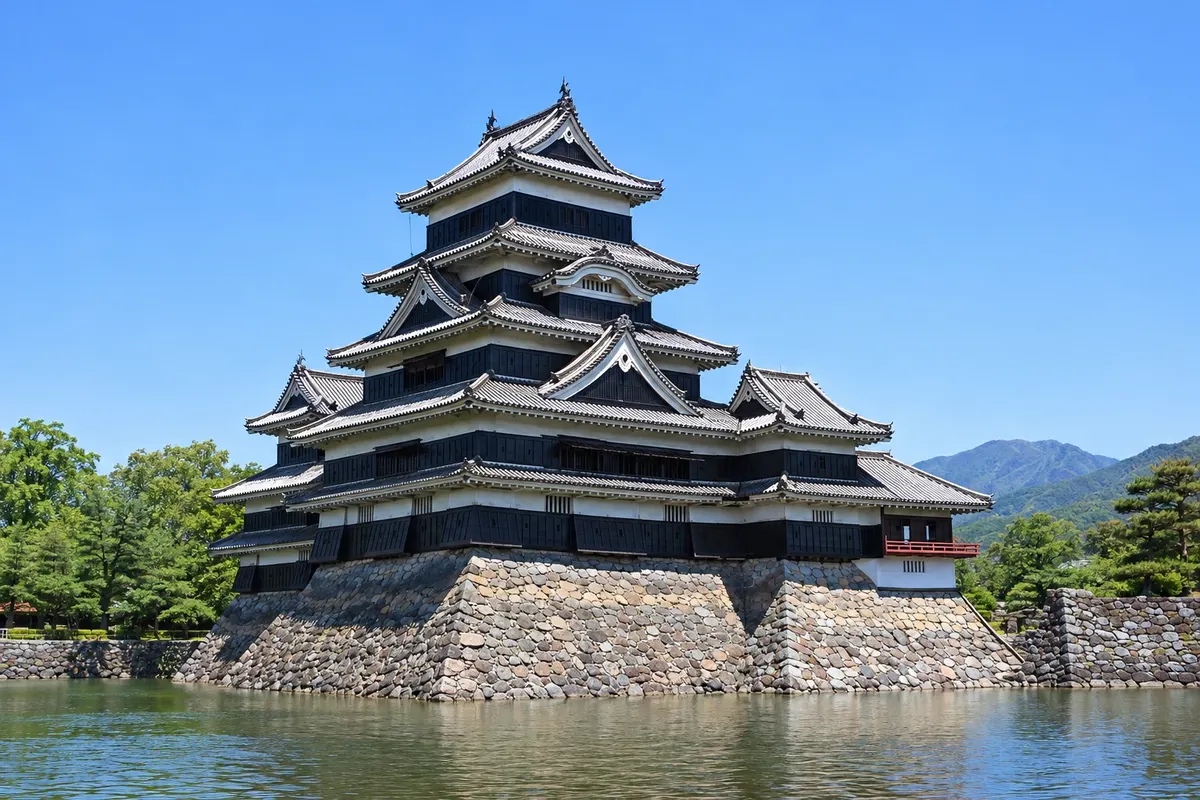
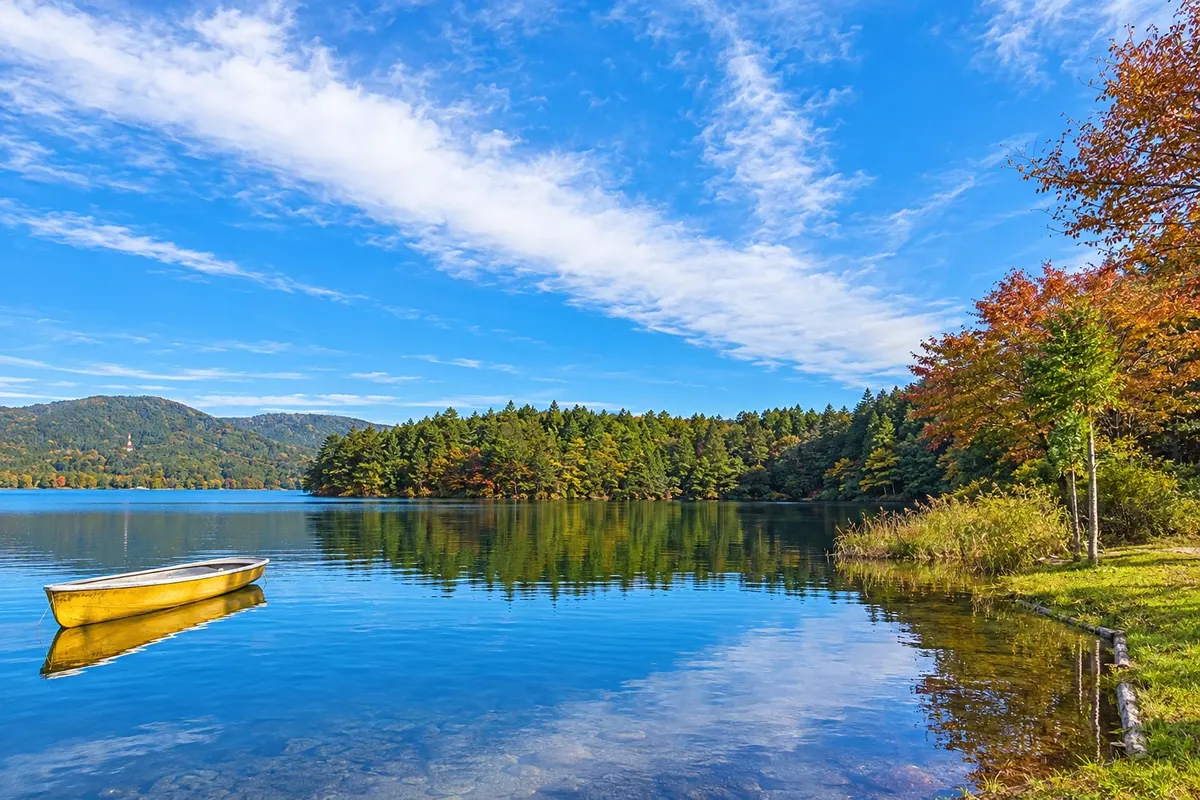
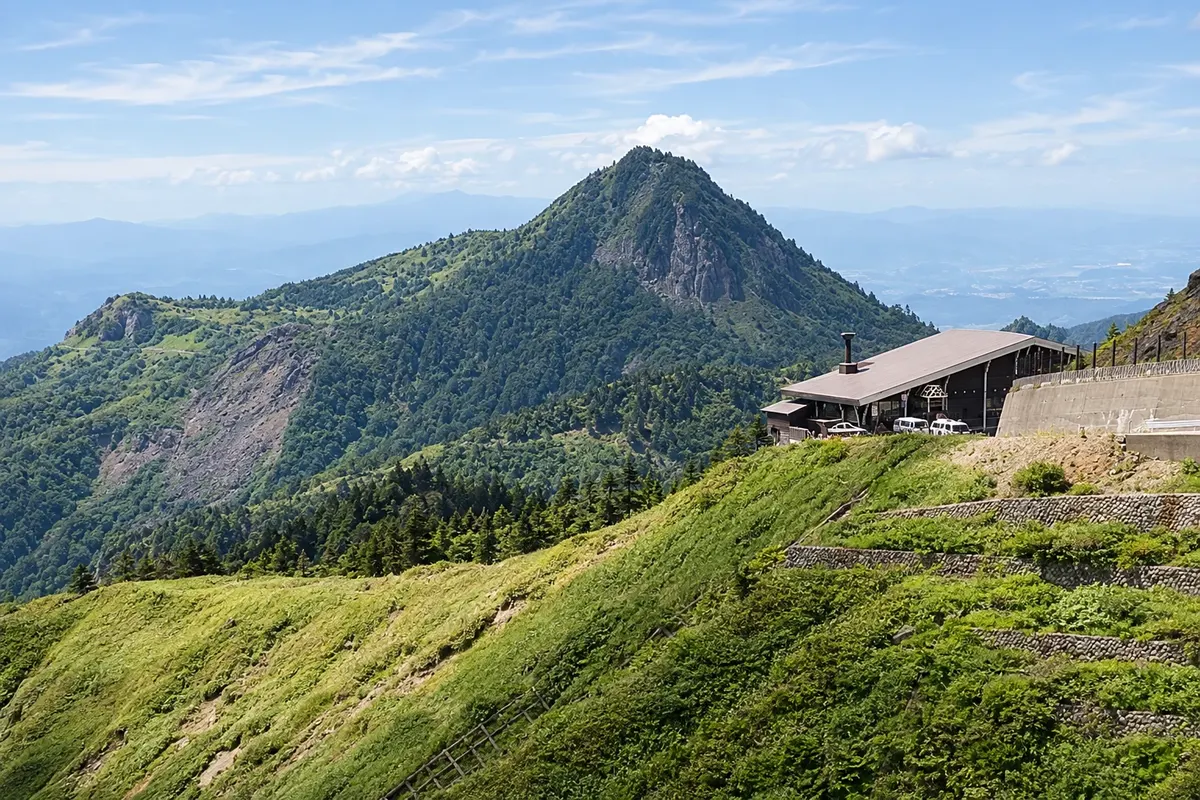
Illustrative images. The pictures in this guide are illustrations based on the real place, not photographs, and may differ from it.

Get it on Google Play

The province

Get to know Nagano

Nagano sits in central Honshu, landlocked and surrounded by the Northern, Central and Southern Japanese Alps, with several mountains over 3,000 meters. The prefectural capital, Nagano, hosted the 1998 Winter Olympics. The prefecture is known for buckwheat soba, apples and Azumino wasabi.

Zenko-ji temple in Nagano was founded in the 7th century and attracts worshippers from several Buddhist schools; beneath the altar a dark corridor leads to a key that, according to tradition, brings good luck to whoever touches it. In Yamanouchi, the Japanese macaques at Jigokudani Park soak in the hot springs during winter, and the onsen towns of Shibu and Yudanaka are nearby.

Matsumoto Castle, with its dark wooden keep dating from the late 16th century, is one of Japan’s five national treasure castles. Above the city, the Kamikochi valley on the Azusa River is the gateway to trails into the Northern Alps; private cars are not allowed, and the valley is generally open from late April to mid-November. Hakuba has ski resorts that hosted Olympic events and offers hiking trails in summer.

To the southwest, the Kiso Valley preserves post towns of the old Nakasendo road, such as Tsumago and Narai, with wooden houses. Eastward, Karuizawa is a summer resort set among forests, and Togakushi has shrines along an avenue of cedars. Lake Suwa and its shrines lie in the center of the prefecture.

Flavors of Japan

To try in Nagano

Discover other flavors of Japan

Destinations

4 destinations in Nagano

Cities

5 cities in Nagano in the guide

When to go

Cherry blossoms bloom in April, later at higher elevations. Kamikochi generally opens in late April and closes in mid-November, with autumn colors in October. Summers are cool in the mountains and good for hiking. The macaques enter the hot springs mainly from December to March. Ski season in Hakuba usually runs from December to March.

Getting there

The Hokuriku Shinkansen connects Tokyo to Karuizawa in about 1 hour and to Nagano in about 1 hour 20 minutes. Matsumoto is about 2 hours 40 minutes from Shinjuku on JR Chuo limited express trains and about 2 hours from Nagoya. For Jigokudani, the Nagaden railway runs from Nagano to Yudanaka, and a bus plus a trail complete the route. Kamikochi is served by buses from Matsumoto and from Takayama. Matsumoto Airport (MMJ) has flights from Sapporo and Fukuoka.

Your questions

Frequently asked questions about Nagano

When do the macaques enter the Jigokudani hot springs?

Mainly from December to March, when cold and snow drive them into the warm water. They remain in the park year-round. From the parking area to the hot spring there is a trail of about 1.6 km through the forest.

How do you get to Kamikochi?

By bus from Matsumoto, with a transfer at Shin-Shimashima, or from Takayama, with a transfer at Hirayu. Private cars are not allowed in the valley. Buses operate from late April to mid-November.

Can you go inside Matsumoto Castle?

Yes. Inside, the keep preserves its wooden structure, with narrow and very steep stairs up to the top floor. On weekends and holidays there may be a queue to climb.

What is the trail between Tsumago and Magome like?

It is a roughly 8 km section of the old Nakasendo road, through forests, waterfalls and farmhouses, typically done in 2½ to 3 hours. A luggage delivery service transports bags from one village to the other during the season.

Hokkaido Aomori Iwate Miyagi Akita Yamagata Fukushima Ibaraki Tochigi Gunma Saitama Chiba Tóquio Kanagawa Niigata Toyama Ishikawa Fukui Yamanashi Nagano Gifu Shizuoka Aichi Mie Shiga Kyoto Osaka Hyogo Nara Wakayama Tottori Shimane Okayama Hiroshima Yamaguchi Tokushima Kagawa Ehime Kochi Fukuoka Saga Nagasaki Kumamoto Oita Miyazaki Kagoshima Okinawa Yamagata Yamagata Ibaraki Ibaraki Tochigi Tochigi Gunma Gunma Saitama Saitama Chiba Chiba Tóquio Tóquio Kanagawa Kanagawa Niigata Niigata Toyama Toyama Ishikawa Ishikawa Fukui Fukui Yamanashi Yamanashi Shizuoka Shizuoka Mie Mie Shiga Shiga Kyoto Kyoto Osaka Osaka Nara Nara Wakayama Wakayama Tottori Tottori Shimane Shimane Okayama Okayama Yamaguchi Yamaguchi Tokushima Tokushima Kagawa Kagawa Ehime Ehime Fukuoka Fukuoka Saga Saga Nagasaki Nagasaki Kumamoto Kumamoto Miyazaki Miyazaki Kagoshima Kagoshima Okinawa Okinawa
Tap a province to see its destinations. Dados cartográficos: © OpenStreetMap contributors, via Wambacher / geoBoundaries (ODbL 1.0). Adapted by Cidade Turismo.

Beyond the guide