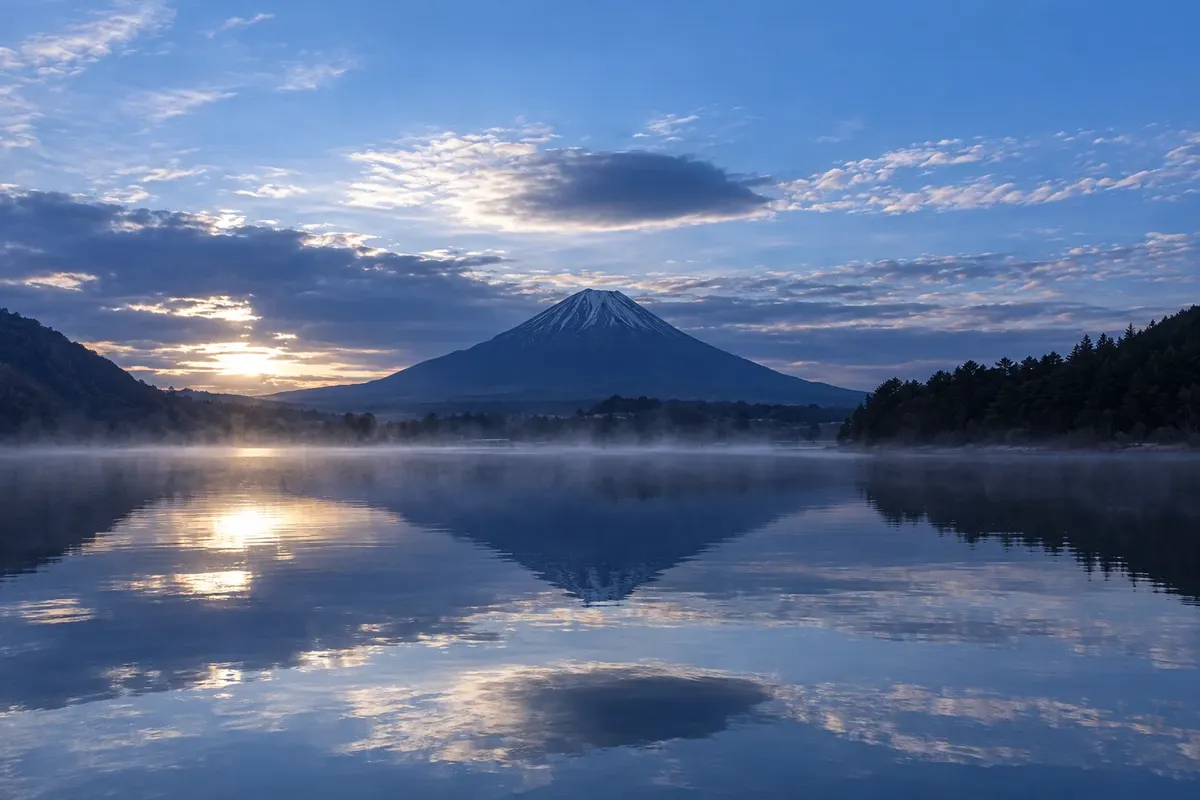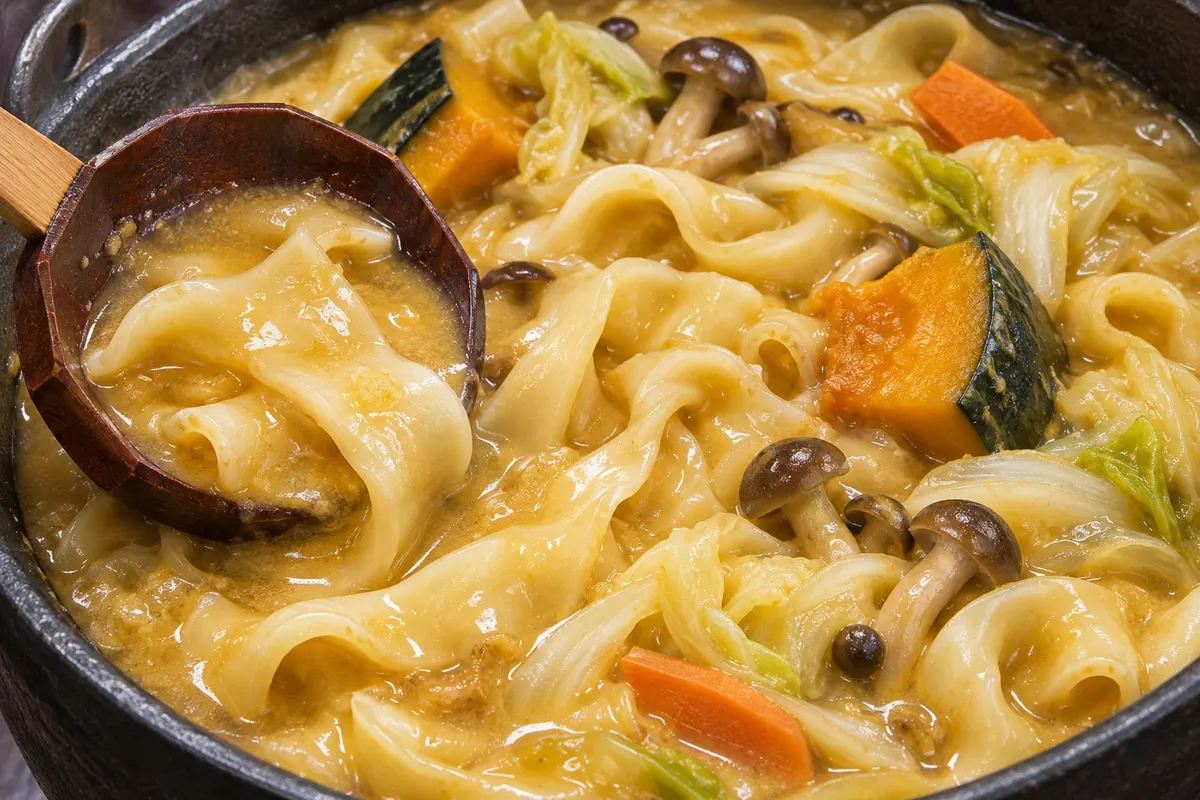
Dish · Yamanashi
Hoto
Thick, wide wheat dough cooked with pumpkin, vegetables and mushrooms in a miso broth, served in an iron pot. It is the most representative dish of Yamanashi, at the foot of Mount Fuji.

 Search
 Brazil
 Antarctica
 Argentina
 Bolivia
 Chile
 Colombia
 Ecuador
 Guyana
 French Guiana
 Falkland Islands (Malvinas)
 Paraguay
 Peru
 Suriname
 Uruguay
 Venezuela
 Germany
 Austria
 Belgium
 Croatia
 Denmark
 Slovakia
 Slovenia
 Spain
 Finland
 France
 Greece
 the Netherlands
 Hungary
 Ireland
 Iceland
 Italy
 Luxembourg
 Norway
 Poland
 Portugal
 the United Kingdom
 the Czech Republic
 Sweden
 Switzerland
 Turkey
 Bermuda
 Canada
 the United States
 Greenland
 Mexico
 Saint Pierre and Miquelon
 the Dominican RepublicJapanTurkey
 South Africa
 Egypt
 Australia
 Fiji
 New Zealand
 Papua New Guinea
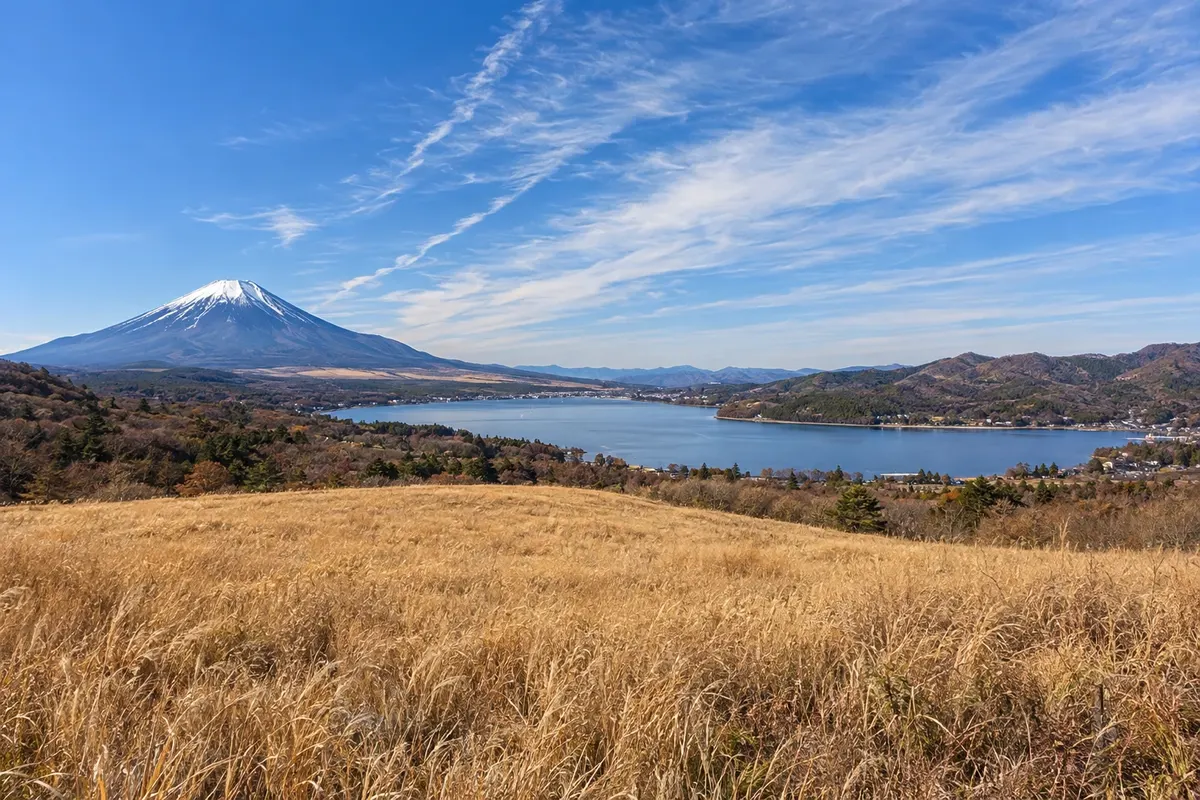
Province · Chubu
Mount Fuji seen from the north, the Five Lakes, Chureito Pagoda, the Oshino springs, the Koshu wineries and the orchards of Kofu.
In the photo: Lake Yamanaka and Mount Fuji, in Yamanashi.
Illustrative images. The pictures in this guide are illustrations based on the real place, not photographs, and may differ from it.

The province
Yamanashi lies west of Tokyo, landlocked and surrounded by mountains: Mount Fuji to the south and the Southern Alps to the west. In the center, the Kofu basin has vineyards and peach orchards, and the prefecture is one of Japan’s largest wine producers, with the koshu grape, which has a pinkish skin.
Mount Fuji, at 3,776 meters, straddles the border with Shizuoka and has been a UNESCO Cultural Heritage site since 2013. On the northern side are the Five Lakes: Kawaguchi, Yamanaka, Sai, Shoji and Motosu. In Fujiyoshida, the red Chureito Pagoda appears with Fuji in the background, and in Oshino Hakkai meltwater from the mountain springs into clear ponds.
The Yoshida Trail, which starts at the Fifth Station on the Yamanashi side, is the most used route to climb Fuji. The season generally runs from July to September, and climbing requires prior registration and payment of a fee. The Kitaguchi Hongu Fuji Sengen Shrine in Fujiyoshida marks the old starting point of the pilgrimage.
In Kofu, the capital, the Takeda Shrine commemorates Takeda Shingen, a 16th-century warlord. In Katsunuma, wineries welcome visitors for tastings, and the Shosenkyo Gorge features granite cliffs and waterfalls. In summer and autumn, farms open their orchards for fruit picking.
Flavors of Japan
Destinations
Cities
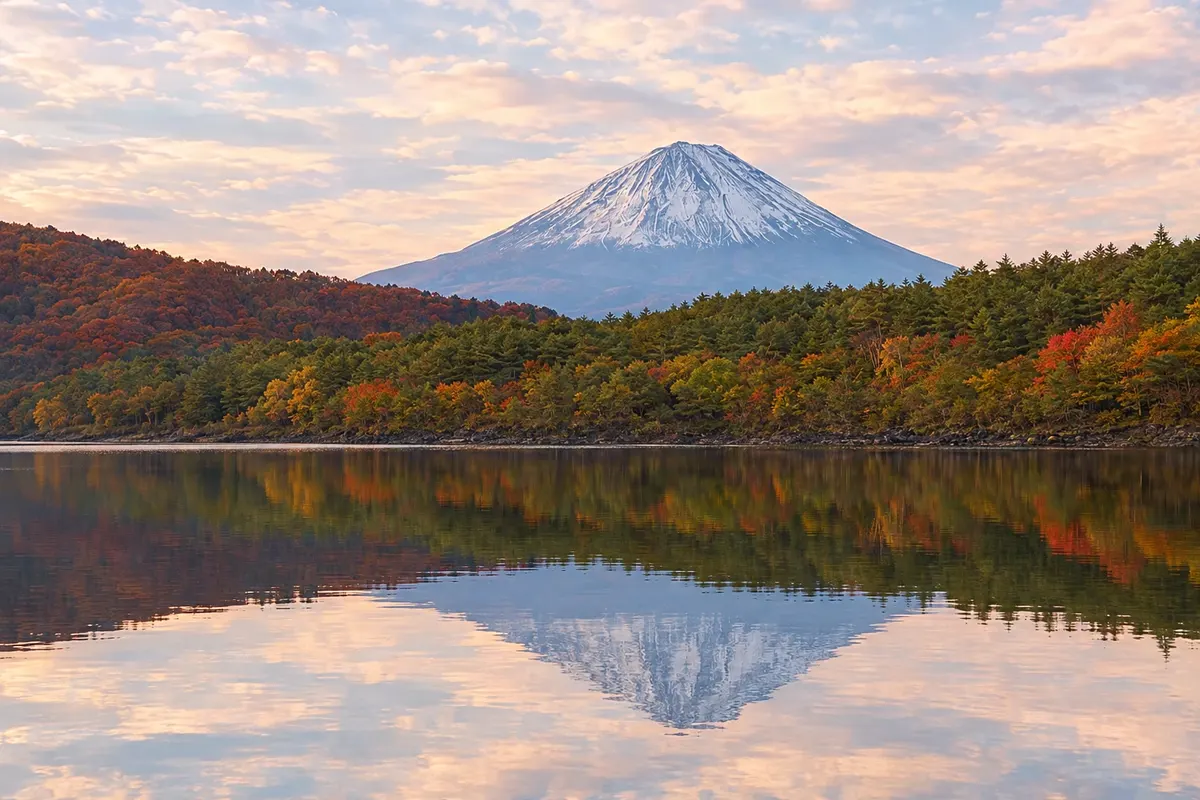
Fujikawaguchiko is the lakeside town north of Mount Fuji, in Yamanashi, encompassing Lakes Kawaguchi, Sai and Shoji and most of Motosu. On the shore of Lake Kawaguchi are accommodations with hot springs, museums, boat services and the Mount Tenjo ropeway; to the west is the thatched-roof village of Nenba and lava caves. It is the main base for viewing Fuji and for ascending to the fifth station.
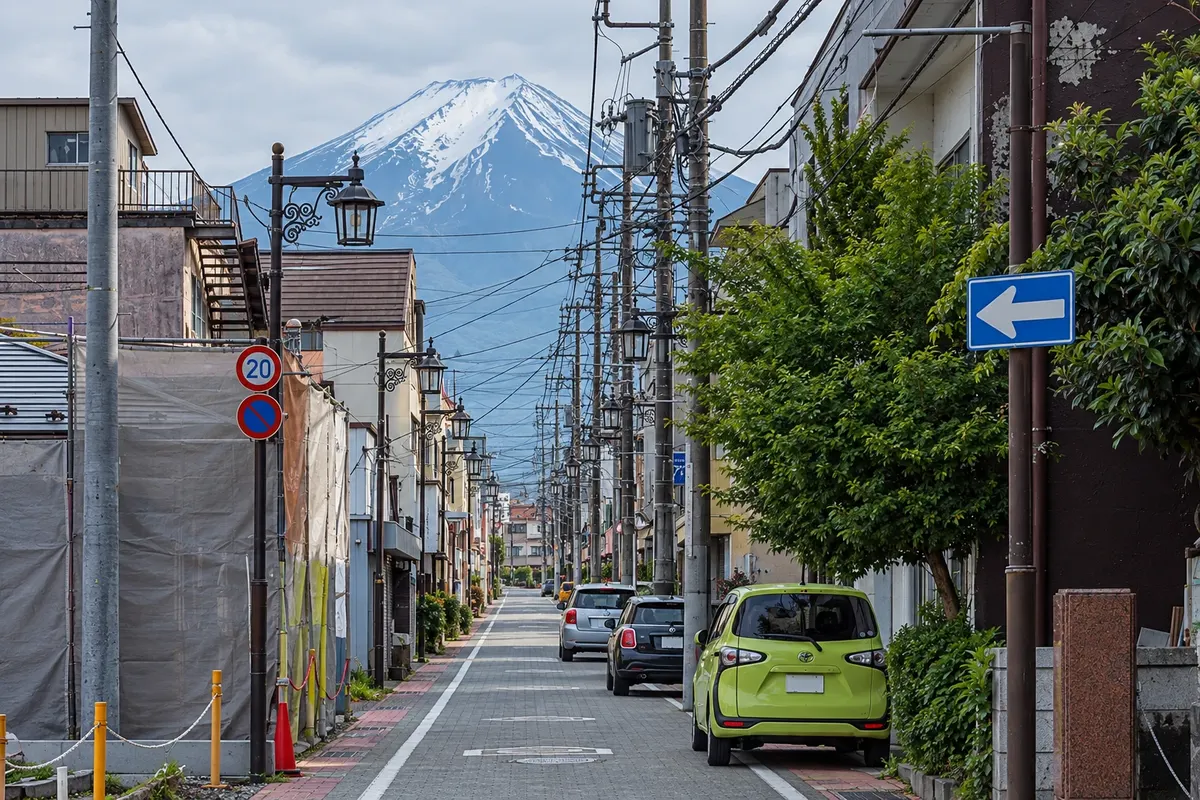
Fujiyoshida sits at the northern base of Mount Fuji and for centuries made its living hosting pilgrims who climbed the mountain. From Kitaguchi Hongu Fuji Sengen Shrine departs the Yoshida Trail, and on Mount Arakura the Chureito Pagoda frames the volcano in the background. The city is known for Yoshida udon, with a firm texture, and is close to the Oshino Hakkai ponds and the fifth station.
Fuji is seen most often from October to February, early in the morning. Cherry trees bloom in April at Chureito and around Lake Kawaguchi. The official mountain climbing season usually runs from July to September. Peaches and grapes are harvested from July to October. In November, the maples around Lake Kawaguchi turn red.
Express buses connect Shinjuku to Lake Kawaguchi in about 2 hours. By train, take the JR Chuo Line to Otsuki and transfer to the Fujikyu Railway to Kawaguchiko, or use the direct Fuji Excursion train from Shinjuku. The Azusa and Kaiji limited express trains on the JR Chuo Line take about 1.5 hours from Shinjuku to Kofu. During the season, buses run from Lake Kawaguchi up to the Fifth Station of Fuji.
Your questions
From October to February, when the air is drier and the sky is clearer more often, especially early in the morning. In summer the mountain is hidden by clouds many days.
During the official season, usually from July to September, when the trails and mountain huts are open. On the Yoshida Trail you must register in advance and pay a fee, and there is a daily limit on climbers. Check the rules before you go.
By express bus from Shinjuku in about 2 hours, or by train using the JR Chuo Line and the Fujikyu Railway. The Fuji Excursion train runs the route without transfers.
In Katsunuma and the Koshu region east of Kofu, where dozens of wineries welcome visitors. White wine made from the koshu grape is the prefecture’s most characteristic wine.
Beyond the guide