2 cities

 Search
 Brazil
 Antarctica
 Argentina
 Bolivia
 Chile
 Colombia
 Ecuador
 Guyana
 French Guiana
 Falkland Islands (Malvinas)
 Paraguay
 Peru
 Suriname
 Uruguay
 Venezuela
 Germany
 Austria
 Belgium
 Croatia
 Denmark
 Slovakia
 Slovenia
 Spain
 Finland
 France
 Greece
 the Netherlands
 Hungary
 Ireland
 Iceland
 Italy
 Luxembourg
 Norway
 Poland
 Portugal
 the United Kingdom
 the Czech Republic
 Sweden
 Switzerland
 Turkey
 Bermuda
 Canada
 the United States
 Greenland
 Mexico
 Saint Pierre and Miquelon
 the Dominican RepublicJapanTurkey
 South Africa
 Egypt
 Australia
 Fiji
 New Zealand
 Papua New Guinea
Province · Kansai
Temples and shrines of Kyoto, the Gion district, Arashiyama, the Fushimi Inari gates, Uji tea, and the Amanohashidate sandbar.
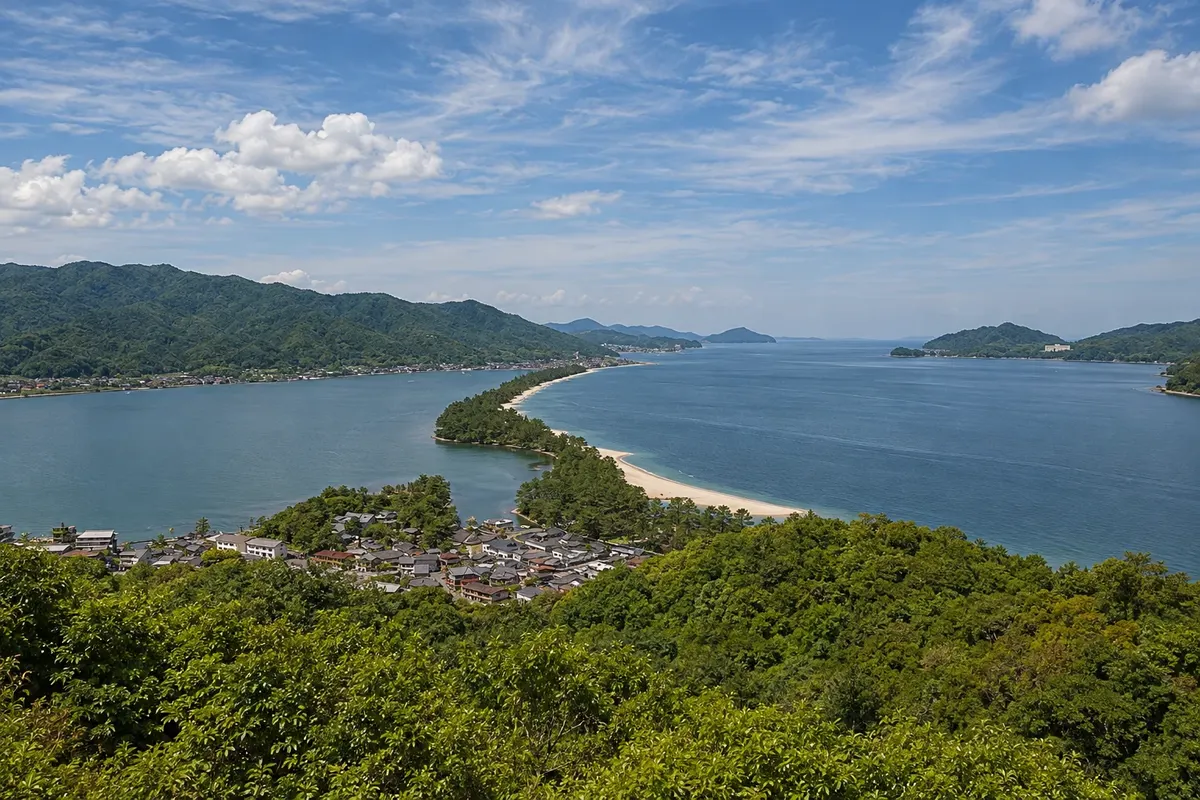
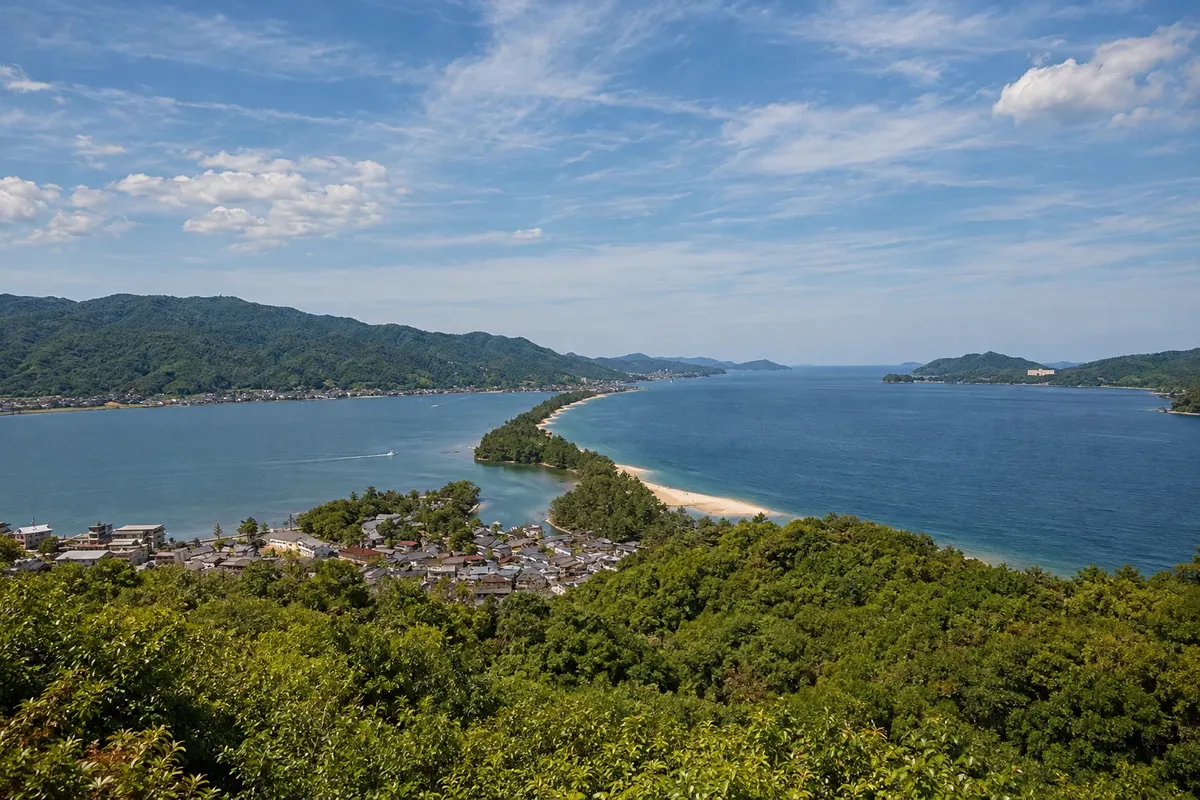
In the photo: Amanohashidate, Kyoto.
Illustrative images. The pictures in this guide are illustrations based on the real place, not photographs, and may differ from it.

The province
Kyoto Prefecture stretches from the Sea of Japan in the north down to the basin that contains the city of Kyoto. The city was the imperial capital from 794 to 1868 and is home to more than a thousand Buddhist temples and Shinto shrines. Seventeen of them, located in Kyoto, Uji and Otsu, make up the Historic Monuments of Ancient Kyoto, a UNESCO World Heritage Site since 1994.
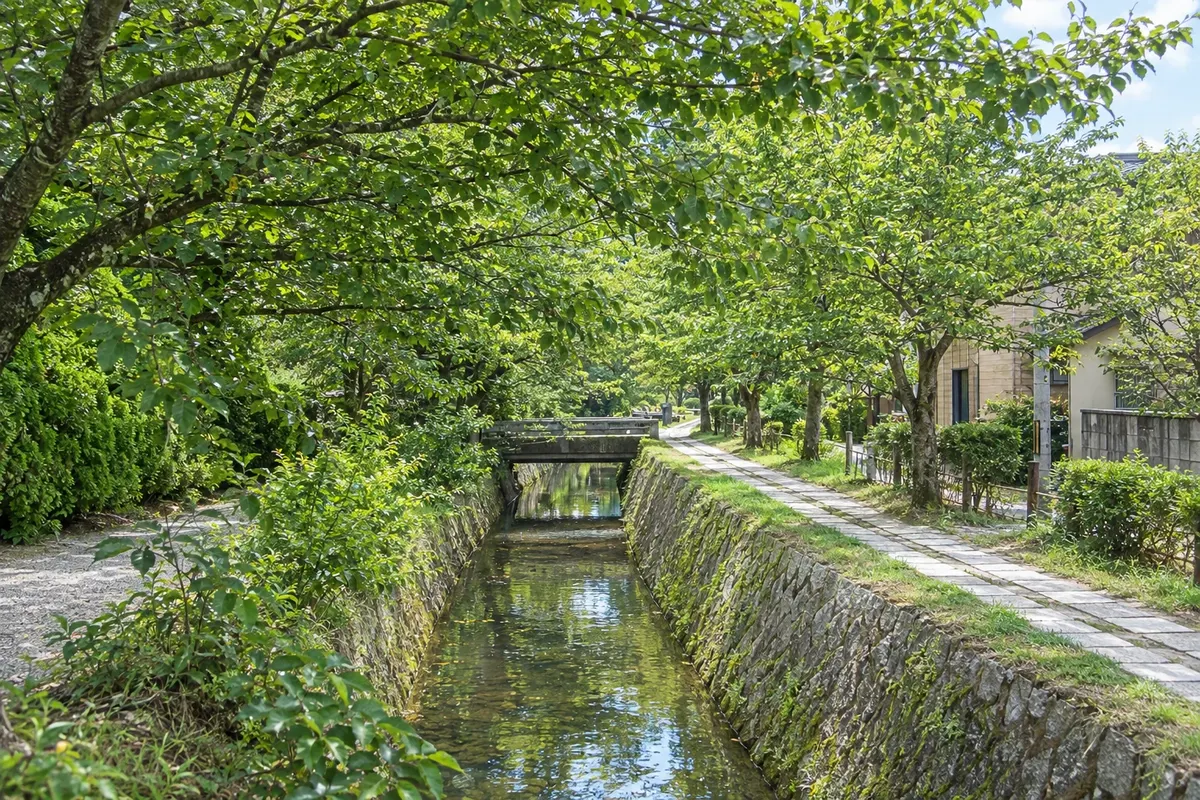
On the east side of the city, Kiyomizu-dera has a wooden terrace clinging to the hillside, and the streets of Sannenzaka and Ninenzaka slope down between shops. Gion is the teahouse district, where you can see geisha—called geiko here—and apprentices, the maiko. The Philosopher’s Path follows a canal to Ginkaku-ji. To the south, Fushimi Inari has thousands of red torii gates climbing Mount Inari. In the north are Kinkaku-ji, the Golden Pavilion, and the rock garden of Ryoan-ji. In the west, Arashiyama has the bamboo grove and the Togetsukyo Bridge, and in the center are Nijo Castle and Nishiki Market.
In Uji, to the south, Byodo-in has the Phoenix Hall from the 11th century, pictured on the 10-yen coin, and the city is known for matcha tea. Fushimi, south of the capital, has sake breweries along its canals.
In the northern part of the prefecture, Amanohashidate is a sandbar about 3.6 km long, covered in pines, and is one of Japan’s three classic views. In the nearby bay, the village of Ine has boat houses, the funaya, built over the water. Inland, the village of Miyama preserves thatched-roof houses. The city holds festivals throughout the year, such as the Aoi in May and the Gion Matsuri, which occupies the whole of July.
Destinations
Cities
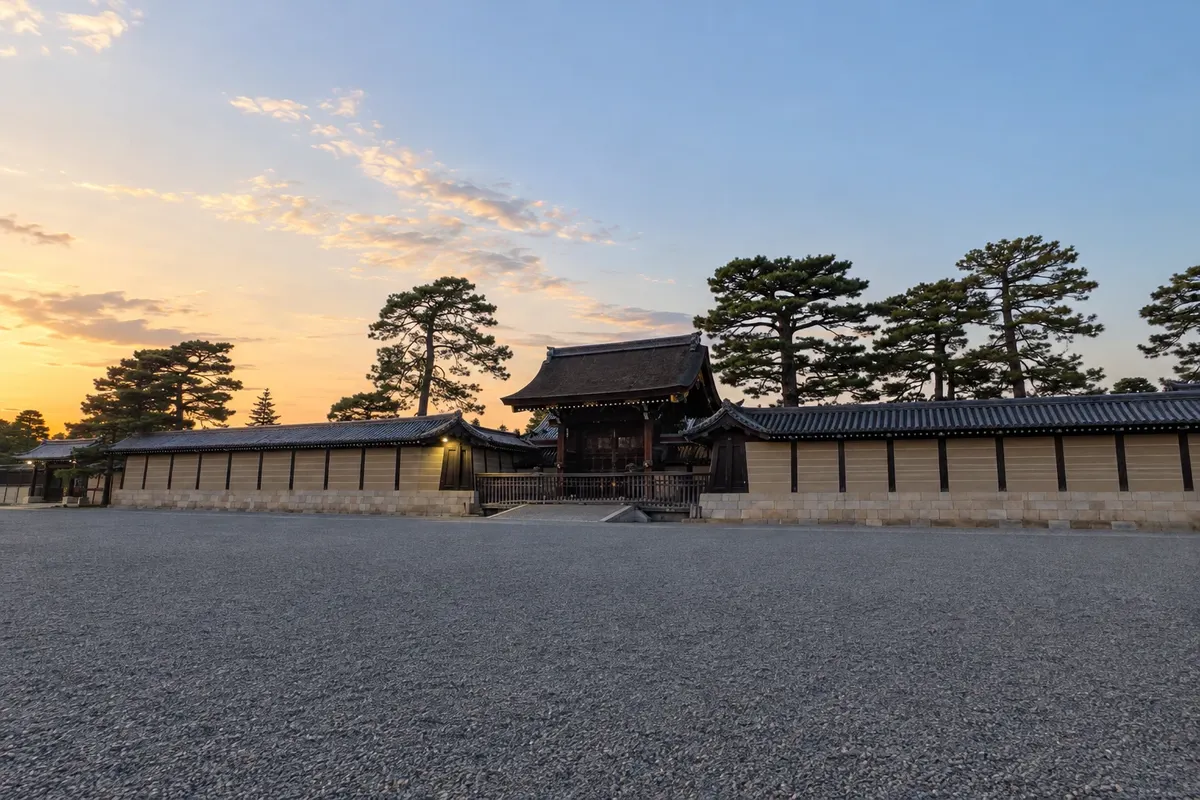
Kyoto was the imperial capital of Japan for over a thousand years and preserves hundreds of temples and shrines, several of them World Heritage sites. Higashiyama gathers Kiyomizu-dera and slopes of wooden houses; Gion is the geisha quarter; Fushimi Inari has tunnels of torii; Kinkaku-ji and Ginkaku-ji sit on the hillsides; Arashiyama has the bamboo grove. The city is a base for Uji, Nara and Osaka.
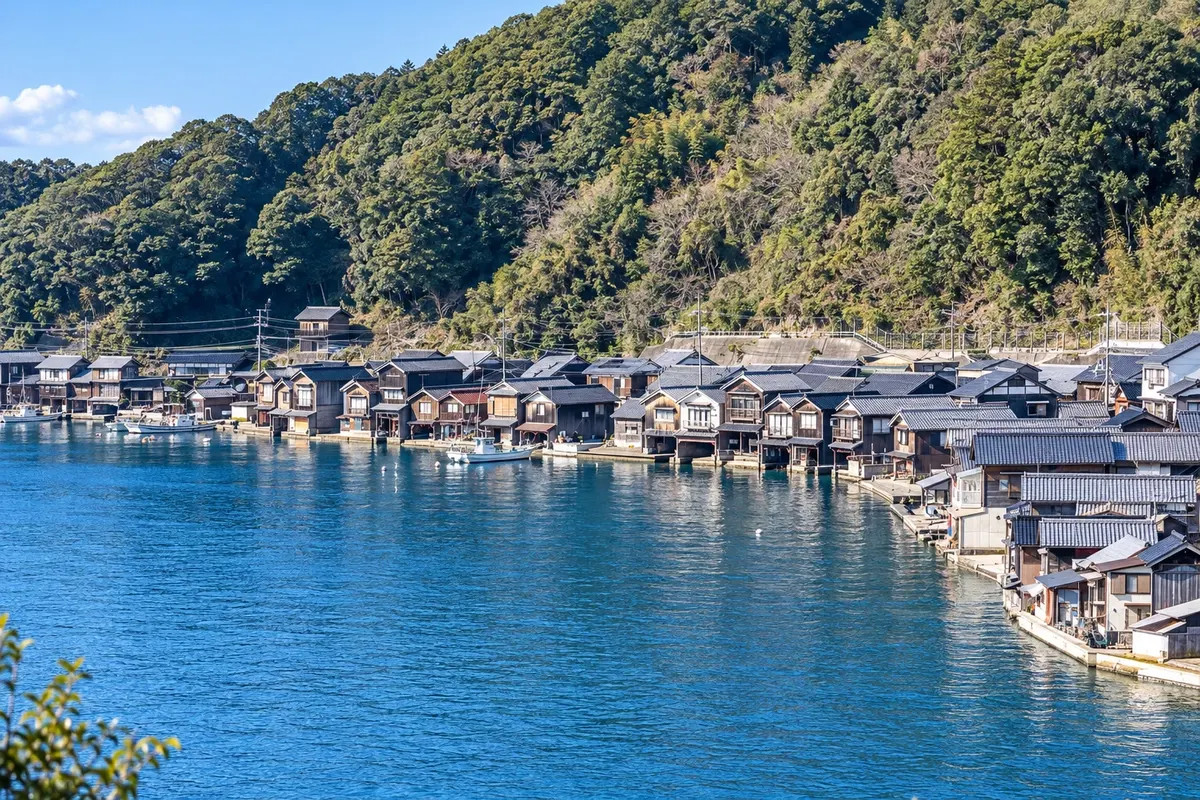
Fishing village on the Tango Peninsula in northern Kyoto Prefecture, Ine occupies the shore of a protected bay with funaya — boathouses that store the boat on the ground floor over the water. There are bay boat rides, cafés and lodgings in funaya, and at the tip of the peninsula the Kyogamisaki lighthouse.
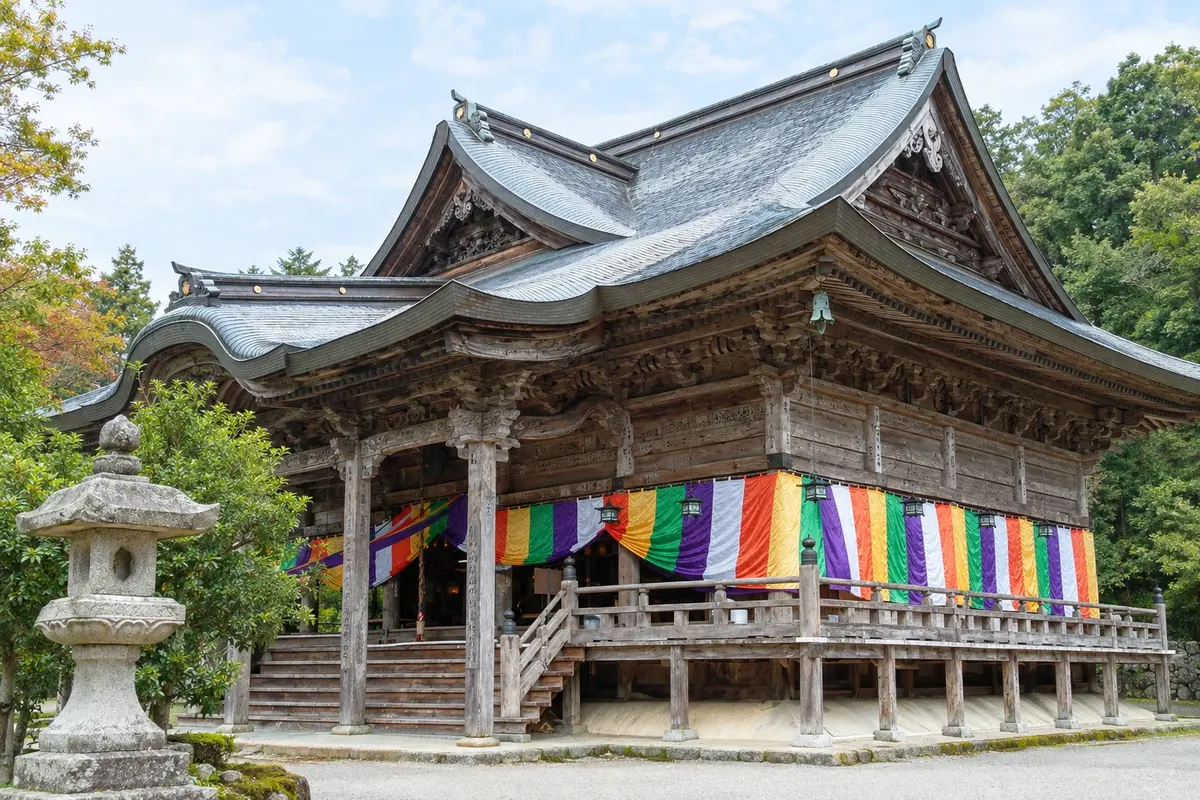
Port city in the north of Kyoto Prefecture, Miyazu is the town of Amanohashidate, the pine‑lined sandbar that crosses the bay. It has the Kasamatsu and View Land viewpoints, Chion‑ji Temple, Kono Shrine and Nariai‑ji Temple up on the mountain, as well as an old port district and former castle town center.
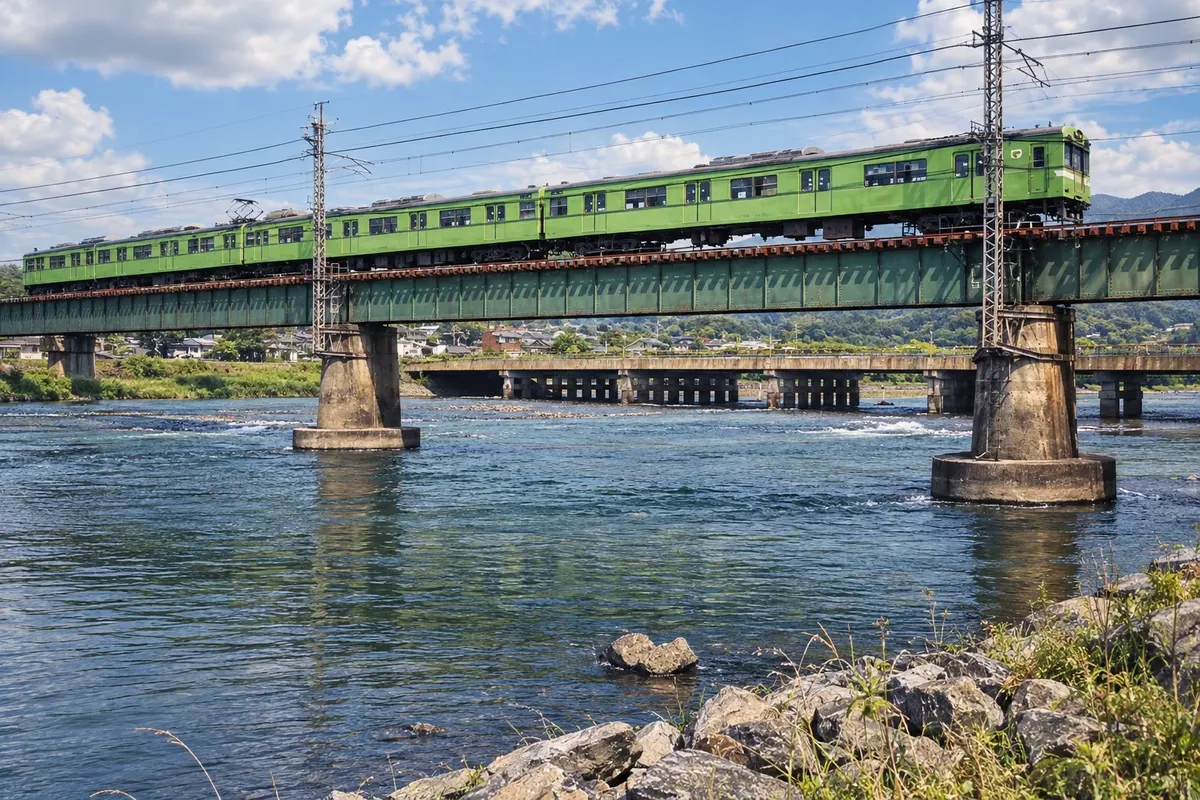
Uji lies south of Kyoto on the banks of the Uji River and is Japan’s green tea country. It has two World Heritage sites: Byodo-in, whose Phoenix Hall is reflected in a pond, and Ujigami Shrine, the oldest shrine in the country. The streets by the river have teahouses and matcha shops, and the city is the setting for the final chapters of The Tale of Genji.
Cherry trees usually bloom between late March and early April, and autumn leaves peak between mid-November and early December; these are the busiest times. The Kyoto basin traps heat and humidity in summer, and the Gion Matsuri fills July, with the main processions on the 17th and 24th. In August, bonfires shaped as kanji characters are lit on the mountains. Winters are cold and dry, with fewer visitors and occasional snow.
The Tokaido Shinkansen connects Tokyo to Kyoto in about 2 hours 15 minutes. From Kansai Airport, the Haruka limited express reaches Kyoto Station in about 1 hour 20 minutes. From Osaka it’s about 30 minutes by JR, and there are also trains on the Hankyu and Keihan lines. Within the city, buses, subway and trains reach the temples, and bicycles are useful in the central area. Uji is about 20 minutes by train. Amanohashidate is about 2 hours by the Hashidate limited express.
Your questions
Three days let you see the east, with Kiyomizu-dera and Gion, the north with Kinkaku-ji, Arashiyama and Fushimi Inari. With four or five days you can add Uji, Mount Hiei, a day trip to Nara, or less-visited neighborhoods.
Visit the most famous sites right at opening or late afternoon, favor weekdays, and save less-crowded temples for midday. Fushimi Inari is open at night, and the upper part of the mountain has fewer people.
Sometimes, in the late afternoon, when geiko and maiko head to appointments at teahouses. Do not interrupt them or photograph them up close, and respect signs that prohibit photos in the private lanes of the district.
By the Hashidate limited express from Kyoto Station to Amanohashidate in about 2 hours, or by express bus. In the area, boats and buses connect Amanohashidate to Ine.
Beyond the guide