Dish · Kanagawa
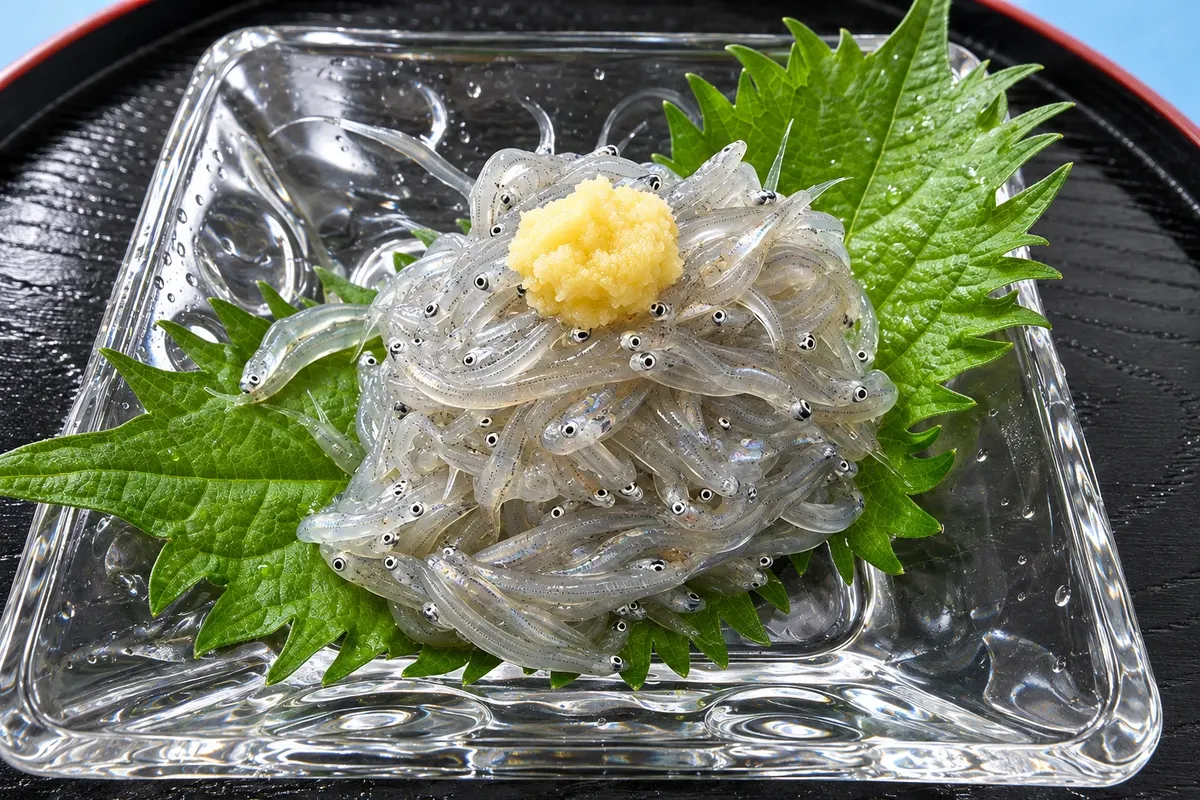
Shirasu-don
Bowl of rice topped with shirasu — translucent sardine fry, raw or cooked — served with soy sauce and ginger. A coastal Shonan (Kanagawa) dish made with the day’s catch from Sagami Bay.

 Search
 Brazil
 Antarctica
 Argentina
 Bolivia
 Chile
 Colombia
 Ecuador
 Guyana
 French Guiana
 Falkland Islands (Malvinas)
 Paraguay
 Peru
 Suriname
 Uruguay
 Venezuela
 Germany
 Austria
 Belgium
 Croatia
 Denmark
 Slovakia
 Slovenia
 Spain
 Finland
 France
 Greece
 the Netherlands
 Hungary
 Ireland
 Iceland
 Italy
 Luxembourg
 Norway
 Poland
 Portugal
 the United Kingdom
 the Czech Republic
 Sweden
 Switzerland
 Turkey
 Bermuda
 Canada
 the United States
 Greenland
 Mexico
 Saint Pierre and Miquelon
 the Dominican RepublicJapanTurkey
 South Africa
 Egypt
 Australia
 Fiji
 New Zealand
 Papua New Guinea
Province · Kanto
Yokohama and the port, the Great Buddha and the temples of Kamakura, Enoshima Island, the hot springs of Hakone and the view of Mount Fuji.
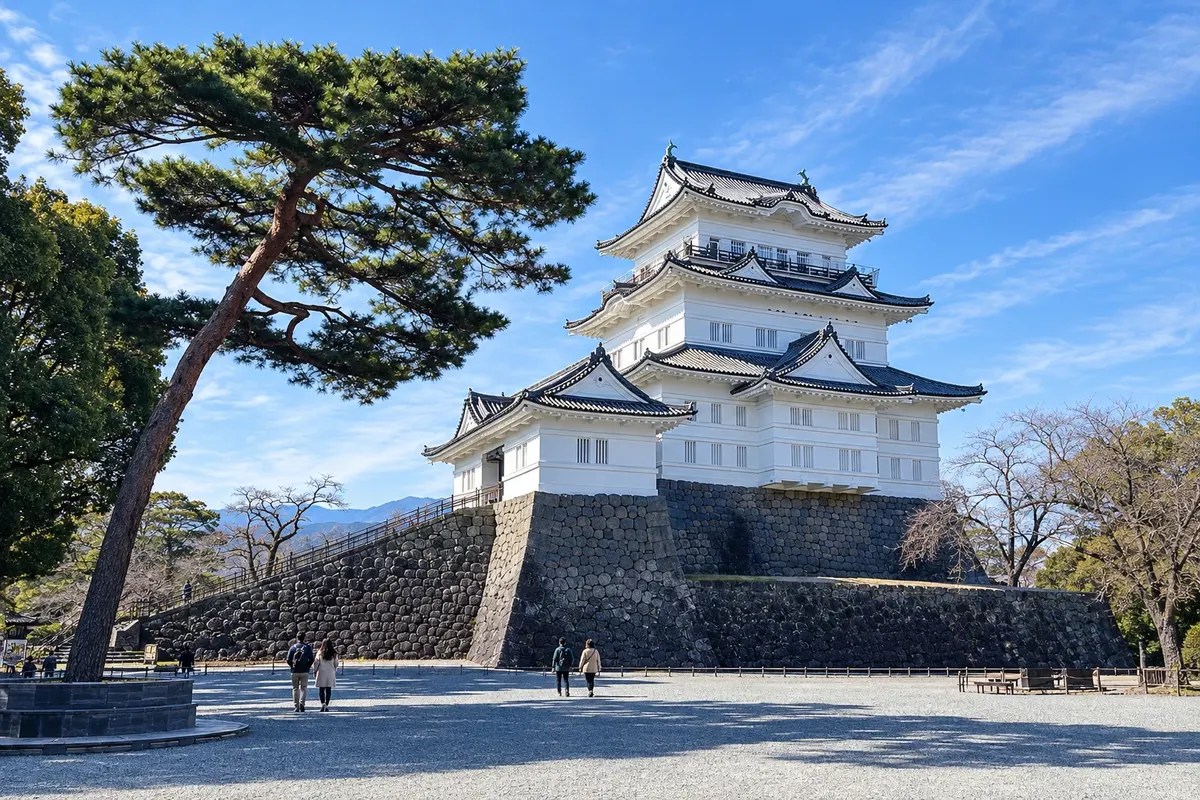
In the photo: Odawara Castle, in Kanagawa.
Illustrative images. The pictures in this guide are illustrations based on the real place, not photographs, and may differ from it.

The province
Kanagawa lies south of Tokyo, between Tokyo Bay, Sagami Bay and the Hakone mountains. Its capital, Yokohama, is Japan’s second-largest city. In just over an hour by train from Tokyo you can reach a historic port, the former seat of the shoguns, and a hot-spring region with views of Mount Fuji.
Yokohama opened its port to foreign trade in 1859. The Minato Mirai district has skyscrapers, a Ferris wheel and the Akarenga brick warehouses, converted into shops. Chinatown, with temples and restaurants, is the largest in the country. Sankeien Garden brings together old houses and pagodas relocated from other regions.
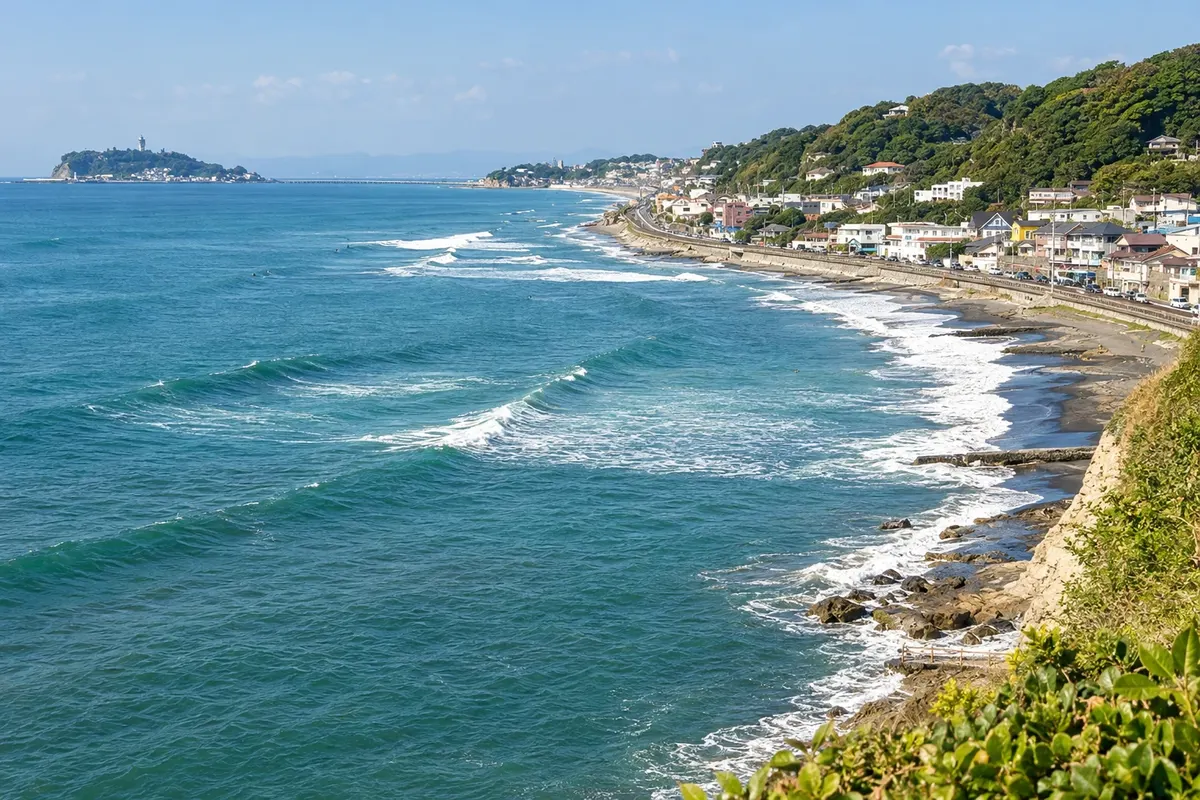
Kamakura was the seat of the first shogunate government from the late 12th century. The Kotoku-in temple’s bronze Great Buddha, about 11 meters tall, stands outdoors. Tsurugaoka Hachimangu shrine and the Zen temples Kencho-ji and Engaku-ji sit among the hills, and Hase-dera has a hydrangea garden. Enoshima Island, connected by a bridge, has shrines, caves and views of the bay; the Enoden train runs along the shoreline.
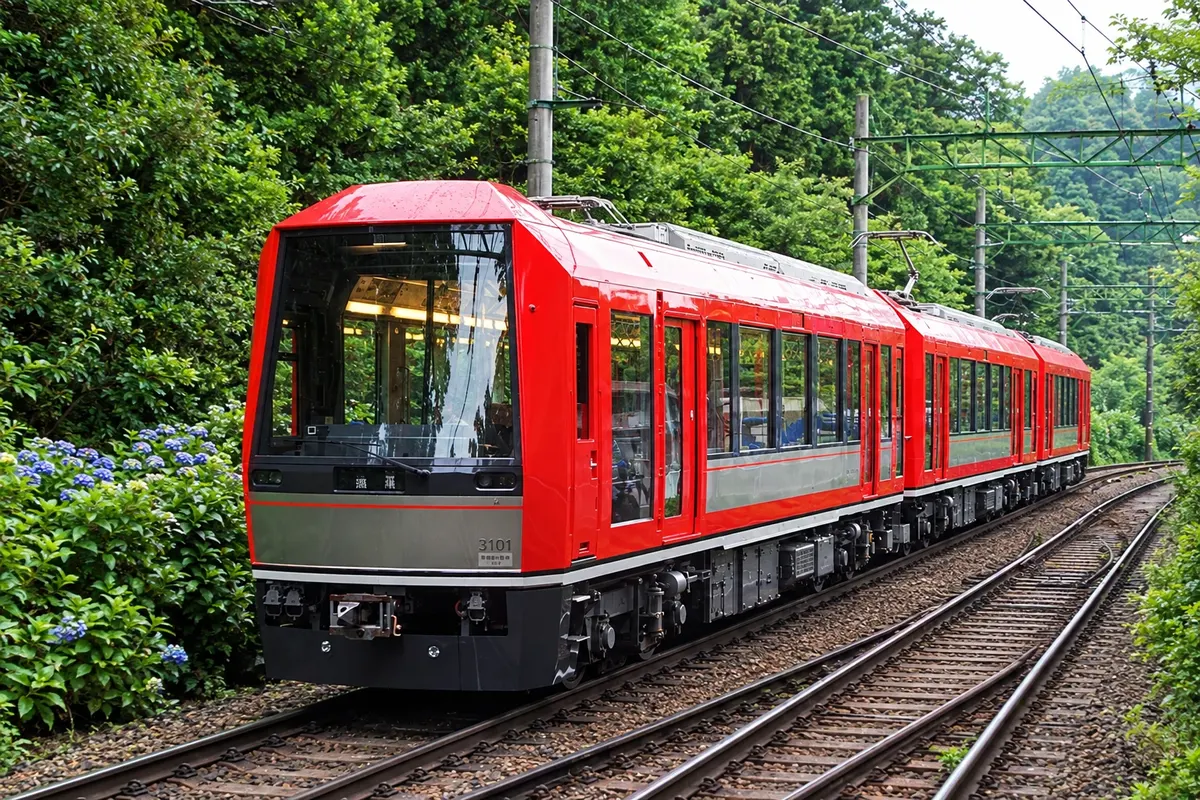
Hakone is part of Fuji-Hakone-Izu National Park. It has hot springs, Lake Ashi with sightseeing boats and the Hakone shrine’s torii in the water, and the Owakudani valley, with fumaroles and eggs boiled in sulfurous water that turn black. A mountain railway, a funicular and a ropeway connect the sites, and the Open-Air Museum displays sculptures in a garden. On clear days Mount Fuji appears above the lake.
Flavors of Japan
Destinations
Cities
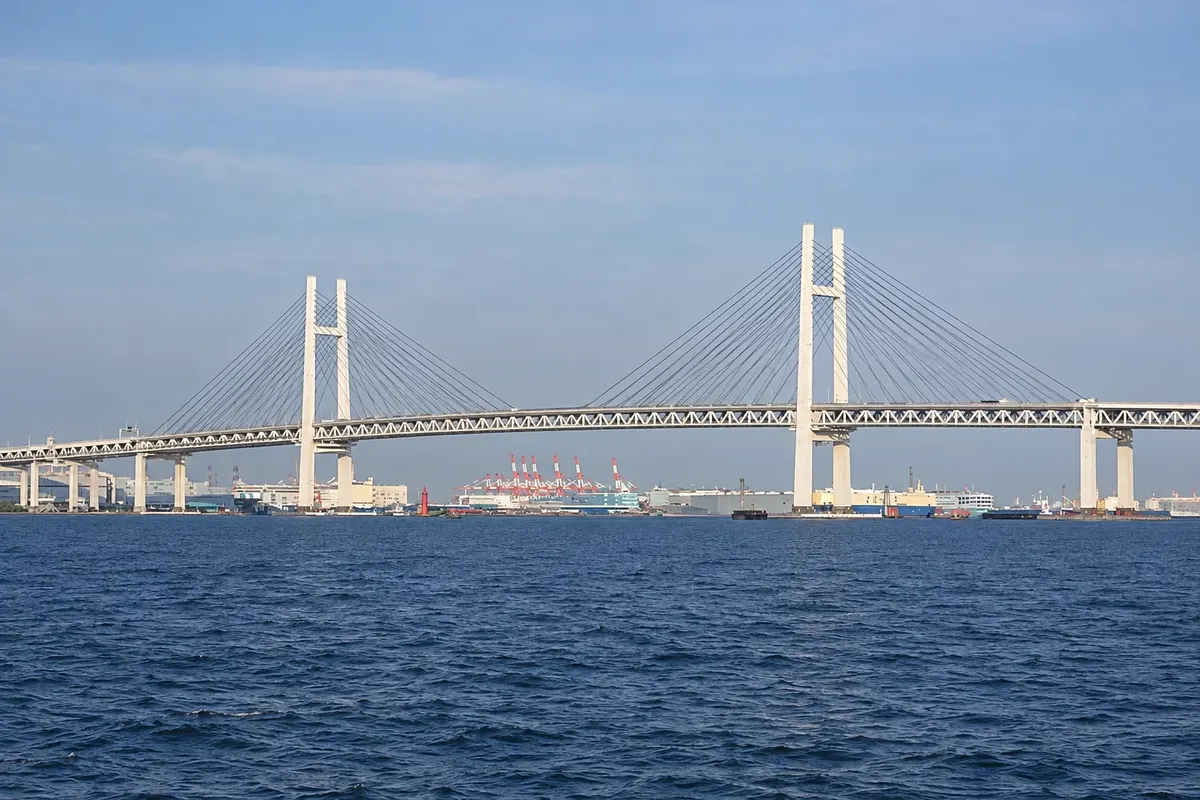
Yokohama, the capital of Kanagawa and Japan’s second-most populous city, grew after its port opened to foreign trade in 1859. The waterfront includes Minato Mirai, with the Landmark Tower and the red-brick warehouses, and Yamashita Park, with the ship Hikawa Maru. Chinatown is just a few steps away, and the Yamate hill preserves Western-style houses. The Sankei-en garden, to the south, has historic buildings.
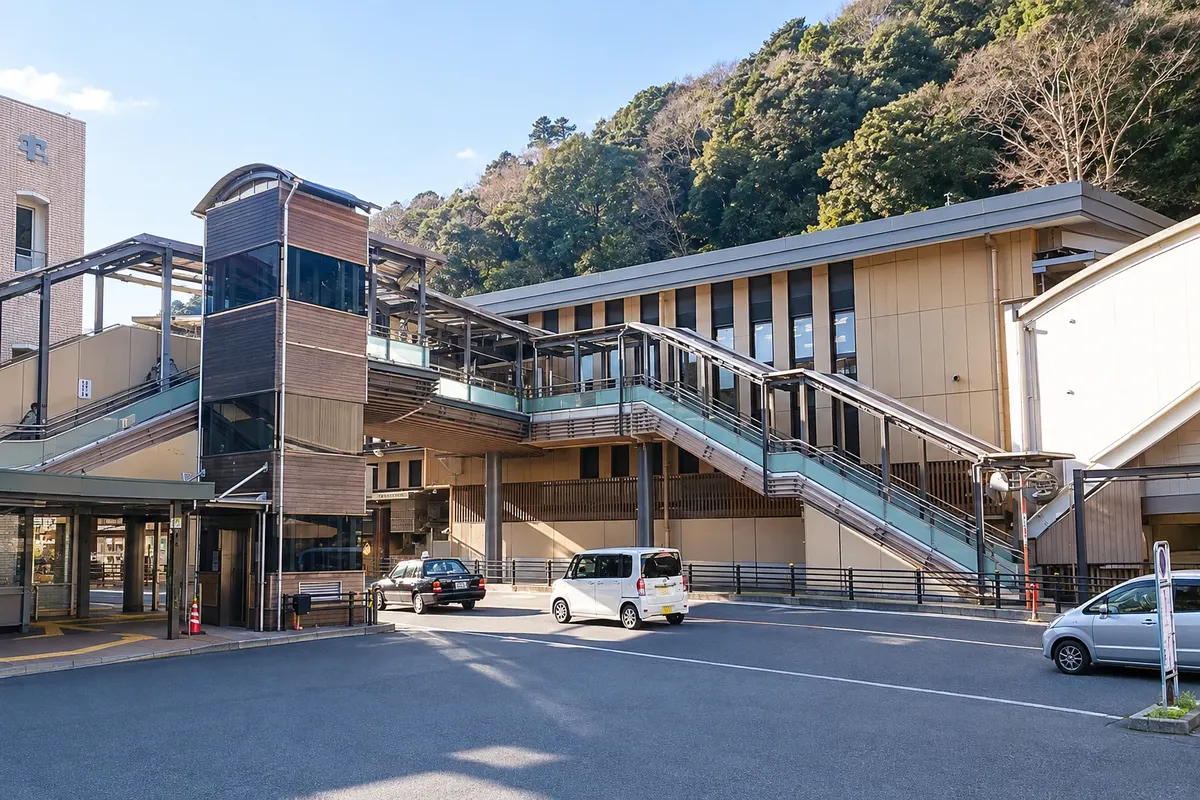
Hakone is the hot-spring resort of the western Kanagawa mountains, in a volcanic caldera with Lake Ashi at the bottom. At the valley entrance, Hakone-Yumoto concentrates the bathhouses; above on the slopes are the museums of Gora and Sengokuhara, the fumaroles of Owakudani and, on the lake’s southern shore, the shrine’s red gate and the barrier of the old Edo road. Mountain train, funicular, ropeway and boats form a circuit.
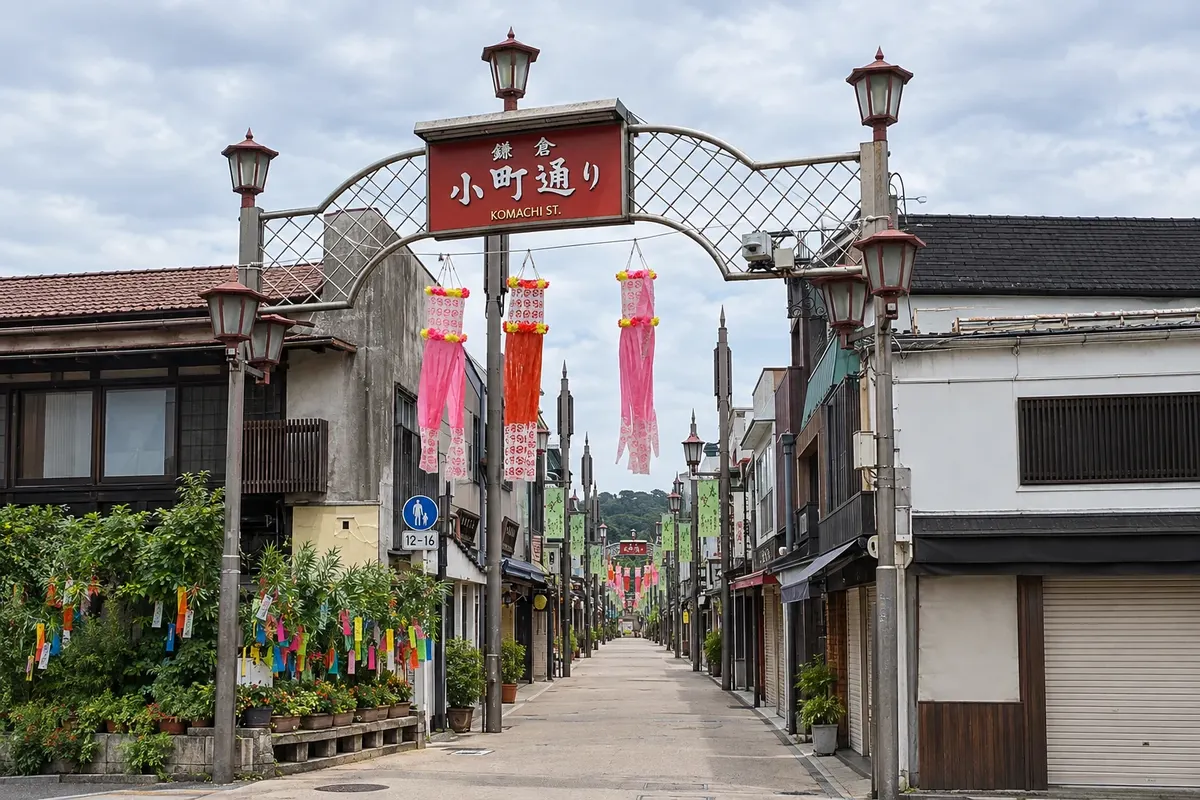
Kamakura was the seat of the first samurai government from the late 12th century to the 14th century, and preserves dozens of temples and shrines among hills and the sea. The outdoor bronze Great Buddha stands in Hase, near Hase-dera temple; Tsurugaoka Hachimangu is the centre of the old town; the zen monasteries Engaku-ji and Kencho-ji are in Kita-Kamakura. The Enoden tram links the city to the beaches and to Enoshima island.
The cherry blossoms open when March ends and last until the first days of April. In June the hydrangeas bloom in Kamakura and along the Hakone train. The beaches of Kamakura and Enoshima are busiest in July and August. In Hakone autumn colors the slopes in November; in Kamakura the temple maples only turn red in early December. In winter the sky is often clear, which increases the chance of seeing Mount Fuji.
Yokohama is about 30 minutes from Tokyo on JR and Tokyu trains; Shin-Yokohama is a stop on the Tokaido shinkansen. Kamakura is about 1 hour from Tokyo on the JR Yokosuka Line. For Hakone, Odakyu’s Romancecar limited express runs from Shinjuku to Hakone-Yumoto in about 1.5 hours, and the shinkansen reaches Odawara in about 35 minutes. Haneda Airport is close to Yokohama.
Your questions
Yes. The train trip takes about 1 hour, and a day allows you to see the Great Buddha, Hase-dera, Tsurugaoka Hachimangu and one or two Zen temples. Enoshima requires an extra half day.
By a circuit of mountain railway, funicular, ropeway, boat on Lake Ashi and buses. A pass sold by Odakyu covers these transports for two or three days. The complete circuit takes almost a full day.
Most often in winter, from November to February, in the early morning hours. In summer humidity and clouds usually hide the mountain.
Minato Mirai and the port, the Akarenga warehouses, Chinatown, the waterfront Yamashita Park and Sankeien Garden. At night the illuminated waterfront can be seen by boat or from the Ferris wheel.
Beyond the guide