The province
Get to know Fukui
Fukui sits on the Sea of Japan, between Ishikawa and Kyoto. The north, Reihoku, has plains and the Echizen coast; the south, Reinan, includes the indented Wakasa Bay. Sabae, in the center, makes most of Japan’s eyeglass frames, and Echizen is known for washi paper and knives.
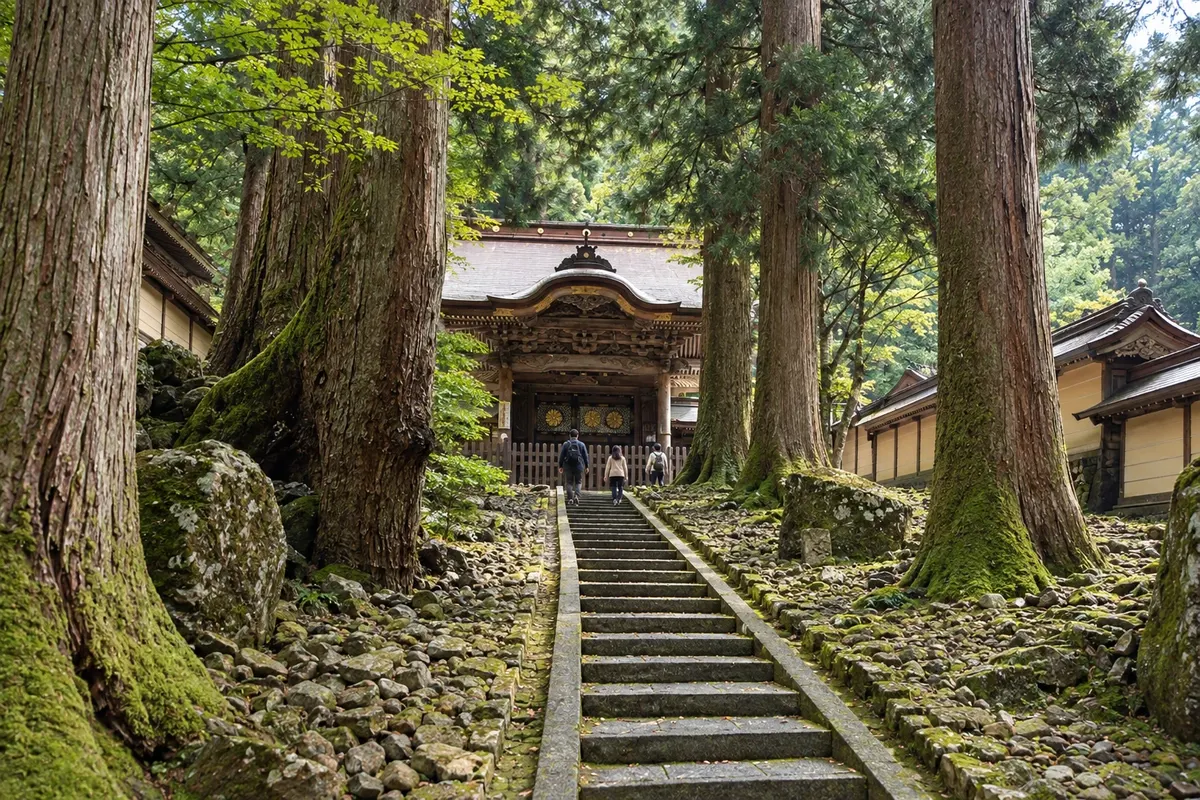
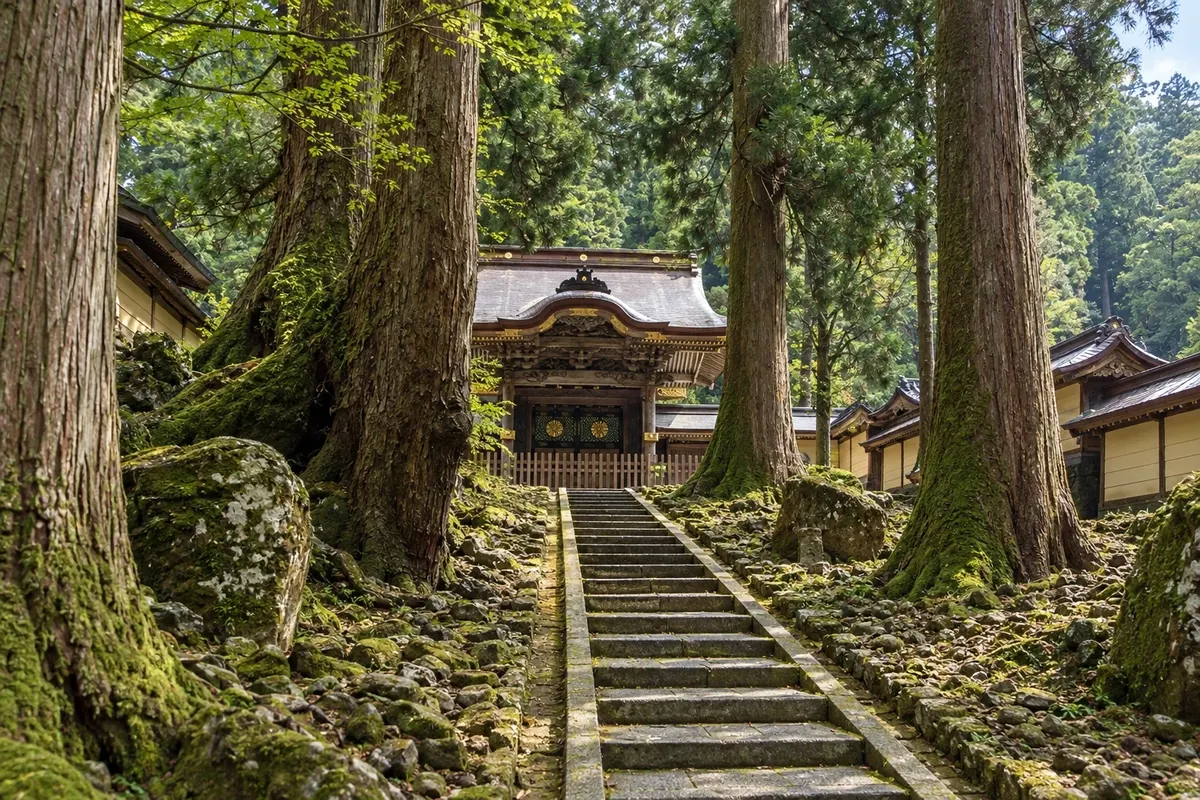
Eihei-ji, founded by the master Dogen in the 13th century, is one of the two main monasteries of the Soto Zen school. Wooden halls, connected by covered corridors, climb a hillside among cedars, and trainee monks live there. Visitors can walk through part of the monastery and, with a reservation, take part in meditation or stay overnight.
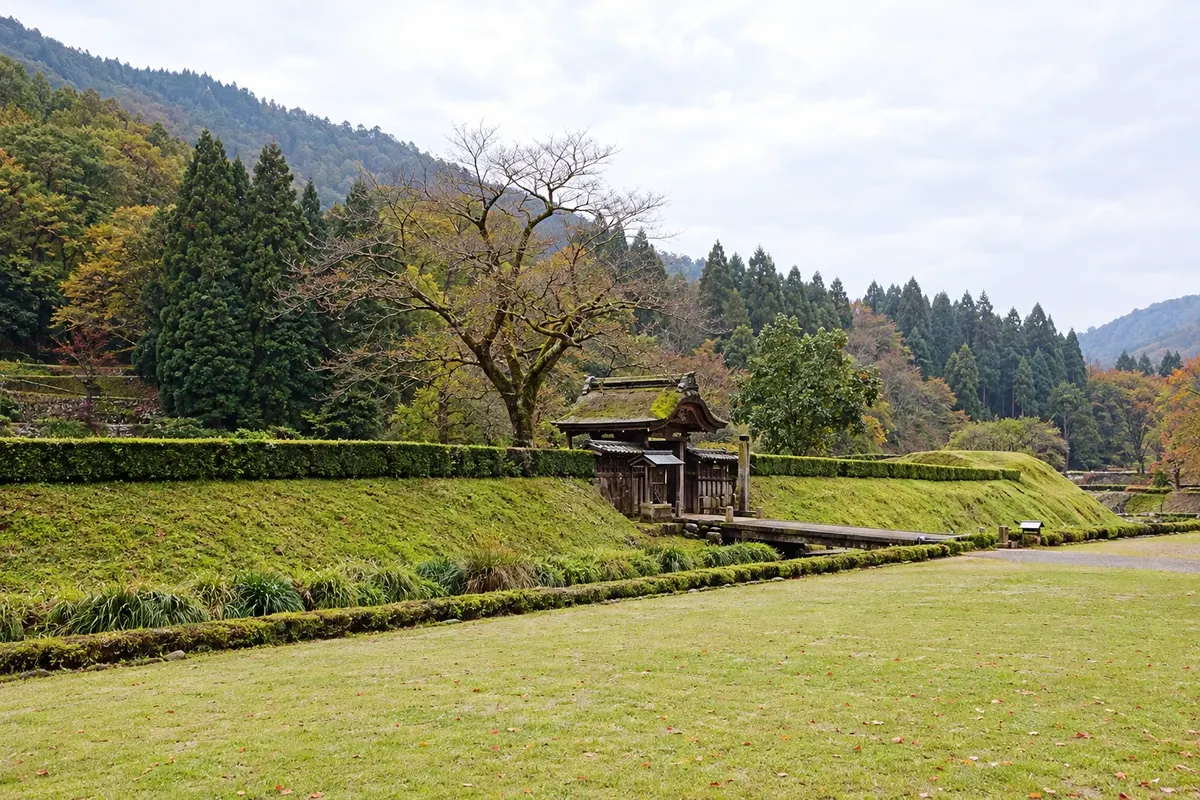
In Katsuyama, the Fukui Prefectural Dinosaur Museum displays skeletons and fossils, many found in the region. Ichijodani preserves the ruins of the Asakura clan town, destroyed in the 16th century, with one reconstructed street. Maruoka Castle retains its original keep, one of the oldest in the country.
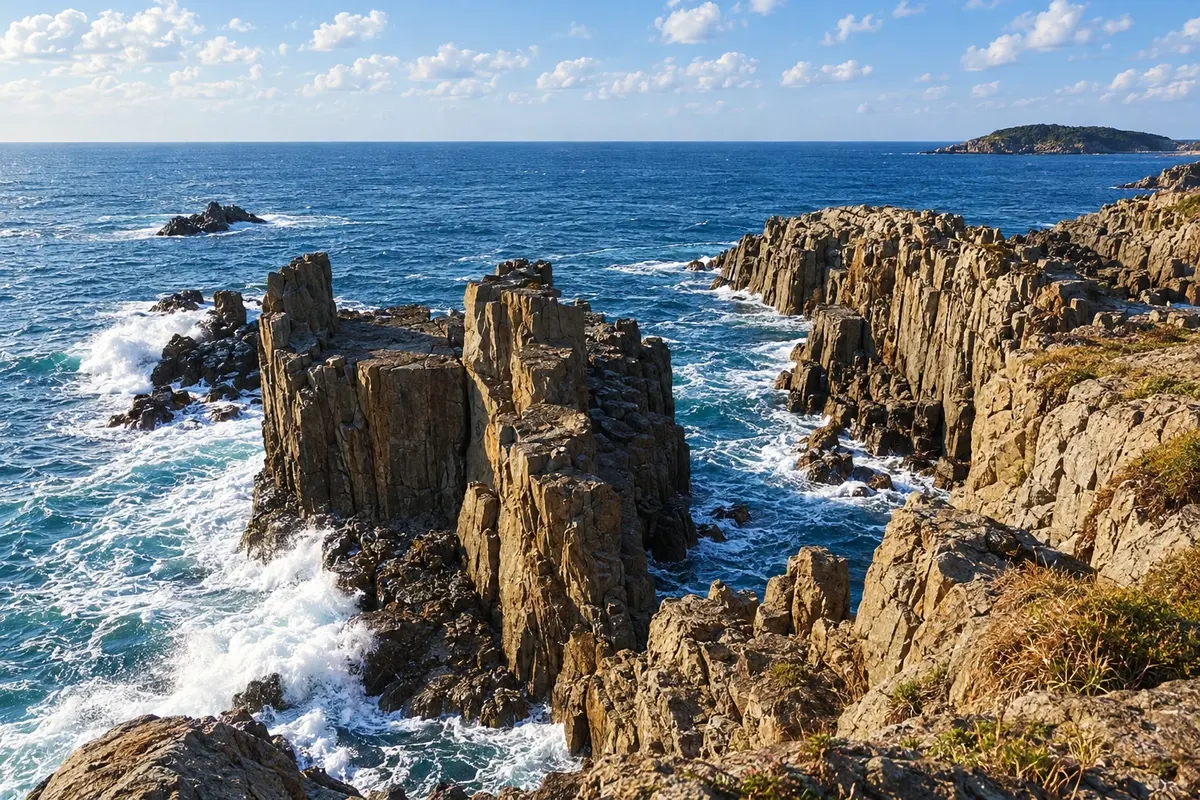
On the coast, the Tojinbo cliffs have basalt columns that plunge into the sea, seen from above or by boat. Echizen crab, caught in winter, is the prefecture’s specialty. In the south, the five Mikata Lakes are visible from a scenic road, and the village of Kumagawa-juku preserves houses from the old route that carried salted fish to Kyoto.


 Brazil
 Antarctica
 Argentina
 Bolivia
 Chile
 Colombia
 Ecuador
 Guyana
 French Guiana
 Falkland Islands (Malvinas)
 Paraguay
 Peru
 Suriname
 Uruguay
 Venezuela
 Germany
 Austria
 Belgium
 Croatia
 Denmark
 Slovakia
 Slovenia
 Spain
 Finland
 France
 Greece
 the Netherlands
 Hungary
 Ireland
 Iceland
 Italy
 Luxembourg
 Norway
 Poland
 Portugal
 the United Kingdom
 the Czech Republic
 Sweden
 Switzerland
 Turkey
 Bermuda
 Canada
 the United States
 Greenland
 Mexico
 Saint Pierre and Miquelon
 the Dominican Republic
 South Africa
 Egypt
 Australia
 Fiji
 New Zealand
 Papua New Guinea