Dish · Akita
Kiritanpo nabe
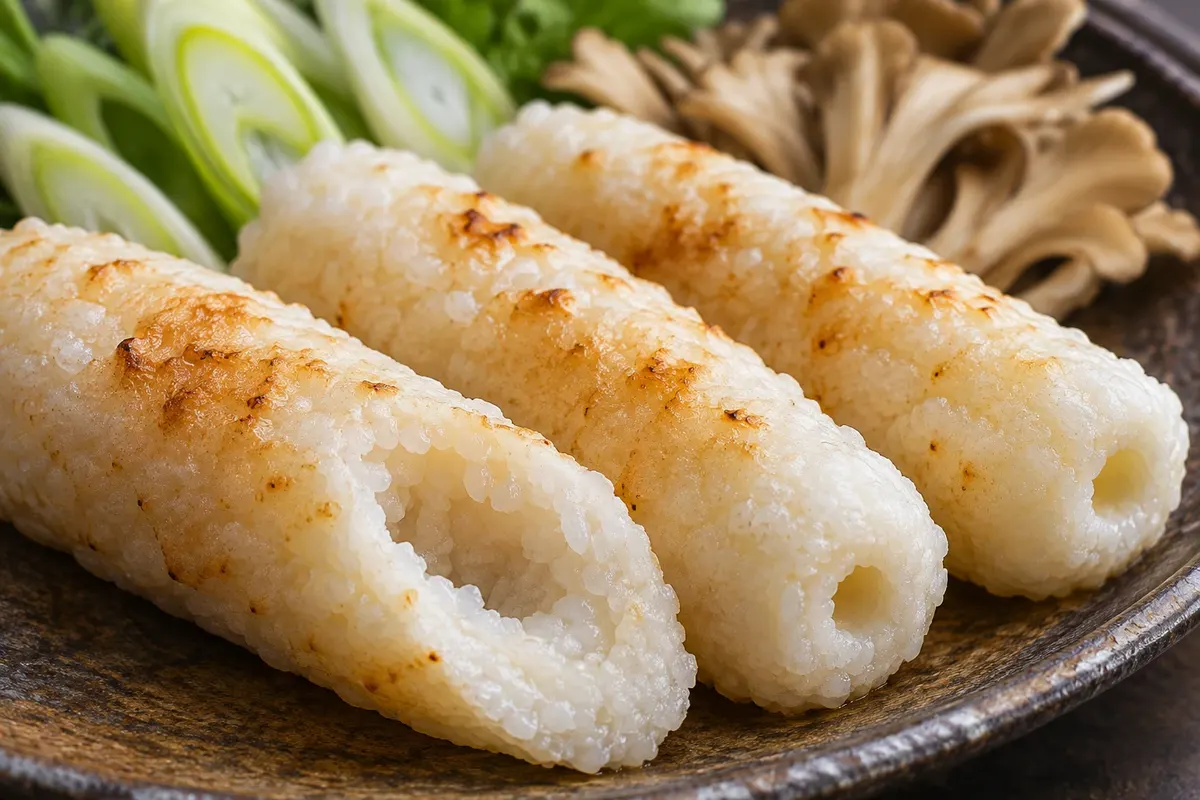
A pot of chicken-bone broth with mashed and toasted rice sticks (kiritanpo), burdock, mushrooms, scallions and seri. A dish from Akita, made at the time of the new rice harvest.

 Search
 Brazil
 Antarctica
 Argentina
 Bolivia
 Chile
 Colombia
 Ecuador
 Guyana
 French Guiana
 Falkland Islands (Malvinas)
 Paraguay
 Peru
 Suriname
 Uruguay
 Venezuela
 Germany
 Austria
 Belgium
 Croatia
 Denmark
 Slovakia
 Slovenia
 Spain
 Finland
 France
 Greece
 the Netherlands
 Hungary
 Ireland
 Iceland
 Italy
 Luxembourg
 Norway
 Poland
 Portugal
 the United Kingdom
 the Czech Republic
 Sweden
 Switzerland
 Turkey
 Bermuda
 Canada
 the United States
 Greenland
 Mexico
 Saint Pierre and Miquelon
 the Dominican RepublicJapanTurkey
 South Africa
 Egypt
 Australia
 Fiji
 New Zealand
 Papua New Guinea
Province · Tohoku
The samurai district of Kakunodate, Lake Tazawa, the Nyuto hot springs, the Kanto Festival and the Namahage of the Oga Peninsula.
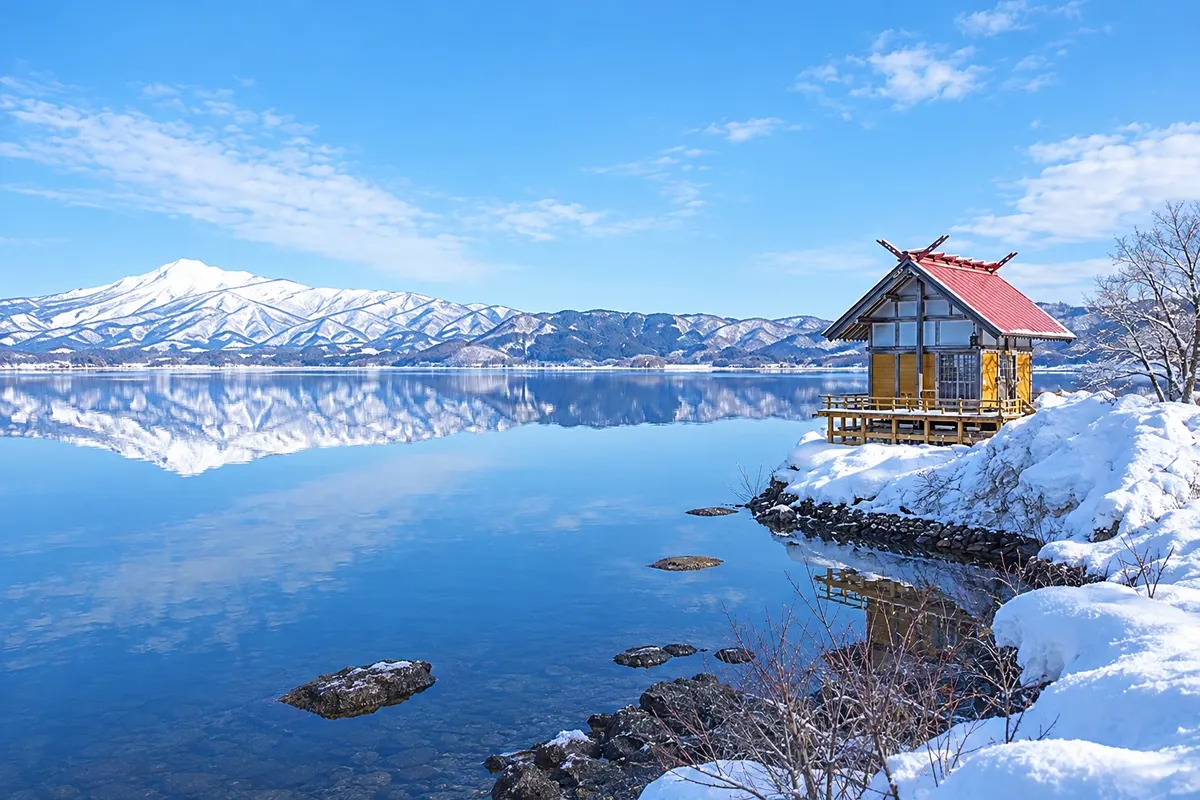
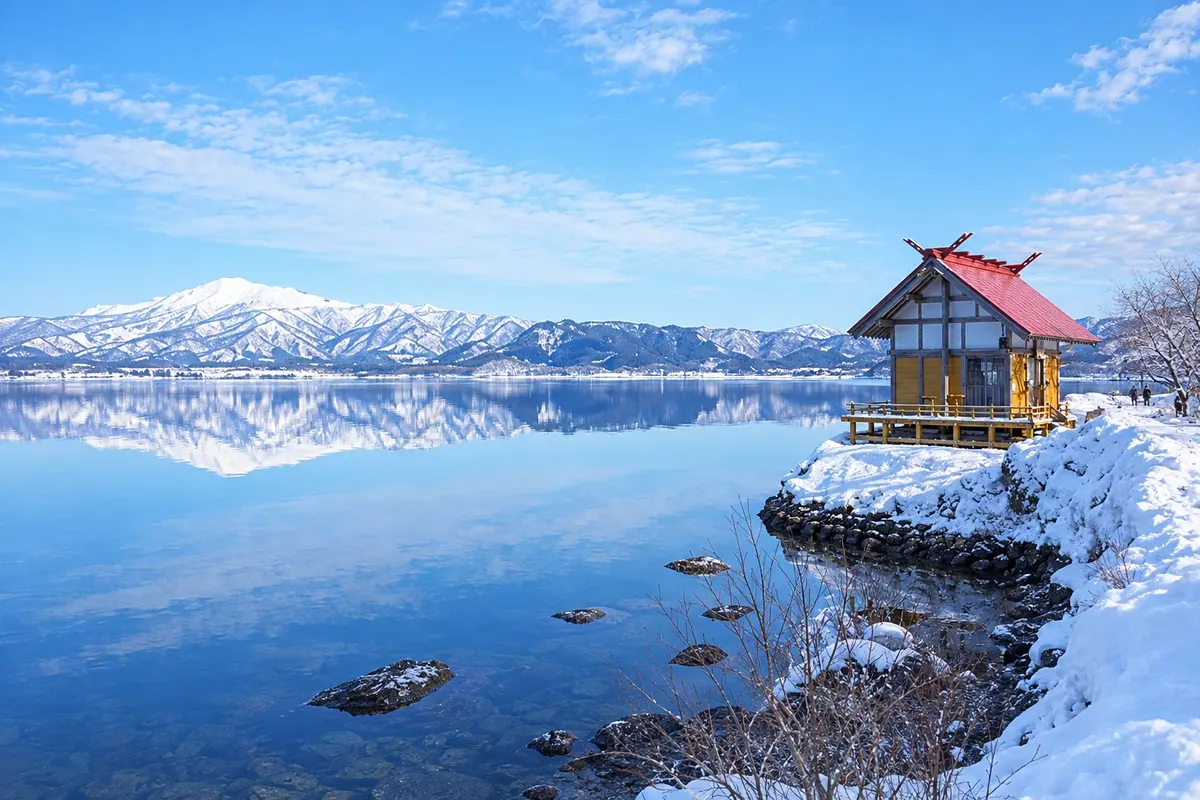
In the photo: Lake Tazawa, in Akita.
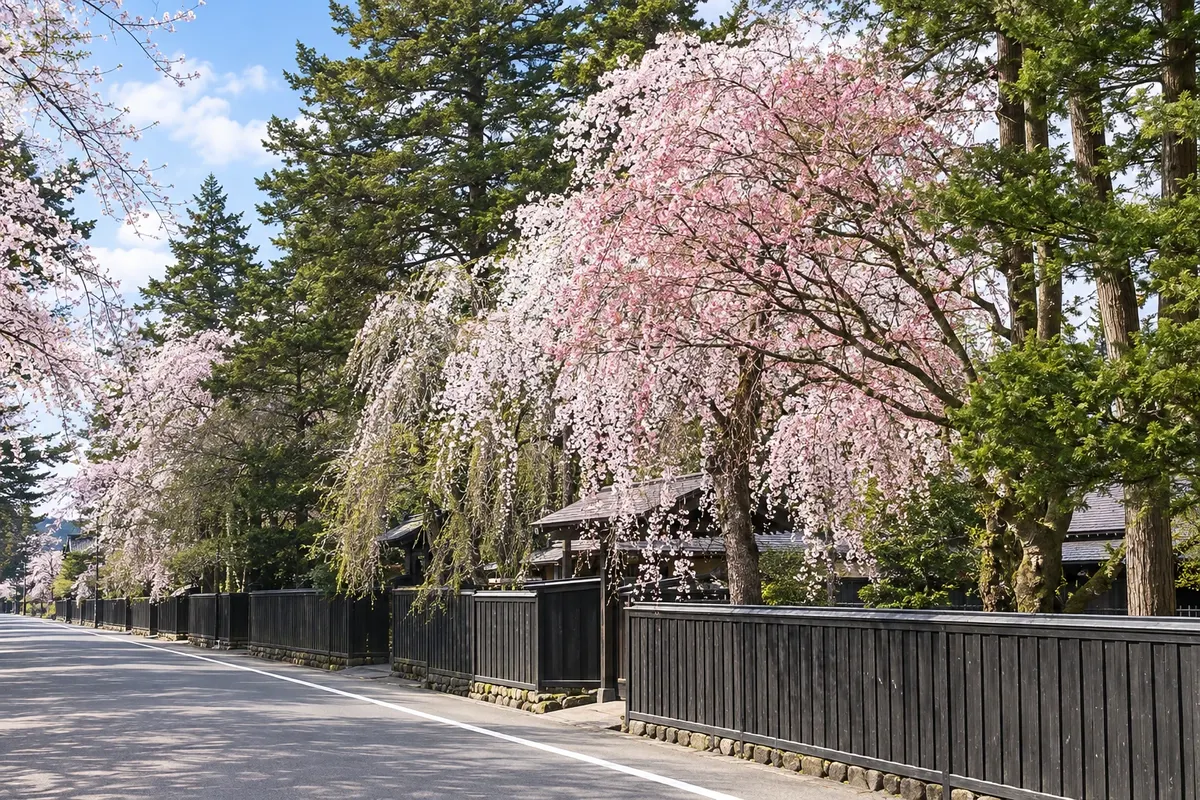
Illustrative images. The pictures in this guide are illustrations based on the real place, not photographs, and may differ from it.

The province
Akita occupies the northwest of Tohoku, with a coastline on the Sea of Japan, mountains that receive heavy snowfall and rice plains. It is the land of the Akita dog, sake and kiritanpo, pounded rice molded around cedar skewers, grilled and served in soup.
In Kakunodate, now part of the city of Semboku, the samurai district preserves houses with dark walls and gardens, beneath weeping cherry trees that usually bloom in late April. Along the Hinokinai River, the cherry trees form an almost 2 km tunnel.
Nearby, Lake Tazawa is the deepest lake in Japan, over 400 meters deep, and on its shore stands the golden statue of Tatsuko, a character from a local legend. In the mountains above the lake, the Nyuto hot springs gather small bathing houses with milky waters set in the forest. The Shirakami Range, a UNESCO World Heritage site, is shared with Aomori.
In the city of Akita, the Kanto Festival, in August, features bamboo poles with dozens of lit lanterns, balanced on the palm of the hand, the forehead or the shoulder. On the Oga Peninsula, the Namahage, figures wearing demon masks and straw capes, visit houses on New Year’s Eve to ward off evil; the local museum displays the masks and presents the ritual.
Flavors of Japan
Destinations
Cities
Kakunodate’s cherry trees usually bloom in late April. The Kanto Festival takes place in early August. In October, the Nyuto forests and the Dakigaeri gorge turn red and gold. Between December and March it snows heavily, and the Nyuto hot springs receive bathers amid white walls. In February, the Shinzan Shrine in Oga holds a festival with the Namahage.
The Akita Shinkansen connects Tokyo to Kakunodate in about 3 hours, stopping at Tazawako, and reaches Akita City in about 4 hours. Akita Airport (AXT) has flights from Tokyo, Osaka and Sapporo. For the Nyuto hot springs, buses depart from Tazawako Station. The Oga Peninsula is reached by train and bus from Akita.
Your questions
Generally in late April, a little later than Tokyo. The weeping cherry trees of the samurai district and the cherry tunnel along the Hinokinai River usually bloom in the same week.
By bullet train to Tazawako and by bus to the Nyuto area, in about 50 minutes. The bathing houses are scattered across the mountain, and a local bus connects some of them. In winter, schedules are reduced.
It is a summer festival in which participants balance bamboo poles several meters long, loaded with paper lanterns, on parts of the body. It takes place in August, at night, on the main avenue of the city center.
They are figures from the folklore of the Oga Peninsula, wearing demon masks and straw capes, who visit houses on New Year’s Eve and tell children to behave. The ritual is part of UNESCO’s Intangible Cultural Heritage, and the local museum presents it year-round.
Beyond the guide