Kakunodate and Lake Tazawa

Akita · Japan

Kakunodate and Lake Tazawa

The samurai district of Kakunodate, with weeping cherry trees and black fences, Lake Tazawa—the deepest lake in Japan—and the milky bathing waters of Nyuto, inland in Akita.

Tohoku

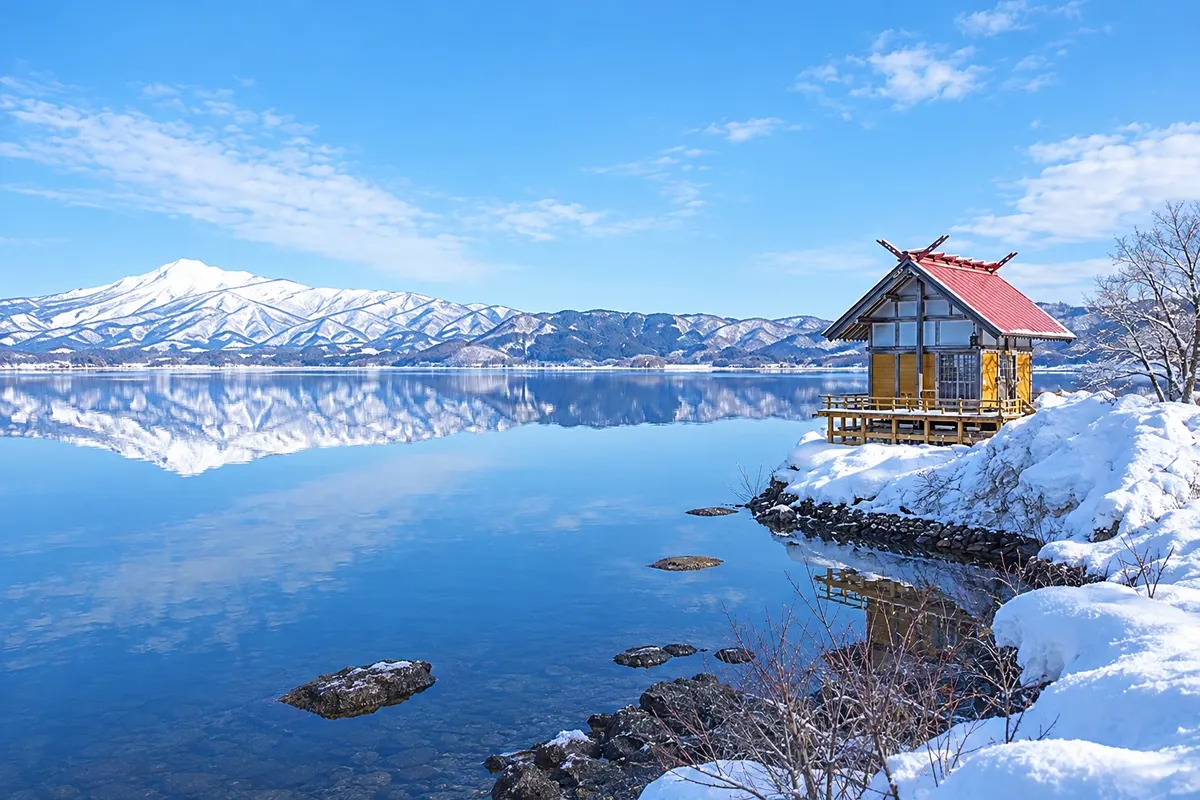
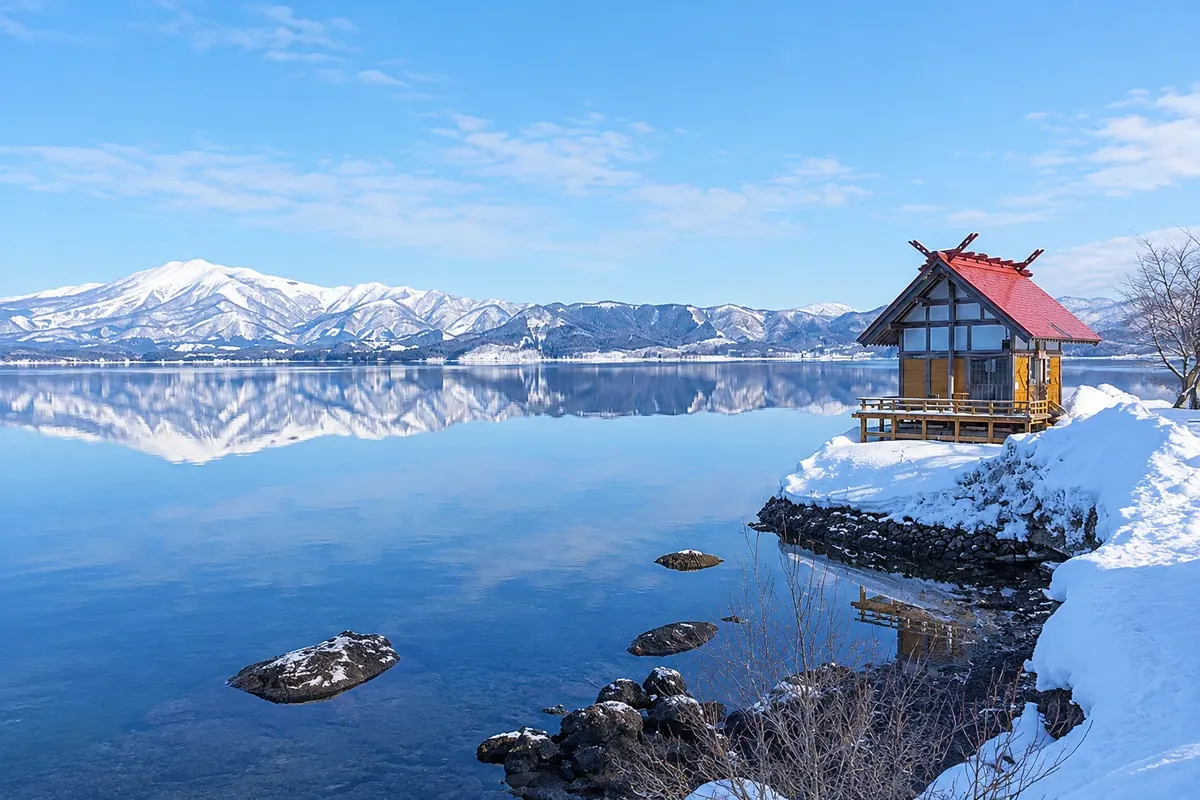
In the photo: Lake Tazawa and Kansagu Shrine in winter.

Illustrative images. The pictures in this guide are illustrations based on the real place, not photographs, and may differ from it.

Get to know the place

A region to enjoy
at your own pace.

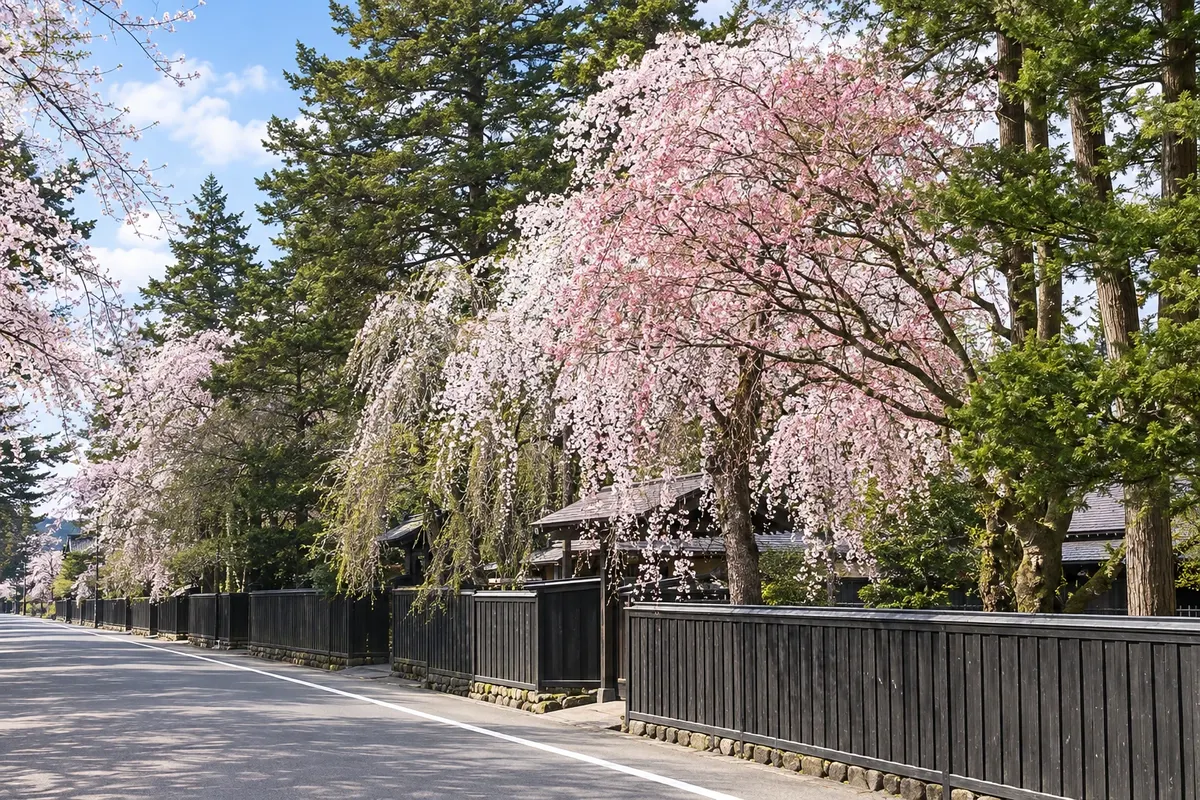
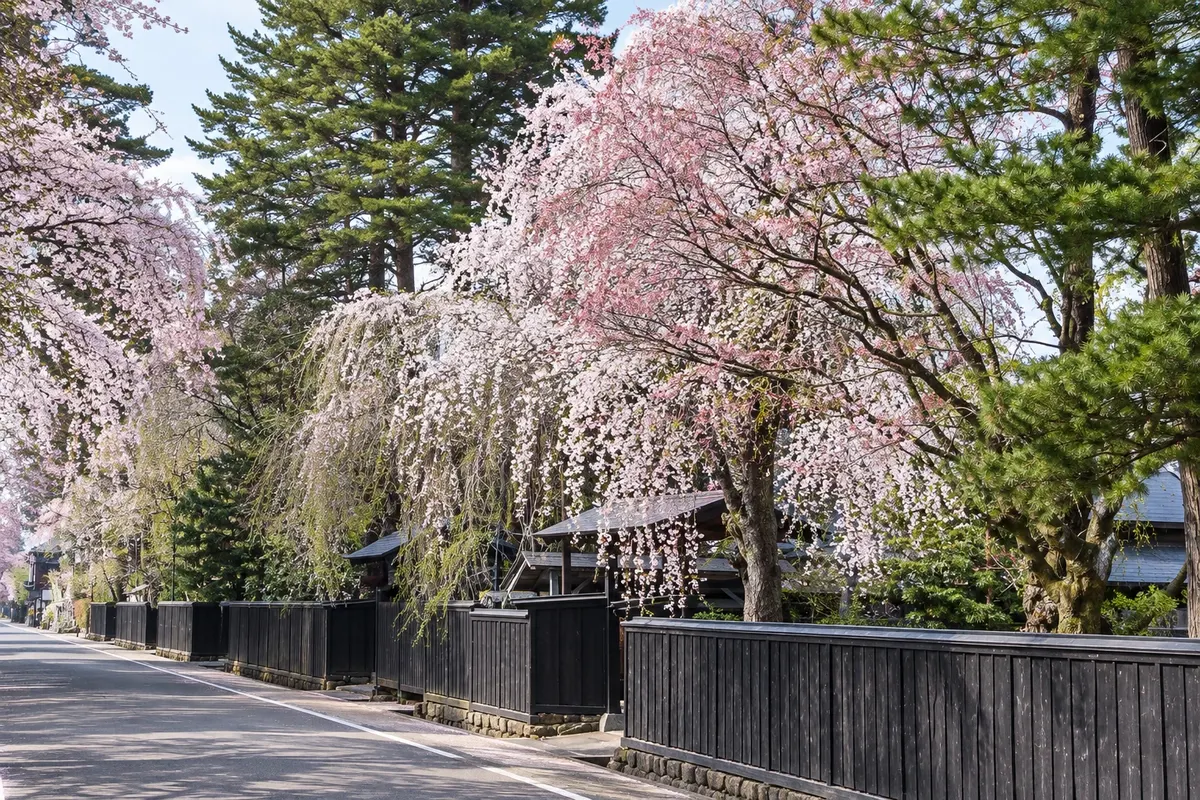
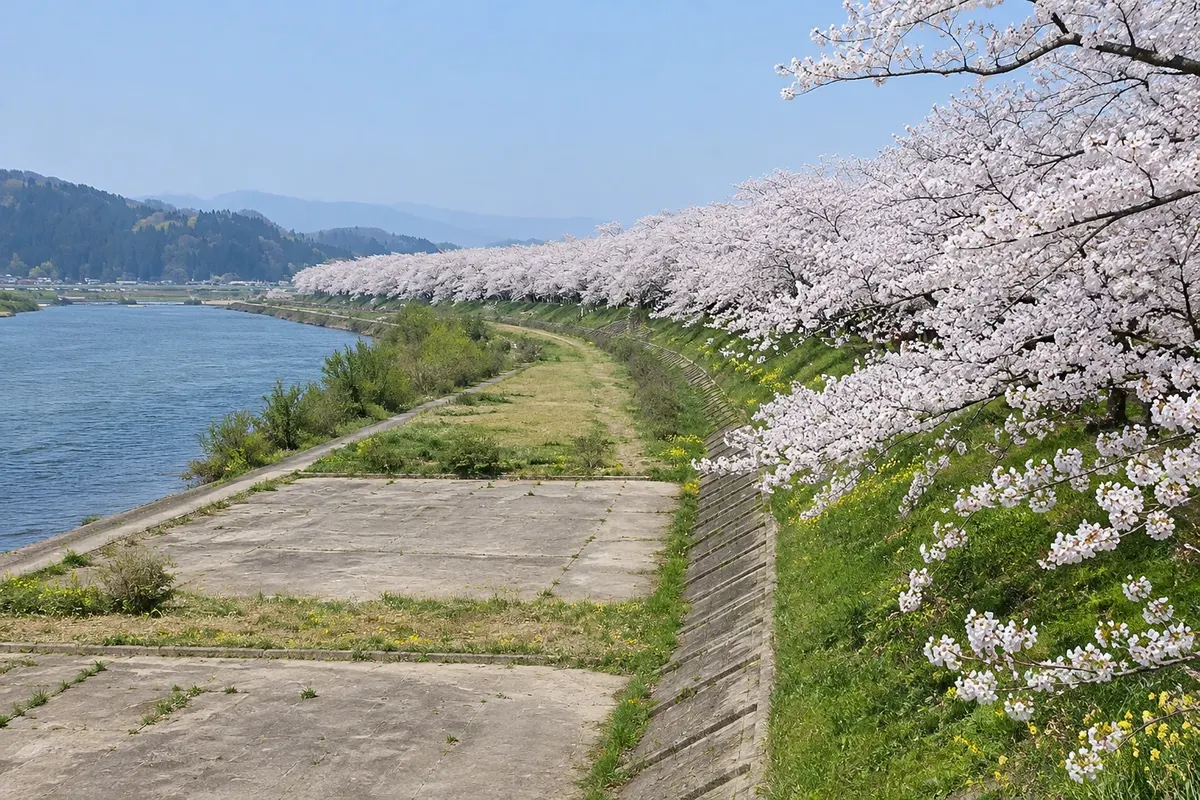
Kakunodate is a small castle town inland in Akita Prefecture, founded in 1620 and governed during the Edo period by a branch of the Satake family. The castle is gone, but the samurai district, Uchimachi, still has wide streets, black wooden fences, gates and retainers’ houses among tall trees. In spring, centuries-old weeping cherry trees arch over the walls, and the bank of the Hinokinai River forms a cherry-tree tunnel of about 2 km.

Since 2005 Kakunodate has been part of the Semboku municipality, which also includes the Lake Tazawa area and the mountains of Mount Komagatake. The lake, about 20 km to the north, occupies a crater and is 423 meters deep—the deepest in Japan. The dark-blue water does not freeze in winter, and on its shore stands the golden statue of Tatsuko, the young woman of local legend who turned into a dragon.

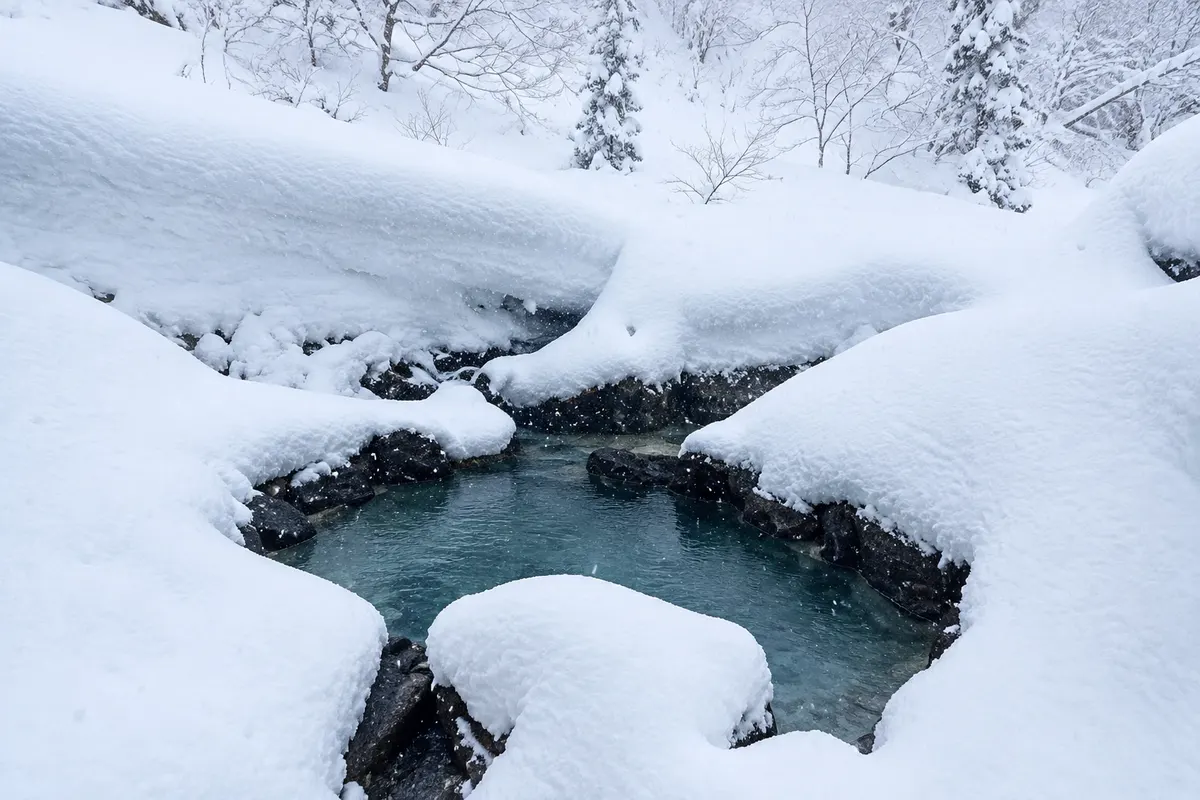
On the slopes of Komagatake, a forested valley gathers Nyuto Onsen, a group of seven remote hot-spring inns, each with its own source. The oldest, Tsurunoyu, has thatched-roof buildings and an outdoor bath of milky white water, one of the classic images of Tohoku’s hot springs.

Kakunodate and Lake Tazawa are on the Akita Shinkansen line, which runs from Tokyo via Morioka. One day is enough for the samurai district; with one night in Nyuto and a day at the lake, the trip is complete. In the snowy months, from December to March, the Nyuto houses look buried among white drifts.

This destination brings together 1 city: Semboku.

Share: WhatsApp
Traveler, share your experiences through photos Up to 5 photos of each place you visited.

One destination, many paths

The cities on this trip

Start with one city or combine several in your itinerary.

Where Kakunodate and Lake Tazawa is
Semboku

Dados cartográficos: © OpenStreetMap contributors, via Wambacher / geoBoundaries (ODbL 1.0). Adapted by Cidade Turismo.

How to get there: Kakunodate and Lake Tazawa

✈ Aeroporto de Akita (AXT), in Akita · 45 km to Semboku

The Komachi Shinkansen on the Akita line connects Tokyo to Kakunodate in about 3 hours and also stops at Tazawako Station in about 2 hours 50 minutes. Akita Airport is about 45 km from Kakunodate, with buses to the stations.

The local experience

Things to do in Kakunodate and Lake Tazawa

Kakunodate Samurai District
Semboku · Akita · Historic district

Kakunodate Samurai District

Wide streets with black wooden fences, gates and samurai houses from the Edo period, shaded by weeping cherry trees and centennial trees, with several residences open to visitors.

Hinokinai River Embankment
Semboku · Akita · Park

Hinokinai River Embankment

Bank of the Hinokinai River in Kakunodate with about 2 km of cherry trees planted in 1934, forming a tunnel of flowers between late April and early May and a green avenue the rest of the year.

Lake Tazawa
Semboku · Akita · Lake

Lake Tazawa

Round crater lake, 423 meters deep, the deepest in Japan, with dark blue water that does not freeze, featuring the golden statue of Tatsuko and a red torii at the water’s edge.

Nyuto Onsen
Semboku · Akita · Hot spring

Nyuto Onsen

A group of seven secluded hot-spring inns in the forest of Mount Komagatake, each with its own source, including Tsurunoyu, with thatched-roof buildings and an outdoor bath of milky white water.

Before you go

Practical information

A little planning leaves more time to enjoy the journey.

When to go

The cherry trees of Kakunodate and the Hinokinai River usually bloom in the last weeks of April and the first days of May. From June to September the days are mild, good for Lake Tazawa. October is the month of autumn foliage. From December to March heavy snow falls; it’s the most popular time for the Nyuto baths, surrounded by snow.

The seasons shown are the most usual ones; nature doesn't always follow the calendar.

How many days to stay

Two days allow one day in Kakunodate and another at Lake Tazawa, with one night at Nyuto Onsen. With only one day, choose Kakunodate; the lake and Nyuto require an overnight stay.

Which city to stay in

In Kakunodate there are hotels and inns near the station and in the center, a few minutes from the samurai district. On the east shore of Lake Tazawa there are hotels and inns with lake views. Nyuto Onsen comprises seven hot-spring inns in the middle of the forest, with limited rooms and reservations that sell out early, especially in winter and autumn.

Respect the place

Take your trash with you, follow the signs and support local businesses. In natural areas, follow the visiting guidelines.

Get your questions answered

Frequently asked questions about Kakunodate and Lake Tazawa

When do Kakunodate’s cherry trees bloom?

In most years, around the turn from April to May. The weeping cherry trees in the samurai district usually open a few days before those along the Hinokinai River. The exact date varies by year.

Can you visit Kakunodate as a day trip from Tokyo?

It’s possible, with about 3 hours by Shinkansen each way, but time will be tight. It’s better to spend at least one night in Kakunodate, at Lake Tazawa, or at Nyuto Onsen.

How to get from Kakunodate to Lake Tazawa?

The Komachi Shinkansen connects Kakunodate and Tazawako stations in about 15 minutes; from Tazawako Station, buses reach the lake shore in about 15 minutes.

Do I need a car for Kakunodate and Lake Tazawa?

No. The samurai district is a 20-minute walk from the station, and buses connect Tazawako Station to the lake and Nyuto Onsen. A car helps to drive around the lake and to move between Nyuto’s inns.

Is it worth going in winter?

Yes, if you want snow and hot springs: Nyuto Onsen is surrounded by white drifts and Lake Tazawa does not freeze. The samurai district is also pretty, but some houses reduce open days and mountain roads require caution.

Explore other destinations Search by state and city

Beyond the guide