Sado Island
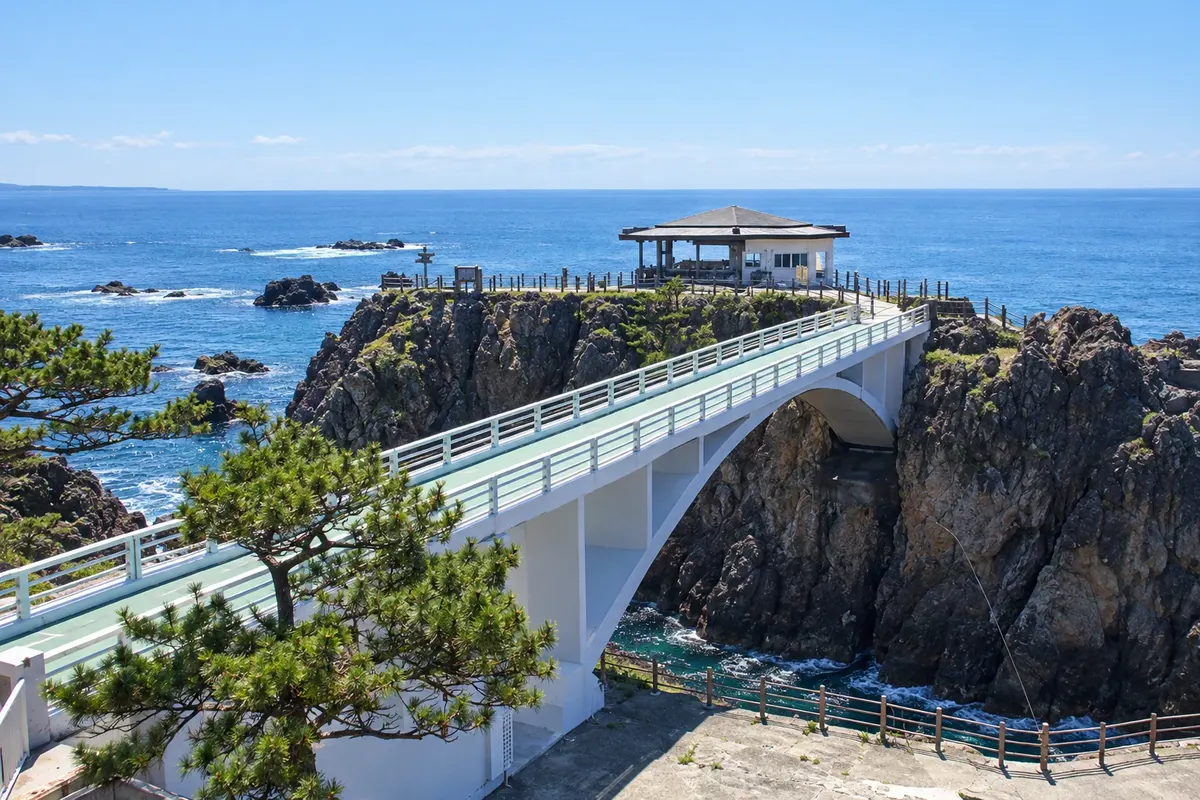
The large island in the Sea of Japan, opposite Niigata, with World Heritage gold mines, Ogi’s tub boats, the shipbuilders’ village of Shukunegi and the land of taiko drums.
Antarctica
Japan travel guide
What to do, when to go and how to get there, destination by destination.
47 destinations · 80 citiesin Japan
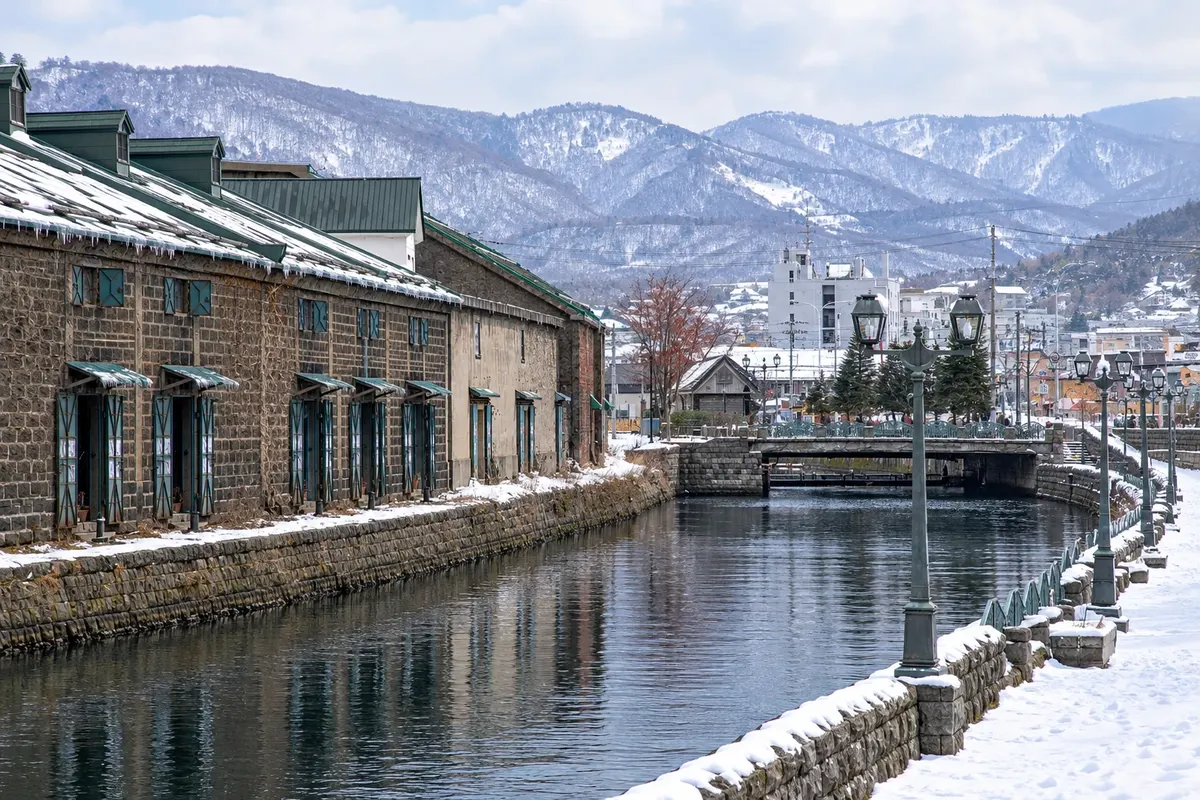
In the picture: Sapporo e Otaru — Hokkaido explore the destination →
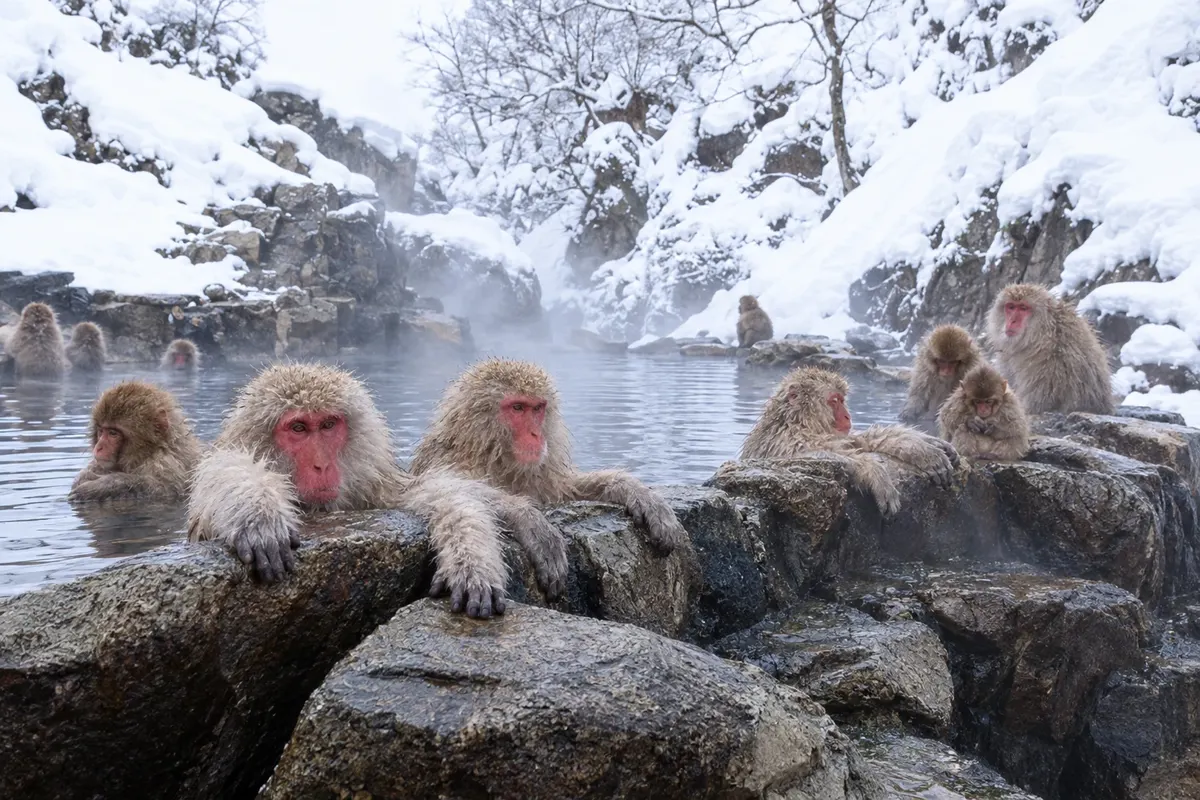
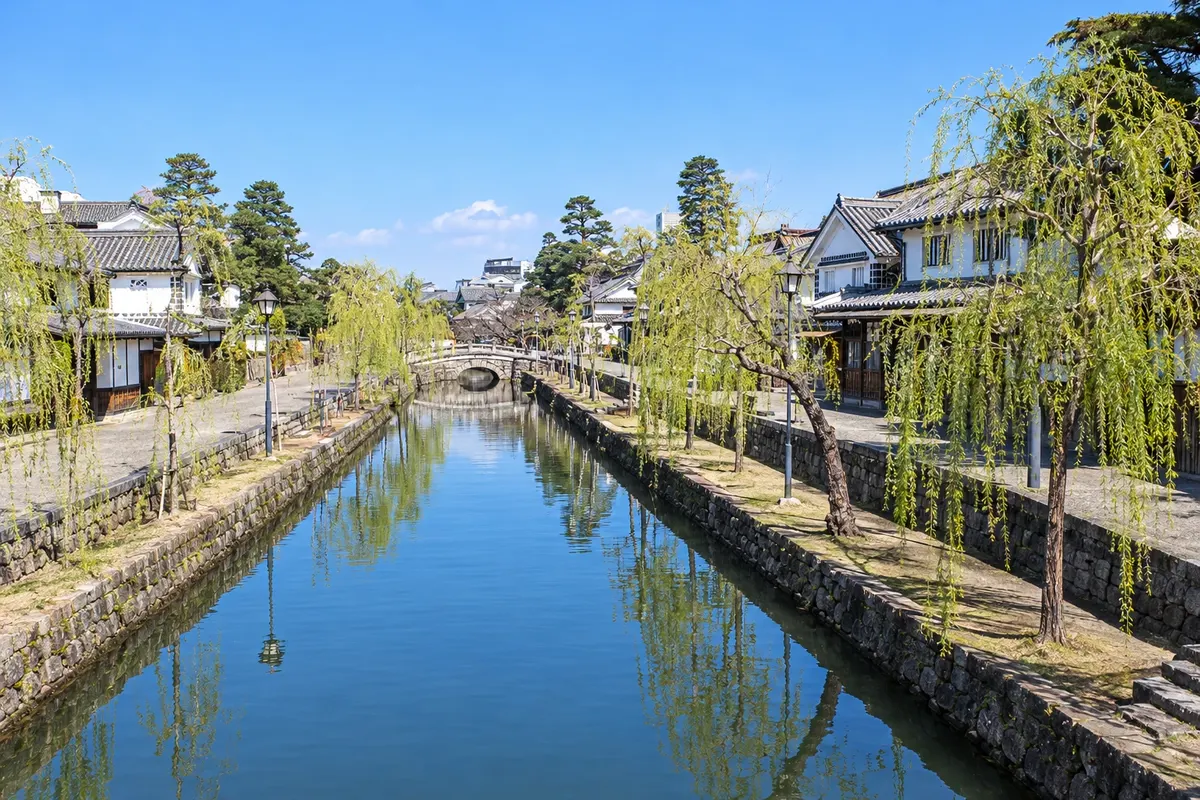
Illustrative images. The pictures in this guide are illustrations based on the real place, not photographs, and may differ from it.
A destination is a region you visit as a single trip: it can bring together several cities or be a large city with everything it offers. Each destination has the tours, the itineraries, the best time to go month by month and how to get there.
The guide currently has 47 destinations, with 80 cities in 37 provinces.
Today's highlights
A destination is more than a city: it's everything you can experience there.
The large island in the Sea of Japan, opposite Niigata, with World Heritage gold mines, Ogi’s tub boats, the shipbuilders’ village of Shukunegi and the land of taiko drums.
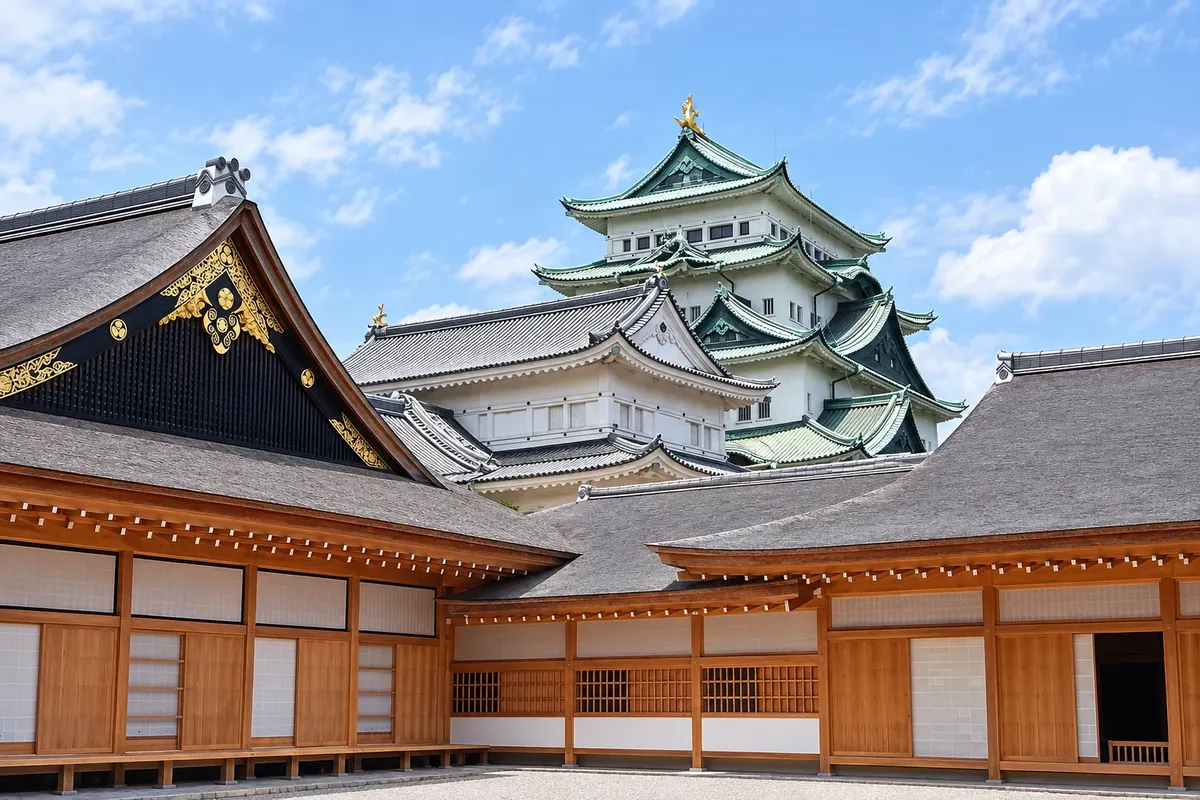
The large city between Tokyo and Kyoto, with the castle of golden fish, the shrine that guards the sacred sword, industry museums and, nearby, Inuyama’s original castle.
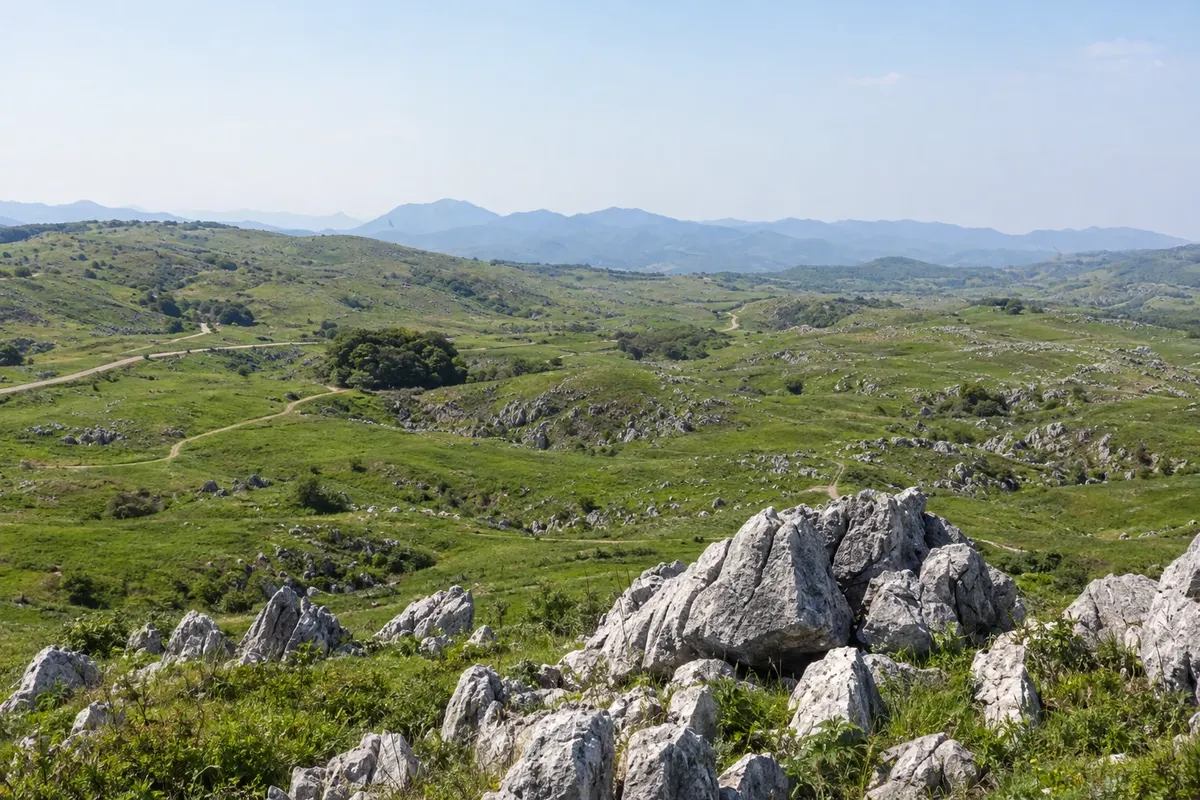
The former castle town of the Mori lords on the Sea of Japan coast, birthplace of leaders from the Meiji era, and the country’s largest limestone plateau, with the Akiyoshido cave.
The Zenko-ji temple, a pilgrimage center for more than a thousand years; the monkeys that often bathe in the hot springs of Jigokudani; and the hot-spring village of Shibu Onsen.
Korakuen Garden and Okayama’s black castle, the city of the Momotaro legend, and Kurashiki’s white-walled warehouse and canal district, 15 minutes away by train.
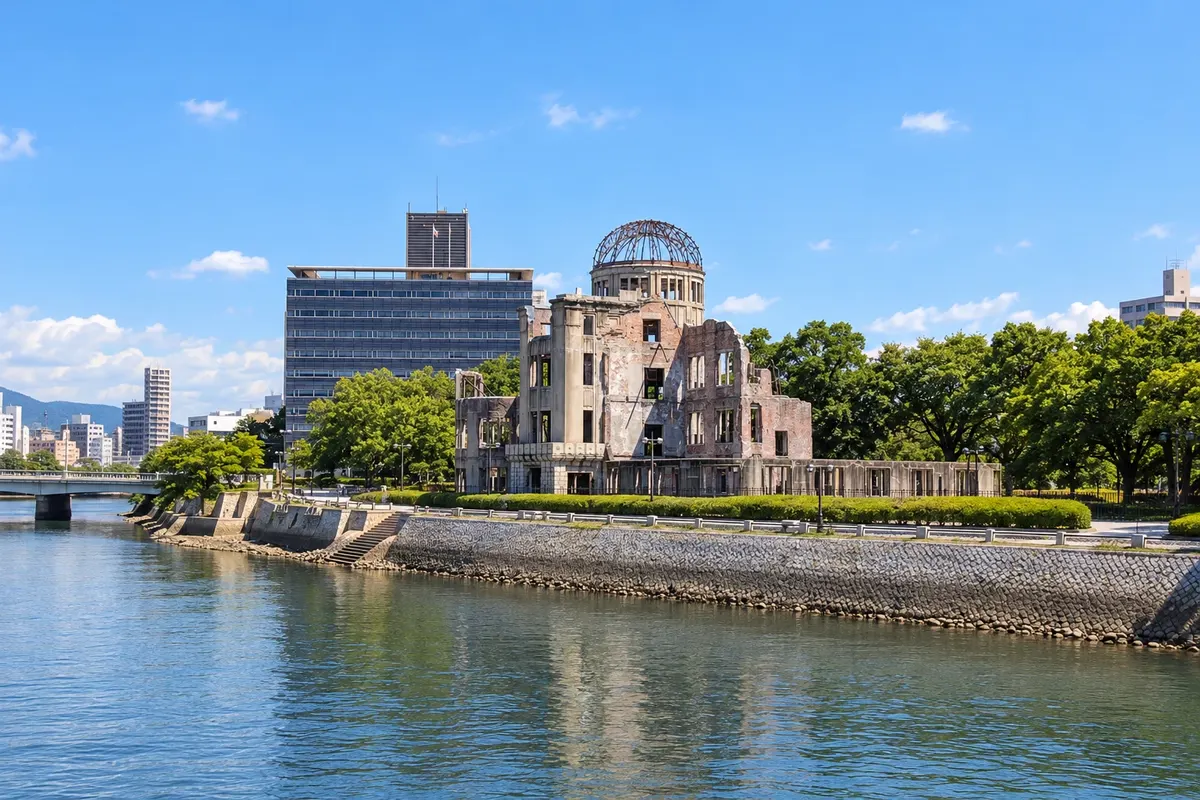
The Peace Memorial Park and the Atomic Bomb Dome in Hiroshima, and the Itsukushima shrine with its torii in the sea on Miyajima Island: two World Heritage sites less than an hour apart.
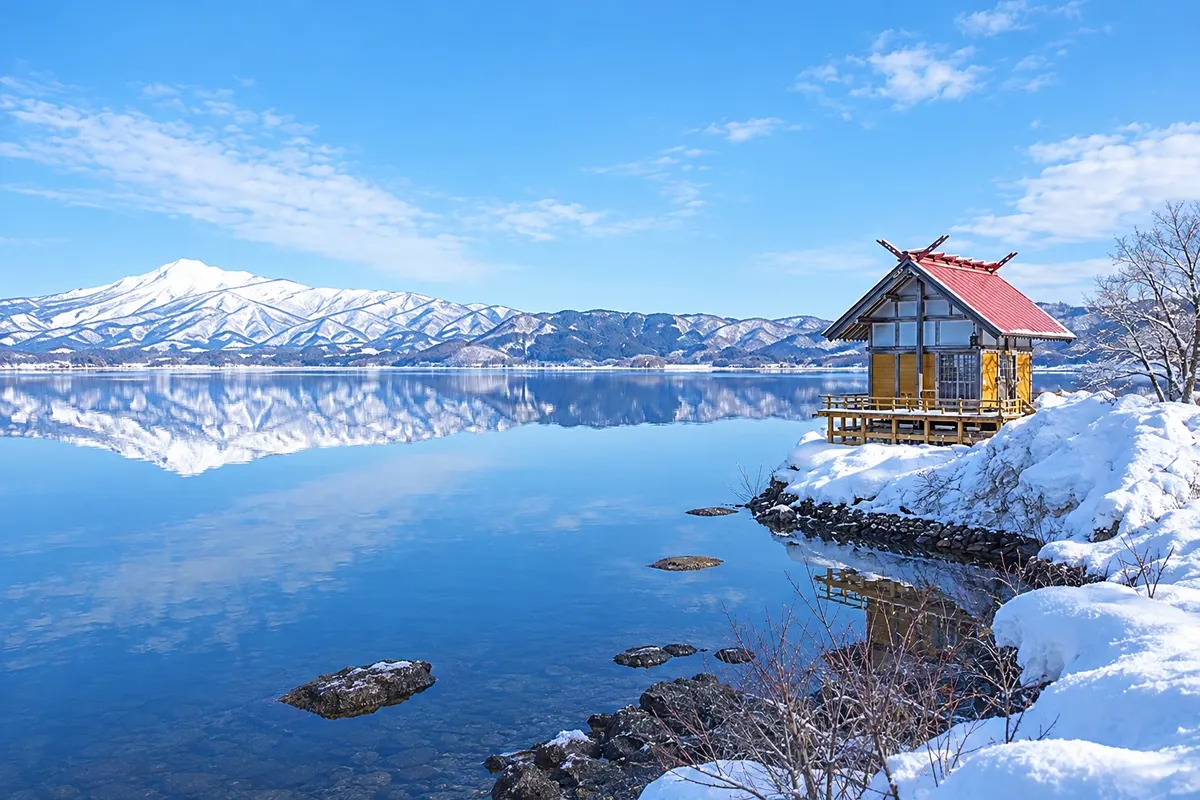
The samurai district of Kakunodate, with weeping cherry trees and black fences, Lake Tazawa—the deepest lake in Japan—and the milky bathing waters of Nyuto, inland in Akita.
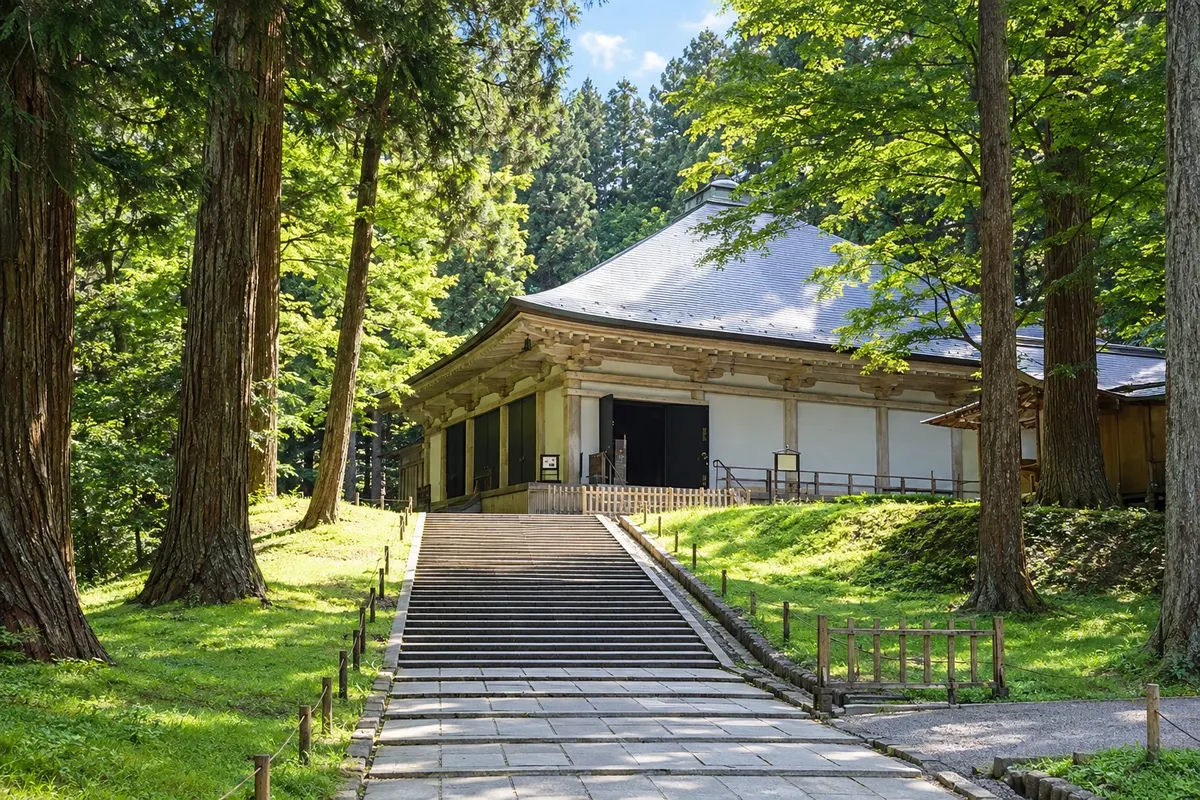
The former capital of the Northern Fujiwara in southern Iwate, home to the gilded Konjikido of Chuson-ji and the Pure Land garden of Motsu-ji, UNESCO World Heritage sites.
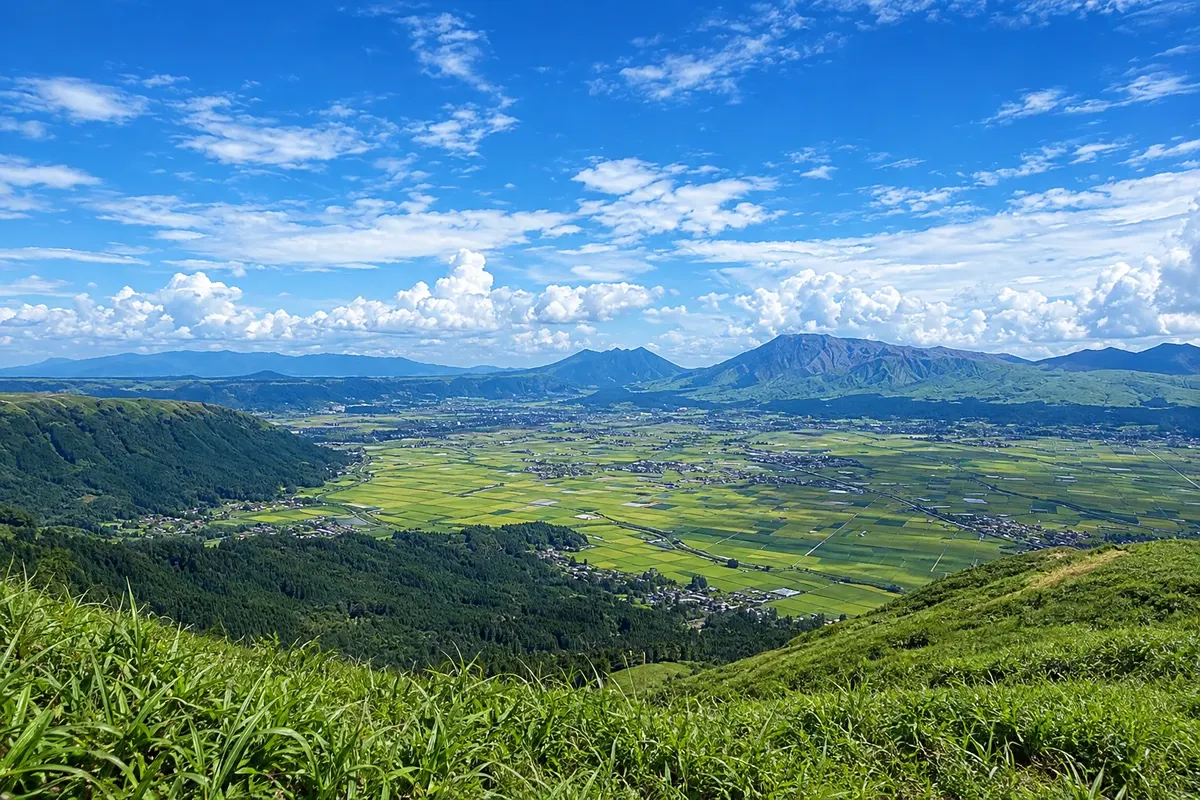
The large Kumamoto Castle and Suizenji Garden in central Kyushu, and Mount Aso’s caldera, with grasslands, villages and an active volcano in the middle.
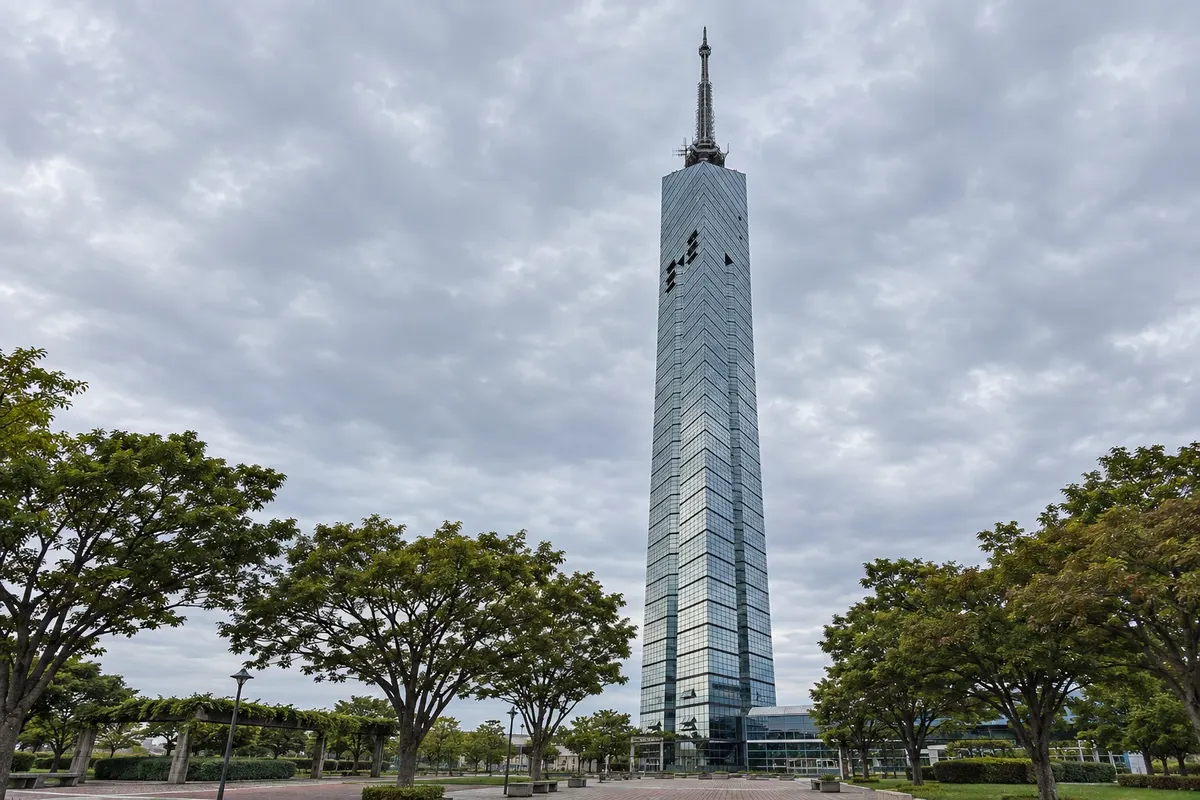
The largest city on Kyushu, with yatai food stalls along the river, Hakata ramen, Kushida Shrine and Ohori Park, and Dazaifu Tenmangu Shrine half an hour away by train.
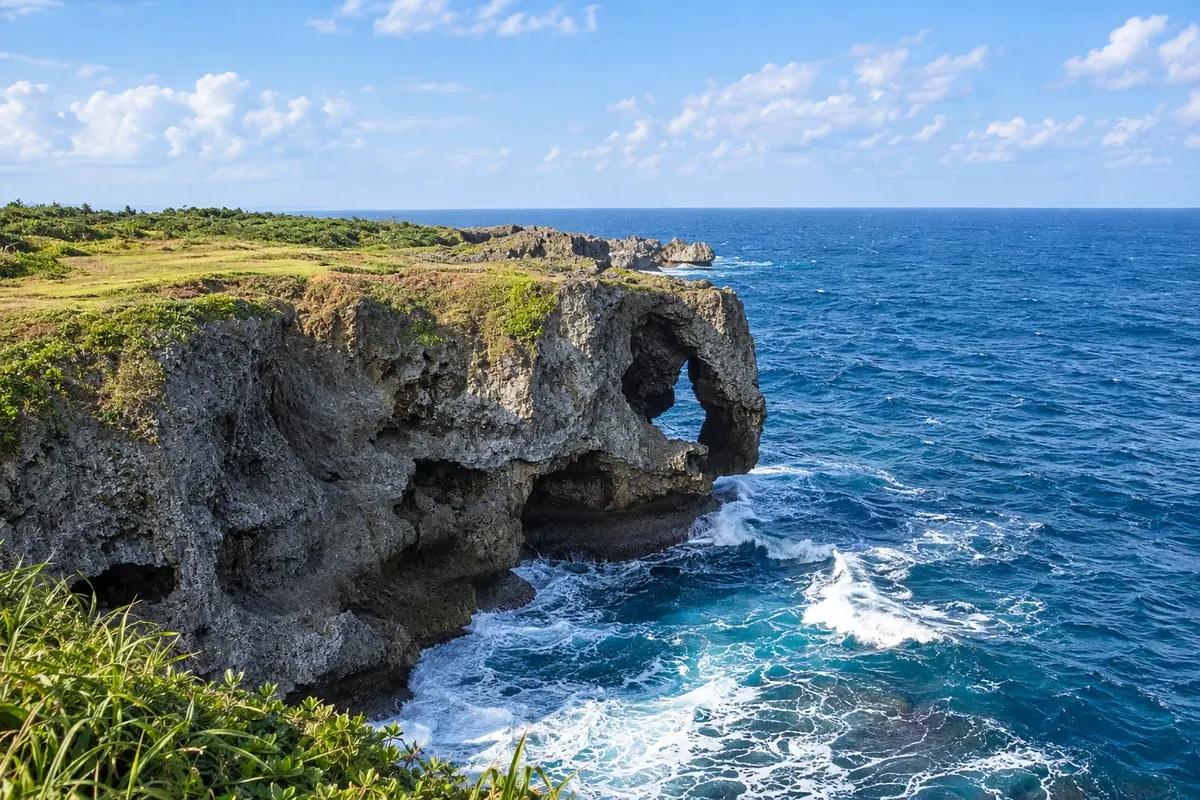
The main island of the former Ryukyu Kingdom: Shuri Castle and the UNESCO sites in Naha, the beaches and headlands of the west coast, and the Churaumi Aquarium in the north.
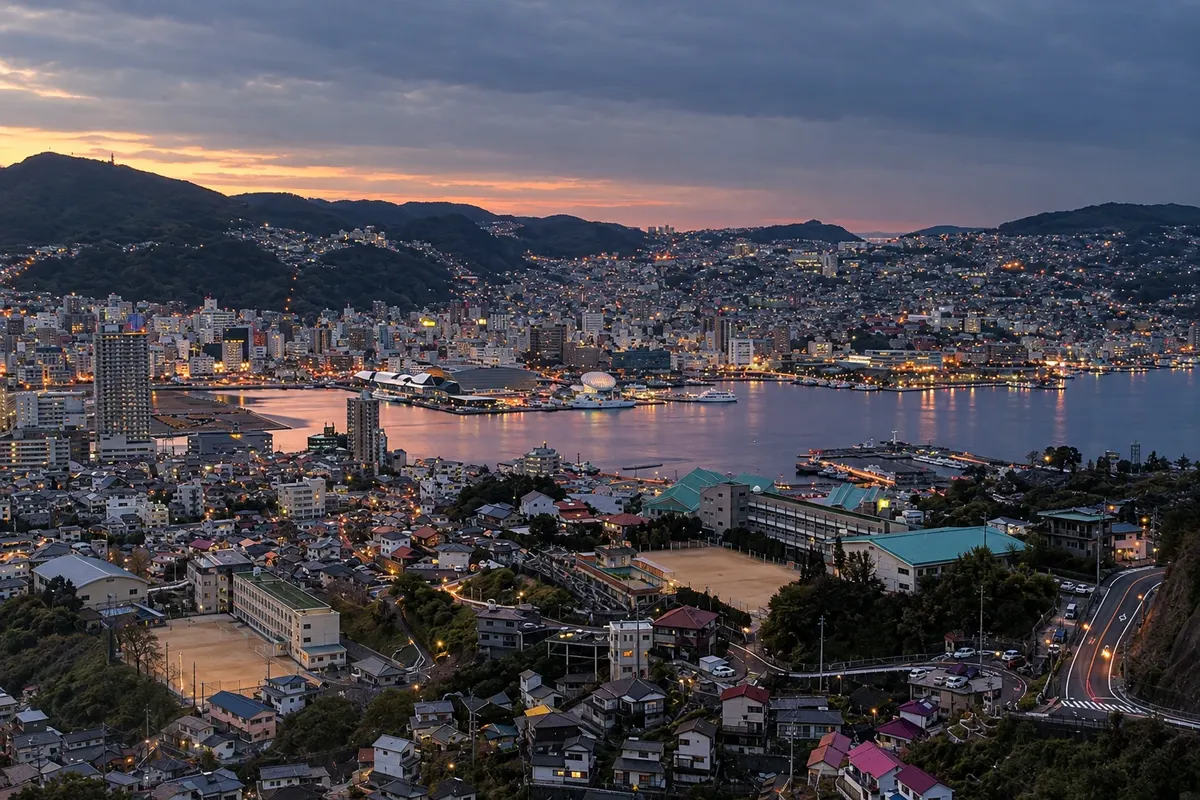
The port that was for two centuries Japan’s window to Europe: Dejima, the churches and Western merchants’ houses, the Peace Park and Gunkanjima Island, UNESCO sites.
The map
Tap a region to see the names. Use two fingers to zoom in.
Dados cartográficos: © OpenStreetMap contributors, via Wambacher / geoBoundaries (ODbL 1.0). Adapted by Cidade Turismo.
Japan
Another way into the same trip
Choose the province and the city to find your place in the guide.
Beyond the guide