Osaka

Osaka · Japan

Osaka

The city of good eating: Hideyoshi’s castle, the Dotonbori signs, Kuromon Market, the retro Shinsekai neighborhood and the gateway via Kansai Airport.

Kansai

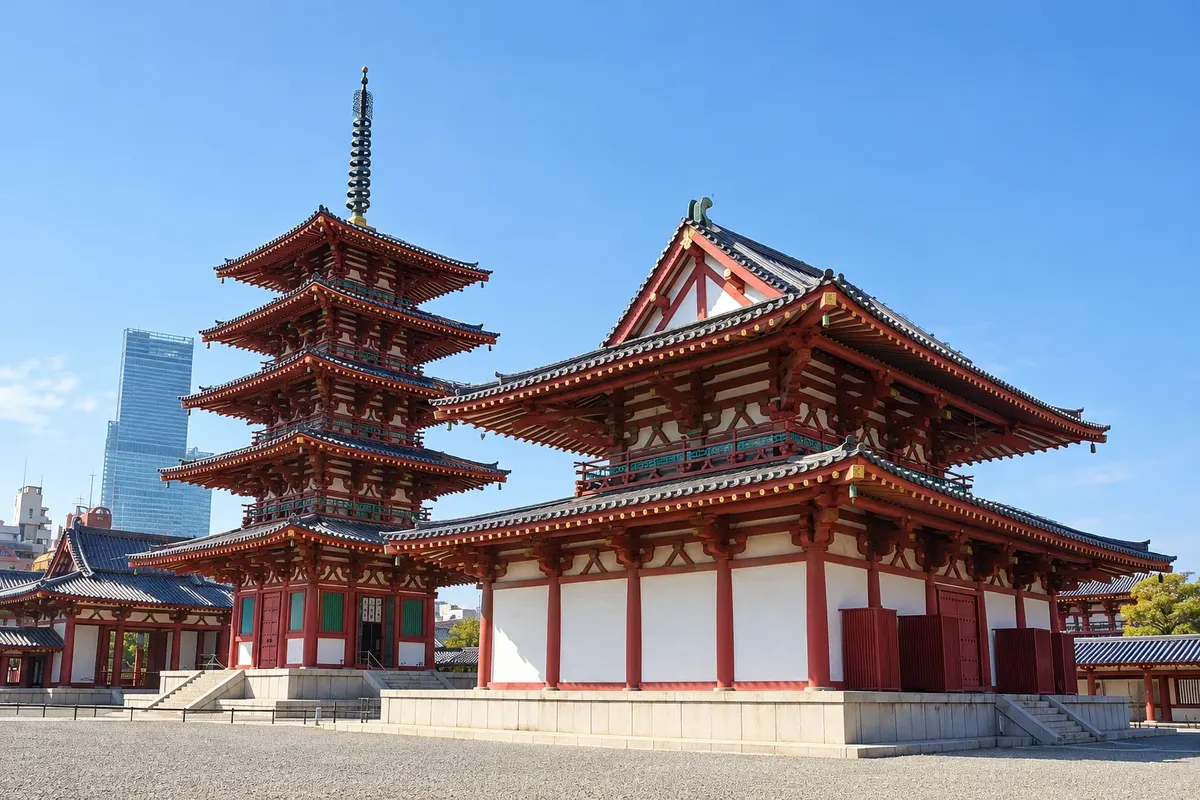
In the photo: Shitenno-ji Temple, in Osaka.

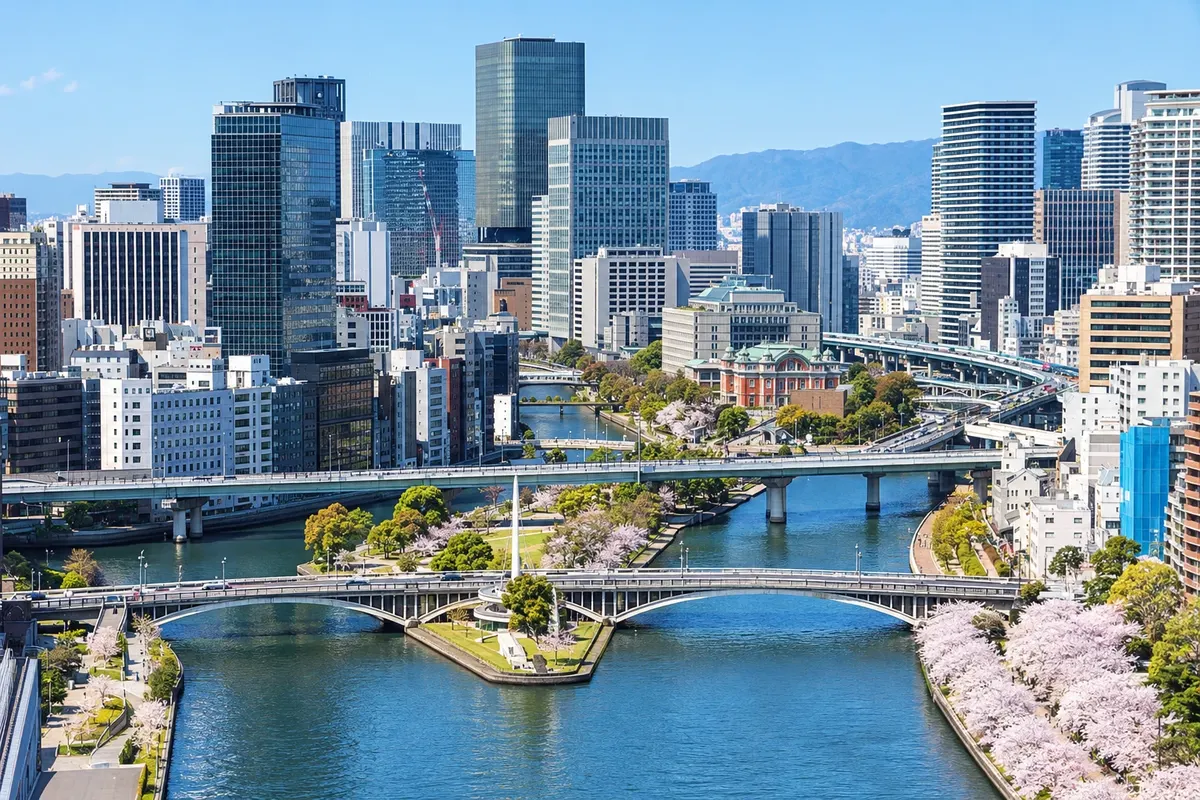
Illustrative images. The pictures in this guide are illustrations based on the real place, not photographs, and may differ from it.

Get to know the place

A region to enjoy
at your own pace.

Osaka is Japan’s third-largest city and the center of the Kansai region. It has been a port and commercial hub since ancient times and, during the Edo period, became known as “the nation’s kitchen,” through which rice from all of western Japan passed. From that comes the reputation the city still cultivates today: a place where people eat a lot and well, summed up in the word kuidaore, meaning to eat until you drop.

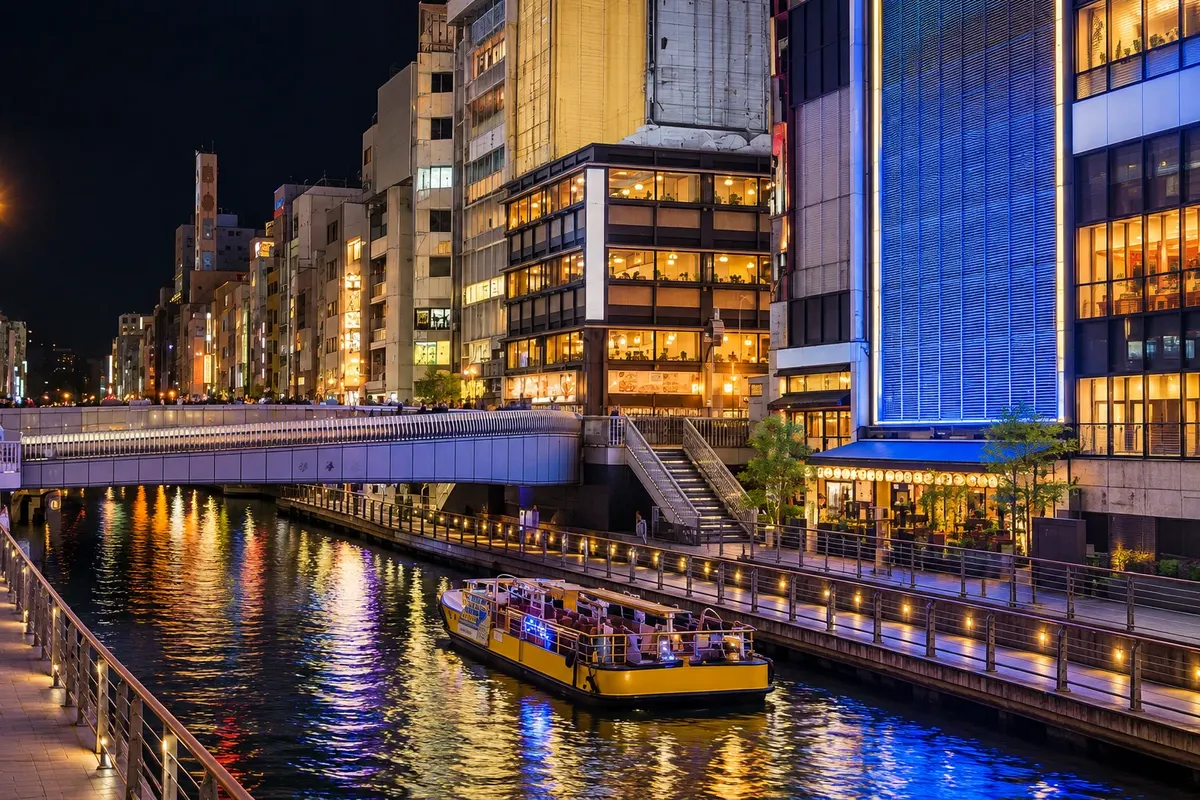
The city is divided between two centers. Kita, to the north, revolves around Osaka and Umeda stations, with skyscrapers, department stores and the Umeda Sky Building. Minami, to the south, includes Namba and Shinsaibashi, with covered shopping streets, the Dotonbori canal and its illuminated signs, Kuromon Market and Den Den Town, the electronics and gaming district.

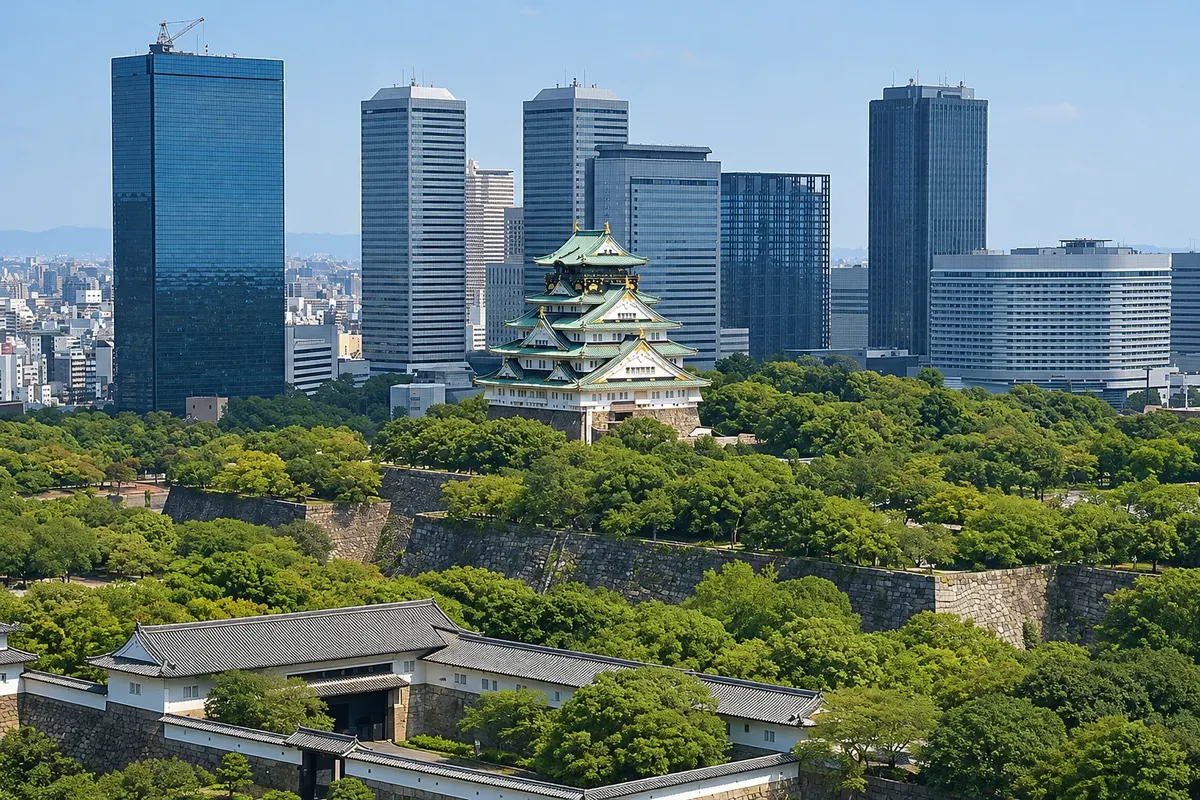
Osaka Castle, rebuilt on the site of Toyotomi Hideyoshi’s fortress, sits in a large park between the two centers. Further south, Shinsekai and the Tsutenkaku Tower retain a 1950s atmosphere, and Sumiyoshi Taisha is one of the country’s oldest shrines. In the bay are the Kaiyukan aquarium, the Tempozan Ferris wheel and, on the opposite shore, the Universal Studios Japan theme park.

Street food is the calling card: takoyaki, octopus balls; okonomiyaki, the cabbage pancake grilled on a plate; kushikatsu, breaded skewers. Kansai Airport, on an artificial island in the bay, is one of the country’s gateways, and from Osaka you can reach Kyoto, Nara, Kobe and Himeji in under an hour.

This destination brings together 1 city: Osaka.

Share: WhatsApp
Traveler, share your experiences through photos Up to 5 photos of each place you visited.

One destination, many paths

The cities on this trip

Start with one city or combine several in your itinerary.

Where Osaka is
Osaka

Dados cartográficos: © OpenStreetMap contributors, via Wambacher / geoBoundaries (ODbL 1.0). Adapted by Cidade Turismo.

How to get there: Osaka

✈ Aeroporto Internacional de Kansai (KIX), in Izumisano · 45 km to Osaka

✈ Aeroporto Internacional de Osaka (Itami) (ITM), in Itami · 15 km to Osaka

Kansai Airport handles international flights; the JR Haruka express and the Nankai Rapi:t connect it to the city in about 35 to 50 minutes. Itami Airport handles domestic flights. The shinkansen stops at Shin-Osaka, about 2h30 from Tokyo and 15 minutes from Kyoto.

The local experience

Things to do in Osaka

Osaka Castle
Osaka · Osaka · Castle

Osaka Castle

The white-and-gold tower on the site of Toyotomi Hideyoshi’s fortress, with a museum about the castle’s history, an observation deck and a large park surrounded by moats and stone walls.

Dotonbori
Osaka · Osaka · Neighborhood

Dotonbori

The canal and the Minami street with giant illuminated signs, the Glico running man sign, takoyaki stalls and restaurants — the heart of Osaka’s street food.

Kuromon Market
Osaka · Osaka · Market

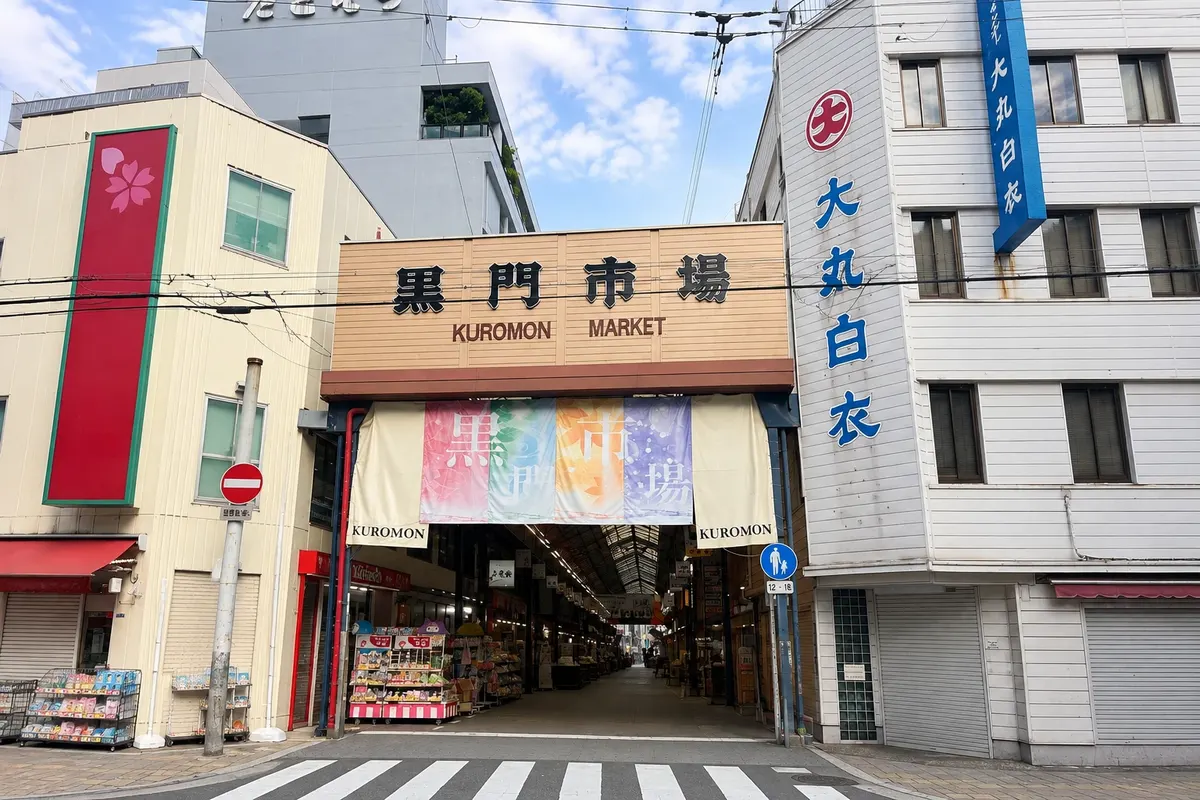
Kuromon Market

A covered street of stalls selling fish, seafood, meats, fruits and preserved foods, called Osaka’s “kitchen,” with snacks to eat on site.

Shinsekai and Tsutenkaku
Osaka · Osaka · Neighborhood

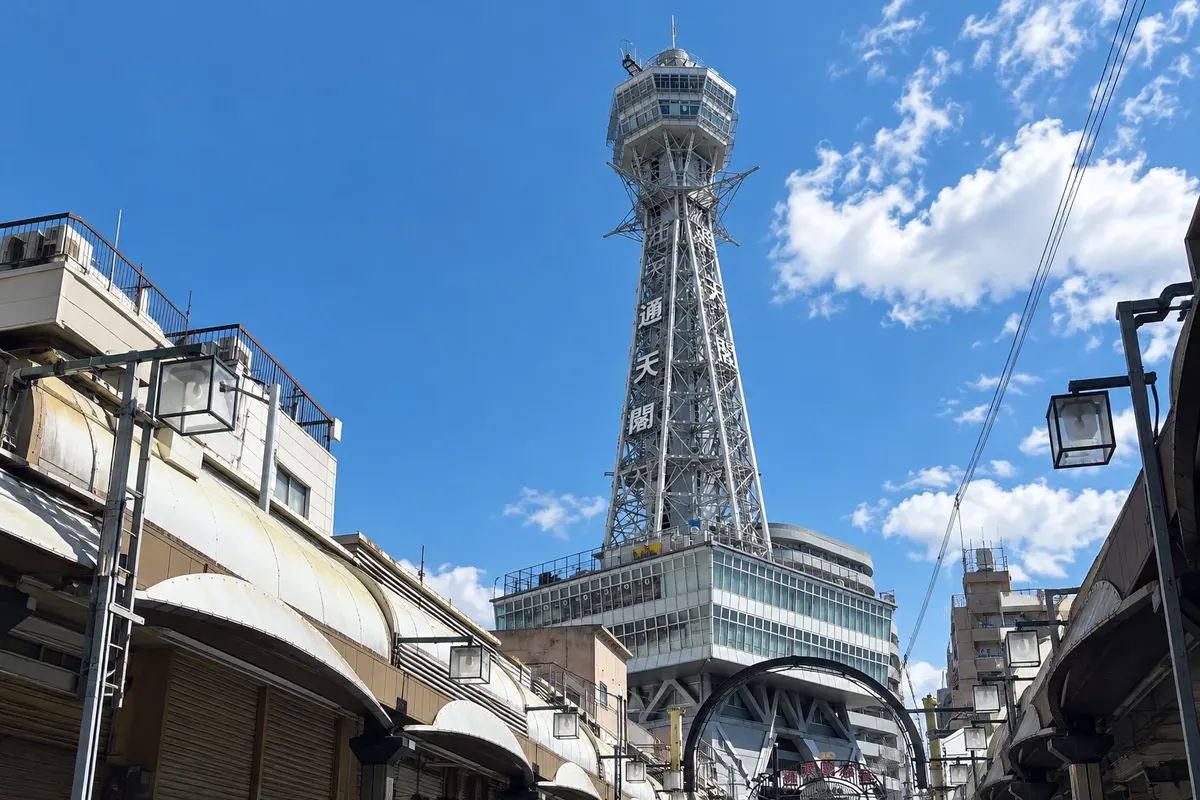
Shinsekai and Tsutenkaku

The retro neighborhood in southern Osaka, with the Tsutenkaku tower, the Billiken statue, old signage and kushikatsu restaurants.

See 2 more places in Osaka
Sumiyoshi Taisha
Osaka · Osaka · Shrine

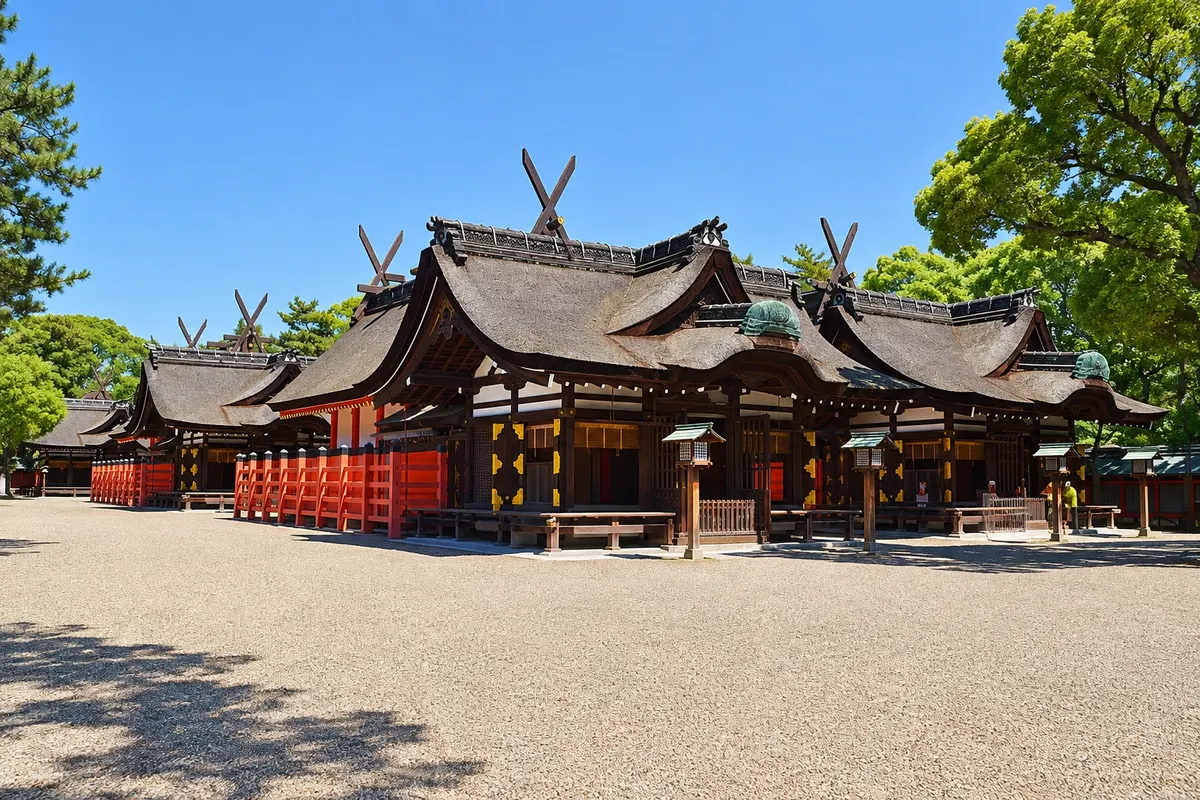
Sumiyoshi Taisha

One of Japan’s oldest shrines, the head of the Sumiyoshi shrines, with halls in a pre-Buddhist architectural style and the arched Sorihashi bridge.

Umeda Sky Building (Floating Garden Observatory)
Osaka · Osaka · Lookout

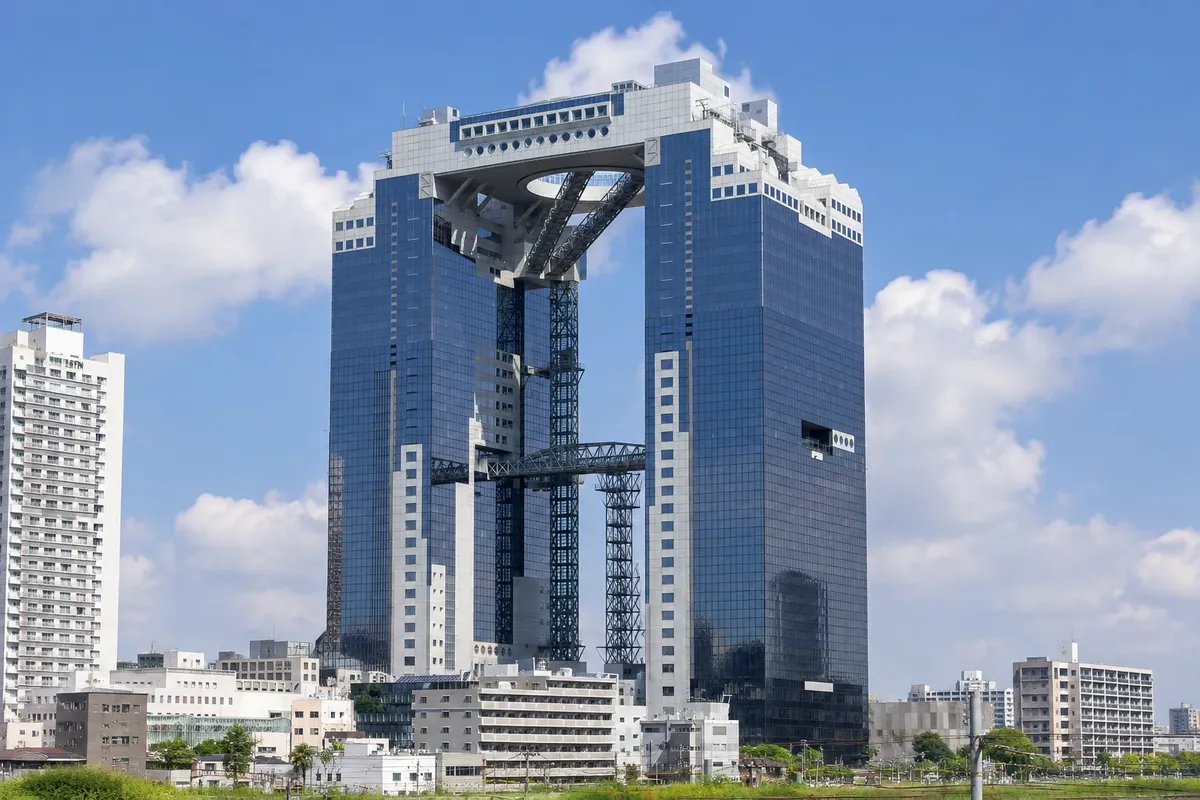
Umeda Sky Building (Floating Garden Observatory)

A two-tower building connected at the top by an open-air circular observation deck, 173 meters high, with glass-tube escalators and a retro-style alley in the basement.

Before you go

Practical information

A little planning leaves more time to enjoy the journey.

When to go

March to May and October to November have mild temperatures; the castle park’s cherry trees usually bloom in late March and early April. June brings the rainy season, and July the humid heat and the Tenjin Matsuri festival, with boats on the river. Winters are dry and cold, with little snow.

The seasons shown are the most usual ones; nature doesn't always follow the calendar.

How many days to stay

Two days cover the castle, Dotonbori, Kuromon, Shinsekai and the Umeda Sky Building. With three or four days you can include Sumiyoshi Taisha, the aquarium, the theme park and day trips. Many travelers use Osaka as a base for Kyoto, Nara, Kobe and Himeji.

Which city to stay in

Namba and Shinsaibashi, in Minami, are near Dotonbori and the street food areas, with a direct train to Kansai Airport via Nankai. Umeda, in Kita, has Osaka and Umeda stations, convenient for day trips to Kyoto and Kobe, and is close to Shin-Osaka on the shinkansen. Tennoji and Shin-Imamiya are more modest and connected to Nara and the airport.

Respect the place

Take your trash with you, follow the signs and support local businesses. In natural areas, follow the visiting guidelines.

Get your questions answered

Frequently asked questions about Osaka

How many days to stay in Osaka?

Two days for the castle, Dotonbori, Kuromon Market, Shinsekai and the Umeda Sky Building. With three or four days you can add Sumiyoshi Taisha, the Kaiyukan aquarium and day trips to Nara, Kobe or Himeji.

How to get from Kansai Airport to central Osaka?

By the Nankai Rapi:t express train to Namba in about 35 to 40 minutes, or by the JR Haruka to Tennoji and Shin-Osaka in about 30 to 50 minutes. There are also buses to the stations and hotels.

Is it better to stay in Osaka or Kyoto?

It depends on your itinerary. Osaka has more accommodation options, nightlife and a direct connection to Kansai Airport; Kyoto places the temples closer. The train between them takes 15 to 45 minutes.

Do you need a car in Osaka?

No. The subway and trains from JR and private lines cover the city and its neighbors. ICOCA and Suica cards pay fares.

Can you do day trips from Osaka to Nara, Kobe and Himeji?

Yes. Nara is about 40 minutes by train, Kobe about 20 to 30 minutes, and Himeji about 1 hour by the JR rapid train, or less by shinkansen.

Explore other destinations Search by state and city

Beyond the guide