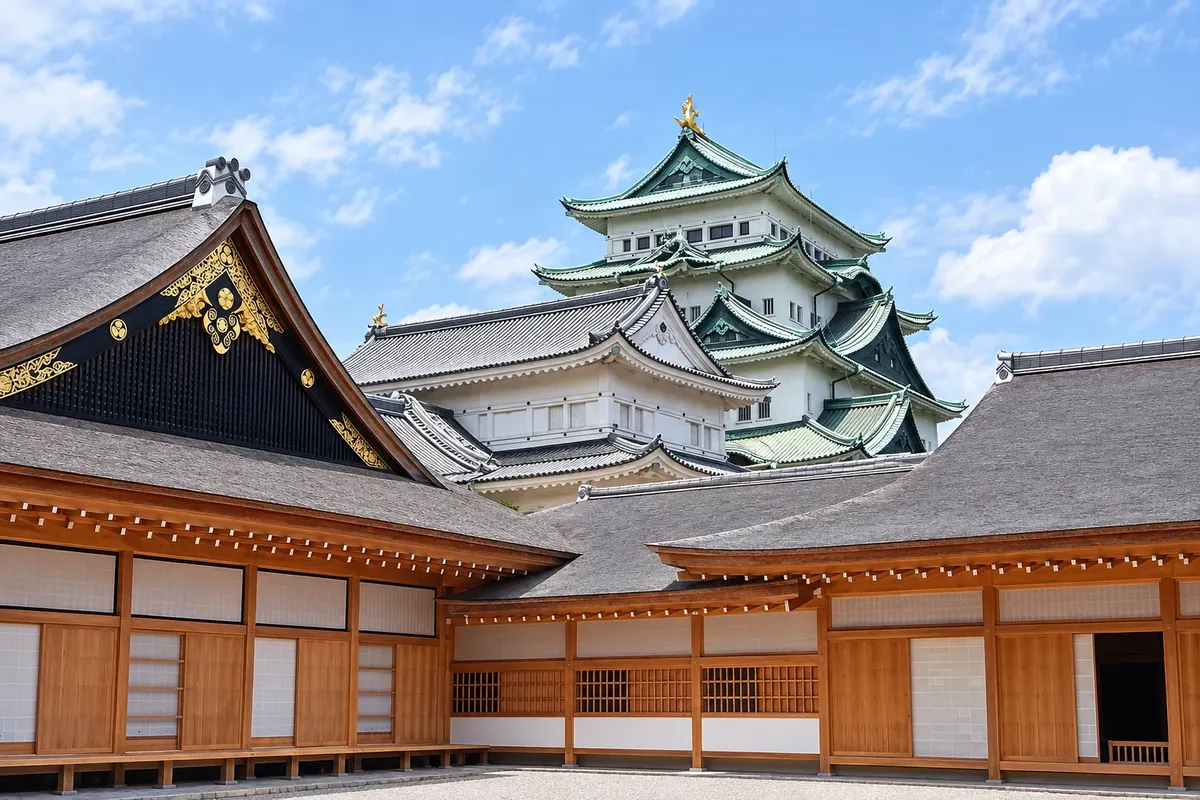
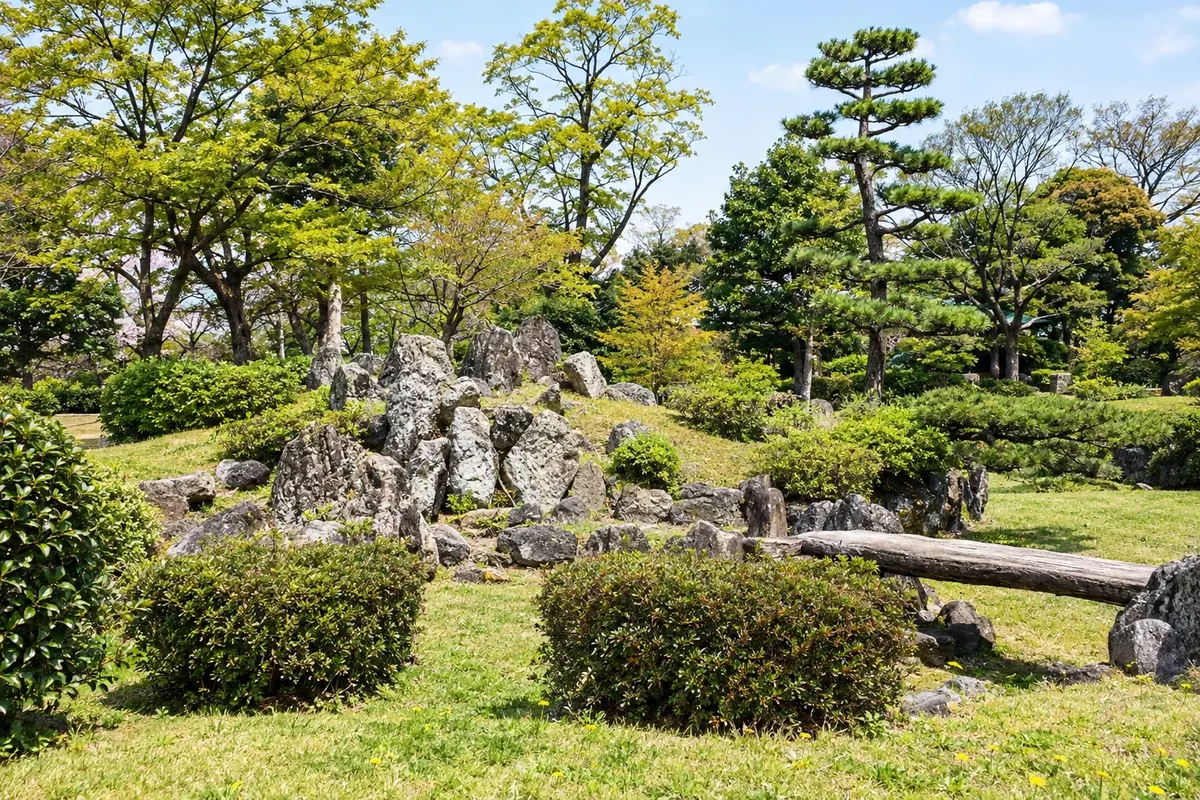
Nagoya is the capital of Aichi Prefecture and the fourth-largest city in Japan, roughly halfway between Tokyo and Kyoto on the Shinkansen line. It grew up around the castle built by the Tokugawa shogunate at the start of the 17th century and became, in the 20th century, the center of one of the country’s largest industrial regions, with factories for cars, aircraft, ceramics and machinery.
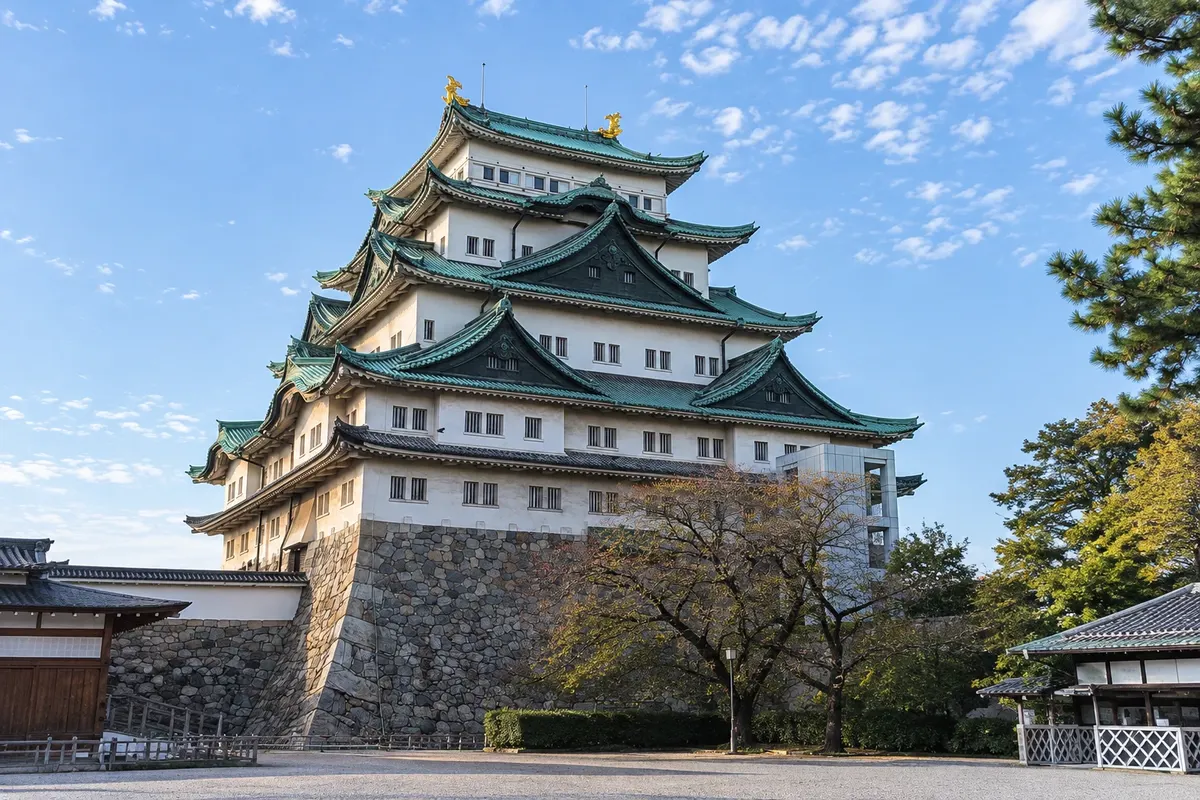
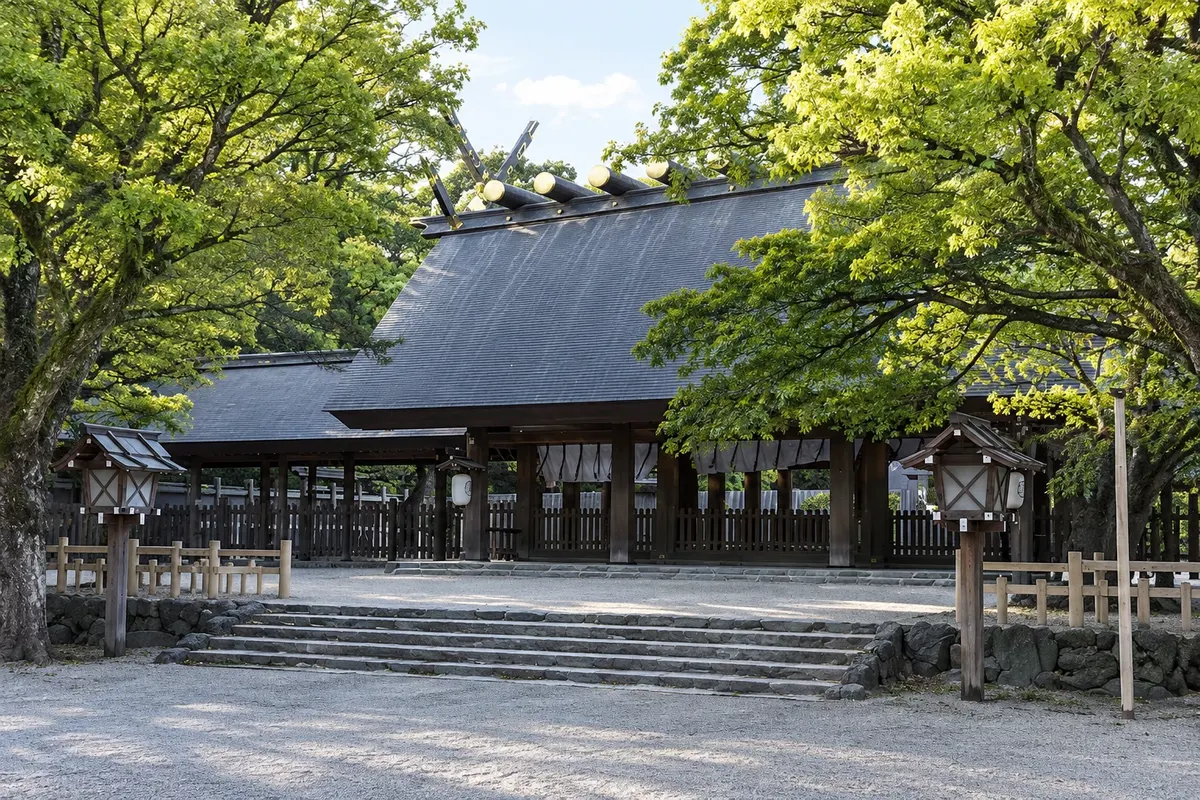
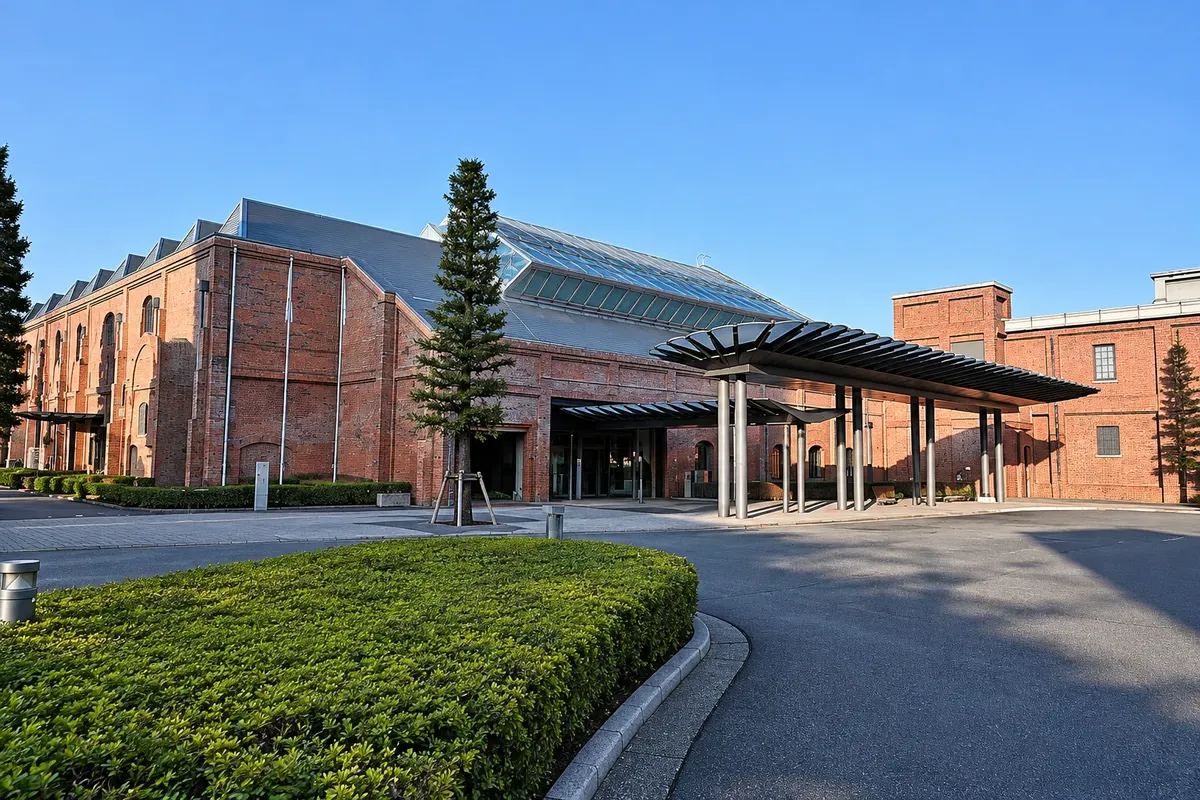
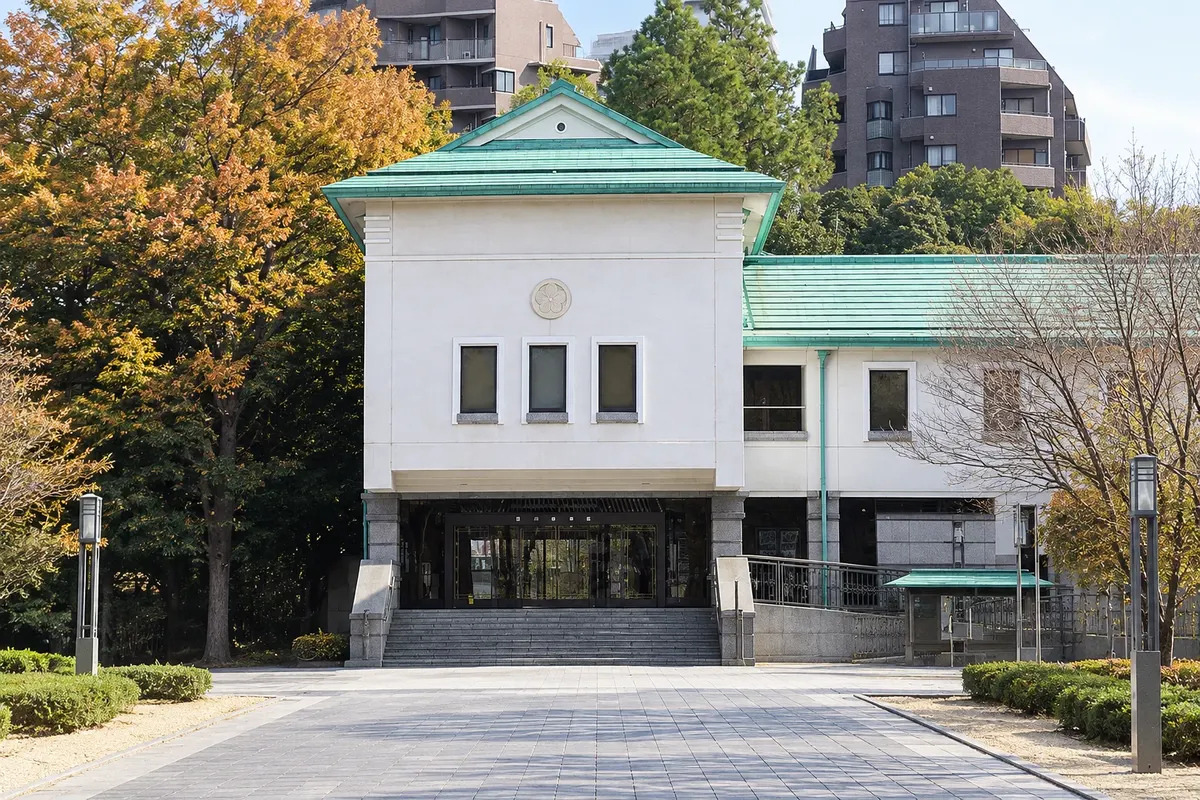
Nagoya Castle, with the golden dolphins on its roof, is the city’s symbol, and the Honmaru Palace, rebuilt in wood beside the keep, shows the luxury of the lords of that era. Atsuta Shrine, to the south, is one of Shinto’s most important shrines and houses the sword Kusanagi, one of the three imperial regalia. The Tokugawa Art Museum brings together the collection of one of the most powerful families of the Edo period, and the Toyota Commemorative Museum of Industry and Technology, in a brick textile mill, tells the story from looms to automobiles.
The city also has its own cuisine, called Nagoya meshi: hitsumabushi, grilled eel over rice served three ways; miso katsu, a breaded cutlet with dark miso sauce; tebasaki, chicken wings; and kishimen, flat noodles. The Osu neighborhood, around Osu Kannon Temple, mixes shopping arcades, secondhand stores and street food.
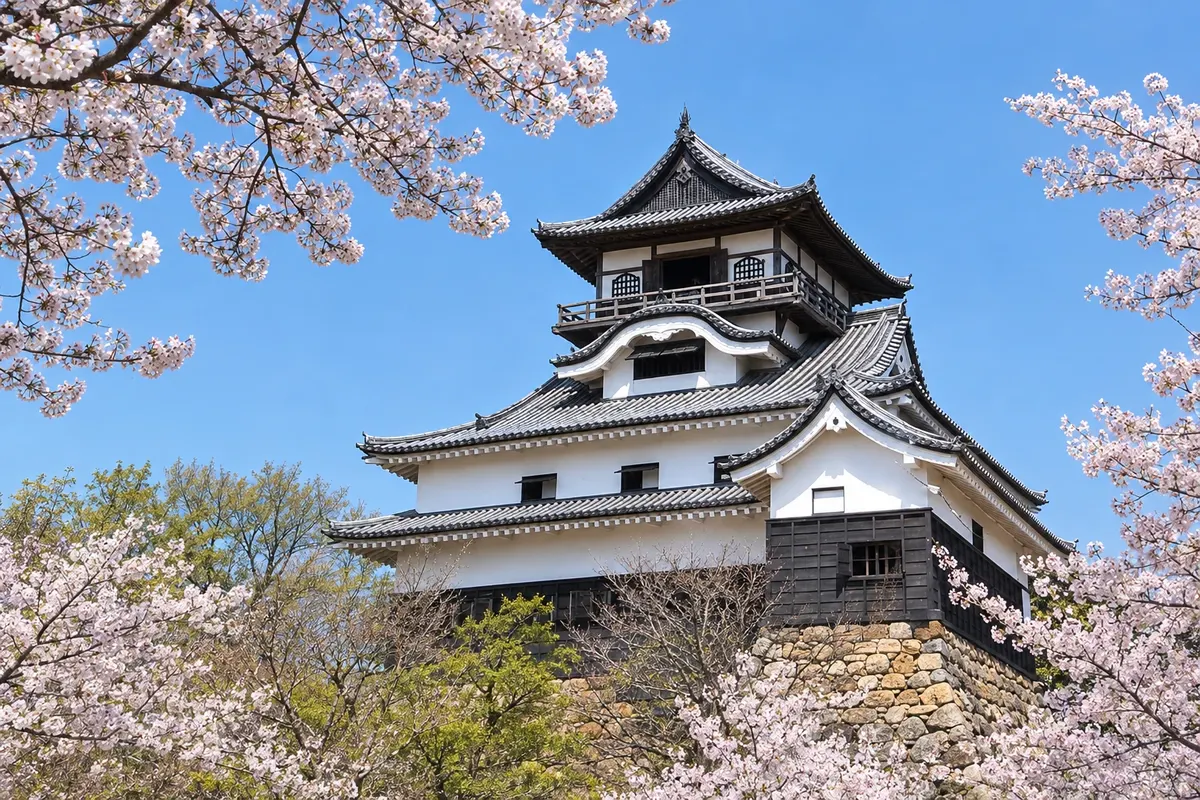
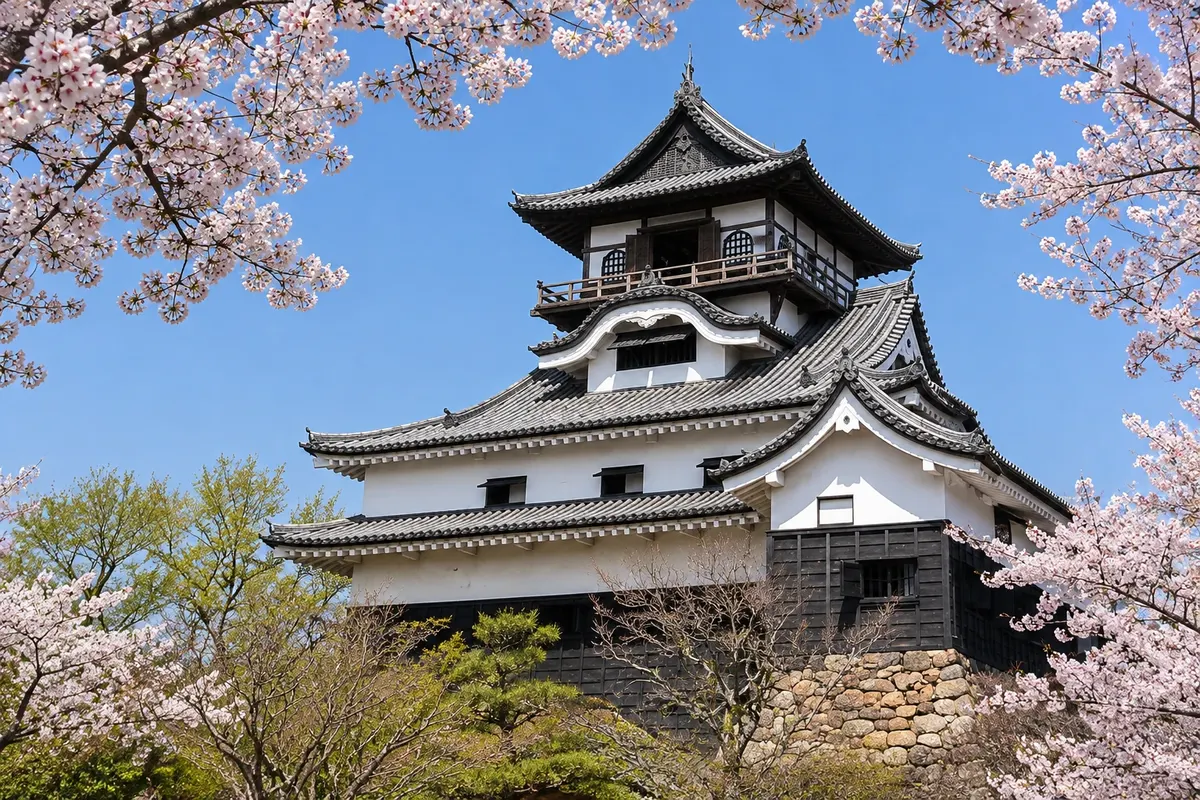
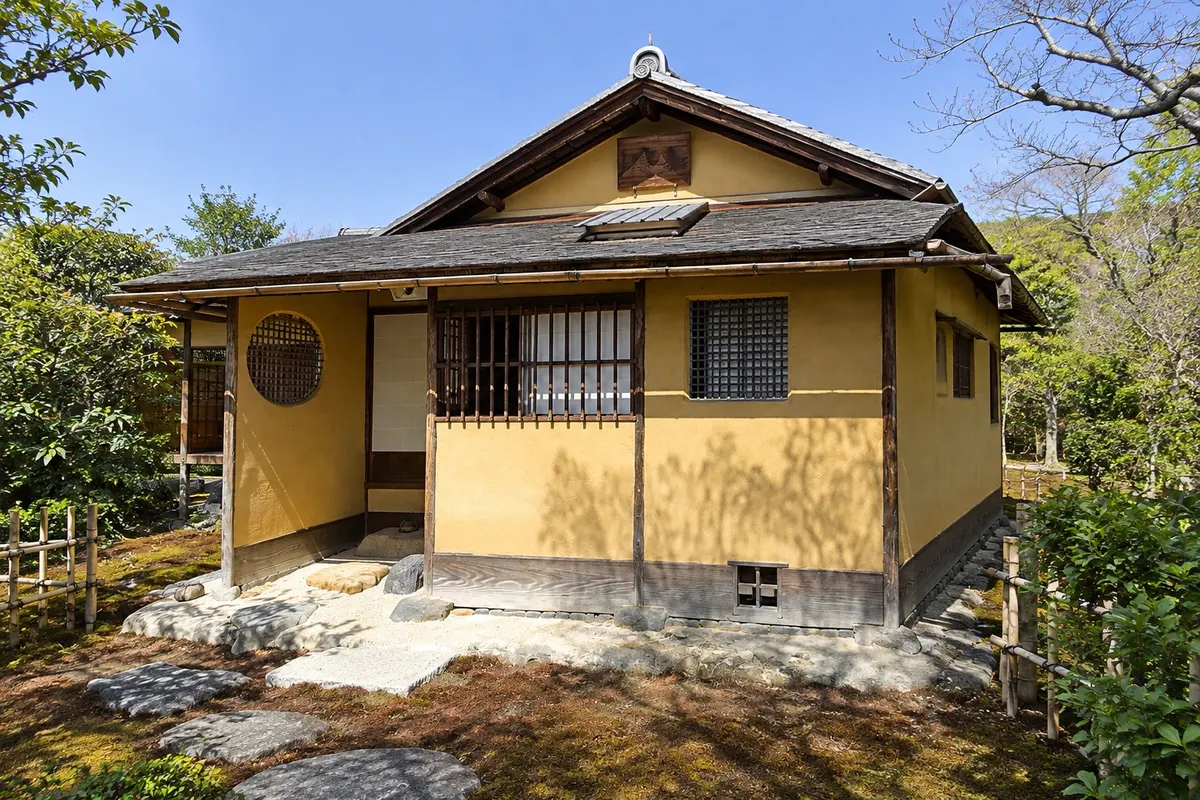
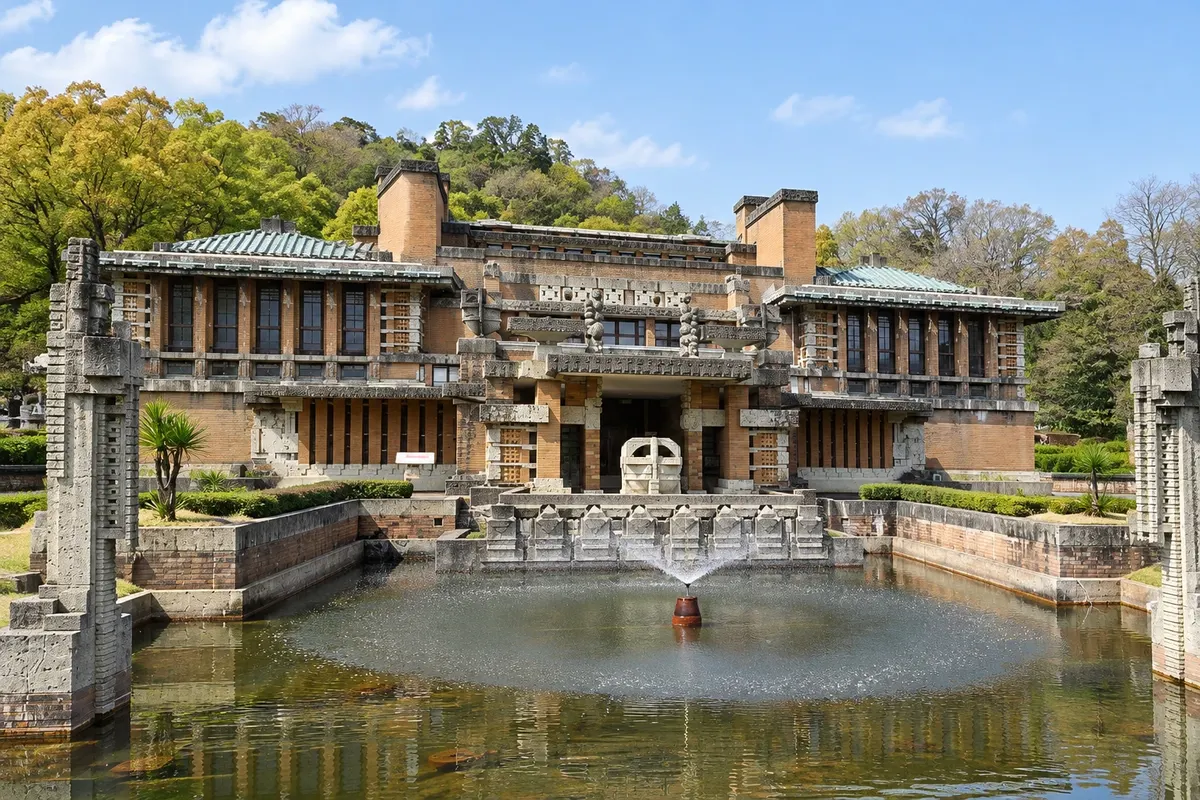
About 30 minutes by train, Inuyama has one of the few original castle keeps in Japan, perched over the Kiso River, as well as the Urakuen garden and the Meiji Mura open-air museum. Nagoya is also a starting point for the Japanese Alps, Takayama, Ise and the Kiso Valley.
This destination brings together 2 cities: Nagoya, Inuyama.


 Brazil
 Antarctica
 Argentina
 Bolivia
 Chile
 Colombia
 Ecuador
 Guyana
 French Guiana
 Falkland Islands (Malvinas)
 Paraguay
 Peru
 Suriname
 Uruguay
 Venezuela
 Germany
 Austria
 Belgium
 Croatia
 Denmark
 Slovakia
 Slovenia
 Spain
 Finland
 France
 Greece
 the Netherlands
 Hungary
 Ireland
 Iceland
 Italy
 Luxembourg
 Norway
 Poland
 Portugal
 the United Kingdom
 the Czech Republic
 Sweden
 Switzerland
 Turkey
 Bermuda
 Canada
 the United States
 Greenland
 Mexico
 Saint Pierre and Miquelon
 the Dominican Republic
 South Africa
 Egypt
 Australia
 Fiji
 New Zealand
 Papua New Guinea