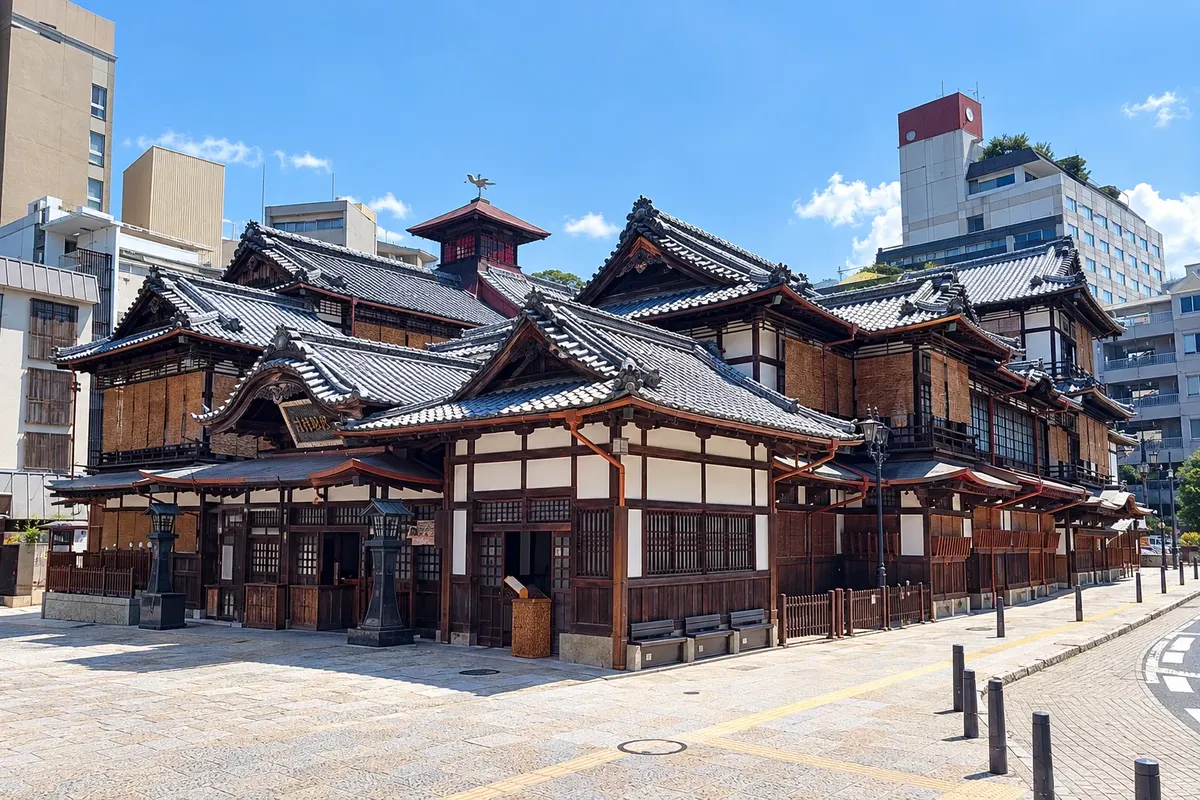
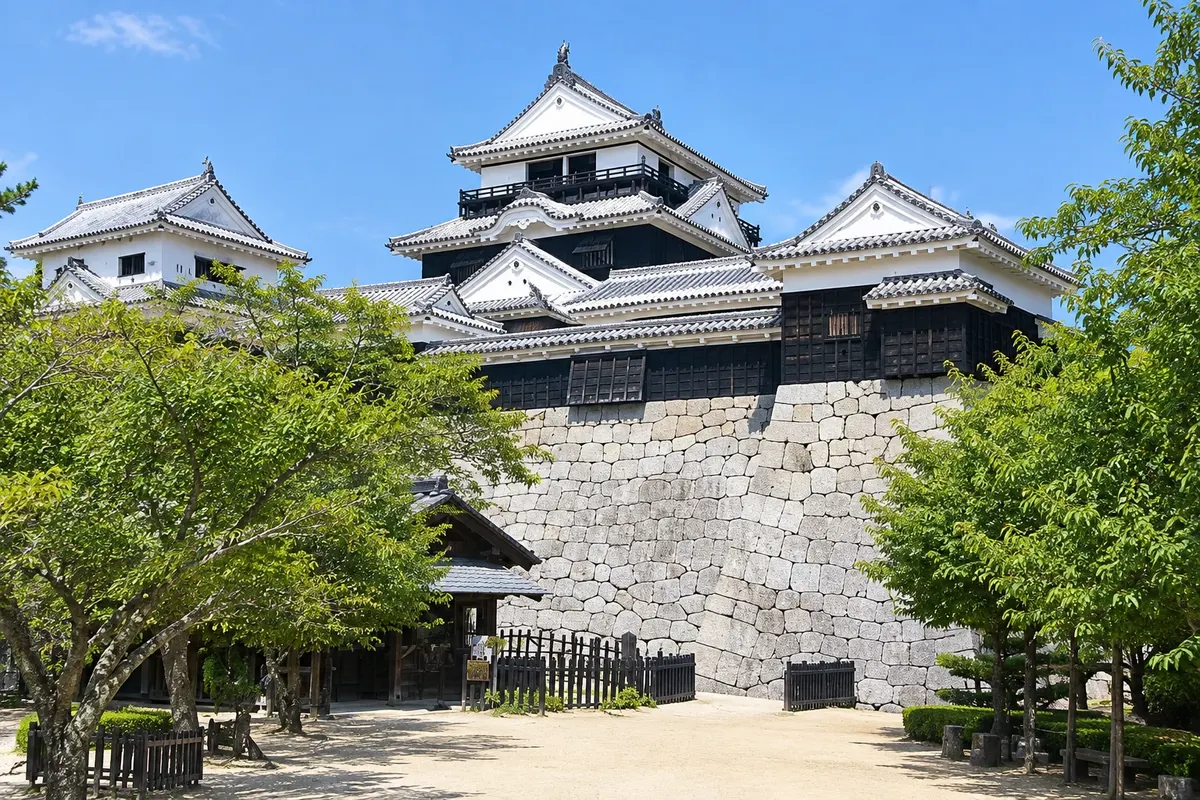
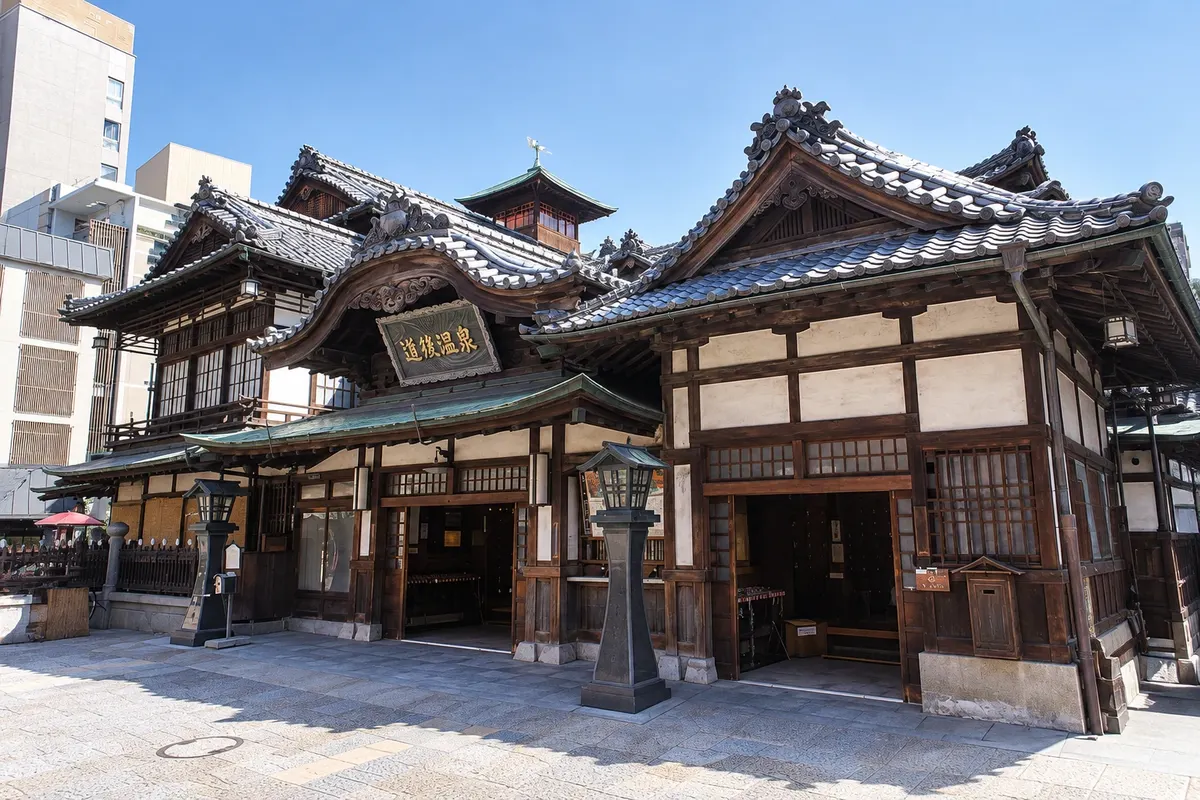
On Shikoku’s northwest coast, Matsuyama is the capital of Ehime and the island’s largest city. In the center, a forested hill supports Matsuyama Castle, one of the twelve in Japan that still has its original main keep. To the east is Dogo Onsen, a hot-spring area mentioned in very old texts, with a wooden bathhouse from the late 19th century that became the city’s symbol.
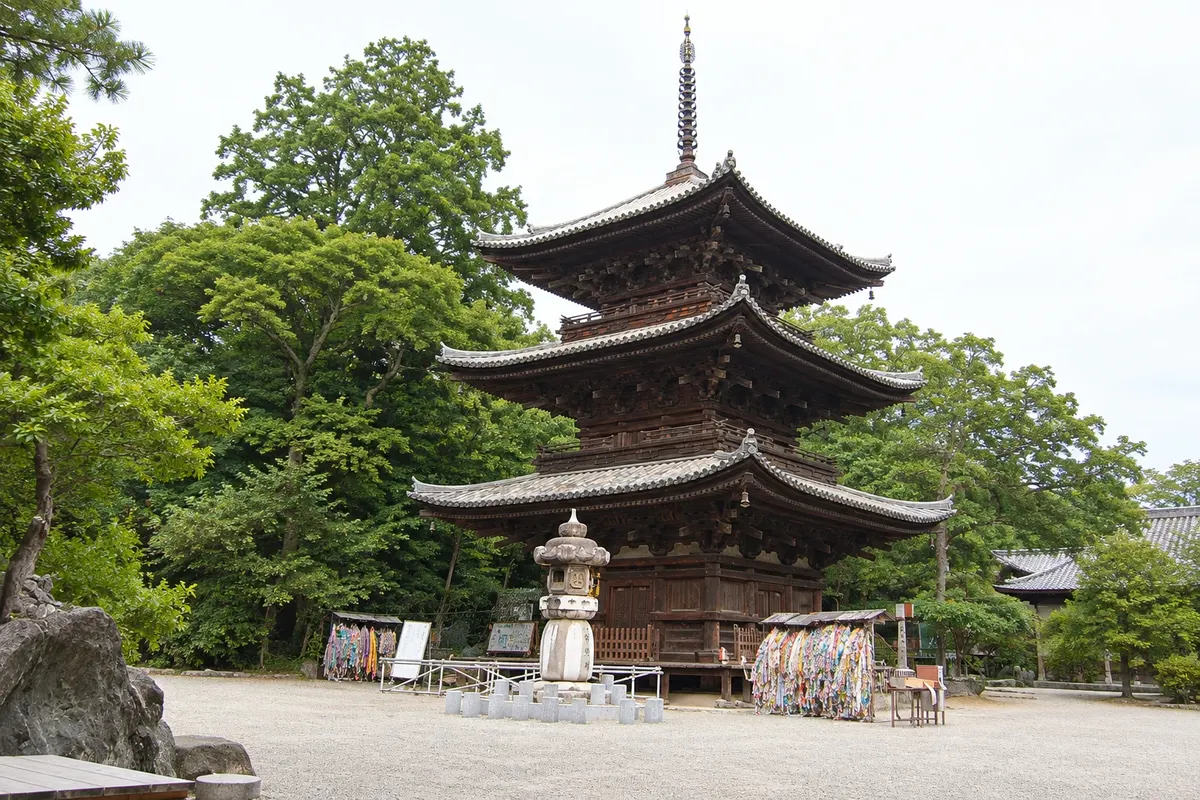
The city has vintage trams, temples linked to Shikoku’s 88-temple pilgrimage, such as Ishite-ji, and a literary connection: the novel Botchan by Natsume Soseki is set there, and the poet Masaoka Shiki, a master of haiku, was born in Matsuyama. Ehime is the prefecture of mikan (tangerines), sold as juice and in sweets everywhere.
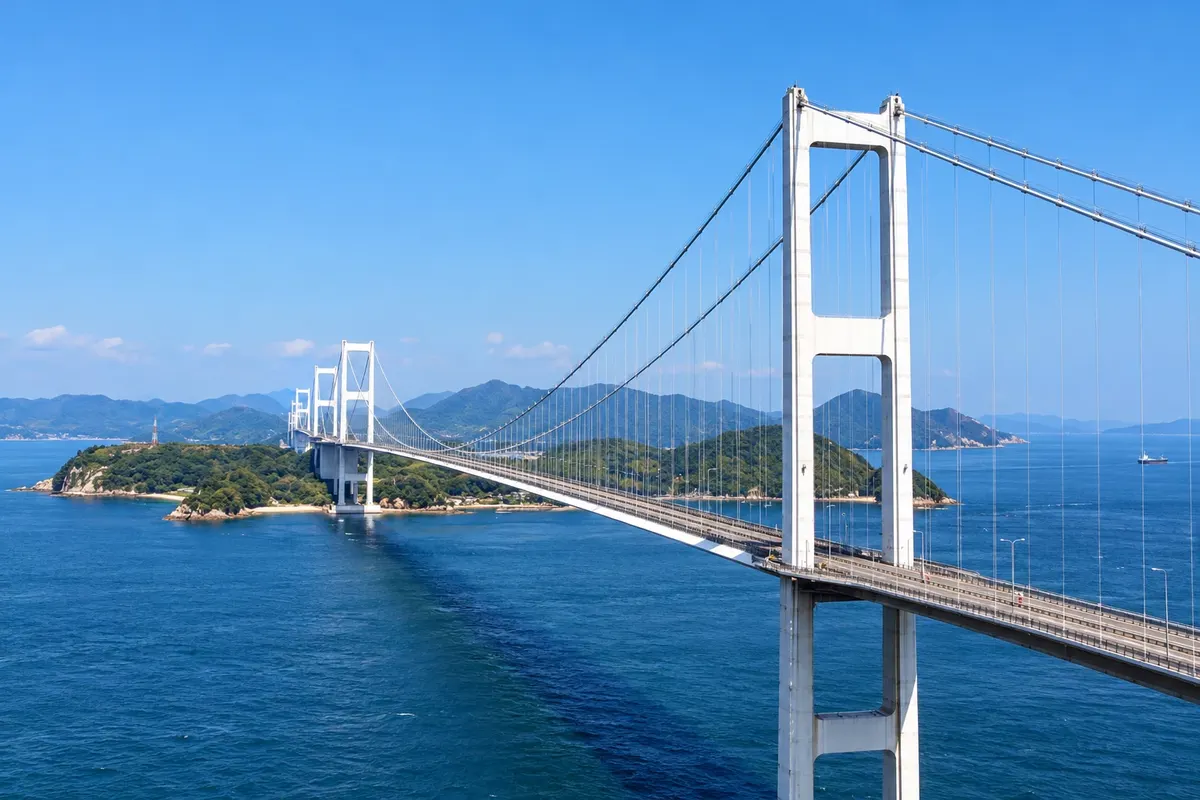
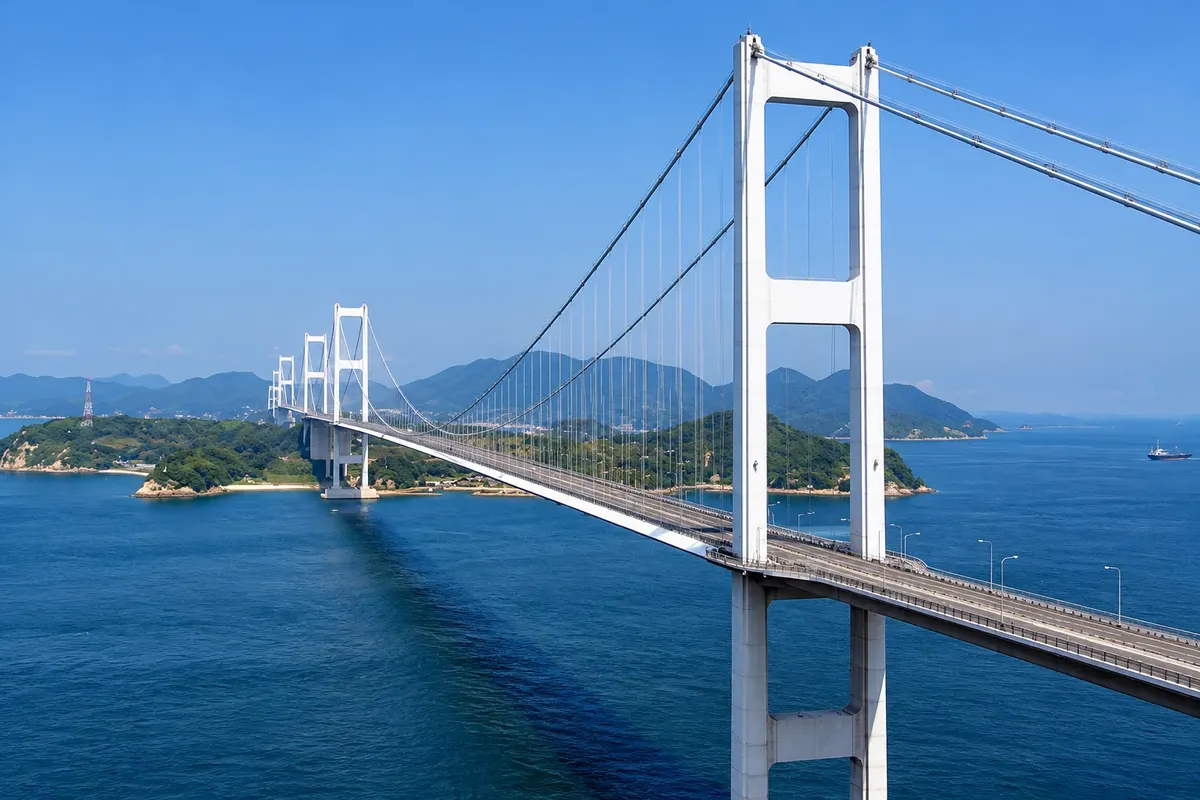
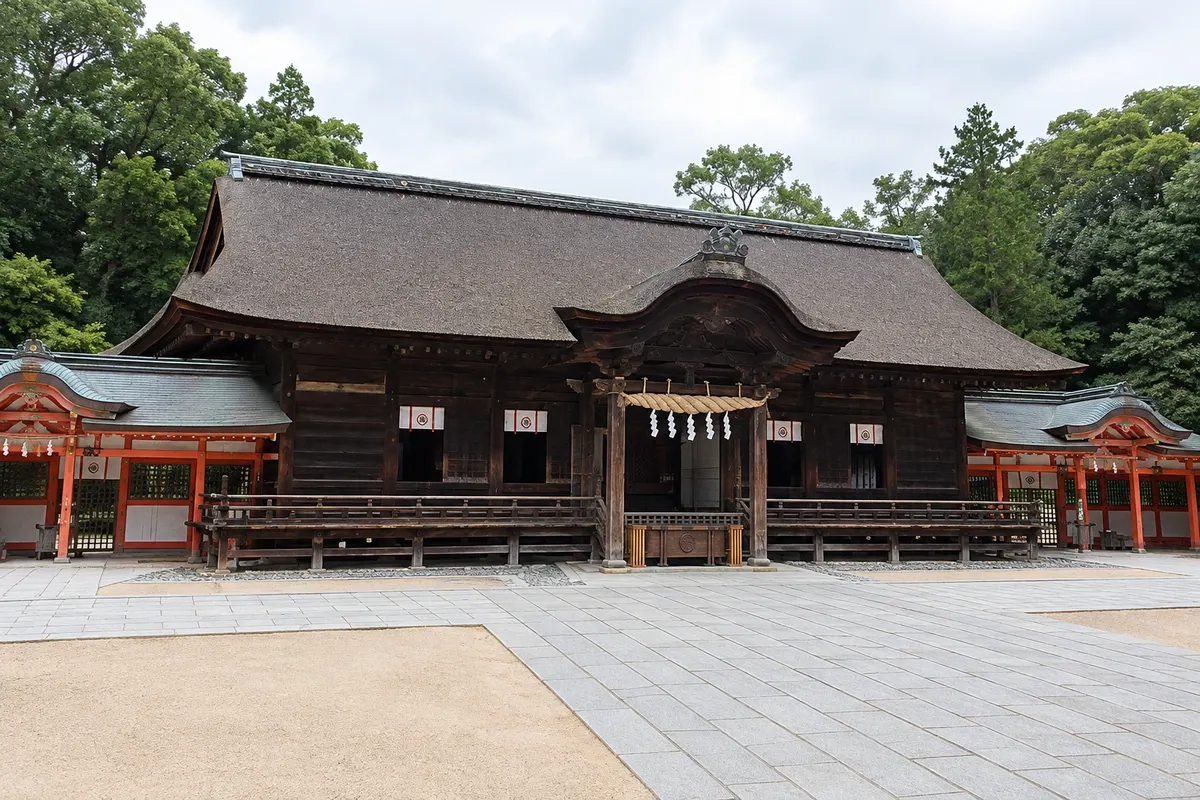
About 40 km to the north, Imabari is the starting — or ending — point of the Shimanami Kaido, the road that links Shikoku to Onomichi in Hiroshima, crossing six islands of the Inland Sea via seven large bridges. Alongside the highway there is a roughly 70 km cycle route, marked by a blue line, which has become one of Japan’s best-known bike routes. On the islands there are beaches, citrus orchards, the Oyamazumi shrine and the history of the Murakami pirates.
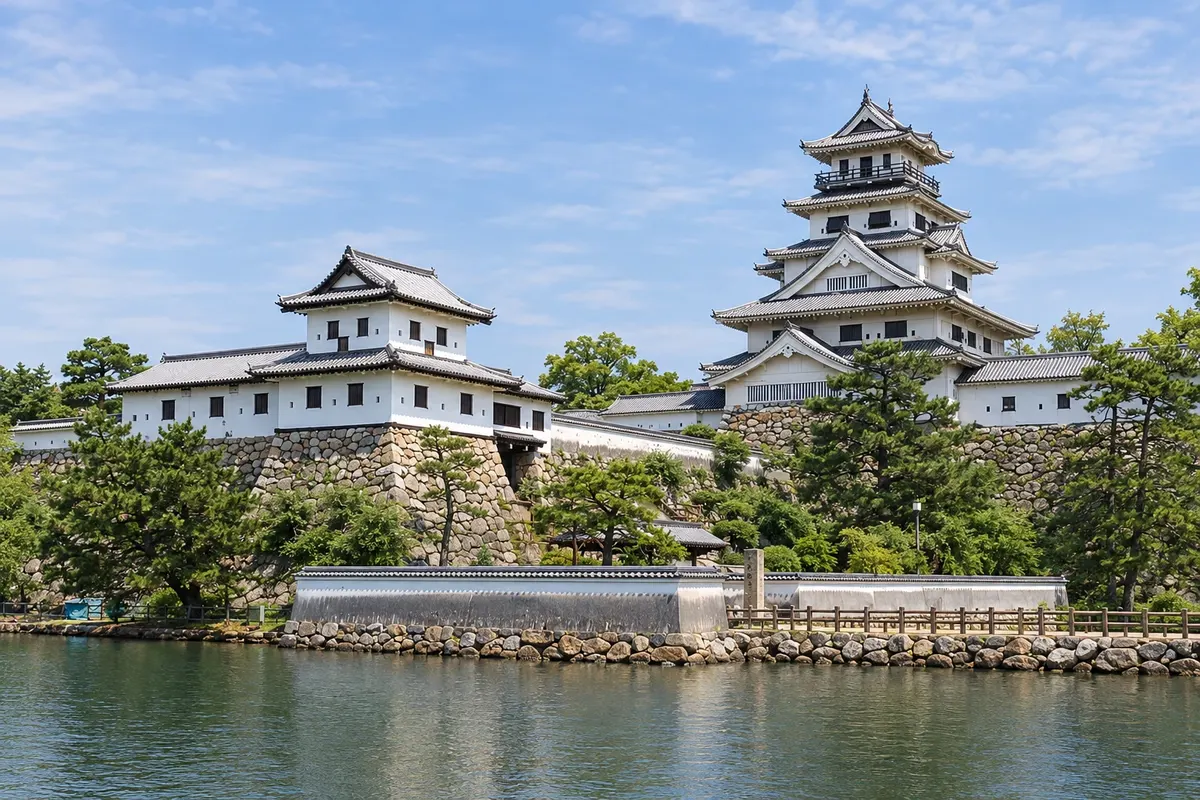
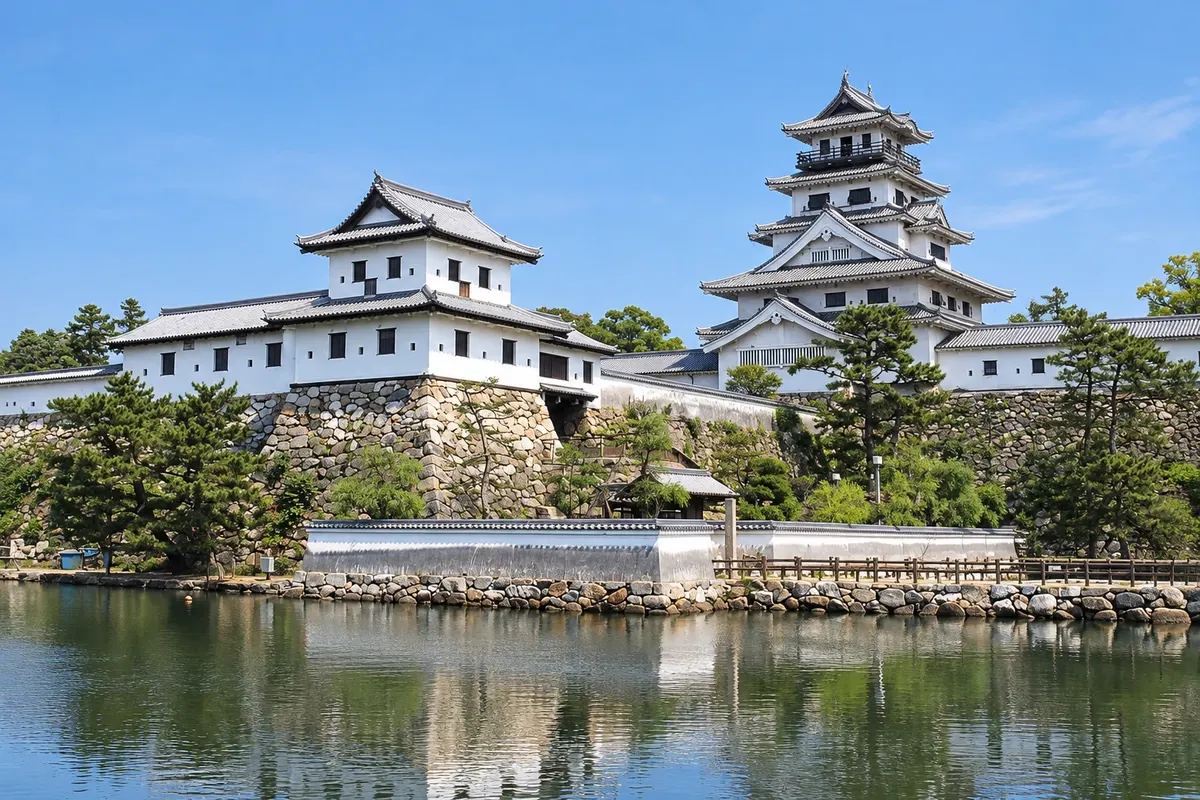
Imabari also has a seaside castle with saltwater moats and is known for its cotton towels and teppanyaki-grilled chicken. The destination thus combines two trips: the hot-spring city and the island crossing.
This destination brings together 2 cities: Matsuyama, Imabari.


 Brazil
 Antarctica
 Argentina
 Bolivia
 Chile
 Colombia
 Ecuador
 Guyana
 French Guiana
 Falkland Islands (Malvinas)
 Paraguay
 Peru
 Suriname
 Uruguay
 Venezuela
 Germany
 Austria
 Belgium
 Croatia
 Denmark
 Slovakia
 Slovenia
 Spain
 Finland
 France
 Greece
 the Netherlands
 Hungary
 Ireland
 Iceland
 Italy
 Luxembourg
 Norway
 Poland
 Portugal
 the United Kingdom
 the Czech Republic
 Sweden
 Switzerland
 Turkey
 Bermuda
 Canada
 the United States
 Greenland
 Mexico
 Saint Pierre and Miquelon
 the Dominican Republic
 South Africa
 Egypt
 Australia
 Fiji
 New Zealand
 Papua New Guinea