Ise-Shima (Ise; Toba)

Mie · Japan

Ise-Shima (Ise; Toba)

The Ise shrine, the most sacred of Shinto, rebuilt every 20 years; the married rocks of Meoto Iwa; and Toba Bay, where cultured pearls were born.

Kansai

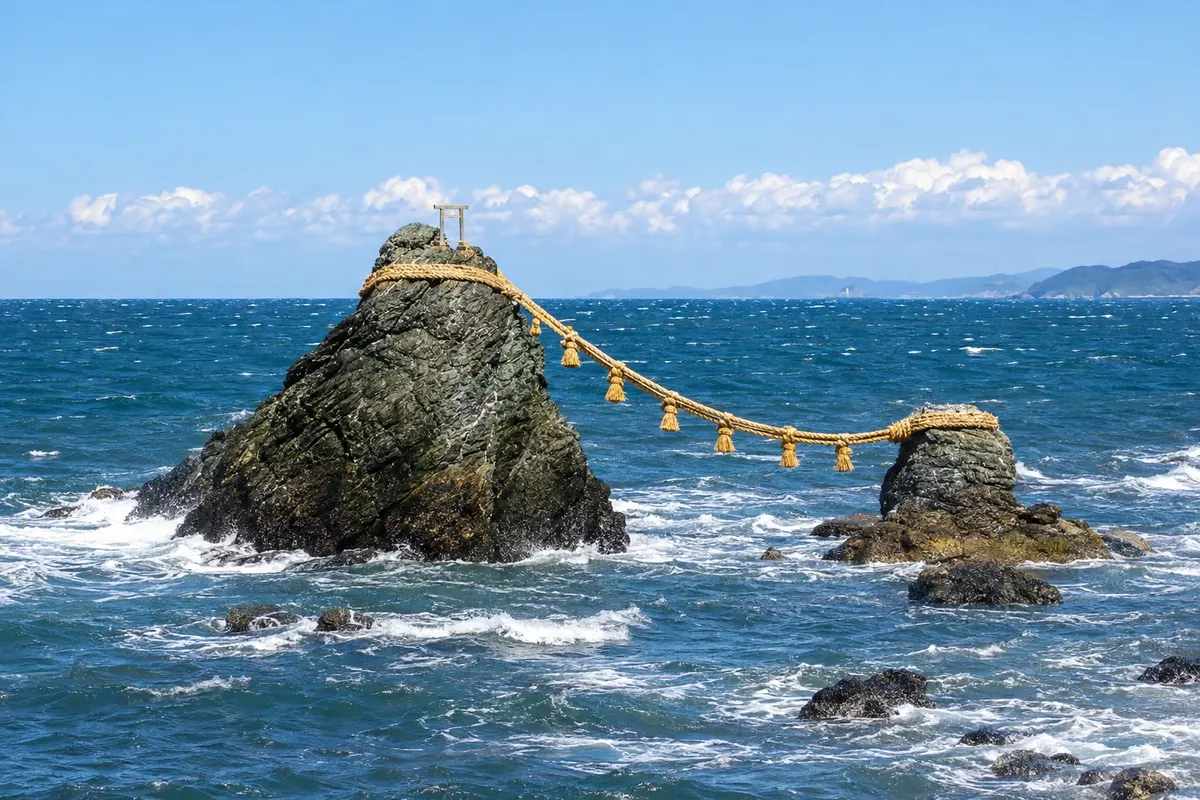
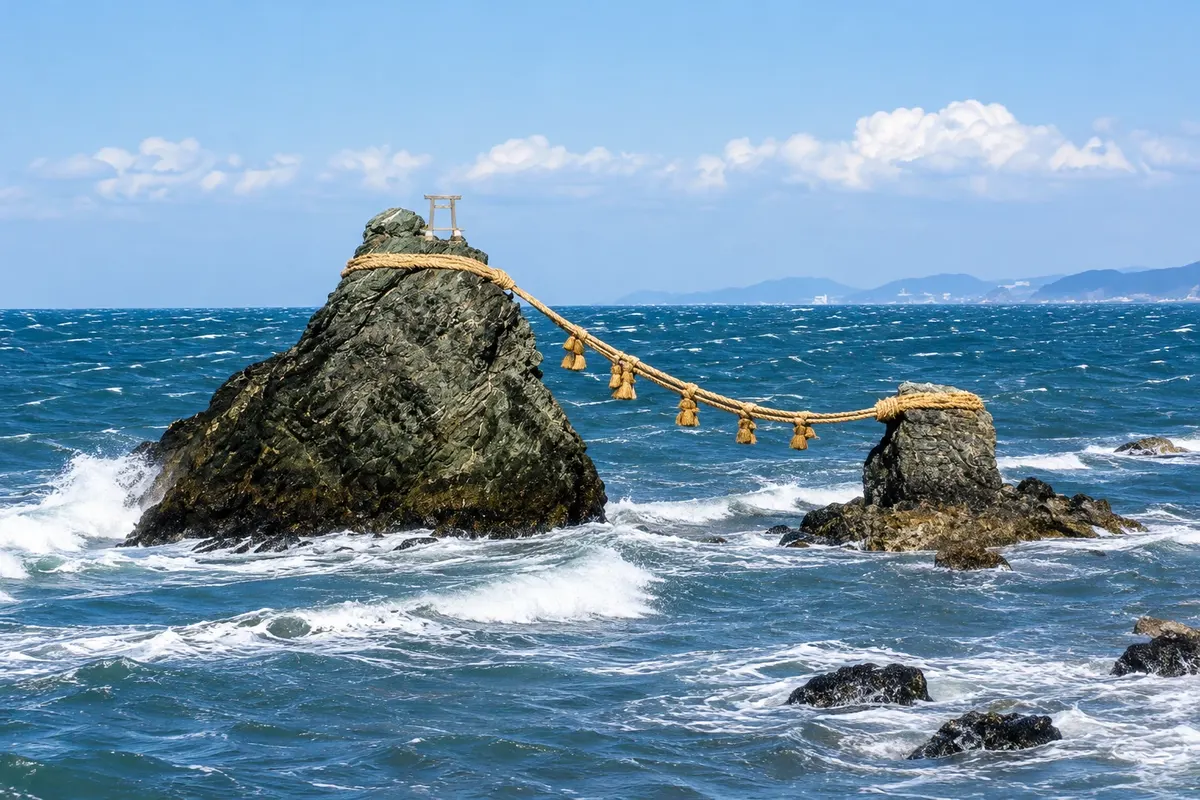
In the photo: Meoto Iwa rock formations joined by a straw rope, in Ise-Shima.

Illustrative images. The pictures in this guide are illustrations based on the real place, not photographs, and may differ from it.

Get to know the place

A region to enjoy
at your own pace.

Ise-Shima is the region of the Shima Peninsula and the city of Ise, on the east of Mie Prefecture, facing the Pacific Ocean. The center of the visit is Ise Jingu, the Ise shrine, the most sacred place in Shinto, dedicated to the sun goddess Amaterasu, the mythical ancestor of the imperial family. Since the Middle Ages, Japanese people from across the country have made pilgrimages to Ise, and the streets around the shrine developed to serve those pilgrims.

Ise Jingu is made up of 125 shrines, but visits focus on two: the Outer Shrine, Geku, near Ise-shi Station, and the Inner Shrine, Naiku, about 6 km away, set among cedar forests and the Isuzu River. The main buildings are rebuilt from scratch every 20 years in a rite called Shikinen Sengu, using the same techniques and cypress wood, a practice maintained for more than 1,300 years. In front of Naiku, the streets Oharai-machi and Okage Yokocho recreate the pilgrims’ town.

On the coast, in Futami, the married rocks of Meoto Iwa, joined by a sacred rope, sit facing the sea. Toba, about 15 km away, is the bay town where Kokichi Mikimoto produced the first cultured pearl at the end of the 19th century, and it is home to the ama, the female freedivers who collect seafood by breath-hold—an over-two-thousand-year tradition. Further south, Ago Bay, with pearl farms and islands, is part of Ise-Shima National Park.

The cuisine is seafood-based: lobster, abalone, Matoya oysters and tekone-zushi, sushi made with marinated bonito, plus Ise udon, thick soft noodles.

This destination brings together 2 cities: Ise, Toba.

Share: WhatsApp
Traveler, share your experiences through photos Up to 5 photos of each place you visited.

One destination, many paths

The cities on this trip

Start with one city or combine several in your itinerary.

Where Ise-Shima (Ise; Toba) is
TobaIse

Dados cartográficos: © OpenStreetMap contributors, via Wambacher / geoBoundaries (ODbL 1.0). Adapted by Cidade Turismo.

How to get there: Ise-Shima (Ise; Toba)

✈ Aeroporto Internacional Chubu Centrair (NGO), in Tokoname · 140 km to Ise

From Nagoya, Kintetsu express trains reach Ise-shi and Ujiyamada in about 1h20 to 1h30; from Osaka (Namba or Uehonmachi), in about 1h45 to 2 hours; from Kyoto, in about 2 hours. The nearest airport is Chubu Centrair (NGO), near Nagoya. Toba is about 15 minutes by train from Ise-shi.

Suggested arrival point: Ise

The local experience

Things to do in Ise-Shima (Ise; Toba)

Mikimoto Pearl Island
Toba · Mie · Museum

Mikimoto Pearl Island

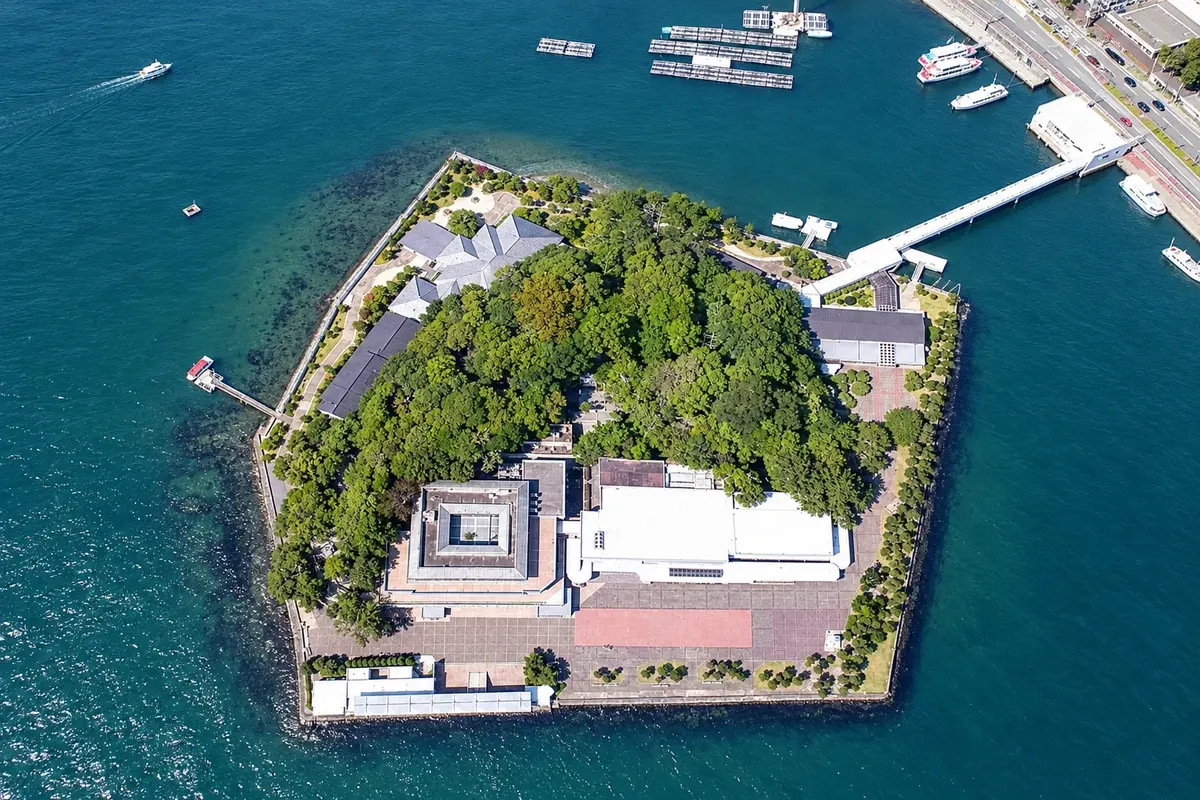
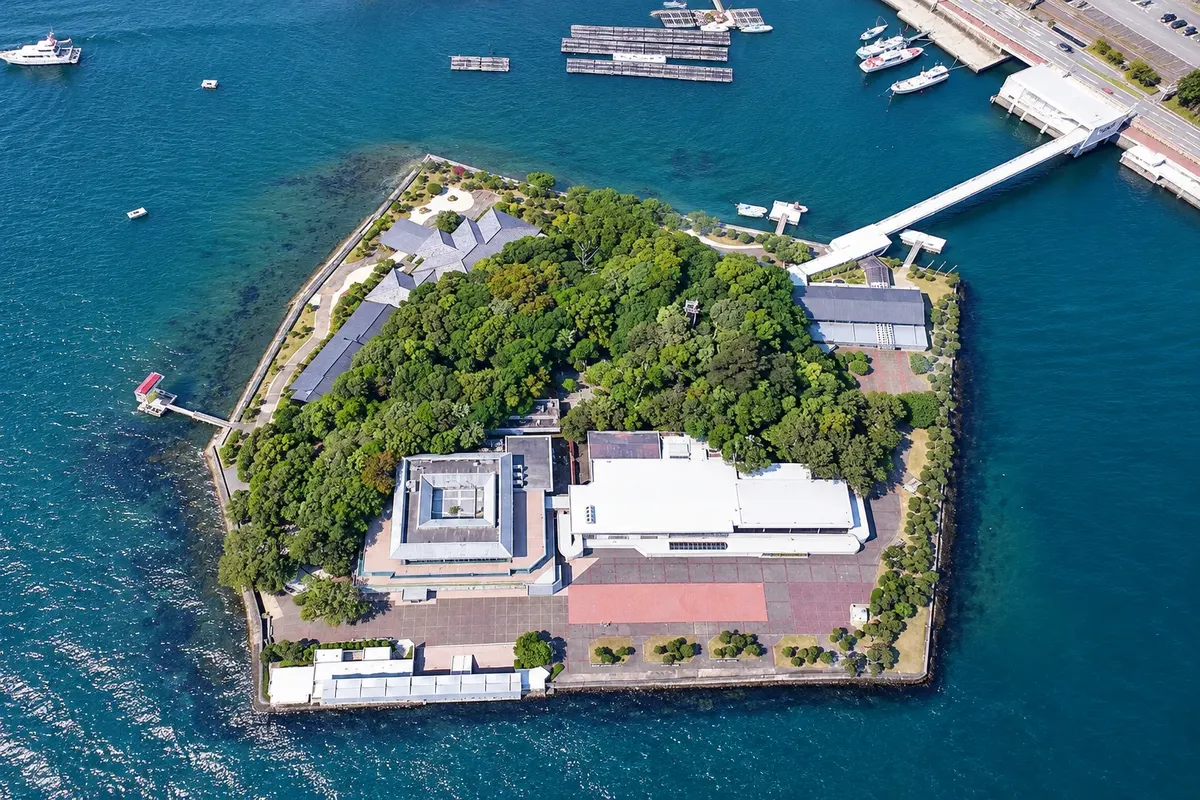
Small island in Toba Bay, connected by a bridge, where Kokichi Mikimoto produced the first cultured pearl in 1893. It has a museum about pearl cultivation and jewelry and ama diving demonstrations.

Naikū (Inner Ise Shrine)
Ise · Mie · Shrine

Naikū (Inner Ise Shrine)

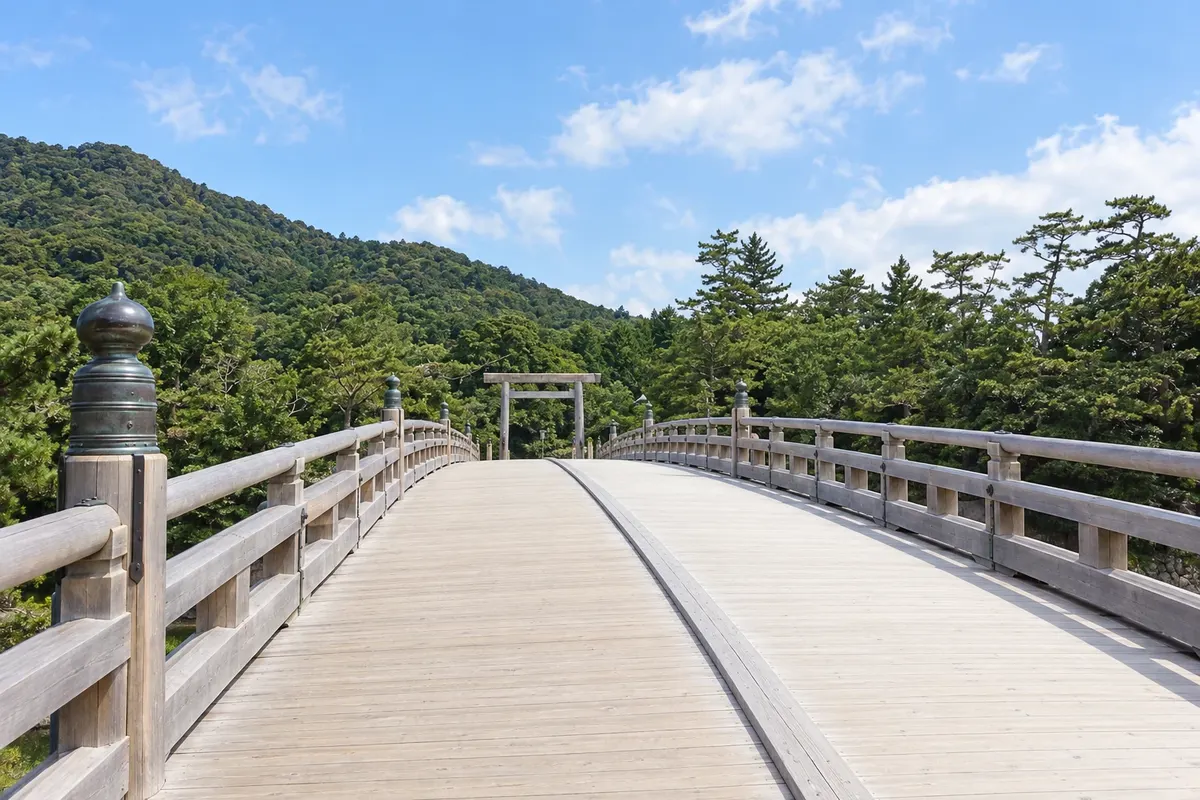
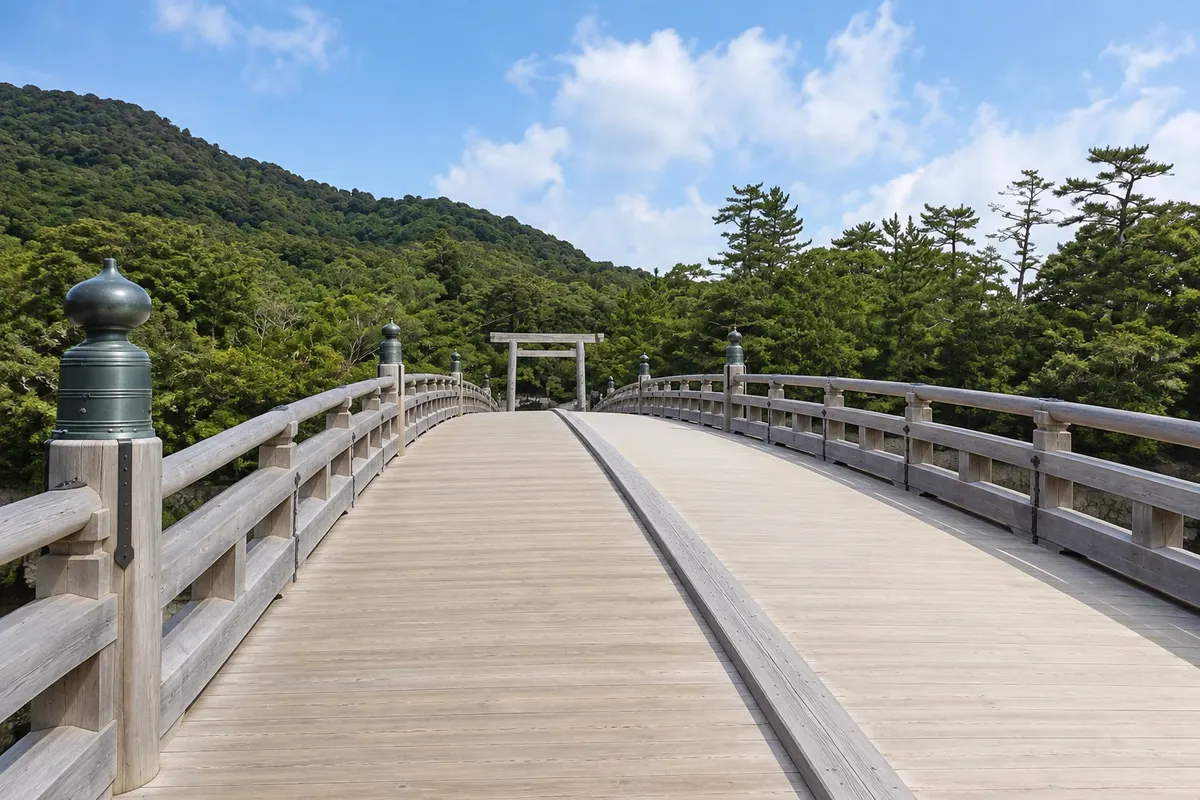
The main shrine of Ise Jingu, dedicated to the sun goddess Amaterasu, set in a cedar forest beside the Isuzu River. You reach it via Uji Bridge; in front of it are the pilgrims’ streets Oharai-machi and Okage Yokocho.

Toba Sea-Folk Museum
Toba · Mie · Museum

Toba Sea-Folk Museum

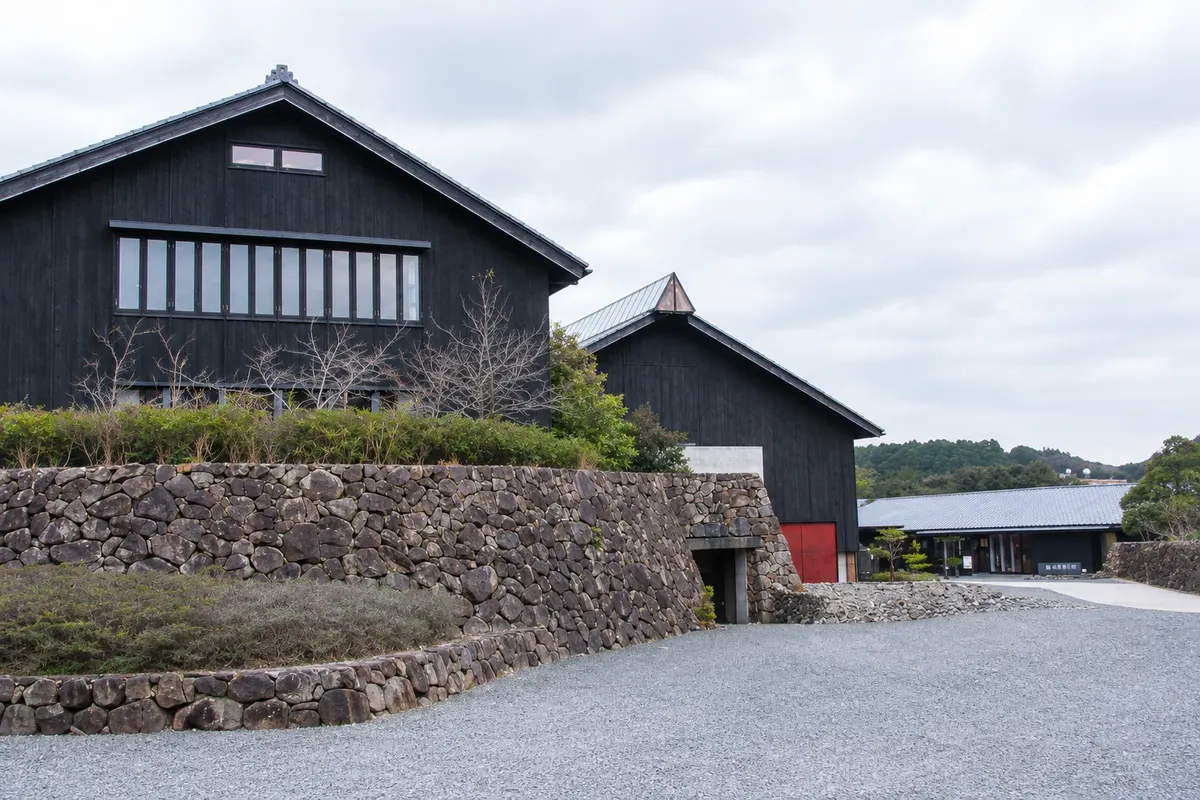
Museum of fishing culture and the ama of Ise‑Shima, in wooden buildings designed by Hiroshi Naito, with a large collection of wooden boats and fishing objects designated important cultural folk properties.

Gekū (Outer Ise Shrine)
Ise · Mie · Shrine

Gekū (Outer Ise Shrine)

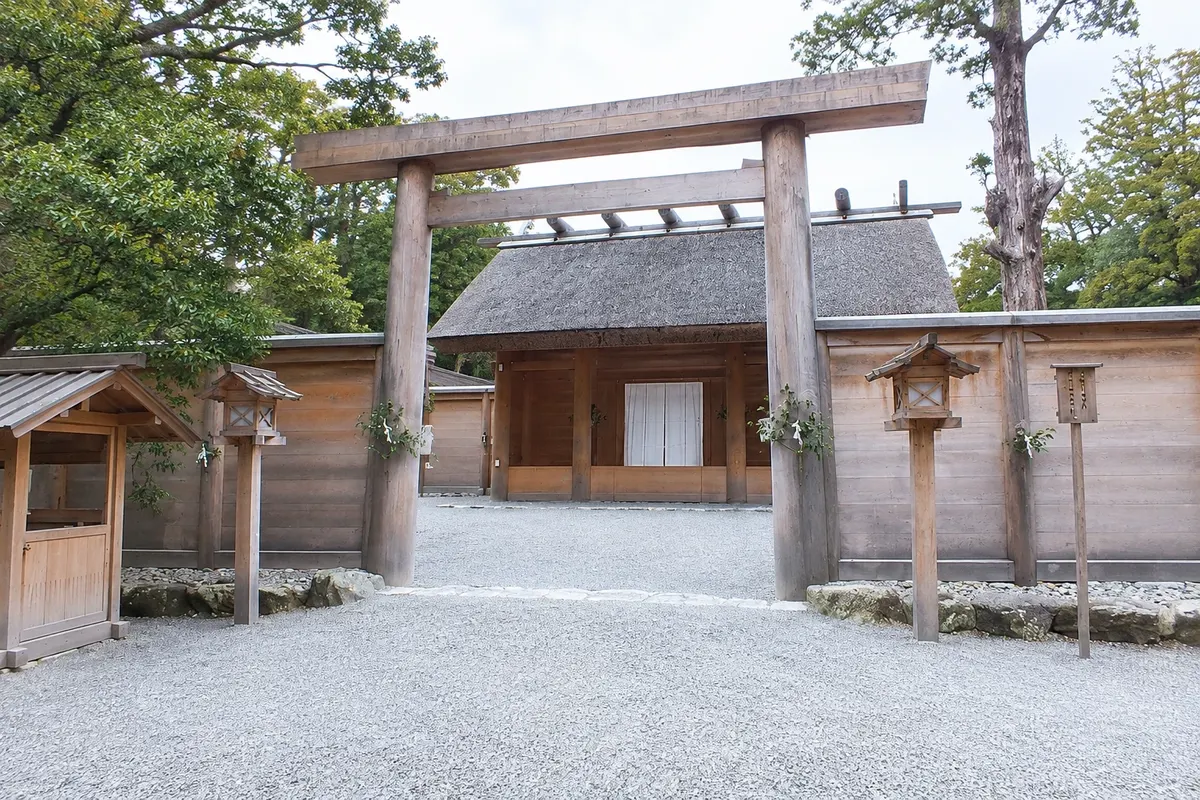
The Outer Shrine of Ise Jingu, dedicated to the goddess Toyouke, who provides the offerings to Amaterasu, set in a forest near Ise-shi station. Next door, the Sengukan museum explains the reconstruction ritual held every 20 years.

See 1 more place in Ise-Shima (Ise; Toba)
Meoto Iwa (Wedded Rocks)
Ise · Mie · Natural attraction

Meoto Iwa (Wedded Rocks)

Two rocks in the sea at Futami, one large and one small, joined by a sacred rice-straw rope in front of Futami Okitama Shrine. Between May and July the sun often rises between them.

Before you go

Practical information

A little planning leaves more time to enjoy the journey.

When to go

All year. Spring (March to May) and autumn (October to November) offer mild weather for walking among the shrines. Summer is hot and humid, with typhoons more frequent from August to October. Winter is mild with clear days; at New Year the shrine receives crowds.

The seasons shown are the most usual ones; nature doesn't always follow the calendar.

How many days to stay

Two days: Geku, Naiku and Oharai-machi on the first day; Meoto Iwa and Toba on the second. With only one day, visit the two shrines and Oharai-machi starting from Nagoya or Osaka.

Which city to stay in

The area around Ise-shi Station, near Geku, is convenient for train and bus access. Futami has traditional seaside inns close to Meoto Iwa. Toba offers onsen hotels with bay views and suits those seeking seafood and the coast. In Ago Bay, farther south, there are island resorts.

Respect the place

Take your trash with you, follow the signs and support local businesses. In natural areas, follow the visiting guidelines.

Get your questions answered

Frequently asked questions about Ise-Shima (Ise; Toba)

In what order should you visit the Ise shrine?

Tradition is to start at the Outer Shrine, Geku, and then go to the Inner Shrine, Naiku. The two are about 6 km apart, connected by buses that take around 15–20 minutes.

Can you do Ise as a day trip from Nagoya or Osaka?

Yes. From Nagoya the train takes about 1h20 to 1h30; from Osaka about 1h45 to 2 hours. One day is enough for the two shrines and Oharai-machi.

Do I need a car in Ise-Shima?

No. Trains connect Ise-shi, Futami and Toba, and buses link the shrines and Toba points. A car helps for exploring Ago Bay and the beaches of Shima.

What is the Shikinen Sengu?

The rite in which the main buildings of Ise Shrine are rebuilt from scratch every 20 years on an adjacent site, and the deities are transferred to the new shrine. It has been kept up for more than 1,300 years.

Explore other destinations Search by state and city

Beyond the guide