Hiroshima and Miyajima

Hiroshima · Japan

Hiroshima and Miyajima

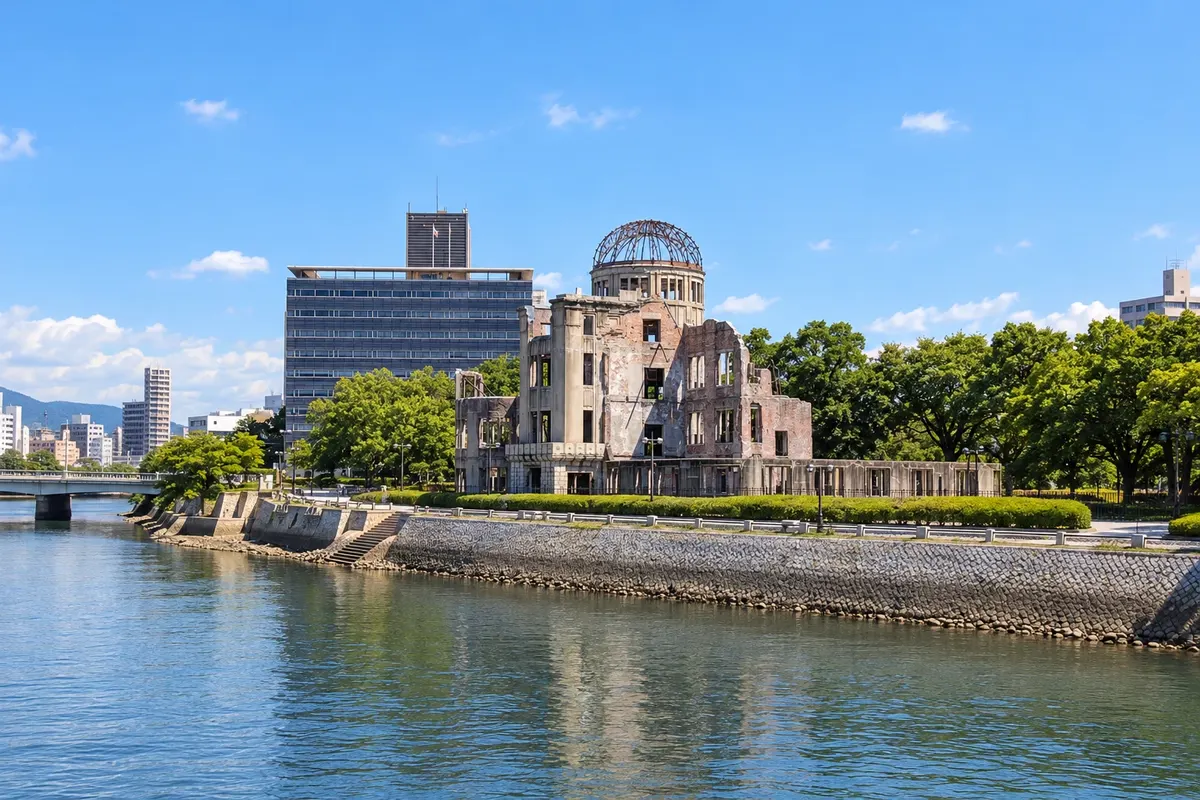
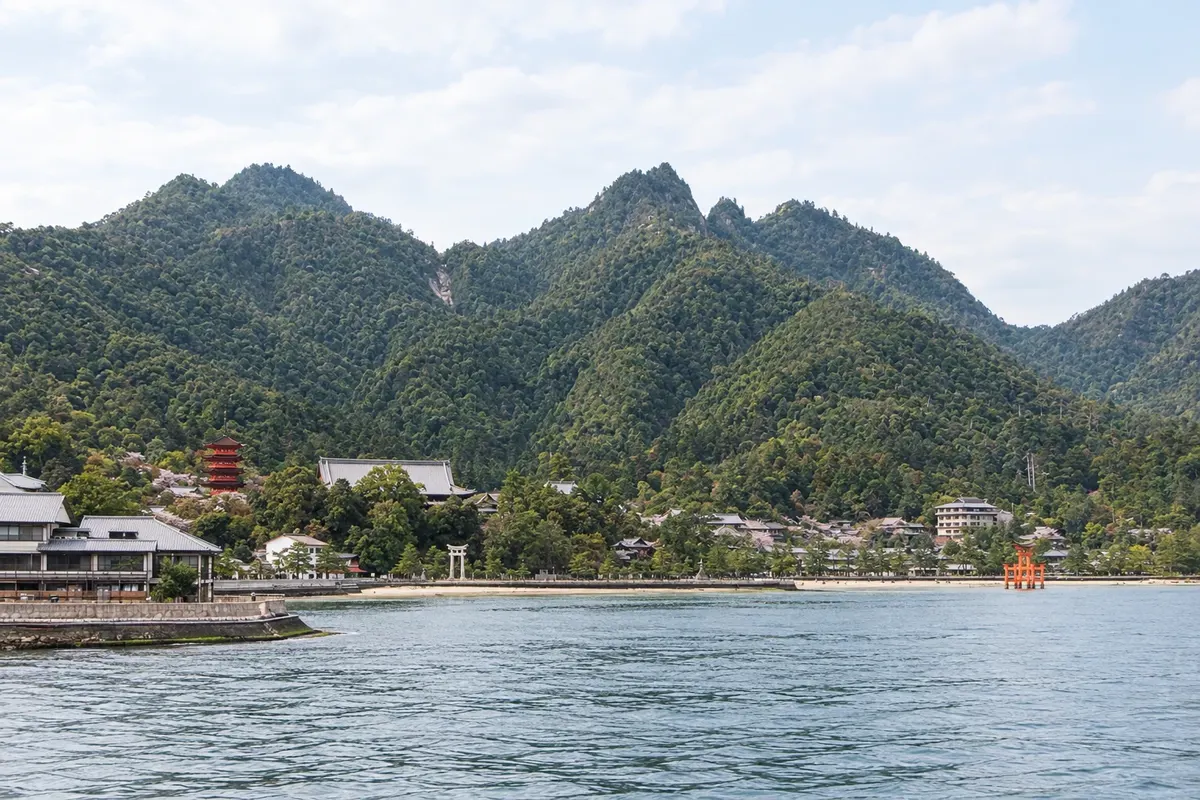
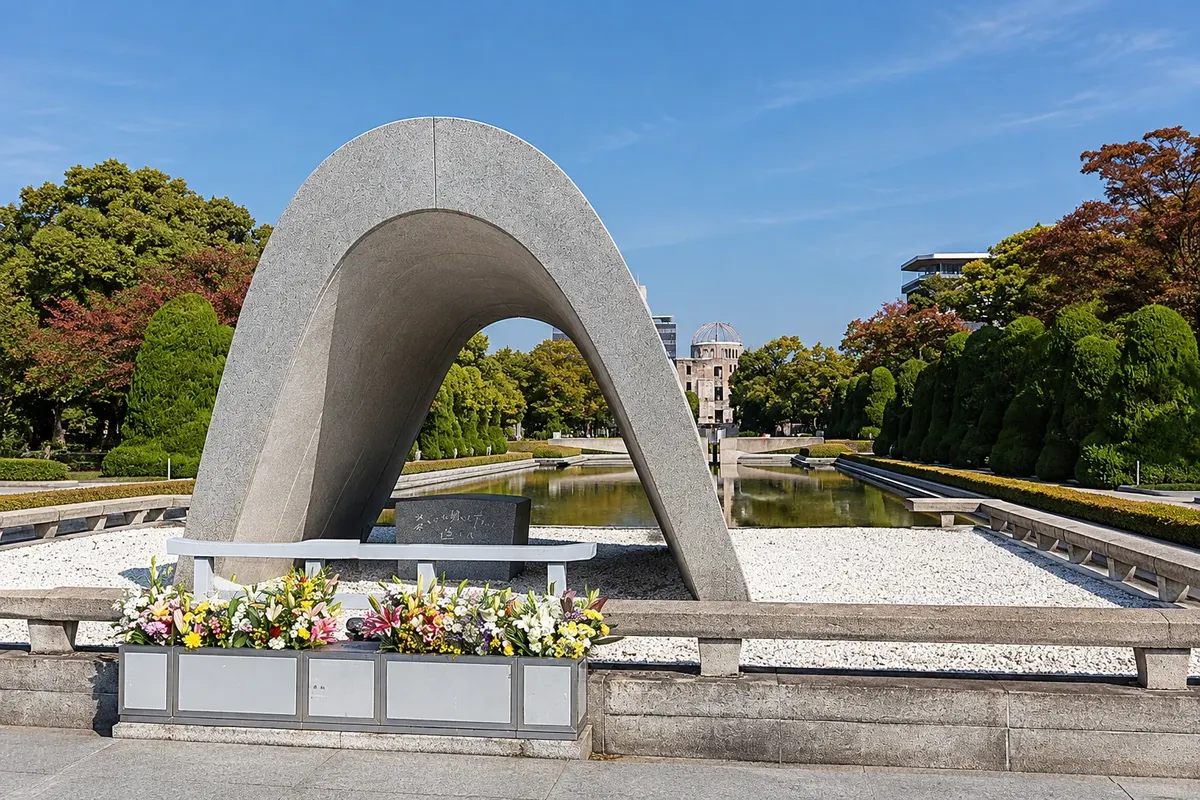
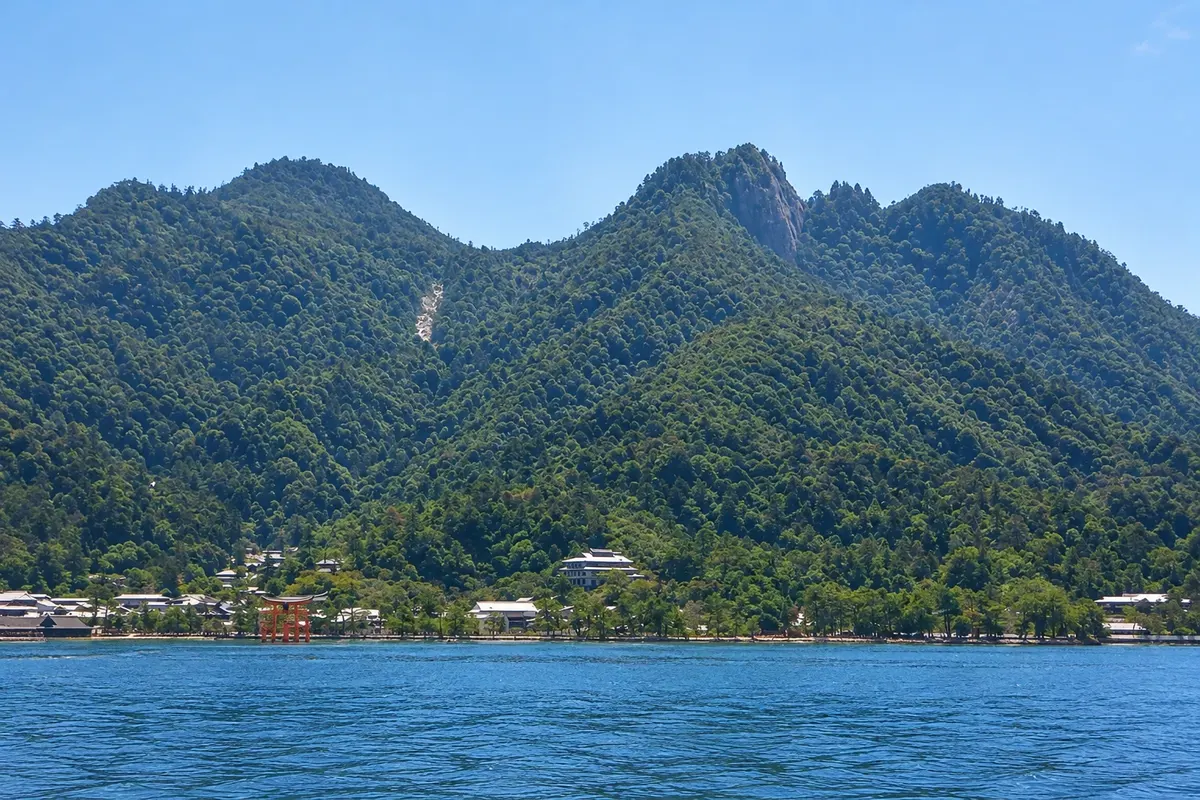
The Peace Memorial Park and the Atomic Bomb Dome in Hiroshima, and the Itsukushima shrine with its torii in the sea on Miyajima Island: two World Heritage sites less than an hour apart.

Chugoku

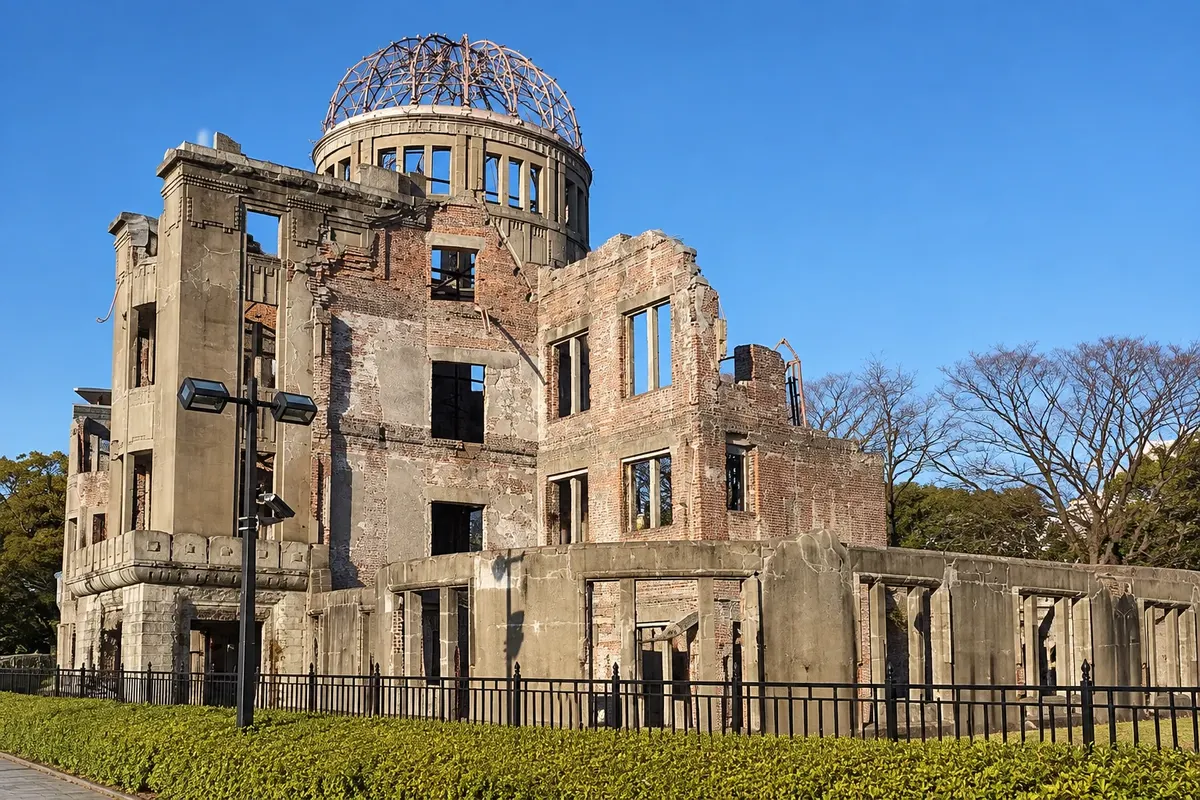
In the photo: Motoyasu River and the Atomic Bomb Dome, in Hiroshima.

Illustrative images. The pictures in this guide are illustrations based on the real place, not photographs, and may differ from it.

Get to know the place

A region to enjoy
at your own pace.

Hiroshima is the largest city in the Chugoku region, built on the delta of the Ota River on the Seto Inland Sea. It was founded at the end of the 16th century as a castle town and grew as a military and industrial center. On August 6, 1945, it was the first city struck by an atomic bomb, which destroyed the city center and killed tens of thousands of people that day and many more in the months and years that followed.

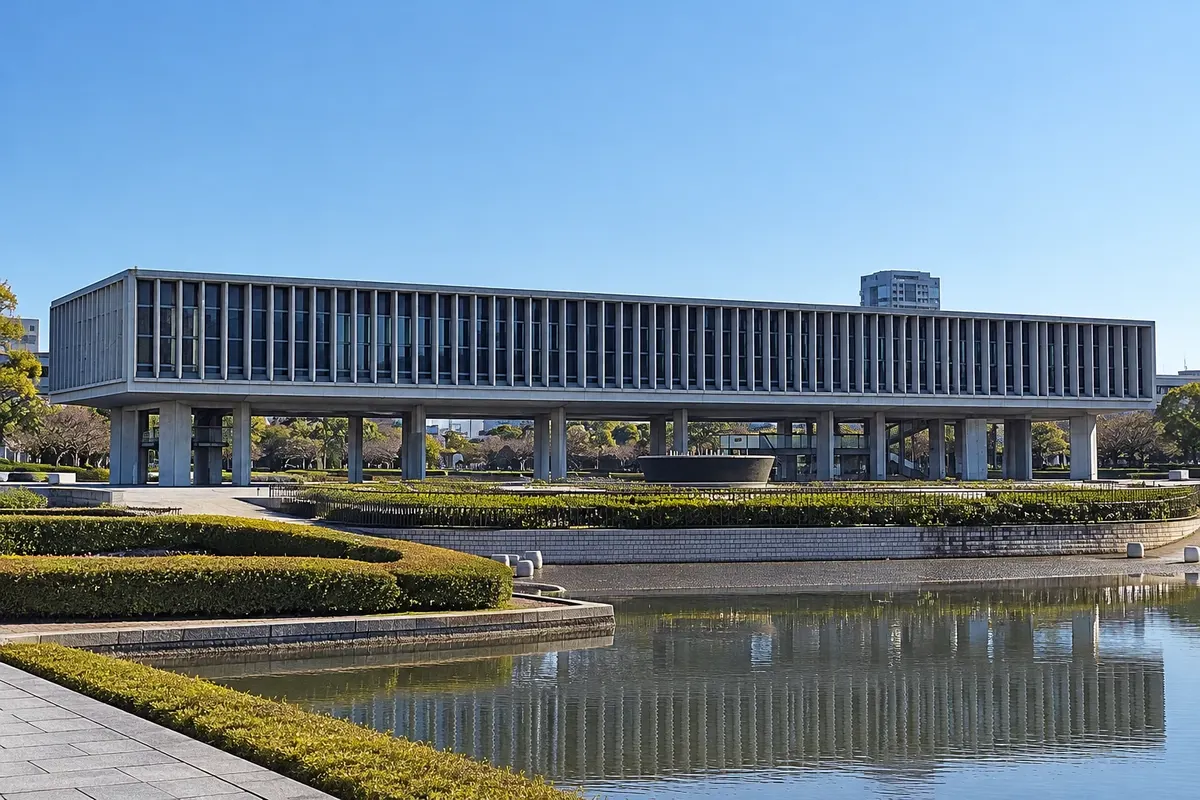
The city was rebuilt and dedicated the former center to memory and peace. The Peace Memorial Park occupies the island between two branches of the river, with the museum, the cenotaph, the flame, and dozens of monuments, and, across the water, the Atomic Bomb Dome, preserved in ruins, is a World Heritage site. Beyond that area, Hiroshima is a modern city with streetcars, rivers, the Shukkei-en garden, and the reputation for layered okonomiyaki with noodles.

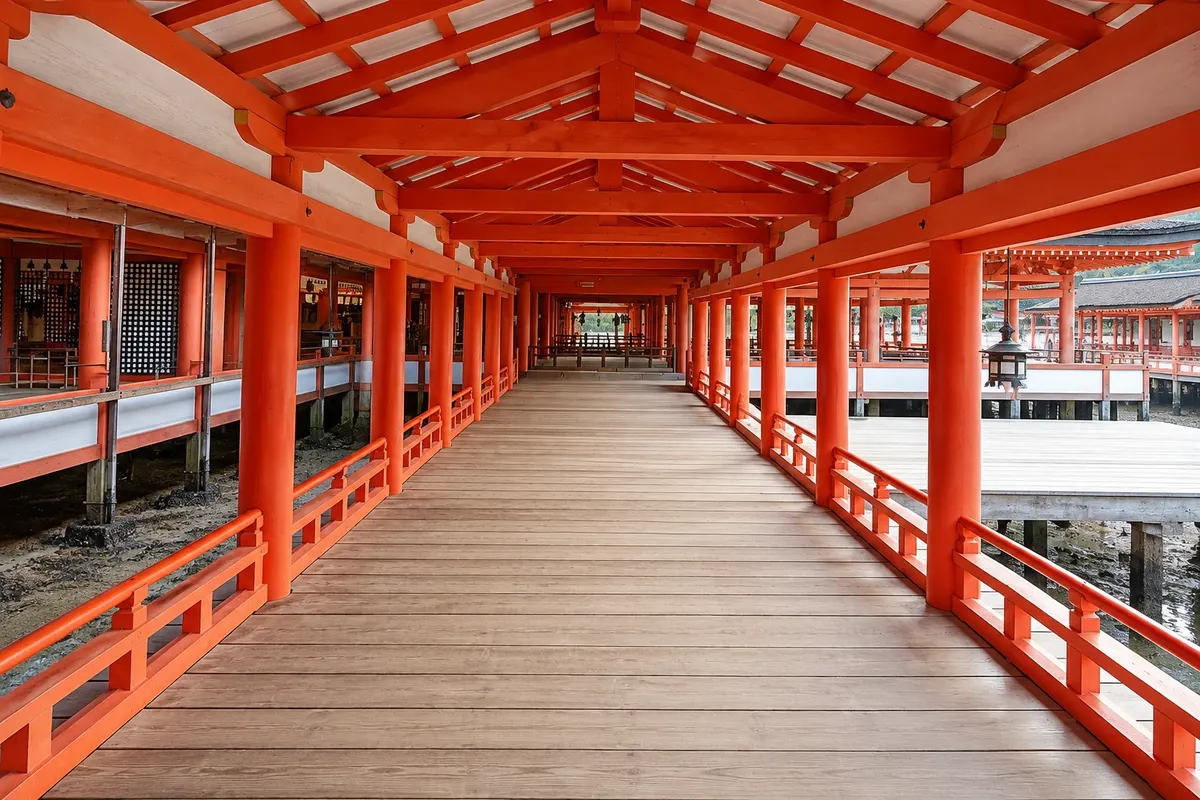
About 20 km to the southwest, the island of Itsukushima, commonly called Miyajima, the “shrine island,” has been considered sacred for more than a thousand years. The Itsukushima Shrine was built over the tidal area, and the large red torii stands in the water at high tide and on dry land at low tide. It is also a World Heritage site.

On Miyajima, deer roam the streets, Omotesando Street sells maple-leaf-shaped sweets and grilled oysters, and Mount Misen, covered in forest, has trails and a ropeway up near the summit. Staying overnight on the island lets you see the shrine after the day visitors leave.

This destination brings together 2 cities: Hiroshima, Miyajima.

Share: WhatsApp
Traveler, share your experiences through photos Up to 5 photos of each place you visited.

One destination, many paths

The cities on this trip

Start with one city or combine several in your itinerary.

Where Hiroshima and Miyajima is
MiyajimaHiroshima

Dados cartográficos: © OpenStreetMap contributors, via Wambacher / geoBoundaries (ODbL 1.0). Adapted by Cidade Turismo.

How to get there: Hiroshima and Miyajima

✈ Aeroporto de Hiroshima (HIJ), in Mihara · 50 km to Hiroshima

The Sanyo shinkansen reaches Hiroshima Station in about 1 hour 40 minutes from Kyoto, 1 hour 25 minutes from Shin-Osaka, and about 4 hours from Tokyo. Hiroshima Airport is about 50 km away, with buses to the station. To reach Miyajima, take a train or tram to Miyajimaguchi and a ferry of about 10 minutes.

Suggested arrival point: Hiroshima

The local experience

Things to do in Hiroshima and Miyajima

Hiroshima Peace Memorial Park
Hiroshima · Hiroshima · Park.

Hiroshima Peace Memorial Park

The park in Hiroshima’s former city center, near the bomb’s hypocenter, with the cenotaph, the flame of peace, the Children’s Monument and the museum.

Itsukushima Shrine
Miyajima · Hiroshima · Shrine

Itsukushima Shrine

The shrine of red corridors built over the tidal area of Miyajima Island, with the large torii gate in the sea; a World Heritage site.

Mount Misen
Miyajima · Hiroshima · Mountain.

Mount Misen

Miyajima’s sacred mountain, with primary forest, temples connected to the monk Kukai, giant rocks and viewpoints over the Inland Sea, reachable by ropeway or trail.

Hiroshima Peace Memorial Museum
Hiroshima · Hiroshima · Museum

Hiroshima Peace Memorial Museum

The museum that tells the story of the atomic bombing of Hiroshima with victims’ belongings, photographs and survivors’ testimonies, located in the Peace Memorial Park.

See 3 more places in Hiroshima and Miyajima
Atomic Bomb Dome
Hiroshima · Hiroshima · Monument

Atomic Bomb Dome

The ruin of the former Prefectural Industrial Promotion Hall, which stood near the hypocenter of the 1945 bomb and remained standing; World Heritage Site.

Daishō-in
Miyajima · Hiroshima · Temple

Daishō-in

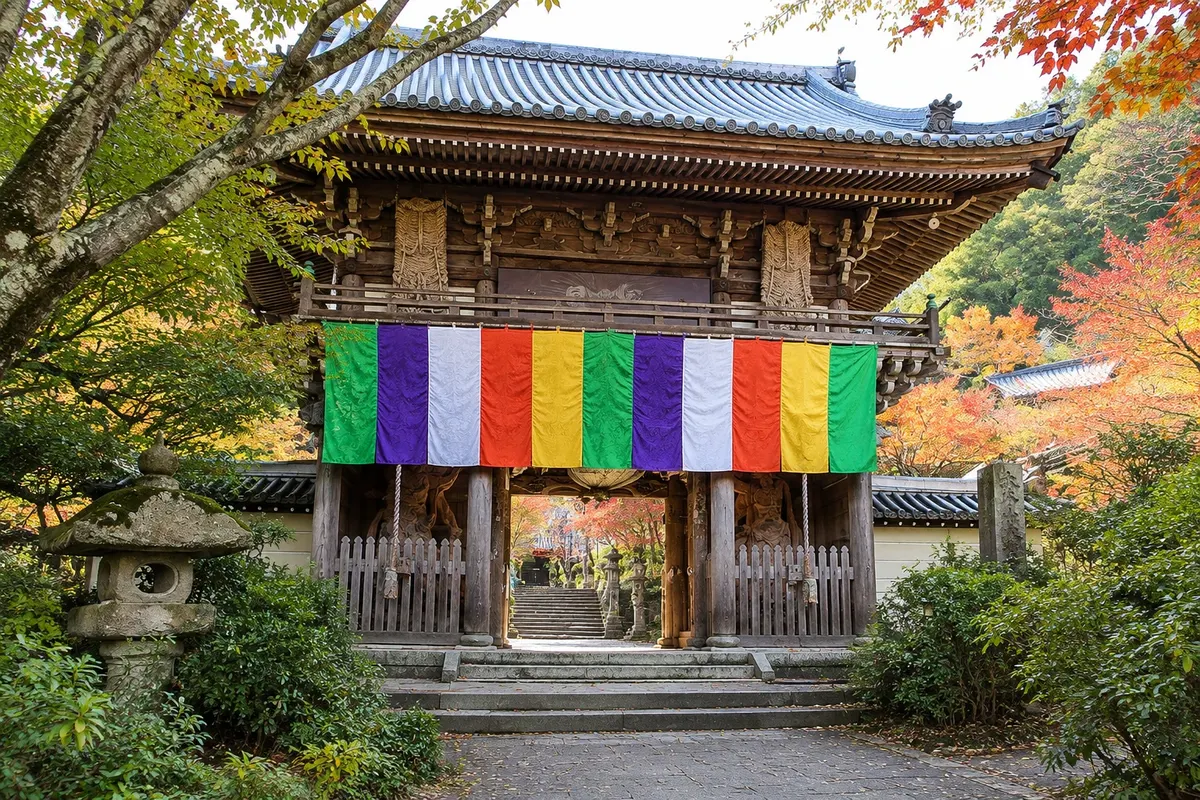
Shingon Buddhist temple at the foot of Mount Misen, with hundreds of statues of the Buddha’s disciples wearing knitted hats, prayer cylinders and a lantern-lit cave.

Shukkeien Garden
Hiroshima · Hiroshima · Garden

Shukkeien Garden

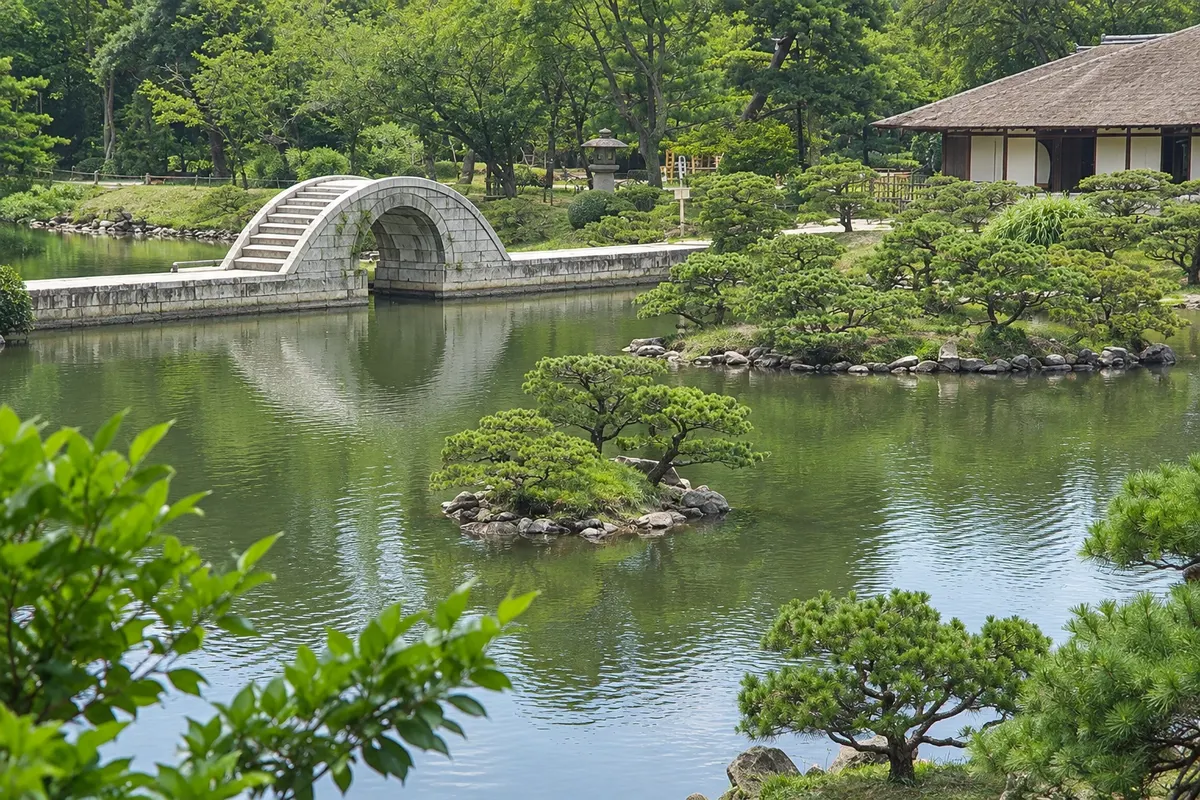
17th-century garden around a pond, with miniature landscapes, bridges, tea houses and paths, near Hiroshima Station.

Before you go

Practical information

A little planning leaves more time to enjoy the journey.

When to go

Spring, from March to May, and autumn, from October to November, with Miyajima’s maples typically peaking around mid-November. June and early July are rainy; summer is hot and humid, and typhoons can occur from August to October. On August 6, Hiroshima holds a memorial ceremony for the victims, with large crowds.

The seasons shown are the most usual ones; nature doesn't always follow the calendar.

How many days to stay

One day in Hiroshima for the park, the museum, and the Dome, and one day in Miyajima for the shrine and Mount Misen. With an overnight on the island, you can see the torii at both high and low tide and the shrine illuminated. Some people do both in a single day, but it’s rushed.

Which city to stay in

In Hiroshima, accommodations cluster near the station for train access, or downtown between the Peace Park and the Hondori and Hatchobori streets, where restaurants are. On Miyajima, ryokan are near the shrine and Omotesando Street; the island is peaceful at night. Miyajimaguchi, on the other side of the strait, has lodgings near the ferry terminal.

Respect the place

Take your trash with you, follow the signs and support local businesses. In natural areas, follow the visiting guidelines.

Get your questions answered

Frequently asked questions about Hiroshima and Miyajima

How many days should I stay in Hiroshima and Miyajima?

Two days: one for the Peace Memorial Park, the museum and the Dome, and another for Miyajima. With one night on the island you can see the torii at more than one tide.

How do I get from Hiroshima to Miyajima?

By JR train in about 30 minutes, or by tram in about 1 hour, to Miyajimaguchi, and from there by ferry in about 10 minutes. There are also direct boats from the Peace Park depending on the season.

Can I visit Hiroshima as a day trip from Kyoto or Osaka?

Yes, by shinkansen, which takes about 1 hour 25 minutes to 1 hour 40 minutes, but the day will be packed. To include Miyajima, it’s ideal to spend at least one night in the area.

Do I need a car in Hiroshima?

No. Streetcars, buses and trains cover the city, and Miyajima is explored on foot, with a ropeway to Mount Misen.

When is the high tide at Miyajima’s torii?

Tides change daily. Tide tables are published by Miyajima tourism and by the shrine; check them before you go to see the torii in the water or to walk out to it at low tide.

Explore other destinations Search by state and city

Beyond the guide