Furano and Biei

Hokkaido · Japan

Furano and Biei

Lavender and flower fields, hills planted in bands of color and Shirogane’s Blue Pond in central Hokkaido, with skiing in Furano in winter.

Hokkaido

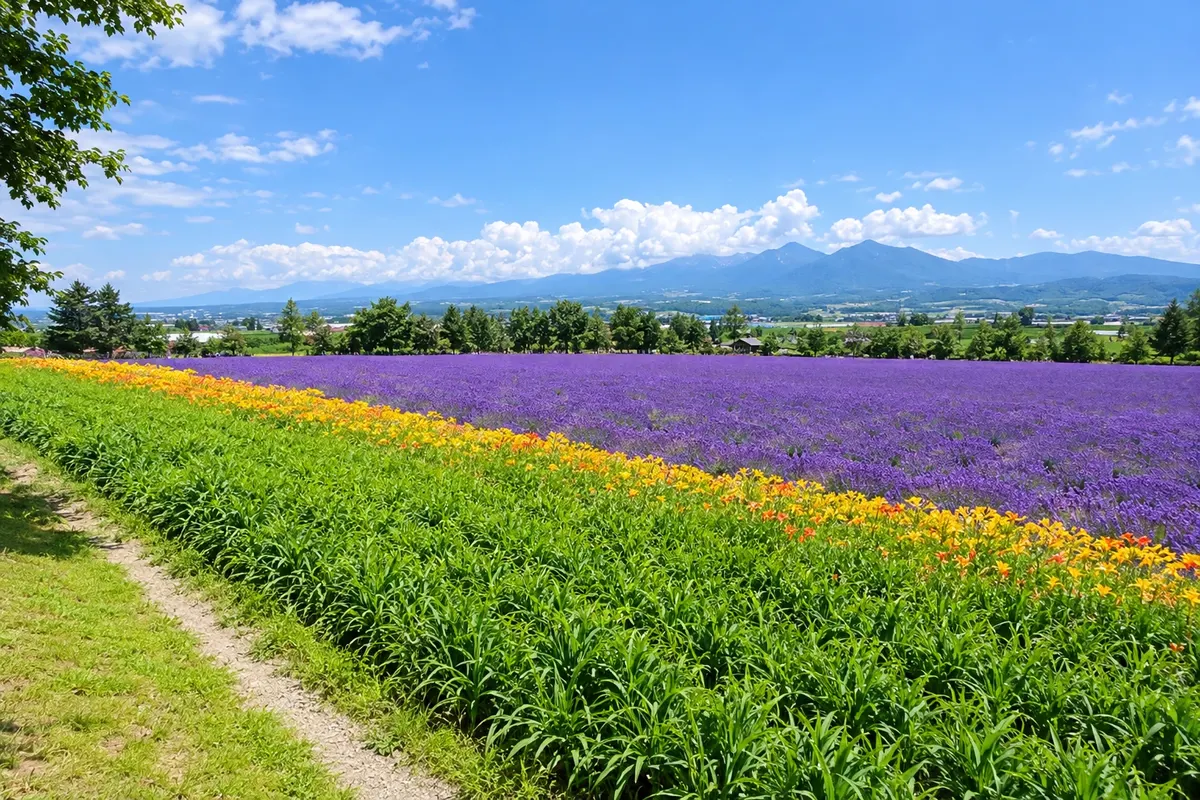
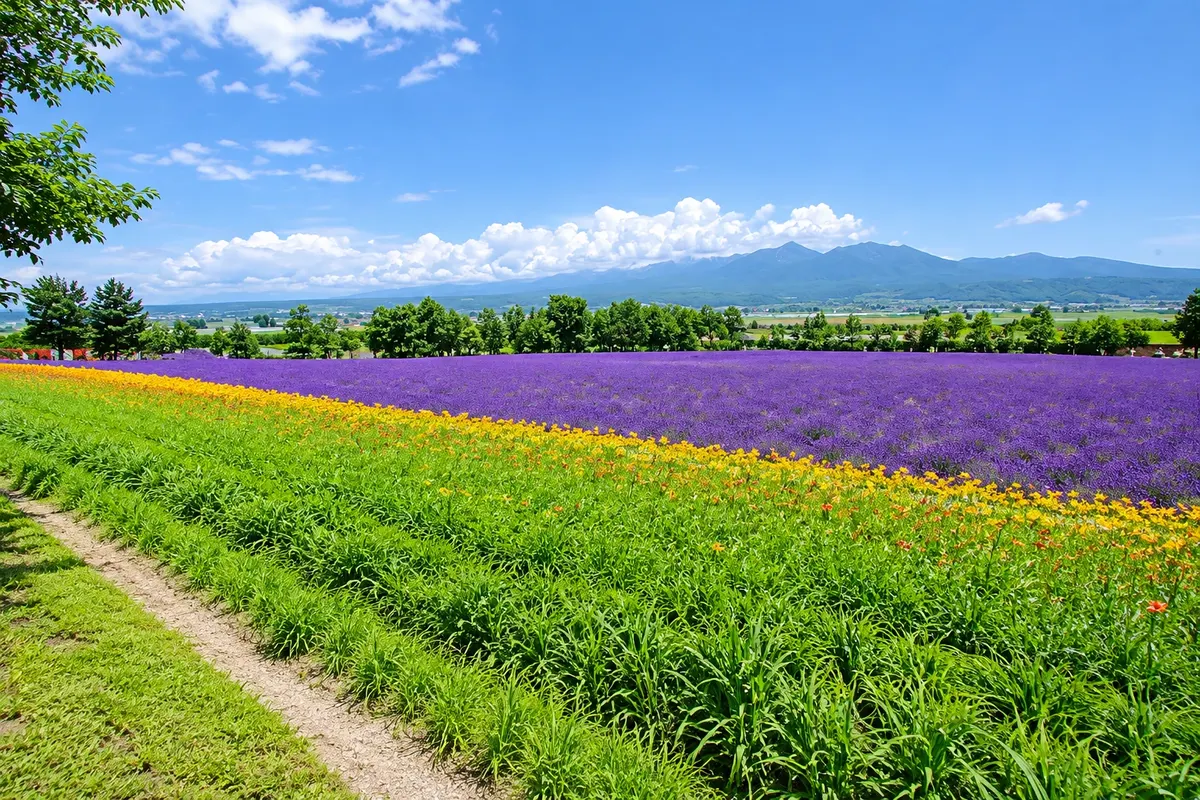
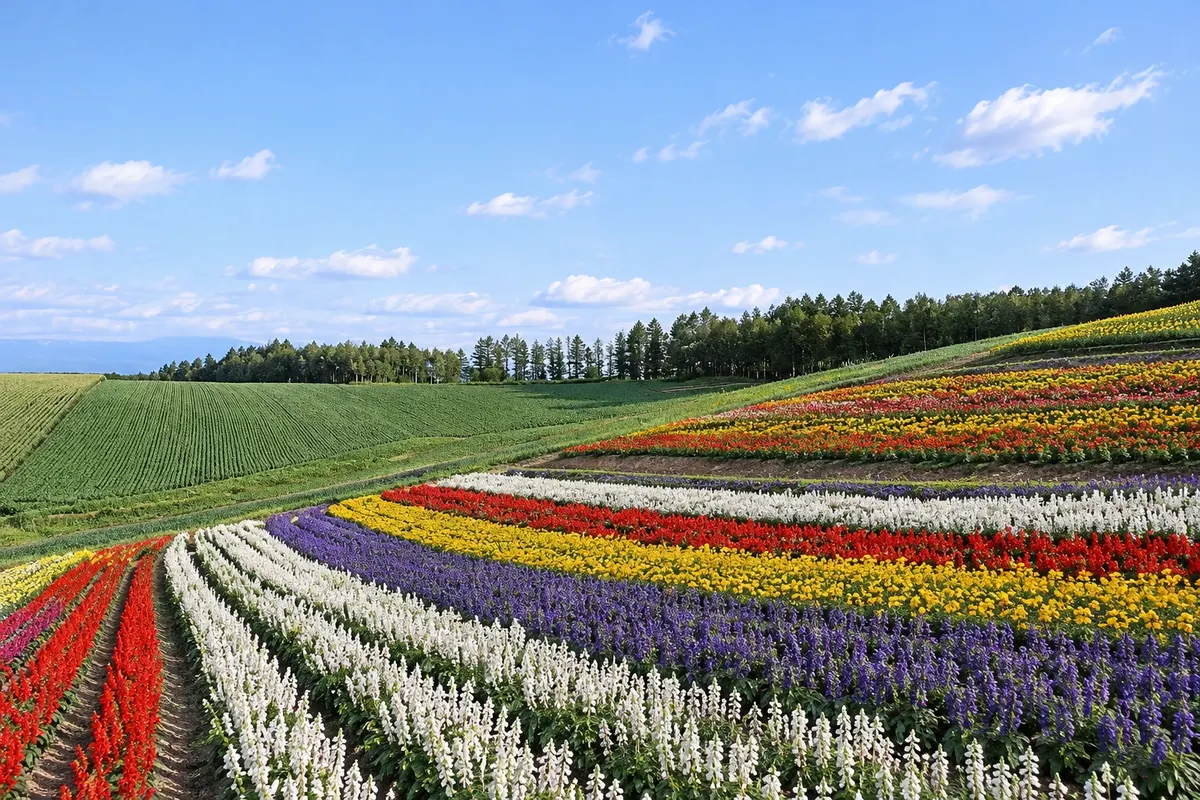
In the photo: Flower fields of Tomita Farm, in the Furano region.

Illustrative images. The pictures in this guide are illustrations based on the real place, not photographs, and may differ from it.

Get to know the place

A region to enjoy
at your own pace.

Furano and Biei are in central Hokkaido, in an agricultural basin between the Tokachi mountains and the Asahikawa plains. The landscape is made of cultivated fields: wheat, potatoes, sugar beet, corn and flowers planted in bands of different colors over gentle hills, with lines of trees and isolated barns. The scenery became famous in Japan through photographs, TV dramas and advertisements, and draws most visitors in summer.

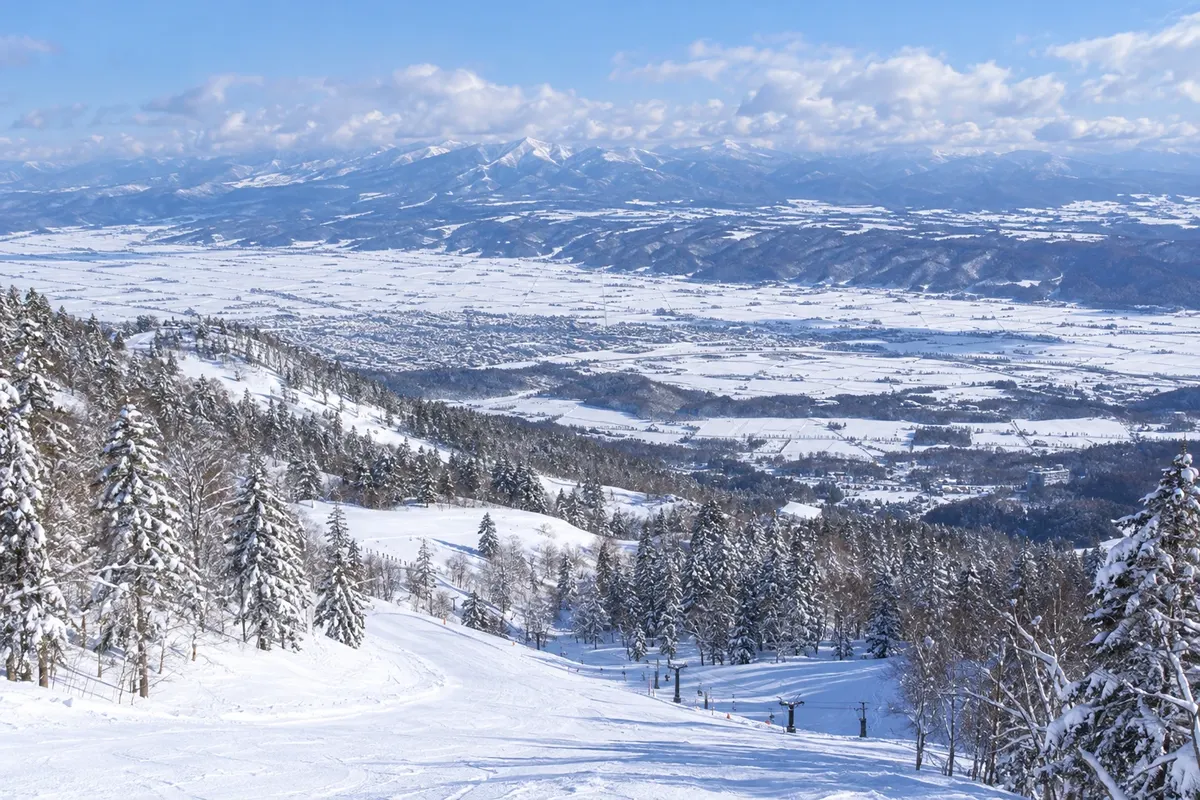
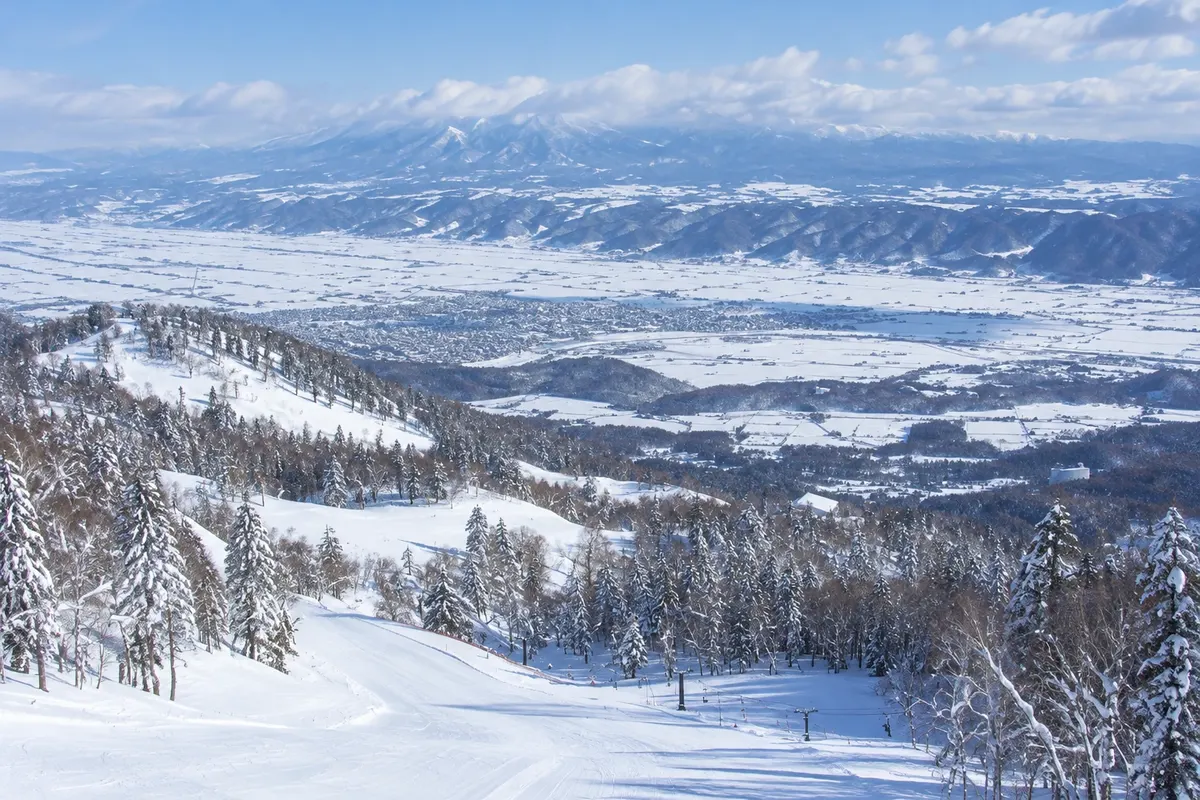
In Furano, lavender began to be planted in the 1950s for the perfume industry. When demand fell, Tomita Farm kept the fields, which became the region’s symbol; blooming usually peaks in July. In winter, Furano turns into a ski town, with dry snow and runs that have hosted World Cup stages.

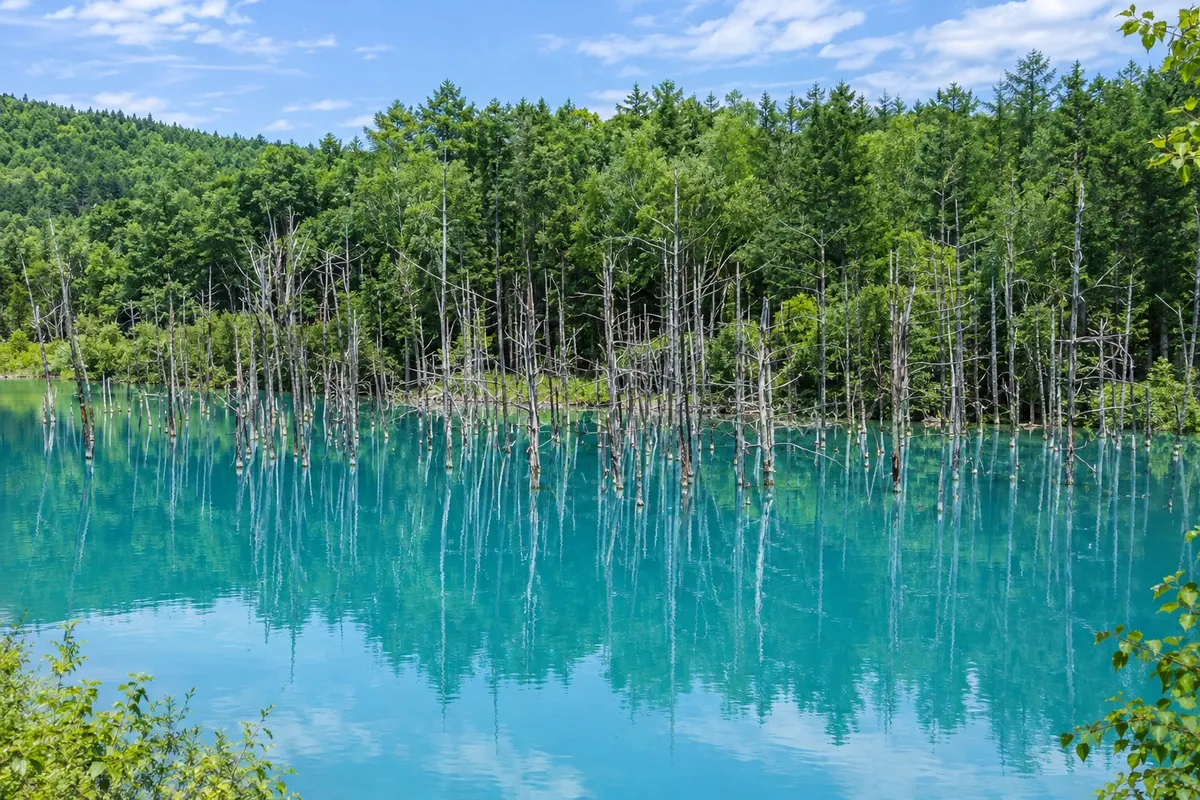
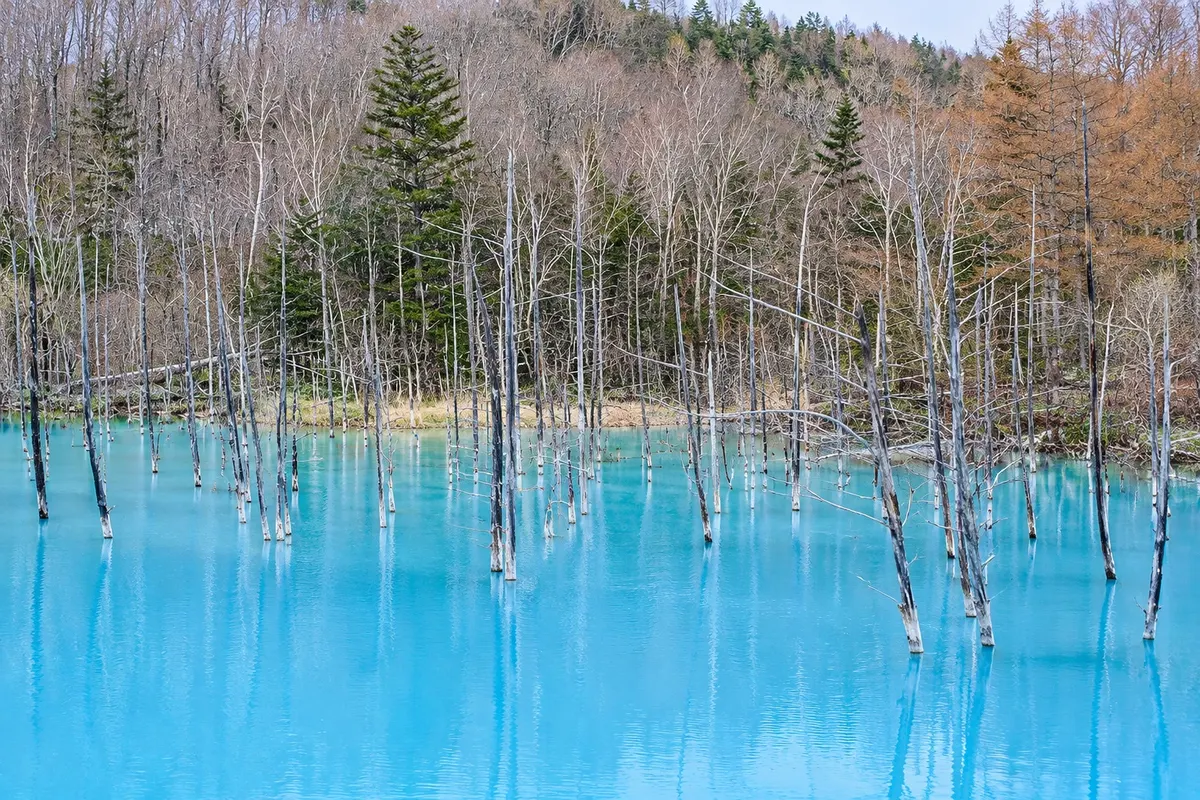
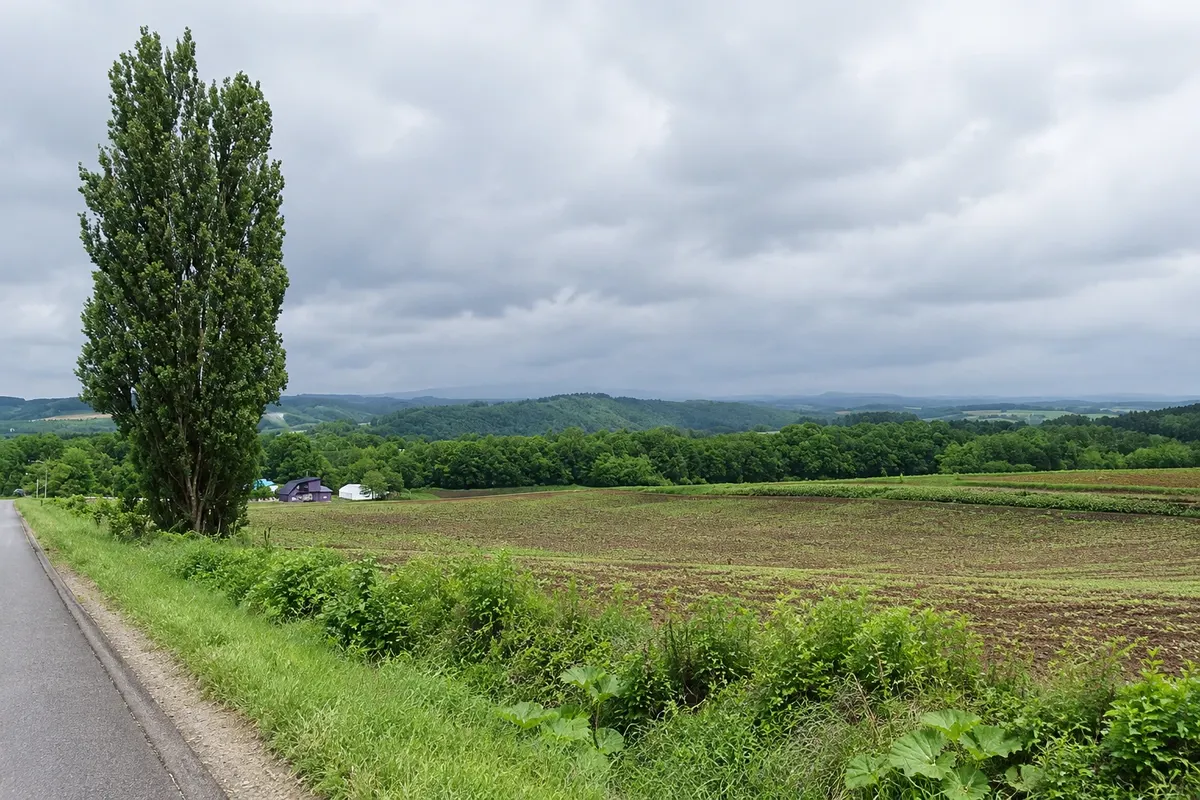
Biei, about 30 km to the north, is known for its hills. The Patchwork Road, north of the center, passes trees and fields that became photo spots, and the Panorama Road, to the south, leads to Shikisai-no-oka, a hill covered in flower beds. Farther inland toward Mount Tokachi, Shirogane’s Blue Pond shows a milky-blue water among dead trunks, near Shirahige Falls.

The area is for people who like rural scenery, driving or cycling slowly and eating local produce: melon, potatoes, cheese, milk and curry with local vegetables. The fields are privately owned: local rules ask visitors not to enter the crops.

This destination brings together 2 cities: Furano, Biei.

Share: WhatsApp
Traveler, share your experiences through photos Up to 5 photos of each place you visited.

One destination, many paths

The cities on this trip

Start with one city or combine several in your itinerary.

Where Furano and Biei is
BieiFurano

Dados cartográficos: © OpenStreetMap contributors, via Wambacher / geoBoundaries (ODbL 1.0). Adapted by Cidade Turismo.

How to get there: Furano and Biei

✈ Aeroporto de Asahikawa (AKJ), in Higashikagura · 45 km to Furano

The nearest airport is Asahikawa (AKJ), about a 20-minute drive from Biei and about 1 hour by bus from Furano. From Sapporo there are trains with a transfer in Asahikawa or Takikawa, and in summer there is often a seasonal direct train. Between Biei and Furano, the local train takes about 40 minutes.

Suggested arrival point: Furano

The local experience

Things to do in Furano and Biei

Tomita Farm
Furano · Hokkaido · Garden

Tomita Farm

Flower farm that kept Furano’s lavender fields when perfume production lost its market. It has color-striped beds, greenhouses and a lavender oil distillery.

Blue Pond
Biei · Hokkaido · Natural attraction

Blue Pond

An artificial lake at the foot of the Tokachi mountain range, with milky-blue water and dead larch trunks rising from the surface. The color comes from minerals in the hot-spring water. A few minutes away are Shirahige Falls and the Shirogane hot springs.

Furano Ski Resort
Furano · Hokkaido · Ski resort

Furano Ski Resort

Ski resort on the slope of Mount Kitanomine, with dry snow, wide runs and a high-capacity lift. It has hosted Alpine Skiing World Cup stages; in summer, the lift takes visitors to a lookout over the basin.

Shikisai no Oka
Biei · Hokkaido · Garden

Shikisai no Oka

A roughly 15-hectare hill south of Biei, covered in flower beds in bands of color from spring to autumn, with views of the Tokachi range.

See 1 more place in Furano and Biei
Patchwork Road
Biei · Hokkaido · Landscape

Patchwork Road

A network of rural roads north of central Biei, among fields of different colors that resemble a patchwork quilt. Isolated trees used in advertisements, such as Ken and Mary and the Seven Stars Tree, have become stopping points.

Before you go

Practical information

A little planning leaves more time to enjoy the journey.

When to go

Mid-June to August, when lavender and the other beds usually bloom; lavender tends to concentrate in July, but blooming varies by year. September brings harvest and golden tones on the hills. From December to March there is snow and skiing in Furano; the Blue Pond freezes and is sometimes lit at night.

The seasons shown are the most usual ones; nature doesn't always follow the calendar.

How many days to stay

Two days let you see Furano’s fields on one day and Biei’s hills and the Blue Pond on the other. A day trip from Sapporo is possible with a tour, but it makes for a long day. In winter, skiers usually stay three to five days in Furano.

Which city to stay in

Furano has the largest range of accommodation, between the center near the station and the ski area in the Kitanomine zone. In Biei, inns and country houses are scattered across the hills, good for those with a car; the center, next to the station, is the option for those using public transport. Asahikawa, the larger city to the north, serves as a base for those wanting more hotel and train options.

Respect the place

Take your trash with you, follow the signs and support local businesses. In natural areas, follow the visiting guidelines.

Get your questions answered

Frequently asked questions about Furano and Biei

When does lavender bloom in Furano?

It usually blooms between early and late July, with the peak in mid-month, but dates vary with each year’s weather. Other flowers fill the beds from June to September. Check the region’s bloom report before you go.

Do I need a car in Furano and Biei?

It helps a lot, because the hills, viewpoints and the Blue Pond are spread out. Without a car, use the train between towns, seasonal buses, bicycle rentals in Biei, taxis and tours that depart from Asahikawa and Sapporo.

Can I do Furano and Biei as a day trip from Sapporo?

Yes, with a tour or by car, but it’s about two hours of road each way and the day is rushed. One night in the region lets you see the hills early and late in the afternoon, when the light is often better.

Can I enter the fields to take photos?

No. The farms of Biei and Furano are privately owned and local rules ask visitors to stay on roads, permitted shoulders and viewpoints. Entering the fields can spread disease to the crops.

What to do in Furano in winter?

Ski at Furano’s resort, which has dry snow and wide runs, go snowshoeing and see Biei’s Blue Pond frozen. The ski season usually runs from late November to early May.

Explore other destinations Search by state and city

Beyond the guide