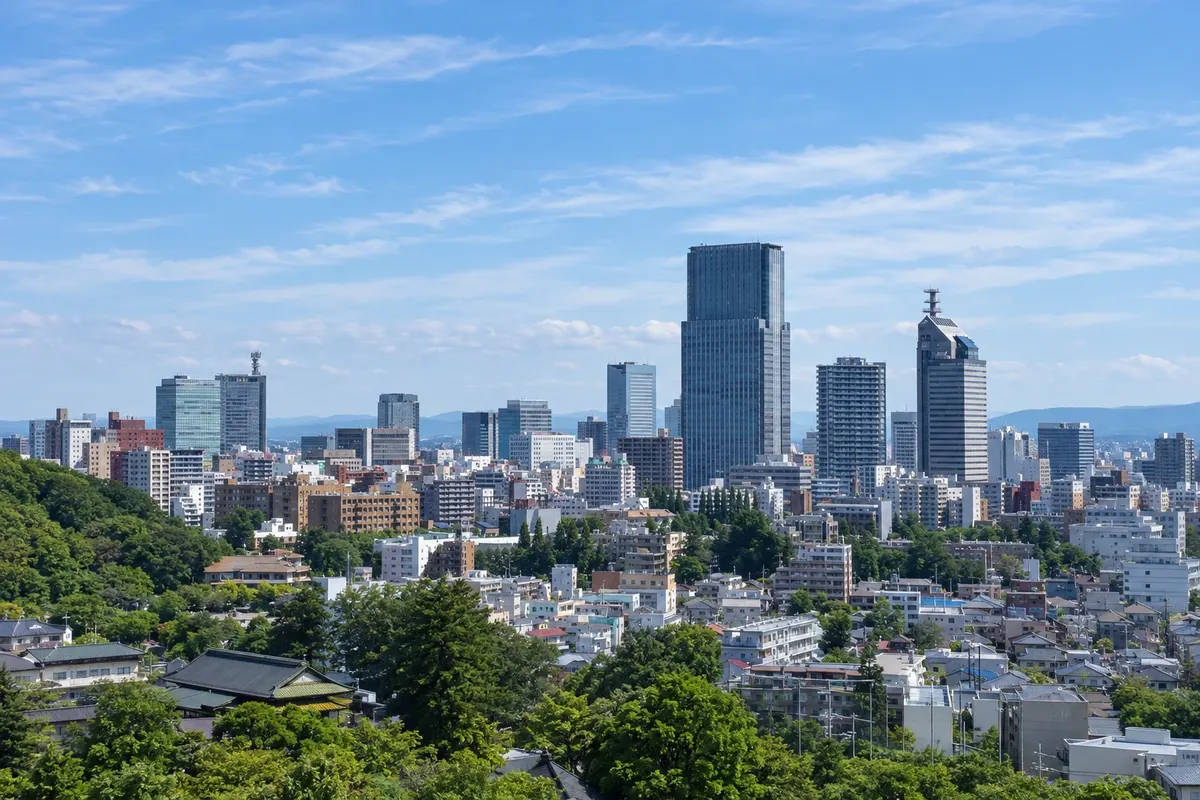
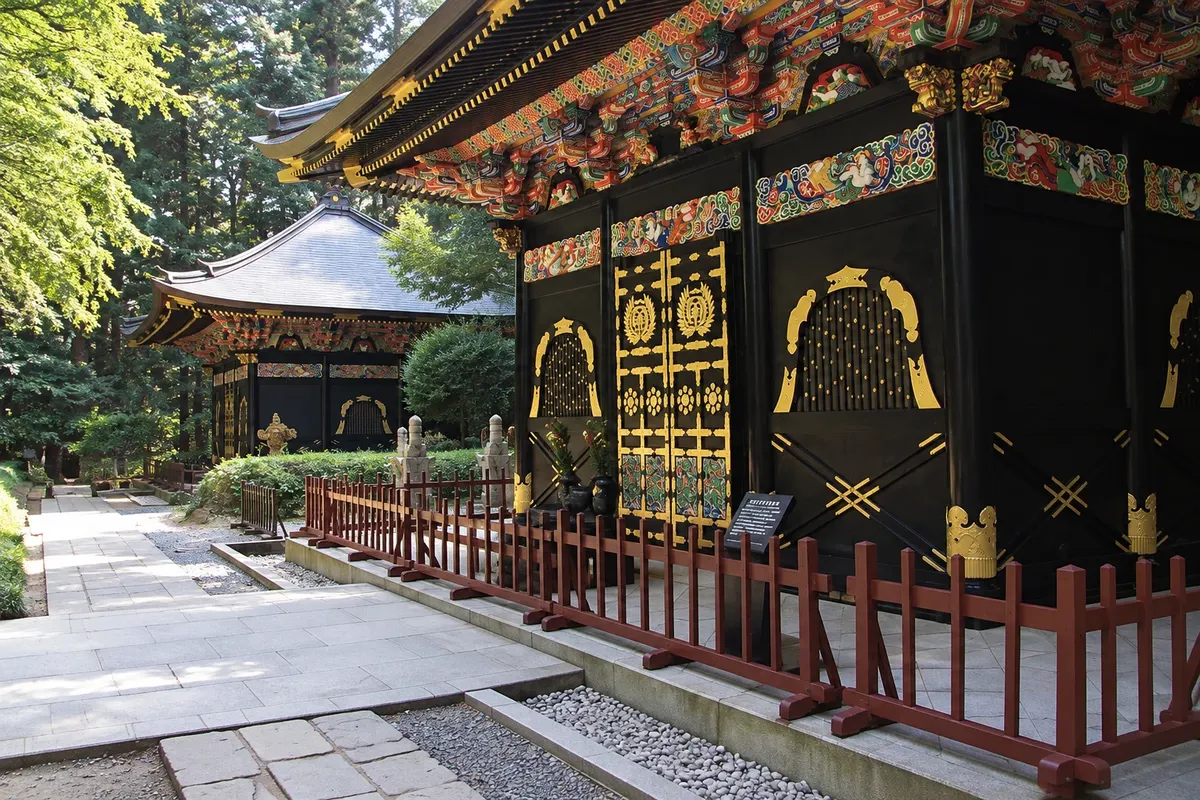
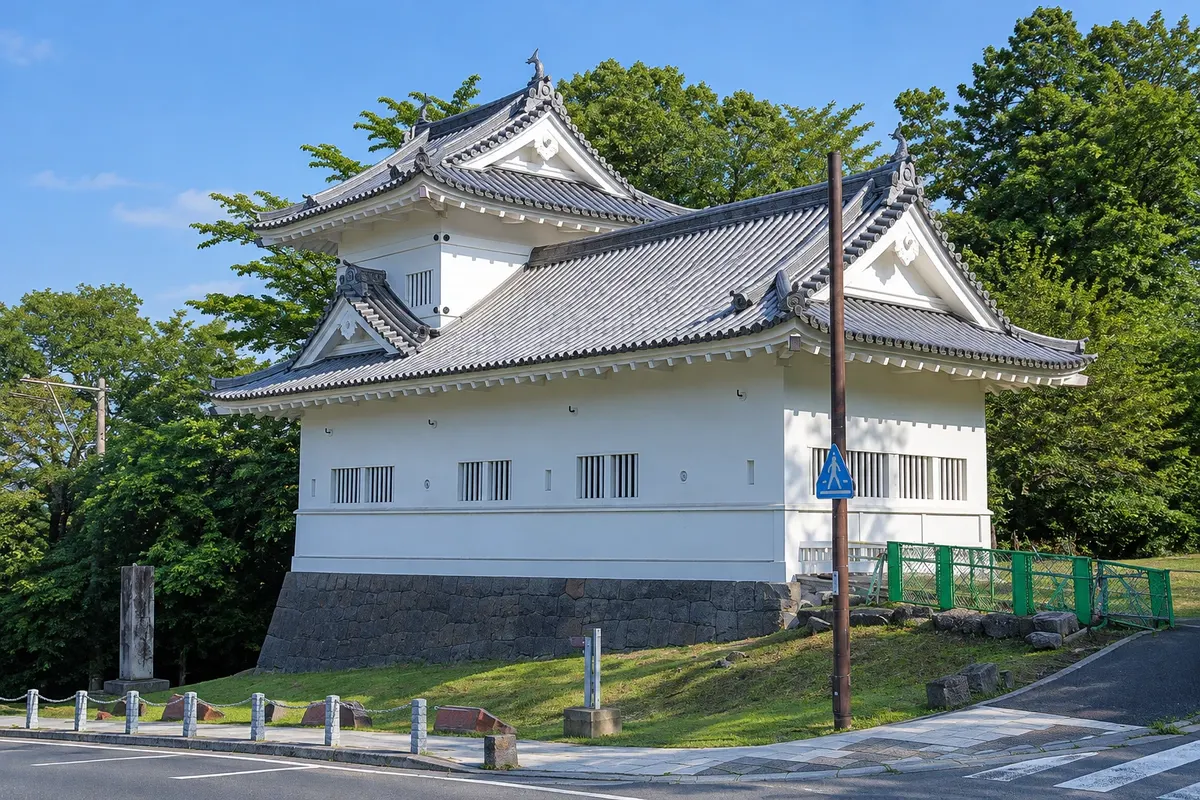
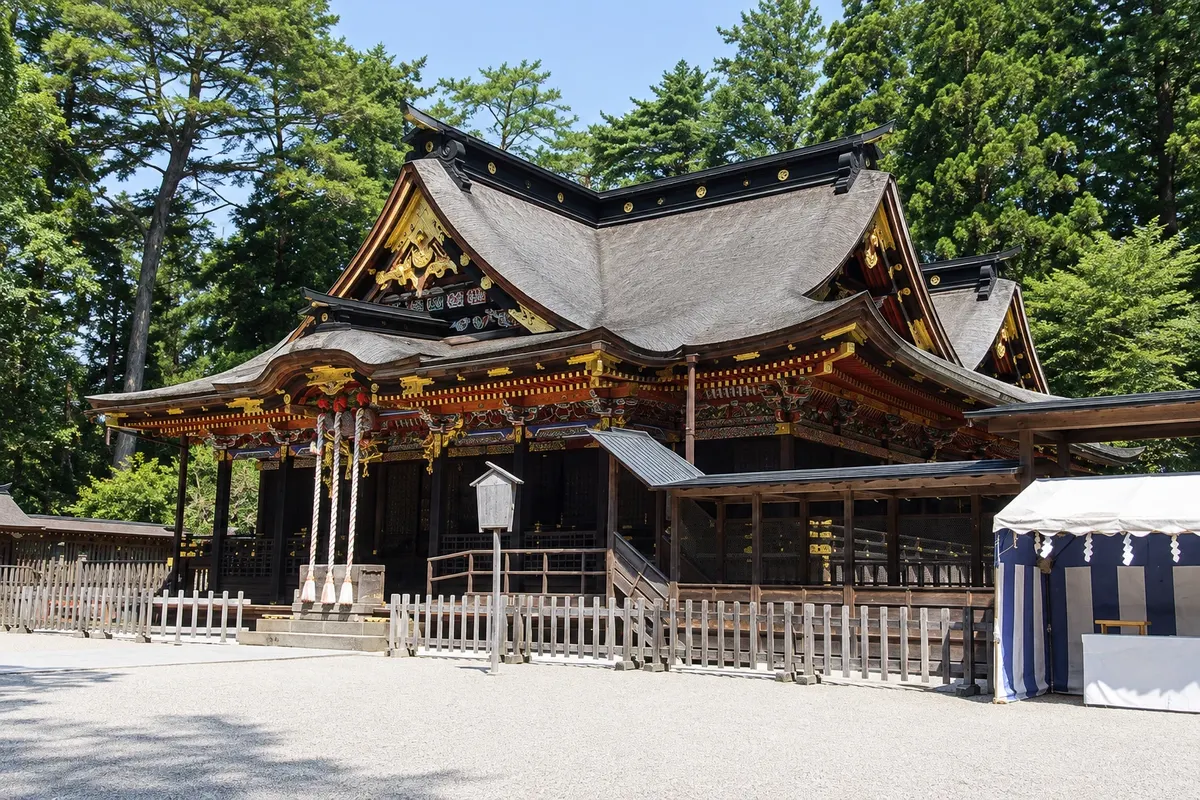
Sendai is the capital of Miyagi Prefecture and the largest city in the Tohoku region in northeastern Honshu. It was founded in the early 17th century by Date Masamune, the one‑eyed feudal lord who ruled the area and left the castle on Mount Aoba, the Osaki Hachimangu shrine and his mausoleum, Zuihoden. The modern city, rebuilt after the 1945 bombings, has broad tree‑lined avenues planted with zelkovas, which give it the nickname “the city of trees.”
The local cuisine is known for grilled beef tongue (gyutan) and zunda, a sweet paste of green soybeans served over rice cakes. In August, the Tanabata festival fills the downtown arcades with colorful paper decorations; in December, Jozenji and Aoba avenues are lit up in the trees.
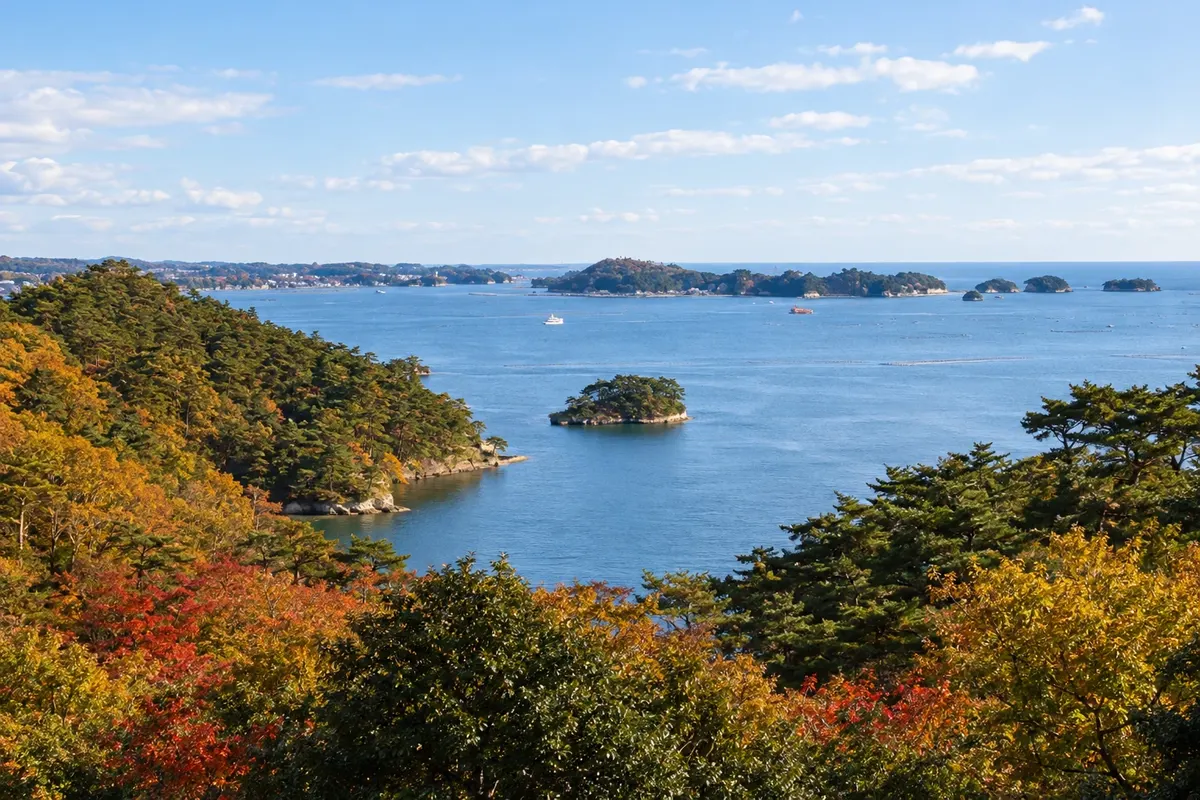
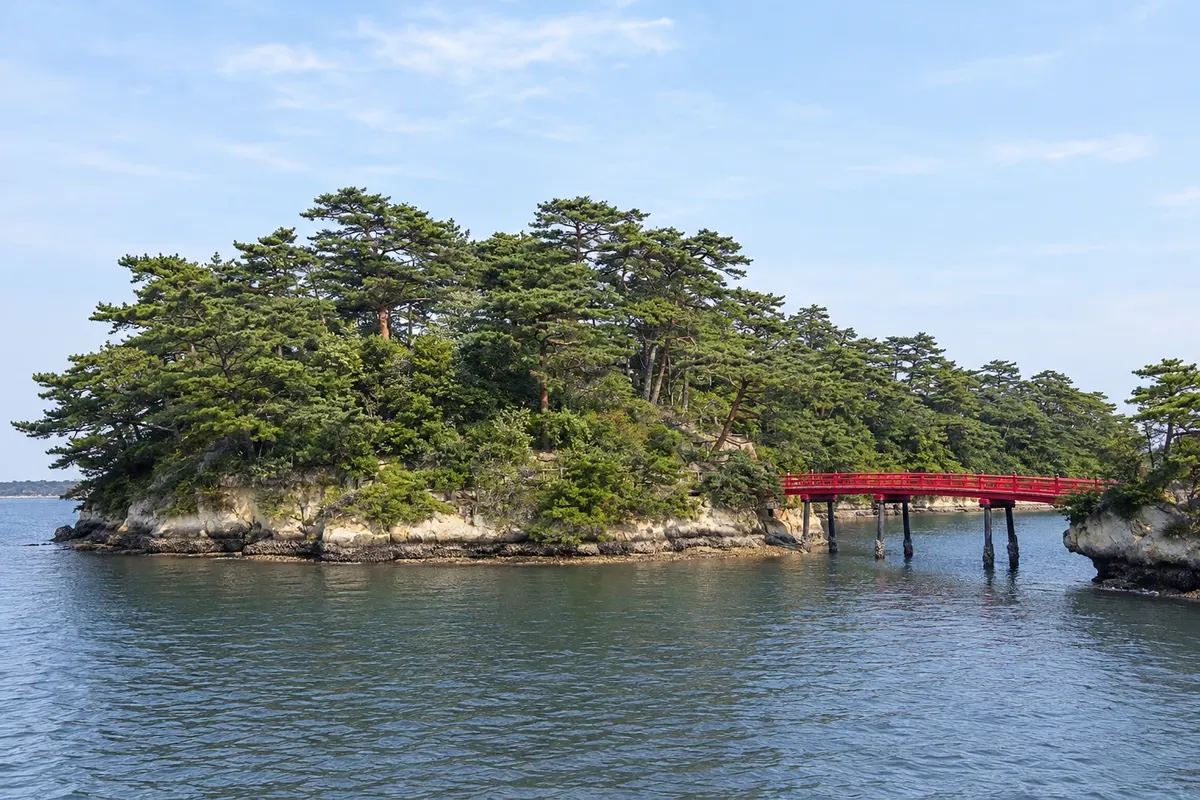
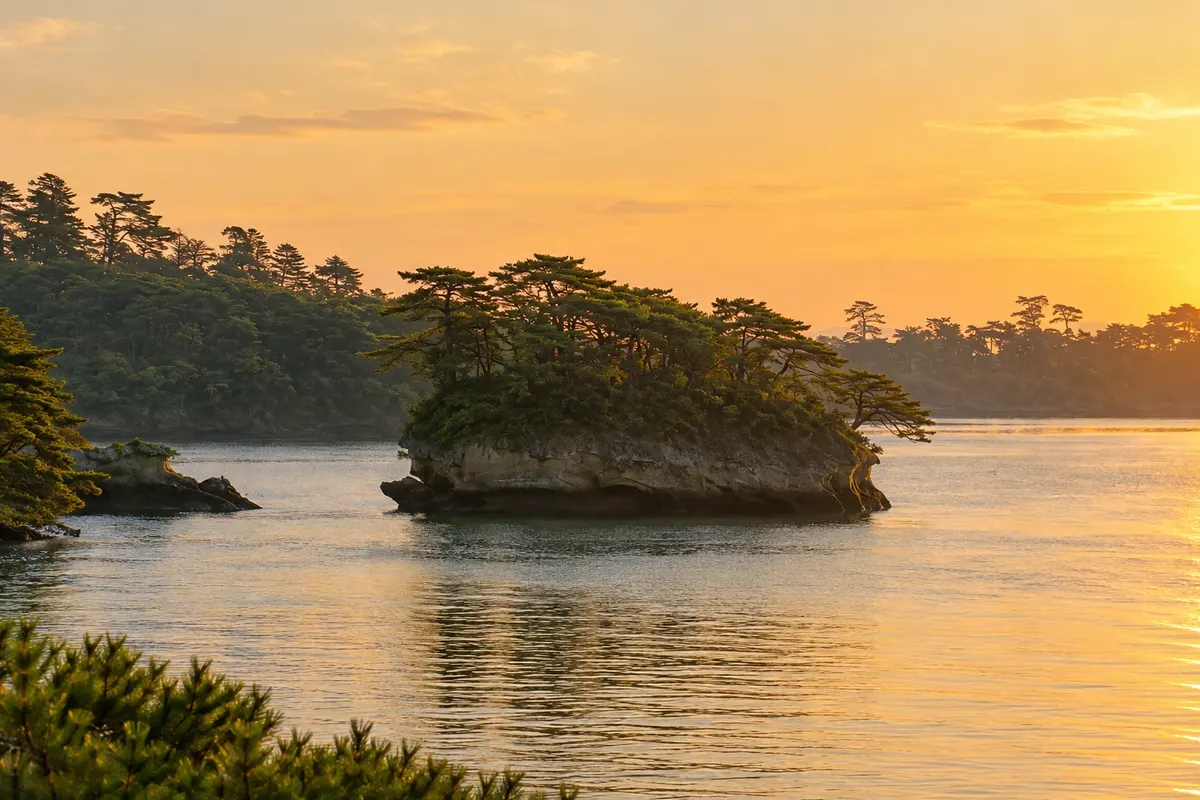
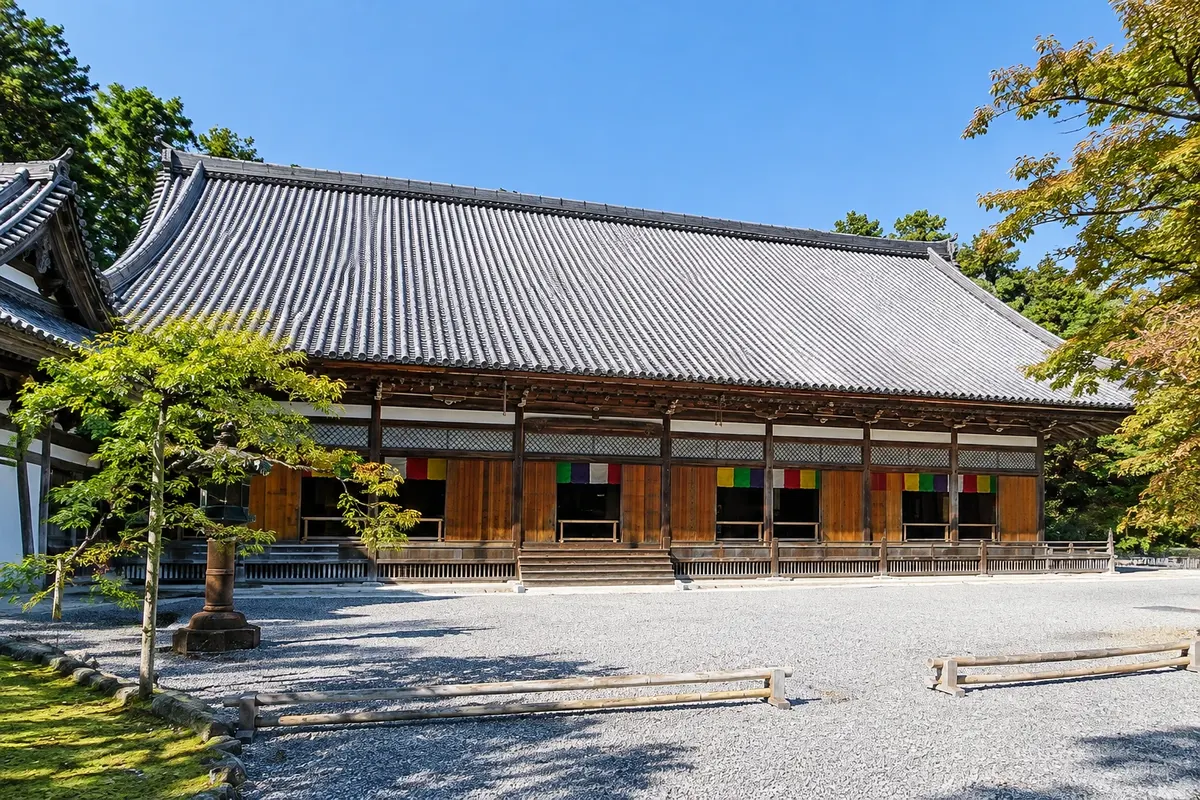
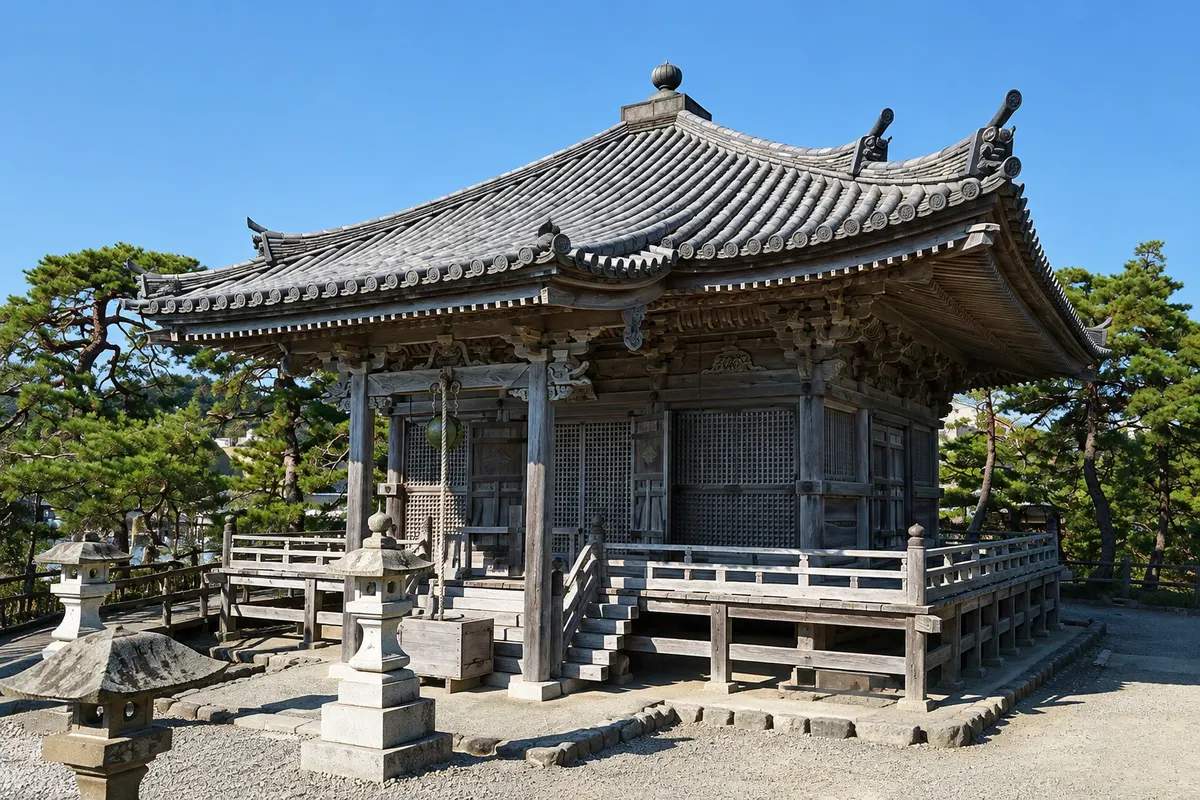
About 25 km to the northeast, Matsushima Bay gathers more than two hundred small pale‑rock islands covered in pines and has been considered, since the Edo period, one of Japan’s three classic views, alongside Amanohashidate and Miyajima. In the village are the Zen temple Zuigan‑ji, the small Godaido hall on a tiny islet and the red bridge to Fukuura Island. The poet Matsuo Basho passed through here in 1689 on the journey that became “The Narrow Road to the North.”
The two form a single trip: Sendai serves as the base, with the bullet‑train station and the airport, and Matsushima can be done in half a day or with an overnight stay at a bayfront inn. From Sendai you can also reach the Akiu hot springs, the Yamadera temple, and, farther north, Hiraizumi.
This destination brings together 2 cities: Sendai, Matsushima.


 Brazil
 Antarctica
 Argentina
 Bolivia
 Chile
 Colombia
 Ecuador
 Guyana
 French Guiana
 Falkland Islands (Malvinas)
 Paraguay
 Peru
 Suriname
 Uruguay
 Venezuela
 Germany
 Austria
 Belgium
 Croatia
 Denmark
 Slovakia
 Slovenia
 Spain
 Finland
 France
 Greece
 the Netherlands
 Hungary
 Ireland
 Iceland
 Italy
 Luxembourg
 Norway
 Poland
 Portugal
 the United Kingdom
 the Czech Republic
 Sweden
 Switzerland
 Turkey
 Bermuda
 Canada
 the United States
 Greenland
 Mexico
 Saint Pierre and Miquelon
 the Dominican Republic
 South Africa
 Egypt
 Australia
 Fiji
 New Zealand
 Papua New Guinea