Ginzan Onsen and Yamadera

Yamagata · Japan

Ginzan Onsen and Yamadera

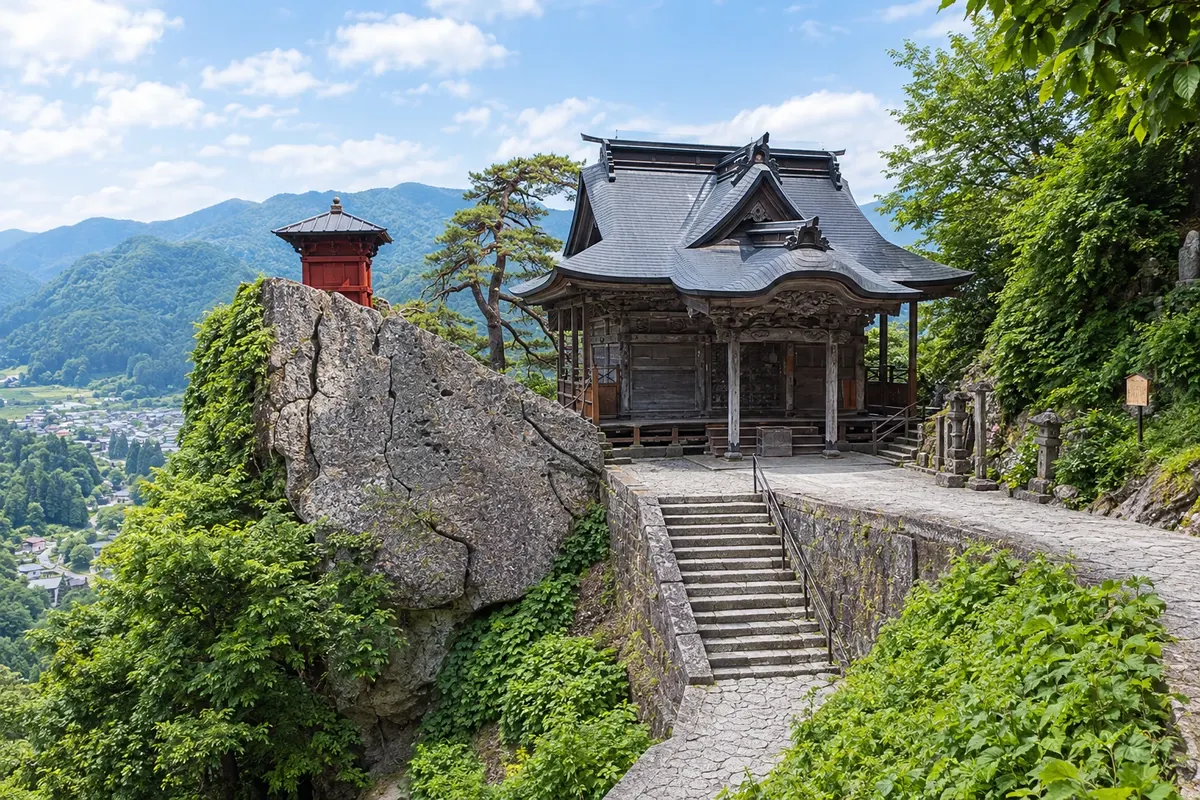
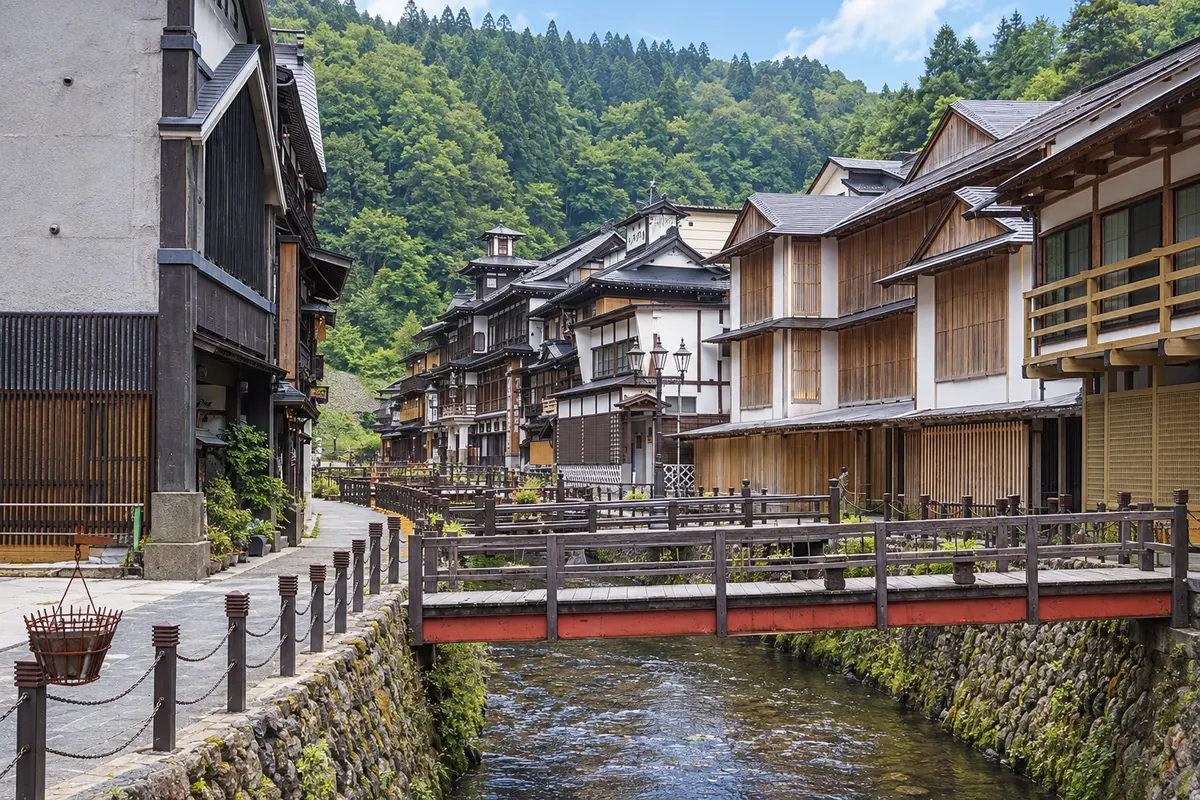
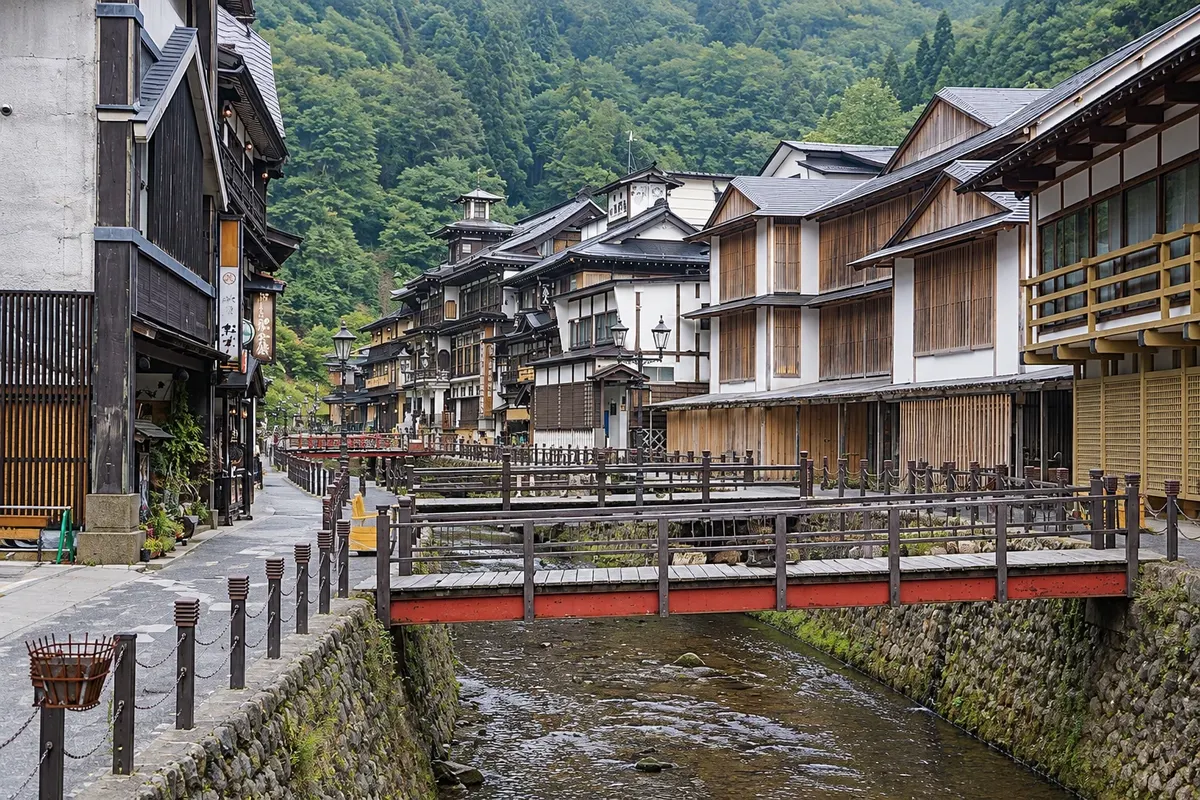
The Ginzan hot-spring street, with its 1920s wooden ryokan along a riverside, the Yamadera temple perched on a rocky cliff, and Zao’s ice monsters, in Yamagata.

Tohoku

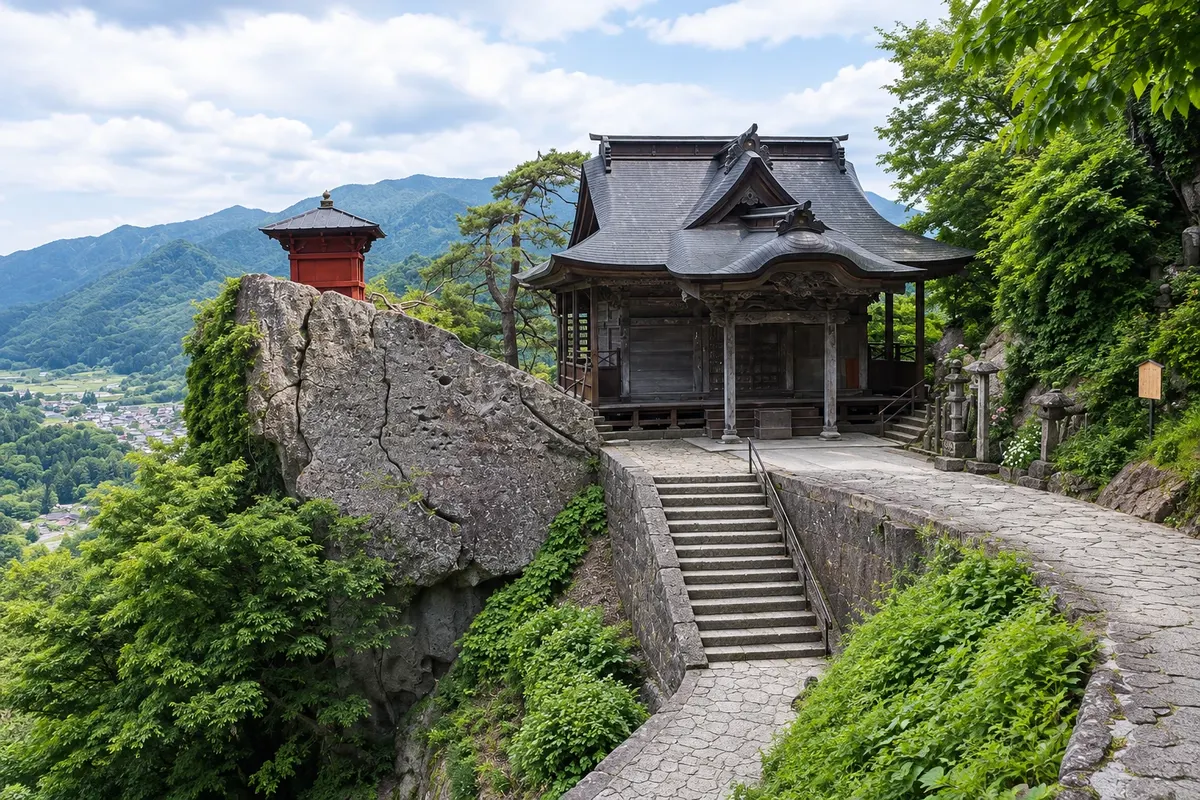
In the photo: Yamadera’s halls among rocks and mountains.

Illustrative images. The pictures in this guide are illustrations based on the real place, not photographs, and may differ from it.

Get to know the place

A region to enjoy
at your own pace.

Yamagata Prefecture occupies the western side of Tohoku, between mountains and the Sea of Japan. This route brings together three inland spots linked by the Yamagata shinkansen: the hot-spring village of Ginzan in the north, Yamadera temple near the capital, and the Zao mountains to its south.

Ginzan Onsen grew beside an old silver mine in the narrow Ginzan River valley in the town of Obanazawa. The current wooden inns, three- and four-story buildings with balconies and glass windows, were rebuilt in the 1910s and 1920s and line both sides of the river, connected by short bridges. At night, gas lamps light the street, and in winter snow piles up on the roofs. The village receives many daytime visitors; staying overnight lets you see the street quieter.

Yamadera, the “mountain temple,” is the popular name for Risshaku-ji, founded in the 9th century on a rocky slope northeast of Yamagata city. Over a thousand stone steps climb among cedars to the upper halls, which look out over the valley. The poet Matsuo Basho passed through in 1689 and left a poem there about silence and the cicadas’ song, engraved on a stone along the path.

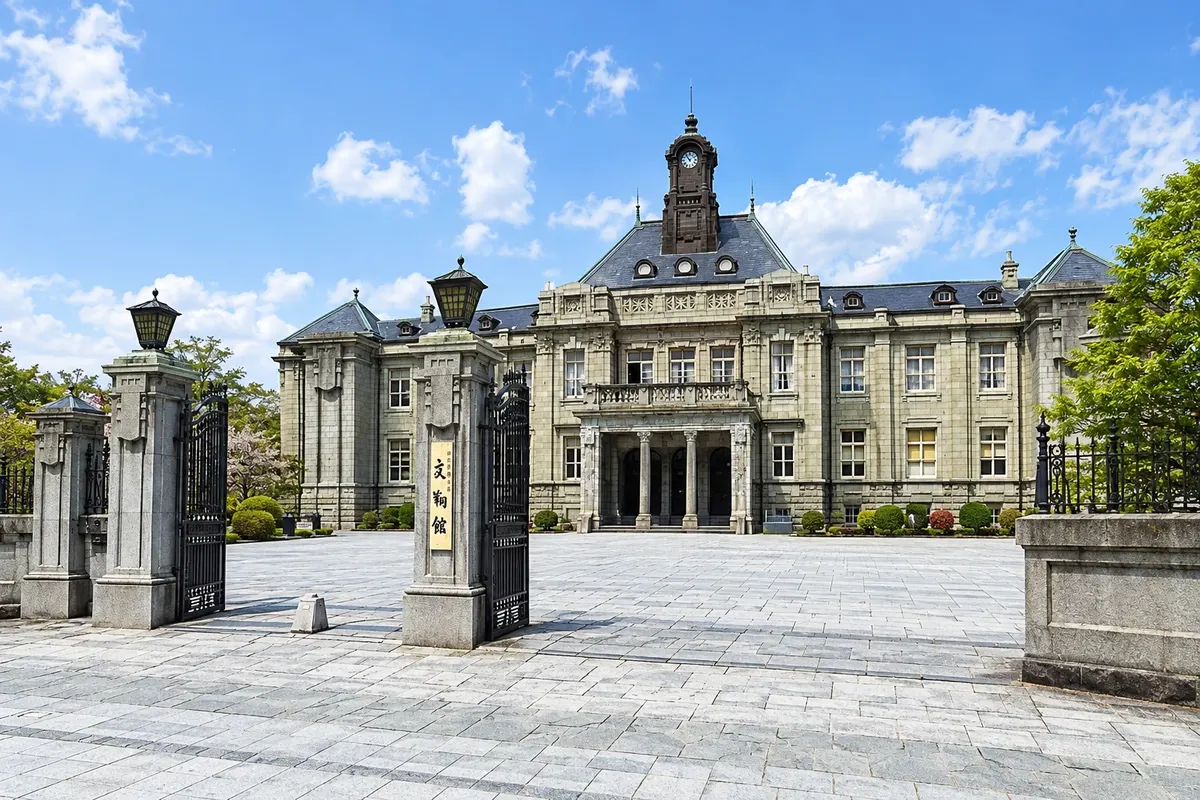
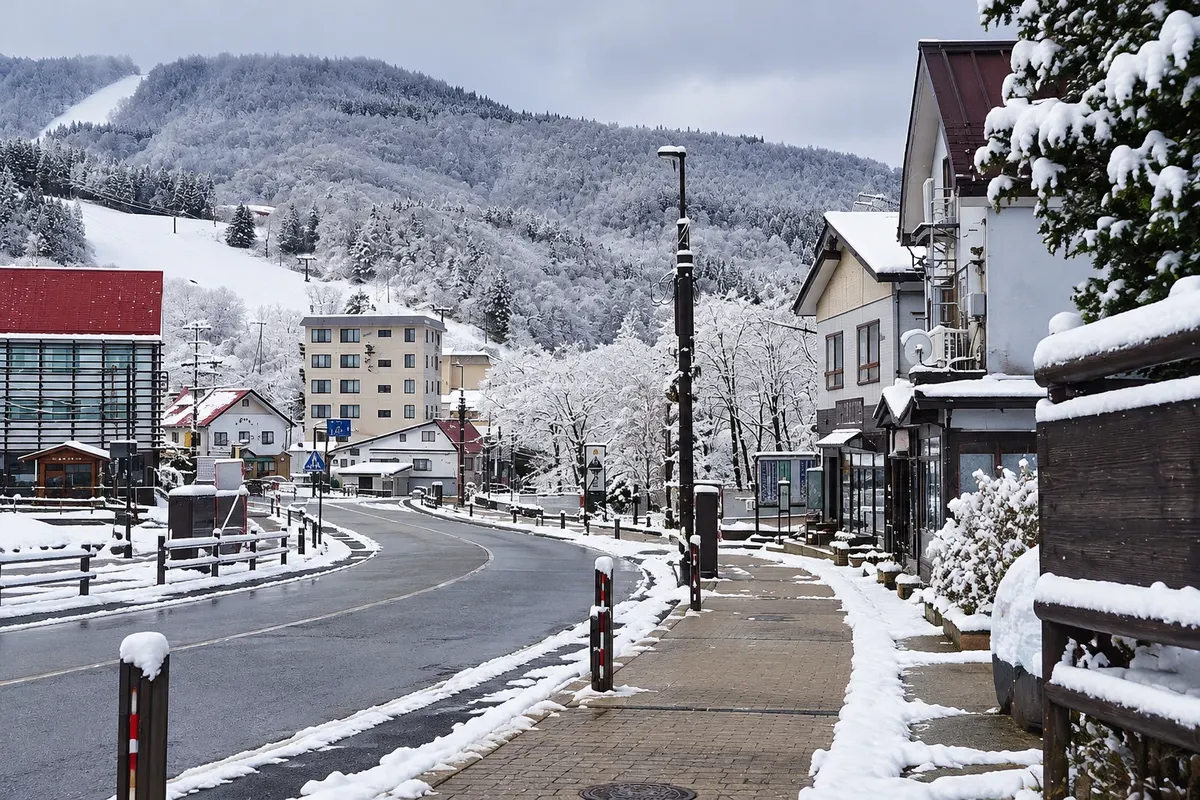
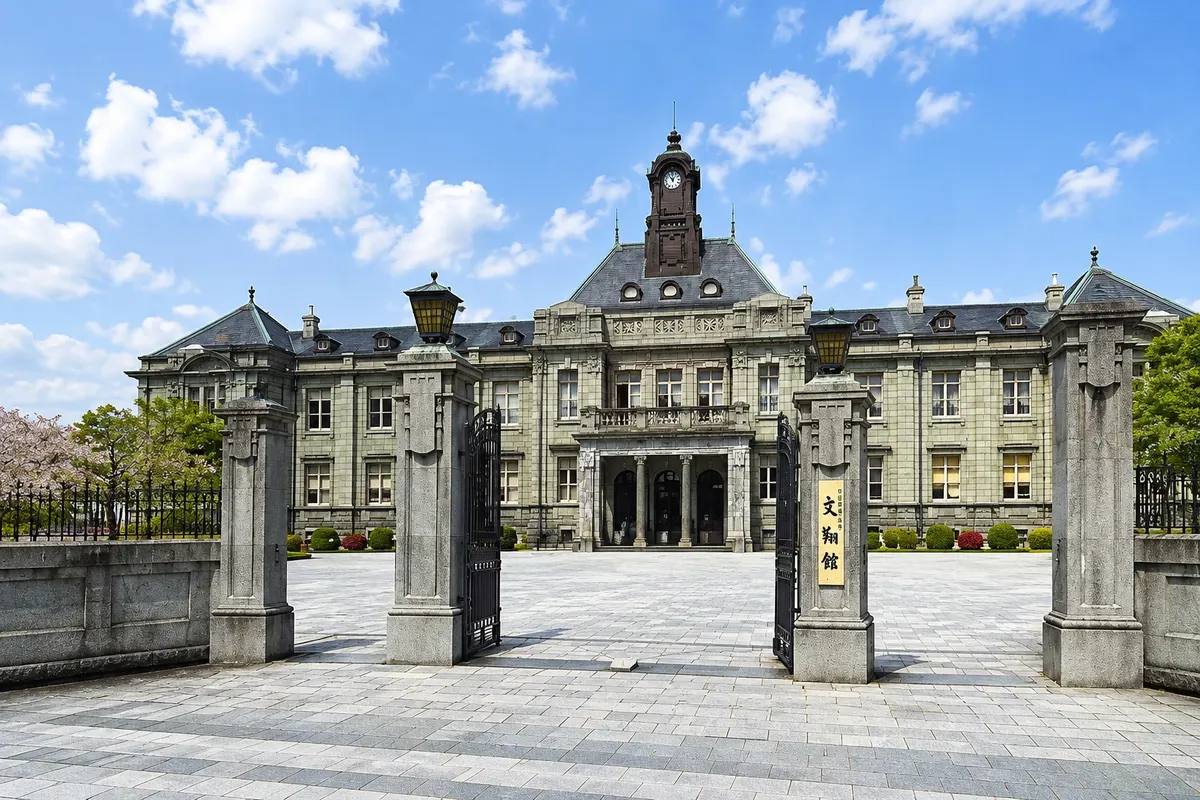
Yamagata city, the prefectural capital, is the base: it has the old prefectural government building, the Bunshokan, and is the departure point for Zao Onsen, the ski resort and sulfur hot springs whose trees covered in ice and snow form the juhyo, the “snow monsters,” at the height of winter. Yamagata is also known for its cherries, harvested in June and July.

This destination brings together 2 cities: Obanazawa, Yamagata.

Share: WhatsApp
Traveler, share your experiences through photos Up to 5 photos of each place you visited.

One destination, many paths

The cities on this trip

Start with one city or combine several in your itinerary.

Where Ginzan Onsen and Yamadera is
YamagataObanazawa

Dados cartográficos: © OpenStreetMap contributors, via Wambacher / geoBoundaries (ODbL 1.0). Adapted by Cidade Turismo.

How to get there: Ginzan Onsen and Yamadera

✈ Aeroporto de Yamagata (GAJ), in Higashine · 24 km to Obanazawa

The Tsubasa shinkansen on the Yamagata line connects Tokyo to Yamagata in about 2h30–2h45 and to Oishida, Ginzan’s station, in about 3h15. From Sendai, the Senzan line reaches Yamadera in about one hour. Yamagata Airport sits between the two areas.

Suggested arrival point: Obanazawa

The local experience

Things to do in Ginzan Onsen and Yamadera

Ginzan Onsen
Obanazawa · Yamagata · Hot spring

Ginzan Onsen

A hot-spring village in a narrow valley, with three- and four-story wooden ryokan from the 1910s and 1920s lining both sides of the Ginzan River, short bridges, gas lanterns at night and heavy snow in winter.

Yamadera (Risshaku-ji)
Yamagata · Yamagata · Temple

Yamadera (Risshaku-ji)

A 9th-century Buddhist temple on a rocky mountain northeast of Yamagata, with about a thousand stone steps among cedars up to the upper halls and the Godaido viewpoint over the valley.

Nobesawa Silver Mine
Obanazawa · Yamagata · Historic site

Nobesawa Silver Mine

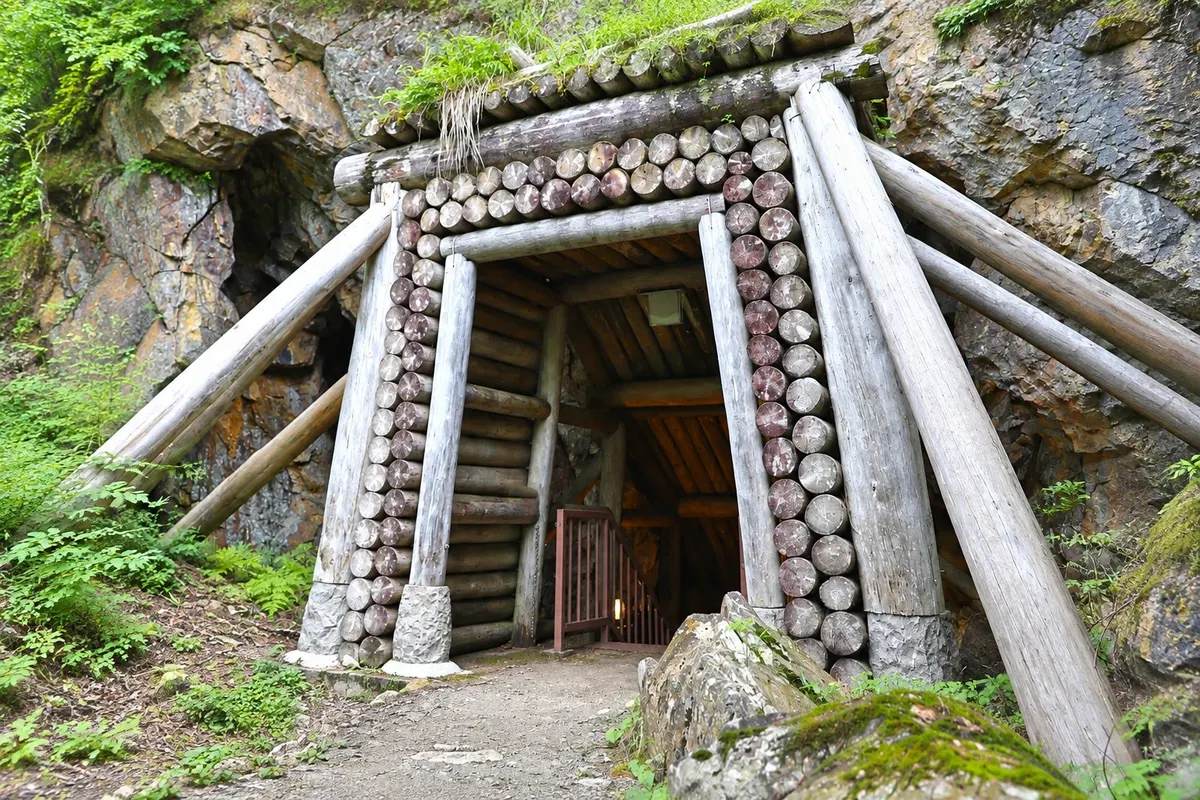
Ruins of the silver mine that gave rise to Ginzan Onsen, high in the valley, with tunnels cut into the rock that can be seen from inside at the end of a trail that passes Shirogane Falls.

Zao Onsen
Yamagata · Yamagata · Hot spring

Zao Onsen

A hot-spring village of sulfurous waters and a ski resort south of Yamagata, with ropeways to Mount Jizo where, in the height of winter, ice- and snow-covered trees form the snow monsters.

See 1 more place in Ginzan Onsen and Yamadera
Bunshokan
Yamagata · Yamagata · Historic building

Bunshokan

The former Yamagata prefectural government and assembly building, from 1916, in brick and stone in the English Renaissance style, with a clock tower, restored rooms and free entry.

Before you go

Practical information

A little planning leaves more time to enjoy the journey.

When to go

Ginzan is sought after from December to February, when snow and the lamps create its signature image. Zao’s snow monsters usually form in January and February. Yamadera is pleasant from April to November, with foliage in late October. June and July are cherry season; August hosts the Hanagasa festival.

The seasons shown are the most usual ones; nature doesn't always follow the calendar.

How many days to stay

Two days allow for one day in Yamadera and Yamagata and one night in Ginzan Onsen. In winter, reserve a third day for Zao’s snow monsters.

Which city to stay in

In Ginzan Onsen, the riverside wooden inns are few and sell out early, especially in winter. In Yamagata there are hotels around the station, well connected to Yamadera and Zao. Zao Onsen has ryokan and hot-spring hotels beside the ski slopes. Obanazawa city and the area around Oishida station offer basic options.

Respect the place

Take your trash with you, follow the signs and support local businesses. In natural areas, follow the visiting guidelines.

Get your questions answered

Frequently asked questions about Ginzan Onsen and Yamadera

Can you visit Ginzan Onsen without staying overnight?

Yes, but the village receives many daytime visitors and, in winter, often has restrictions on cars and rules for early-evening visits. Those who stay at an inn see the lamp‑lit street with fewer people. Check seasonal rules before you go.

How do you go from Yamagata to Yamadera?

By the Senzan line, from Yamagata Station to Yamadera Station in about 20 minutes. The temple entrance is a few minutes’ walk from the station.

When do Zao’s snow monsters appear?

The juhyo—trees covered in ice and snow—typically form from January to February, usually peaking in late January and February. Their appearance depends on wind and temperature each year.

Do I need a car for Ginzan and Yamadera?

No. Yamadera has a train station; Ginzan is served by buses from Oishida Station; and Zao has buses from Yamagata. In winter, driving on snow requires experience and proper tires.

How many steps does Yamadera have?

About one thousand stone steps from the entrance to the inner hall, the Okunoin. The climb takes 30 minutes to an hour, with stops.

Explore other destinations Search by state and city

Beyond the guide