Fukuoka (Fukuoka); Dazaifu (Dazaifu)

Fukuoka · Japan

Fukuoka (Fukuoka); Dazaifu (Dazaifu)

The largest city on Kyushu, with yatai food stalls along the river, Hakata ramen, Kushida Shrine and Ohori Park, and Dazaifu Tenmangu Shrine half an hour away by train.

Kyushu

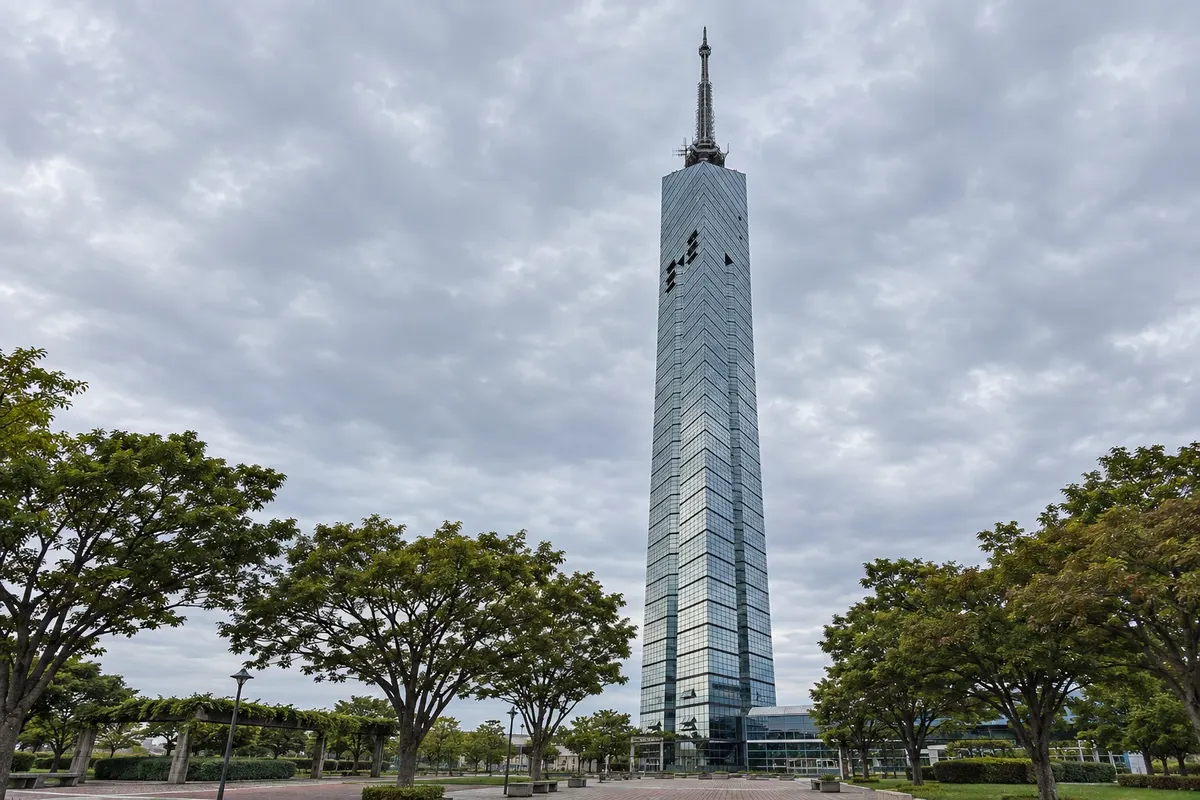
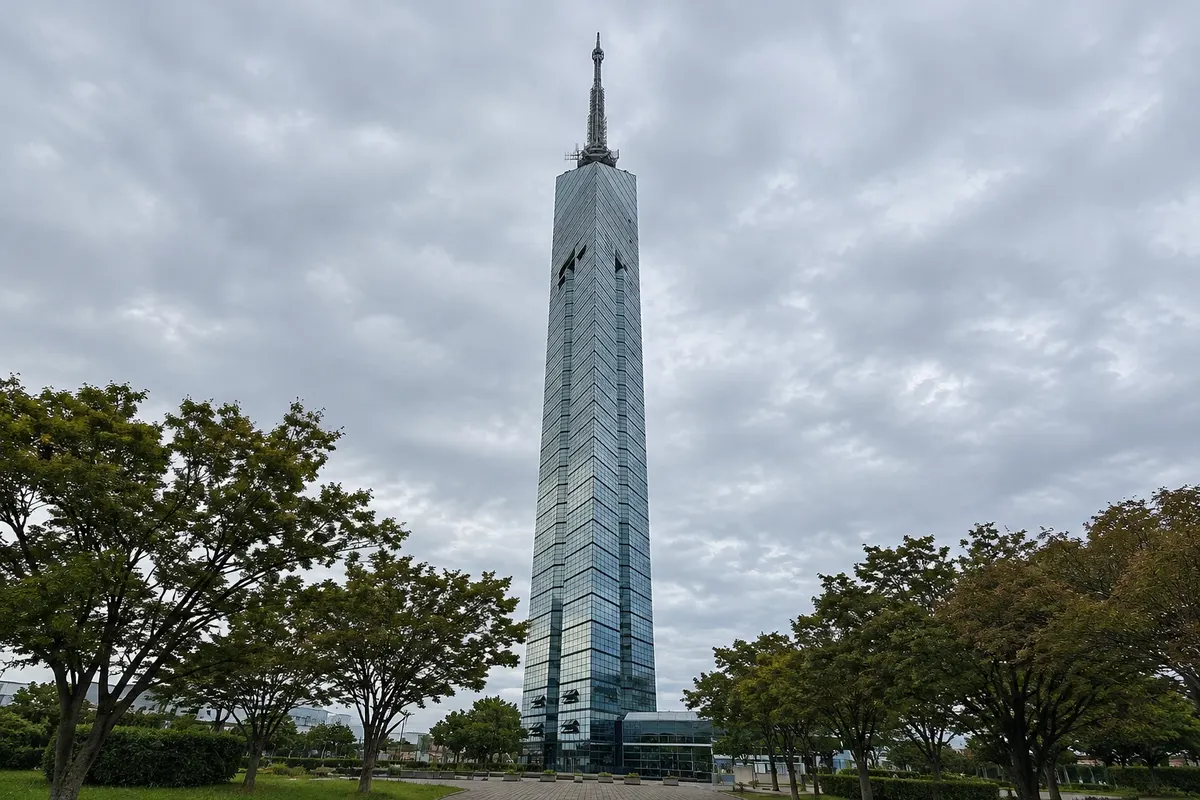
In the photo: Fukuoka Tower seen from the surrounding plaza.

Illustrative images. The pictures in this guide are illustrations based on the real place, not photographs, and may differ from it.

Get to know the place

A region to enjoy
at your own pace.

Fukuoka is the largest city on the island of Kyushu and the capital of the prefecture of the same name, on the northern side of the island facing the strait that separates Japan from Korea. The city grew from the merger of two centers: Hakata, the old merchants’ port where the main station is located, and Fukuoka, the samurai castle town on the other side of the Naka River. Because it is close to the continent, it was for centuries an entry point for goods, monks and Zen Buddhism into Japan.

The city is known for its food. At night, street stalls called yatai set up along the river in Nakasu and in the Tenjin neighborhood, with only a few seats around a counter, serving ramen, skewers and simple dishes. Hakata ramen, with a white pork bone broth and thin noodles, originated here. Motsunabe, a stew of offal, and mentaiko, spiced cod roe, are also local specialties.

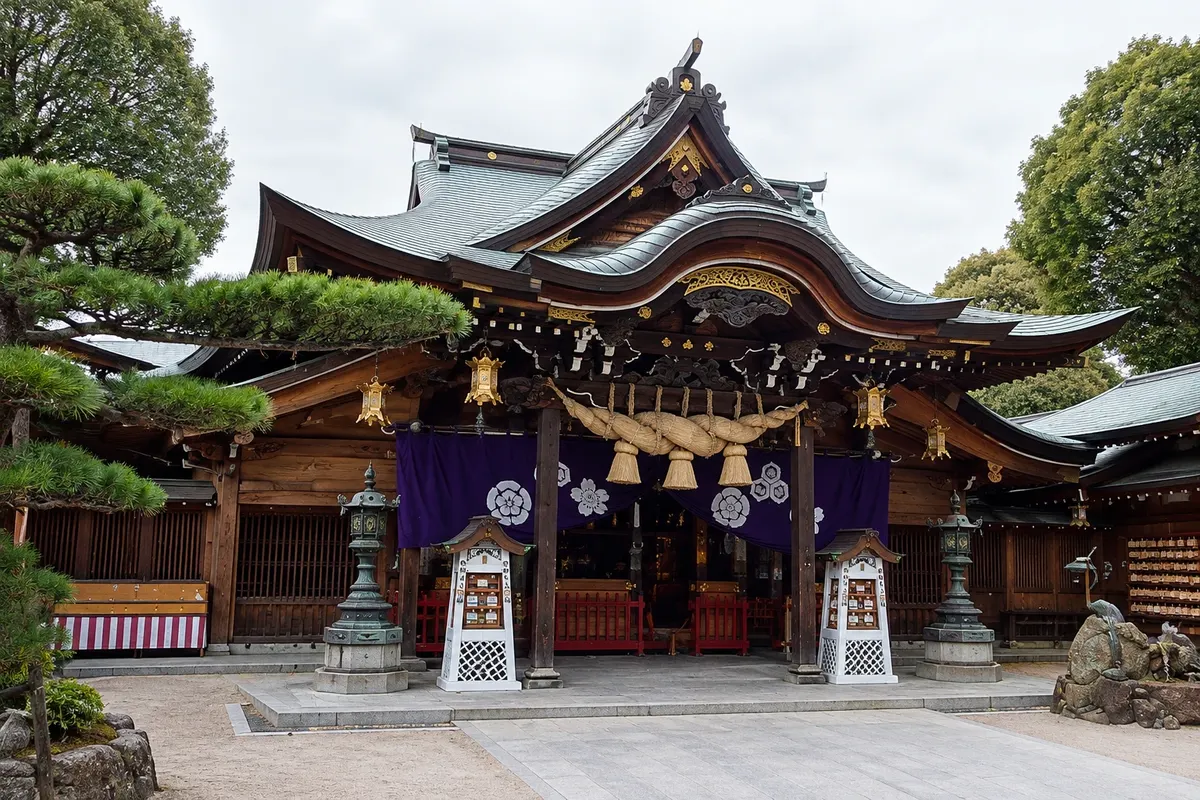
In the Hakata area, Kushida Shrine houses the floats used in the Hakata Gion Yamakasa festival in July, and there are old Zen temples. On the Fukuoka side, Ohori Park, with a large lake, sits next to the castle ruins. The Momochi waterfront has Fukuoka Tower and an urban beach, and the Itoshima peninsula to the west offers beaches, cafes and the torii gate in the sea at Futamigaura.

About 30 minutes by train away, Dazaifu is home to Dazaifu Tenmangu Shrine, dedicated to the deity of learning, and the Kyushu National Museum. Fukuoka Airport is just a few minutes by subway from the city center—one of the closest airports to a large city in the world.

This destination brings together 2 cities: Fukuoka, Dazaifu.

Share: WhatsApp
Traveler, share your experiences through photos Up to 5 photos of each place you visited.

One destination, many paths

The cities on this trip

Start with one city or combine several in your itinerary.

Where Fukuoka (Fukuoka); Dazaifu (Dazaifu) is
DazaifuFukuoka

Dados cartográficos: © OpenStreetMap contributors, via Wambacher / geoBoundaries (ODbL 1.0). Adapted by Cidade Turismo.

How to get there: Fukuoka (Fukuoka); Dazaifu (Dazaifu)

✈ Aeroporto de Fukuoka (FUK) · 3 km to Fukuoka

Fukuoka Airport (FUK) receives flights from Japan and Asia and is about a 5-minute subway ride from Hakata Station. From Tokyo, the shinkansen takes about 5 hours; from Osaka, about 2.5 hours; from Hiroshima, about 1 hour. High-speed ferries link Hakata Port to Busan in South Korea.

Suggested arrival point: Fukuoka

The local experience

Things to do in Fukuoka (Fukuoka); Dazaifu (Dazaifu)

Dazaifu Tenmangū Shrine
Dazaifu · Fukuoka · Shrine

Dazaifu Tenmangū Shrine

Sanctuary built over the tomb of Sugawara no Michizane, a 9th-century scholar venerated as the god of learning. It has a main hall from the 16th century, arched bridges over a pond, and more than six thousand plum trees.

Kushida Shrine
Fukuoka · Fukuoka · Shrine

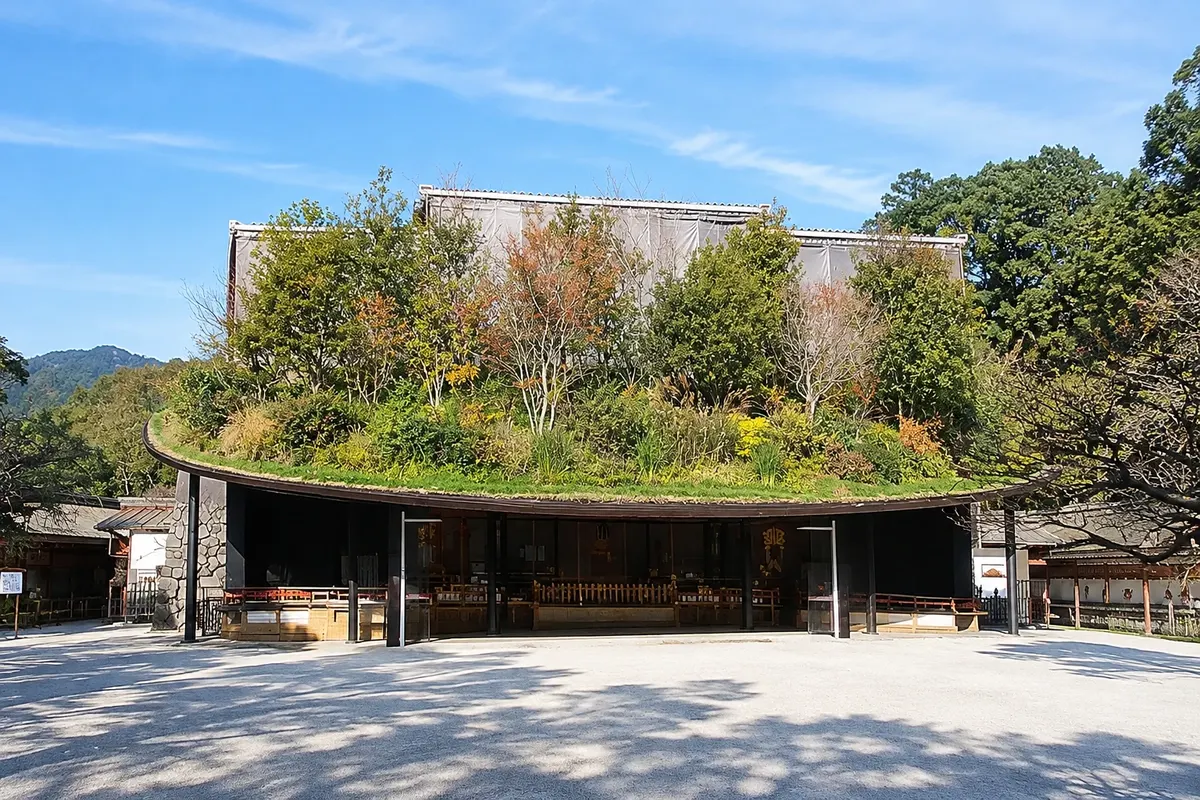
Kushida Shrine

An 8th-century Shinto shrine in the heart of Hakata, protector of the neighborhood and starting point of the Hakata Gion Yamakasa festival. A decorated float of about 10 meters is on display year-round.

Kyushu National Museum
Dazaifu · Fukuoka · Museum

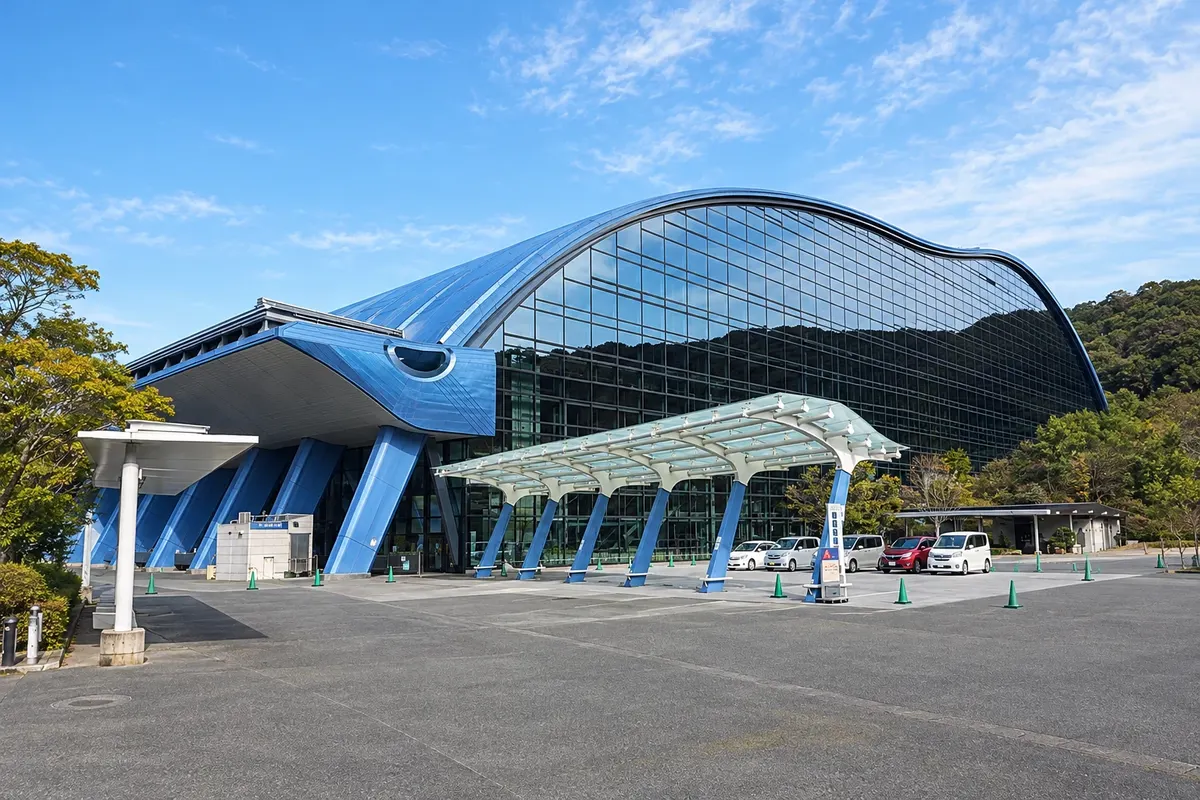
Kyushu National Museum

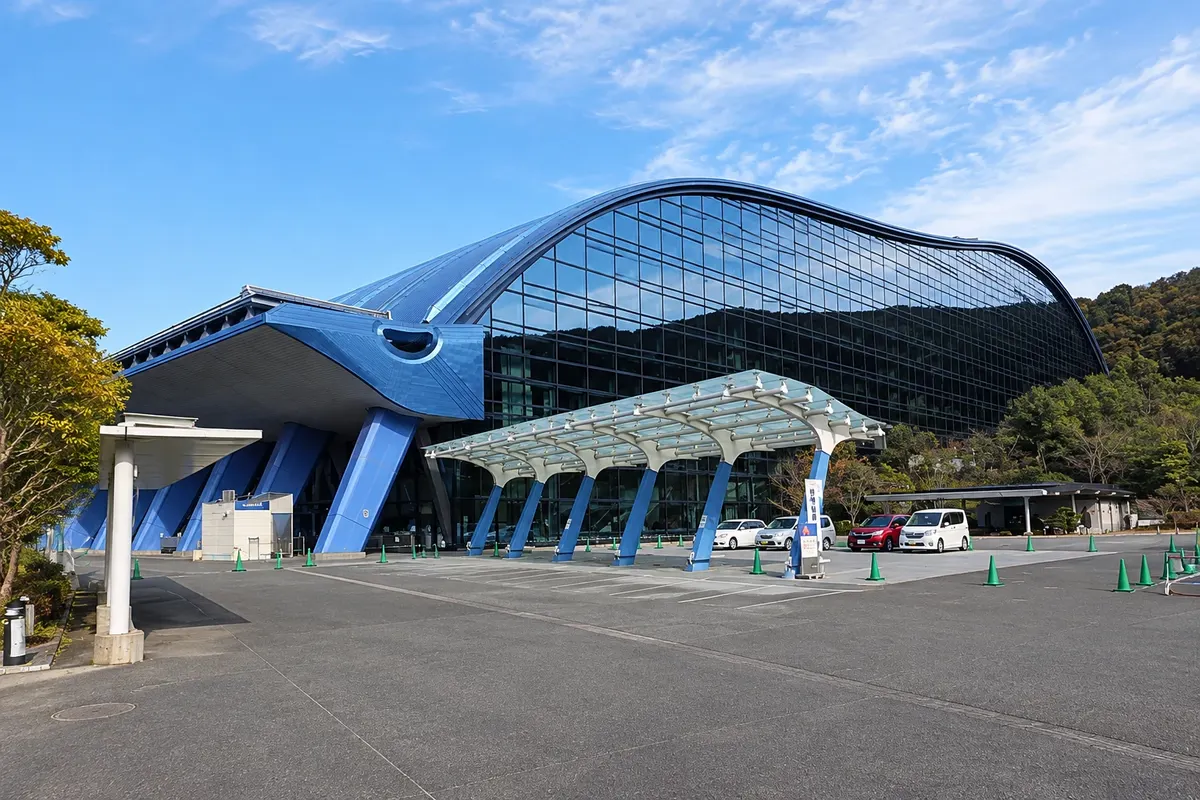
One of Japan’s four national museums, dedicated to cultural exchanges between Japan and Asia, in a wave-shaped glass building on the Dazaifu hills, connected to the shrine by a walkway.

Ōhori Park
Fukuoka · Fukuoka · Park.

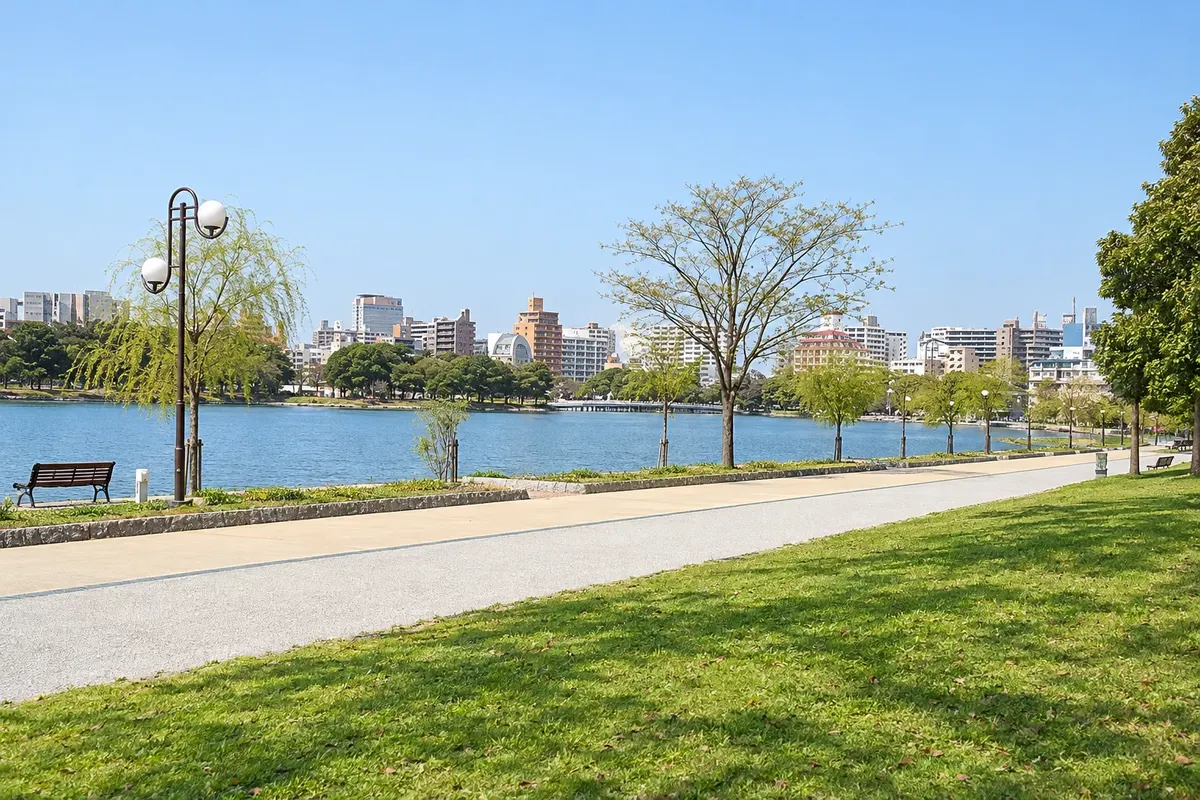
Ōhori Park

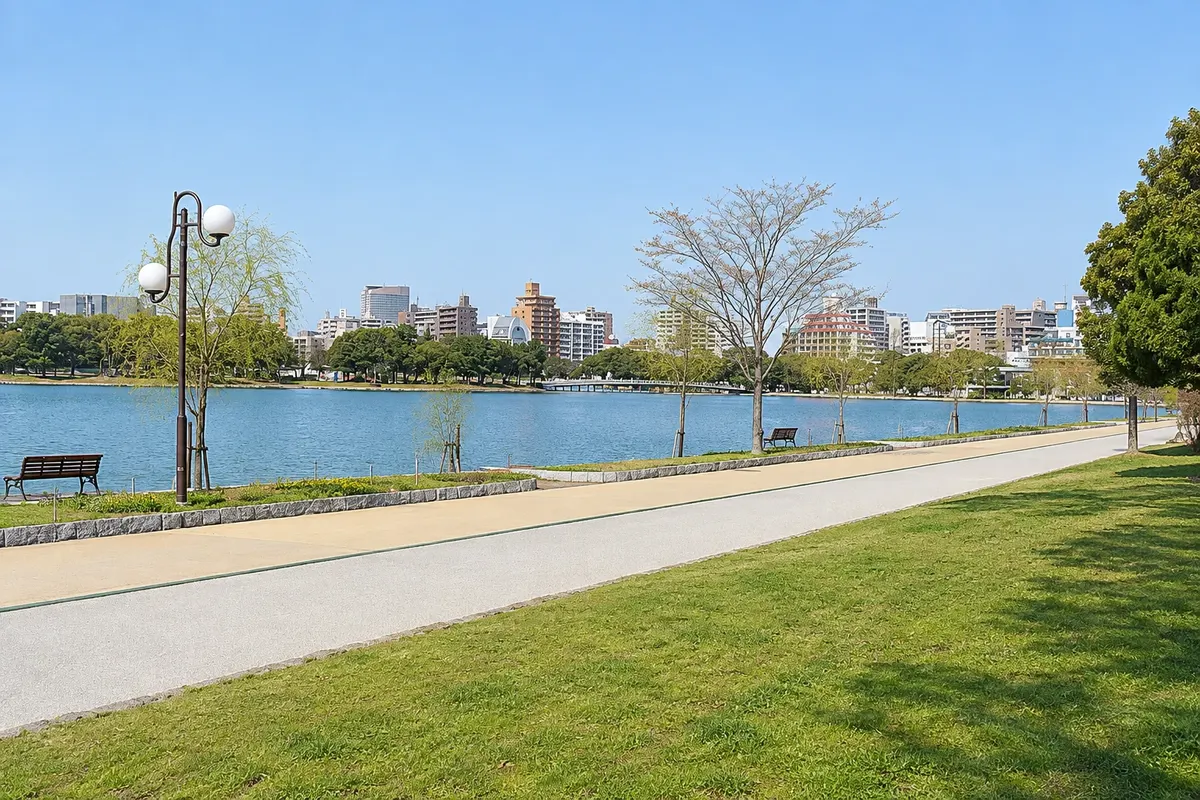
Park around a large lake, the old moat of Fukuoka Castle, with islands connected by bridges and a roughly 2 km path. Next to it are the castle ruins with walls and a lookout, and a Japanese garden.

See 2 more places in Fukuoka (Fukuoka); Dazaifu (Dazaifu)
Fukuoka Tower
Fukuoka · Fukuoka · Lookout

Fukuoka Tower

A 234-meter tower on the Momochi waterfront, clad in mirrors, with an observation deck at 123 meters overlooking Hakata Bay and the city. Nearby, the urban Momochi Beach has a boardwalk and the small artificial island Marizon.

Itoshima
Fukuoka · Fukuoka · Coastline

Itoshima

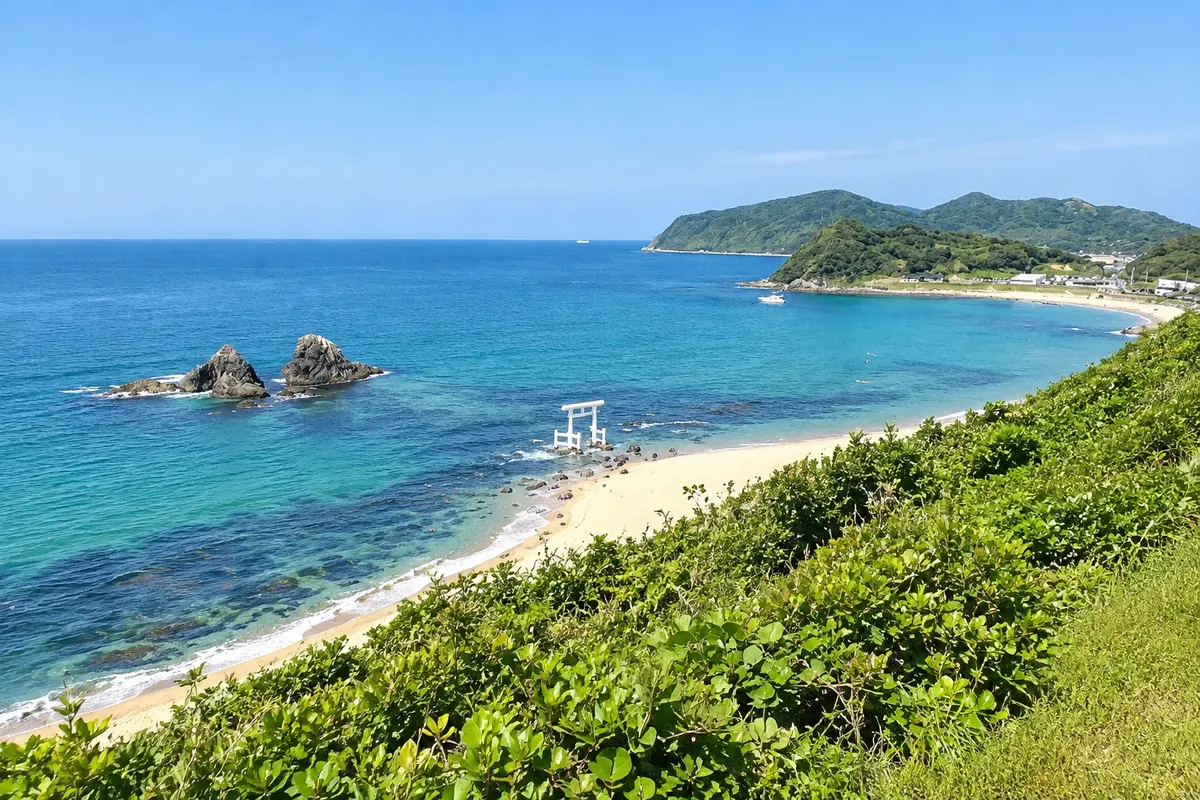
A peninsula west of Fukuoka, with light-sanded beaches, seaside cafés and Futamigaura Beach, where a white torii gate stands before two rocks in the sea joined by a sacred rope.

Before you go

Practical information

A little planning leaves more time to enjoy the journey.

When to go

From March to May and from October to November the weather is mild; cherry trees usually bloom at the end of March. The rainy season occupies June and early July; summer is hot and humid, with the Yamakasa festival in the first half of July and more frequent typhoons from August to September. Winter is cool, with little snow.

The seasons shown are the most usual ones; nature doesn't always follow the calendar.

How many days to stay

Two days: one for Hakata, Kushida Shrine, Ohori Park and the yatai, and another for Dazaifu. Add a day for Itoshima or to continue on to Nagasaki, about 1 hour 20 minutes by train.

Which city to stay in

Hakata, around the station, is the most convenient base for trains, subway and the airport. Tenjin, the commercial center, has hotels, shops and many of the yatai, and Nakasu, the island between the rivers, concentrates the nightlife. For beaches, the Momochi waterfront and Itoshima offer some options.

Respect the place

Take your trash with you, follow the signs and support local businesses. In natural areas, follow the visiting guidelines.

Get your questions answered

Frequently asked questions about Fukuoka (Fukuoka); Dazaifu (Dazaifu)

How to get from Fukuoka Airport to the city center?

By subway: about 5 minutes to Hakata Station and about 11 minutes to Tenjin. Buses and taxis also run the route.

What are Fukuoka’s yatai?

Street food stalls set up at night in Nakasu, Tenjin and other spots, with only a few seats around a counter. They serve ramen, skewers and simple dishes; many close on days of heavy rain.

Can you do Dazaifu as a day trip from Fukuoka?

Yes. Nishitetsu trains depart from Tenjin and reach Dazaifu in about 30 minutes, with a transfer at Futsukaichi. Half a day is enough for the shrine and the museum.

Does Fukuoka pair well with Nagasaki?

Yes. The express train to Takeo-Onsen and the shinkansen to Nagasaki take about 1 hour 20 minutes to 1 hour 30 minutes, and the two cities are often visited on the same trip.

Explore other destinations Search by state and city

Beyond the guide