Nagano and Jigokudani

Nagano · Japan

Nagano and Jigokudani

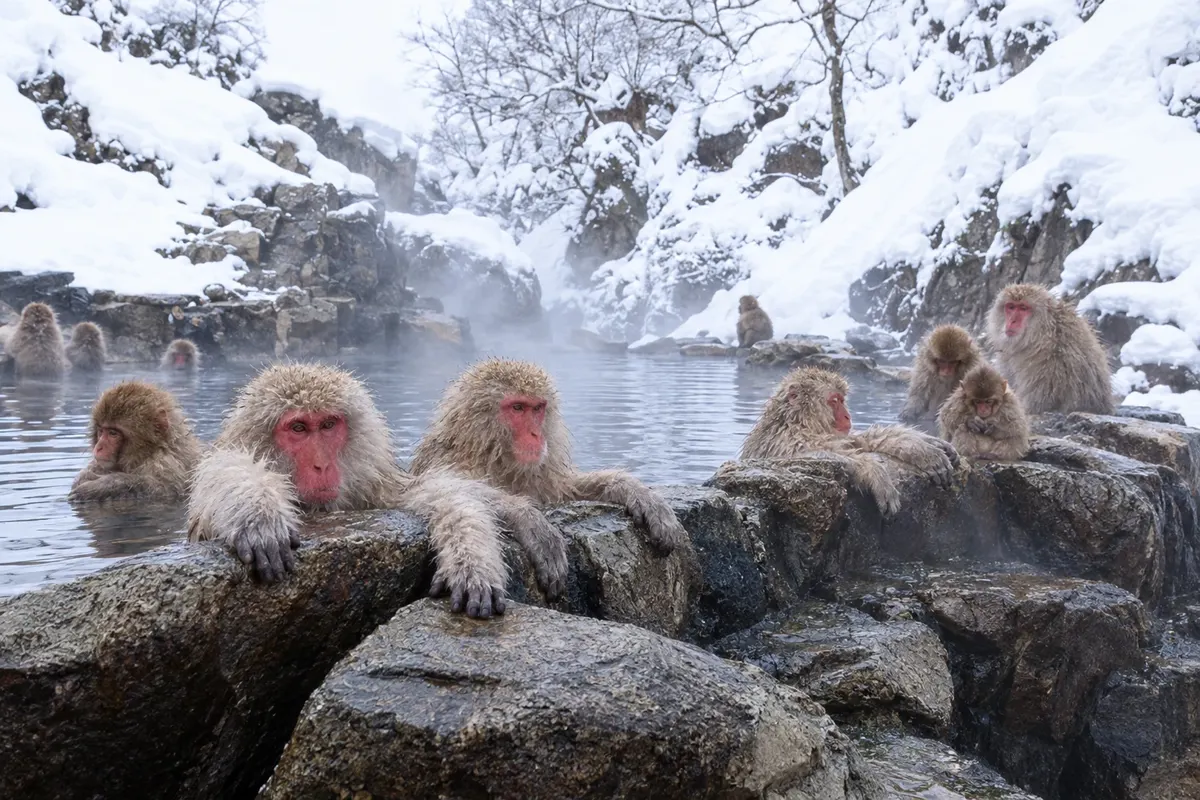
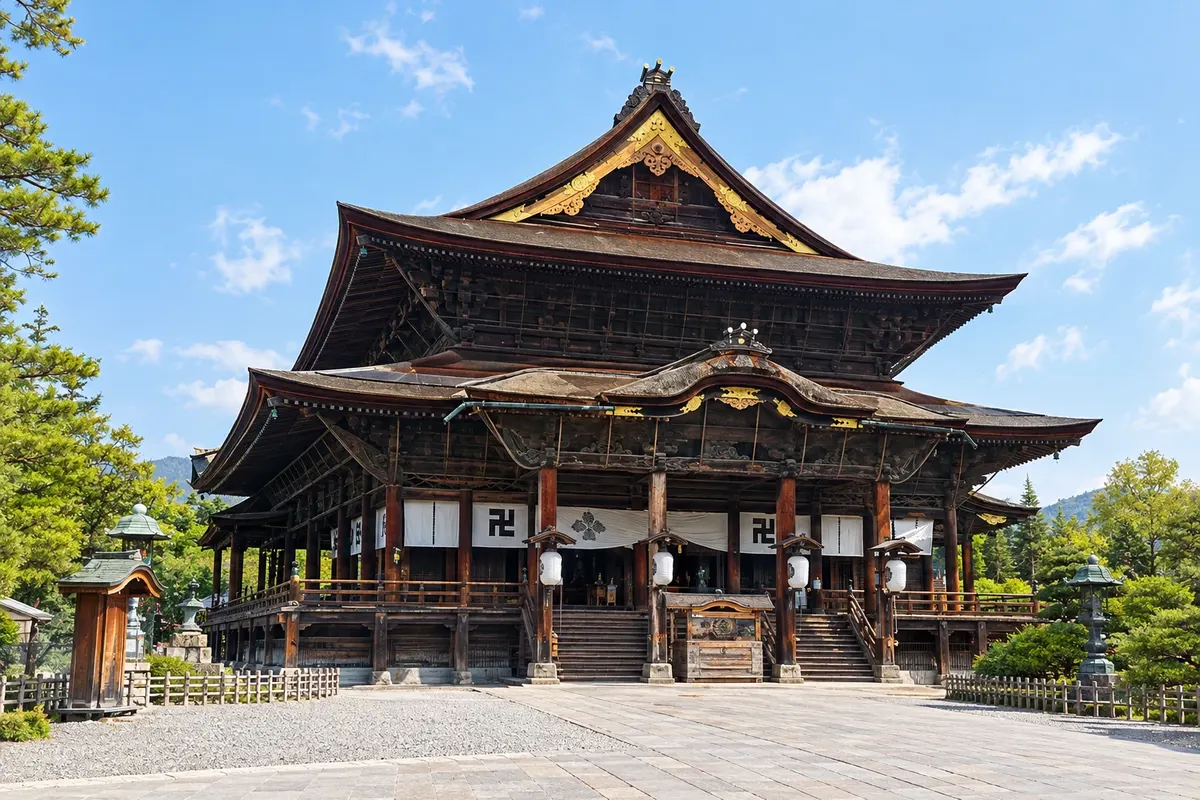
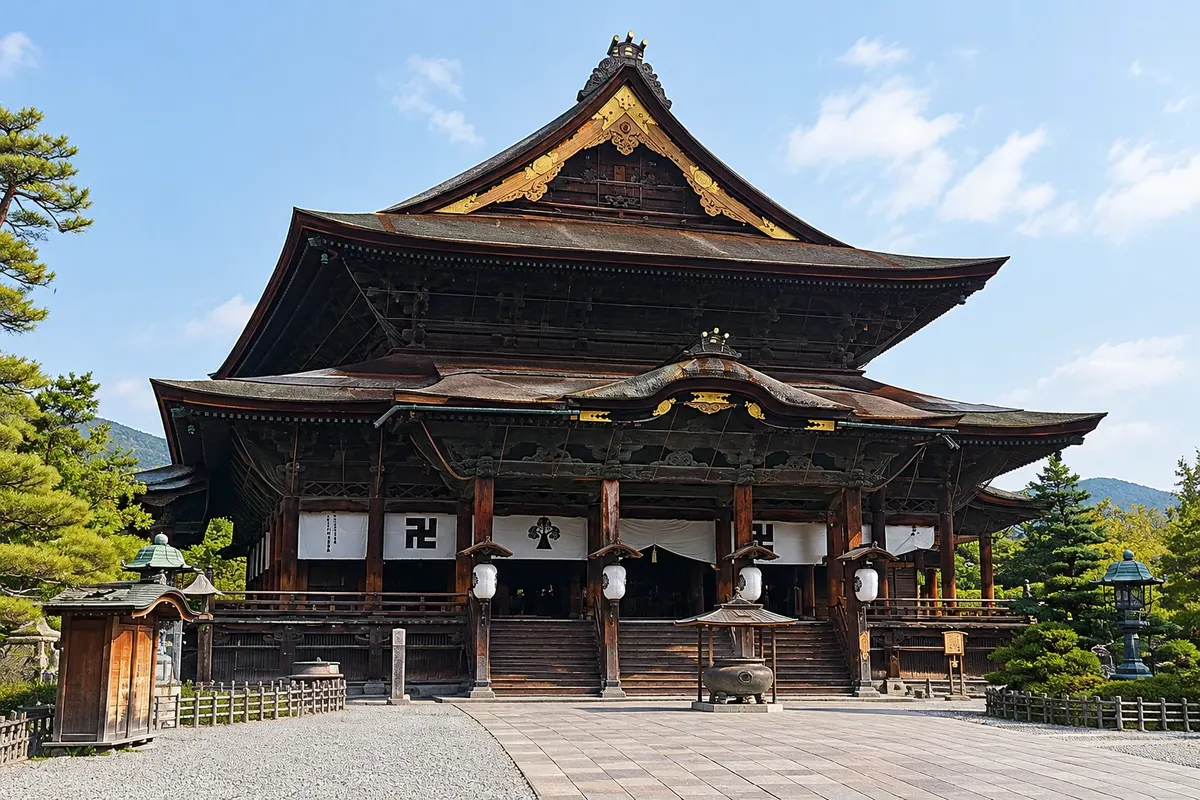
The Zenko-ji temple, a pilgrimage center for more than a thousand years; the monkeys that often bathe in the hot springs of Jigokudani; and the hot-spring village of Shibu Onsen.

Chubu

In the photo: Japanese macaques bathing in the Jigokudani hot spring in winter.

Illustrative images. The pictures in this guide are illustrations based on the real place, not photographs, and may differ from it.

Get to know the place

A region to enjoy
at your own pace.

Nagano is the capital of the prefecture of the same name in the mountains of central Honshu, and grew up around Zenko-ji temple, founded in the 7th century and a destination for pilgrims from across the country. The city hosted the 1998 Winter Olympics and is connected to Tokyo by the Hokuriku shinkansen, making it a gateway to the region’s mountains, snow, and hot springs.

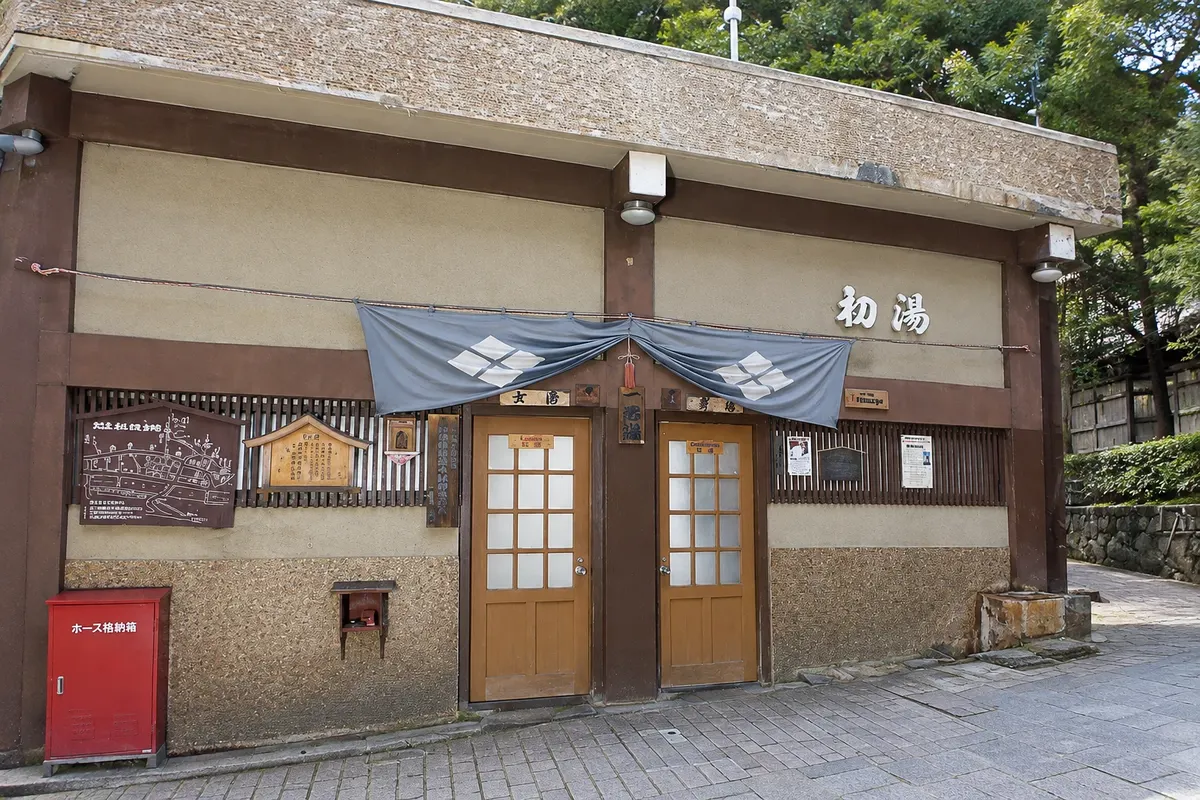
About 30 km to the northeast, in the Yokoyu River valley, lies the town of Yamanouchi. There you’ll find Jigokudani Park, where a group of wild Japanese macaques descend from the forest to warm themselves in a hot spring, especially in winter when the valley is covered in snow. The village of Shibu Onsen, with narrow streets, wooden inns and nine public baths, and the neighboring Yudanaka form the hot-spring area where most visitors stay overnight.

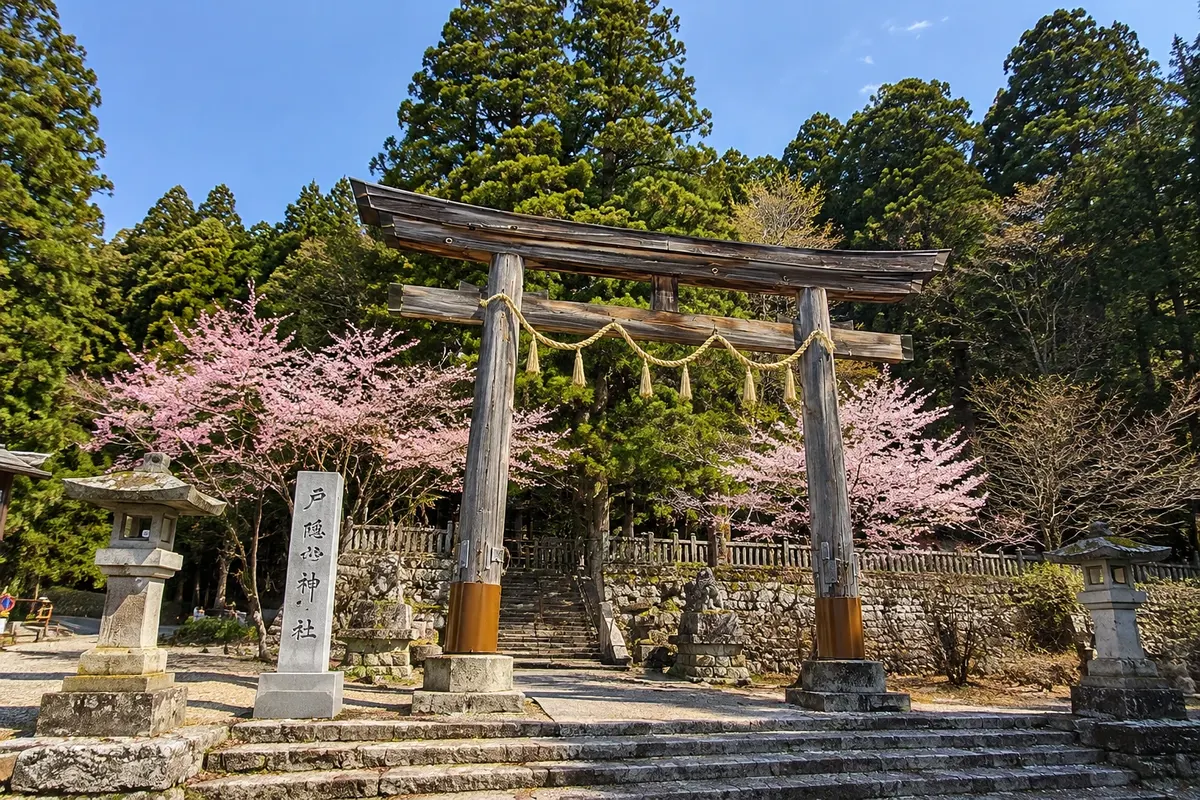
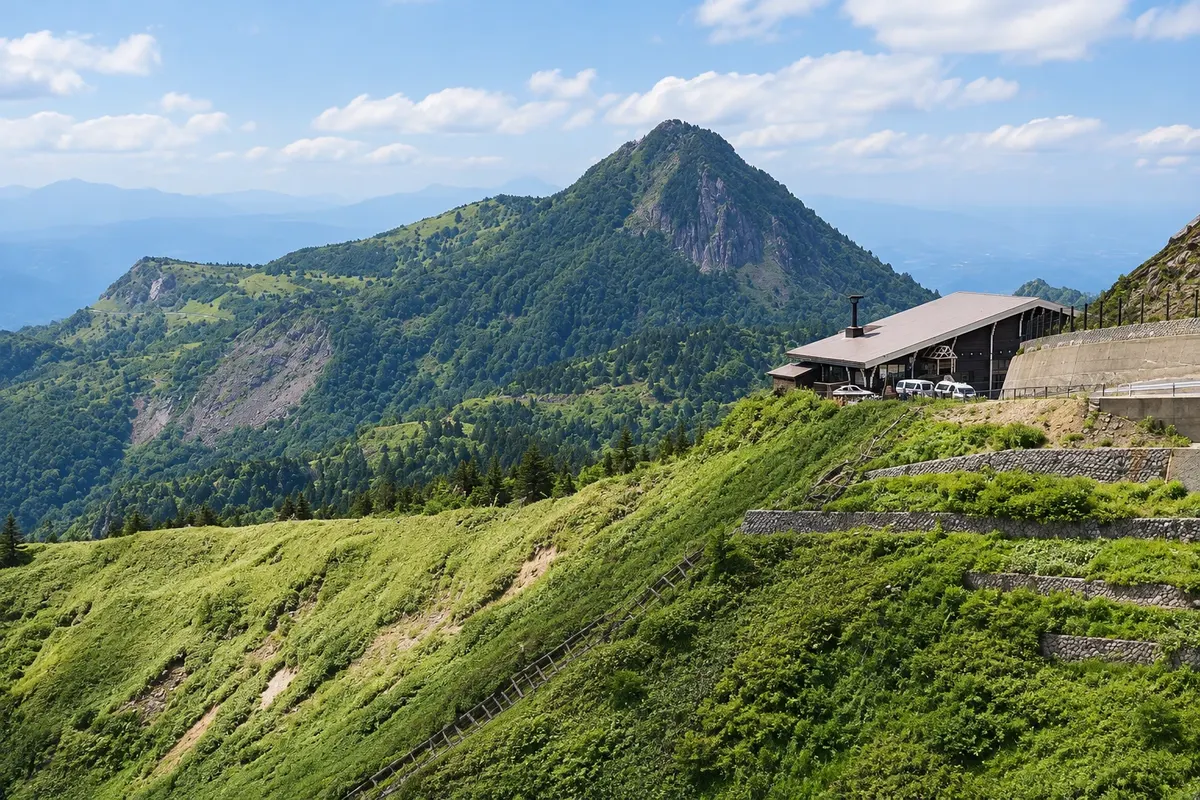
Above them, the Shiga Kogen plateau offers one of Japan’s largest ski areas, with dozens of interconnected runs that become trails among high-altitude lakes and marshes in summer. Northwest of Nagano, Togakushi shelters Shinto shrines amid a forest of centuries-old cedars and preserves traditions of soba and ninjas.

The region has long winters with abundant snow and cool summers in the mountains. Apples, soba, miso and sake are local products.

This destination brings together 2 cities: Nagano, Yamanouchi.

Share: WhatsApp
Traveler, share your experiences through photos Up to 5 photos of each place you visited.

One destination, many paths

The cities on this trip

Start with one city or combine several in your itinerary.

Where Nagano and Jigokudani is
NaganoYamanouchi

Dados cartográficos: © OpenStreetMap contributors, via Wambacher / geoBoundaries (ODbL 1.0). Adapted by Cidade Turismo.

How to get there: Nagano and Jigokudani

From Tokyo, the Hokuriku shinkansen reaches Nagano in about 1h20 to 1h40. From Kanazawa, about 1h10 on the fastest train. From Nagano Station, the Nagano Dentetsu railway takes you to Yudanaka in about 45 minutes to 1h10, and express buses run to the Jigokudani area and Shiga Kogen.

Suggested arrival point: Nagano

The local experience

Things to do in Nagano and Jigokudani

Jigokudani Monkey Park
Yamanouchi · Nagano · Nature reserve

Jigokudani Monkey Park

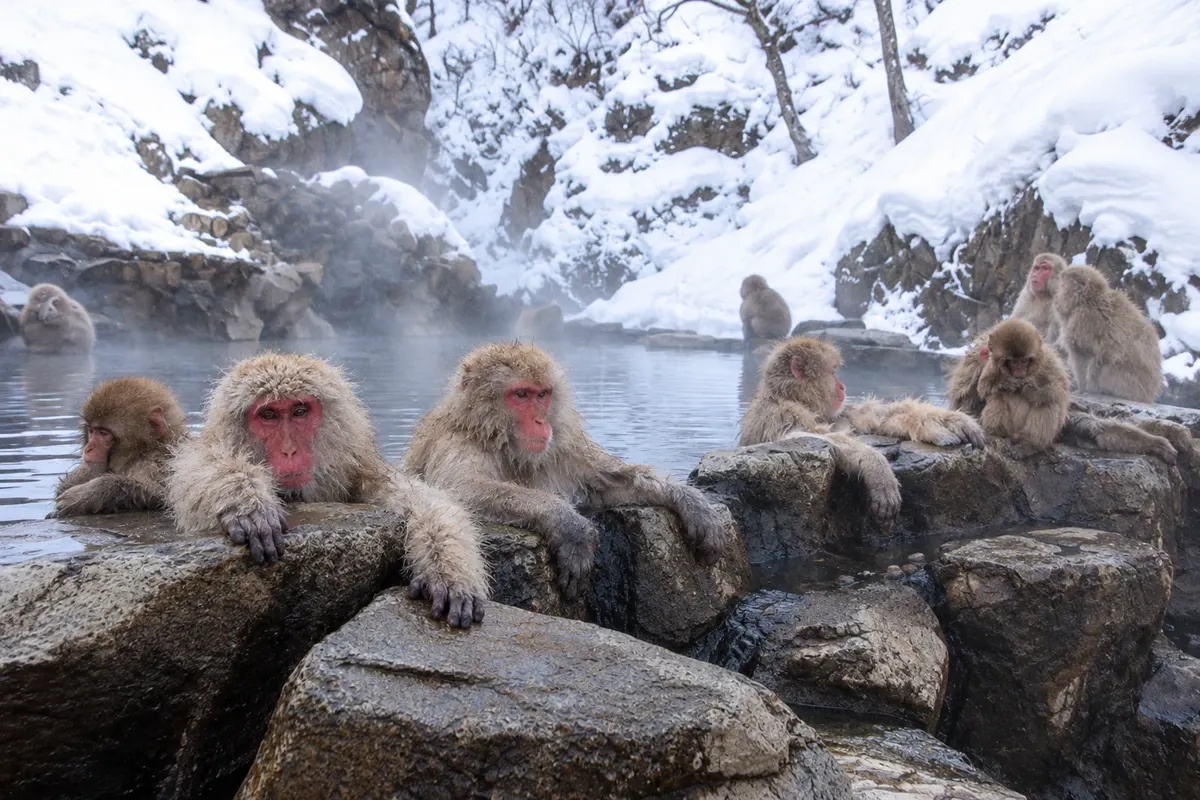
Park in the Yokoyu River valley, at about 850 meters altitude, where wild Japanese macaques come down from the forest and often bathe in a hot spring, especially in winter. It is reached by a trail of about 1.6 km.

Zenko-ji Temple
Nagano · Nagano · Temple

Zenko-ji Temple

A Buddhist temple founded in the 7th century, a pilgrimage center for all Japan, which houses a Buddha image said to be the first brought to the country. The main hall, from 1707, is a national treasure and has a dark corridor beneath the altar.

Togakushi Shrine
Nagano · Nagano · Shrine

Togakushi Shrine

A group of five Shinto shrines on the slope of Mount Togakushi, northwest of Nagano, connected by trails. The route to Okusha passes through an avenue of cedars over 400 years old.

Shibu Onsen
Yamanouchi · Nagano · Hot-spring village

Shibu Onsen

A hot-spring village of more than 1,300 years in the Yokoyu River valley, with a narrow stone-paved street, multi-storey wooden inns and nine public baths, visited wearing a yukata.

See 1 more place in Nagano and Jigokudani
Shiga Kogen
Yamanouchi · Nagano · Ski resort

Shiga Kogen

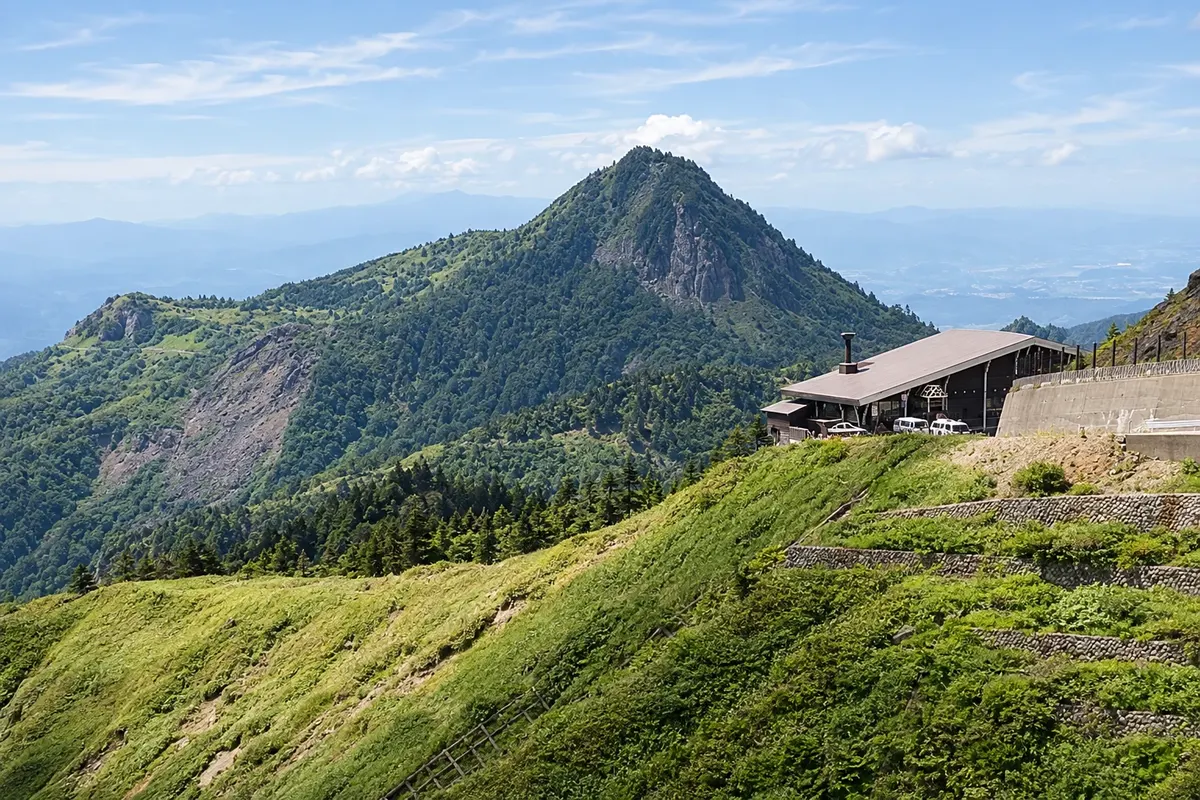
A volcanic plateau over 1,500 meters in elevation, with one of the largest ski areas in Japan, dozens of interlinked runs and a venue for events at the 1998 Games. In summer, trails pass by high-altitude lakes and marshes.

Before you go

Practical information

A little planning leaves more time to enjoy the journey.

When to go

From December to March for the snow, skiing in Shiga Kogen and the monkeys in the hot springs, when they tend to spend more time in the water. From May to October, the greenery and the trails in Togakushi and Shiga Kogen; autumn in October brings fall foliage. Zenko-ji can be visited year round.

The seasons shown are the most usual ones; nature doesn't always follow the calendar.

How many days to stay

Two days: Nagano and Zenko-ji on the first day, Jigokudani and Shibu Onsen on the second, with one night in a hot-spring inn. Add a day for Togakushi or, in winter, two to four days for skiing in Shiga Kogen.

Which city to stay in

In Nagano, the station area and the avenue that climbs to Zenko-ji concentrate hotels, plus lodgings in the temple’s shukubo for those who want to take part in the morning ritual. In Yamanouchi, Shibu Onsen and Yudanaka gather the hot-spring inns closest to Jigokudani. For skiing, Shiga Kogen has hotels at the foot of the slopes.

Respect the place

Take your trash with you, follow the signs and support local businesses. In natural areas, follow the visiting guidelines.

Get your questions answered

Frequently asked questions about Nagano and Jigokudani

How do I get from Tokyo to Jigokudani?

Take the shinkansen to Nagano, about 1h20 to 1h40, then continue by express bus or the Nagano Dentetsu railway to Yudanaka and a local bus. From the final stop, a trail of about 1.6 km through the forest leads to the park.

Are the monkeys always in the water at Jigokudani?

No. The macaques are wild and tend to enter the hot spring more often in the cold months, from December to March. On some days they appear less; the park provides information on current conditions.

Can you do Jigokudani as a day trip from Tokyo?

Yes, if you leave early, but it makes for a long day, with about 3 hours of travel each way plus the walk. One night in Shibu Onsen or Yudanaka makes the visit more relaxed.

Do I need a car in Nagano?

No. Train, local railway and buses connect Nagano, Yudanaka, Shiga Kogen and Togakushi. In winter, mountain roads have snow and require appropriate tires and driving experience.

Explore other destinations Search by state and city

Beyond the guide