Hakodate

Hokkaido · Japan

Hakodate

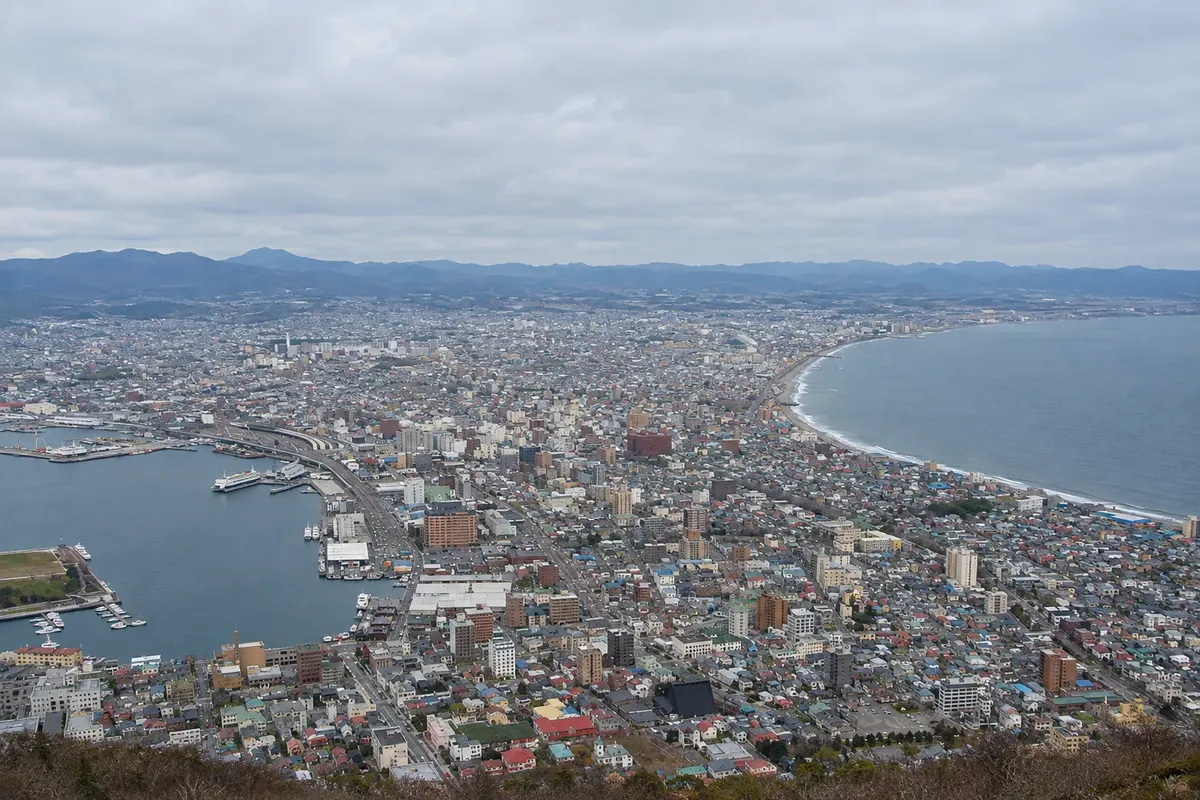
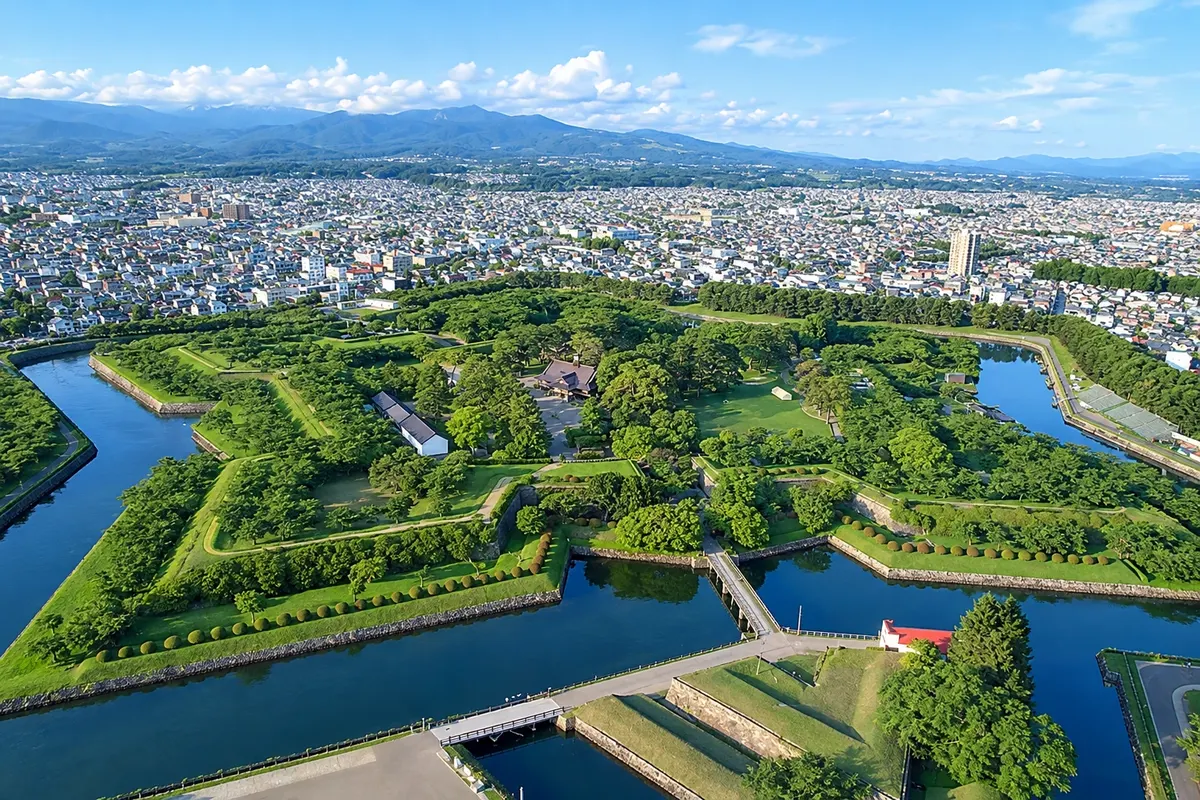
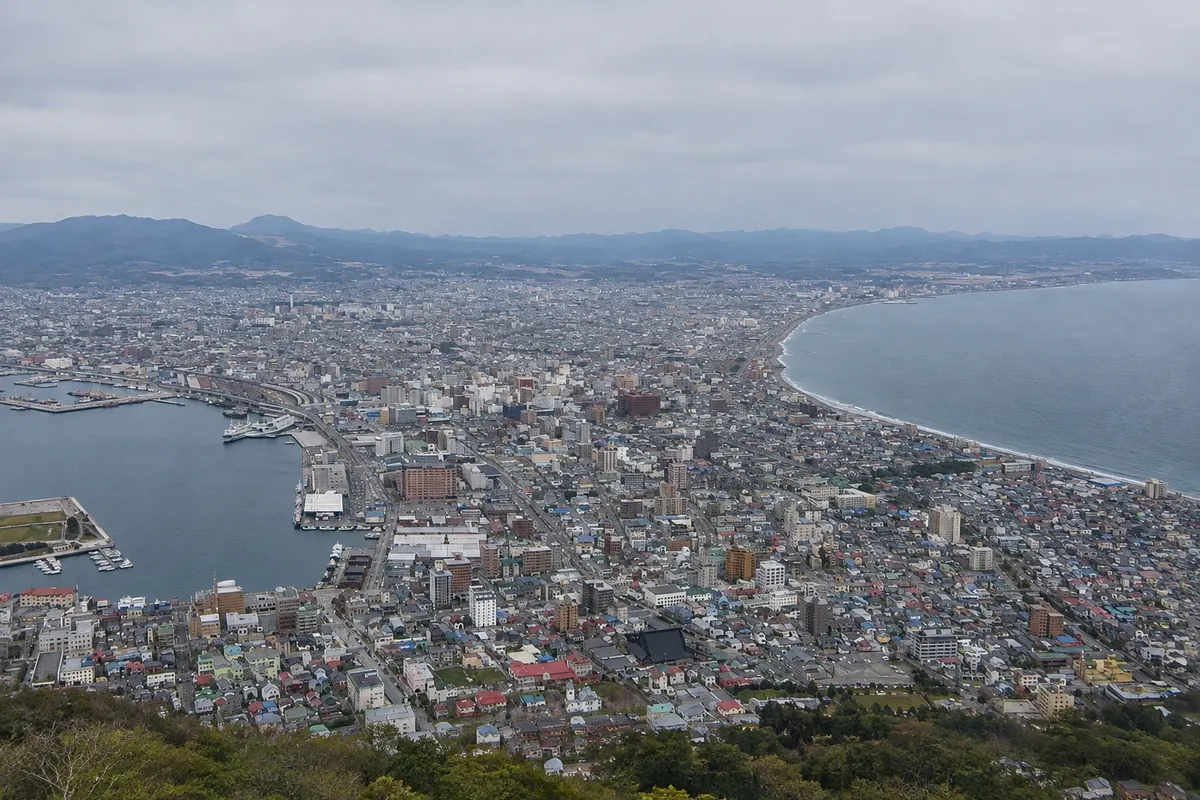
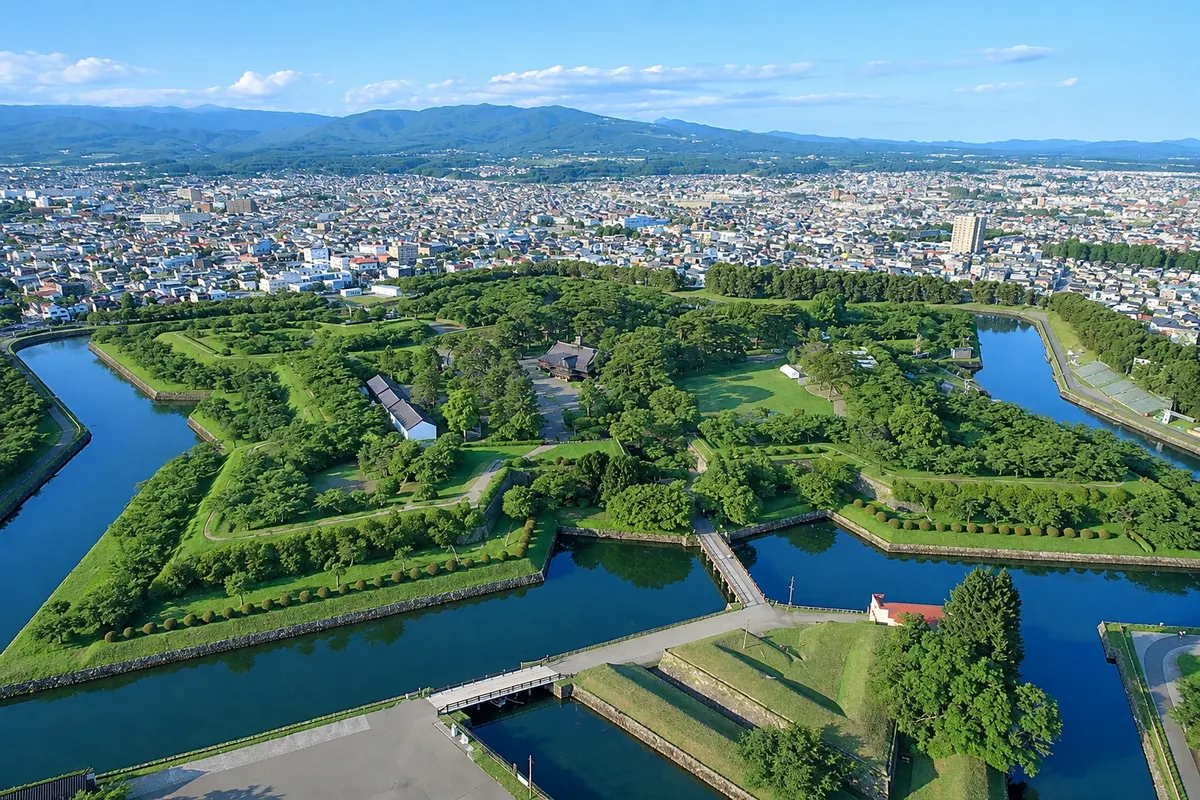
Southern port of Hokkaido opened to foreign trade in 1859, with the night view from Mount Hakodate, the star-shaped Goryokaku fort, the morning market and the churches of Motomachi.

Hokkaido

In the photo: Hakodate between two bays, view from Mount Hakodate.

Illustrative images. The pictures in this guide are illustrations based on the real place, not photographs, and may differ from it.

Get to know the place

A region to enjoy
at your own pace.

Hakodate lies at the southern tip of Hokkaido, on a narrow isthmus between two bays, with Mount Hakodate at the tip. It was one of the first Japanese ports opened to foreign trade in 1859 after centuries of restrictions. Merchants and diplomats from Russia, the United Kingdom and the United States settled on the mountain slope, and the Motomachi neighborhood still preserves churches, consulates and wooden Western-style houses from that era.

The city was also the scene of the end of the Boshin civil war in 1869, when the last troops loyal to the shogunate made their stand at Goryokaku, a five-pointed star-shaped fortification. Today the fort is a park with moats, cherry trees and a replica of the old magistrate’s office, and the nearby tower shows the star design from above.

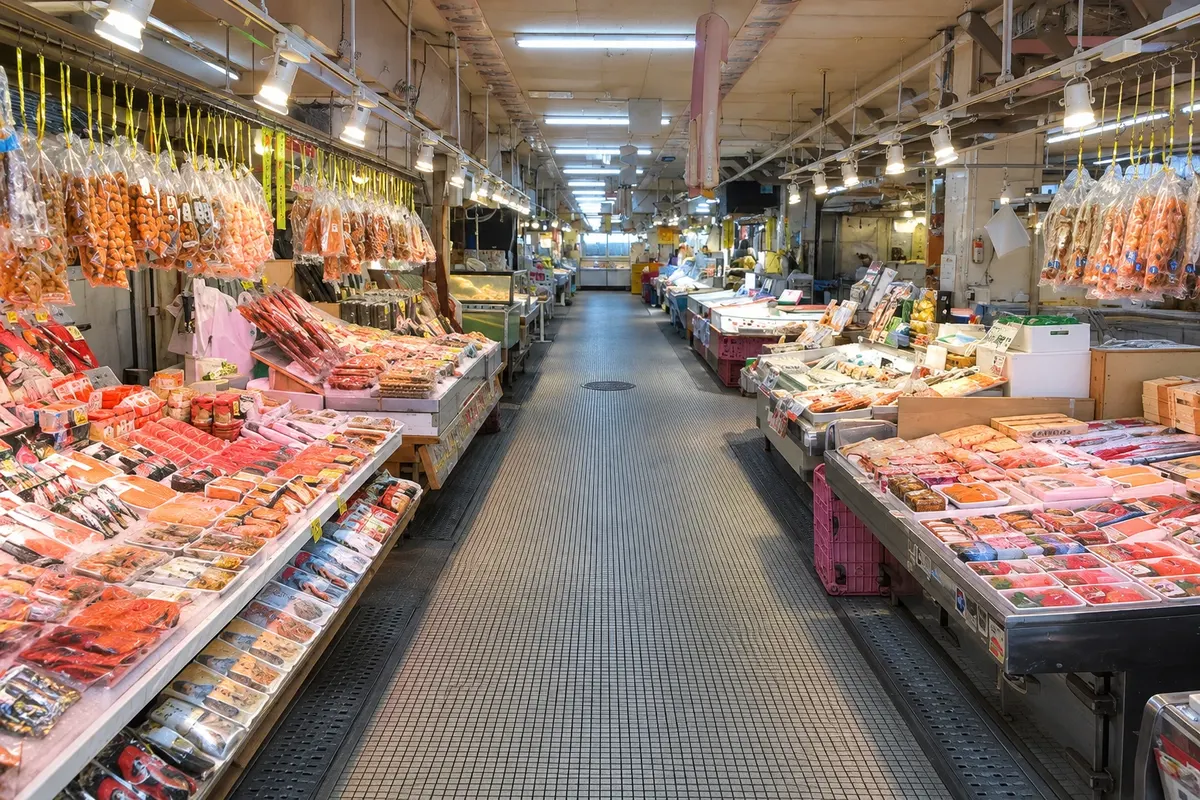
The nighttime view from Mount Hakodate is the city’s most famous image: the lights trace the isthmus between the two dark bays. In the morning, the morning market by the station sells fresh squid, crab, sea urchin and salmon roe served over rice. The port area has brick warehouses converted into shops and restaurants, and the Yunokawa hot-spring district is a few minutes from the airport.

Hakodate is Hokkaido’s southern gateway: the Hokkaido bullet train reaches Shin-Hakodate-Hokuto from Tokyo through the Seikan undersea tunnel, and express trains continue to Sapporo.

This destination brings together 1 city: Hakodate.

Share: WhatsApp
Traveler, share your experiences through photos Up to 5 photos of each place you visited.

One destination, many paths

The cities on this trip

Start with one city or combine several in your itinerary.

Where Hakodate is
Hakodate

Dados cartográficos: © OpenStreetMap contributors, via Wambacher / geoBoundaries (ODbL 1.0). Adapted by Cidade Turismo.

How to get there: Hakodate

✈ Aeroporto de Hakodate (HKD) · 8 km to Hakodate

Hakodate Airport (HKD) receives flights from Tokyo and other Japanese cities and is about 20 minutes by bus from downtown. From Tokyo, the bullet train takes about 4 hours to Shin-Hakodate-Hokuto, from where a connecting train reaches Hakodate Station in about 20 minutes. From Sapporo, the express train takes about 3h30 to 4 hours.

The local experience

Things to do in Hakodate

Mount Hakodate
Hakodate · Hokkaido · Lookout

Mount Hakodate

A 334-meter hill at the tip of the Hakodate peninsula, with a ropeway to the observatory. At night, the city lights trace the isthmus between two bays — Hokkaido’s most famous view.

Goryokaku
Hakodate · Hokkaido · Fortress

Goryokaku

A five-pointed star-shaped fort completed in 1864, the last stronghold of shogunate forces in the Boshin War. Today it’s a park with moats, about 1,500 cherry trees and a replica of Hakodate’s magistrate’s office.

Hakodate Morning Market
Hakodate · Hokkaido · Market

Hakodate Morning Market

A market of about 250 stalls next to Hakodate Station, open from early dawn, offering fresh squid, crab, sea urchin and salmon roe served in bowls over rice.

Motomachi
Hakodate · Hokkaido · Historic district

Motomachi

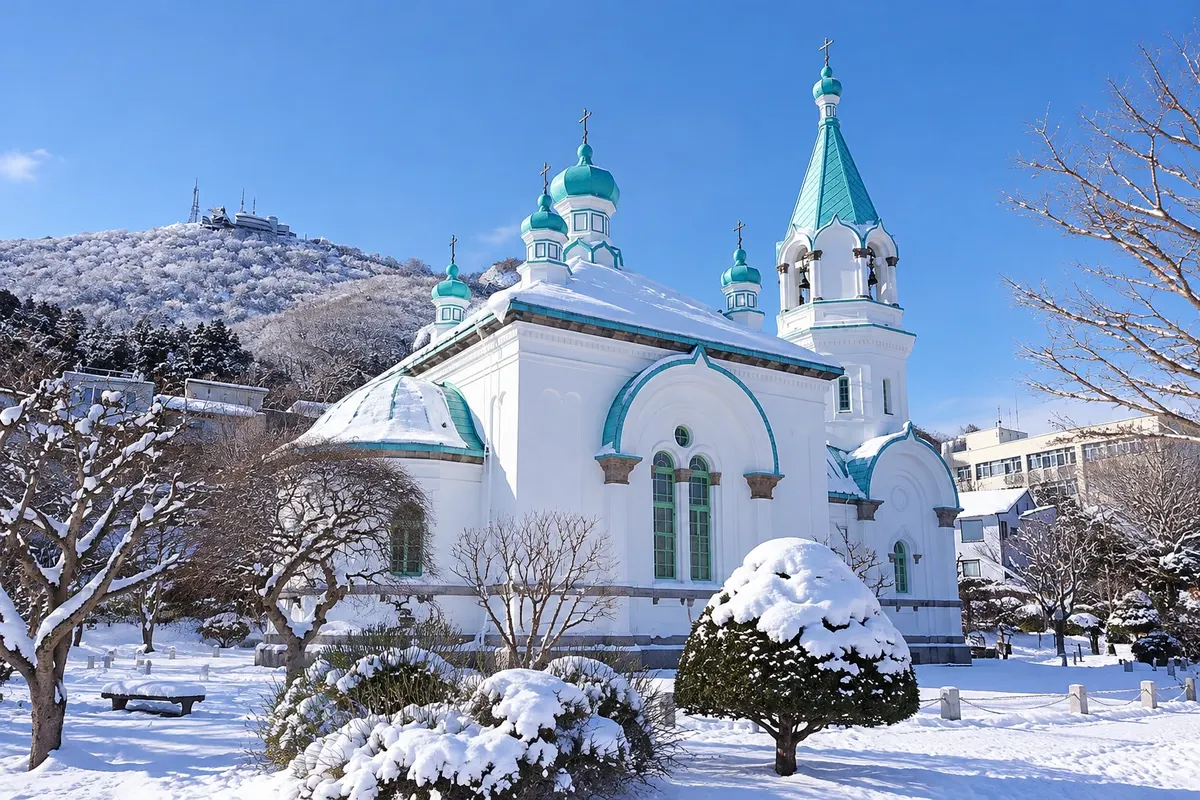
Neighborhood on the slope of Mount Hakodate where foreigners settled after the port opened in 1859. It has slopes leading to the bay, the Orthodox church, the Catholic church, the old public hall and wooden houses in Western style.

Before you go

Practical information

A little planning leaves more time to enjoy the journey.

When to go

From May to October the weather is usually mild; the cherry trees at Goryokaku generally bloom between late April and early May, and summer brings the squid season. From December to February there is snow, winter illuminations at the port and in Goryokaku, and short days. Fog can hide the view from the mountain at any time of year.

The seasons shown are the most usual ones; nature doesn't always follow the calendar.

How many days to stay

Two days allow you to see Motomachi and Mount Hakodate on the first day and the morning market and Goryokaku on the second. With only one day, focus on Motomachi in the afternoon, the mountain at night, and the market the next morning before continuing your trip.

Which city to stay in

The area around Hakodate Station, next to the morning market and the port, is the most convenient for those arriving by train who want to walk to Motomachi and the ropeway. Yunokawa Onsen, near the airport, has hotels with hot-spring baths and is about 30 minutes by tram from downtown. The Goryokaku area has hotels and restaurants used by locals.

Respect the place

Take your trash with you, follow the signs and support local businesses. In natural areas, follow the visiting guidelines.

Get your questions answered

Frequently asked questions about Hakodate

How to go from Tokyo to Hakodate by train?

By the Hokkaido bullet train to Shin-Hakodate-Hokuto, in about 4 hours, passing through the Seikan tunnel under the Tsugaru Strait. From there, the Hakodate Liner train reaches the city center in about 20 minutes.

How many days to stay in Hakodate?

Two days are enough for Motomachi, Mount Hakodate, the morning market and Goryokaku. One night is the minimum, because the most sought-after view is the night view from the mountain.

Do I need a car in Hakodate?

No. Trams connect the station, Motomachi, Goryokaku and Yunokawa, and the ropeway goes up the mountain. A car only helps if you plan to travel along the coast or visit Lake Onuma to the north.

Is a day trip from Sapporo to Hakodate possible?

Not recommended: the train takes 3h30 to 4 hours each way, and the mountain’s night view requires staying out late. Most people spend at least one night.

When do the cherry trees bloom in Hakodate?

They usually bloom between late April and early May, later than in Tokyo. Goryokaku, with about 1,500 cherry trees, is the most popular spot; the exact date varies each year.

Explore other destinations Search by state and city

Beyond the guide