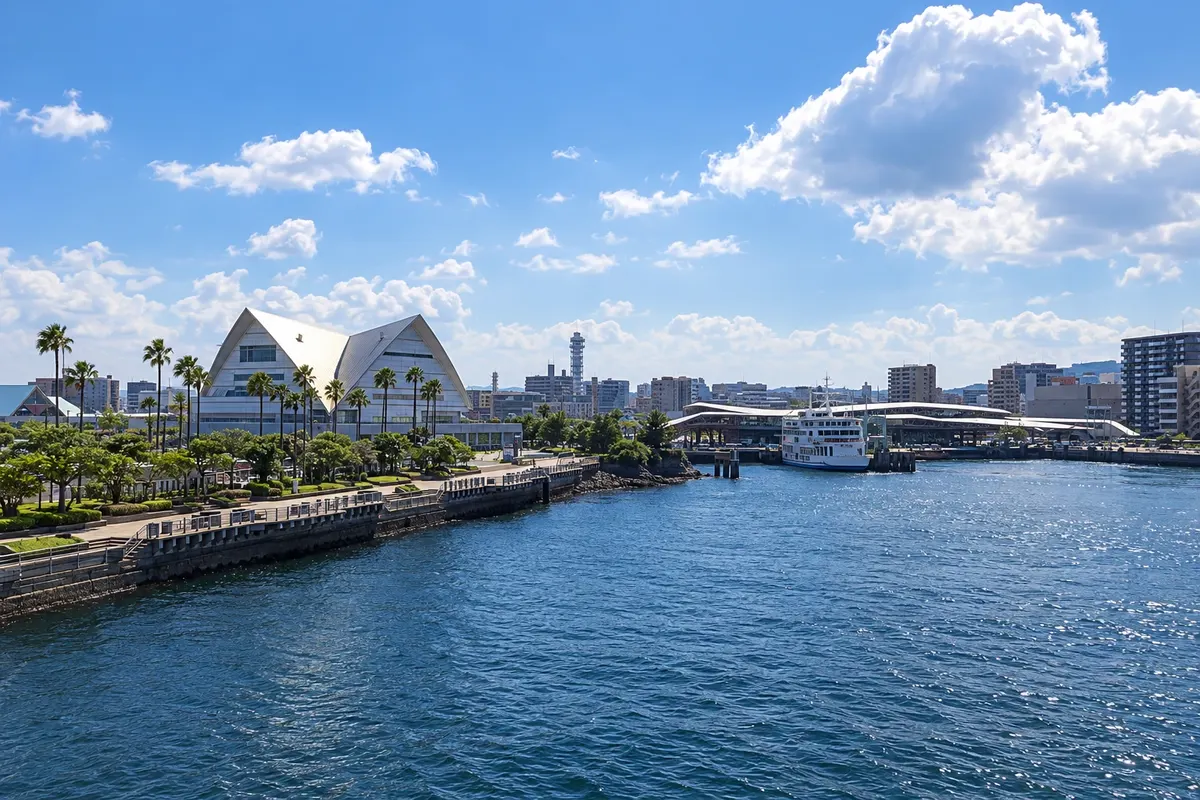
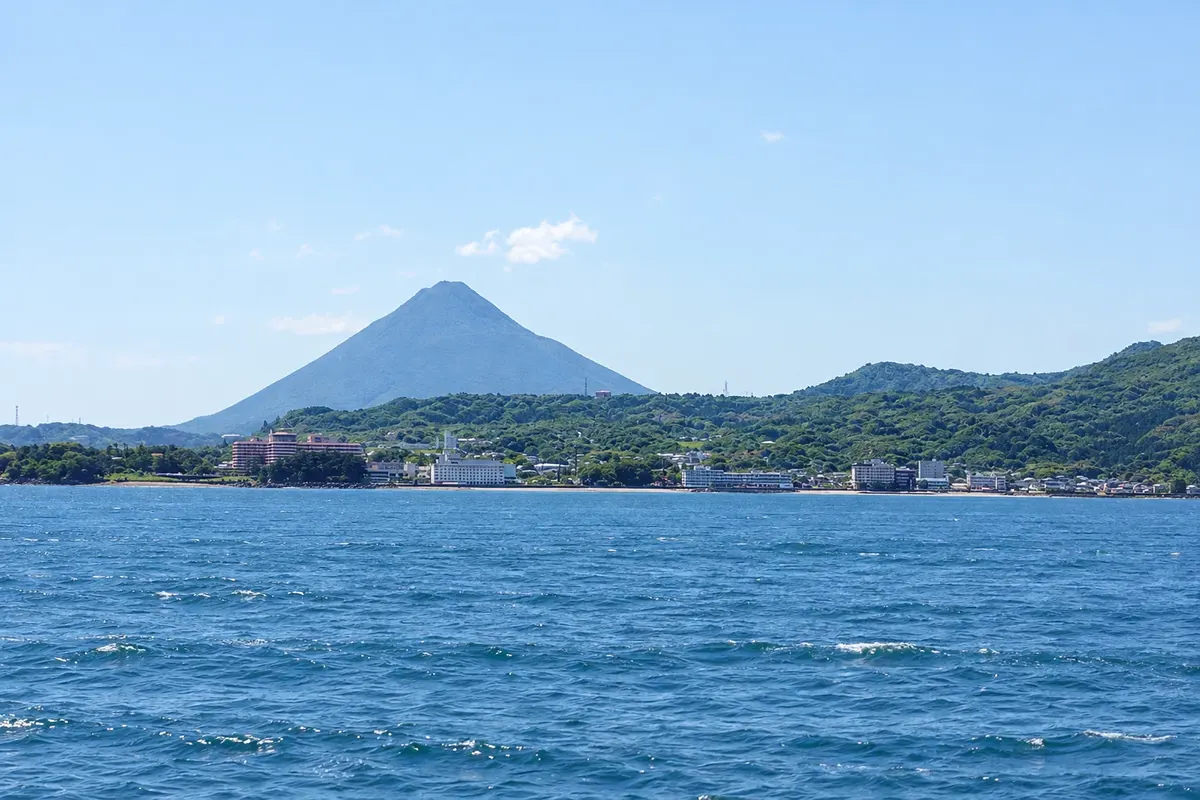
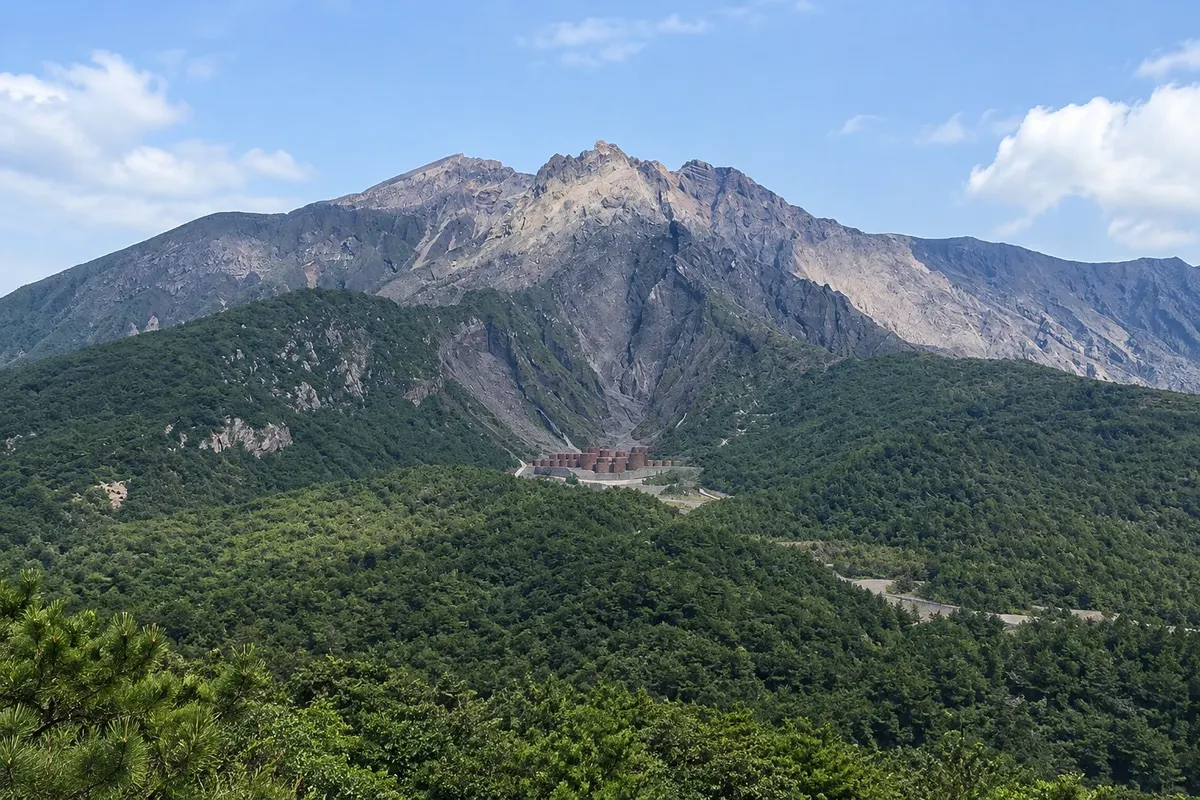
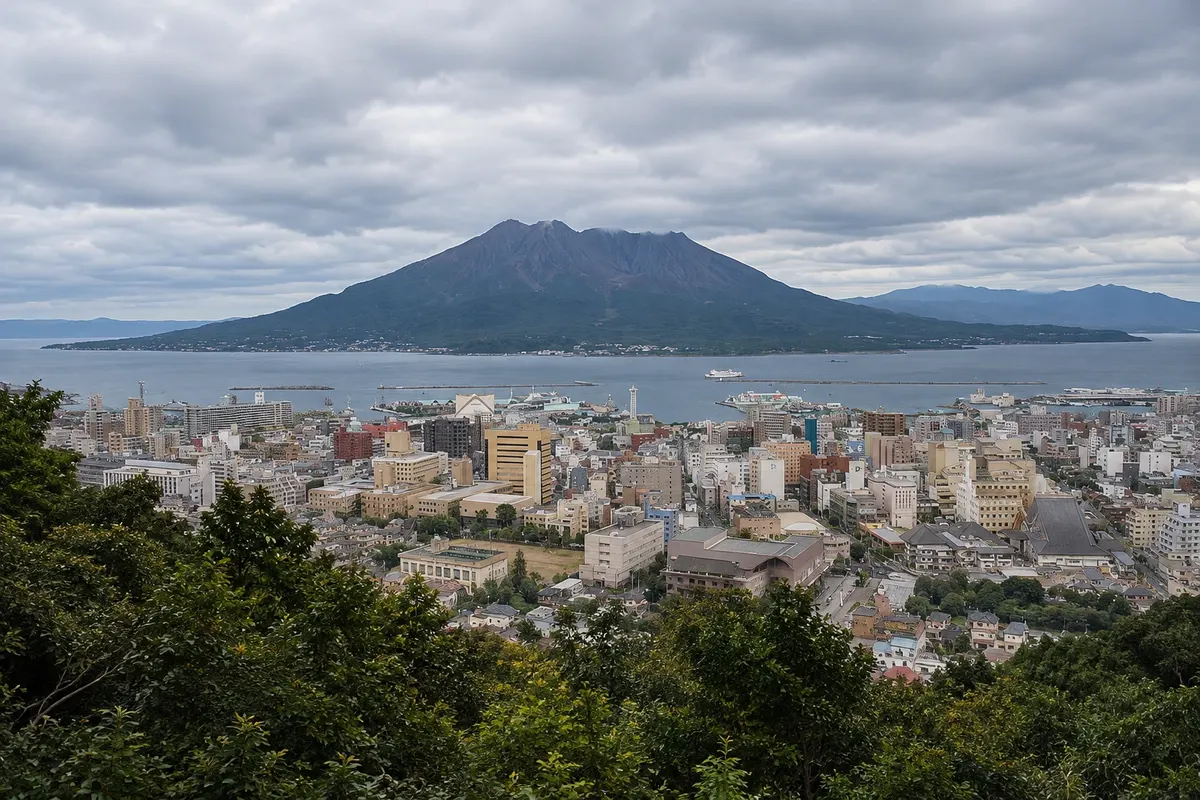
At the southern tip of Kyushu, on the shore of Kinko Bay, Kagoshima is the capital of the prefecture that bears its name. Across the water, about 4 km from the center, lies Sakurajima, one of Japan’s most active volcanoes, which emits ash several times a year. The city’s landscape is like this: streets, palm trees and trams with the steaming cone in the background.
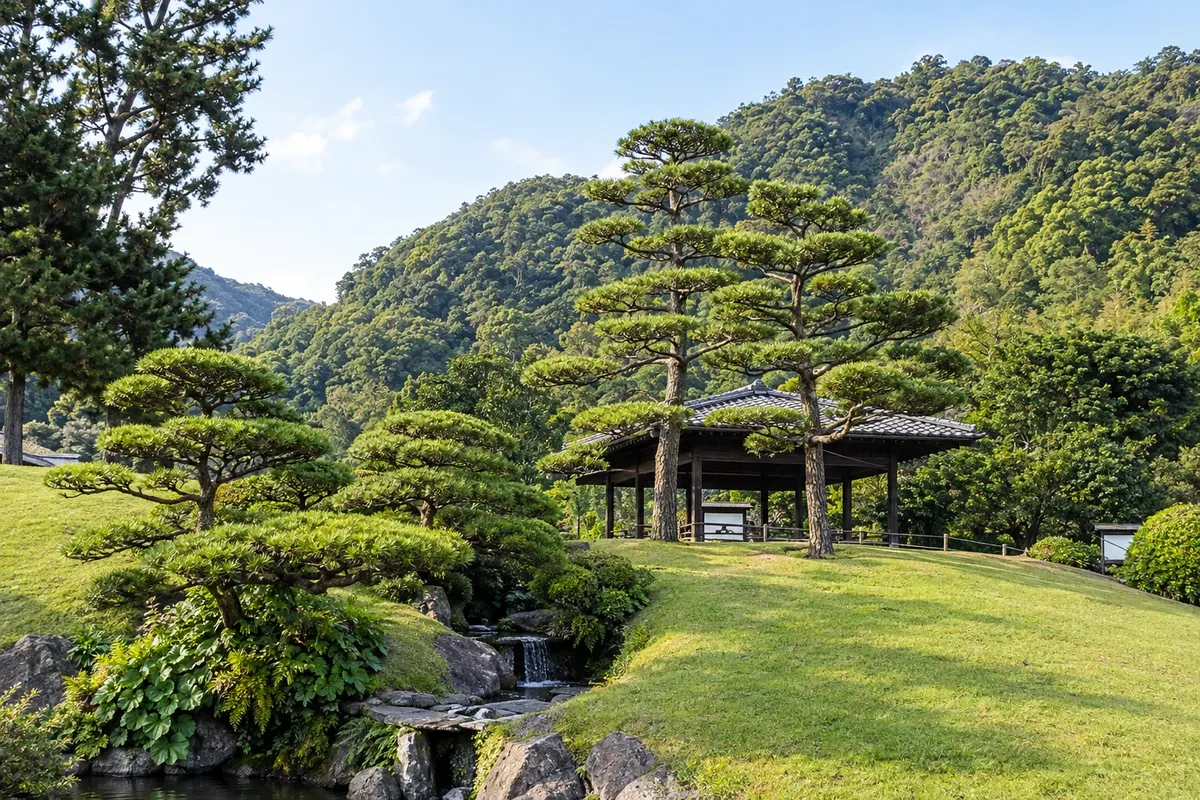
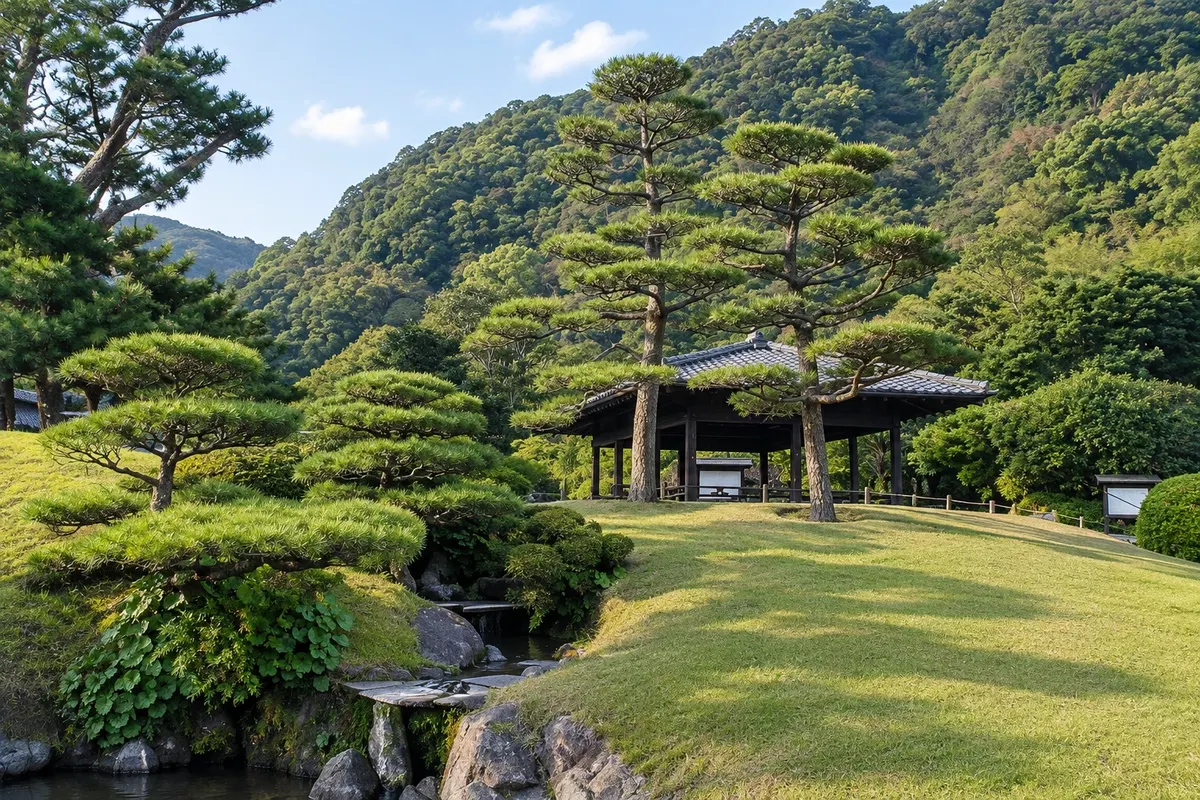
Kagoshima was the seat of the Satsuma domain, governed by the Shimazu clan, and played a central role in the country’s modernization in the 19th century. The Shimazu family’s Sengan-en garden and the old Shuseikan factories are on the UNESCO list as part of the Meiji industrial heritage. On Shiroyama hill the Satsuma Rebellion ended in 1877 with the death of Saigo Takamori, a figure commemorated in statues and museums around the city.
Sakurajima is visited by ferry, a crossing of about 15 minutes that runs day and night. On the island, which connected to the Osumi peninsula after the 1914 eruption, there are lava trails, foot baths, the Yunohira observatory and a shrine torii buried by ash at Kurokami. Approaching the craters is not permitted, and access to some areas changes according to the alert level.
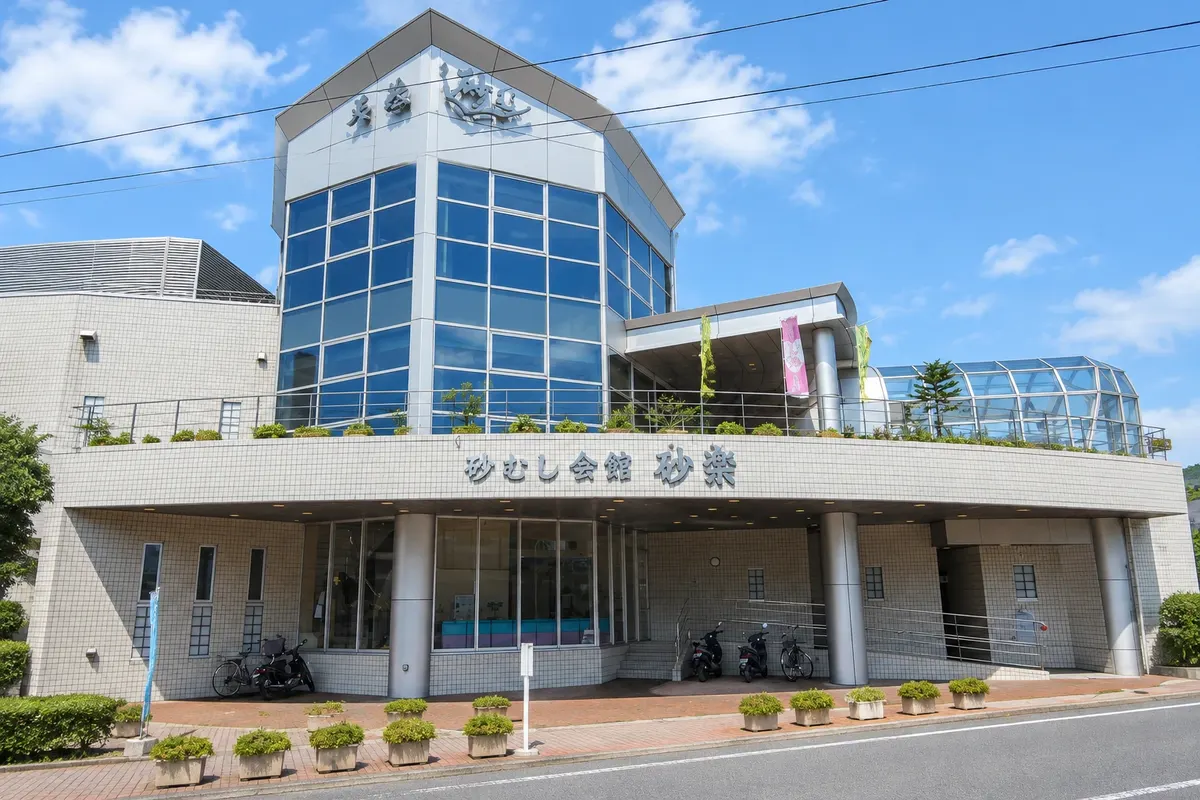
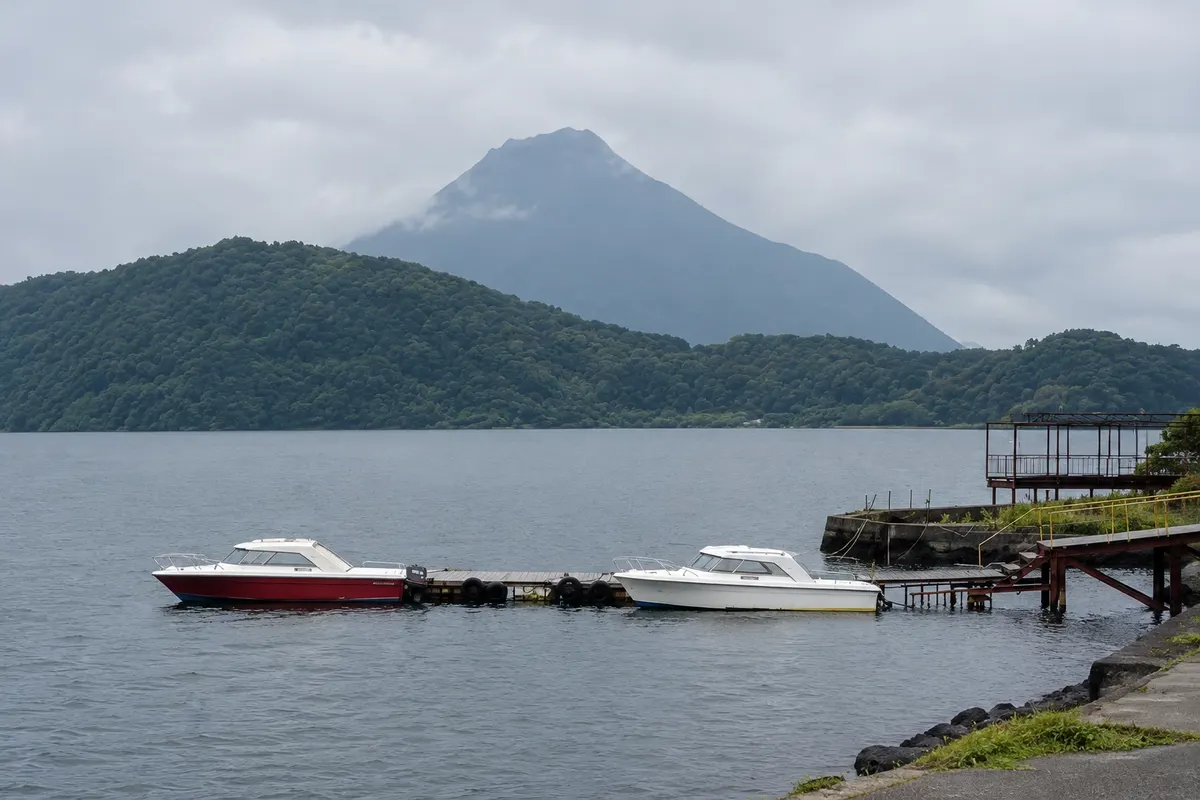
To the south, at the end of the Satsuma peninsula, Ibusuki is the hot-spring town known for its hot sand bath on the beach, with nearby Lake Ikeda and Mount Kaimon. Kagoshima is also the departure point for boats and flights to Yakushima.
This destination brings together 2 cities: Kagoshima, Ibusuki.


 Brazil
 Antarctica
 Argentina
 Bolivia
 Chile
 Colombia
 Ecuador
 Guyana
 French Guiana
 Falkland Islands (Malvinas)
 Paraguay
 Peru
 Suriname
 Uruguay
 Venezuela
 Germany
 Austria
 Belgium
 Croatia
 Denmark
 Slovakia
 Slovenia
 Spain
 Finland
 France
 Greece
 the Netherlands
 Hungary
 Ireland
 Iceland
 Italy
 Luxembourg
 Norway
 Poland
 Portugal
 the United Kingdom
 the Czech Republic
 Sweden
 Switzerland
 Turkey
 Bermuda
 Canada
 the United States
 Greenland
 Mexico
 Saint Pierre and Miquelon
 the Dominican Republic
 South Africa
 Egypt
 Australia
 Fiji
 New Zealand
 Papua New Guinea