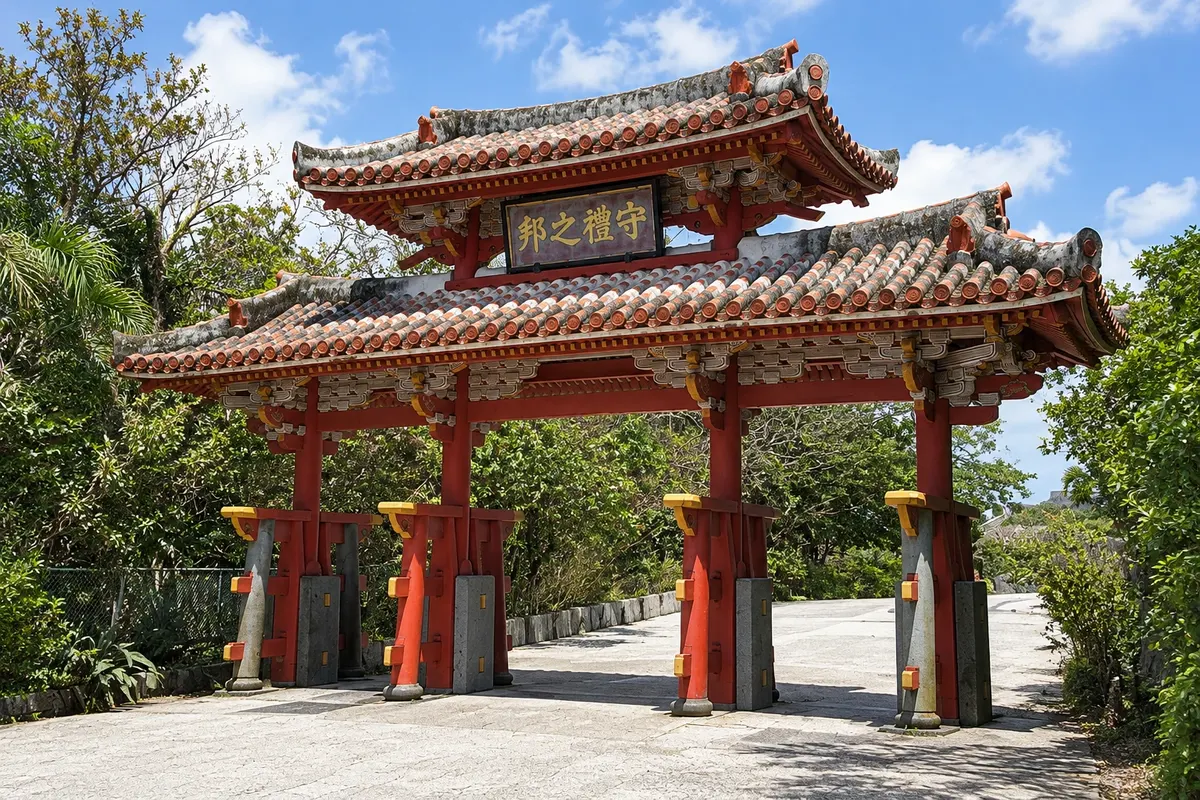
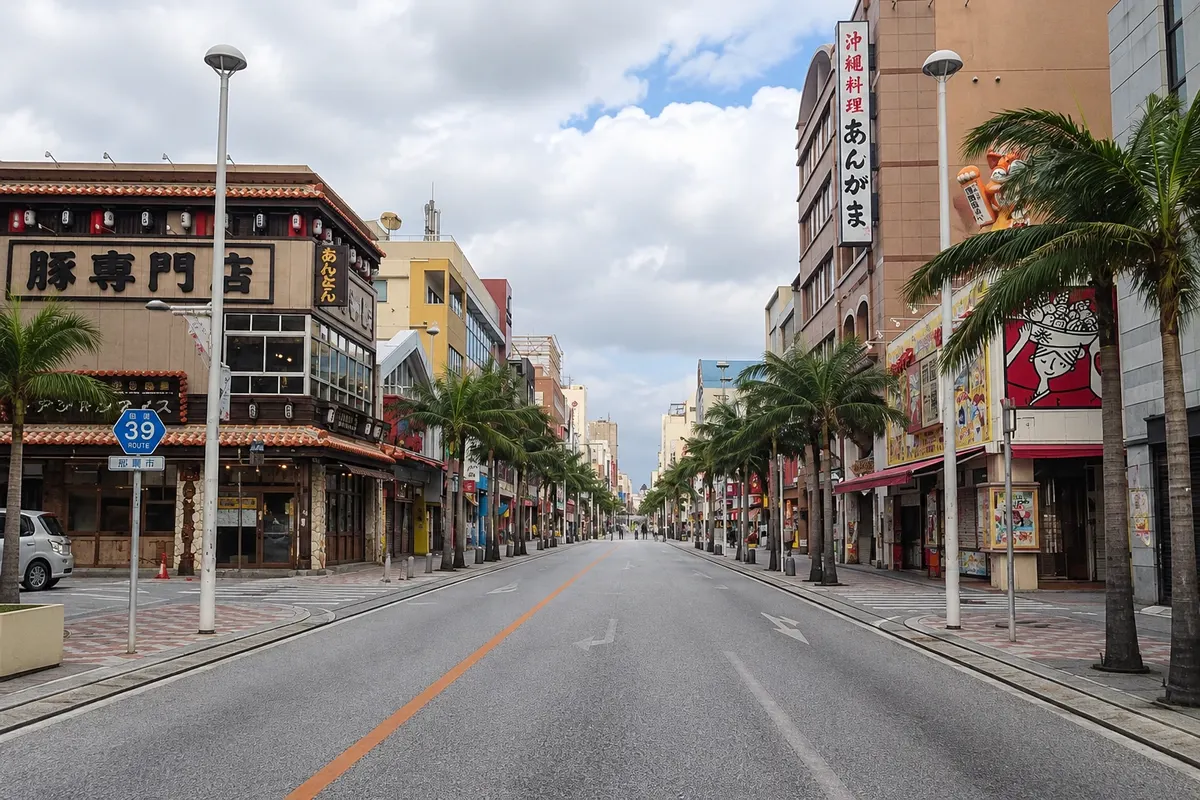
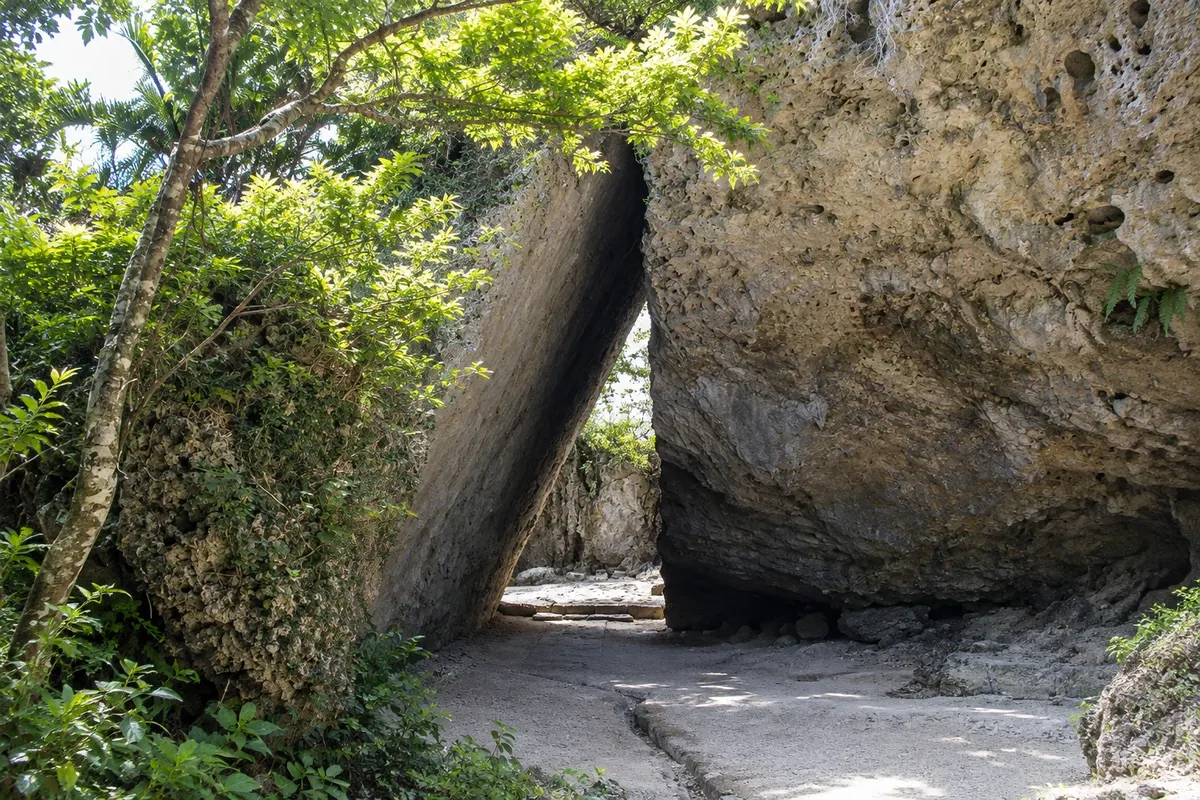
Okinawa is the largest island of the Ryukyu archipelago, at Japan’s southern extreme, closer to Taiwan than to Tokyo. For nearly five centuries it was the center of its own polity, the Ryukyu Kingdom, which prospered from trade with China, Japan and Southeast Asia and was only incorporated into Japan in 1879. That history appears in the red-tiled architecture, in sacred shrines called utaki, in sanshin music, in the language and in the cuisine, all different from the rest of the country.
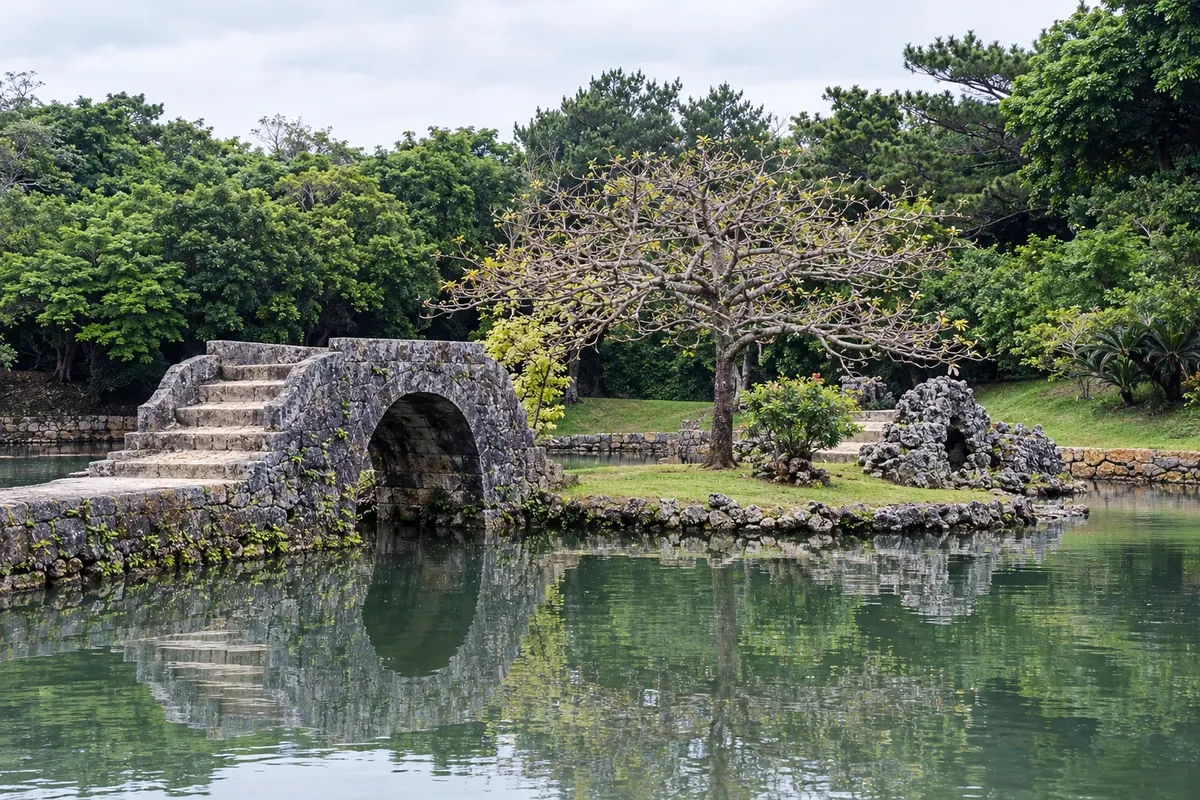
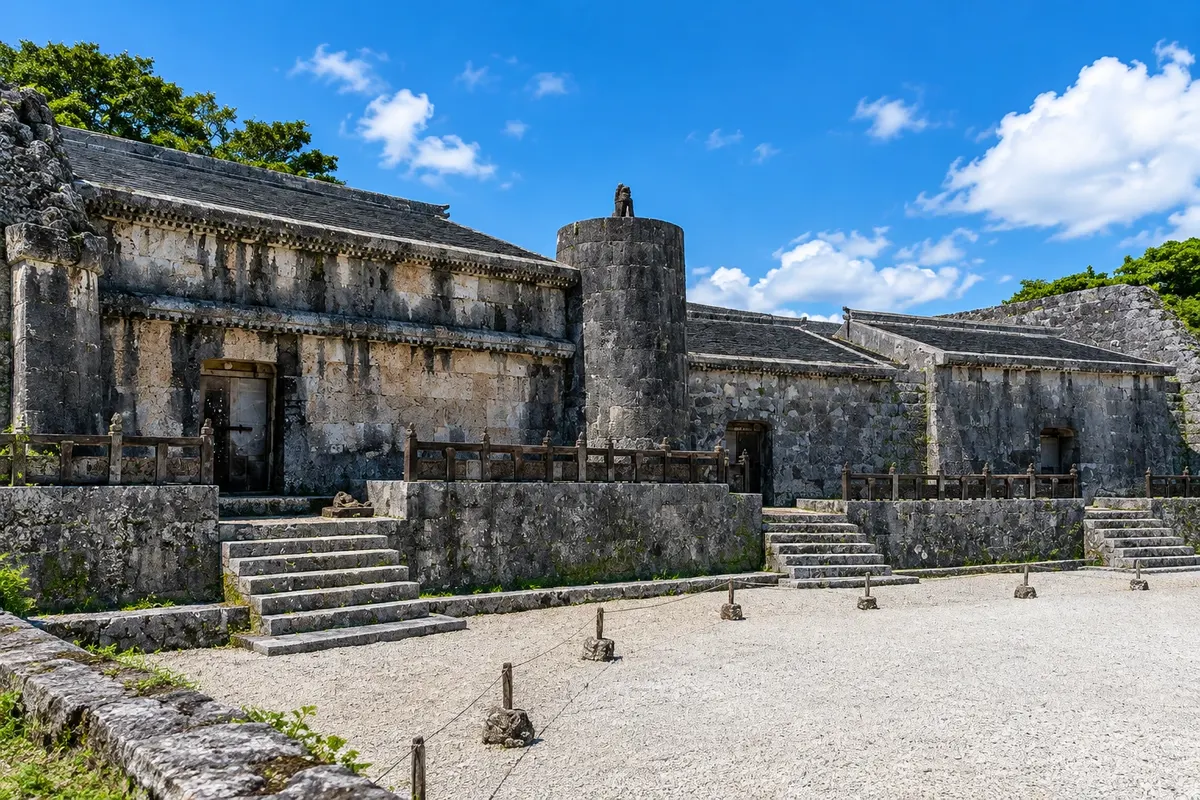
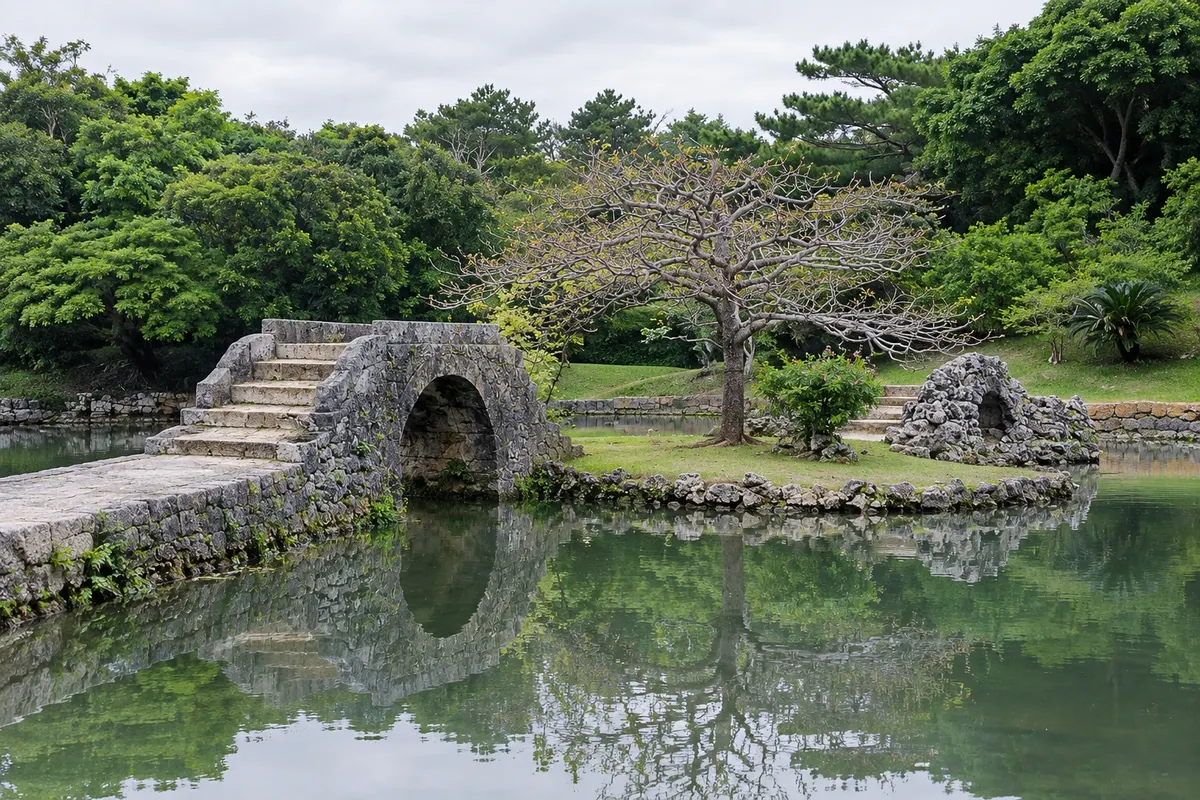
Naha, the capital, concentrates the Ryukyu Kingdom sites inscribed by UNESCO in 2000: Shuri Castle, the royal mausoleum Tamaudun and the Shikinaen garden, plus the Sefa-utaki shrine in the island’s south. Kokusai Street and the public market bring together urban life and local food. The island also preserves the memory of the 1945 Battle of Okinawa in museums and memorials in the south.
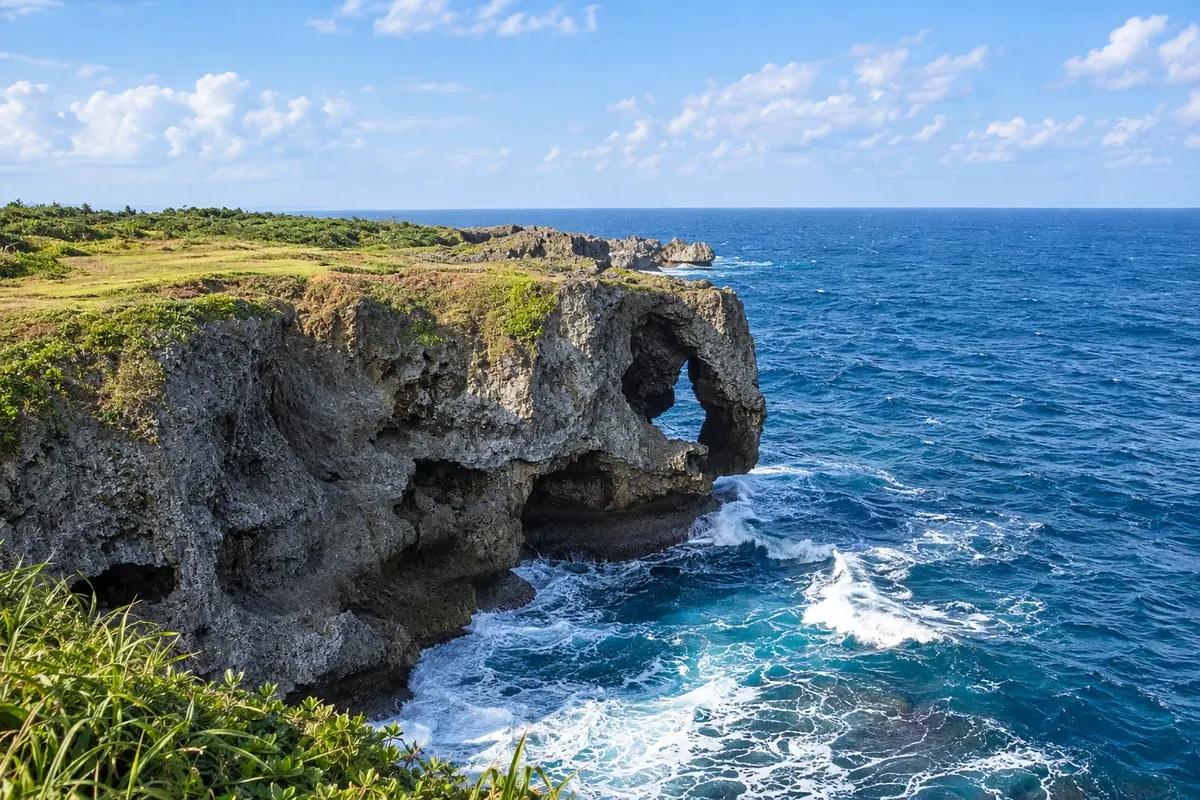
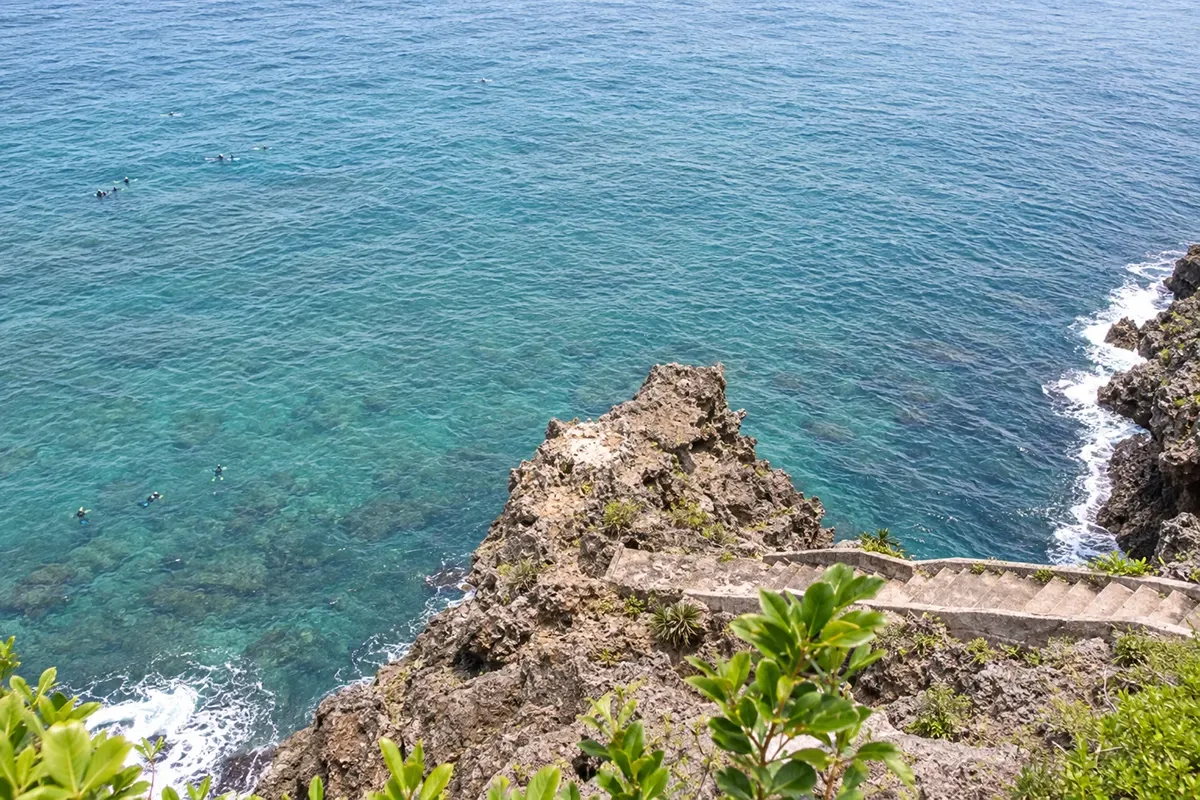
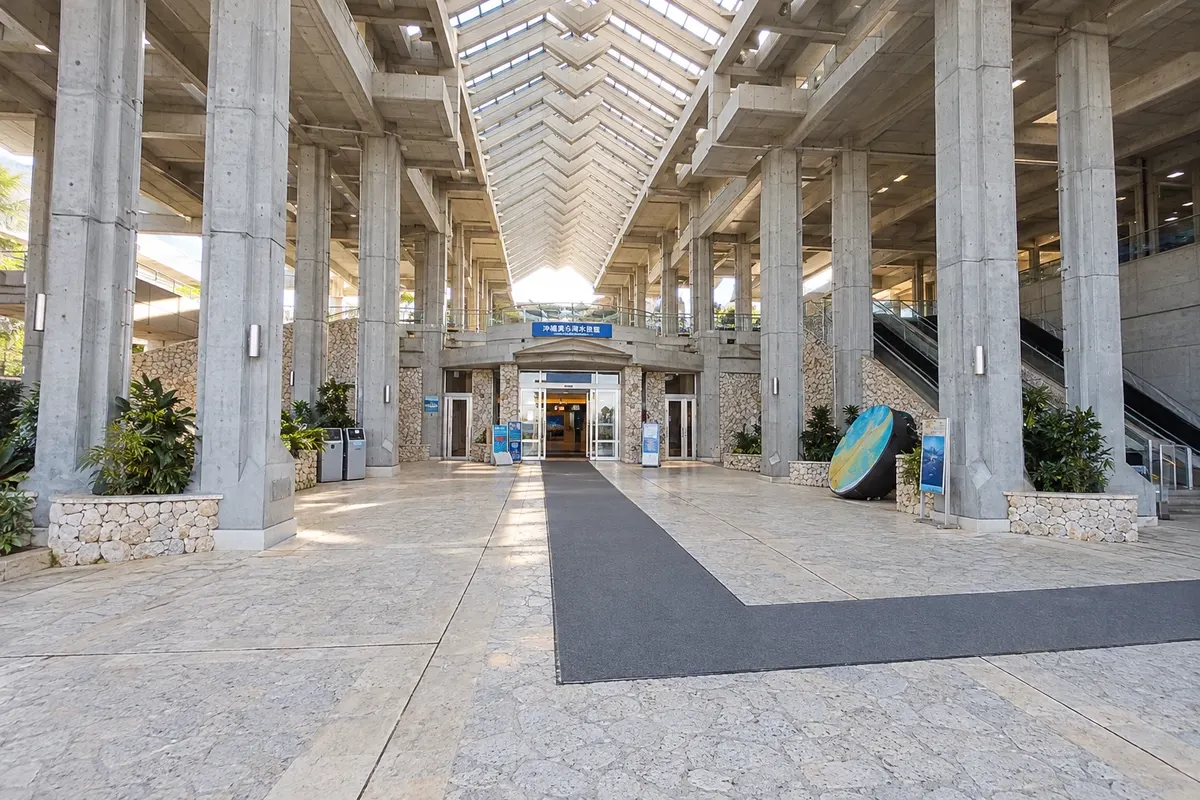
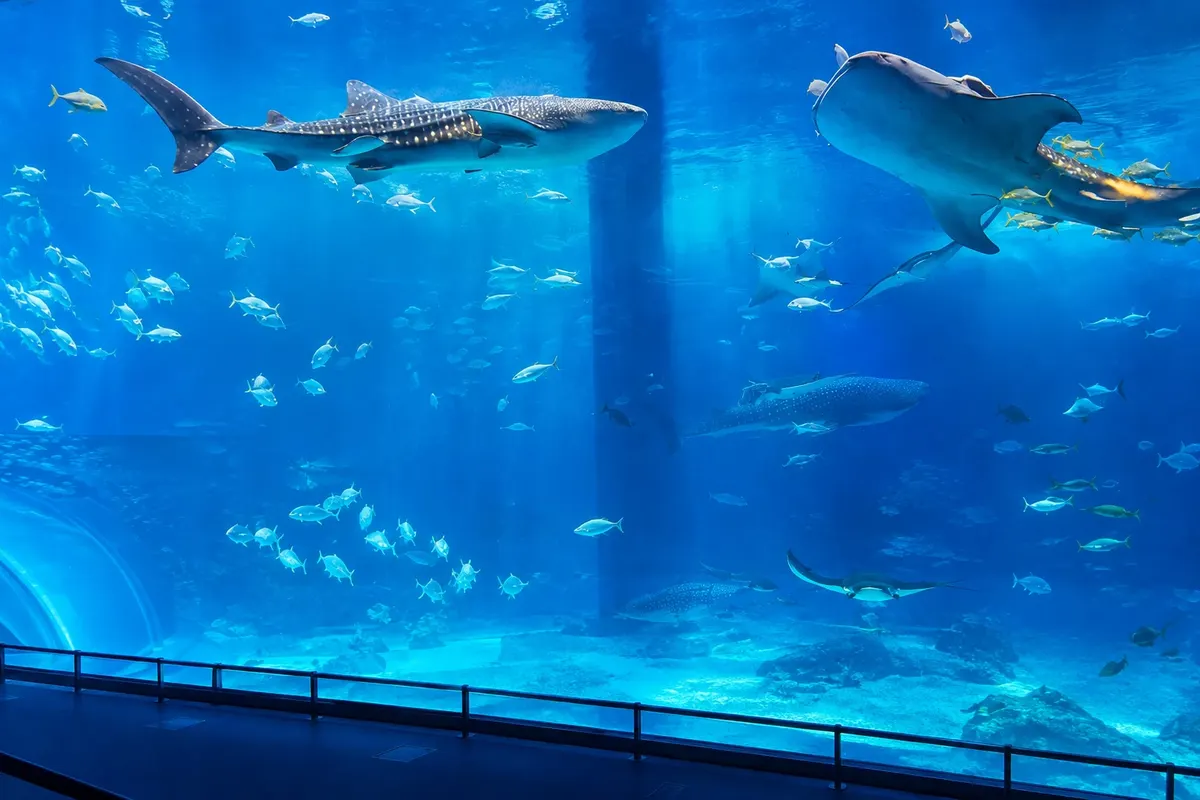
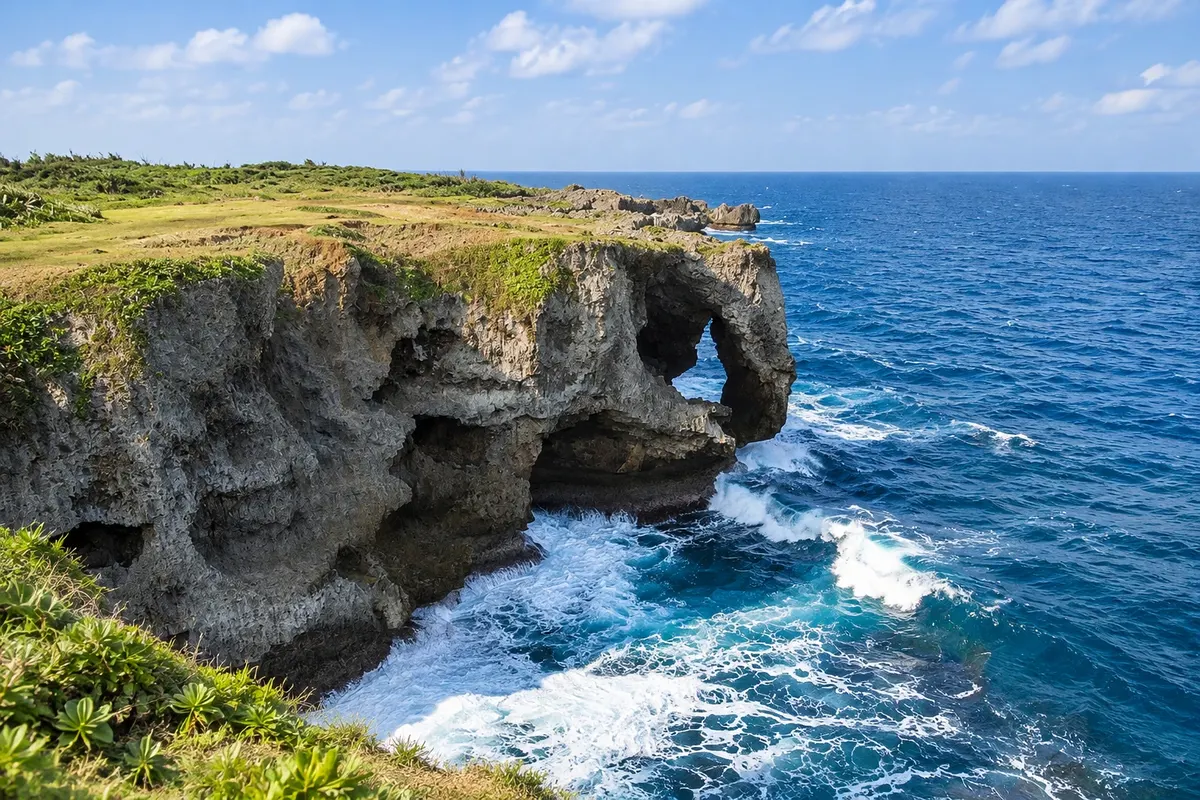
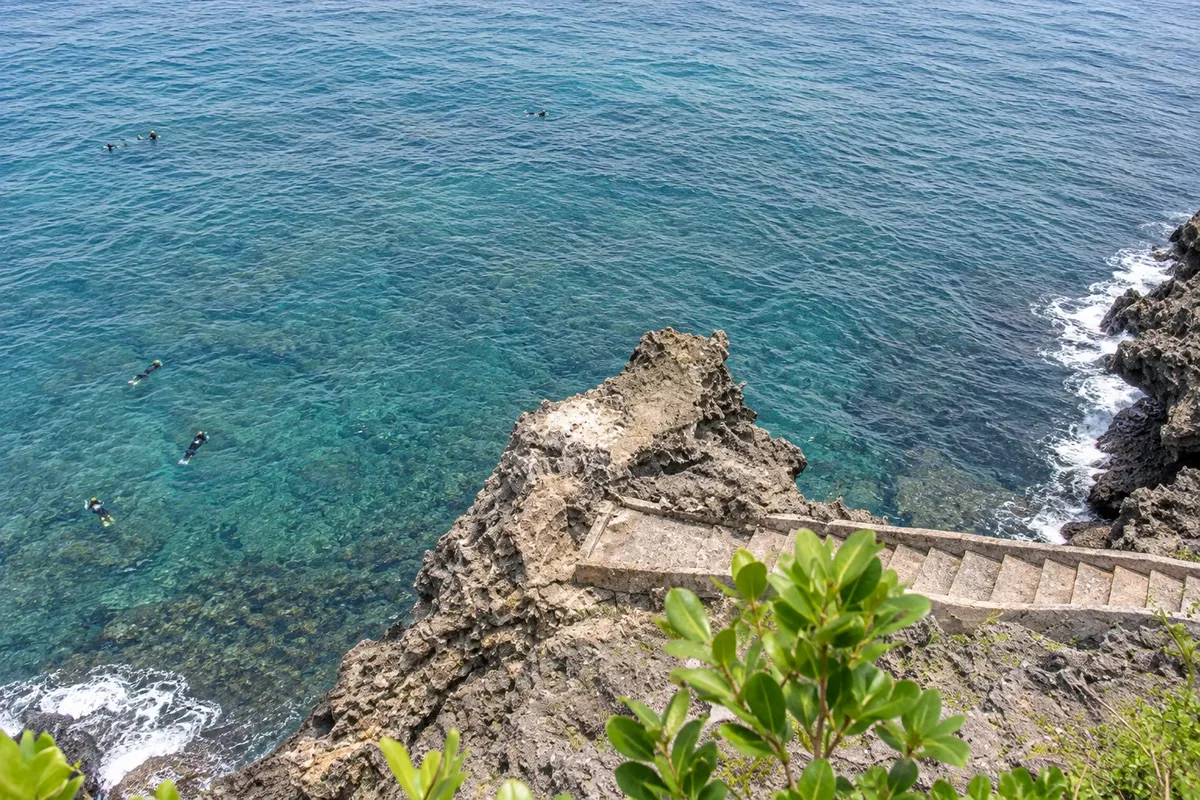
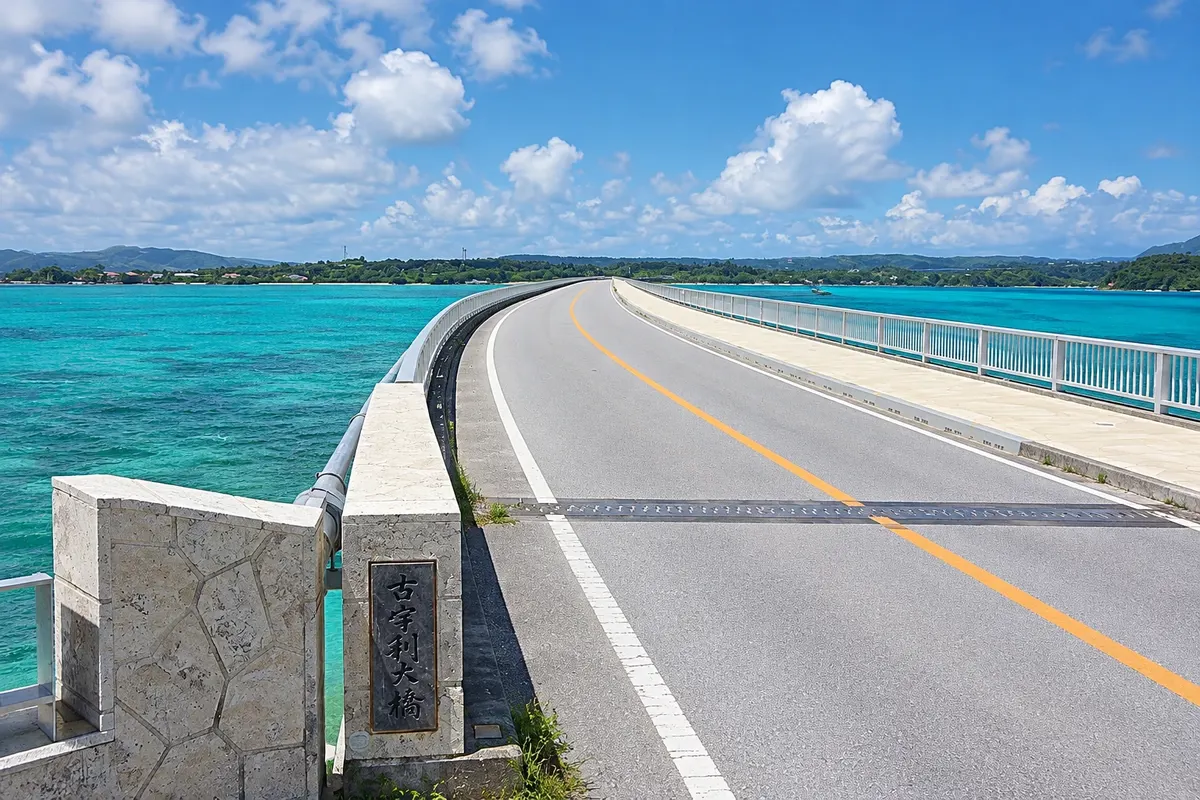
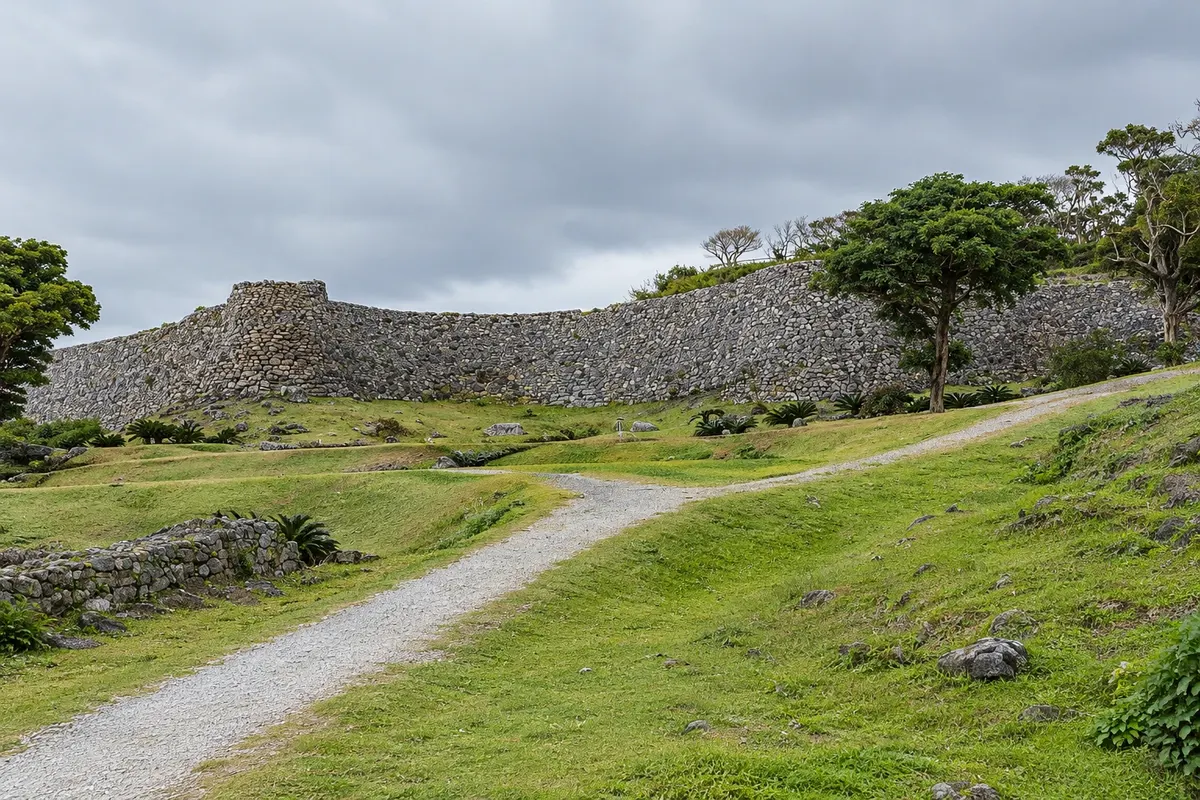
The west coast, from Onna northward, has light-sand beaches, coral reefs and rocky headlands such as Manzamo and Cape Maeda, popular for diving and snorkeling. On the Motobu Peninsula are the Churaumi Aquarium, with one of the world’s largest tanks, the ruins of Nakijin Castle and Kouri Island, linked by a bridge.
The climate is subtropical: mild winters, hot humid summers, a rainy season in May and June, and typhoons more frequent from August to October. The beach season usually runs from April to October.
This destination brings together 3 cities: Naha, Onna, Motobu.


 Brazil
 Antarctica
 Argentina
 Bolivia
 Chile
 Colombia
 Ecuador
 Guyana
 French Guiana
 Falkland Islands (Malvinas)
 Paraguay
 Peru
 Suriname
 Uruguay
 Venezuela
 Germany
 Austria
 Belgium
 Croatia
 Denmark
 Slovakia
 Slovenia
 Spain
 Finland
 France
 Greece
 the Netherlands
 Hungary
 Ireland
 Iceland
 Italy
 Luxembourg
 Norway
 Poland
 Portugal
 the United Kingdom
 the Czech Republic
 Sweden
 Switzerland
 Turkey
 Bermuda
 Canada
 the United States
 Greenland
 Mexico
 Saint Pierre and Miquelon
 the Dominican Republic
 South Africa
 Egypt
 Australia
 Fiji
 New Zealand
 Papua New Guinea