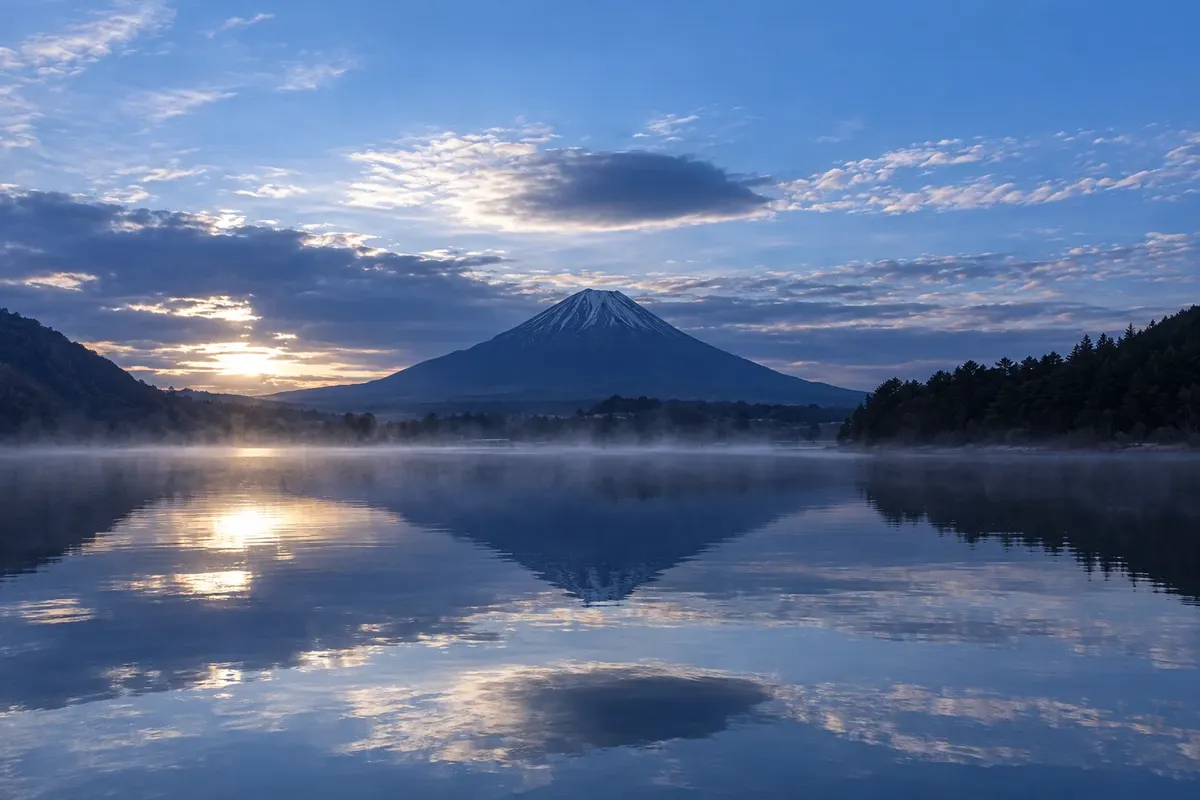
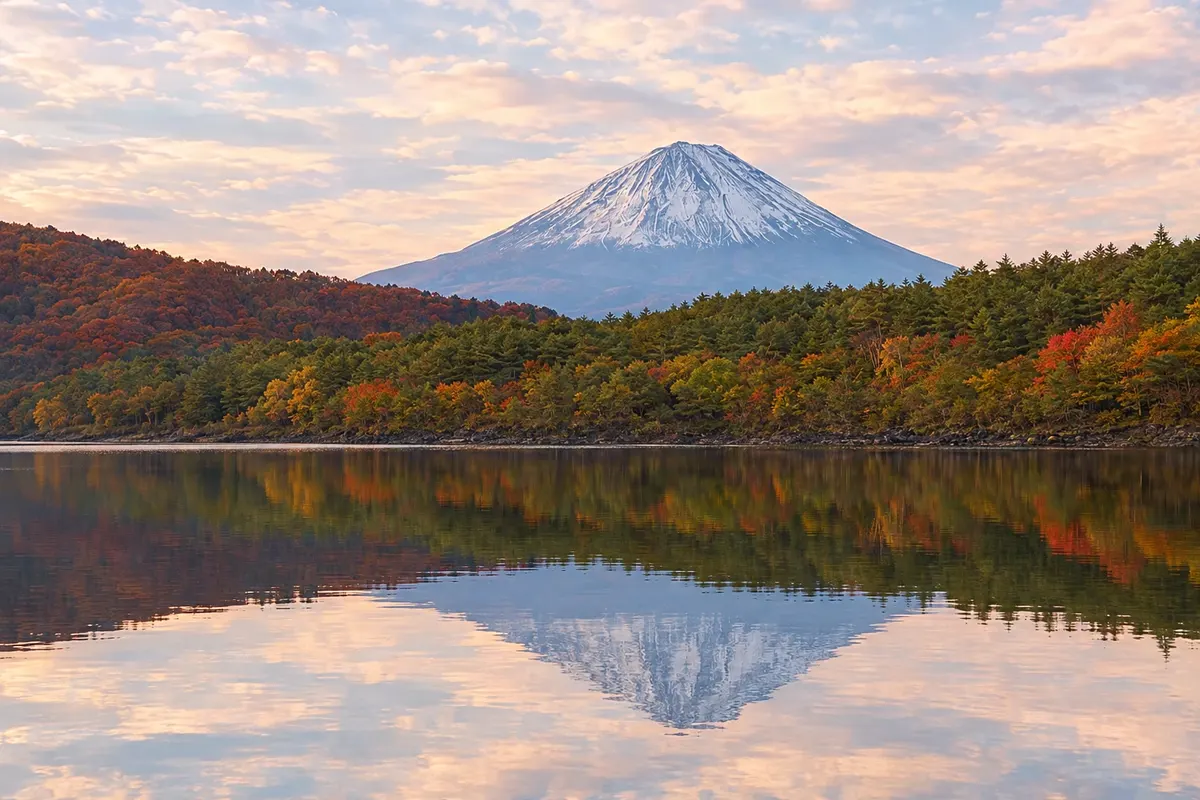
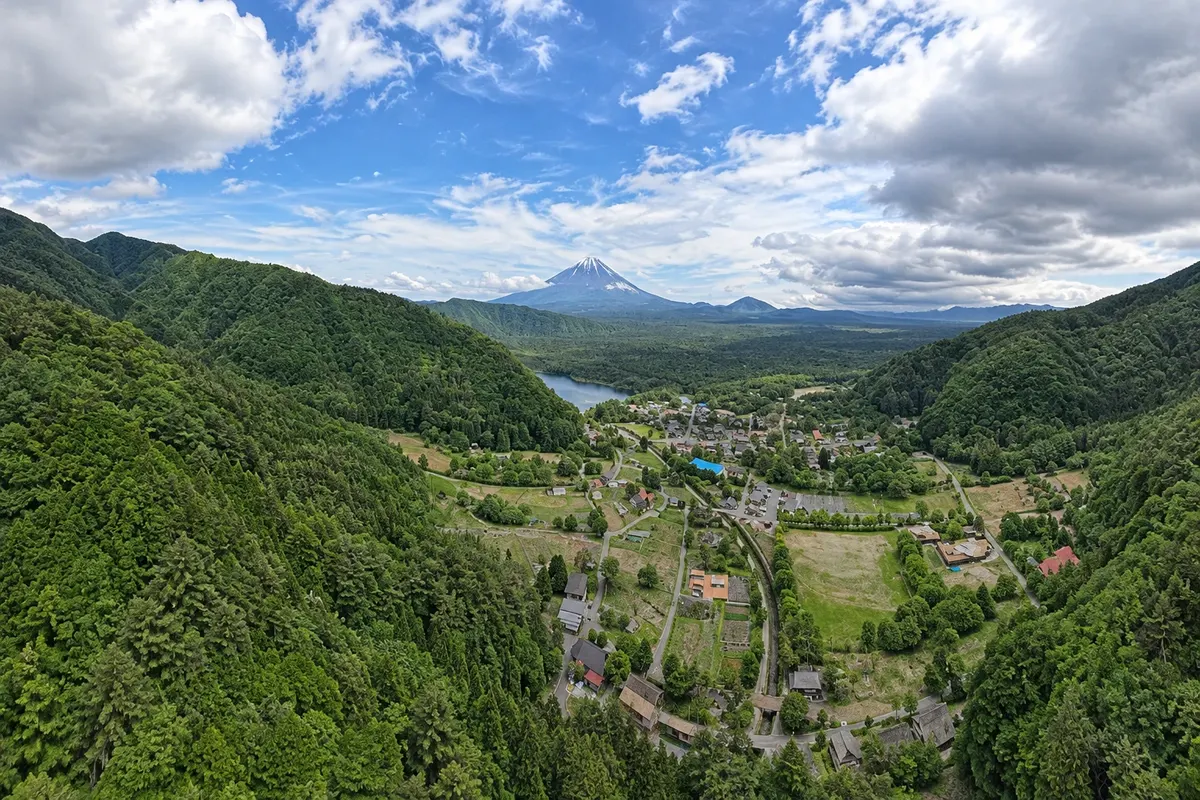
Mount Fuji (Fujisan), at 3,776 meters, is Japan’s highest mountain, a nearly symmetrical volcanic cone straddling Yamanashi and Shizuoka prefectures. Its last eruption was in 1707. Revered as a sacred mountain and depicted for generations by artists such as Hokusai and Hiroshige, it was inscribed as a World Heritage Site in 2013 in the cultural category, together with shrines, lakes and springs associated with the cult.
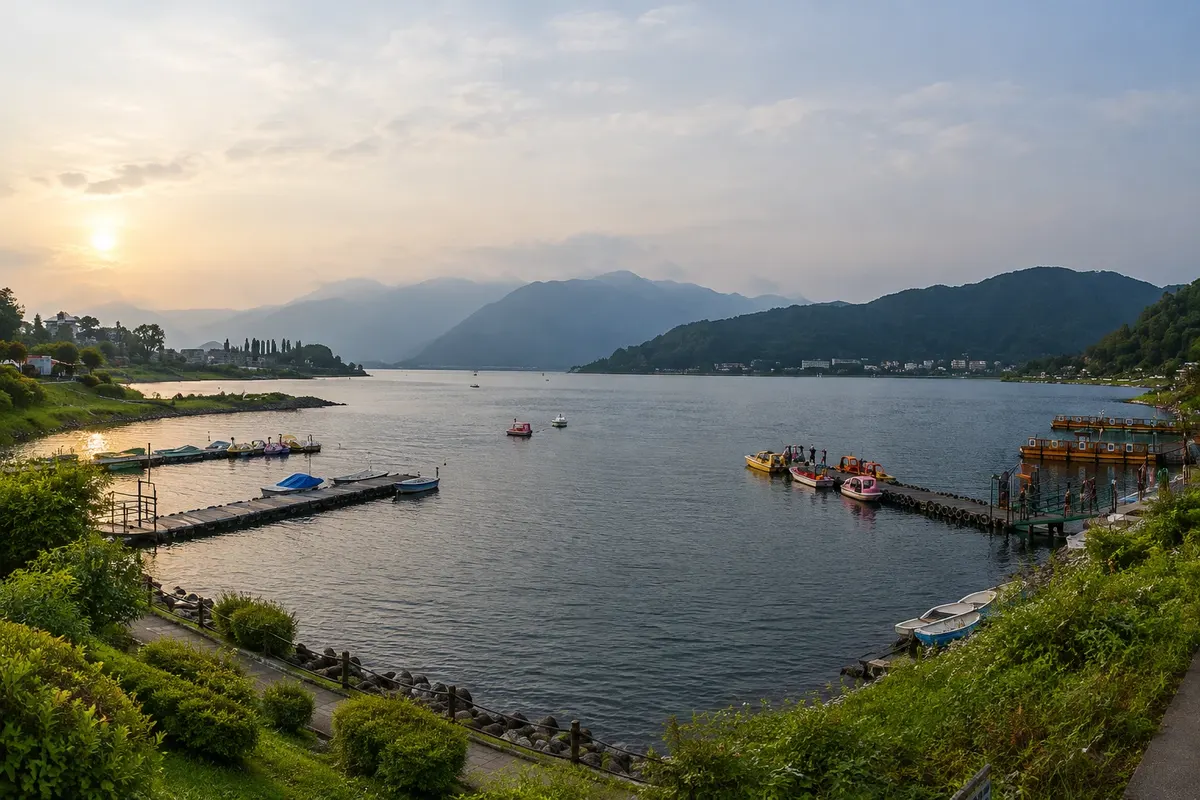
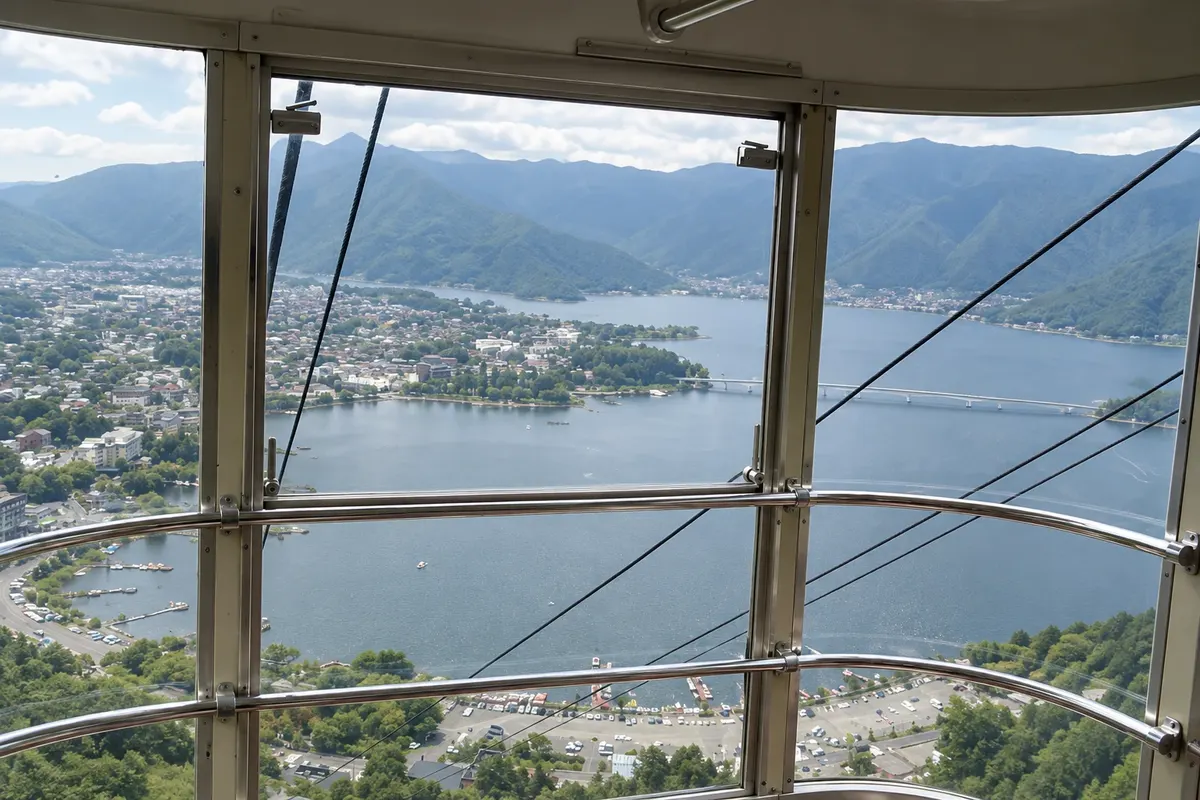
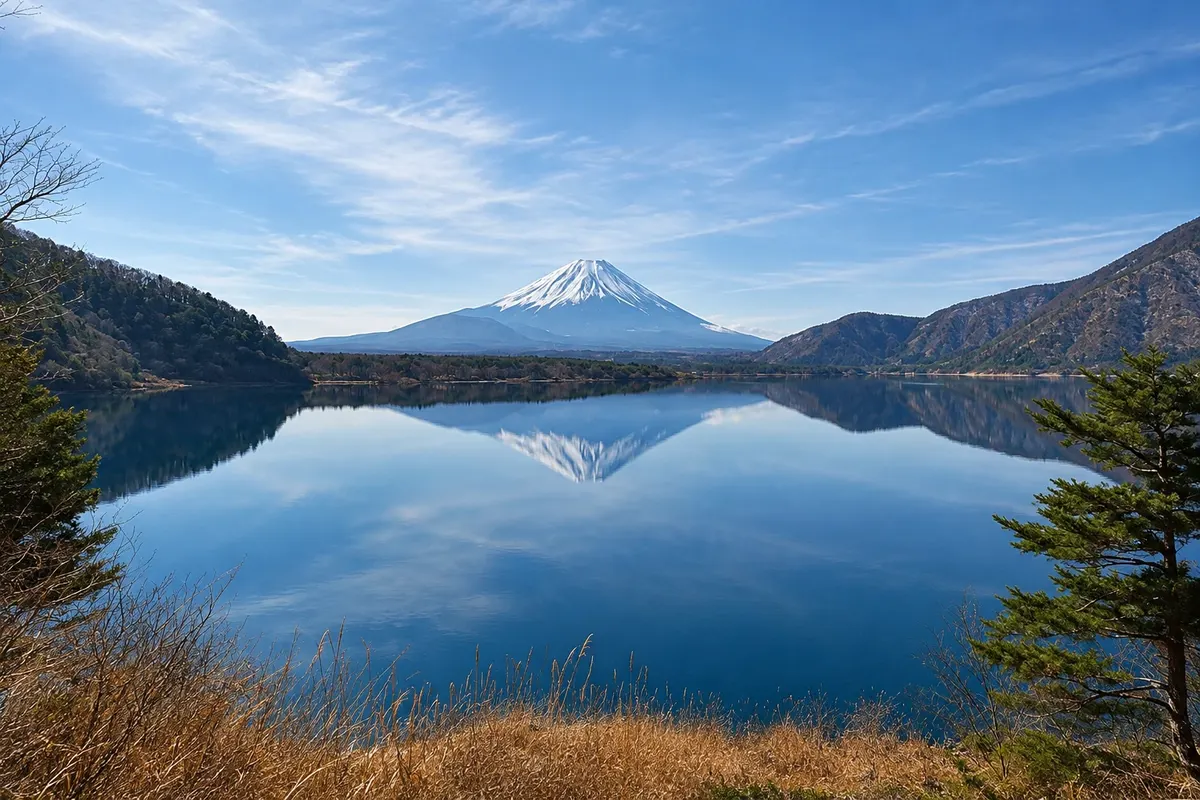
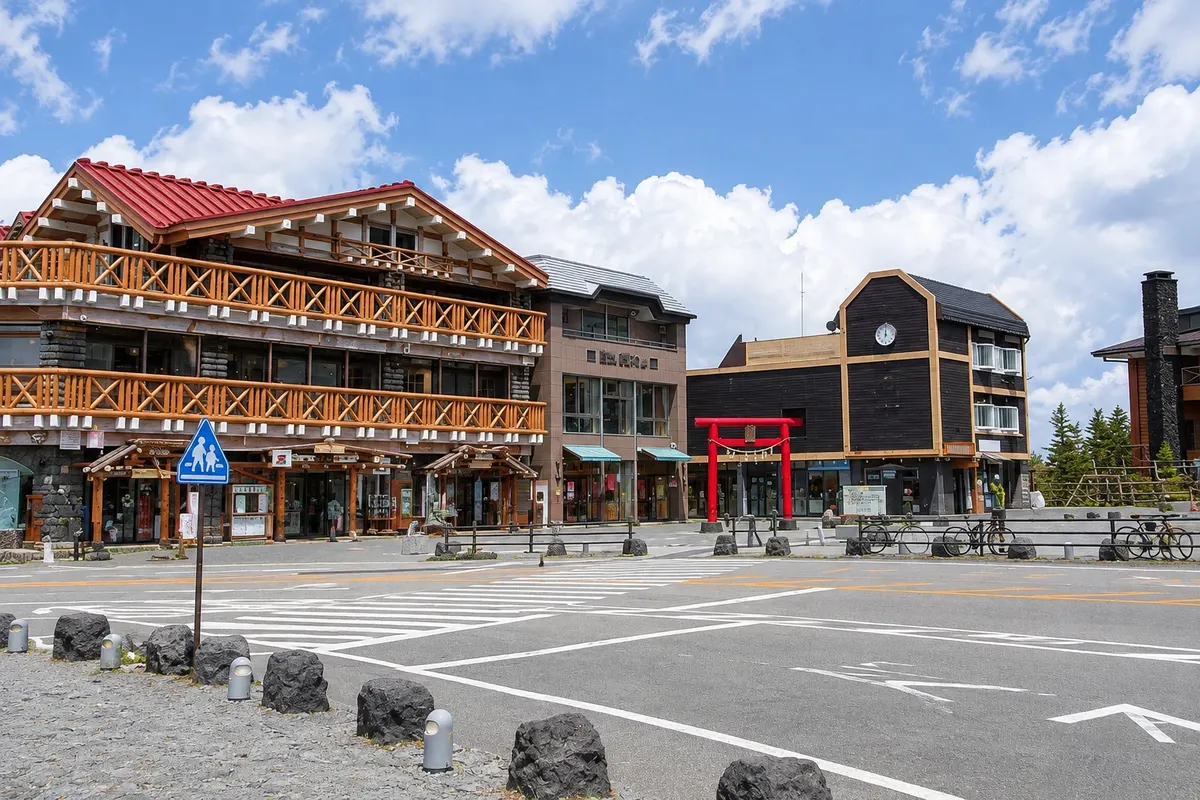
The north side, in Yamanashi, is the most visited area. There are the Five Fuji Lakes (Fujigoko), formed by old lava flows: Yamanaka, Kawaguchi, Sai, Shoji and Motosu. The town of Fujikawaguchiko, on the shore of Lake Kawaguchi, concentrates accommodations, hot springs, museums, boat services and the ropeway from which you can see the cone above the lake.
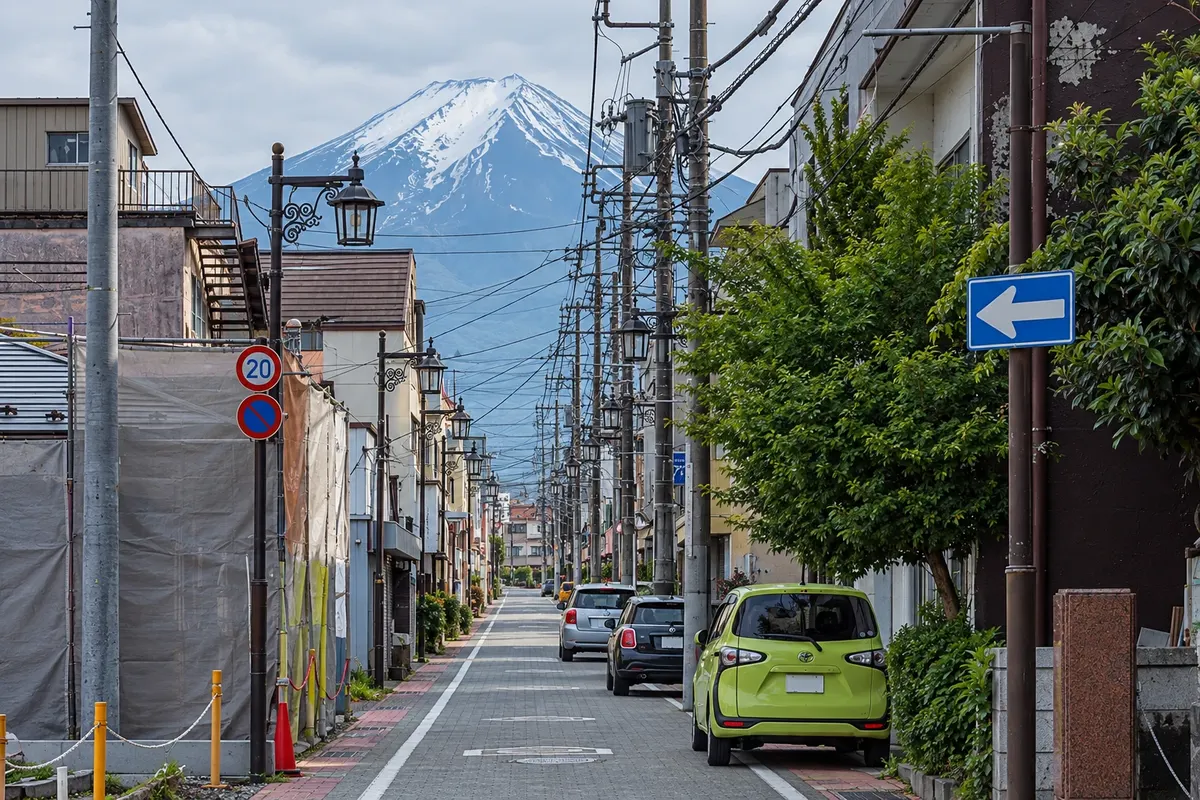
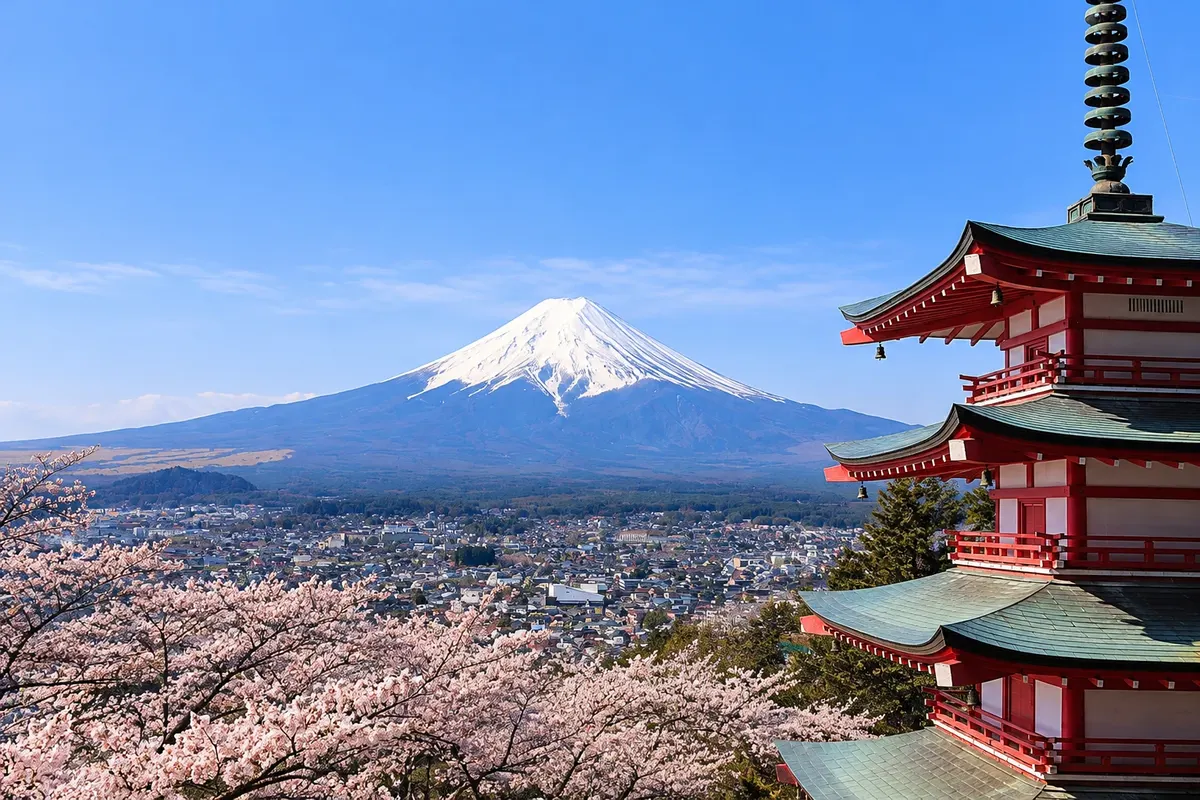
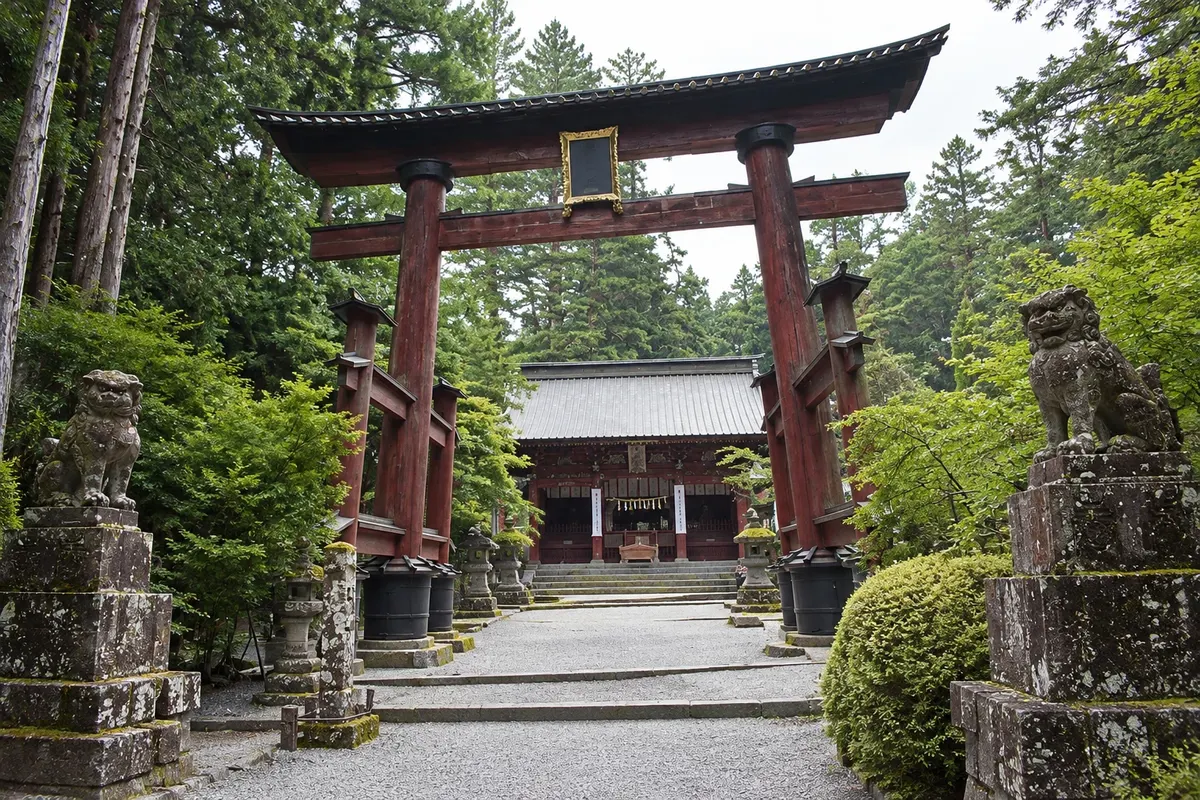
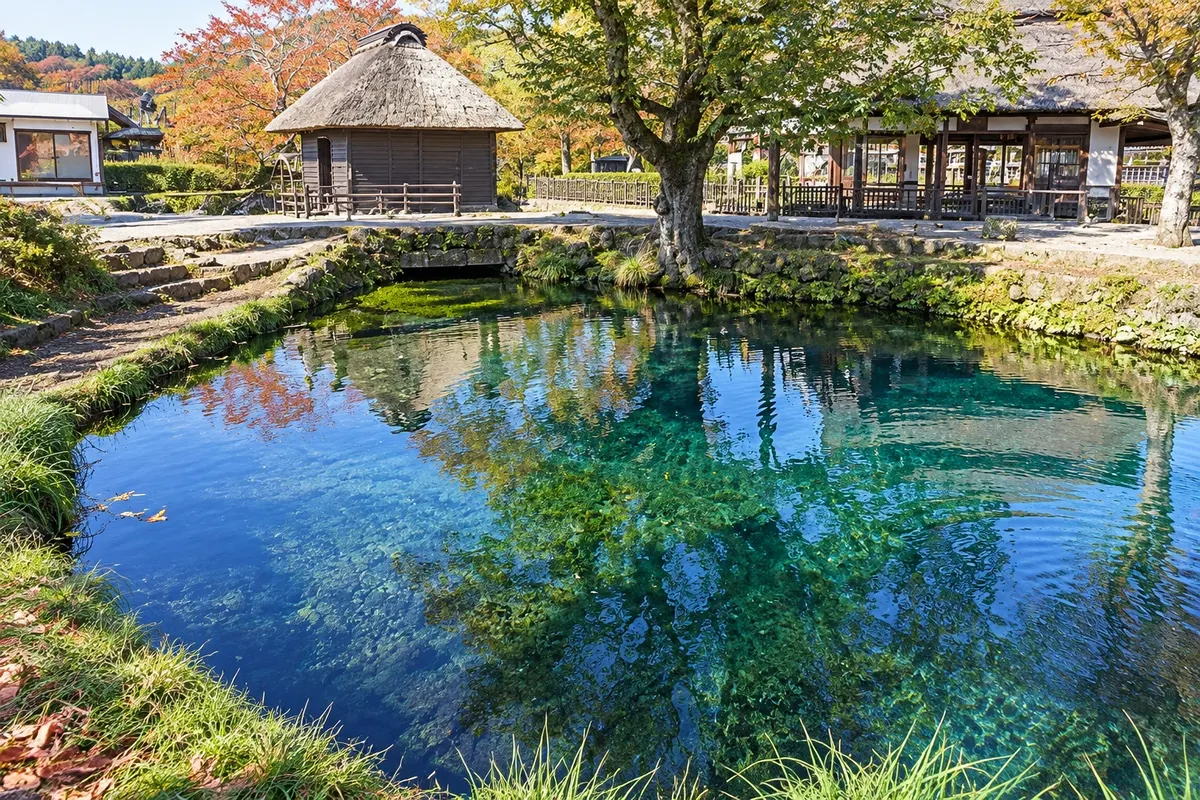
Nearby, Fujiyoshida is the town from which pilgrims used to start their ascent. The Kitaguchi Hongu Fuji Sengen Shrine marks the traditional beginning of the Yoshida Trail, and the slope of Mount Arakura holds the Chureito Pagoda, the most photographed framing of Fuji. Close by, the Oshino Hakkai ponds are fed by snowmelt filtered through lava.
The mountain changes with the seasons. In winter, the cone is covered in snow and the dry air often keeps it visible for longer. In summer, most of the snow melts, clouds frequently hide the summit, and the mountain opens to hikers during the official climbing season. The view is never guaranteed: Fuji can remain covered for entire days.
This destination brings together 2 cities: Fujikawaguchiko, Fujiyoshida.


 Brazil
 Antarctica
 Argentina
 Bolivia
 Chile
 Colombia
 Ecuador
 Guyana
 French Guiana
 Falkland Islands (Malvinas)
 Paraguay
 Peru
 Suriname
 Uruguay
 Venezuela
 Germany
 Austria
 Belgium
 Croatia
 Denmark
 Slovakia
 Slovenia
 Spain
 Finland
 France
 Greece
 the Netherlands
 Hungary
 Ireland
 Iceland
 Italy
 Luxembourg
 Norway
 Poland
 Portugal
 the United Kingdom
 the Czech Republic
 Sweden
 Switzerland
 Turkey
 Bermuda
 Canada
 the United States
 Greenland
 Mexico
 Saint Pierre and Miquelon
 the Dominican Republic
 South Africa
 Egypt
 Australia
 Fiji
 New Zealand
 Papua New Guinea