Kamakura and Yokohama

Kanagawa · Japan

Kamakura and Yokohama

South of Tokyo, Kamakura holds the Great Buddha, zen temples and the island of Enoshima; Yokohama has the port, the Minato Mirai waterfront, the Chinatown district and the Western-style houses of Yamate.

Kanto

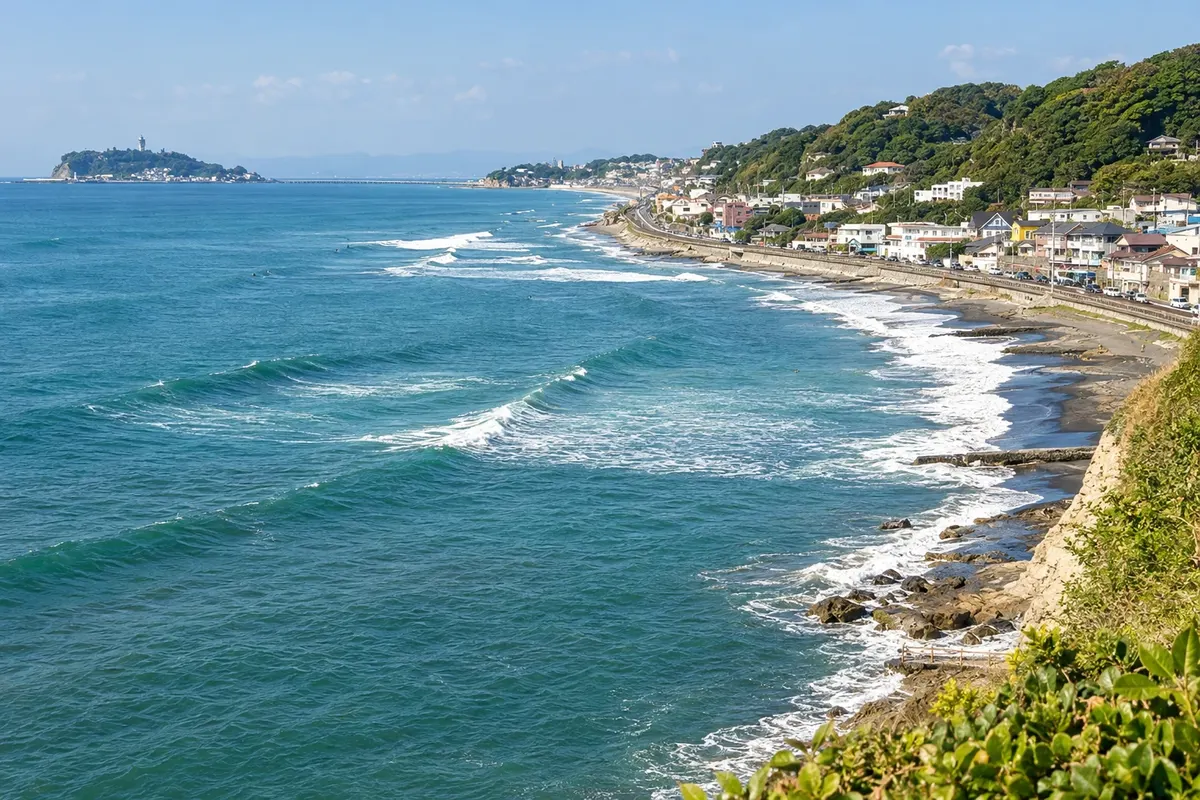
In the photo: Shichirigahama Beach, in Kamakura.

Illustrative images. The pictures in this guide are illustrations based on the real place, not photographs, and may differ from it.

Get to know the place

A region to enjoy
at your own pace.

Kamakura and Yokohama are in Kanagawa, on the coast south of Tokyo, less than an hour by train from the capital. The two cities represent different eras of Japan and can be visited on the same trip, in one or two days.

Kamakura was the seat of the first shogunate, the samurai government founded by Minamoto no Yoritomo at the end of the 12th century, and preserves dozens of temples and shrines among forested hills and the sea. The outdoor bronze Great Buddha is the most famous image; the zen monasteries of Kita-Kamakura, the Tsurugaoka Hachimangu shrine and Hase-dera temple complete the visit. Nearby, in the city of Fujisawa, the island of Enoshima has shrines, caves and a lighthouse-observatory.

Yokohama was a fishing village until 1859, when it became one of the first ports opened to foreign trade after more than two centuries of isolation. Western and Chinese merchants settled there, and the city grew as a gateway for novelties: the country’s first daily newspaper, the first railway linking Yokohama to Tokyo, and beer. Today it is the second largest city in Japan by population.

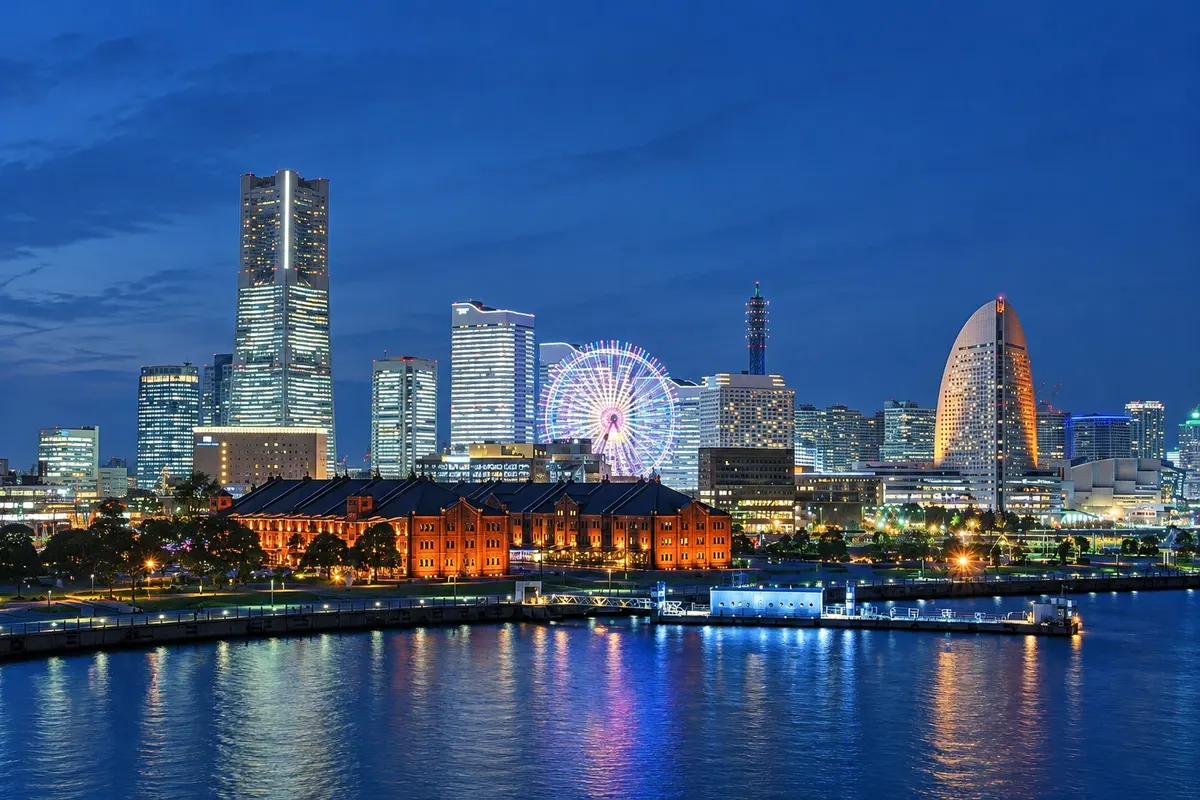
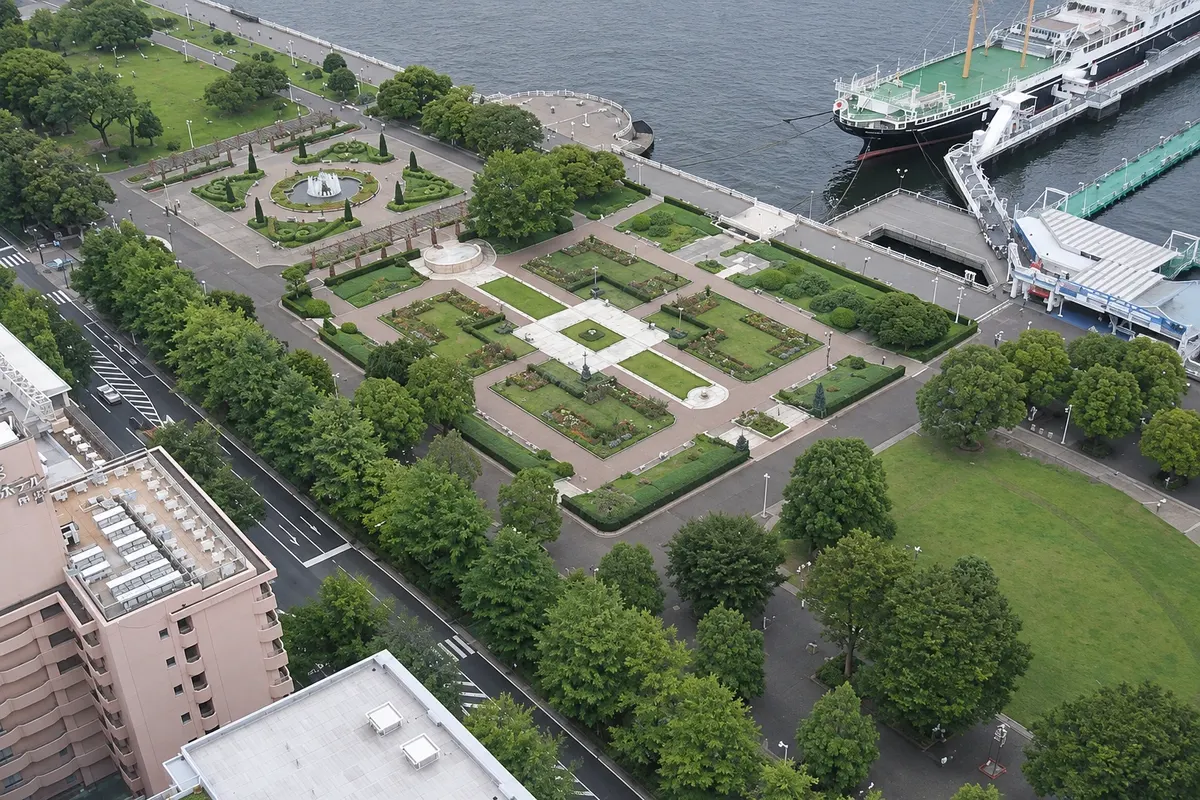
Yokohama’s waterfront includes the modern Minato Mirai area, with the Landmark Tower and the Ferris wheel, the red-brick warehouses, Yamashita Park, with a passenger ship converted into a museum, and Chinatown. On top of the Yamate hill are the Western-style houses and the foreigners’ cemetery. The waterfront at night, with the buildings illuminated, is one of the city’s highlights.

This destination brings together 2 cities: Kamakura, Yokohama.

Share: WhatsApp
Traveler, share your experiences through photos Up to 5 photos of each place you visited.

One destination, many paths

The cities on this trip

Start with one city or combine several in your itinerary.

Where Kamakura and Yokohama is
KamakuraYokohama

Dados cartográficos: © OpenStreetMap contributors, via Wambacher / geoBoundaries (ODbL 1.0). Adapted by Cidade Turismo.

How to get there: Kamakura and Yokohama

✈ Aeroporto Internacional de Tóquio (Haneda) (HND), in Ota · 40 km to Kamakura

From Tokyo Station, the JR Yokosuka Line reaches Kamakura in about 1 hour, passing through Yokohama. From Shinjuku and Shibuya, the Shonan-Shinjuku Line also serves both cities. Haneda Airport is about 30 minutes from Yokohama by train or bus.

Suggested arrival point: Kamakura

The local experience

Things to do in Kamakura and Yokohama

Great Buddha of Kamakura
Kamakura · Kanagawa · Monument

Great Buddha of Kamakura

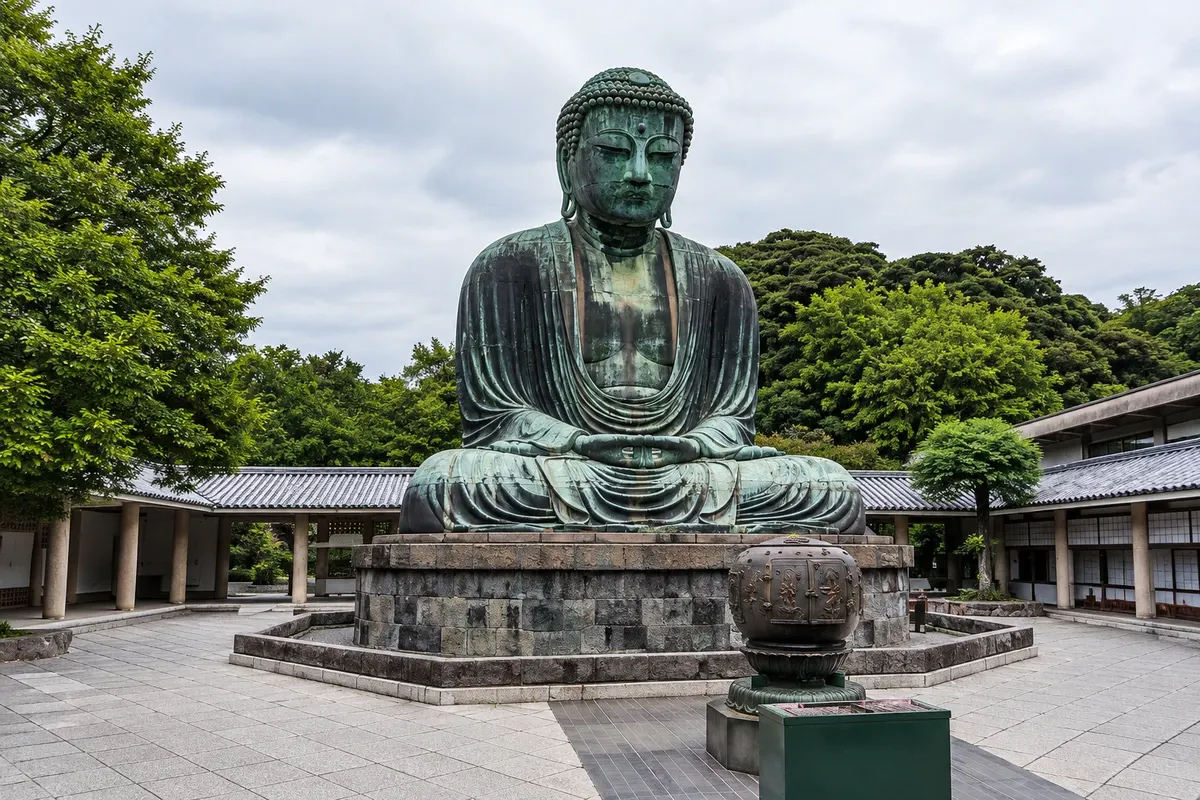
The bronze statue of Amida Buddha, about 11 meters tall, seated outdoors at Kotoku-in temple since the hall that once sheltered it was destroyed in the 15th century.

Minato Mirai 21
Yokohama · Kanagawa · Neighborhood

Minato Mirai 21

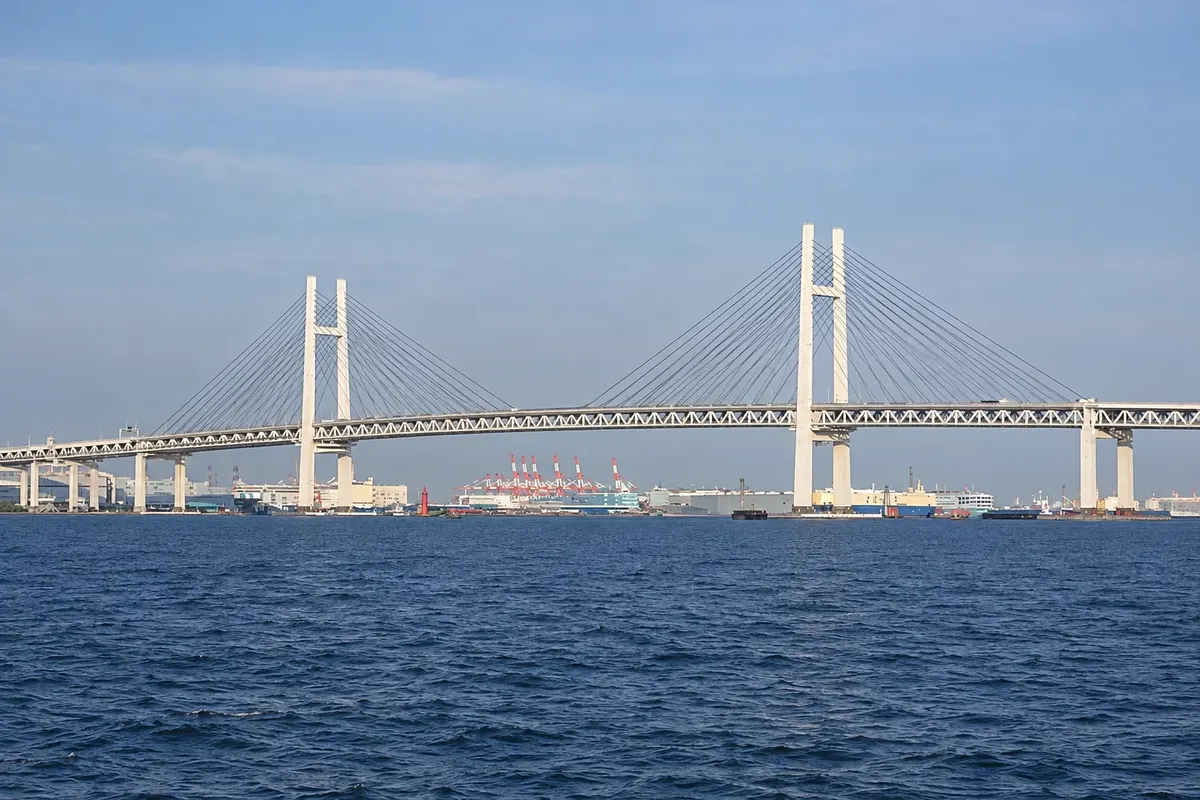
Yokohama’s modern waterfront, with the Landmark Tower and its observatory, the Ferris wheel, the sailing ship Nippon Maru, the red-brick warehouses and the promenade over old port tracks.

Yokohama Chinatown
Yokohama · Kanagawa · Neighborhood

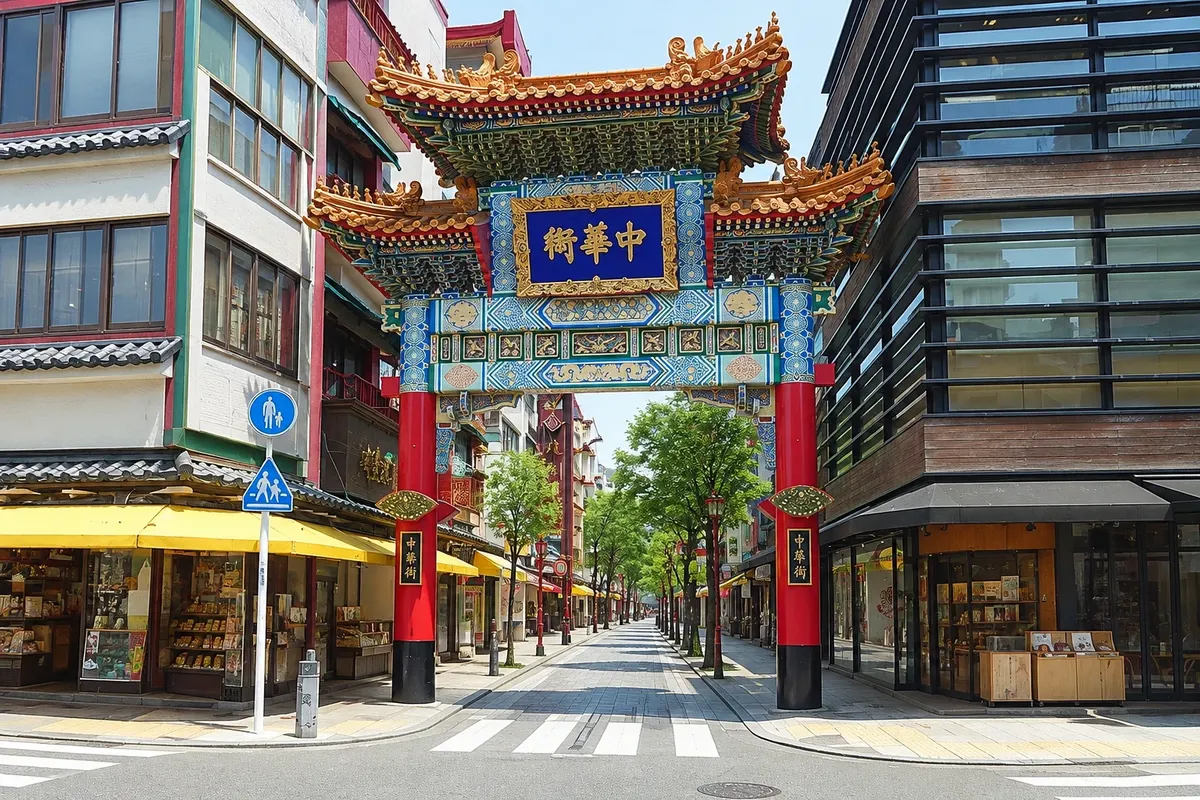
Yokohama Chinatown

The largest Chinatown in Japan, born after the port opened, with colorful gates, Guan Yu and Mazu temples and hundreds of restaurants and food stalls.

Tsurugaoka Hachimangu
Kamakura · Kanagawa · Shrine

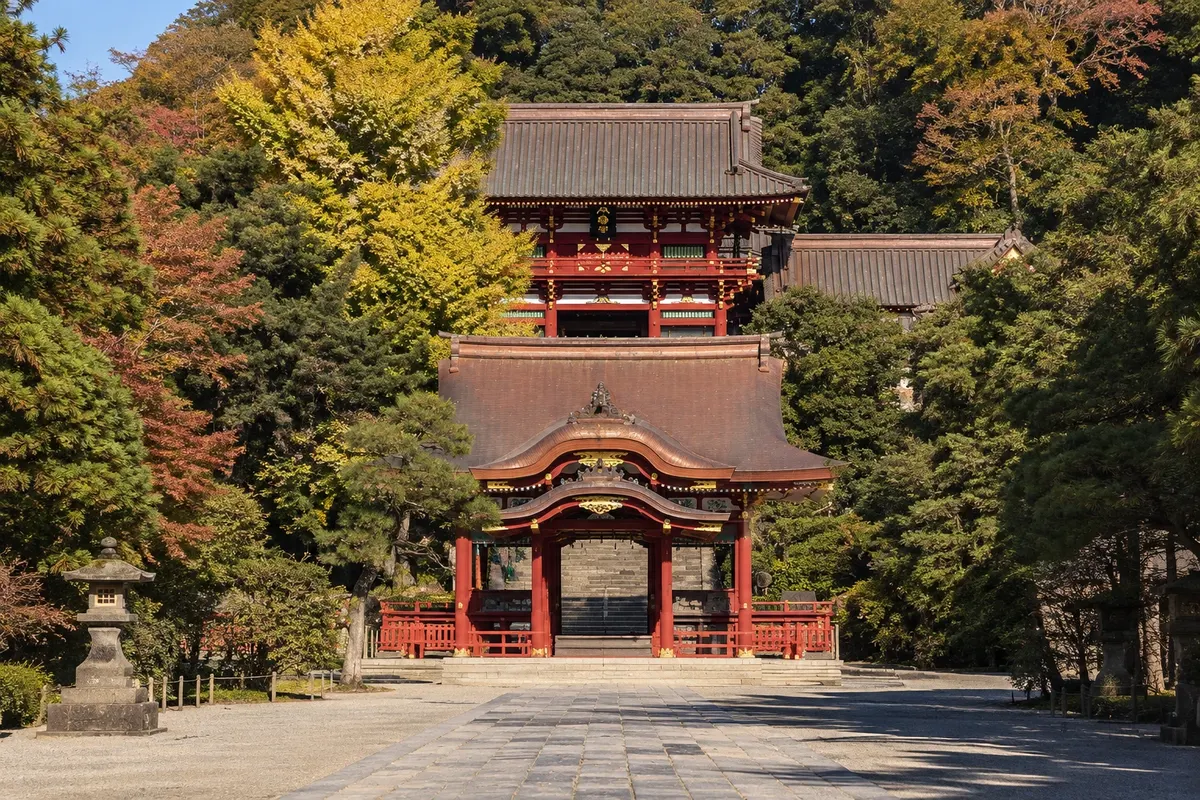
Tsurugaoka Hachimangu

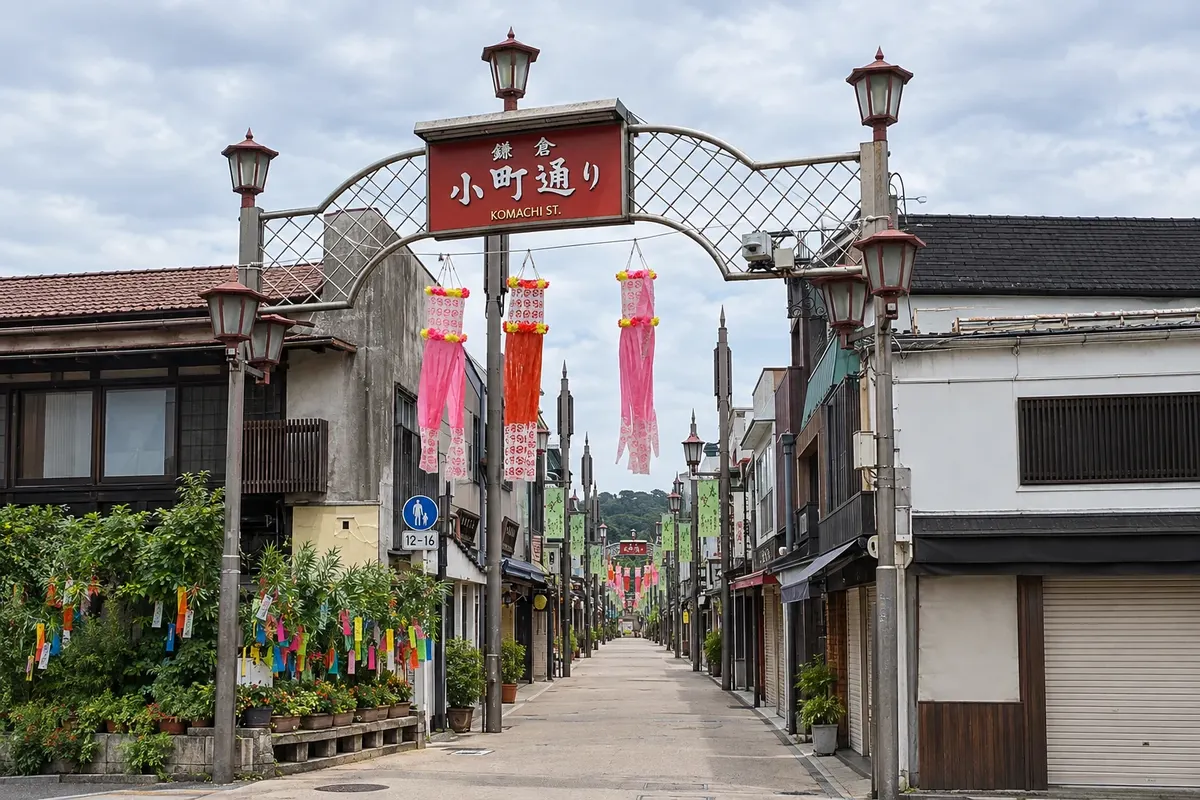
Kamakura’s central shrine, linked to the first shogun, at the top of a staircase at the end of Wakamiya-oji Avenue, with lotus ponds and the Komachi shopping street.

See 7 more places in Kamakura and Yokohama
Hase-dera
Kamakura · Kanagawa · Temple

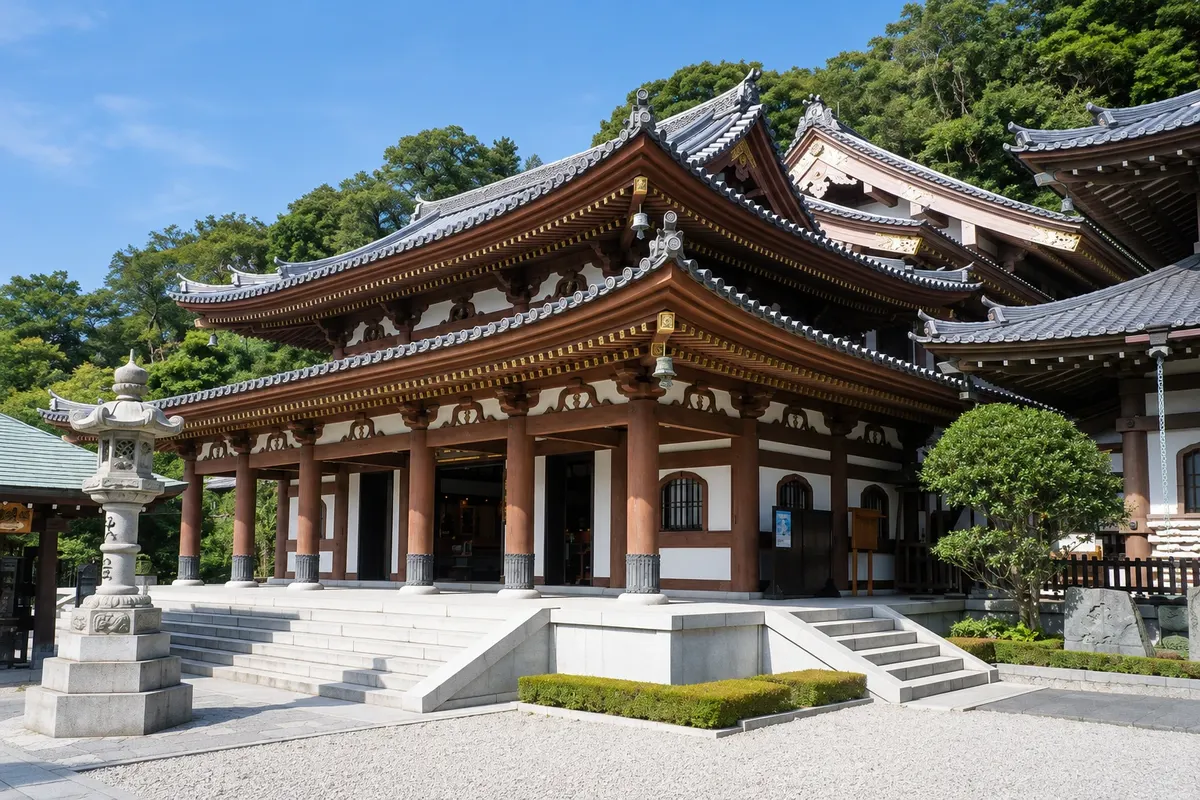
Hase-dera

A temple on the Hase hillside with a wooden Kannon about 9 meters tall, the Benten cave, June hydrangeas and a view over Kamakura Bay.

Yamashita Park
Yokohama · Kanagawa · Park.

Yamashita Park

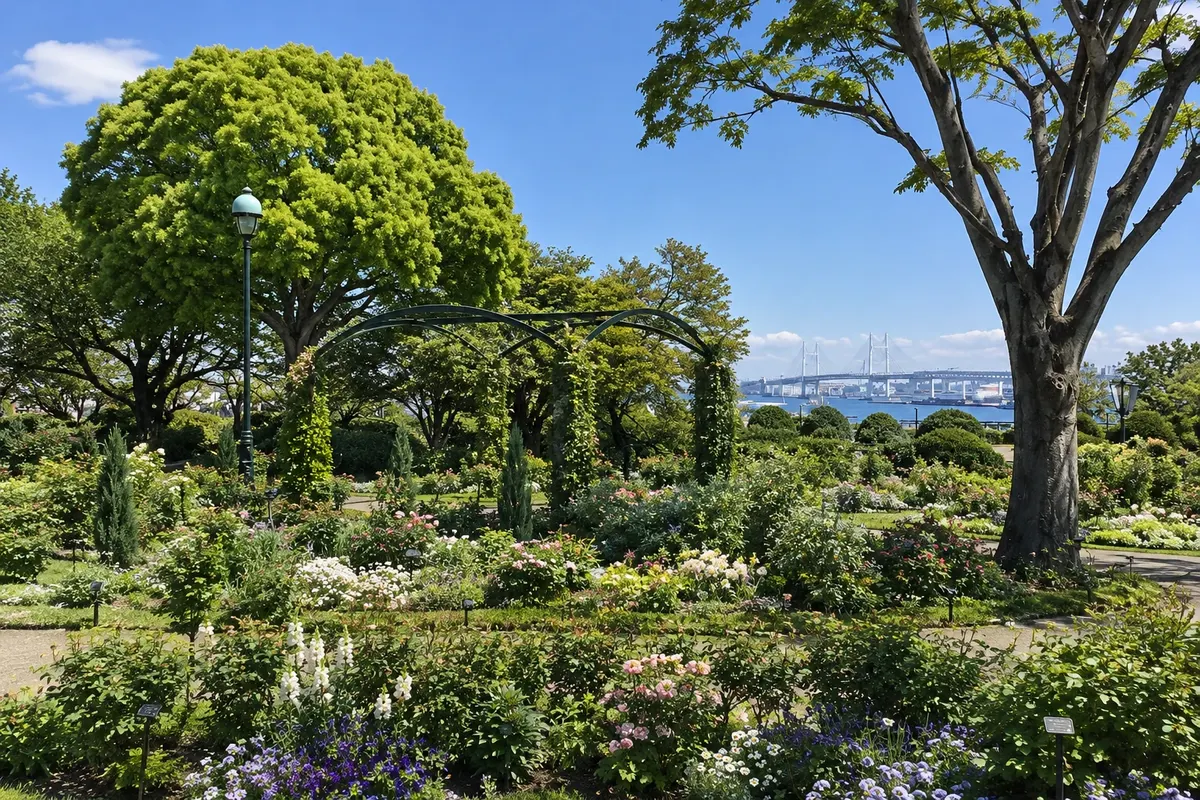
The waterfront park in Yokohama built on the rubble from the 1923 earthquake, featuring the Hikawa Maru ship, rose gardens and a view of Osanbashi Pier.

Engaku-ji
Kamakura · Kanagawa · Temple

Engaku-ji

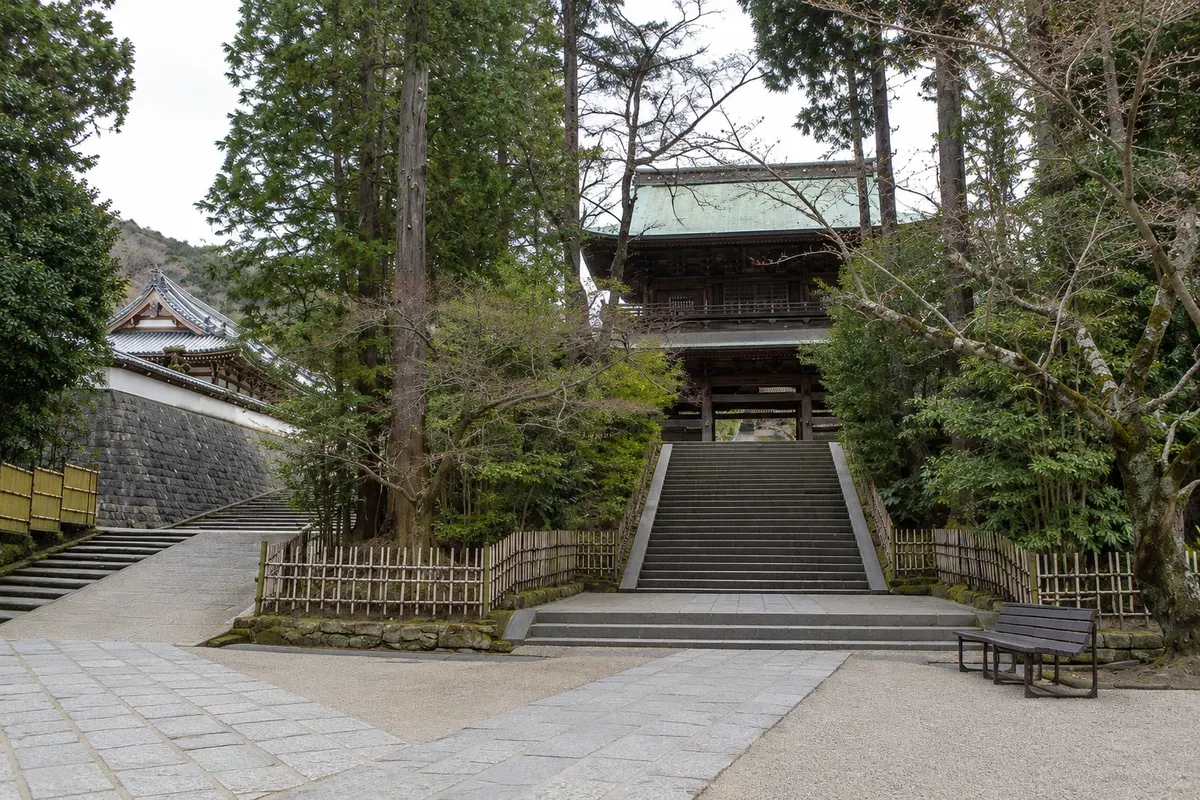
Major Zen monastery in Kita-Kamakura, founded in 1282, with a wooden gate, halls among cedars, the large bell and the Shariden reliquary, a National Treasure.

Yamate
Yokohama · Kanagawa · Neighborhood

Yamate

The hill where foreigners lived after the port opened, with Western-style houses open to visitors, the foreigners’ cemetery and the Minato no Mieru Oka Park viewpoint.

Kencho-ji
Kamakura · Kanagawa · Temple

Kencho-ji

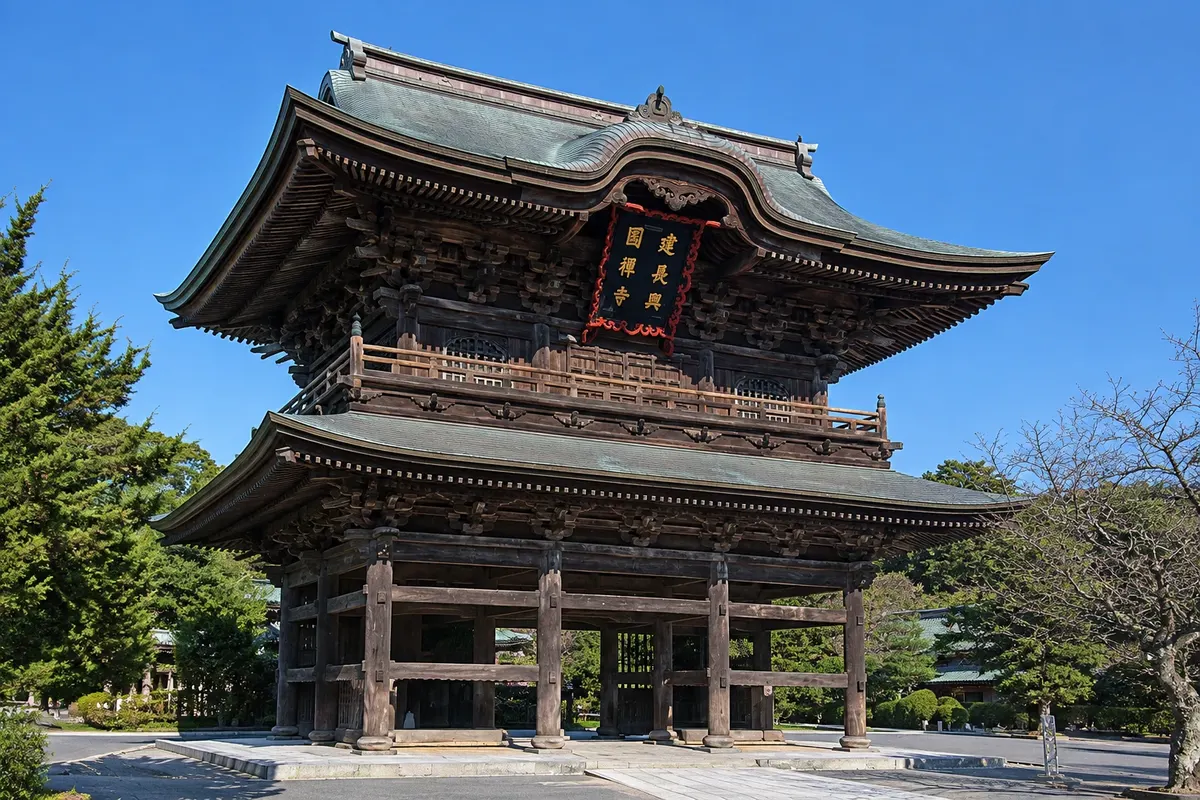
The oldest Zen training monastery in Japan, founded in 1253, the first of the Five Great Temples of Kamakura, with gates, halls, a garden and a trail up to the Hansobo shrine.

Sankei-en Garden
Yokohama · Kanagawa · Garden

Sankei-en Garden

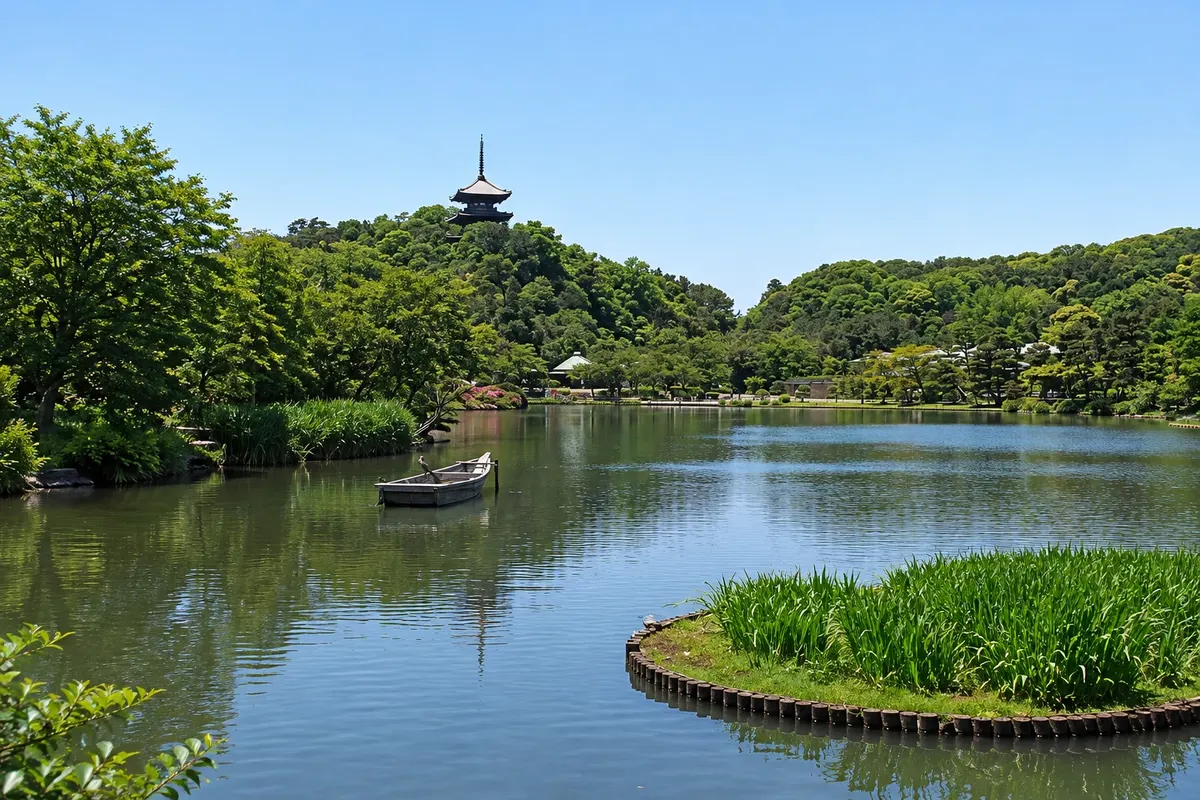
A Japanese garden created by a silk merchant, with historic buildings brought from Kyoto and Kamakura, including a three-story pagoda, set around ponds.

Enoshima Island
Kamakura · Kanagawa · Island

Enoshima Island

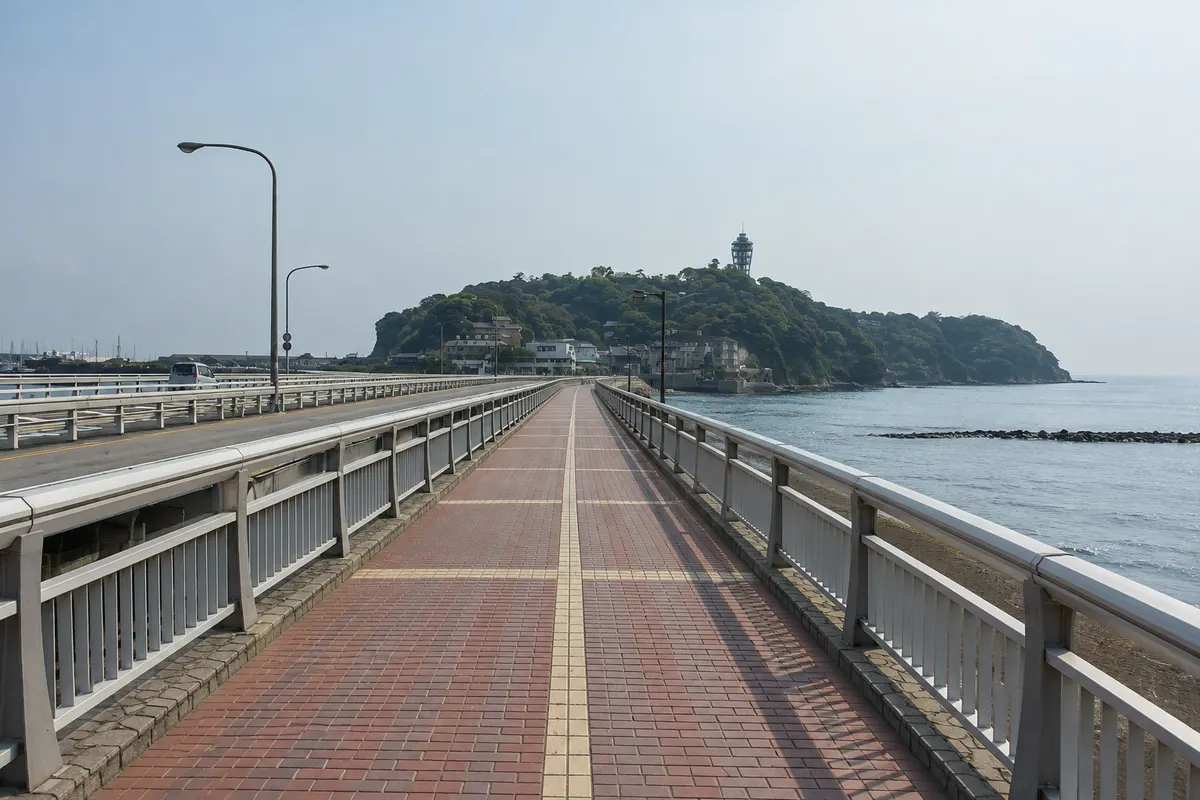
A small island connected to the coast by a bridge in Fujisawa, with the Benzaiten shrine, caves, a garden with a lighthouse-observation point and, on clear days, Mount Fuji over the sea.

Before you go

Practical information

A little planning leaves more time to enjoy the journey.

When to go

Spring, with the cherry blossoms at the end of March and the beginning of April, and June, with the hydrangeas at Kamakura’s temples, which attract many visitors. Autumn brings the leaves at the temples, generally in late November and early December. Summer is hot and humid, with crowded beaches in Kamakura and Enoshima.

The seasons shown are the most usual ones; nature doesn't always follow the calendar.

How many days to stay

One day for Kamakura, to see the Great Buddha, Hase-dera and Tsurugaoka Hachimangu; another half day for Enoshima. One day for Yokohama. Both can be done as day trips from Tokyo, but staying overnight in Yokohama lets you see the waterfront at night.

Which city to stay in

Yokohama has many accommodations in Minato Mirai, near Yokohama Station and the waterfront, and in the Kannai and Chinatown areas. Kamakura has smaller lodgings near the station and guesthouses by the sea, in Yuigahama and Hase. Many visitors travel to both cities from Tokyo.

Respect the place

Take your trash with you, follow the signs and support local businesses. In natural areas, follow the visiting guidelines.

Get your questions answered

Frequently asked questions about Kamakura and Yokohama

Can you visit Kamakura and Yokohama in a single day?

Yes, if you hurry: Kamakura in the morning and early afternoon and Yokohama in the late afternoon and evening, since they are on the same train line. With two days, the trip is more relaxed.

How to get from Tokyo to Kamakura?

By the JR Yokosuka Line from Tokyo Station in about 1 hour, or by the Shonan-Shinjuku Line from Shinjuku and Shibuya. The Odakyu Line also reaches Enoshima from Shinjuku, from where the Enoden train continues to Kamakura.

Do you need a car in Kamakura and Yokohama?

No. Trains, the Enoden tram and buses connect the temples and the waterfront, and Kamakura’s traffic is slow on weekends.

Does Kamakura have a beach?

Yes. Yuigahama and Zaimokuza beaches are a few minutes from the centre and have a swimming season in summer, usually from July until the end of August.

How far is it between Kamakura and Yokohama?

About 25 minutes by train on the JR Yokosuka Line, between Kamakura and Yokohama stations.

Explore other destinations Search by state and city

Beyond the guide