Lake Biwa, in Shiga Prefecture, is the largest freshwater lake in Japan, about 670 km², and lies just east of Kyoto. For centuries it was the waterway between the capital and the eastern part of the country, and the towns on the lake’s eastern shore, along the old Nakasendo and Tokaido routes, preserve castles, shrines, and merchant districts from that era.
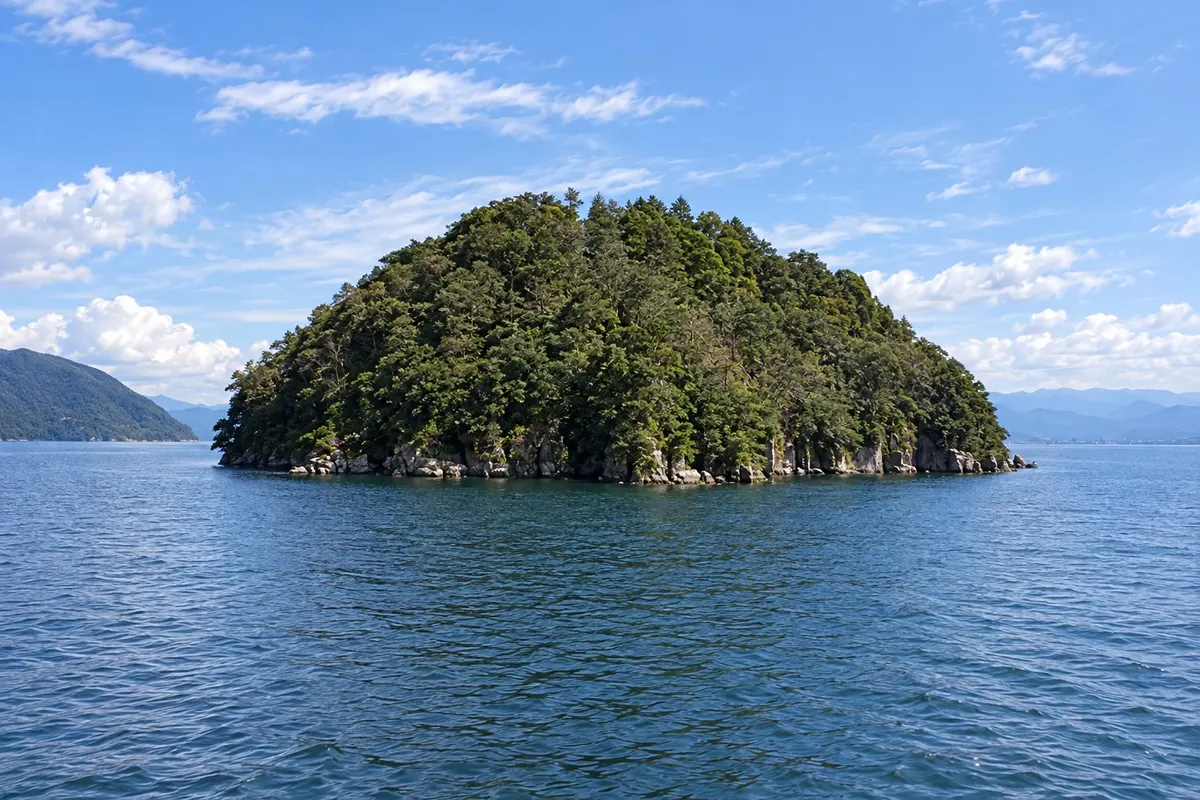
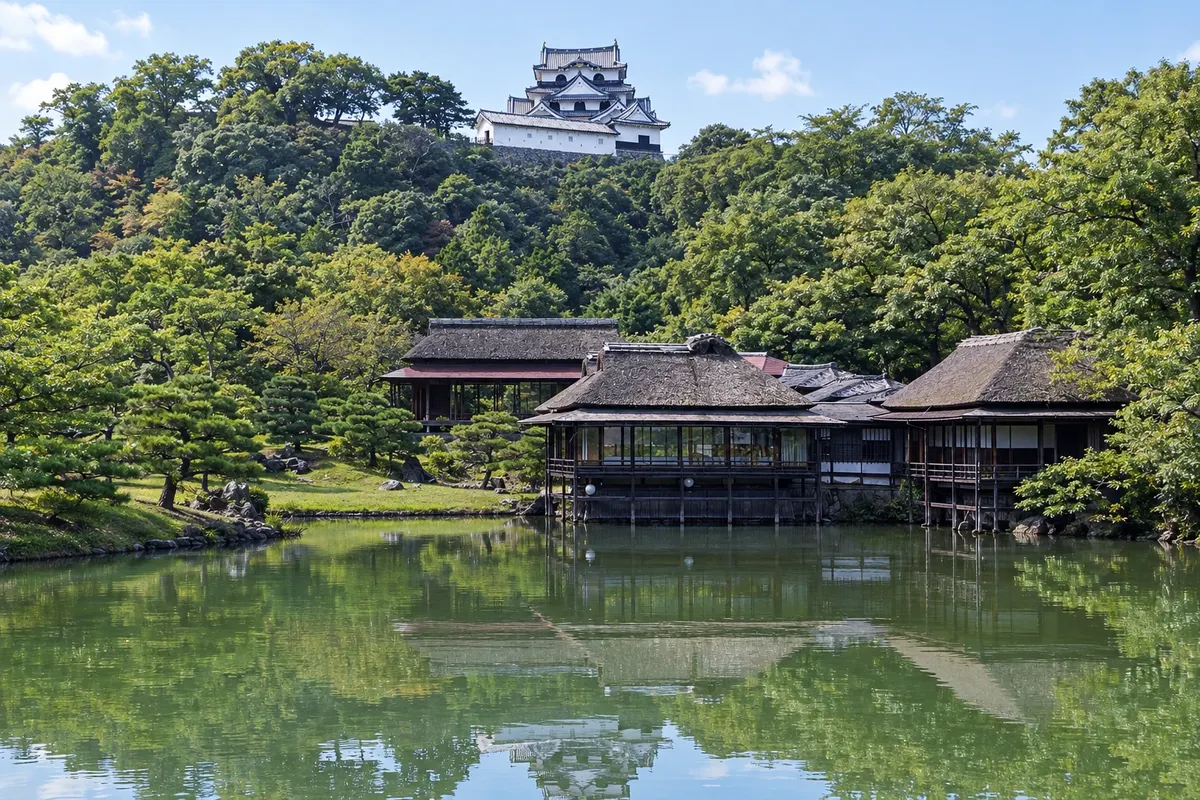
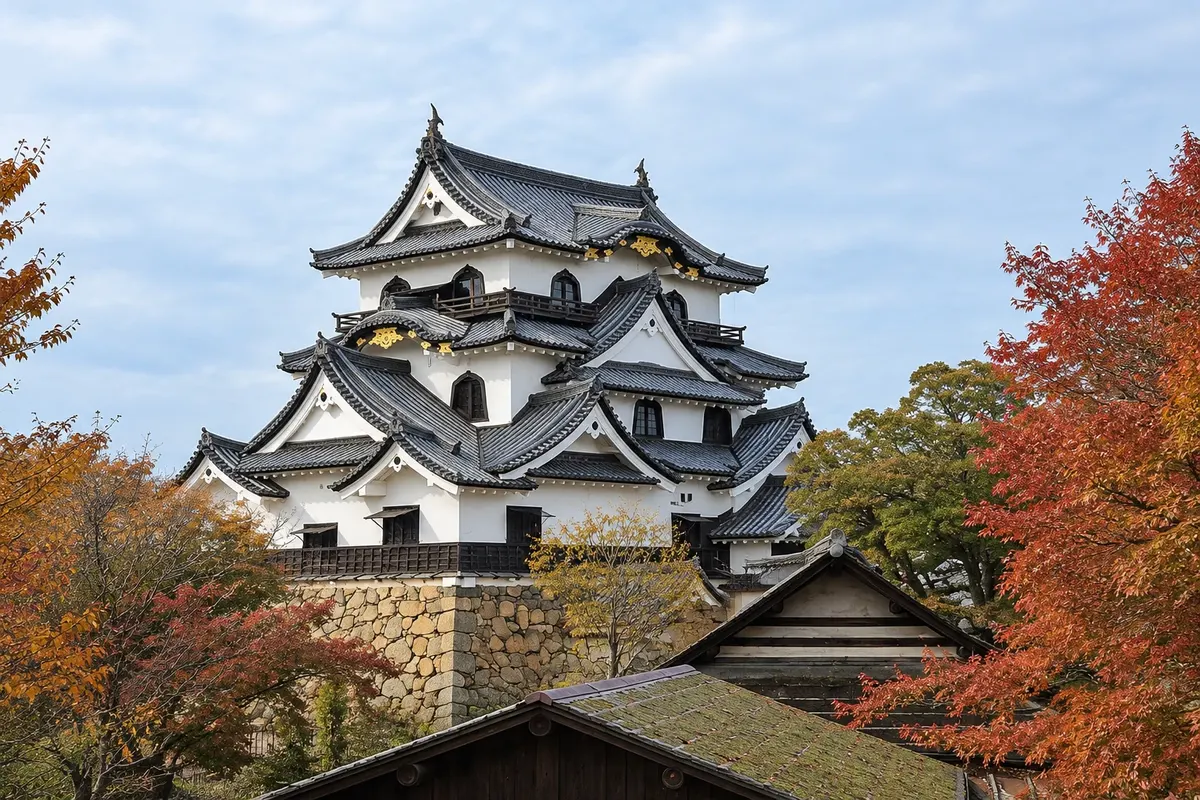
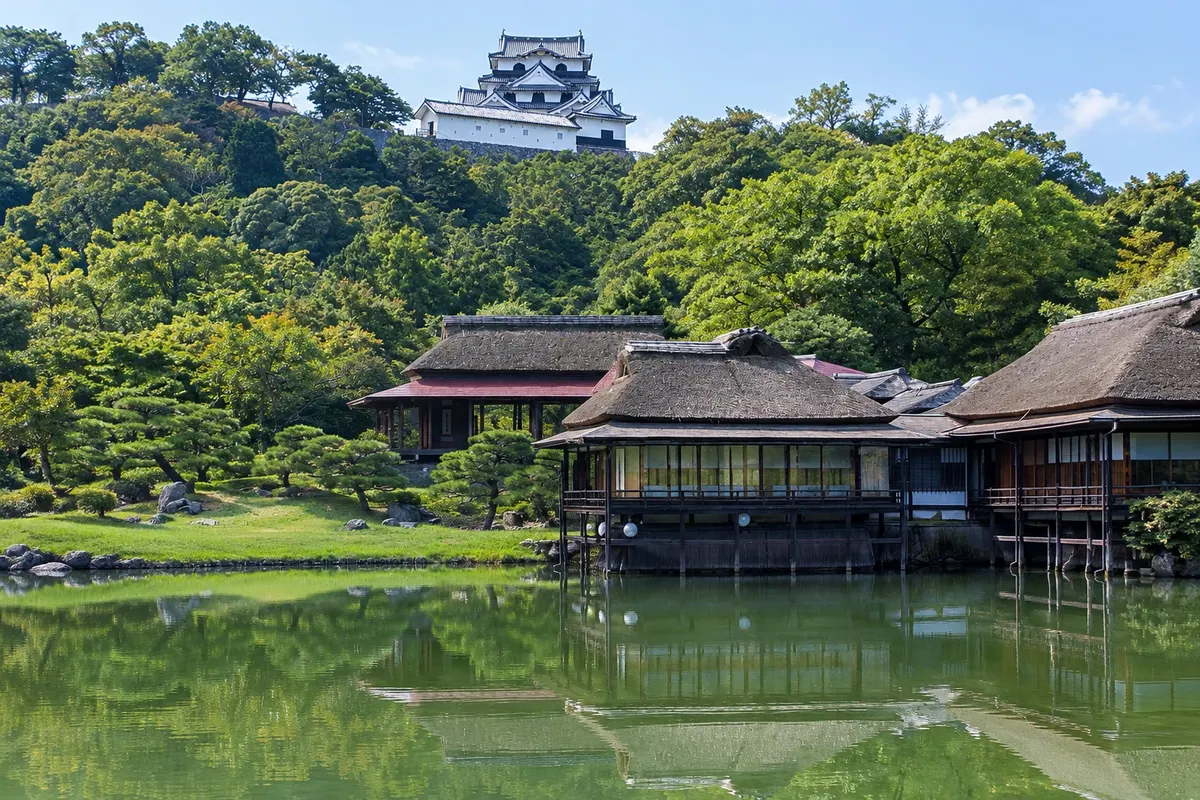
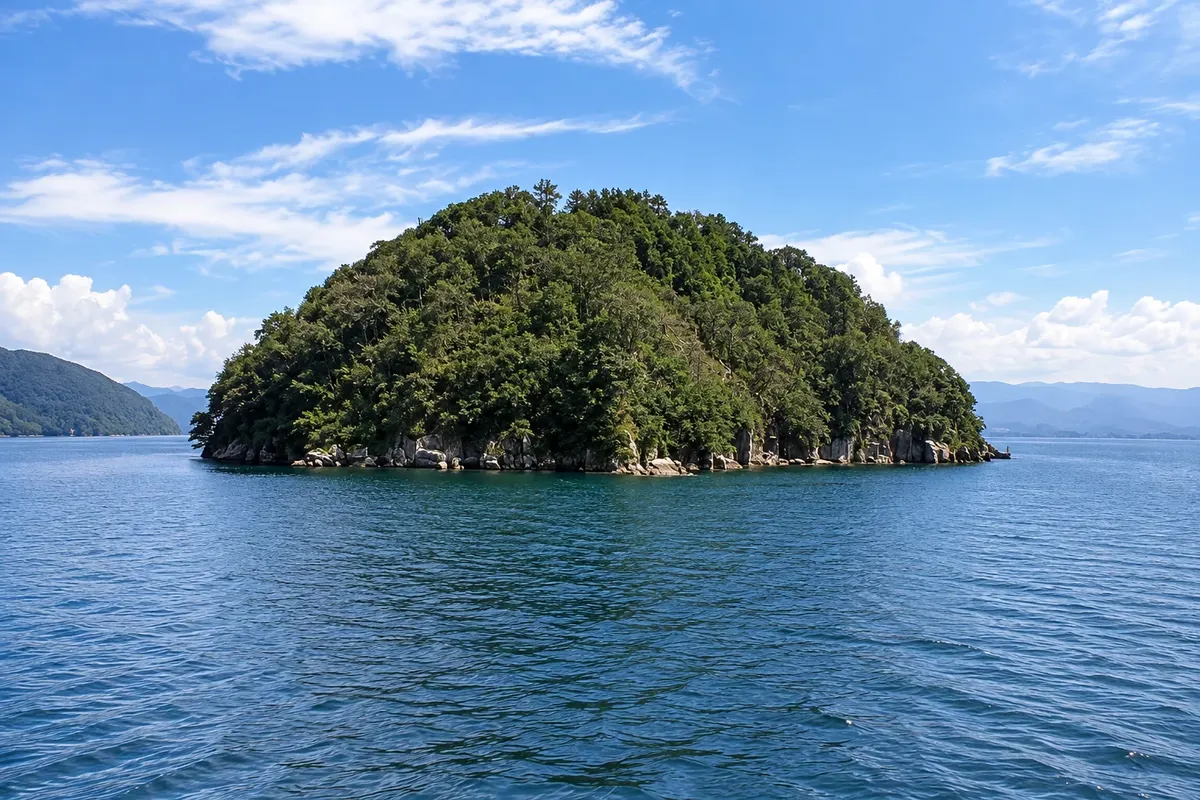
Hikone is the best known. Hikone Castle, completed in 1622 by the Ii family, retains its original main keep, a national treasure, atop a hill overlooking the lake, and below it is the Genkyu-en garden. From the city port, boats sail to Chikubu Island in the northern part of the lake, home to a temple and a shrine dedicated to the goddess Benzaiten.
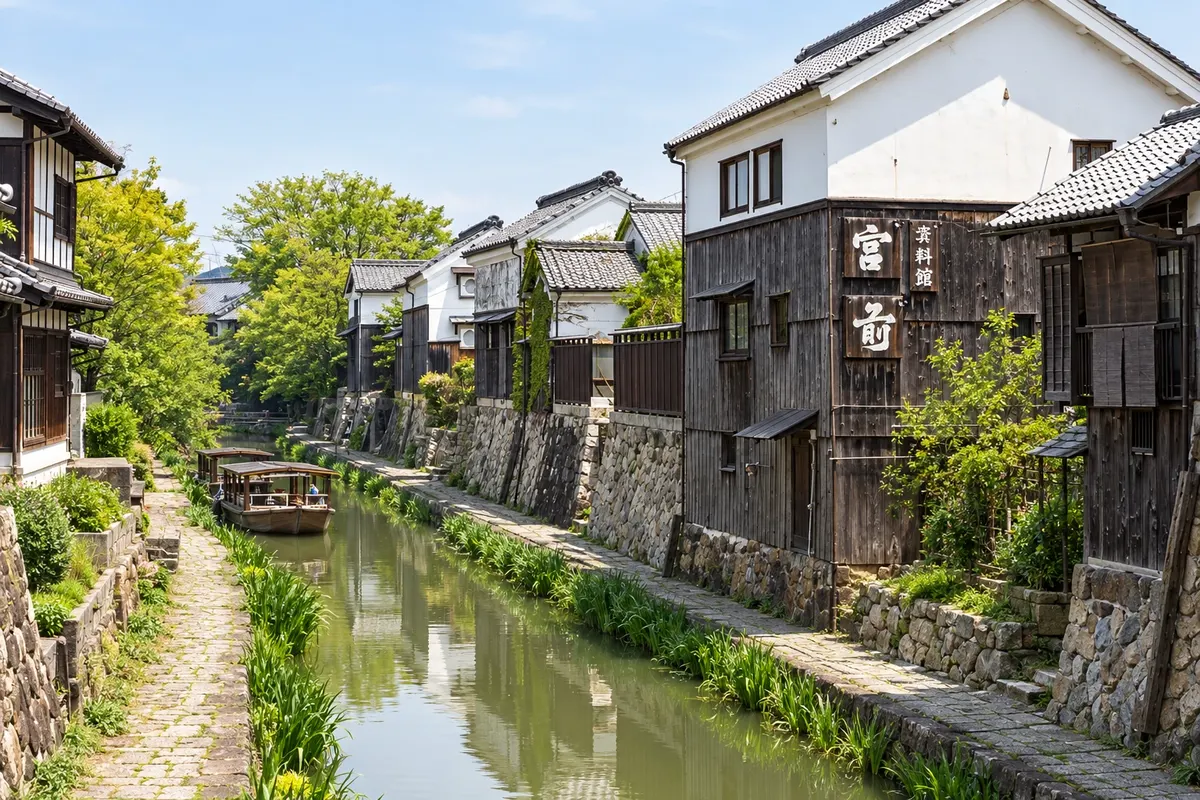
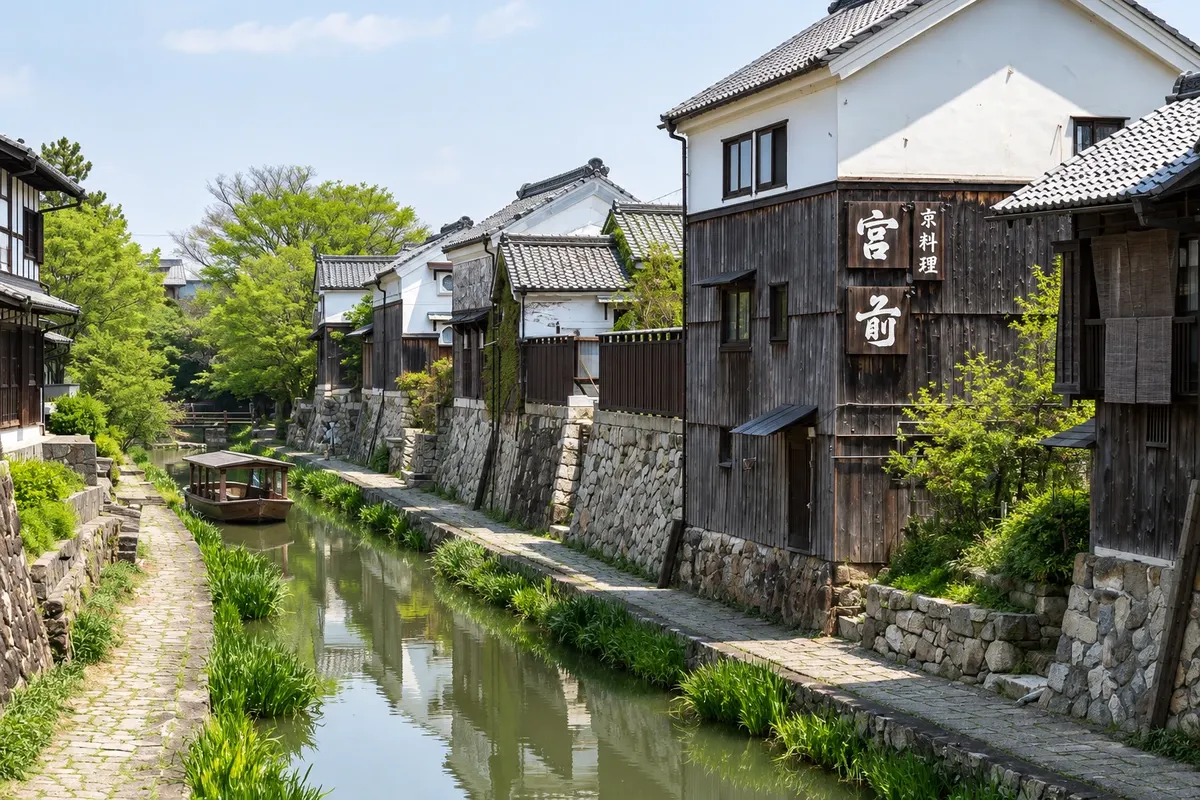
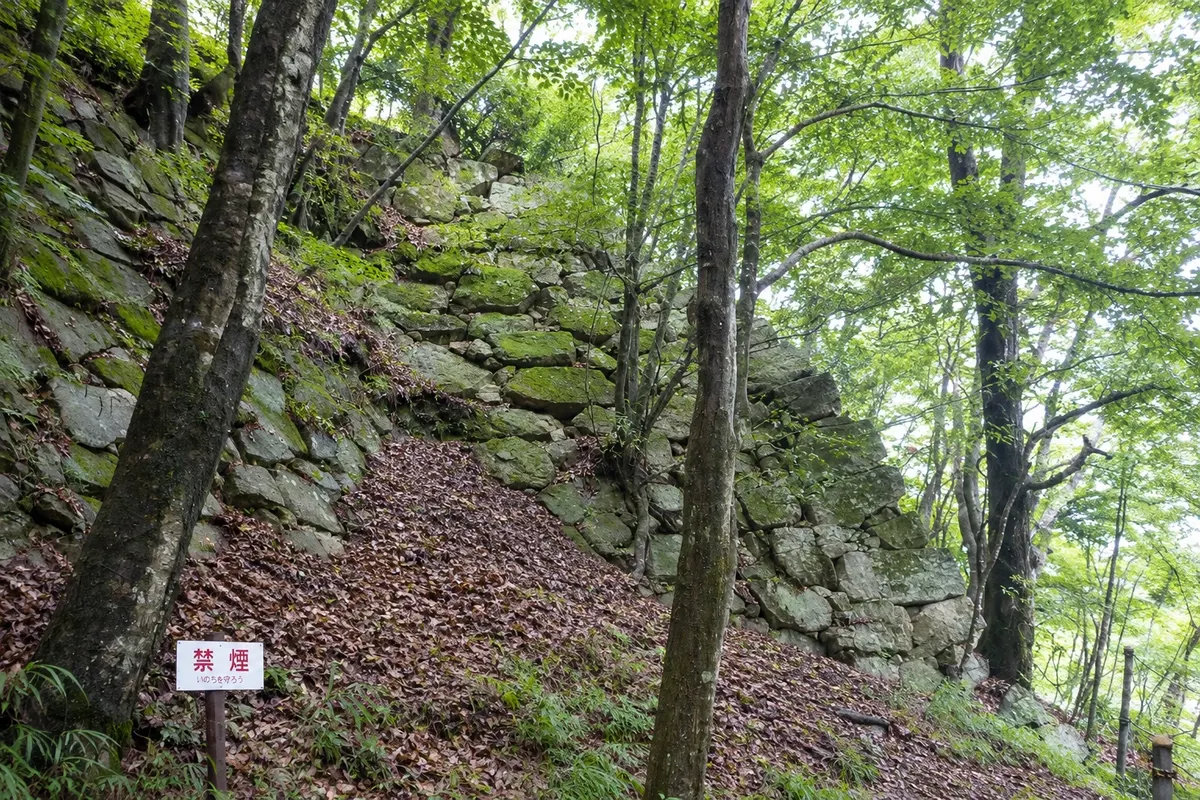
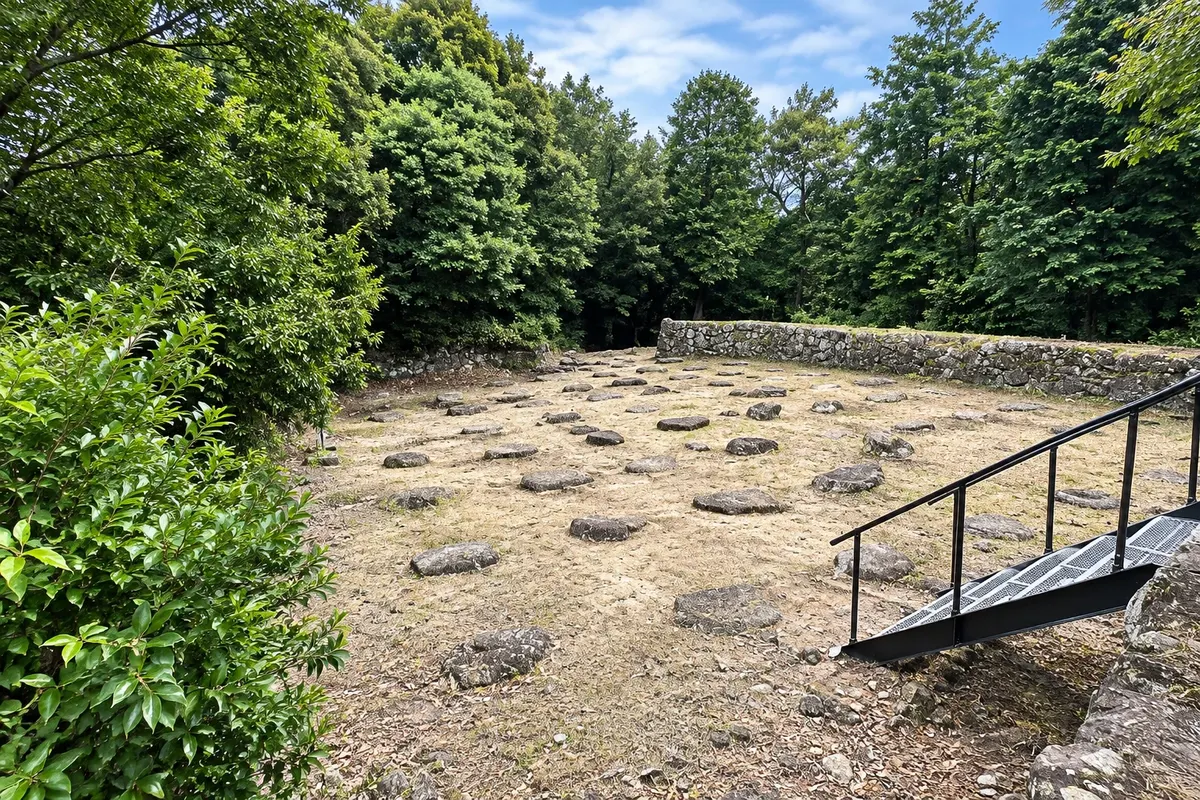
Further south, Omihachiman grew around a canal, the Hachiman-bori, dug to bring boats from the lake into the town center, and it was the birthplace of the Omi merchants, who made fortunes selling across the country. The merchants’ houses, white-walled warehouses, and the Himure Hachimangu shrine form a well-preserved neighborhood. Nearby, in the former Azuchi district, are the ruins of Oda Nobunaga’s castle, the warlord who began Japan’s unification in the 16th century.
The region is easy to visit by train from Kyoto or from Maibara on the shinkansen line. Omi beef, one of the country’s best-known beefs, and lake fish such as funazushi (fish fermented with rice) are local specialties.
This destination brings together 2 cities: Hikone, Omihachiman.


 Brazil
 Antarctica
 Argentina
 Bolivia
 Chile
 Colombia
 Ecuador
 Guyana
 French Guiana
 Falkland Islands (Malvinas)
 Paraguay
 Peru
 Suriname
 Uruguay
 Venezuela
 Germany
 Austria
 Belgium
 Croatia
 Denmark
 Slovakia
 Slovenia
 Spain
 Finland
 France
 Greece
 the Netherlands
 Hungary
 Ireland
 Iceland
 Italy
 Luxembourg
 Norway
 Poland
 Portugal
 the United Kingdom
 the Czech Republic
 Sweden
 Switzerland
 Turkey
 Bermuda
 Canada
 the United States
 Greenland
 Mexico
 Saint Pierre and Miquelon
 the Dominican Republic
 South Africa
 Egypt
 Australia
 Fiji
 New Zealand
 Papua New Guinea