Aizu (Japan) — Aizuwakamatsu; Shimogo

Fukushima · Japan

Aizu (Japan) — Aizuwakamatsu; Shimogo

The castle-town of Aizuwakamatsu, with the red-tiled Tsuruga Castle and the story of the young Byakkotai samurai, and Ouchi-juku, the thatched-roof post town on the old highway.

Tohoku

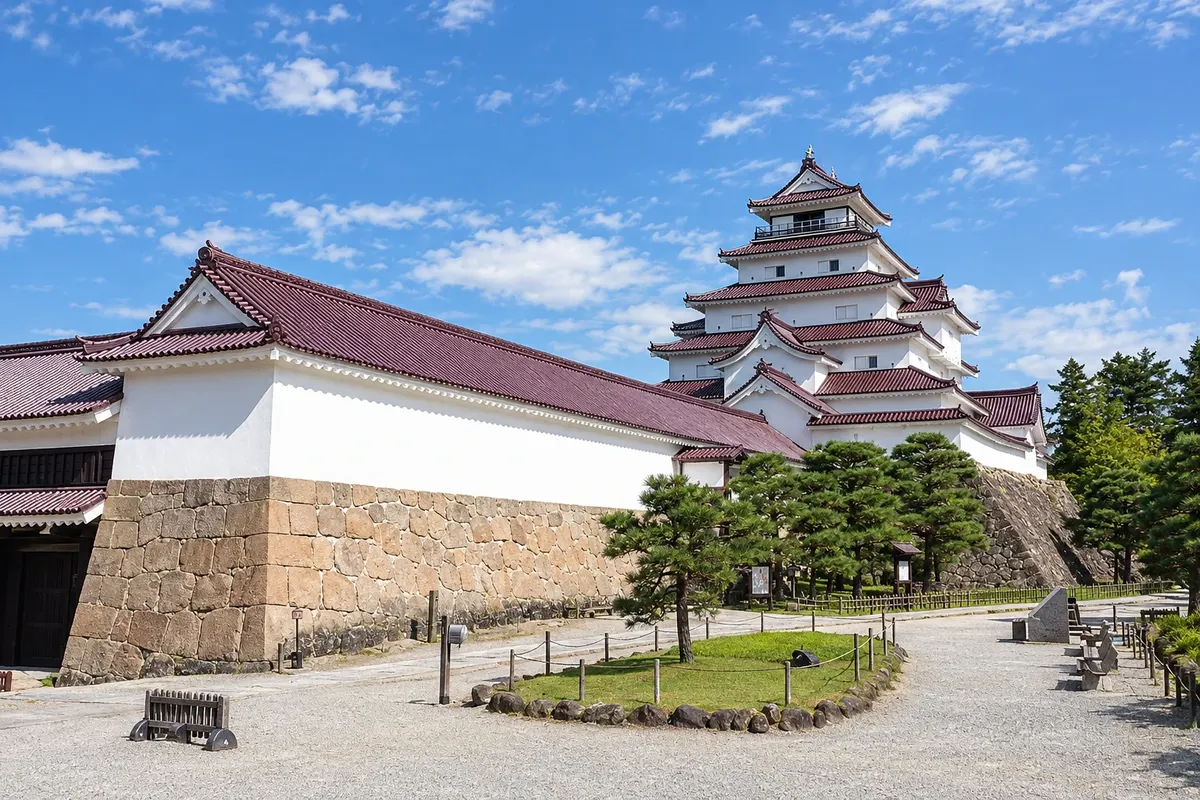
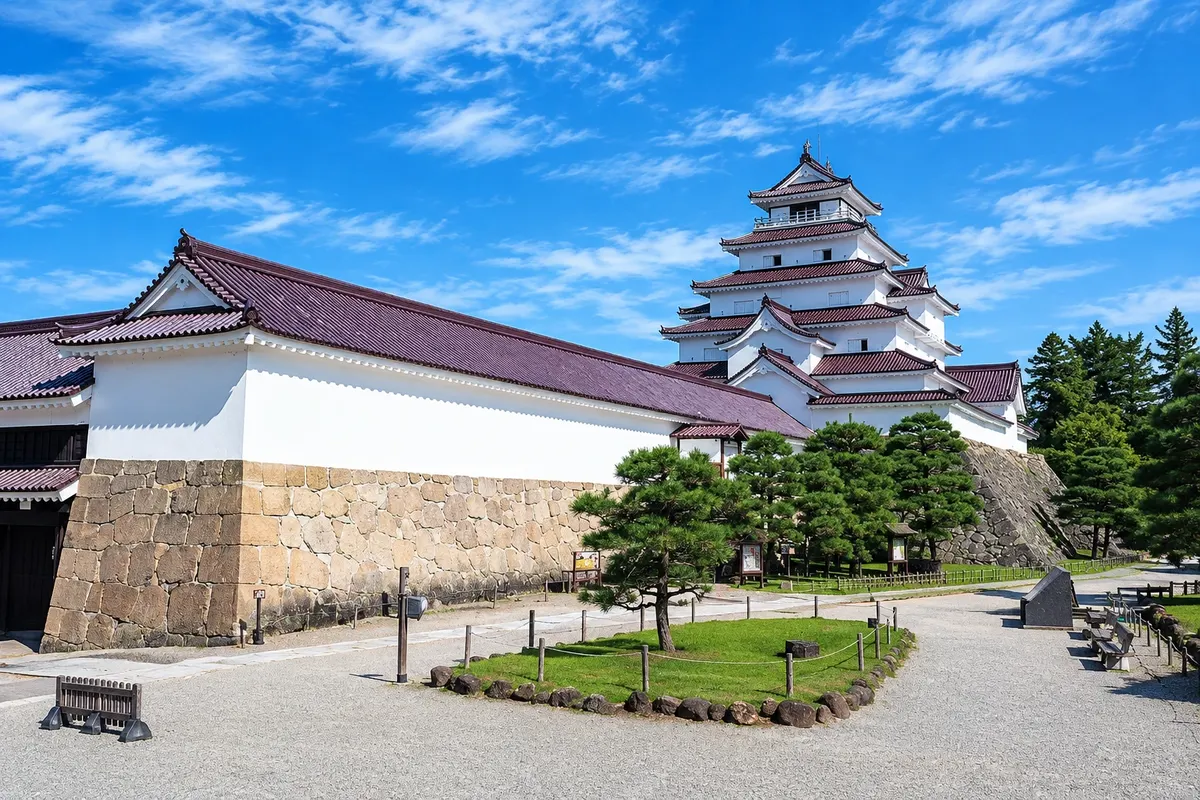
In the photo: Tower and walls of Tsuruga Castle, in Aizuwakamatsu.

Illustrative images. The pictures in this guide are illustrations based on the real place, not photographs, and may differ from it.

Get to know the place

A region to enjoy
at your own pace.

Aizu is the mountainous western part of Fukushima Prefecture, in a basin surrounded by peaks, far from the coast. During the Edo period it was ruled by the Matsudaira clan, close allies of the Tokugawa shoguns. Its seat was Aizuwakamatsu, a castle-town that preserves storehouse-lined streets, sake breweries and lacquer workshops, proud of its samurai tradition.

In 1868, during the Boshin War that ended the shogunate, Aizu resisted the new imperial government and Tsuruga Castle was besieged for about a month. From that episode comes the story of the Byakkotai, a unit of young samurai who, seeing smoke near the castle from Mount Iimori, believed it had fallen and took their own lives. The castle was demolished after the war; the present tower is a reconstruction, covered with red tiles like those of the 19th century.

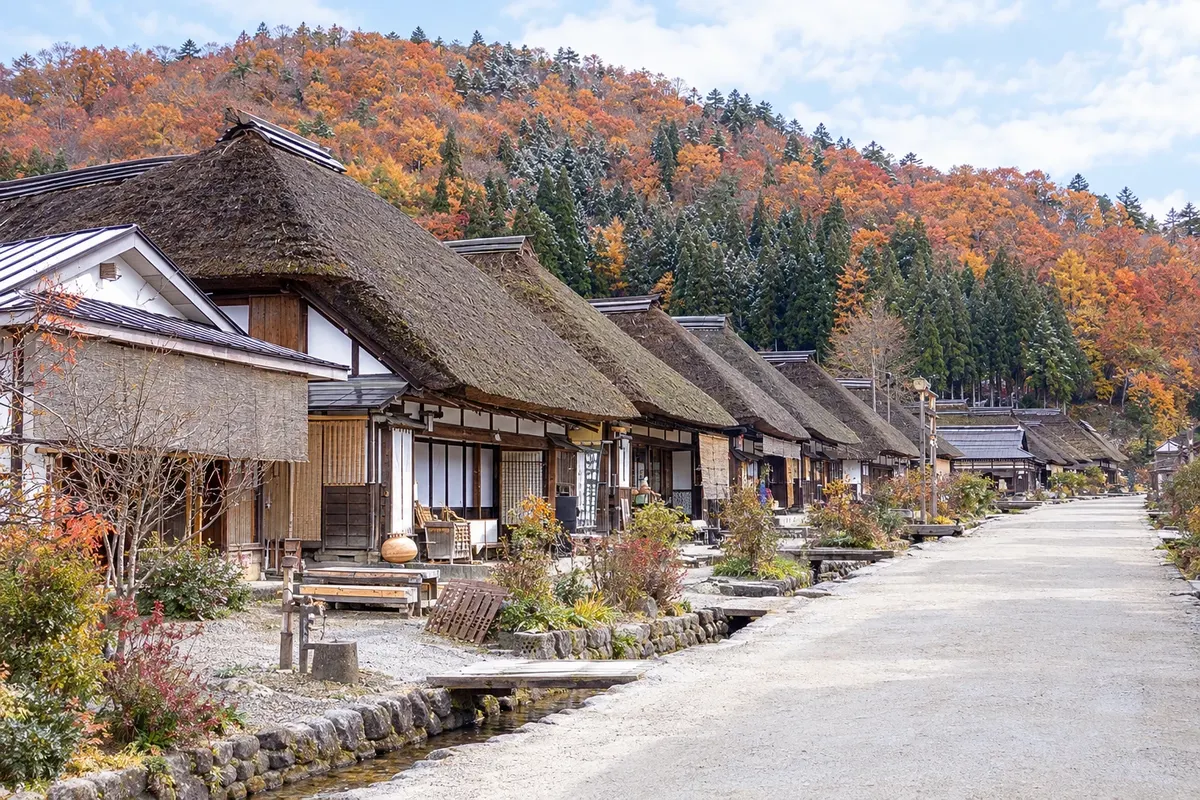
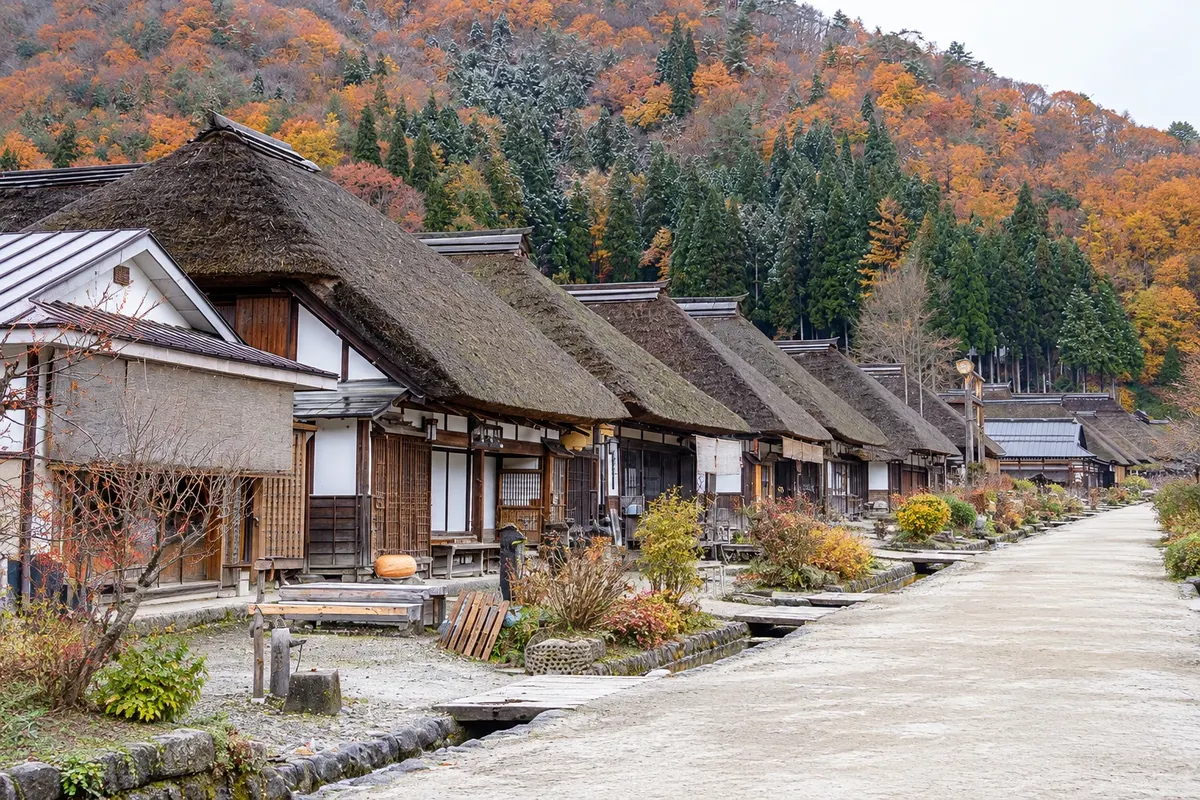
About 30 km to the south, in the town of Shimogo, Ouchi-juku was a stop on the old road that linked Aizu to Nikko and the Edo region. The village preserves a wide dirt street flanked by thatched-roof houses, now inns, shops and restaurants that serve soba eaten using a scallion stalk instead of chopsticks. Nearby, the Okawa River has carved the cliffs of Tonohetsuri.

The trip fits into two days: one in the town, with the castle, Mount Iimori and the samurai houses, and another in Ouchi-juku and Tonohetsuri, taking the railway that runs south. Aizu’s destinations lie well away from the difficult-return coastal area of eastern Fukushima, on the other side of the prefecture. In winter the region gets heavy snow.

This destination brings together 2 cities: Aizuwakamatsu, Shimogo.

Share: WhatsApp
Traveler, share your experiences through photos Up to 5 photos of each place you visited.

One destination, many paths

The cities on this trip

Start with one city or combine several in your itinerary.

Where Aizu (Japan) — Aizuwakamatsu; Shimogo is
AizuwakamatsuShimogo

Dados cartográficos: © OpenStreetMap contributors, via Wambacher / geoBoundaries (ODbL 1.0). Adapted by Cidade Turismo.

How to get there: Aizu (Japan) — Aizuwakamatsu; Shimogo

✈ Aeroporto de Fukushima (FKS), in Sukagawa · 81 km to Aizuwakamatsu

From Tokyo, the Tohoku Shinkansen takes you to Koriyama in about 1h20; from there the Ban'etsu West Line reaches Aizuwakamatsu in about 1h15. There are also highway buses from Tokyo. To reach Ouchi-juku, the Aizu Railway goes to Yunokami-Onsen Station, from which you continue by bus or taxi.

Suggested arrival point: Aizuwakamatsu

The local experience

Things to do in Aizu (Japan) — Aizuwakamatsu; Shimogo

Tsuruga Castle (Aizuwakamatsu)
Aizuwakamatsu · Fukushima · Castle

Tsuruga Castle (Aizuwakamatsu)

The castle of the Matsudaira clan of Aizu, besieged in the Boshin War of 1868, with a reconstructed keep covered in red tiles, a museum, stone walls and the Rinkaku tea house, set in a park with cherry trees.

Ouchi-juku
Shimogo · Fukushima · Historic village

Ouchi-juku

An old post-town on the road between Aizu and Nikko, with dozens of thatched-roof houses lined along a wide dirt street, water channels and a lookout at the end, in the mountains of Shimogo.

Mount Iimori (Iimoriyama)
Aizuwakamatsu · Fukushima · Historic site

Mount Iimori (Iimoriyama)

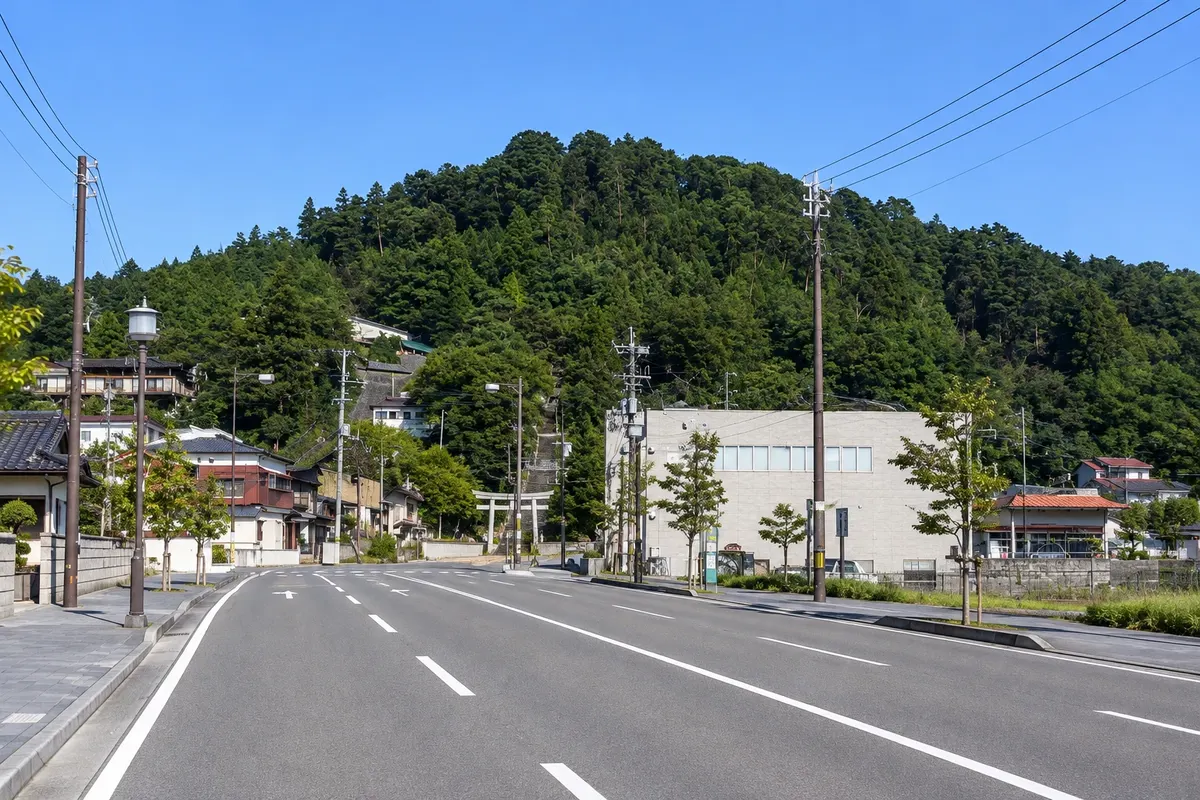
Hill northeast of downtown Aizuwakamatsu with the graves of the Byakkotai young samurai and the Sazaedo, a 1796 wooden pagoda with a double-spiral ramp where those who ascend don’t cross those who descend.

Tōnohetsuri
Shimogo · Fukushima · Rock formation

Tōnohetsuri

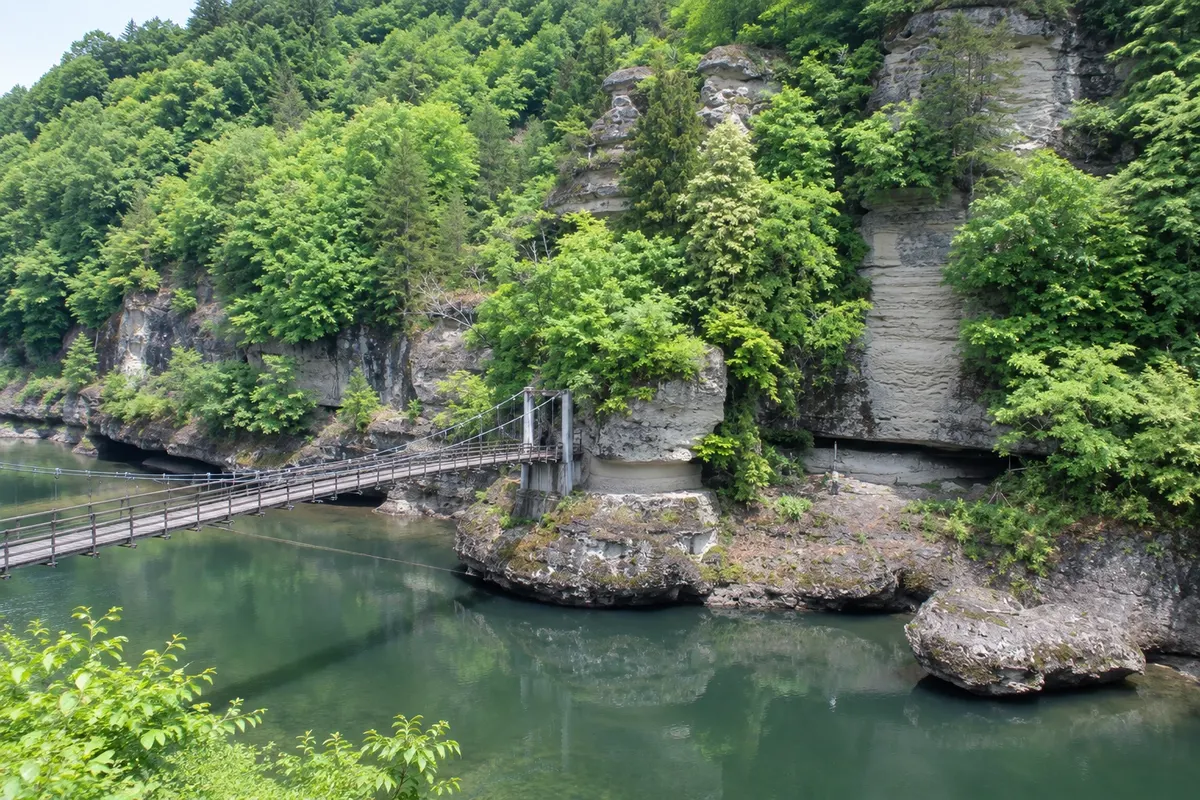
Rock cliffs on the bank of the Okawa River, carved by water and wind into tower-like shapes, with cut-through passages and a suspension bridge, next to the station of the same name.

See 2 more places in Aizu (Japan) — Aizuwakamatsu; Shimogo
Aizu Samurai Residence (Aizu Bukeyashiki)
Aizuwakamatsu · Fukushima · Museum

Aizu Samurai Residence (Aizu Bukeyashiki)

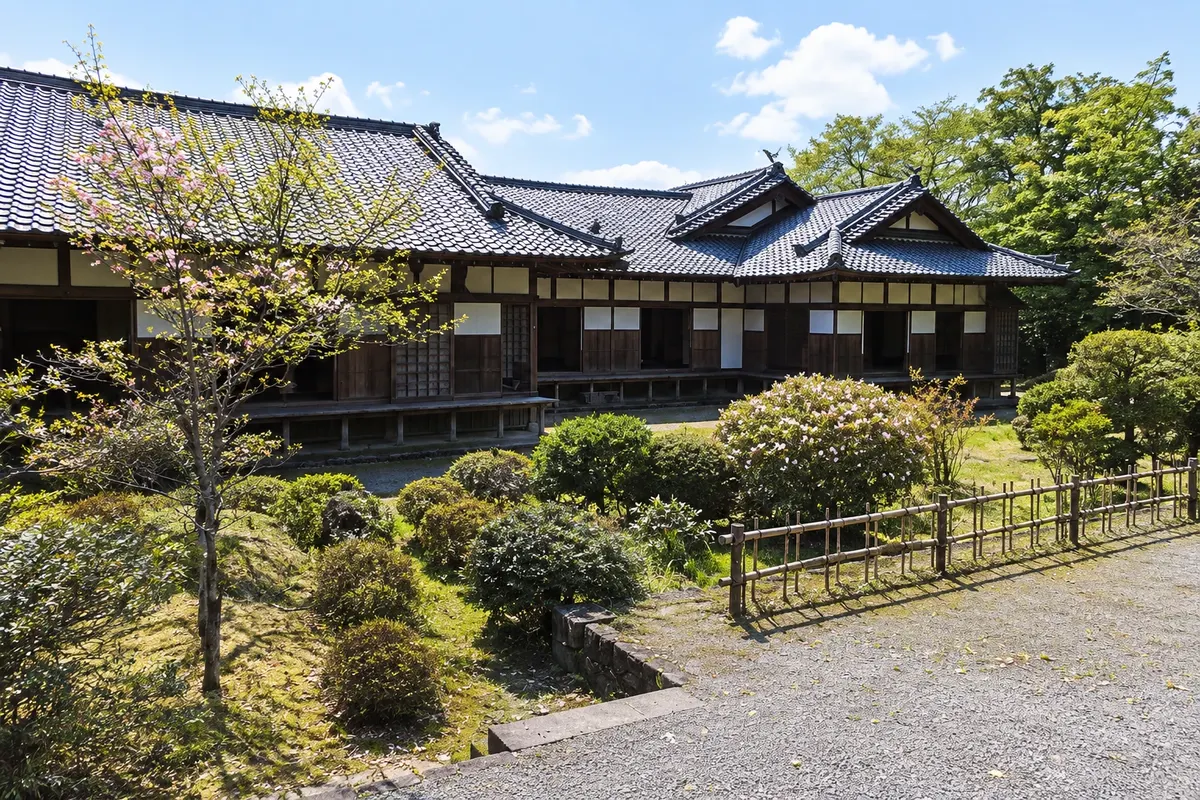
Reconstruction of the large residence of Saigo Tanomo, chief counselor of the Aizu clan, with dozens of rooms, scenes of the Boshin War, a rice mill and other old buildings brought to the grounds.

Oyakuen Garden (Oyakuen)
Aizuwakamatsu · Fukushima · Garden

Oyakuen Garden (Oyakuen)

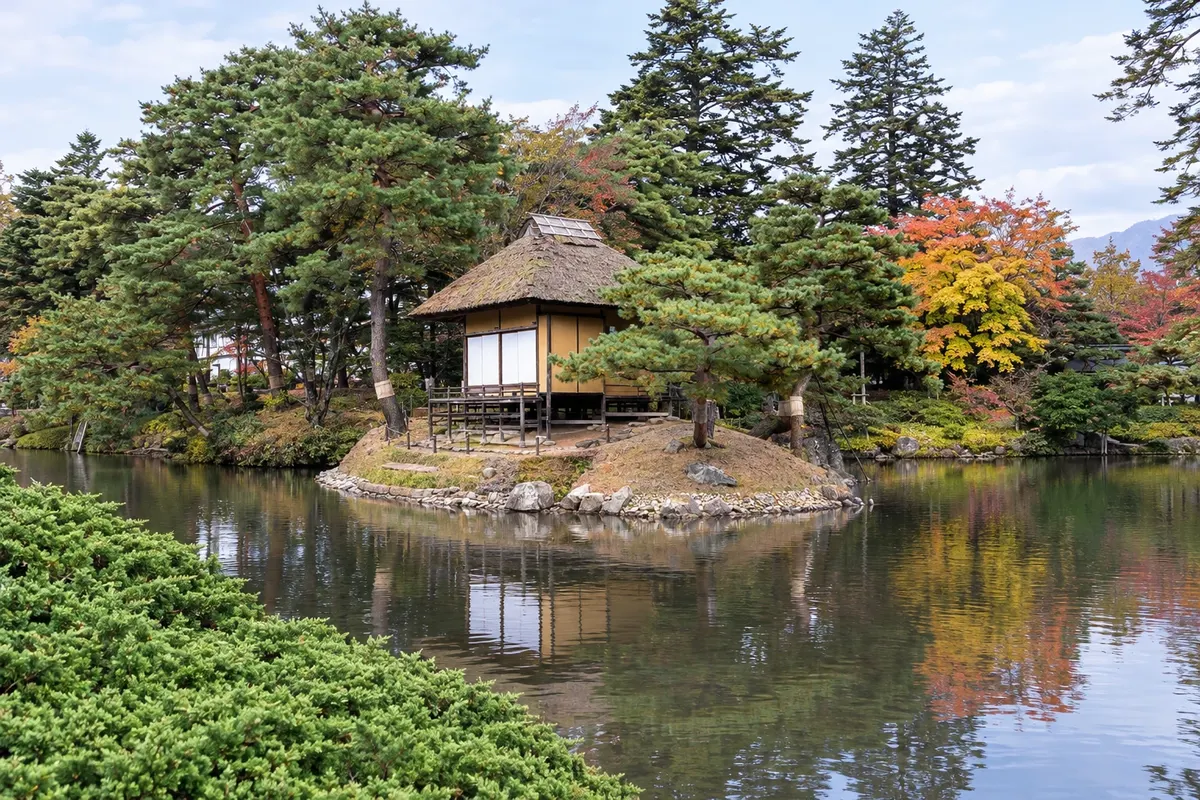
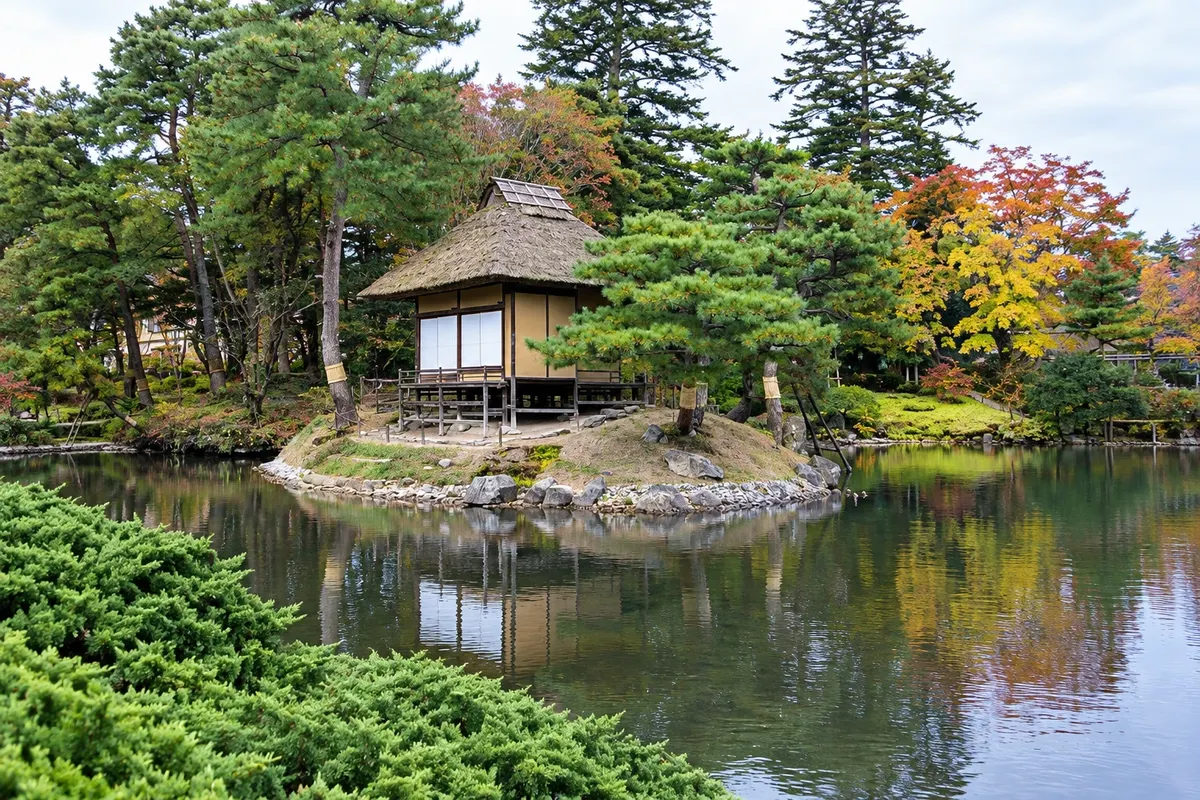
Garden of the Aizu lords, with a heart-shaped pond, an island with a teahouse and a medicinal herb garden cultivated since the 17th century, a few minutes from Tsuruga Castle.

Before you go

Practical information

A little planning leaves more time to enjoy the journey.

When to go

From April to November. The castle’s cherry trees usually bloom in mid-April; September has the Aizu Festival, with a samurai costume parade; late October and early November bring autumn foliage. From December to March there is heavy snow, and Ouchi-juku holds a snow festival in February.

The seasons shown are the most usual ones; nature doesn't always follow the calendar.

How many days to stay

Two days: one in Aizuwakamatsu for the castle, Mount Iimori, the Bukeyashiki and the Oyakuen garden, and another in Ouchi-juku and Tonohetsuri. With three days, add Nanokamachi Street, a sake brewery and Kitakata.

Which city to stay in

In Aizuwakamatsu hotels are clustered around the station and in the center, near Nanokamachi Street. Higashiyama Onsen, southeast of the center, has ryokan by a stream. In Ouchi-juku some thatched houses operate as family-run inns, and Yunokami Onsen, near the station, gathers hot-spring lodgings.

Respect the place

Take your trash with you, follow the signs and support local businesses. In natural areas, follow the visiting guidelines.

Get your questions answered

Frequently asked questions about Aizu (Japan) — Aizuwakamatsu; Shimogo

What was the Byakkotai?

It was a unit of young Aizu samurai, aged 16 and 17, in the 1868 Boshin War. A group of them, seeing smoke near the castle from Mount Iimori, believed it had fallen and killed themselves. Their graves are on the mountain.

How do I get from Aizuwakamatsu to Ouchi-juku?

Take the Aizu Railway to Yunokami-Onsen Station, about 40 minutes, then a bus or taxi for about 15 minutes. The station-to-village bus runs part of the year; check the timetable.

Do I need a car in Aizu?

In the town, no: circular buses connect the station with the castle, Mount Iimori and the samurai houses. For Ouchi-juku, the train and bus are sufficient; a car makes it easier to combine Tonohetsuri and other stops the same day.

Is Aizu near the area affected by the 2011 nuclear accident?

No. Aizu is in western Fukushima, more than 100 km from the Fukushima Daiichi nuclear plant on the east coast. The restricted-entry area is small and is on the other side of the prefecture.

Can I visit Aizu on a day trip from Tokyo?

It’s possible but tiring: it’s about 3 hours each way. Ideally you should spend at least one night in Aizuwakamatsu or at Higashiyama Onsen.

Explore other destinations Search by state and city

Beyond the guide