Sado lies in the Sea of Japan about 35 km off the coast of Niigata and is one of the country’s largest islands outside the four main ones. It has the shape of two parallel mountain masses, north and south, joined by a plain of rice fields. For centuries it was a place of exile for disgraced figures such as Emperor Juntoku, the monk Nichiren and the Noh master Zeami, who left marks on the island’s culture, including dozens of open-air Noh stages.
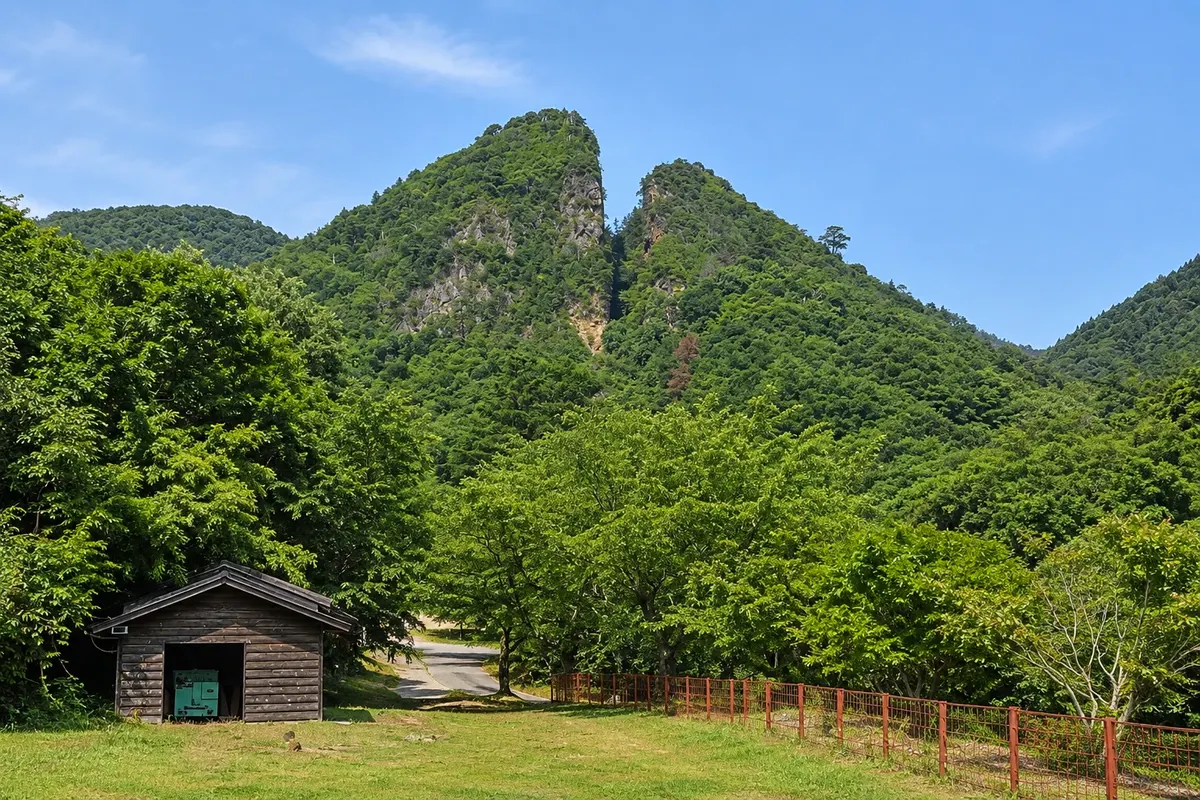
From the early 17th century, Sado’s gold and silver financed the Tokugawa shogunate. The Aikawa mines operated until 1989, and the tunnels, the mountain split in two and the ruins of the processing plants are part of the Sado Island Gold Mines, inscribed by UNESCO on the World Heritage List in 2024, recognized for the hand-mining techniques maintained for centuries.
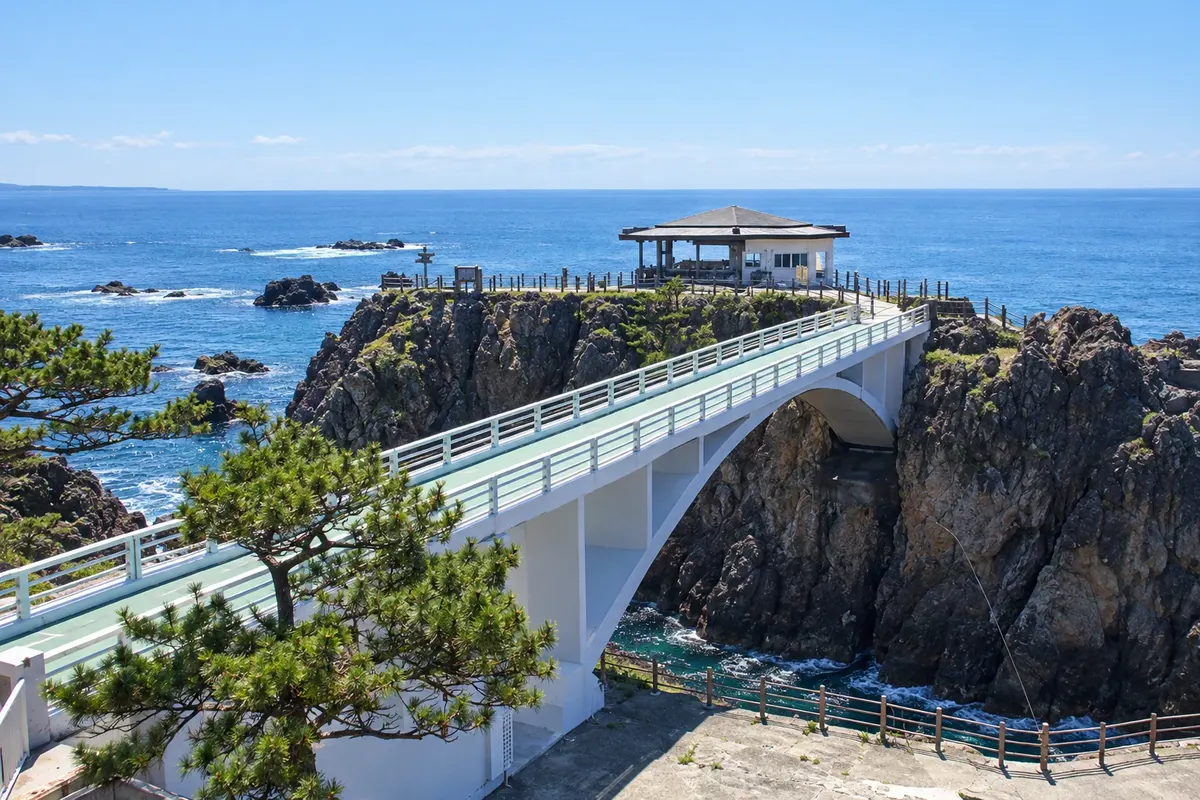
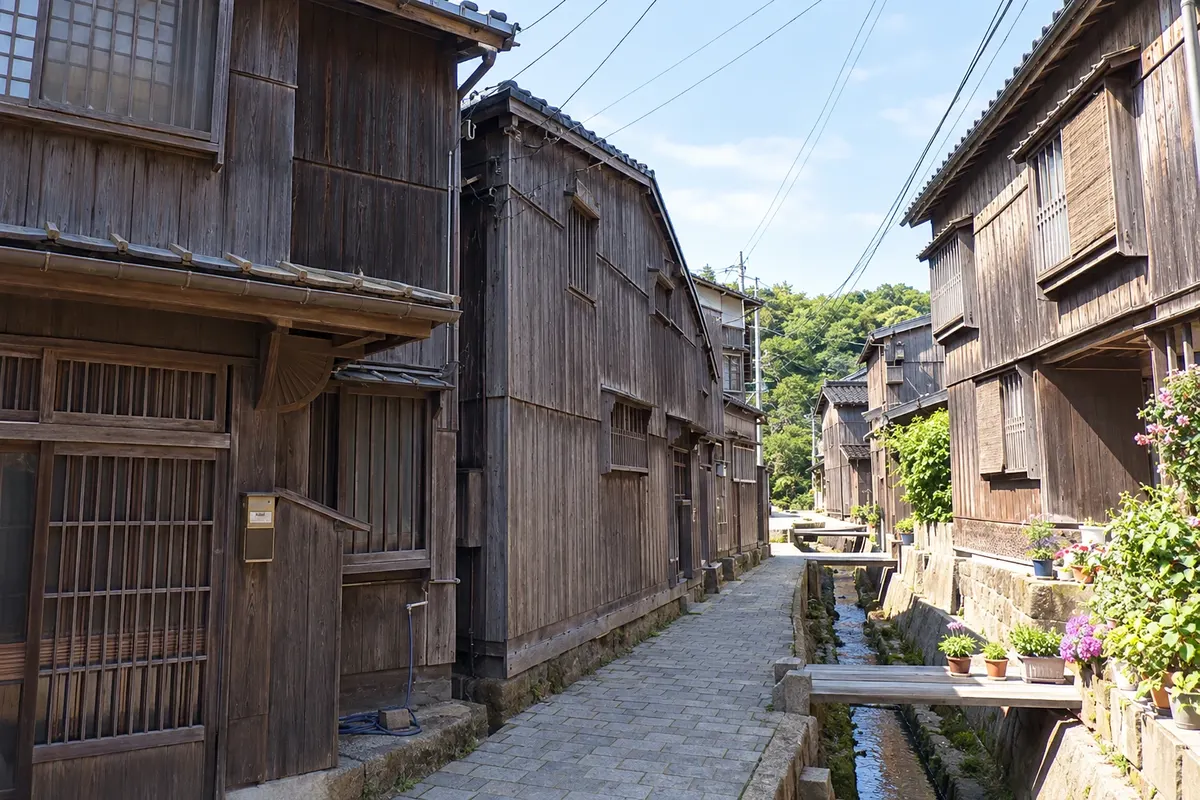
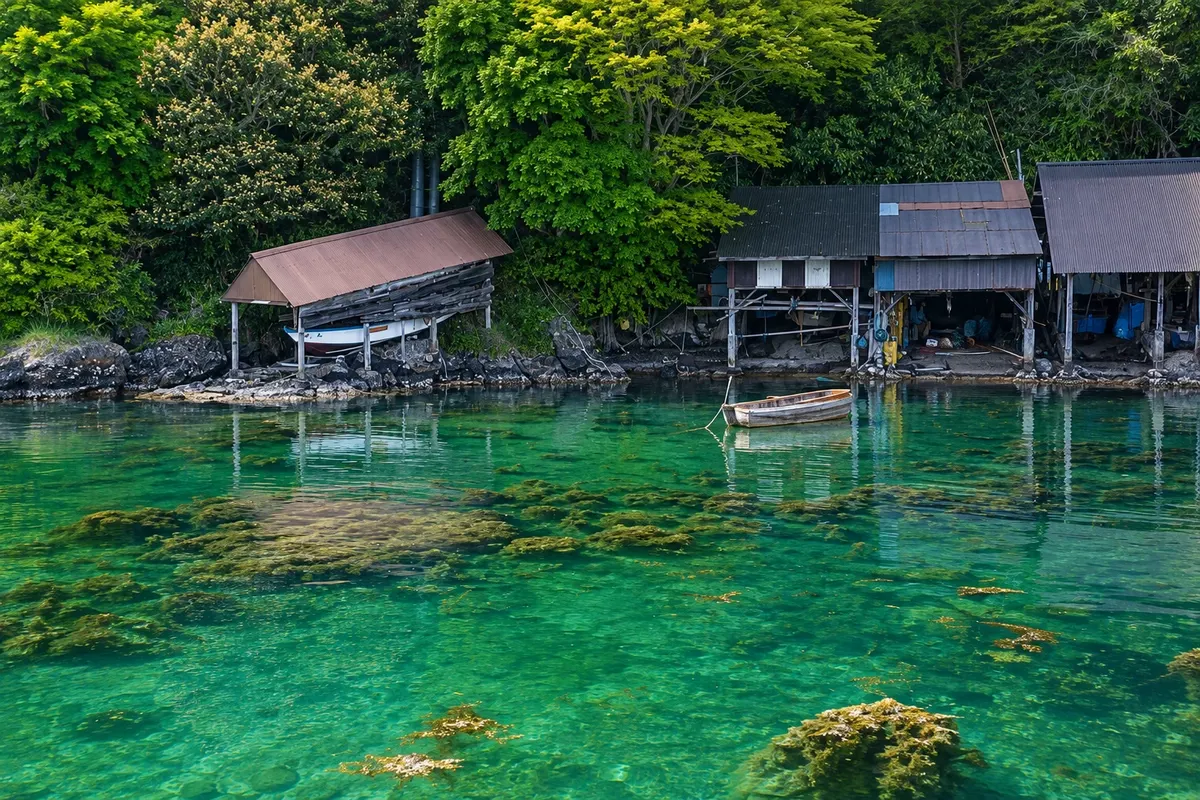
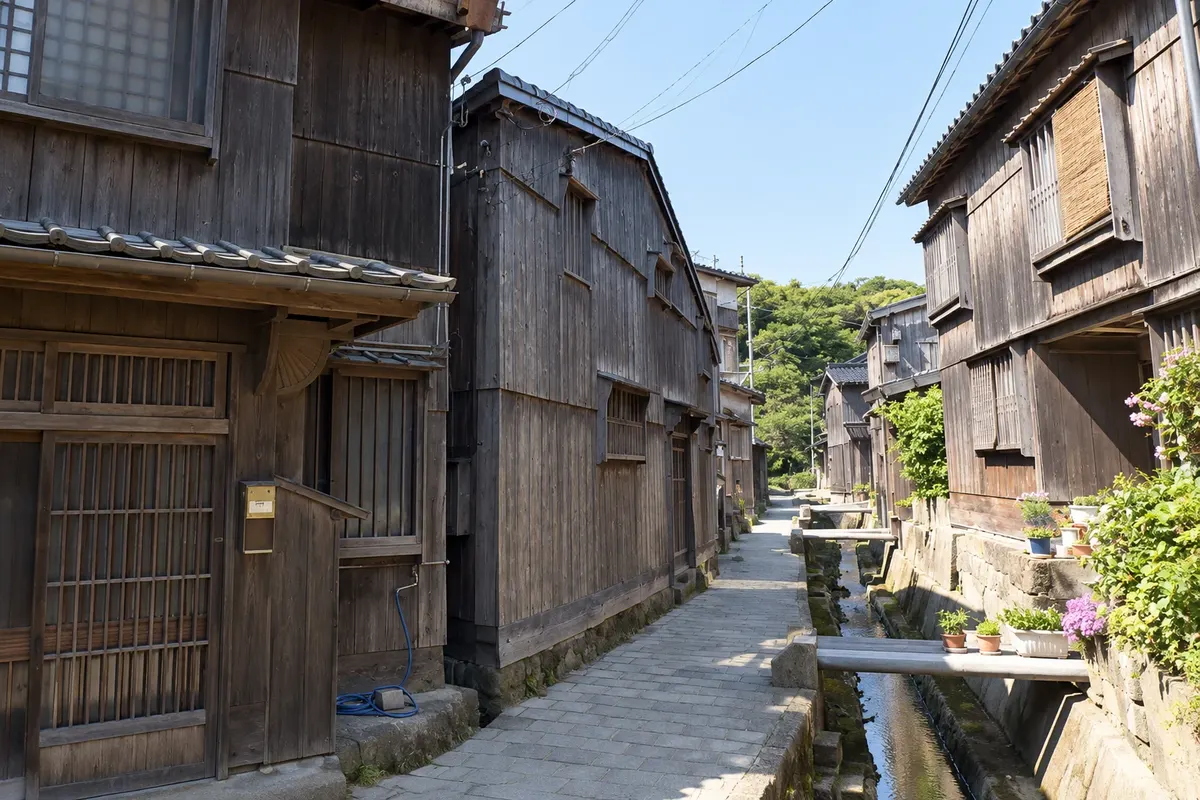
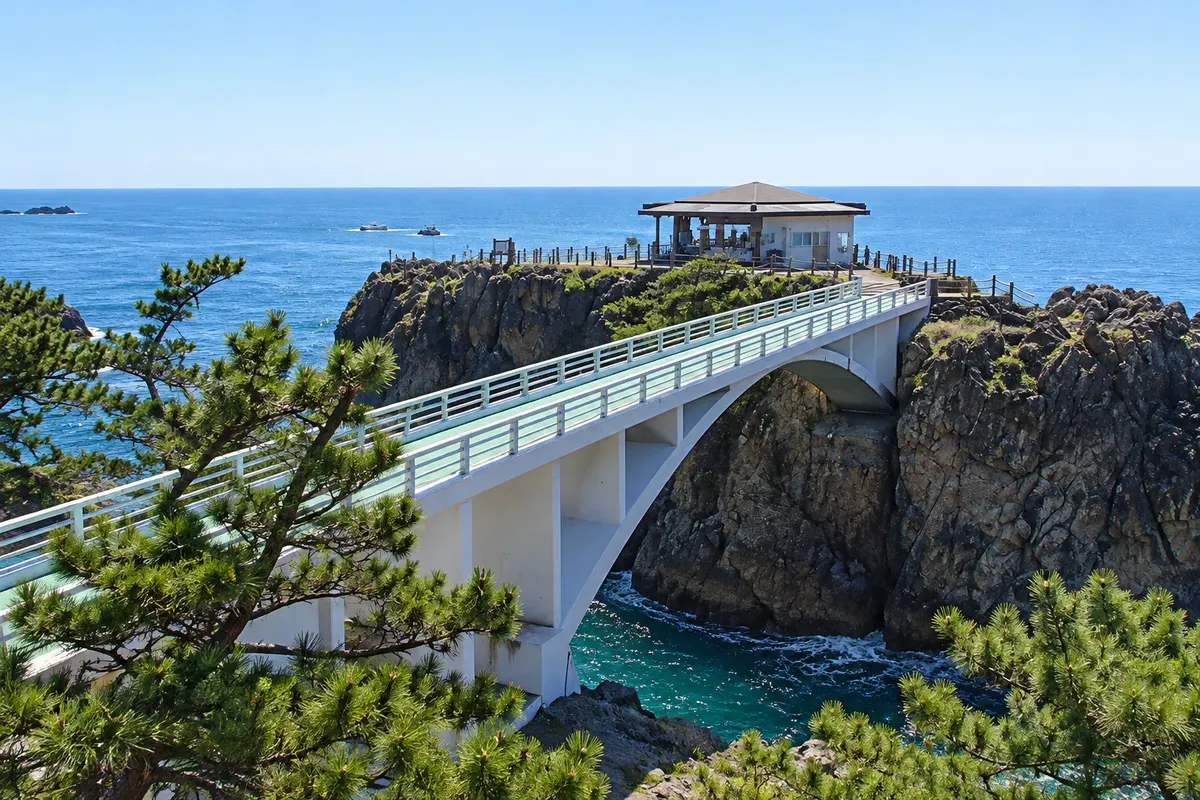
In the south, the Ogi peninsula has rocky coves where fishing is done from tub boats, the taraibune, and the village of Shukunegi, of shipbuilders and merchants, with narrow lanes of wooden houses. Ogi is also the home base of the Kodo taiko drumming group, known worldwide, and hosts the Earth Celebration festival in August. The northwest coast, with cliffs, includes Senkaku Bay, and in the center of the island a park cares for the Japanese crested ibis, a bird that disappeared from the country and was reintroduced on Sado.
The crossing from Niigata takes about 1 hour by high-speed boat or 2.5 hours by ferry, and depends on sea conditions. The island is large, and buses serve the main routes with few departures; a car or an organized tour helps a lot. Local cuisine includes squid, fish, persimmon, rice and Sado sake.
This destination brings together 1 city: Sado.


 Brazil
 Antarctica
 Argentina
 Bolivia
 Chile
 Colombia
 Ecuador
 Guyana
 French Guiana
 Falkland Islands (Malvinas)
 Paraguay
 Peru
 Suriname
 Uruguay
 Venezuela
 Germany
 Austria
 Belgium
 Croatia
 Denmark
 Slovakia
 Slovenia
 Spain
 Finland
 France
 Greece
 the Netherlands
 Hungary
 Ireland
 Iceland
 Italy
 Luxembourg
 Norway
 Poland
 Portugal
 the United Kingdom
 the Czech Republic
 Sweden
 Switzerland
 Turkey
 Bermuda
 Canada
 the United States
 Greenland
 Mexico
 Saint Pierre and Miquelon
 the Dominican Republic
 South Africa
 Egypt
 Australia
 Fiji
 New Zealand
 Papua New Guinea