Nara

Nara · Japan

Nara

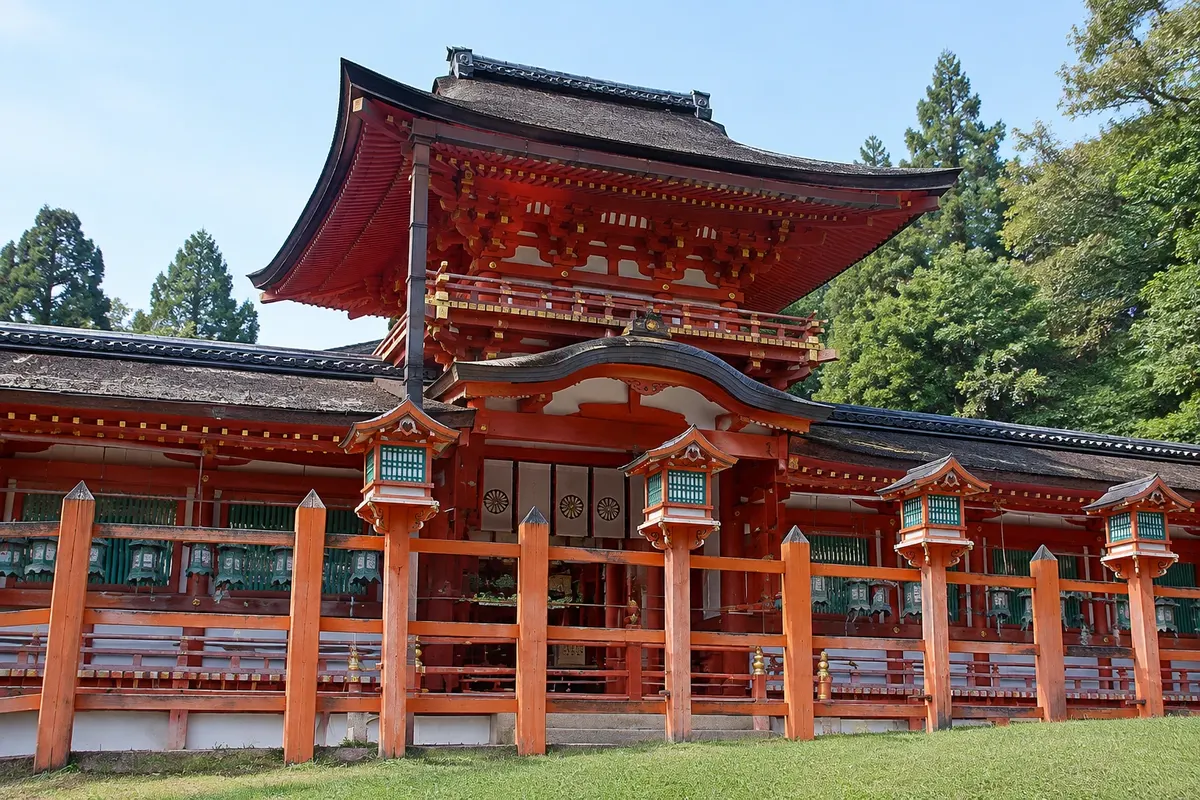
The first permanent capital of Japan: the Great Buddha of Tōdai-ji, the free-roaming deer in the park, the lanterns of Kasuga Taisha and, to the southwest, the wooden buildings of Hōryū-ji.

Kansai

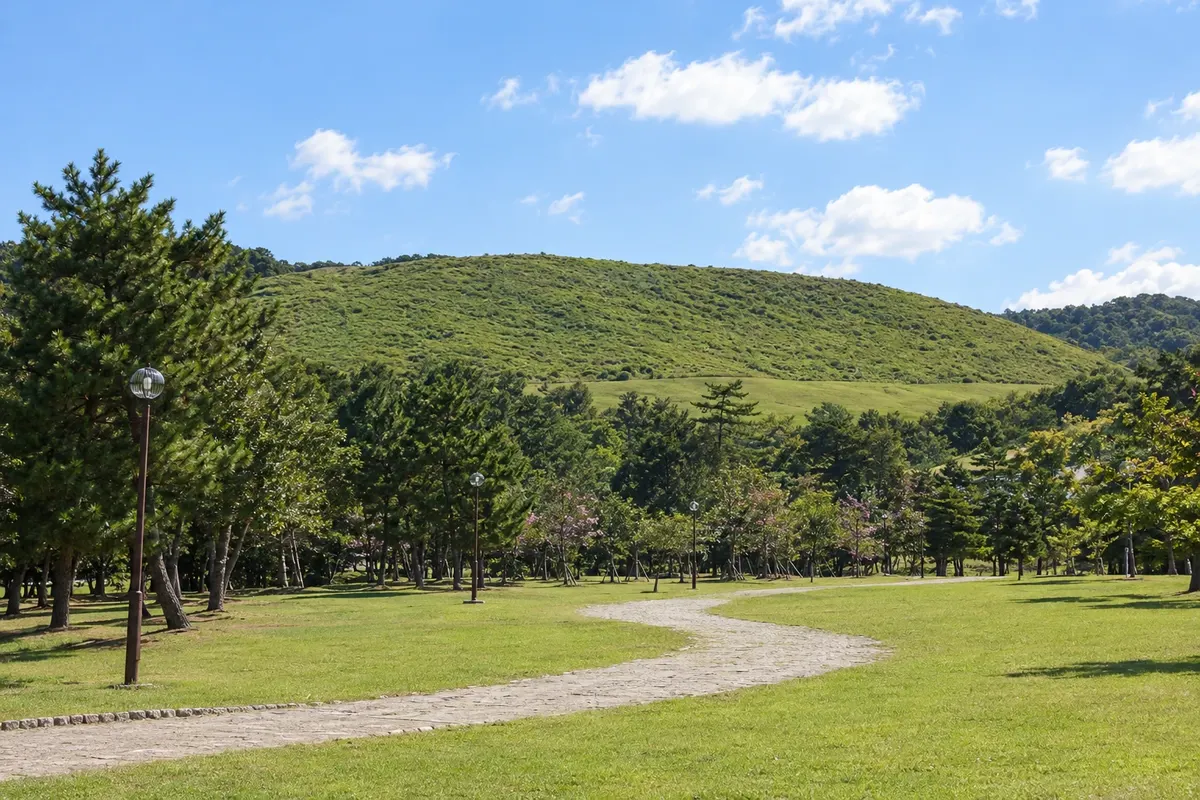
In the photo: Mount Wakakusa, in Nara.

Illustrative images. The pictures in this guide are illustrations based on the real place, not photographs, and may differ from it.

Get to know the place

A region to enjoy
at your own pace.

Nara was Japan’s capital from 710 to 784, known then as Heijō-kyō. During that period, Buddhism was established as the state religion, and the emperors built large temples that still stand. Eight monuments in the city form the Historic Monuments of Ancient Nara World Heritage site, and Hōryū-ji, to the southwest, is another World Heritage site, one of the first in the country to be inscribed by UNESCO.

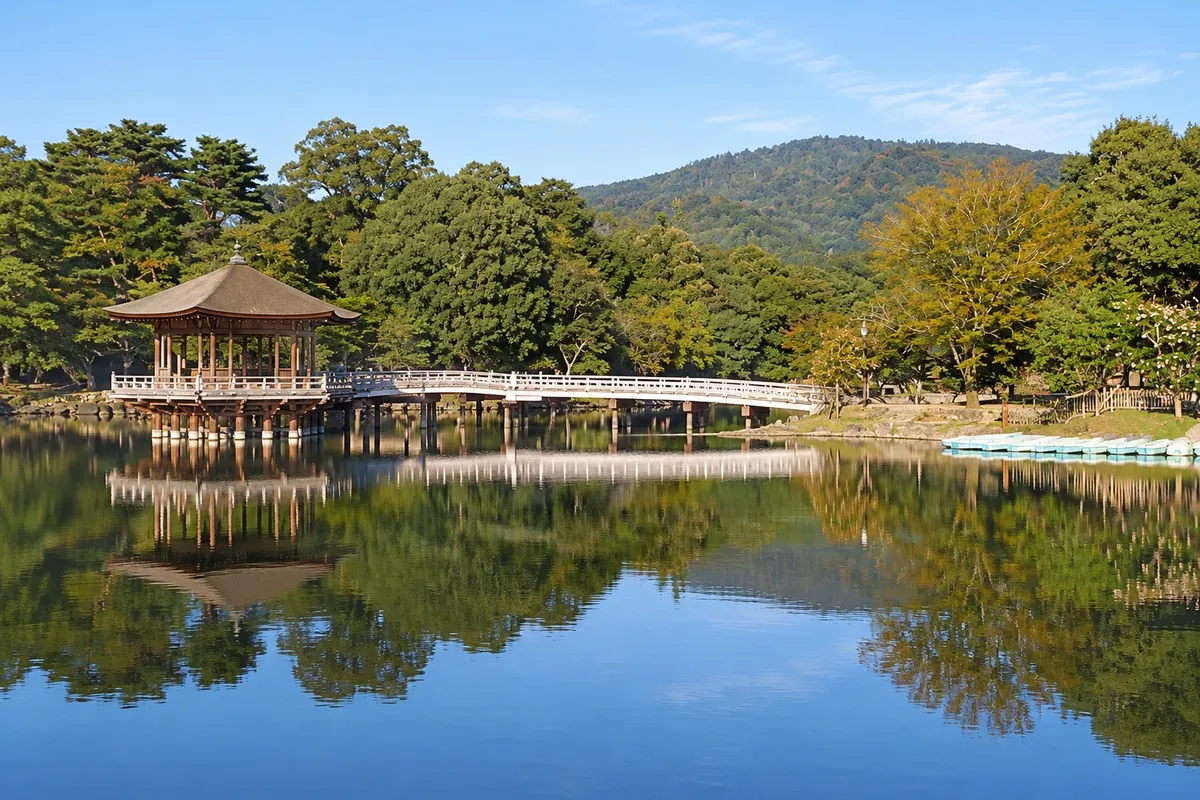
Almost everything visitors see is inside Nara Park, east of the city center, an area of lawns, groves and ponds where more than a thousand deer roam freely and are considered messengers of the gods. In the park are Tōdai-ji, with its Great Bronze Buddha; Kōfuku-ji, the Fujiwara family temple; Kasuga Taisha, with thousands of lanterns; and the Nara National Museum.

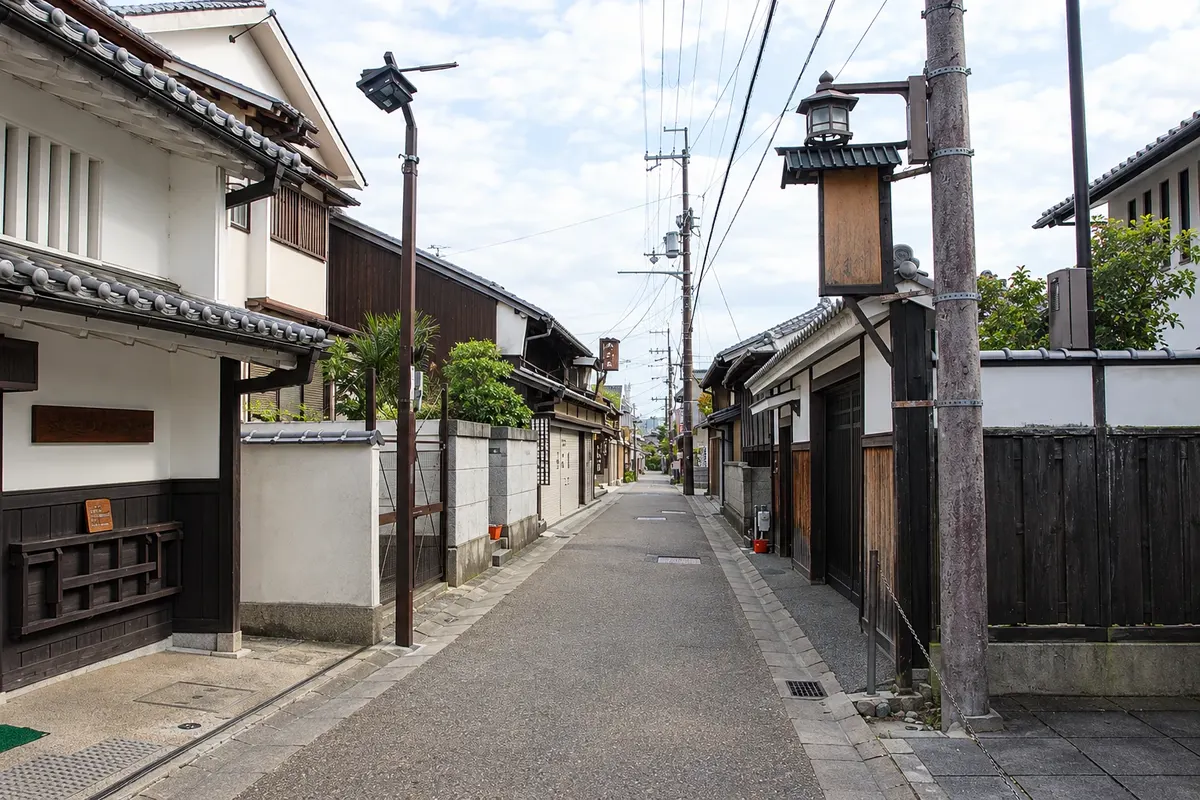
Between the park and the stations, the streets of Naramachi preserve wooden merchant houses, with craft shops, cafés and small museums. The city is known for sake, kakinoha-zushi (sushi wrapped in persimmon leaves), and brushes and ink sticks for calligraphy.

Nara is less than an hour by train from Kyoto and Osaka, and most visitors come on a day trip. Staying overnight lets you see the park early in the morning and at night when it’s quieter, and also include Hōryū-ji, about 20 minutes by train.

This destination brings together 1 city: Nara.

Share: WhatsApp
Traveler, share your experiences through photos Up to 5 photos of each place you visited.

One destination, many paths

The cities on this trip

Start with one city or combine several in your itinerary.

Where Nara is
Nara

Dados cartográficos: © OpenStreetMap contributors, via Wambacher / geoBoundaries (ODbL 1.0). Adapted by Cidade Turismo.

How to get there: Nara

✈ Aeroporto Internacional de Kansai (KIX), in Izumisano · 75 km to Nara

From Osaka, Kintetsu departs from Namba and reaches Kintetsu-Nara Station in about 40 minutes; JR connects Osaka and Tennōji to JR Nara Station. From Kyoto, Kintetsu and JR take 35 to 50 minutes. There are direct buses from Kansai Airport.

The local experience

Things to do in Nara

Tōdai-ji (Todai-ji)
Nara · Nara · Temple

Tōdai-ji (Todai-ji)

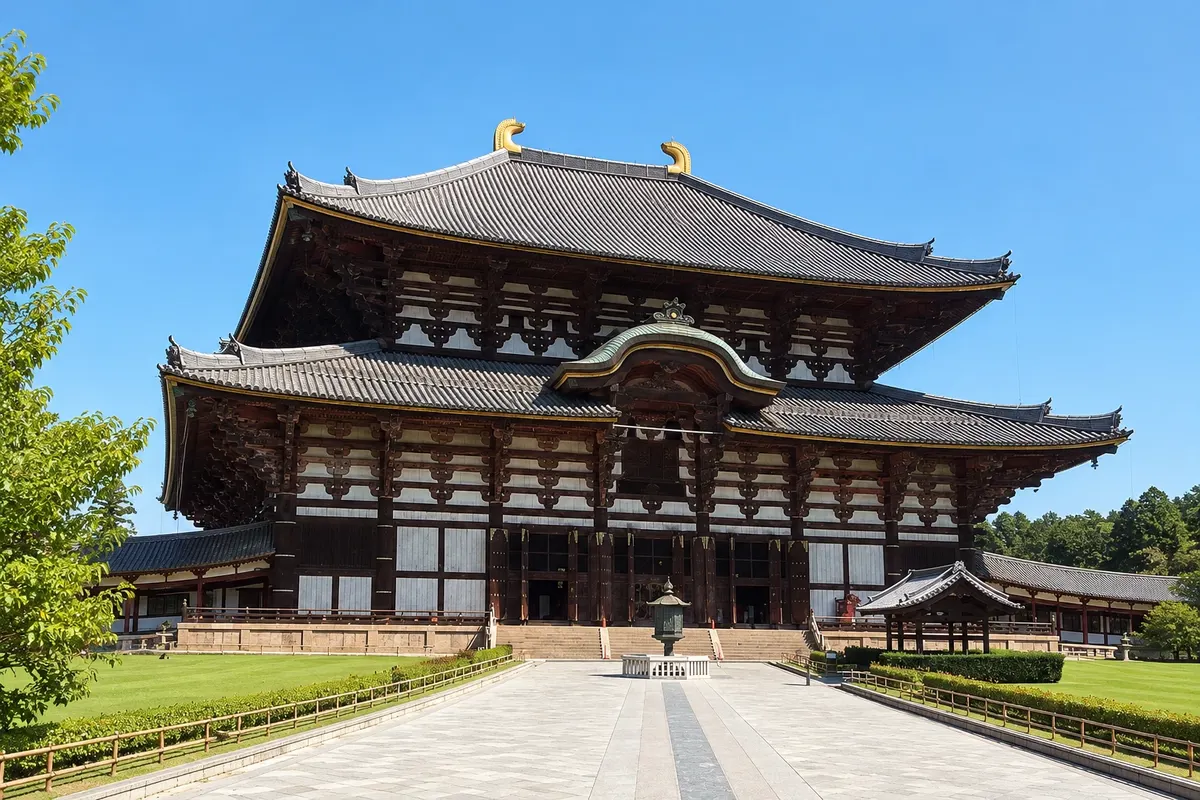
Nara’s great temple, with the Great Bronze Buddha inside one of the world’s largest wooden buildings and the Nandaimon gate with its guardians; World Heritage site.

Nara Park
Nara · Nara · Park.

Nara Park

The large park east of Nara, with lawns, woods and lakes, more than a thousand free-roaming deer and the city’s main temples and museums.

Kasuga Taisha Shrine
Nara · Nara · Shrine

Kasuga Taisha Shrine

The red shrine of the Fujiwara family in the Mount Kasuga forest, with about 3,000 stone and bronze lanterns; World Heritage site.

Kōfuku-ji Temple
Nara · Nara · Temple

Kōfuku-ji Temple

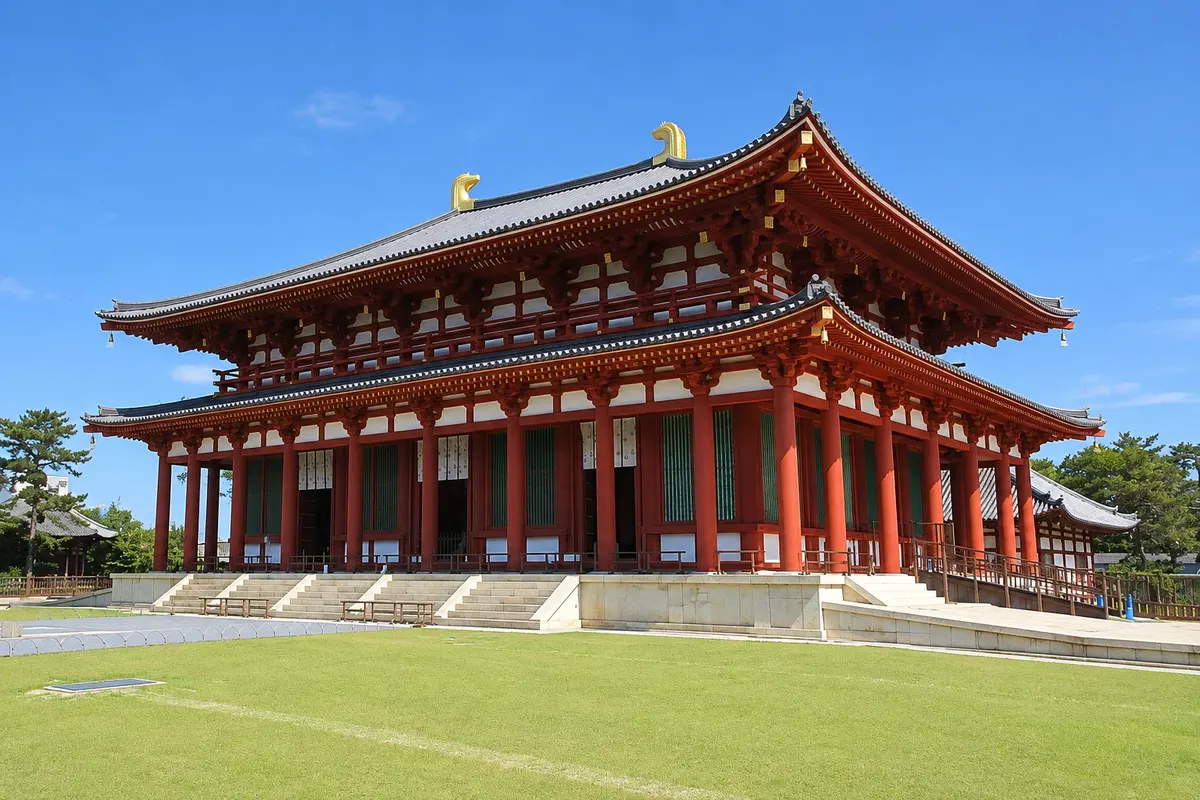
The Fujiwara family temple at the entrance to Nara Park, with the Central Golden Hall, the East Golden Hall and a museum of Buddhist sculpture including the Ashura; World Heritage site.

See 1 more place in Nara
Hōryū-ji
Nara · Nara · Temple

Hōryū-ji

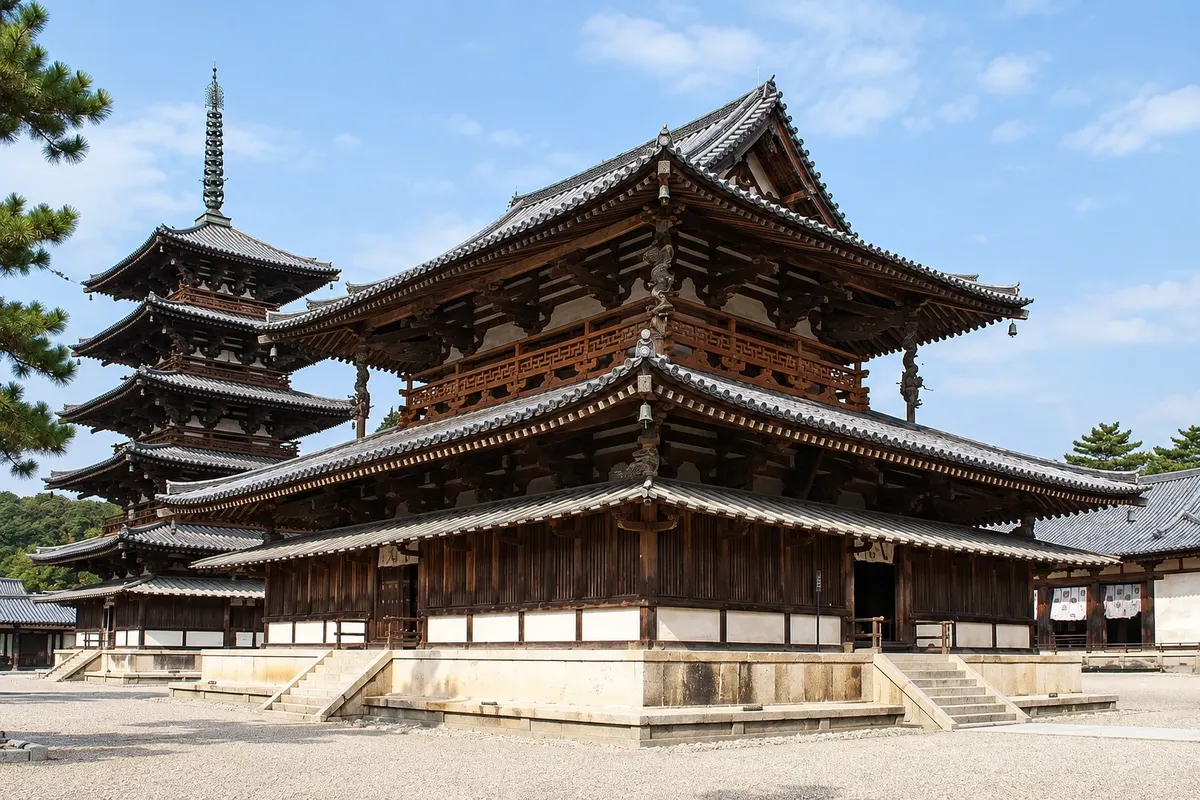
Temple founded by Prince Shotoku in Ikaruga, with the oldest wooden buildings in the world still standing, including the Golden Hall and the five-story pagoda; World Heritage site.

Before you go

Practical information

A little planning leaves more time to enjoy the journey.

When to go

Spring and autumn are the most pleasant seasons; the park’s cherry trees usually bloom in early April, and the maples change color in November. In February and August, Kasuga Taisha lights all its lanterns. fawn are born in early summer. Summer is hot and humid; winter is cold and dry.

The seasons shown are the most usual ones; nature doesn't always follow the calendar.

How many days to stay

The temples in the park fit into one day. Staying overnight gives time for the old streets of Naramachi, the Nara National Museum and Hōryū-ji, which requires about half a day on its own.

Which city to stay in

Close to Kintetsu-Nara and JR Nara stations, bases are convenient for arriving and departing. Naramachi has guesthouses and traditional houses on quiet streets, a few minutes from the park. On the edges of Nara Park there are ryokan and hotels within walking distance of the temples.

Respect the place

Take your trash with you, follow the signs and support local businesses. In natural areas, follow the visiting guidelines.

Get your questions answered

Frequently asked questions about Nara

How many days should you stay in Nara?

A full day covers Tōdai-ji, the deer park, Kasuga Taisha and Kōfuku-ji. To include Hōryū-ji and Naramachi, allow a day and a half or spend one night.

Can you do a day trip to Nara from Kyoto or Osaka?

Yes. Kintetsu and JR connect Nara to Kyoto in 35 to 50 minutes and to Osaka in about 40 minutes.

Which station should I use in Nara, Kintetsu or JR?

Kintetsu-Nara Station is closer to the park, about a 10-minute walk from Kōfuku-ji. JR Nara is about 10 minutes farther but is convenient for those using the JR pass and for reaching Hōryū-ji.

Do you need a car in Nara?

No. The main temples are within walking distance of the stations, and circular buses link the park to the stations. For Hōryū-ji, the JR train and a short bus ride are sufficient.

What is it like to interact with Nara’s deer?

The deer roam freely through the park and streets. They are wild animals: feed them only with the biscuits sold in the park, do not provoke them, and keep maps and bags safe, as they often pull at them.

Explore other destinations Search by state and city

Beyond the guide