Fukui and Eiheiji

Fukui · Japan

Fukui and Eiheiji

The province of dinosaurs and Zen, with the Eihei-ji monastery in a cedar forest, the ruins of the Asakura city, Maruoka’s original castle, and the Tojinbo cliffs over the Sea of Japan.

Chubu

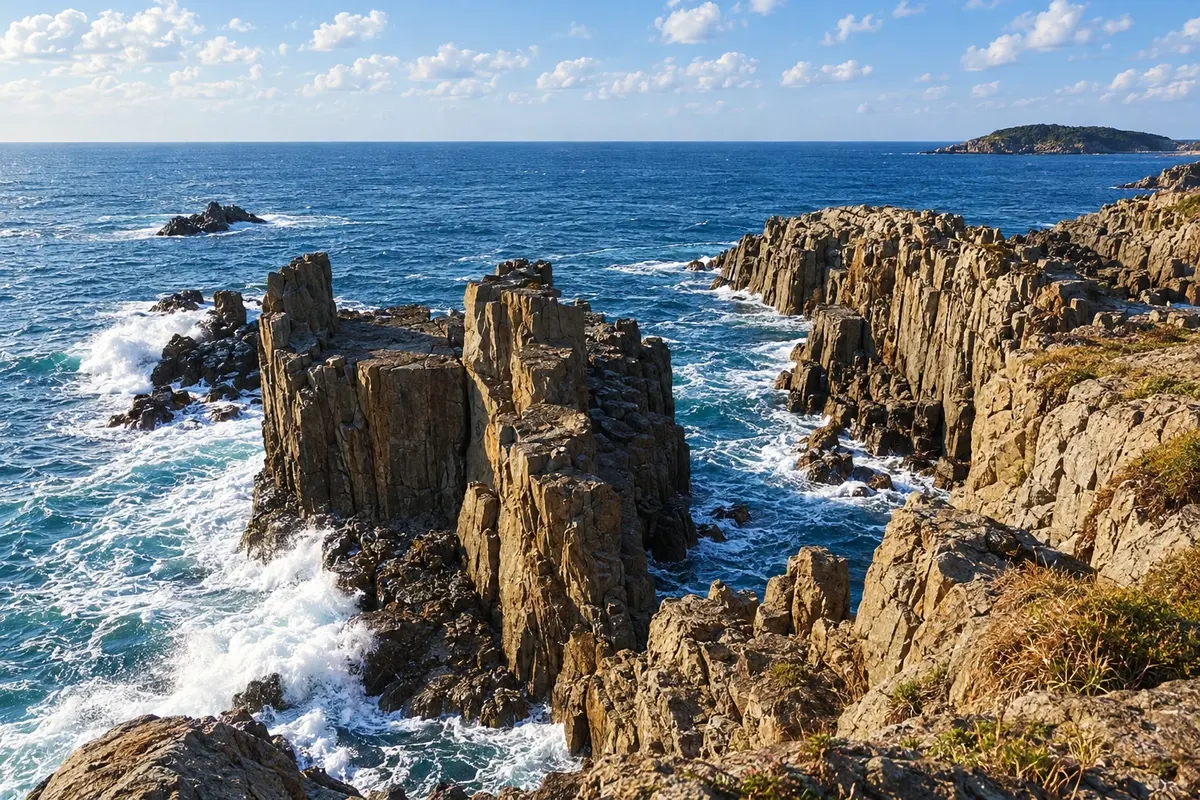
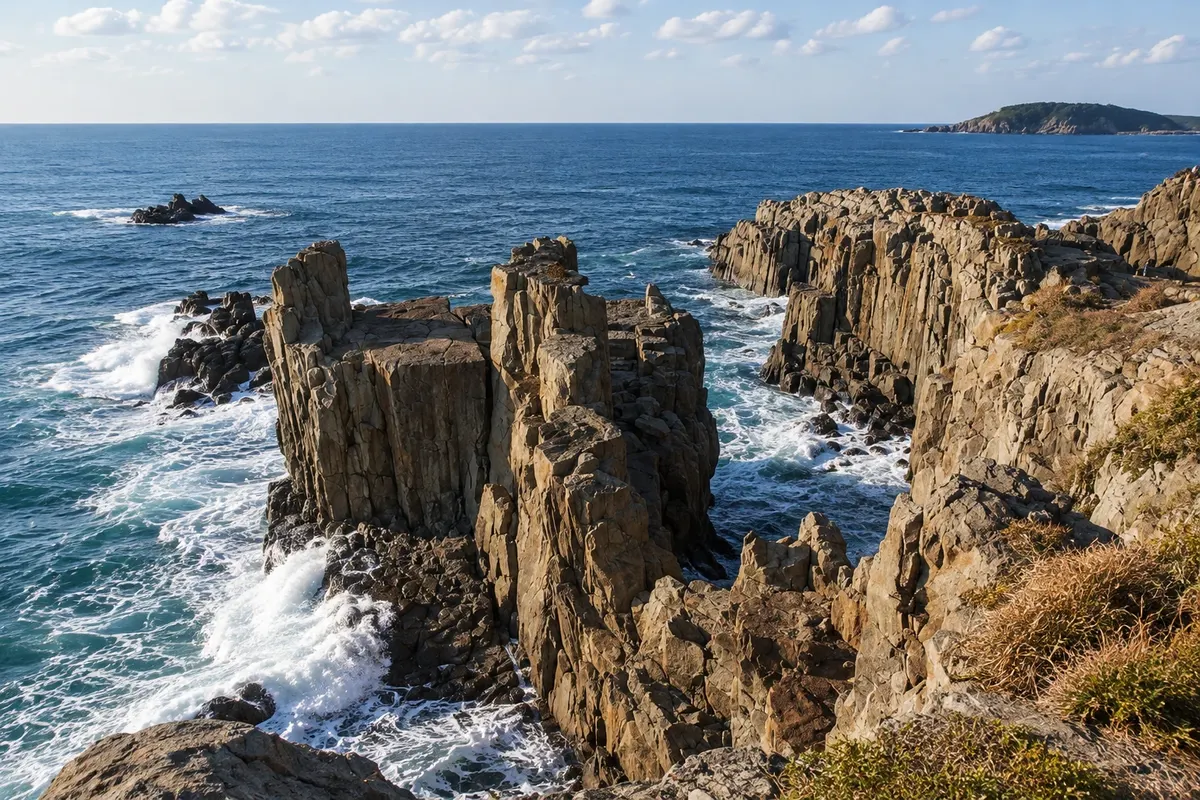
In the photo: Rock columns of the Tojinbo cliffs.

Illustrative images. The pictures in this guide are illustrations based on the real place, not photographs, and may differ from it.

Get to know the place

A region to enjoy
at your own pace.

Fukui lies on the Sea of Japan coast, between Kanazawa and Kyoto, and became more connected to the rest of the country with the arrival of the Hokuriku shinkansen. The capital, also called Fukui, is a quiet city with the Asuwa River and its cherry trees, the Yokokan garden of the former lords, and dinosaur statues in the station square—a reminder of the fossils found in the prefecture.

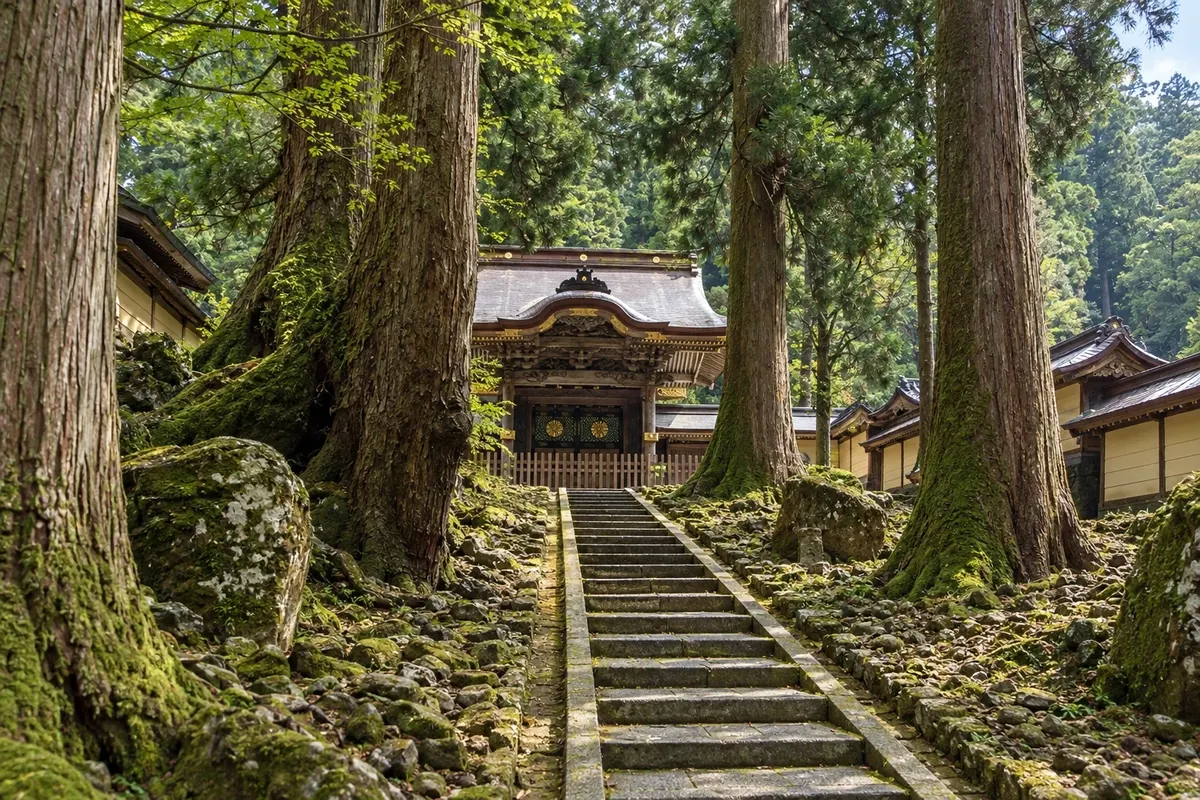
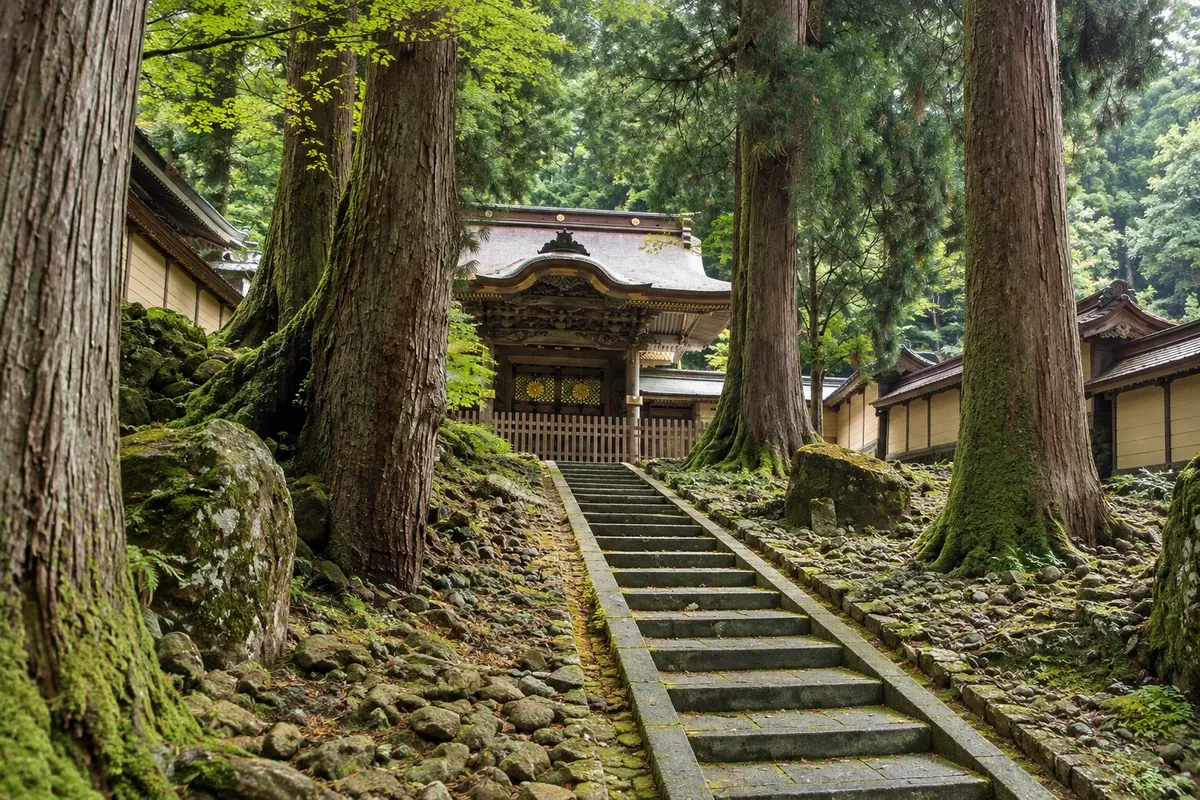
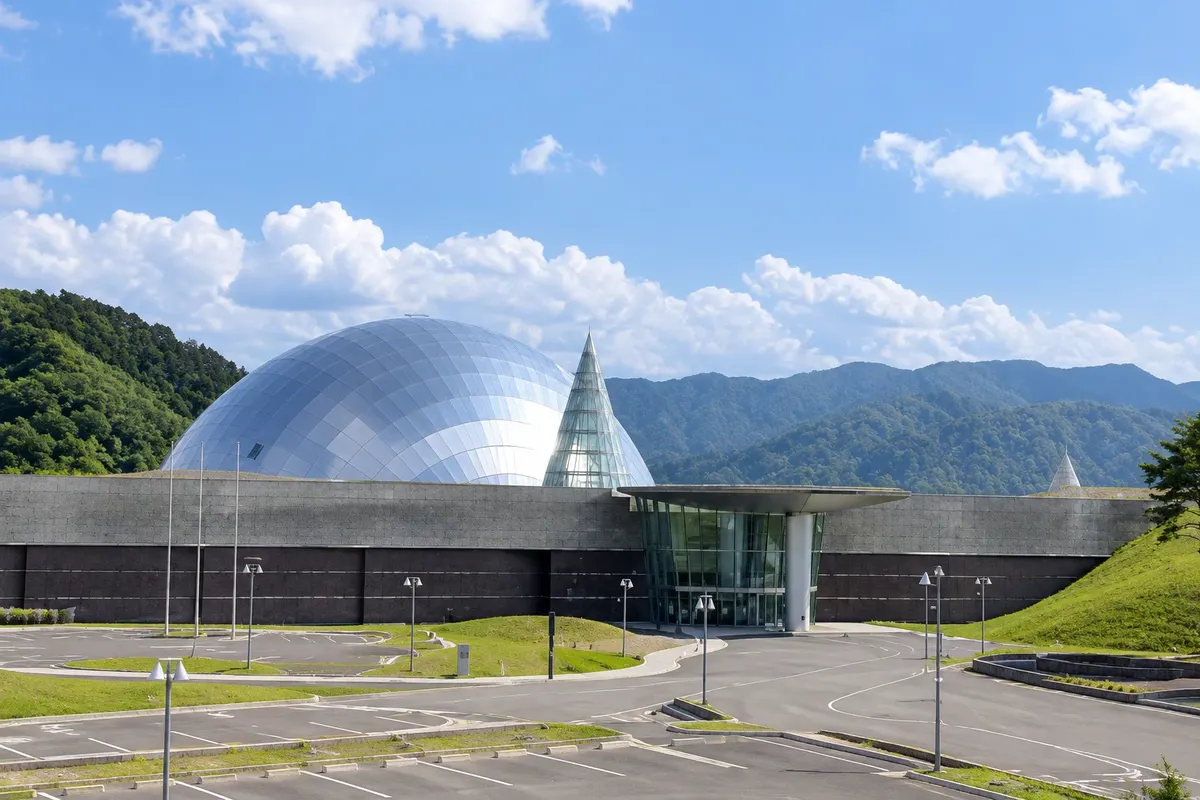
In the mountains to the east, Eihei-ji is one of the two main monasteries of the Sōtō Zen school, founded in 1244 by the master Dōgen. The halls, linked by wooden corridors, climb the slope among enormous cedars, and monks in training follow a strict routine that visitors can observe closely. Further on, in Katsuyama, the Prefectural Dinosaur Museum is one of the world’s largest museums dedicated to these animals.

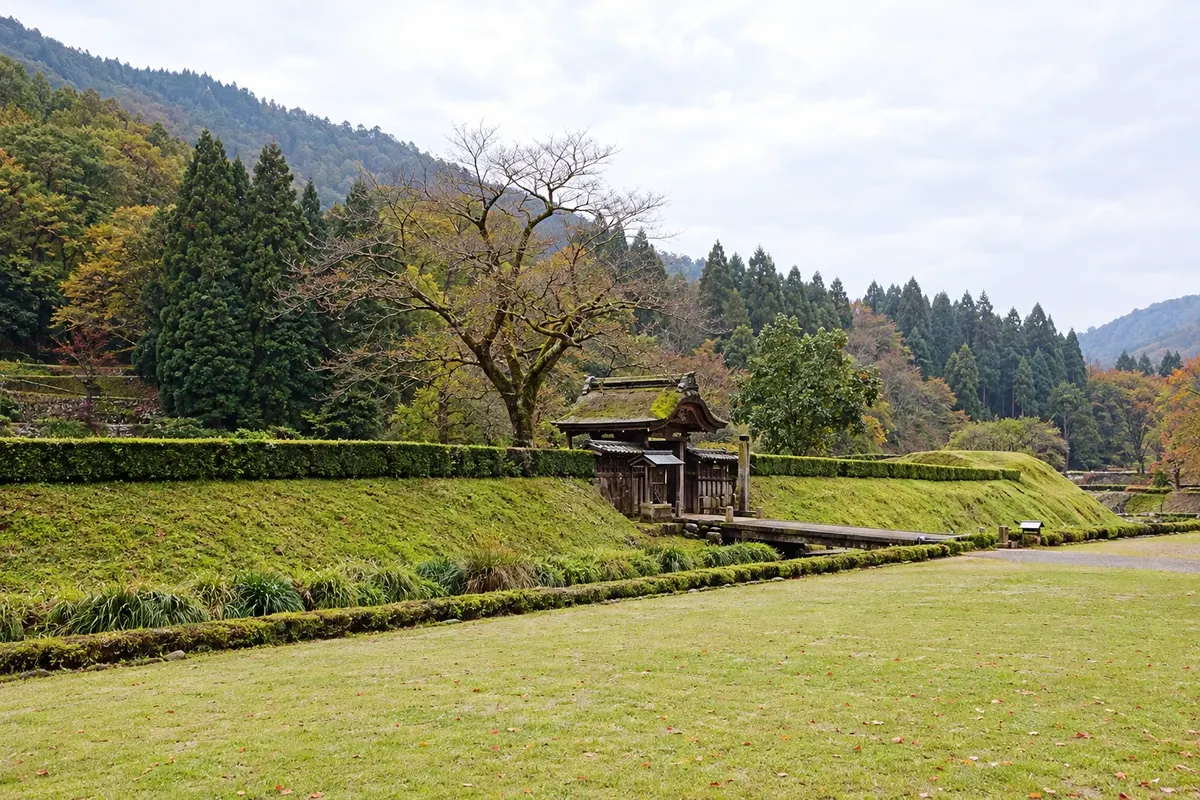
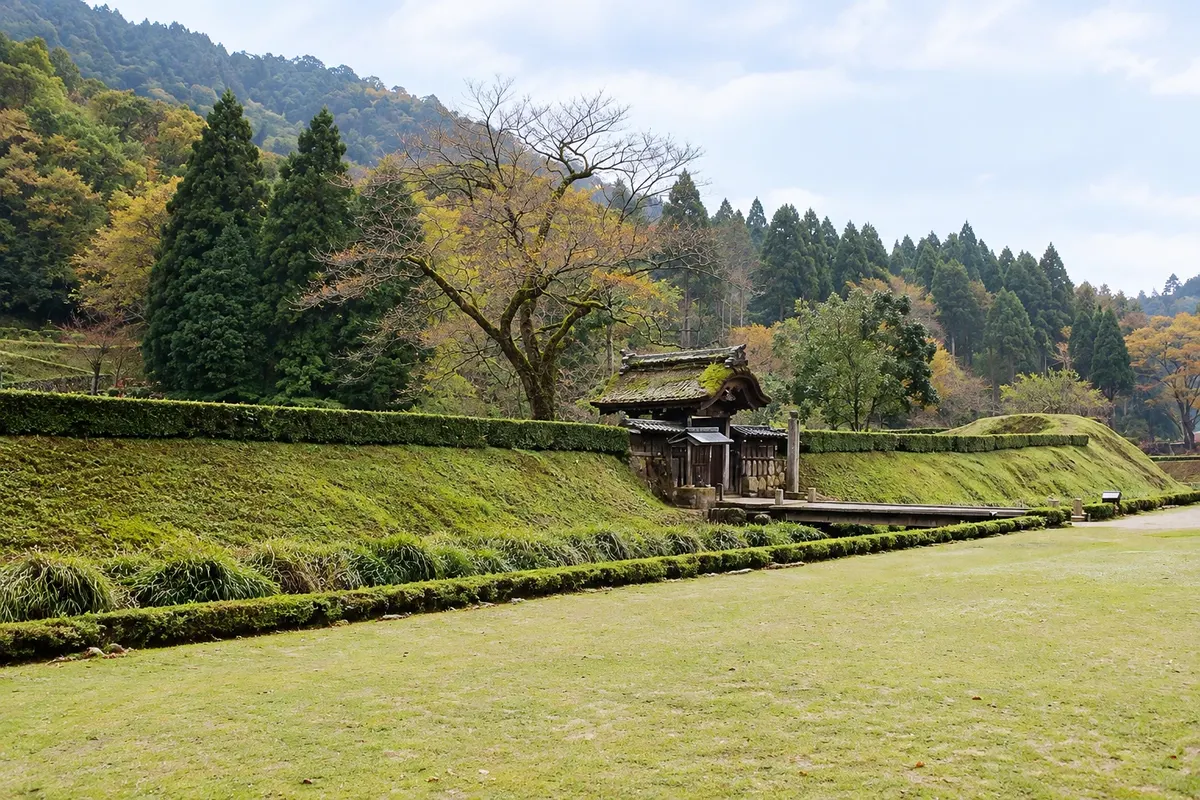
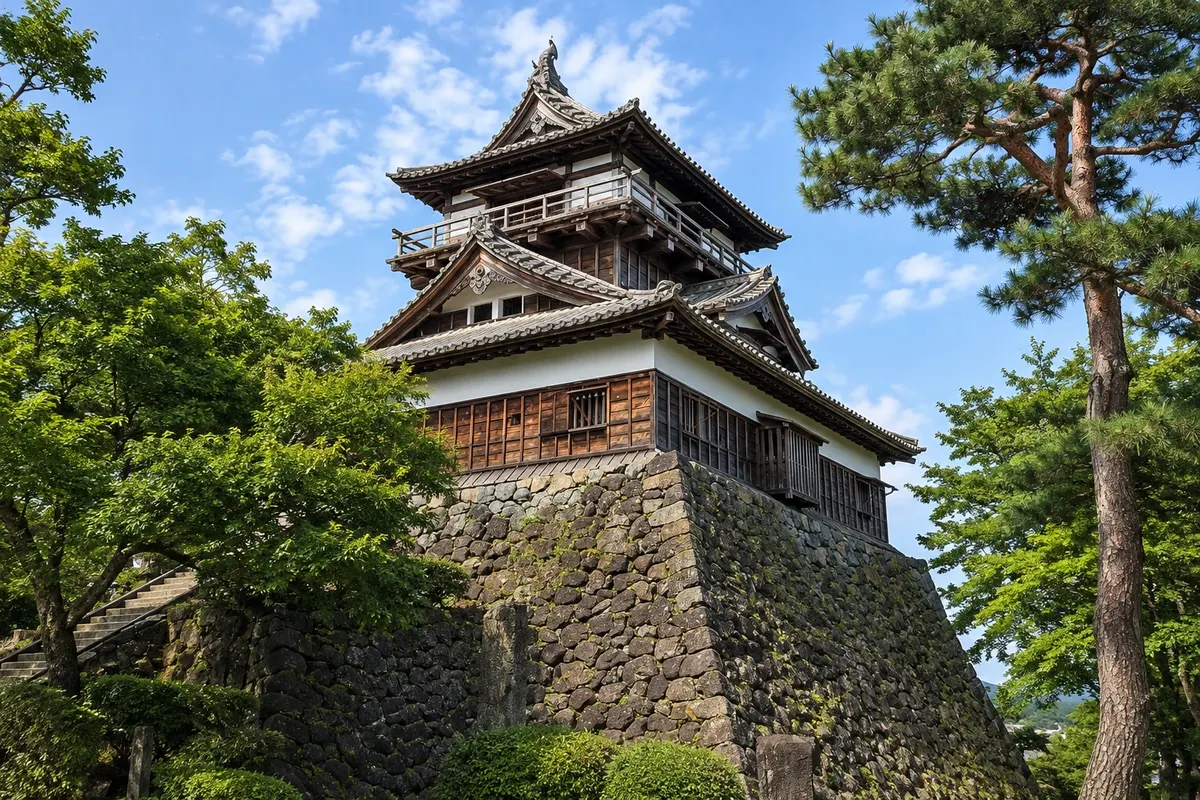
Near the capital, the Ichijodani ruins preserve the city of the Asakura, lords of Echizen for about a century until it was destroyed by Oda Nobunaga in 1573; the site has gardens, excavated streets and a reconstructed section. To the north, Maruoka Castle retains an original Edo-period keep that was never replaced with a replica, and on the Sakai coast the Tojinbo cliffs, made of columnar rock, plunge directly into the sea.

Fukui’s table features Echizen crab in winter, soba with grated daikon, katsudon with sauce, and sesame tofu served on the path to Eihei-ji. The prefecture is also known for producing eyeglass frames, knives and handmade paper.

This destination brings together 2 cities: Fukui, Eiheiji.

Share: WhatsApp
Traveler, share your experiences through photos Up to 5 photos of each place you visited.

One destination, many paths

The cities on this trip

Start with one city or combine several in your itinerary.

Where Fukui and Eiheiji is
EiheijiFukui

Dados cartográficos: © OpenStreetMap contributors, via Wambacher / geoBoundaries (ODbL 1.0). Adapted by Cidade Turismo.

How to get there: Fukui and Eiheiji

✈ Aeroporto de Komatsu (KMQ), in Komatsu · 50 km to Fukui

The Hokuriku shinkansen connects Tokyo to Fukui in about 3 hours, passing through Kanazawa. From Osaka and Kyoto, the Thunderbird limited express goes to Tsuruga, where you transfer to the shinkansen, totaling about 1.5 to 2 hours. The nearest airport is Komatsu in Ishikawa, about 50 km away.

Suggested arrival point: Fukui

The local experience

Things to do in Fukui and Eiheiji

Ichijodani Asakura Family Historic Ruins
Fukui · Fukui · Historic site

Ichijodani Asakura Family Historic Ruins

Ruins of the Asakura family town, destroyed by Oda Nobunaga in 1573, in a narrow valley near Fukui, with rock gardens, excavated foundations, a reconstructed street of houses and a museum.

Eihei-ji Temple
Eiheiji · Fukui · Temple

Eihei-ji Temple

Monastery founded in 1244 by the master Dōgen, one of the two principal temples of the Sōtō Zen school, with about 70 buildings linked by wooden corridors on a cedar-covered slope where monks in training live.

Fukui Prefectural Dinosaur Museum
Fukui · Fukui · Museum

Fukui Prefectural Dinosaur Museum

Fukui Prefectural Dinosaur Museum in Katsuyama, one of the world’s largest museums dedicated to dinosaurs, with dozens of mounted skeletons, fossils found in the region and an on-site excavation area for visitors.

Tojinbo Cliffs
Fukui · Fukui · Coast

Tojinbo Cliffs

About 1 km of andesite column cliffs, up to 25 m high, above the Sea of Japan, on the Sakai coast, with a boat tour at the base of the cliffs and nearby Oshima Island.

See 1 more place in Fukui and Eiheiji
Maruoka Castle
Fukui · Fukui · Castle

Maruoka Castle

A castle in Sakai with one of Japan’s twelve original castle keeps, small with a stone-slab roof, surrounded by about 400 cherry trees.

Before you go

Practical information

A little planning leaves more time to enjoy the journey.

When to go

April, with the cherry trees along the Asuwa River and at Maruoka Castle, and October and November, with the maples at Eihei-ji, usually have mild weather. Winter, from December to February, has frequent snow and is the Echizen crab season, from November to March. Summers are hot and humid.

The seasons shown are the most usual ones; nature doesn't always follow the calendar.

How many days to stay

Two days: one for Eihei-ji and Ichijodani, another for the Dinosaur Museum in Katsuyama. With three days, add Tojinbo and Maruoka Castle toward the coast.

Which city to stay in

The area around Fukui Station concentrates the hotels and serves as a base for all excursions by train and bus. Near Eihei-ji there are few lodgings, and the monastery accepts guests in practice programs by reservation. On the coast, the Awara hot-spring resort, near Tojinbo, has ryokans.

Respect the place

Take your trash with you, follow the signs and support local businesses. In natural areas, follow the visiting guidelines.

Get your questions answered

Frequently asked questions about Fukui and Eiheiji

How many days should I allocate for Fukui?

With two days you can see the monastery, the Asakura ruins and the dinosaurs; with three days, you can also visit the Tojinbo coast and Maruoka.

Can I visit Fukui as a day trip from Kanazawa?

Yes. The shinkansen links Kanazawa to Fukui in about 20 to 30 minutes. One day covers either Eihei-ji or the Dinosaur Museum, not both at a relaxed pace.

Do I need a car in Fukui?

Not for the main sights: Echizen Railway trains and buses connect Fukui Station to Eihei-ji, Katsuyama, Tojinbo and Ichijodani. A car helps if you want to combine several of them in one day.

Why is Fukui known for dinosaurs?

Because most of the dinosaur fossils found in Japan came from Katsuyama, in the prefecture, where the Dinosaur Museum is located.

When is the Echizen crab season?

Generally from November to March. It is served in Fukui restaurants and in coastal ryokans, such as those in Awara and Mikuni.

Explore other destinations Search by state and city

Beyond the guide