Kusatsu Onsen

Gunma · Japan

Kusatsu Onsen

One of the best-known hot-spring resorts in Japan, in the mountains of Gunma, with the yubatake at the center of the village, the yumomi used to cool the water, and the large Sainokawara outdoor bath.

Kanto

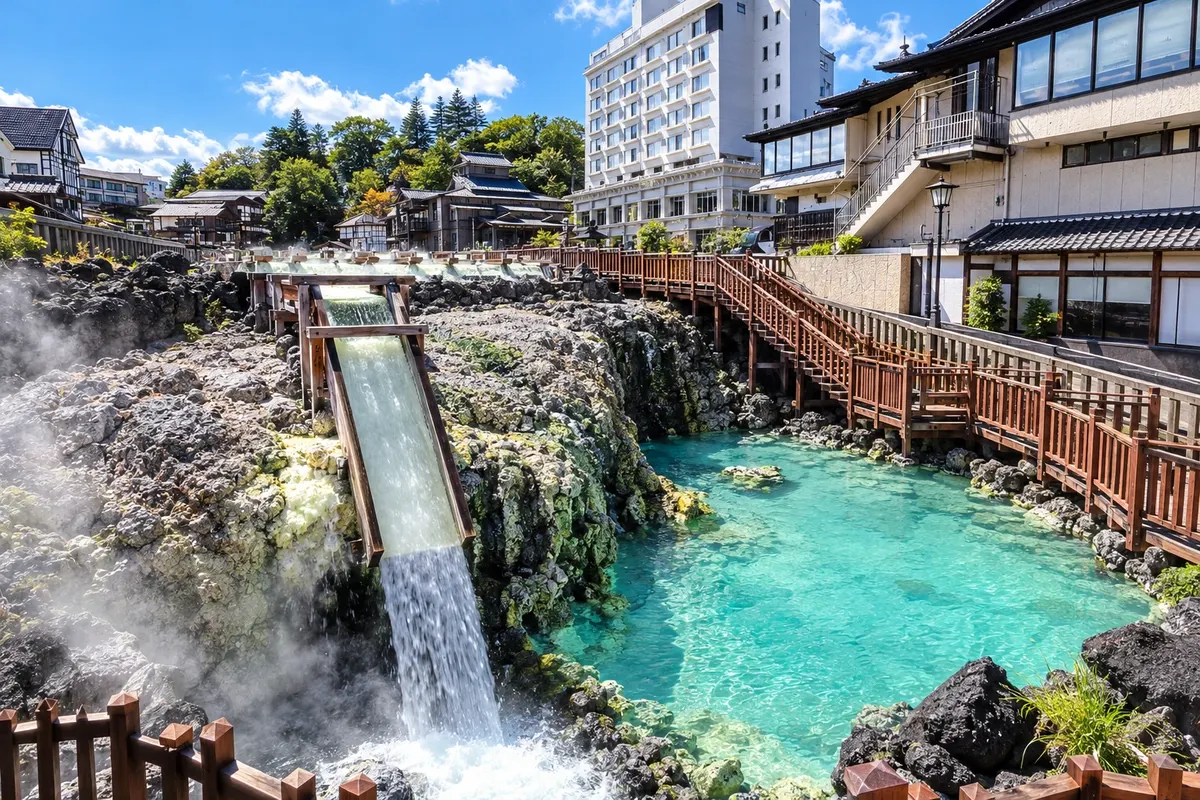
In the photo: Thermal water channel of the Yubatake in Kusatsu Onsen.

Illustrative images. The pictures in this guide are illustrations based on the real place, not photographs, and may differ from it.

Get to know the place

A region to enjoy
at your own pace.

Kusatsu Onsen is a hot-spring village at about 1,200 meters elevation in northwest Gunma Prefecture, on the slopes of Mount Kusatsu-Shirane, an active volcano. The springs are among Japan’s highest-volume gushers that flow without pumping, with acidic, sulfurous water emerging at very high temperatures. Baths there have been mentioned for centuries, and during the Edo period the village already appeared on lists of the country’s best hot springs.

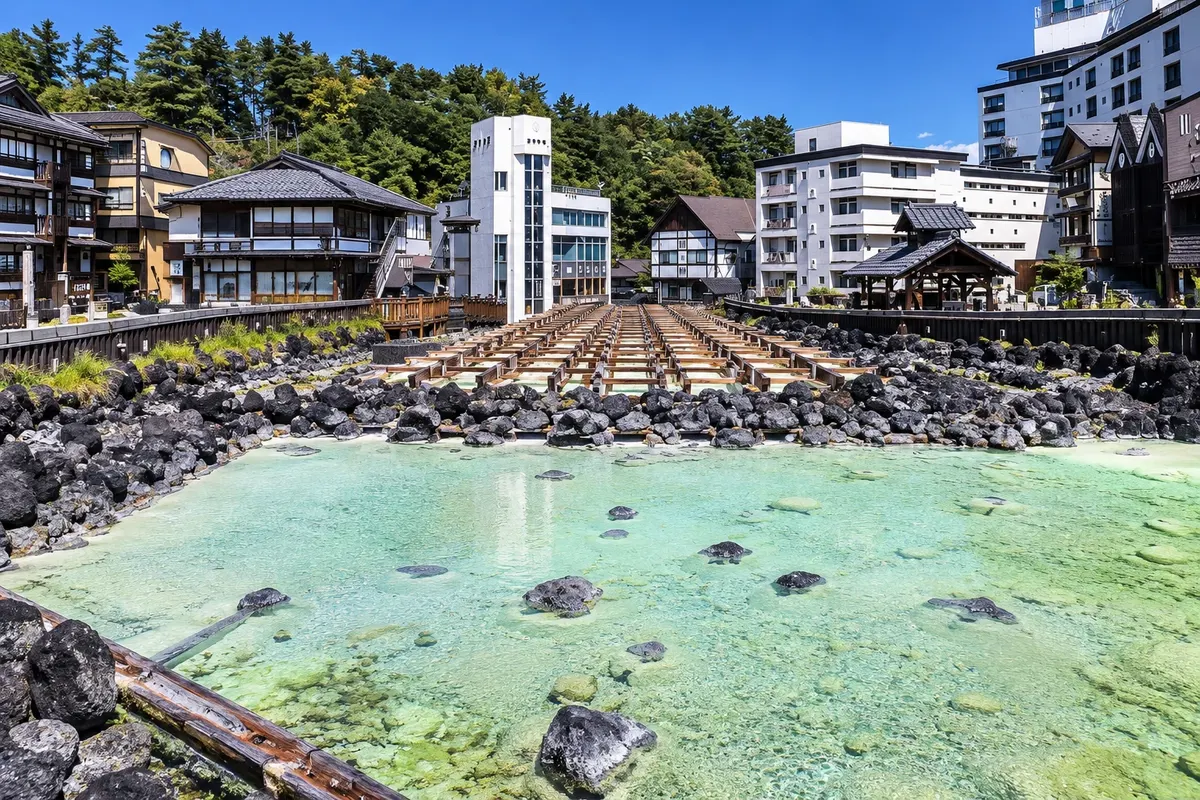
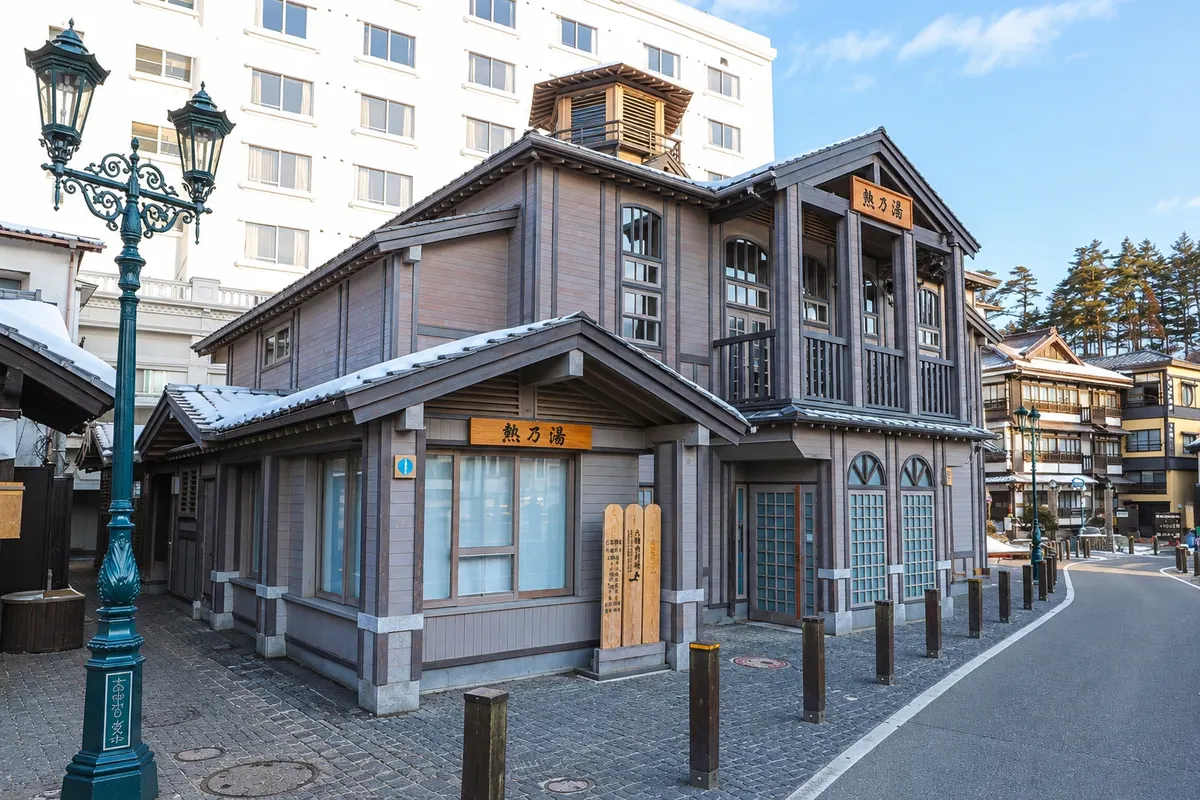
At the center of the village is the yubatake, the “hot-water field”: the water that wells up from the ground runs through wooden channels, releasing steam, to cool before going on to the inns and bathhouses. Around it are clustered ryokan, sweet shops and craft stores, and the Netsunoyu, where the yumomi is performed — a technique of stirring the water with wooden boards, to lower the temperature without diluting it, accompanied by song.

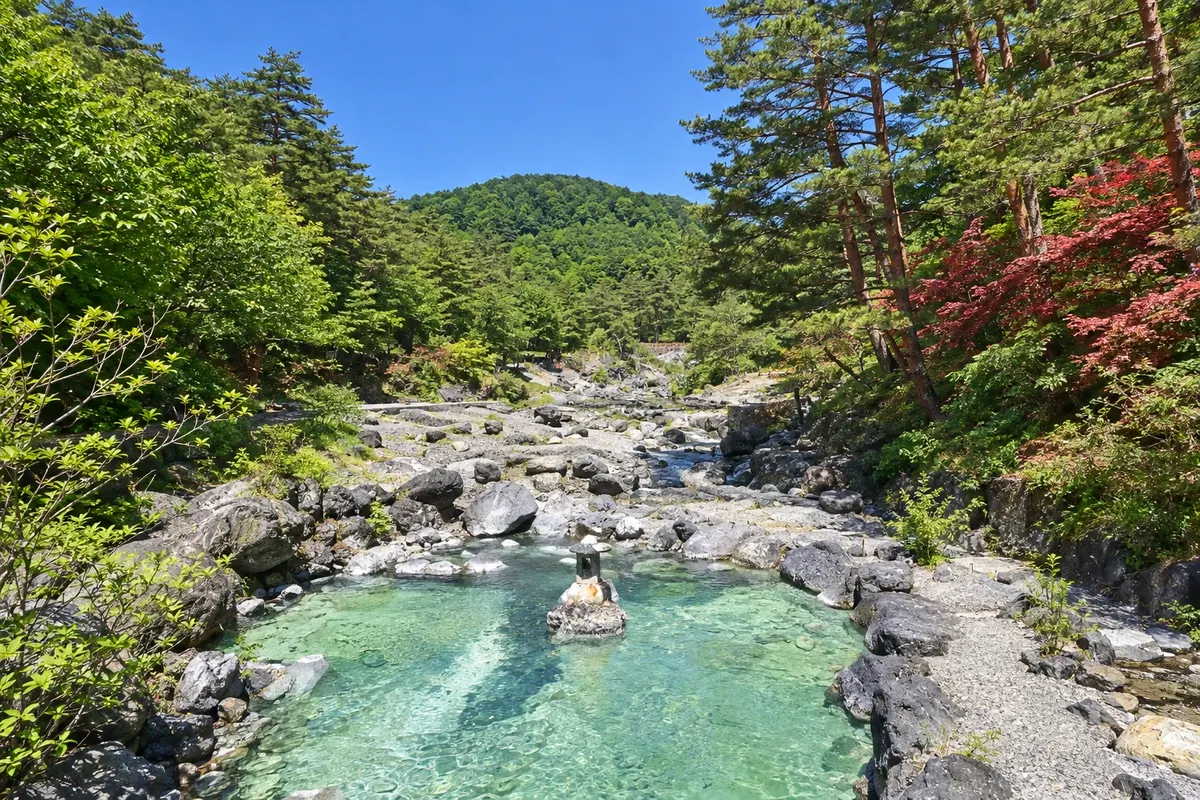
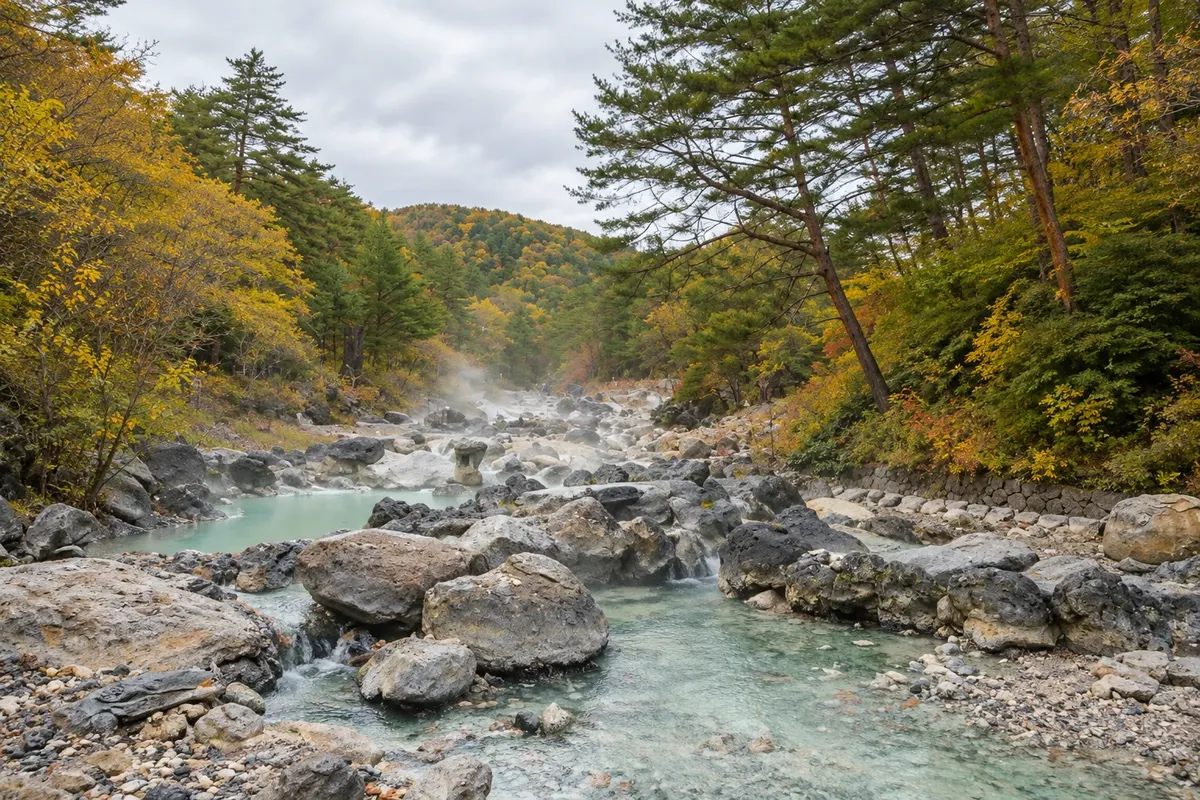
To the west of the center, Sainokawara Park is a valley where hot water wells up between rocks and flows in a steaming stream to a large outdoor bath surrounded by forest. Around the village, small communal bathhouses are used by residents, and larger public bathhouses, such as Otaki no Yu, offer baths at a range of temperatures.

Kusatsu is about 3 hours from Tokyo by train and bus or by direct bus, and it receives visitors year-round. In winter the village operates a ski resort and snow piles on the roofs; the Yugama crater at the top of Mount Kusatsu-Shirane is a few kilometers away, with access depending on the volcanic alert level and the road, which is closed in winter.

This destination brings together 1 city: Kusatsu.

Share: WhatsApp
Traveler, share your experiences through photos Up to 5 photos of each place you visited.

One destination, many paths

The cities on this trip

Start with one city or combine several in your itinerary.

Where Kusatsu Onsen is
Kusatsu

Dados cartográficos: © OpenStreetMap contributors, via Wambacher / geoBoundaries (ODbL 1.0). Adapted by Cidade Turismo.

How to get there: Kusatsu Onsen

✈ Aeroporto de Haneda (HND), in Tóquio · 221 km to Kusatsu

From Tokyo, the express train from Ueno reaches Naganohara-Kusatsuguchi in about 2.5 hours; from there, buses climb to Kusatsu in about 25 minutes. From Karuizawa, on the shinkansen line, buses take about 1 hour 15 minutes. There are direct buses from Shinjuku taking about 4 hours.

The local experience

Things to do in Kusatsu Onsen

Yubatake
Kusatsu · Gunma · Hot spring

Yubatake

The hot water field in central Kusatsu, with seven wooden channels where steaming spring water flows down to the ryokan, lit up at night.

Sainokawara Park
Kusatsu · Gunma · Park.

Sainokawara Park

A valley west of Kusatsu’s center where hot water wells up among rocks and flows in a steaming stream, with paths, small statues and a large open-air bath surrounded by forest.

Netsunoyu
Kusatsu · Gunma · Traditional performance

Netsunoyu

A wooden building beside the yubatake that is the stage for yumomi, where the spring water is stirred with long boards, to the sound of a song, to lower the temperature without adding cold water.

Before you go

Practical information

A little planning leaves more time to enjoy the journey.

When to go

Year-round. From December to March, there is snow and the ski resort, and outdoor baths are most popular. From May to October, the climate is cool due to the altitude; October brings fall foliage on the slopes. The mountain road to Shiga Kogen usually closes from November to April.

The seasons shown are the most usual ones; nature doesn't always follow the calendar.

How many days to stay

One night is enough for the yubatake, the yumomi, Sainokawara and a few baths. With two nights, you’ll have time for public bathhouses and, in winter, to ski.

Which city to stay in

The inns and ryokan around the yubatake are at the heart of village life, close to the baths and restaurants. The area toward Sainokawara is quieter. Larger hotels sit on the slopes and near the ski resort, a few minutes by bus from the center.

Respect the place

Take your trash with you, follow the signs and support local businesses. In natural areas, follow the visiting guidelines.

Get your questions answered

Frequently asked questions about Kusatsu Onsen

Can you visit Kusatsu Onsen as a day trip from Tokyo?

You can, but it’s about 3 hours of travel each way. It’s better to stay one night to see the yubatake illuminated and to enjoy the baths.

Is Kusatsu’s water very hot?

Yes. It comes out of the ground at high temperatures and is acidic. That’s why it passes through the yubatake and, in some places, the yumomi, to cool without adding cold water. Some baths are quite hot; go slowly.

How to get to Kusatsu Onsen without a car?

Take the express train from Ueno to Naganohara-Kusatsuguchi and a bus up to the village, or take a bus from Karuizawa. There are also direct buses from Shinjuku.

Can you visit the Yugama crater from Kusatsu?

Access to the Yugama crater, at the top of Mount Kusatsu-Shirane, depends on the volcanic alert level and on the road, which closes in winter, usually from November to April. Check the situation before you go.

Is Kusatsu good for people with tattoos?

Many bathhouses and inns in Japan refuse guests with tattoos, and Kusatsu follows varied rules. Some places accept tattoos if they are covered; check with each facility before you go.

Explore other destinations Search by state and city

Beyond the guide