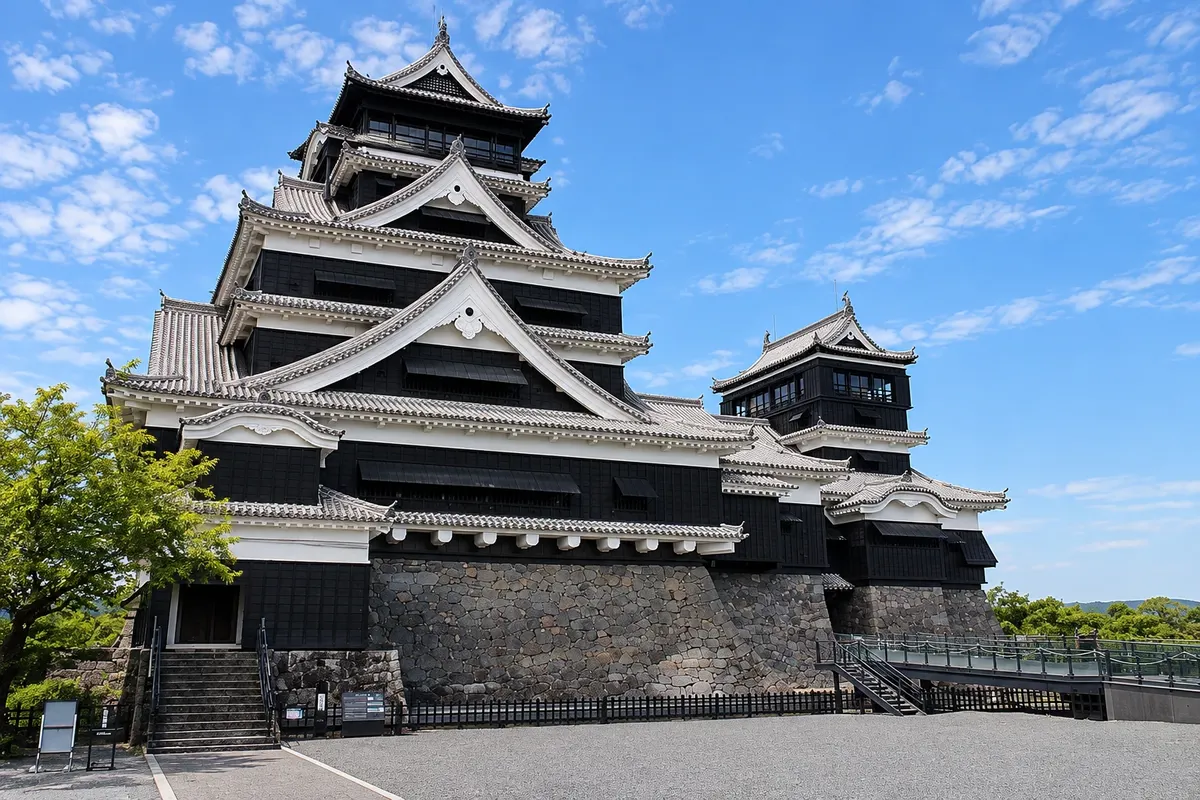
The capital of the prefecture of the same name, in central-west Kyushu, Kumamoto is one of the stops on the shinkansen between Fukuoka and Kagoshima. The city grew up around the castle built by Kato Kiyomasa in the early 17th century, one of the largest in the country, with curved stone walls and black towers. The 2016 earthquakes damaged walls and towers; the main keep has been restored, and the rest of the complex is still under reconstruction, which visitors can observe from an elevated walkway.
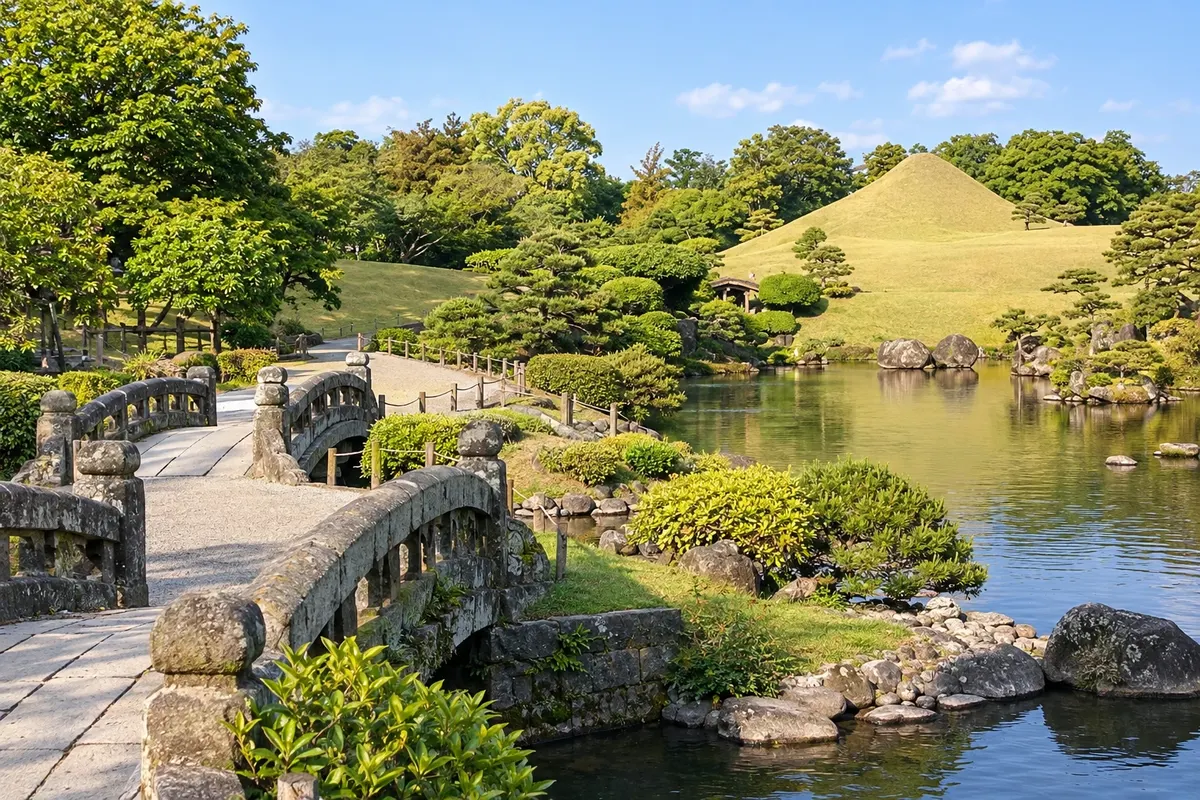
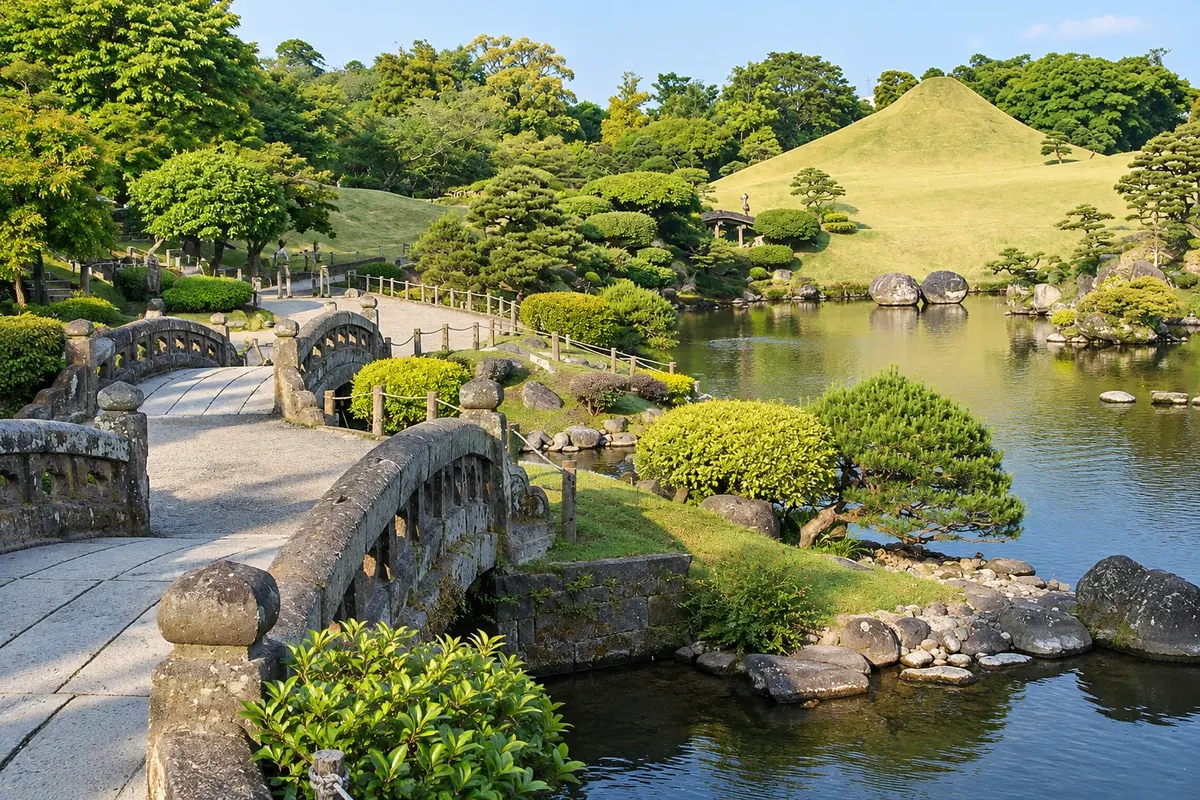
The city is known for its water: the supply comes almost entirely from underground springs that originate in Aso. In Suizenji Garden, created by the Hosokawa lords, this clear water forms the pond around a small hill that resembles Mount Fuji. At the table, Kumamoto’s specialties include ramen with garlic oil, lotus root stuffed with mustard, and raw horse meat, a regional traditional dish.
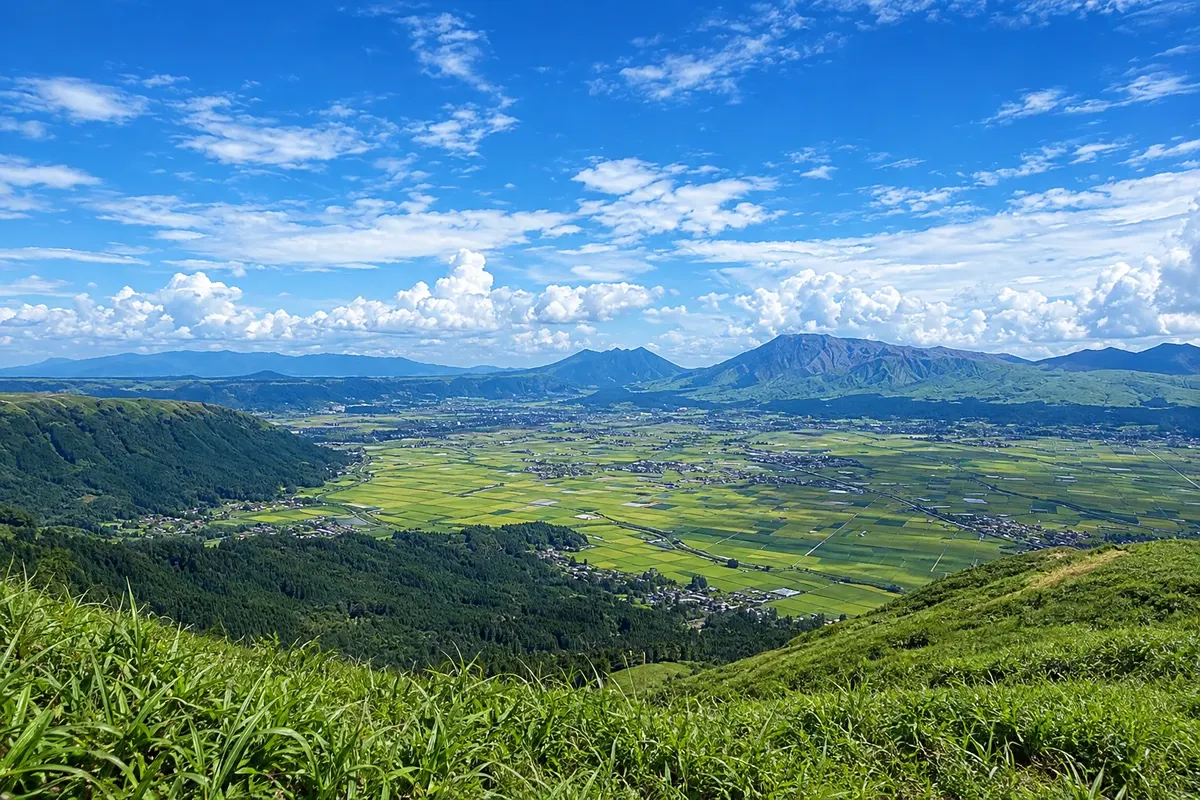
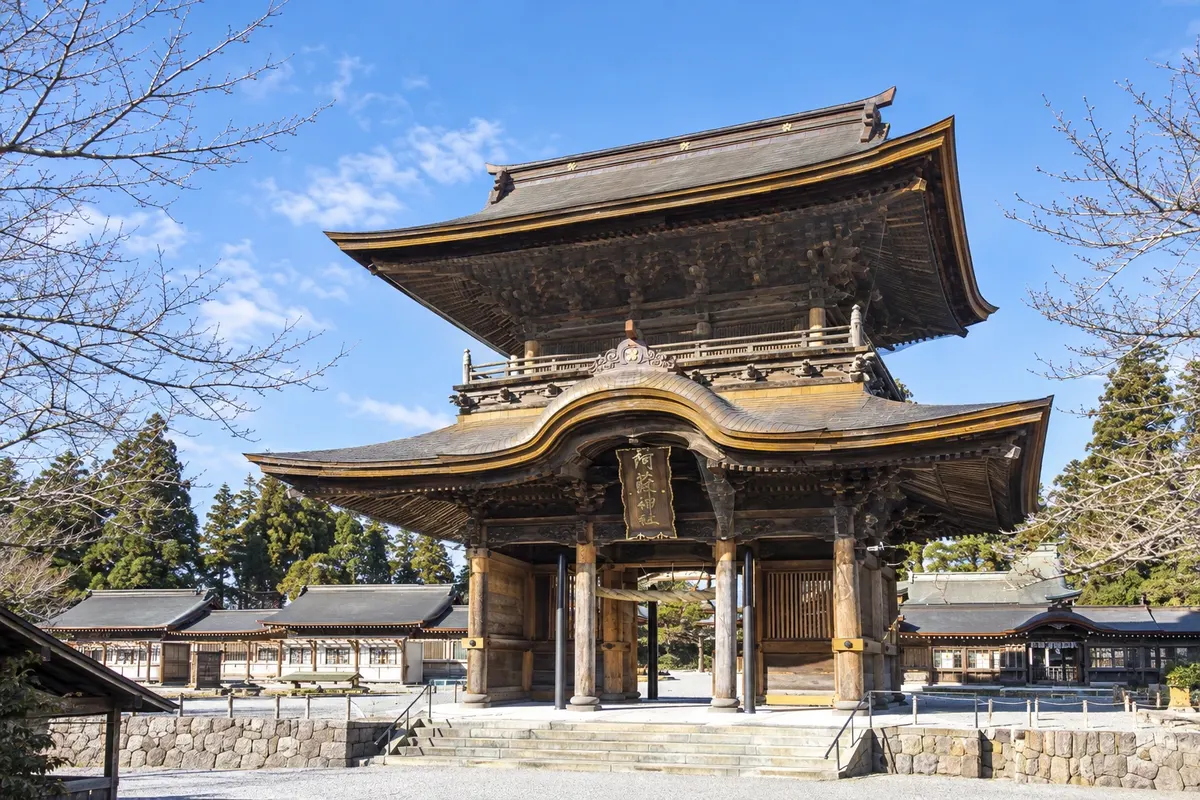
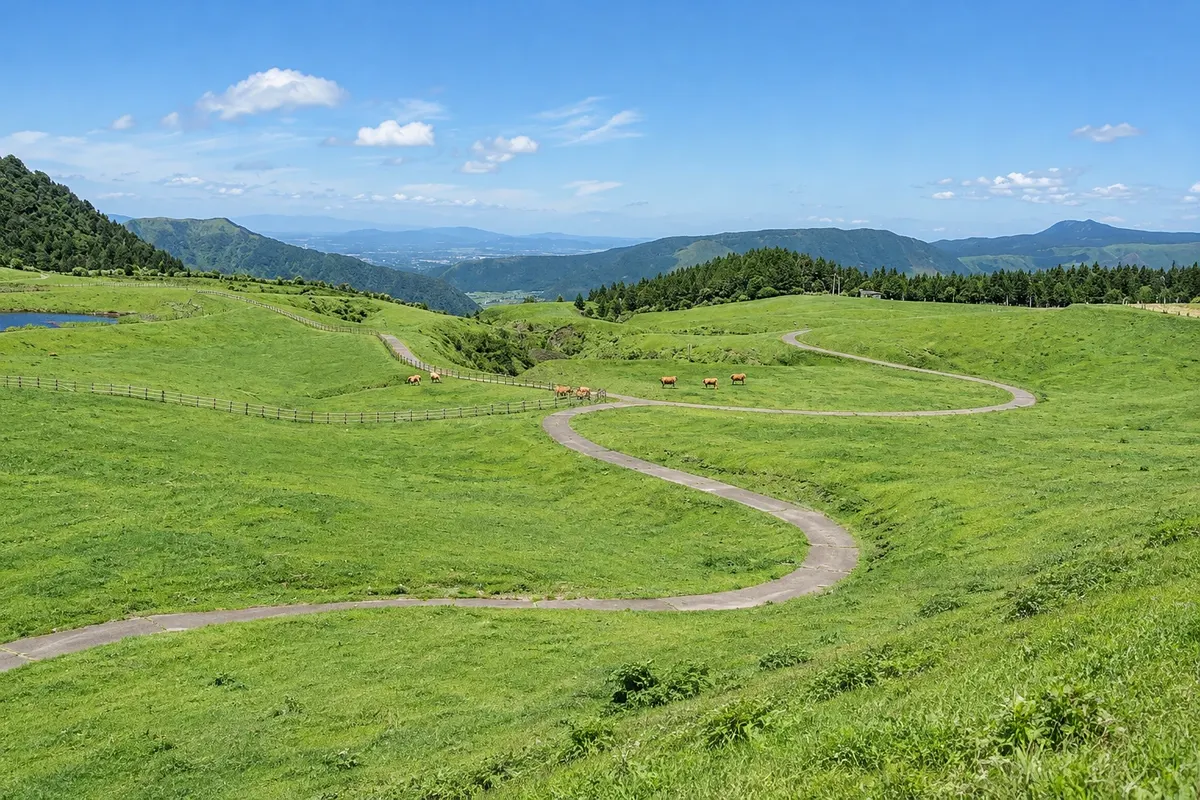
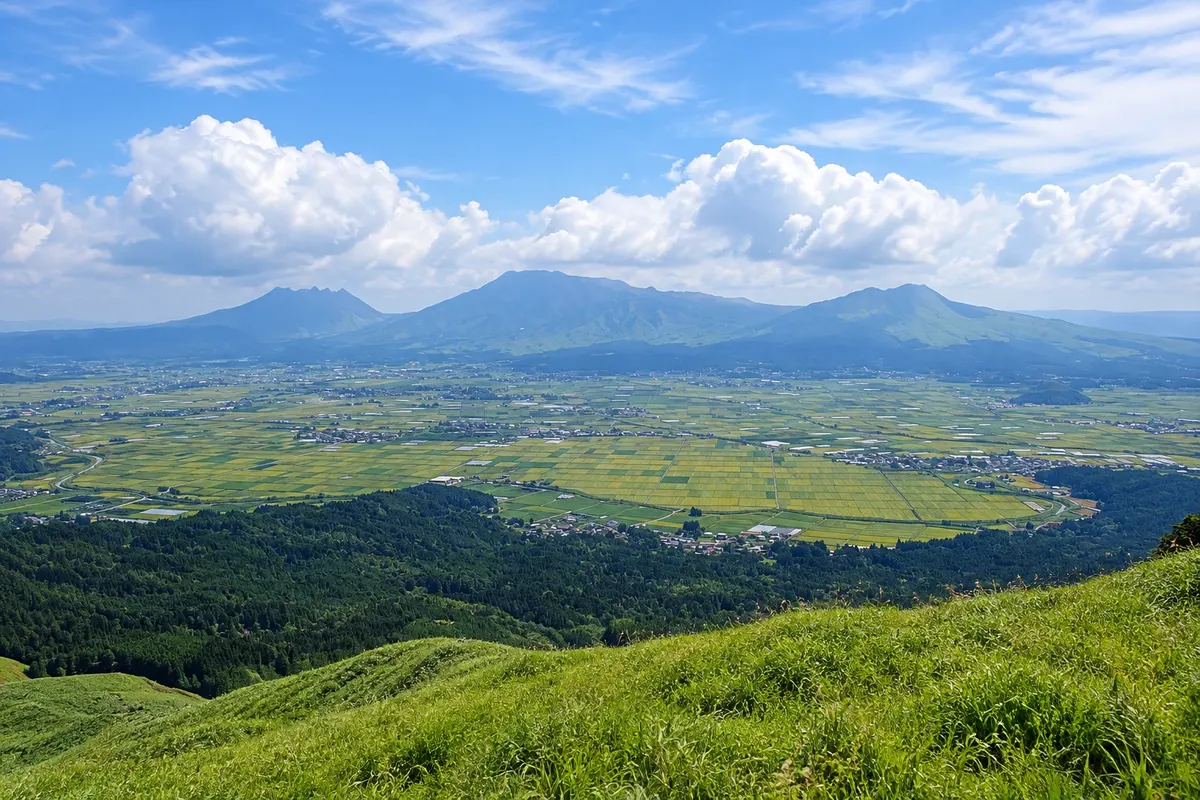
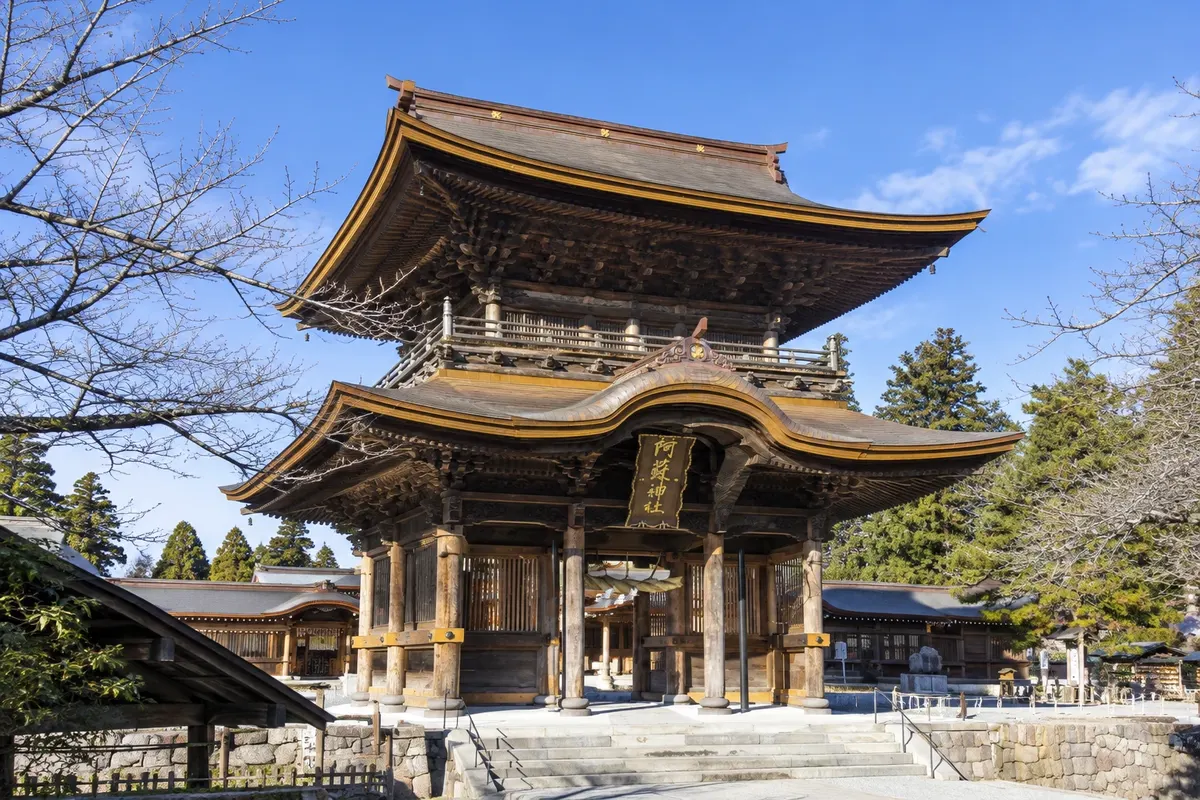
About 50 km to the east, Mount Aso has one of the world’s largest calderas, measuring about 25 km from north to south; inside are towns, rice paddies and pastures, and at the center are five peaks, including Nakadake, an active volcano. The Kusasenri grasslands, the Daikanbo viewpoint on the northern rim, and the historic Aso Shrine are the main sights.
The Nakadake crater is only open to visitors when the volcanic alert level allows, and it is often closed for long periods; check before you go. The Yamanami Road links the Aso area to Yufuin and Beppu, and many travelers cross Kyushu along it.
This destination brings together 2 cities: Kumamoto, Aso.


 Brazil
 Antarctica
 Argentina
 Bolivia
 Chile
 Colombia
 Ecuador
 Guyana
 French Guiana
 Falkland Islands (Malvinas)
 Paraguay
 Peru
 Suriname
 Uruguay
 Venezuela
 Germany
 Austria
 Belgium
 Croatia
 Denmark
 Slovakia
 Slovenia
 Spain
 Finland
 France
 Greece
 the Netherlands
 Hungary
 Ireland
 Iceland
 Italy
 Luxembourg
 Norway
 Poland
 Portugal
 the United Kingdom
 the Czech Republic
 Sweden
 Switzerland
 Turkey
 Bermuda
 Canada
 the United States
 Greenland
 Mexico
 Saint Pierre and Miquelon
 the Dominican Republic
 South Africa
 Egypt
 Australia
 Fiji
 New Zealand
 Papua New Guinea