Kinosaki Onsen is a hot-spring village in northern Hyogo Prefecture, near the Sea of Japan coast, administratively part of the city of Toyooka. The springs have been used for about 1,300 years, and there’s a local way of enjoying them: instead of bathing only at the inn, visitors stroll the streets in yukata, the lightweight cotton kimono, and wooden clogs, moving from bathhouse to bathhouse.
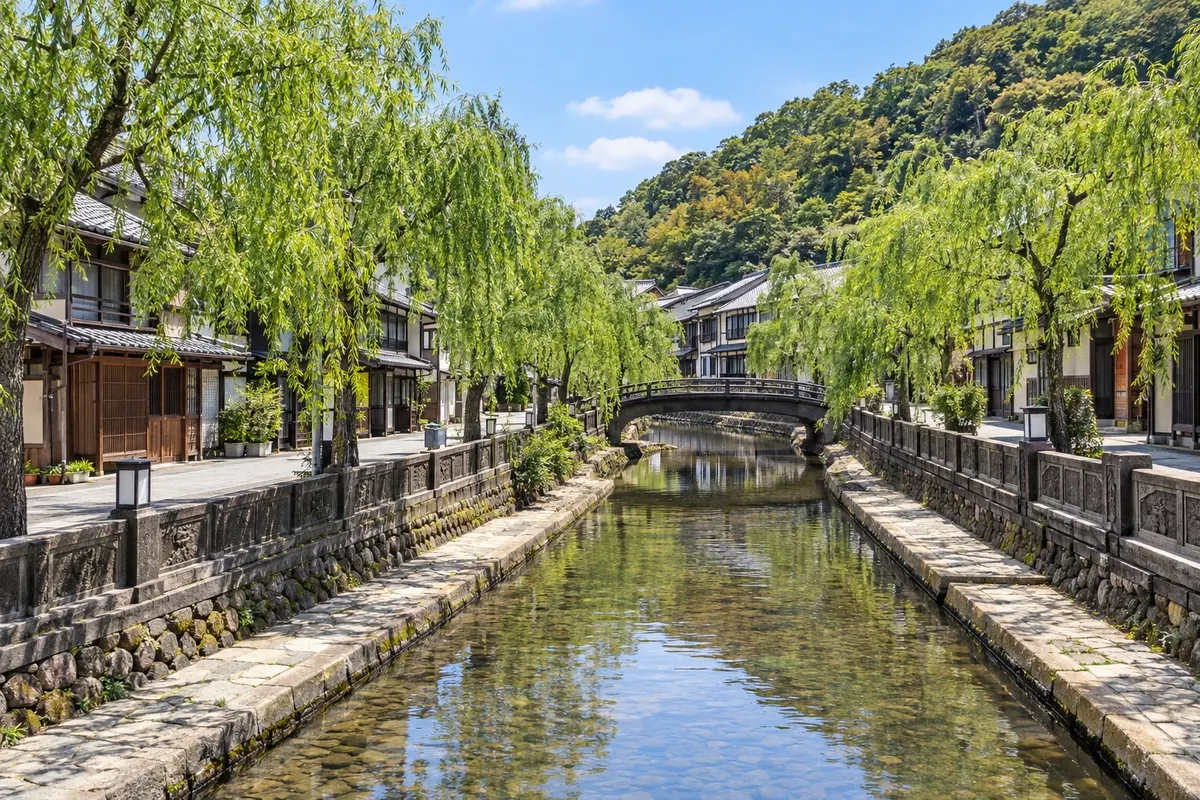
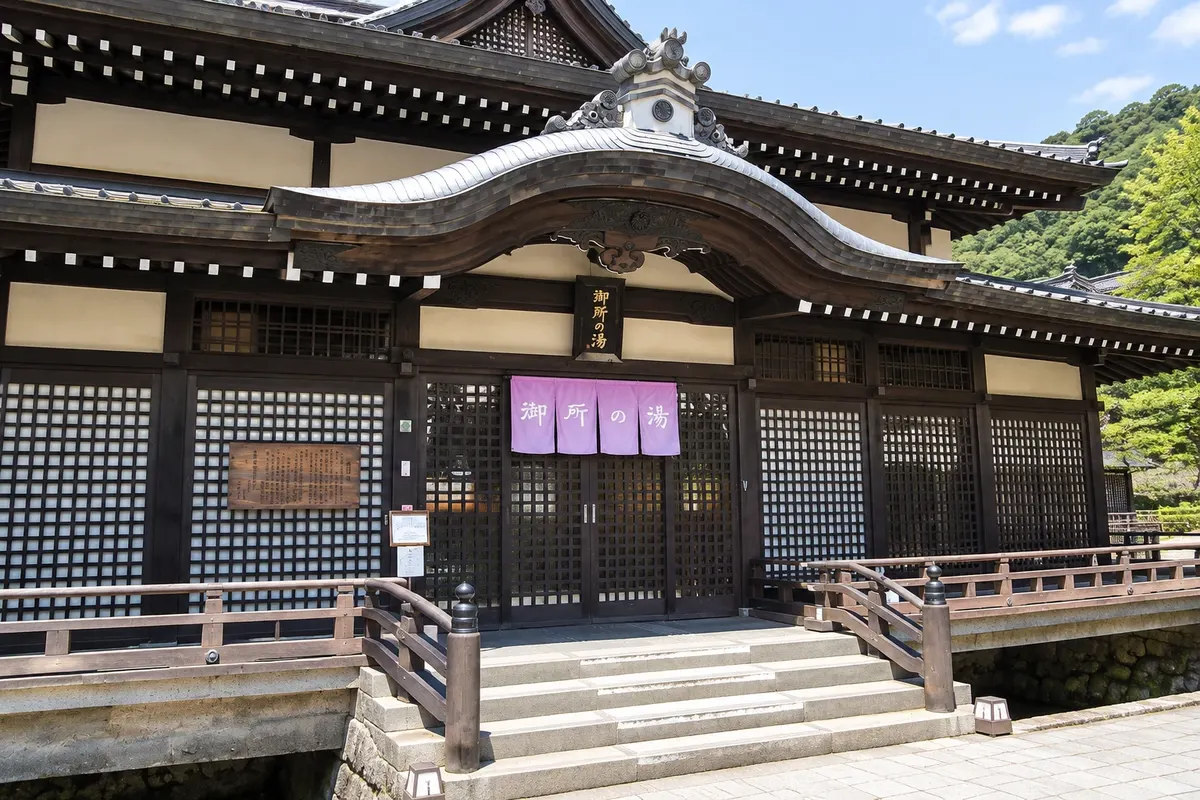
There are seven public baths, the sotoyu, each with its own building, pools and history, spread along the Otani River, a shallow canal with stone bridges and willow trees. Ryokans in the village usually give guests a pass that covers all of them. At night the streets fill with the sound of clogs, and sweet shops, shooting galleries and souvenir stores stay open late.
Writer Shiga Naoya stayed here in 1913 and wrote the short story “In Kinosaki,” a classic of Japanese literature, and the village preserves that literary connection. In winter, from November to March, it’s snow-crab season: snow crab is caught off the nearby coast and served as whole meals at the ryokans.
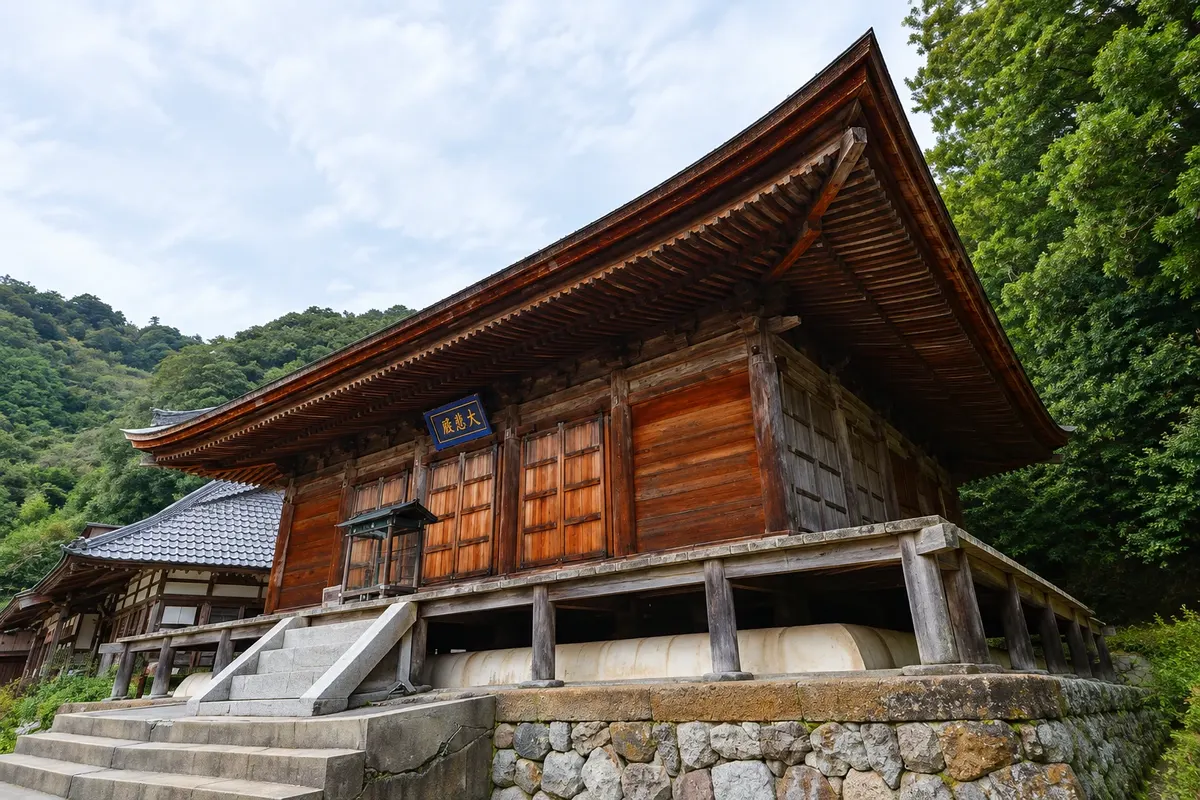
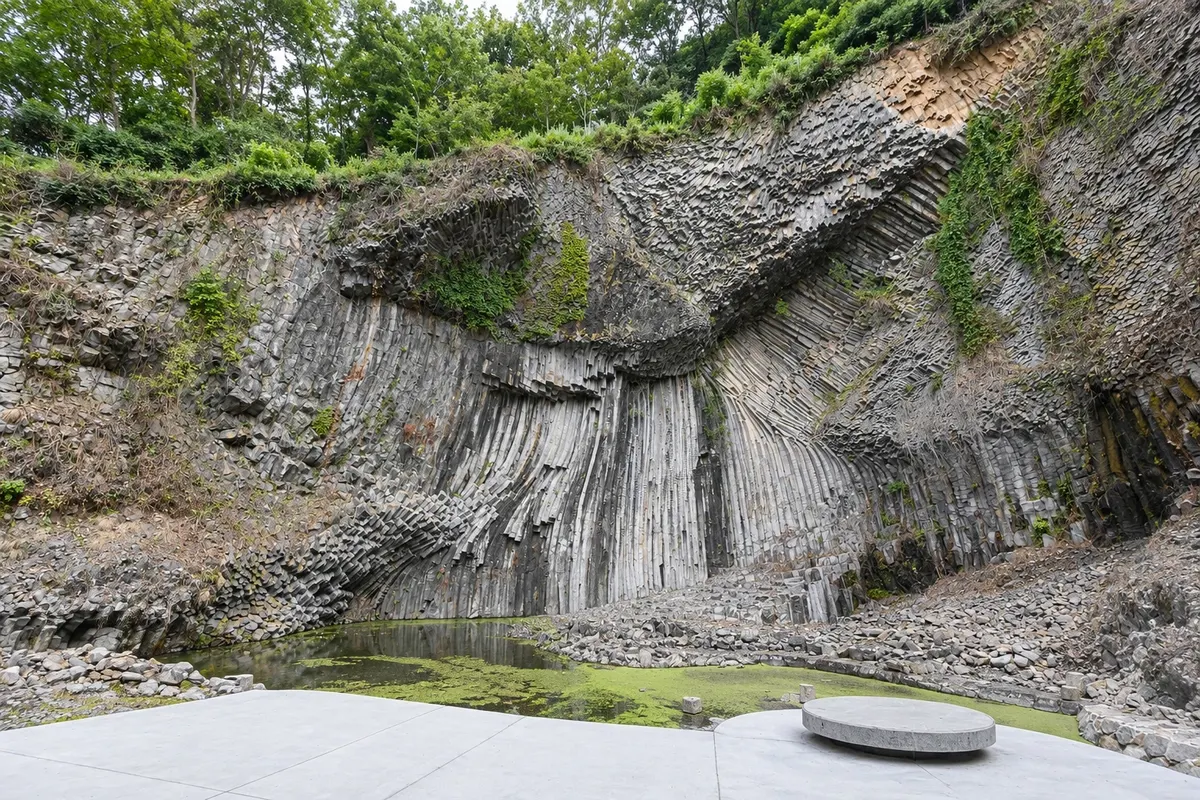
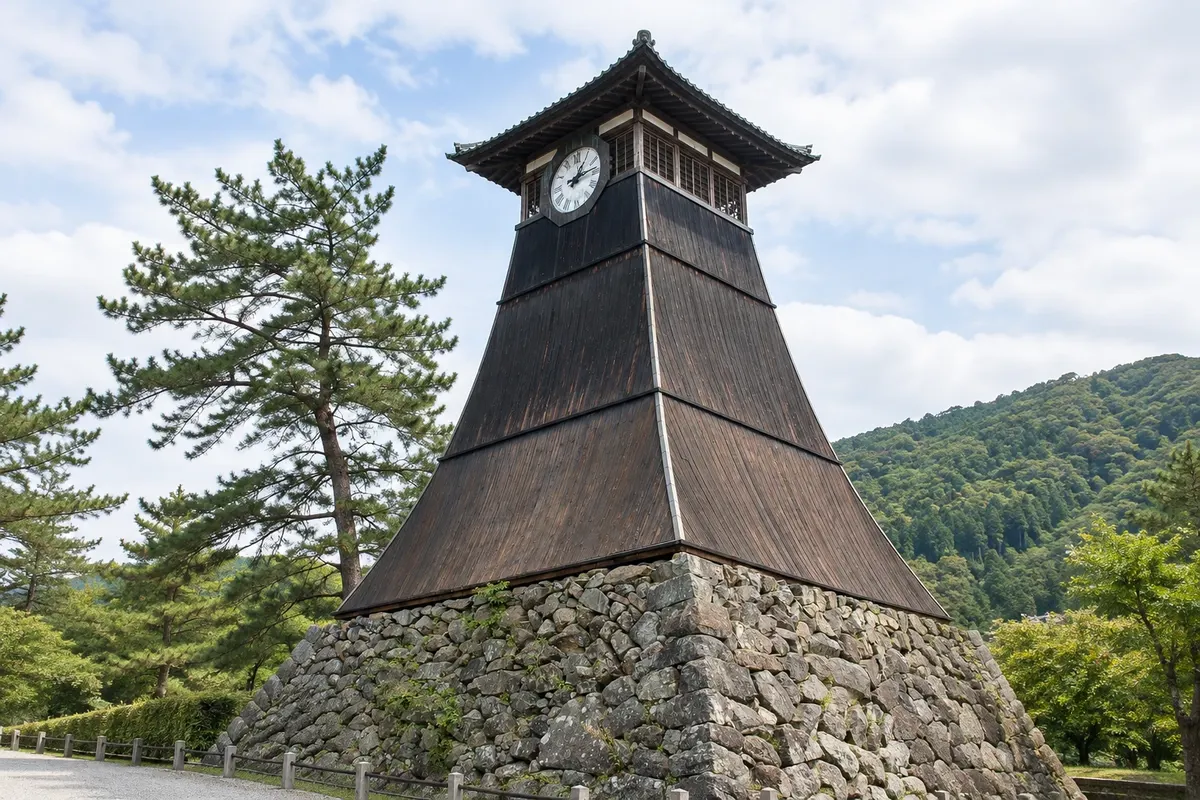
Around the village, a ropeway rises to Mount Daishi, with the Onsen-ji temple on the way. The city of Toyooka, about 10 km away, has the Genbudo basalt columns and, farther south, the castle town of Izushi, known for its buckwheat noodle served in small plates. The region is also where the Oriental stork was reintroduced to the wild in Japan.
This destination brings together 1 city: Toyooka.


 Brazil
 Antarctica
 Argentina
 Bolivia
 Chile
 Colombia
 Ecuador
 Guyana
 French Guiana
 Falkland Islands (Malvinas)
 Paraguay
 Peru
 Suriname
 Uruguay
 Venezuela
 Germany
 Austria
 Belgium
 Croatia
 Denmark
 Slovakia
 Slovenia
 Spain
 Finland
 France
 Greece
 the Netherlands
 Hungary
 Ireland
 Iceland
 Italy
 Luxembourg
 Norway
 Poland
 Portugal
 the United Kingdom
 the Czech Republic
 Sweden
 Switzerland
 Turkey
 Bermuda
 Canada
 the United States
 Greenland
 Mexico
 Saint Pierre and Miquelon
 the Dominican Republic
 South Africa
 Egypt
 Australia
 Fiji
 New Zealand
 Papua New Guinea