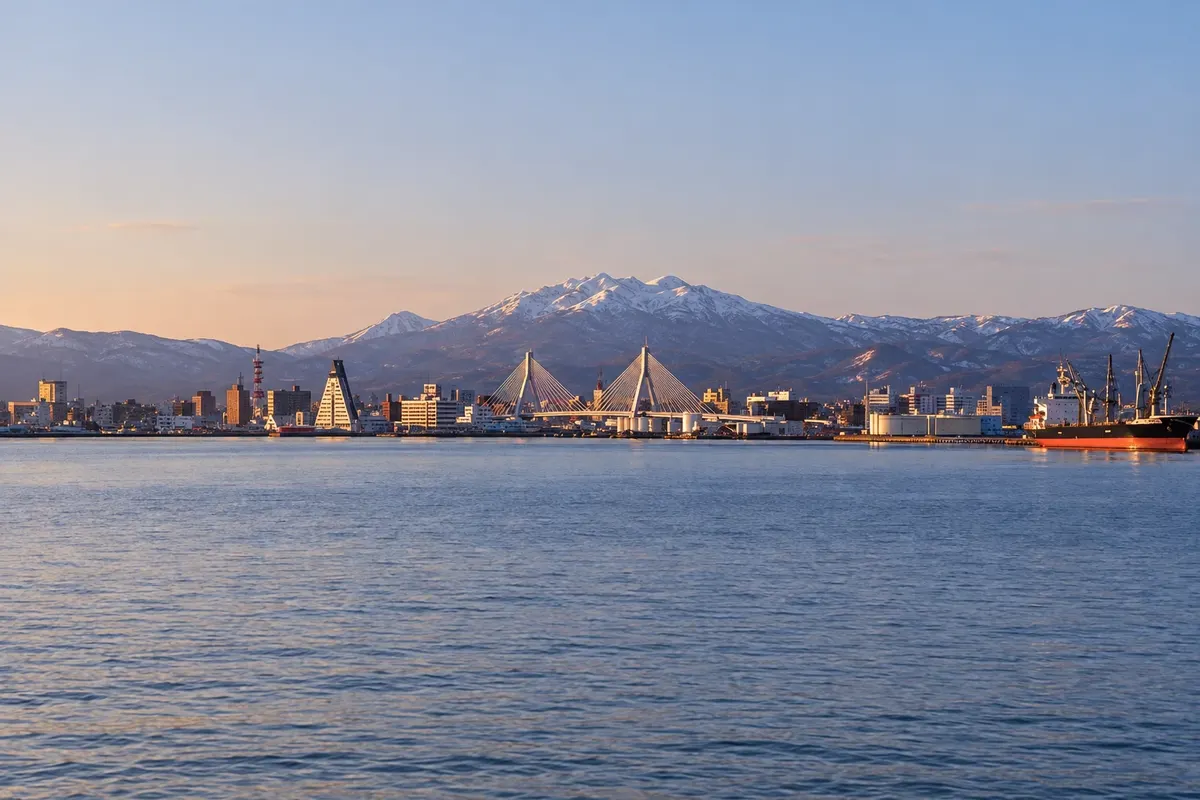
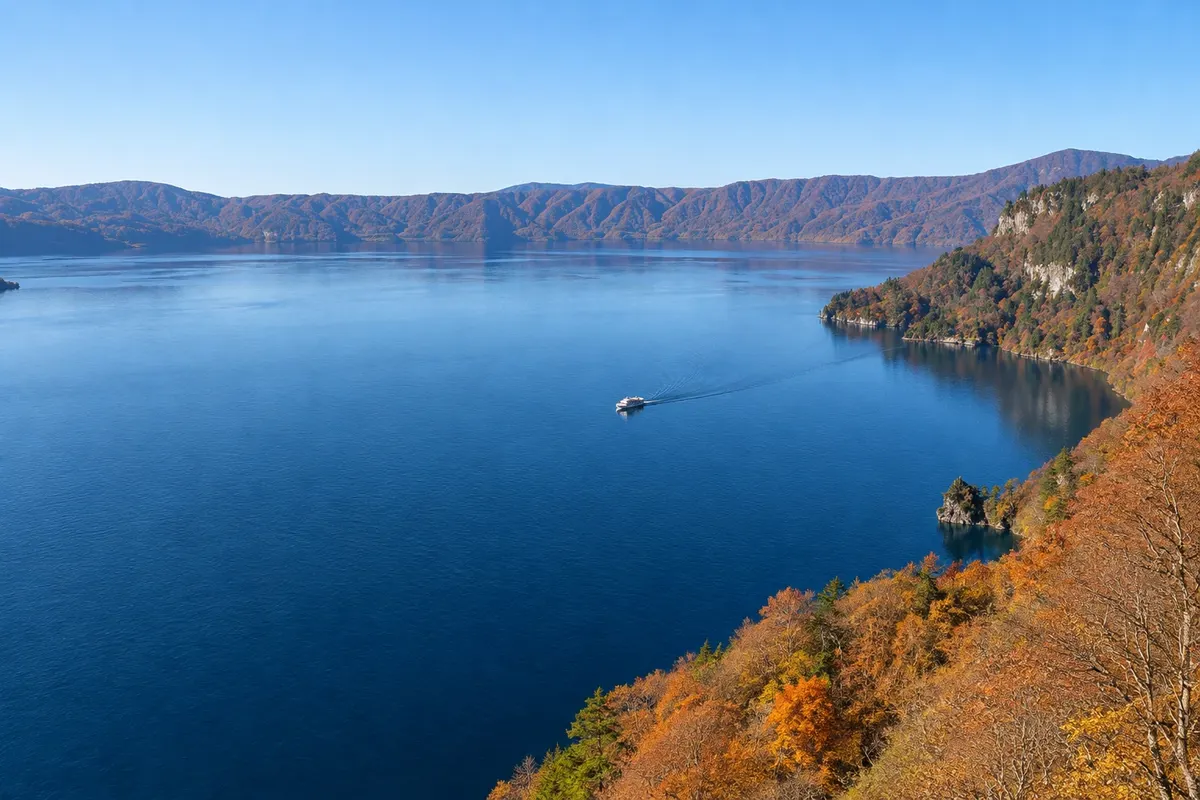
Aomori Prefecture occupies the northern tip of Honshu, between the Sea of Japan, the Tsugaru Strait, and the Pacific Ocean. The capital, Aomori, is a port city on Mutsu Bay and the terminus of the Tohoku shinkansen before the crossing to Hokkaido. It is known for the Nebuta Festival, when giant illuminated paper floats parade at night in early August, and for having one of the heaviest snowfalls among Japanese cities.
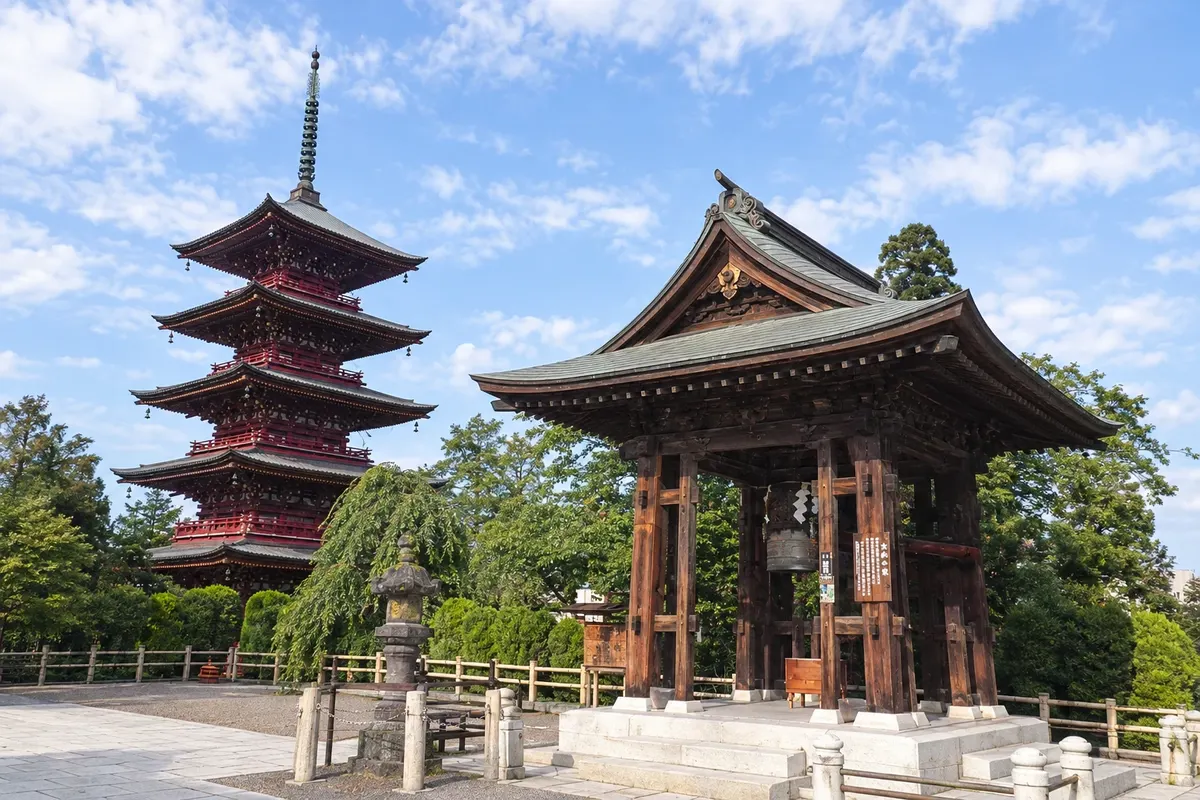
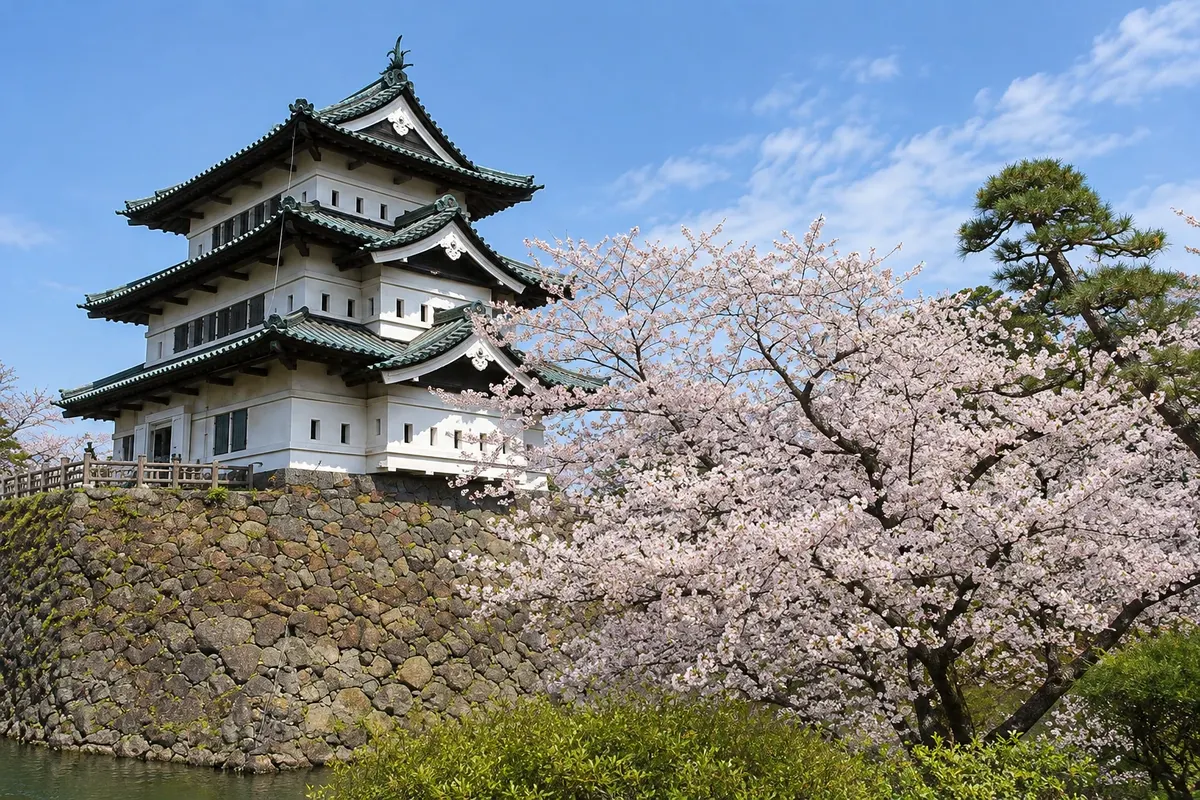
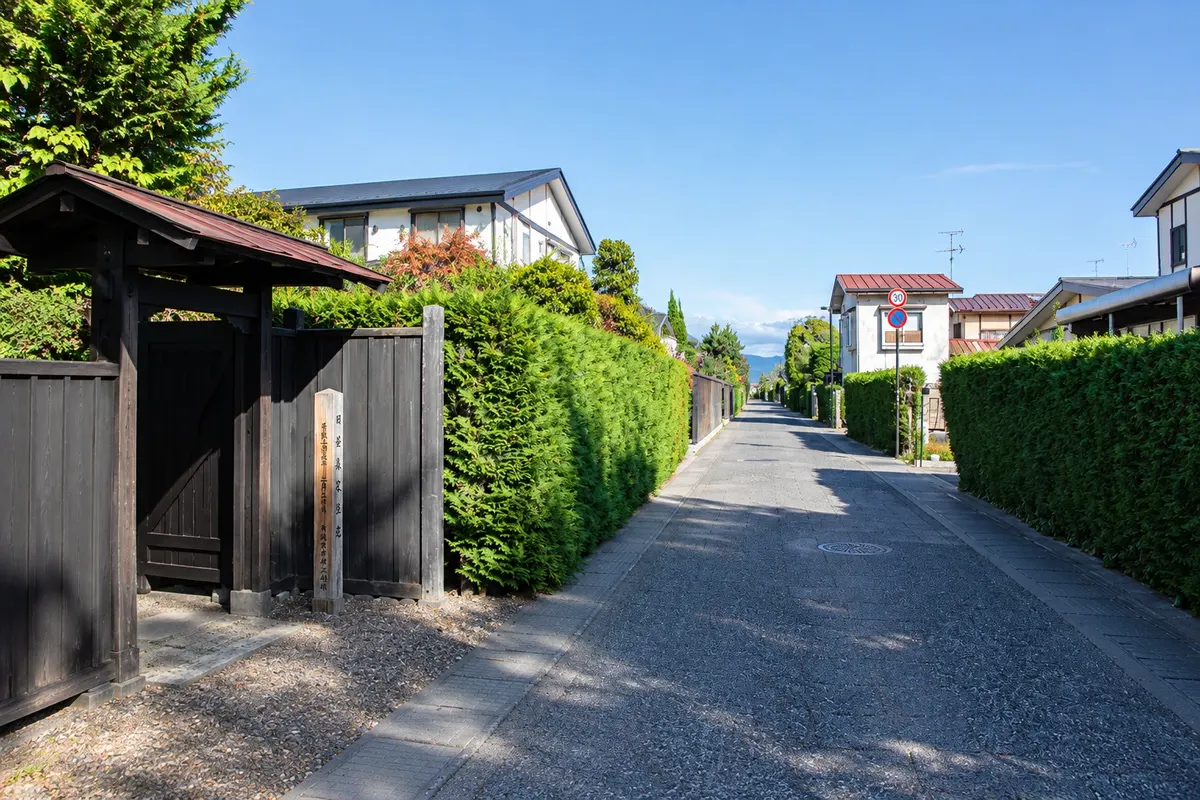
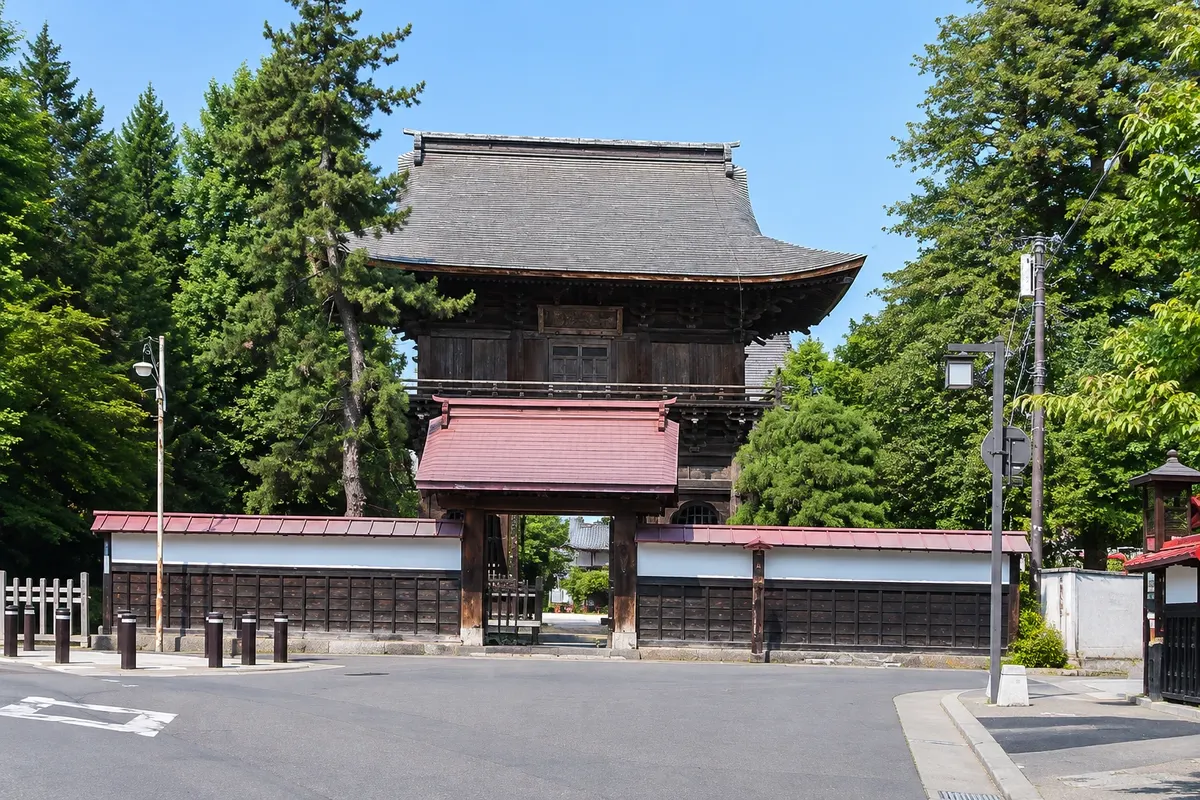
About 40 km to the southwest, Hirosaki was the seat of the Tsugaru clan during the Edo period. The castle, which retains one of the twelve original castle keeps still standing in the country, sits in a park with thousands of cherry trees that usually bloom from late April to early May. The city has a samurai residence district, a street with thirty-three Zen temples, and Western-style buildings from the late 19th century. It is also the center of Japan’s largest apple-producing region.
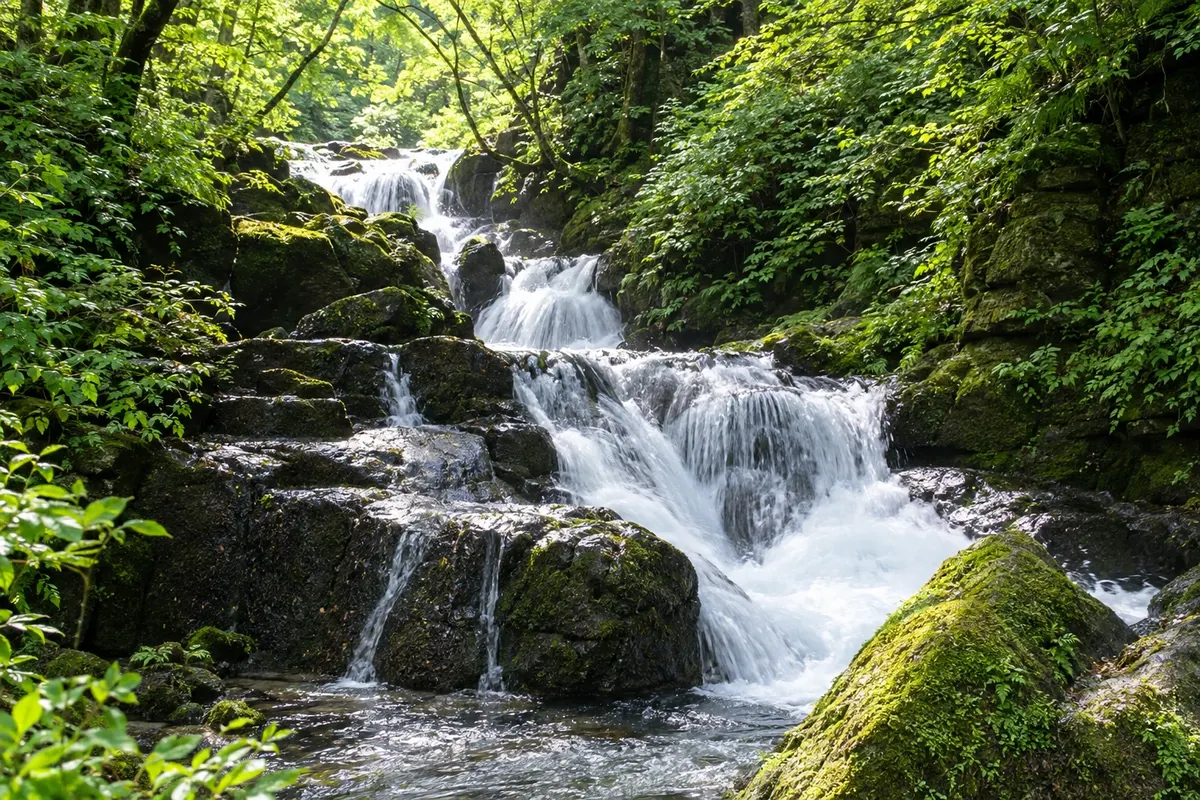
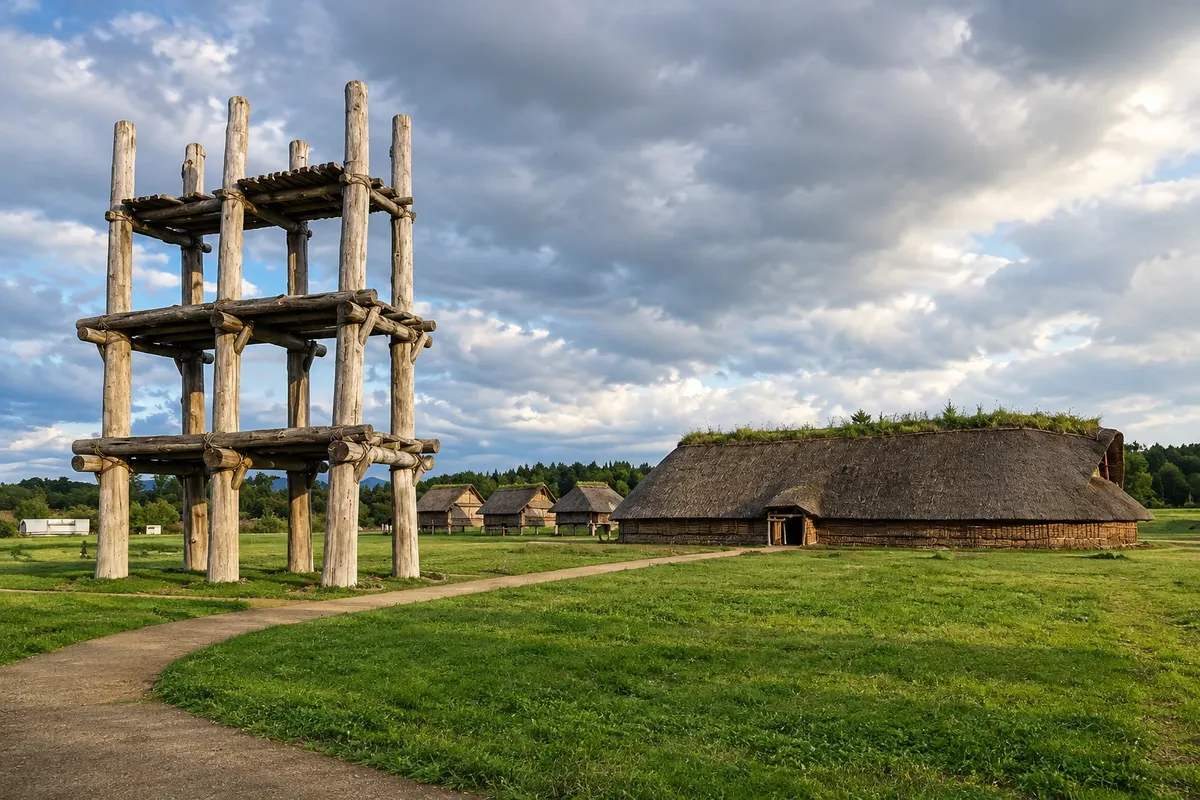
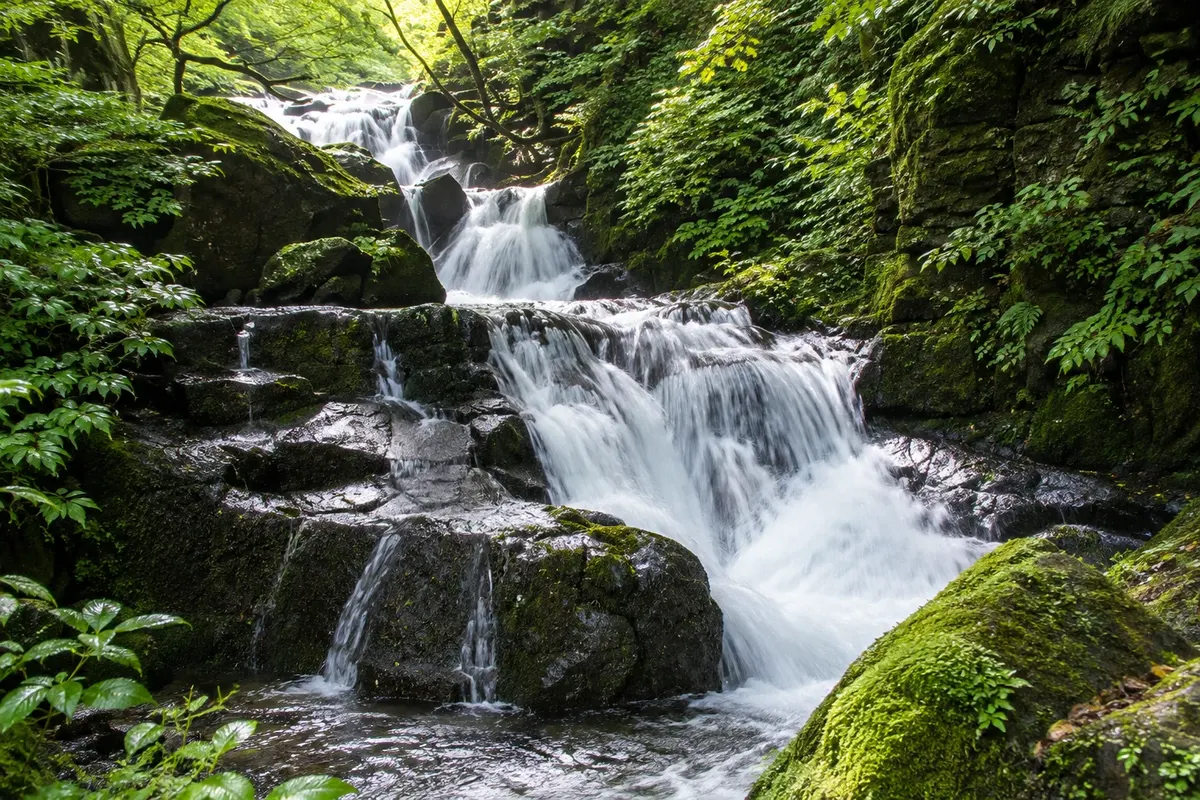
Near Aomori are the Sannai-Maruyama site, the largest known Jomon-period village at roughly 5,000 years old, and the prefectural art museum beside it. To the south, the Hakkoda Mountains descend toward Lake Towada, a water-filled volcanic crater from which the Oirase Stream flows. The stream runs about 14 km through forest, moss-covered rocks, and waterfalls.
The two cities make a single trip, linked by train in about 45 minutes. The Oirase Stream and Lake Towada require a full day from Aomori or an overnight stay at a lakeside inn. In winter, from December to March, snow covers everything and mountain roads may close, but Hirosaki lights the castle with snow lanterns.
This destination brings together 2 cities: Aomori, Hirosaki.


 Brazil
 Antarctica
 Argentina
 Bolivia
 Chile
 Colombia
 Ecuador
 Guyana
 French Guiana
 Falkland Islands (Malvinas)
 Paraguay
 Peru
 Suriname
 Uruguay
 Venezuela
 Germany
 Austria
 Belgium
 Croatia
 Denmark
 Slovakia
 Slovenia
 Spain
 Finland
 France
 Greece
 the Netherlands
 Hungary
 Ireland
 Iceland
 Italy
 Luxembourg
 Norway
 Poland
 Portugal
 the United Kingdom
 the Czech Republic
 Sweden
 Switzerland
 Turkey
 Bermuda
 Canada
 the United States
 Greenland
 Mexico
 Saint Pierre and Miquelon
 the Dominican Republic
 South Africa
 Egypt
 Australia
 Fiji
 New Zealand
 Papua New Guinea