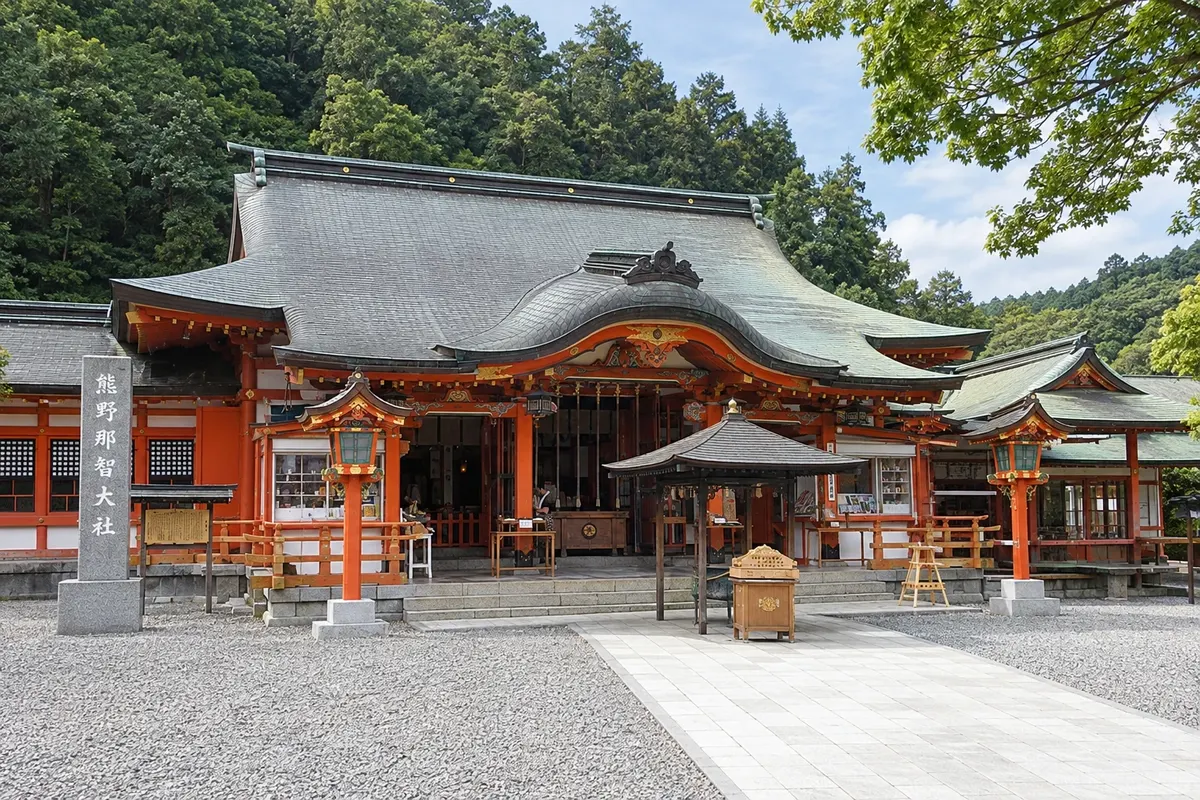
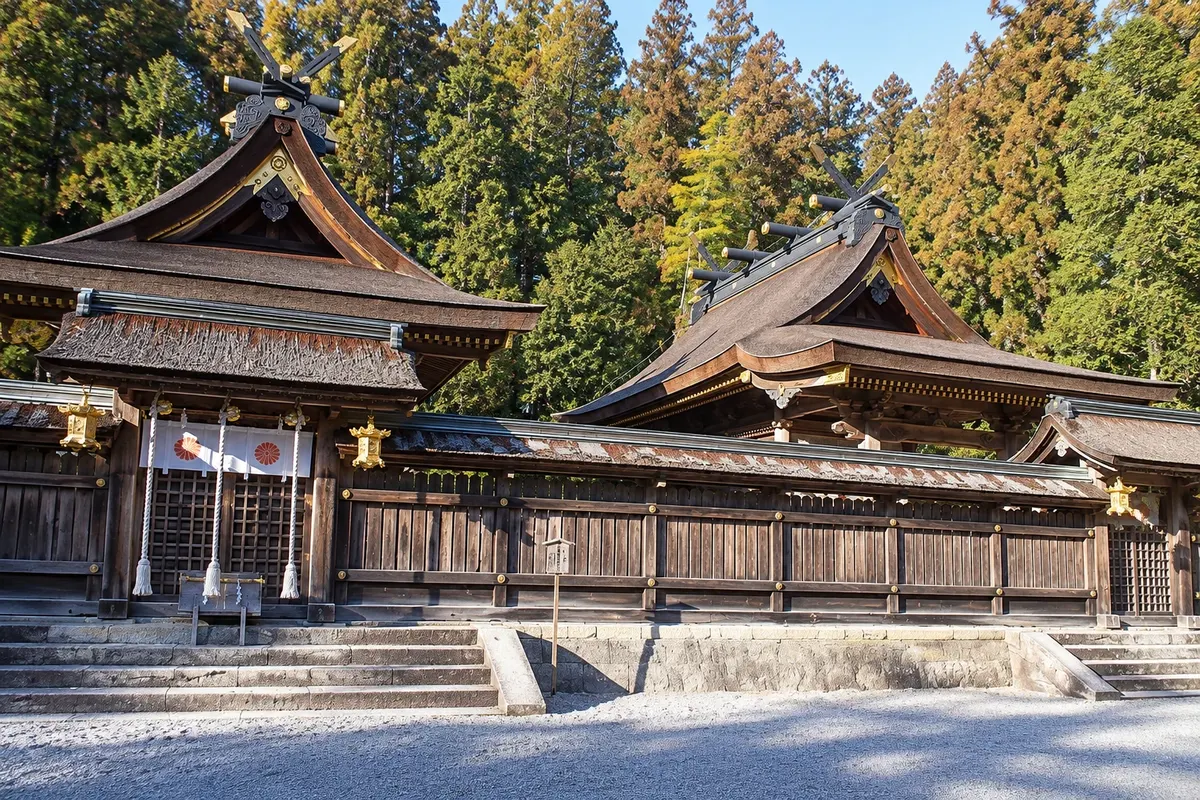
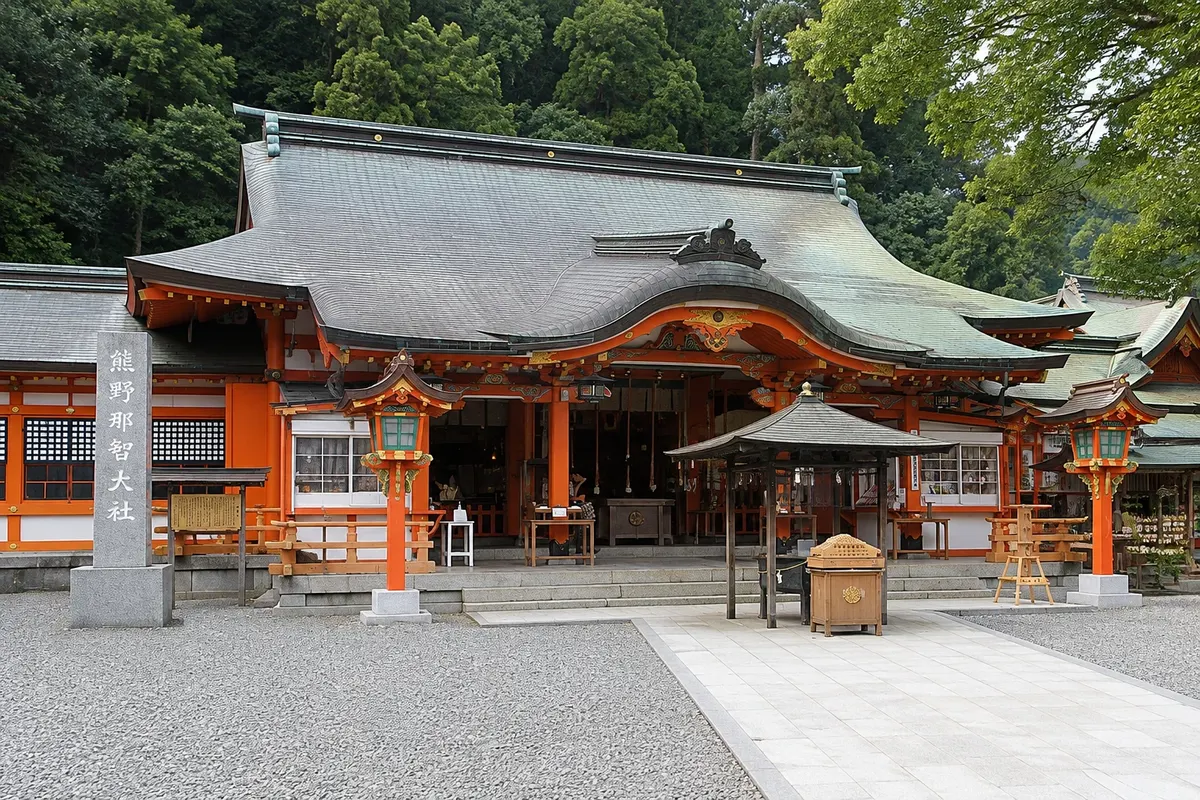
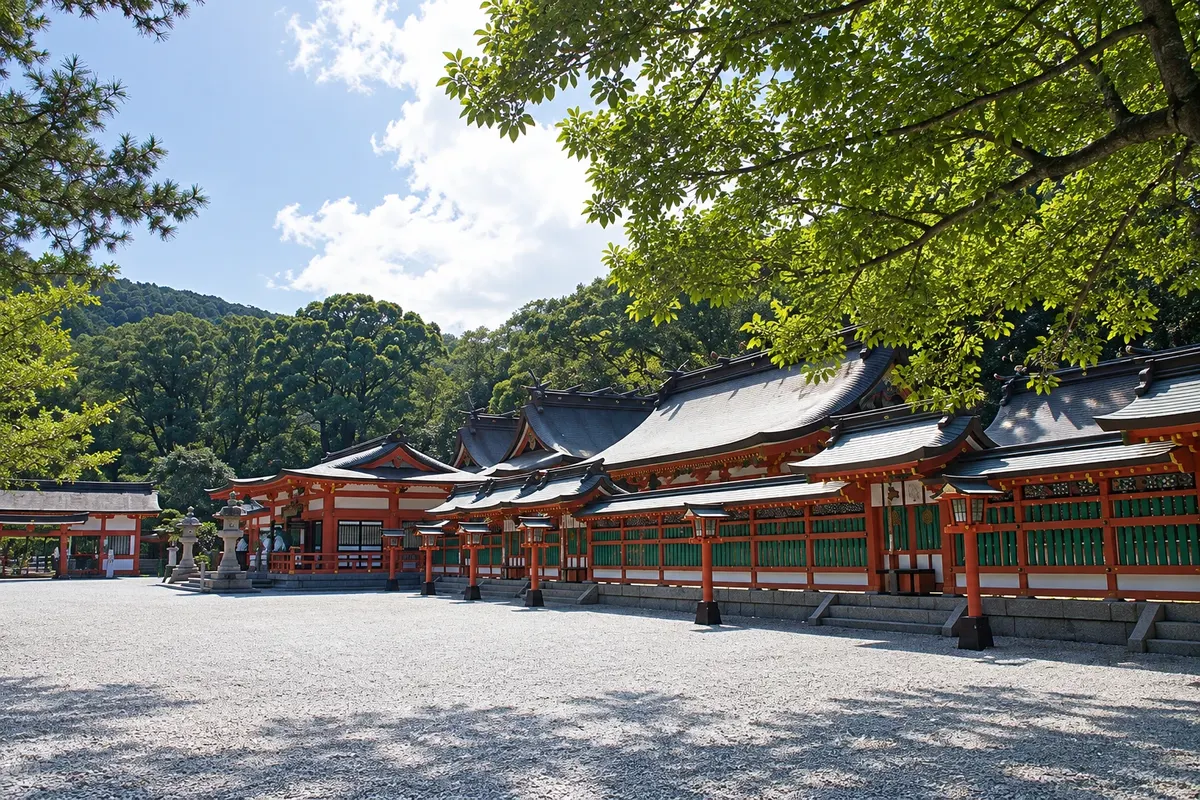
Kumano Kodo is the network of ancient pilgrimage routes that crosses the forested mountains of the southern Kii Peninsula in Wakayama Prefecture, leading to the three major Kumano shrines: Hongu Taisha, Hayatama Taisha and Nachi Taisha. Since the 10th century, retired emperors, nobles from Kyoto, monks and later ordinary people have made the journey on foot as an act of purification. The region blends Shinto nature worship — mountains, rivers and waterfalls — with Buddhism.
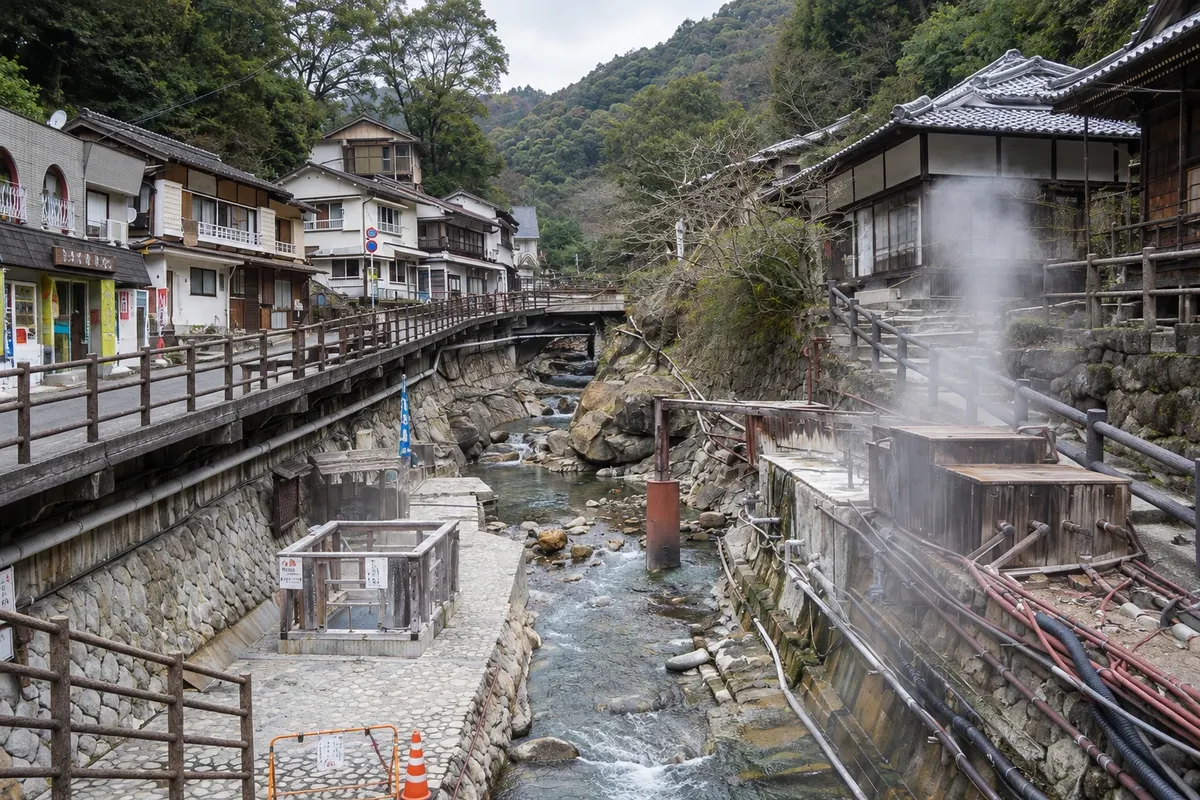
The routes are part of the Sacred Sites and Pilgrimage Routes in the Kii Mountain Range, a UNESCO World Heritage Site since 2004, one of the two pilgrimage routes in the world on that list, alongside the Camino de Santiago, with which it maintains a dual-pilgrim program. The most traveled route is the Nakahechi, the former imperial route, which starts in the Tanabe area and crosses the mountains to Hongu, with small shrines called oji along the way, guesthouses in villages and hot-spring inns at day’s end.
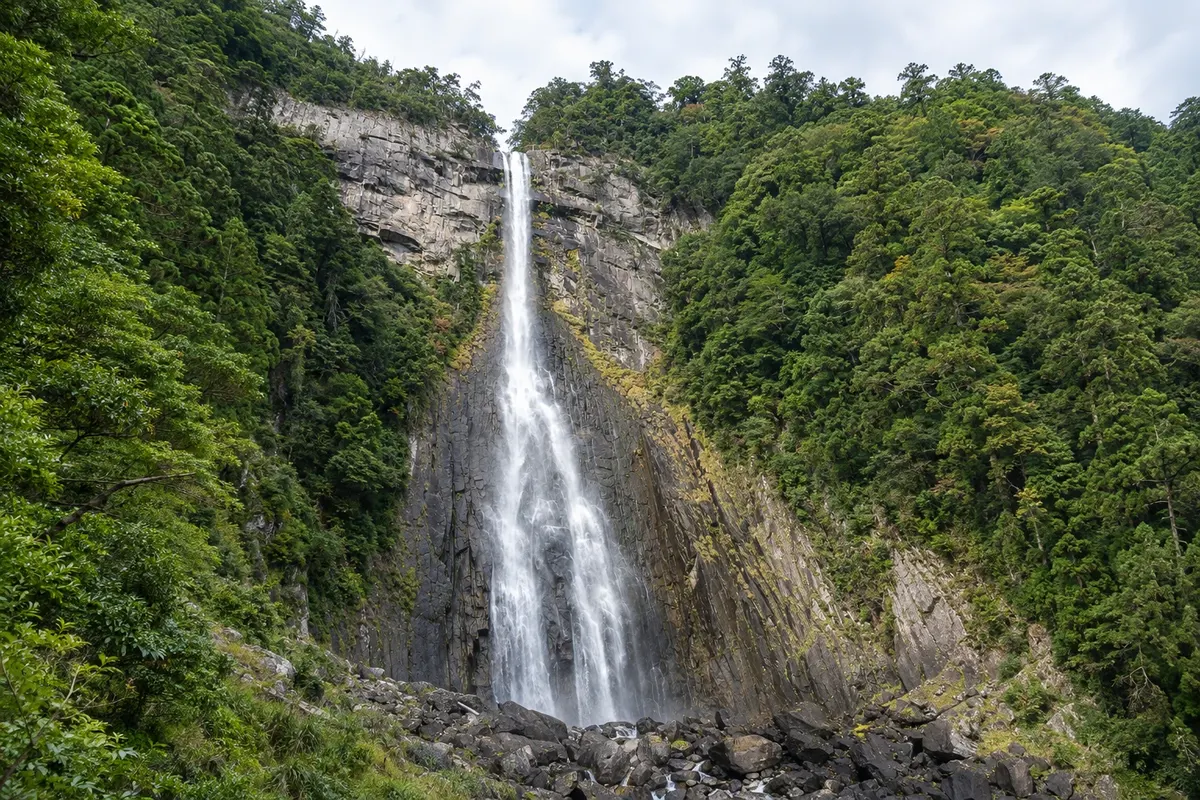
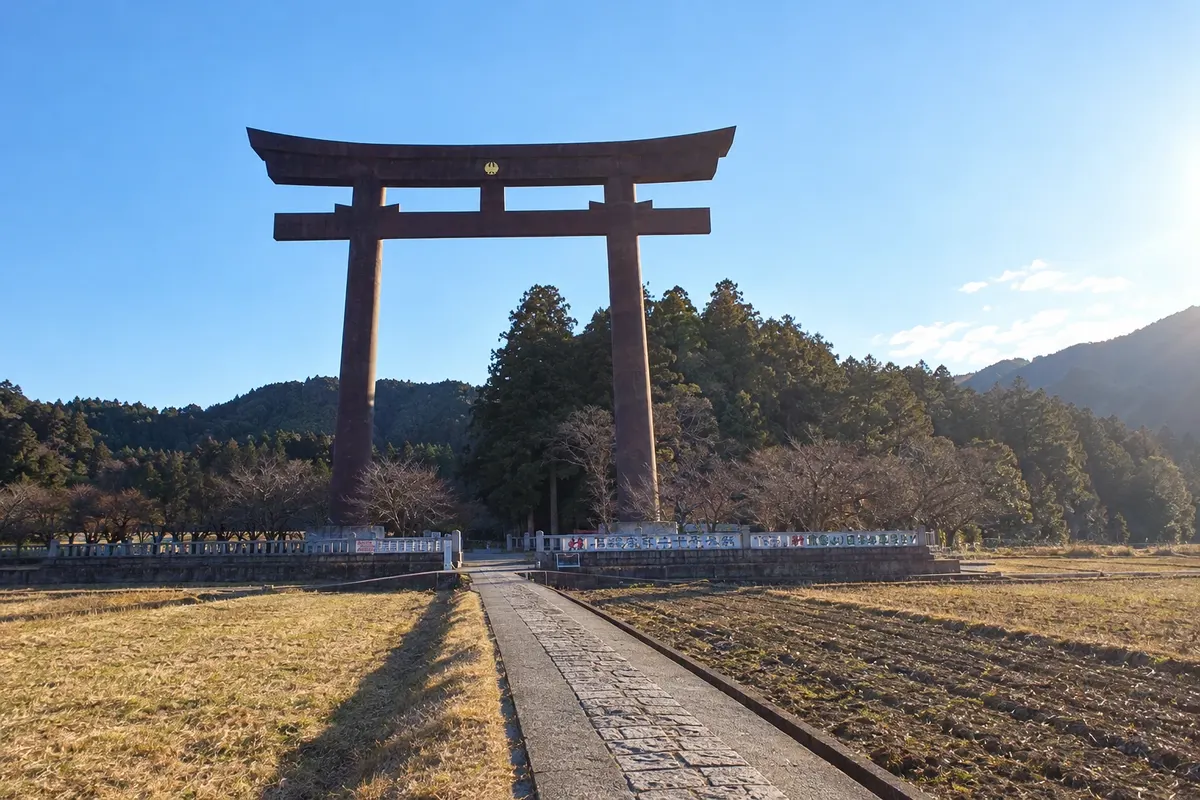
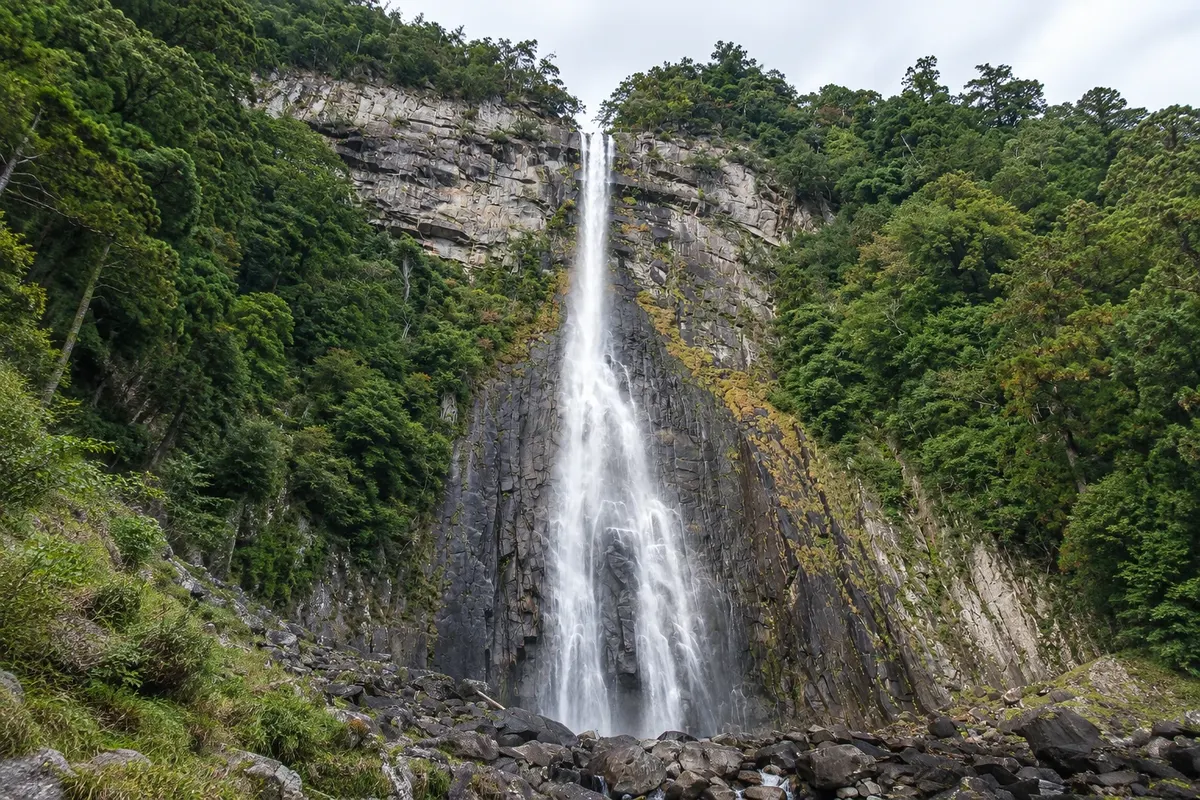
Tanabe is the gateway, with a train station and the pilgrims’ information center. In Hongu, Hongu Taisha and the former shrine site, Oyunohara, with the largest torii gate in Japan, are near the hot-spring villages of Yunomine and Kawayu. On the coast, Nachikatsuura houses Nachi Taisha, the Seiganto-ji temple and Nachi Falls, 133 meters high, while nearby Shingu is home to Hayatama Taisha.
The walk requires preparation: trails climb and descend stone steps and roots, and the villages are small, with limited lodging that requires booking. Those who don’t hike can visit the shrines by bus and walk short sections on foot.
This destination brings together 2 cities: Tanabe, Nachikatsuura.


 Brazil
 Antarctica
 Argentina
 Bolivia
 Chile
 Colombia
 Ecuador
 Guyana
 French Guiana
 Falkland Islands (Malvinas)
 Paraguay
 Peru
 Suriname
 Uruguay
 Venezuela
 Germany
 Austria
 Belgium
 Croatia
 Denmark
 Slovakia
 Slovenia
 Spain
 Finland
 France
 Greece
 the Netherlands
 Hungary
 Ireland
 Iceland
 Italy
 Luxembourg
 Norway
 Poland
 Portugal
 the United Kingdom
 the Czech Republic
 Sweden
 Switzerland
 Turkey
 Bermuda
 Canada
 the United States
 Greenland
 Mexico
 Saint Pierre and Miquelon
 the Dominican Republic
 South Africa
 Egypt
 Australia
 Fiji
 New Zealand
 Papua New Guinea