Sapporo and Otaru

Hokkaido · Japan

Sapporo and Otaru

The capital of Hokkaido, with Odori Park, the Snow Festival and the local beer, and the port of Otaru, with its canal, stone warehouses and glassware.

Hokkaido

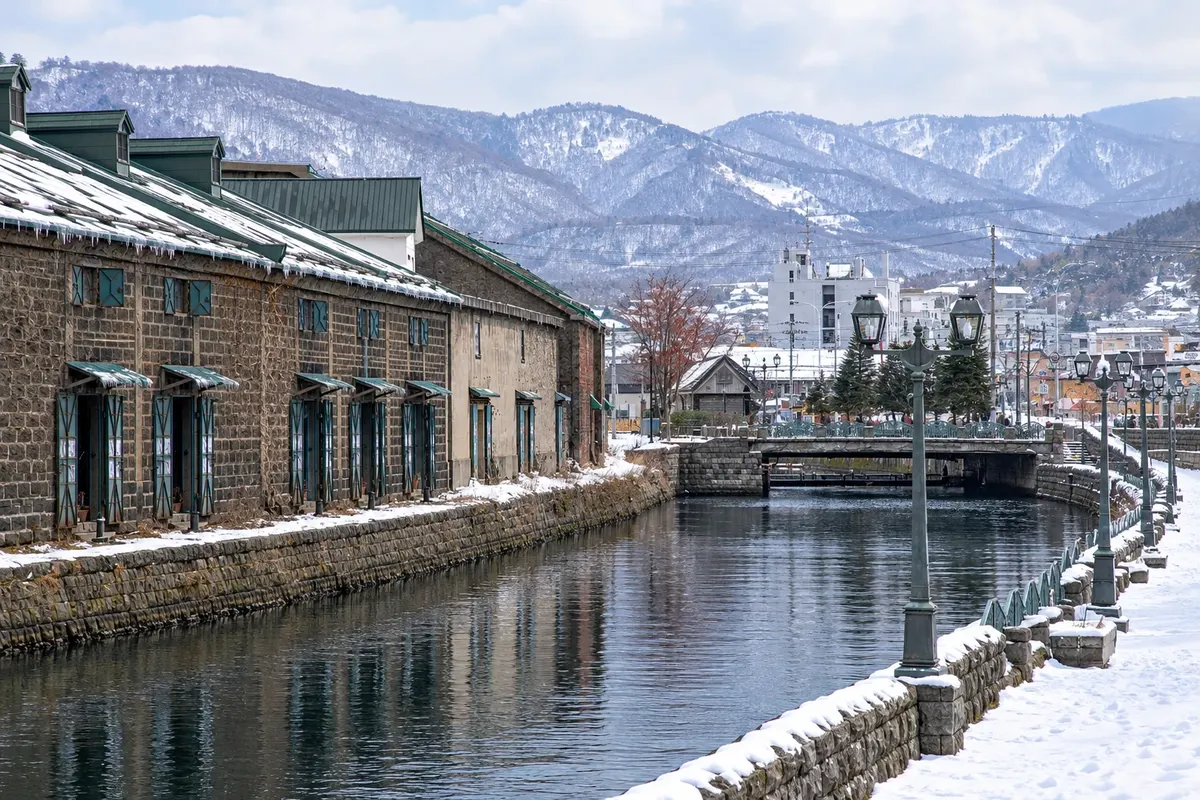
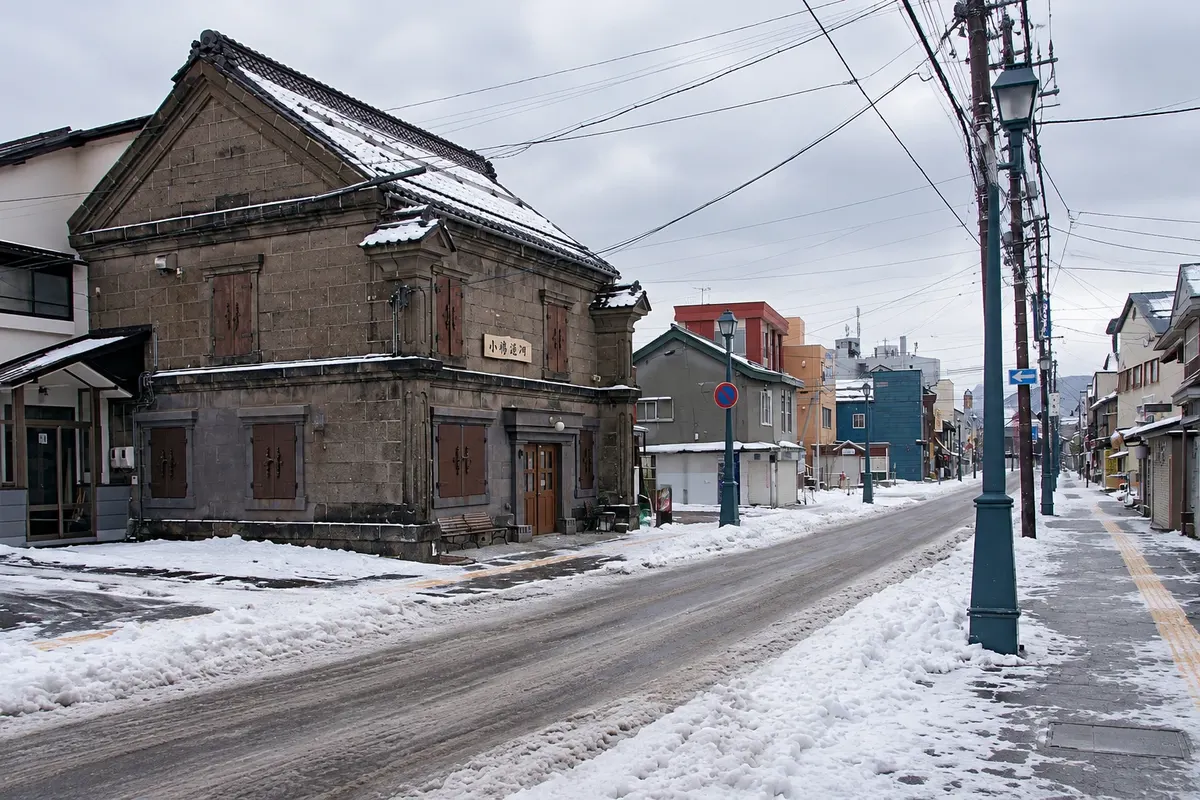
In the photo: Otaru Canal and its old warehouses in winter.

Illustrative images. The pictures in this guide are illustrations based on the real place, not photographs, and may differ from it.

Get to know the place

A region to enjoy
at your own pace.

Sapporo is the largest city on Hokkaido, the northern island of Japan, and was planned in the late 19th century with straight streets numbered from Odori Park. The city grew with the island’s settlement, and still preserves buildings from that time: the wooden clock tower, the old red-brick government building, and the breweries that made the Sapporo name famous.

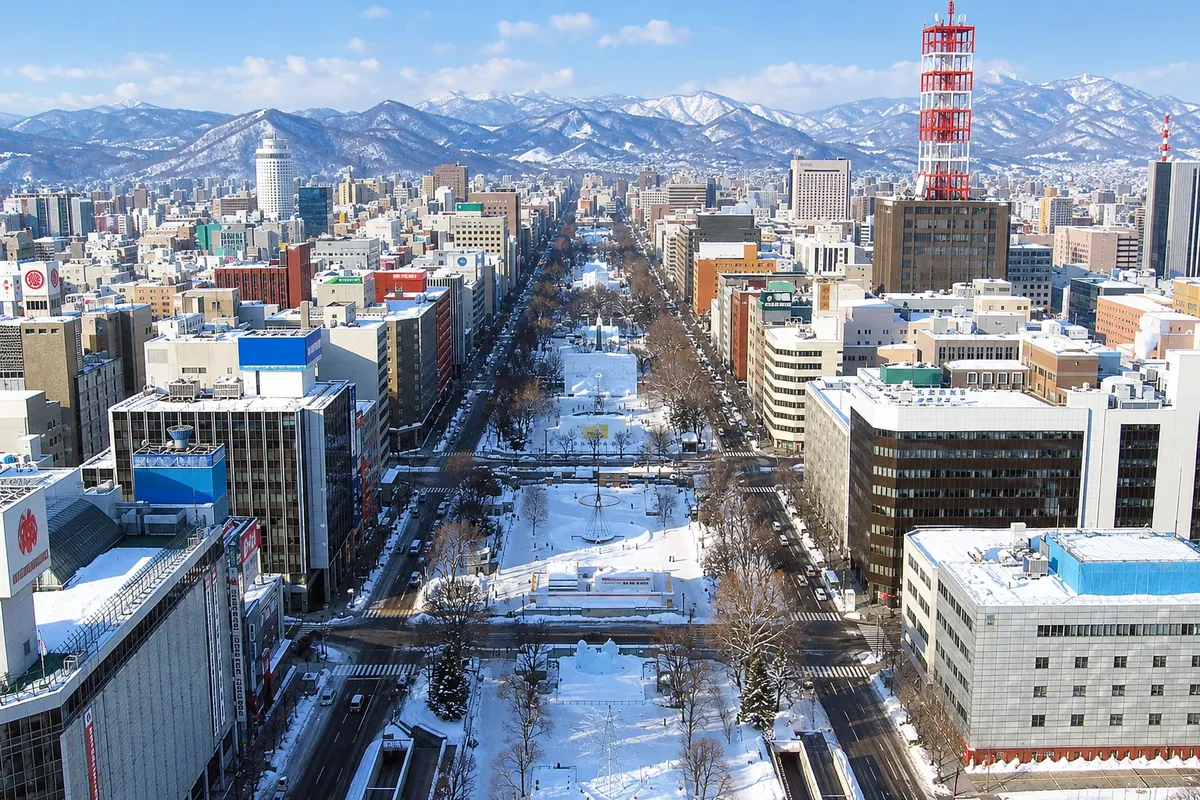
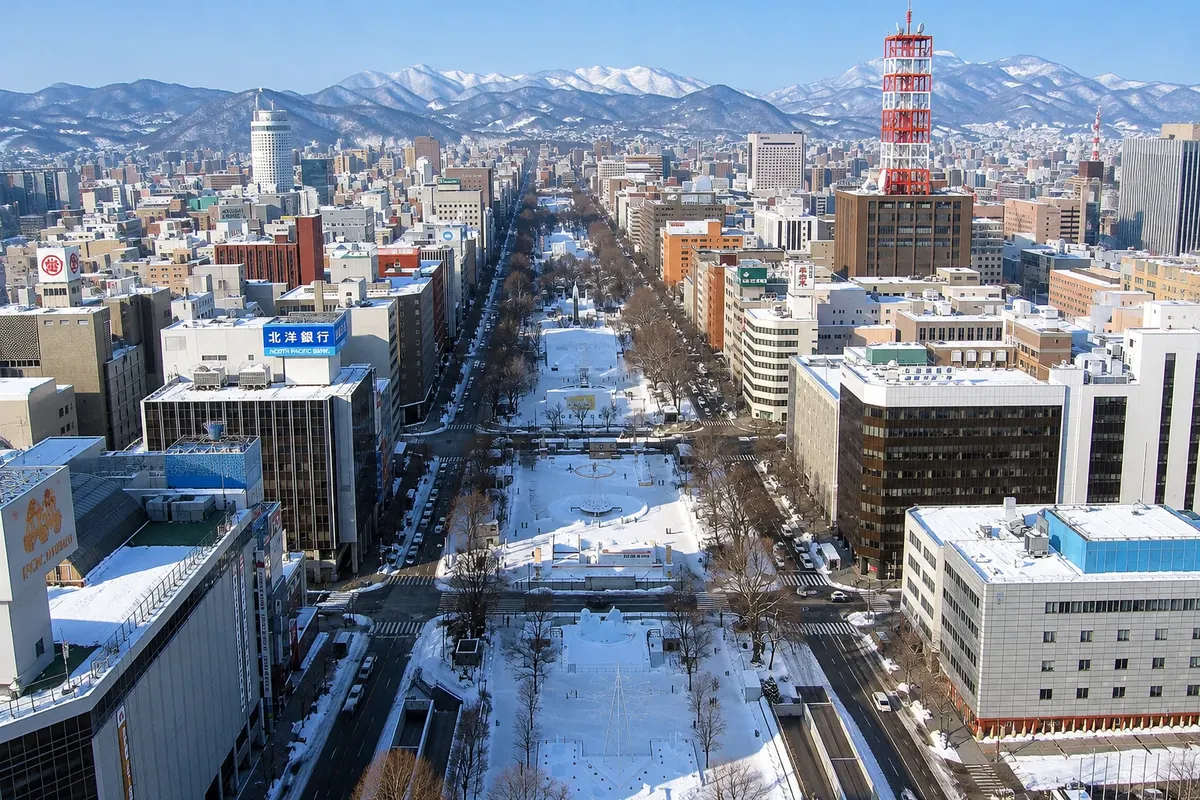
In winter, Odori Park hosts the Snow Festival sculptures, usually in early February, and the city’s economy revolves around snow, skiing in nearby mountains and hot springs. In summer, days tend to be cooler than in the rest of the country and the park becomes a venue for fairs and outdoor beer gardens. Mount Moiwa, reachable by ropeway, offers panoramic views of the city, and Moerenuma Park, designed by Isamu Noguchi, occupies a former landfill area in the north of the city.

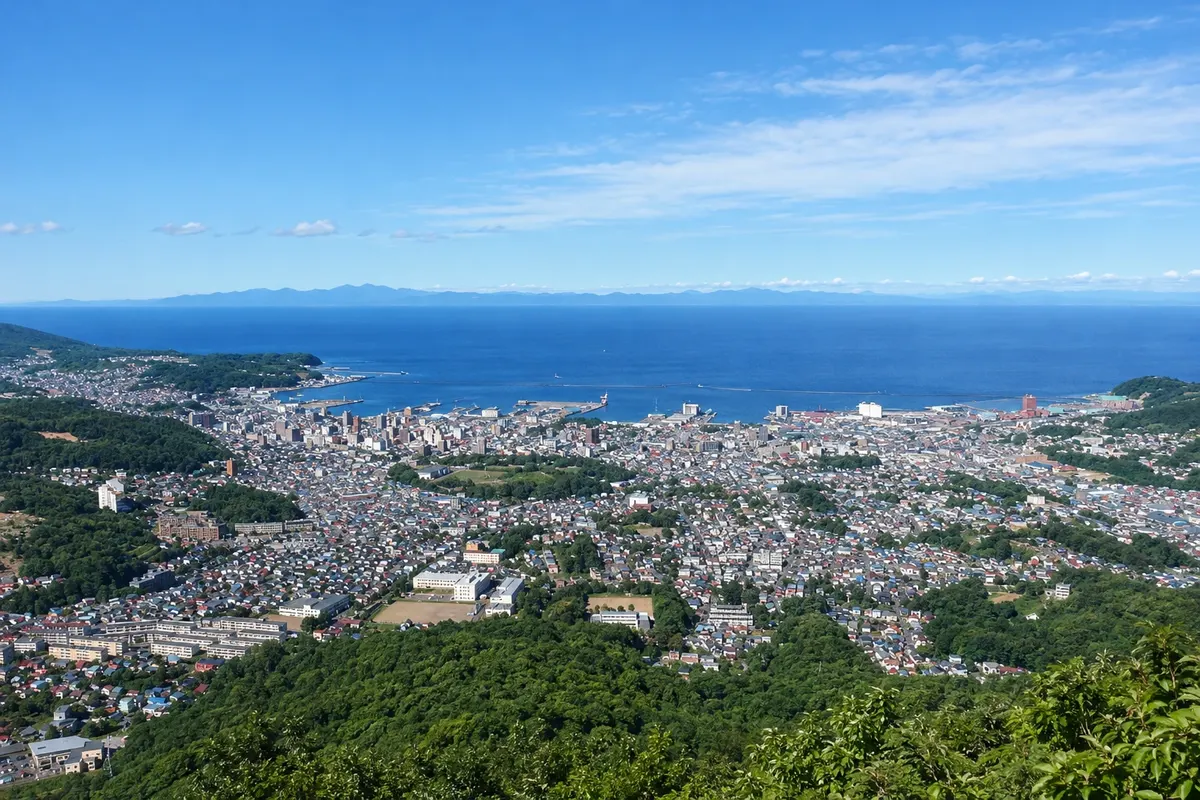
Otaru sits about 40 km away on the coast of the Sea of Japan. It was the port through which Hokkaido’s goods and money arrived, and the canal lined with stone warehouses recalls that era. Today Sakaimachi Street gathers glassware shops, music box stores and confectioners housed in old merchant buildings, and Mount Tengu overlooks the bay. Many people visit Otaru on a day trip from Sapporo, but the town also has lodging for those who want to see the canal at night.

The cuisine is part of the trip: miso ramen, grilled lamb prepared in jingisukan style, Otaru seafood and crab. Sapporo is also the gateway to the rest of Hokkaido, with trains to Furano, Hakodate and Asahikawa.

This destination brings together 2 cities: Sapporo, Otaru.

Share: WhatsApp
Traveler, share your experiences through photos Up to 5 photos of each place you visited.

One destination, many paths

The cities on this trip

Start with one city or combine several in your itinerary.

Where Sapporo and Otaru is
SapporoOtaru

Dados cartográficos: © OpenStreetMap contributors, via Wambacher / geoBoundaries (ODbL 1.0). Adapted by Cidade Turismo.

How to get there: Sapporo and Otaru

✈ Aeroporto Novo Chitose (CTS), in Chitose · 45 km to Sapporo

New Chitose Airport (CTS) receives flights from within Japan and across Asia; the express train takes about 40 minutes to Sapporo Station. From Tokyo there are frequent flights, or you can take the Shinkansen to Shin-Hakodate-Hokuto and an express train to Sapporo, totaling roughly 8 hours. Otaru is about 35 to 45 minutes by train from Sapporo.

Suggested arrival point: Sapporo

The local experience

Things to do in Sapporo and Otaru

Otaru Canal
Otaru · Hokkaido · Historic center

Otaru Canal

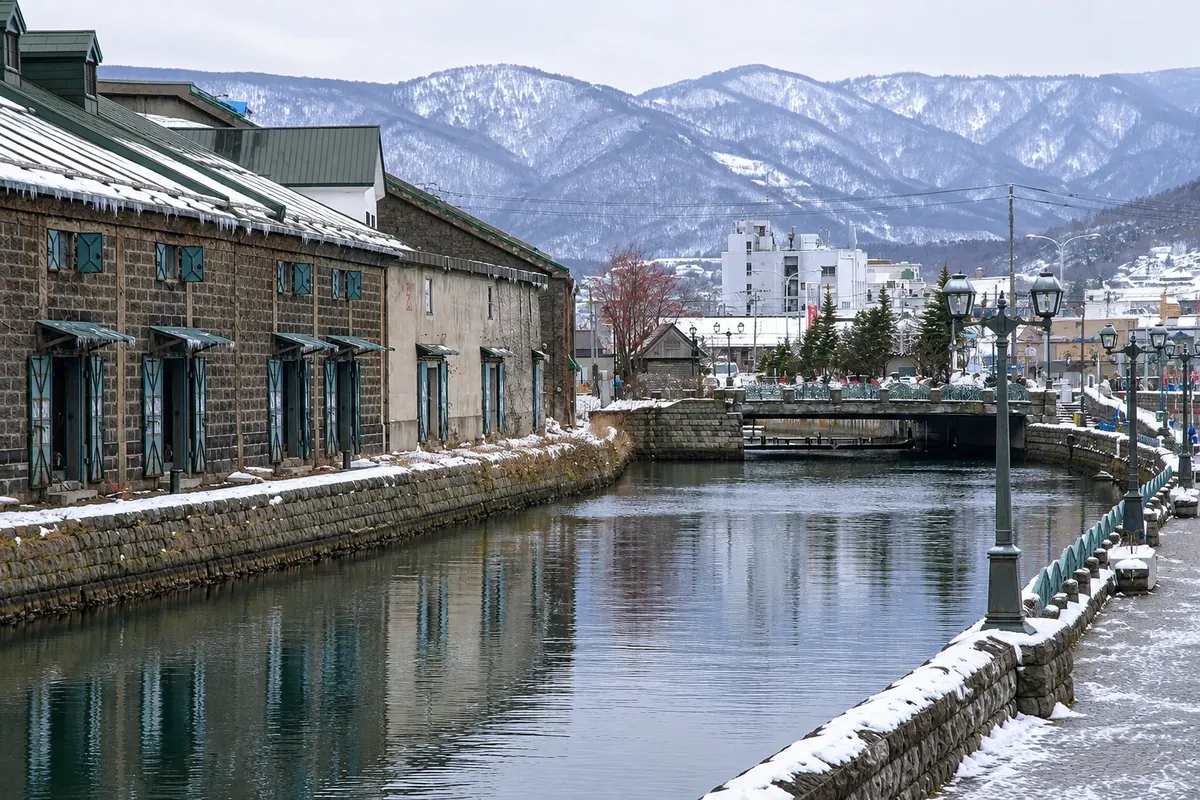
A 1923 canal lined with stone and brick warehouses, a reminder of when Otaru was Hokkaido’s major port. It has a waterfront promenade, gas lamps and boats that run the main stretch.

Odori Park
Sapporo · Hokkaido · Park.

Odori Park

A green strip about 1.5 km long that cuts across central Sapporo from east to west, with fountains, flower beds and the TV tower at one end. It hosts the Snow Festival in winter and outdoor fairs and beer gardens in summer.

Sakaimachi Street
Otaru · Hokkaido · Historic street

Sakaimachi Street

Otaru’s shopping street with early 20th-century houses and warehouses, now home to glassworks, music-box workshops and confectioneries. It ends at the Music Box Museum and the steam clock.

Sapporo Clock Tower
Sapporo · Hokkaido · Historic building

Sapporo Clock Tower

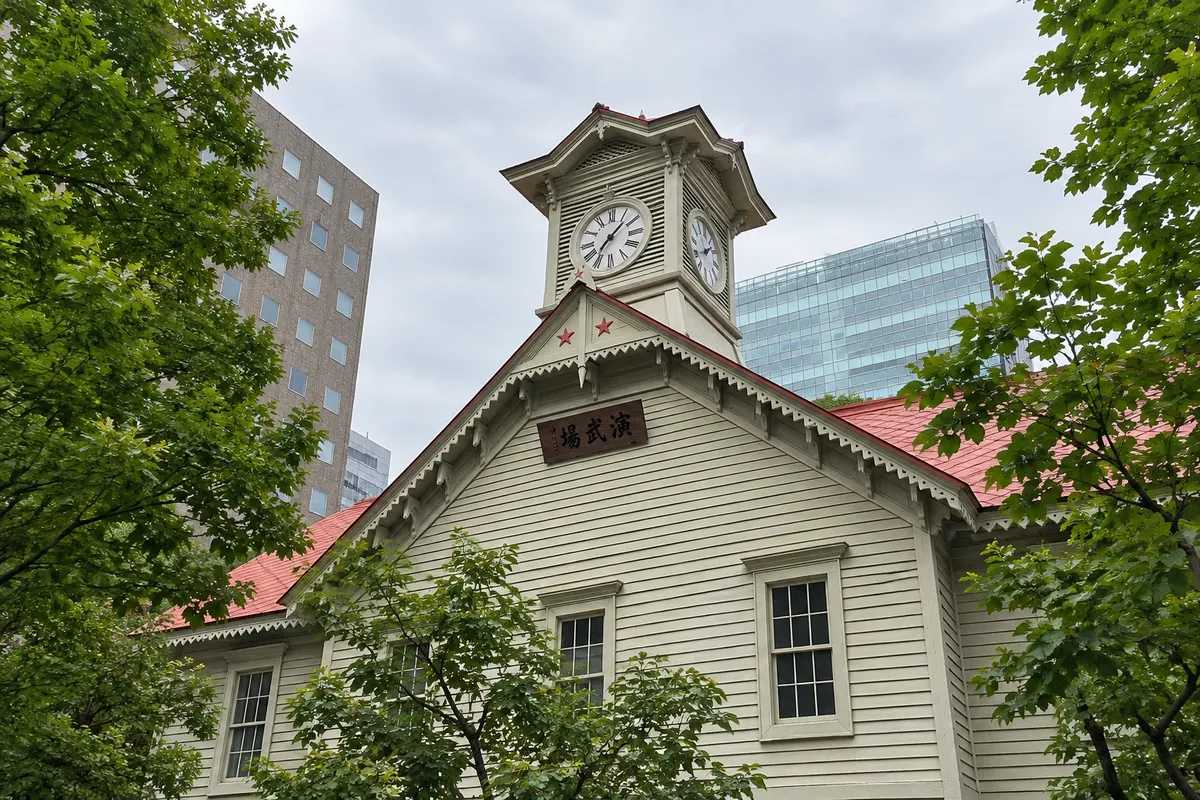
Former drill hall of the Sapporo Agricultural School, dating from 1878, built of wood with the American clock running since 1881. A city symbol, it houses a small museum about the school and the founding of Sapporo.

See 5 more places in Sapporo and Otaru
Former Hokkaido Government Office Building
Sapporo · Hokkaido · Historic building

Former Hokkaido Government Office Building

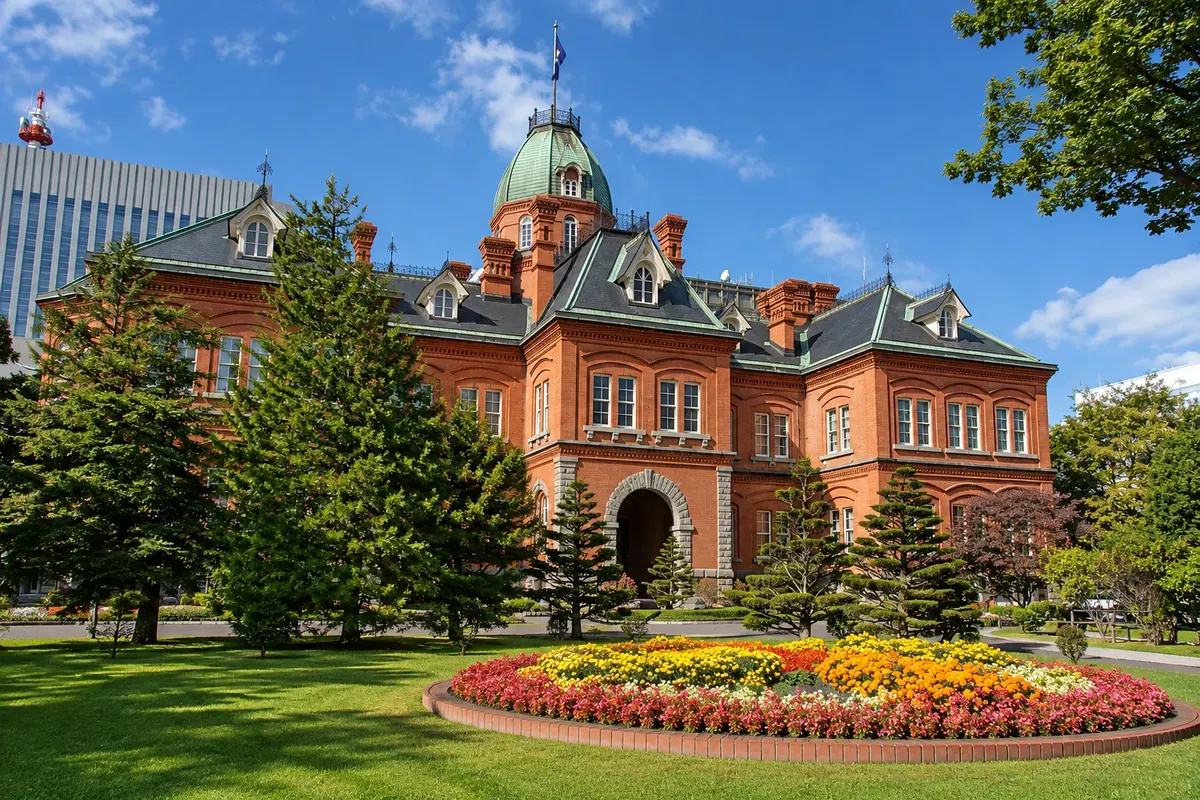
Seat of Hokkaido’s government from 1888, in red brick and American neobaroque style, known as Akarenga. Restored, it houses period rooms and exhibitions about the island, surrounded by a garden with ponds.

Mount Tengu
Otaru · Hokkaido · Lookout

Mount Tengu

A 532-meter hill behind Otaru, with a ropeway to the lookout over the town and Ishikari Bay. In winter the slope has a ski run; at the top there is a small museum of tengu noses, figures from folklore.

Sapporo Beer Museum
Sapporo · Hokkaido · Museum

Sapporo Beer Museum

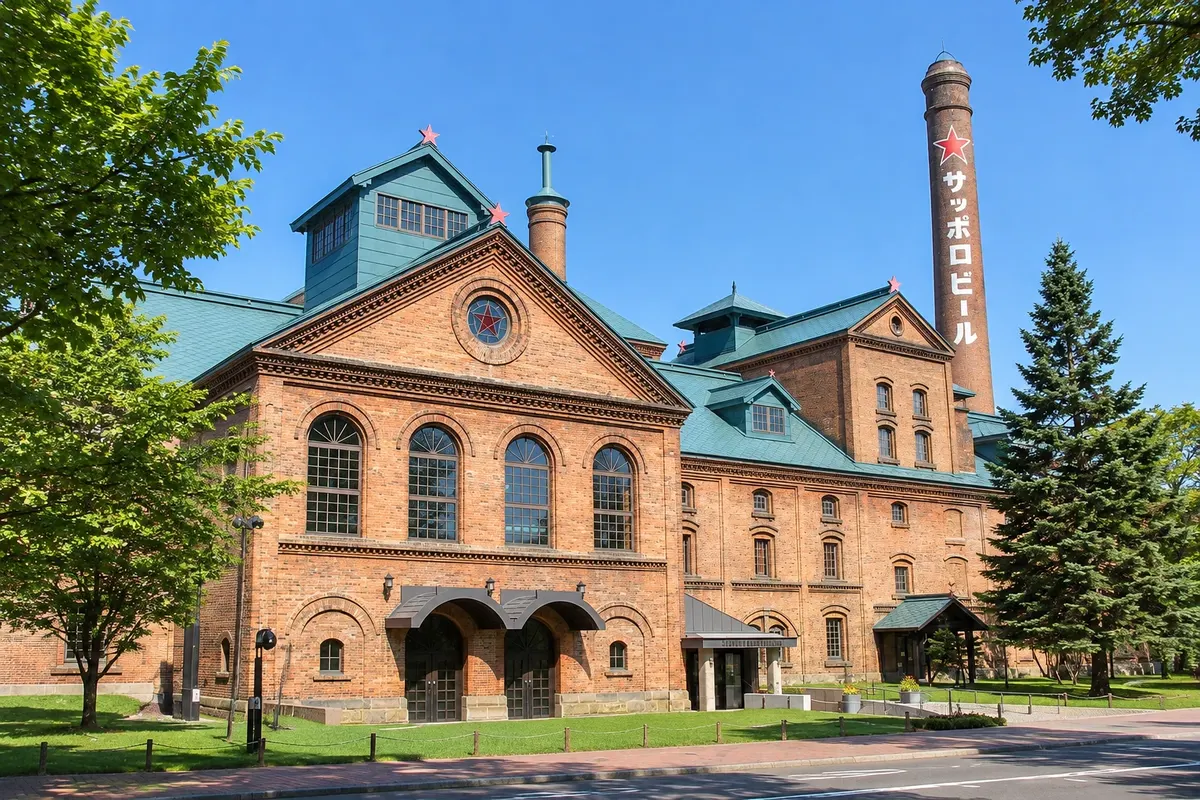
Museum of Hokkaido’s first brewery, in a red brick building from 1890 that was a sugar factory and a brewery. It tells the history of the drink in Japan since 1876 and has a tasting room.

Mount Moiwa
Sapporo · Hokkaido · Lookout

Mount Moiwa

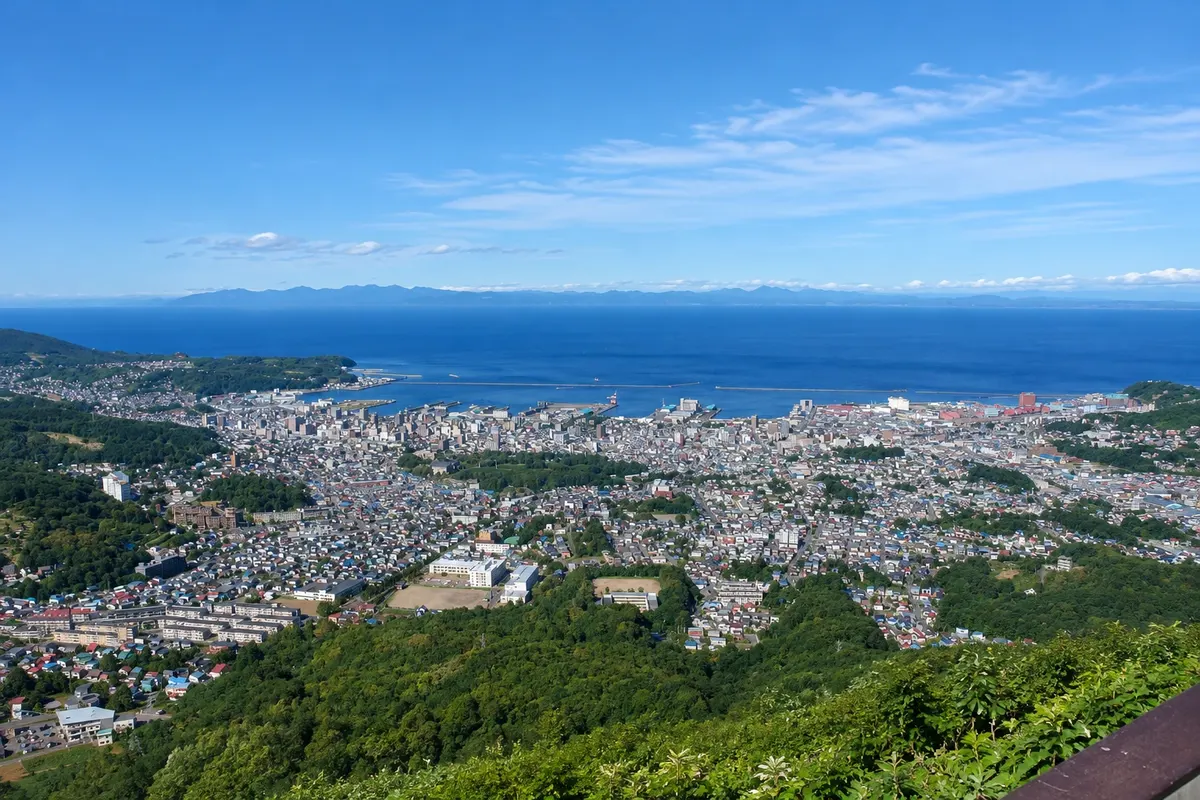
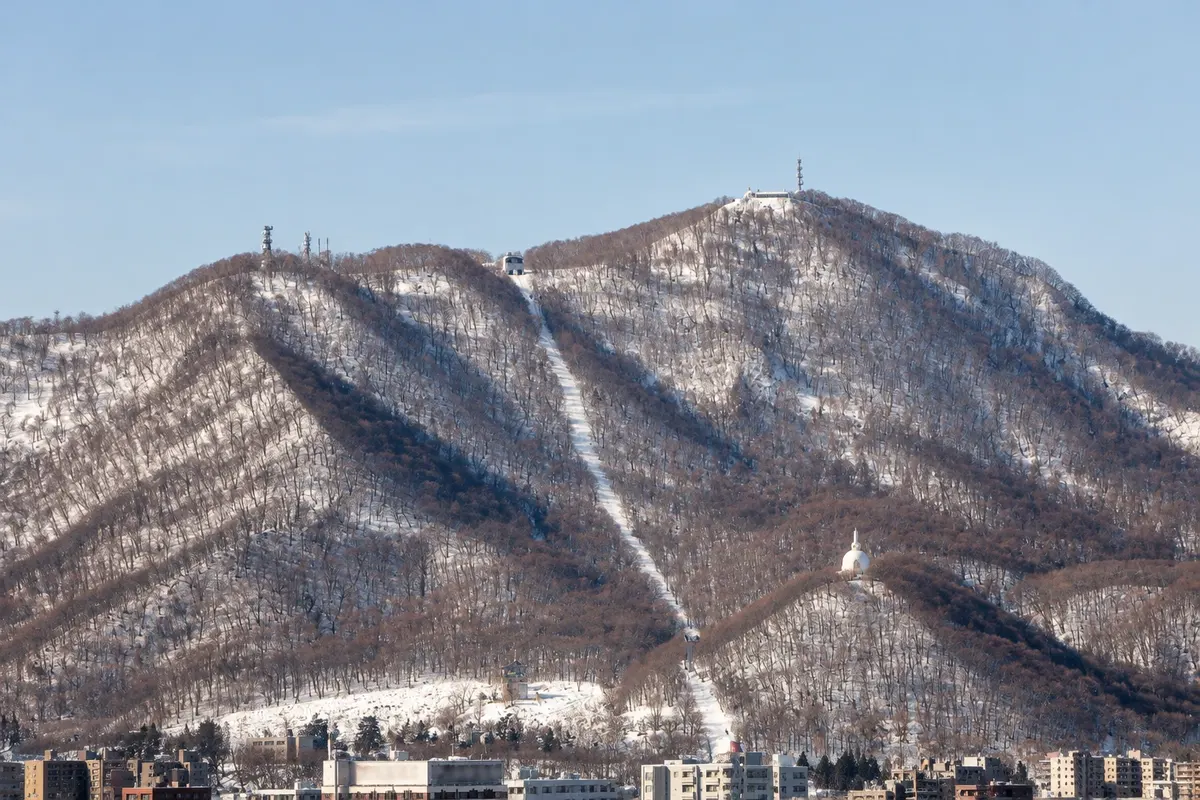
A 531-meter mountain southwest of Sapporo, with a ropeway and a small cable car to the summit observation deck. From there you can see the whole city, Ishikari Bay and the surrounding mountains.

Moerenuma Park
Sapporo · Hokkaido · Park.

Moerenuma Park

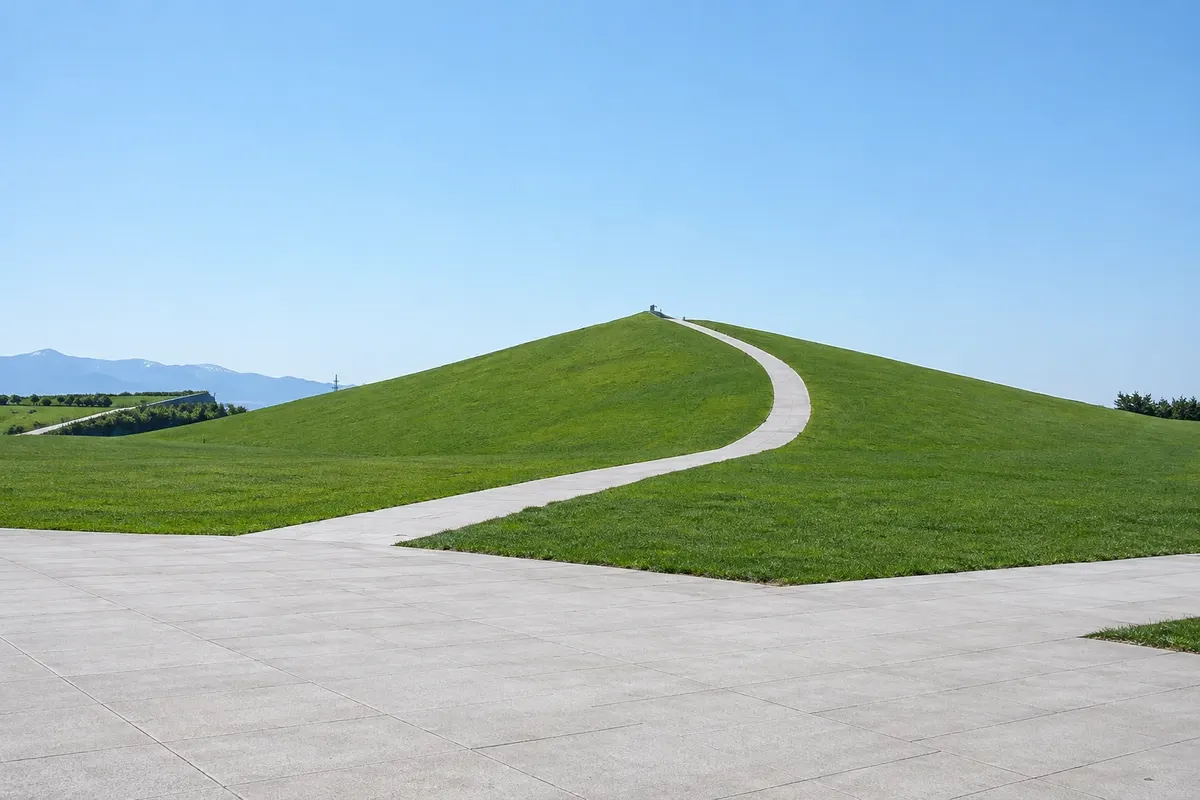
A park of about 190 hectares designed by sculptor Isamu Noguchi on a former garbage dump in northern Sapporo. It has a glass pyramid, artificial mounds, a large fountain and play areas.

Before you go

Practical information

A little planning leaves more time to enjoy the journey.

When to go

Winter, from December to March, brings snow and the Snow Festival, usually in early February. Summer, from June to August, is typically mild, without the rainy season found in much of the rest of Japan. September and October offer autumn foliage in the mountains and cool days. April and May are thaw season and cherry blossom time, with blooms occurring later than in the south of the country.

The seasons shown are the most usual ones; nature doesn't always follow the calendar.

How many days to stay

Three days allows a relaxed exploration of Sapporo and a full day in Otaru. With two days, do central Sapporo and Mount Moiwa on the first day and Otaru on the second. In winter, add a day for skiing or for the Jozankei hot springs in the outskirts.

Which city to stay in

In Sapporo, the area between Sapporo Station and Odori Park concentrates hotels, transport and shops, and makes access to the airport and Otaru easy by train. Susukino, south of the park, is the restaurant and nightlife district, with lodging of all kinds. In Otaru, staying near the canal or the station lets you walk the old center at night and early in the morning, before the arrival of tour groups.

Respect the place

Take your trash with you, follow the signs and support local businesses. In natural areas, follow the visiting guidelines.

Get your questions answered

Frequently asked questions about Sapporo and Otaru

How do I get from New Chitose Airport to central Sapporo?

The JR rapid train connects the airport to Sapporo Station in about 40 minutes, with frequent departures throughout the day. There are also buses to downtown and Susukino hotels, slower when there is snow. Check the last train schedule if your flight arrives at night.

Can I visit Otaru on a day trip from Sapporo?

Yes. The train takes 35 to 45 minutes and Otaru’s center is walkable from the station to the canal and Sakaimachi Street. One day is enough for the canal, the glassware shops and Mount Tengu. If you want to see the illuminated canal and dine at leisure, you can stay overnight.

When does the Sapporo Snow Festival take place?

Usually in the first half of February, with snow and ice sculptures in Odori Park and in Susukino. Dates change each year; check the official calendar and book accommodation in advance, because the city fills up.

Do I need a car in Sapporo and Otaru?

No. Sapporo has subway, streetcar and buses, and Otaru is walkable from the station. A car only helps if you plan to explore inland Hokkaido; in winter roads have snow and ice and require experience driving in those conditions.

What is Sapporo’s winter climate like?

Cold with heavy snowfall, generally from December to March, with temperatures often below zero for much of the day. Sidewalks become slippery: boots with non-slip soles help. The city has underground walkways between the station and Odori Park.

Explore other destinations Search by state and city

Beyond the guide