Beppu and Yufuin

Oita · Japan

Beppu and Yufuin

The city of steam and hot springs in eastern Kyushu, with the Kannawa “hells” and the sand bath, and the village of Yufuin at the foot of Mount Yufu.

Kyushu

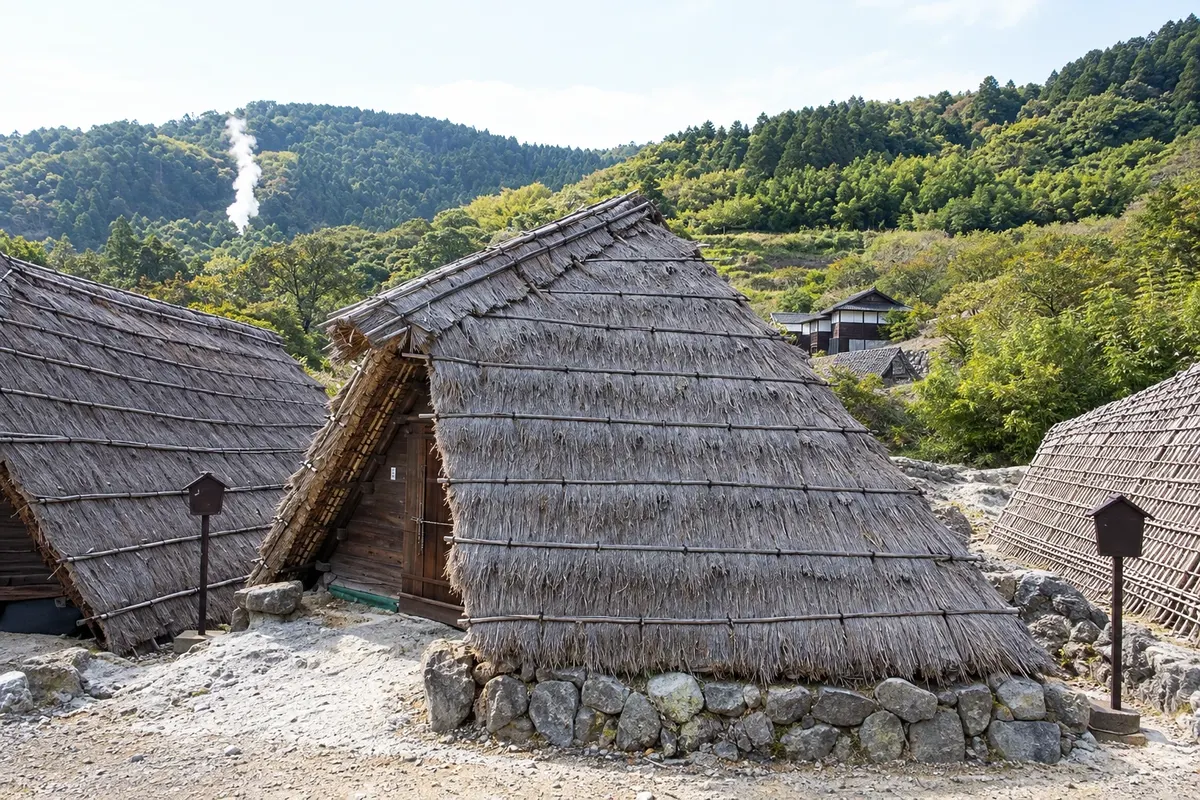
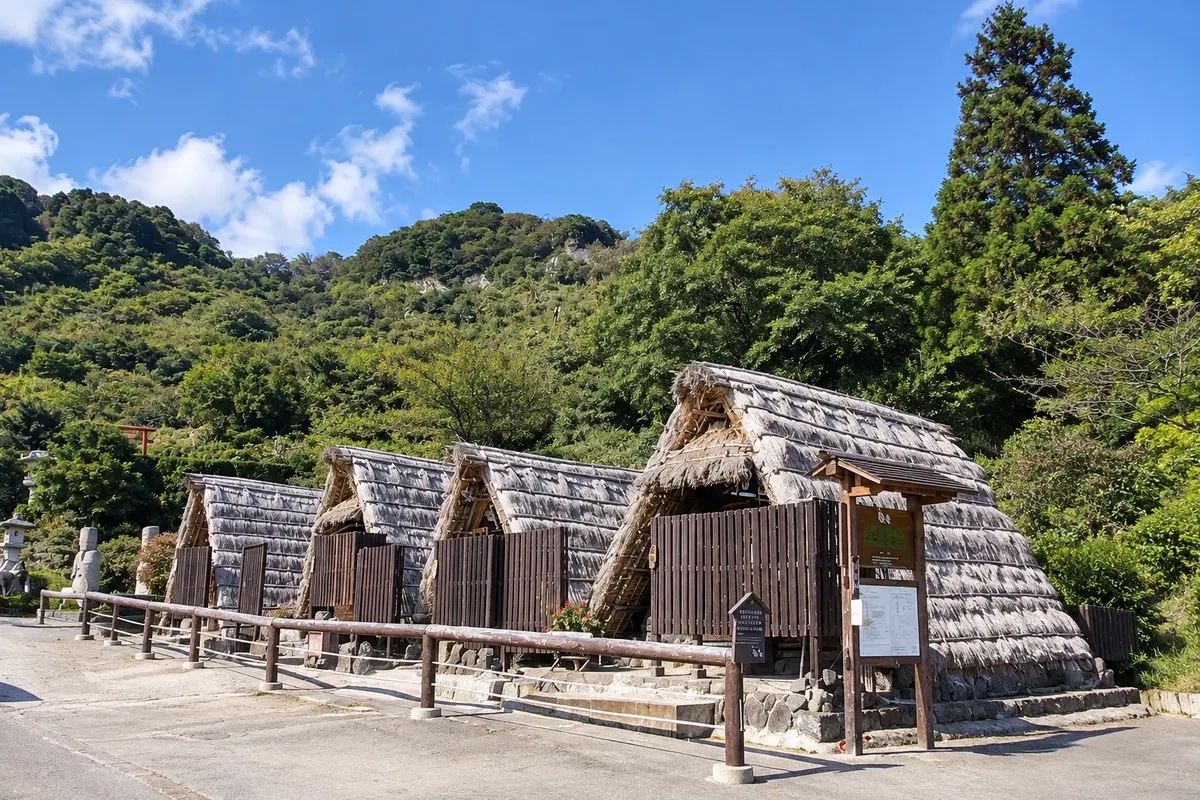
In the photo: Yunohana huts in Myoban, Beppu

Illustrative images. The pictures in this guide are illustrations based on the real place, not photographs, and may differ from it.

Get to know the place

A region to enjoy
at your own pace.

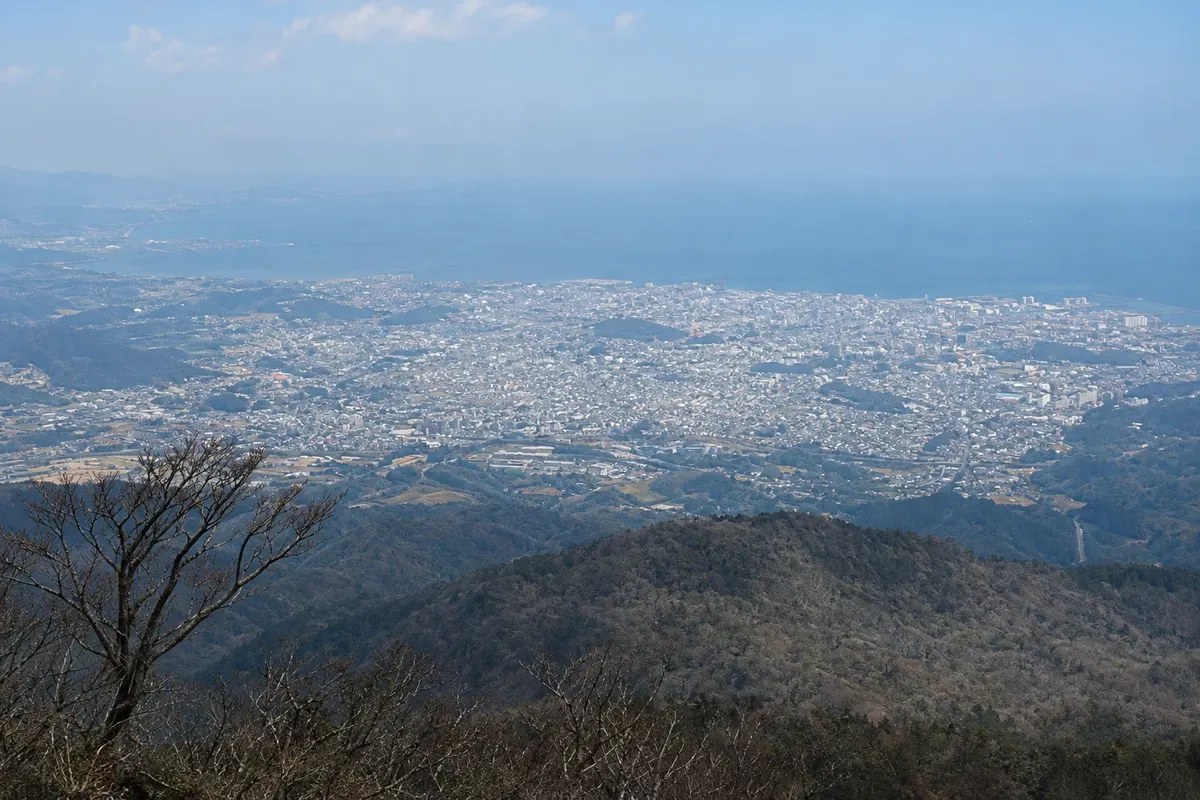
Beppu lies on the coast of Beppu Bay in Oita Prefecture, in eastern Kyushu. The city is known for the number of hot springs: there are thousands of sources, spread across eight bathing areas the Japanese call Beppu Hatto. In several neighborhoods steam comes out of manholes, backyards and stone chimneys, and hot water reaches public baths, inns and even kitchens, where food is cooked with steam.

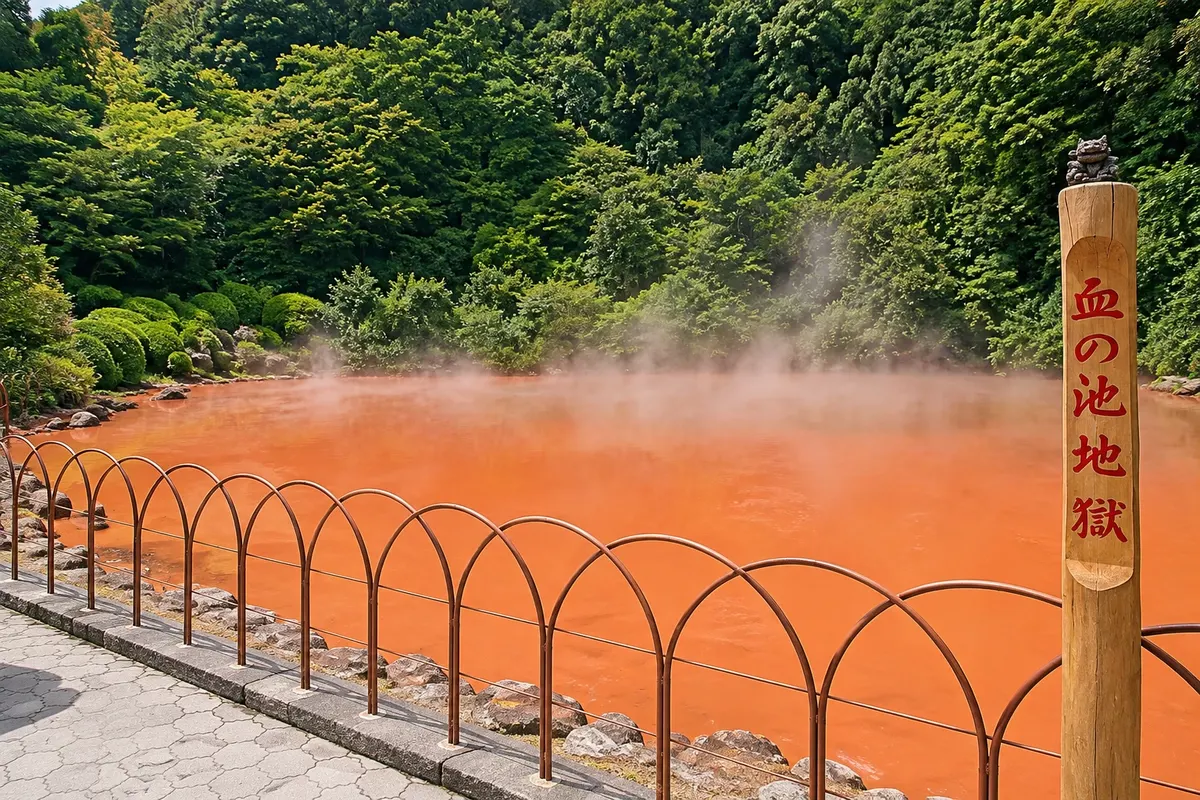
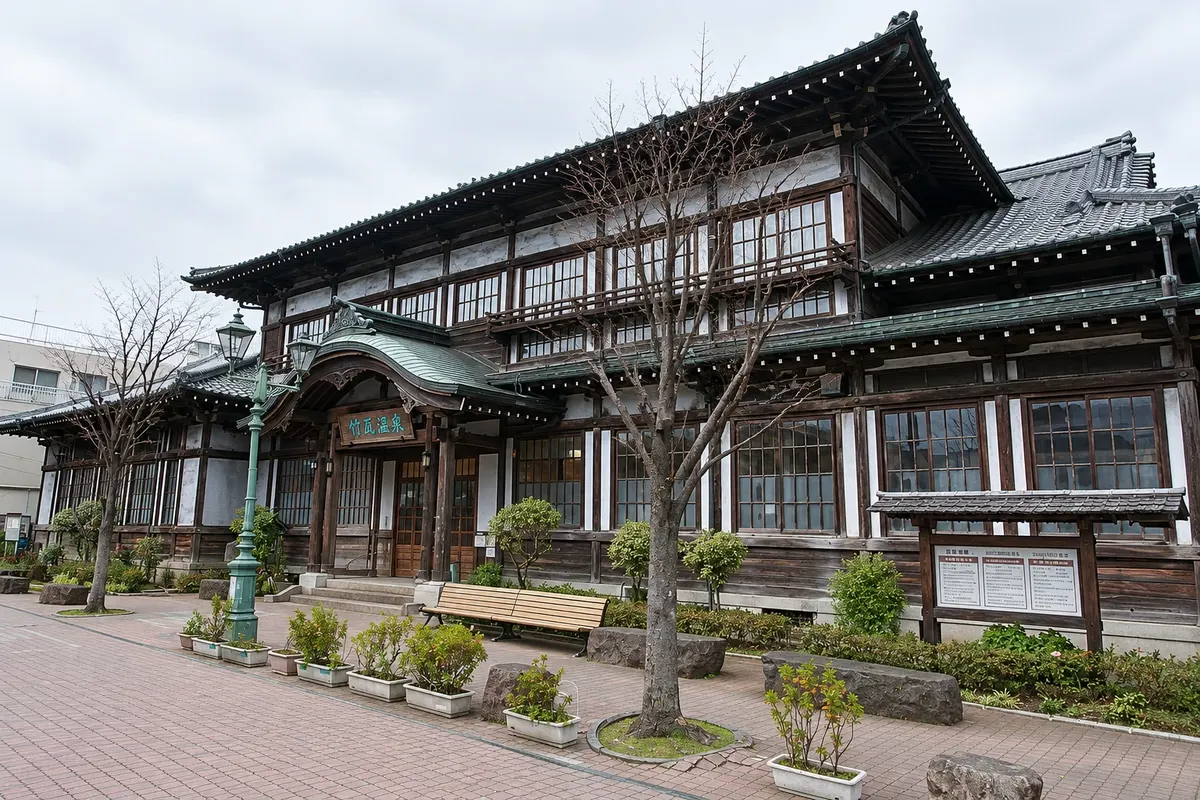
The most famous walk is the jigoku, the “hells”: pools of boiling water, bubbling mud and a geyser, which are not for bathing and are visited as scenery. They are in Kannawa and Shibaseki, north of downtown. Near the station are the old public baths, such as Takegawara, with its hot sand bath, and on the hillside is Myoban, with the thatched huts where the bath salt yunohana is produced.

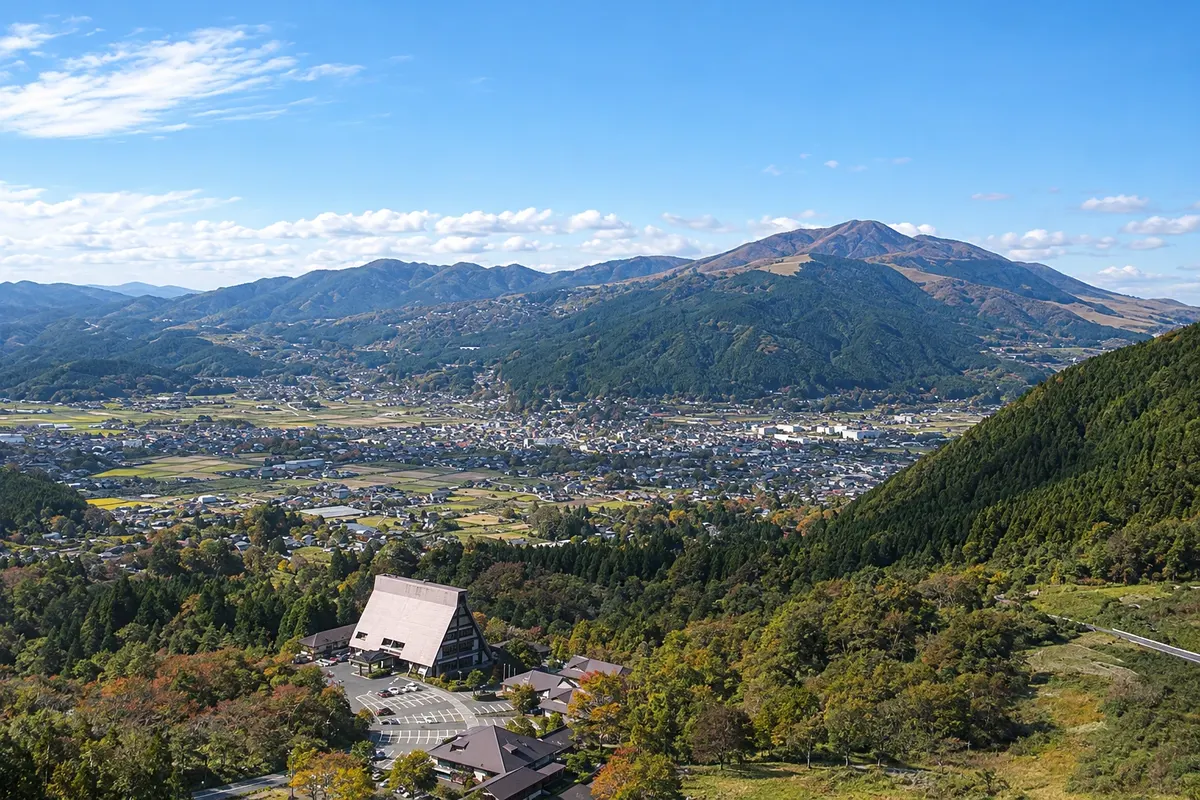
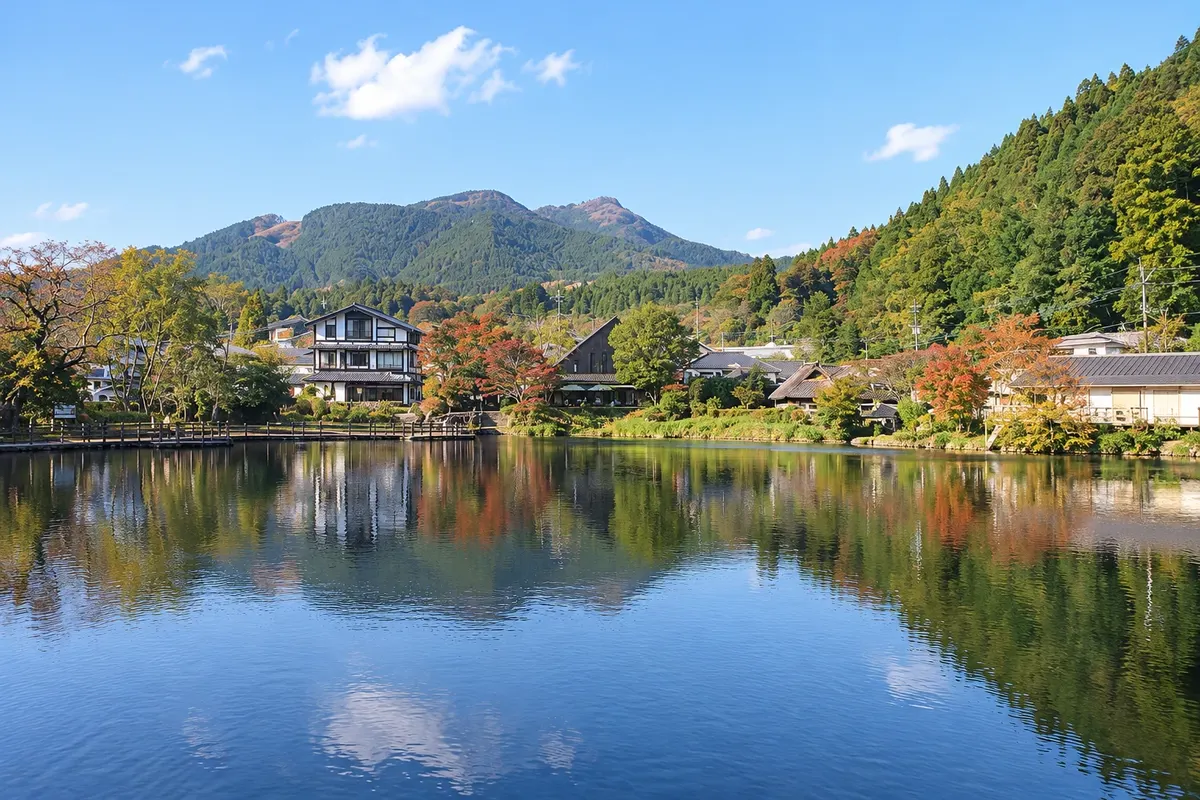
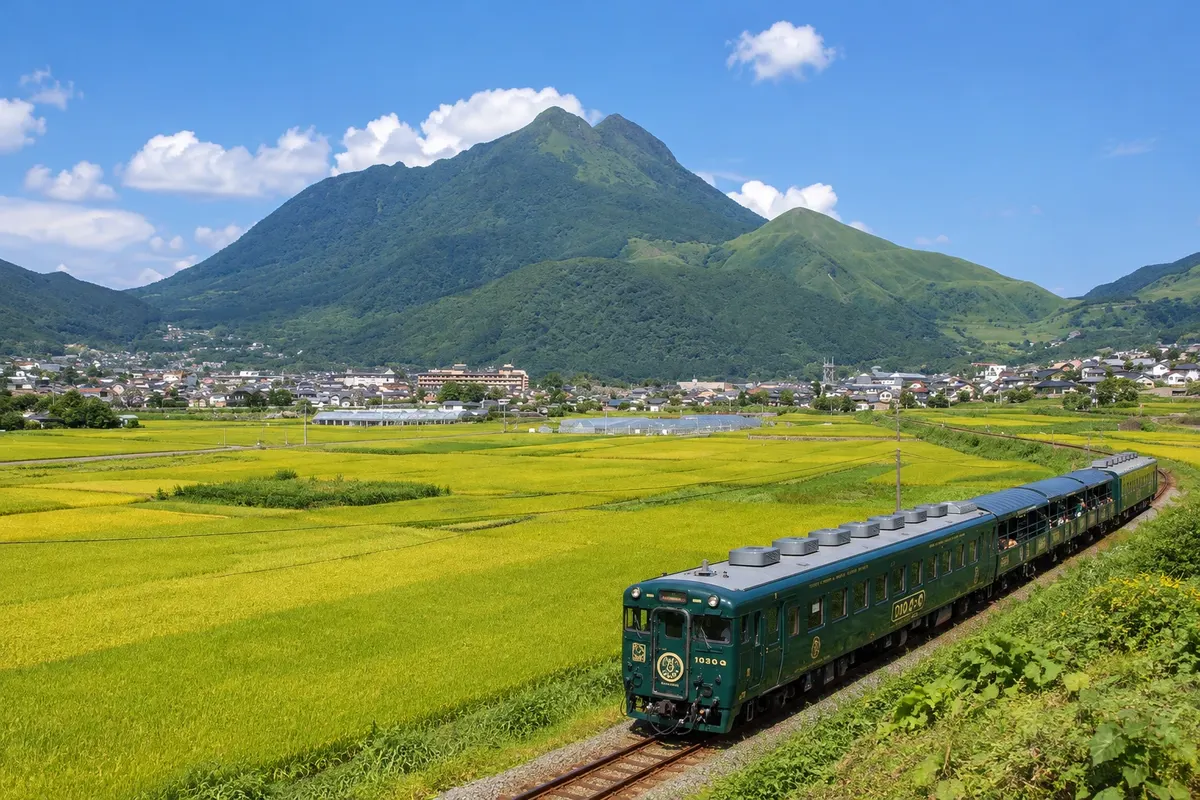
About 25 km inland, across the mountain range, Yufuin is a hot-spring village in a green basin beneath the twin peaks of Mount Yufu. It is quieter and more rural than Beppu, with ryokan scattered among rice fields, Yunotsubo Street full of shops and cafés, and Lake Kinrin, often shrouded in mist on cold mornings.

The two towns make a single trip of two or three days. Fukuoka is roughly two hours away by train, which makes Beppu and Yufuin a common extension for visitors to northern Kyushu. Travelers from Osaka or Kobe can also arrive by ship, on an overnight crossing of the Inland Sea.

This destination brings together 2 cities: Beppu, Yufu.

Share: WhatsApp
Traveler, share your experiences through photos Up to 5 photos of each place you visited.

One destination, many paths

The cities on this trip

Start with one city or combine several in your itinerary.

Where Beppu and Yufuin is
YufuBeppu

Dados cartográficos: © OpenStreetMap contributors, via Wambacher / geoBoundaries (ODbL 1.0). Adapted by Cidade Turismo.

How to get there: Beppu and Yufuin

✈ Aeroporto de Oita (OIT), in Kunisaki · 40 km to Beppu

Oita Airport is about 40 km from Beppu, with direct buses. From Fukuoka the express train takes about 2 hours to Beppu, and the Yufuin no Mori tourist train connects Hakata to Yufuin in just over 2 hours. Travelers coming by shinkansen get off at Kokura and continue by express train. There are overnight ships from Osaka and Kobe to Beppu port.

Suggested arrival point: Beppu

The local experience

Things to do in Beppu and Yufuin

Beppu Jigoku (Hells of Beppu)
Beppu · Oita · Geothermal phenomenon

Beppu Jigoku (Hells of Beppu)

Seven hot springs visited as scenery: the cobalt blue of Umi Jigoku, the mud of Oniishibozu, the red of Chinoike and the geyser Tatsumaki, in Kannawa and Shibaseki.

Lake Kinrin
Yufu · Oita · Lake

Lake Kinrin

Small lake at the end of Yunotsubo Street, fed by cold springs and hot springs, known for the mist that often rises from the water on cold autumn and winter mornings.

Mount Yufu
Yufu · Oita · Mountain.

Mount Yufu

A two-peaked volcano at 1,583 meters that dominates the Yufuin basin; a trail climbs through grasslands to the summit, with views toward Beppu and the bay.

Takegawara Onsen
Beppu · Oita · Bathhouse

Takegawara Onsen

A public bathhouse near Beppu Station, in a wooden building with a curved roof, famous for its hot sand bath, which is done wearing a yukata and with attendants covering you in sand.

See 1 more place in Beppu and Yufuin
Myoban Onsen
Beppu · Oita · Hot-spring village

Myoban Onsen

A thermal area on the slope above Kannawa with straw huts where yunohana crystallizes, milky waters and views over Beppu Bay.

Before you go

Practical information

A little planning leaves more time to enjoy the journey.

When to go

Autumn, from October to November, and spring, from March to May, usually have mild days for walking between the hells and the baths. In winter, from December to February, it is dry and cold and the steam becomes more visible. June and July bring the rainy season; summer is humid, and typhoons are most likely from August to October.

The seasons shown are the most usual ones; nature doesn't always follow the calendar.

How many days to stay

Two days allow one full day in Beppu, covering the hells, Takegawara and Myoban, and another day in Yufuin, with Lake Kinrin and Yunotsubo Street. With three days you can spend a night in each town at a ryokan with a bath, and climb Mount Yufu or Mount Tsurumi.

Which city to stay in

In Beppu, the station and waterfront area have larger hotels and are close to the central baths; Kannawa has traditional inns near the hells, some with steam baths; Myoban, on the hill, overlooks the bay. In Yufuin, ryokan are spread across the basin, many with outdoor baths and views of Mount Yufu; the area between the station and Lake Kinrin concentrates options within walking distance.

Respect the place

Take your trash with you, follow the signs and support local businesses. In natural areas, follow the visiting guidelines.

Get your questions answered

Frequently asked questions about Beppu and Yufuin

Is it better to sleep in Beppu or in Yufuin?

It depends on what you’re looking for. Beppu is a city, with more lodging, transport and public baths. Yufuin is a quiet rural village, with ryokan among rice fields and views of Mount Yufu. Many people spend one night in each.

How long does it take from Beppu to Yufuin?

The local bus travels the mountain road in about an hour, and the train, with a transfer in Oita, takes a little longer. By car it’s about 25 km on a mountain road.

Can you visit Beppu as a day trip from Fukuoka?

Yes, with about 2 hours by train each way, but little time remains for bathing. Staying one night at a ryokan with hot springs is part of the experience, and ideally you should sleep at least once in Beppu or Yufuin.

Do I need a car in Beppu and Yufuin?

No. Beppu’s city buses connect the station with Kannawa, Shibaseki and Myoban, and Yufuin can be explored on foot from the station. A car is useful only if you want to combine the two places via the Yamanami Road on the way to Aso.

How do public baths work?

You bathe nude, separated by sex, after washing while seated at the shower stations. Small towels do not go into the water. Bring soap and a towel, because not all older baths provide them. Some baths and inns refuse people with tattoos; check in advance.

Do Beppu, Aso and Kumamoto fit on the same trip?

Yes. The Yamanami Road links Yufuin to the Aso region across grassy fields, and there are long-distance buses between Beppu, Aso and Kumamoto. It’s one of the most common ways to cross Kyushu from east to west.

Explore other destinations Search by state and city

Beyond the guide