Hiraizumi

Iwate · Japan

Hiraizumi

The former capital of the Northern Fujiwara in southern Iwate, home to the gilded Konjikido of Chuson-ji and the Pure Land garden of Motsu-ji, UNESCO World Heritage sites.

Tohoku

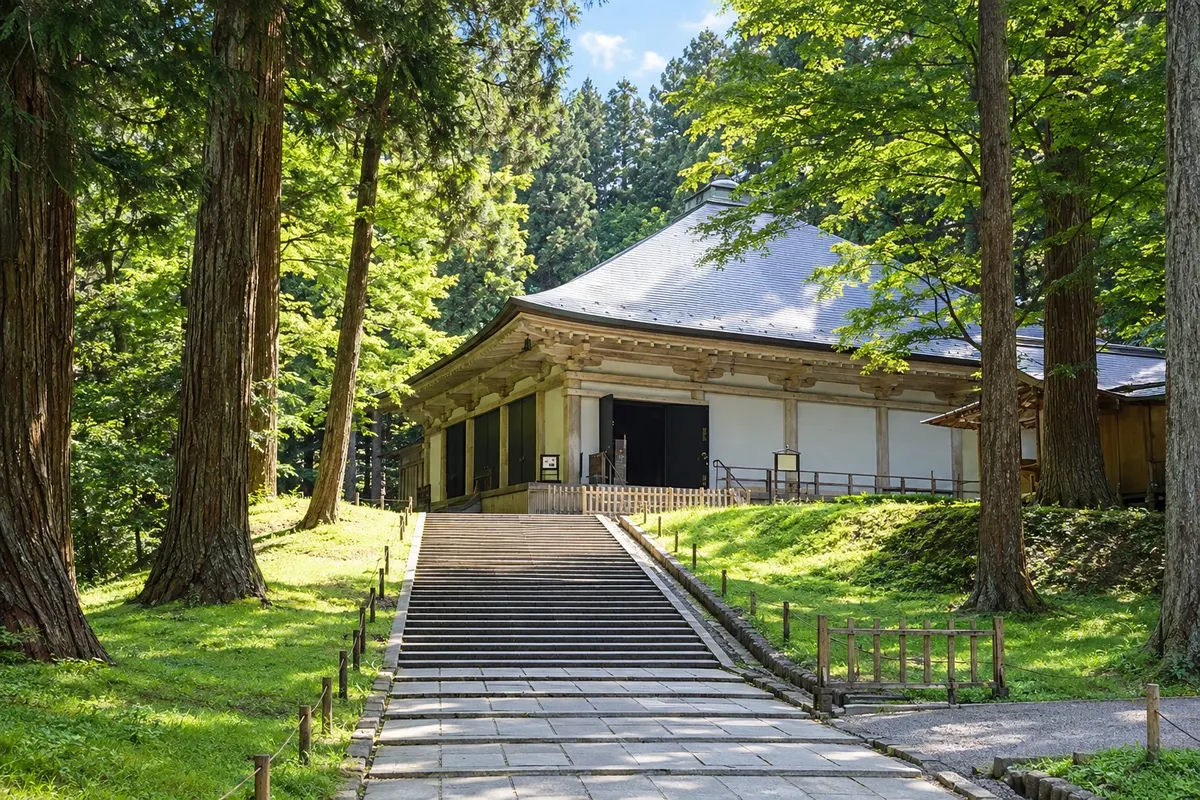
In the photo: Cedar-lined path at Chuson-ji, in Hiraizumi.

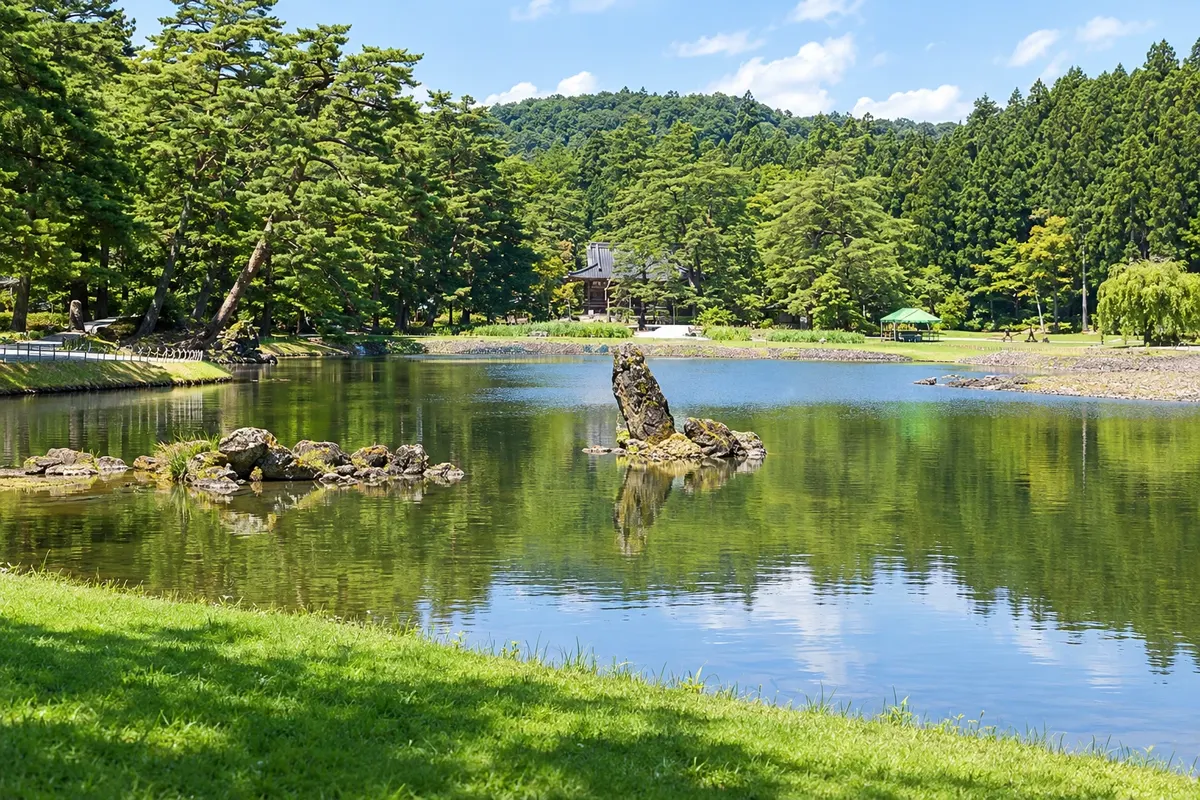
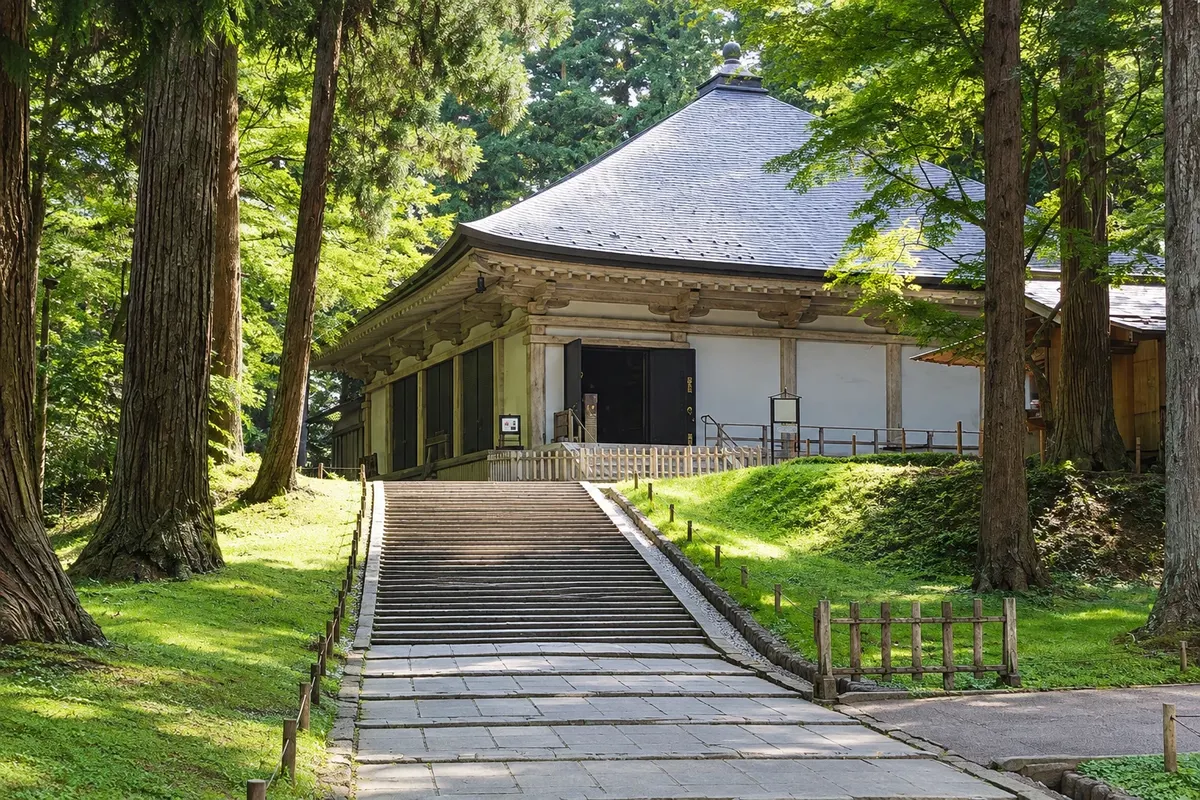
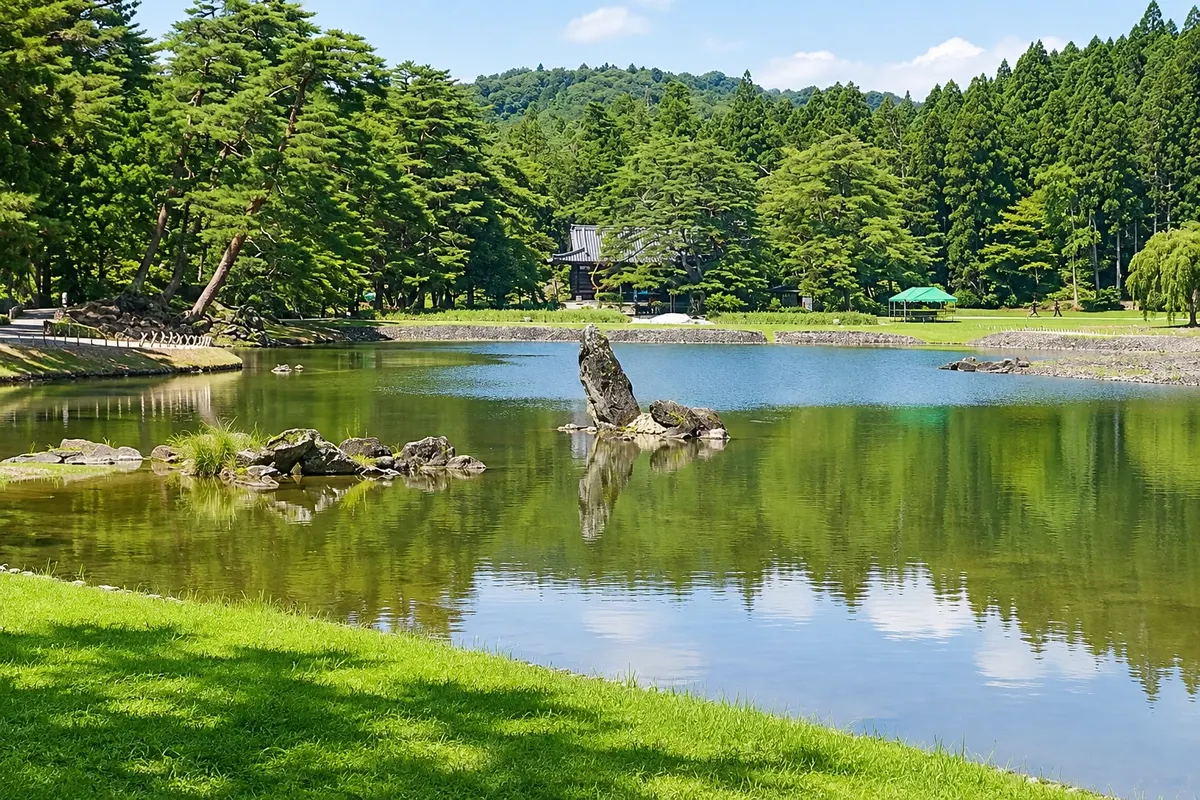
Illustrative images. The pictures in this guide are illustrations based on the real place, not photographs, and may differ from it.

Get to know the place

A region to enjoy
at your own pace.

Hiraizumi is a small town in southern Iwate Prefecture, beside the Kitakami River. In the 12th century it was the capital of the Northern Fujiwara, a family that ruled northern Honshu for almost a century and grew rich from the region’s gold and horses. The family’s four lords filled the town with temples and gardens inspired by the Pure Land, the Buddhist paradise, at a time when the rest of the country was at war.

In 1189 the Fujiwara’s power ended with the invasion of Minamoto no Yoritomo, after the family sheltered and handed over his brother, the warrior Minamoto no Yoshitsune. Most of the town disappeared, but the Konjikido—a small hall completely covered in gold inside Chuson-ji—and the lake and stones of Motsu-ji’s garden remain. In 2011 the group of temples, gardens and archaeological sites was inscribed on the UNESCO World Heritage list.

Five hundred years after the fall, in 1689, the poet Matsuo Basho climbed Takadachi Hill, where Yoshitsune died, and wrote there one of Japan’s best-known haiku, about the summer grass that covers warriors’ dreams. Today’s town is peaceful, with rice fields, the temple hill and a circular bus that links the main sites.

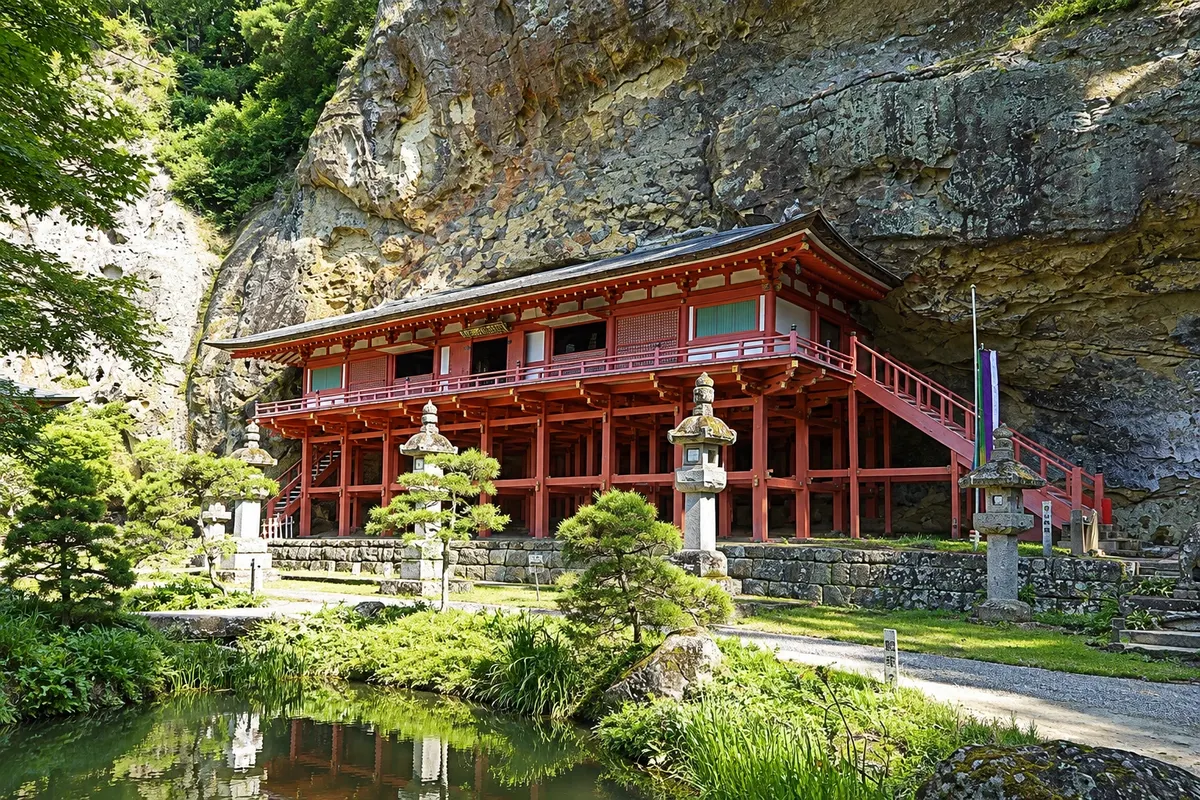
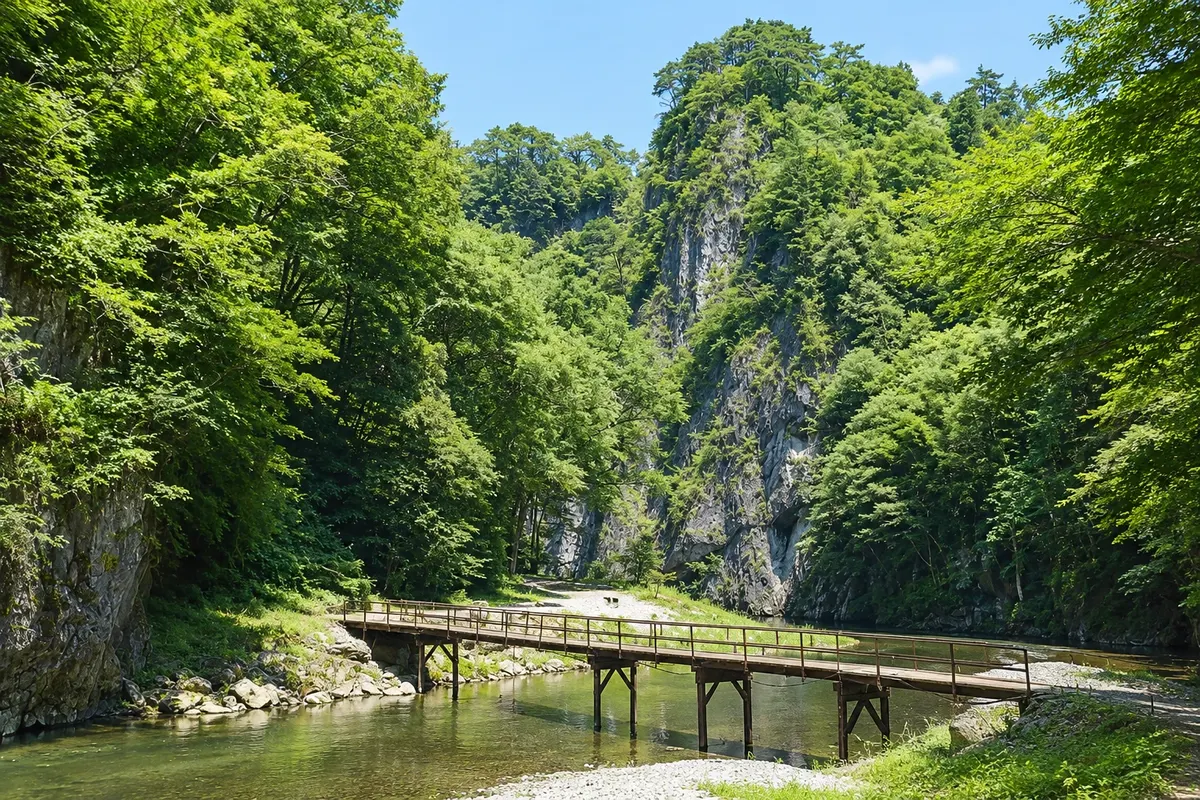
Nearby are the Takkoku no Iwaya shrine, set into a rock face, and the Geibikei gorge, explored by flat-bottom boat. Hiraizumi can be visited in a day from Sendai or Morioka, or with an overnight in Ichinoseki, the shinkansen station.

This destination brings together 1 city: Hiraizumi.

Share: WhatsApp
Traveler, share your experiences through photos Up to 5 photos of each place you visited.

One destination, many paths

The cities on this trip

Start with one city or combine several in your itinerary.

Where Hiraizumi is
Hiraizumi

Dados cartográficos: © OpenStreetMap contributors, via Wambacher / geoBoundaries (ODbL 1.0). Adapted by Cidade Turismo.

How to get there: Hiraizumi

✈ Aeroporto de Hanamaki (HNA), in Hanamaki · 57 km to Hiraizumi

The Tohoku shinkansen takes just over 2 hours from Tokyo to Ichinoseki; about 30 minutes from Sendai. From Ichinoseki the local line reaches Hiraizumi in about 8 minutes. Hanamaki Airport is the nearest airport, around 50 km away.

The local experience

Things to do in Hiraizumi

Chuson-ji
Hiraizumi · Iwate · Temple

Chuson-ji

The great temple of the Northern Fujiwara, on a cedar-covered hill, with the Konjikido, a 1124 hall entirely covered in gold, and the Sankozo museum with 12th-century treasures. UNESCO World Heritage.

Motsu-ji
Hiraizumi · Iwate · Garden

Motsu-ji

Temple with a 12th-century Pure Land garden around the Oizumi-ga-ike pond, with stones and the foundations of the Fujiwara halls. UNESCO World Heritage, near Hiraizumi Station.

Takkoku no Iwaya Bishamondō
Hiraizumi · Iwate · Temple

Takkoku no Iwaya Bishamondō

A Buddhist hall dedicated to Bishamon, built into a rock face in a valley south of Hiraizumi, with the face of a Buddha carved high on the stone.

Geibikei Gorge
Hiraizumi · Iwate · Gorge

Geibikei Gorge

A gorge on the Satetsu River with limestone cliffs up to about 100 meters high, traveled in flat-bottomed boats pushed with poles by boatmen who sing the local song.

Before you go

Practical information

A little planning leaves more time to enjoy the journey.

When to go

April to November. May brings Chuson-ji’s spring festival and the Gokusui no En, the poetry-at-the-lake celebration at Motsu-ji. June and July feature Motsu-ji’s irises; summers are hot and humid. The foliage usually arrives in late October and early November. Winter, from December to March, is cold, with snow on the temples.

The seasons shown are the most usual ones; nature doesn't always follow the calendar.

How many days to stay

A full day covers Chuson-ji, including the Konjikido, and Motsu-ji. With a second day you can add Takkoku no Iwaya and the Geibikei gorge boat, which is about a half hour by train from Ichinoseki.

Which city to stay in

Hiraizumi has a few guesthouses and some inns near the station and the temples. Most visitors sleep in Ichinoseki, 8 minutes by train, where hotels cluster around the shinkansen station, or make a day trip from Sendai or Morioka. For hot-spring stays, the Geto and Itsukushi area lies west of Ichinoseki.

Respect the place

Take your trash with you, follow the signs and support local businesses. In natural areas, follow the visiting guidelines.

Get your questions answered

Frequently asked questions about Hiraizumi

Can you visit Hiraizumi on a day trip from Sendai?

Yes. The shinkansen takes about 30 minutes from Sendai to Ichinoseki, and the local line reaches Hiraizumi in another 8 minutes. One day is enough for Chuson-ji and Motsu-ji without rushing.

How many days should you stay in Hiraizumi?

One day for the main temples. With two days you can include Takkoku no Iwaya and the Geibikei gorge boat in the surroundings.

Do I need a car in Hiraizumi?

No. The Runrun circular bus serves the temples from the station, and there are rental bicycles next to it. Takkoku no Iwaya is about 6 km and can be reached by bicycle, taxi or bus.

Why is Hiraizumi a UNESCO World Heritage site?

The 12th-century temples, gardens and archaeological sites show how Pure Land Buddhism shaped the layout of an entire town. Chuson-ji, Motsu-ji, the ruins of Kanjizaio-in and Muryoko-in, and Mount Kinkeizan form the ensemble inscribed in 2011.

What is the best time to visit Hiraizumi?

April to November are the most pleasant months; the Chuson-ji hill usually turns red around late October to early November. May has the spring festivals; winter is cold and beautiful with snow, but the days are short.

Explore other destinations Search by state and city

Beyond the guide