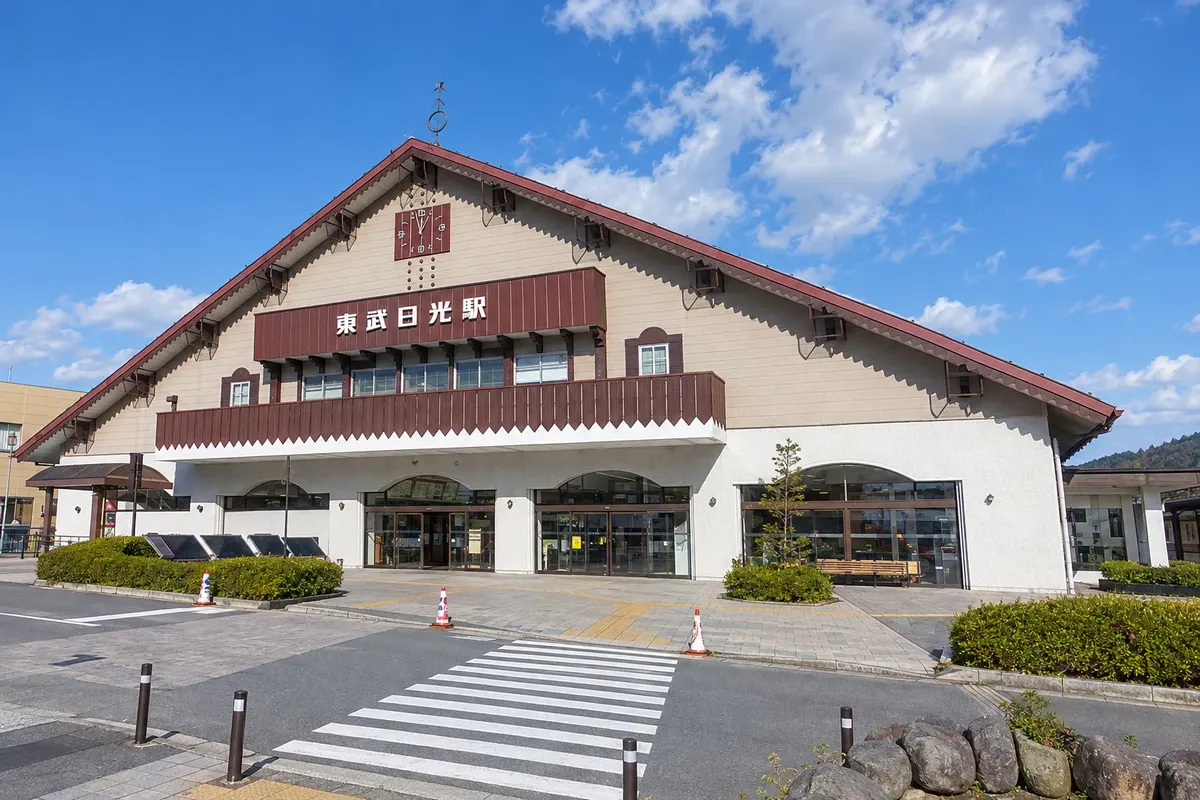
Nikko is in the northwest of Tochigi Prefecture, at the foot of the mountains, about 140 km north of Tokyo. Since the 8th century it has been a center for mountain worship, begun by the monk Shodo, who founded the first temples there. In the 17th century, the Tokugawa shogunate chose Nikko for the mausoleum of Tokugawa Ieyasu, founder of the dynasty, and the town became a pilgrimage destination.
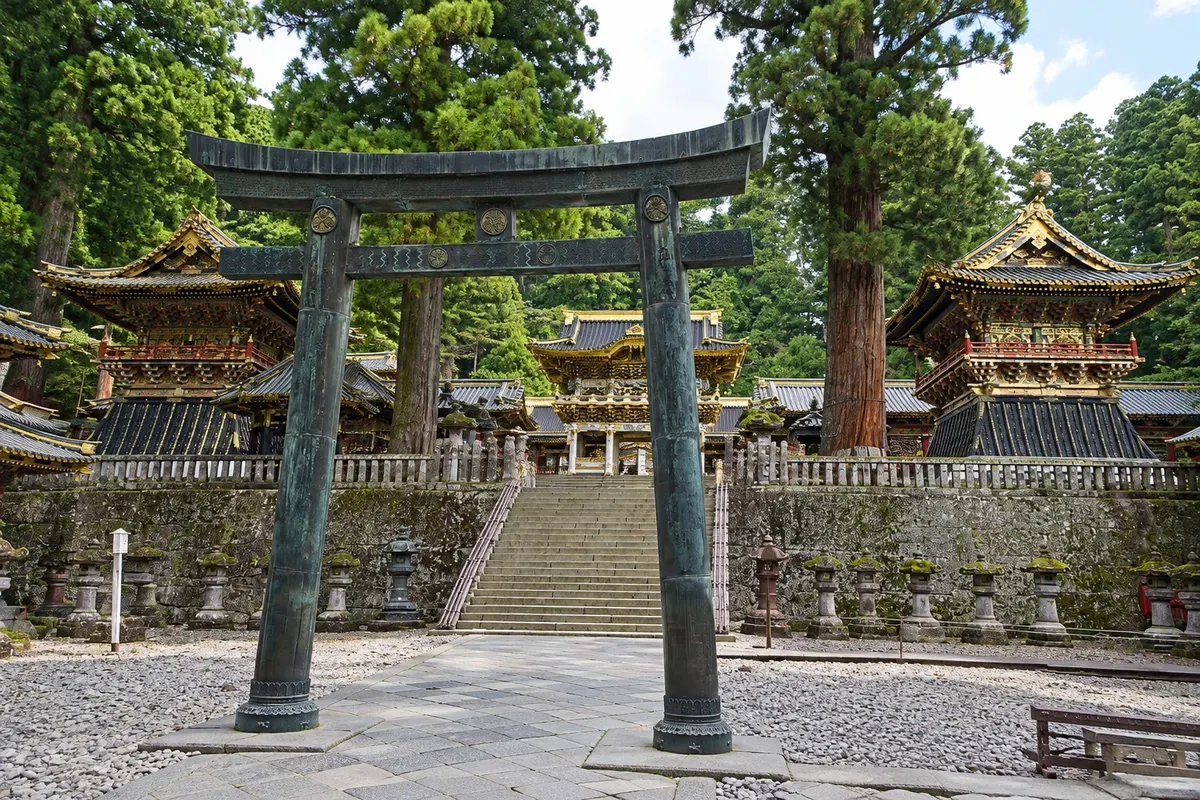
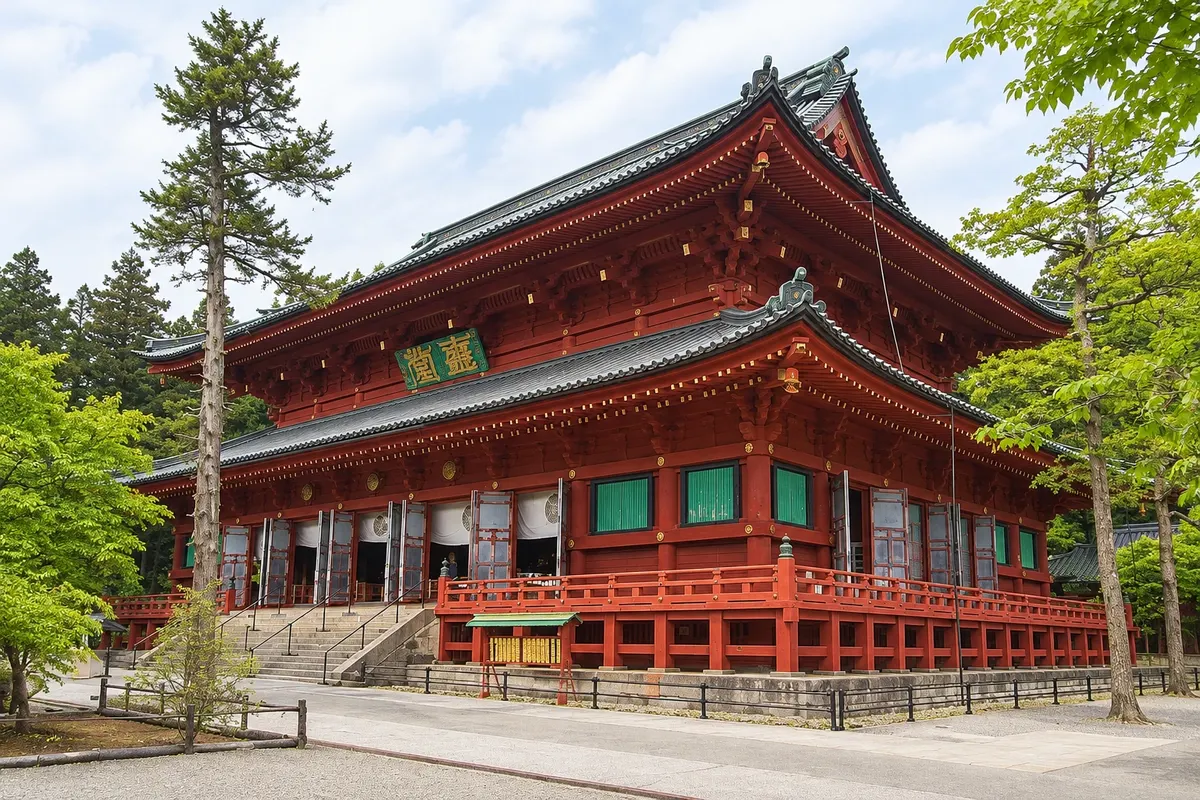
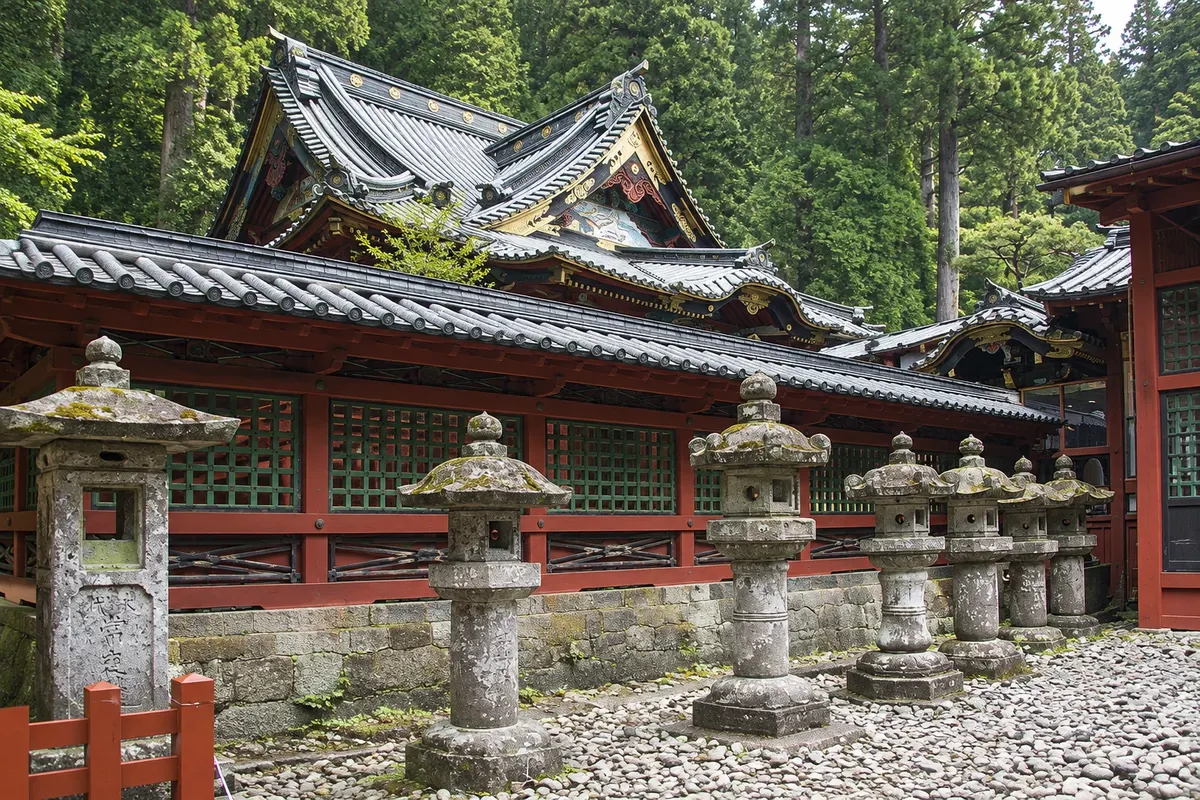
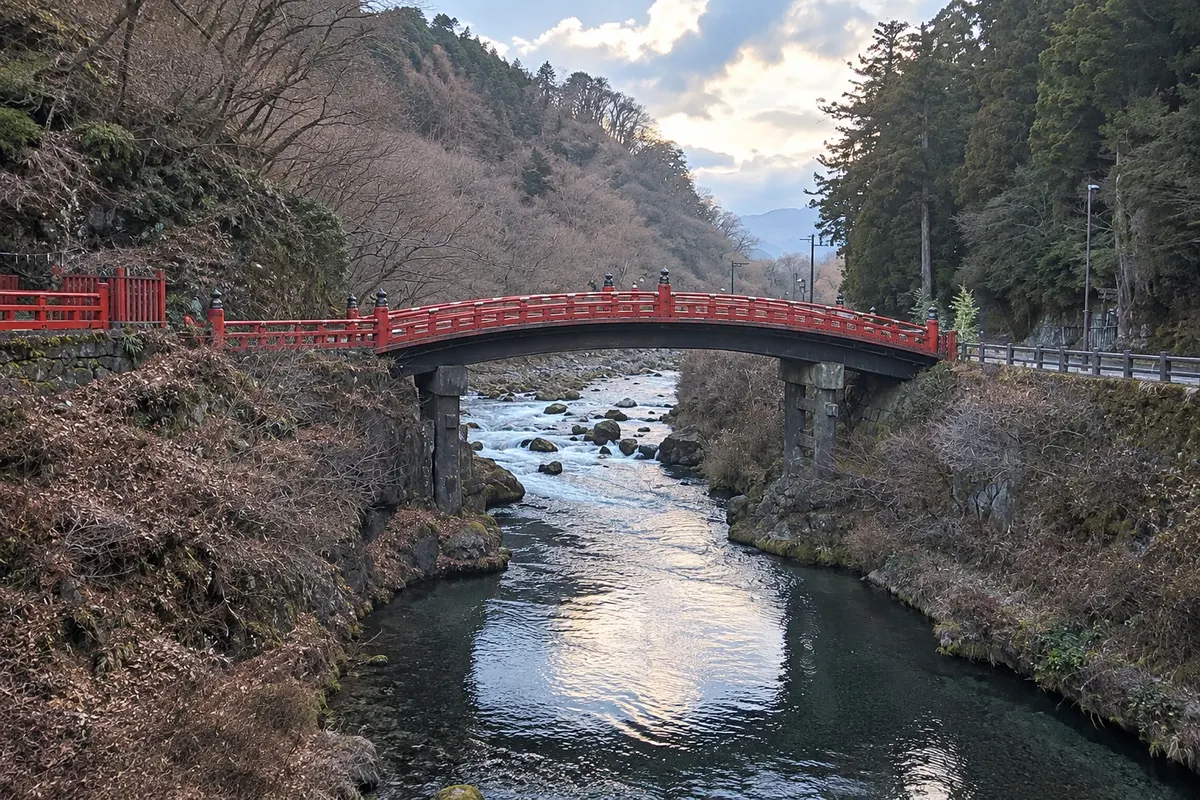
The Shrines and Temples of Nikko, a UNESCO World Heritage Site, occupy a cedar-covered slope across the Daiya River. They include Toshogu, with its carved and painted gates, the Rinno-ji temple, the Taiyuin mausoleum and the Futarasan Shrine. The red Shinkyo Bridge marks the entrance to the sacred area, and Nikko’s avenue of cedars, planted in the 17th century, lines the roads that lead into town.
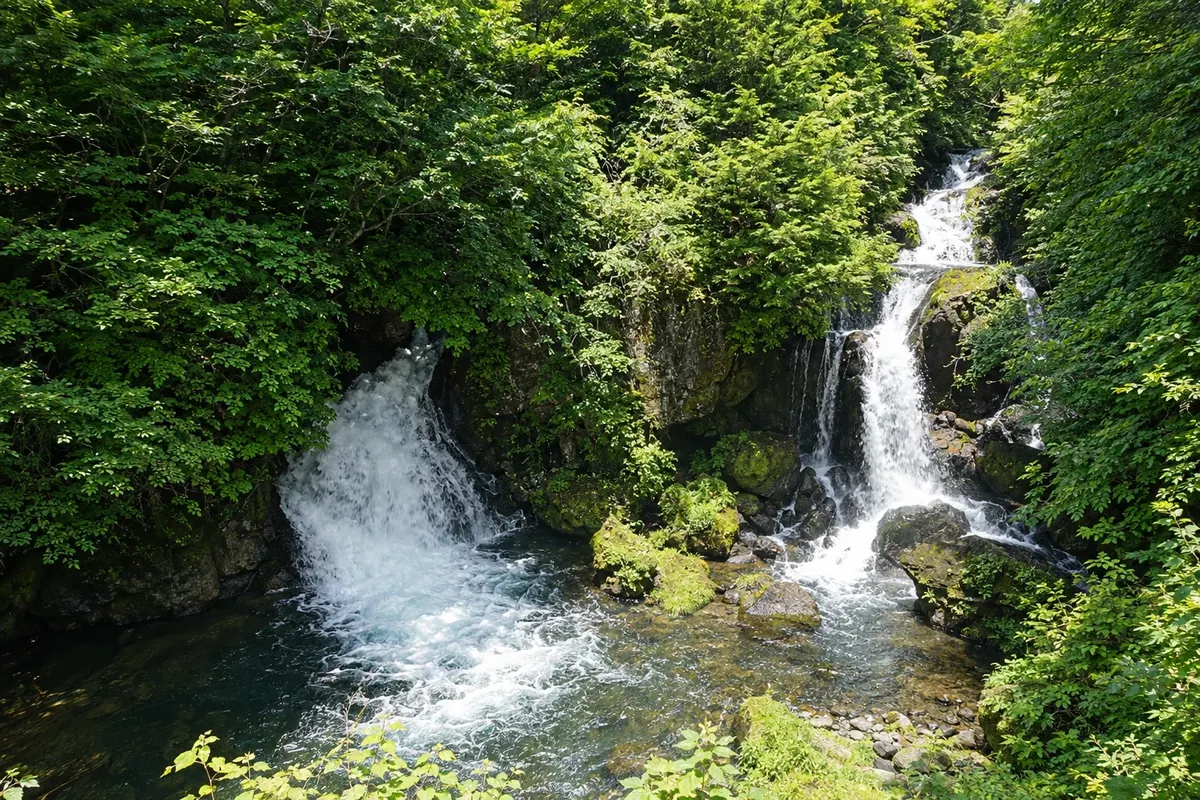
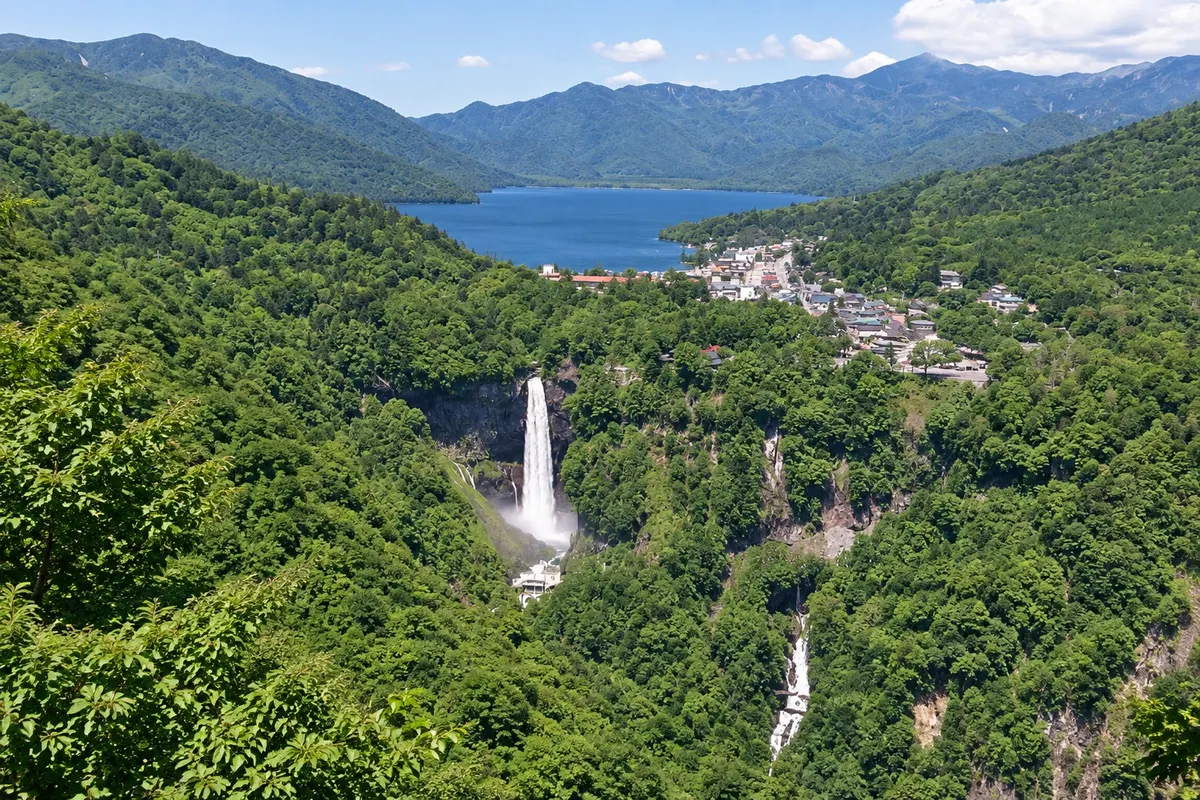
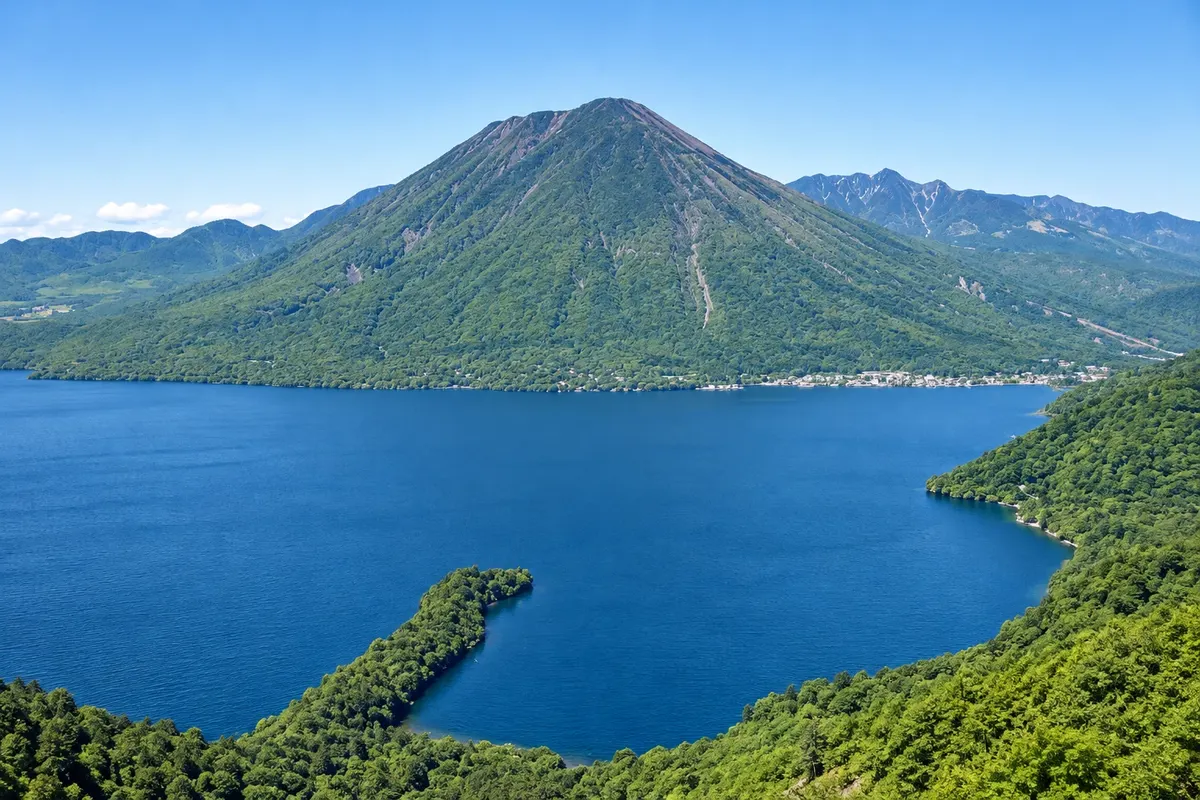
Climbing the winding Irohazaka Road, at about 1,270 meters elevation, is Lake Chuzenji, at the foot of Mount Nantai. At the lake’s outlet, Kegon Falls drops around 97 meters into a rocky valley. The area is part of Nikko National Park, with trails across the high-altitude Senjogahara marsh and the hot-spring village of Yumoto.
The town is known for yuba, the film that forms on the surface of heated soy milk, served in many ways at restaurants, and for bean sweets. In autumn, the slopes and the lake take on fall colors, which move down from the highlands to the town during October and November.
This destination brings together 1 city: Nikko.


 Brazil
 Antarctica
 Argentina
 Bolivia
 Chile
 Colombia
 Ecuador
 Guyana
 French Guiana
 Falkland Islands (Malvinas)
 Paraguay
 Peru
 Suriname
 Uruguay
 Venezuela
 Germany
 Austria
 Belgium
 Croatia
 Denmark
 Slovakia
 Slovenia
 Spain
 Finland
 France
 Greece
 the Netherlands
 Hungary
 Ireland
 Iceland
 Italy
 Luxembourg
 Norway
 Poland
 Portugal
 the United Kingdom
 the Czech Republic
 Sweden
 Switzerland
 Turkey
 Bermuda
 Canada
 the United States
 Greenland
 Mexico
 Saint Pierre and Miquelon
 the Dominican Republic
 South Africa
 Egypt
 Australia
 Fiji
 New Zealand
 Papua New Guinea