Dish · Kochi
Katsuo no tataki
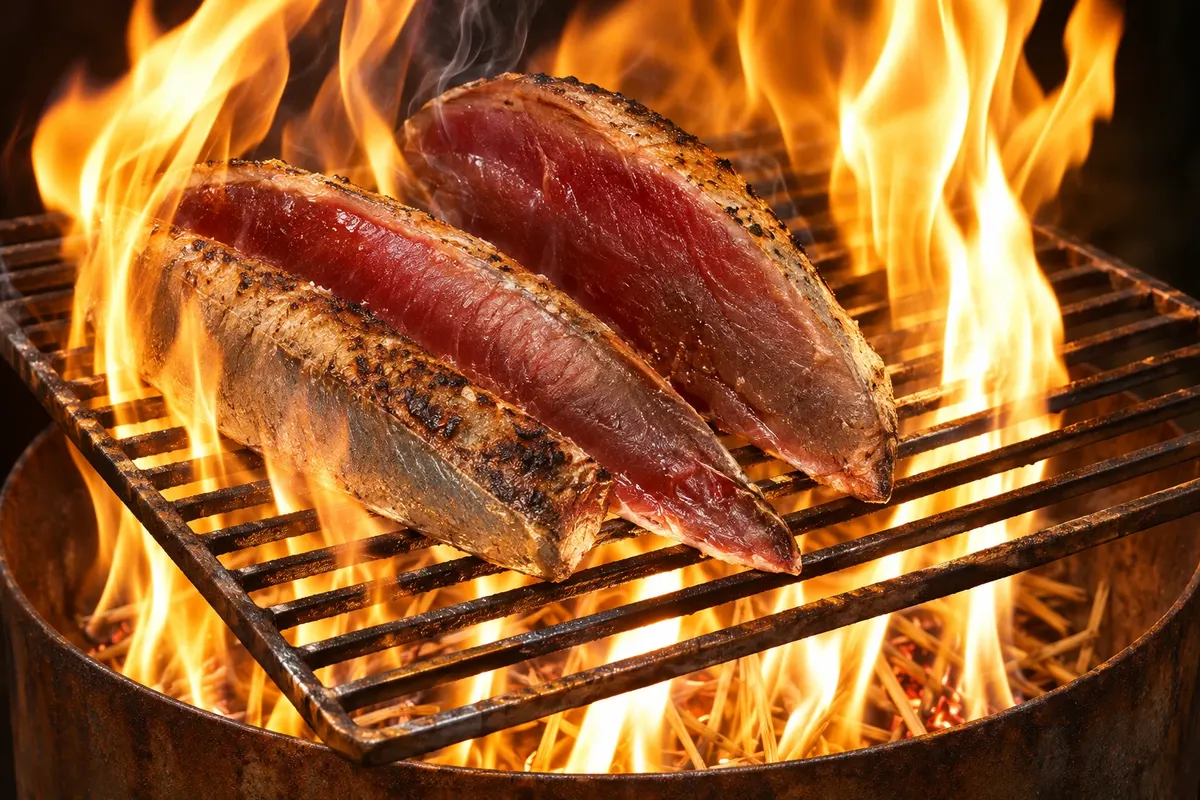
Bonito quickly seared over a high flame, often using straw, browned on the outside and raw inside, cut into thick slices and served with salt or a citrus soy sauce, garlic and scallion. Dish from Kōchi.

 Search
 Brazil
 Antarctica
 Argentina
 Bolivia
 Chile
 Colombia
 Ecuador
 Guyana
 French Guiana
 Falkland Islands (Malvinas)
 Paraguay
 Peru
 Suriname
 Uruguay
 Venezuela
 Germany
 Austria
 Belgium
 Croatia
 Denmark
 Slovakia
 Slovenia
 Spain
 Finland
 France
 Greece
 the Netherlands
 Hungary
 Ireland
 Iceland
 Italy
 Luxembourg
 Norway
 Poland
 Portugal
 the United Kingdom
 the Czech Republic
 Sweden
 Switzerland
 Turkey
 Bermuda
 Canada
 the United States
 Greenland
 Mexico
 Saint Pierre and Miquelon
 the Dominican RepublicJapanTurkey
 South Africa
 Egypt
 Australia
 Fiji
 New Zealand
 Papua New Guinea
Province · Shikoku
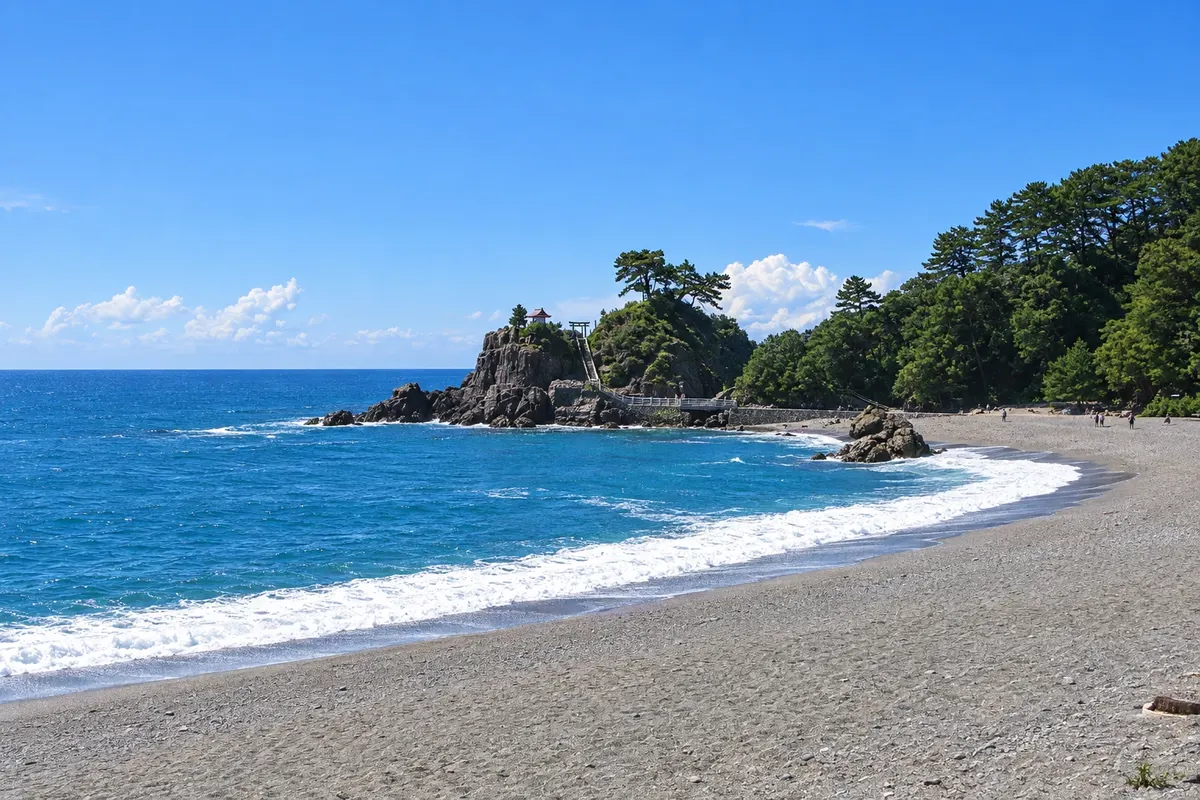
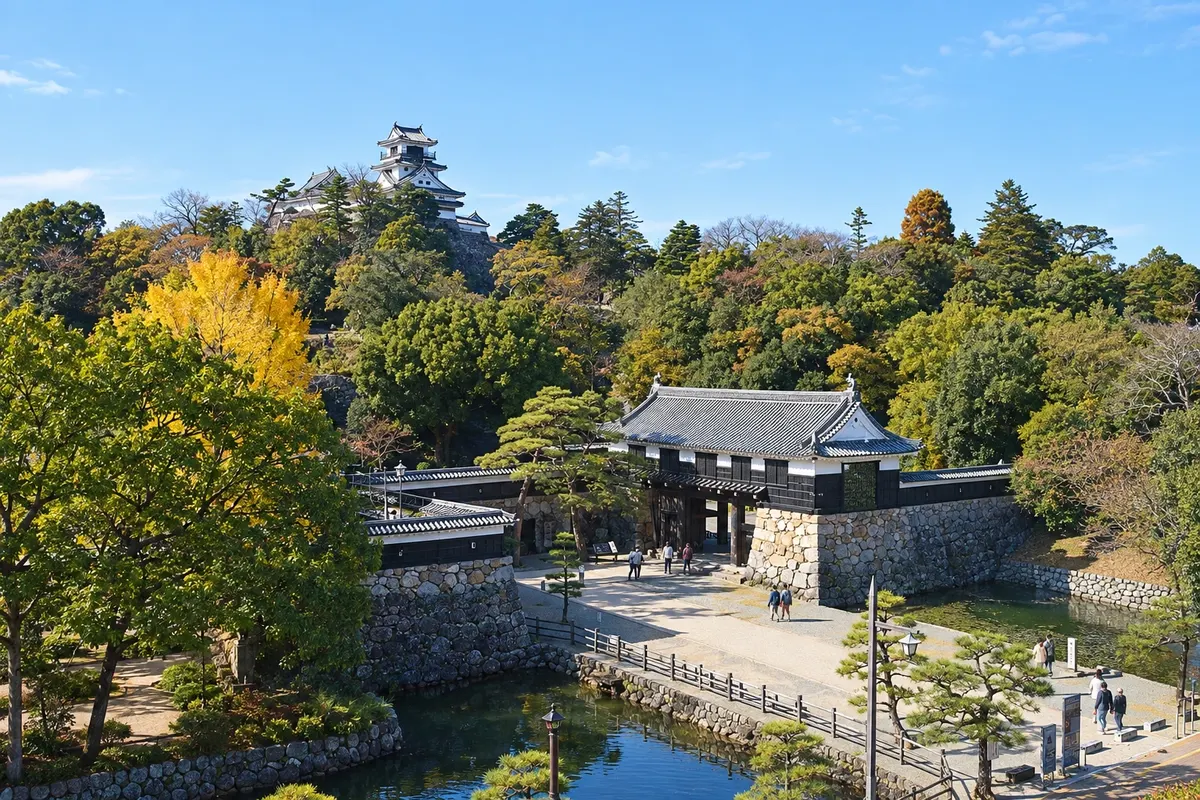
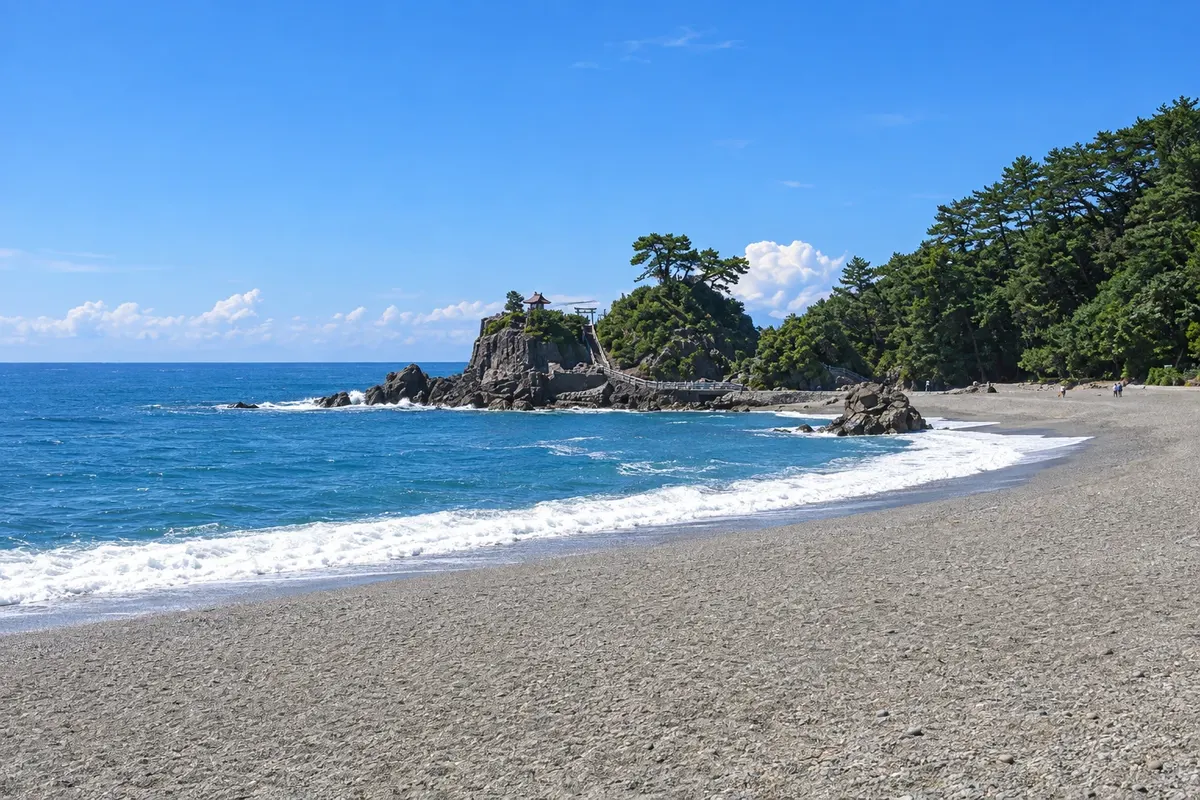
The original Kochi Castle, the Hirome Market, Katsurahama Beach, the Shimanto River, Cape Muroto and bonito seared over straw.
In the photo: Katsurahama Beach, in Kochi.
Illustrative images. The pictures in this guide are illustrations based on the real place, not photographs, and may differ from it.

The province
Kochi occupies the entire southern part of Shikoku, facing the Pacific, with a long coastline and mountains inland. The climate is warm and rainy. It was the home of Sakamoto Ryoma, a figure from the end of the Edo period who helped unite the domains against the shogunate, and his image appears throughout the prefecture.
The capital, Kochi, has one of Japan’s twelve original tenshu (castle towers), the only one that also preserves the main palace adjacent to the tower. On Sundays, a street market with hundreds of stalls fills the avenue that leads to the castle. The Hirome Market gathers food stalls around shared tables. The local dish is katsuo no tataki, bonito seared over straw and served in slices.
Katsurahama Beach, with the statue of Ryoma facing the sea, lies south of the city, near the museum dedicated to him. In August the Yosakoi festival brings dance groups carrying wooden clappers, the naruko, through the city streets.
To the west, the Shimanto River flows without large dams and has low bridges without guardrails, built to be submerged during floods; the river is traveled by canoe and by bicycle. Capes Ashizuri and Muroto have lighthouses and cliffs over the Pacific, and Muroto is a UNESCO geopark. The Niyodo River is known for its blue water.
Flavors of Japan
Destinations
Cities
March to May and October to November have more comfortable temperatures. June is the rainy season, and summer is hot, with the Yosakoi festival in August. August to October is the most common typhoon season. On the coast, winters are mild. Bonito is served year-round, with two better-known seasons in spring and autumn.
Flights from Tokyo, Osaka and Fukuoka land at Kochi Ryoma Airport (KCZ), connected to the city center by bus in about 25 minutes. The Nanpu limited express train links Okayama to Kochi in about 2½ hours, passing through Oboke. Express buses come from Osaka. To reach the Shimanto River, take a train to Nakamura, about 1 hour 45 minutes from Kochi, then bicycle or drive through the valley.
Your questions
It is bonito, a fish in the tuna family, quickly seared over straw fire so the exterior is charred and the interior stays raw. It is served in thick slices with salt or a citrus sauce, garlic and scallion. At the Hirome Market it is prepared in front of the customer.
Every Sunday, from early morning until early afternoon, on Otesuji Avenue that leads to the castle. Stalls sell fruit, vegetables, plants, tools and food.
By rented bicycle in Nakamura, following the valley road and the submerged bridges; by canoe with local guides; or by car. The stretch between Nakamura and Ekawasaki is the most popular.
In August, over several days, on stages and streets in central Kochi. Groups wearing colorful costumes dance to their own music while holding the naruko.
Beyond the guide