Dish · Shimane
Izumo soba
Dark, aromatic soba made from whole-ground buckwheat with the husk, served cold in stacks of round bowls (warigo) or hot, straight from the pot (kamaage). A dish from the Izumo region in Shimane.

 Search
 Brazil
 Antarctica
 Argentina
 Bolivia
 Chile
 Colombia
 Ecuador
 Guyana
 French Guiana
 Falkland Islands (Malvinas)
 Paraguay
 Peru
 Suriname
 Uruguay
 Venezuela
 Germany
 Austria
 Belgium
 Croatia
 Denmark
 Slovakia
 Slovenia
 Spain
 Finland
 France
 Greece
 the Netherlands
 Hungary
 Ireland
 Iceland
 Italy
 Luxembourg
 Norway
 Poland
 Portugal
 the United Kingdom
 the Czech Republic
 Sweden
 Switzerland
 Turkey
 Bermuda
 Canada
 the United States
 Greenland
 Mexico
 Saint Pierre and Miquelon
 the Dominican RepublicJapanTurkey
 South Africa
 Egypt
 Australia
 Fiji
 New Zealand
 Papua New Guinea
Province · Chugoku
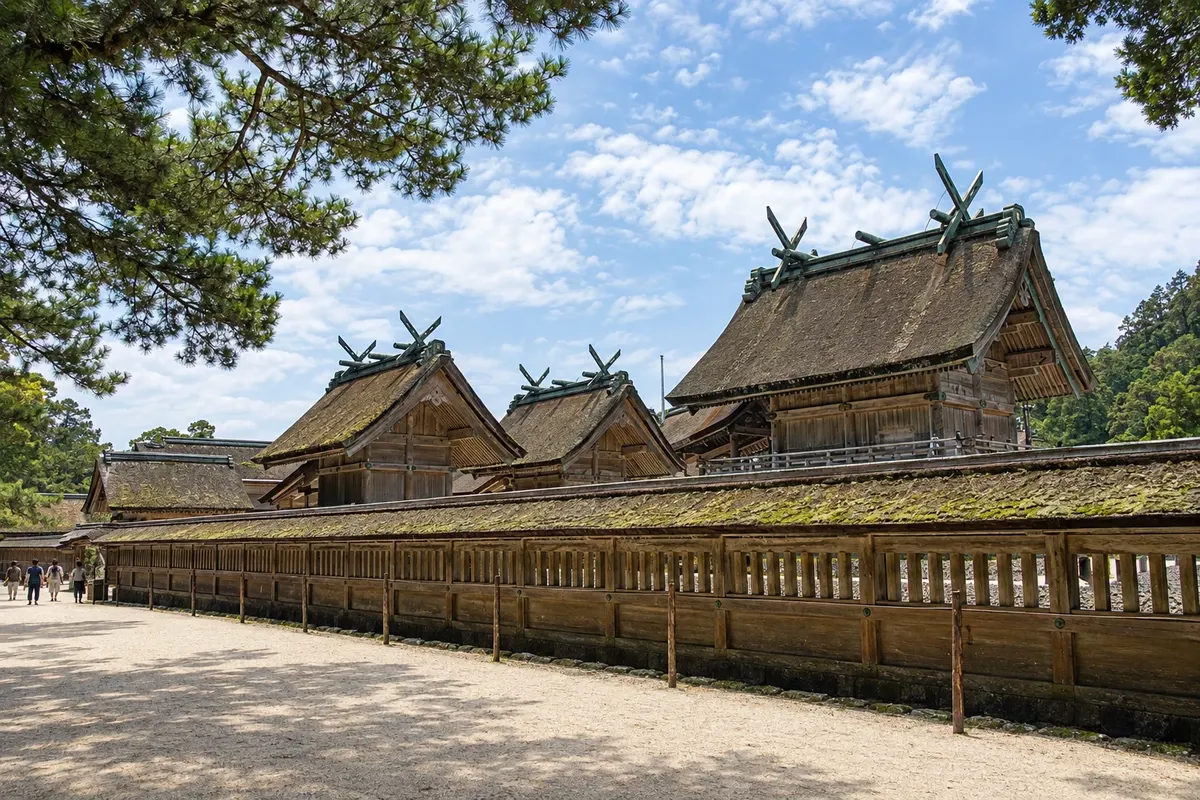
Izumo Taisha Shrine, the original Matsue Castle keep, the sunset over Lake Shinji, the Iwami Ginzan silver mine, the gardens of the Adachi Museum, and the Oki Islands.
In the photo: Izumo Taisha Shrine, in Shimane.
Illustrative images. The pictures in this guide are illustrations based on the real place, not photographs, and may differ from it.

The province
Shimane occupies a narrow stretch of the coast of the Sea of Japan in the San'in region, and includes the Oki Islands. It is the land of many of Japan’s ancient myths, compiled in the country’s earliest chronicles. The capital, Matsue, lies between Lake Shinji and the Nakaumi lagoon.
Izumo Taisha is one of Japan’s oldest and most important shrines, dedicated to Okuninushi, a deity associated with marriage and human bonds. A huge sacred rope hangs over the prayer hall. According to tradition, the gods from across the country gather in Izumo in the tenth month of the old calendar, when the shrine holds special ceremonies. Izumo soba is served in stacked bowls.
Matsue has an original wooden castle keep, a national treasure, with boats that cruise the moats. The house where the writer Lafcadio Hearn lived, who wrote about Japanese legends, is now a museum. The sunset over Lake Shinji is one of the city’s iconic scenes. In Yasugi, the Adachi Museum of Art has gardens viewed through windows as if they were paintings.
In Oda, the Iwami Ginzan silver mine was one of the world’s largest in the 16th and 17th centuries and has been a UNESCO World Heritage Site since 2007. Visitors walk through the Ryugenji Mabu tunnel and the Omori village of old houses. To the southwest, Tsuwano is a small castle town with carp in its canals and a shrine with red torii gates. The Oki Islands feature cliffs and volcanic landscapes.
Flavors of Japan
Destinations
Cities
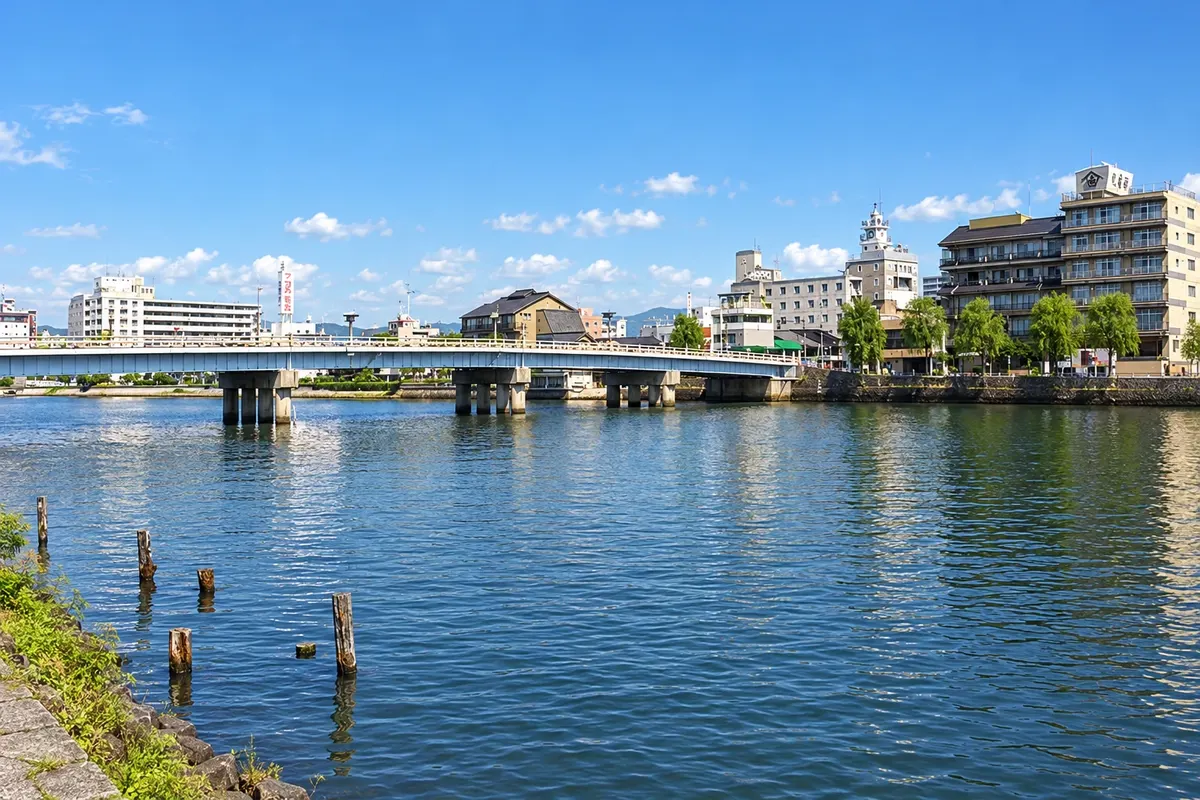
Capital of Shimane, Matsue is crossed by canals between two large bodies of water. It has the original dark-walled castle, a National Treasure, the moats you can tour by boat, the samurai quarter of Shiomi Nawate with Lafcadio Hearn’s house, and the sunset over Lake Shinji. The Adachi Art Museum is about 25 km away.
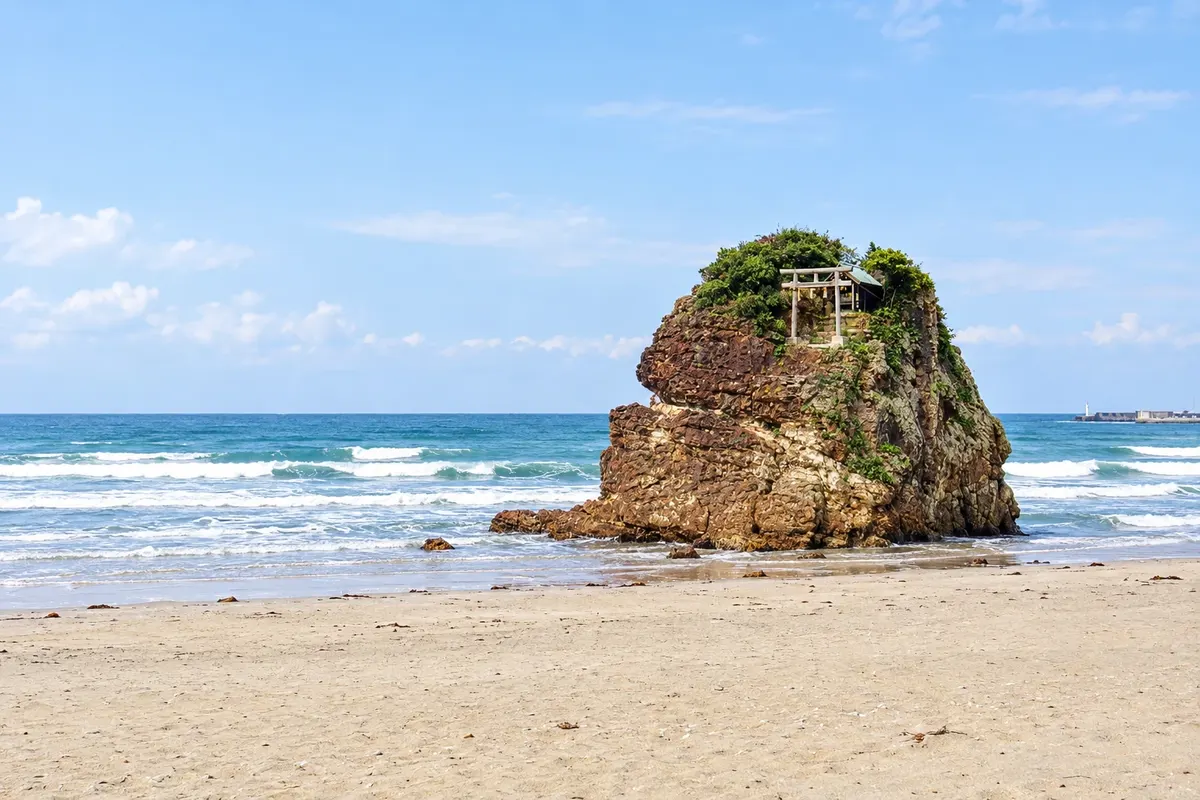
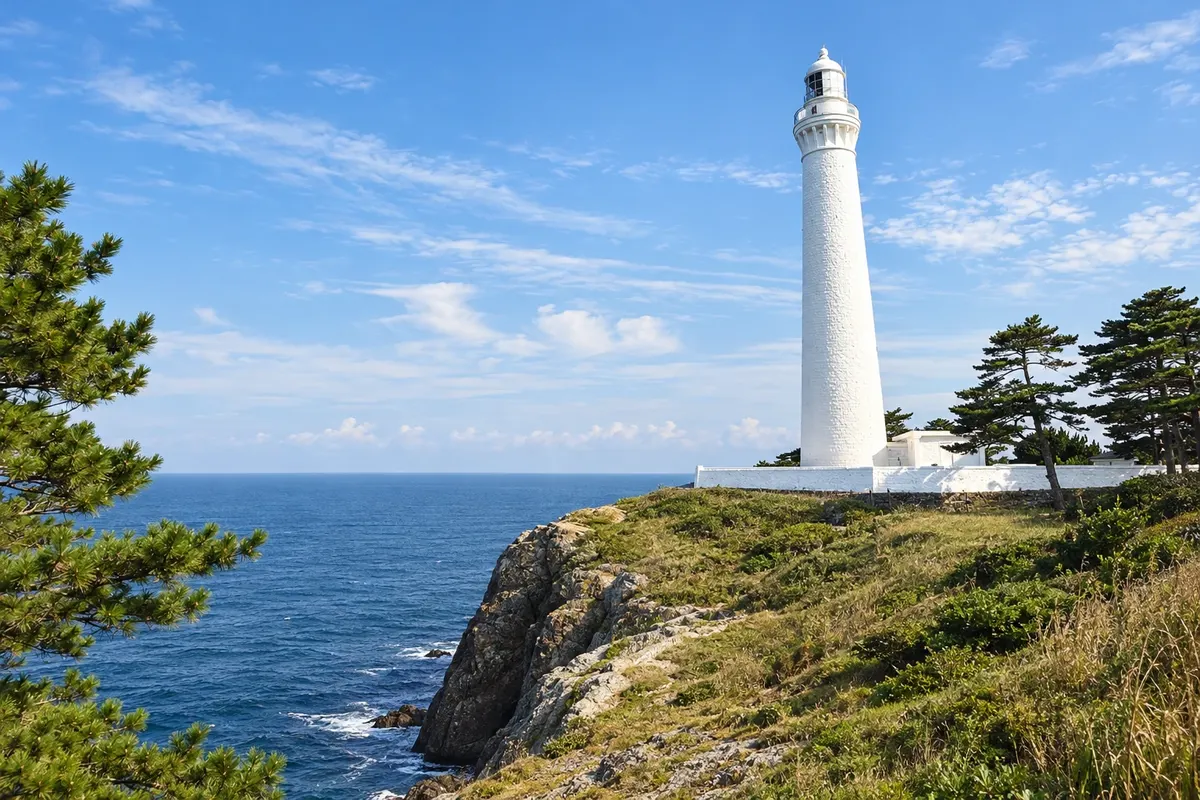
On Shimane’s west coast, Izumo is the town of the great Izumo Taisha shrine. Around the shrine are the soba shops street, the old Izumo museum, Inasa Beach and Hinomisaki Cape with its stone lighthouse. The Iwami Ginzan silver mine, a UNESCO site, is about 50 km away.
The tenth month of the old calendar, which generally falls in November, when Izumo Taisha holds the ceremonies for the gods’ gathering, is one of the most popular times to visit. Walking and cycling in Iwami Ginzan are more pleasant in the cool months, from April to June and from October to November. The sunset over Lake Shinji can be seen year-round. Winters are cold, and rough seas can affect ferries to the Oki Islands.
Izumo Airport (IZO) receives flights from Tokyo and Osaka, with buses to Matsue and Izumo in about 30 minutes; Yonago Airport in Tottori is also near Matsue. The Yakumo limited express train connects Okayama to Matsue in about 2½ hours, and the overnight Sunrise Izumo train runs from Tokyo. The Ichibata Railway links Matsue and Izumo with Izumo Taisha. For Iwami Ginzan, buses depart from Odashi Station.
Your questions
According to tradition, in the tenth month of the old lunar calendar the gods from all over Japan leave their shrines and gather in Izumo. For that reason the month is called the month without gods in the rest of the country, and the month with gods in Izumo. The ceremonies generally take place in November of the current calendar.
By train to Odashi Station on the JR San'in Line, then by bus to Omori village in about 25 minutes. From the village to the Ryugenji Mabu tunnel is about 2 km, on foot or by bicycle.
Yes. The wooden keep retains its original structure, with steep stairs up to the top floor, from which you can see Lake Shinji. Boats circle the moats in about 50 minutes.
By the Ichibata Railway, which departs from the north shore of Lake Shinji and reaches Izumo Taisha in about 1 hour, or by bus from Izumo-shi Station.
Beyond the guide