2 cities

 Search
 Brazil
 Antarctica
 Argentina
 Bolivia
 Chile
 Colombia
 Ecuador
 Guyana
 French Guiana
 Falkland Islands (Malvinas)
 Paraguay
 Peru
 Suriname
 Uruguay
 Venezuela
 Germany
 Austria
 Belgium
 Croatia
 Denmark
 Slovakia
 Slovenia
 Spain
 Finland
 France
 Greece
 the Netherlands
 Hungary
 Ireland
 Iceland
 Italy
 Luxembourg
 Norway
 Poland
 Portugal
 the United Kingdom
 the Czech Republic
 Sweden
 Switzerland
 Turkey
 Bermuda
 Canada
 the United States
 Greenland
 Mexico
 Saint Pierre and Miquelon
 the Dominican RepublicJapanTurkey
 South Africa
 Egypt
 Australia
 Fiji
 New Zealand
 Papua New Guinea
Province · Kansai
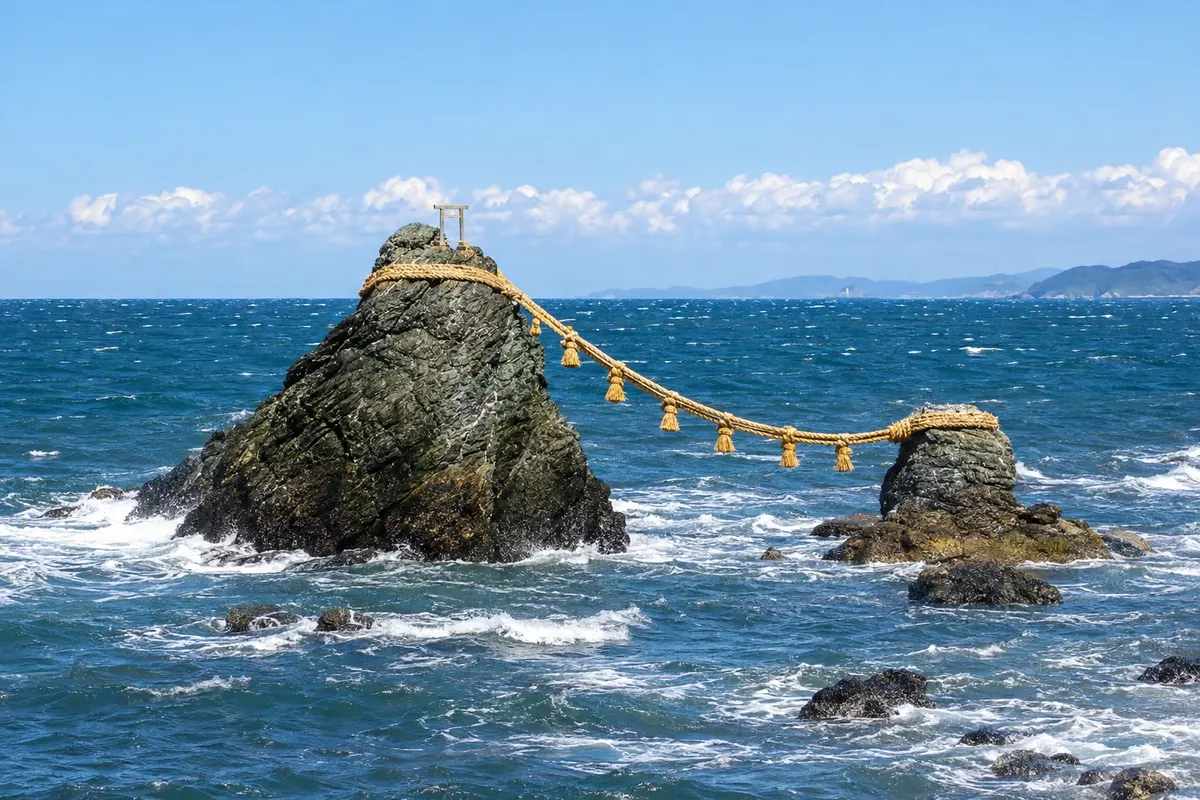
The Ise Shrine, the married rocks Meoto Iwa, Toba’s pearls and its ama divers, Iga Castle, and the Iseji section of the Kumano Kodo trail.
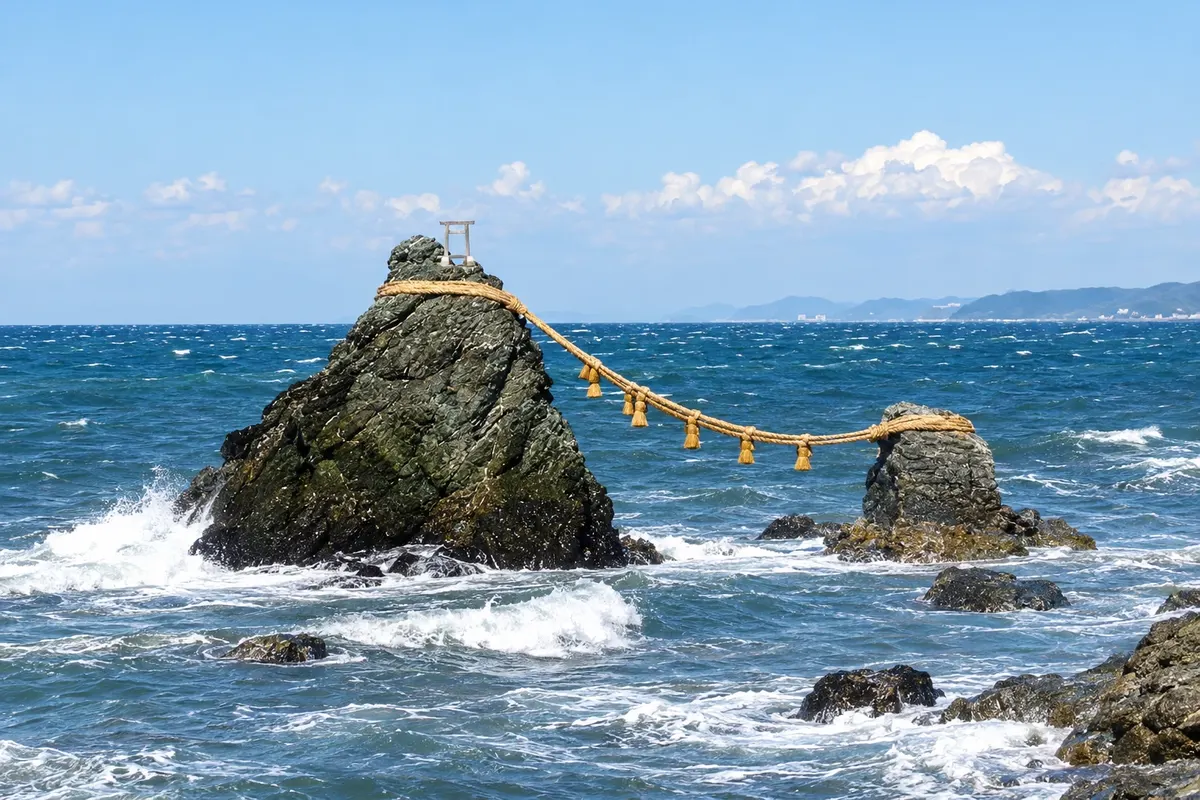
In the photo: Meoto Iwa rocks, in Mie.
Illustrative images. The pictures in this guide are illustrations based on the real place, not photographs, and may differ from it.

The province
Mie stretches along Ise Bay and the Pacific, from the industrial north with Yokkaichi and the Suzuka circuit, to the Shima peninsula and the mountainous south of Kumano. The prefecture is known for lobster, oysters, and Matsusaka beef.
The Ise Shrine, Ise Jingu, is the most important shrine in Shinto and is dedicated to Amaterasu, the sun goddess. It comprises the outer shrine, Geku, and the inner shrine, Naiku, plus more than a hundred smaller shrines. The main buildings are rebuilt every 20 years according to a ritual more than a thousand years old. Next to the Naiku, the streets Oharai-machi and Okage Yokocho have wooden houses with shops and restaurants.
In Toba, Mikimoto Pearl Island tells how Kokichi Mikimoto first cultivated a pearl at the end of the 19th century, and presents ama divers, women who collect seafood without breathing equipment. In Futami, the married rocks Meoto Iwa, joined by a sacred rope, sit in the sea in front of a shrine. Ago Bay in Shima is dotted with islands and pearl-farming rafts.
Iga, in the west, has Iga Ueno Castle and a museum about the Iga school of ninjas, with a house of secret passages and demonstrations. It is also the birthplace of the poet Matsuo Basho. In the south, the Iseji section of the Kumano Kodo, a UNESCO World Heritage route, passes stone stairways through forests, and the Maruyama Senmaida rice terraces tumble down a slope.
Destinations
Cities
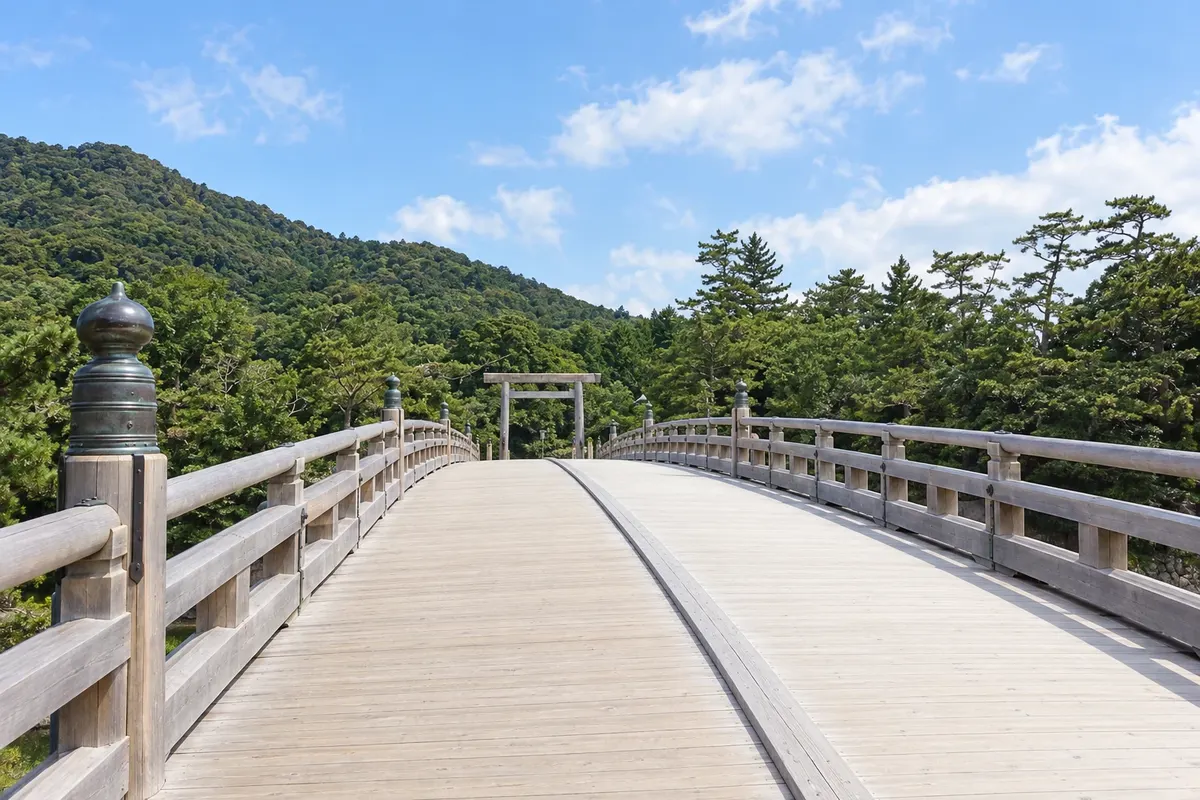
Ise is the city of Ise Jingu, the center of Shinto. The Outer Shrine, Geku, is next to Ise-shi Station; the Inner Shrine, Naiku, is about 6 km away, with the pilgrims’ streets of Oharai-machi in front of Uji Bridge. On the coast of Futami, also in the municipality, are the married rocks of Meoto Iwa.
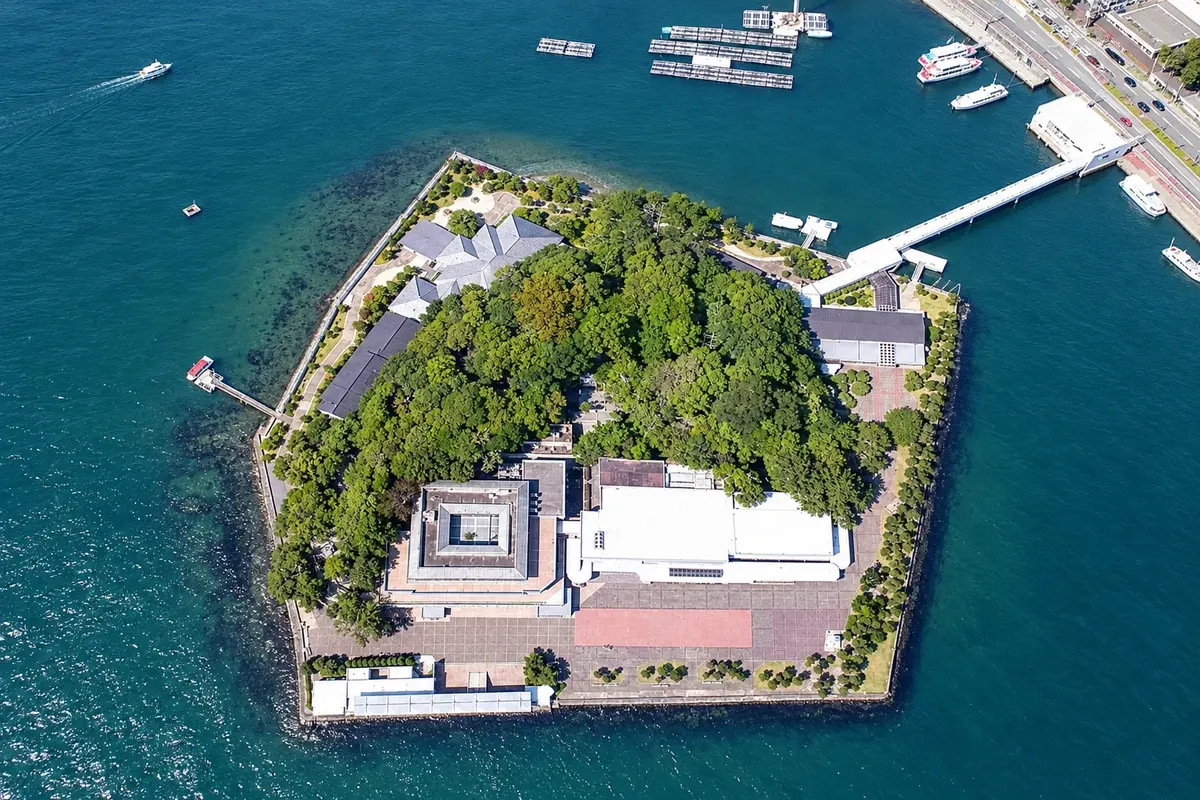
Toba is the port town on Toba Bay, about 15 km from Ise, with pine‑covered islets and a coastline of small coves. There Kokichi Mikimoto produced the first cultured pearl, commemorated on Mikimoto Pearl Island, and the ama — female free‑divers — keep a millennia‑old tradition, told at the Museum of the People of the Sea. The town has onsen hotels and seafood such as lobster and abalone.
April, May, October, and November offer mild days for walking around the Ise shrines. July and August are humid, and Shima’s beaches receive swimmers. The lobster season generally runs from October to April. On Shima’s coast, winter cold is mild. In the first days of the year, crowds make the first shrine visit of the year.
Kintetsu Railway trains link Osaka (Namba) to Ise in about 1 hour 45 minutes, Kyoto in about 2 hours, and Nagoya in about 1 hour 20 minutes, and continue to Toba and Kashikojima. JR also runs trains from Nagoya. From Centrair Airport, a ferry goes to Tsu in about 45 minutes. Iga is served by Kintetsu and by JR trains from Nara and Kameyama.
Your questions
By tradition, first the outer shrine, Geku, and then the inner shrine, Naiku. The two are about 6 km apart and are connected by bus. Each one requires one to two hours.
By Kintetsu Railway, from Osaka-Namba or Osaka-Uehonmachi, in about 1 hour 45 minutes on the express train. The sightseer train Shimakaze runs the route with panoramic cars.
On Mikimoto Pearl Island in Toba there are daily demonstrations. In Toba and in Shima, some ama huts serve seafood meals prepared by the divers themselves, by reservation.
Iga Ueno Castle, the ninja museum with the house of secret passages and weapon demonstrations, and the house where Matsuo Basho was born. The town center streets preserve merchant houses.
Beyond the guide


