1 city

 Search
 Brazil
 Antarctica
 Argentina
 Bolivia
 Chile
 Colombia
 Ecuador
 Guyana
 French Guiana
 Falkland Islands (Malvinas)
 Paraguay
 Peru
 Suriname
 Uruguay
 Venezuela
 Germany
 Austria
 Belgium
 Croatia
 Denmark
 Slovakia
 Slovenia
 Spain
 Finland
 France
 Greece
 the Netherlands
 Hungary
 Ireland
 Iceland
 Italy
 Luxembourg
 Norway
 Poland
 Portugal
 the United Kingdom
 the Czech Republic
 Sweden
 Switzerland
 Turkey
 Bermuda
 Canada
 the United States
 Greenland
 Mexico
 Saint Pierre and Miquelon
 the Dominican RepublicJapanTurkey
 South Africa
 Egypt
 Australia
 Fiji
 New Zealand
 Papua New Guinea
Province · Kansai
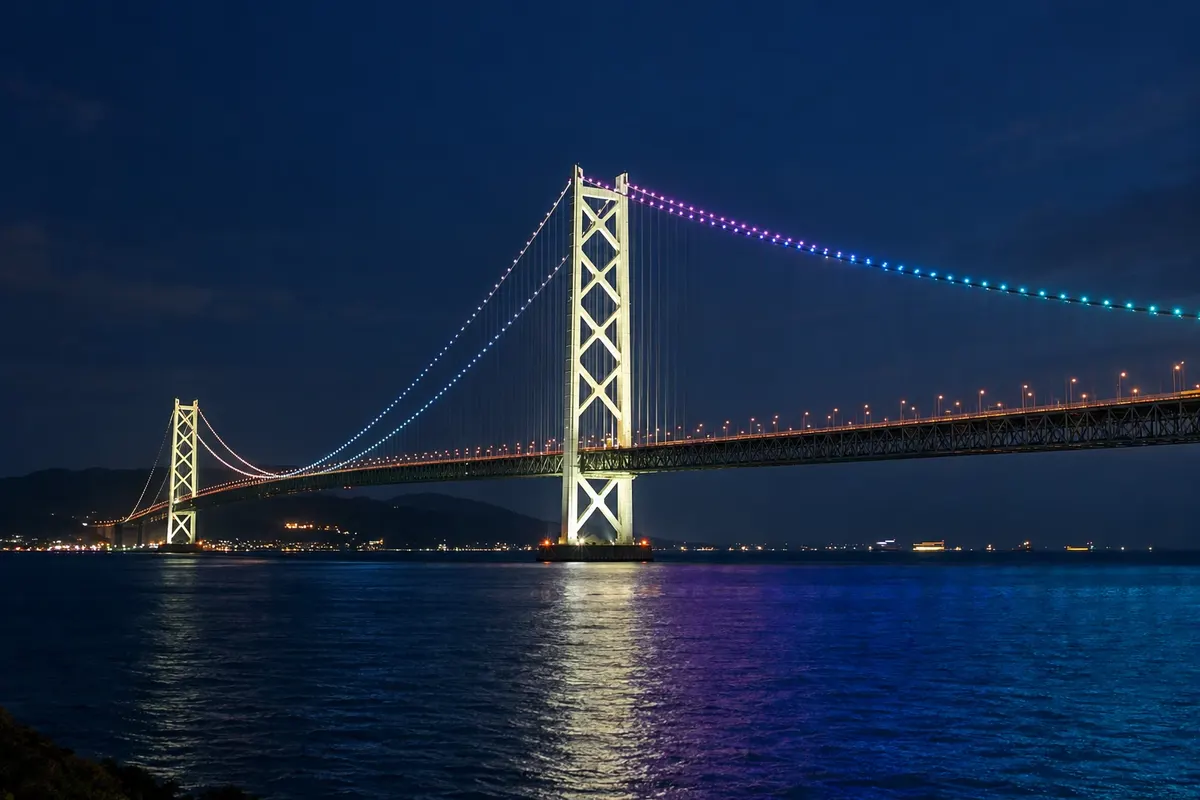
Himeji Castle, the port of Kobe, the Arima and Kinosaki hot springs, Mount Rokko, the Akashi Bridge and Takeda Castle in the clouds.
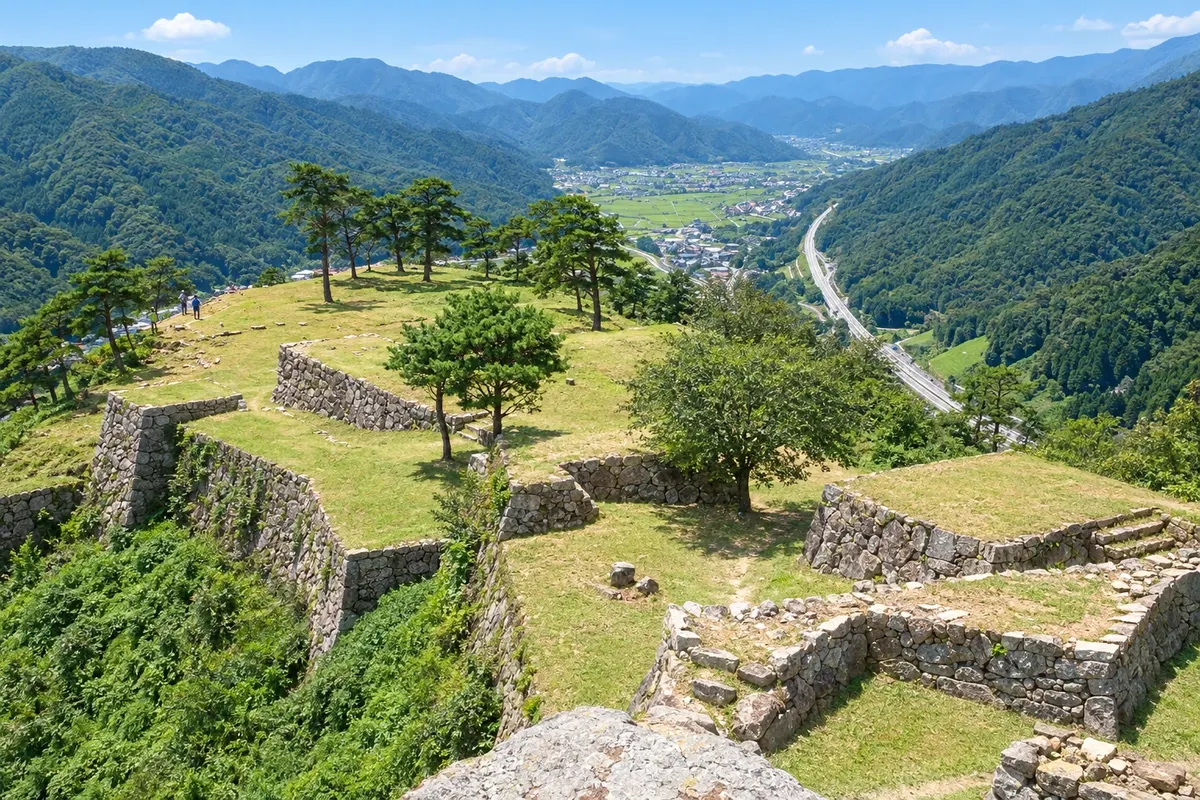
In the photo: Ruins of Takeda Castle, in Hyogo.
Illustrative images. The pictures in this guide are illustrations based on the real place, not photographs, and may differ from it.

The province
Hyogo crosses Honshu from one coast to the other, from the Sea of Japan to the Inland Sea, and includes Awaji Island. The capital, Kobe, is a port between the Rokko mountains and the sea. The prefecture is known for Kobe beef, which comes from Tajima cattle raised in the north, and for Nada sake, produced in the neighborhoods along the bay.
Himeji Castle, called the White Heron for the color of its walls, preserves a keep from the early 17th century and a set of walls, gates and moats. Together with Horyu-ji, it was one of Japan’s first UNESCO World Heritage sites, in 1993. Nearby, Koko-en garden gathers gardens in different styles, and on Mount Shosha the Engyo-ji temple has wooden halls in the forest.
Kobe opened its port to foreign trade in 1868. The Kitano district preserves houses of foreign merchants, and the Nankinmachi Chinatown has restaurants and food stalls. The Harborland waterfront and the port tower sit by the sea, and a museum recounts the 1995 earthquake and the city’s reconstruction. From Mount Rokko, reached by cable car, you can see the bay at night, and on the other side of the mountain are the Arima hot springs, among the oldest in the country, with iron-colored waters.
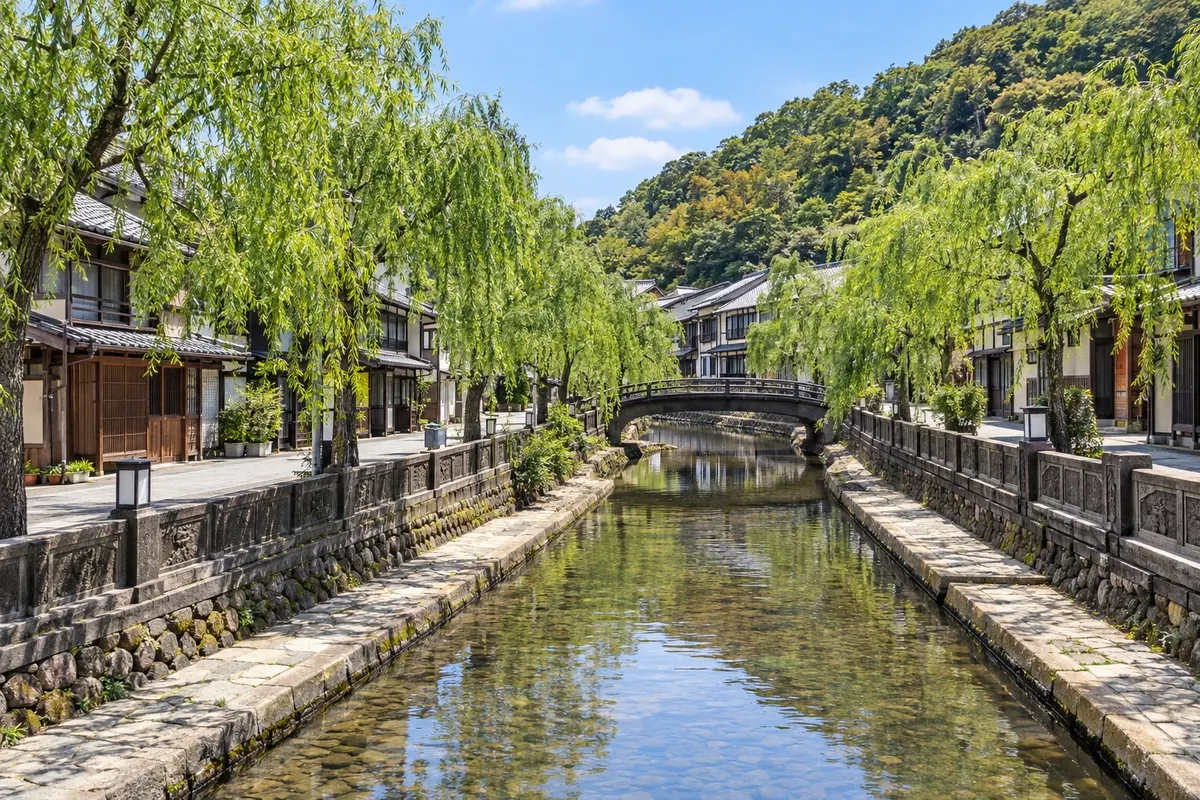
To the north, Kinosaki Onsen has seven public bathhouses, visited by guests wearing yukata and wooden clogs. The ruins of Takeda Castle, on a mountain, seem to float above the mist on some autumn mornings. To the south, the Akashi-Kaikyo Bridge, one of the longest-span suspension bridges in the world, leads to Awaji.
Destinations
Cities
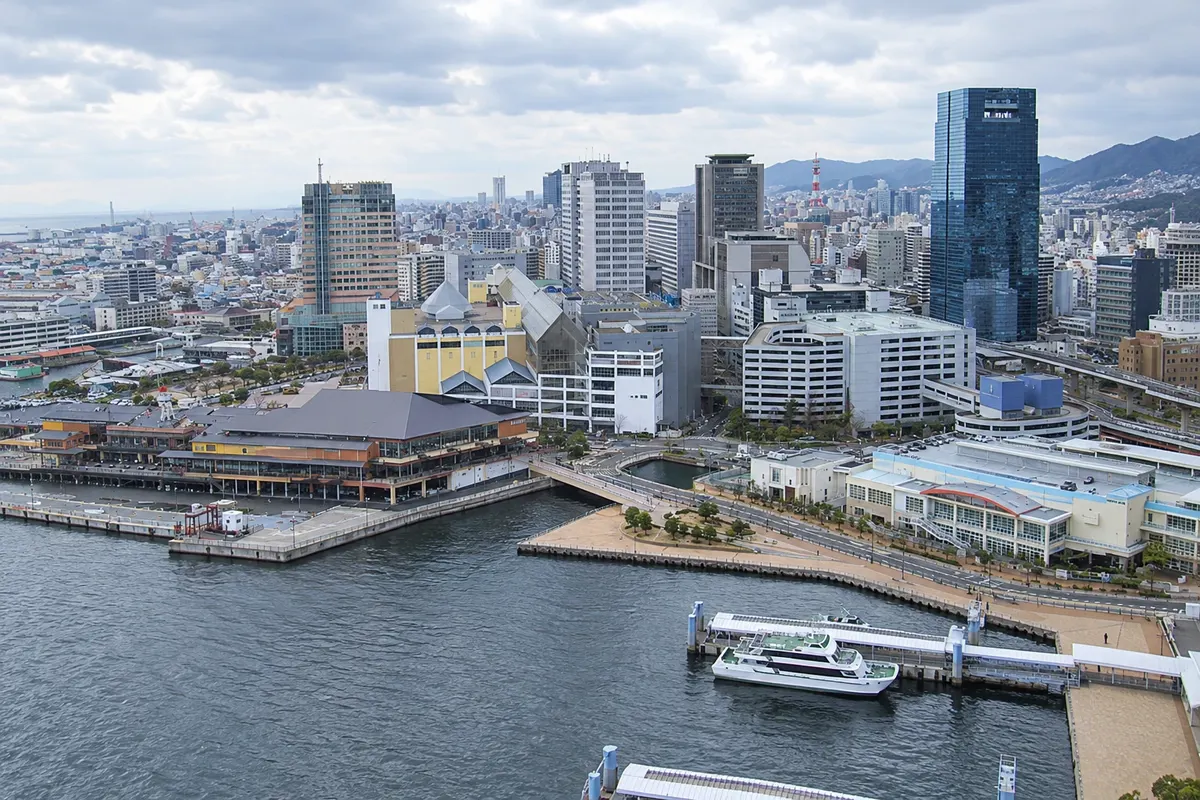
Capital of Hyogo, Kobe occupies a narrow strip of land between the sea and the mountains. The Kitano neighborhood preserves houses of foreign merchants, Nankinmachi is the Chinatown district, and the Meriken Park waterfront has the red tower and the 1995 earthquake memorial. From the center you can climb to the Nunobiki waterfalls and Mount Rokko, and beyond it Arima Onsen is one of the country’s oldest hot-spring resorts.
Himeji, in western Hyogo, grew around its white castle, preserved since the early 17th century, a National Treasure and World Heritage Site. Next to it are the nine gardens of Koko-en, and to the north on Mount Shosha, the Engyo-ji temple with wooden halls set in the forest. The city is about 30 minutes by bullet train from Osaka.
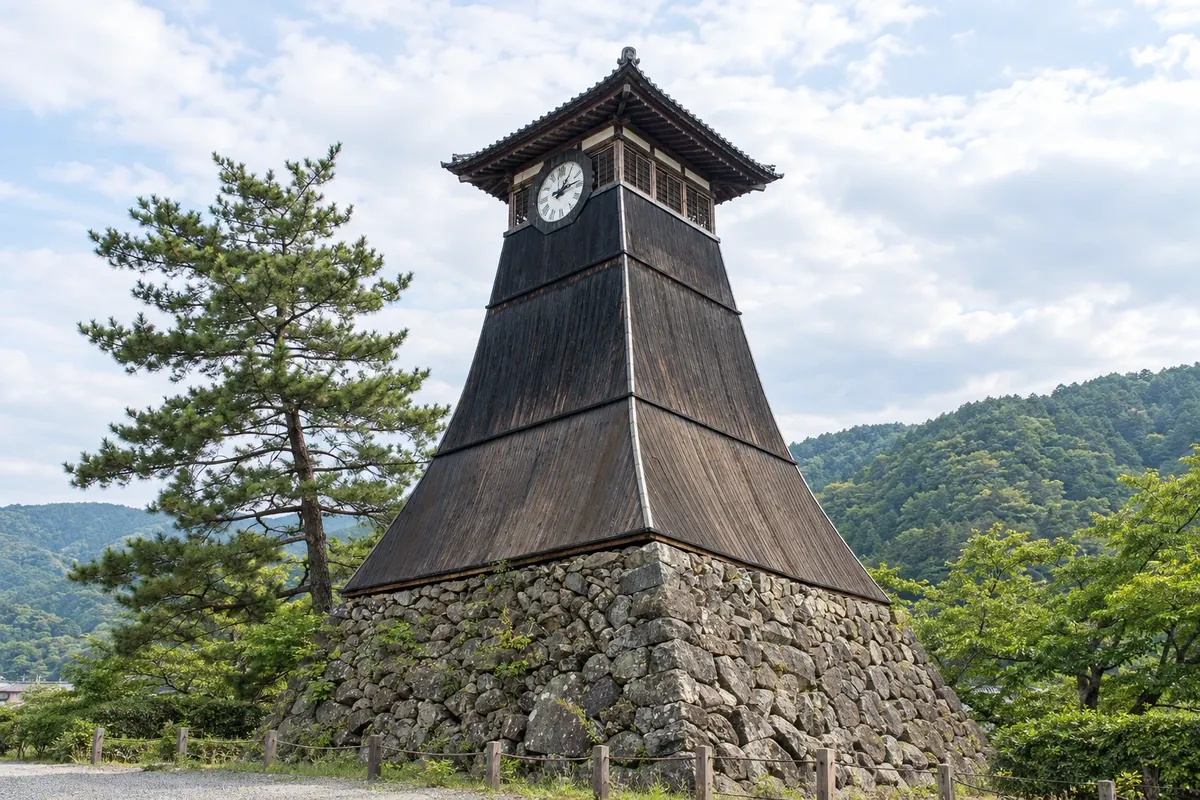
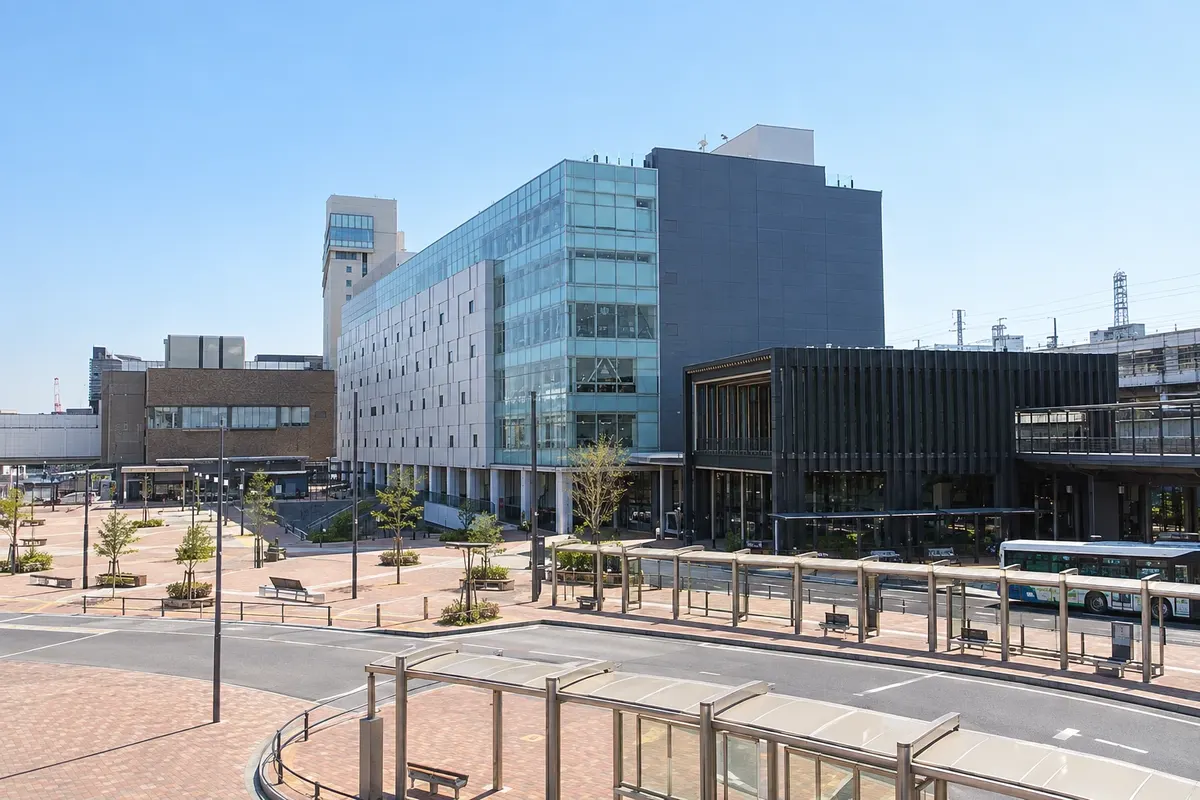
A northern Hyogo city on the Sea of Japan, Toyooka includes the hot-spring village of Kinosaki Onsen with its seven public baths, the Genbudo basalt columns, the castle town of Izushi and the Oriental stork park. The center, with the station and Tajima Airport, is the gateway to the region.
The cherry trees at Himeji Castle generally bloom in early April. The ruins of Takeda often appear above the mist between September and November, on cold, windless mornings. The crab season in the north, which draws visitors to Kinosaki, runs from November to March. Summer is good for Awaji’s beaches. Winters are mild in Kobe and snowy in the north.
The Sanyo Shinkansen links Shin-Osaka to Shin-Kobe in about 15 minutes and to Himeji in about 30; from Tokyo to Himeji is about 3 hours. JR trains connect Osaka to Kobe (Sannomiya) in about 25 minutes. Kobe Airport (UKB) handles domestic flights, and a ferry links Kansai Airport to Kobe in about 30 minutes. Kinosaki is about 2½ hours from Kyoto or Osaka by limited express train. Arima is about 30 minutes from Sannomiya.
Your questions
About two hours to climb the keep and walk the walls and gates, plus an hour for Koko-en garden. In the keep, the steps are steep and you must remove your shoes.
By the Kobe Dentetsu railway or by bus from Sannomiya, in about 30 minutes. You can also go up Mount Rokko and descend the other side by the Arima ropeway.
Guests receive a pass granting access to the seven public bathhouses and walk between them in yukata. Day visitors pay the admission for each bathhouse. Some close one day a week.
At restaurants in Kobe, especially near Sannomiya, where chefs grill the meat on a hot plate in front of the customer. Genuine Kobe beef comes with a certificate of origin, and restaurants usually display it.
Beyond the guide