Dish · Hokkaido
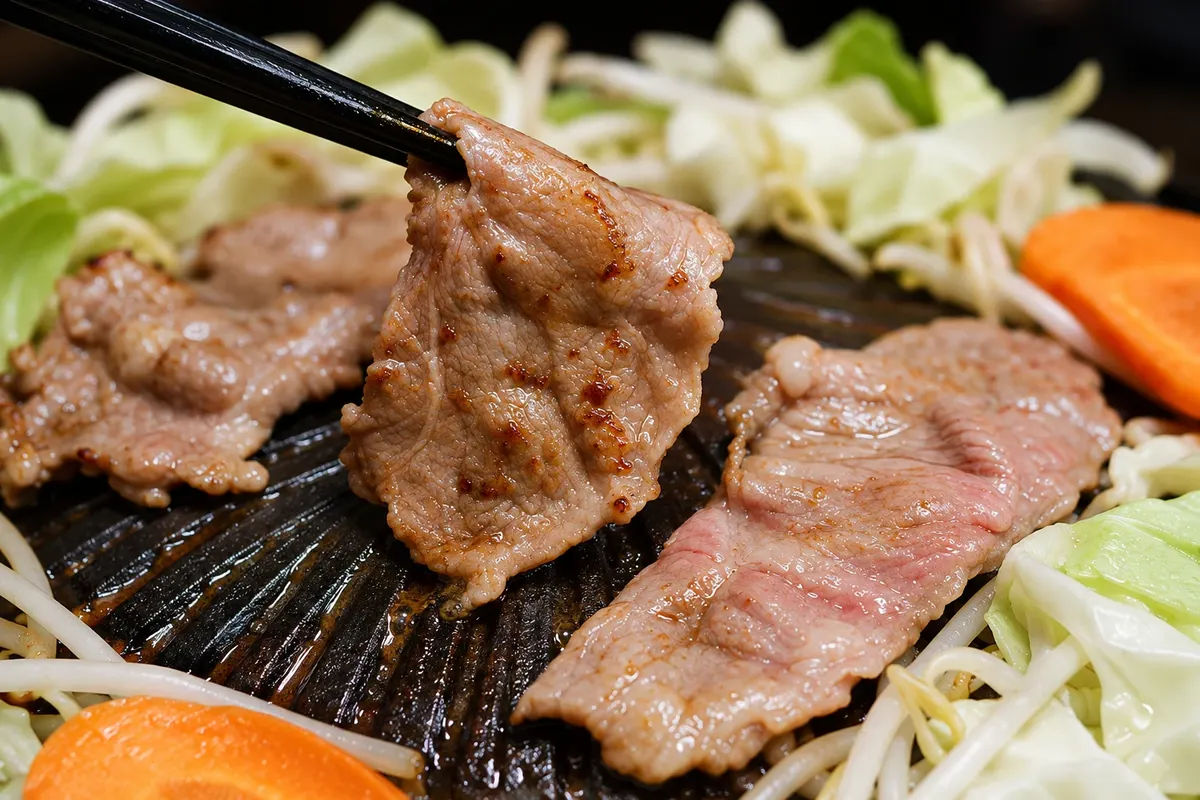
Jingisukan
Grilled mutton or lamb on a rounded iron griddle, with vegetables that cook in the juices that run off. It’s Hokkaido’s best-known dish, eaten at home, in restaurants and on picnics.

 Search
 Brazil
 Antarctica
 Argentina
 Bolivia
 Chile
 Colombia
 Ecuador
 Guyana
 French Guiana
 Falkland Islands (Malvinas)
 Paraguay
 Peru
 Suriname
 Uruguay
 Venezuela
 Germany
 Austria
 Belgium
 Croatia
 Denmark
 Slovakia
 Slovenia
 Spain
 Finland
 France
 Greece
 the Netherlands
 Hungary
 Ireland
 Iceland
 Italy
 Luxembourg
 Norway
 Poland
 Portugal
 the United Kingdom
 the Czech Republic
 Sweden
 Switzerland
 Turkey
 Bermuda
 Canada
 the United States
 Greenland
 Mexico
 Saint Pierre and Miquelon
 the Dominican RepublicJapanTurkey
 South Africa
 Egypt
 Australia
 Fiji
 New Zealand
 Papua New Guinea
Province · Hokkaido
Sapporo and the Snow Festival, Otaru’s canal, the flowers of Furano and Biei, Hakodate, the Shiretoko Peninsula and Niseko’s snow.
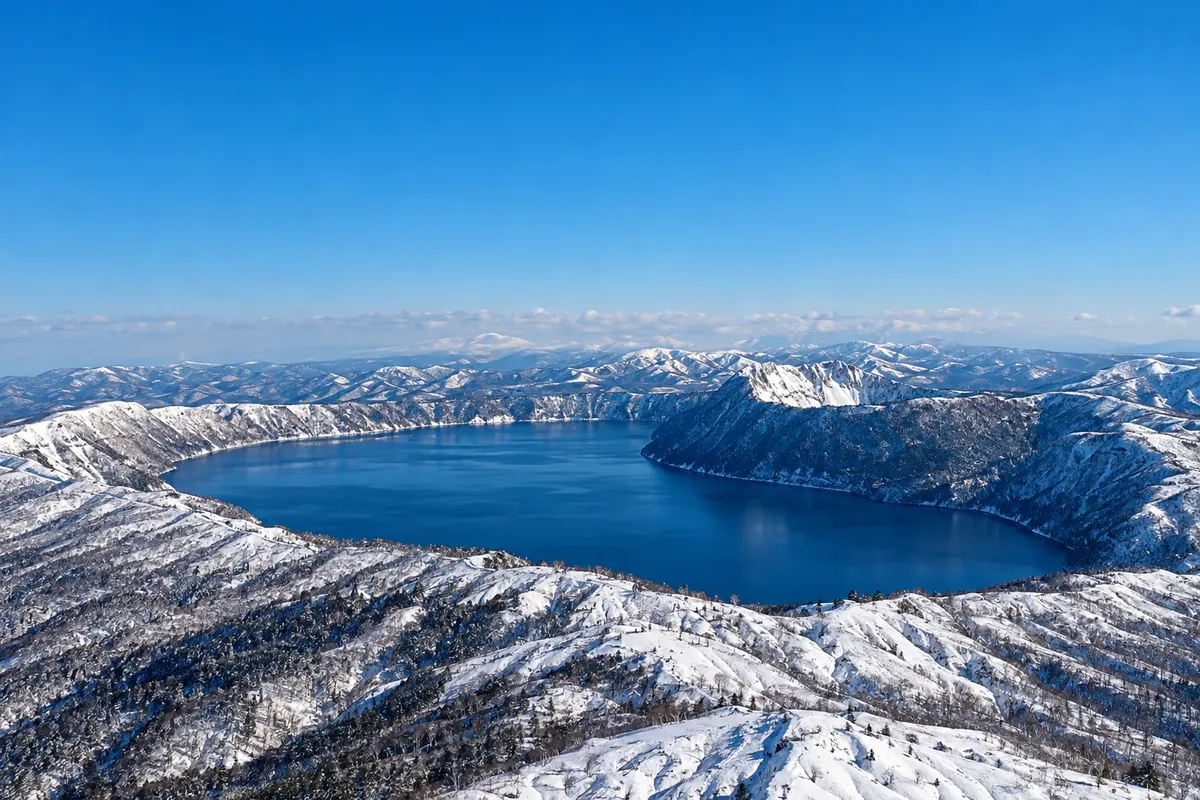
In the photo: Lake Mashu and snow‑covered slopes in Hokkaido.
Illustrative images. The pictures in this guide are illustrations based on the real place, not photographs, and may differ from it.

The province
Hokkaido is the northernmost island of Japan and the largest of the 47 prefectures, covering about one fifth of the country’s territory. The Tsugaru Strait separates it from Honshu, and the Seikan Tunnel under the sea carries the high‑speed train to Hakodate. Summers are cool and winters are long with heavy snowfall. Farmland, forests, volcanic lakes and national parks take up most of the island.
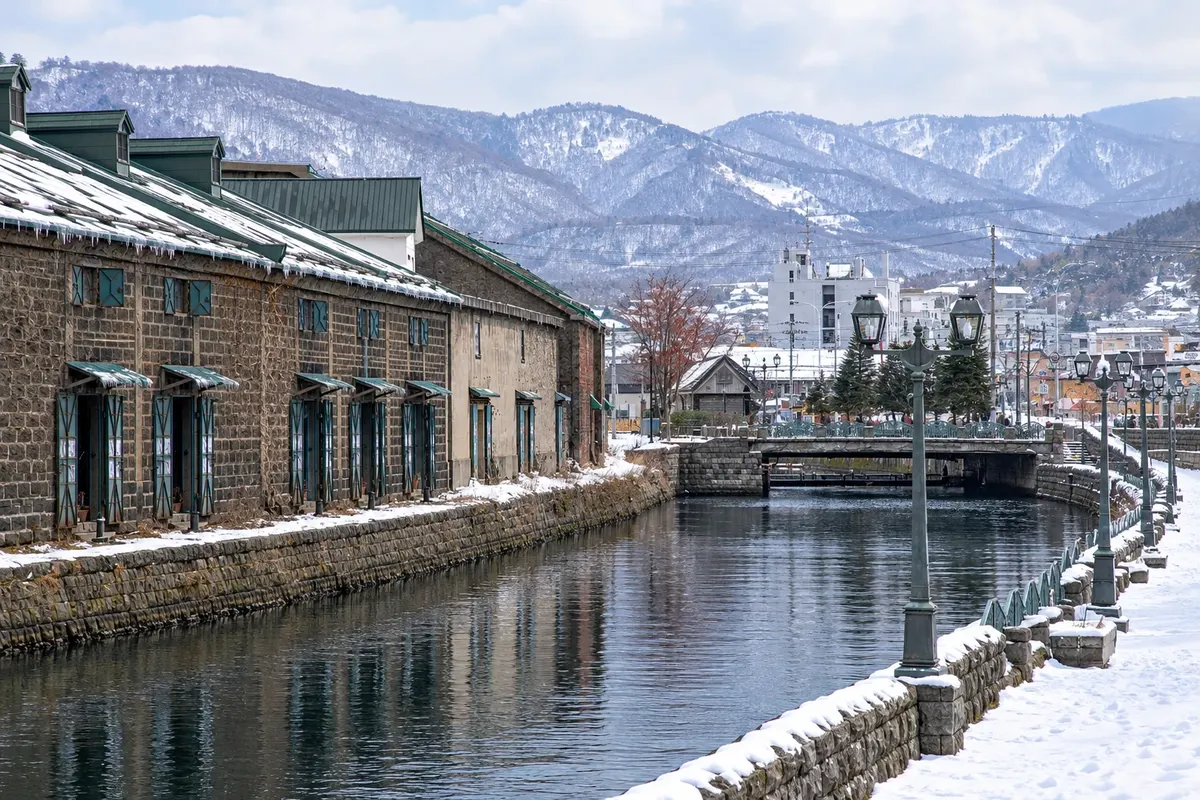
Sapporo, the capital, was laid out in the 19th century with straight streets around Odori Park. The Snow Festival is held there in February, featuring snow and ice sculptures. The city is known for its beer, miso ramen and crab. Less than an hour away, Otaru retains a canal lined with stone warehouses, glassworks and music box shops.
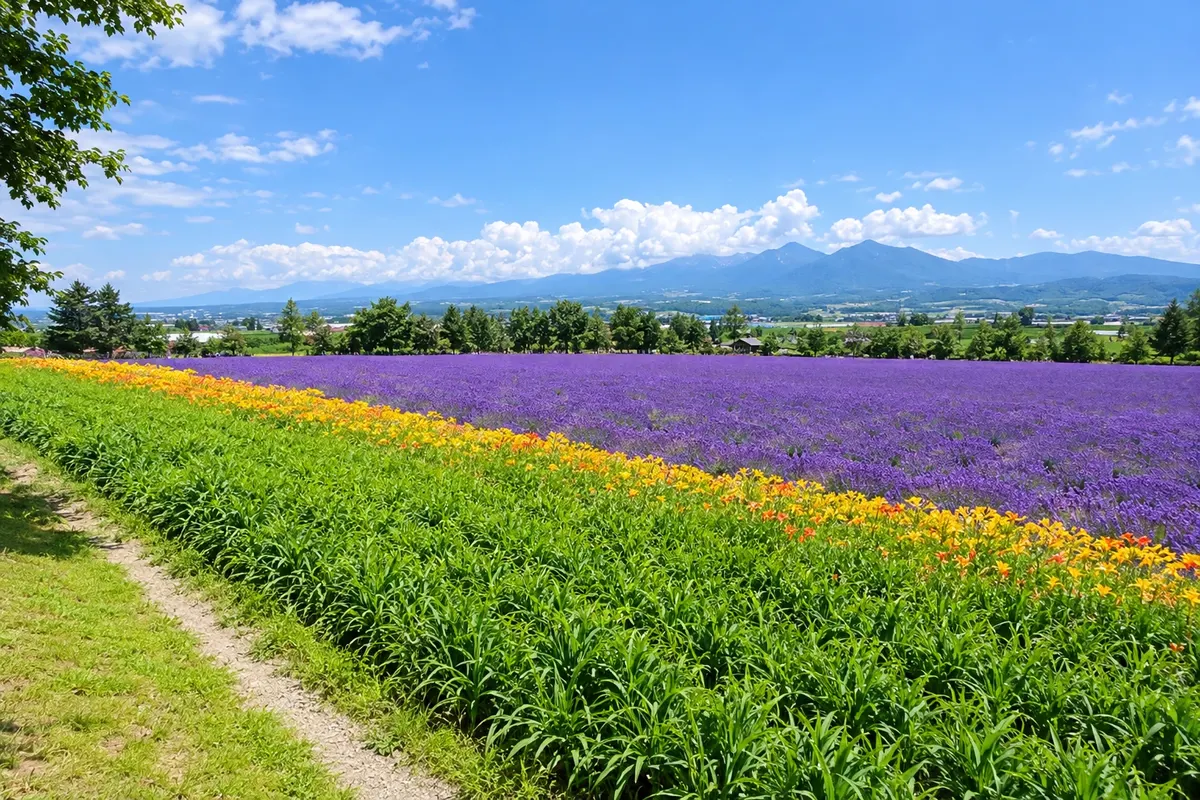
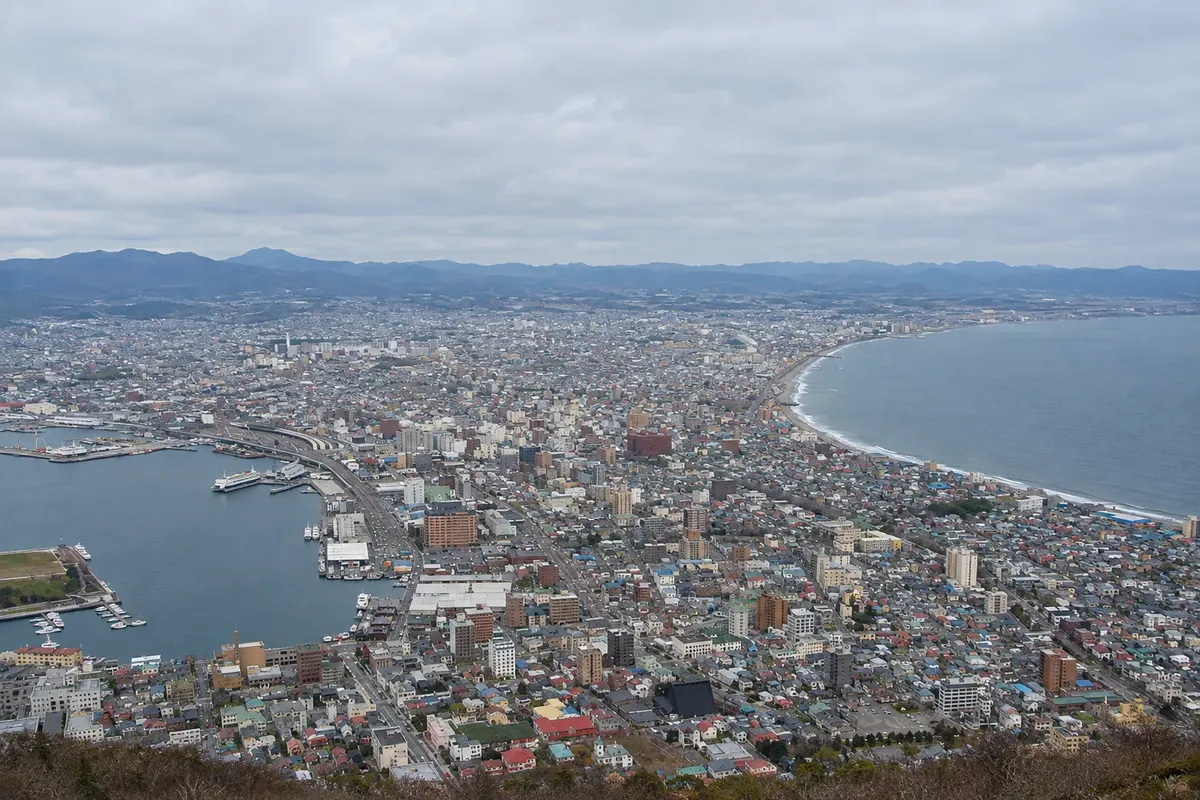
In the island’s center, Furano and Biei have cultivated hills and flower fields; lavender usually blooms in July. Near Biei is the Blue Pond, with turquoise water among dead tree trunks. In the east, the Shiretoko Peninsula, a UNESCO natural heritage site since 2005, has forests, brown bears and, in winter, drifting sea ice in the Sea of Okhotsk. In the south, Hakodate is visible from the top of Mount Hakodate, and Goryokaku Fort has a star shape.
Hokkaido is the land of the Ainu, the indigenous people of northern Japan, and many place names, such as Sapporo and Shiretoko, come from their language. In Shiraoi, Upopoy, the National Ainu Museum, presents the history, music and crafts of this people. In winter, Niseko, Furano and Rusutsu attract skiers drawn by the fine dry snow.
Flavors of Japan
Destinations
Cities
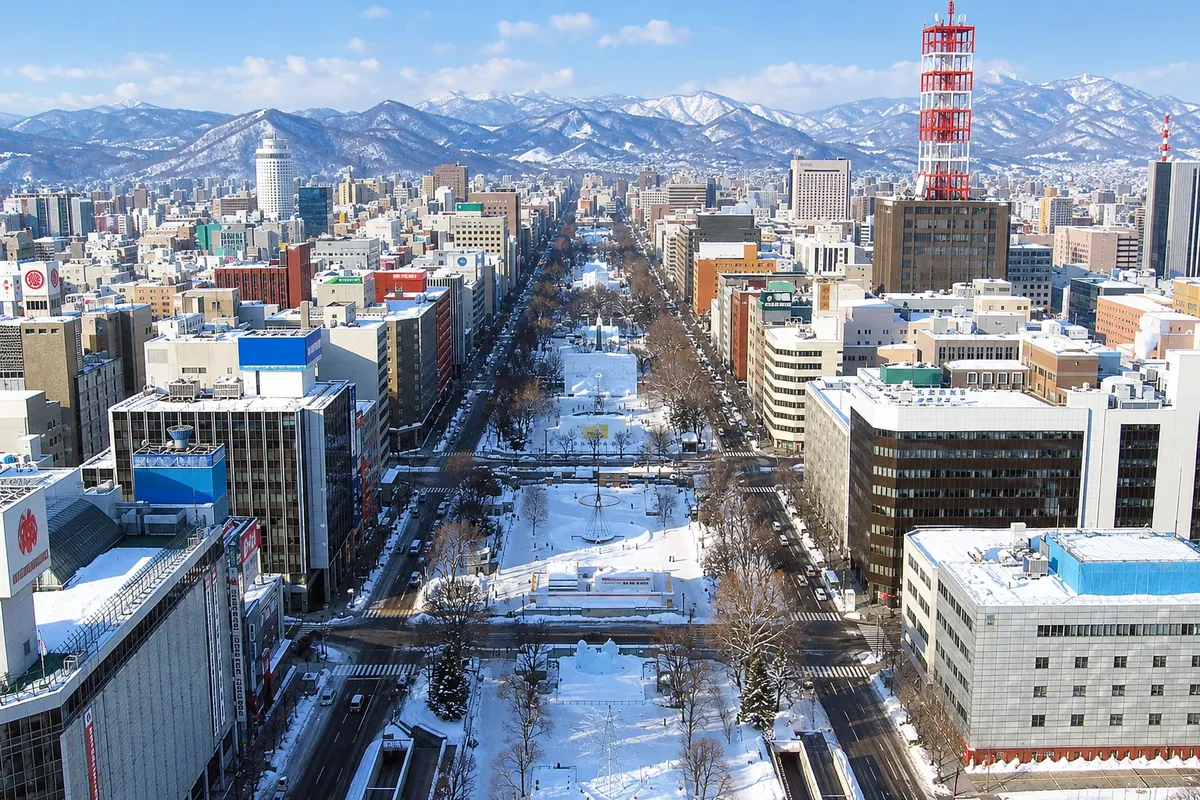
Sapporo is the capital of Hokkaido Prefecture and the largest city in northern Japan. The planned city center revolves around Odori Park, home to the Snow Festival, with the clock tower and the old red-brick government building nearby. The Beer Museum, the Mount Moiwa ropeway, and Moerenuma Park round out a visit, and the Susukino neighborhood concentrates ramen shops and grilled mutton restaurants.
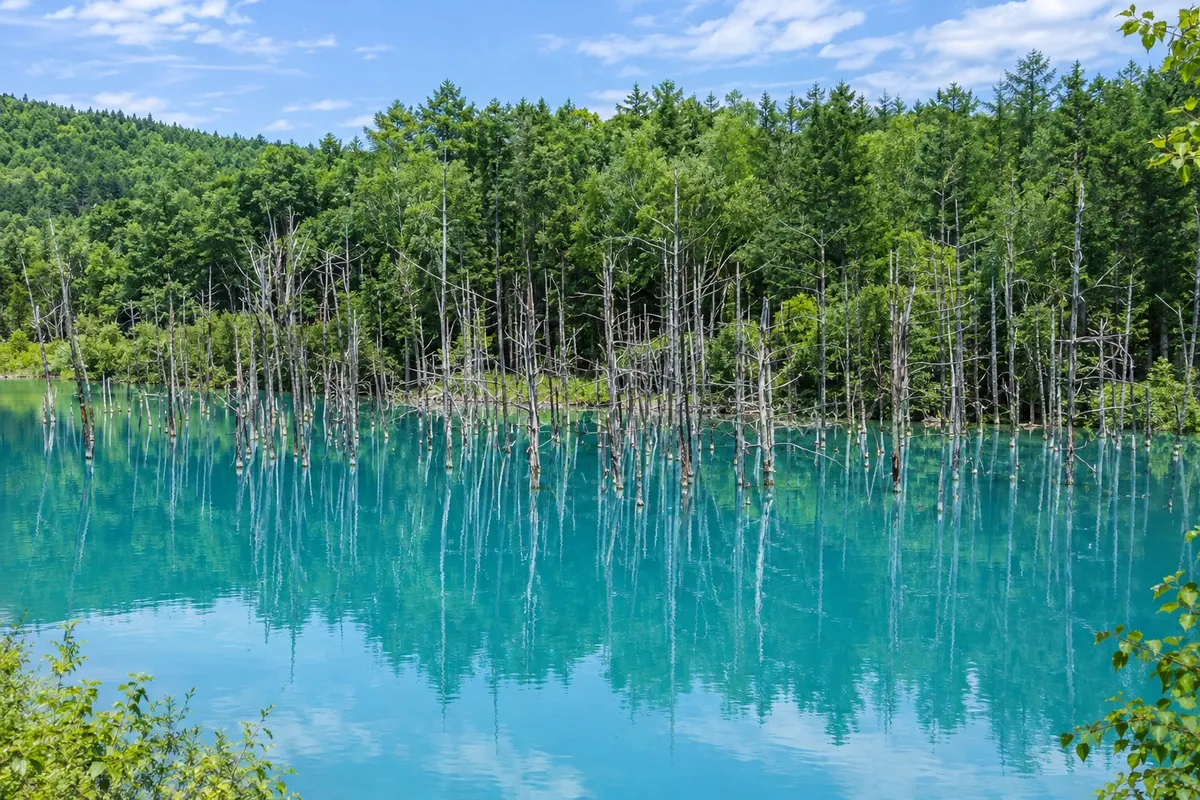
Biei is a small town of agricultural hills between Asahikawa and Furano, at the foot of the Tokachi range. Striped fields form the landscape along Patchwork Road to the north and Shikisai-no-oka to the south, covered in flower beds. On the way to the mountains lies Shirogane’s Blue Pond, with milky-blue water among dead trunks.
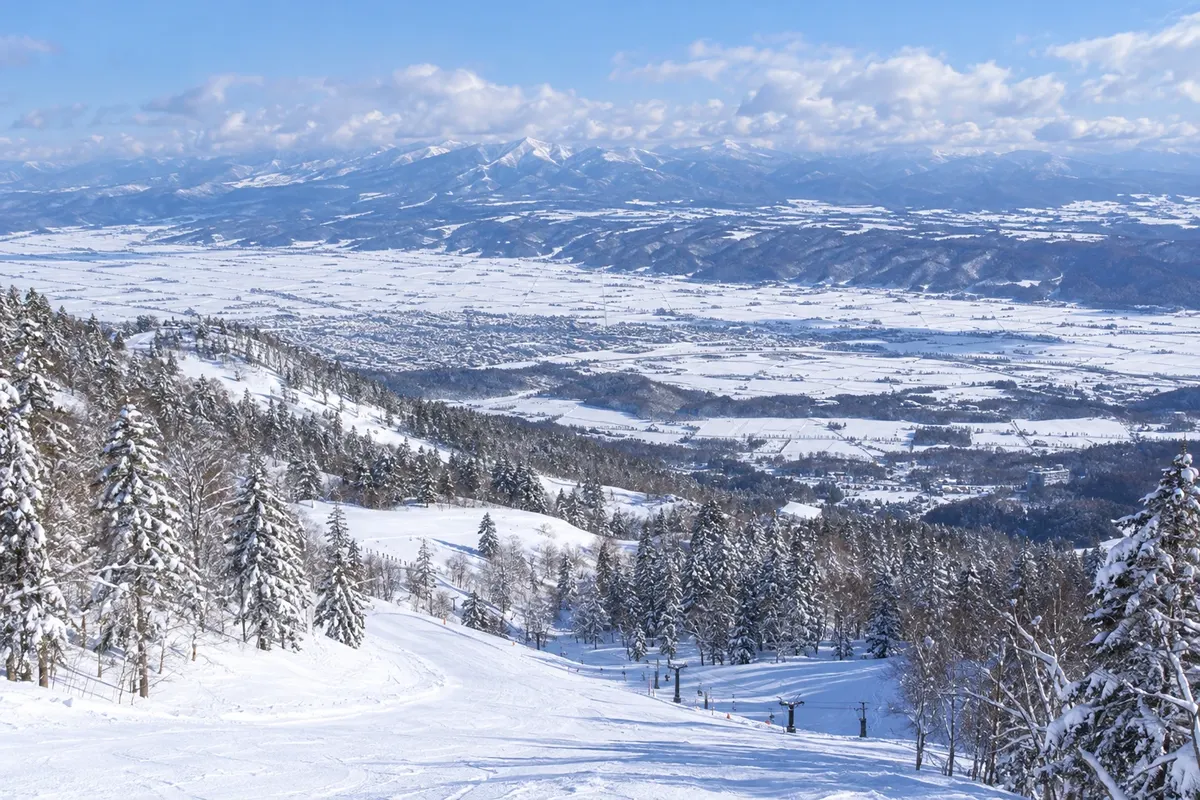
Furano is an agricultural town near the geographic center of Hokkaido, surrounded by lavender and vegetable fields. In summer, Tomita Farm in neighboring Nakafurano displays flower beds that usually peak in July; in winter, Furano’s ski resort draws skiers attracted by the dry snow. The town is also known for its melons, cheeses and local wines.
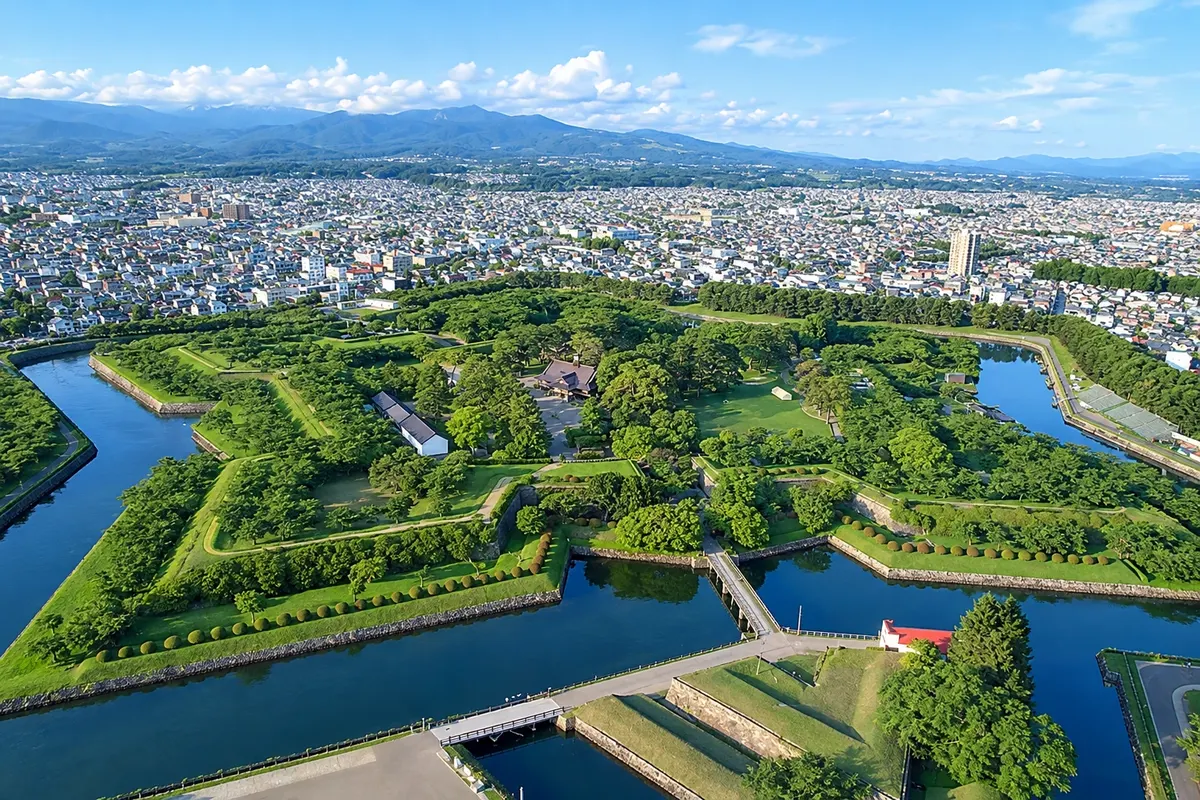
Hakodate is the southern port city of Hokkaido, the province’s third-largest city, squeezed on an isthmus between two bays. Mount Hakodate offers the island’s most famous night view; the star-shaped Goryokaku fort preserves the history of the end of the shogunate; and the Motomachi neighborhood gathers 19th-century churches and Western houses. The morning market, next to the station, sells squid and crab early in the day.
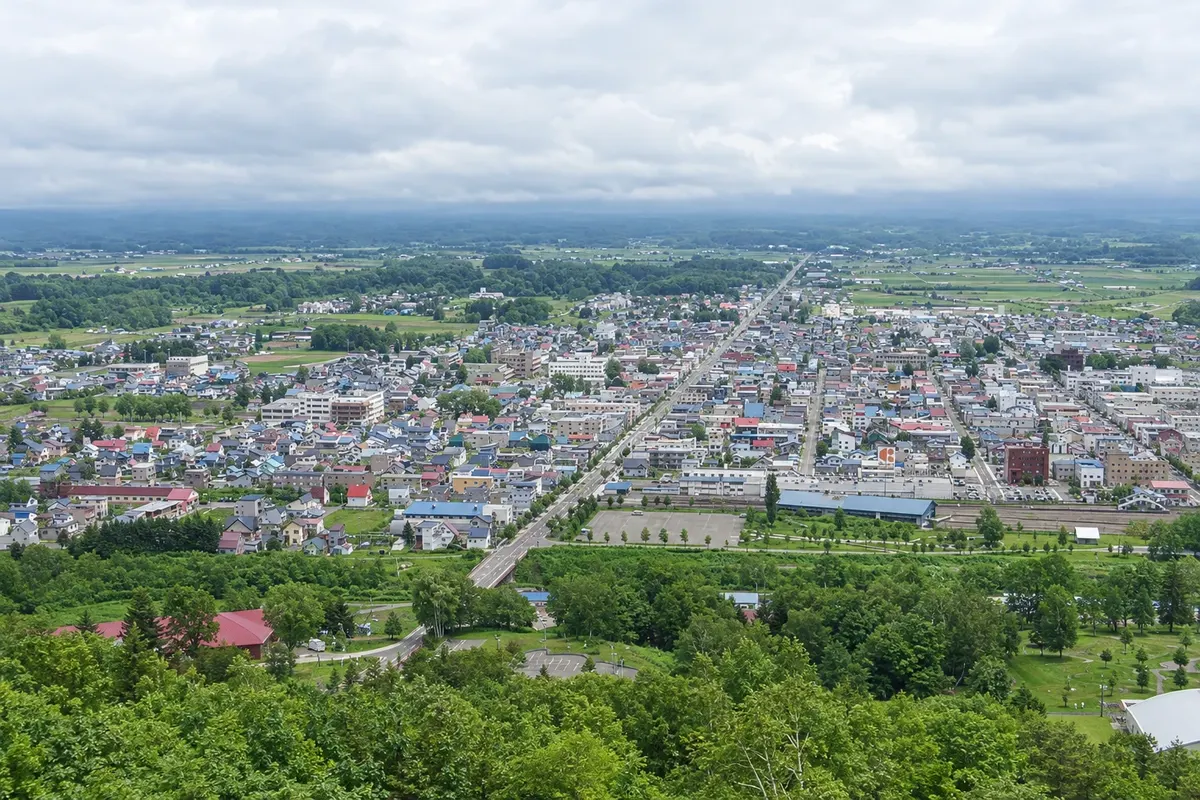
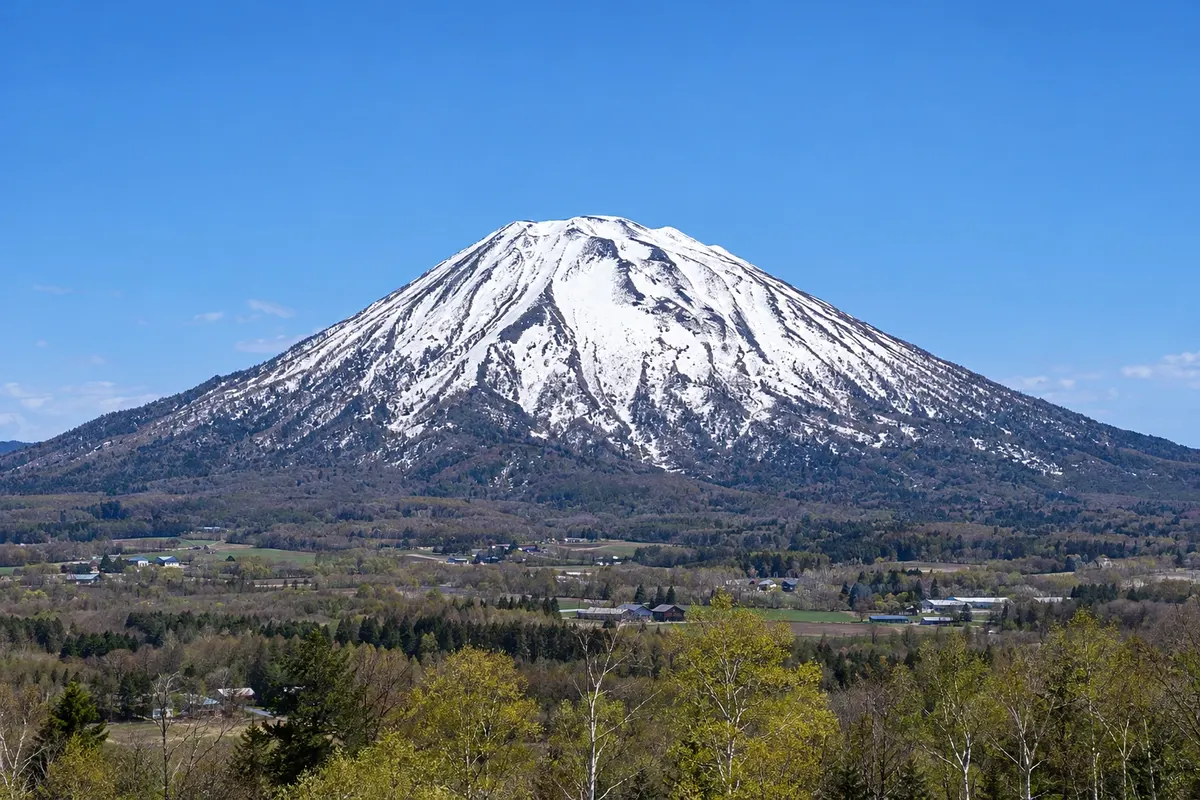
Kutchan is the main town in the Niseko area, between Mount Yotei and Mount Niseko Annupuri. The center, next to the station, has shops and services; about 5 km away, Hirafu village sits at the base of the Grand Hirafu resort and nearby Hanazono. Mount Yotei, with summer trails up to the crater, rises to the east of town.
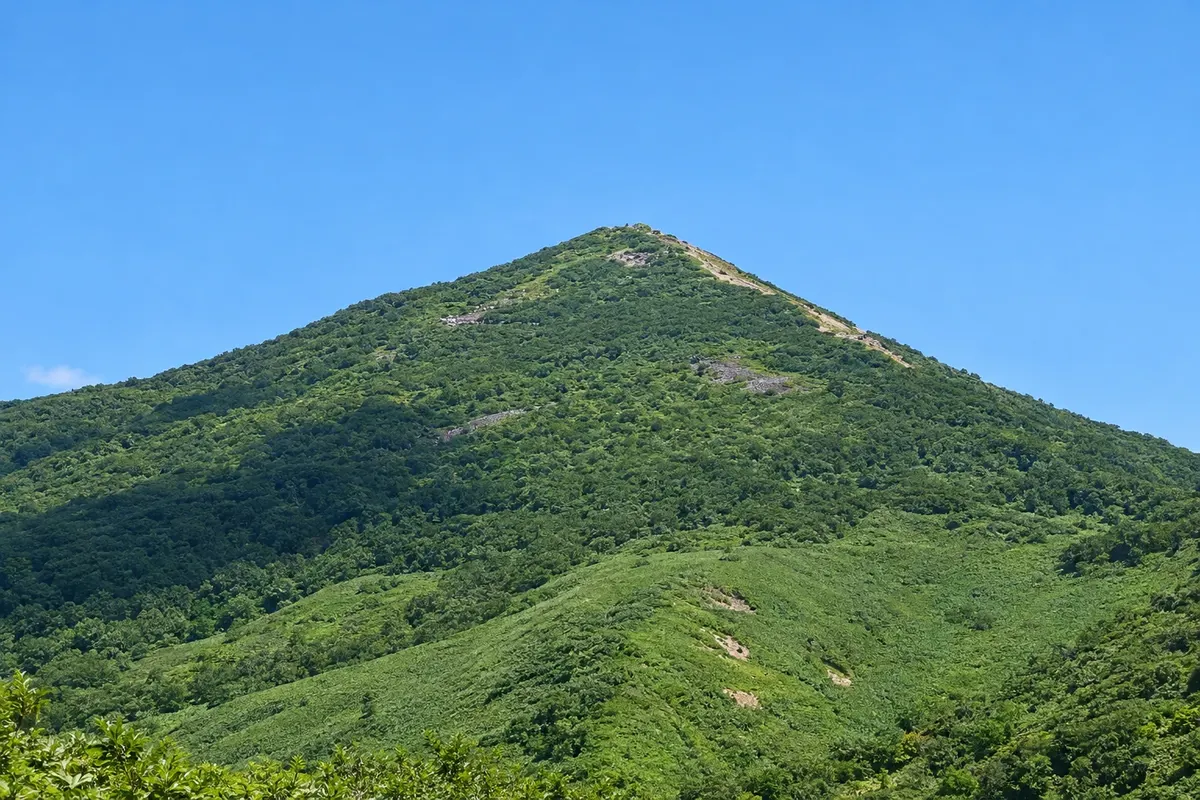
Niseko is the town that gives its name to the ski region in southwestern Hokkaido, south of Mount Niseko Annupuri. It includes the resorts of Niseko Village and Annupuri, hot springs scattered along the slopes, the Shiribetsu River used for rafting in summer, and the scenic road that climbs to mountain ponds such as Shinsen-numa. The town center is next to Niseko Station.
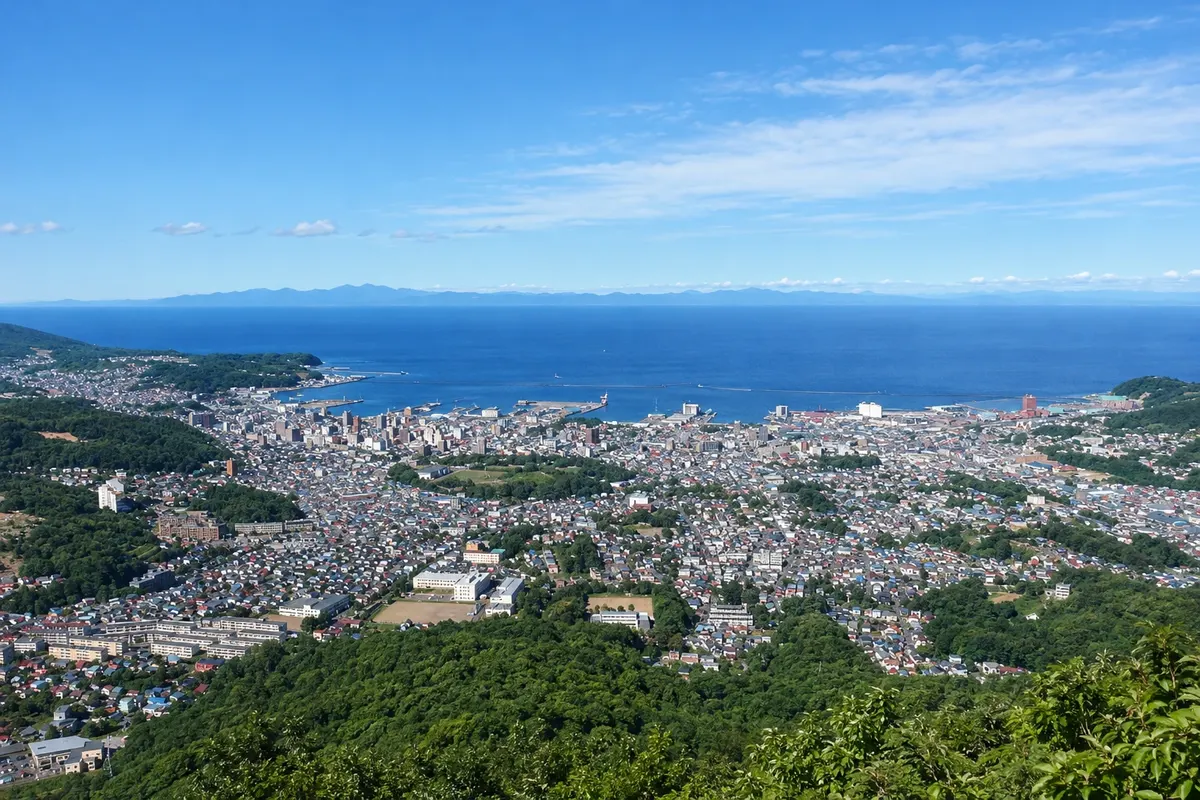
Otaru is a port town on Ishikari Bay about 40 km from Sapporo. In the early 20th century it was Hokkaido’s financial center, and from that era remain the canal with stone warehouses, old bank buildings and merchant mansions. Sakaimachi Street groups glassware shops and music boxes, and Mount Tengu offers views over the bay. Seafood and sushi are part of the visit.
From June to August the days are mild, without the rainy season that affects the rest of the country, and Furano’s lavender usually blooms in July. Leaves begin to change color in the Daisetsuzan mountains in September and move down to cities in October. From December to March there is snow and skiing; Sapporo’s Snow Festival takes place in early February, and the drifting sea ice typically reaches the coast of the Sea of Okhotsk between late January and March.
New Chitose Airport (CTS), about 40 km from Sapporo, receives flights from Tokyo, Osaka and other cities in Japan and Asia, and a fast train links the airport to central Sapporo. The Hokkaido Shinkansen runs from Tokyo to Shin‑Hakodate‑Hokuto in about 4 hours. Ferries from Aomori and other Honshu ports reach Hakodate, Tomakomai and Otaru. Distances on the island are large, and outside cities a car is useful.
Your questions
One week lets you combine Sapporo, Otaru and Furano or Biei in summer, or Sapporo and a ski resort in winter. Shiretoko, Akan and Hakodate require extra days because they are far from each other and from Sapporo.
Generally in July, with variation from year to year. Other flower fields in the region — poppies, sunflowers and salvias — are usually colorful from June to September.
In Sapporo, Otaru and Hakodate, no: trains and buses serve these cities well. For Biei, Shiretoko and Akan, a car gives more freedom. In winter, driving requires experience with snow and ice; JR trains are the alternative.
In early February, for about a week, with sculptures in Odori Park and in Susukino. Dates change each year: check before you go.
Beyond the guide