The state
Get to know Minas Gerais
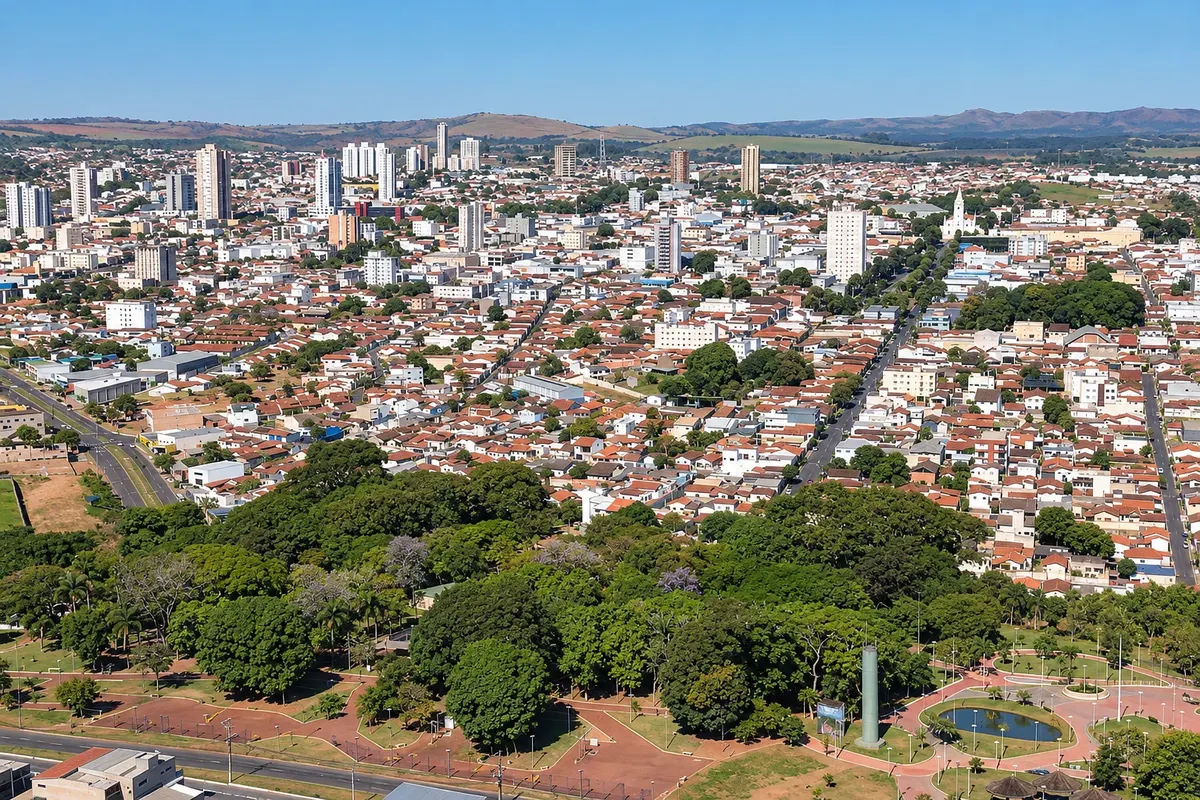
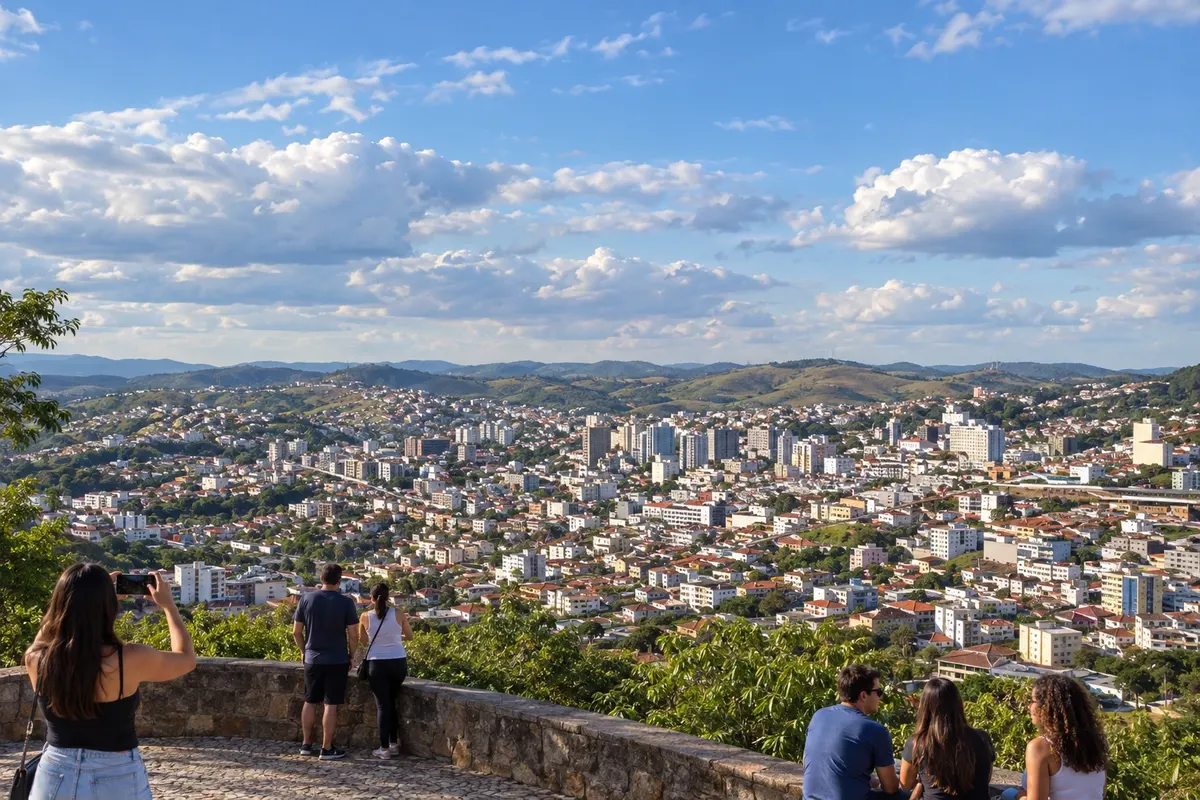
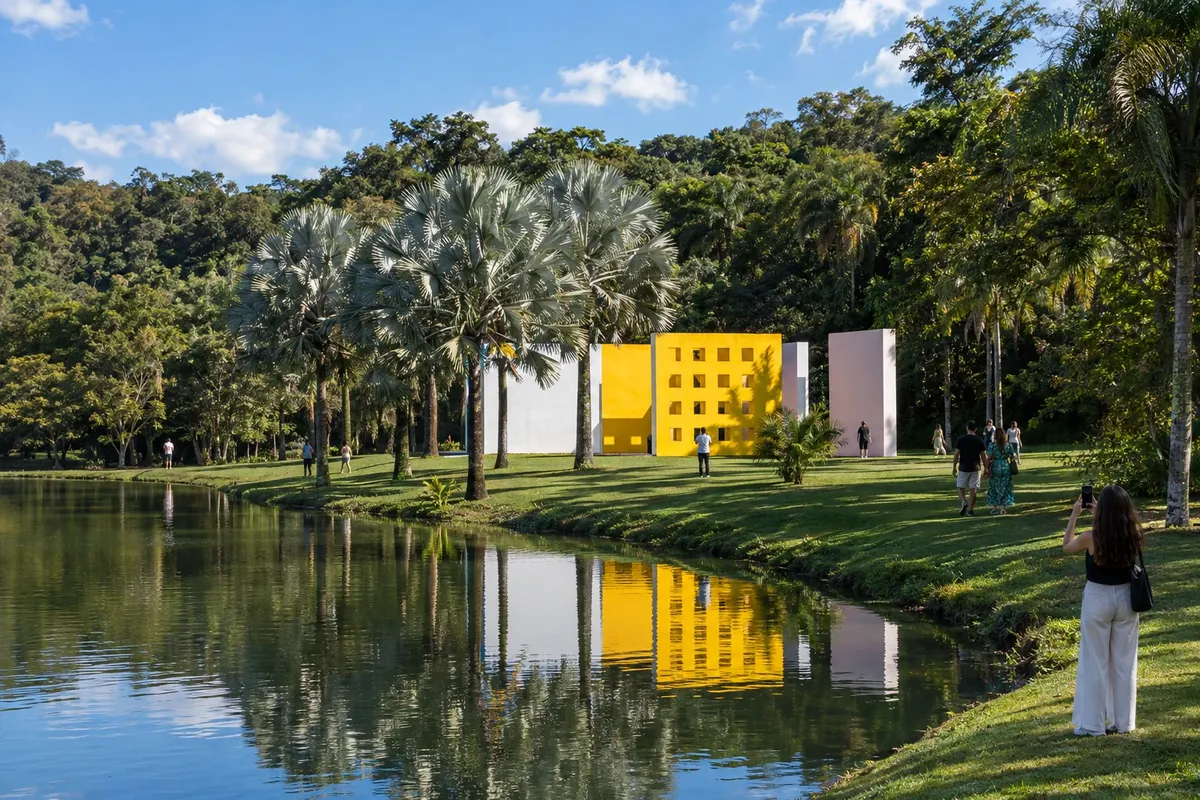
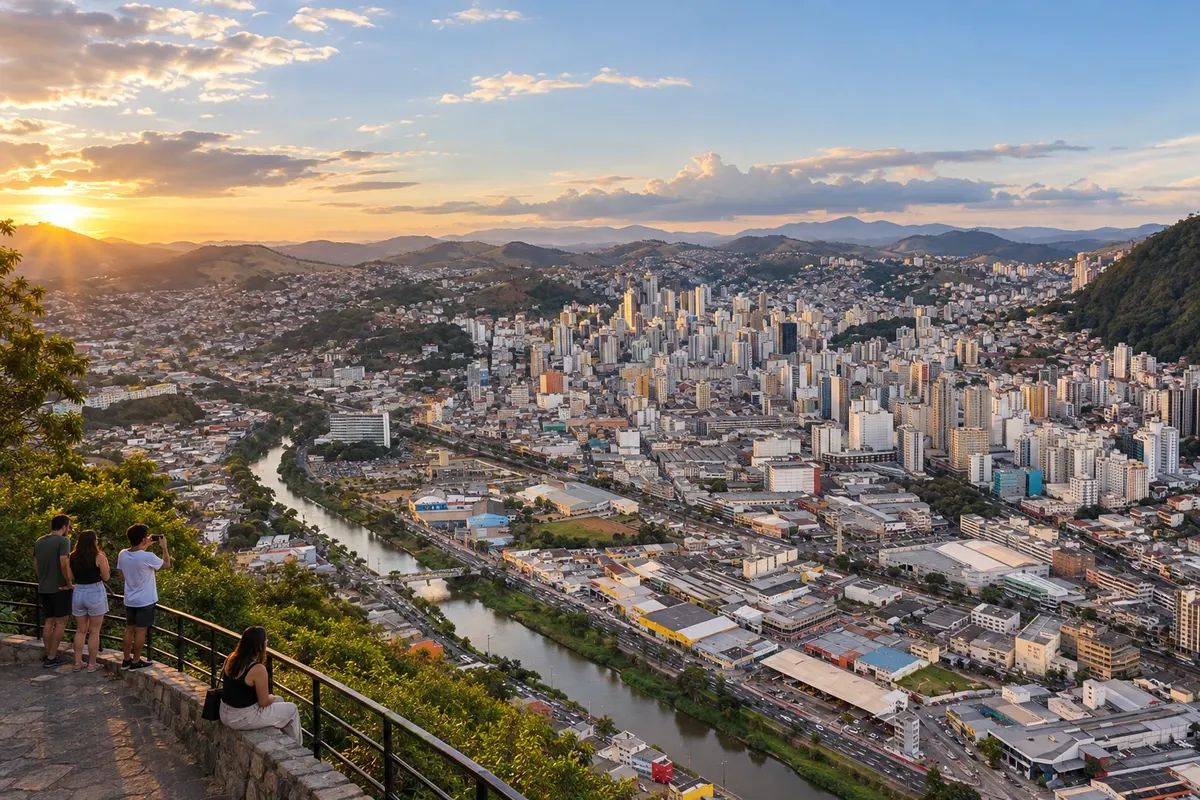
Belo Horizonte was planned at the end of the 19th century to be the new capital, replacing Ouro Preto. The city is home to the Conjunto Moderno da Pampulha, designed by Oscar Niemeyer and recognized as a World Heritage site, the Mercado Central and a bar culture whose bars form a route in themselves. In the metropolitan region, in Brumadinho, the Instituto Inhotim brings together contemporary art and botanical gardens.
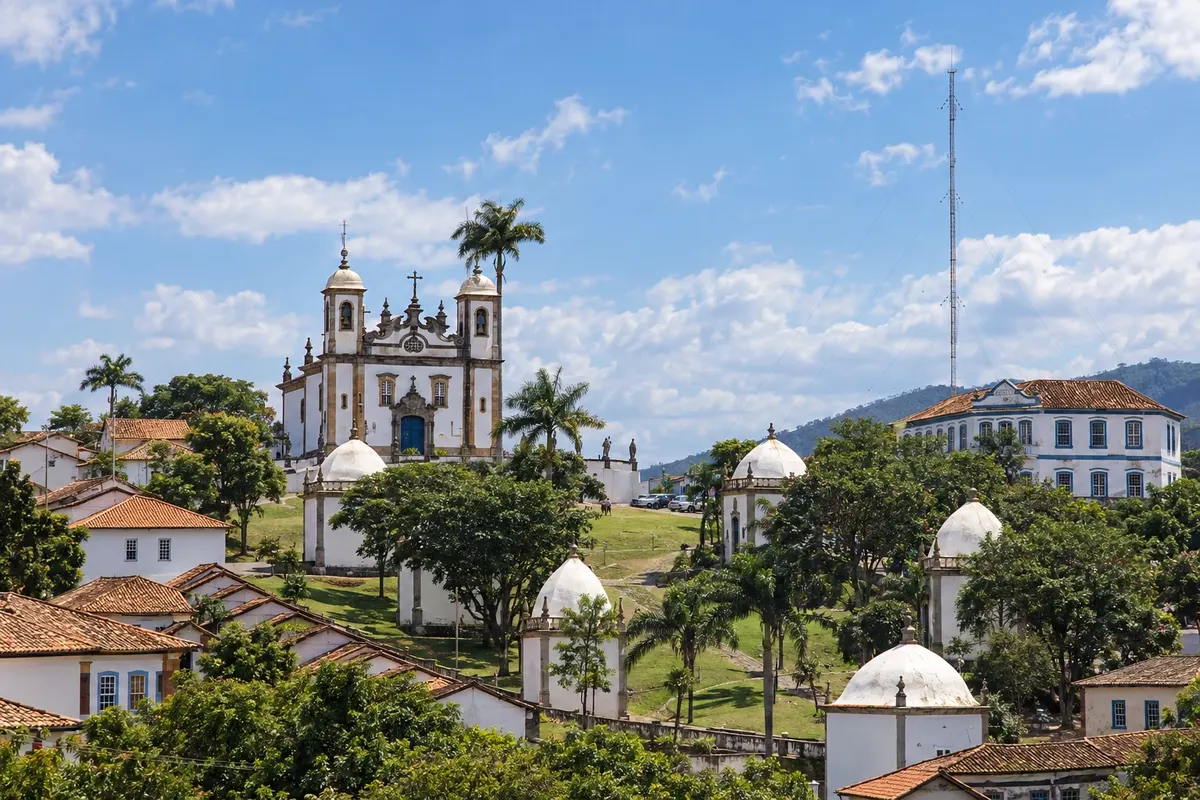
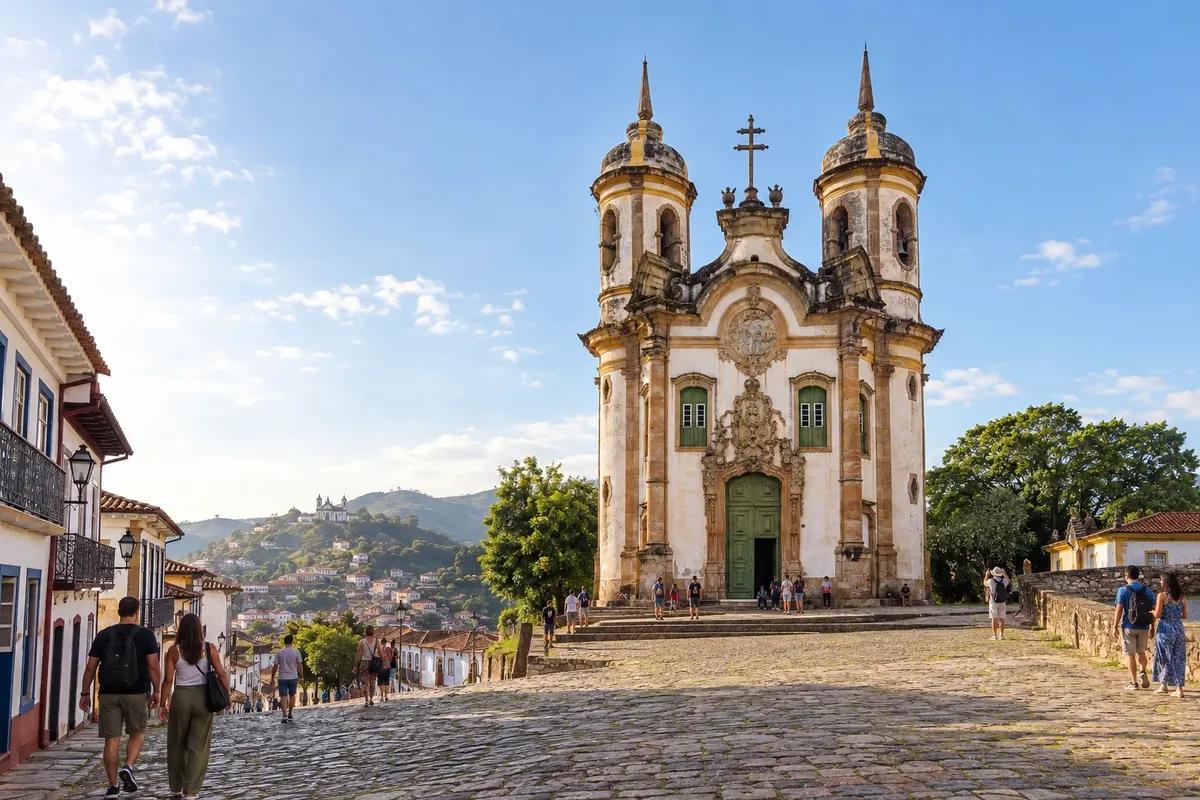
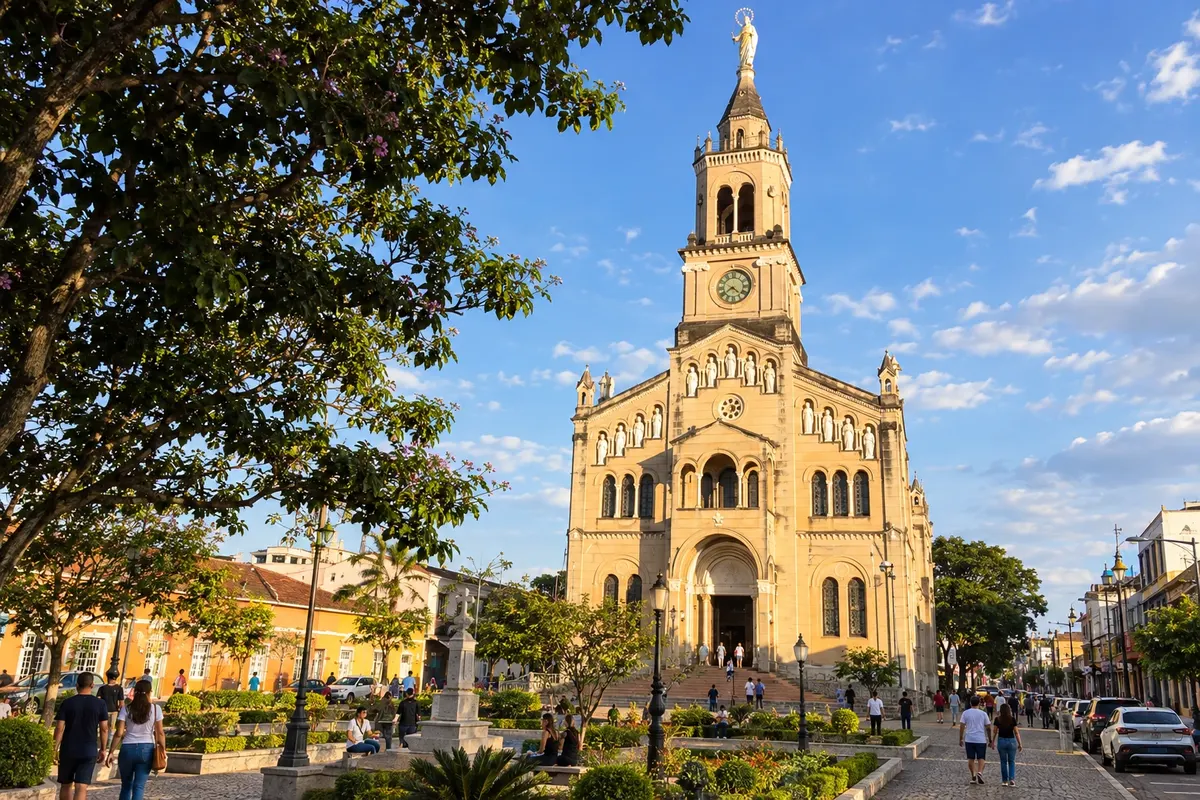
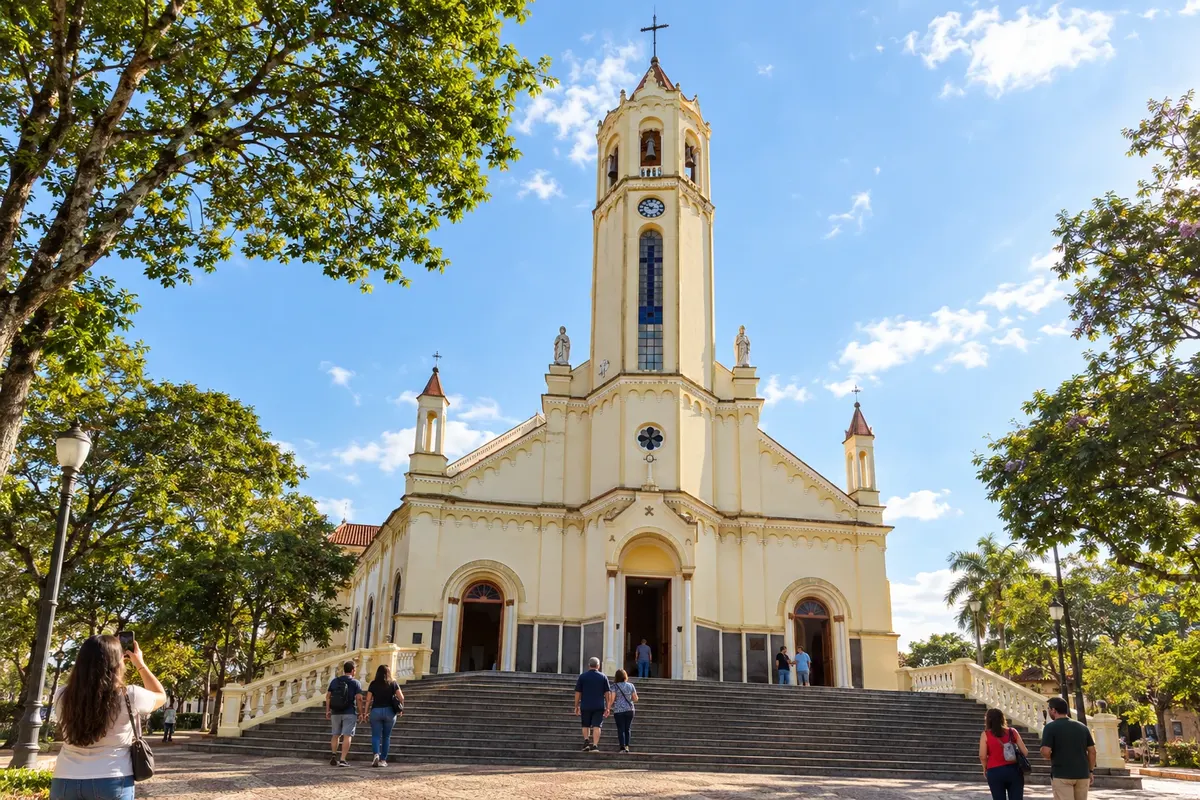
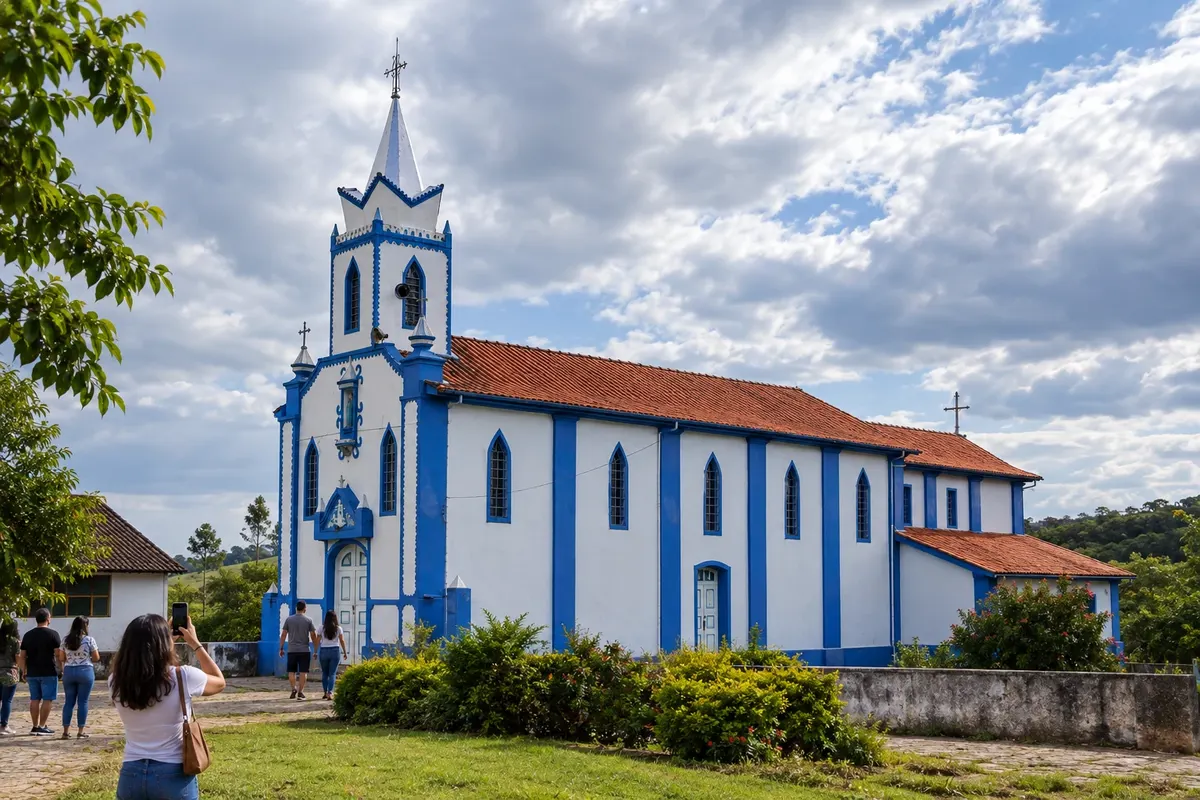
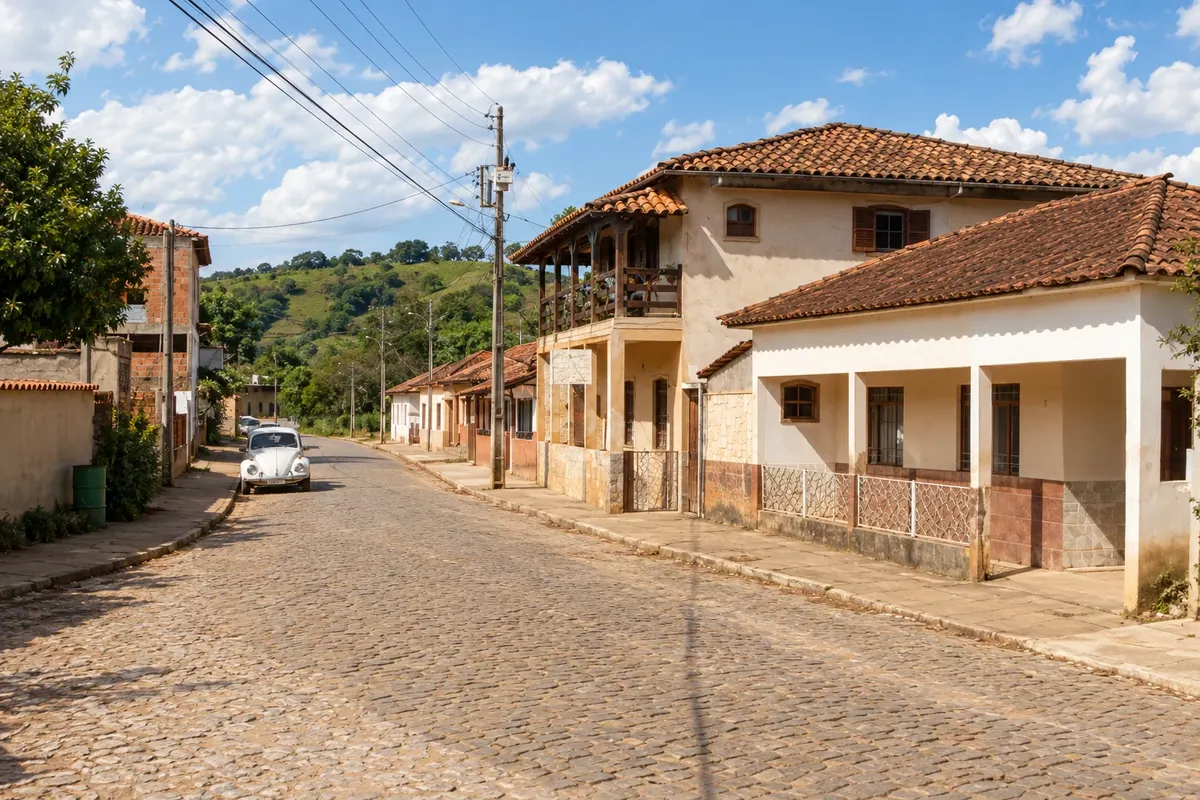
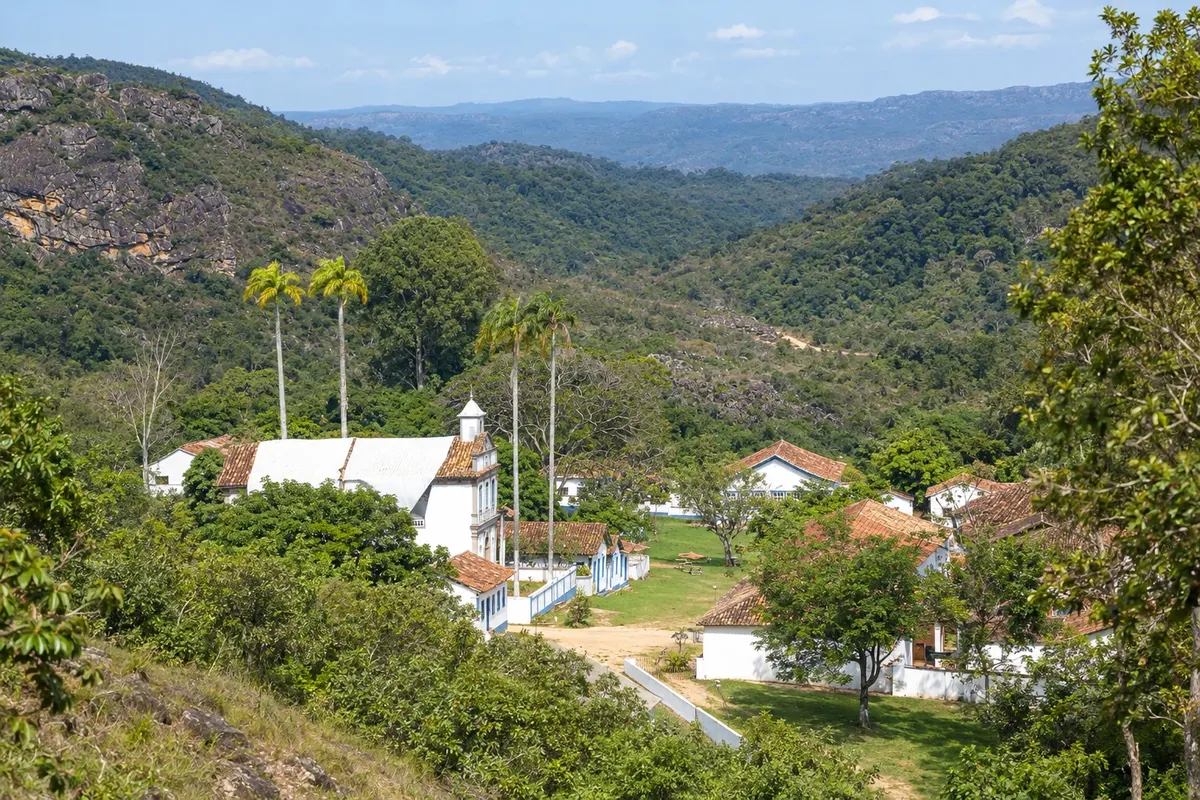
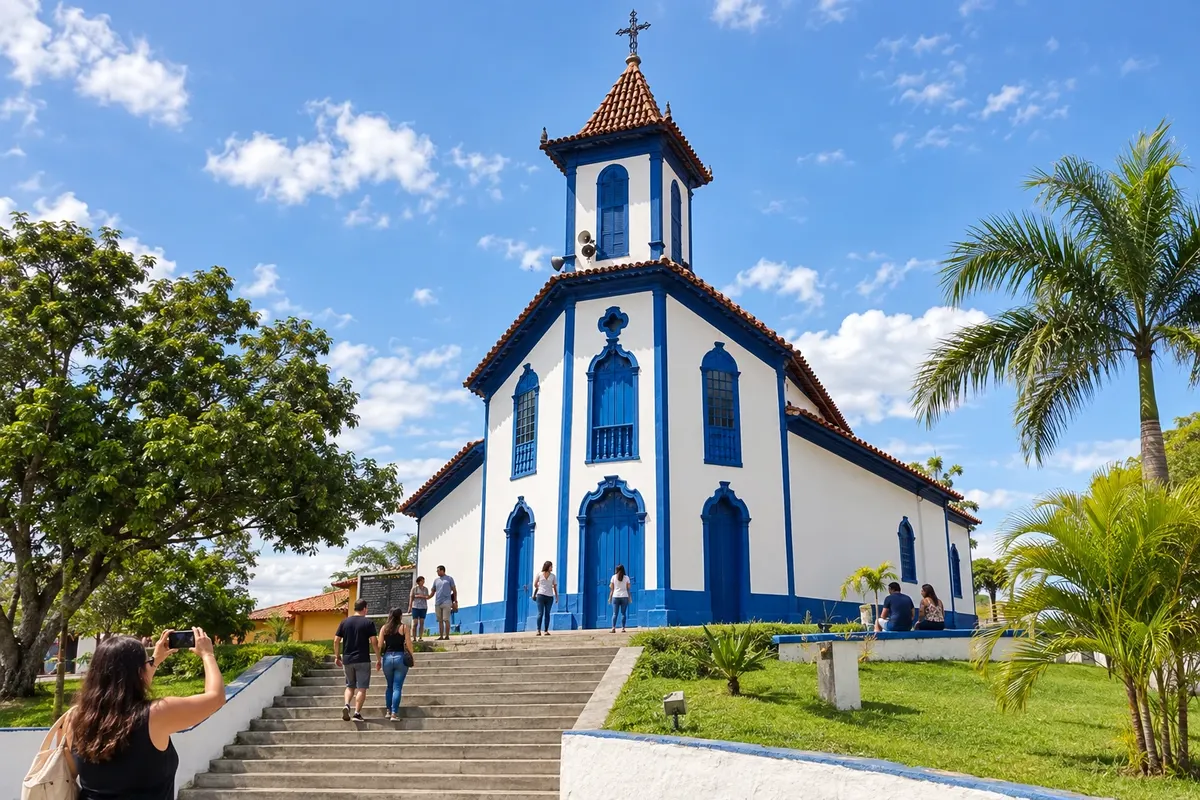
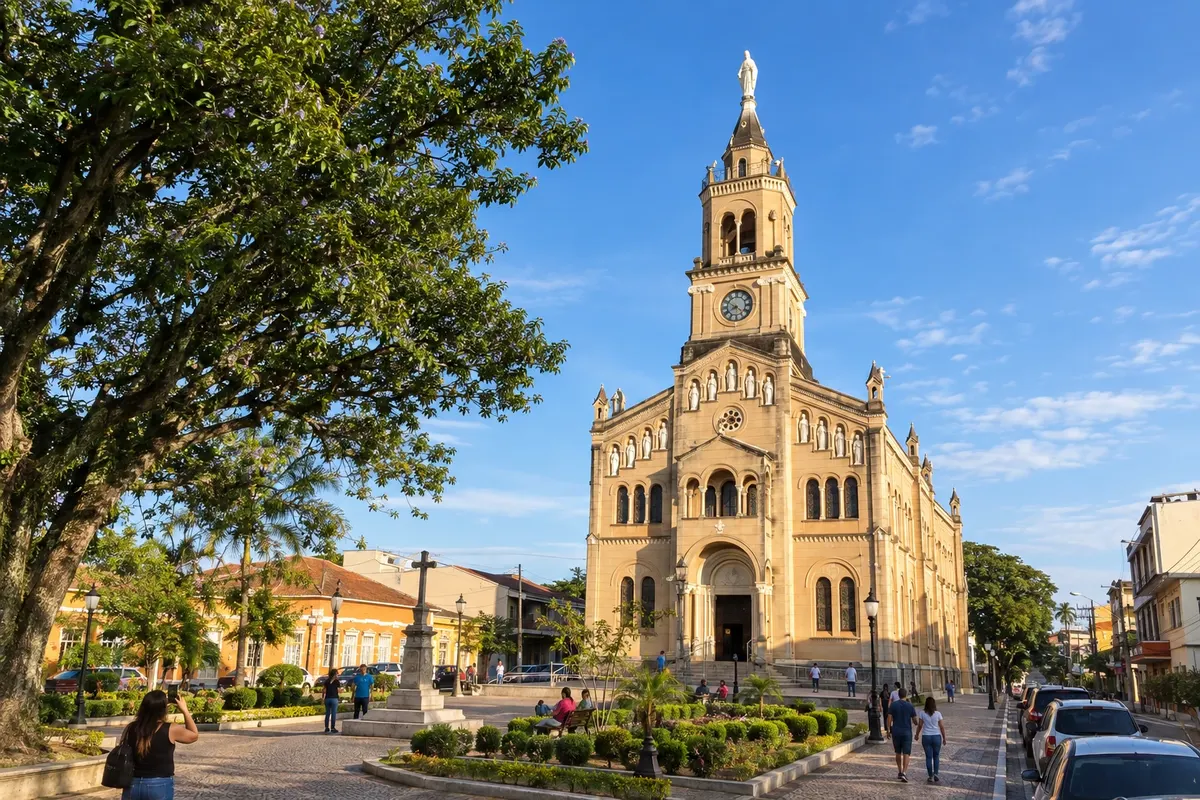
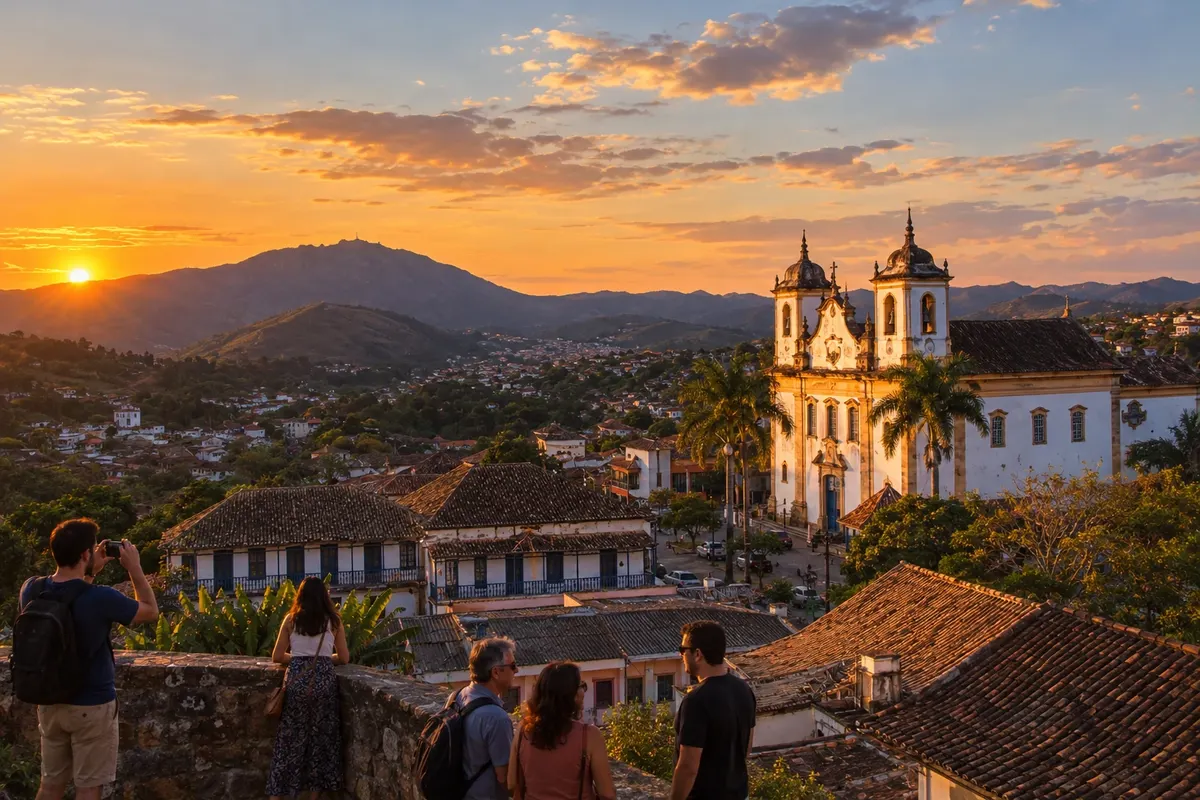
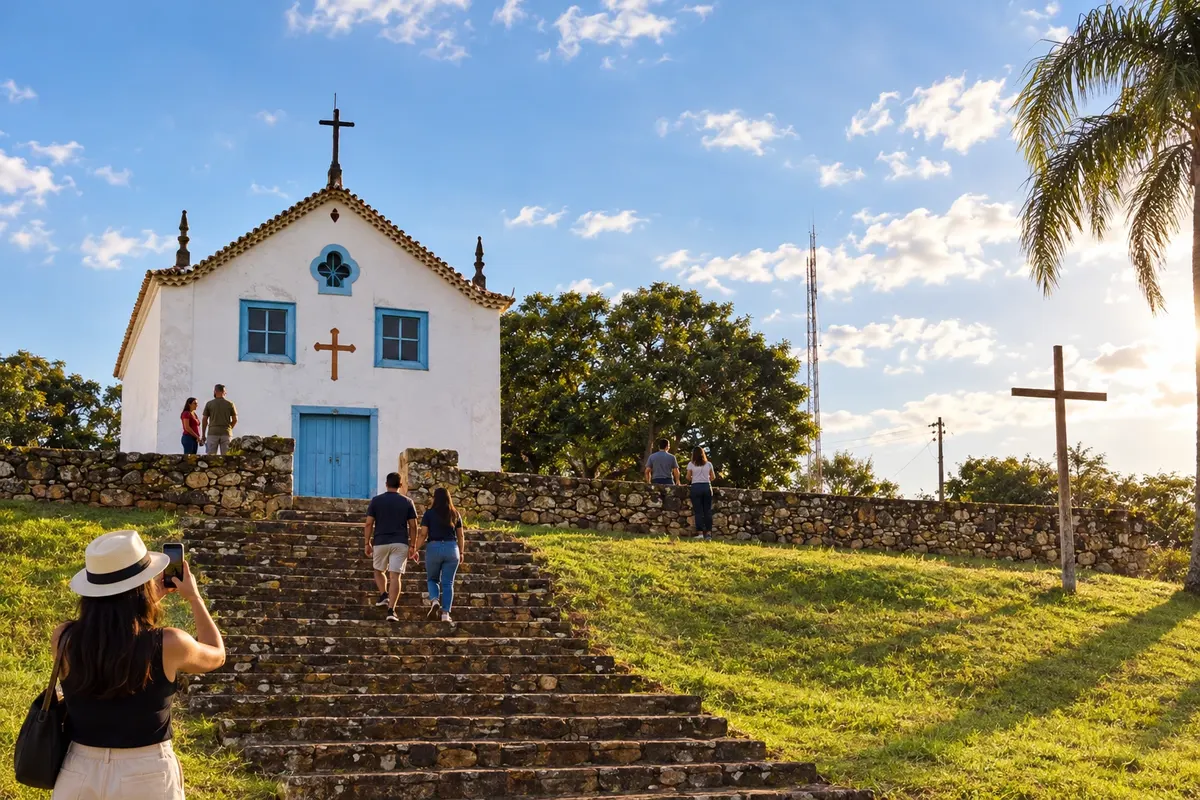
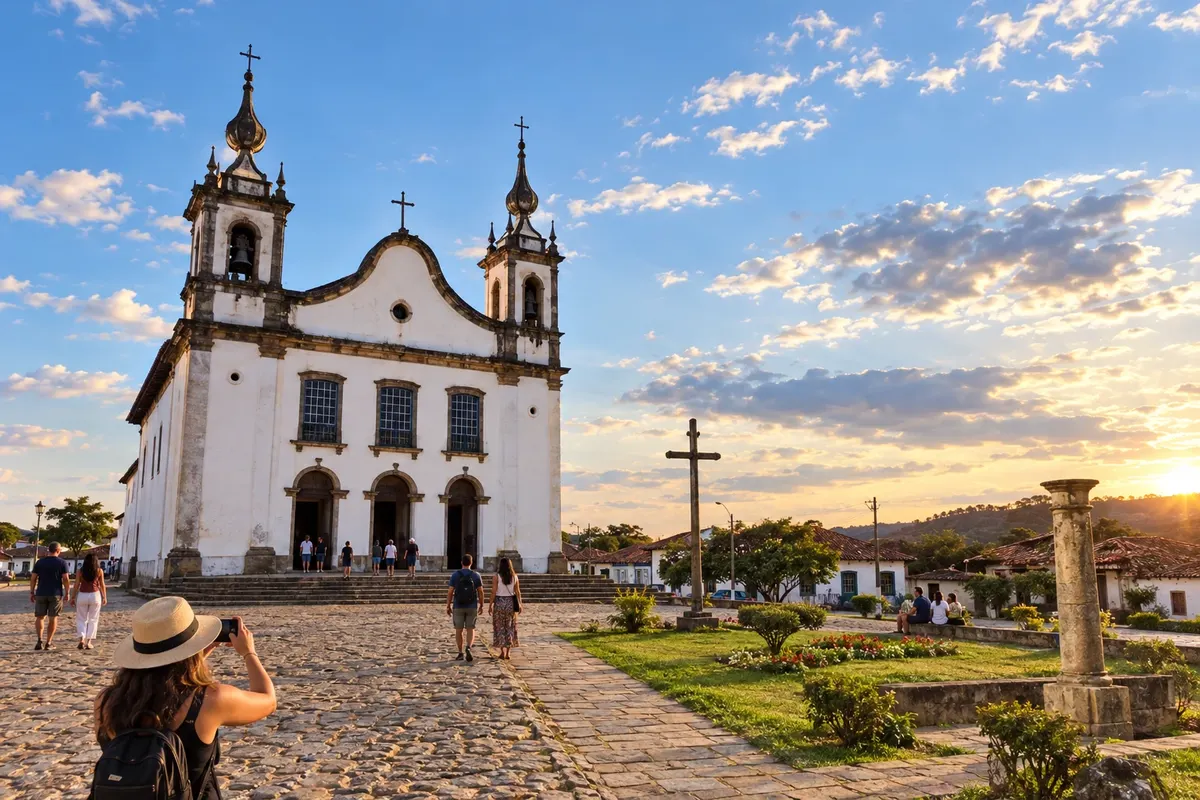
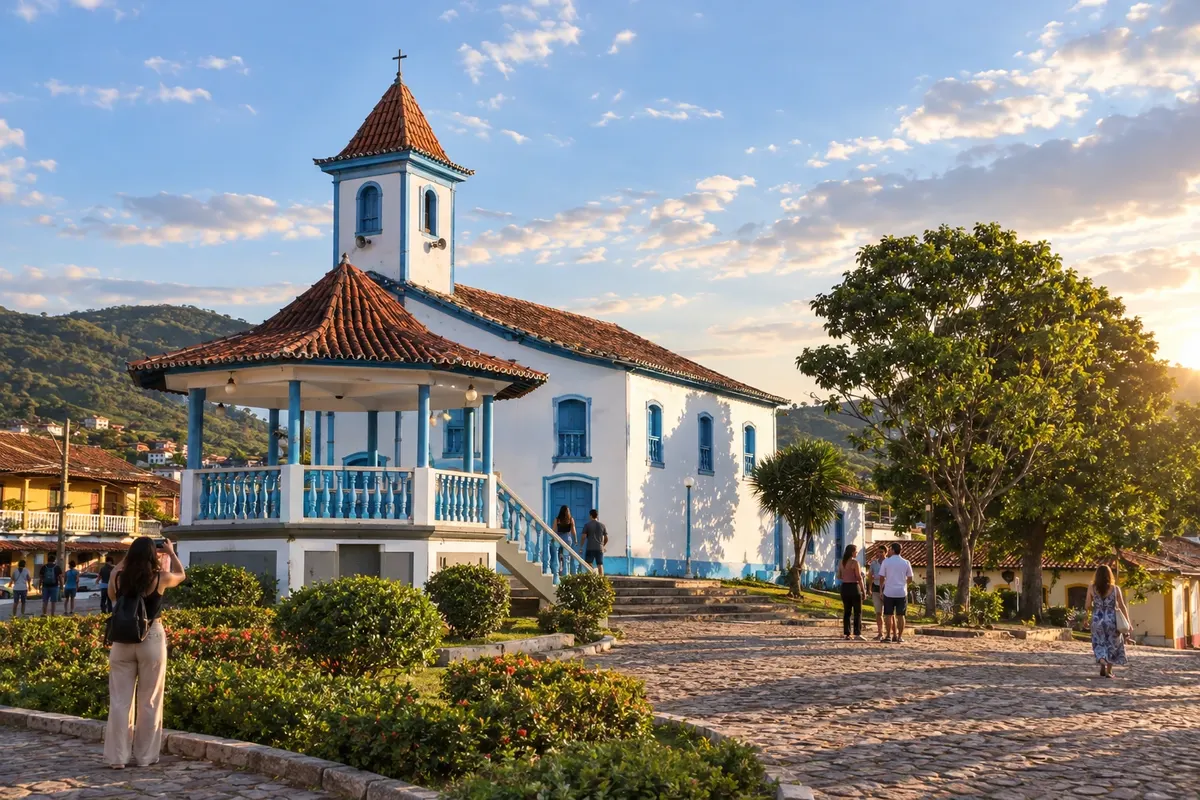
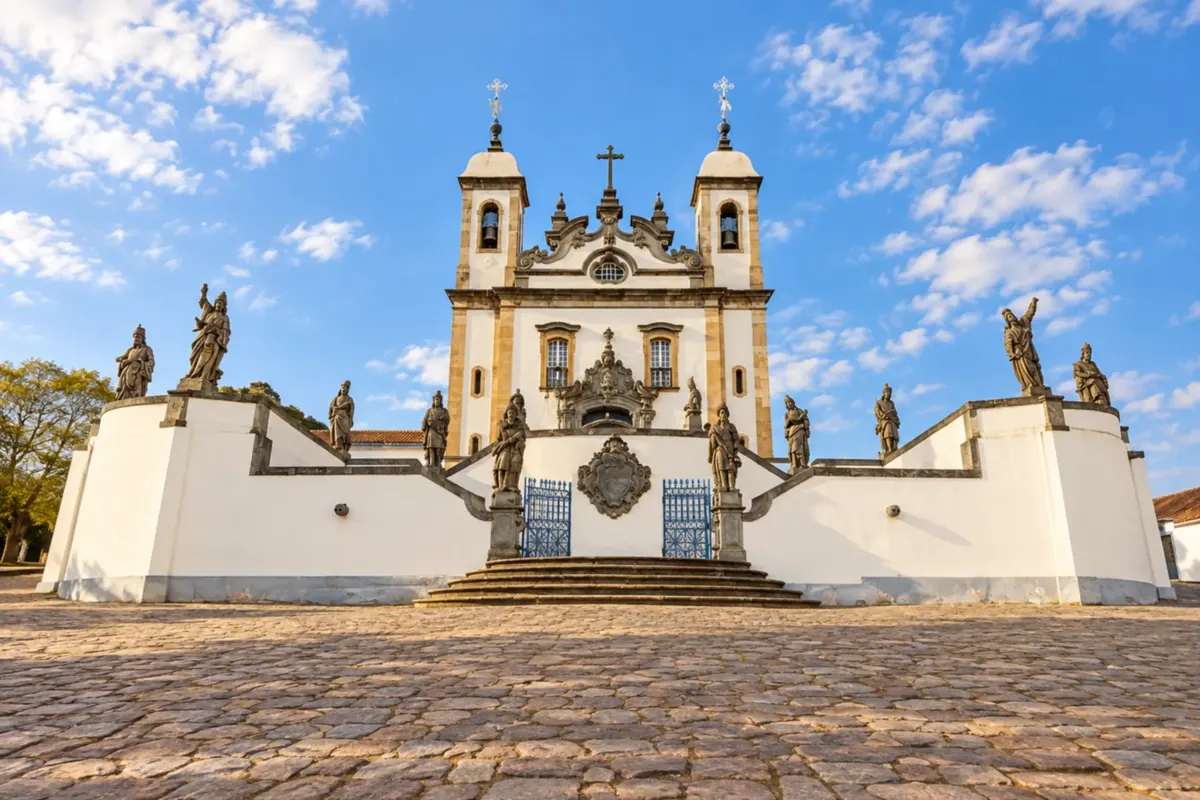
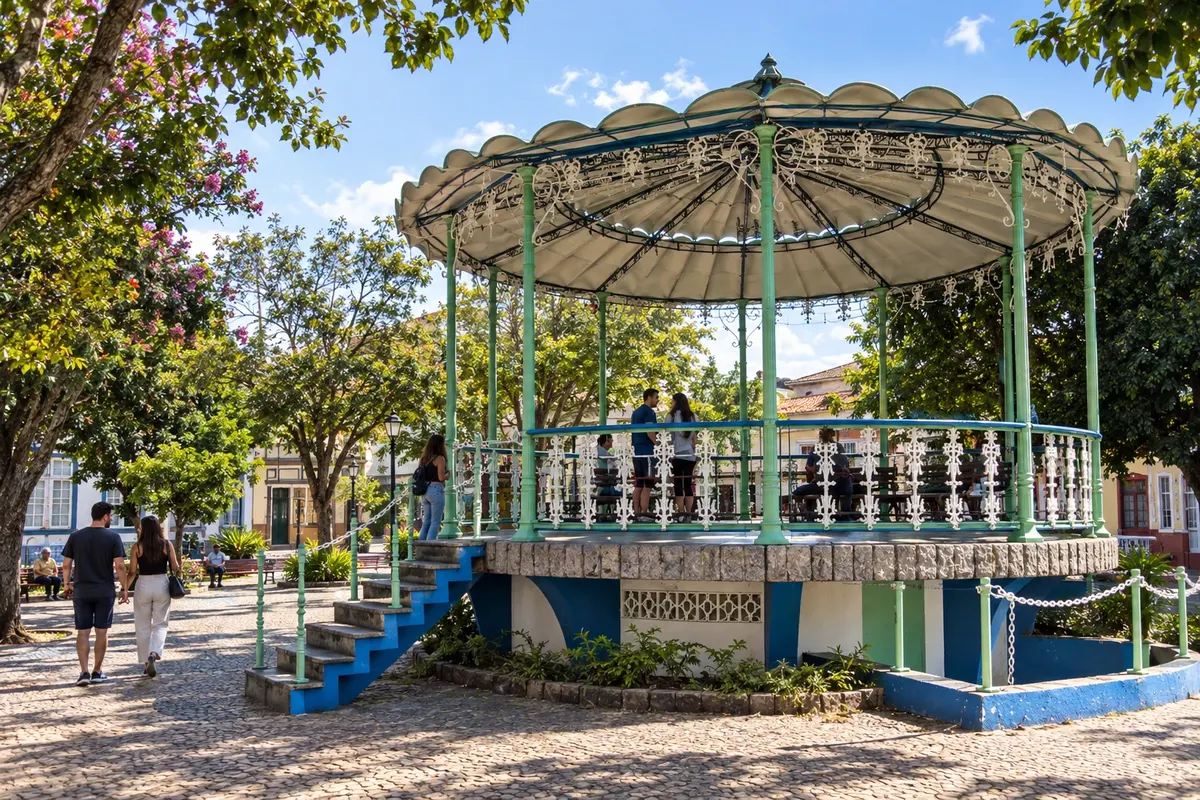
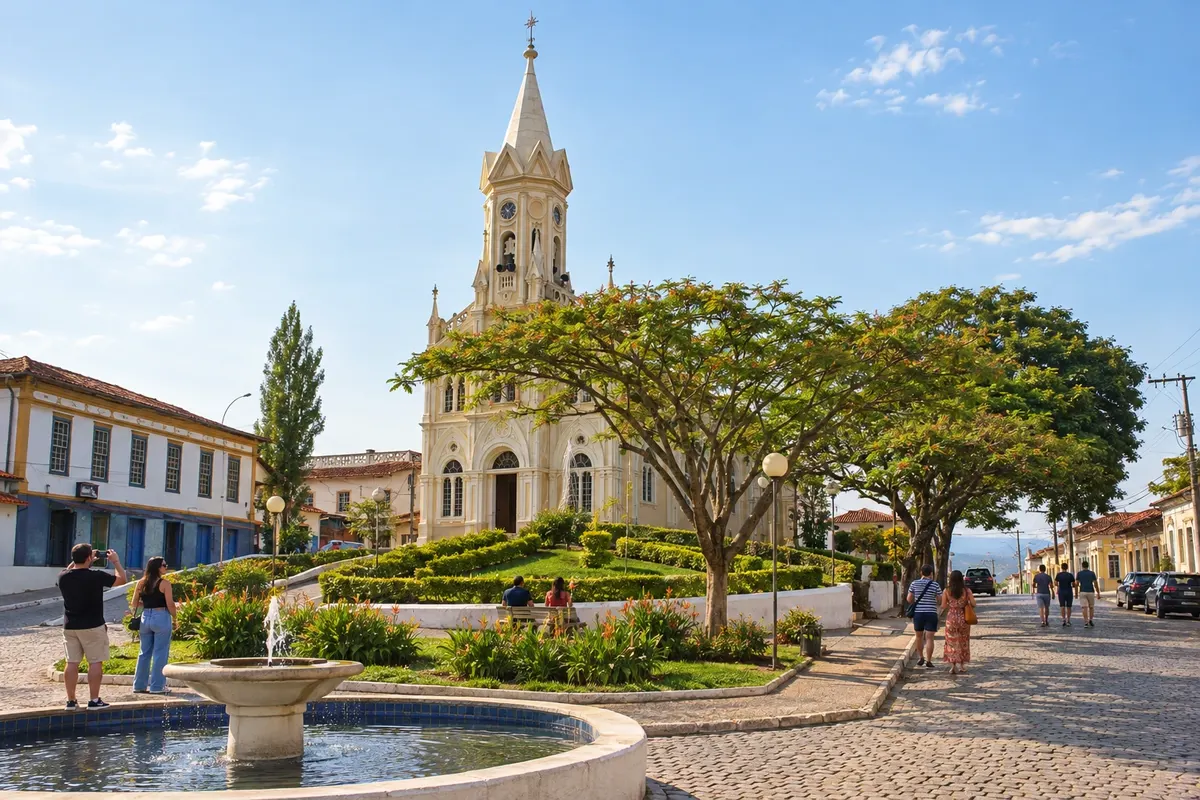
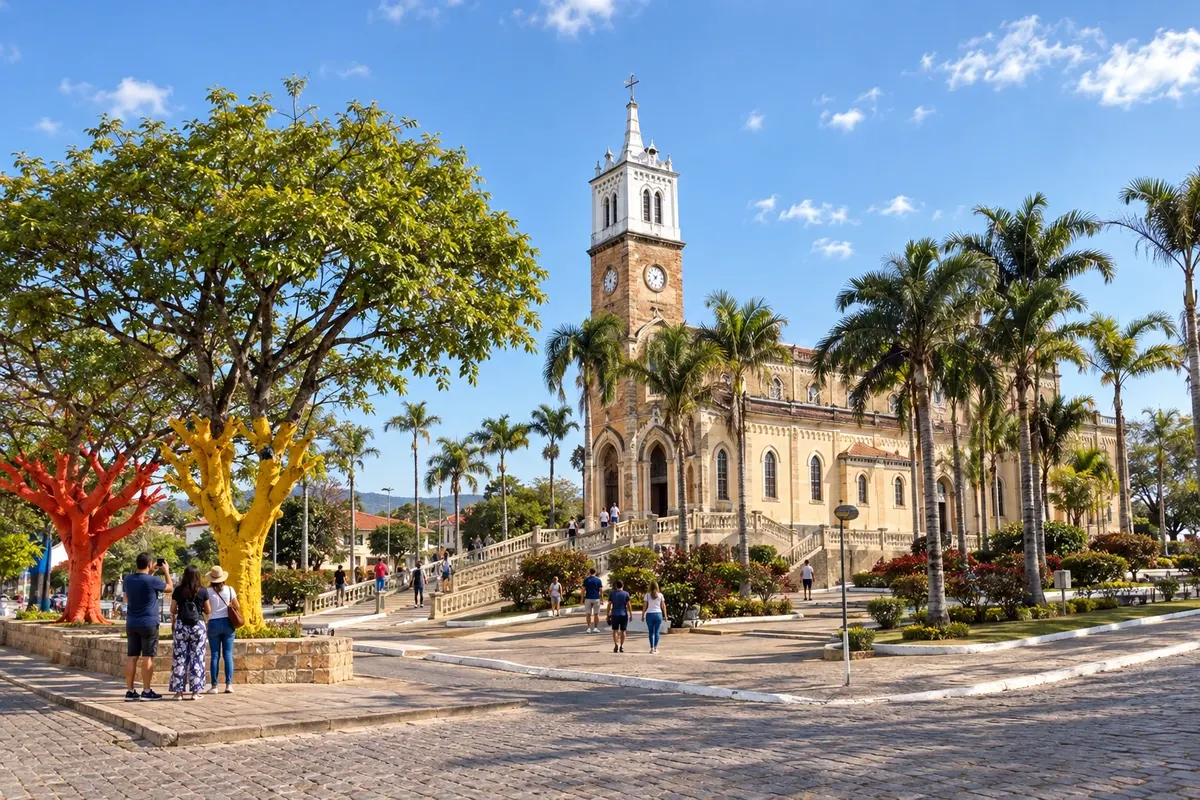
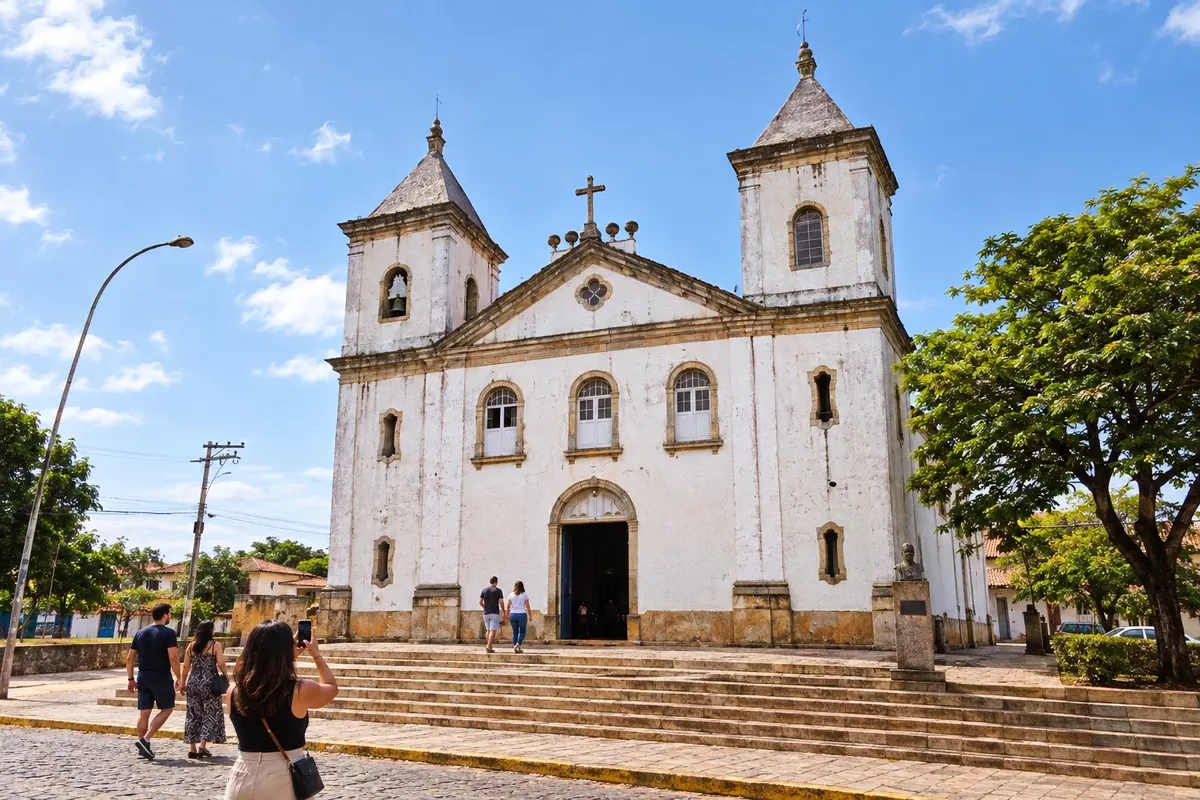
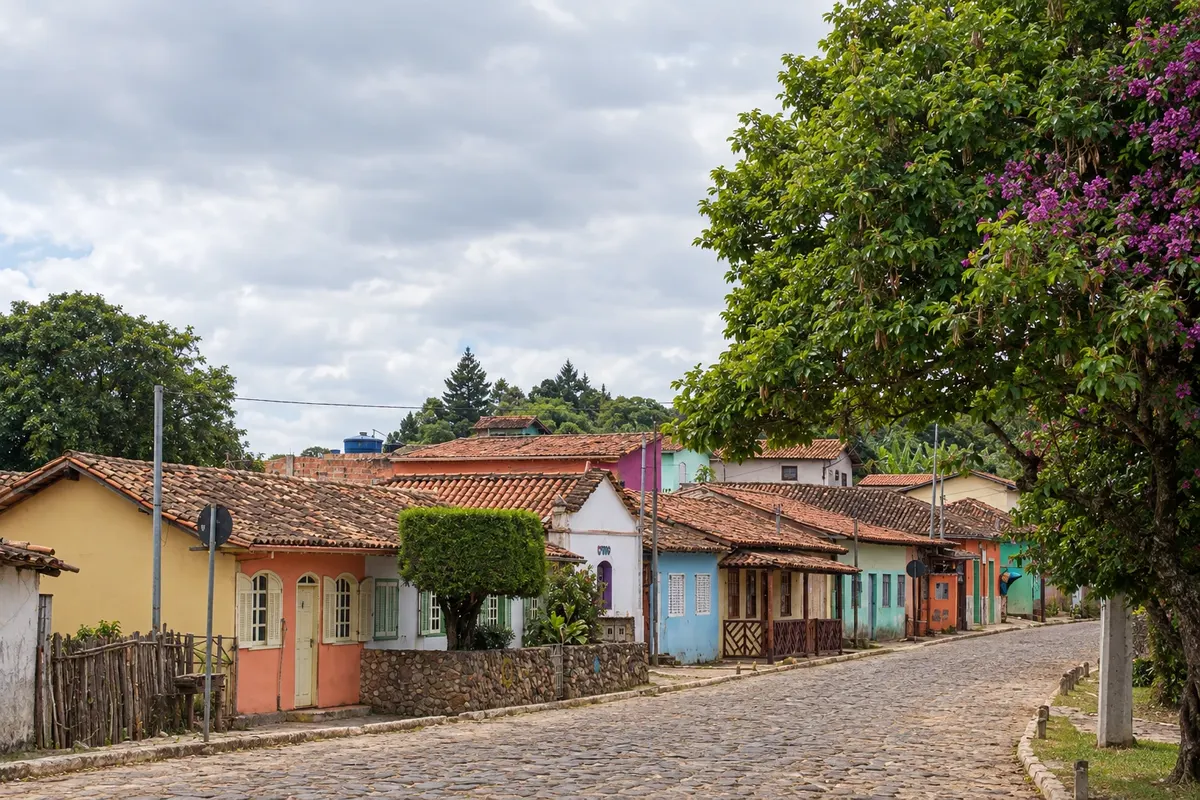
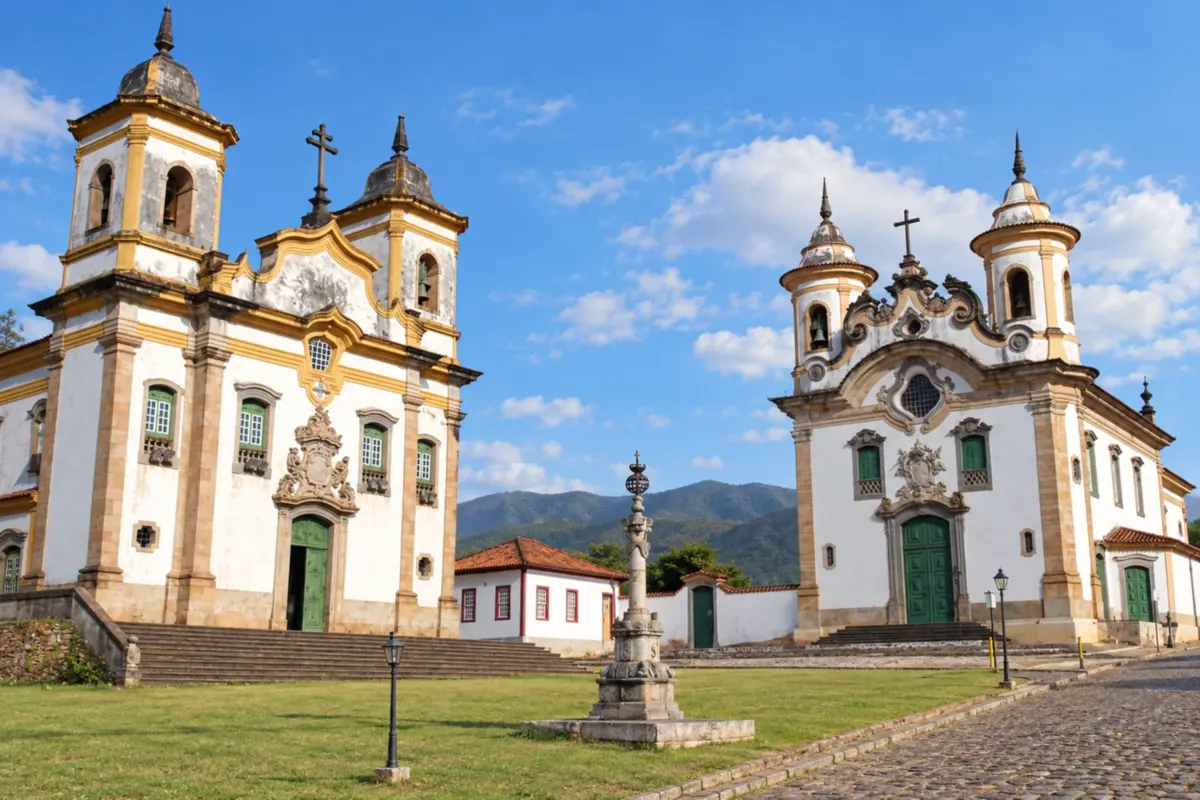
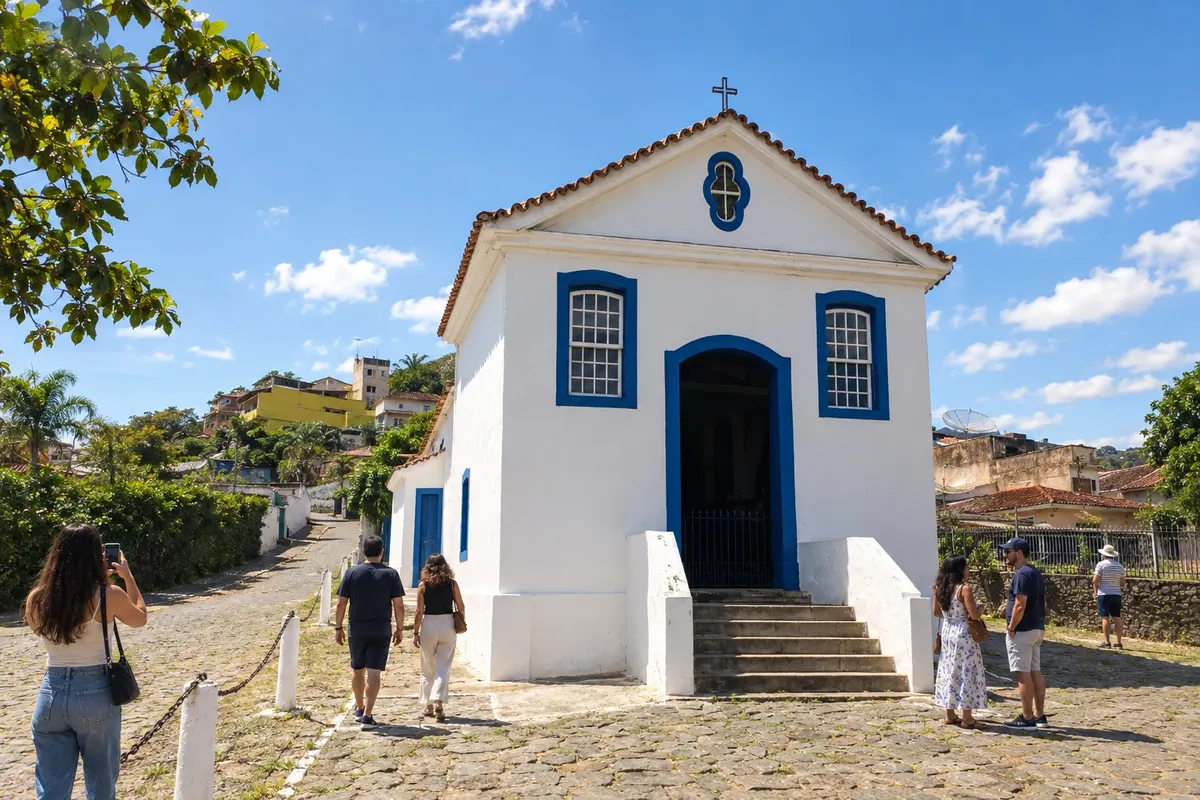
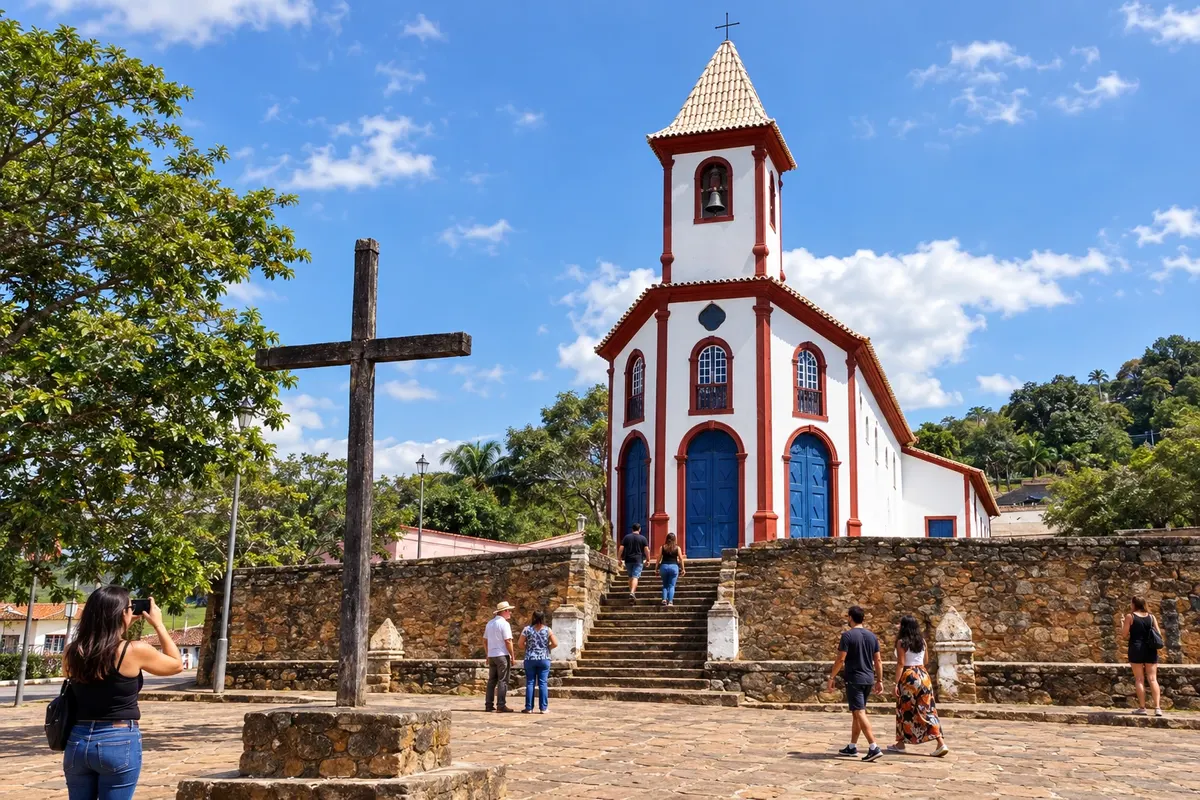
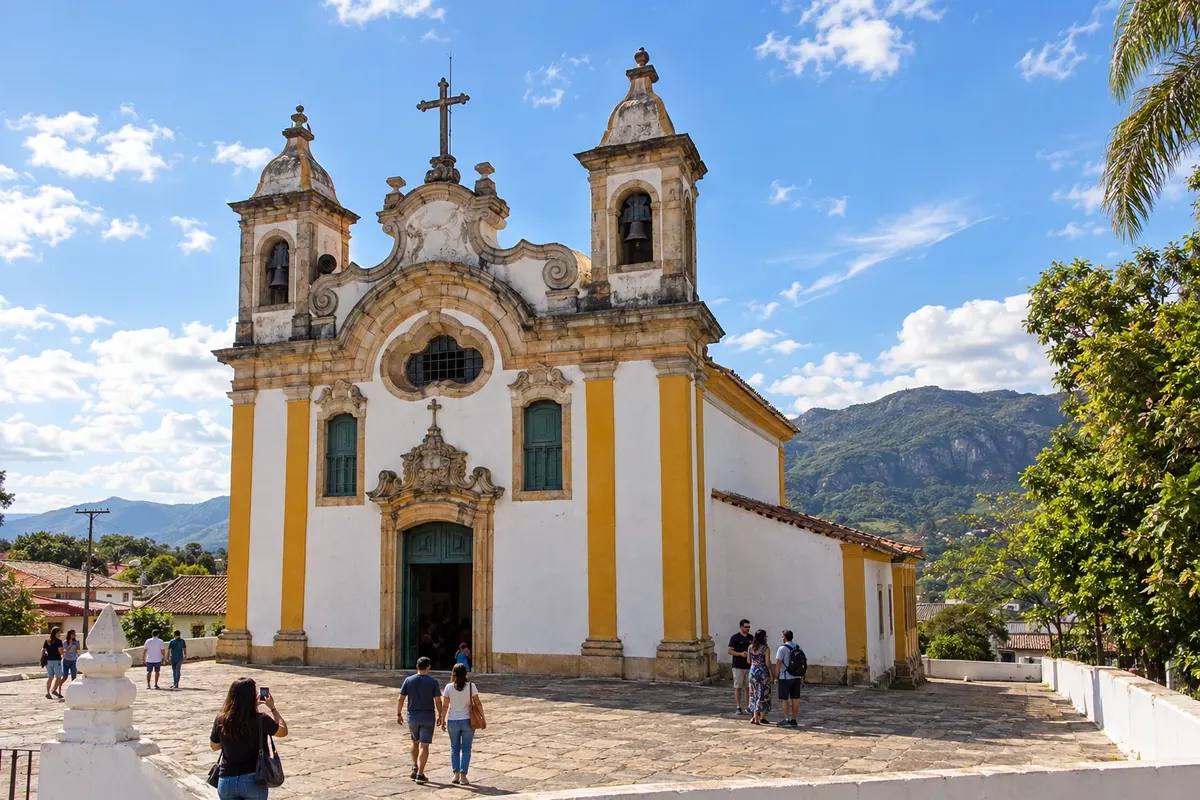
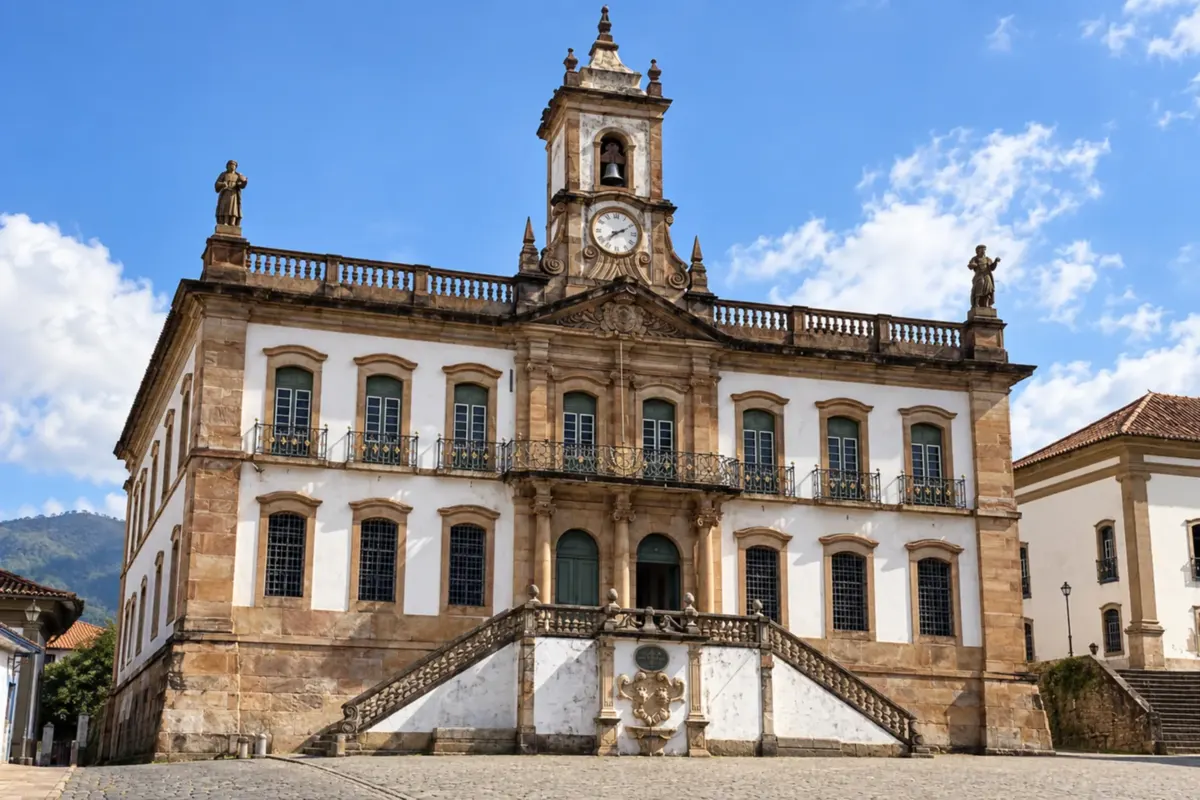
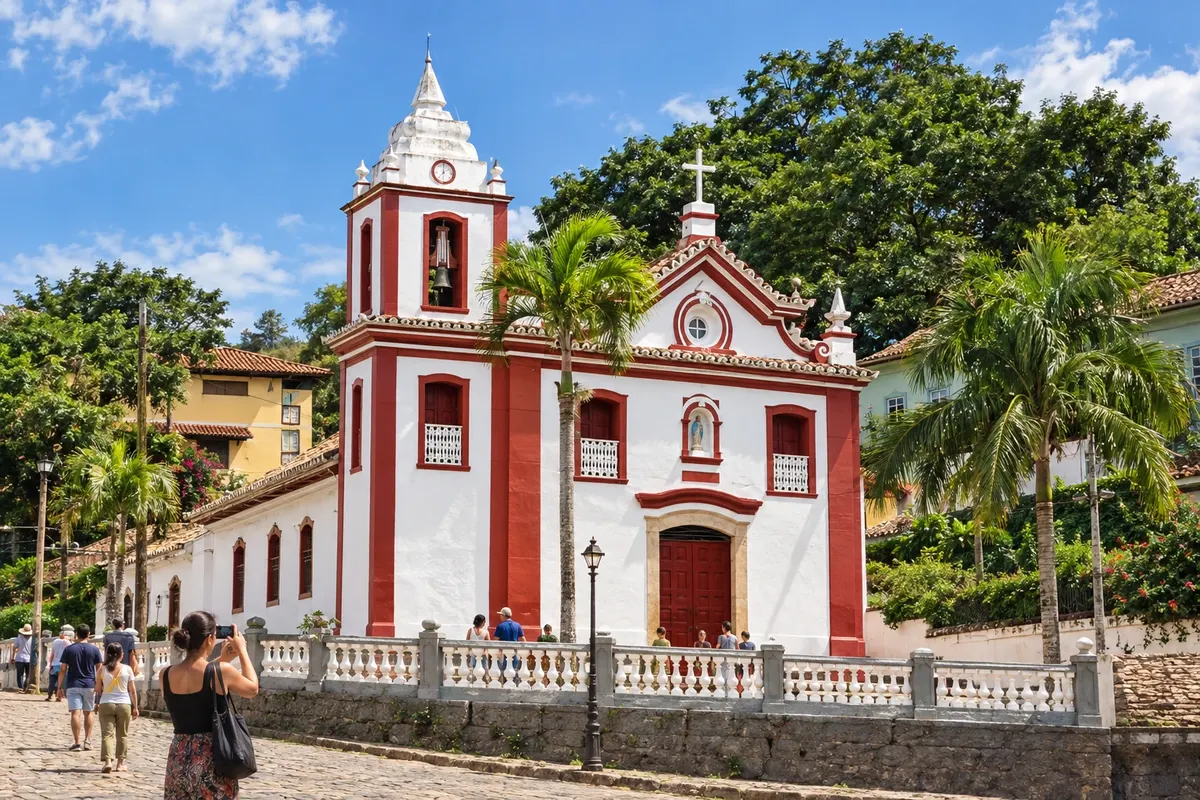
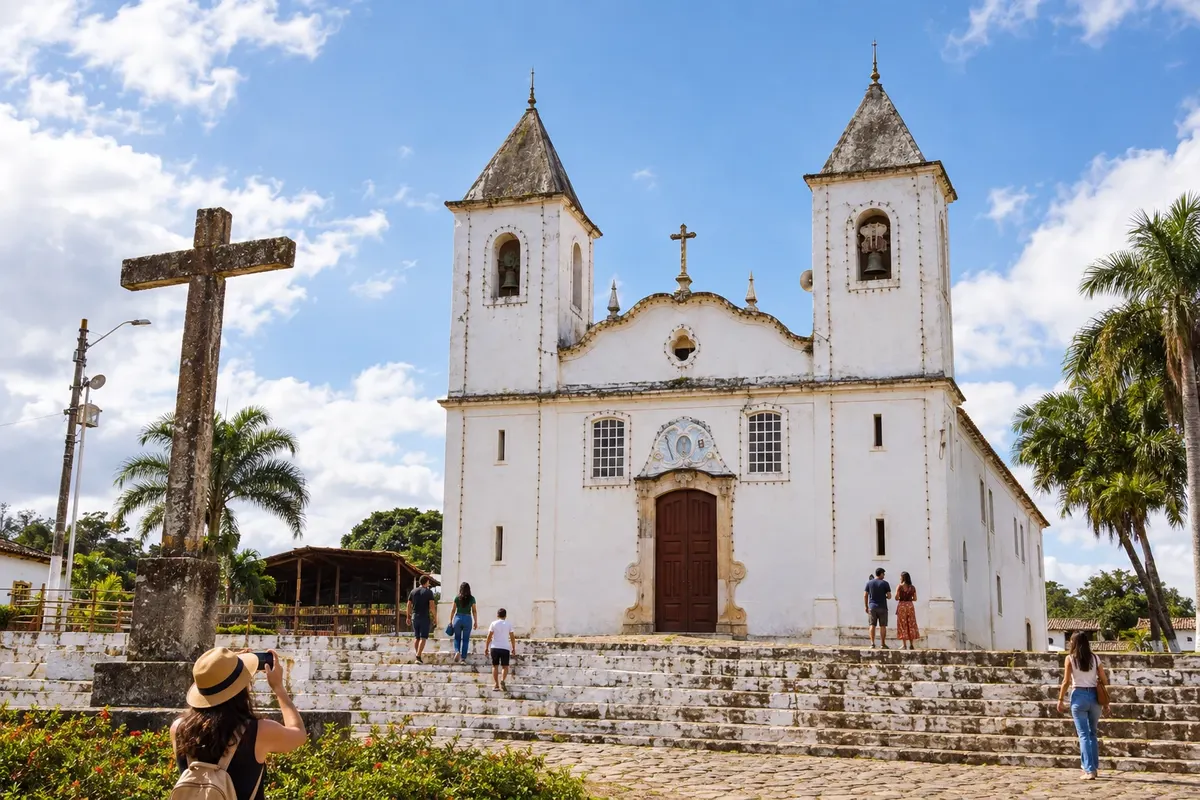
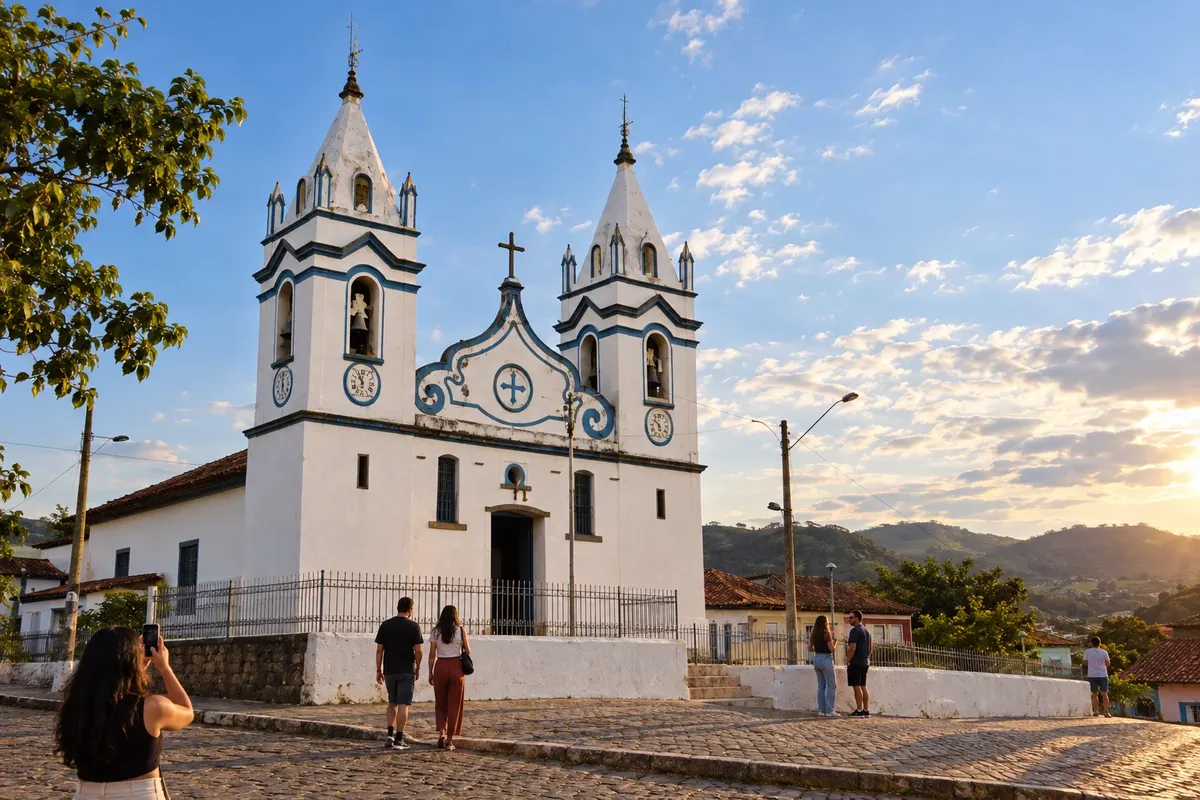
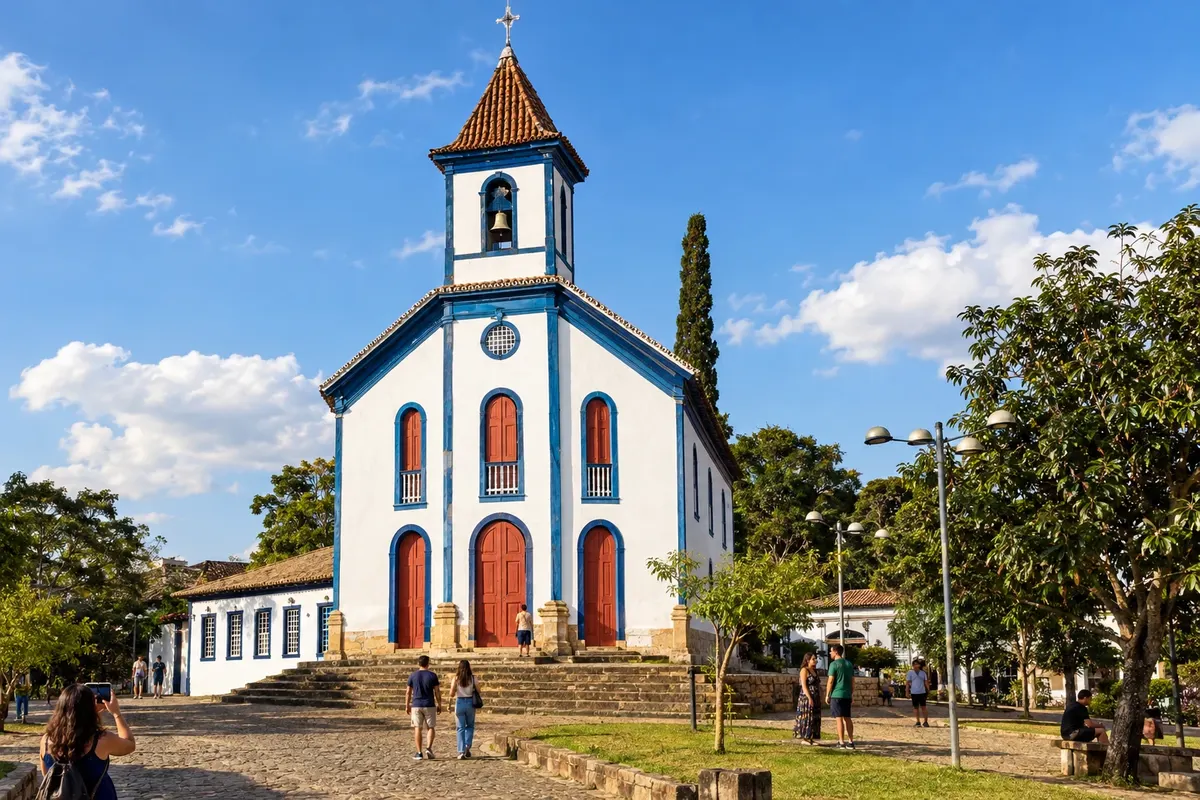
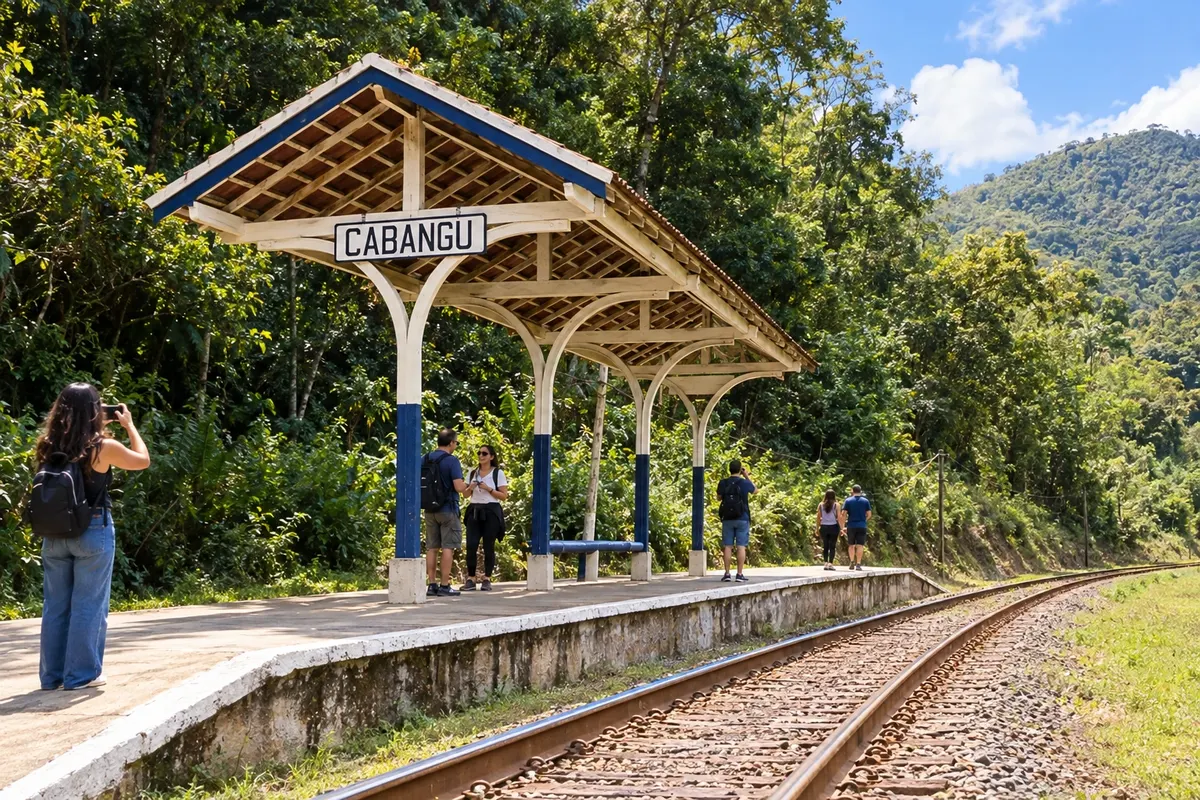
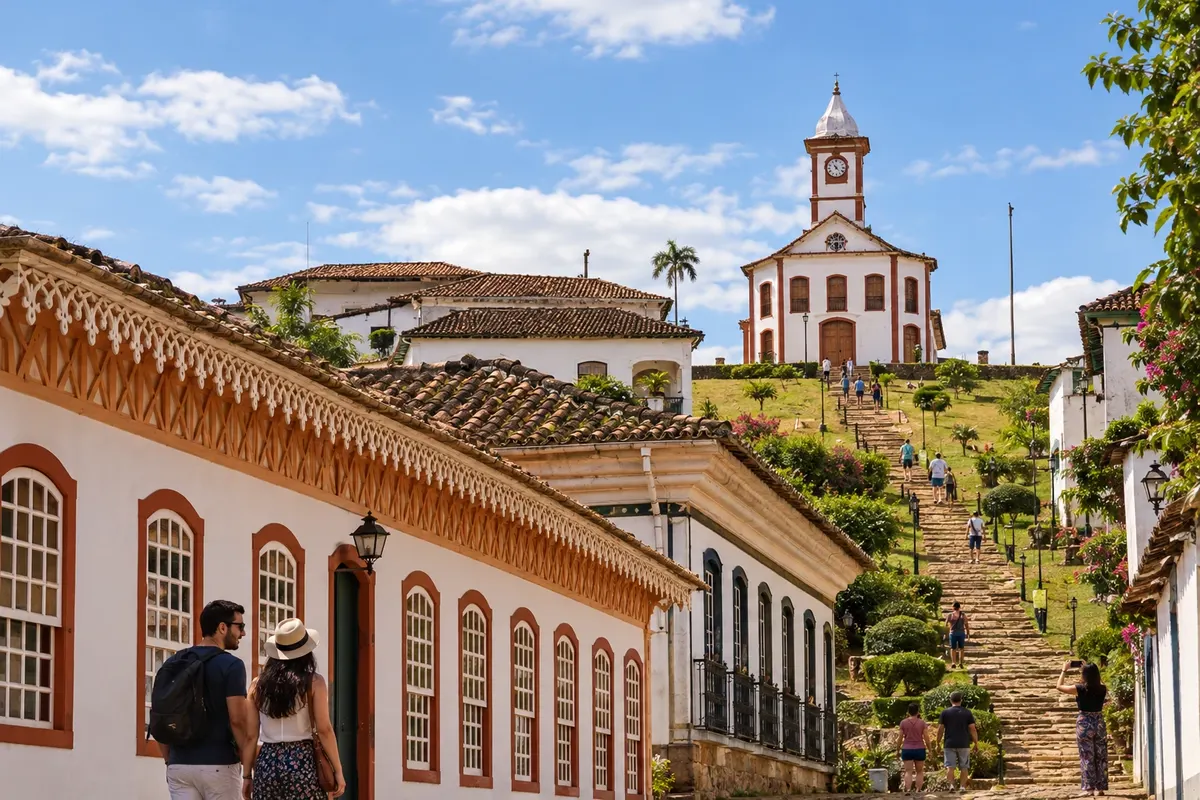
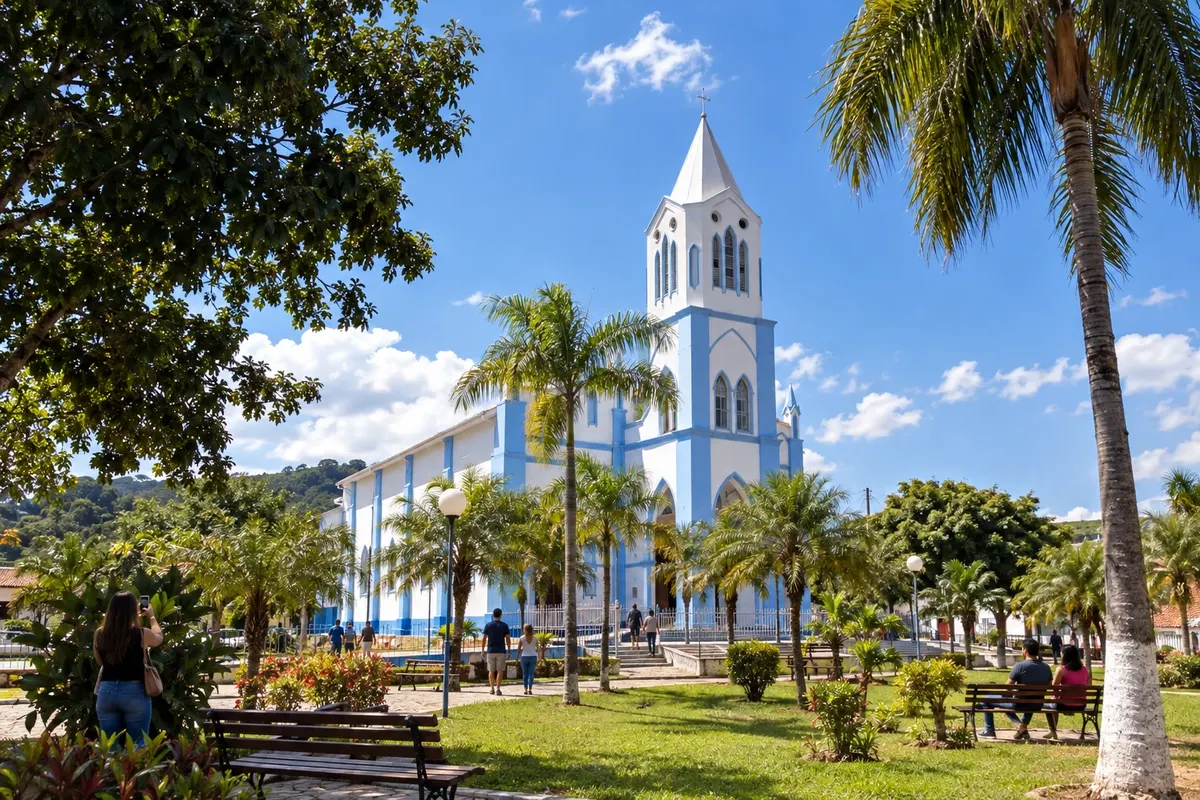
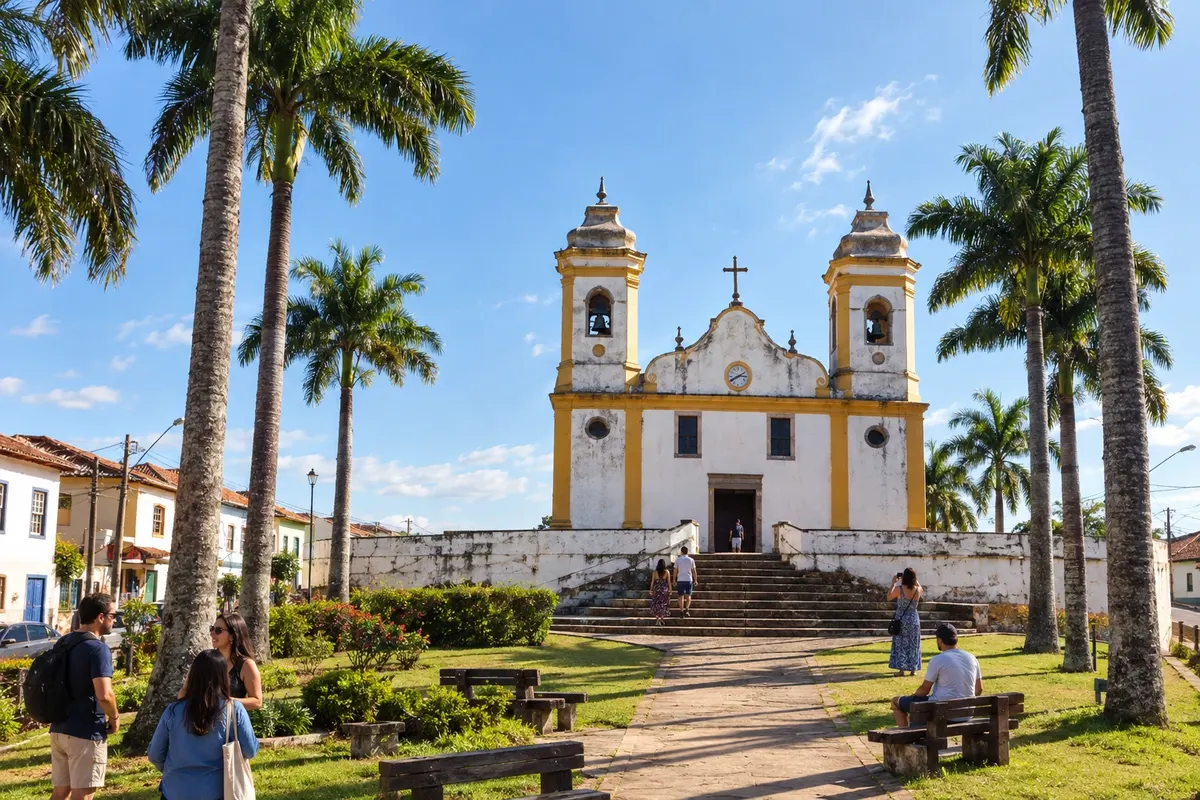
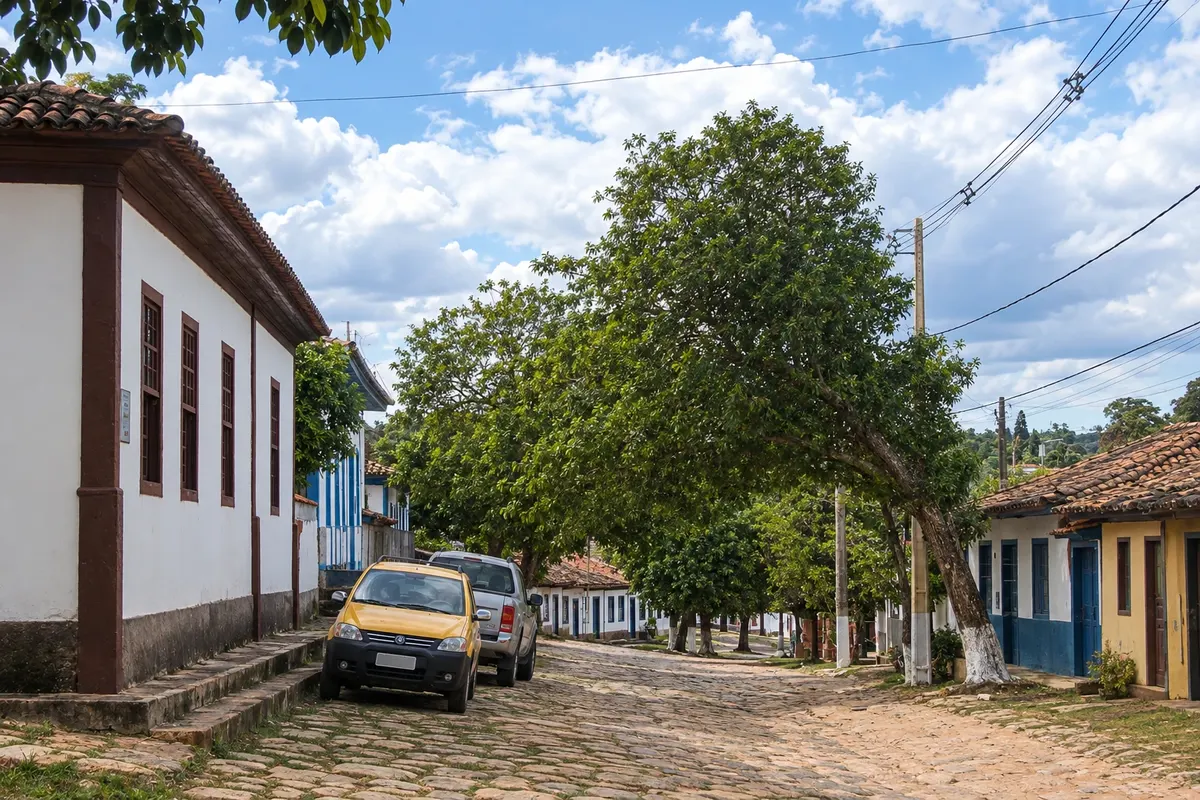
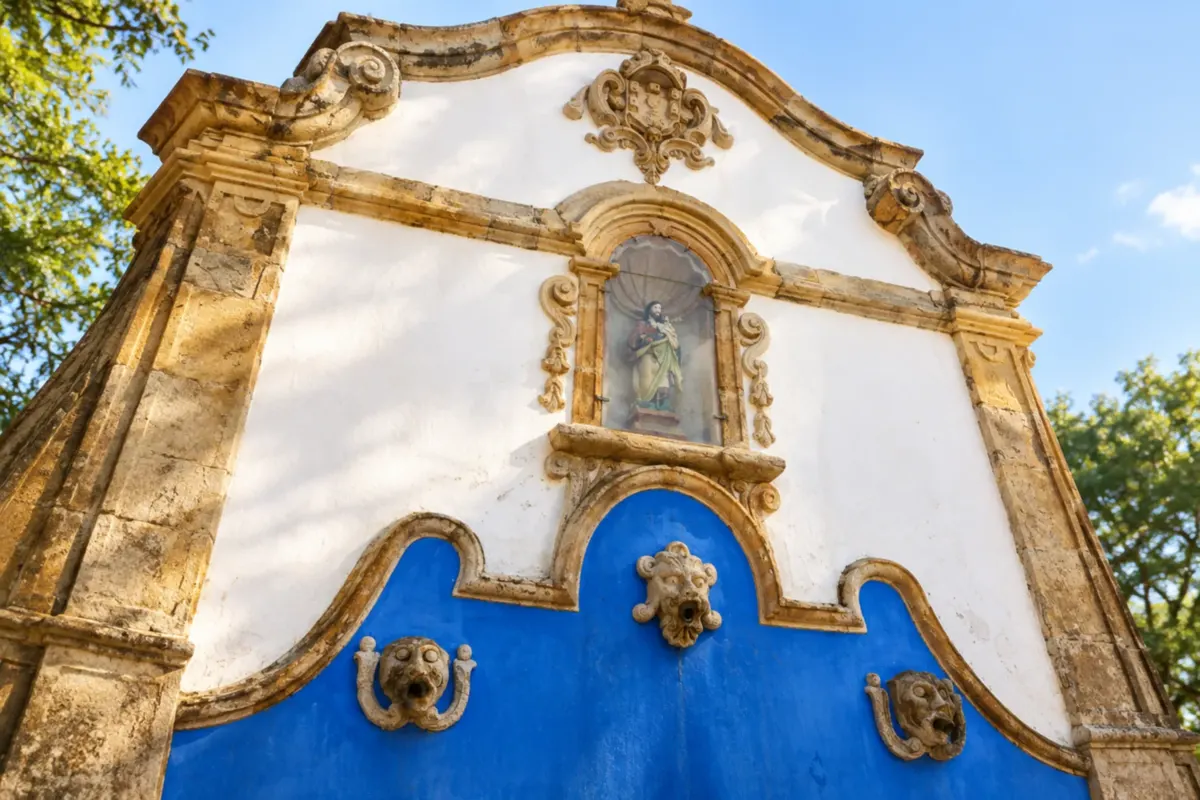
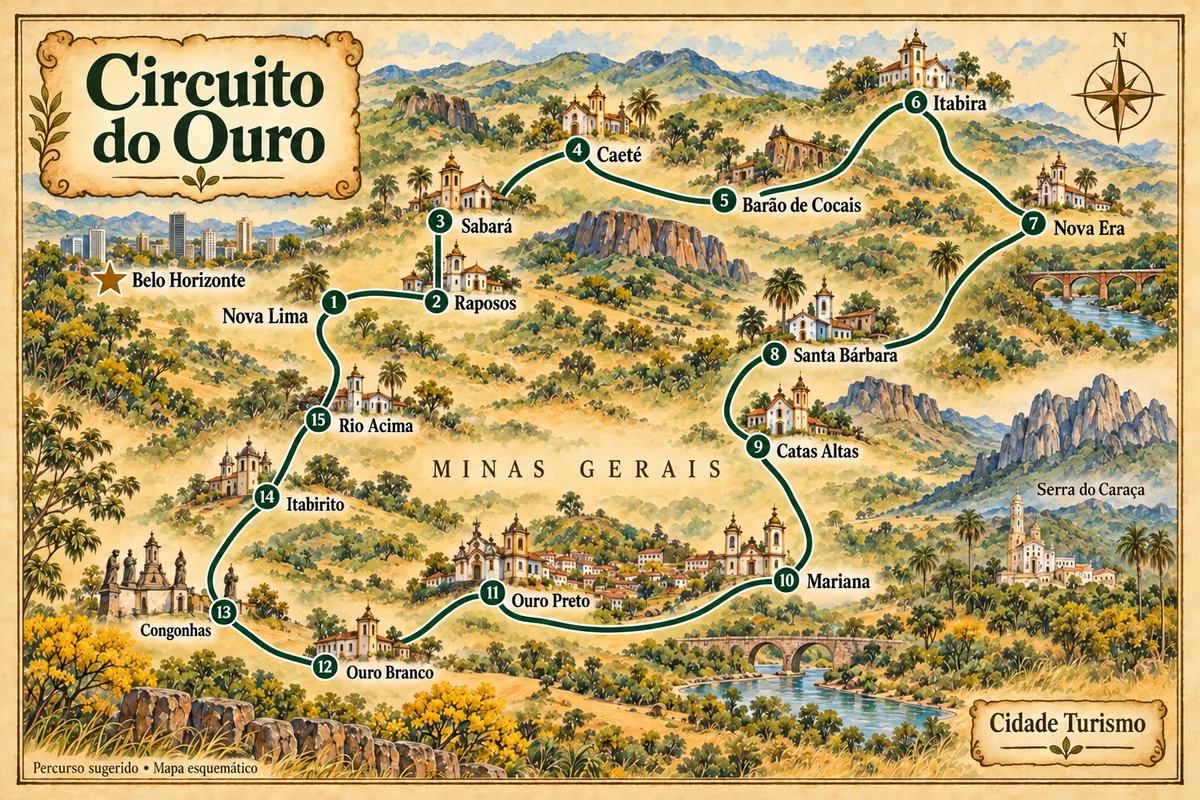
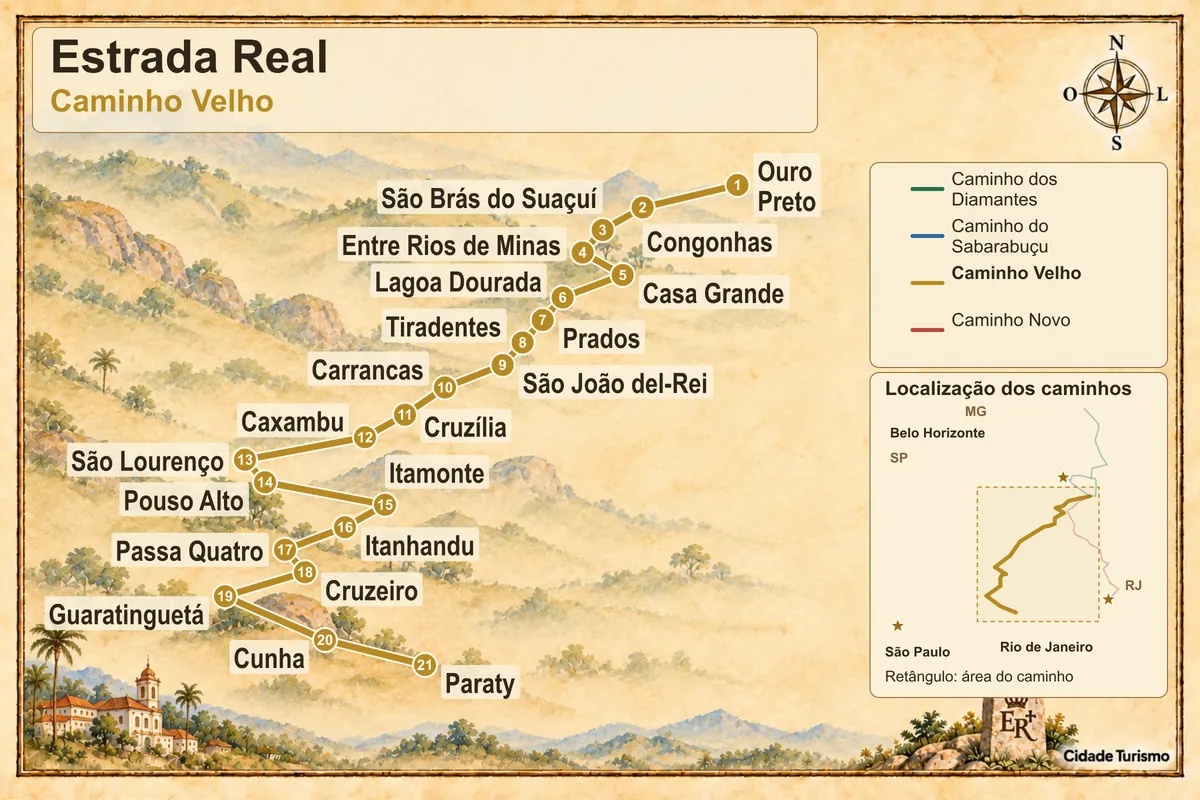
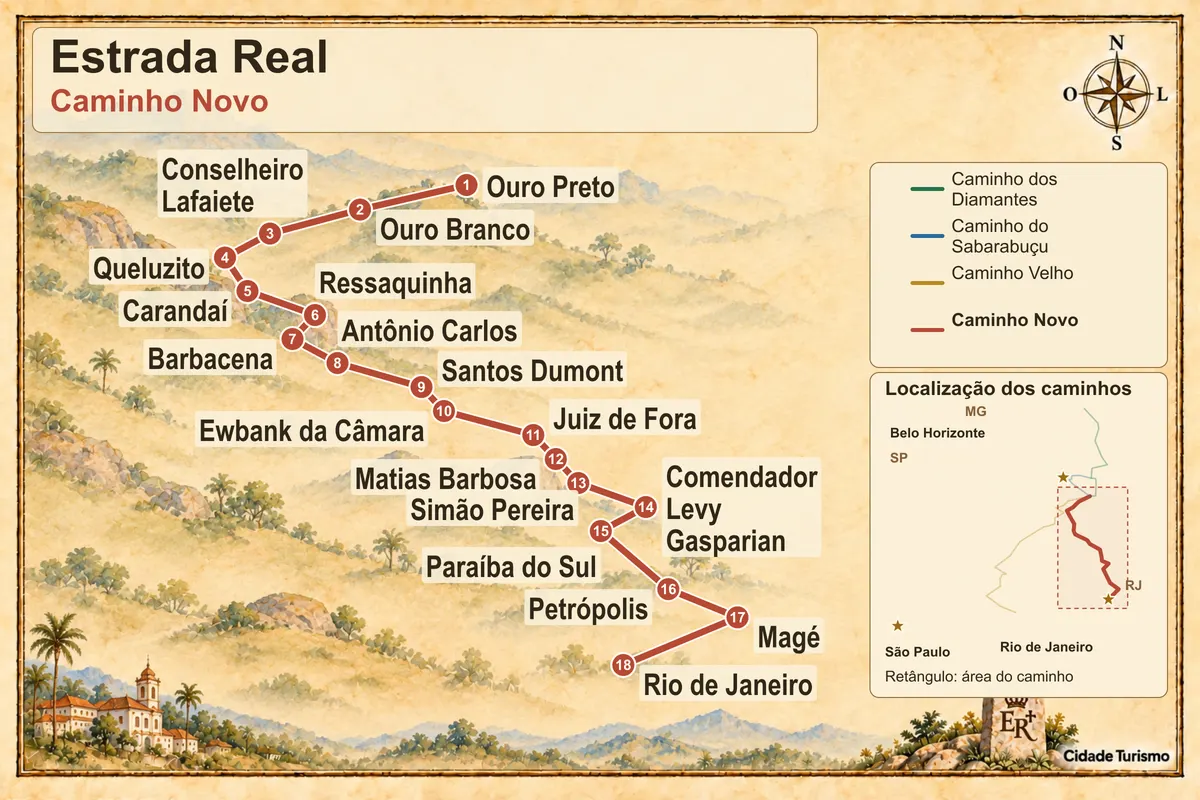
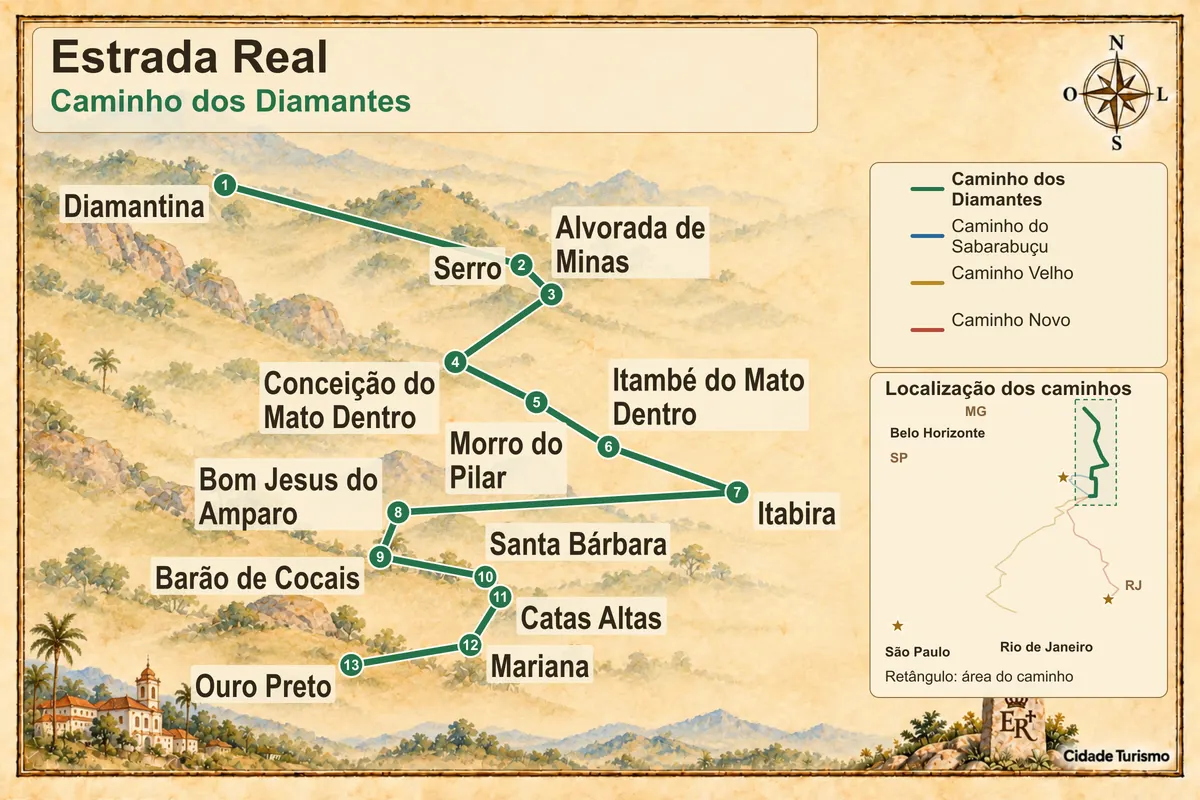
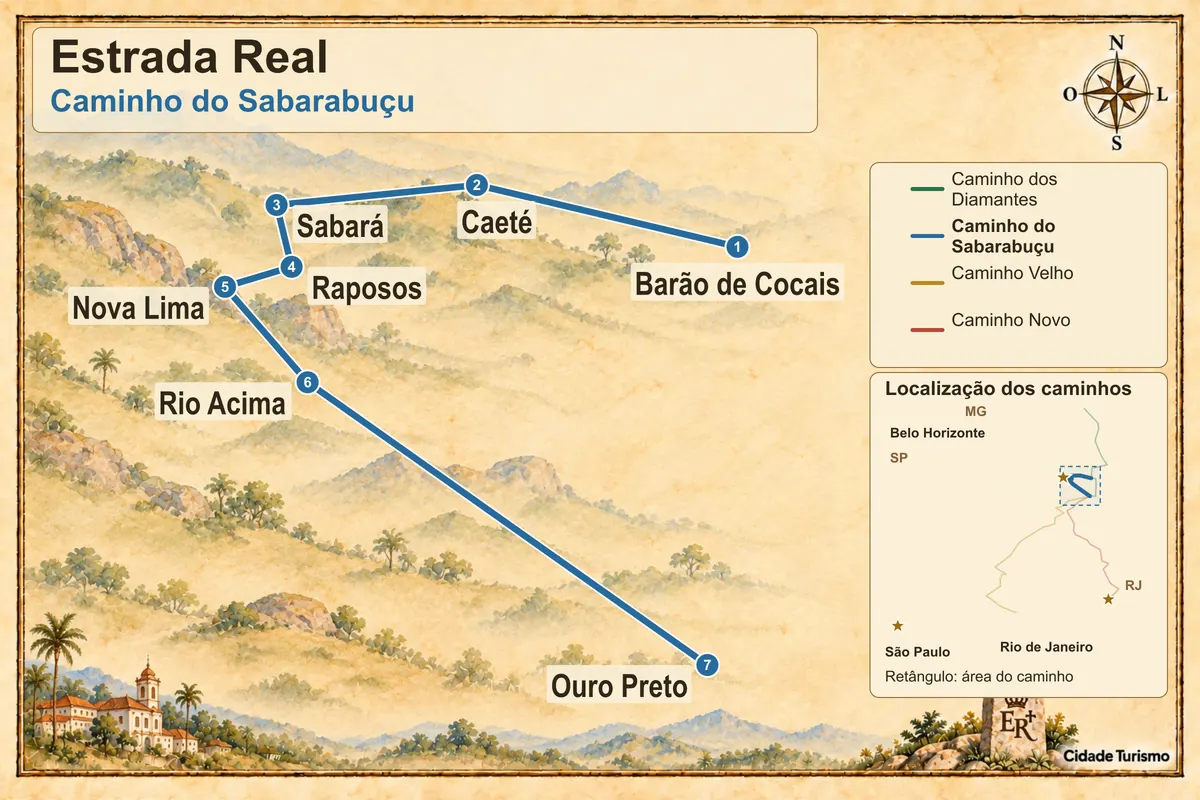
The gold and diamond cycle shaped the Historic Towns of Minas Gerais (Estrada Real). Ouro Preto and Mariana are a few kilometers apart and house churches with works by Aleijadinho and Mestre Ataíde. In Congonhas, the twelve prophets carved in soapstone and the Stations of the Cross at the Santuário do Bom Jesus de Matosinhos are World Heritage. Further south, Tiradentes and São João del-Rei are linked by a Maria Fumaça steam train, and Sabará lies adjacent to Belo Horizonte.
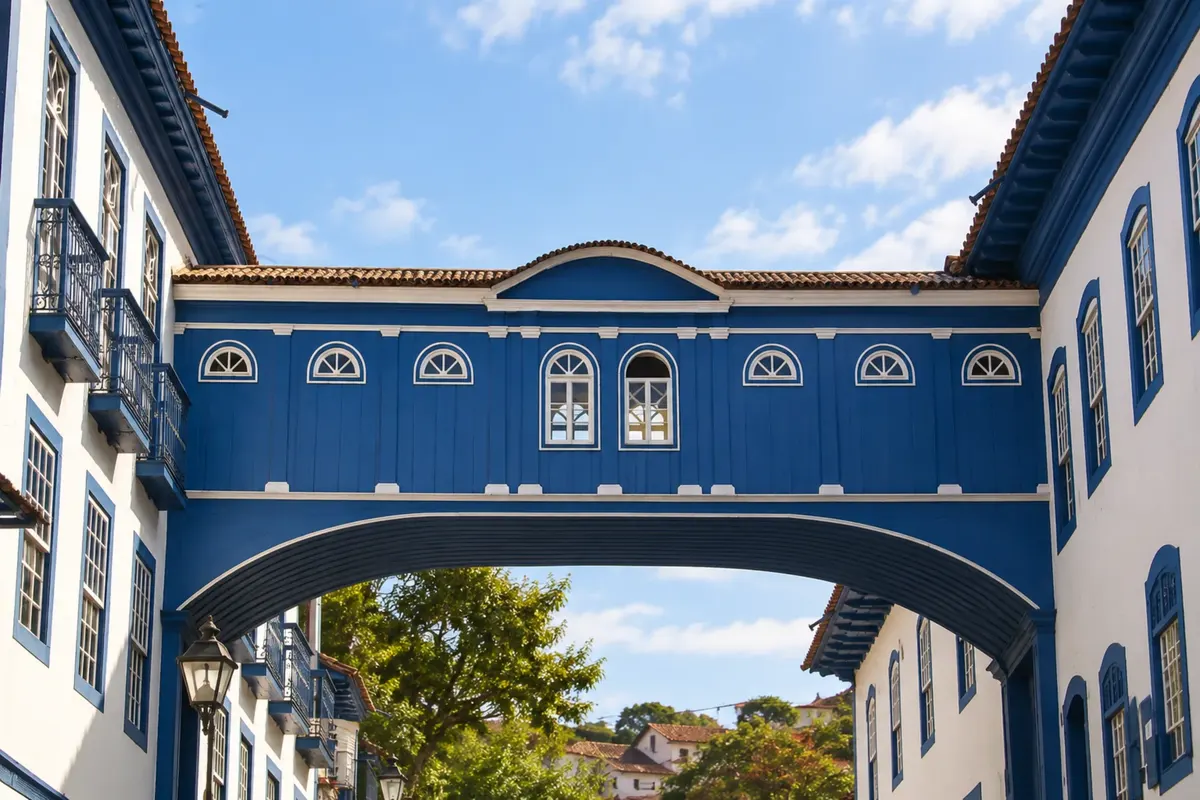
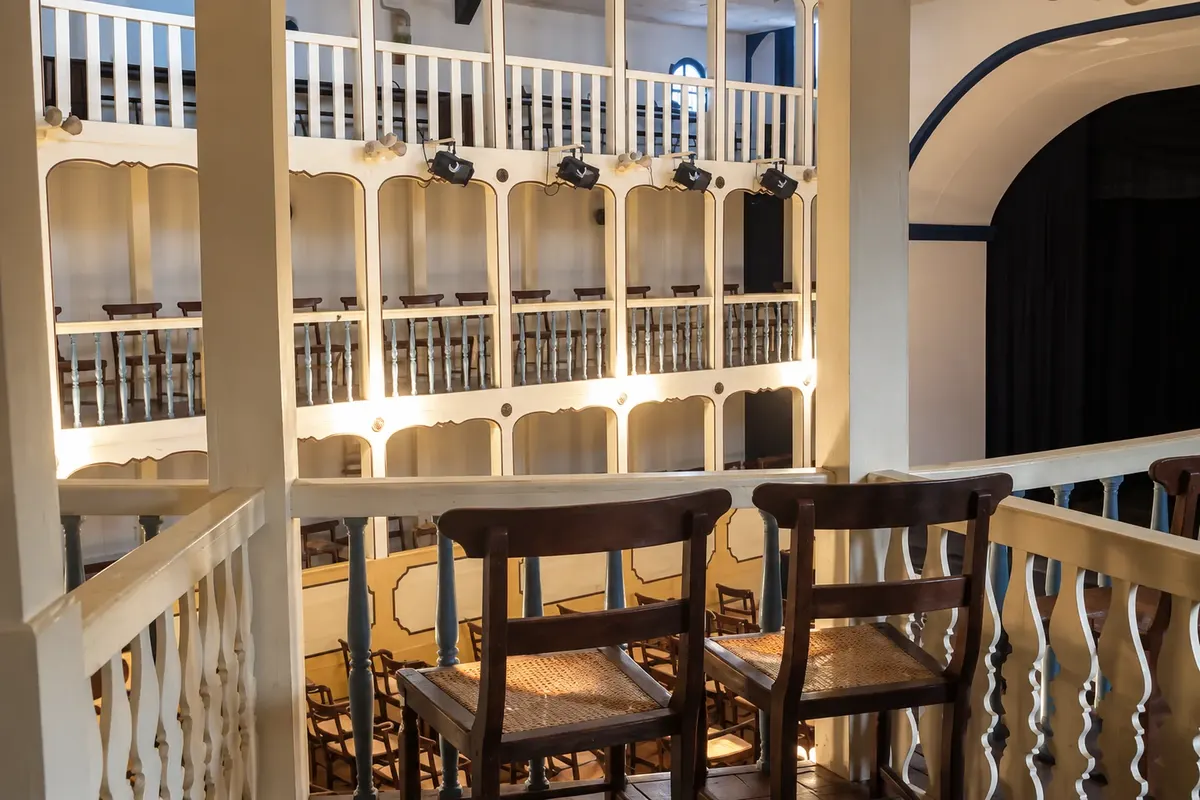
To the north of that axis, Diamantina and Serro mark the Caminho dos Diamantes. Diamantina has a UNESCO-listed historic center and the vesperatas—evenings when musicians play from the balconies of the mansions. Serro gives its name to one of the state’s best-known artisanal cheeses.
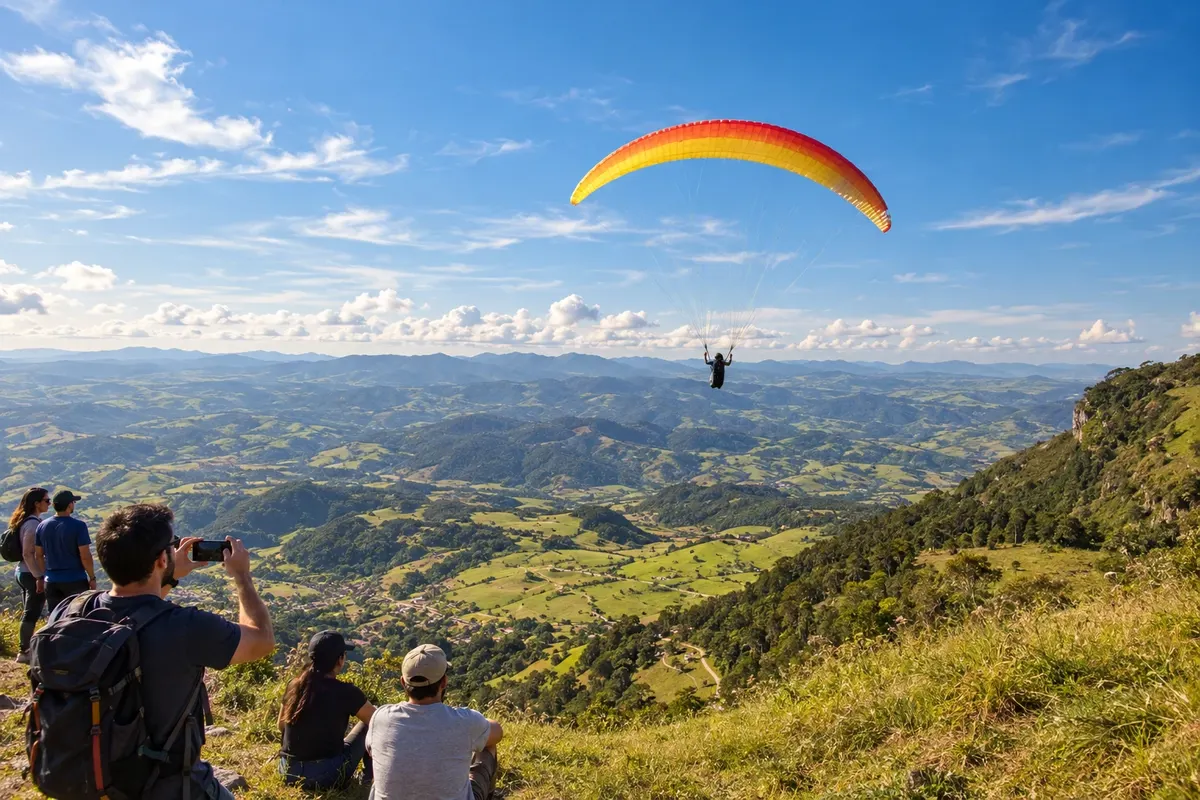
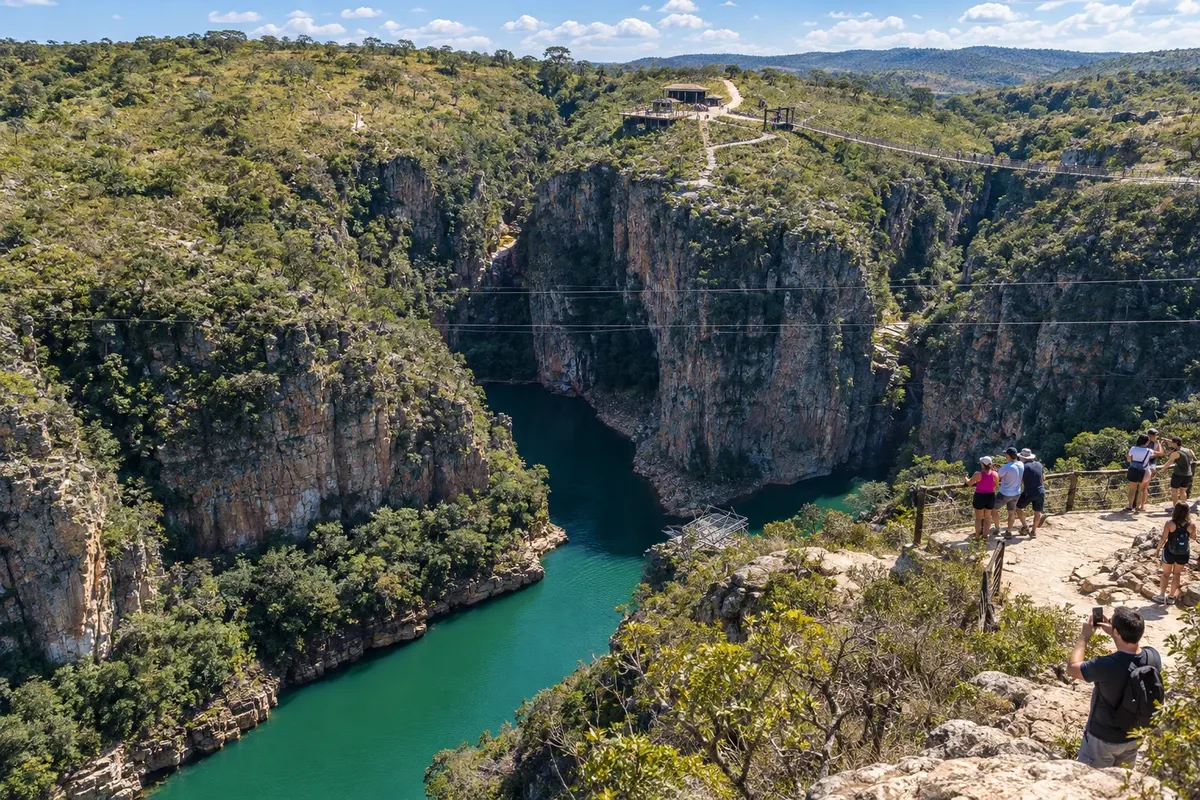
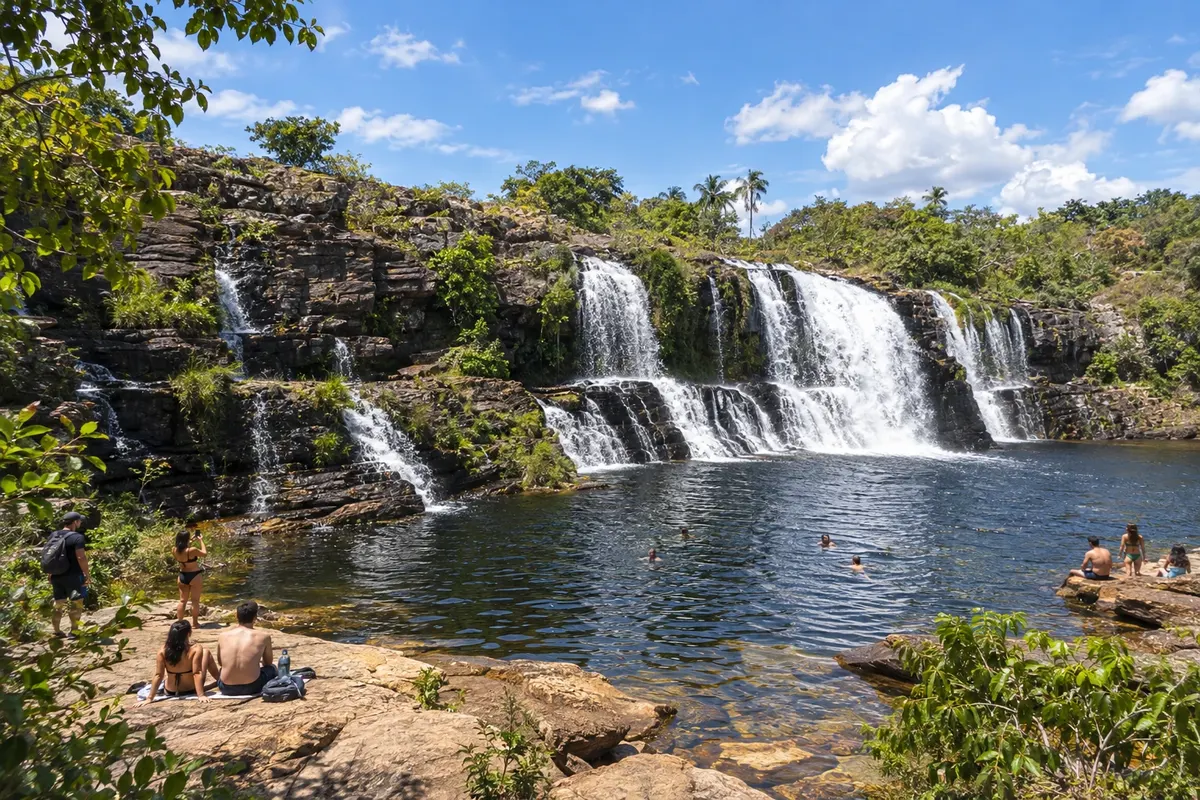
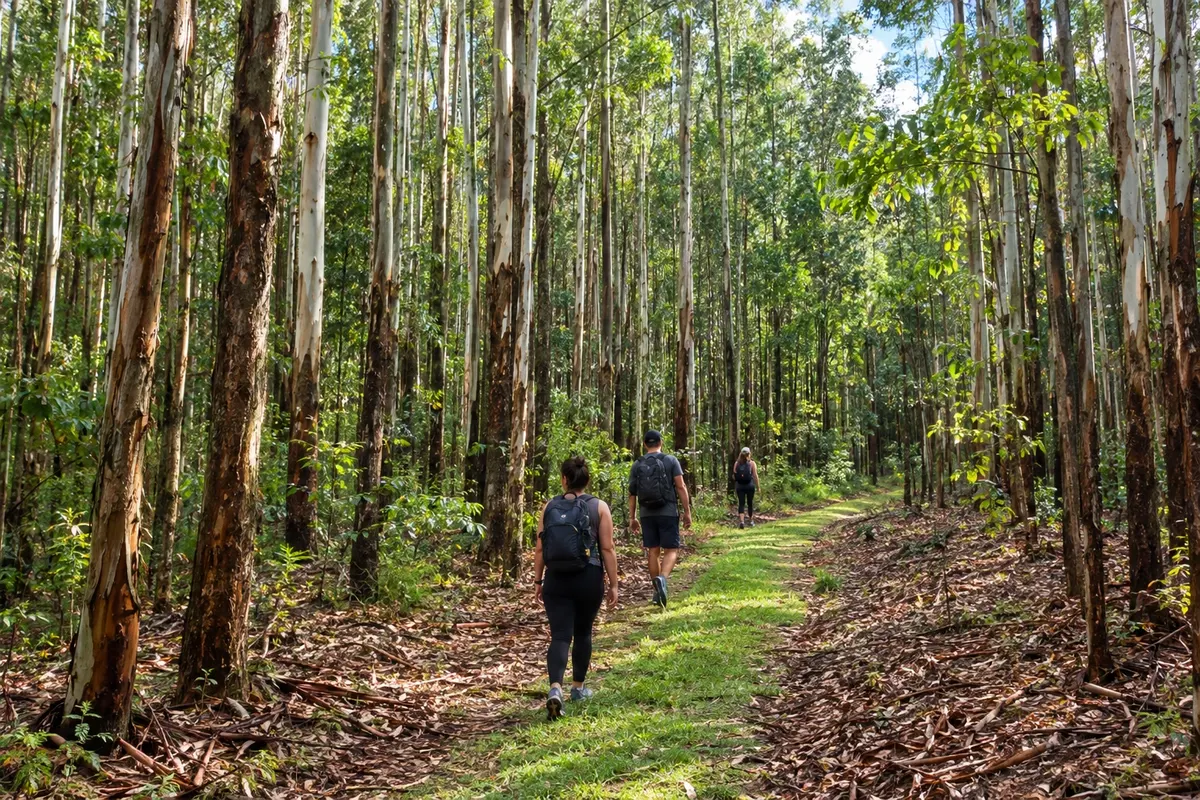
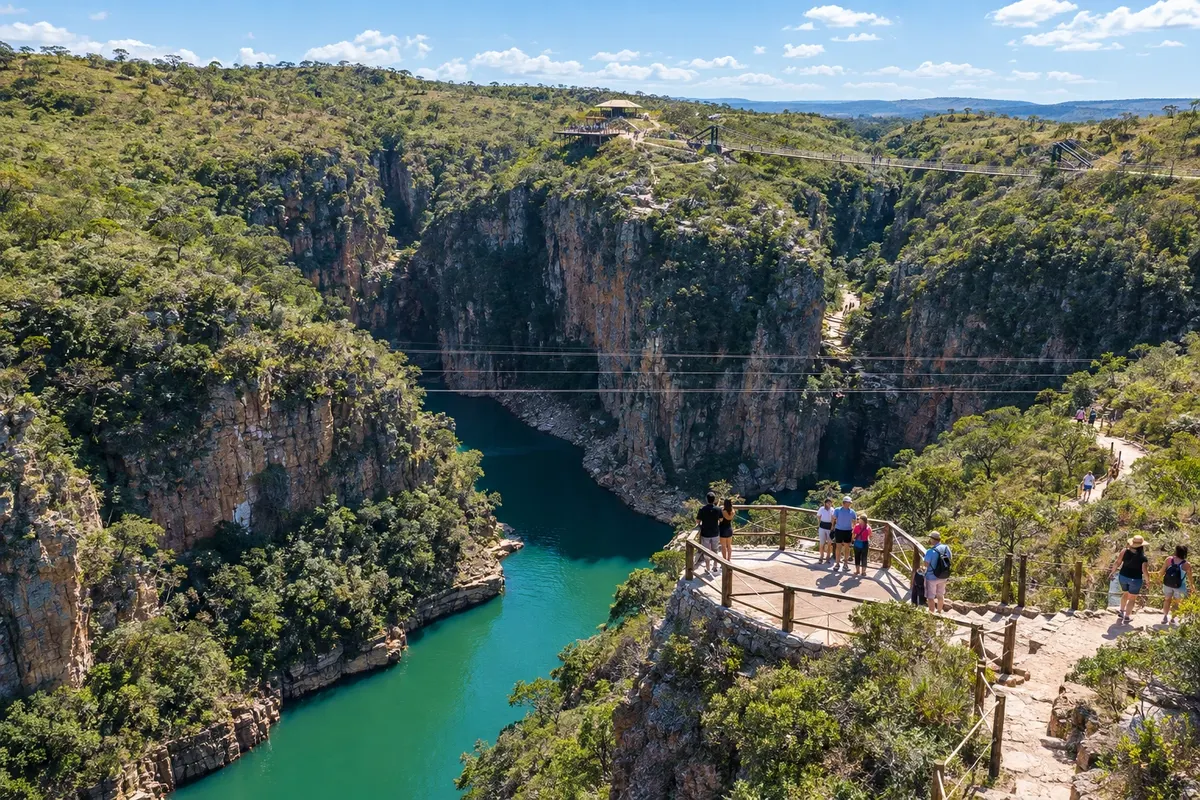
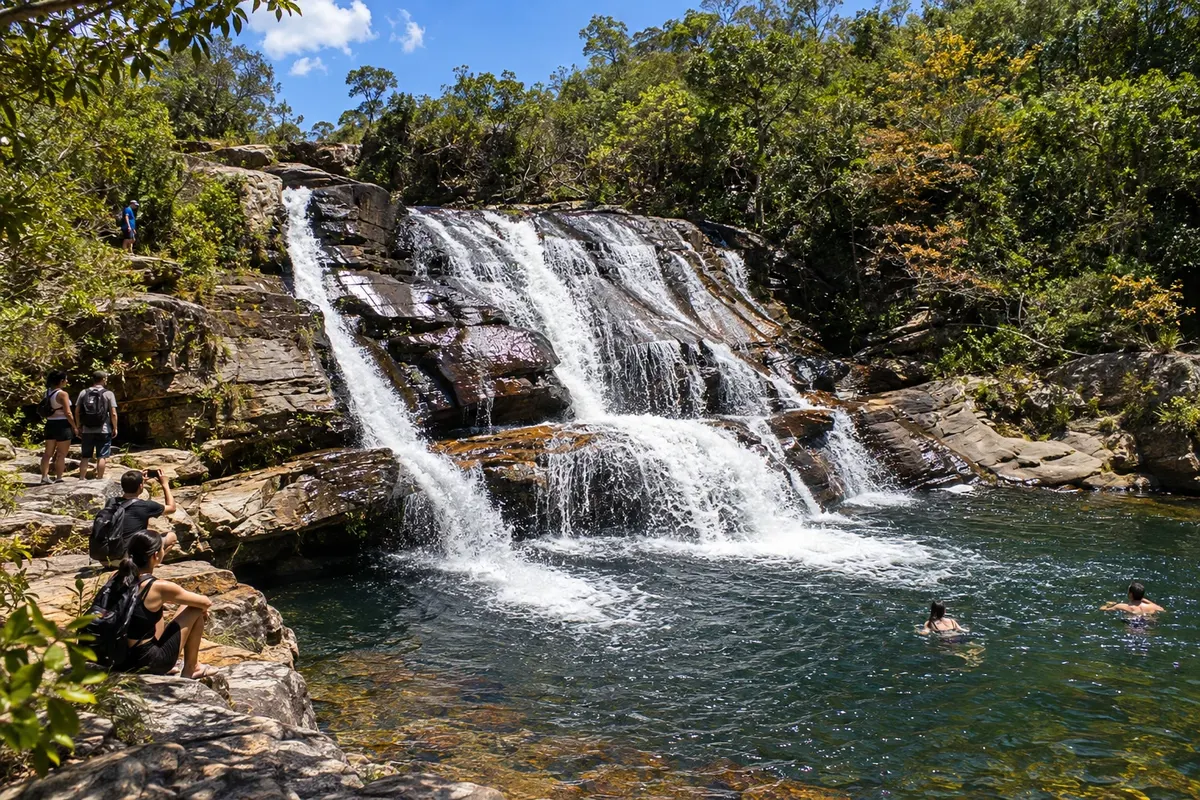
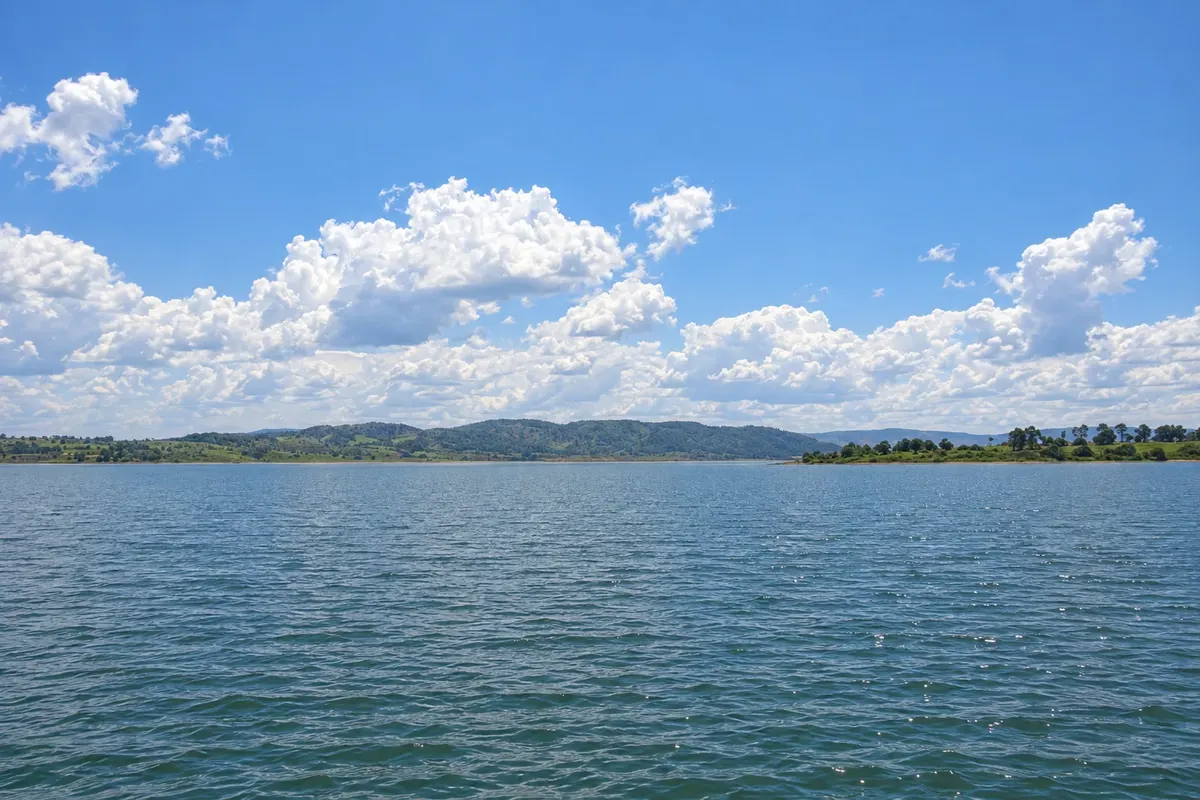
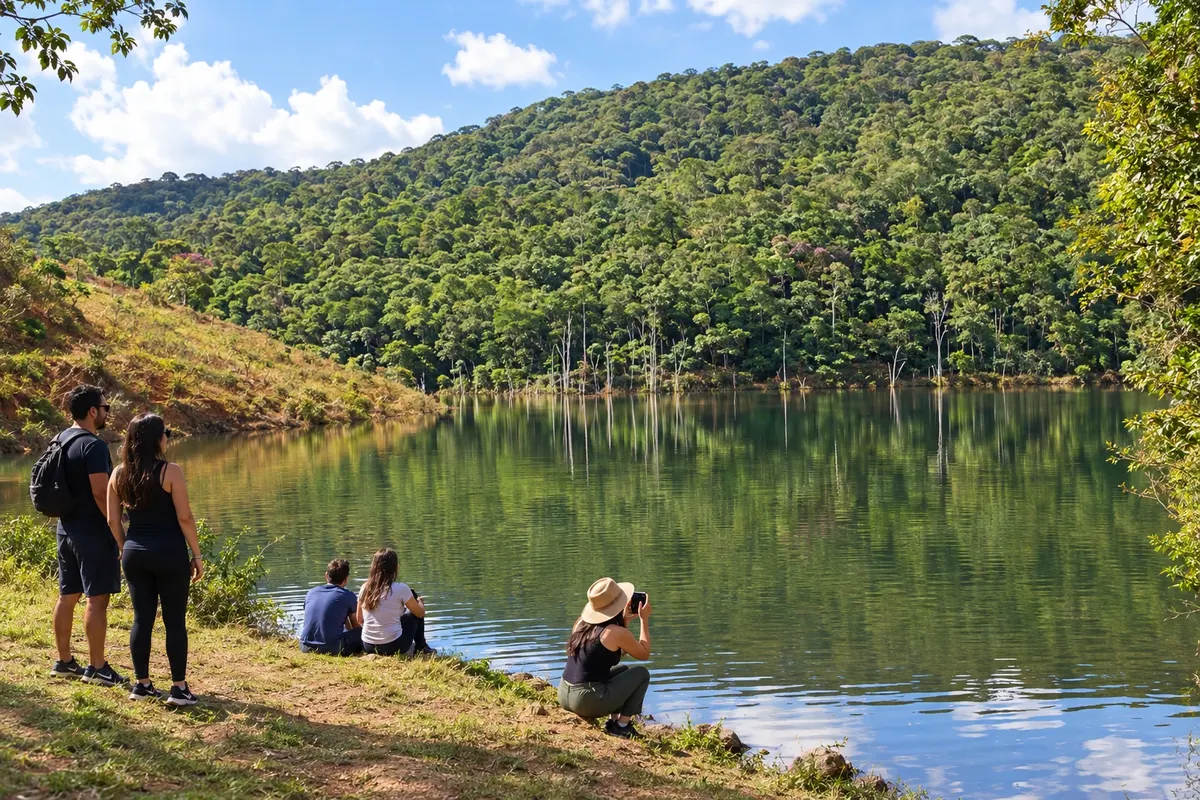
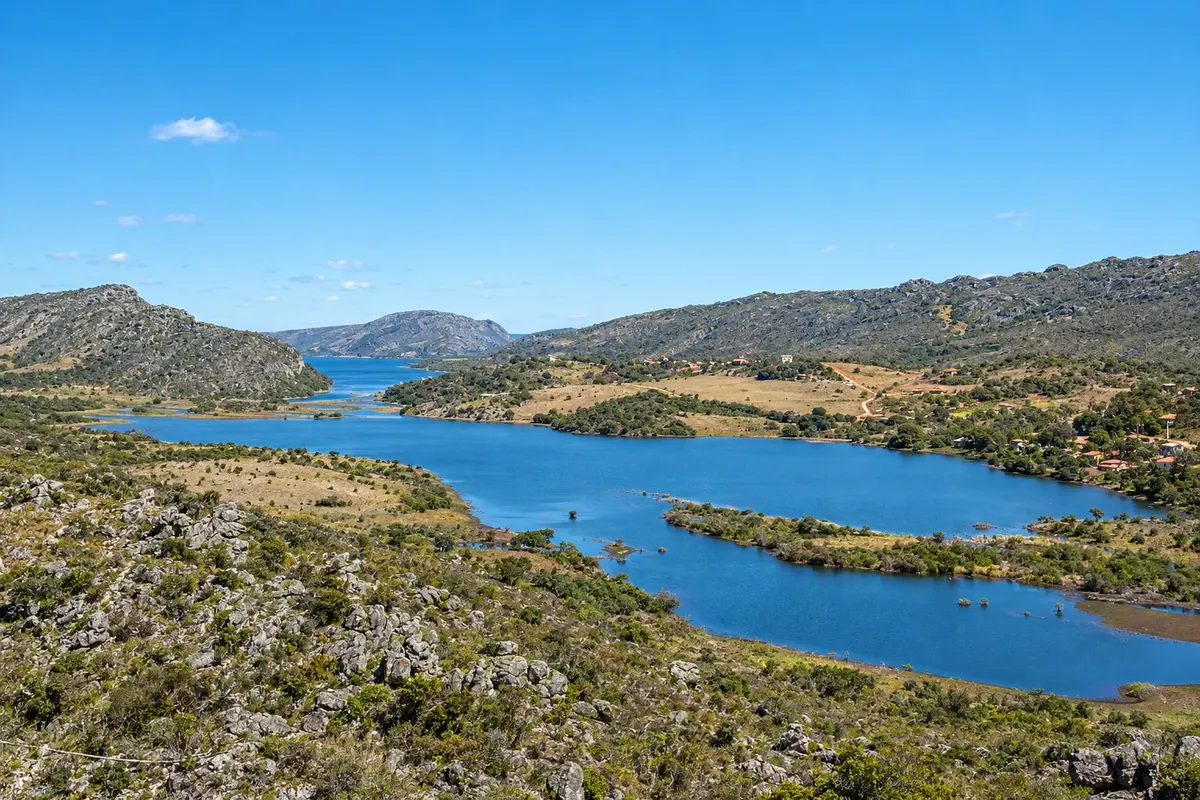
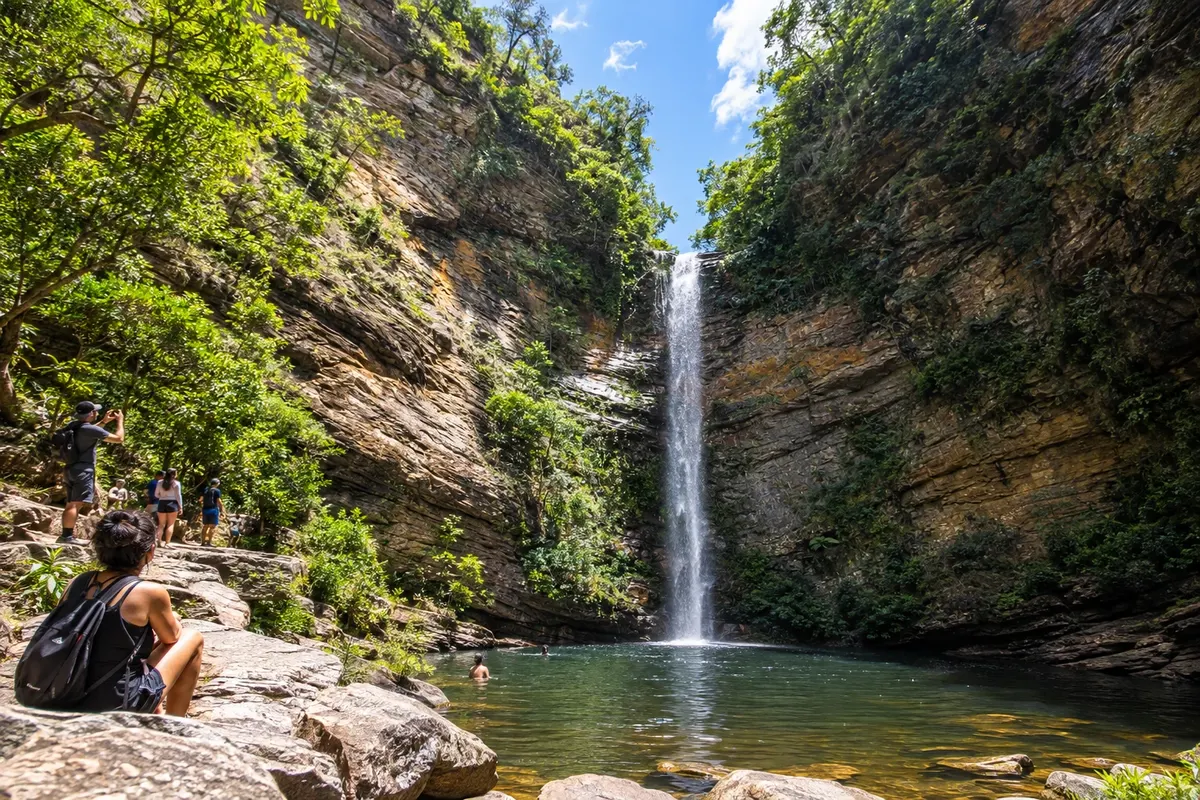
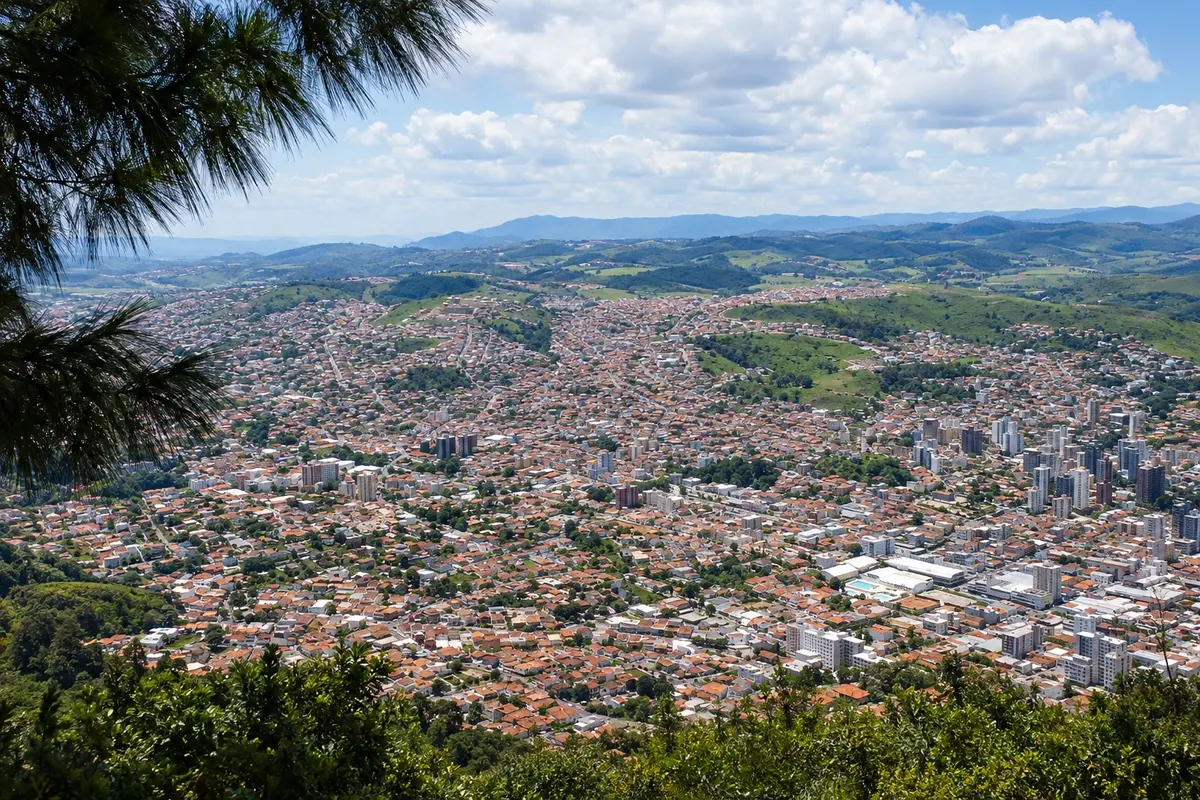
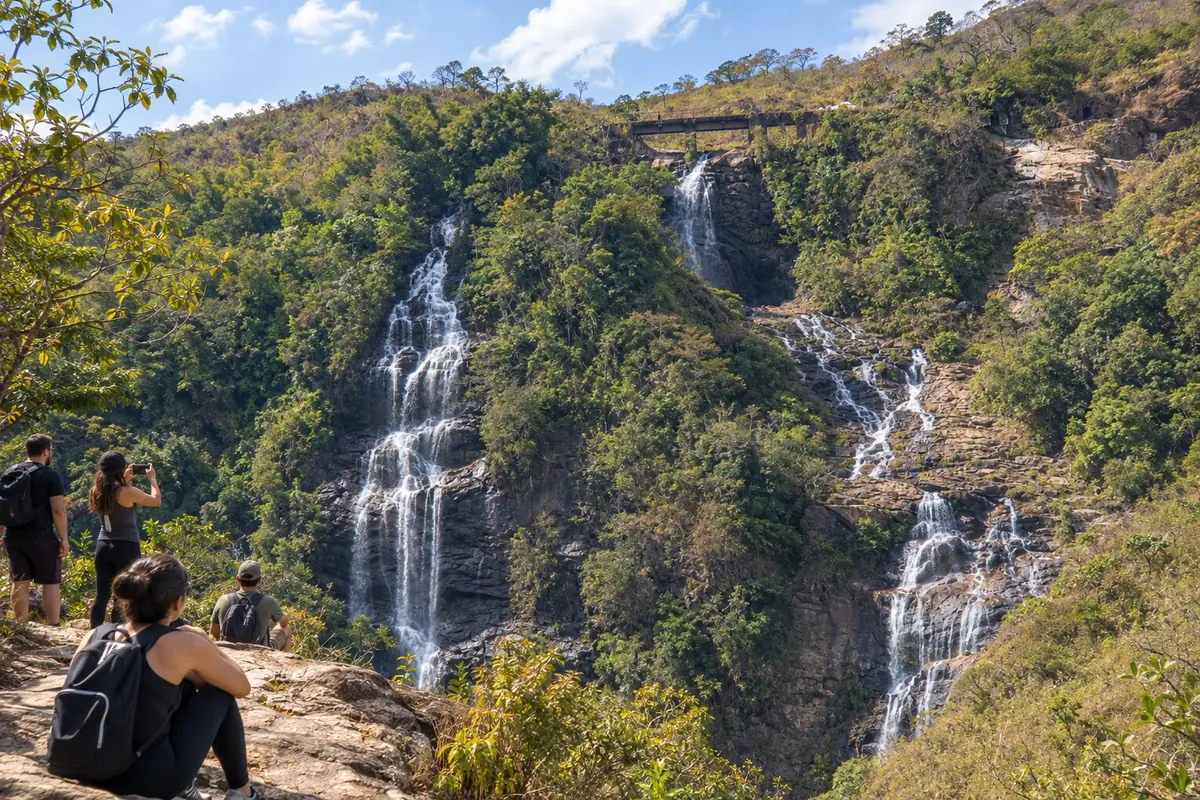
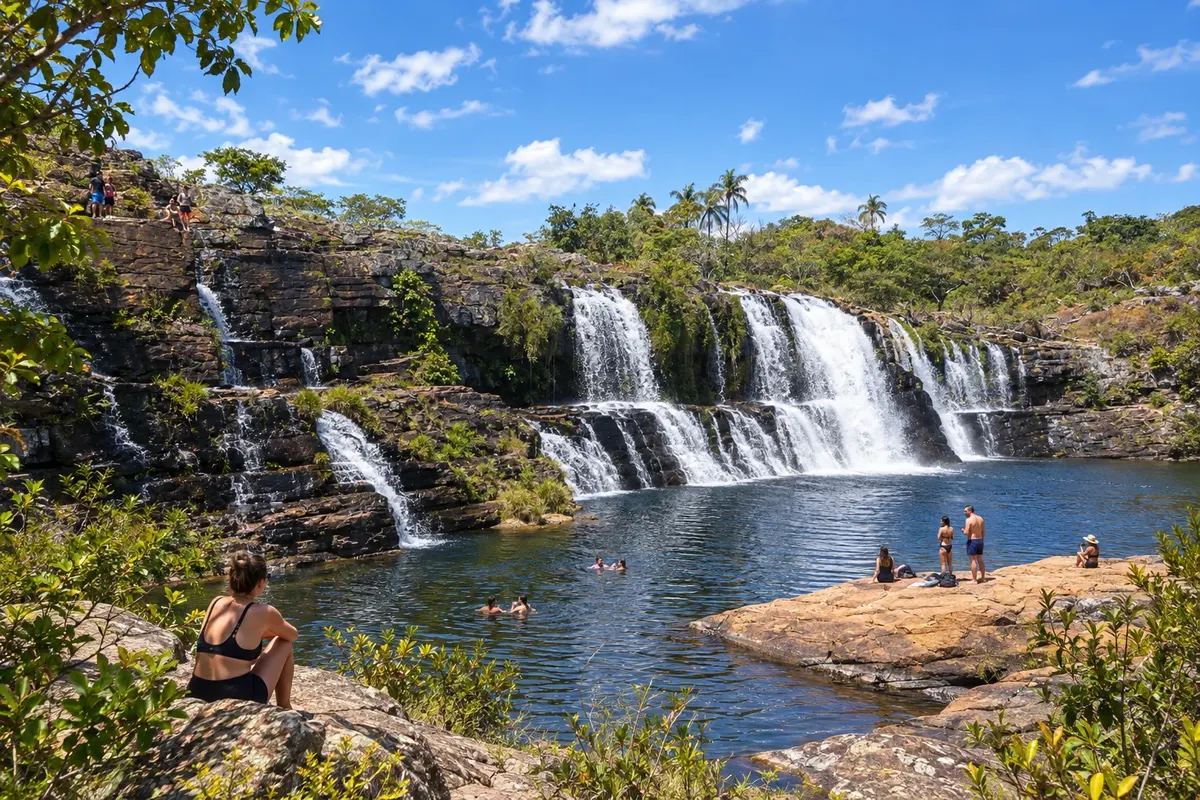
Nature is prominent in the Serra do Espinhaço. In Santana do Riacho, the Serra do Cipó has a national park with canyons, campos rupestres and waterfalls about two hours’ drive from the capital. In the west, in Nascentes das Gerais and Canastra, Capitólio is the base for speedboat tours through the canyons of the Furnas lake; the region stretches to the Serra da Canastra, where the São Francisco River is born.
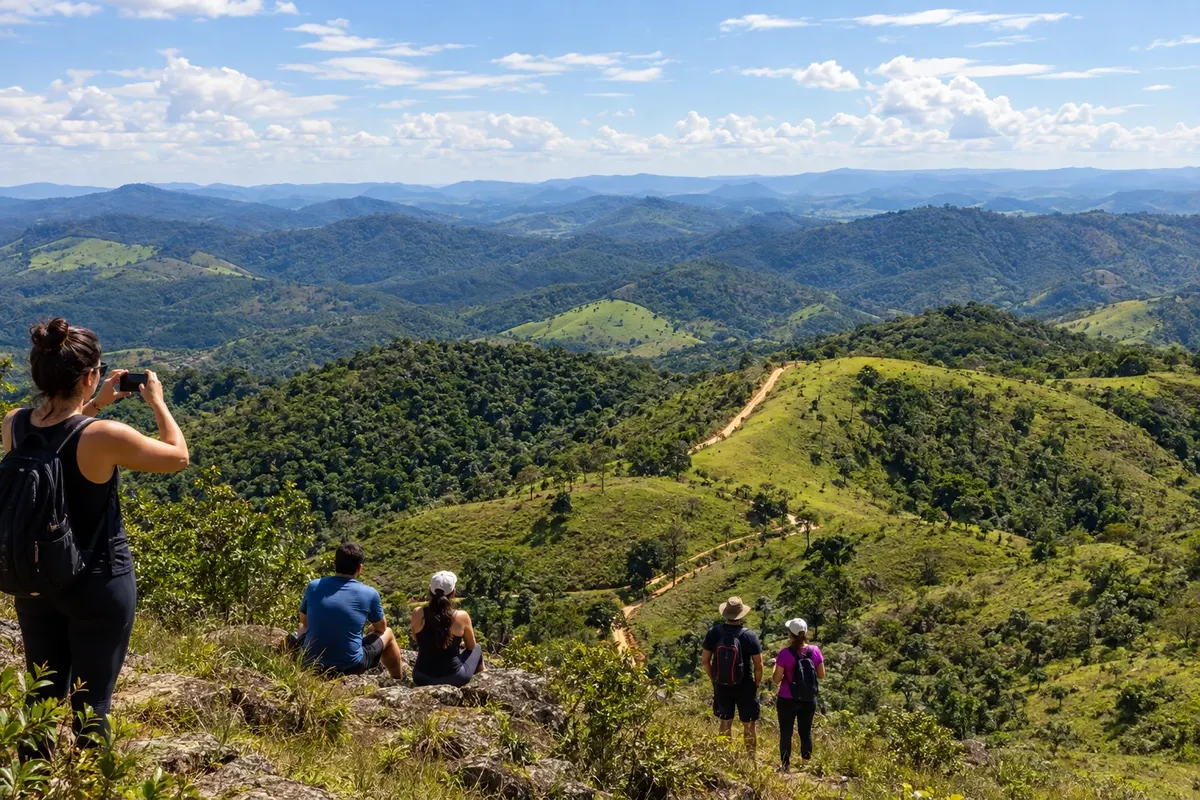
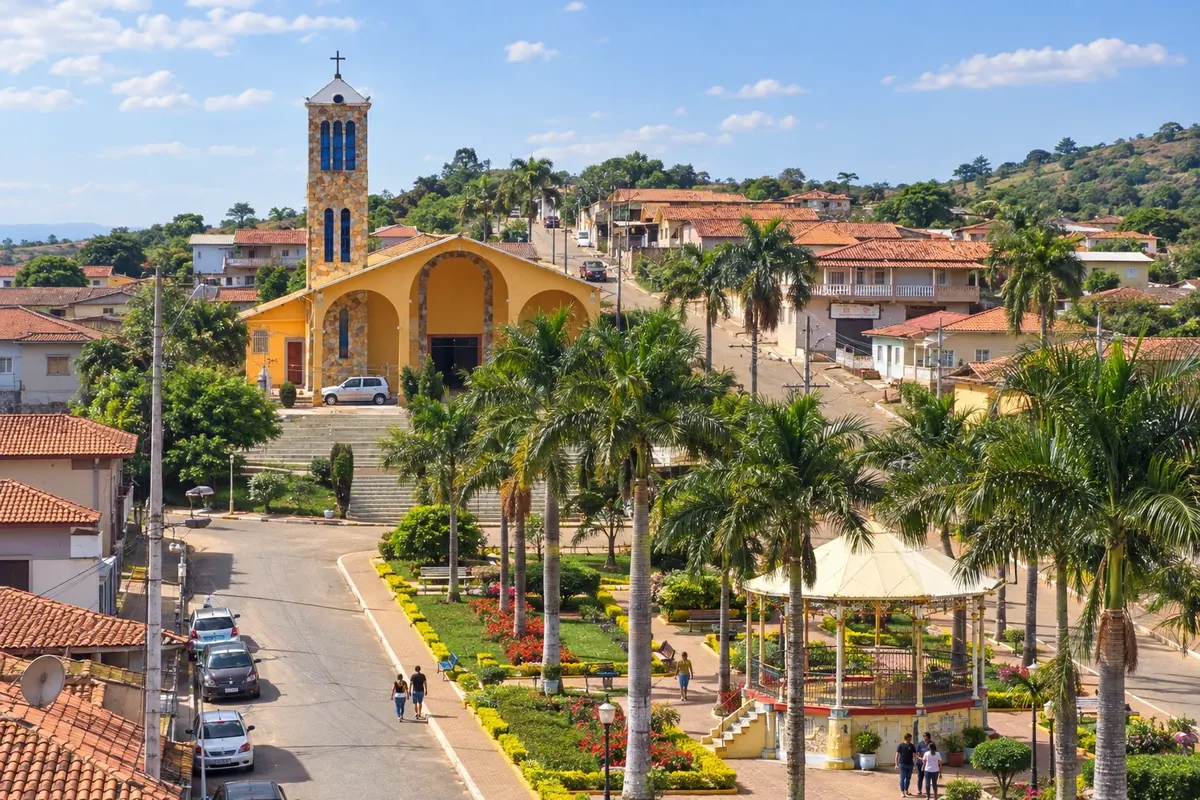
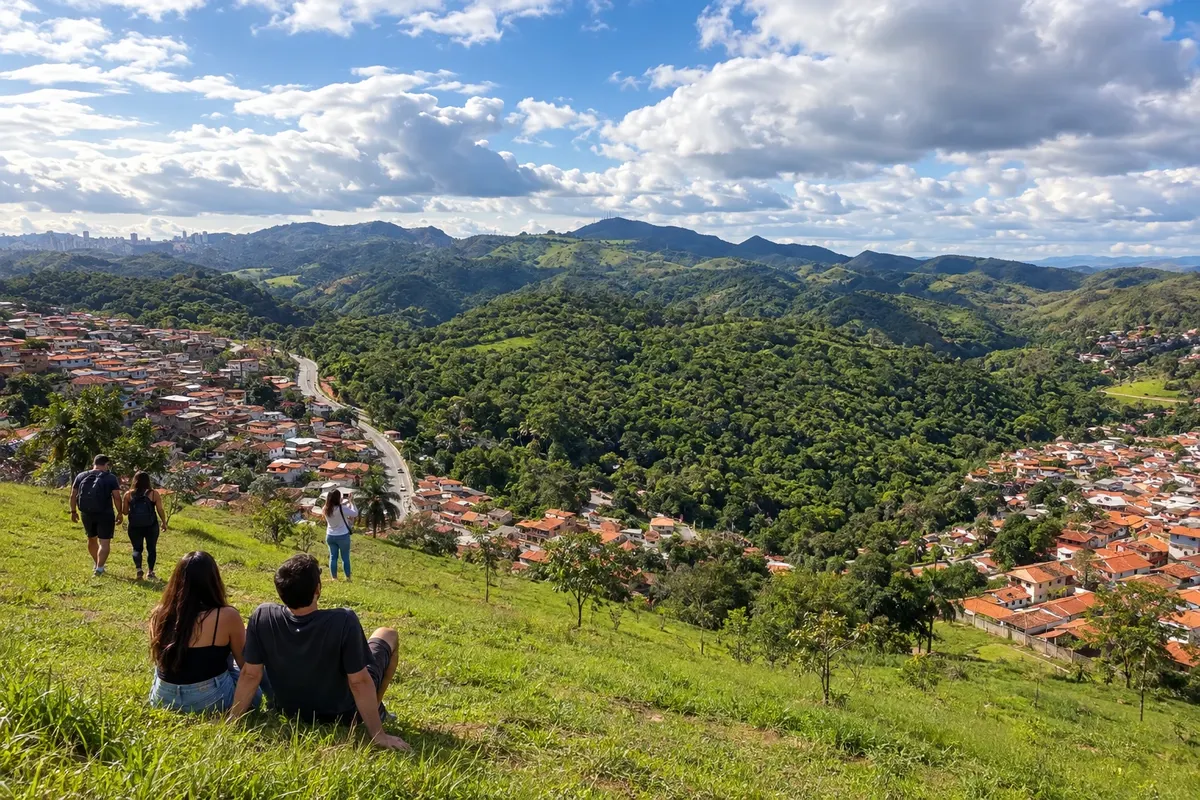
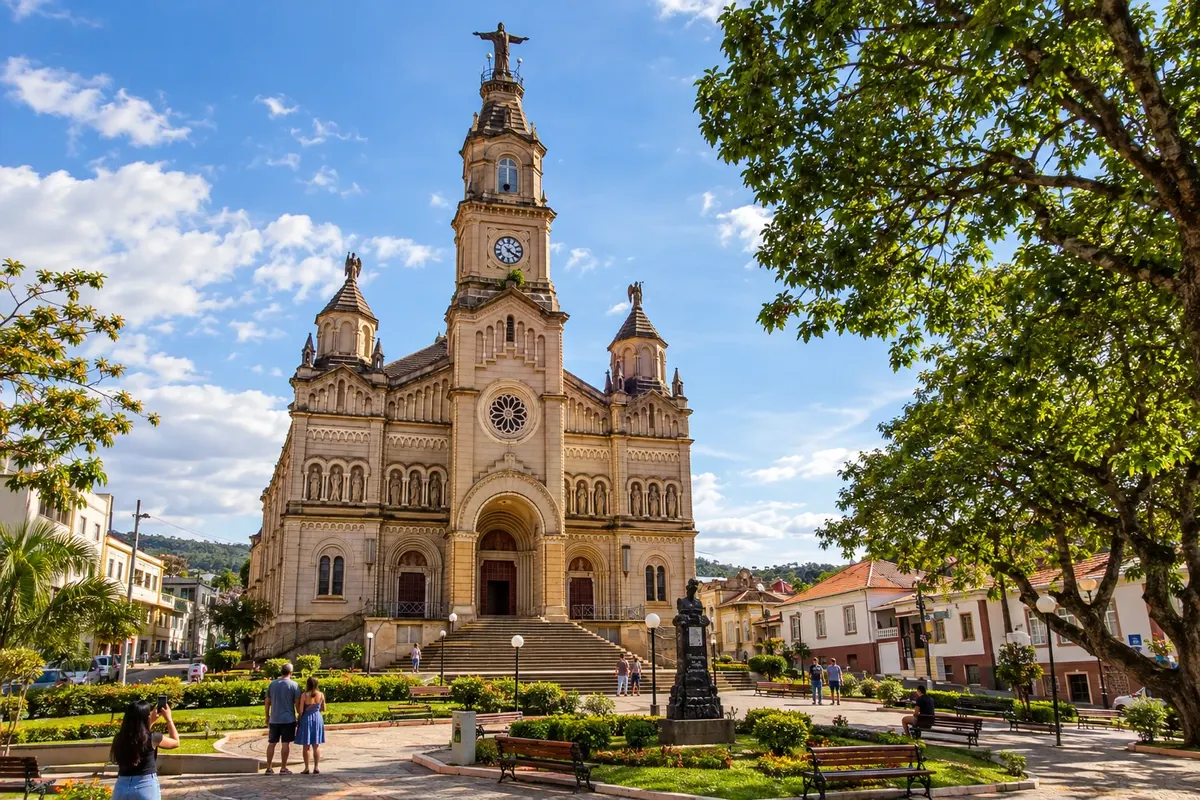
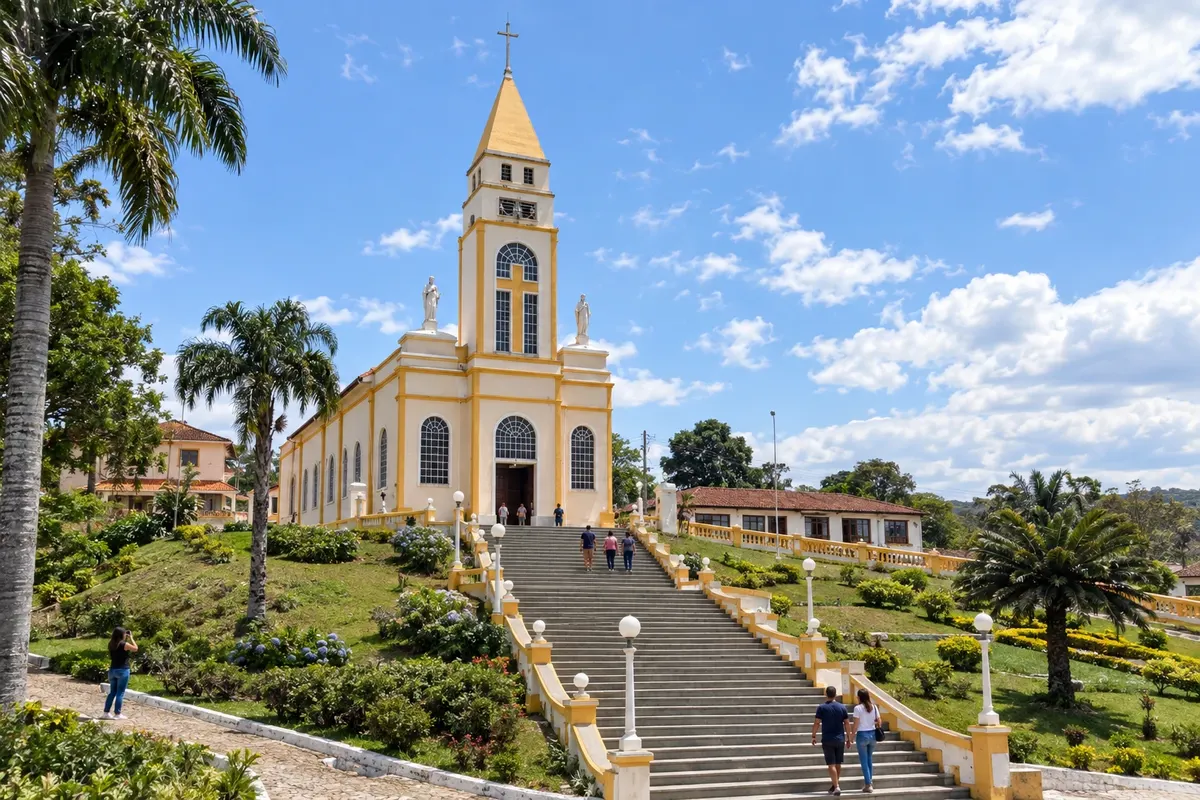
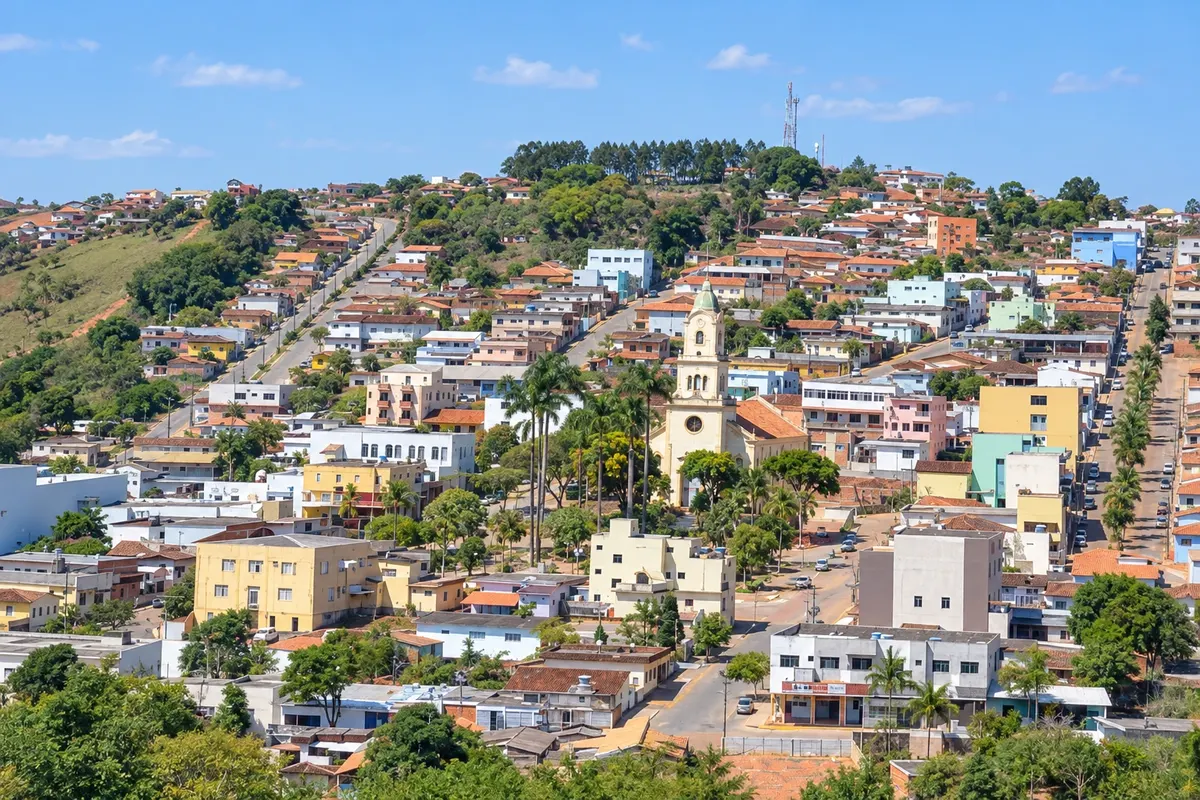
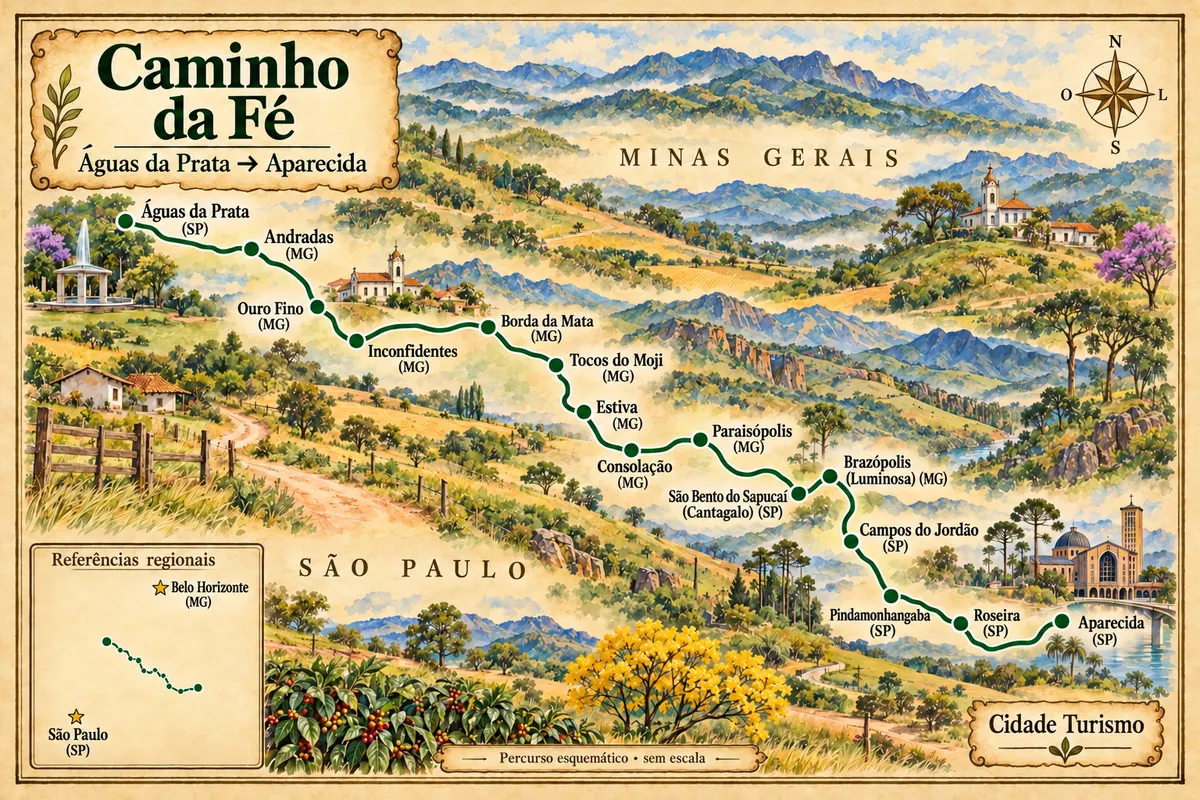
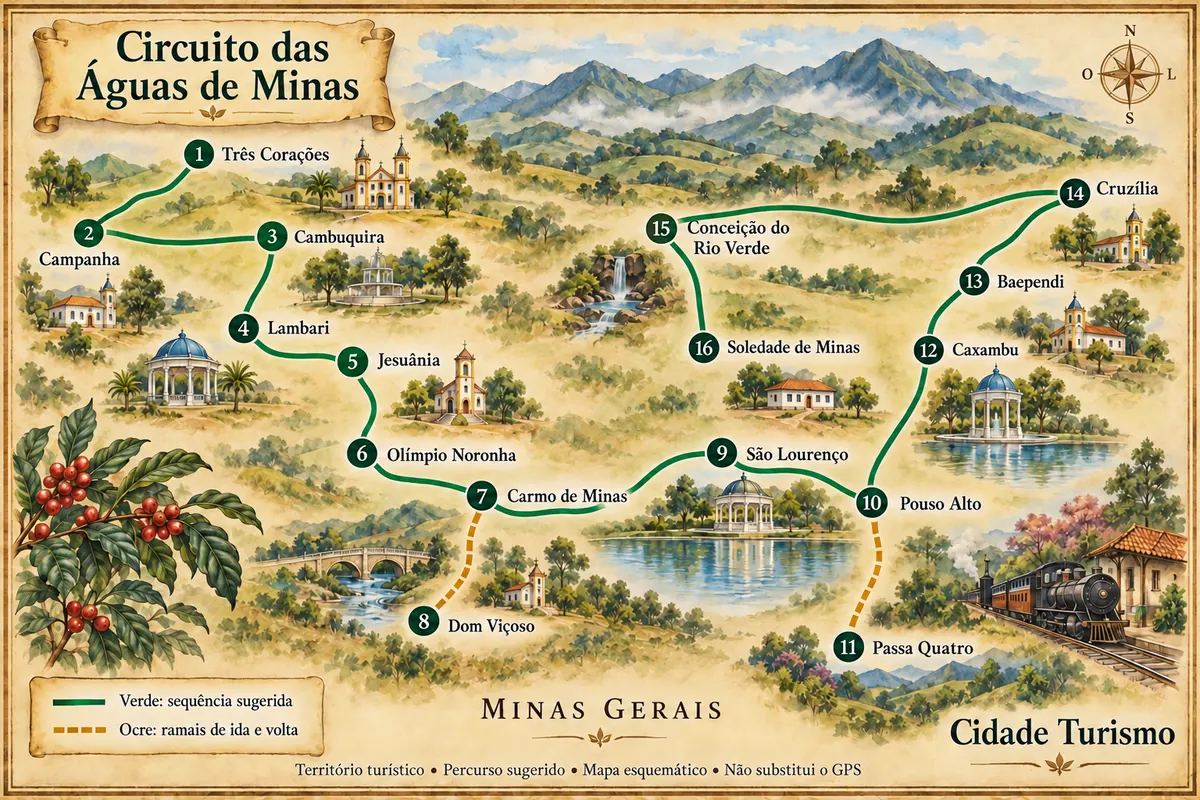
The Sul de Minas has a different pace. In the Serra da Mantiqueira, São Lourenço and Caxambu are mineral-water spa towns with water parks; Passa Quatro and Itamonte sit at the foot of mountains above two thousand meters and the winter cold draws couples and families. In the Malhas do Sul de Minas, Borda da Mata, Ouro Fino and Inconfidentes make their living from knitwear and textile manufacturing. In Caminhos Gerais, Andradas preserves the wine-making tradition brought by Italian immigrants.
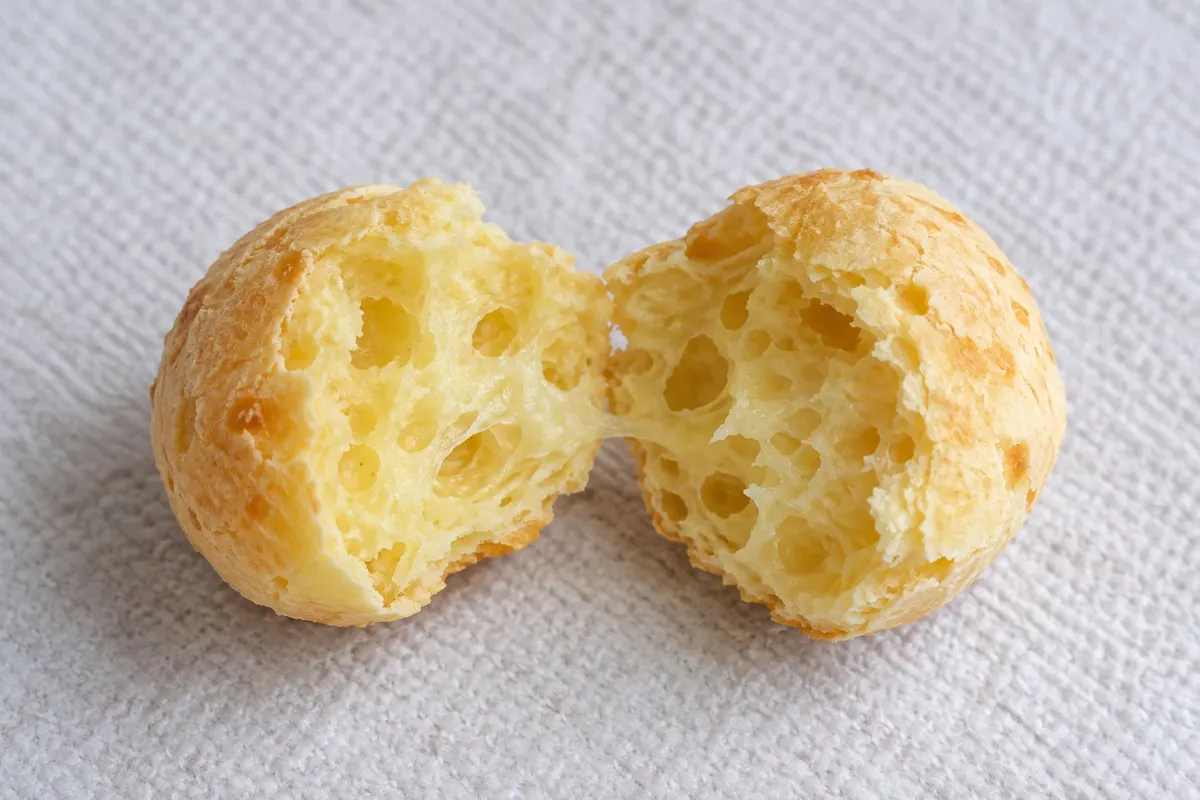
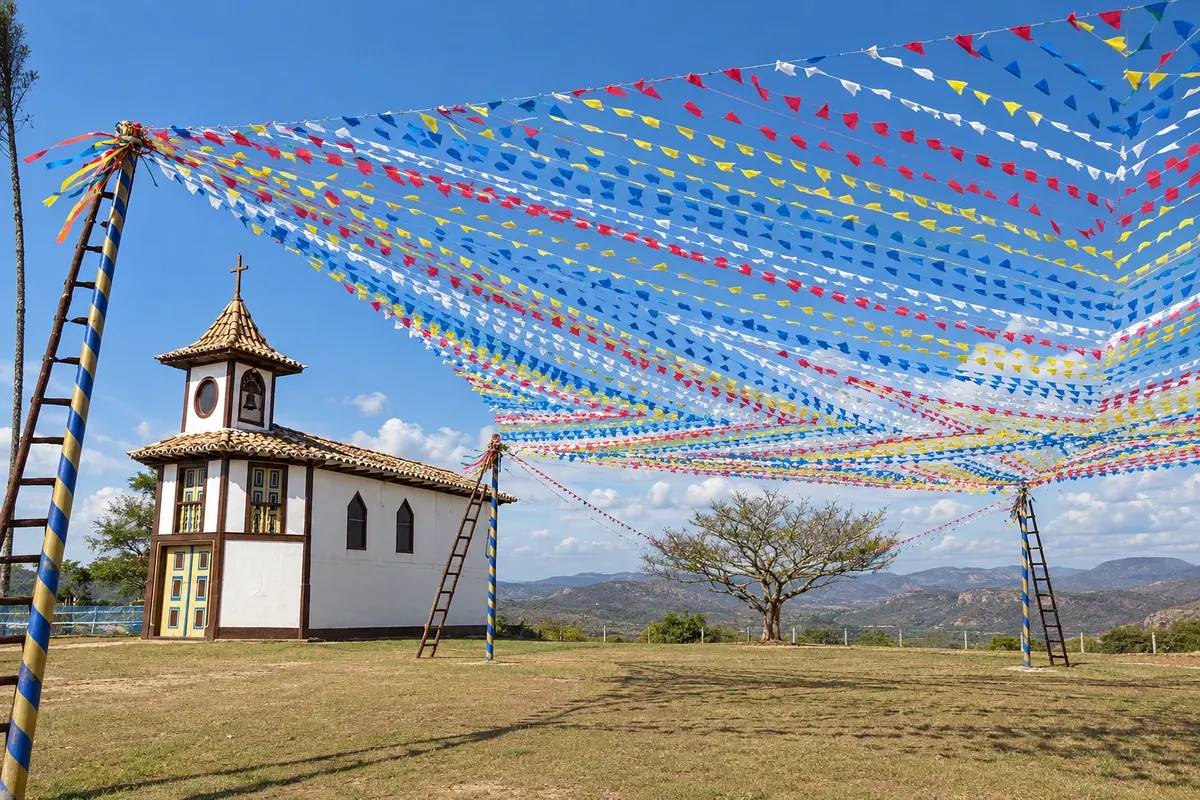
Mineira cuisine was born on wood-fired stoves: feijão tropeiro, tutu, frango com quiabo, pão de queijo, doce de leite and cachaça. The artisanal way of making queijo minas was recognized by UNESCO as intangible cultural heritage of humanity. On the calendar, Holy Week in Ouro Preto, with sawdust carpets in the streets, and the Jubileu de Congonhas in September draw pilgrims and visitors.


 Antarctica
 Argentina
 Bolivia
 Chile
 Colombia
 Ecuador
 Guyana
 French Guiana
 Falkland Islands (Malvinas)
 Paraguay
 Peru
 Suriname
 Uruguay
 Venezuela
 Germany
 Austria
 Belgium
 Croatia
 Denmark
 Slovakia
 Slovenia
 Spain
 Finland
 France
 Greece
 the Netherlands
 Hungary
 Ireland
 Iceland
 Italy
 Luxembourg
 Norway
 Poland
 Portugal
 the United Kingdom
 the Czech Republic
 Sweden
 Switzerland
 Turkey
 Bermuda
 Canada
 the United States
 Greenland
 Mexico
 Saint Pierre and Miquelon
 the Dominican Republic
 Japan
 South Africa
 Egypt
 Australia
 Fiji
 New Zealand
 Papua New Guinea