Hamburger
Ground beef shaped into a patty, grilled or cooked on a griddle and served inside a round bun. Several American cities claim the sandwich's origin, and it became one of the foods most associated with the United States.
AntarcticaFlavors · Arkansas
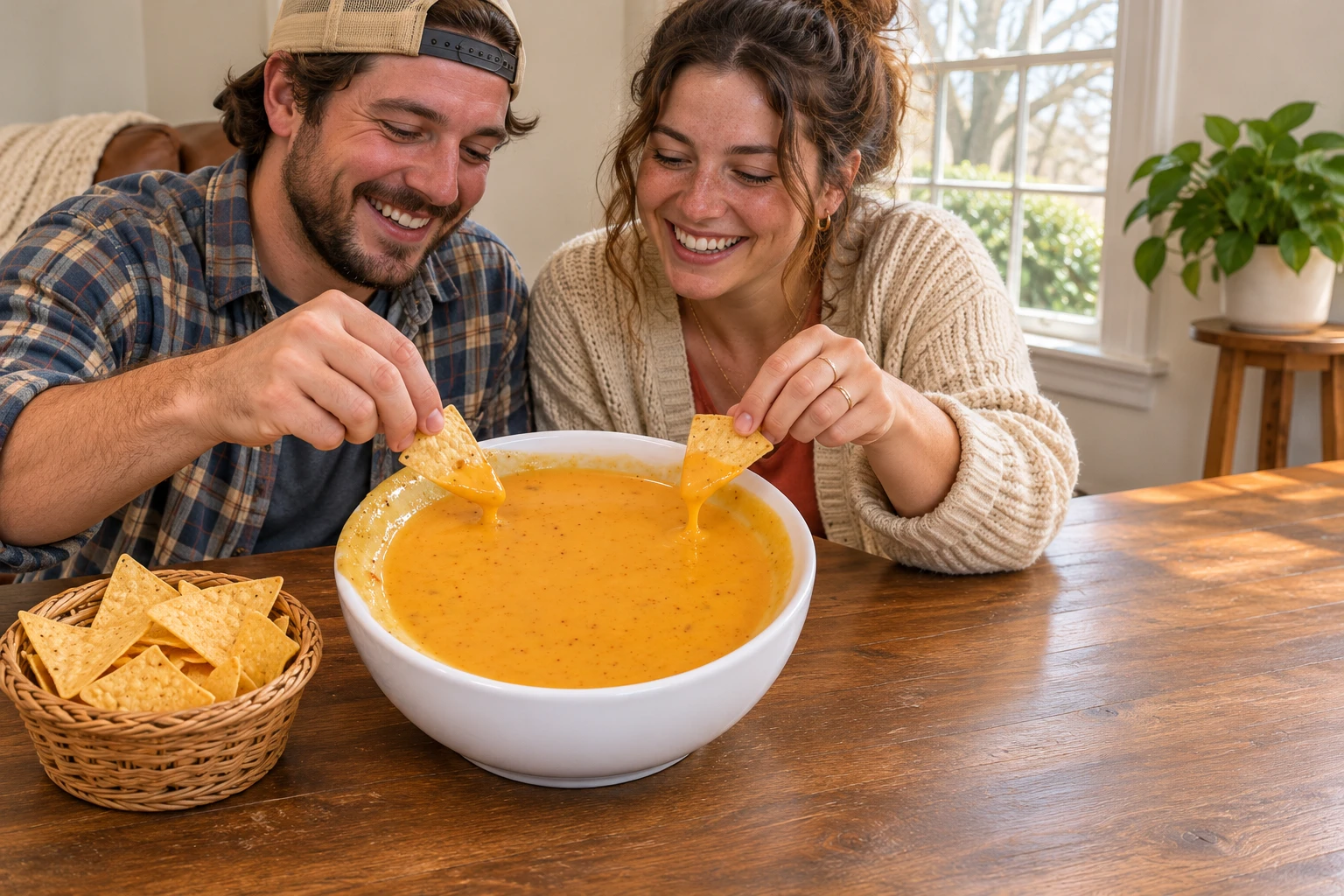
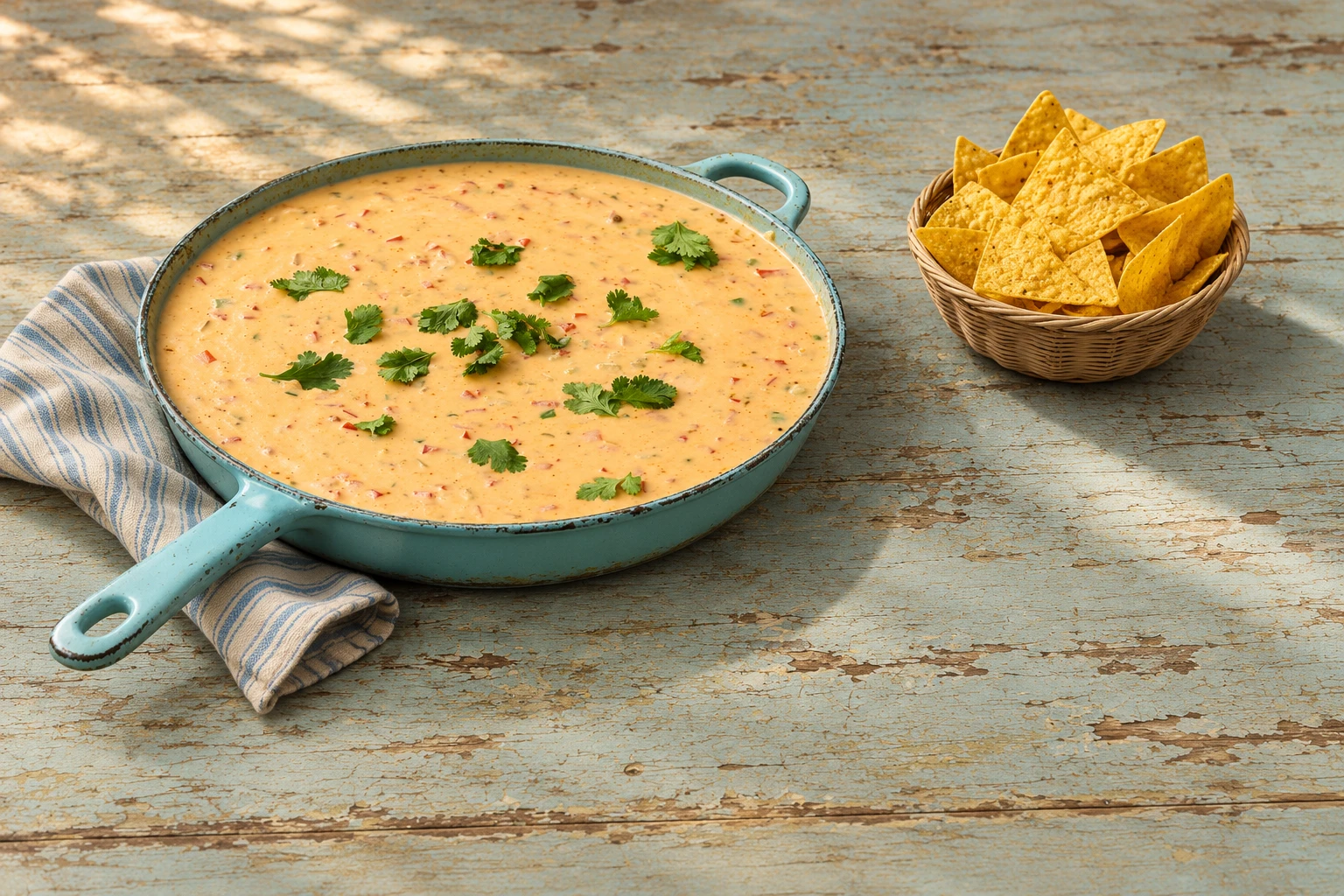
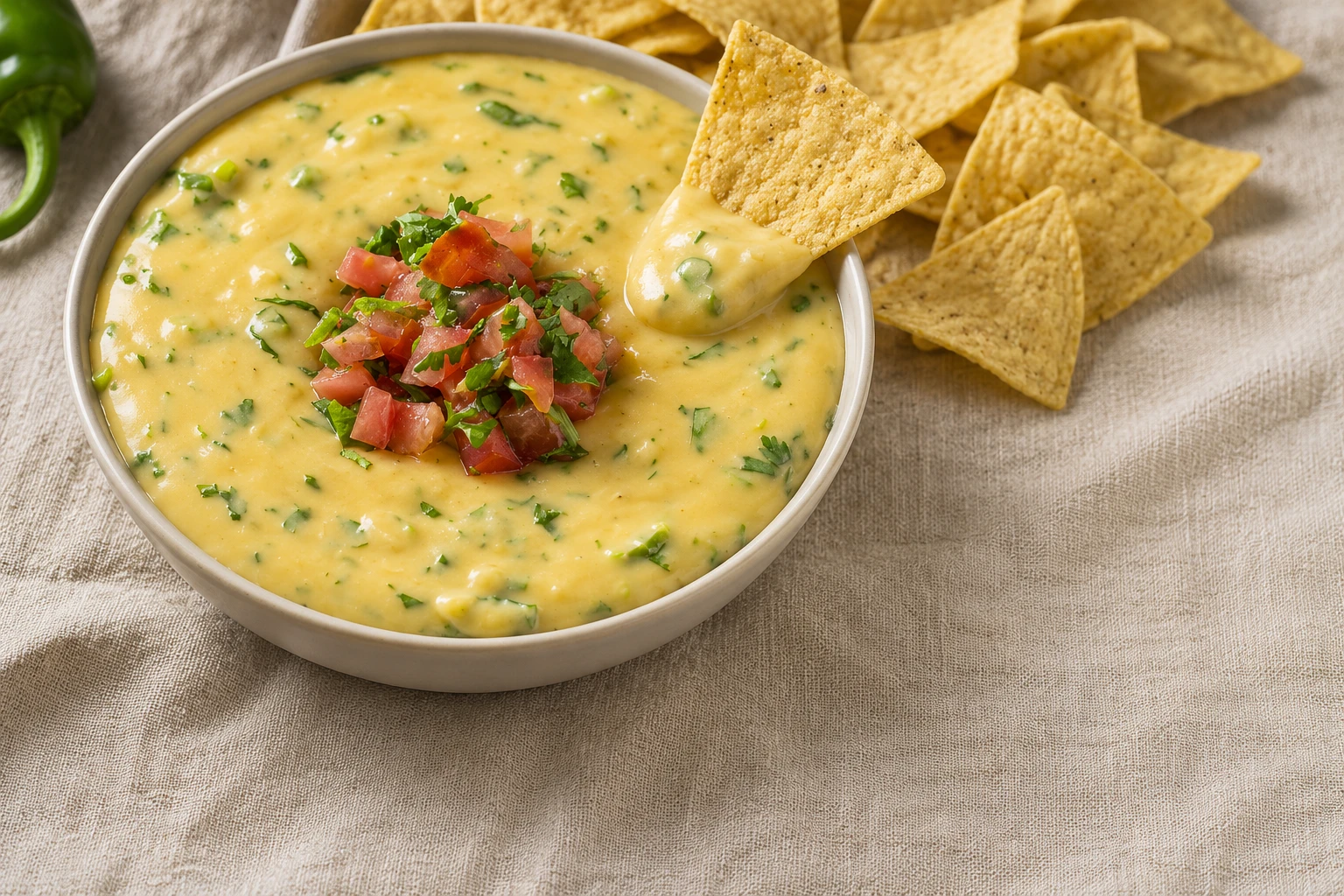
Creamy melted cheese sauce seasoned with peppers, cumin and paprika, served hot in a bowl with fried tortilla chips for dipping. It’s the appetizer most associated with Arkansas, which claims its creation.
Traditional dish from Arkansas
Also known as: Arkansas cheese dip, queso dip
Illustrative images. The pictures in this guide are illustrations based on the real place, not photographs, and may differ from it.
Click a photo to enlarge it.
Cheese dip — Arkansas, the United States
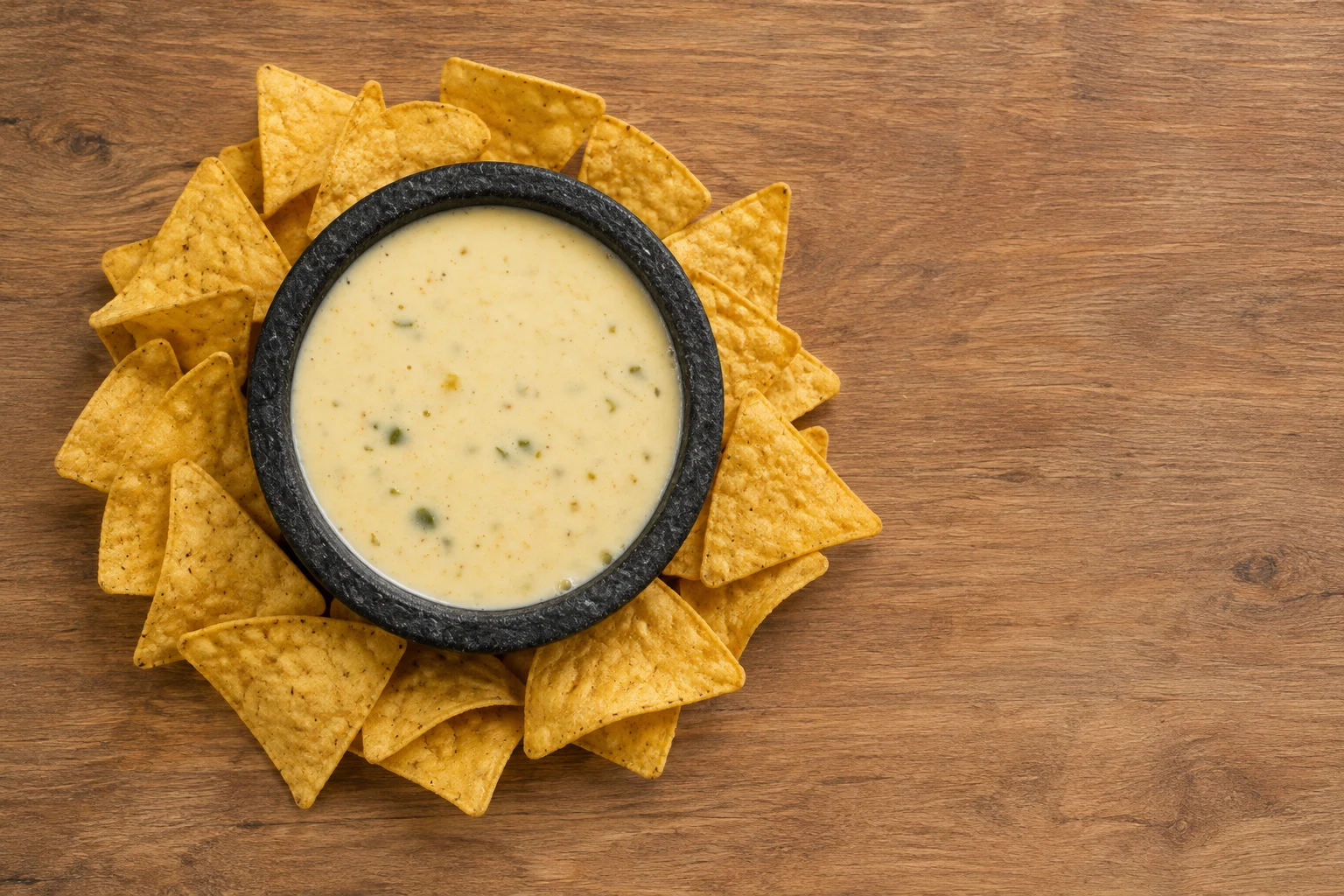
In Arkansas, almost every Mexican-American meal begins with a bowl of cheese dip: cheese melted into a smooth, yellowish cream, seasoned with peppers, cumin, paprika and garlic, served hot with a basket of fried tortilla chips for dipping. Many versions include jalapeño, diced tomato, ground beef or chili, and there’s also a white version made with lighter-colored cheese.
The state claims the invention. The most repeated version says a couple from Texas began serving the sauce in 1935 at a restaurant in Hot Springs, then took the recipe to North Little Rock. The origin is disputed with Texas, where a similar dish is called chile con queso, and the 1935 story is told as local tradition rather than established fact.
The rivalry became part of the fun. Little Rock hosts the World Cheese Dip Championship every year, a contest where cooks and restaurants present their recipes, and the Arkansas tourism board maintains the Arkansas Cheese Dip Trail, a route with stops across the state.
Cheese dip is a shared dish: it goes to the center of the table before the main courses, appears at parties, football games and family gatherings, and every household has its own recipe.

Melted cheese (usually yellow, sometimes white), milk or cream, peppers, cumin, paprika and garlic; sometimes jalapeño, tomato, ground beef or chili.
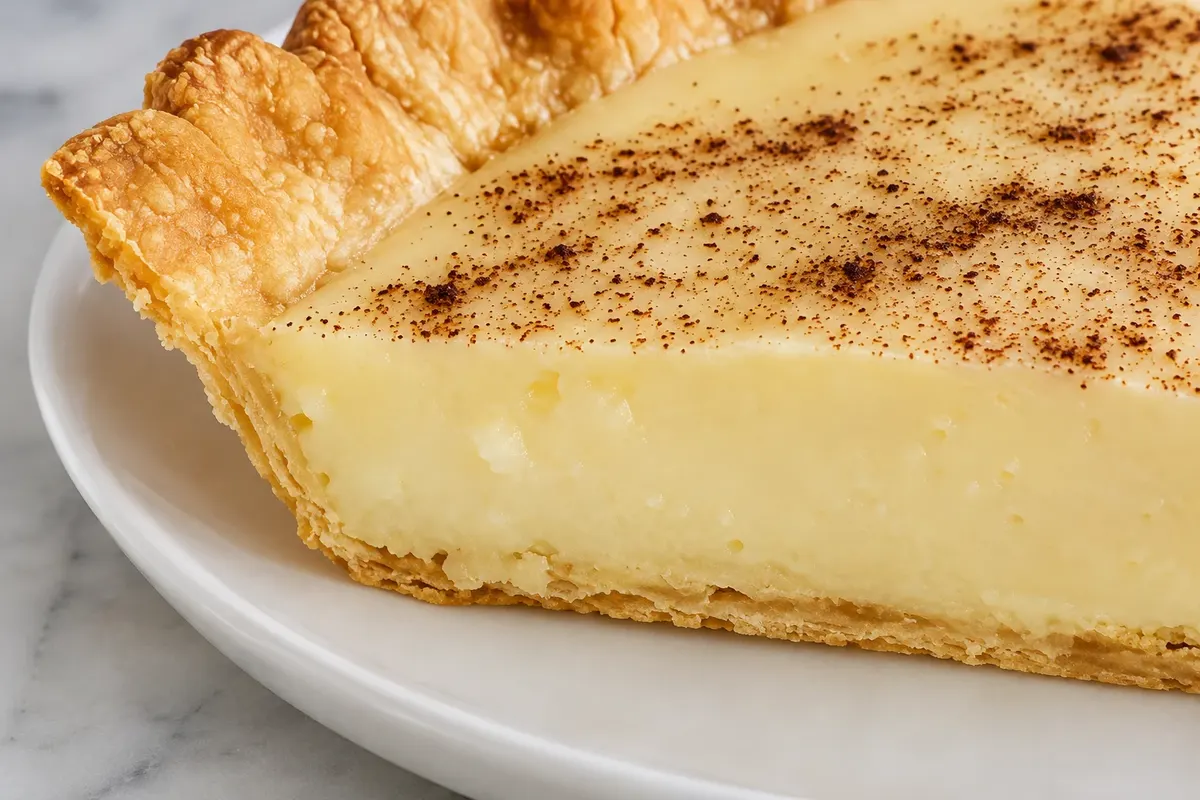
Hot, in a bowl at the center of the table with fried tortilla chips for dipping; also served over nachos, burritos and enchiladas.
All year round, as an appetizer; very common at parties and game days.
Your questions
It’s a hot, creamy sauce of melted cheese with peppers and spices, served with fried tortilla chips for dipping.
Arkansas claims the invention, with a story that begins in 1935 in Hot Springs. Texas disputes the origin with its chile con queso.
The World Cheese Dip Championship takes place in Little Rock, the capital of Arkansas. Check the date before you go.
Flavors of the United States

Ground beef shaped into a patty, grilled or cooked on a griddle and served inside a round bun. Several American cities claim the sandwich's origin, and it became one of the foods most associated with the United States.

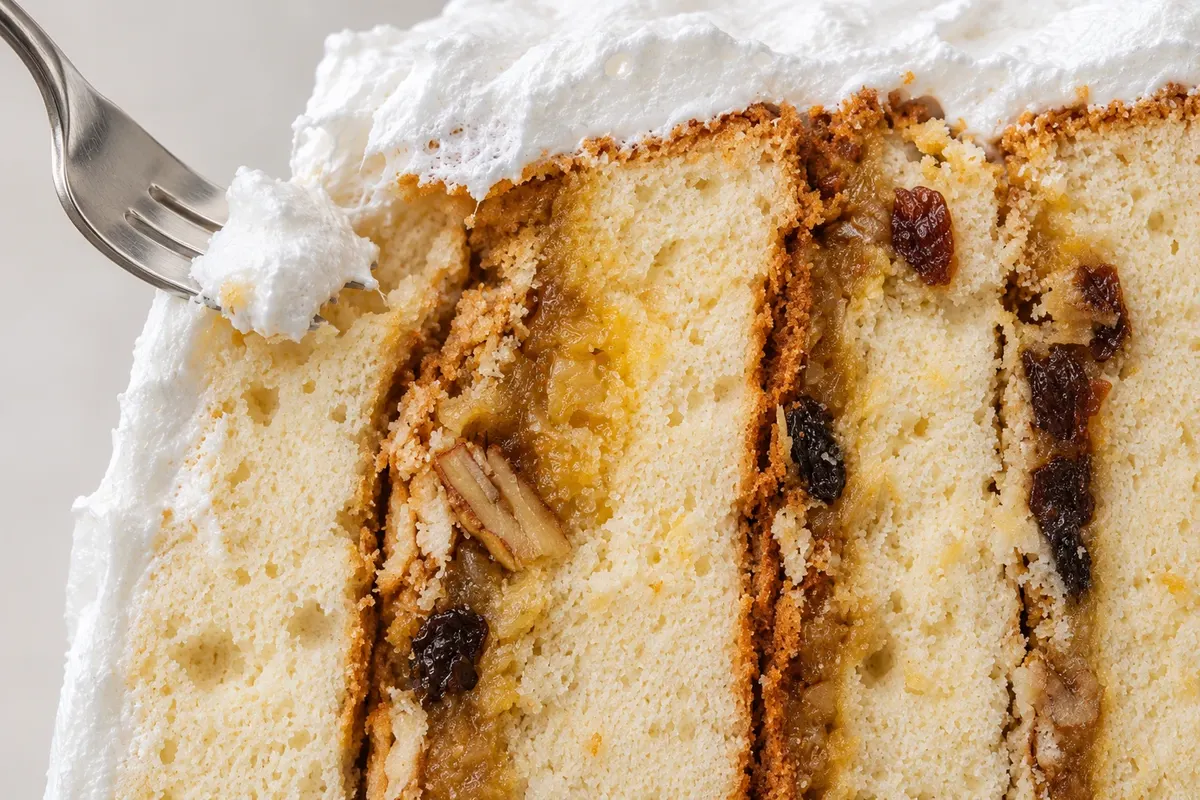
Layered cake of light white sponge, joined and covered by a cooked filling of egg yolks, butter, sugar, raisins and pecans, scented with bourbon or whiskey. Created in Alabama in the late 19th century, it is the official state cake.

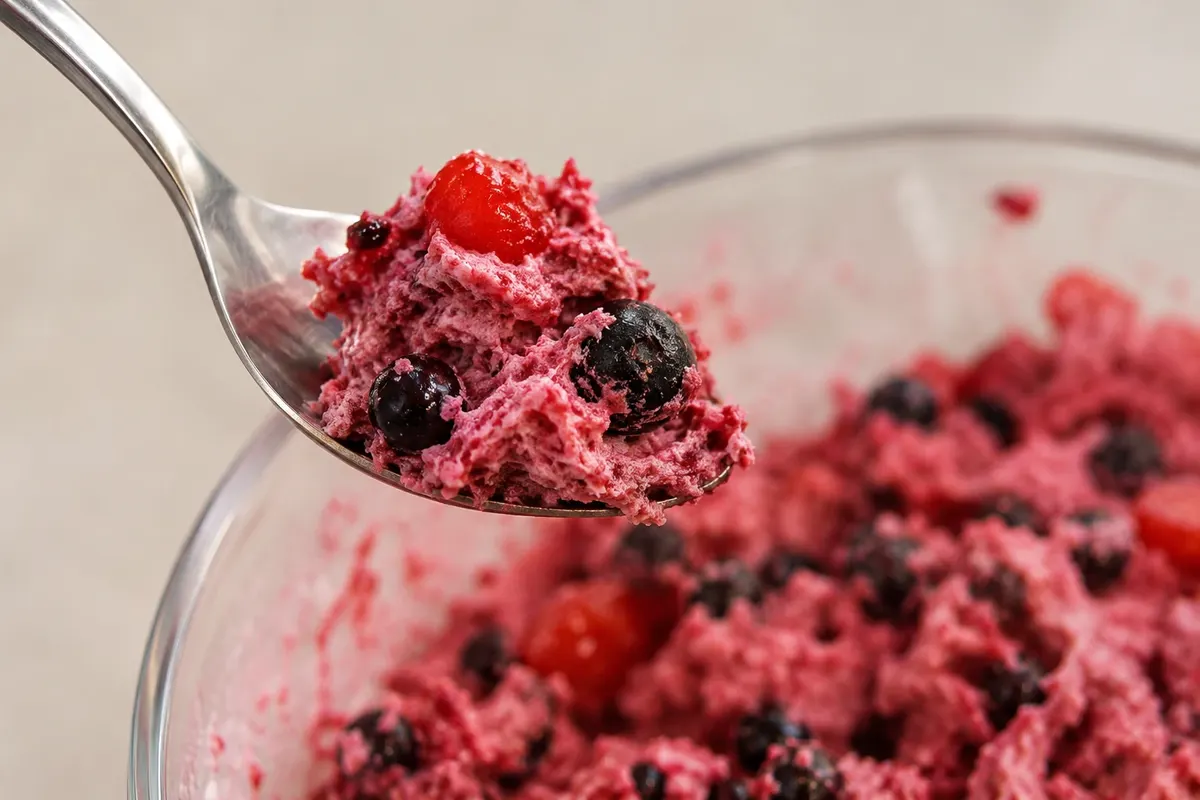
A whipped fat mixture combined with wild berries, sometimes with cooked fish, prepared by the Indigenous peoples of Alaska. The name comes from the Yup'ik language and means "mixture."

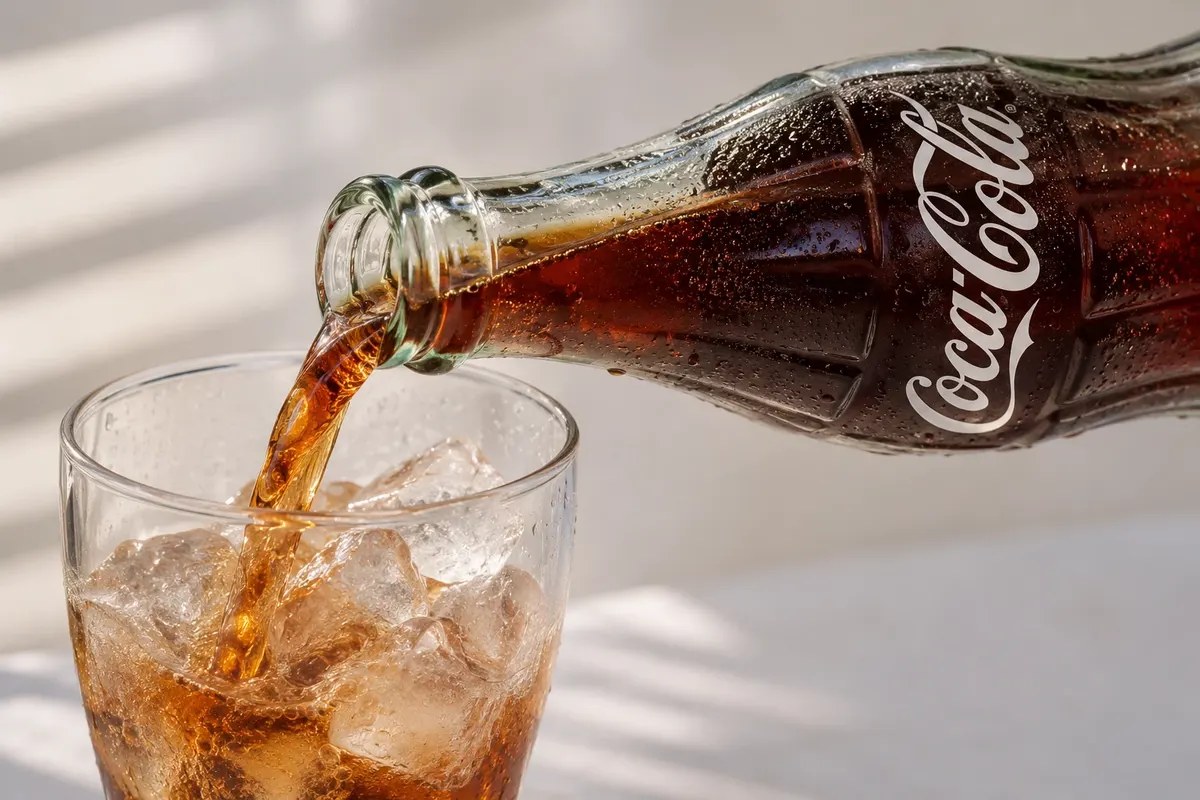
A dark-colored carbonated soft drink made from a sweetened syrup flavored with cola and citrus notes. It was created in Atlanta in 1886 by a city pharmacist and then spread around the world.

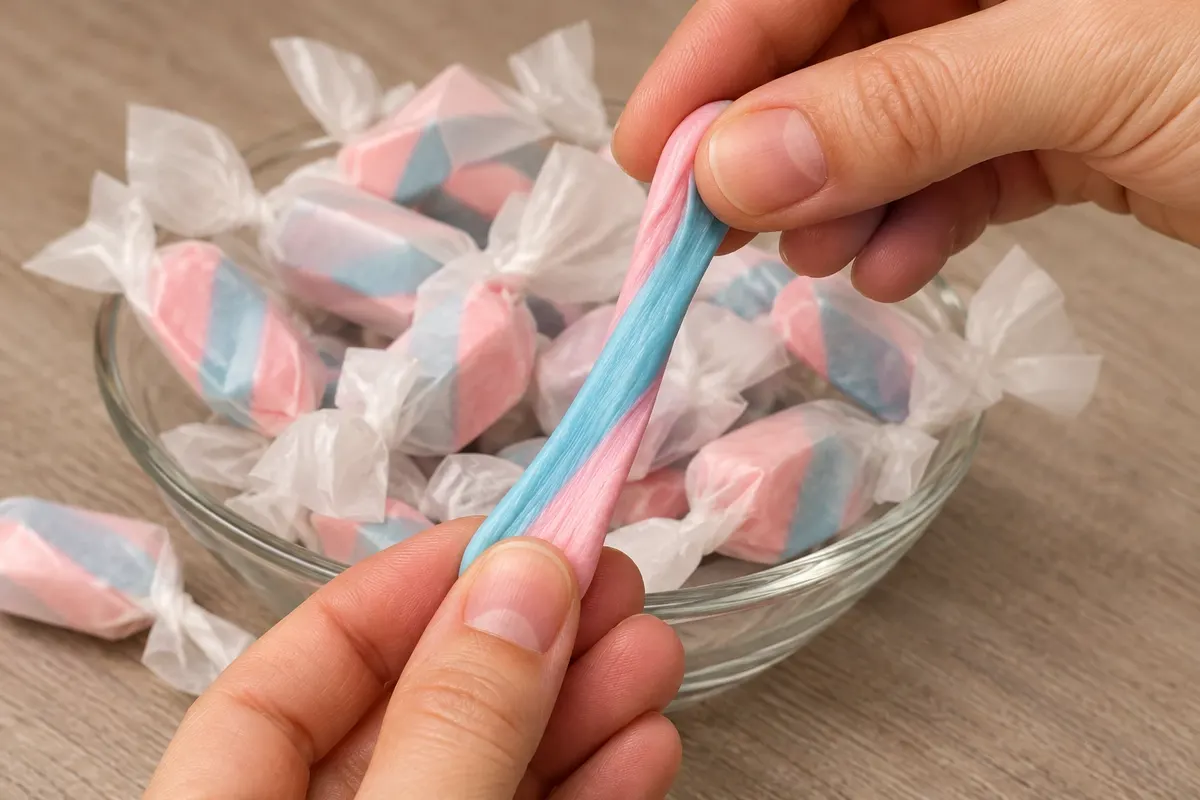
Soft, chewy candy made from sugar, corn syrup, butter and flavorings, wrapped with the ends twisted. It’s the candy most associated with the Atlantic City boardwalk since the late 19th century.

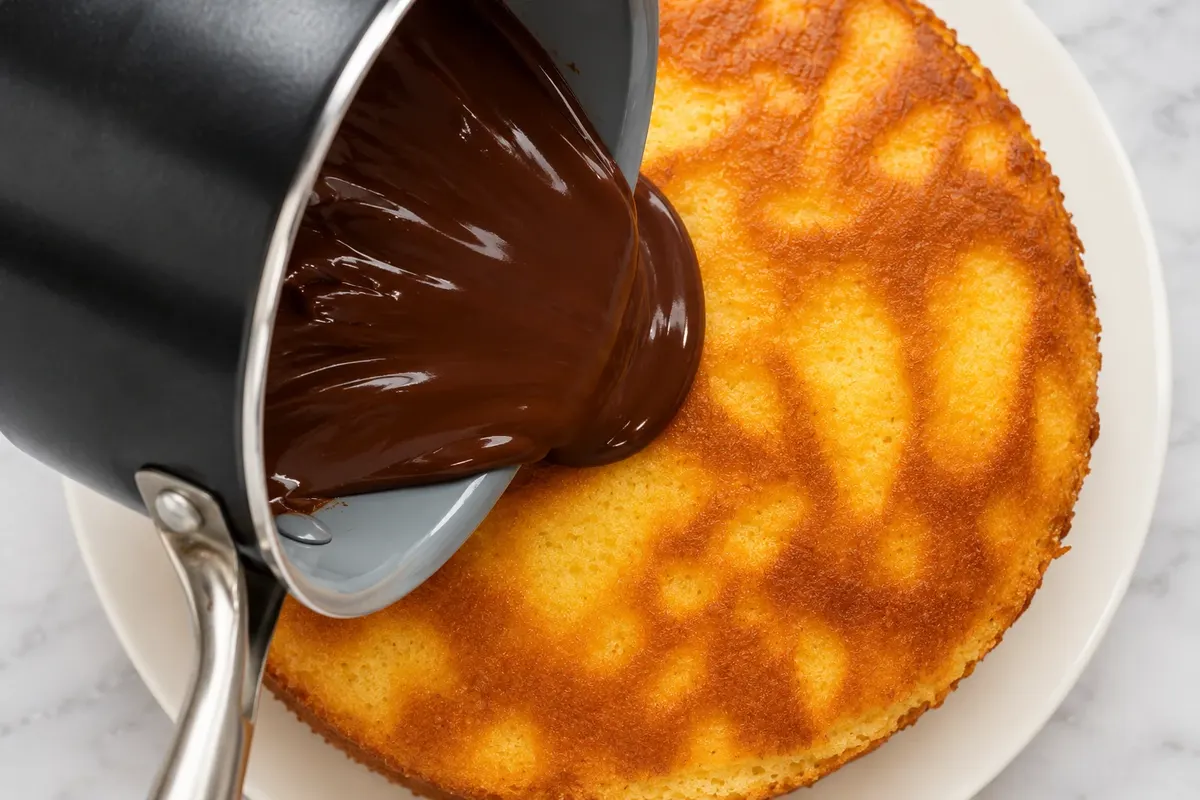
Two-layer sponge cake filled with pastry cream and topped with chocolate. Despite the name, it is not a pie. It originated in Boston in the 19th century and has been the official dessert of Massachusetts since 1996.

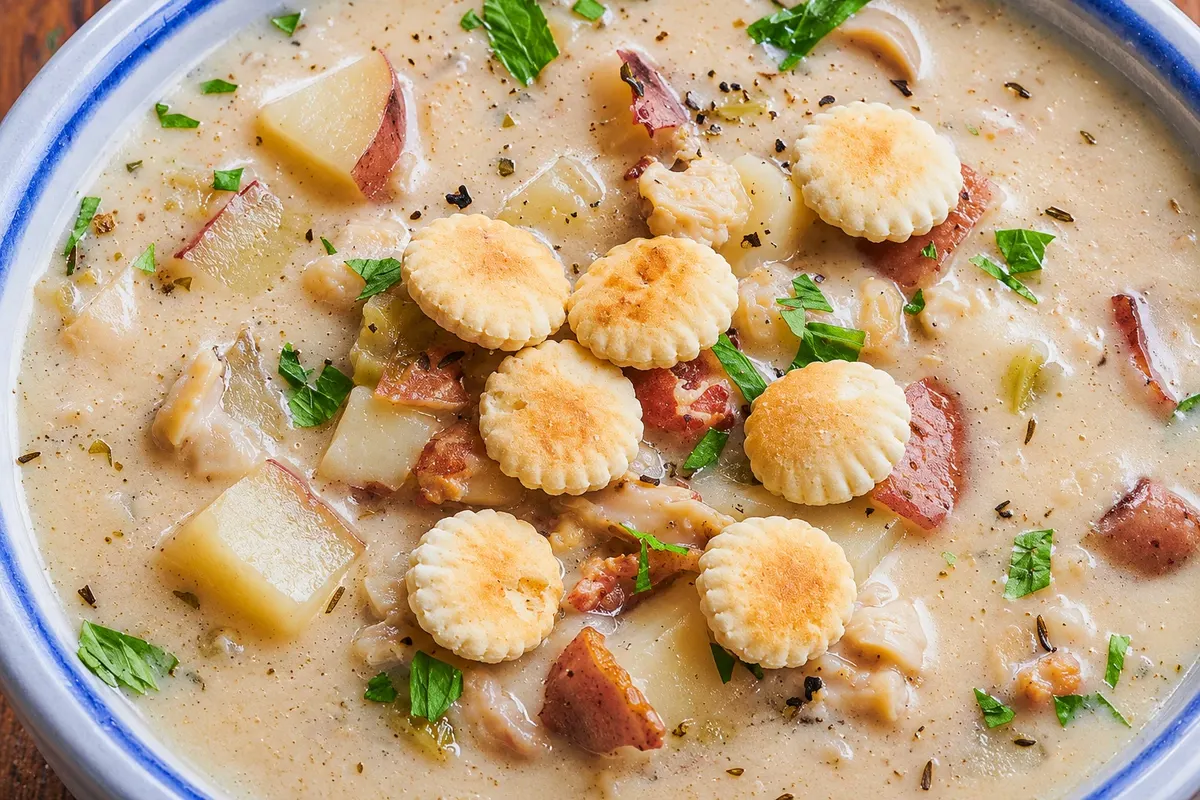
Creamy seafood soup with potato, onion and salt pork, thickened with milk or cream. It’s the dish most associated with Boston and the New England coast, and it’s usually served with small salted crackers.

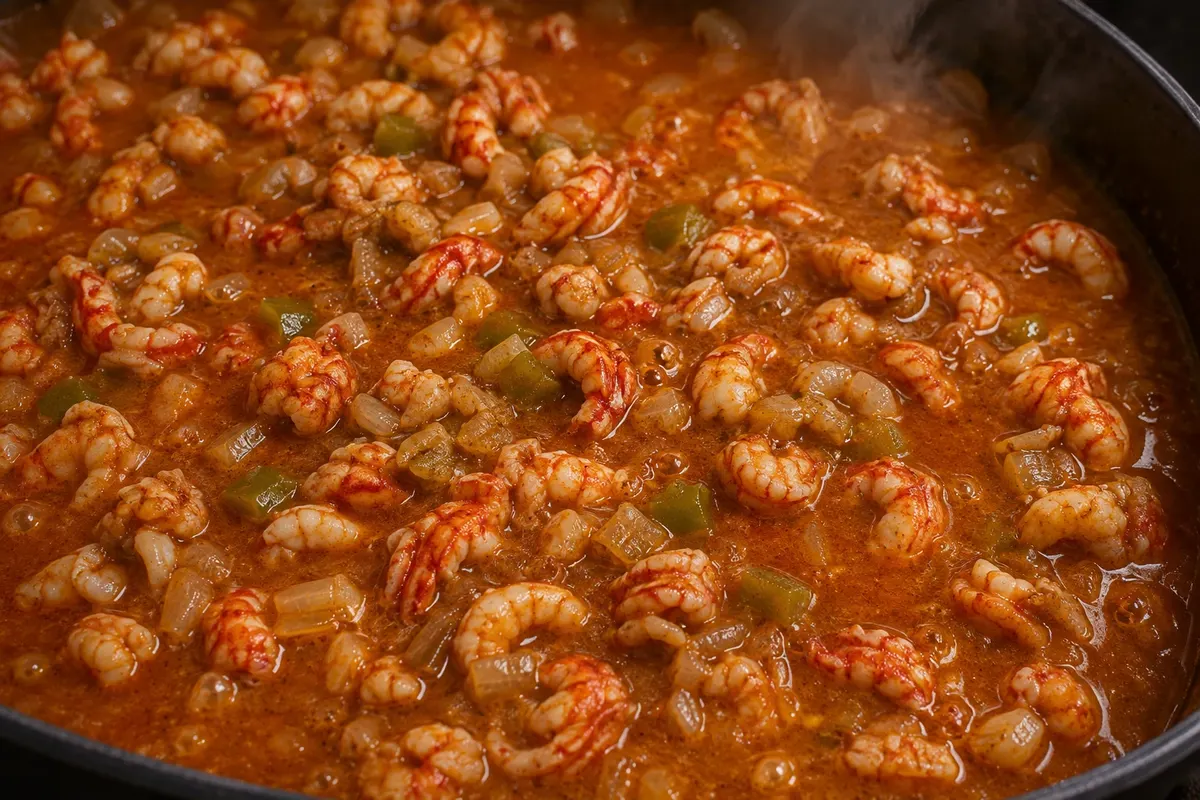
Thick stew of crawfish tails cooked in a light roux-based sauce with onion, celery and bell pepper, served over white rice. It is one of the dishes of the Cajun cuisine of southern Louisiana.

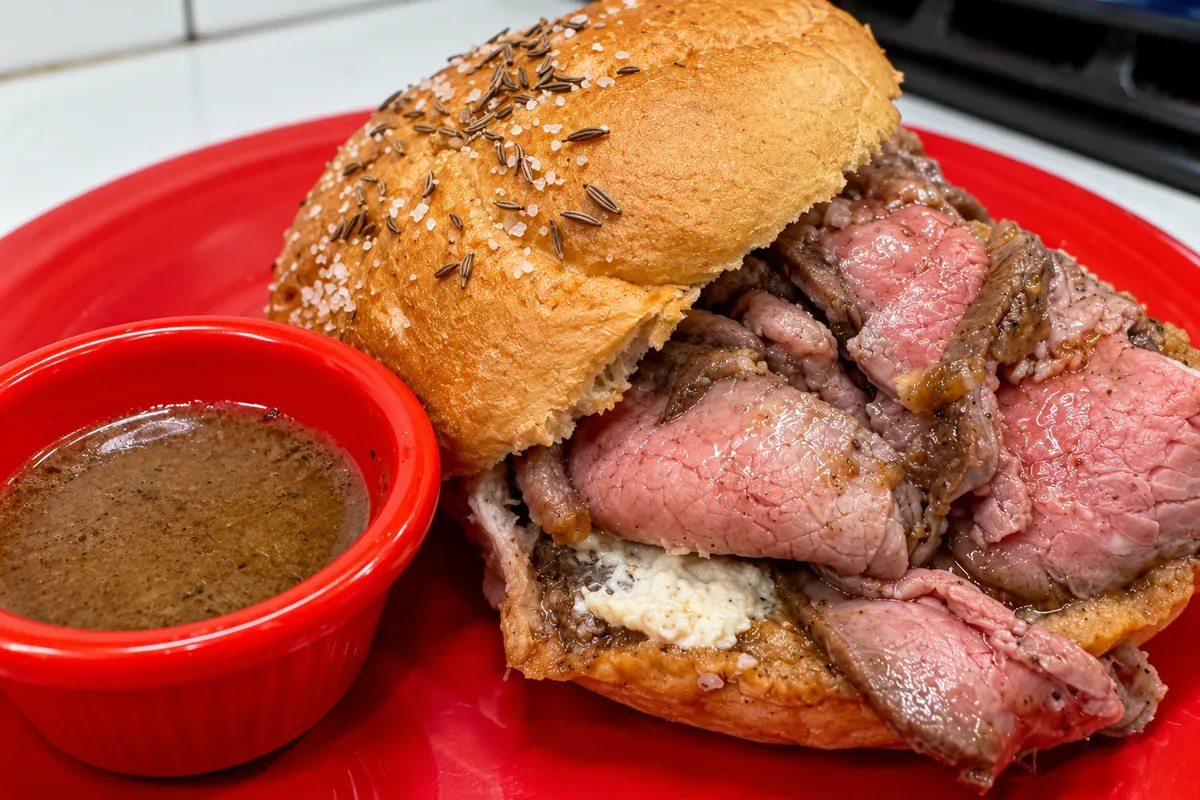
Rare roast beef sandwich on kummelweck roll, topped with coarse salt and caraway, with horseradish and the roll dipped in the roast jus. It’s a tavern specialty from Buffalo, older than the chicken wings.

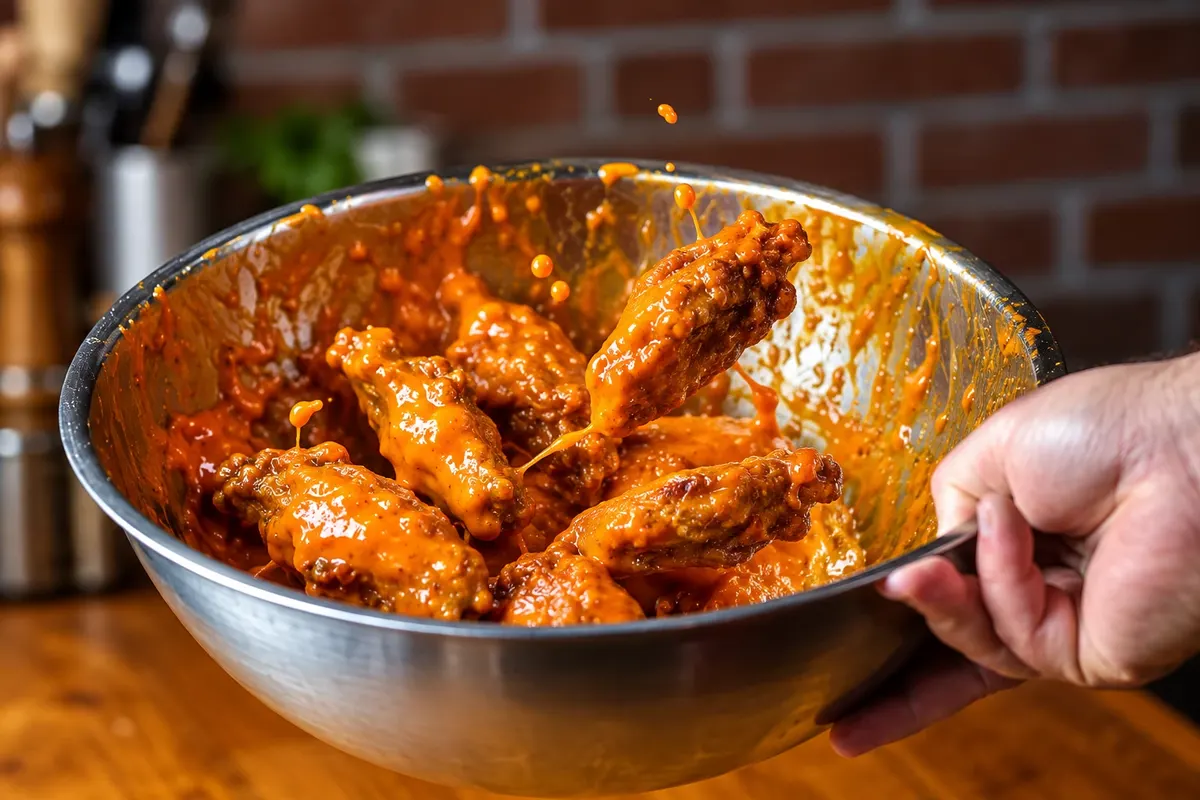
Fried chicken wings not breaded and coated in a hot pepper and butter sauce, served with celery and blue cheese dressing. They were created in Buffalo in 1964, according to the most accepted version.

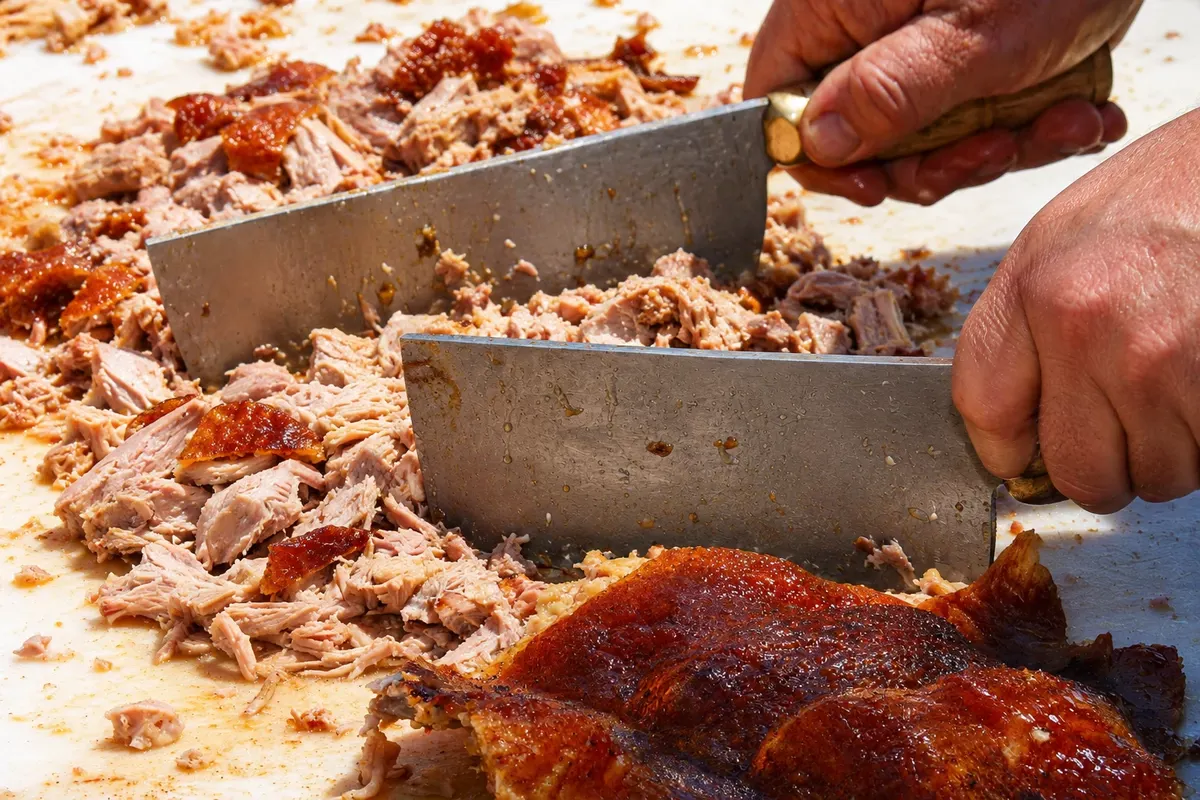
Slow-roasted pork over a wood fire, chopped or pulled and seasoned with a vinegar-and-pepper sauce. In the eastern part of the state the whole hog is roasted; in the Piedmont, the shoulder is used, with a sauce that includes a little tomato.

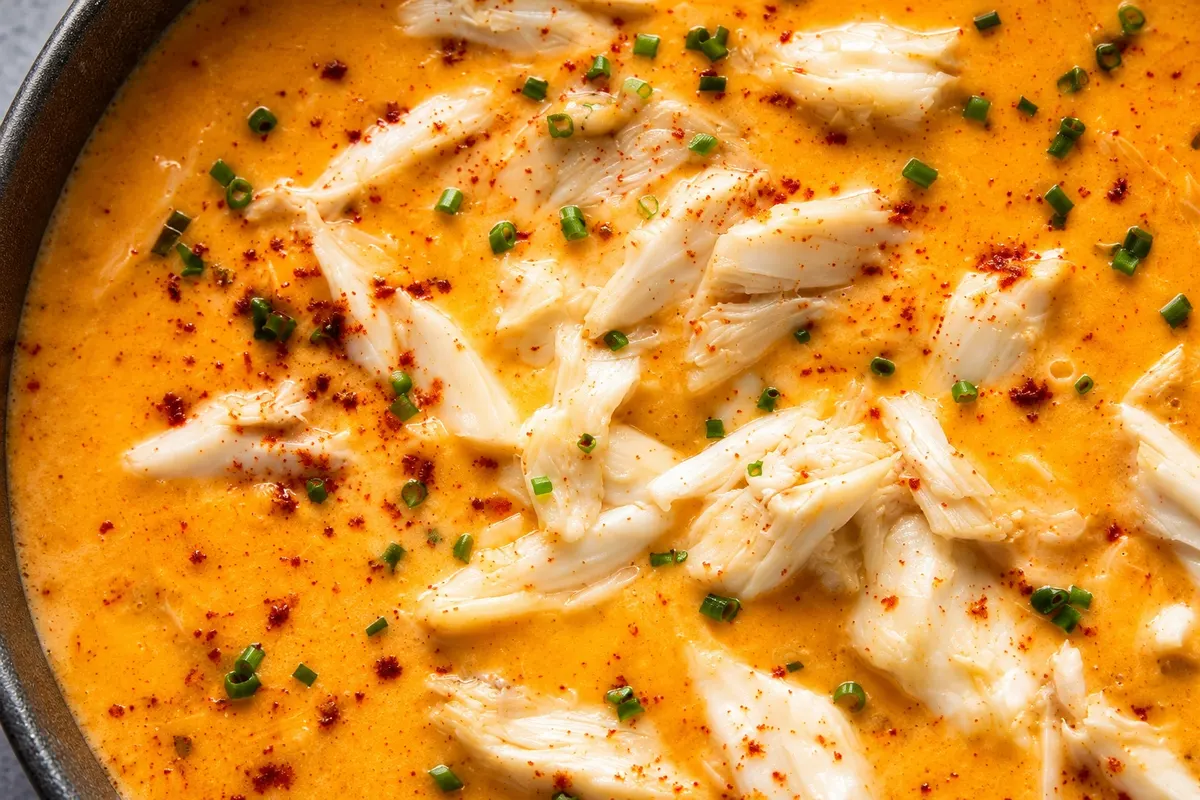
Creamy Charleston soup made with blue crab meat and the female’s roe, which give it an orange color and the dish its name; finished with a little sherry. The version that includes roe is attributed to William Deas, a cook for a local family, in the early 20th century.

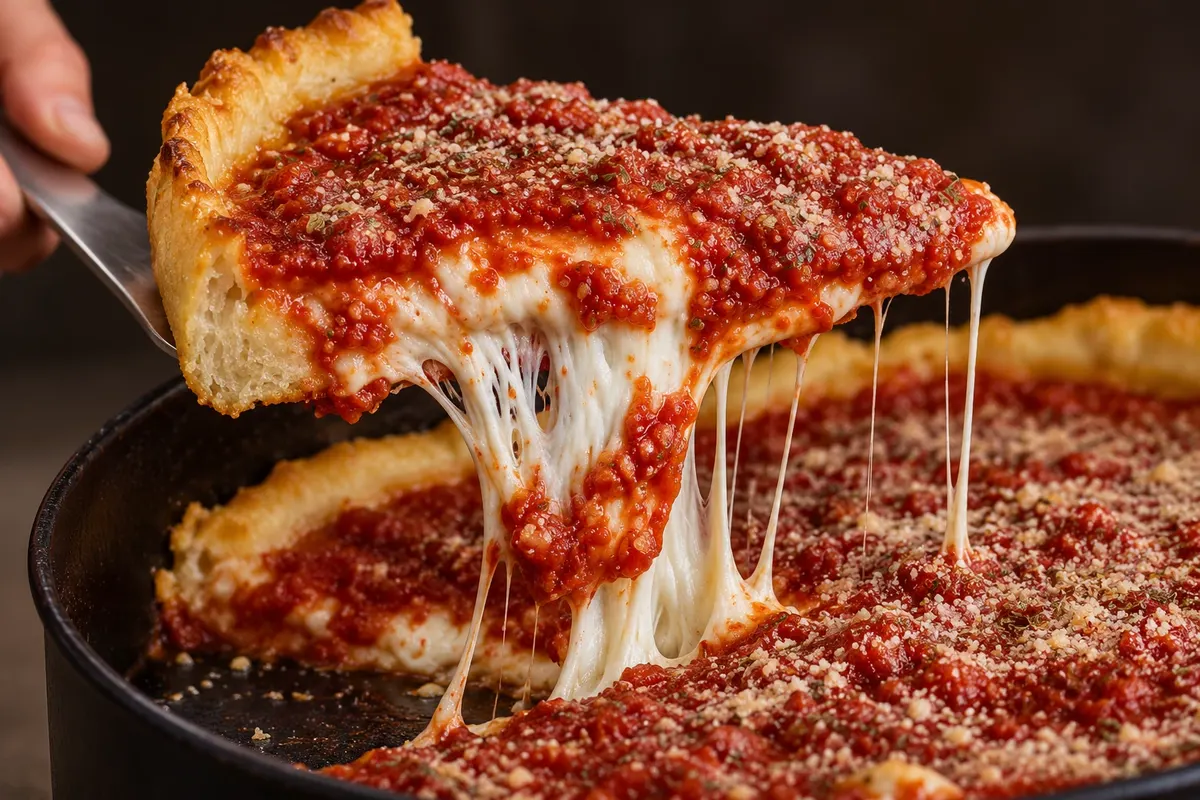
Pizza baked in a high-sided pan, with a buttery crust, mozzarella underneath, fillings in the middle, and chunky tomato sauce on top. It originated in Chicago in 1943 and is eaten with a fork and knife.

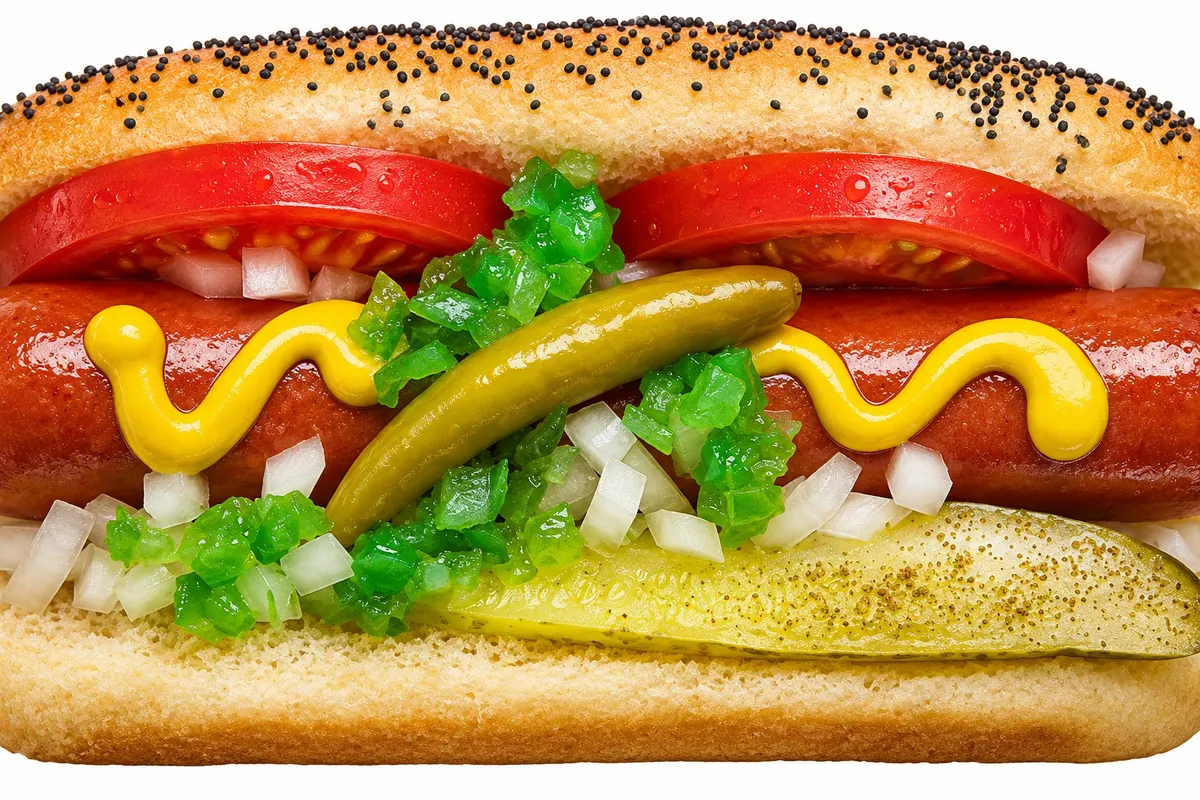
Beef sausage in a soft poppy-seed bun, topped with yellow mustard, bright green relish, chopped onion, tomato, pickle spear, pickled peppers and celery salt — “dragged through the garden,” as they say in Chicago. Ketchup is not included.

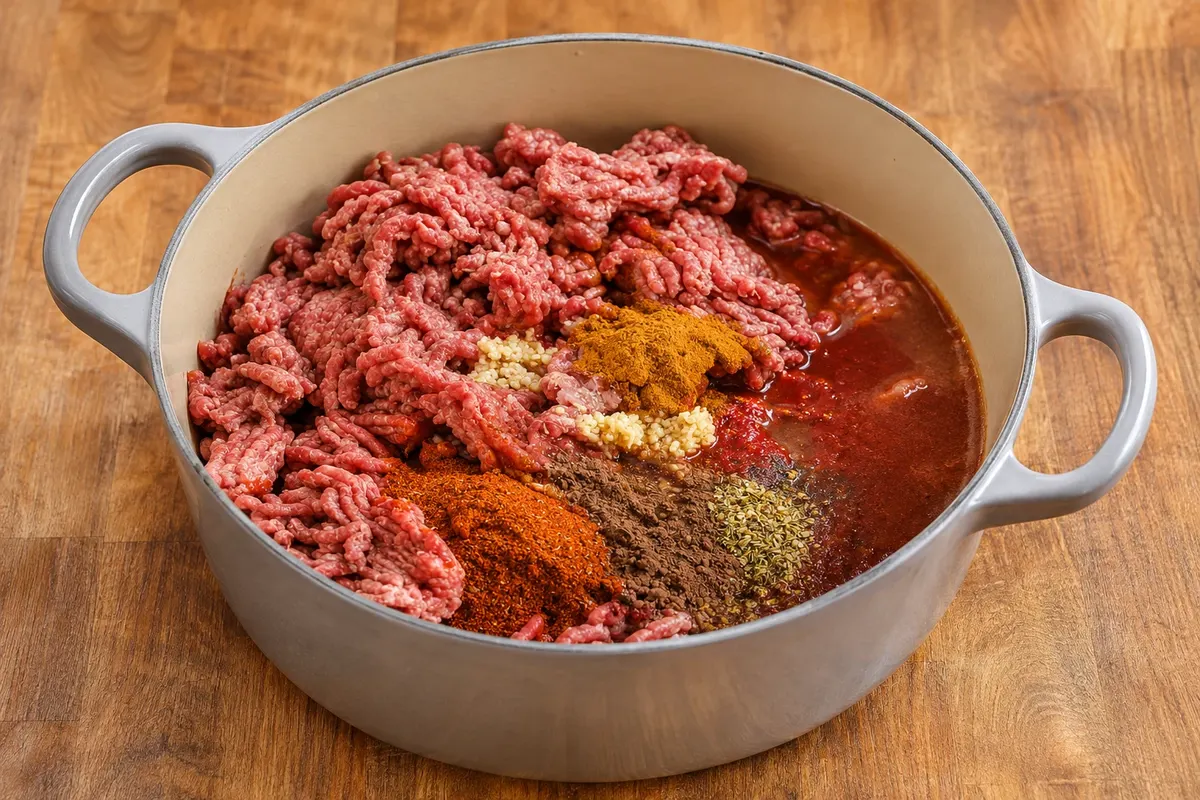
Thin ground-beef sauce seasoned with cinnamon, clove and other Mediterranean spices, served over spaghetti and topped with a mountain of grated cheddar cheese. It was created in Cincinnati in 1922 by Macedonian immigrants.

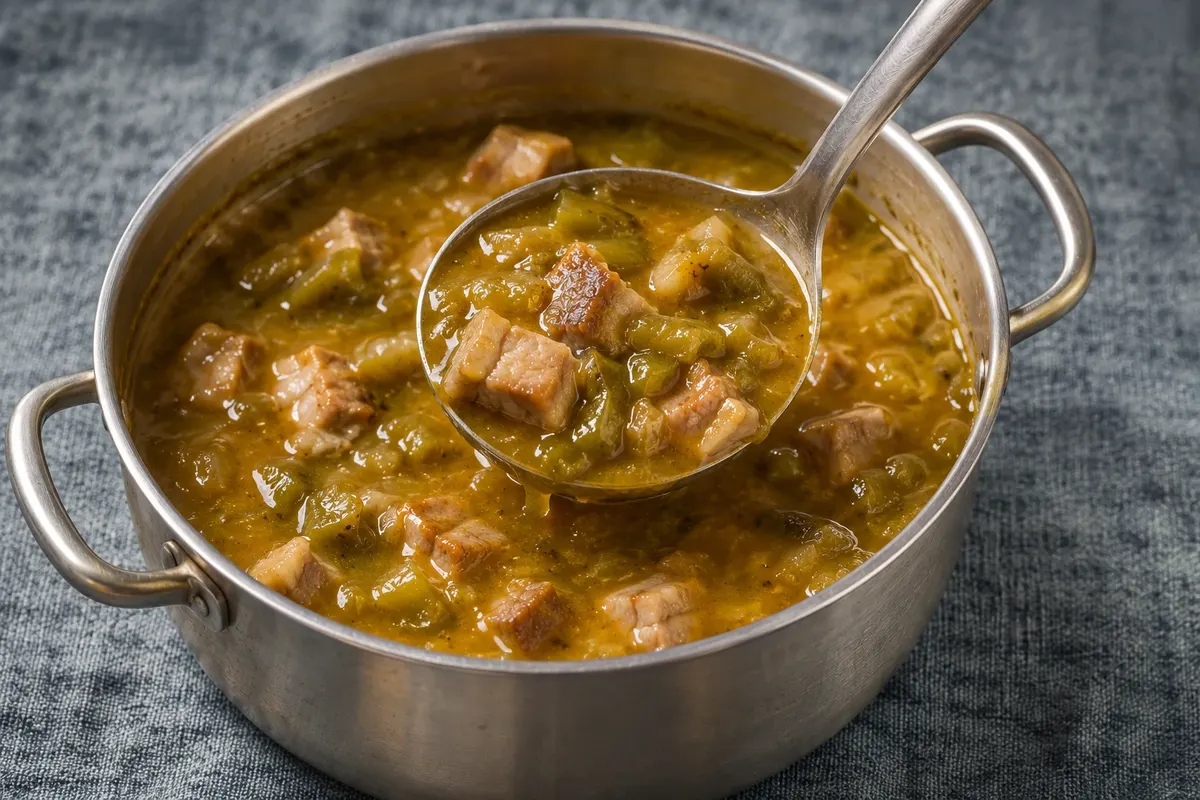
Thick stew of roasted green chiles, cubed pork and often tomato, with an orange color. It’s the dish most associated with Colorado, served in a bowl or spooned over burritos, eggs and burgers.

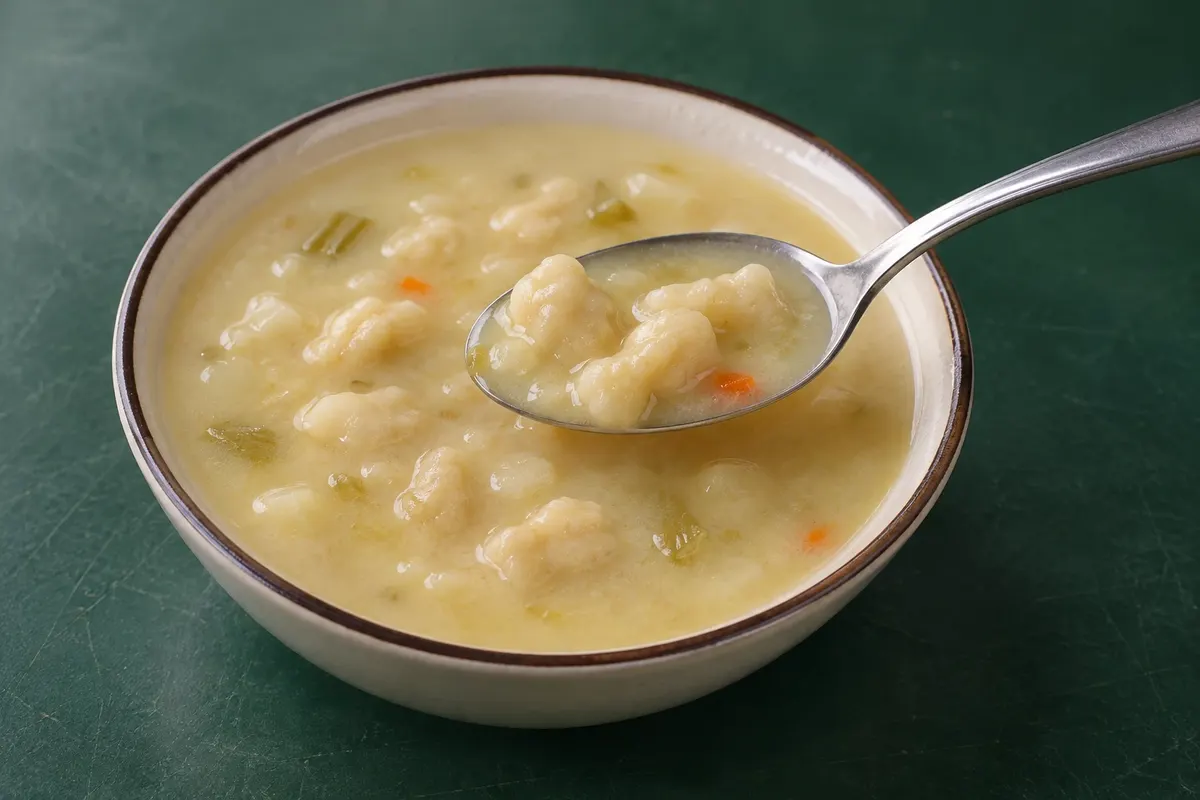
Creamy chicken-and-potato soup with knoephla—soft dumplings made from flour and egg. Brought by Germans from Russia, it’s the soup most associated with North Dakota, especially in winter.

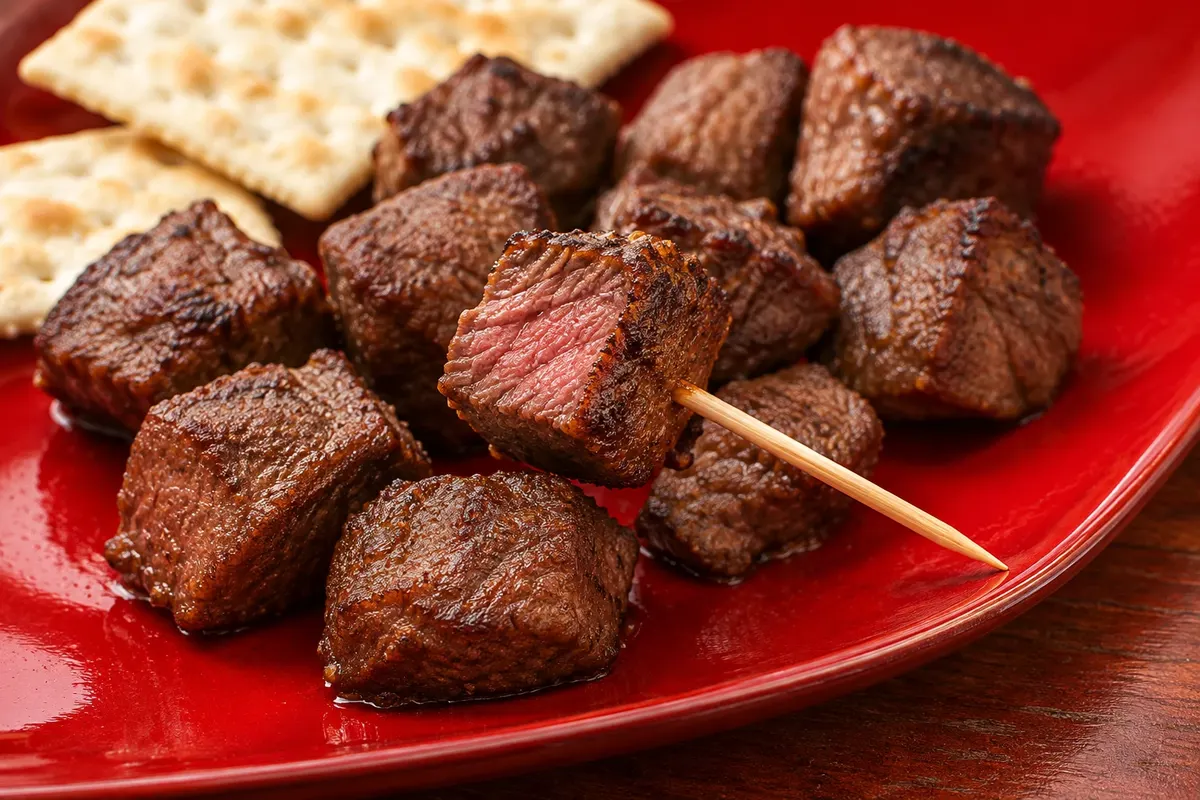
Cubes of meat — traditionally lamb or mutton — fried or grilled, seasoned with salt or garlic salt and served on skewers with saltine crackers. Brought by German-Russian immigrants in the 19th century, it has been South Dakota’s official nosh since 2018.

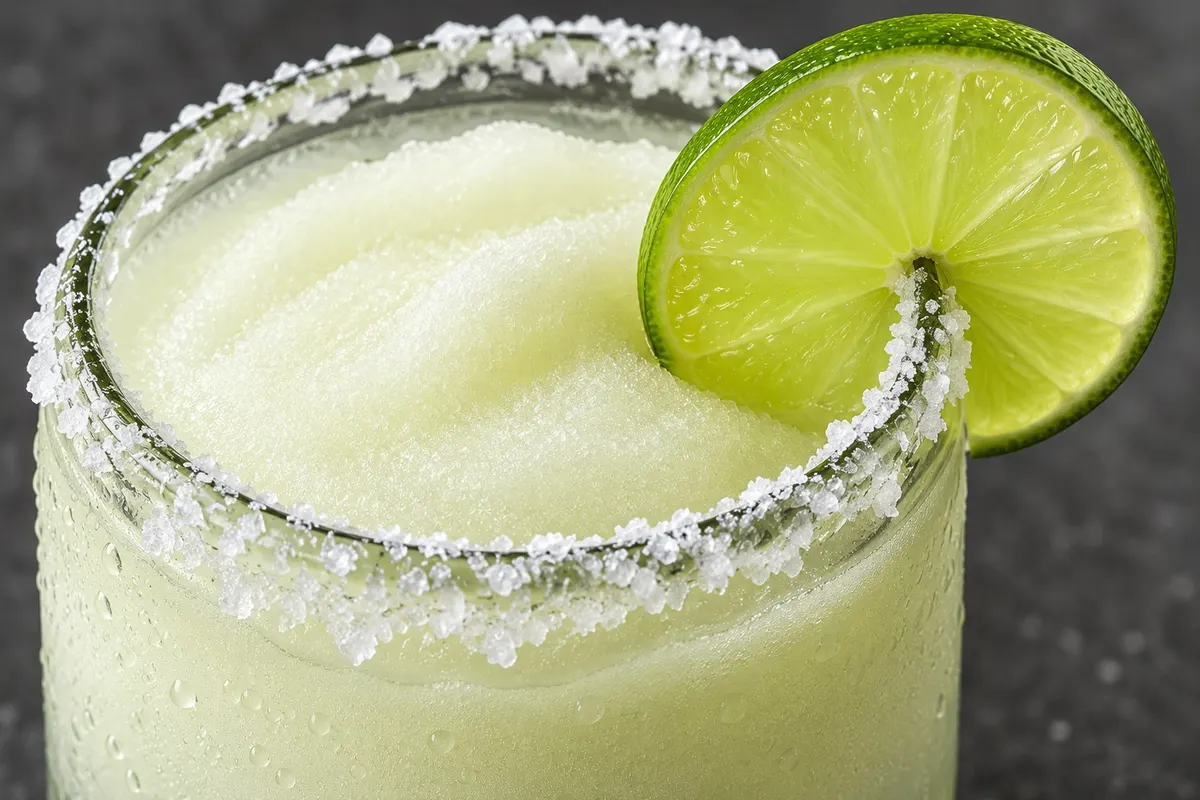
Tequila margarita, lime juice and orange liqueur turned into a slushy. In 1971, a young restaurateur from Dallas adapted a soft-serve ice cream machine to serve it consistently; the original machine is at the National Museum of American History in Washington.

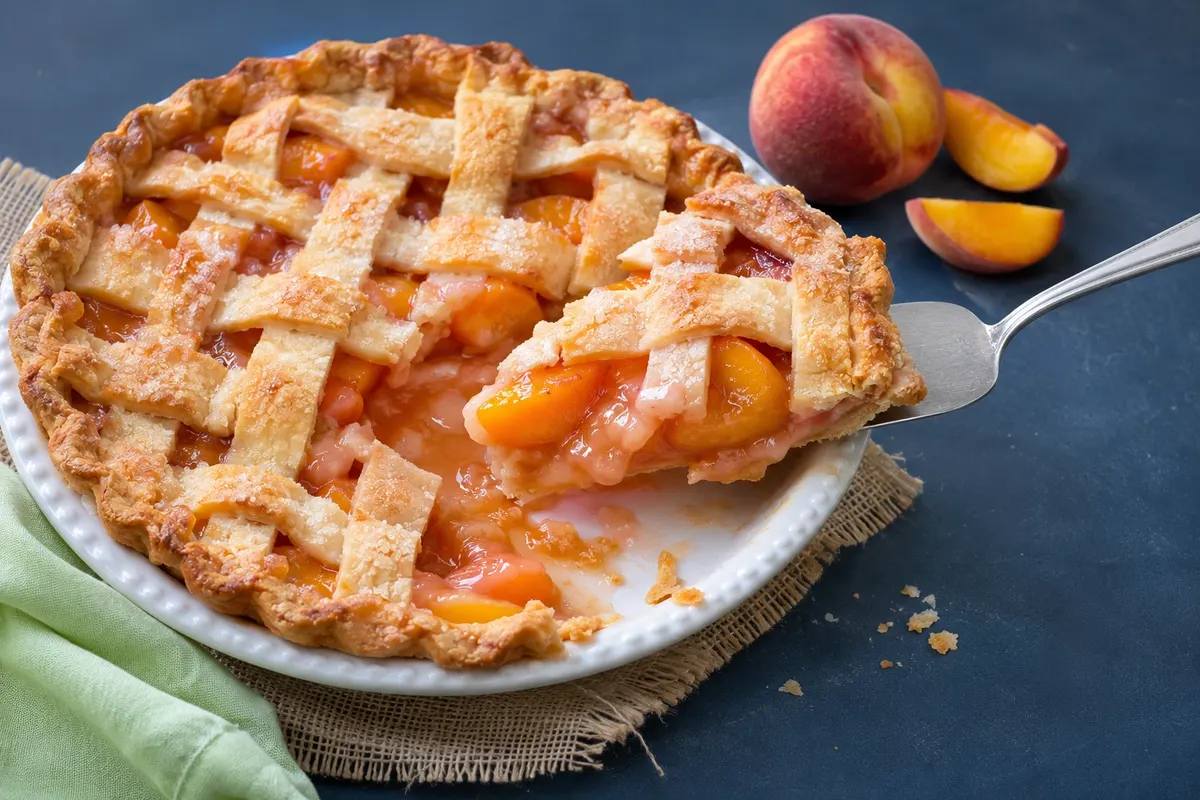
Buttery pastry filled with slices of ripe peach, sugar and spices, baked until the filling bubbles. It is Delaware’s official dessert, because of the state’s long history with peach orchards.

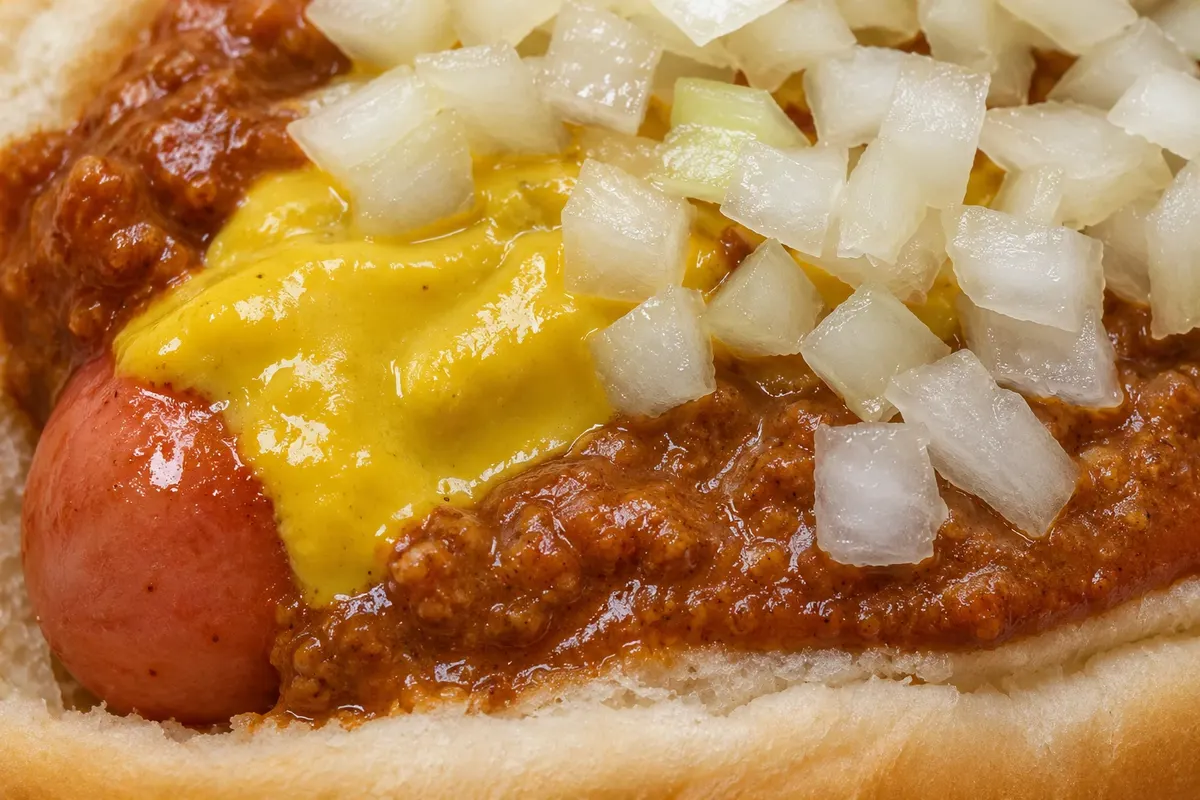
Beef sausage in a soft bun, topped with a meat sauce without beans, yellow mustard and chopped onion. It’s the snack of the coney islands, the diners founded by Greek immigrants in Detroit.

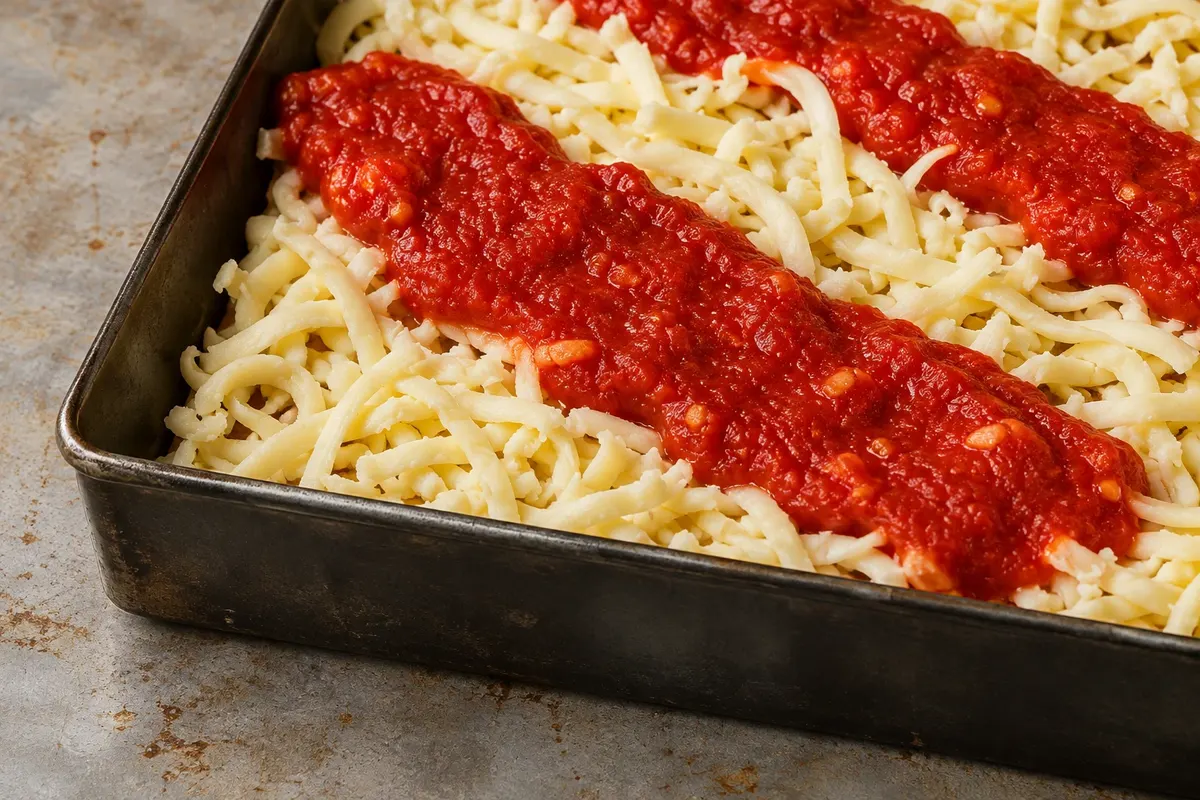
Rectangular pizza with a tall, airy crust, baked in a steel pan, with cheese reaching the edge and forming a crispy crust, and the tomato sauce on top. It originated in Detroit in 1946.

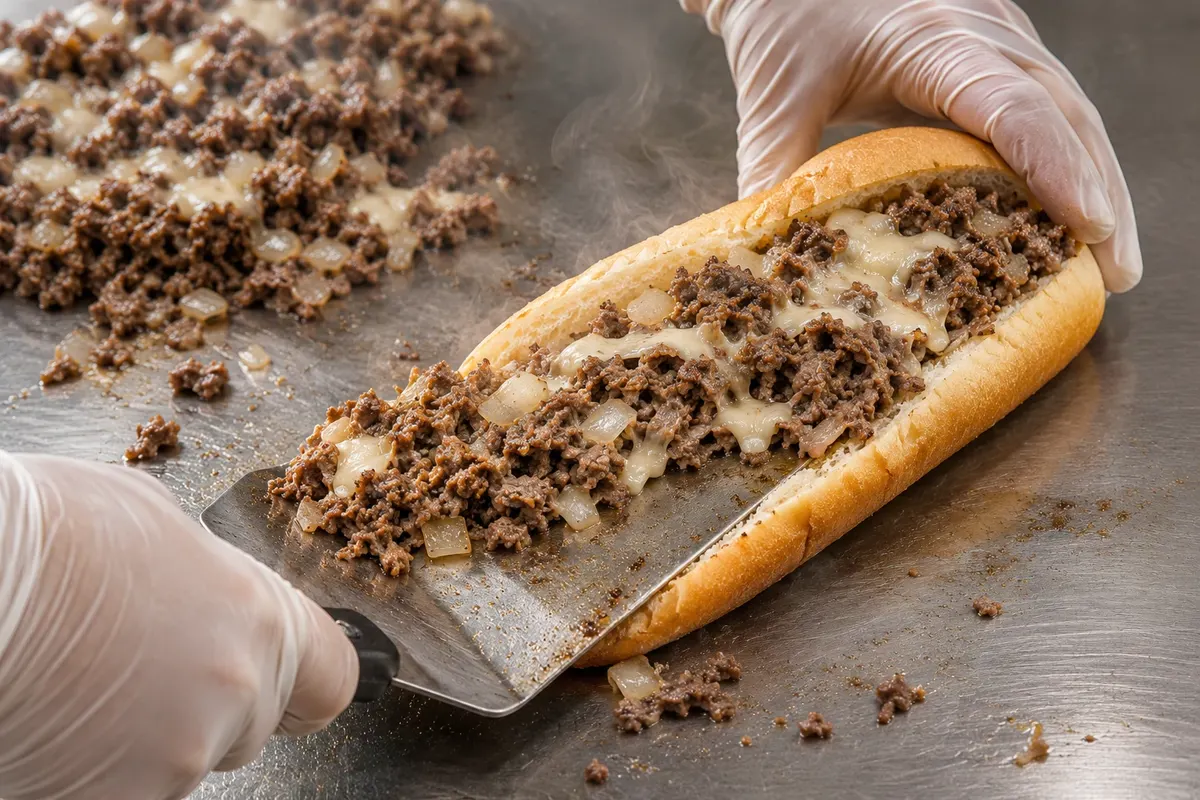
Philadelphia sandwich with thin slices of beef cooked on a griddle and melted cheese in a long Italian roll. The most accepted story links it to a hot dog vendor from the south of the city, in 1930.

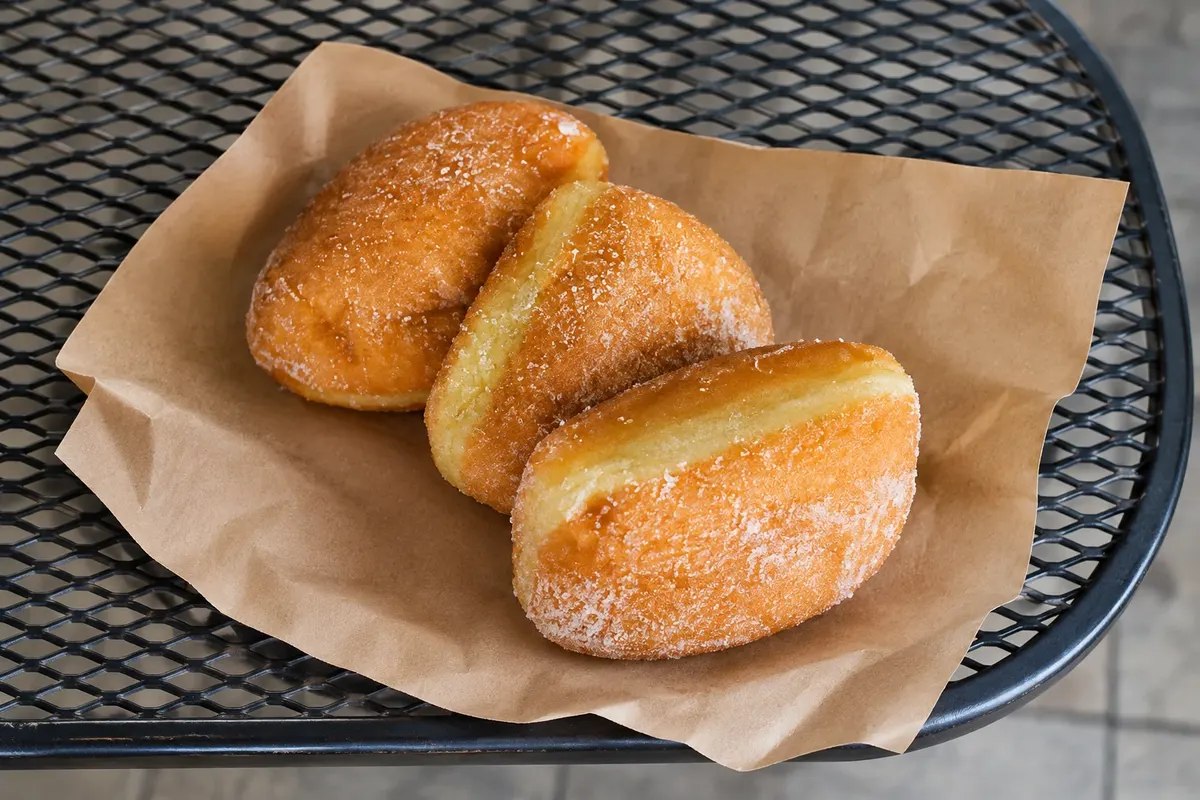
Fried yeasted dough ball, without a hole, rolled in sugar and served hot. It arrived in Hawai‘i with Portuguese immigrants from Madeira and the Azores, and Carnival Tuesday is called Malasada Day on the islands.

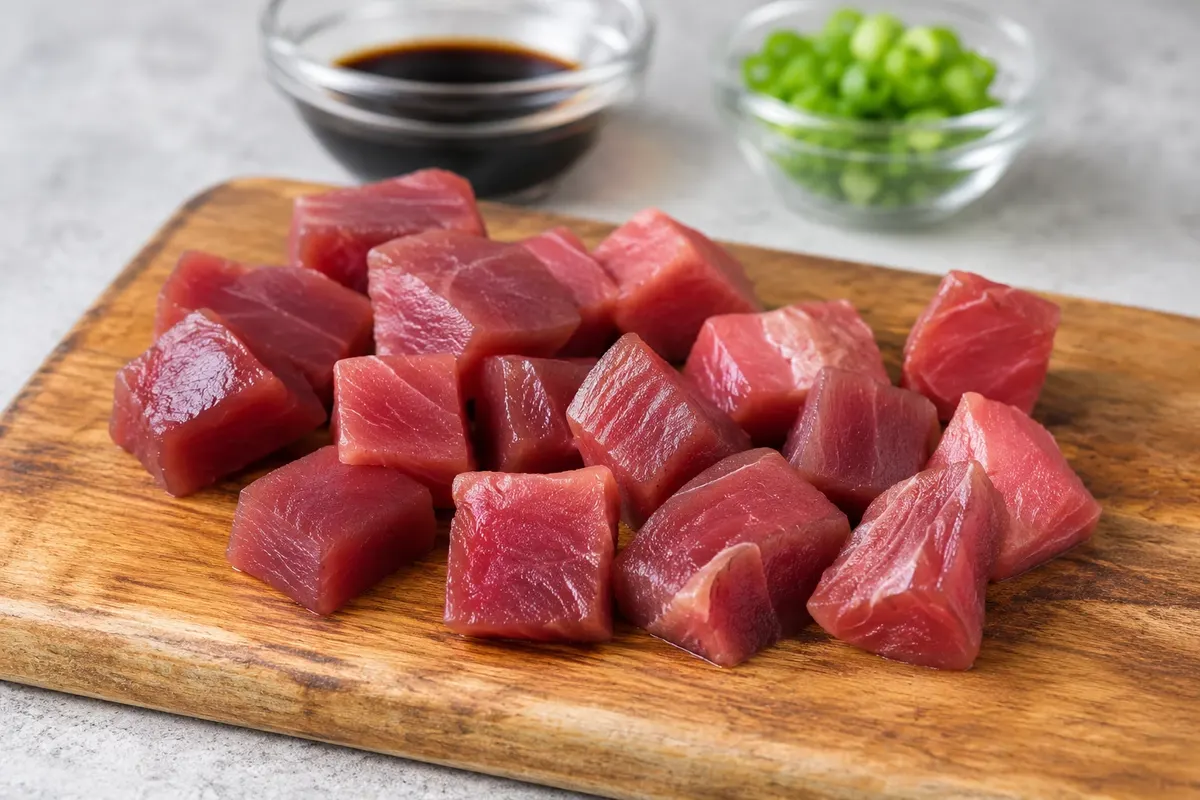
Cubed seasoned raw fish, a dish of Hawaiian origin. In the best-known recipe, ahi tuna is seasoned with shoyu, sesame oil, onion, limu seaweed and ʻinamona, made from roasted kukui nut.

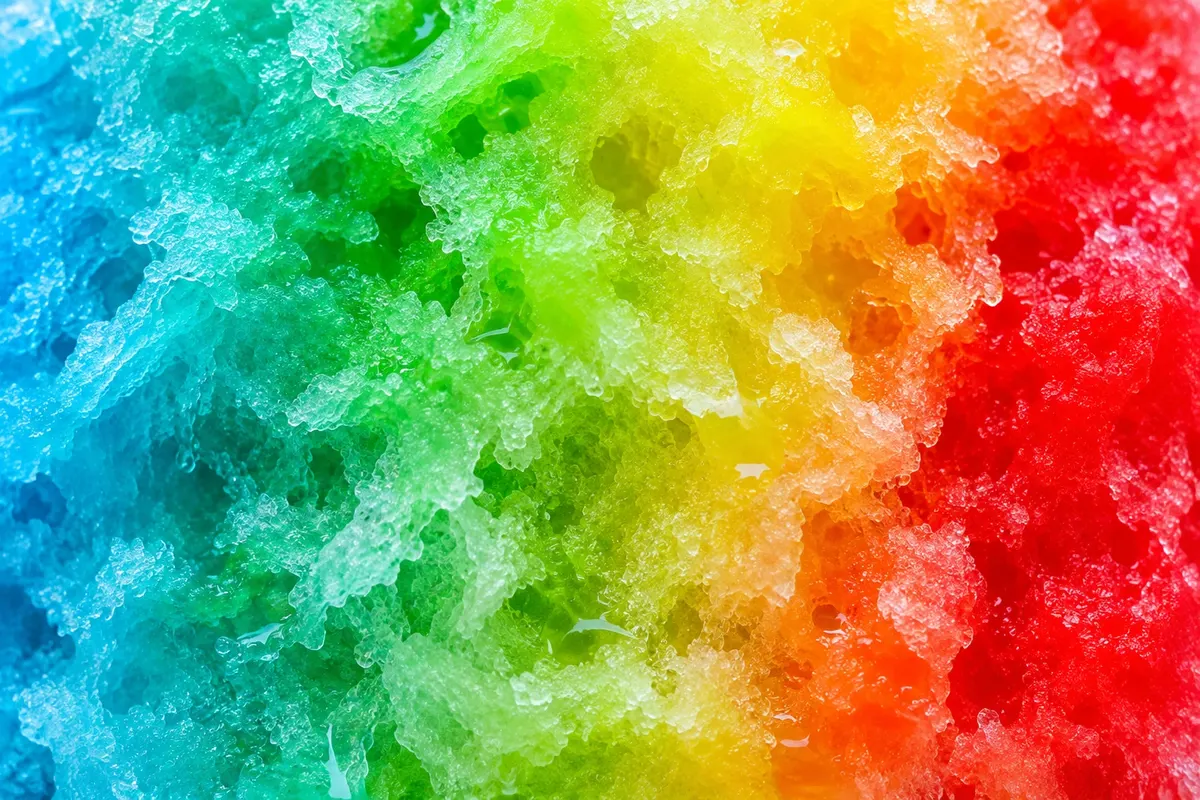
Finely shaved ice with a snow-like texture, drizzled with fruit syrups such as guava, passion fruit, mango, and coconut. It arrived in Hawaii with Japanese plantation workers.

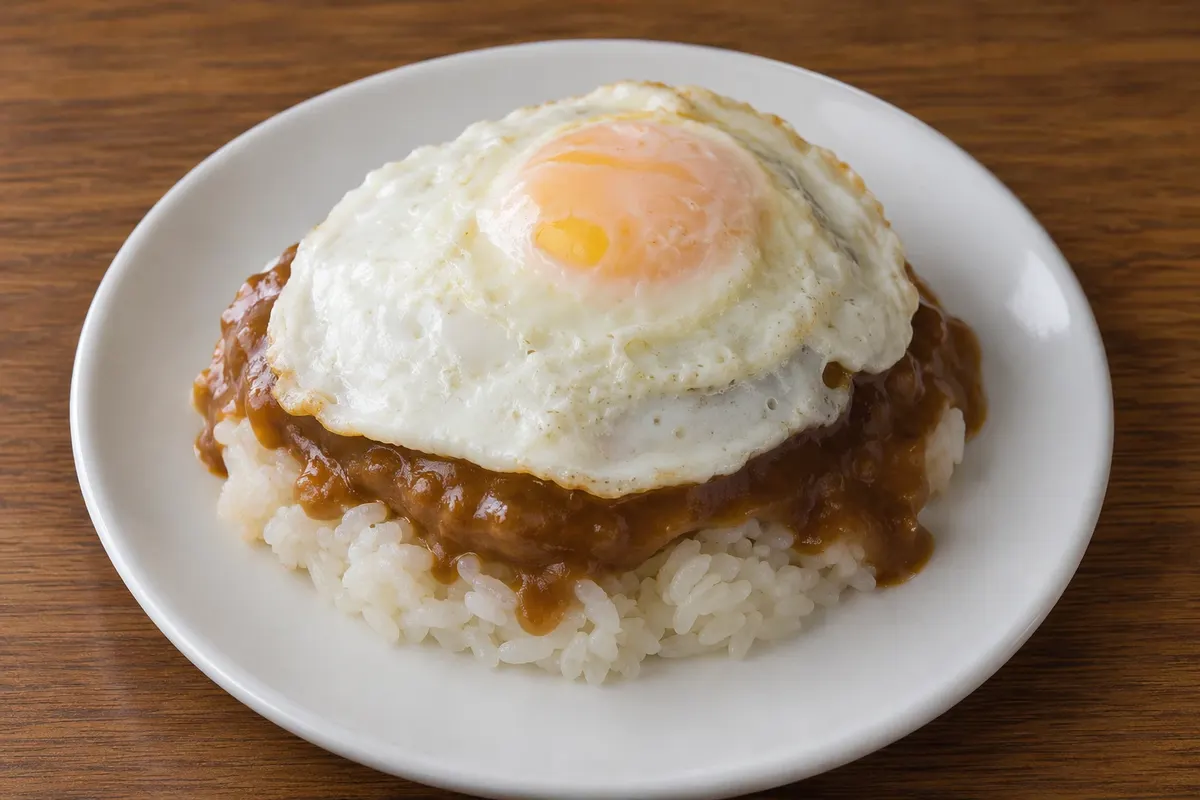
White rice topped with a hamburger, a fried egg and a dark meat gravy. Created in Hilo, on the Island of Hawaiʻi, in 1949, it became one of the islands’ most popular dishes.

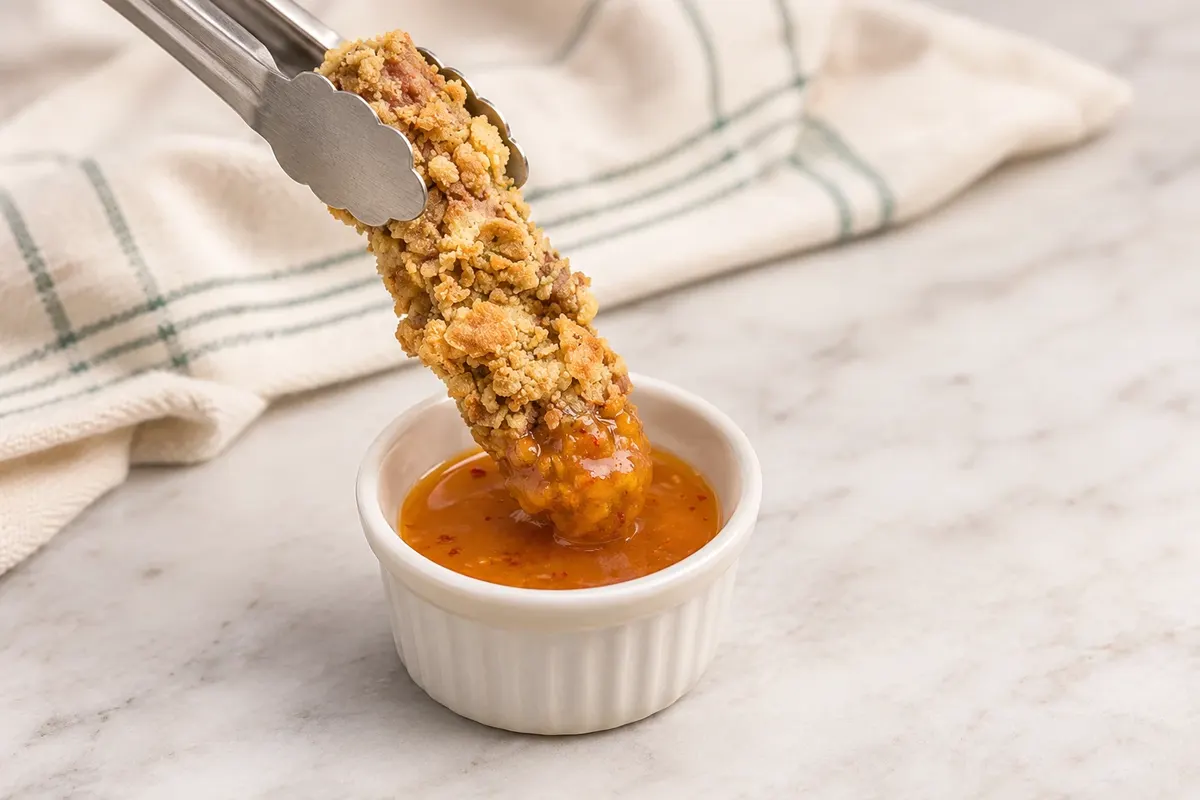
Strips of beef dipped in a light batter and fried until crispy on the outside and tender inside, served with French fries and a dipping sauce. They originated in Boise in the 1950s and are the snack most associated with Idaho.

Thin-crust pie filled with heavy cream, sugar and vanilla, sprinkled with nutmeg. It was honored by the Indiana Senate as the state pie in 2009.

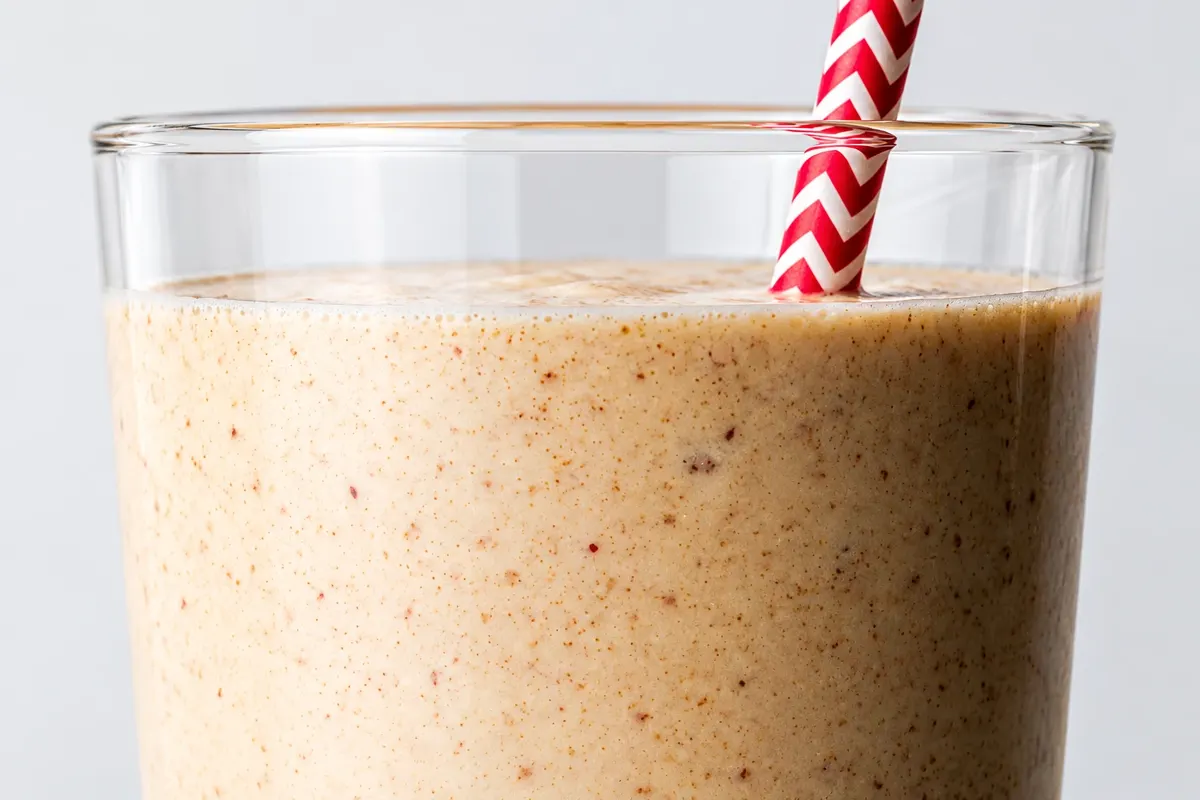
Thick date shake with vanilla ice cream, with a caramel-like flavor. It originated at roadside date shops in California’s Coachella Valley.

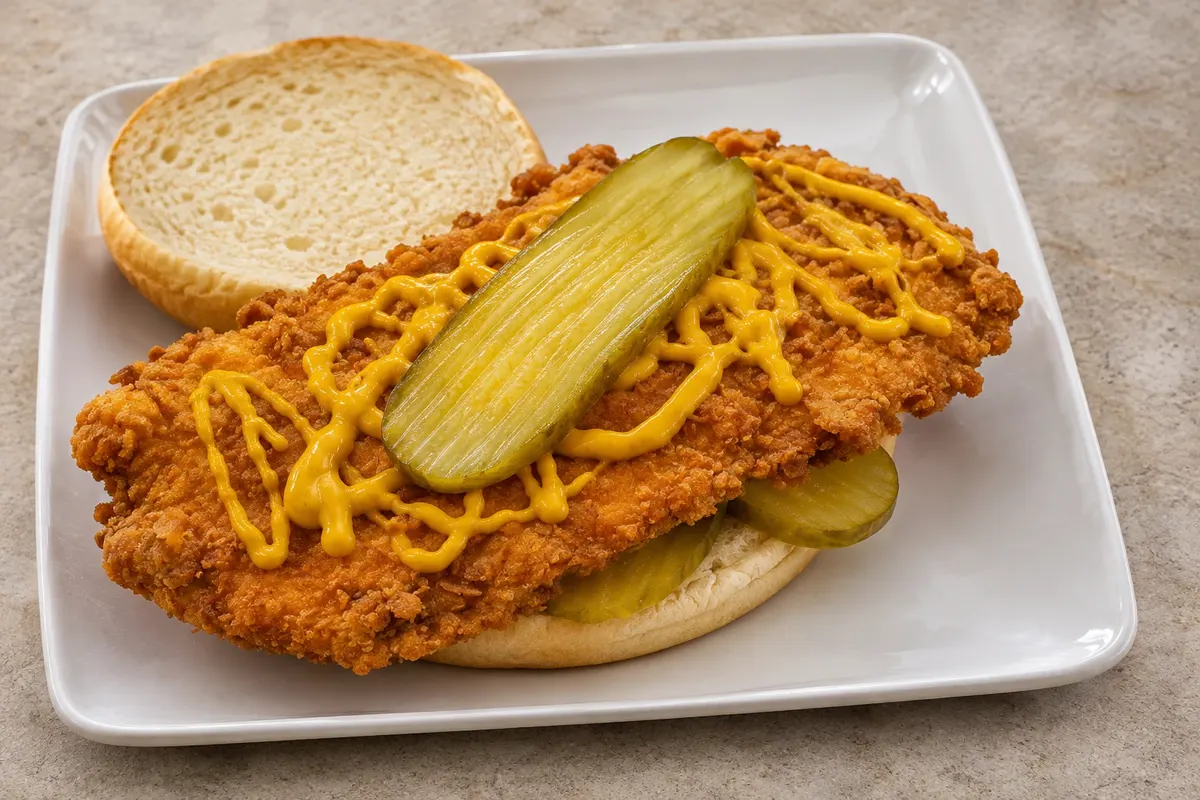
Sandwich of pork loin pounded until thin, breaded and fried, served on a hamburger bun much smaller than the meat. It’s the sandwich most associated with Iowa, the state that raises the most pigs in the United States.

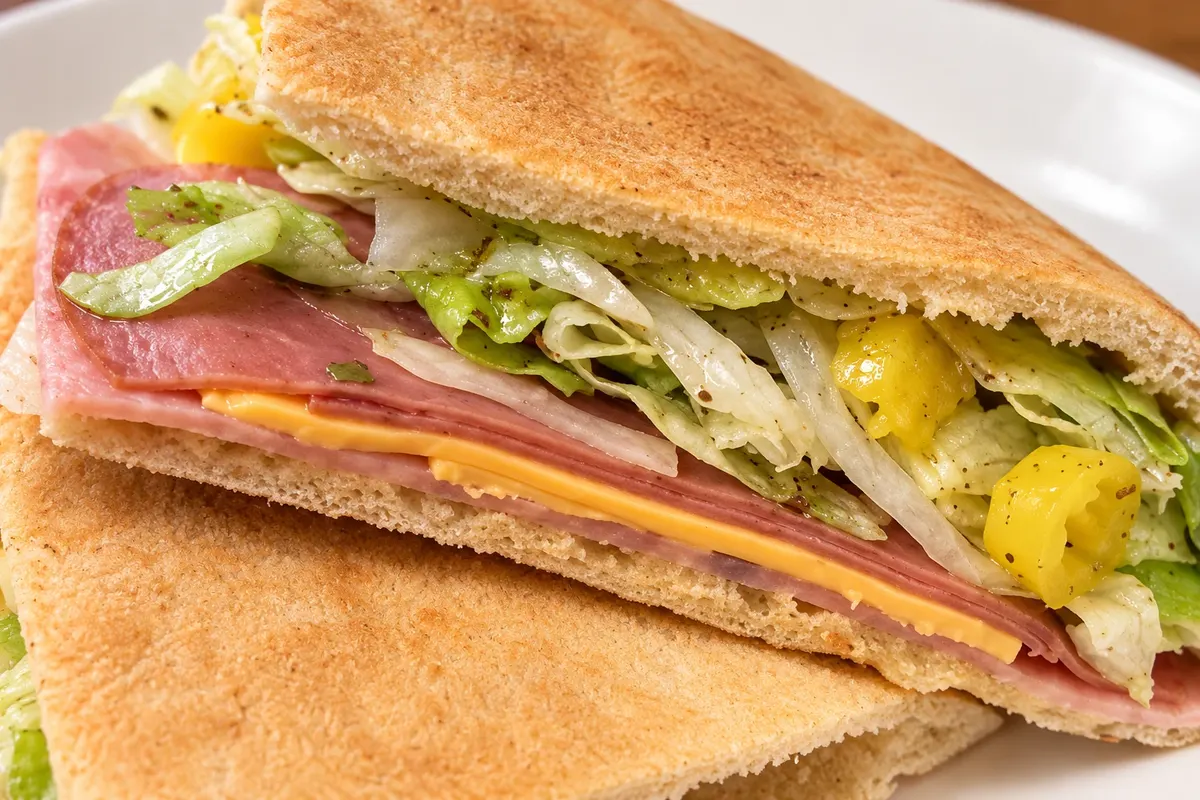
Pita bread with ham, salami and mortadella, salad and a tangy dressing. It originated with the city’s Arab immigrants and is often served with tabbouleh and cherry limeade.

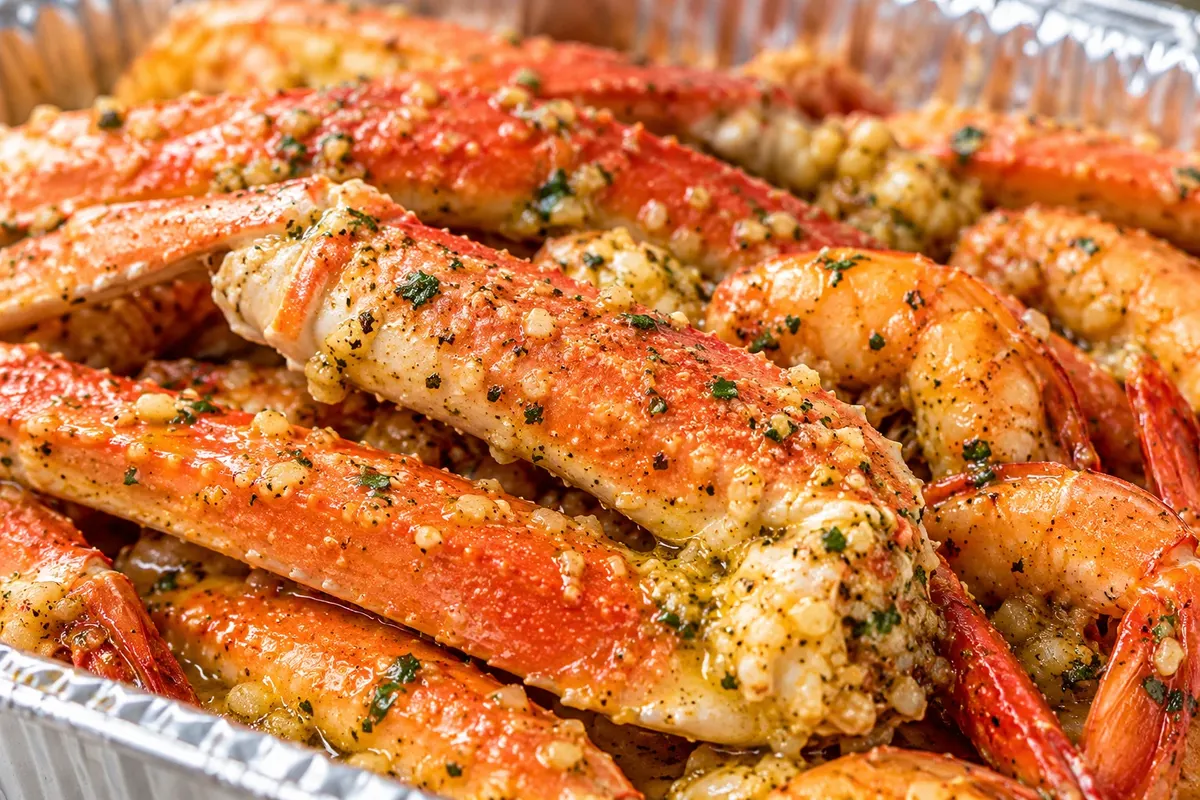
Blue crab cooked and covered in garlic butter, served with sausage, corn, potato and egg. A variation of the Gullah Geechee–rooted seafood boil, with dozens of specialist restaurants in Jacksonville.

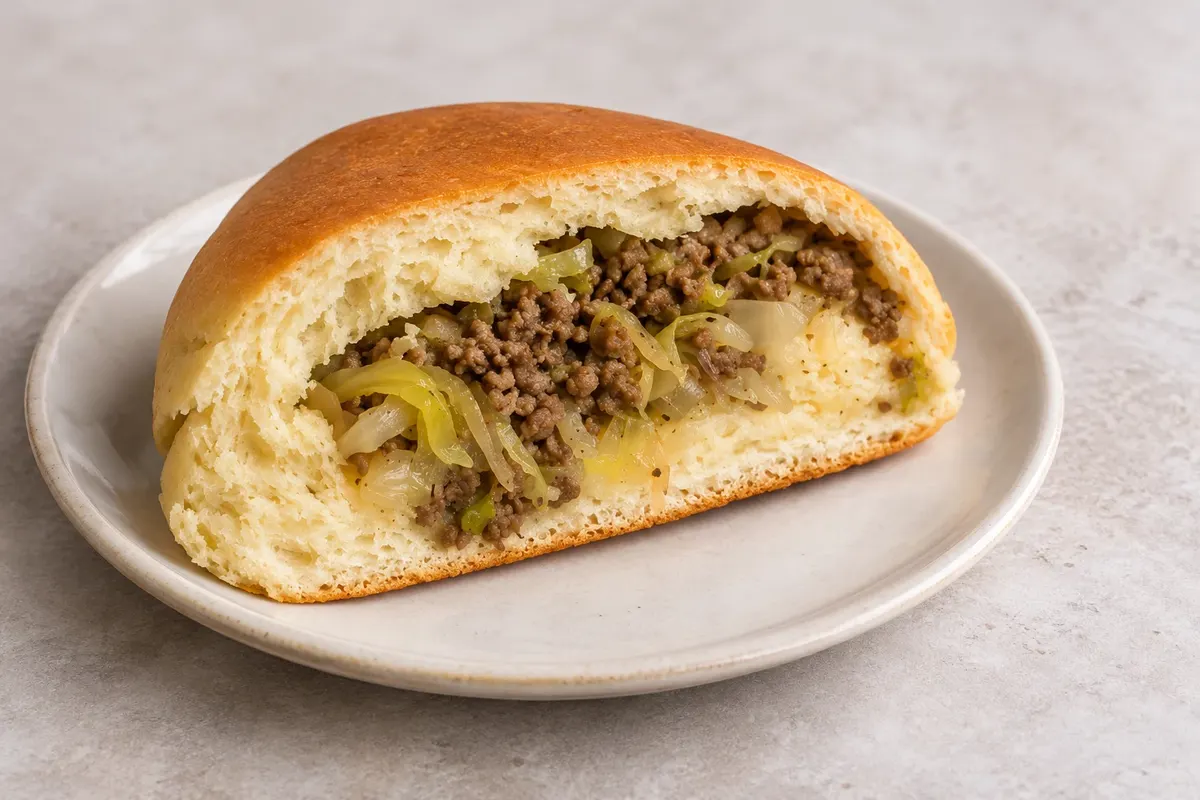
Small leavened roll filled with seasoned ground beef, sautéed cabbage and onion, baked until golden. It came to Kansas with the Volga Germans in the late 19th century and is one of the dishes most closely associated with the state.

Slow-smoked meats — pork ribs, beef brisket and burnt ends (the caramelized tips of the brisket) covered in a thick, sweet, reddish tomato-and-molasses sauce. This is the Kansas City barbecue style.

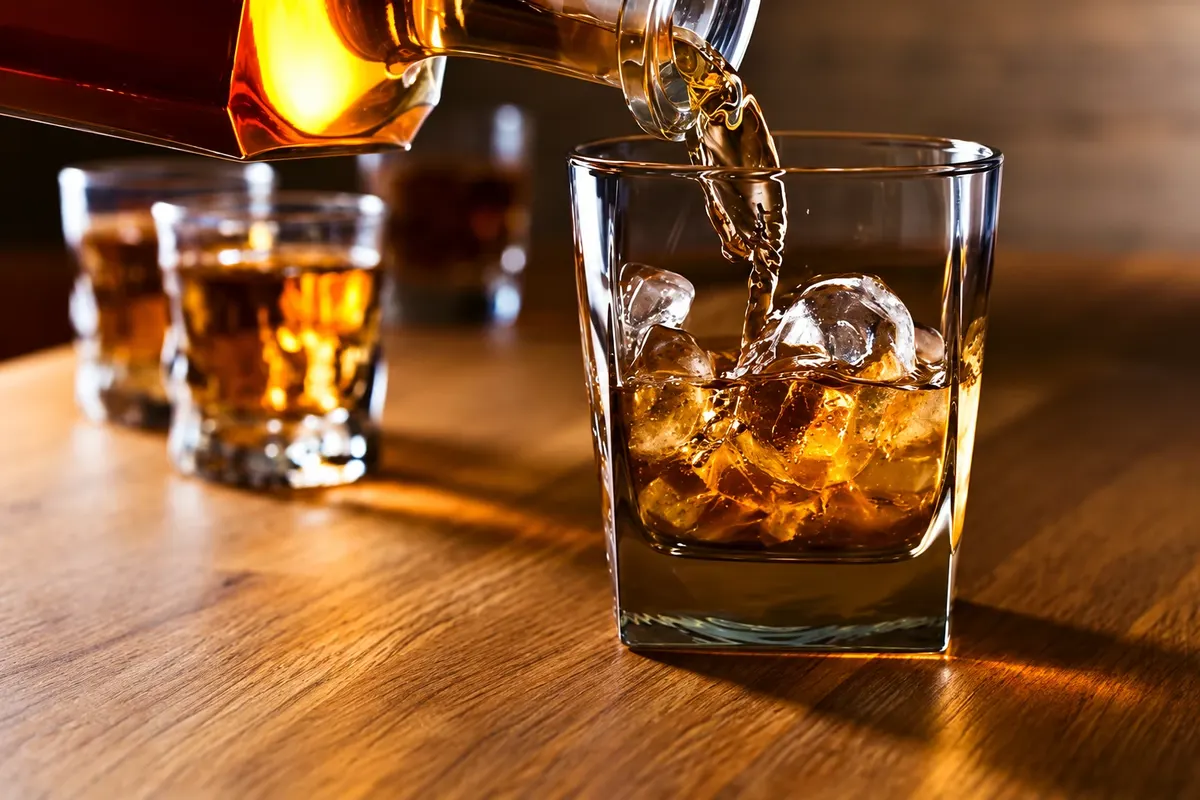
Whiskey made with at least 51% corn and aged in new charred oak barrels. The United States Congress recognized it in 1964 as a distinctive product of the country, and Kentucky concentrates most of its production.

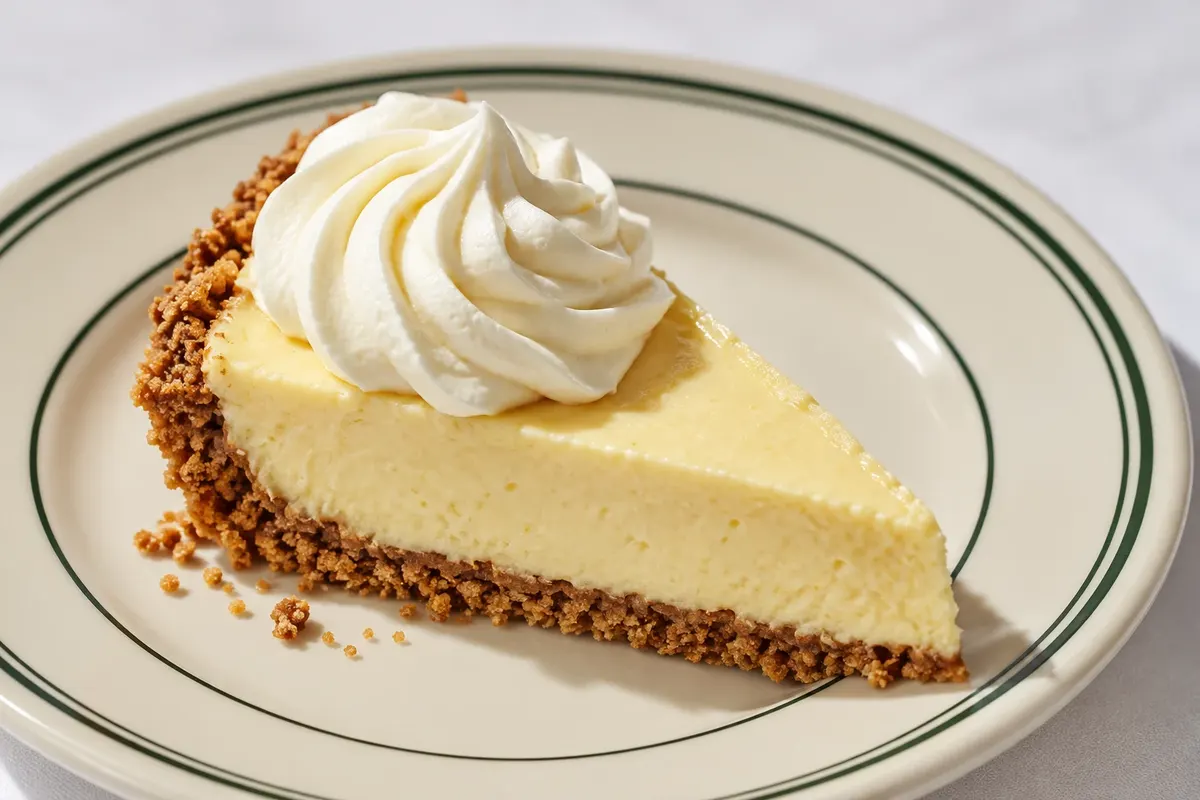
Key lime pie, made with the small yellow Key lime, condensed milk and egg yolks on a cookie crust. Associated with Key West since the late 19th century, it is the official pie of Florida.

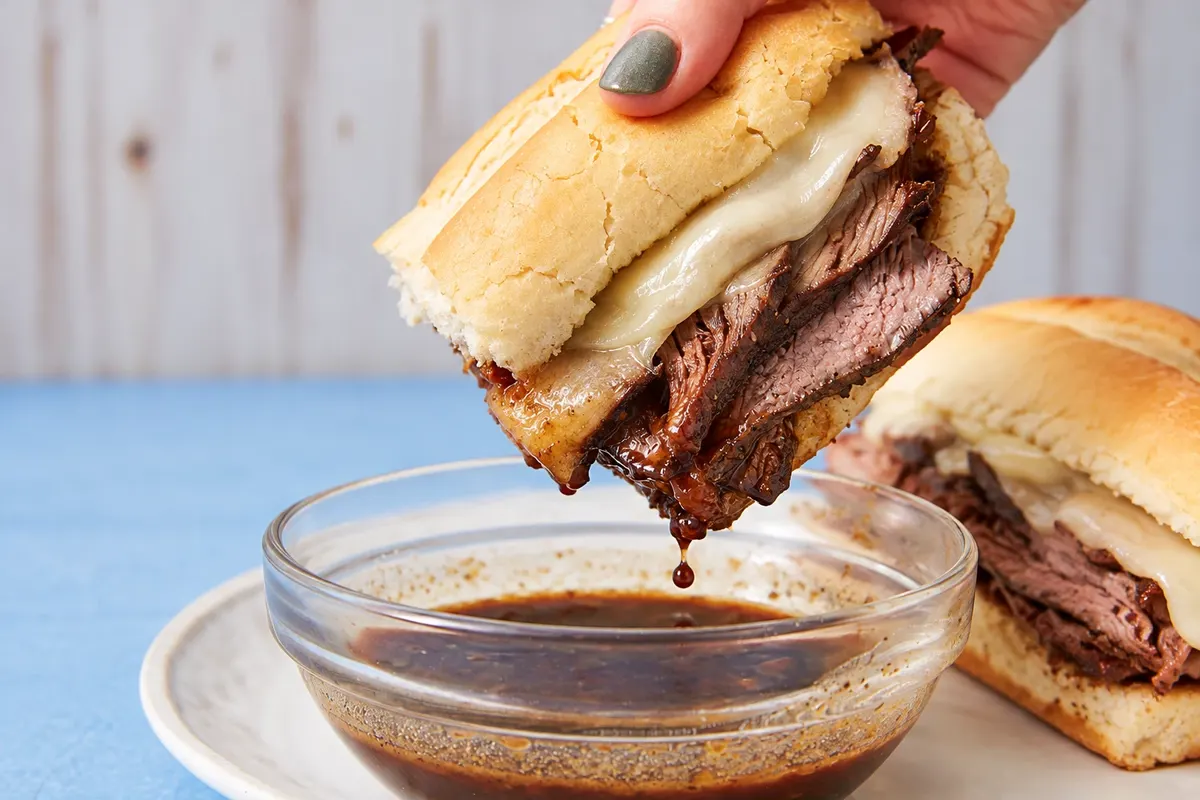
Sliced roast beef sandwich on French bread, with the bread dipped in the roast’s jus. Two downtown Los Angeles establishments, opened in 1908, claim its invention.

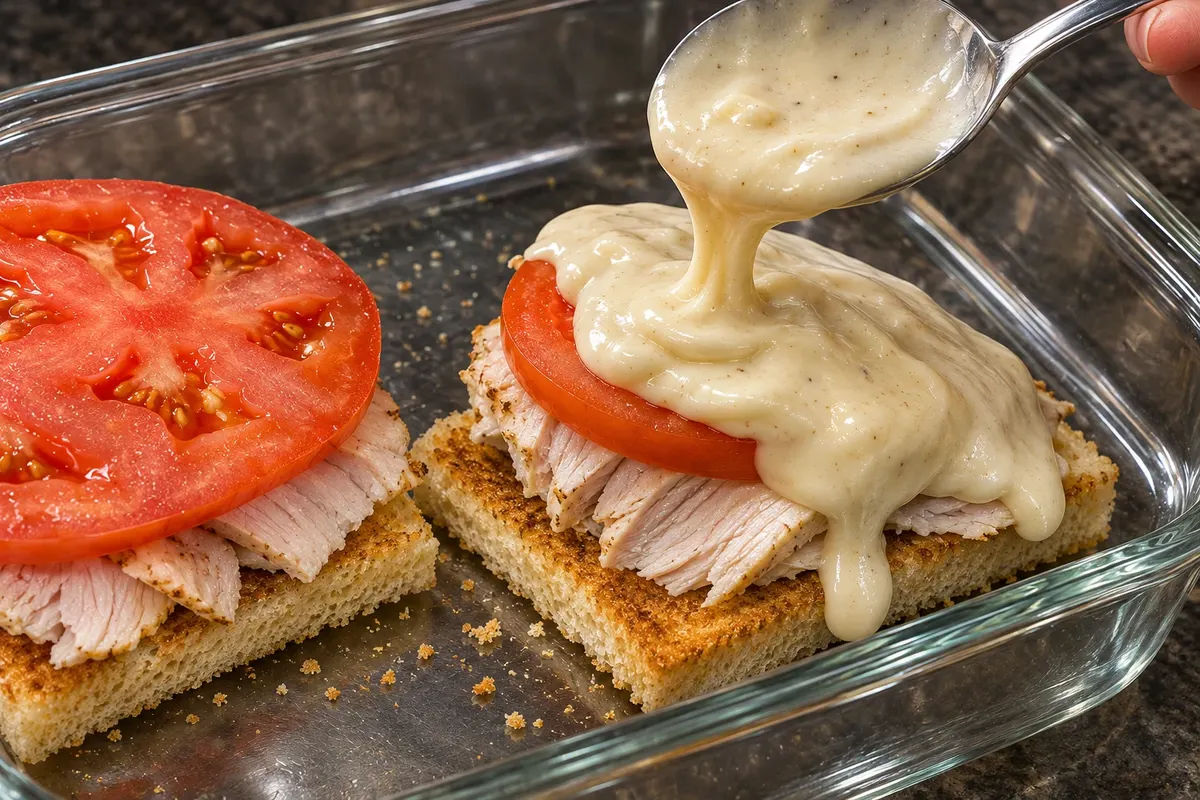
Open-faced sandwich of turkey breast and slices of bread topped with a creamy cheese sauce, gratinéed and finished with bacon and tomato. It was created in a hotel in Louisville in 1926.

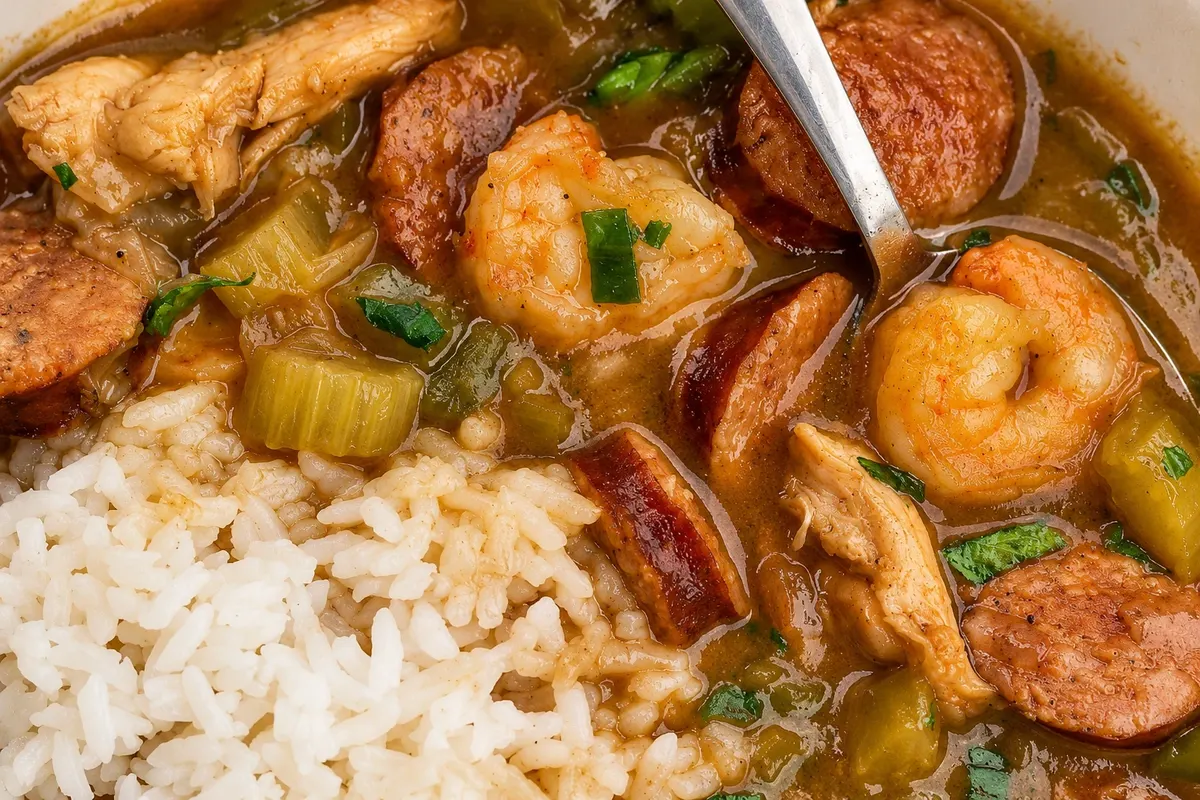
Thick Louisiana stew served over rice, made with a dark roux of flour and fat, the “holy trinity” of onion, celery and bell pepper, and seafood or chicken with sausage. It has been the state’s official cuisine since 2004.

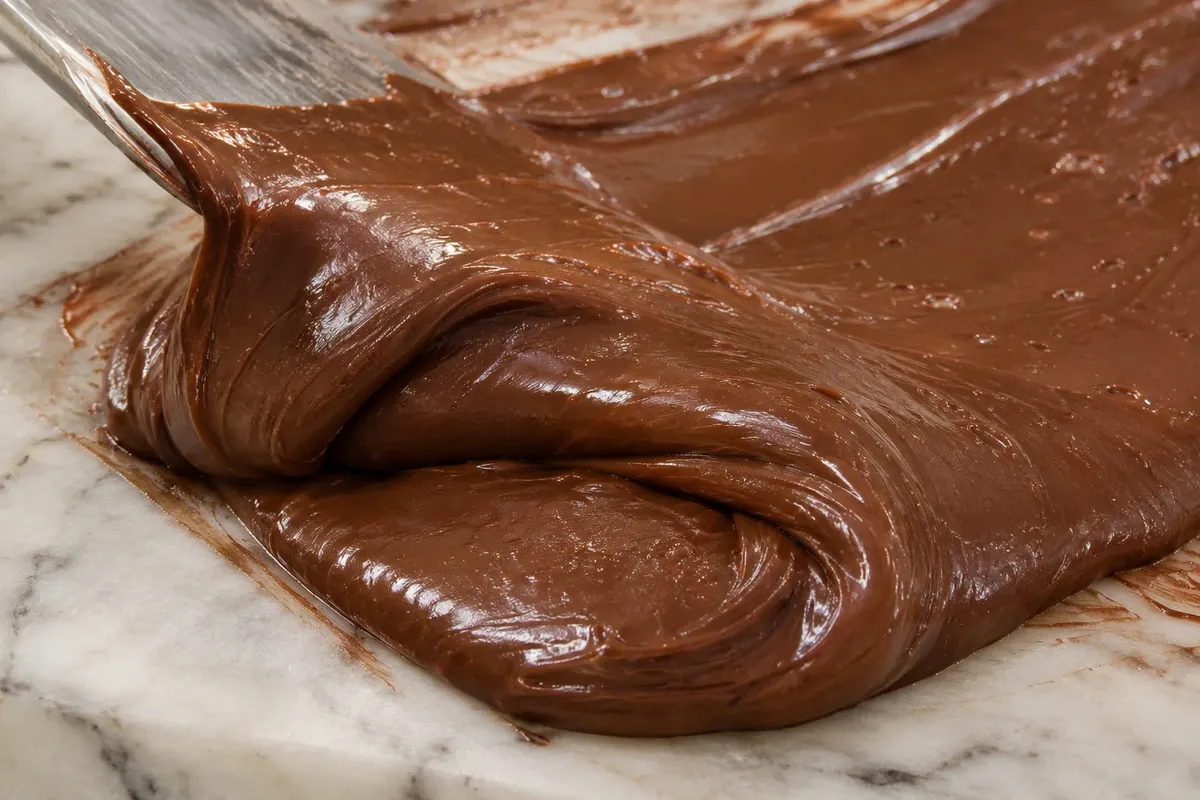
Creamy candy made from sugar, butter and chocolate, cooked in copper kettles and worked by hand on marble tables. It has been sold on Mackinac Island since 1887, and the island’s tourists are nicknamed fudgies.

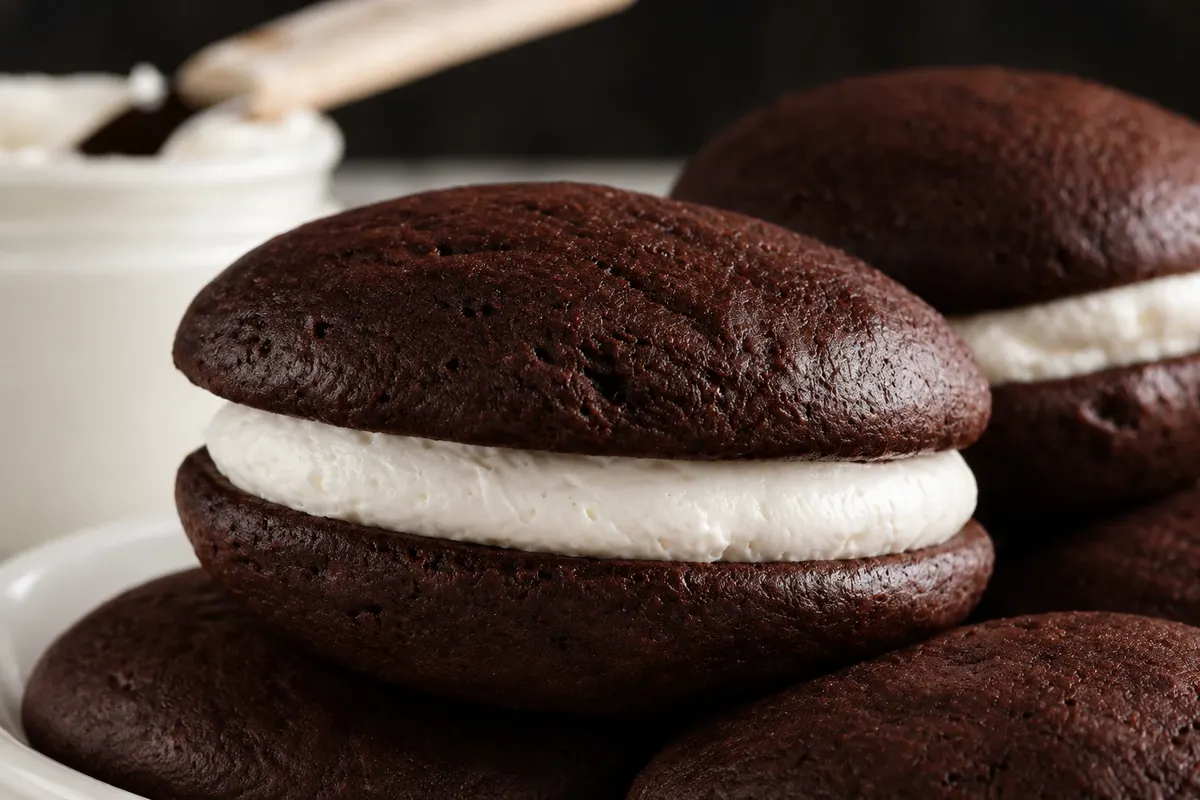
Two soft dome-shaped chocolate cakes joined by a creamy marshmallow or buttercream filling. It has been Maine’s official state treat since 2011.

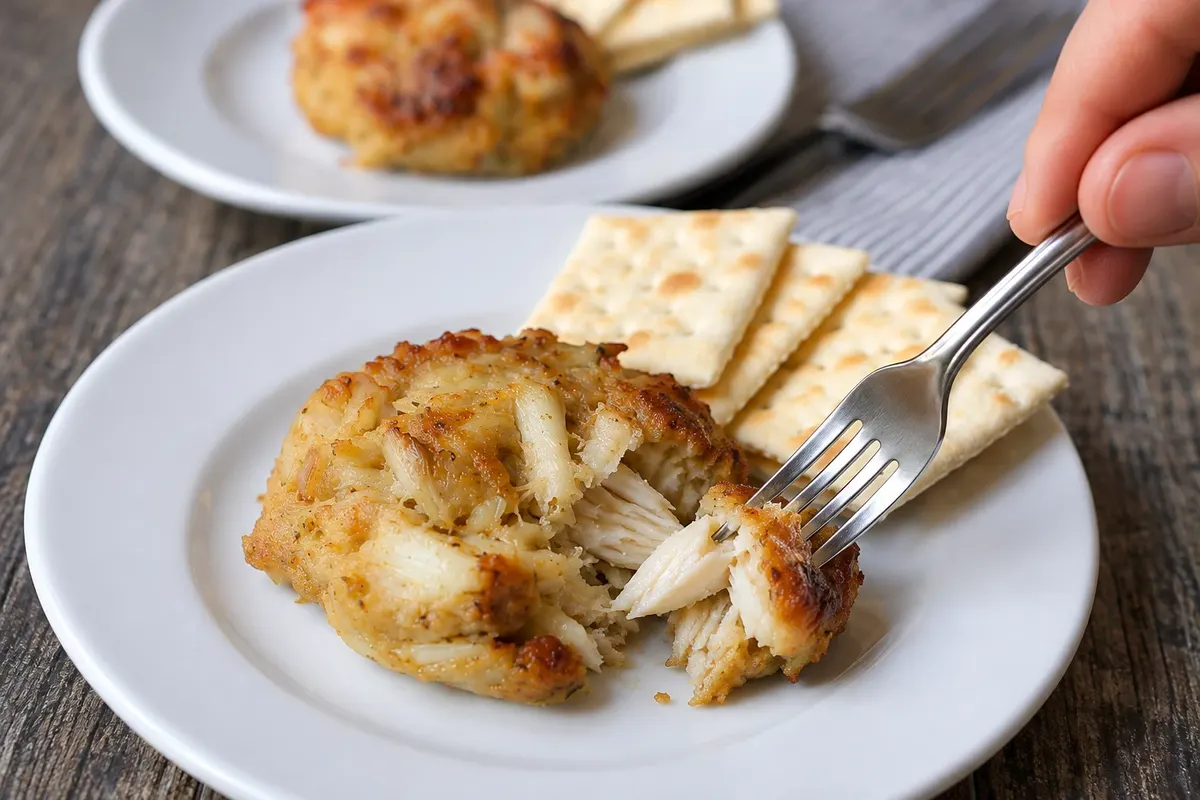
Blue crab cake from the Chesapeake Bay: a lightly bound patty seasoned with mustard and spices, fried or baked. It’s the dish most closely associated with Maryland.

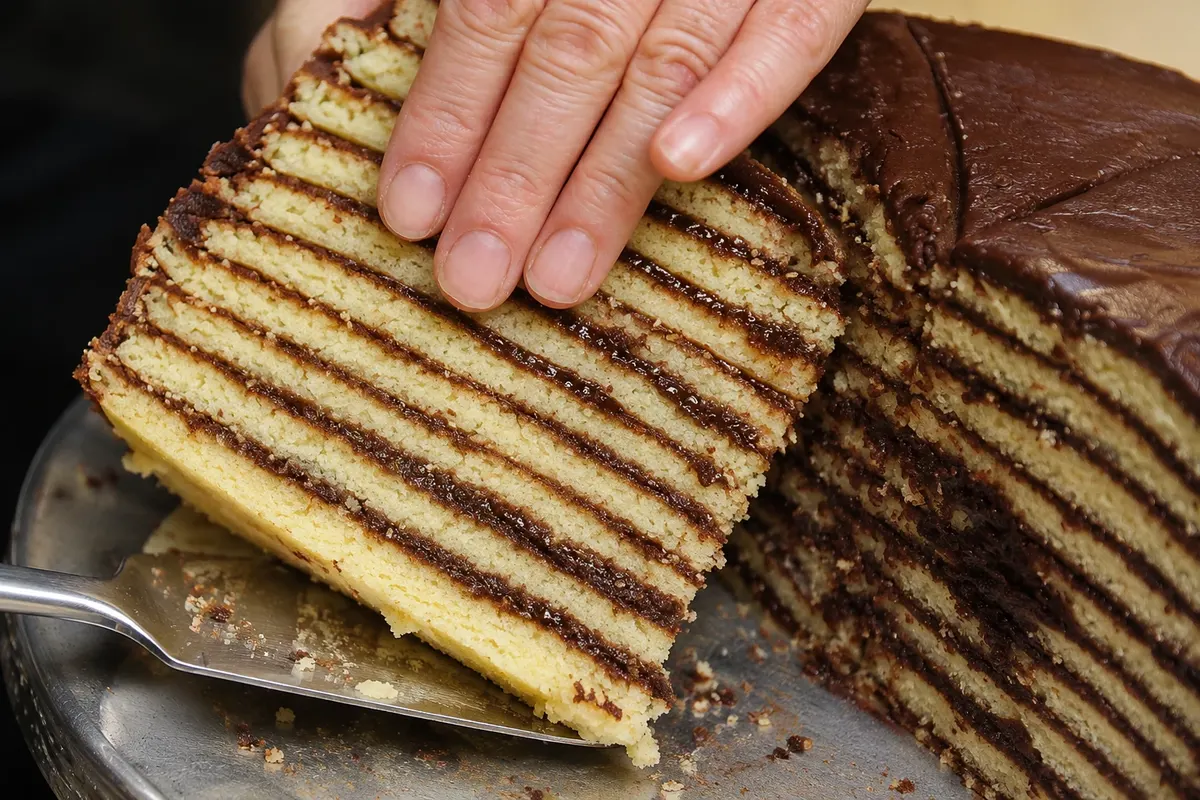
A cake of eight to ten very thin layers of yellow cake alternated with chocolate frosting. It originated on Smith Island in the Chesapeake Bay and has been Maryland’s official dessert since 2008.

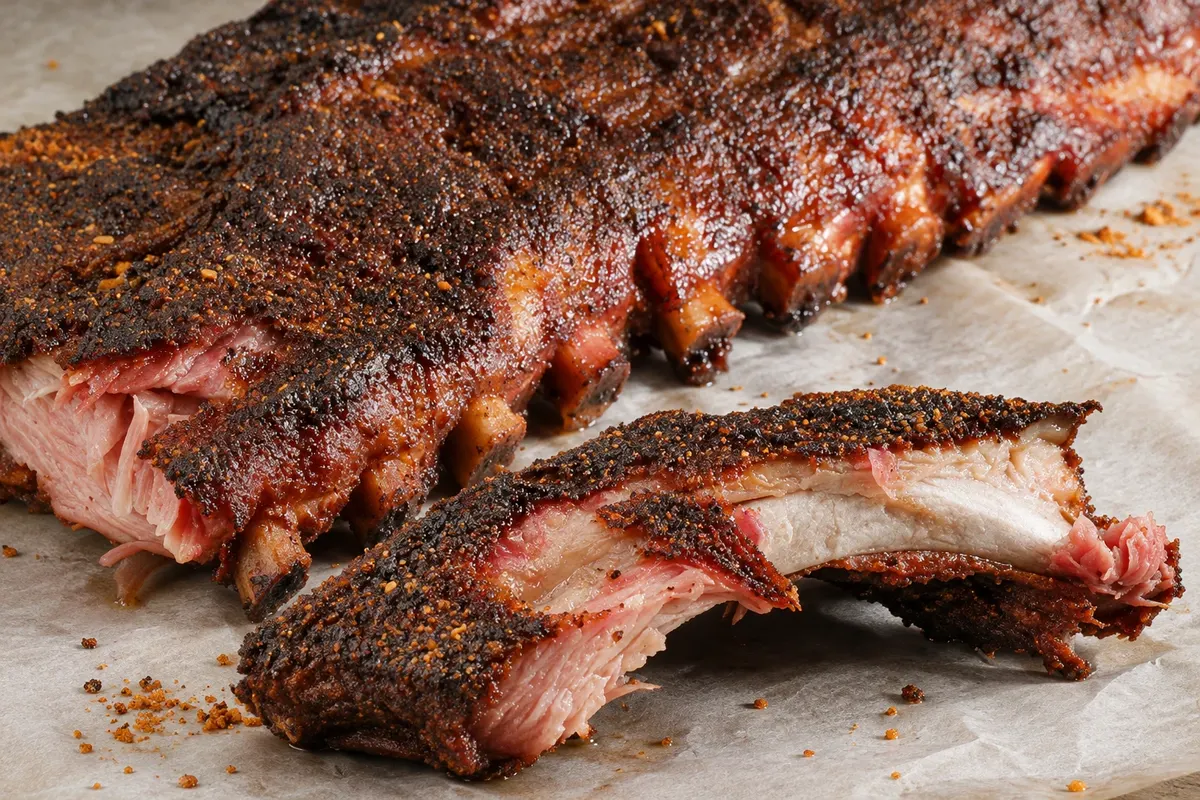
Memphis barbecue is pork: ribs seasoned with a dry spice rub or brushed with sauce (wet), and pulled pork shoulder served in a sandwich with coleslaw inside. In May the city hosts a barbecue competition on the banks of the Mississippi.

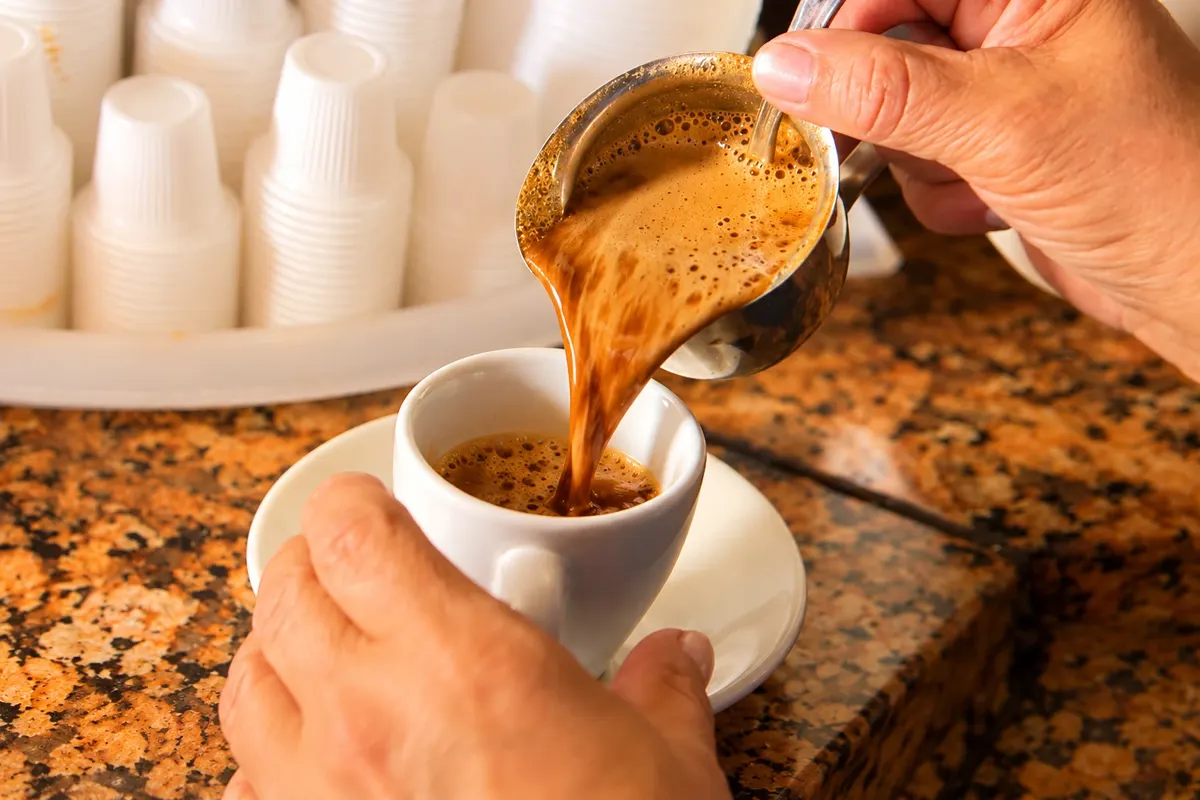
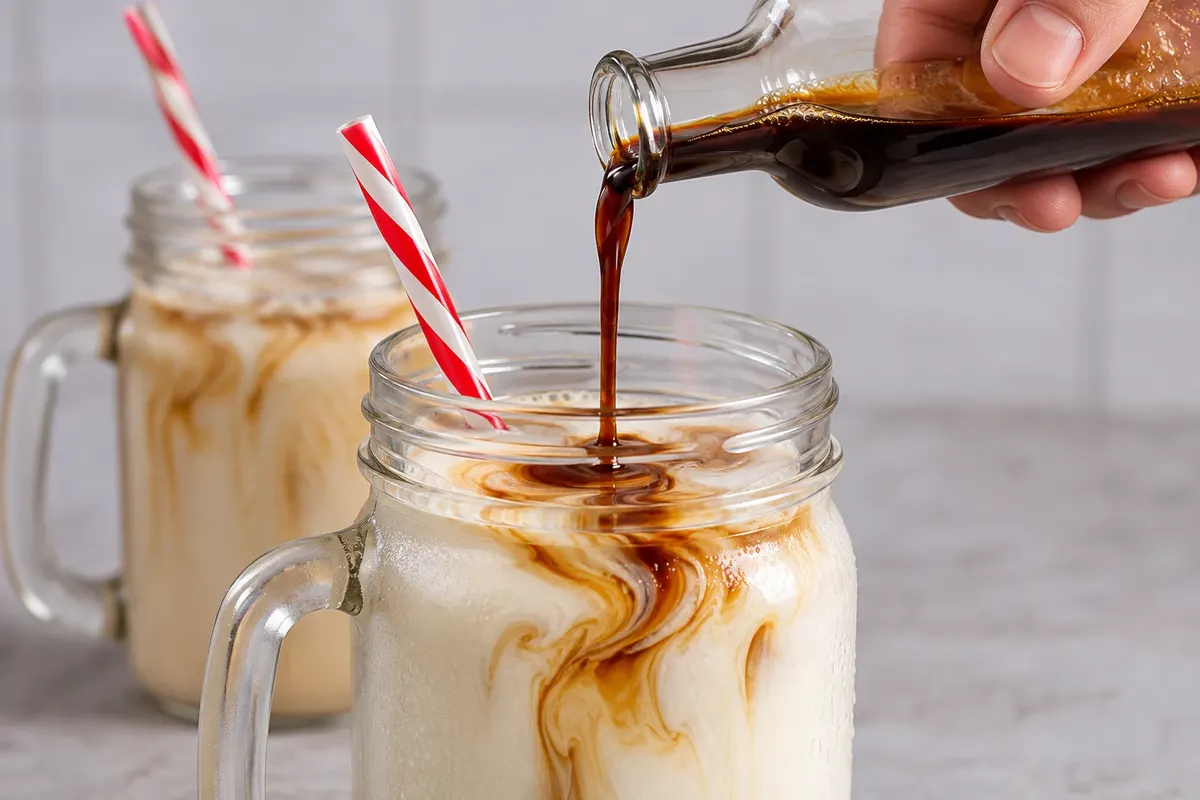
Cuban coffee: a short, strong espresso sweetened during preparation, with a sugar foam on top. It’s the everyday coffee of Miami’s Cuban community, served in small cups at café windows.

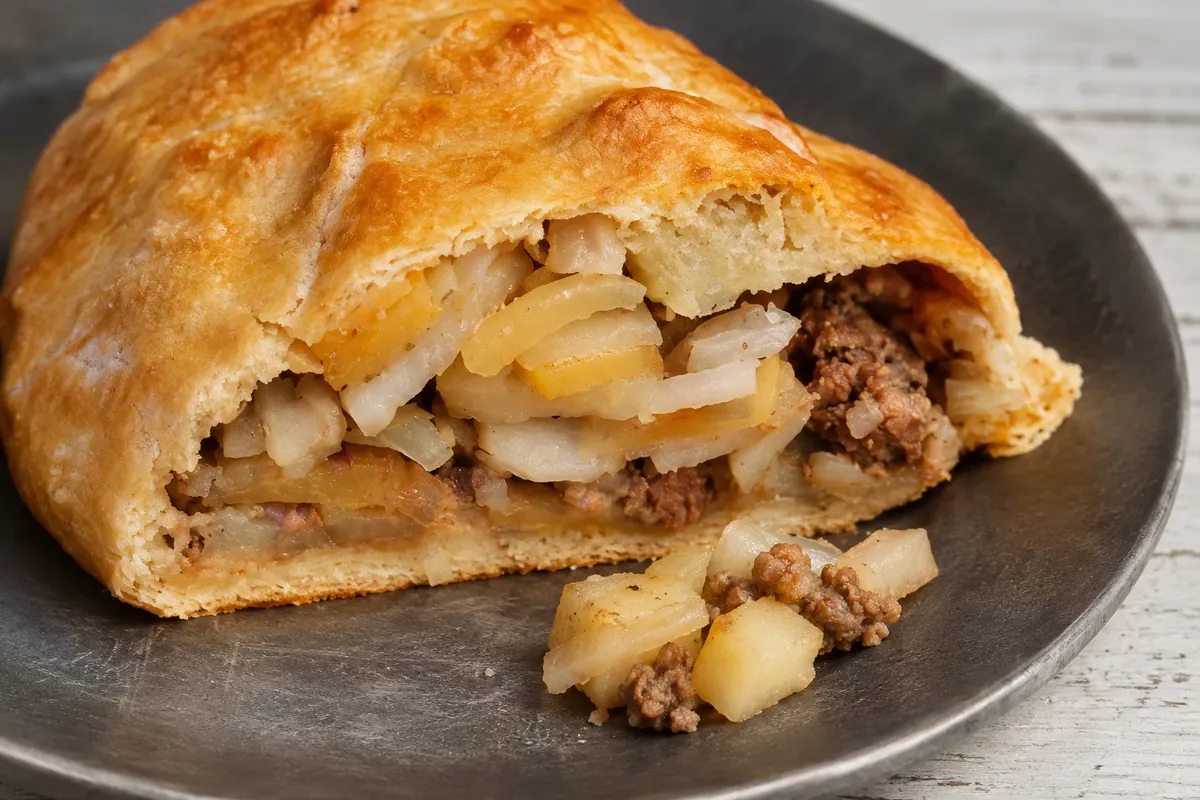
Large baked pastry shaped like a half-moon, filled with meat, potato, rutabaga, and onion. It arrived in Michigan’s Upper Peninsula with miners from Cornwall in the 19th century.

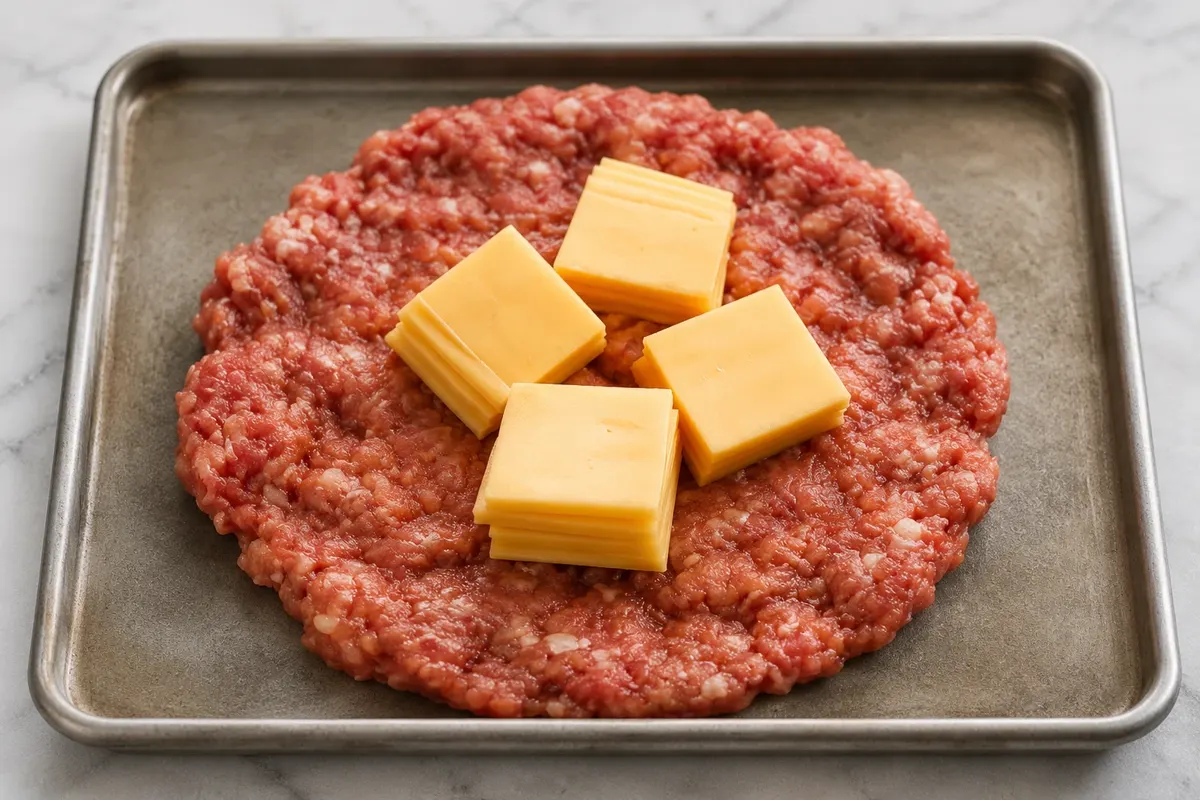
Hamburger with the cheese melted inside the meat instead of on top. Two bars in south Minneapolis claim to have created it in the 1950s, and each spells the name differently.

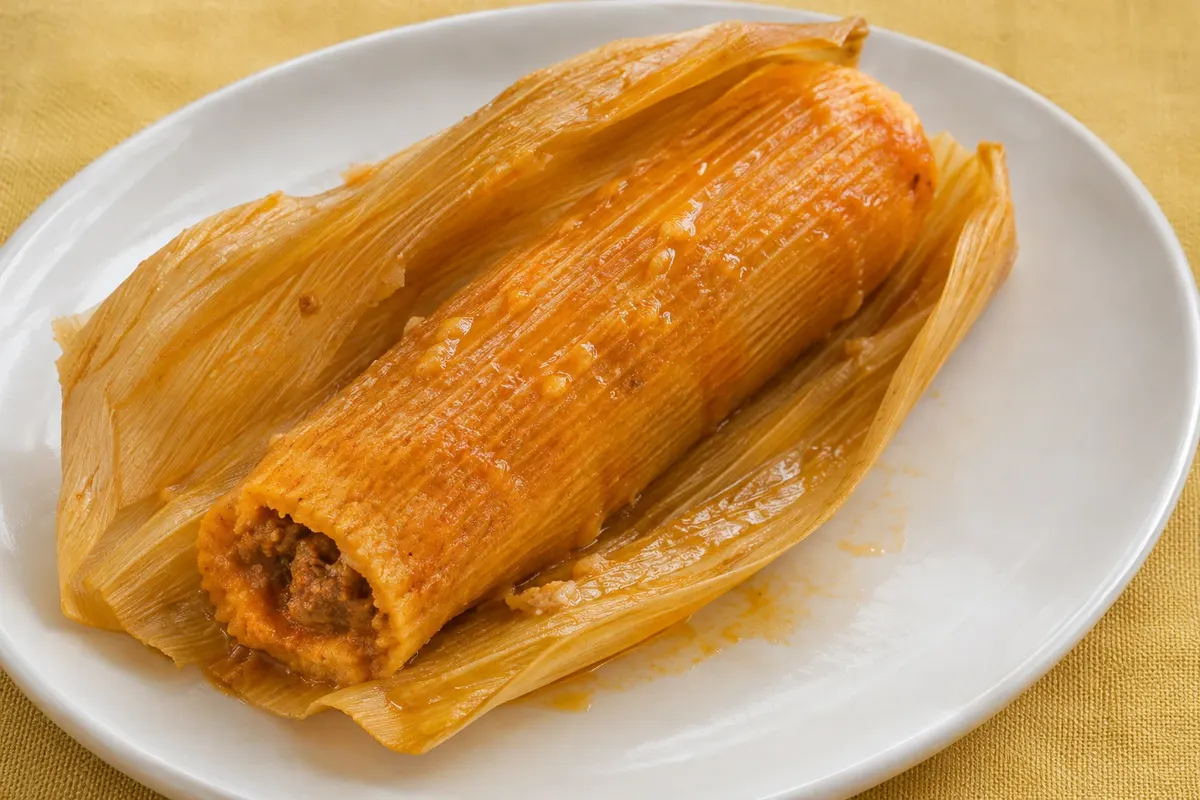
Small, spicy tamale made with cornmeal dough filled with seasoned meat, cooked in a spiced broth rather than steamed, and sold by the dozen. It’s the street food most associated with the Mississippi Delta, the home of the blues.

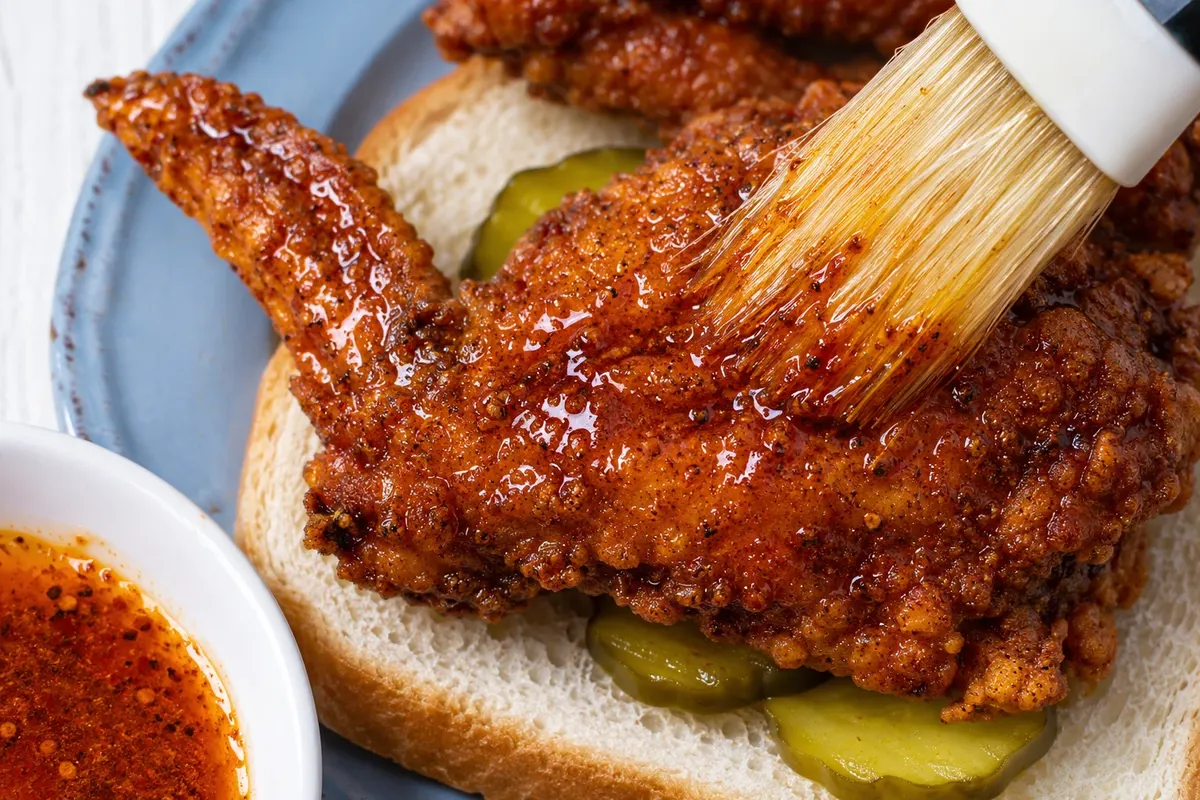
Nashville fried chicken coated with a cayenne pepper paste and hot frying fat, served on a slice of white bread with pickles. The recipe is credited to the Prince family in the 1930s.

A drink of bitter orange-and-herb liqueur, grenadine and sparkling water, with a little brandy on top and a twist of lemon. It’s the drink of Basque houses in northern Nevada and the official beverage of the state.

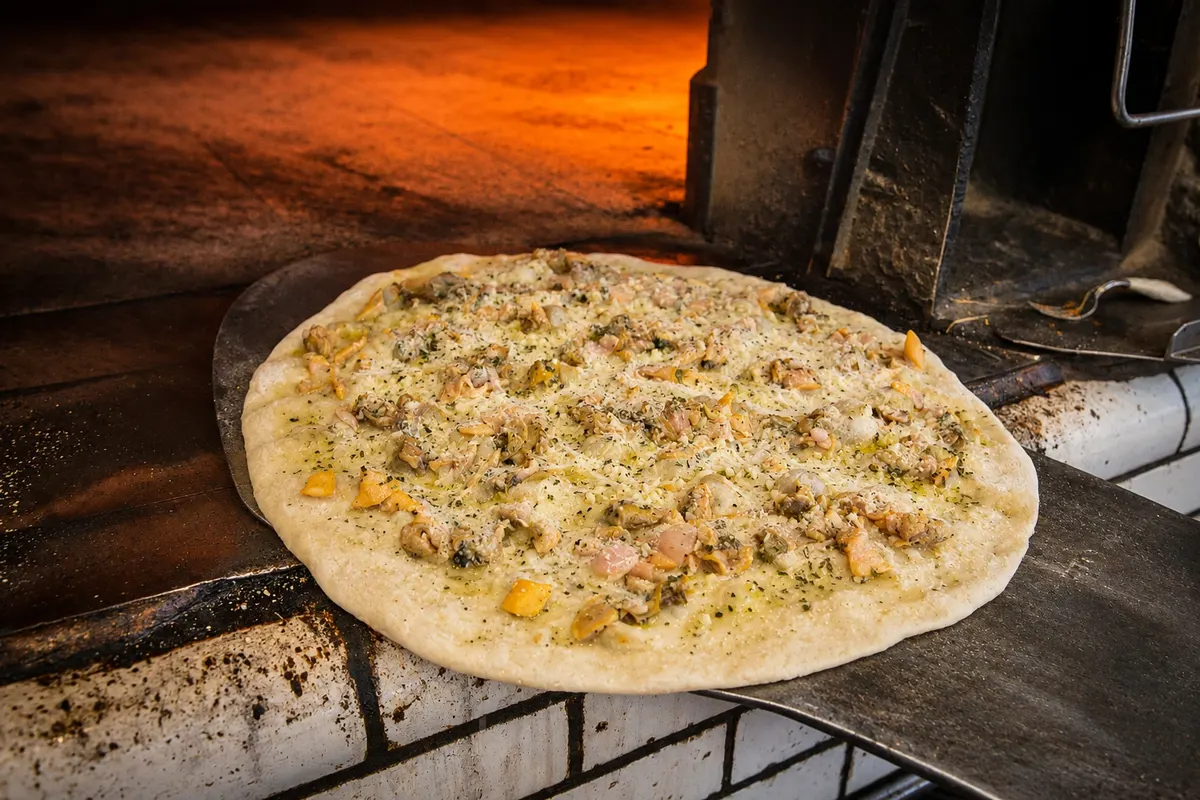
Thin, uneven crust, very well toasted, baked in a very hot coal or wood-fired oven. Locals in New Haven call it apizza, in the style of immigrants from southern Italy.

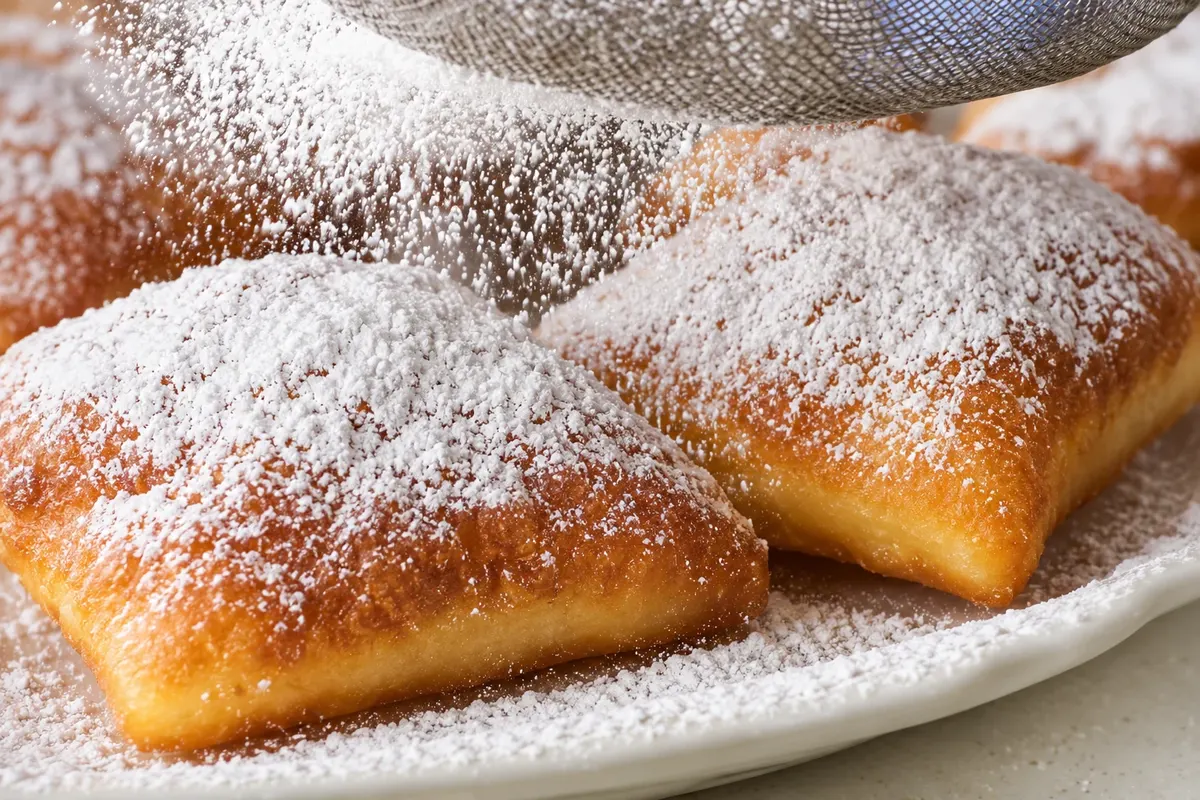
Square fritter made from leavened dough, without a hole, dusted with powdered sugar and eaten hot with café au lait. Popularized at the French Market in New Orleans, it has been Louisiana’s official doughnut since 1986.

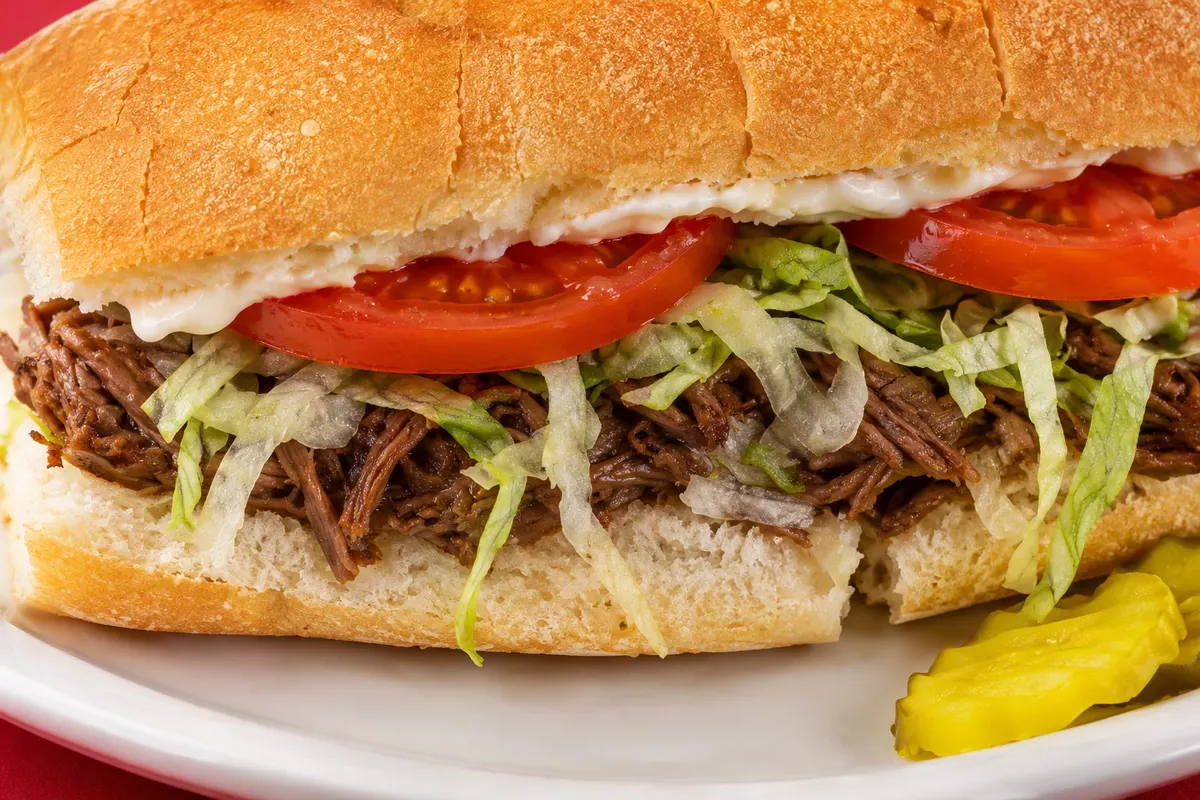
New Orleans sandwich made on the local French bread, with a thin, crisp crust, filled with fried shrimp or oysters, roast beef with gravy, or other fillings. The name is linked to the 1929 streetcar operators’ strike.

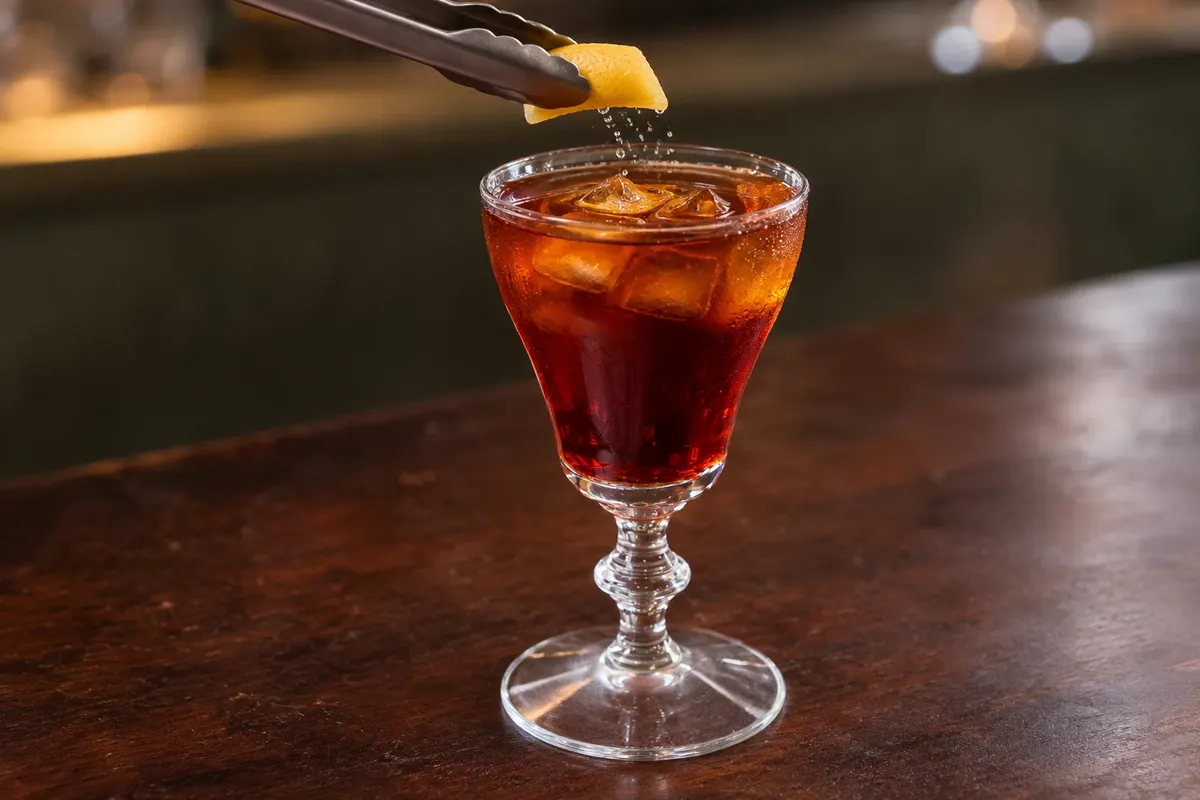
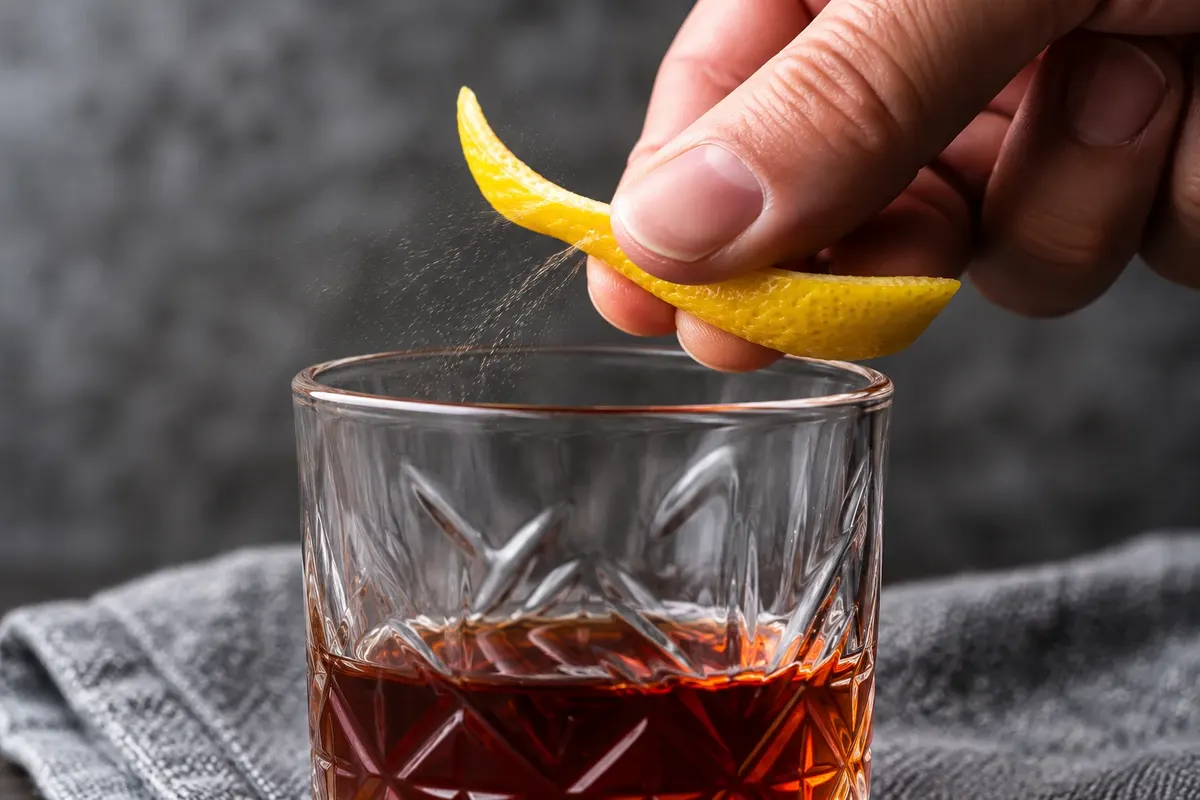
New Orleans cocktail with rye whiskey or cognac, sugar and the bitter created by Antoine Amédée Peychaud, served in a glass scented with absinthe and a lemon peel. It is the city’s official cocktail by a 2008 state law.

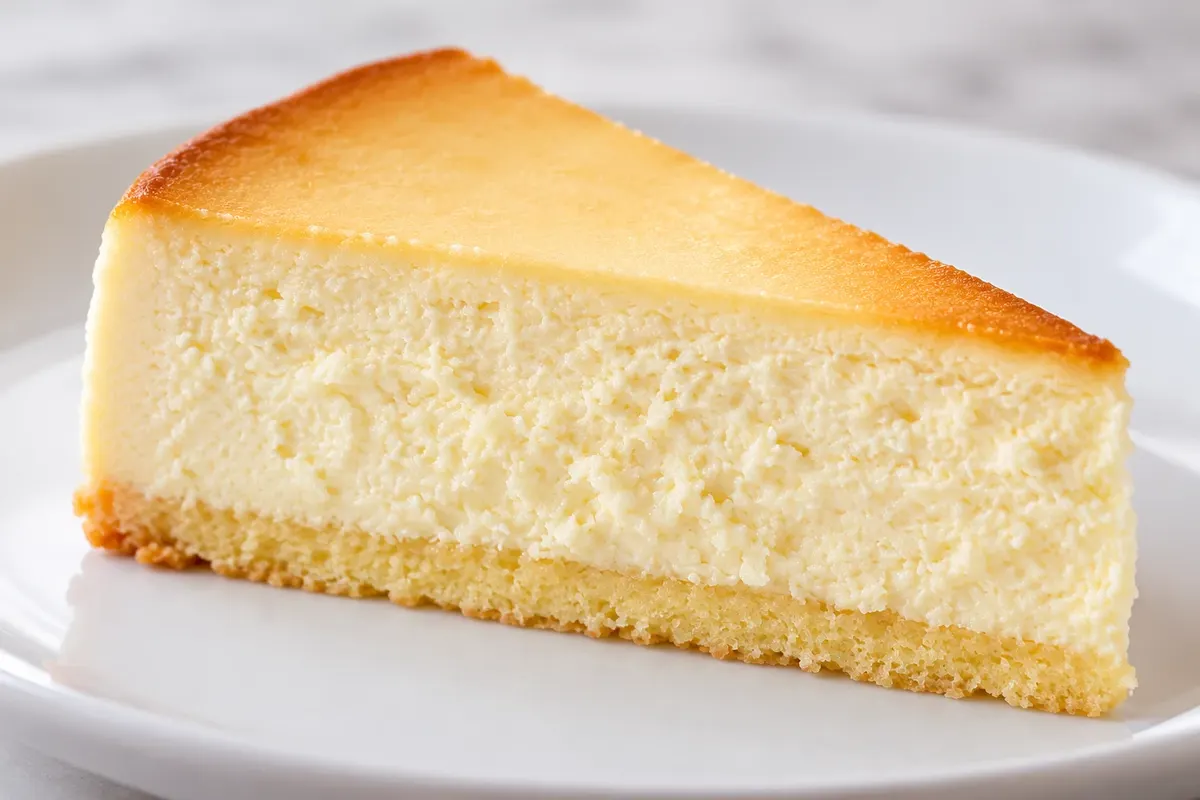
Dense, creamy tart made with cream cheese, eggs and cream on a cookie crust, served without topping.

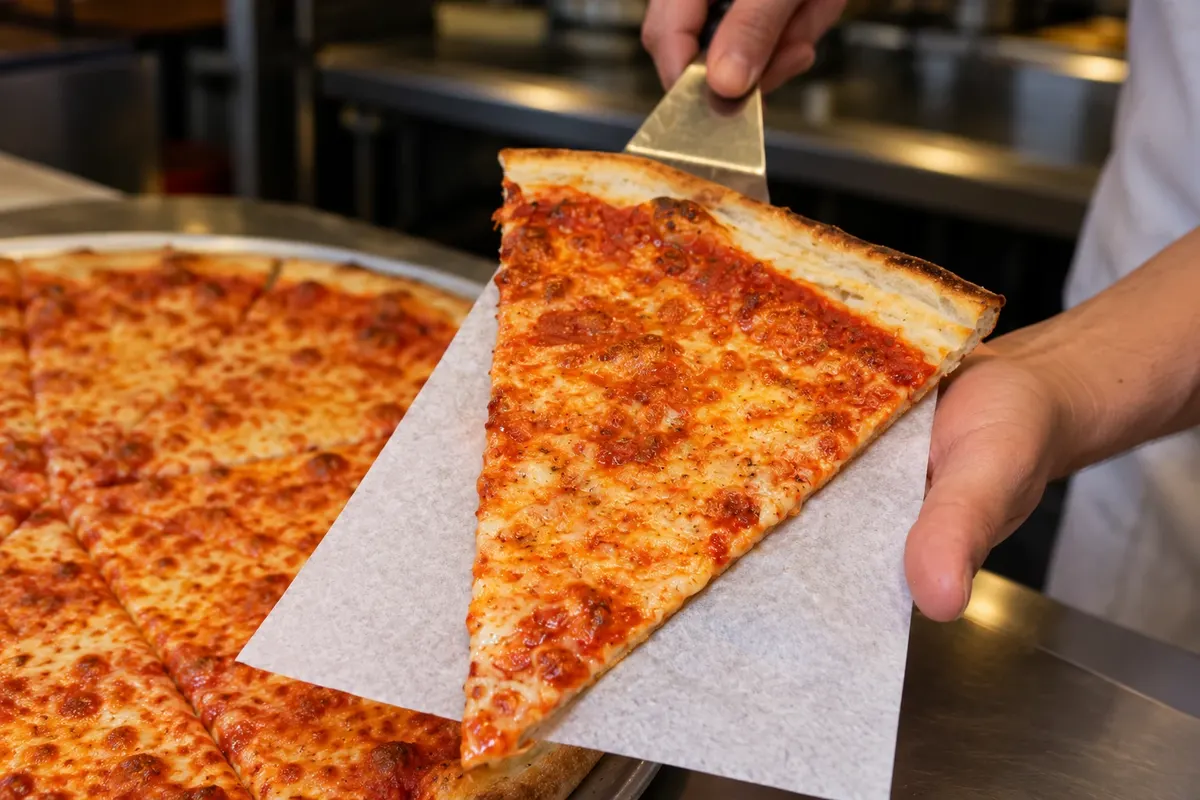
Large pizza with a thin, crisp yet flexible crust, thin enough to fold a slice in half. It originated among Neapolitan bakers in New York and is sold by the slice throughout the city.

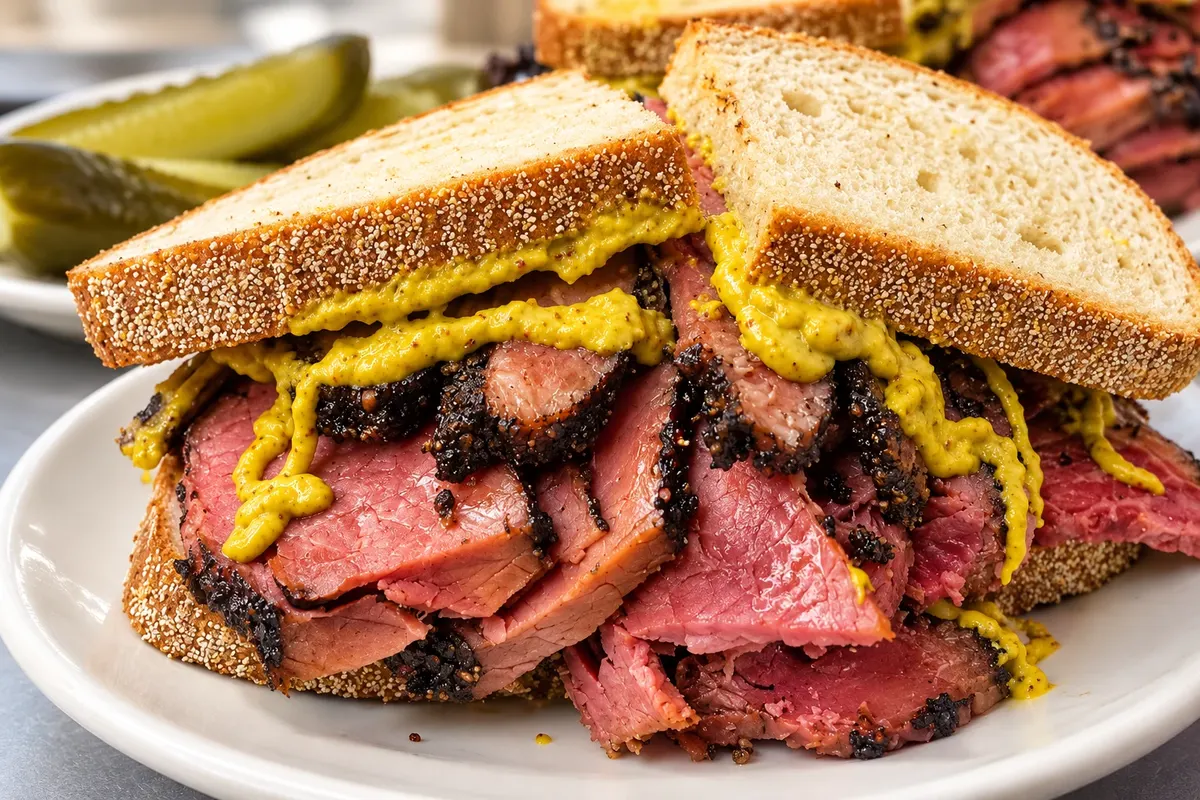
Pastrami sandwich: cured, seasoned and smoked beef, hot-sliced on rye bread with mustard. It’s the sandwich of New York’s Jewish delicatessens.

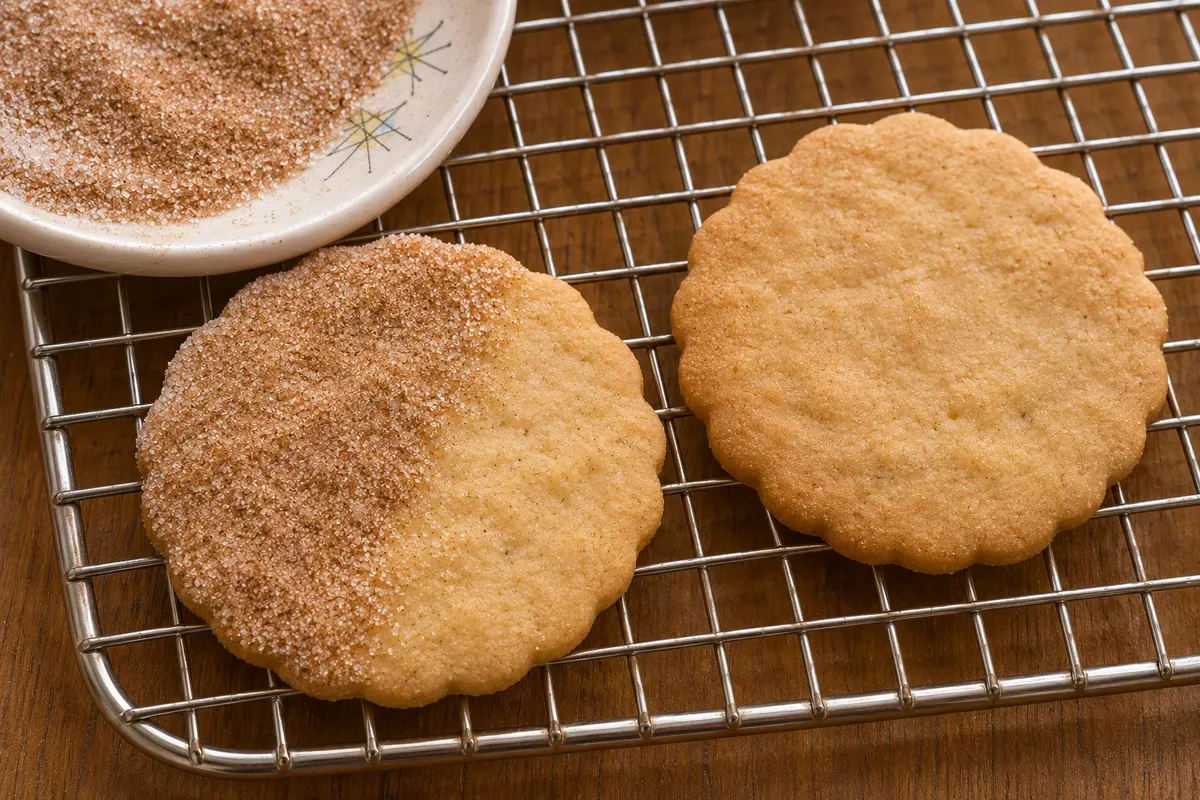
Buttery New Mexico cookie, traditionally made with lard, scented with anise and rolled in sugar and cinnamon. It has been the state cookie since 1989, the first official state cookie in the United States.

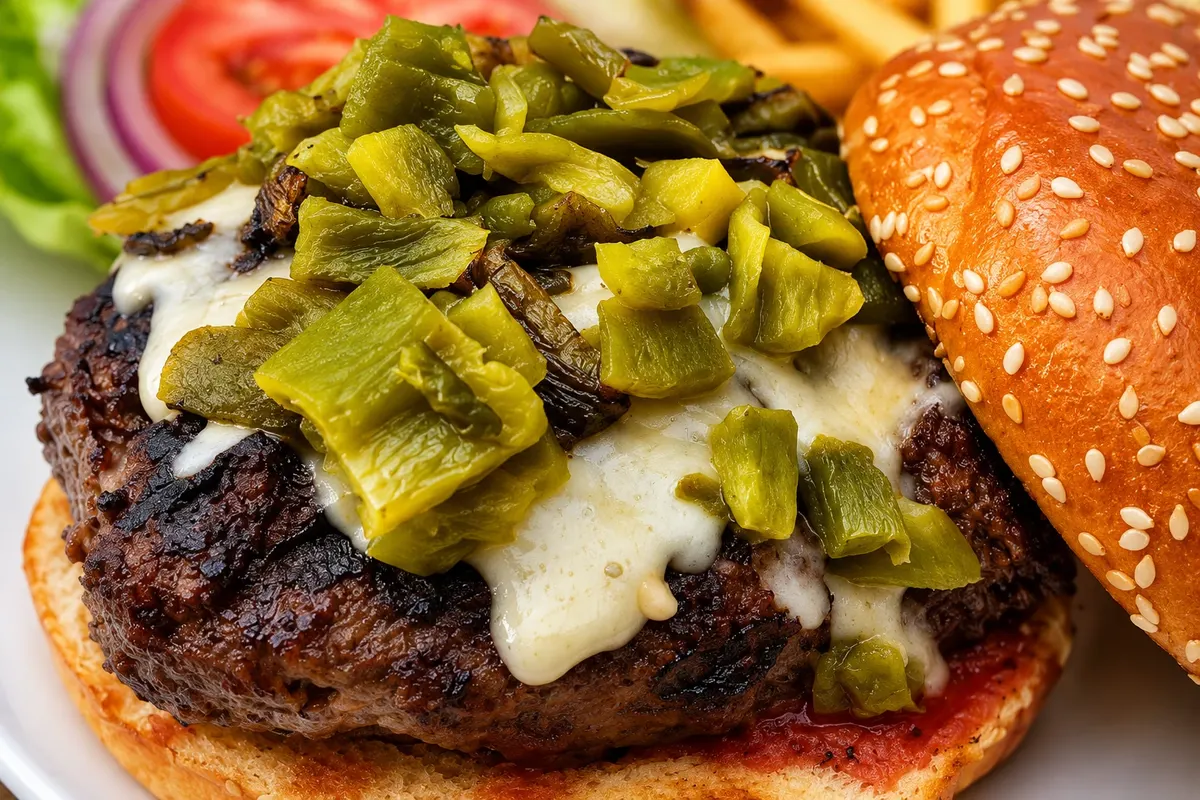
Hamburger topped with melted cheese and roasted, chopped New Mexico green chile. The state’s official tourism promotes a trail of restaurants that serve it, and several towns claim to have created it.

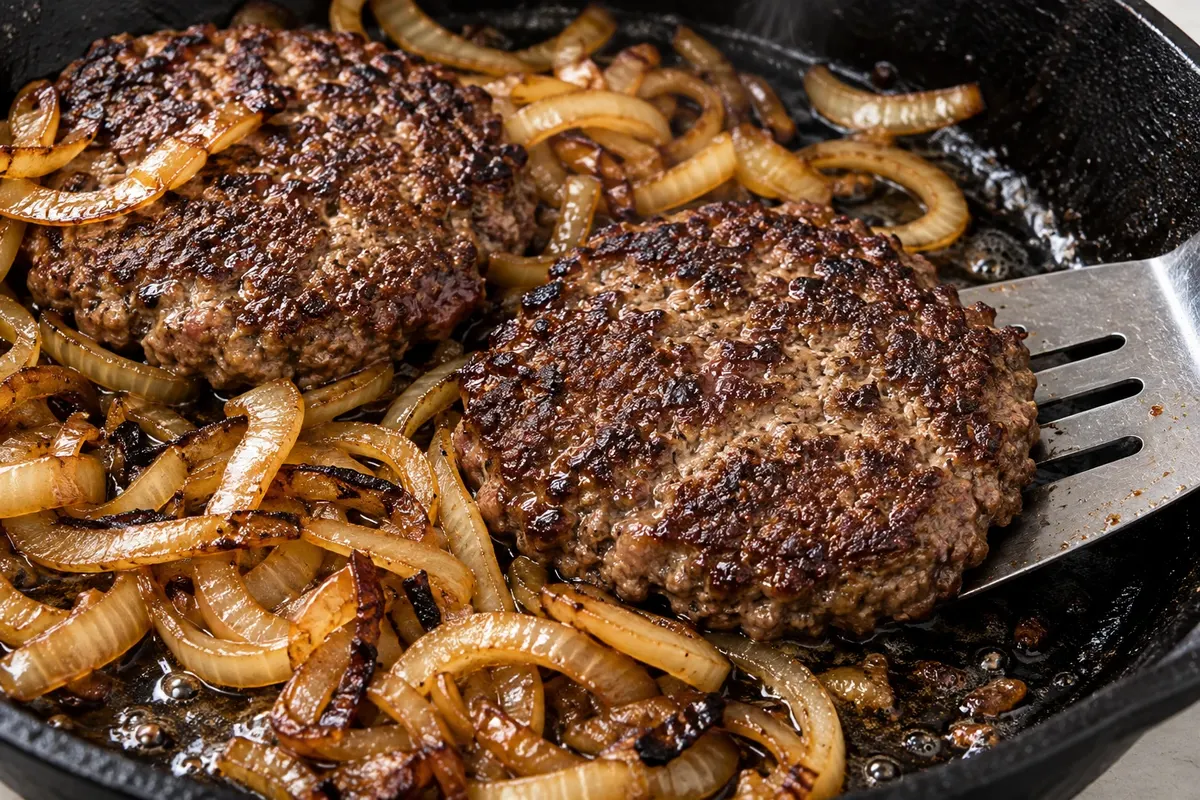
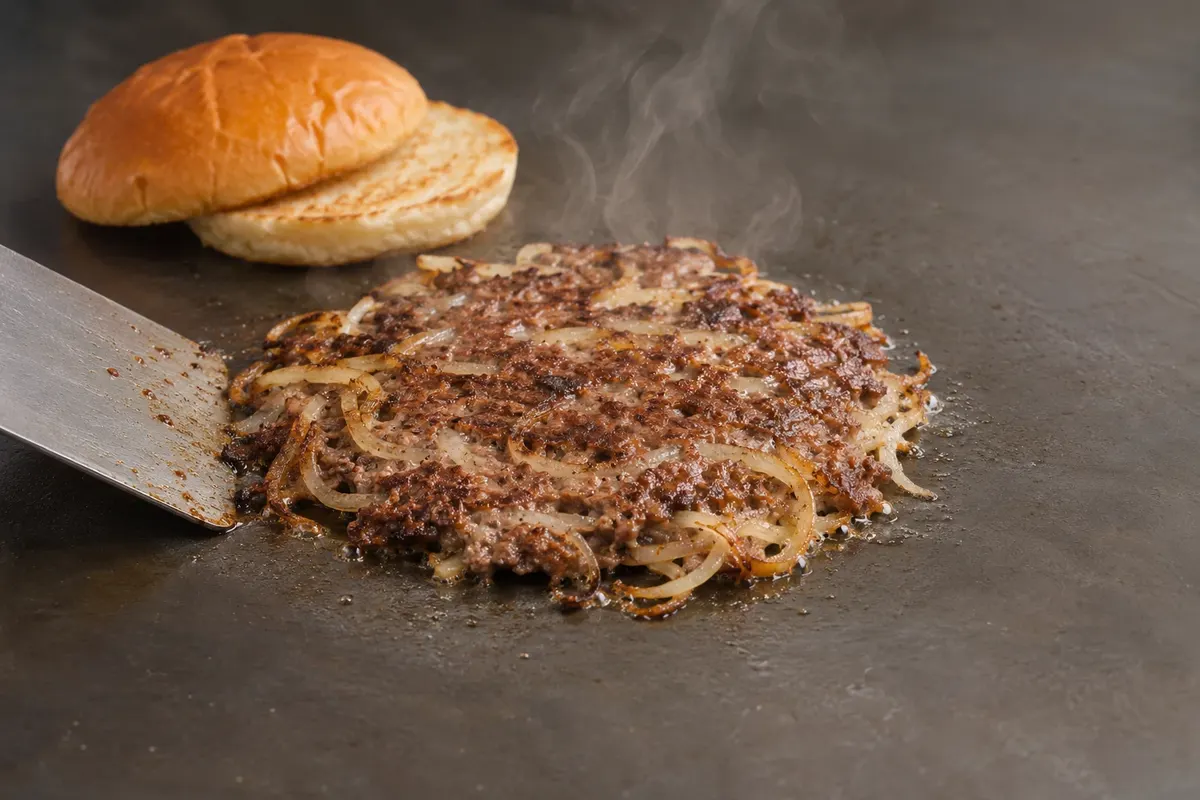
Thin beef hamburger pressed on the griddle over a heap of very thinly sliced onion that caramelizes and clings to the meat. It was born in El Reno, on Route 66, during the years of the Great Depression, and it’s Oklahoma’s hamburger.

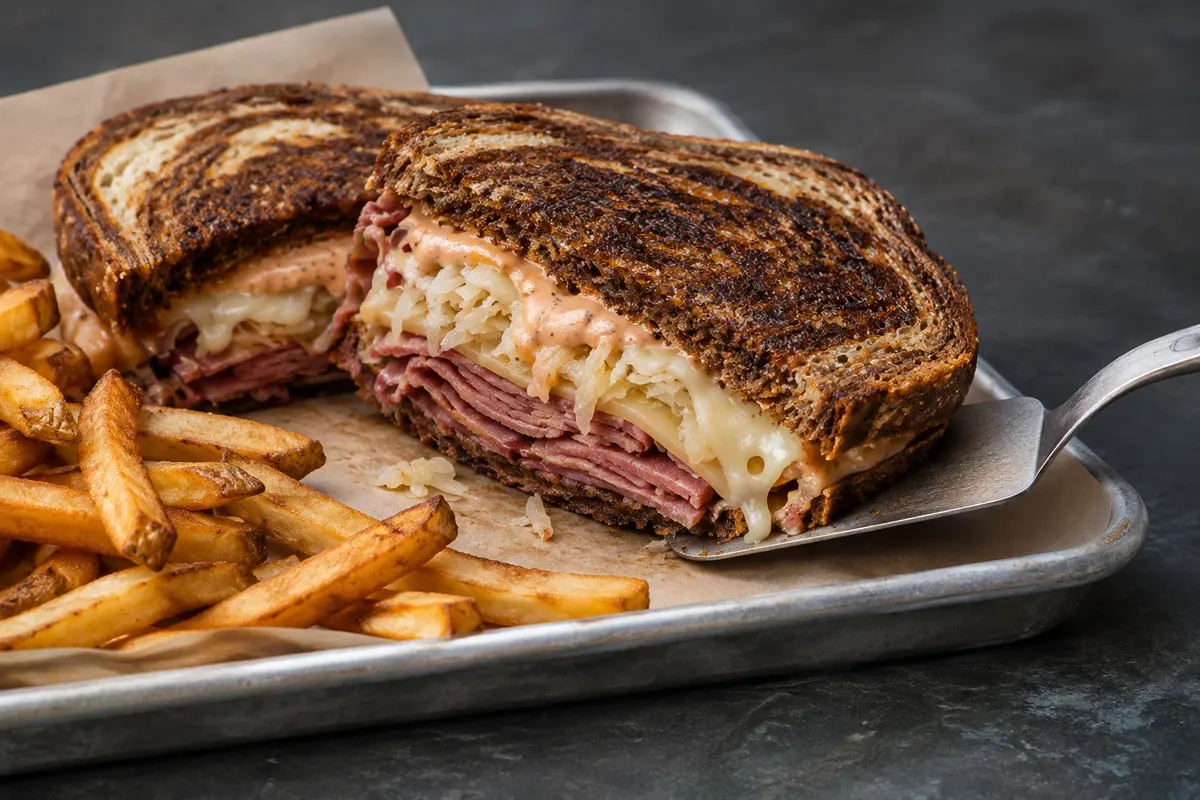
Hot rye bread sandwich with slices of corned beef, Swiss cheese, sauerkraut and Russian dressing, grilled on a griddle until the cheese melts. Omaha claims its creation at a city hotel in the 1920s.

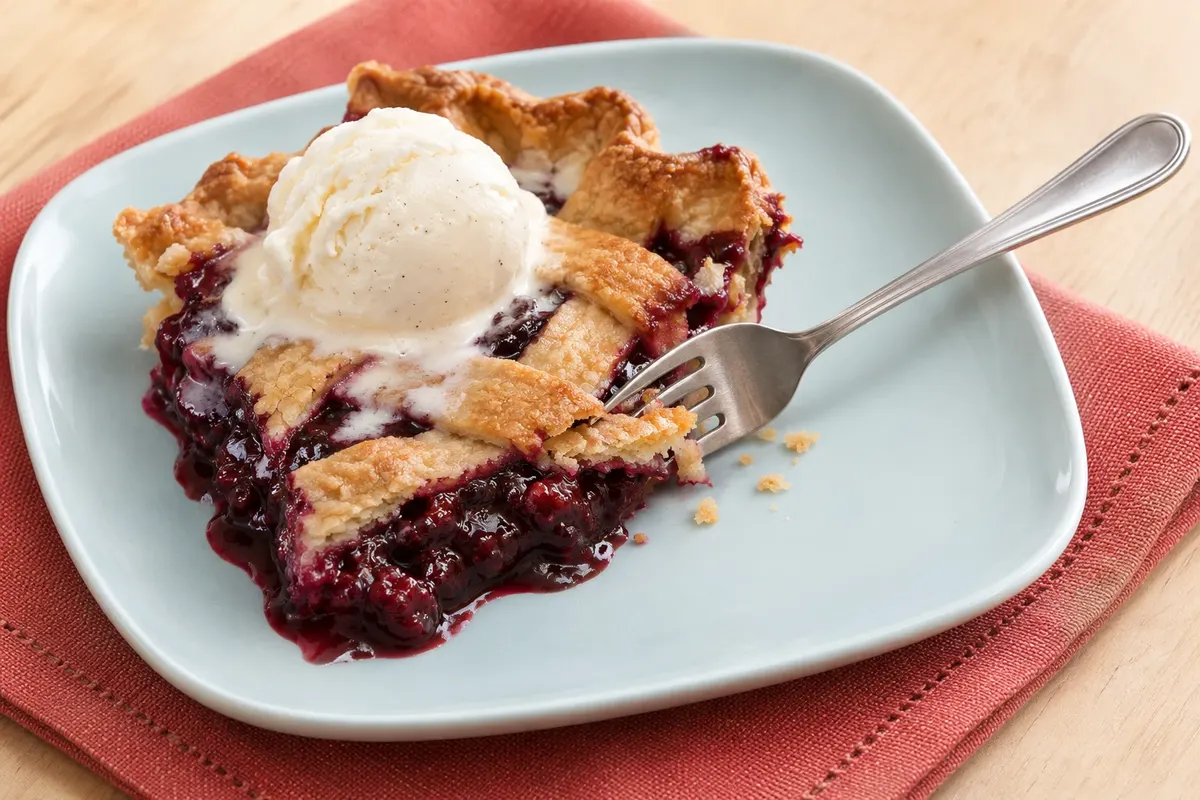
Buttery pastry filled with marionberries, a dark blackberry developed in Oregon with a sweet-tart flavor. It is the state’s official pie and a Willamette Valley summer classic.

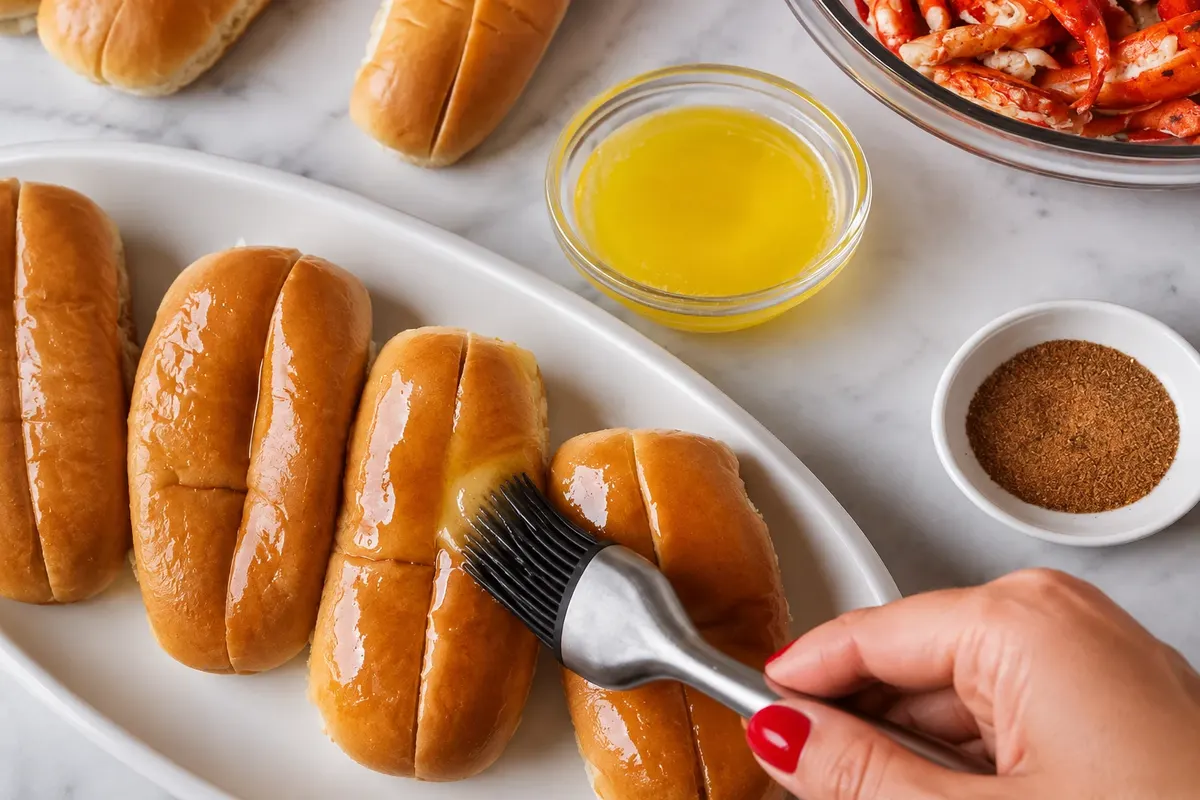
Hot dog–style roll split on top and toasted in butter, filled with cooked lobster meat, served cold with a little mayonnaise or hot with melted butter. It’s the sandwich most associated with the Maine coast.

Cold milk mixed with a sweet coffee syrup. It has been Rhode Island’s official drink since 1993.

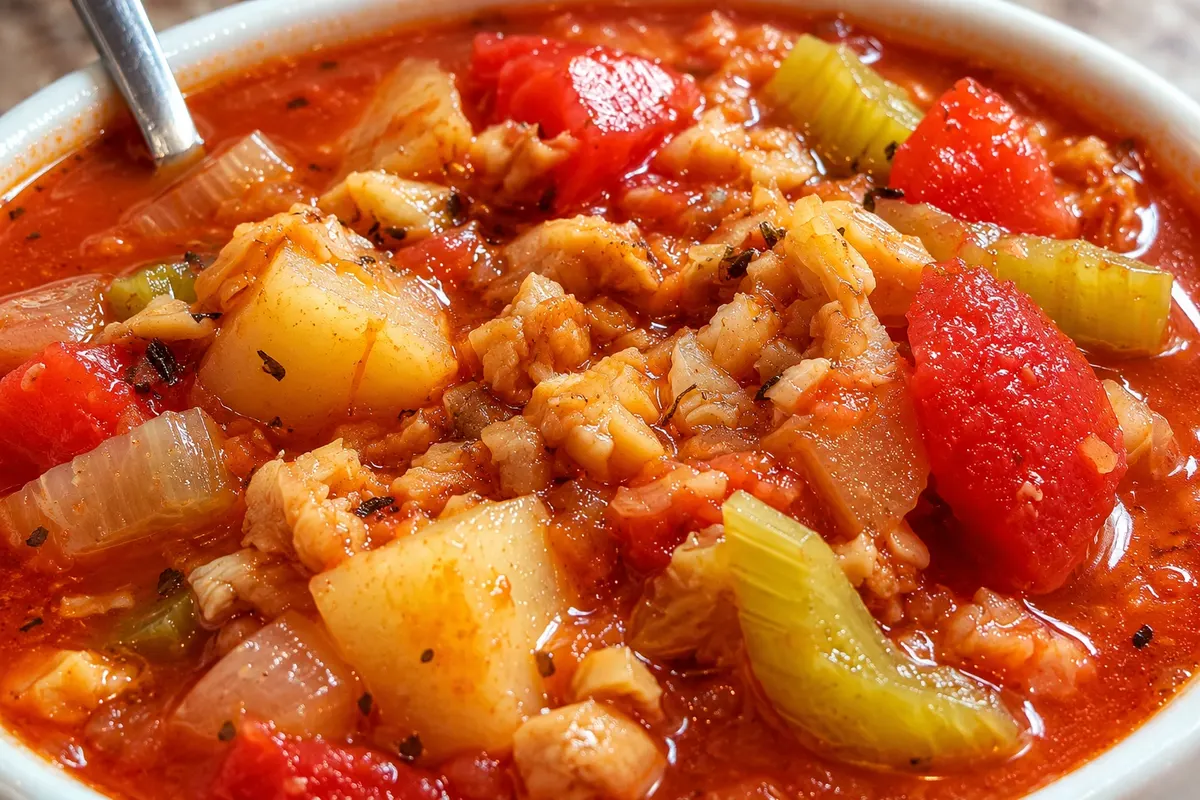
Clam and potato chowder in a tomato broth, with bacon and the sweet heat of datil pepper. A family recipe from descendants of Menorcan settlers in Saint Augustine.

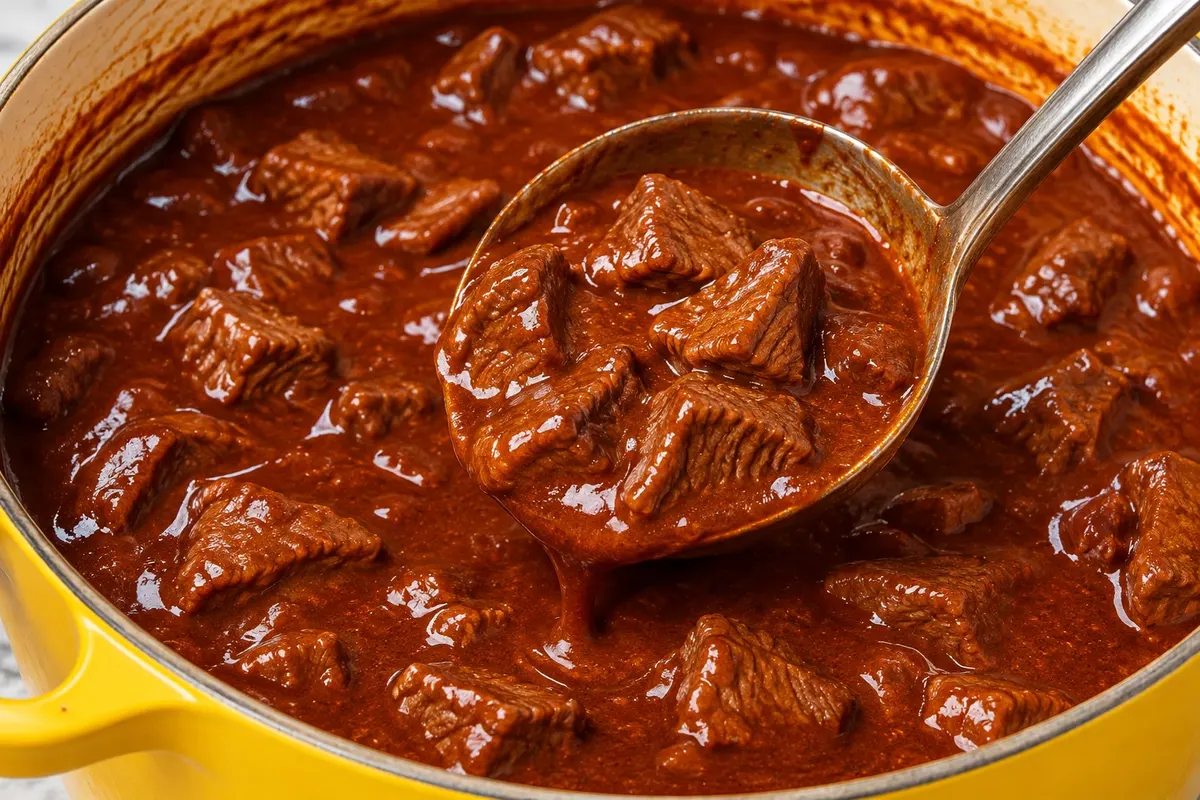
Beef stew in a sauce of dried chilies, cumin and garlic, in the Texan style, without beans. Chili queens sold it from booths in San Antonio plazas in the 19th century; it has been the official dish of Texas since 1977.

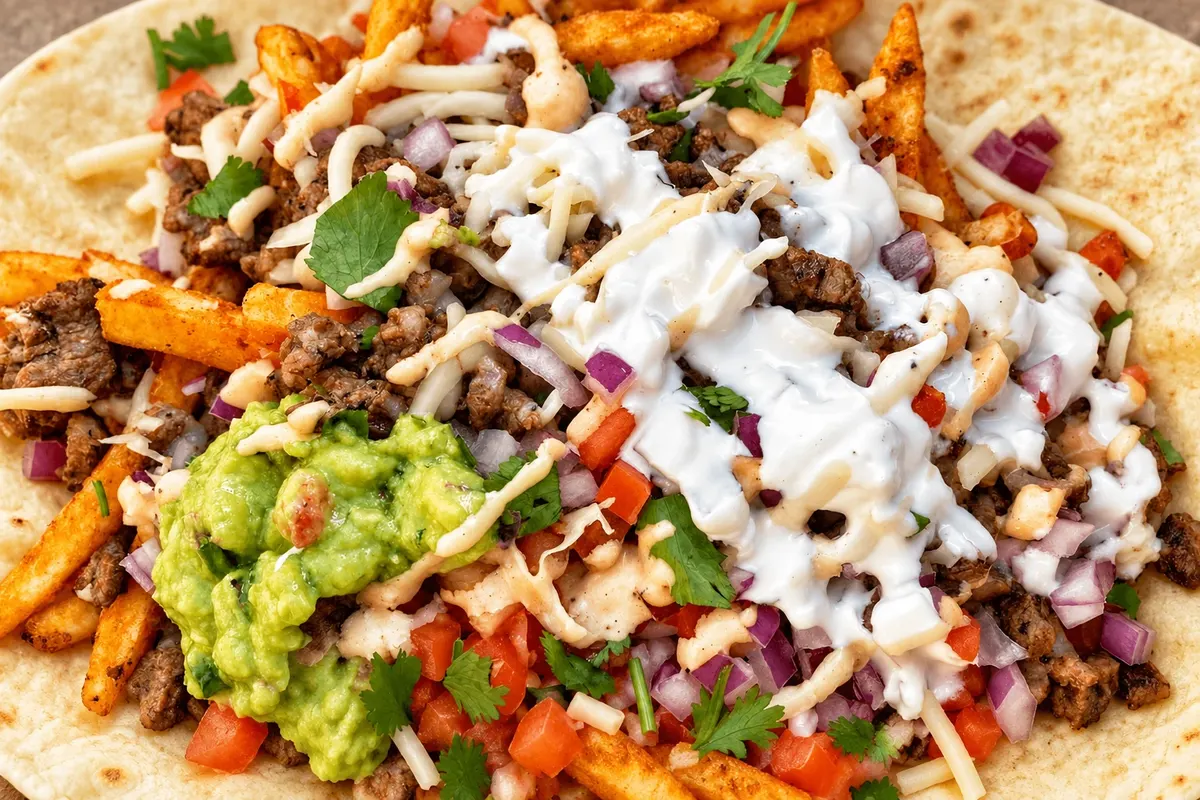
Carne asada burrito with French fries inside, cheese, pico de gallo, sour cream and guacamole. San Diego’s tourism authority presents it as a creation of the city from the 1980s.

Beef barbecue seasoned with salt, pepper and garlic and roasted over oak coals, served with pinquito beans, salsa, toasted bread and salad. The Santa Maria Valley chamber of commerce registered the menu in 1978.

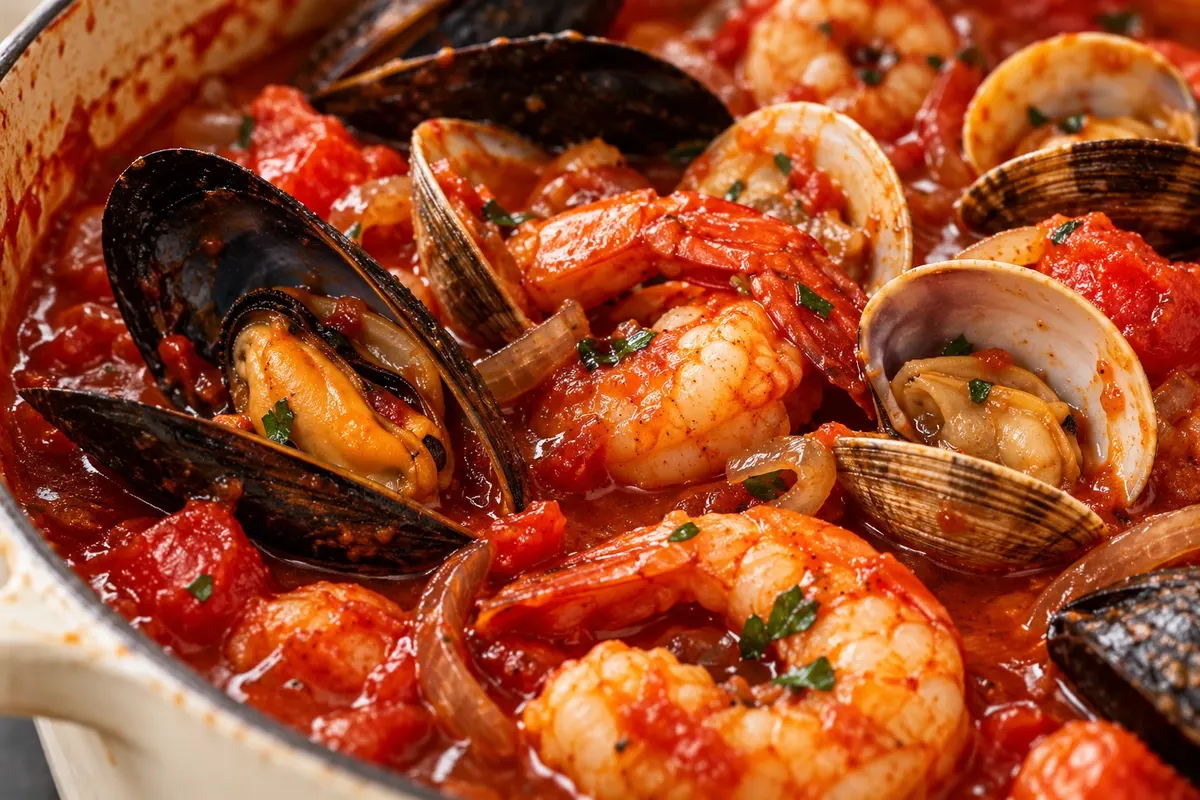
Stew of fish and seafood in a tomato-and-wine broth, created in the 19th century by Italian fishermen, mostly from Genoa, on the San Francisco pier. It is served with bread for dipping into the broth.

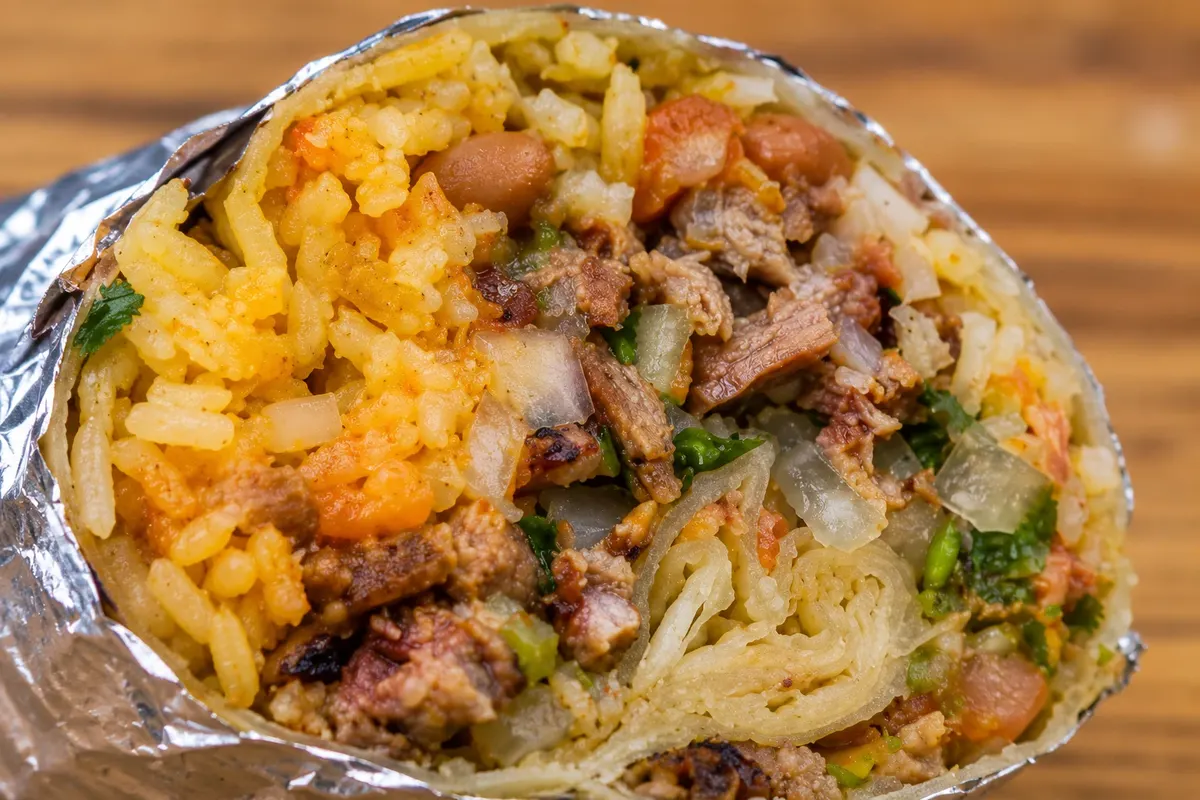
Large burrito made with a flour tortilla, filled with meat, rice, beans, salsa and sour cream, wrapped in aluminum foil. It originated in the taquerías of the Mission neighborhood in San Francisco in the 1960s.

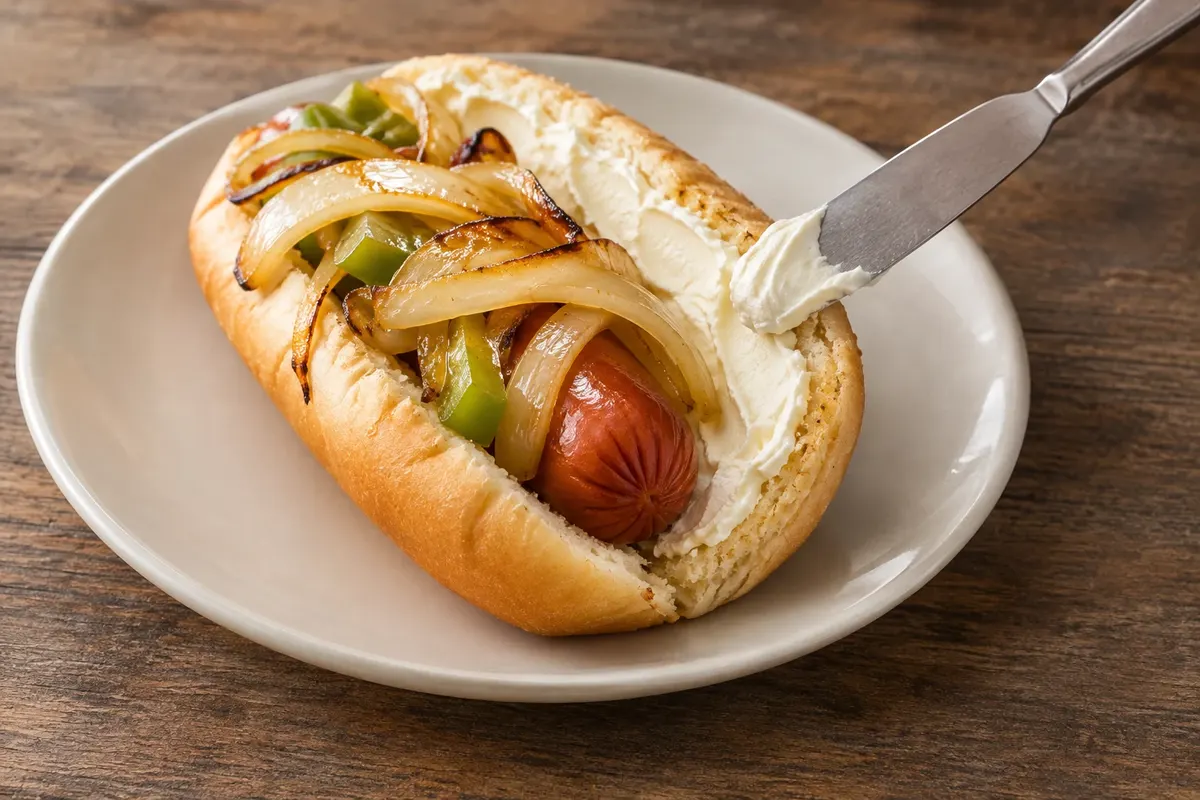
Hot dog with a grilled sausage or kielbasa in a toasted bun spread with cream cheese, topped with grilled onion. It was born from the street carts of Pioneer Square in Seattle in the late 1980s.

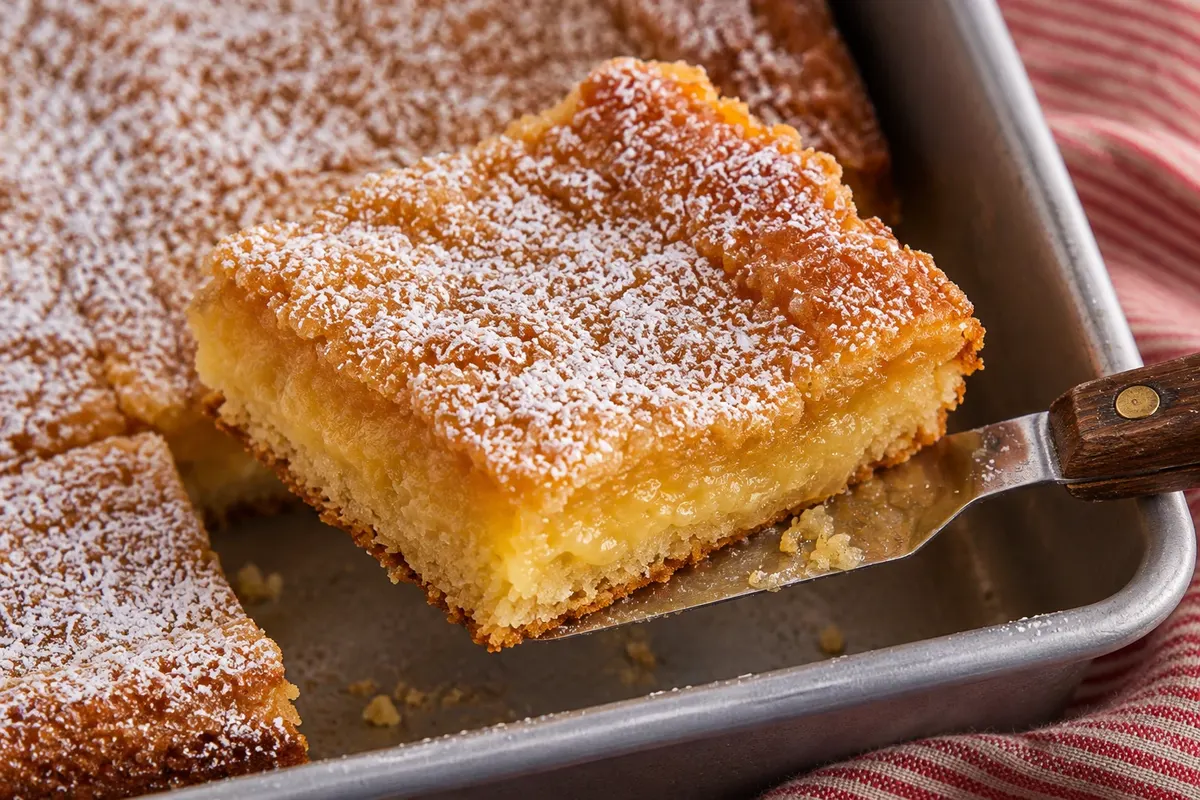
Low St. Louis cake with a dense, buttery base and a moist, sticky topping of butter, sugar and eggs, dusted with powdered sugar. Local tradition attributes it to a baker’s mistake in the 1930s.

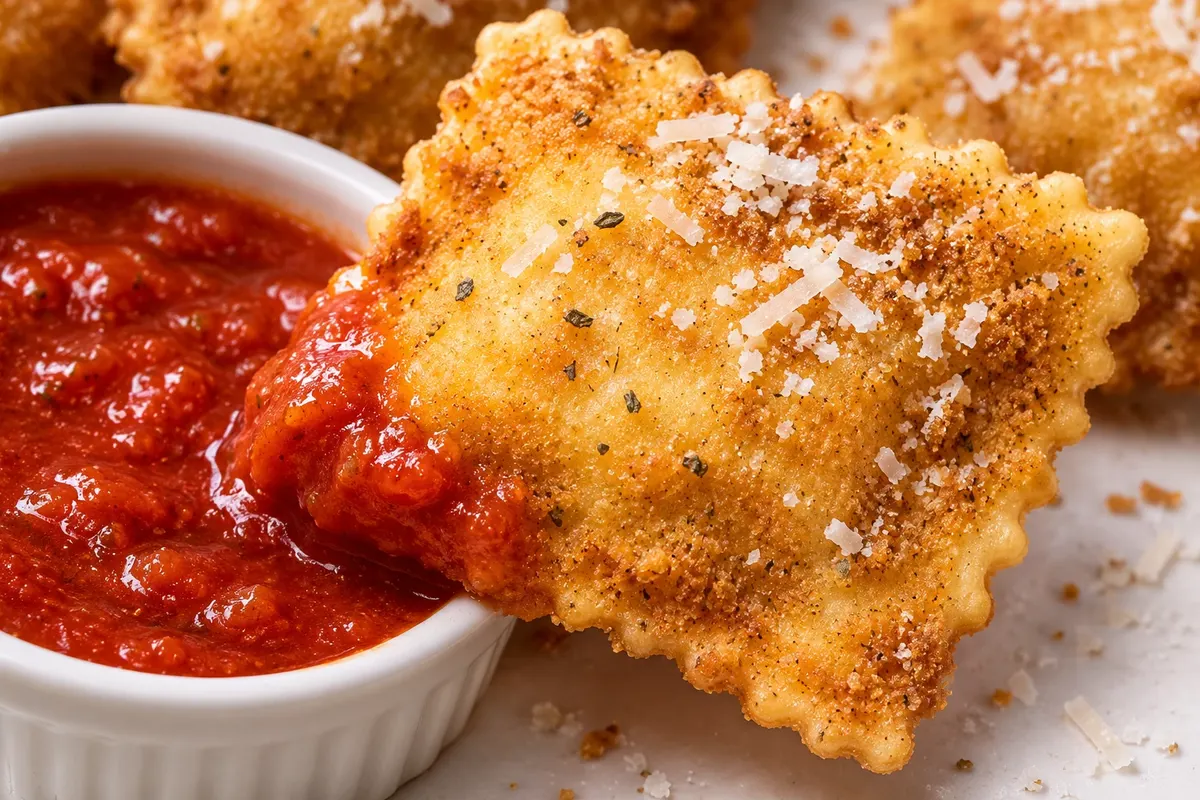
Ravioli filled with meat, breaded and fried until crisp, served with grated Parmesan and a tomato sauce for dipping. It originated in the Italian restaurants of the The Hill neighborhood in St. Louis around the 1940s.

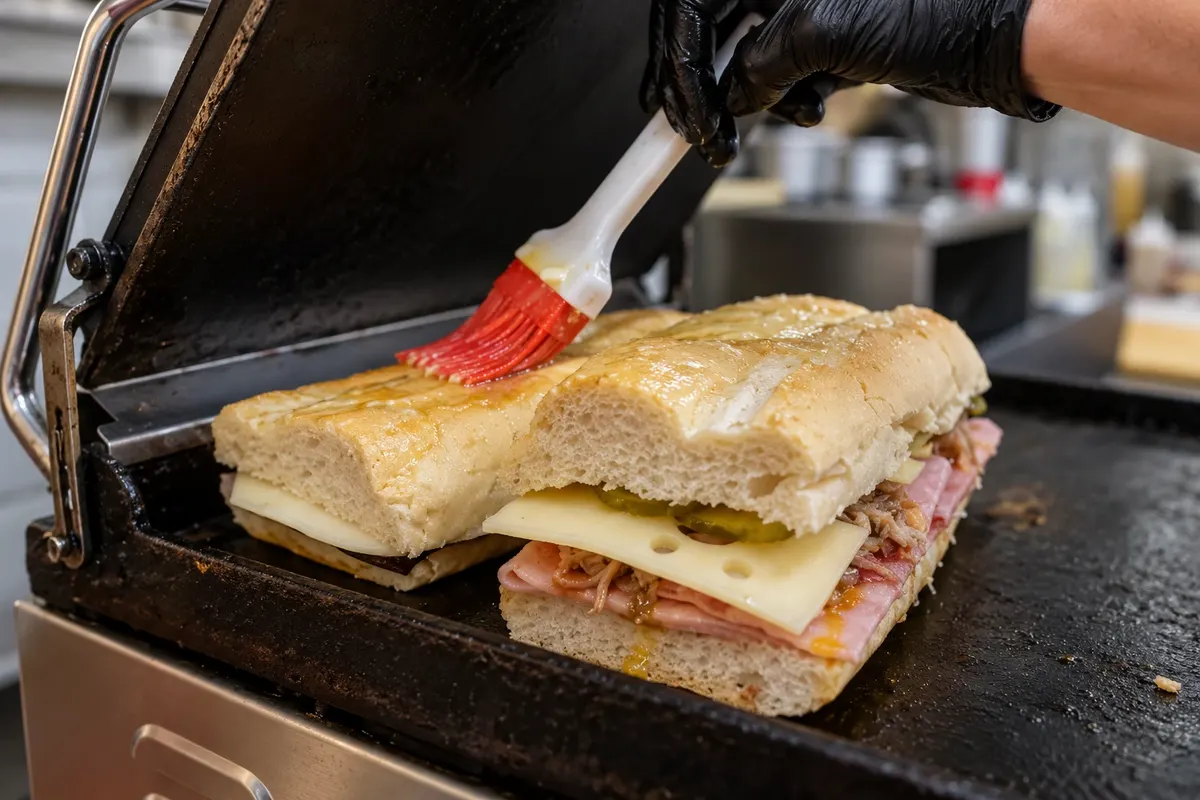
Cuban sandwich made with Cuban bread, roasted pork, ham, Swiss cheese, pickles and mustard, pressed on a griddle. In Tampa it also includes salami. The City Council declared it the city’s signature sandwich in 2012.

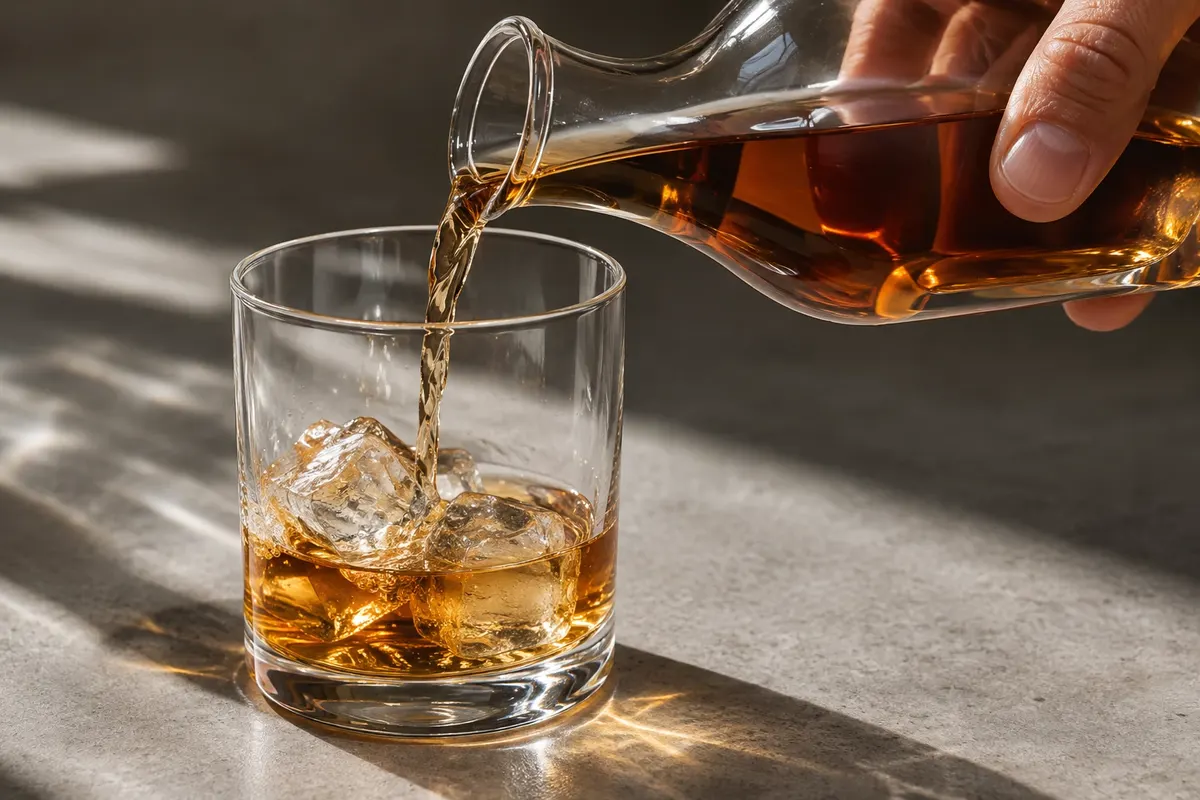
Whiskey made in Tennessee with at least 51% corn, filtered through sugar maple charcoal before aging in new toasted oak barrels. A 2013 state law defines what may use that name.

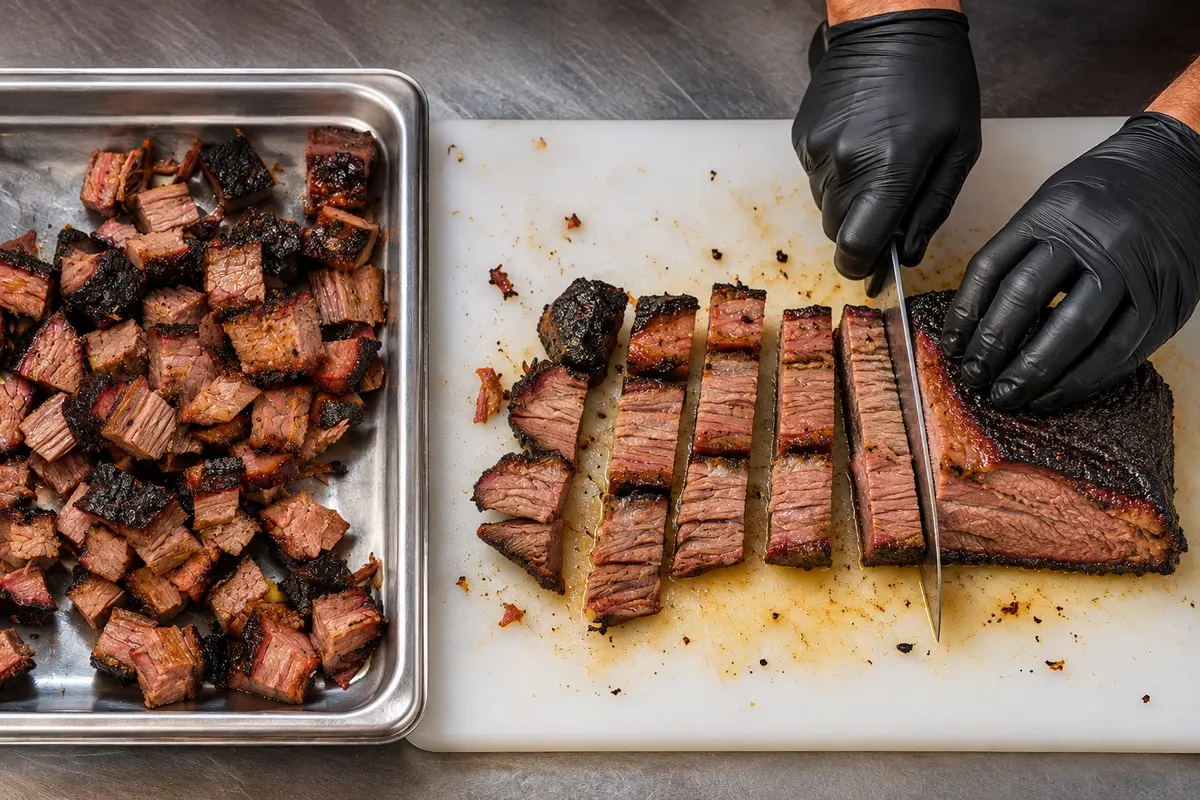
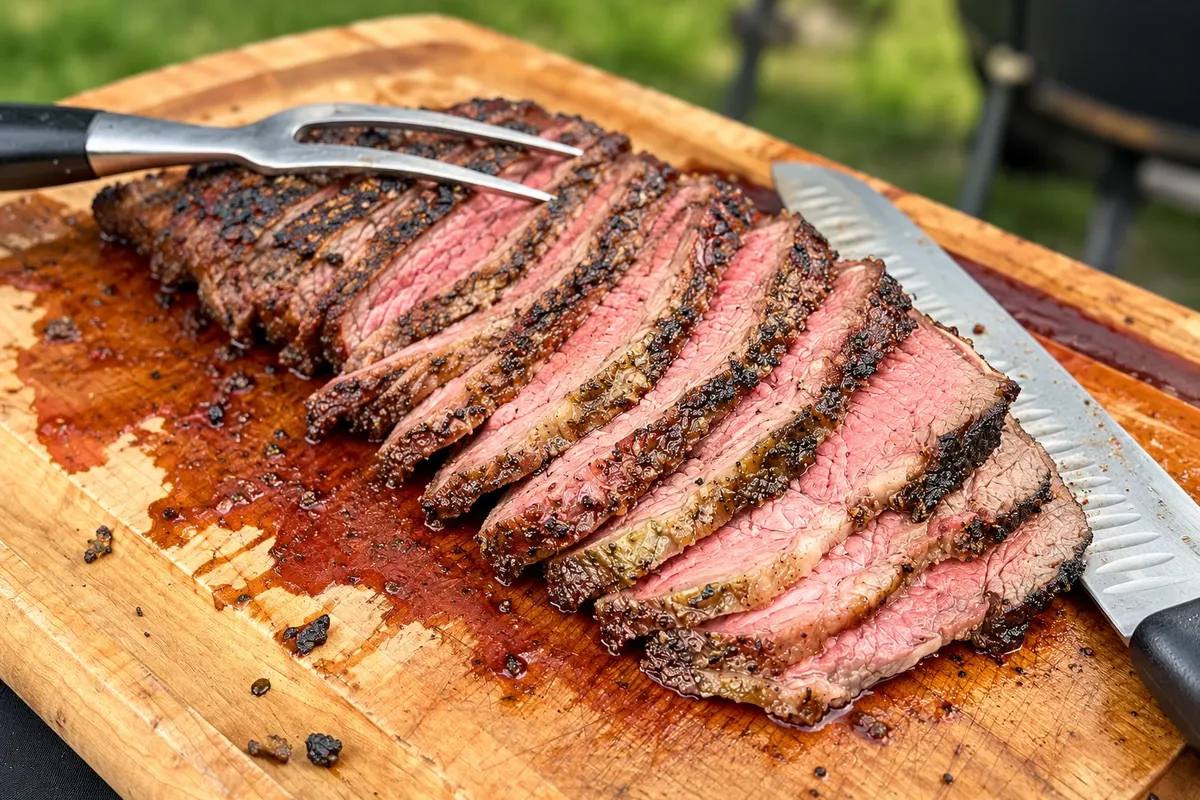
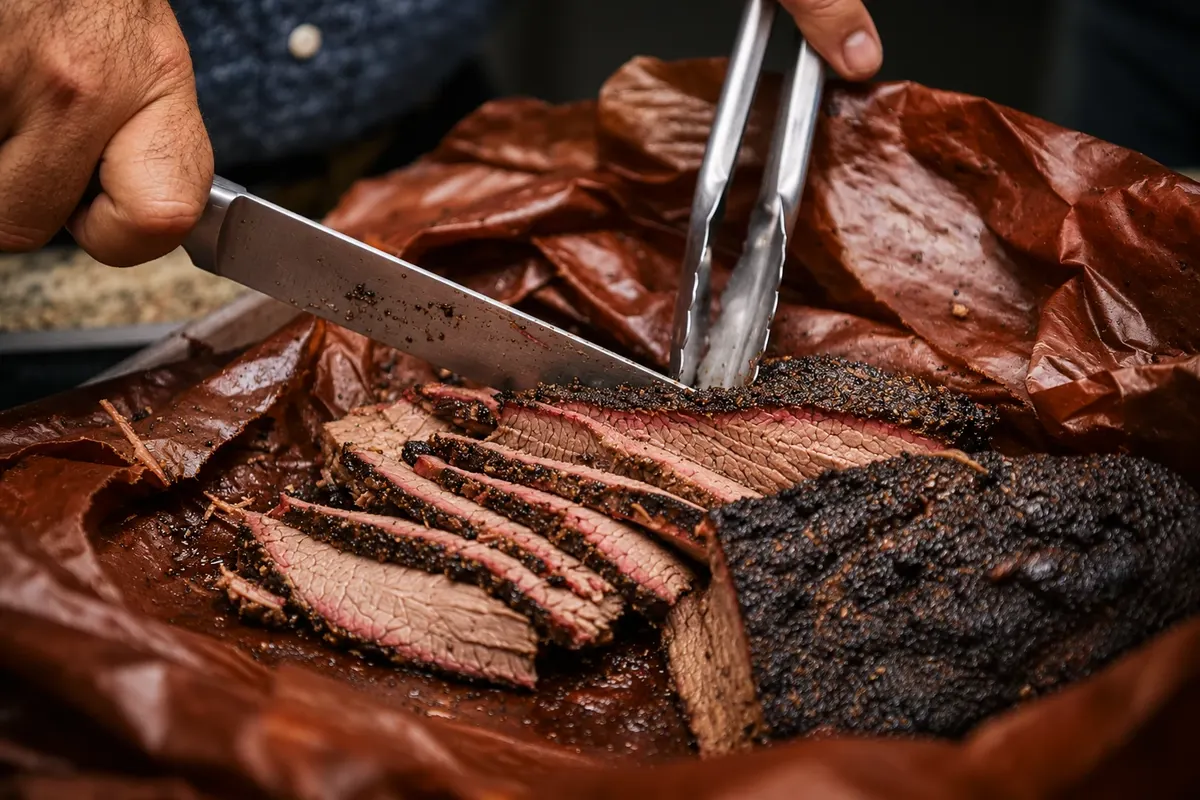
Texas barbecue centers on smoked beef brisket as its main dish: seasoned only with salt and black pepper, cooked for many hours in wood smoke and sliced, served on butcher paper with bread, pickles and onion.

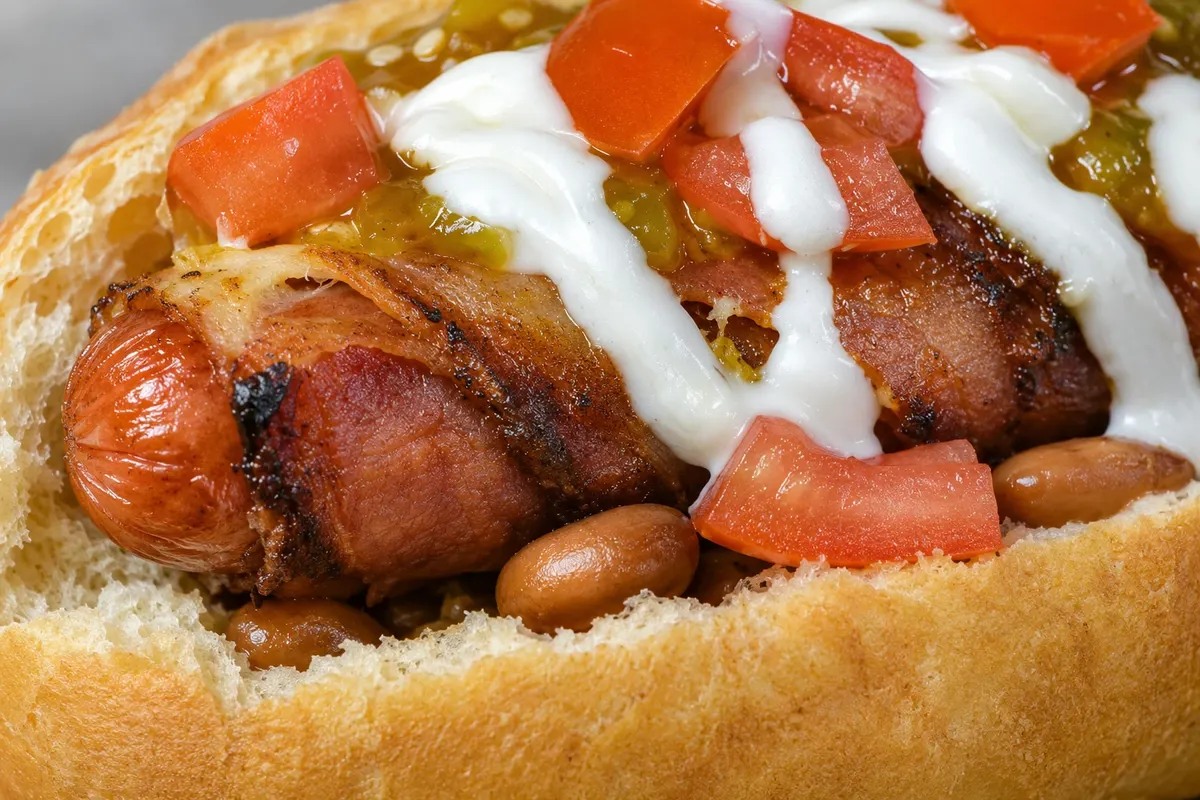
Sausage wrapped in bacon and grilled, served in a soft bolillo-style roll with beans, tomato, onion, mayonnaise, mustard and hot sauce. It came from the Mexican state of Sonora and became a symbol of Tucson.

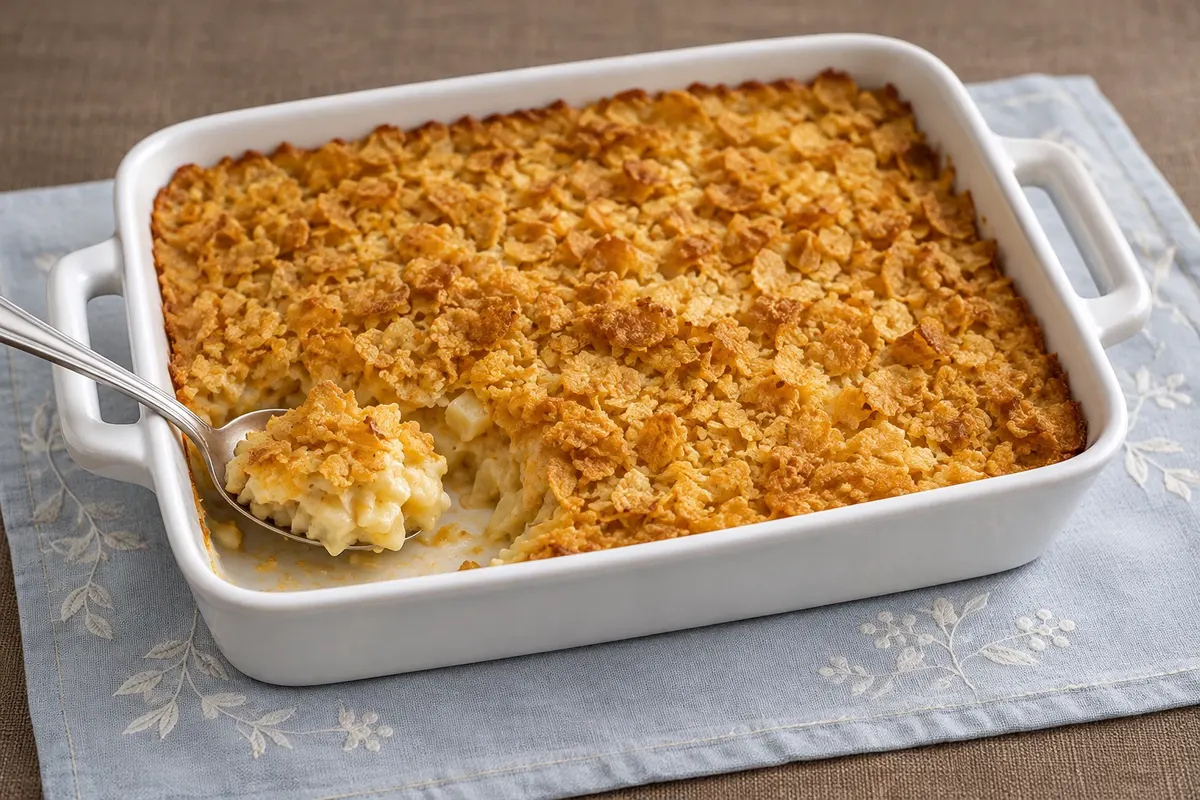
Potato gratin made with grated or cubed potatoes, cheese, cream and butter, topped with cornflake crumbs or crunchy breadcrumbs. It’s the oven dish most associated with Utah, brought to meals after funerals and to all kinds of gatherings.

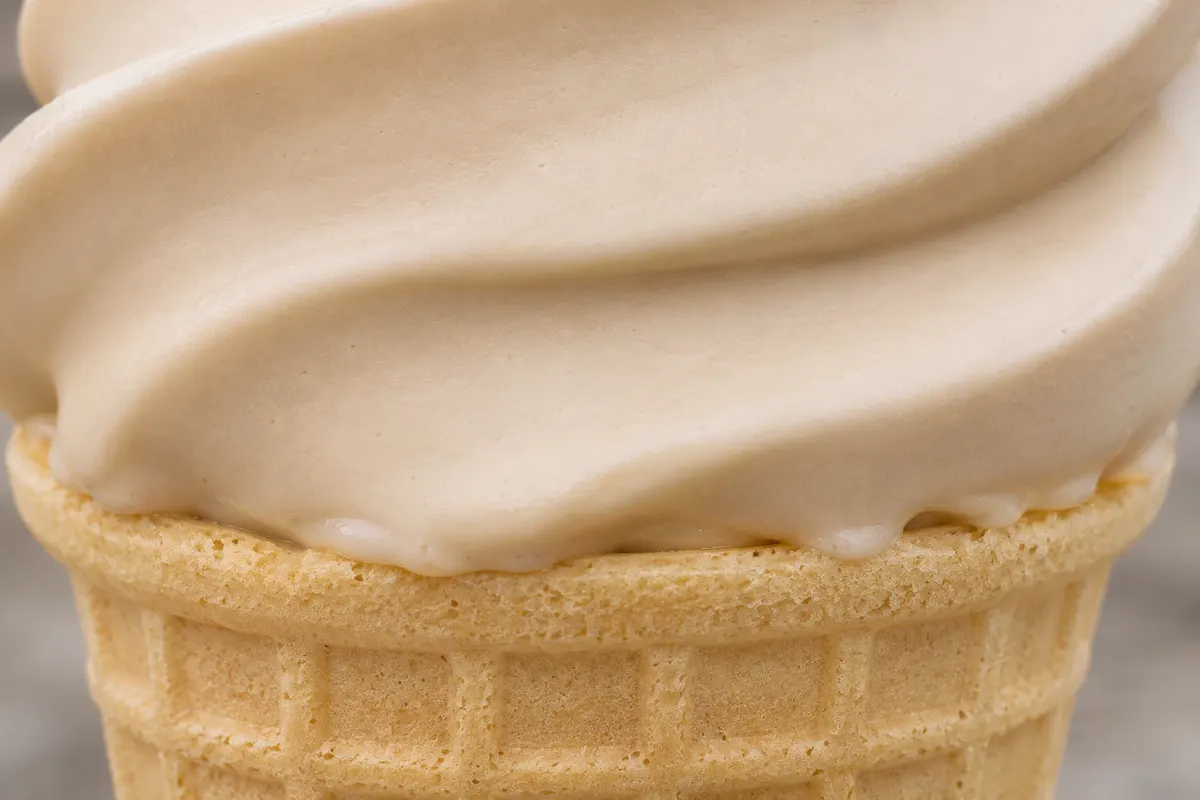
Soft-serve ice cream, creamy and dense, made with milk and maple syrup, served in a cone. It combines the two products most associated with Vermont — milk and maple syrup — and is the state’s summer sweet treat.

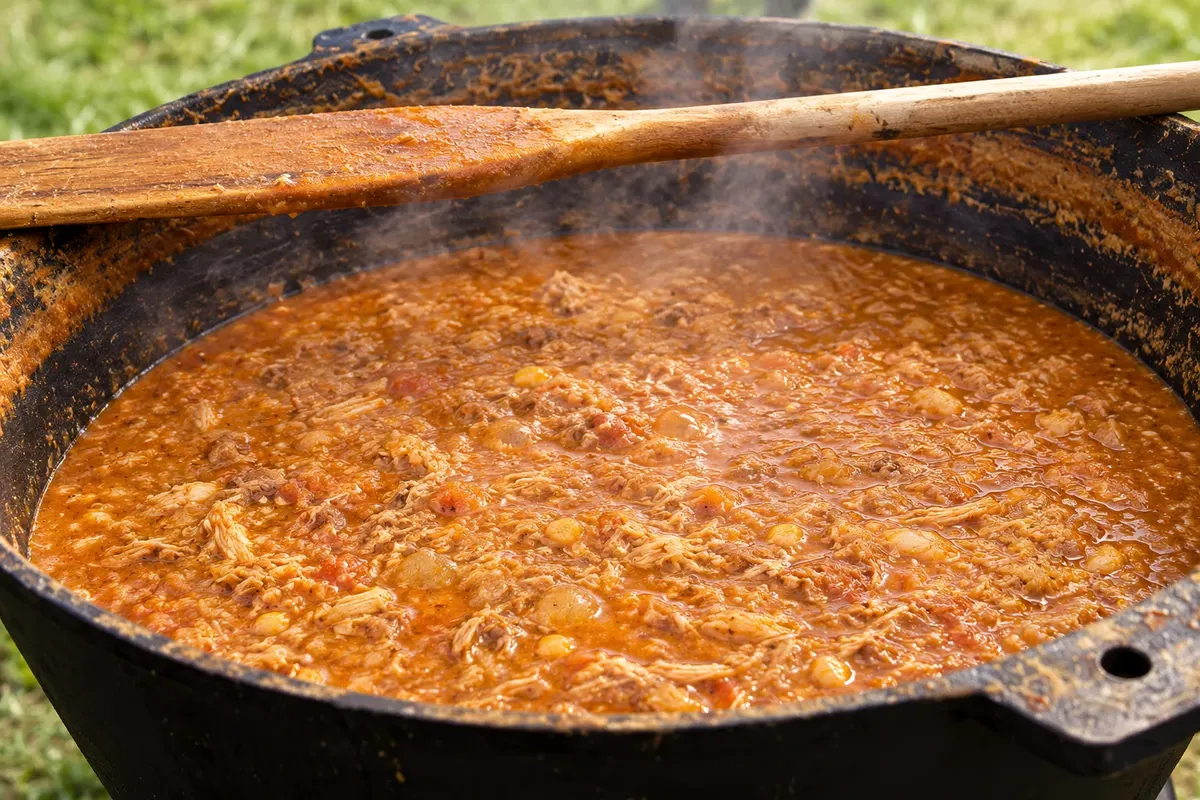
Thick stew of chicken, lima beans, corn and tomato, cooked for hours in iron pots. The Virginia General Assembly points to Brunswick County as the place of origin, in a long-standing dispute with Georgia.

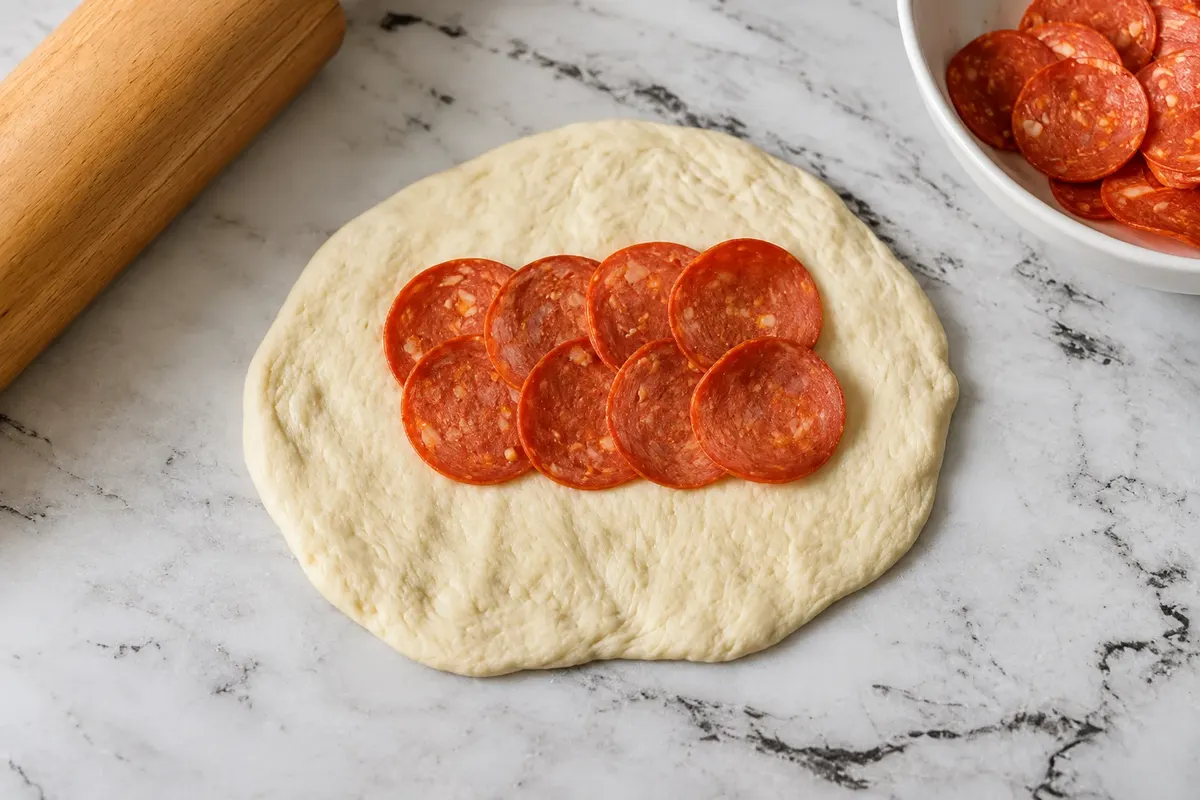
Soft roll baked with slices or sticks of pepperoni inside, which release fat and season the dough. It originated among coal miners of Italian descent in West Virginia.

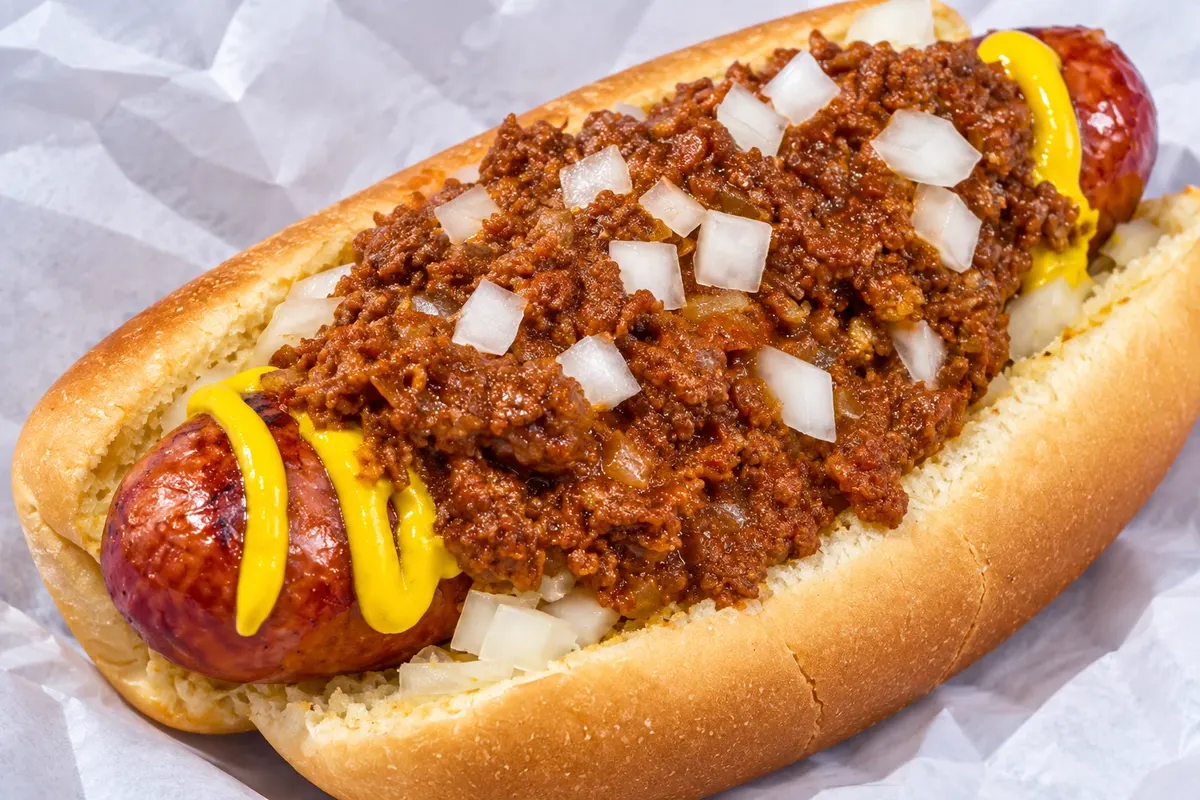
A sausage thicker and spicier than the hot dog, smoked and grilled, served in bread with chili, onion and mustard. Washington’s tourism agency calls it the city’s signature dish.

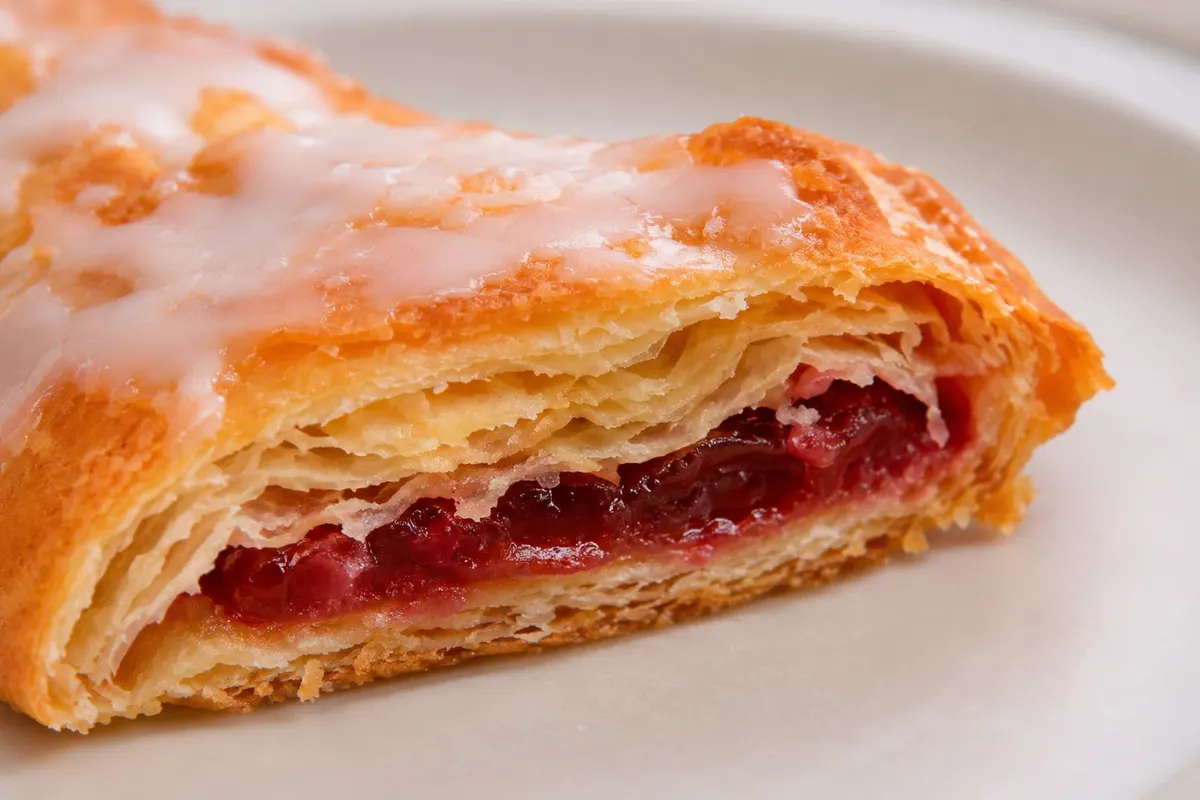
Oval puff pastry, made of very thin layers, filled with fruit, nuts, or cream and topped with icing. Brought by Danish immigrants, it is Wisconsin’s official dessert.